Bucharest Declaration of the Romanian Order of Architects

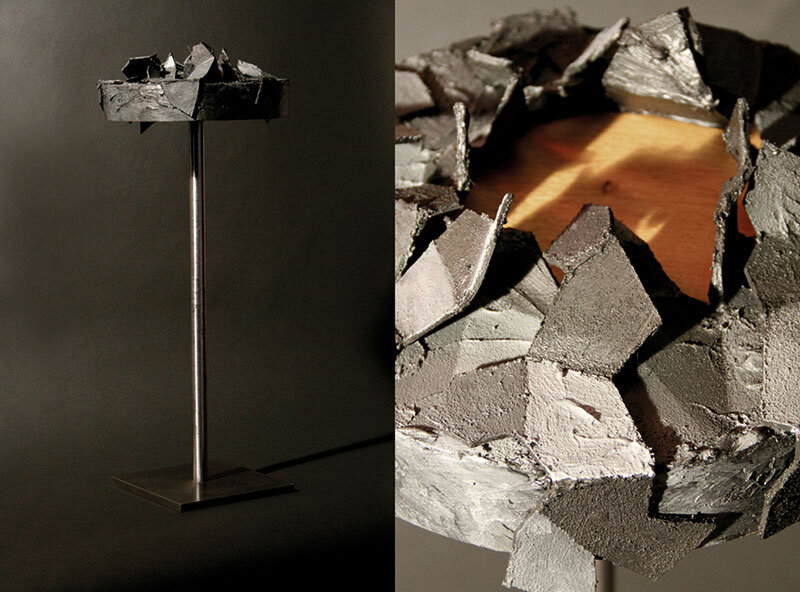
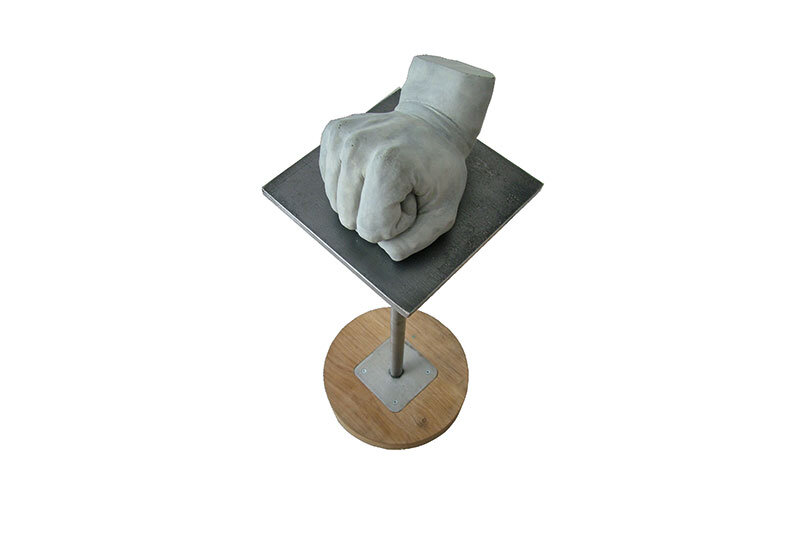
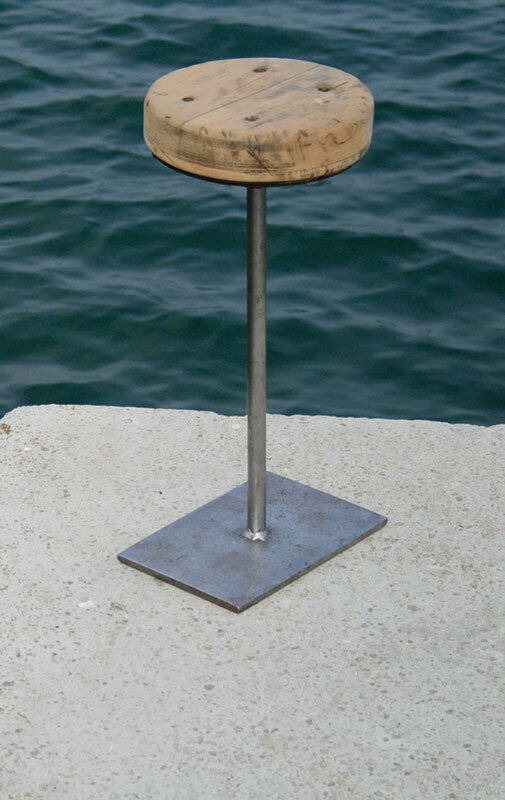
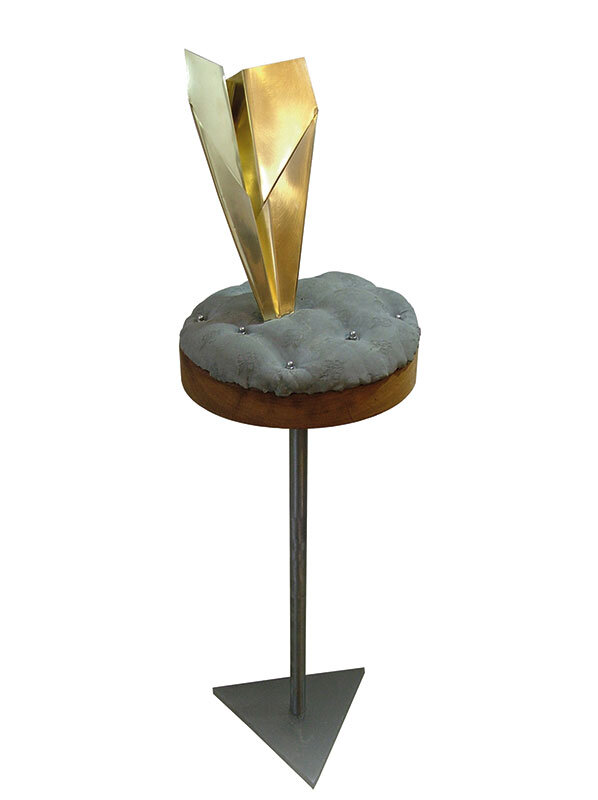
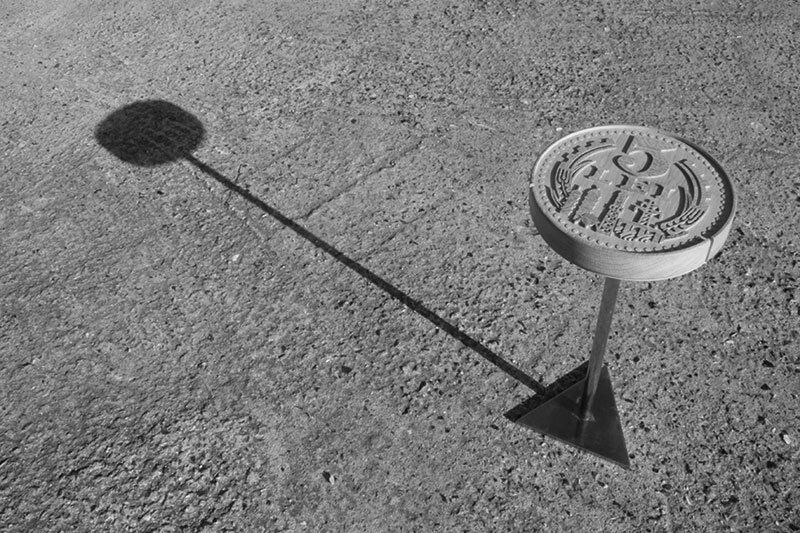
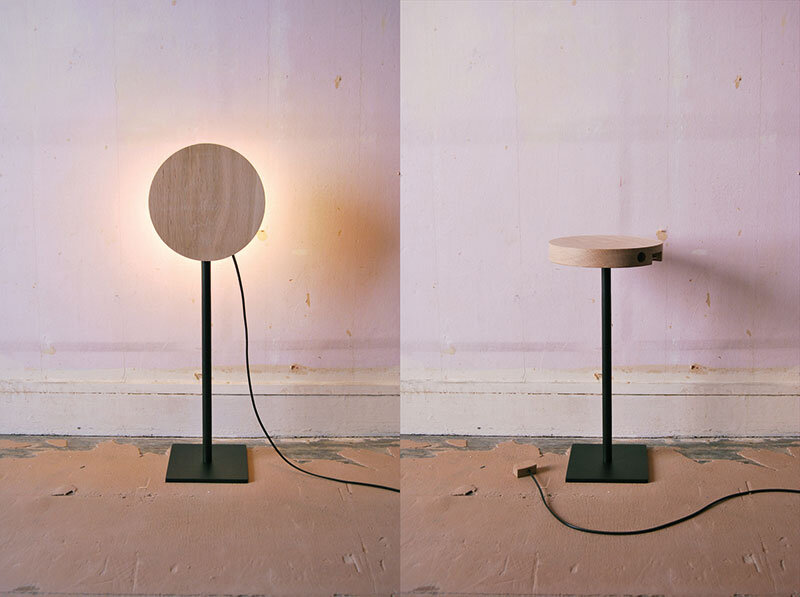
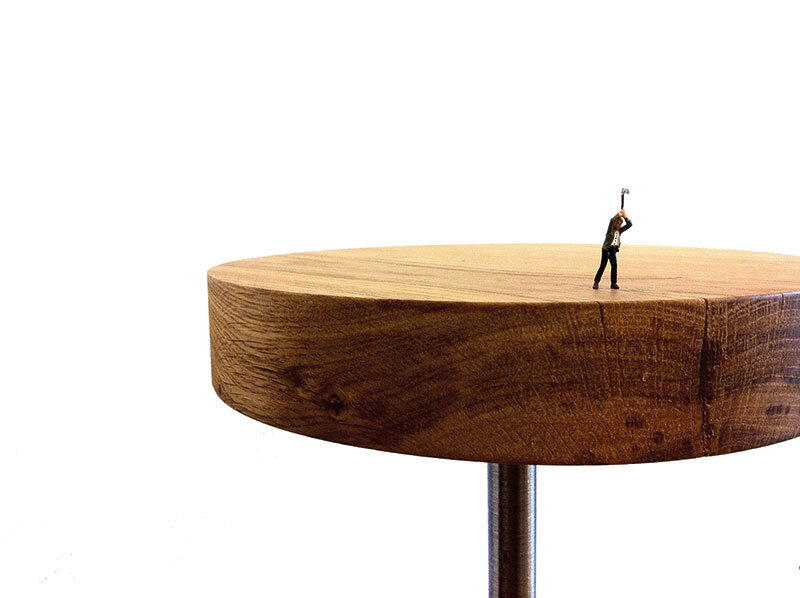
The VIC project is an artistic adventure, in the manner of a philosophical and social manifesto, which aims to bring together some 2,200 artists around a stool that is simple in appearance but which, through its extraordinary story, reveals a human nature and a philosophical message that is as dense as it is surprising.
Each of the artists - some of them renowned - who have agreed to be associated with this project is invited to imagine a personalized avatar of this VIC stool, following their own style, in order to organize a cultural event like a flag, an emblem of the fight against oppression, for human dignity and freedom.
Statement
The story of the only stool that urges verticality and liberates creativity!
We often like to complicate what is essentially very simple. To bring up thousands of references to philosophers, poets, visual artists, composers, from Marcel Duchamp to Nick Cave. After all, the V.I.C. (Very Important Chair) is a simple object, a sculpture, and it seems perhaps paradoxical to complicate its existence too much.
The genesis of the V.I.C.
It happened when a worker at Simerom, the former machine-tool factory in Sibiu (1921-2009), wanted to sit down for lunch during a break between two production cycles. But in those days, rest was frowned upon. "Even on holidays we were forced to work, and we would come with food and spririt and the machine tools would run empty, so there was a lot of damage." By creating artifacts to console both spiritual and physical discomfort, workers demonstrated resilience and creativity in a political context of standardization.
These stool-chairs were designed in such a way that they could be easily hidden behind a pillar or cupboard, in order to escape unscathed from a monumental game of hide-and-seek between the chair and the administrative body. And so an army of chairs emerged at Simerom, distinct and improvised from materials at hand, ergonomic and loaded with revolutionary spirit.
These workers overcame the absurd rigidity of a rule book and managed to humanize an "industrial" time, sitting on a "fetish stool" around a simple lunch on a metal table covered with a newspaper.
Read the full text in issue 1/2012 of Arhitectura magazine.
http://www.veryimportantchair.com/