Architecture Week 2016 – Creative Research

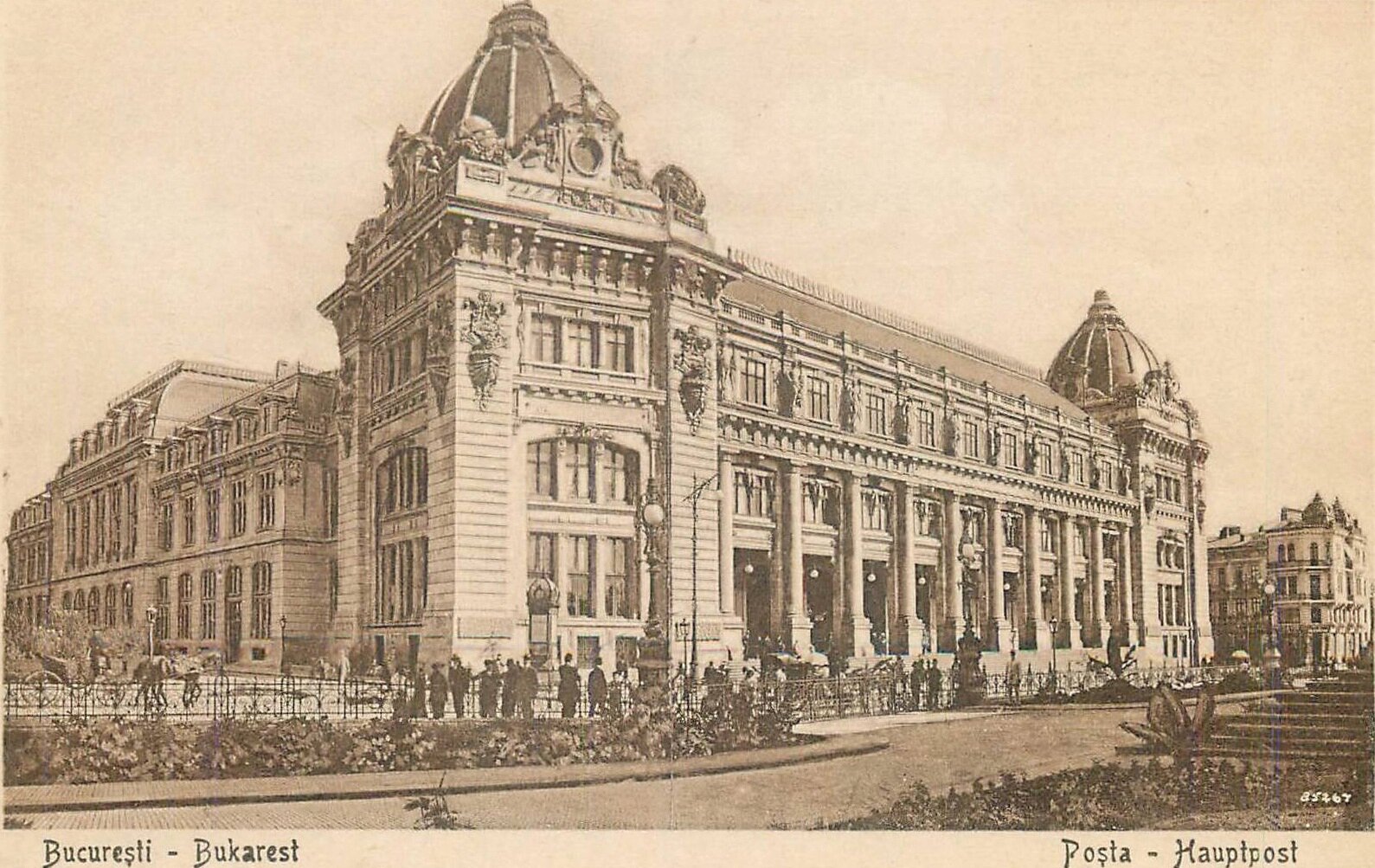
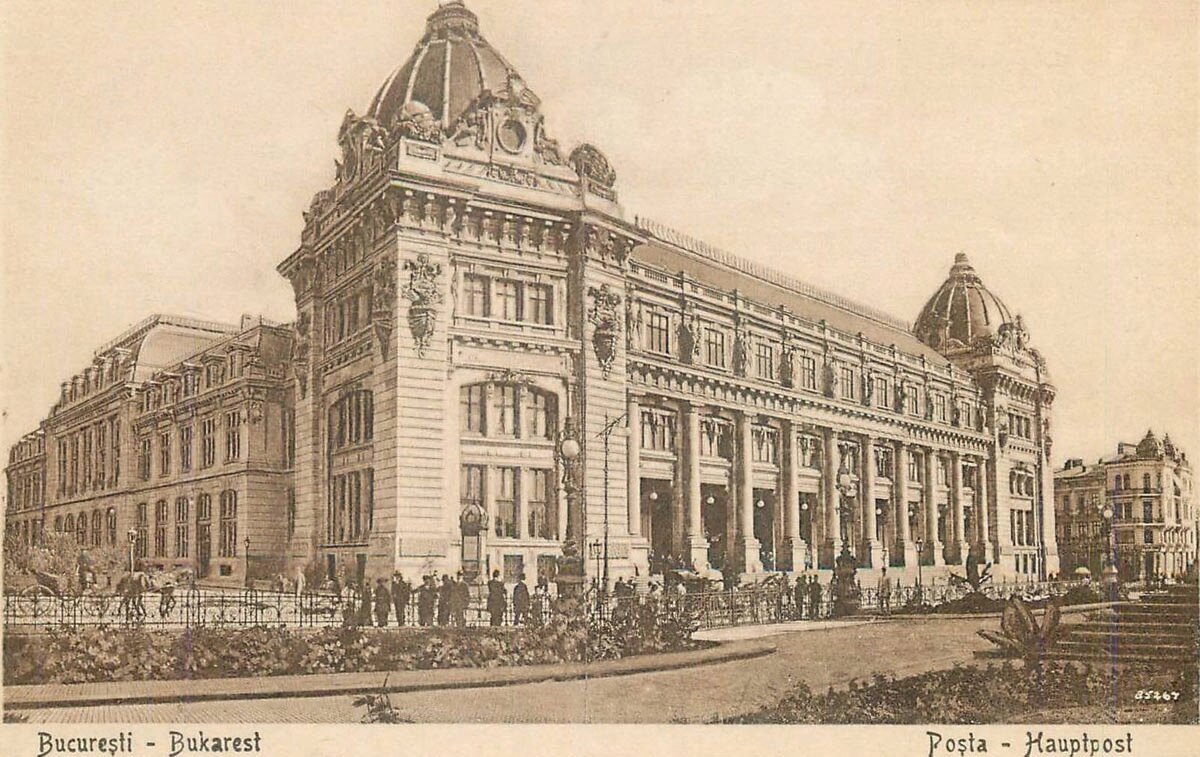
It is generally known when the SAR was founded on February 26, 1891. The "challenge" that might have arisen from the speech by Paul Wallot (architect of the Berlin Reichstag) at the banquet given in his honor and that of the French architect Edmond de Joly (architect of the French Chamber of Deputies), members of the jury for the competition for the Chamber of Deputies and Senate buildings in December 1890, is often mentioned: "... If you are to set up a society of architects, such as exists in all the principal cities of the world, then kindly appoint me and my dear friend Mr. De Joly honorary members of your society"1.
One year later, on February 26, 1891, in the premises of the Technical Service of the Bucharest City Hall, 24 architects decided to set up the Society of Romanian Architects2. On March 7, 1903, the new society was recognized as a legal and moral person by a document published in "Monitorul Oficial" no. 276 of March 14/27, 1903.
The primary purpose of the new society, pursued with great consistency for many decades, was to ensure the status of the architect, corresponding to his role in the edification of the built environment: "The constitution of the Romanian Society of Architects is, however, not only a grouping of special men to work for the development of their art, it is also a fortress from which to defend their rights against usurpers and against speculators of all kinds who, by their ignorance and charlatanism, compromise the art and the name of architect", as is emphasized in the minutes drawn up on February 26, 1891, when the society was founded3. In addition to the situation of the presence of non-native architects among those who drew up architectural projects, the Society sought, over time, both to clarify the distinct fields of activity of architects as opposed to engineers, and to protect Romanian architects from foreign architects (in particular, French) who had been entrusted with some of the country's most important public buildings.
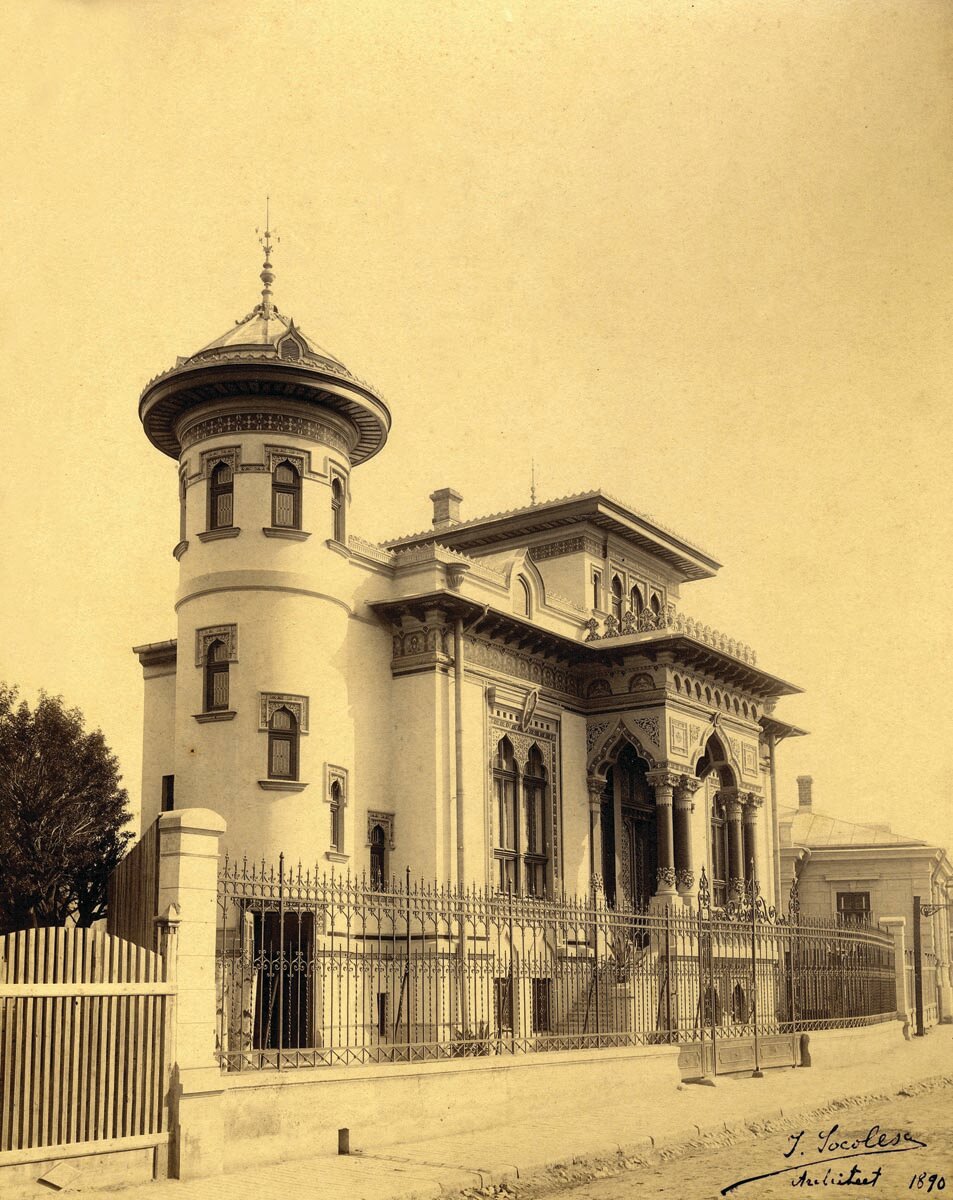
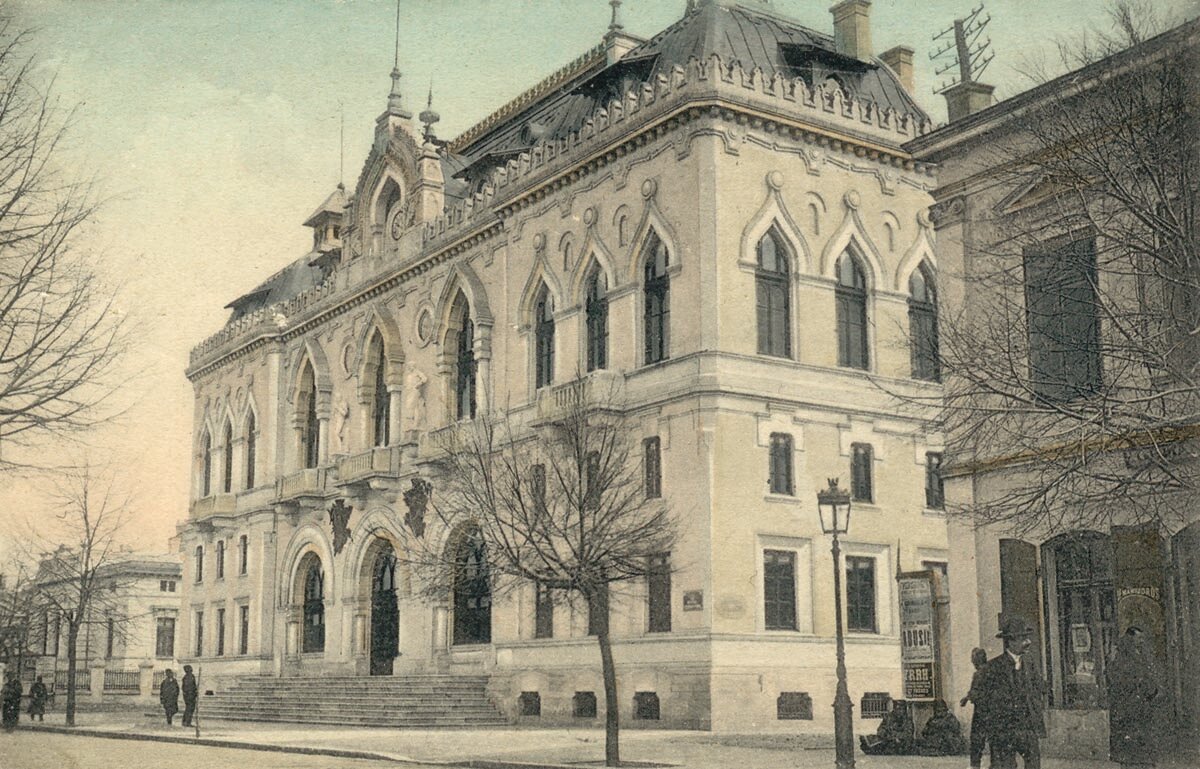
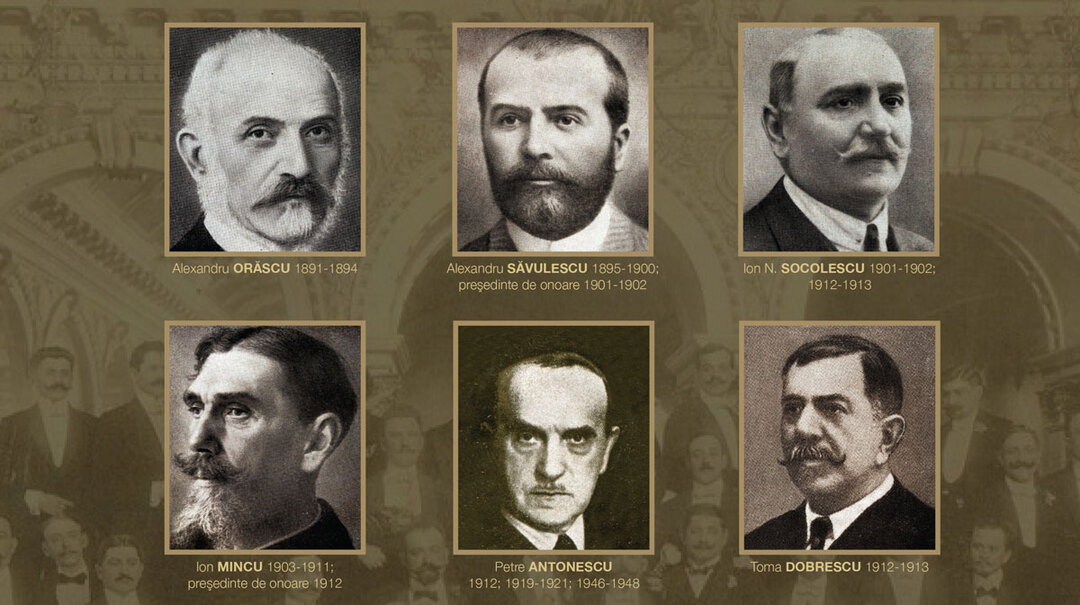
A few days later, on March 4, at the Society's first General Assembly, the Statutes were approved and the first SAR management was elected. The Society had three categories of members: corporate members, associate members and honorary members. The SAR's leadership was elected at two-yearly and then three-yearly intervals from among the corporate members. The president elected in 1891 was Alexandru Orăscu, who at the time was rector of the University of Bucharest. Despite the trenchant statements in the minutes mentioned above, the first statute of the Society, drawn up by Ion N. Socolescu, George Mandrea and Ștefan Ciocârlan and approved by the General Assembly of March 4, does not mention this fundamental aim, but several other objectives: "socialization", through meetings that allow mutual acquaintance, exchange of ideas and development of "feelings of brotherhood"; development of knowledge, through conferences, lectures, excursions, etc.; the organization of exhibitions, the study of various problems relating to the profession; if financial means were available, the provision of premises, a library and a "special museum"4. The Statute, on the other hand, specifies the composition of the society: "an unlimited number of Romanian or foreign members, born and raised in the country and in the process of being formally naturalized", architects "who have attended a special school of architecture, as well as those who, without having attended a special school, are practising the profession of architect at the time of the foundation of the society"5 could be members of the society as "societari" members. No distinction was therefore made as to the nationality of the members, nor as to whether the architects had been trained in specialized schools, but all those who were practising the profession of architect at the time were accepted. It is important to emphasize this fact, because in the following decades, professionals aspiring to the title of architect were grouped into different categories and consequently had different 'competences' in terms of the type of (building) projects they could prepare.
After another two weeks, the Committee added two other major objectives of the SAR: the establishment of a school of architecture and the reform of the Technical Council for "all that concerns architectural works"6. Gradually, in the years that followed, numerous other immediate or long-term objectives of the Romanian Society of Architects were formulated, increasingly diversified, which sought to encompass and affirm the whole purpose of the architect in modern society.
Of particular interest, however, are, without doubt, the permanent efforts, pursued with perseverance, to obtain recognition of the title of architect and its protection. This has not been a linear, simple path, but has encountered various obstacles, from various state structures or similar professional societies. It is no less true that the oscillating position of the SAR, beyond the general statements of intent, stubbornly repeated, has not found the convincing legislative means - and the absolutely necessary support - to have the profession's status confirmed by the state authorities. This complex of circumstances has meant that it has taken some four decades for the desired legislation to be enacted. Two stages can be highlighted in this process, each of them having some particular characteristics, each of them marking an increasing degree of maturation, over time, of the relations established between architects and the Romanian Society of Architects, with the Romanian world of the first half of the last century.
The first stage can be considered from the foundation of the society until the first years of the third decade. One of the first steps was to demand the status and recognition of the architect's field of activity, different from that of the engineer. Thus, in response to the 1893 draft law on the organization of the technical corps of the Ministry of Public Works (which referred only to engineers), the SAR held lengthy discussions at two meetings in April of that year. The alternative of setting up, by a special law, a Corps of Architects, similar to the Corps of Engineers, was considered premature, as it was felt that the preparation of such a law would require a more careful and in-depth study. Therefore, as the Society was not prepared to prepare a draft law in this respect, it considered it sufficient for the time being to request that "the word 'public works' should not include public building sites falling within the scope of the architect's specialty"7. It was therefore a question of protecting the architect as a professional, implicitly by protecting his own field of activity.
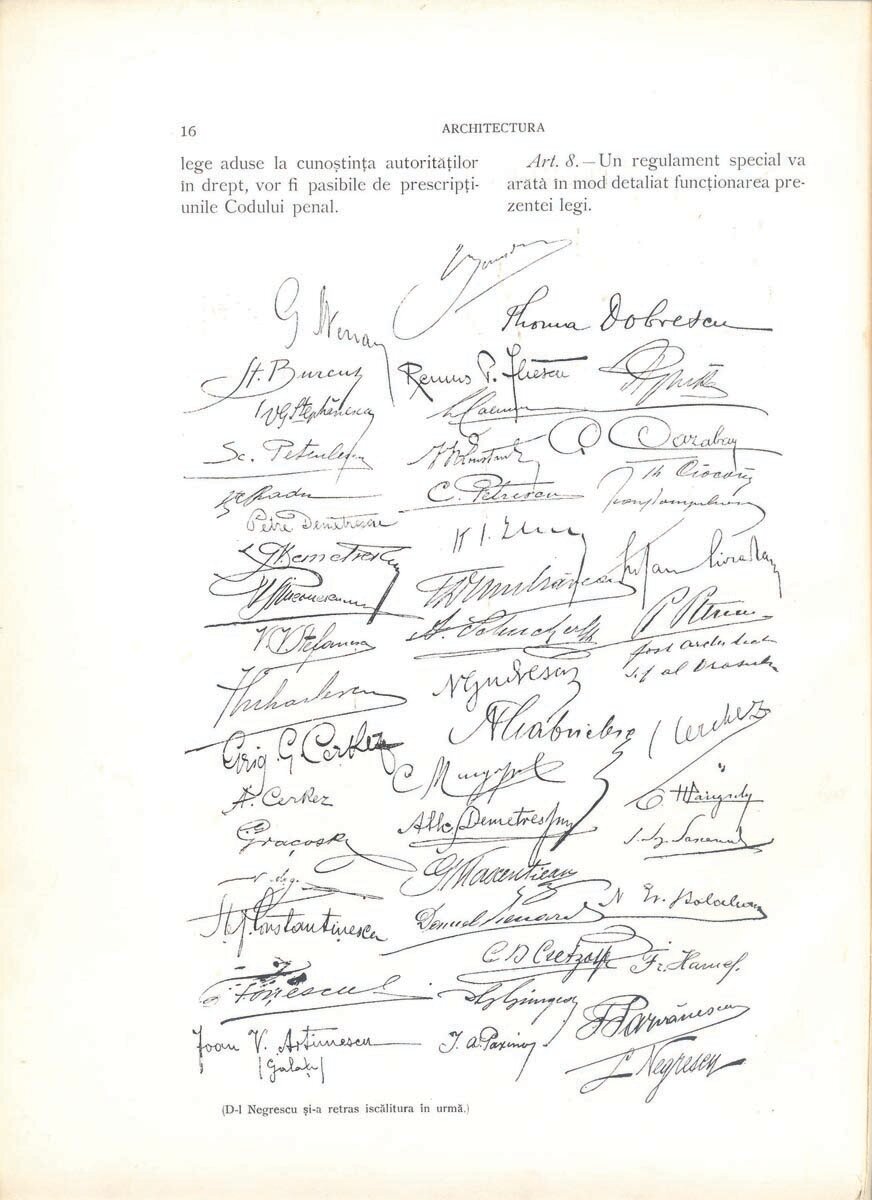
One of the first attempts to legislate the protection of the profession that belonged to the architects themselves was Draft Law. Disposițiuni relative la titolo de architect și la titolo de conductor desenator - drafted in early 1906 by Ion. D. Berindei, signed by 50 architects, members of SAR8. Its importance and interest lies precisely in the fact that it is the first sufficiently coherent document that includes some of the SAR's requirements of the time.
According to the draft law, the title of architect could have been conferred only on those who had completed "full" studies in a school of architecture recognized by the State. These professionals would have to be listed on a "roll" drawn up by a jury, which would also constitute the "Permanent Higher Technical Council of Architecture". The Council, appointed by the Ministry of Public Instruction, would also have been the approving body for projects for buildings of public utility; it would therefore have been a structure, subordinate to a ministry, parallel to the Higher Technical Council of the Ministry of Public Works, which was composed mainly of engineers. The envisaged Technical Council for Architecture would therefore have brought together two of the SAR's requests: on the one hand, the establishment of the Architects' Register and, on the other, the approval of architectural projects, independently of those specifically engineering. The annually updated "roll" drawn up by this commission would have included those entitled, by virtue of their studies, to bear the title of architect; the others would have been entered "in special tables", training architectural conductors/draughtsmen. Only professionals enrolled in the main roll could draw up designs for public buildings or, in general, buildings of public utility, and only they could be appointed to ministries, counties or town halls. There were a few exceptions (as a "transitional measure"): architects who had until then held the position of state architect (in various ministries), architects who are authors of architectural courses or professors of architecture, graduates of the private school of the SAR, and those who had held at least 10 years of architectural positions in various state structures could be admitted to the panel.
The content of the draft law requires some observations and remarks. First of all, it does not specify the right to be included in the 'roll' only for professionals of Romanian nationality, but only mentions the recognized nature of the school they have graduated from, thus accepting the validity of diplomas issued by specialized schools in different countries, given that there is not yet such a university-level school in Romania. An exception is made in this regard, a natural one, which concerns those who graduated from the SAR's private school: the period in question, until 1897, is precisely the period during which the State did not recognize this school by an official act. The bill therefore favored architects trained at their own school. Secondly, by introducing the two categories of recognized professionals, it was intended to recognize the two levels of training required at that time in the practice of the profession. This can be understood in the context of the early years of the twentieth century, when the number of architects with a complete specialized education was still low. Without having any concrete data, it is to be assumed that, compared to the 24 architects who signed the act of establishment of the SAR, few others started their professional practice in this short period, while the need for professionals was growing with the considerable increase in the state's construction effort. Finally, the last remark concerns the exclusive reference to the protection of professionals performing public works and those who could be employed in the specialized services of various state institutions. The special concern for this category of architects also has deep roots in the situation in Romania at that time. On the one hand, the quality of the public buildings needed by the modern state was guaranteed. Their emergence was triggered by the promulgation of a short law in 1882, which granted funds for the realization of precisely this category of buildings. On the other hand, we cannot fail to note the view, in keeping with the urban culture of the time, that public buildings (of public interest), i.e. their quality and, above all, their monumental character, could give the city a modern appearance, in the sense of the 'la belle époque', and the prestige of those institutions. The architectural quality of private buildings, whether institutions or dwellings, which, as always, accounted for the bulk of new buildings in a city, was not considered a "priority" of the SAR, as long as anyone - whether an architect with or without any training in the field - could still design projects for this category of buildings9.
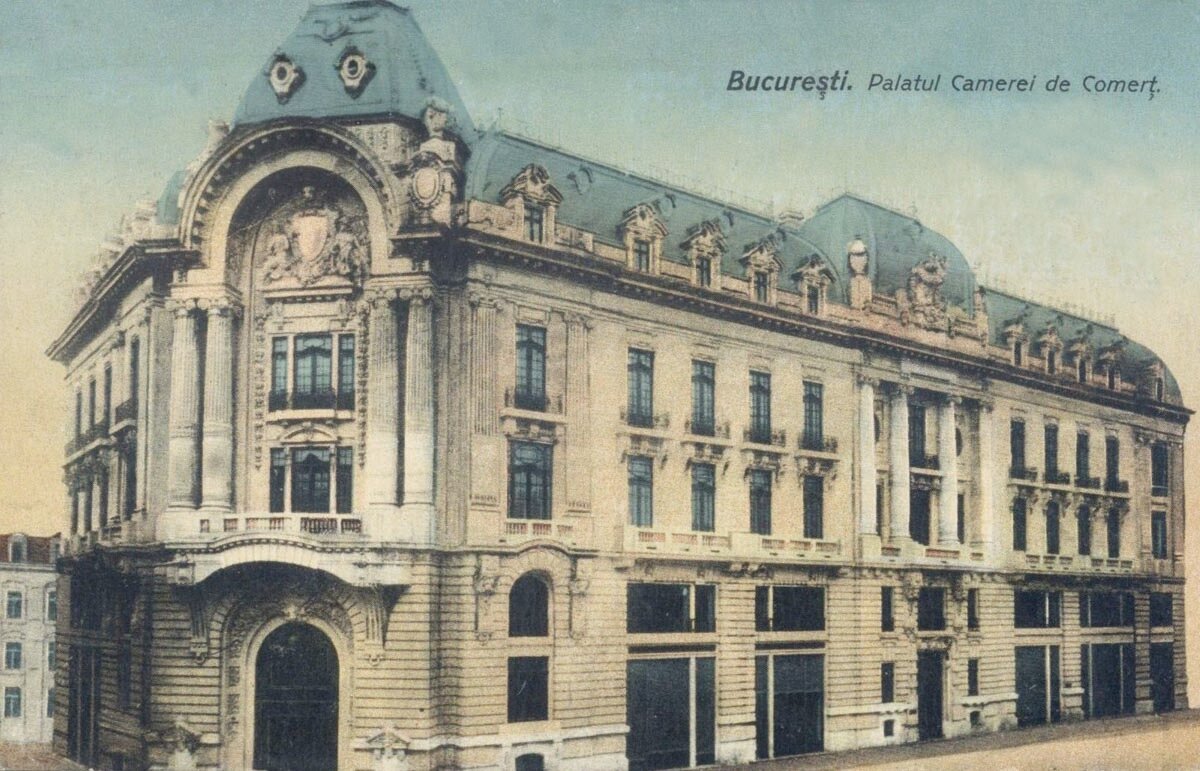
Bucharest's City Hall was the first administration in the country to take an interest in the general quality of the city's buildings. It was a natural initiative, considering that the pace of construction was much higher in other cities of the country, and that the vast majority of the country's architects and, consequently, most members of the SAR were active here. From this point of view, until the First World War, the city hall of Bucharest can be considered a testing ground for national efforts to legalize the title and profession of architect. Probably in response to the SAR's wishes, Vintilă Brătianu, Mayor of Bucharest from 1907 to 1910, issued a decision in July 1909 requiring that the designs for buildings in the central part of the city (Ocoalele I and II), as well as the "more imposing" buildings in the other parts of the city, be signed only by "architects recognized by the Commune, as a guarantee that the projects are good and that the architects take responsibility for them"10. Recognition by the Commune was to be based on individual applications, indicating the institution that had issued the architect's diploma; these applications were to be analyzed by a commission composed of the president of the Romanian Architects Society, the director of the Higher School of Architecture and the director of the Technical Works of the City Hall. The mayor who succeeded V. Brătianu, Pricopie Dumitrescu (mayor between February 1910 and January 1911), issued, in December 1910, another Decision on "regulating the right to draw up building projects". It brings significant clarifications in relation to the previous decision of V. Brătianu's previous decision, as it appears that it was drawn up following the views of a special commission appointed by P. Dumitrescu to study this issue. The document was to be valid until "the drafting of a general law on the organization of the body of architects, conductors and builders"11. This decision is important because it establishes, probably for the first time in the country (except for the 1906 draft law), the categories of professionals, according to the diploma obtained: diploma, licensed and trainee architects. Diplomat architects had to prove that the diploma they obtained was at least equal to the one issued by the national schools of engineering or architecture in Bucharest. Authorized architects were those who did not have an architect's diploma, but who could prove, by the work they had done up to that time, that they were capable of elaborating architectural projects, but only architects established in Bucharest at that time were eligible for this category. Finally, trainee architects were graduates of medium-level schools of architecture, "with a lower curriculum than that generally required of architects of the state in question"; after a 5-year internship, they could be accepted in the category of authorized architects. Each category of architects (and engineers) was entitled to carry out projects for works of varying scale. The City Council's decision, and therefore the City Council's view, did not make a very clear distinction between architects and engineers, since, on the basis of the engineers' previous work, they could be accepted, if necessary, in the category of licensed architects. It should be noted that this decision meant that practically all buildings executed in Bucharest had to be signed by one of the three categories of professional.
The dates of all the meetings of the Commission appointed by V. Brătianu, as well as its decisions. In the "Monitorul comunal al Comunei București", however, the Commission's decision of the end of December 1911 (a few days after the decision was issued by P. Dumitrescu) is published, in which it accepts Ficher Ferd in the category of diplomat architects, Constantin Ciogolea in that of authorized architects and George Ghiulamila, Constantin Dobrescu and George Cristinel in the category of trainee architects12. The magazine "Arhitectura" published, in 1916, the list of architects, members of the SAR, authorized to draw up building projects, without distinguishing between the three categories previously decided13. The list includes 116 architects, 106 of whom were from Bucharest, the others being from several other cities (Galați, Iași, Ploiești, R. Sărat, etc.). In the first part of the following decade, regular meetings of the committee were mentioned, with the director of the Higher School of Architecture and the president of the SAR, together with people with positions of responsibility in the town hall14, which shows that this procedure had become a habit.
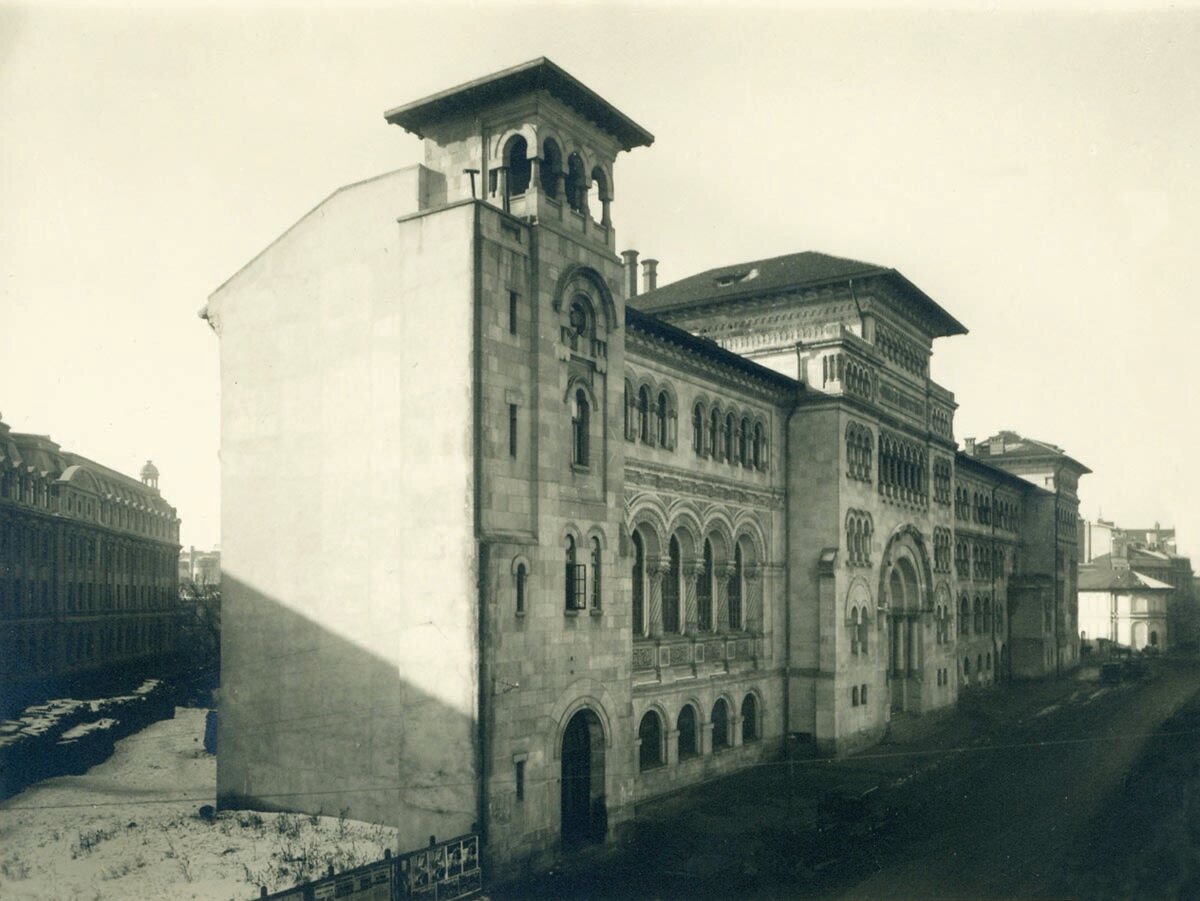
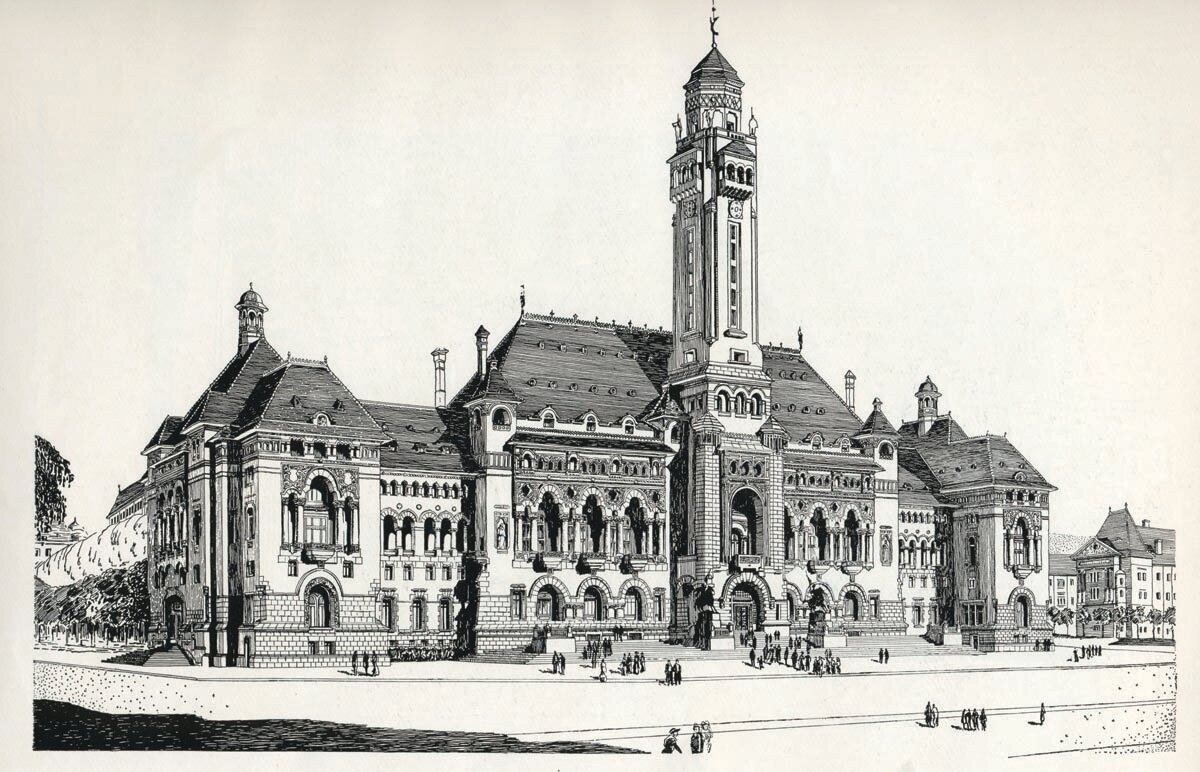
At the first congress of all architects in Romania (25-26 February 1916), many of the SAR's previous demands were taken up, with the addition of some new ones, all related to the country's changed situation compared to the end of the 19th century, but also in relation to the architect's increasing role in society, even though recognition had not yet been formalized. Among these wishes were: The creation of a Higher Council of Architecture (with the same responsibilities as those laid down in the 1906 draft law); the establishment of a regulation for public competitions for building projects "of any kind"; the regulation and unification of the architectural services of the state, counties and communes; to entrust architectural projects only to Romanian architects; to entrust the legal expertise on buildings only to architects; to abolish the standard projects for more important buildings, which could be drawn up for smaller and less important works (including 'ouvriere' housing). A commission was even appointed, with full powers, as stated in the congress communiqué, consisting of 10 architects, to draw up the corresponding memoranda. The commission was composed of Șt. Burcuș, acting president of the SAR, P. Smărăndescu, St. Ciortan, V. Ștefănescu, S. Vasilescu, D. Marcu, I. Traianescu, Gr. Gr. Cerchez, D. Renard and Cr. Cerchez15.
Some of these decisions were in line with the previous ones, in the direction of full recognition of the profession and its protection; at the congress, the decisions taken were expressed in the form of "motions". The first of the motions, in addition to affirming the need to intervene with the government in order to draw up a law to protect (or "restrict") the title of architect, stated that the profession of architecture is strictly dependent on a diploma obtained at a "special" school of architecture in the country or abroad, which must be recognized by the state"16. Another motion, based on the Bucharest experience, asks municipalities to ensure that all projects subject to authorization are drawn up by an architect registered with the Higher Council of Architecture17.
The need to set up a Corps of Architects in the State services is affirmed, whereby their position would be stable (irremovability would be guaranteed) and their advancement in the hierarchy, their salaries and sanctions (when necessary) would be subject to the approval of the Superior Council of Architecture. Paradoxically, another motion adopted by the Congress drastically limited their professional rights, as it stated that the architectural services of the authorities "are not called upon" to draw up projects for the institutions in question18. These architectural works for state structures (ministries, counties, town halls and pending institutions) should have been put out to competition, with the right to participate for Romanian and foreign architects who had to have been established in the country for at least 5 years. In this direction, the SAR would have been obliged to draw up a regulation for the holding of architectural competitions. Finally, it was requested that the State and its institutions should no longer entrust any work to foreign architects, given that the number of professionals in the country had increased significantly, regardless of the school - and the country - where they had received their training.
The Extraordinary General Assembly of the SAR in March 1919, which was, in fact, the first meeting of all architects in Greater Romania19, reiterated the demands formulated at the 1916 Congress, this time summarized in 10 programmatic points: nine of them have been mentioned above; to these was added the request that, by reforming architectural education, it be supplemented by lower schools of conductors and builders, necessary for the current activity. In conclusion, the "press release" of the General Assembly states: "The Society of Romanian Architects [...] demands the complete and unitary organization of the architectural profession"20. However, neither this General Assembly nor the SAR Congress of 1928 made any significant contribution to the problem of the recognition of the profession and its protection, as compared to what has been stated above.
The period between the founding of the Society of Romanian Architects and the beginning of the inter-war period was one of tinkering, of successive clarifications in terms of specifying a position - and an appropriate wording - that would encompass the whole issue of the protection of the title of architect and the profession in general. It should be noted, however, that for the most part the wishes of the SAR, which were to be resolved after 1920, were set out. With the exception of the clear-cut position of the Bucharest municipality regarding the exclusive right of architects to sign projects on the administrative territory of Bucharest, all the other stances (draft laws or decisions of the SAR), more or less consistent in their succession, did not take a form that received the approval of the legislative bodies.
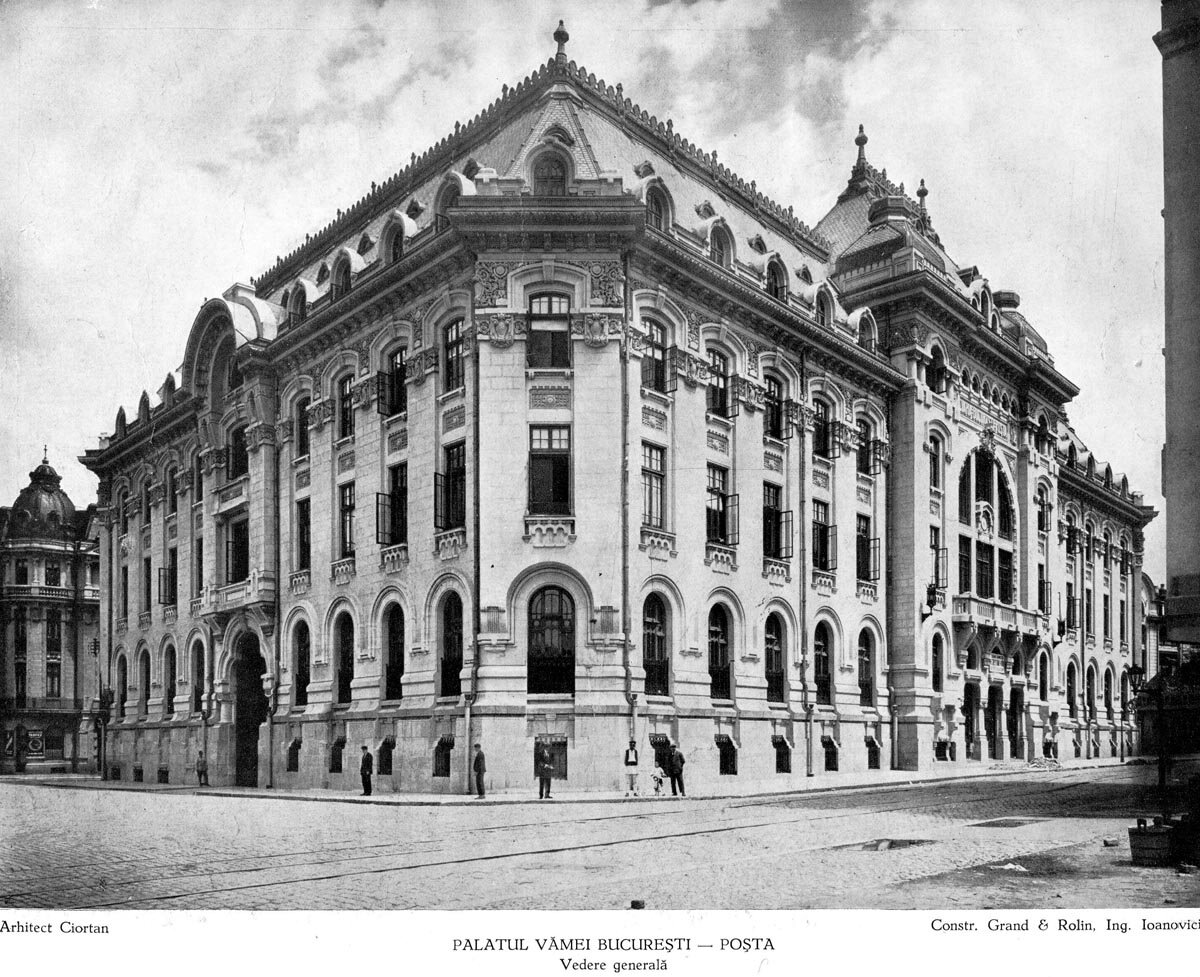
The second, much shorter period, starting from the beginning of the third decade until the Law establishing the Corps of Architects (1932), was based to a very large extent on the gradual accumulations of the preceding decades.
However, the efforts of the SAR materialized in the Law for the organization of the Corps of Architects in the public services, passed by the Parliament and promulgated by Ferdinand I in the first part of 192121. Modeled on a similar law for the Corps of Engineers, the law was not implemented either then or in the subsequent legislatures of the Parliament or governments that succeeded one another. However, it is of interest in terms of the organization of the body and the duties of architects. Thus, the corps of architects, which was supposed to function under the Ministry of Public Works, was organized into two categories (two sub-corps) of professionals: architects and architectural conductors. In contrast to the motions of the Congress of 1916, in which there were (very) restrictive conditions for the activity of architects employed by the state, under the provisions of the 1921 law, architects were charged with "the study and drafting of projects, the direction, supervision and maintenance of all architectural, decorative and furniture works belonging to the state, counties and municipalities, as well as those for the systematization and beautification of cities carried out by public services". In other words, the architects of state institutions were responsible for practically all the investments concretized in architectural works, throughout the entire cycle of stages, from design to interior design and furnishing. At the same time, it should be emphasized the emergence of provisions related to systematization issues, which were a novelty at the time. Until then, a city hall architect was still responsible for the realization of the various systematization projects of the respective city, but this is now extended to architects employed by other state institutions - ministries, prefectures, etc.
In parallel with these efforts, the SAR asked the Ministry of Public Works to include three representatives of the Society in the commission already set up to draft the new Law on the Technical Corps of Engineers, since, as it was a general law intended for the entire corps of technicians, it would have had to include the Corps of Architects22.
The Society tenaciously pursued its fundamental aims at the forefront of its actions. Pending the coming into force, at least in part, of the above-mentioned Law for the organization of the Corps of Architects in the public services, it published in the single issue of the 1926 issue of the "Arhitectura" magazine its own draft of the Law for the organization of the Corps of Architects inRomania23 . Although it was aimed at a limited number of professionals, it is worth noting that the draft law, the first version drawn up by the SAR in this direction24, encompassed a large part of the wishes expressed several times before, seeking to give them an orderly and coherent form. The main provisions of this draft are: the inclusion of three categories of professionals in the Corp: State, county and commune architects, architects in private institutions and self-employed architects; only architects enrolled in the Corp may practice the profession; enrollment in the Corp is based on the architect's diploma from the School of Bucharest or from a foreign school, after its equivalence by the Teaching Council of the School of Bucharest; formation of a territorial structure, by setting up "Chambers of Architects" in the country's major cities (Bucharest, Iași, Cluj, Timișoara, Craiova); all works relating to architecture would be drawn up only by members of the Corps; legal experts would be chosen from among the members of the Corps; a fee scale would be drawn up; architects employed by the state or municipalities would have the same status as all other technicians; the salaries of architects in private institutions would be equal to those of architects in state institutions.
A different classification of architects can be noted, not necessarily according to the degree of training in educational institutions, but according to the field of their main activity - in state or private institutions, since in either case all architects were also self-employed. It is no coincidence, however, that, over the years, special reference has been made to architects employed in the various state or local government structures. They played an increasingly important role in materializing the constructive policies of the institution in question. On the other hand, the number of ministries and their subordinate institutions in which there was an architectural office or even an architectural directorate was increasing. To illustrate, in the inter-war period, this only with the central institutions - the ministries - names such as Statie Ciortan (at the Ministry of Finance), Ion D. Enescu (Ministry of Health), Paul Smărăndescu (Ministry of the Interior), Florea Stănculescu and Nicolae Nenciulescu (Ministry of Agriculture and Domains), Nicolae Stănescu (Ministry of Public Instruction), Nicolae Ghica Budești (Historical Monuments Commission), Paul Emil Miclescu (CFR), etc.25 can be cited. Alongside them, many architects worked in the technical services of the town halls.
Law of the Romanian Corps of Architects. Finally, after 40 years of continuous requests, the Society of Romanian Architects saw its main goal realized: in May 1932, the Romanian Parliament passed the Law establishing and organizing the Corps of Architects, published in the Official Gazette no. 108 of 12 May 1932, and in November the law's regulations were approved. The representatives of the SAR played a decisive role in the drafting of the two legislative acts. This law contained regulations on the defense of the title and the profession. On the occasion of the constitution of the Corps of Architects, on December 1, 193226, in the presence of Dimitrie Gusti, Minister of Instruction, Cults and Arts, the elected president of the Corps, Statie Ciortan, resigned as president of the SAR. The leadership of the SAR was taken over for 8 years by Ion. D. Enescu. During the following decade, the problems related to the good presence of architects in the Romanian society were solved amicably, by both organizations.
The main provisions of the law were: the right to bear the title of architect belongs only to Romanian citizens who have attended school in Bucharest or schools abroad, in the latter case the diploma must be recognized by the Academy of Architecture in Bucharest; within one year, the category of "recognized architects" was to be created, those who could prove that they had an uninterrupted practice in the field of architecture for at least 5 years as their main occupation, regardless of their position (freelance or public servant); architect positions in state and administration institutions were to be filled only by architects who met the conditions of the law.
The regulation for the implementation of the law on the establishment and organization of the Corps of Architects, published in the "Monitorul Oficial" no. 281 of 30 November 1932, provides some clarifications and details of the law. The most significant are the following: the profession of architect can only be practised in Romania by Romanian citizens, regardless of nationality; the exclusive duties and rights of the architect are listed and the issues of morality and ethics of the profession are emphasized; the incompatibility between architect (designer) and contractor is underlined, which can only be accepted with the special approval of the Corps of Architects and only for a limited period of time. An addition to the law, and an exception from it, in the direction of what has already been demanded above, is in regard to the practice of the profession of architect, which may be made, in addition to diplomatic and recognized architects, by "those in respect of whom it shall have been ascertained by the same bodies that they have earned rights."
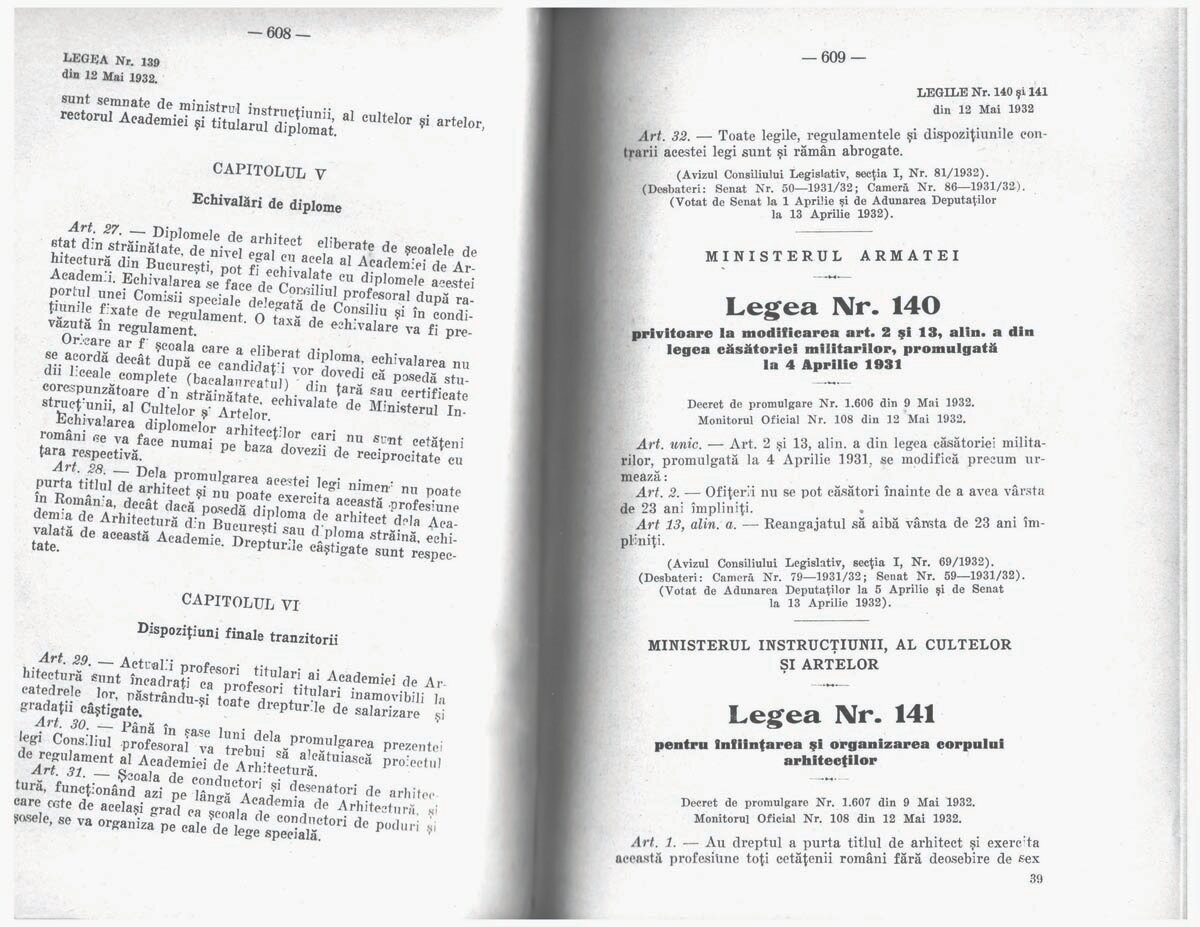
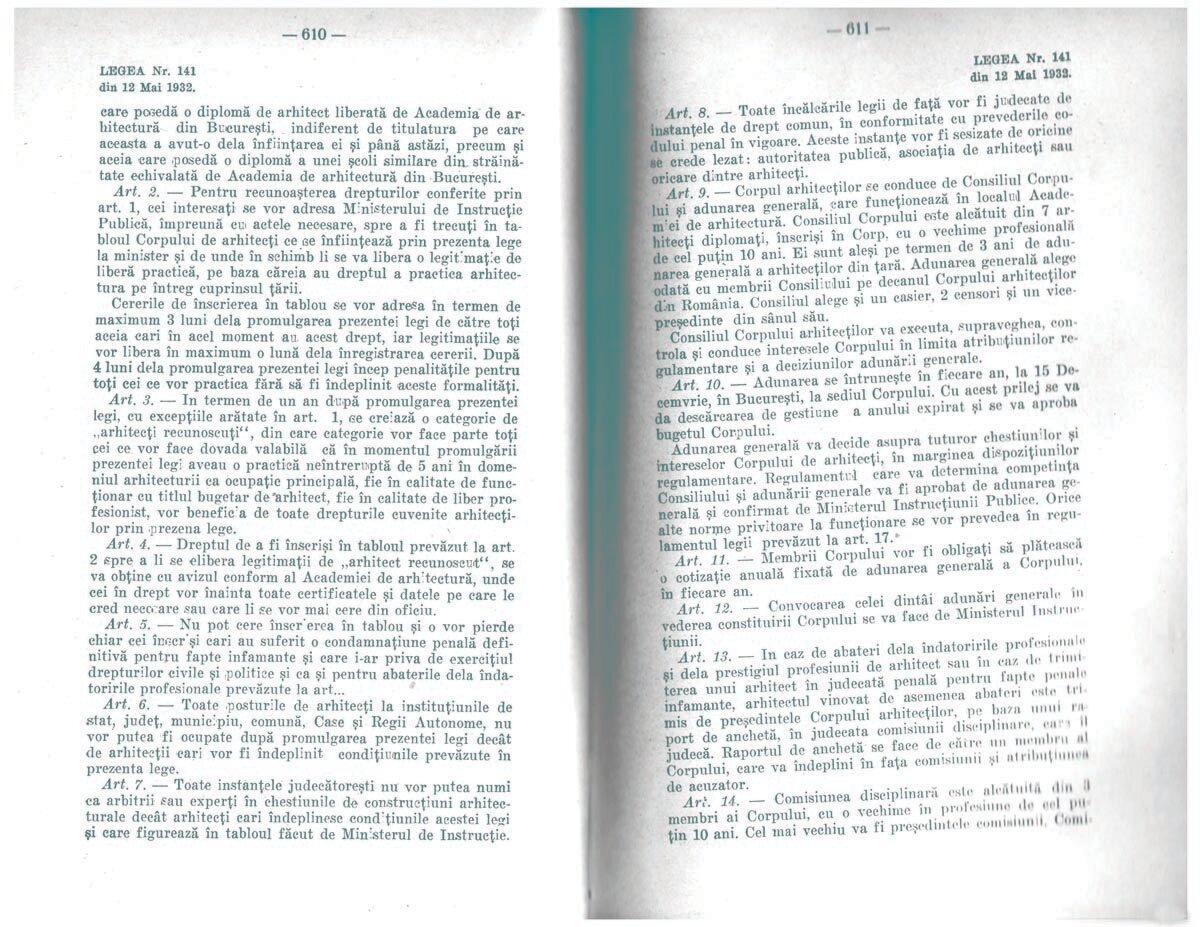
With the advent of the law and its implementing regulations, and the actual establishment of the Corps of Architects, an important stage in the Society's existence came to an end. The main requirements, expressed over the years since the establishment of the SAR, are included in these normative acts, as they were voted in Parliament and then promulgated by Royal Decree. Statie Ciortan, who was elected Dean of the Corps of Architects when it was set up, was perfectly right to state in his speech on the occasion: "The Society of Romanian Architects, which fought for the completion of the law, studied the draft regulations and made all the preparations for the establishment of the Corps, has obtained full satisfaction - being represented in the Council and the Disciplinary Commission, as it should be"27. Among the architects who were very active for long periods of time in the SAR, apart from Statie Ciortan, Petre Antonescu, Constantin Iotzu, Ion Enescu were elected to the Council of the Corps, and Scarlat Petculescu and Florea Stănculescu were elected to the Disciplinary Commission28.
It is worth noting that, in the internal context of the structuring of society in the inter-war period, the establishment of the Corps of Architects was a success appreciated as such by the professions that initiated, even before the SAR, the same steps for the recognition and protection of the title. This was the case of the General Association of Romanian Engineers (AGIR), which was advised by the SAR in obtaining a similar law29.
In 1934 a Ministerial Decision30 was issued concerning those professionals who made up the category entitled "professionals with limited rights". This category included those who could not be included in the category of recognized architects but who, prior to the enactment of the CAR Act (12 May 1932), could prove that they had worked in the field of architecture: master masons and carpenters who could continue to design plans for small buildings, "where the distance between walls shall not exceed 6 m"; Old Kingdom "leaders", previously equalized and authorized, could continue to draw up limited plans for certain buildings31; master builders, "patented by the old masters" or "current state authorities", remained entitled to carry out building work and, exceptionally, could draw up plans for simple buildings without reinforced concrete elements, with no more than two storeys. All these persons were entitled to work only in the locality for which they had previously been authorized by the municipality.
In accordance with the CAR Law and its Implementing Regulations, the "Register of Diplomatic Architects" and the "Register of Recognized Architects" were drawn up and published. After the entry into force of the law and the publication of the first "boards" with all categories of professionals, the issue of compliance with the provisions of the law was left to the Corps of Architects. As a consequence, the intensity of the activity of the SAR in this direction decreased considerably. Several situations are mentioned, in which both professional associations had common points of view in support of the protection of Romanian architects, during the period when the racial laws of the second half of the fourth decade were in operation. One of these was in the years 1935-1936, when the Ministry of Labor even strongly demanded the expulsion of some foreign architects, "who were practicing clandestinely", "to the detriment of the Romanian element"32.
In a wider European context, the existence of the Romanian Corps of Architects was part of a similar process existing in many countries, some with a strong and long-standing tradition in the field of architecture. From various national documents drawn up in preparation for the 10th International Congress of Architecture held in the Netherlands in 1927, at which the SAR was represented by Maria Irineu and Ion Țărușanu, it emerges, for example, that in countries such as Germany, Austria, Sweden and Denmark the title of architect was not recognized and there was no protection of it; only in Italy, among the countries whose answers to a series of questions are recorded in the SAR Bulletin of 1928, was there a law from 192333. A law protecting the title of architect was enacted in Belgium in 1939. The Order of Architects in France, with a similar role to the Romanian Corps of Architects, was set up at the end of 1940 by the Vichy regime, although the powerful and influential Société des architectes diplômés par le gouvernement (SADG) had also made numerous and lengthy efforts before then34. From these brief references to other countries, it can be seen that, with the establishment of the Corps of Architects, the organization of the profession in Romania followed the "protectionism" of the time in many European countries, thus making up for the initial gap, when the SAR was established (long) after the emergence of similar societies in the same countries.
NOTES:
1 "First banquet of Romanian architects", in "Annals of architecture and related arts", II, 1891, no. 1, p. 15.
2 The 24 architects were: Alexandru Orăscu, George Mandrea, Felix Xenopol, Felix Xenopol, Ion Mincu, Alexandru Săvulescu, Ion Socolescu, Leonida Negrescu, Dimitrie Maimarolu, Constantin Băicoianu, George Sterian, Toma Dobrescu, Ștefan Ciocârlan, Grigore Călinescu, Nicolae George Stravolca, Nicolae Nedelescu, Carol Beniș, Mihail Capuțineanu, Ion Constantinescu, George Duca, Grigore Cerchez, Filip Montaureanu, Nicolae Gabrielescu, Petre (Paul) Petricu, F. Thyr.
3 "Constituirea Societății Architecților Români", in "Analele ...", II, 1891, no. 3, p. 41.
4 "Statutele Societății Architecților Români", Idem, p. 42.
5 Ibid.
6 "Society of Romanian Architects", Idem, p. 56.
7 "Annals of Architecture and Related Arts", year IV, 1893, no. 5, p. 68.
8 "Arhitectura", no. 1/ 1906, Explanatory Memorandum, pp. 12, 13-14; Draft Bill, pp. 15-16. It is noteworthy that both documents are published after the magazine's programmatic article, To the Readers, also by Berindei. The same bill was supported in Parliament in 1918, also by Ion D. Berindei, this time as a member of Parliament. In his speech on the occasion of the foundation of the Romanian Architects' Corps in 1932, Statie Ciortan also mentioned a bill drafted by Ion Mincu; "Arhitectura", 1931-1933, p. 5.
9 Undoubtedly, architects employed by various institutions and the state were entitled to free practice.
10 Decision no. 39340/2259, July 1909; "Monitorul Comunal al Primăriei București", no. 30, July 26, 1909, p. 1.
11 Decision no. 78714/4498 of December 8, 1910, 'Monitorul Comunal al Primăriei București', no. 51, December 19, 1910, pp. 1-2 (713-714). Under the title of Decision of the Bucharest City Hall on the regulation of the right to draw up building projects, the City Hall's act was republished in the SAR Bulletin, 1912, pp. 12-15. The decision is signed by the mayor, P. Dumitrescu, and the director of technical works, Alexandru Davidescu.
12 "Monitorul Comunal al Primăriei București", no. 1, 1912, p. 1.
13 "Adresele arhitecților - Membrii Societății Arhitecților Români autorizți a întocmi piani de edifici", in "Arhitectura", no. 2/1916, p. 3 (?).
14 In the meeting of March 1, 1924, for example, architects were admitted, either graduates of the School of Architecture in Bucharest or from schools abroad, whose diplomas were recognized. Among them we mention names such as Radu Dudescu, Leon Silion, N. Aprihăneanu, Dimitrie Ionescu Berechet, Maria Cotescu, Ion Niga, Horia Teodoru; Bucharest City Hall Archives, PMB-Tehnic fund, file 46/1923, unnumbered files. Making the issuance of the building permit conditional on the architect's location on the list drawn up by the city hall is also present in the 1928 Regulation for Constructions and Alignments of the Municipality of Bucharest (art. 183), maintaining the three categories of architects in Pricopie Dumitrescu's Decision of 1910.
15 The decision to set up the "Commission of the 10" was reinforced at the Extraordinary General Assembly of the SAR on March 3, 1919; SAR Bulletin, no. 1, 119, pp. 10-11. The Commission was composed of 10 architects, with the task of fulfilling 10 points of the Society's program.
16 "First Congress of Architects of the Whole Country, Minutes No. 1", in "Arhitectura", no. 2/ 1916, pp. 72, 74.
17 Idem, p. 74.
18 "Minutes No. 2 of February 26," Idem, pp. 75-76. The role of the architectural offices was only to establish relations between the architects and the authorities, to ensure the running of the site and, in general, to take care of the administrative side; they were authorized to "make small plans, of current works, transformations, etc.", ibid.
19 "Arhitectura", no. 3-4/ 1919, p. 108.
20 Ibid.
21 "The Society of Romanian Architects in relation to the Law on the Organization of the Corps of Architects in the Public Services", in "Arhitectura", no. 3/ 1924, pp. 35-37. This article reproduces the content of the law, together with the magazine's commentary, mentioning all the efforts made to put the law into operation.
22 Idem, p. 38.
23 'Arhitectura', 1925, pp. 127-128.
24 The 1906 draft law had been drawn up by Ion D. Berindei and, as we have seen, had the assent of the signatory architects.
25 For the importance of this category of architects, see Florea Stănculescu, "The State Architectural Services", in "Arhitectura", no. 4/ 1935, pp. 11-12.
26 "Arhitectura", 1931-1933, pp. 3-8. The text of the law on pp. 7-8.
27 Dare de report on the administrative and financial activity of the Committee of the Society for the year 1932, Bucharest: Tipografia Voința, 1933, p. 11.
28 "Arhitectura", 1931-1933, p. 6.
29 Statie Ciortan, 'Speech at the foundation of the SAR', in 'Arhitectura', 1931-1933, p. 11. In his speech, Ciortan recalled the support of the law in Parliament by Constantin Iotzu, Petre Antonescu and Toma T. Socolescu, members of the legislative body.
30 Ministerial Decision no. 54363 of April 4, 1934, published in "Monitorul Oficial" no. 84 of April 11, 1934.
31 The ministerial decision refers to an article - art. 186 - of the 1928 Building and Alignment Regulations of Bucharest. The fact in itself emphasizes the correct classification of these trades made by the Bucharest City Hall in the 1909-1911 regulations.
32 'Arhitectura', no. 5/ 1936, p. 24.
33 "Bulletin of the Society of Romanian Architects", no. 3, March-May 1928, pp. 6-14.
34 Marie-Jeanne Dumont, La S.A.D.G., histoire d'une société d'architectes, Société Française des Architectes, 1989, Part I, p. 74.