Architecture Week 2016 – Creative Research


The very varied activity of the Romanian Society of Architects, well in keeping with the needs of the profession during the period in which it functioned, did not, however, take into account, except indirectly, the actual quality of architectural achievements. The interest of the SAR was strongly oriented towards the status of the architect through permanent efforts for the recognition of professional rights, rightly appreciating that a project drawn up by a qualified architect is a guarantee of good quality, compared to other designers.
Since the founding of the Union of Architects in 1952, one of the aims explicitly formulated, both in the successive statutes and in the numerous internal debates on one or other of the profession's problems, in relation to the often imperative requirements of the political and administrative leadership, has been to stimulate the quality of the architectural product. Of the means available to the AU, the most relevant, alongside the organized competitions, was the establishment and operation of the annual prize system1. These are of particular interest for our post-war architecture - of the socialist period - precisely because they establish a very direct and clear link between the architects' organization and the quality of the results of the work of its members. In assessing, however briefly, this link, one must undoubtedly take into account the entire political, social and economic context of the period, in which, on the one hand, political interference was as present as it could have been, and, on the other, the enormous constructive effort led to radical changes, often radical, in the environment in which society existed.
1960
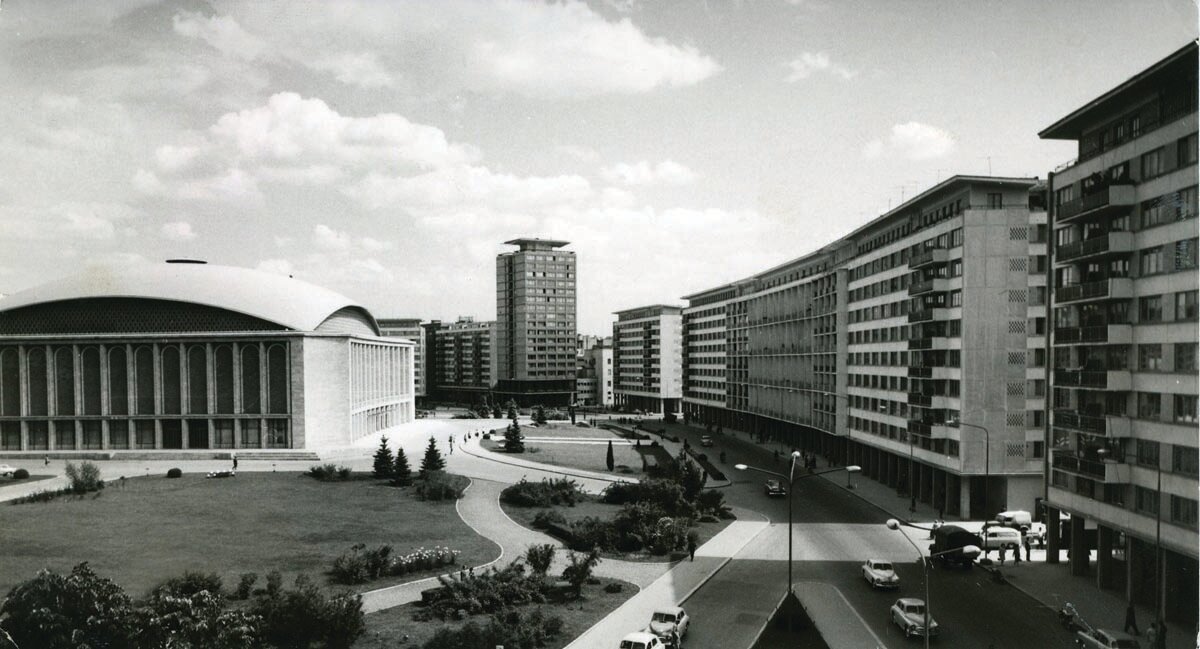
The Union of Architects has been directly involved in the appreciation and affirmation of the quality of our architecture and urban planning, since rewarding certain works inevitably involves their selection and the establishment of a hierarchy of value. At the same time, the distinctions have played a considerable role in affirming, consecrating and, in many cases, confirming the value of important personalities of our architecture, rewarding efforts (often made with great sacrifice), tenacity, talent and, last but not least, professional culture.
The prizes were awarded through the Architecture Fund, a structure subordinated to the Union of Architects. The responsibilities of the Architectural Fund were specified a few years after the UA was established by Decree 95/19552. As far as is known at present3, the Union of Architects' Prizes were awarded from the second half of the 1950s until 19884; for the years 1989, 1990 and 1991 they were awarded at the UAR Conference in December 1992, and after 1994, in keeping with this recent tradition, the Union of Romanian Architects regularly organized, under quite different political conditions, the Biennale of Architecture, which also awarded distinctions for the most meritorious works.
1961
Without attempting an in-depth commentary on this activity of the Union of Architects, which is impossible to do in the content of an article, two perspectives of understanding the role of these awards for Romanian architecture can be highlighted; they are complementary, together highlighting the involvement of the professional organization in the "going" of our architecture.
The first perspective is that of revealing the variety of activities in which the profession has been involved, as reflected in the works submitted to the UA and the prizes awarded.
A first aspect of this direction is that of the acceptance, through the internal regulations of the UA, for analysis and, eventually, for award, of works in an increasing number of fields, all belonging to the sphere of the profession.
The first mention of awards, in 19585, indicates three categories of prizes: for the 'best projects' proposed by the design institutes and realized between December 1957 and October 1958, for 'watercolors, drawings and photographs', and a third category for 'scientific works'. The projects considered were, therefore, the projects drawn up, not the buildings executed after these projects, and the scientific works had to be unpublished and only after the premiere could be published in the journal "Arhitectura" or could constitute documentary material for the members of the AU.
1963
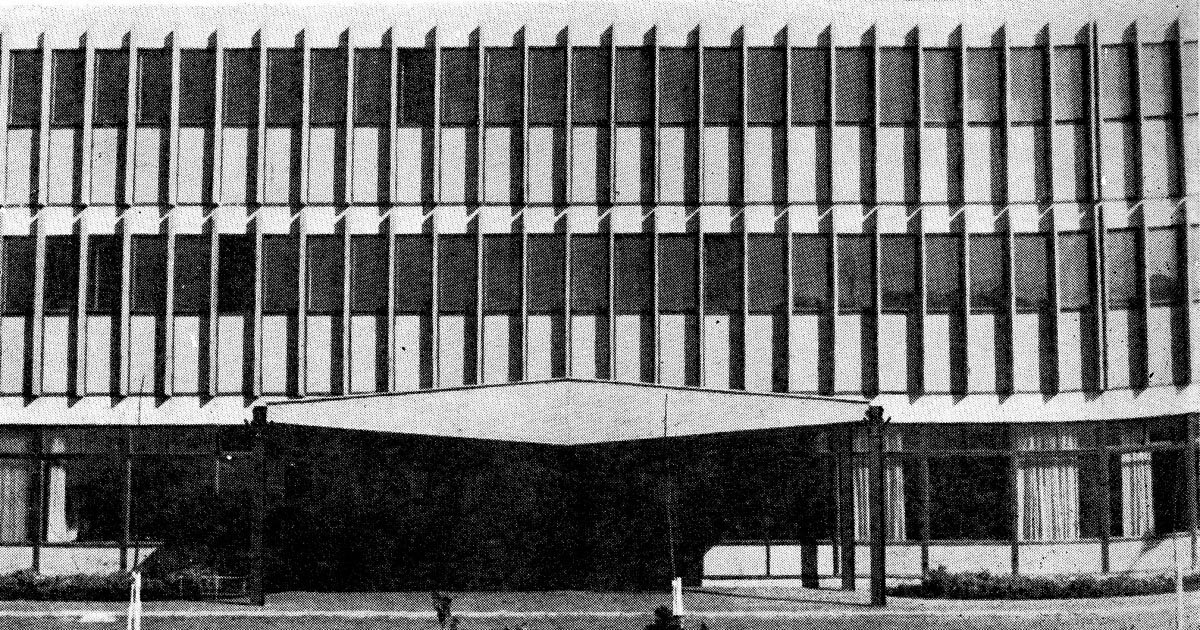
A year later, in 1959, new regulations were published which governed the entire award procedure for that year6. This time they required that the execution of the architectural work in question had to be completed, and the urban planning projects had only to have the legal approvals; the manner of presentation, the amounts made available for the prizes, etc. were indicated. Other regulations concerned the body that could send works for the prizes: these were the design institutes, but with the approval of the UA branch or circle, and the jury was to be held at the UA headquarters by a committee appointed by the UA leadership. In the case of collective works, the prize was to be awarded only to members of the Union7. The proposals concerned "constructions of any kind", therefore studies and theoretical works, as well as publications, were not taken into account for the time being, but were considered and awarded separately, in the category of "scientific works". Lastly, the three essential criteria to be considered by the selection committee were specified: good functionality, low price and, "also, the buildings must be as attractive as possible"8.
1964
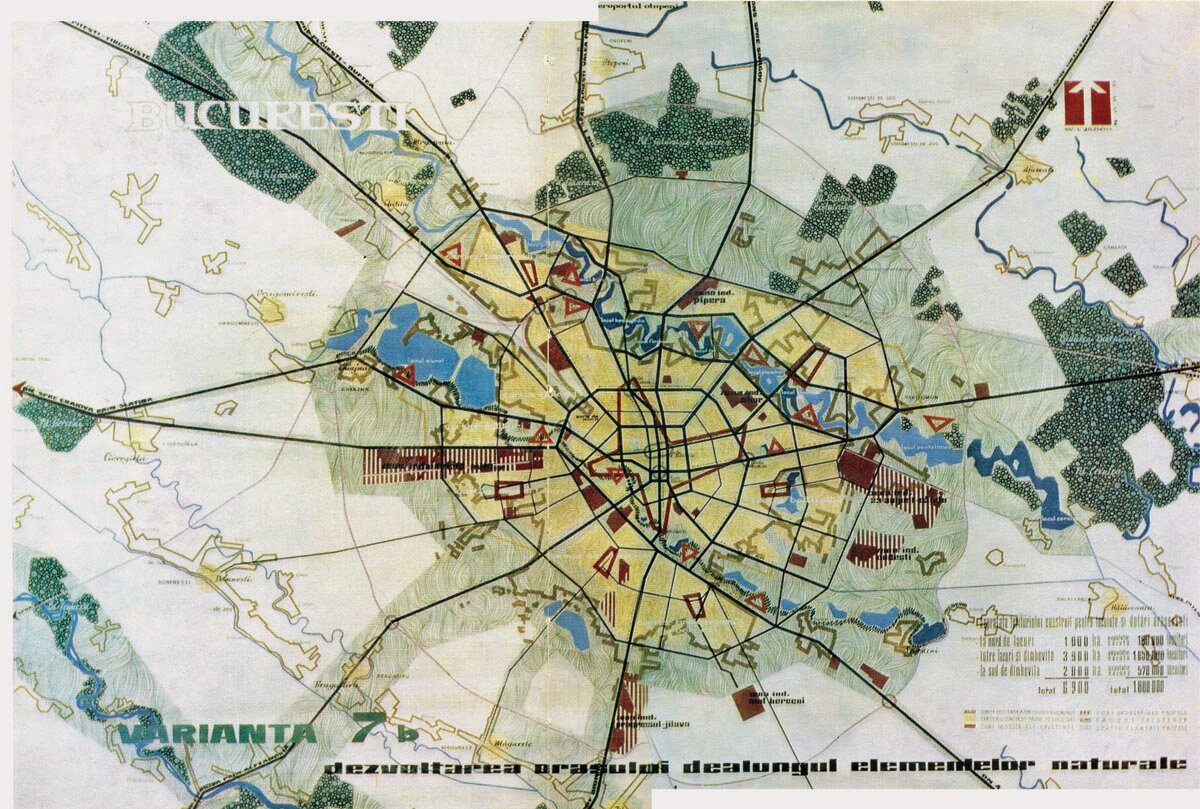
Over the next few years, there were several successive amendments and clarifications of these regulations, as well as the concentration of the various distinctions into a single, unitary regulation. One of these amendments9 established several categories of prizes (and mentions): annual prizes; special annual prizes for "promoting and stimulating the realization of model projects and advanced technical solutions" (which were awarded up to and including 196410); annual prizes "for stimulating the work of young architects in the DSAPC" (awarded up to and including 1965). The annual prizes were awarded for architectural works and urban ensembles that did not relate to an entire locality (systematization plan)11. The earlier category of unpublished "scientific works" was extended to include printed publications (books, albums, brochures, etc.); for these, also in 1964, there was a separate category, "scientific works on architectural-urban planning", in which prizes and mentions were awarded for works from previous years12, and this separation of architectural or urban planning works disappeared.
1970
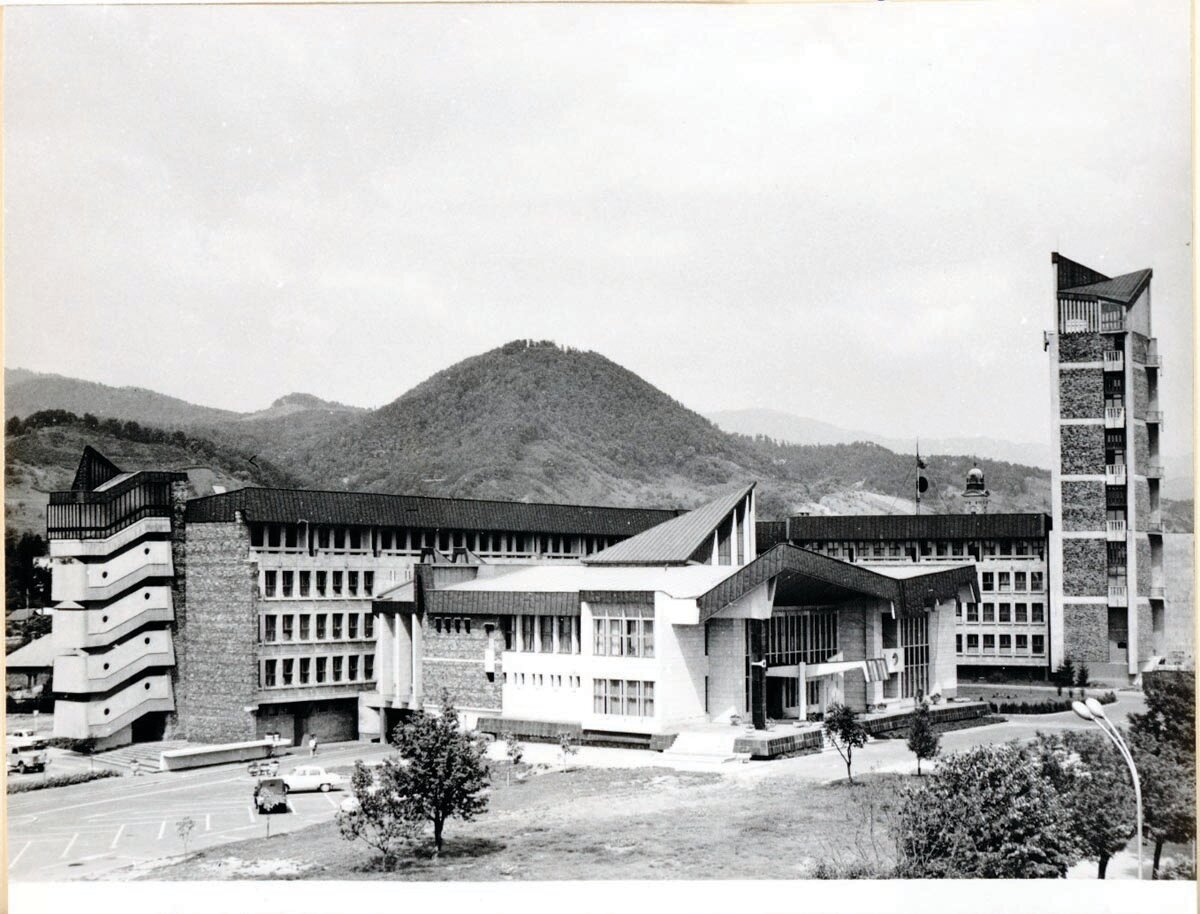
From 1965 onwards, the AU prizes were unified by including all previous categories: architectural works, all types of urban planning works, publications. Gradually, the scope of works for which prizes and citations could be awarded widened to include various hitherto ignored fields, all of which belonged to the profession of architecture. Thus, in 1967, the field of restoration of monuments13 appeared, in 1969 the first study14 was honored, in 1972 that of furniture, interior design and decoration15, and in 1977 that of work carried out abroad16. In this way, the UA awards (and mentions) encompass the whole sphere of professional practice in Romania until 1989. At the same time, this gradual process reflects the affirmation of the complexity of the profession, which demonstrates its maturity.
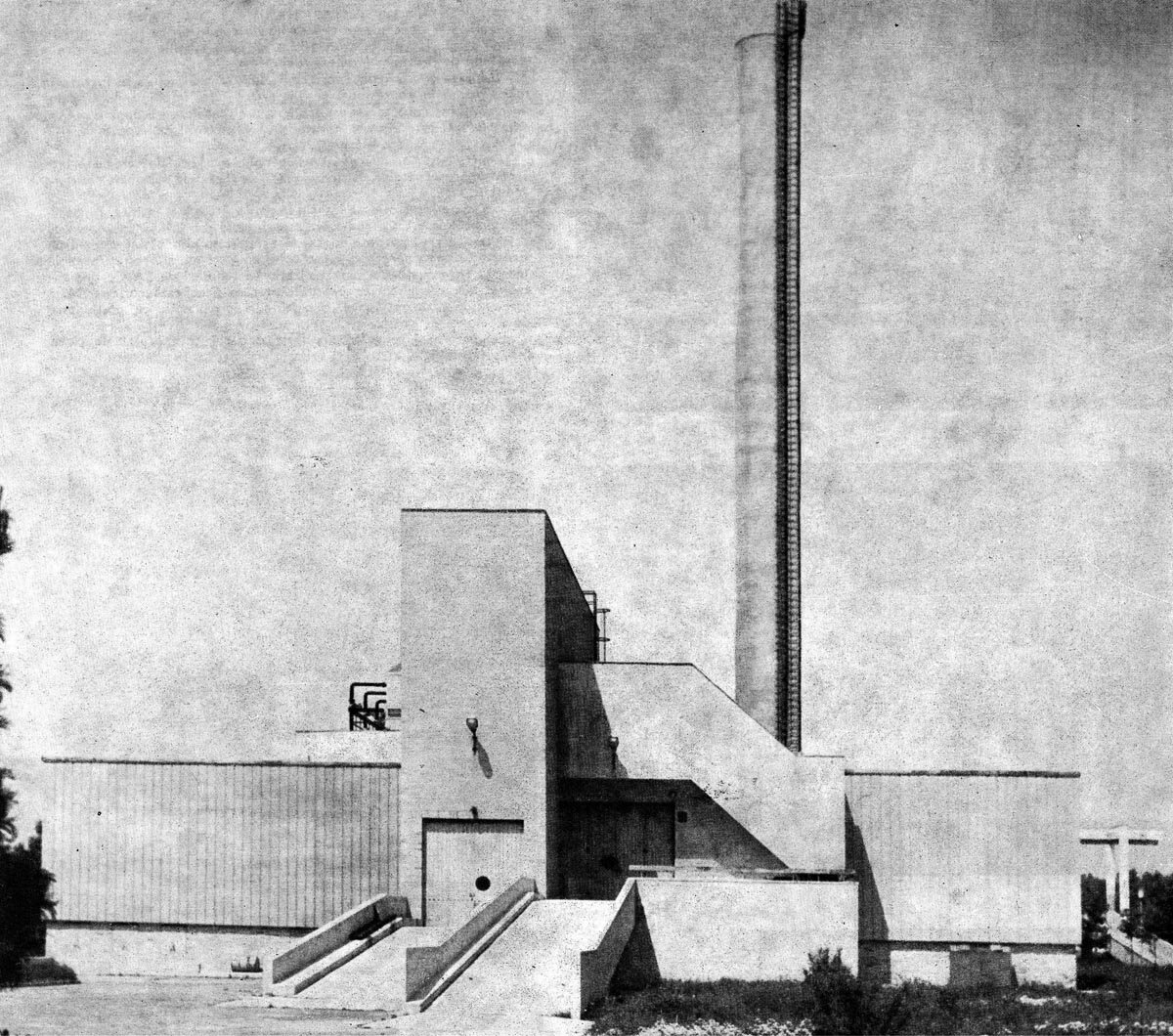
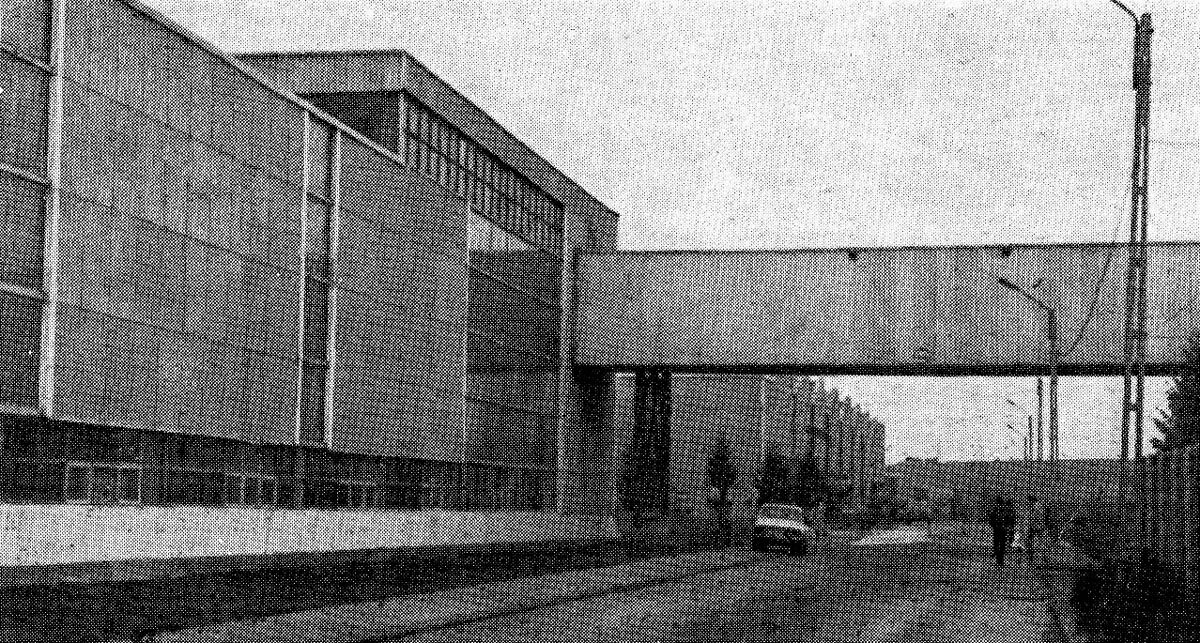
The "social command", which determined the orientation of post-war architecture towards certain categories of architectural programs and imposed their important weight in architectural production, was directly reflected in their presence among the distinctions awarded by the UA. Throughout the lifetime of the UA awards, industrial buildings; housing, exclusively collective housing17 - "blocks" (in the form of typical projects of reusable sections, isolated buildings/blocks, insertions/completions in existing frontages, urban ensembles of varying scale); social and cultural facilities of the most diverse kinds were constantly present. The more or less numerous presence of a given category of facilities highlights the succession and intensity of the "campaigns" to build various public facilities: cultural centres, hotels, hospitals and sanatoriums, sports facilities, educational facilities, etc. Urban planning projects were also increasingly present, covering practically the whole range of works, from national spatial planning studies to city layout plans, from large housing estates or industrial zones to major restructuring of new urban centres or those with a strong modernizing effect.
1973
A special mention may be given to the publications and various studies that have been awarded prizes or honored with mentions. At a time when books on architecture and town planning had an extremely limited presence in the public domain, the Union of Architects, through its prizes, has particularly encouraged this so important component of our architectural culture. Although no statistics are available, it is very likely that a very large proportion of the specialized books published have received prizes or mentions. It is also worth noting the attention paid, after 1970, to various specialized studies - on architecture, town planning, the restoration or protection of monuments, etc.
With a few exceptions18, the works recorded by the AU did not relate to the rural sphere, either through architectural or urban planning projects. Without knowing whether such projects were submitted to the selection and jury commissions, it is clear that the prizes awarded did not encourage or support the policy of the 8th and 9th decades (in particular) of "modernizing" villages. Instead, the effort to highlight the values of traditional architecture was appreciated19.
The second perspective concerns the attention given to quality, i.e. the value of the broad output of the field of architecture and urban planning. This relates primarily to the selection made by the juries (commissions) appointed each year.
The composition of the jury that analyzed the works submitted to the AU and proposed the awards varied, but always included prestigious architects of unanimously recognized value. The jury's proposals were approved by the AU's Steering Committee, then the approval of a supervisory body (the CSCAS or, later, the CPCP) was sought, and only then did the AU's Steering Committee issue the decision approving the awards, which was 'final and executory', to use the bureaucratic formula of such decisions20. The awarding of the prizes and the public exhibition of the works nominated for the annual AU Prize completed a process that could sometimes take many months.
Each year, works were submitted to the Union of Architects that were considered to be the most representative achievements of the institution or organization in question. Without giving a statistic, which is difficult to compile, it can be estimated that between 4021 and more than 6022 works were submitted each year. They inevitably depended on the number of papers that met the conditions of the Regulation. However, not all of them made it to the final round of judging, as the committee made a preliminary selection each time, eliminating works judged to be of inadequate value. A few documents in the archives of the UAR allow us to note the remarkable rigor of the jury in assessing the quality of the country's architectural production. Thus, the jury appointed for the awarding of prizes for 1963, made up of Tiberiu Niga (president), Octav Doicescu, Ascanio Damian, Gheorghe Pavlu, Șerban Ignace and Constantin Enache, eliminated some of the 52 works submitted, including: the MFA Commercial Complex/ Ministry of the Armed Forces/ Targoviste (n.n.), the Sugar Factory Tg. Mureș, PMR Headquarters Buzău (s.n.), restoration of Teleki Library Tg. Mureș and PMR secret CC project (s.n.)23. A year later, the jury, which included Mircea Alifanti, Tiberiu Niga, Gheorghe Pavlu, Nicolae Nedelescu and M. Bercovici, removed 4 projects from the competition, which were considered inadequate, among them the Interior Decoration of the PMR Oltenița headquarters ("not in accordance with the regulation")24.
1976
The remaining entries were prioritized in terms of quality. The prizes and mentions awarded were grouped differently, each year, according to the (relative) value of the works submitted and the category in which they fell25. The "annual prizes" were not awarded in all years, but only when certain works were considered far superior to others, whether they were achievements in the field of industrial construction, housing, systematization works, public facilities, studies or publications. In the last few years, annual prizes have been awarded to leading figures in architecture, such as Octav Doicescu (1972), Alexandru Iotzu (1973), Cezar Lăzărescu (1977), Nicolae Porumbescu (1985) and Grigore Ionescu (1986). It is not without interest, in this context, to underline the fact that, at the height of the cult of Ceausescu's personality (the 1980s), the Union of Architects did not hesitate to award prizes for their entire activity to unanimously recognized personalities who have marked, each in their own way, the course of architecture and our profession.
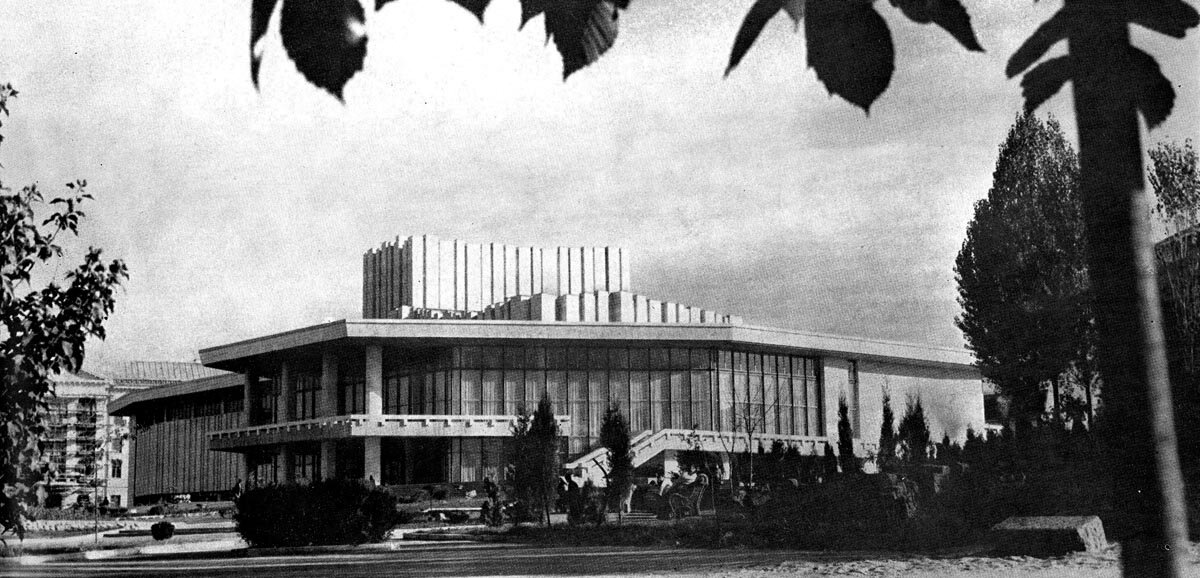
The number of prizes and distinctions awarded has also varied: in some years they have been very numerous26, in other years much fewer27. This variation must first and foremost be related to the number of papers submitted, but in the end it was the quality of the papers that mattered. This is relevant in the case of 1972, the year in which the most prizes were awarded, which is considered to have been a "peak" in the quality of achievements: one annual prize (awarded to Octav Doicescu), 3 prizes for industrial architecture (including one for the Porțile de Fier hydro-energetic ensemble), 11 prizes in the field of housing and socio-cultural facilities (among which were the Amfiteatru Ensemble in the Olimp resort, the Theater in Târgu Mureș, the House of Culture in Ploiești, the Deva Hotel,), 5 awards in the field of systematization (including the systematization study of Sibiu County), 2 awards in the field of restoration of historical monuments (the restoration of the Strehaia Monastery and the restoration of the Basarabi cave complex) and 4 awards in the field of studies and publications (including Grigore Ionescu's work, The History of Architecture in Romania, translated into French)28.
1982
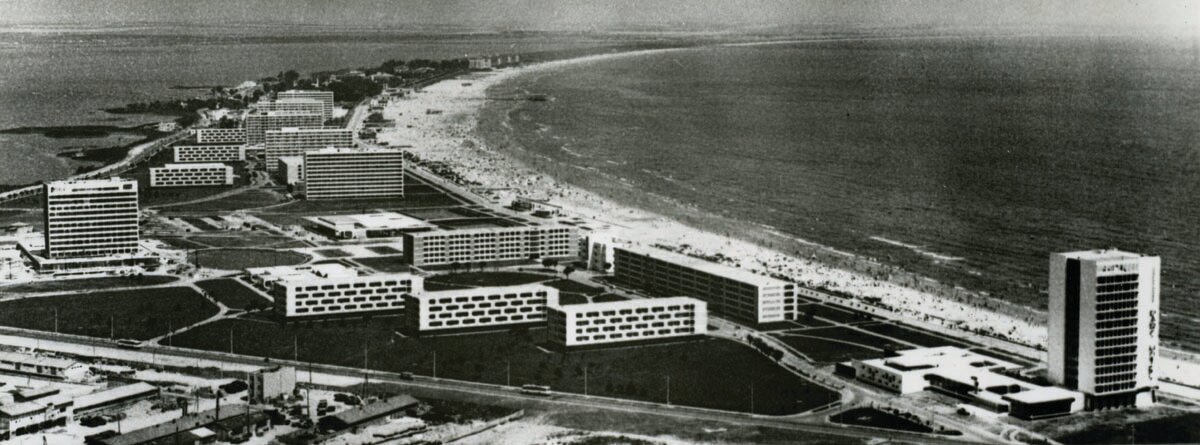
The prizes were awarded, on each occasion (probably with a few exceptions), to the best achievements of the moment and which, taken as a whole, signaled the value and quality, often remarkable, of the works and their authors. The distinctions have not "favored" a particular orientation of expressive research, a trend in urban planning thought or the diverse research of the publications, but have always retained the best examples that have proved to be of real interest for the evolution of architecture and urban planning and, in general, for the culture of our architecture. We mention, only in passing, the award-winning works on the Black Sea coast, which have been true experiments, among the most revealing, for the evolution of architectural and urbanistic thought29. Some of the works - not a few - have stood the test of time, and are still today highly respected landmarks of the professional capacity of architects in a period that was, however, not very creative. Others simply represent the stages that the profession has passed through in almost 30 years, and are thus of particular interest for a closer understanding of the period and of architectural and urban planning production.
All of them, however, taken as a whole, represent with great precision the evolution of our entire architecture of the socialist period, and can be considered a very sensitive "barometer" of it, precisely because they are, through the annual selections and hierarchies of the Union of Architects, the pinnacles of architecture. A future and much-needed history of post-war architecture will not be able to avoid these works, which are extremely numerous, can be landmarks of an entire professional activity and play a considerable role in shaping Romanian architectural culture.
NOTES:
1 From the beginning of the 6th decade, state prizes were awarded to some architects, a system that lasted until the beginning of the following decade. In parallel with the prizes awarded by the UA, various prizes were also awarded, probably until the late 1960s, by the CSCAS.
2 "Official Bulletin", No. 6, April 4, 1955. This document mentioned the role of the Fund in financing, with state support, various activities such as: aid or loans for the publication of scientific works; study trips at home and abroad; awards to students and architects; the organization and operation of rest homes, sanatoriums, nurseries; the granting of aid, to raise the standard of living of architects and their families; the protection of copyrights, etc.
3 Apart from the issues of the journal "Arhitectura" in which the prizes and mentions were published, only a few files relating to the awarding of the UA prizes in the 1960s, 1970s and towards the end of the period, in the 1980s, were researched by means of a survey of the rich archives of the UAR. We appreciate that they may be revealing for the whole period.
4 The complete lists of prizes and mentions awarded by the UA have been published in the journal "Arhitectura" starting with the 1960s. For the earlier years (1957-1959) there are only brief notes announcing that they had been conferred, without enumerating them. The lists are probably to be found in the UAR Archives.
5 'Arhitectura', no. 1-2, 1958, p. 63.
6 "The Architecture Fund Awards for 1959", Idem, p. 50.
7 A clarification appeared in the mid-1970s concerning the architect's authorship in relation to the administrative structures of the institution: the group proposed for the prize could not include "... persons in the organizational hierarchy who did not play a determining role in the elaboration of the work"; in the UAR archives, Mapa Premiii - concorso 1978, file 1978, file number. On the same occasion, the considerable broadening of the categories of institutions that could make proposals was enshrined, also consecrating a practice that had certainly existed in previous years: these were the internal structures of the UA (branches, circles or creative sections), the designer (various design institutes, higher education institutes) or the commissioner (central or local administration, publishing houses...).
8 Ibid.
9 UAR Archives, Prize Map - competition 1962, File 1962, file no.
10 Without disappearing, functioning as a separate category, works of this type continued to exist among the other prizes and mentions.
11 There was, in the early years of the prizes, a certain ambiguity in the categorization of urban planning works. In 1961, for example, the annual prize for architectural work was awarded for the 10,000-bed hotel complex at Mamaia, while in 1964 there was a special category of prizes, 'for systematization work', in which the prize was awarded for the systematization sketches for Bucharest and Zărnești, and for 'systematization of the Prahova Valley tourist region'.
12 The works belonged, among others, to Adrian Gheorghiu, Radu Laurian, Gheorghe and Victor Sebestyen, Florea Stănculescu and Paul Petrescu, Mihail Caffé, Gustav Gusti, Stan Bortnovschi, etc.
13 Rodica Mănciulescu and Ion Dumitrescu for the Restoration of St. Michael's Church in Cluj.
14 Tiberiu Ricci and collective, Study of the phasing of housing and social and cultural facilities for 1971-1975, Bucharest .
15 Iordache Rusu for Aesthetic study of lighting elements.
16 Cezar Lăzărescu and collective, Romanian Embassy in Peking (Beijing).
17 No residential buildings intended for the nomenclature or any guest or vacation homes of the same nomenclature were submitted for the prize, although, certainly from an architectural point of view, many of these may be of great interest and may be part of an evolution of post-war individual housing.
18 These include the sketch and details of the layout of Dragalina - Ialomița, in 1976, the volume Small-scale civic centers, in 1979, or the layout of the center of Bascov, Argeș, in 1983.
19 The prize awarded to Călin Hoinărescu for the Study on the inventory, cataloguing and valorization of architectural monuments and memorials in Prahova County, in 1984.
20 Professor Romeo Belea, for a long time president of the Architecture Fund, confirms that the proposals of the UA Steering Committee were never modified by the supervisory bodies.
21 In 1964 and 1965, 42 papers were submitted.
22 In 1963, 63 papers were submitted, in 1973, 69 papers, and in 1985, 65 papers.
23 "Minutes of February 8, 1964" of the jury for the award of the 1963 UA Prizes, UAR Archives, Prize Map - Competition 1962-1963, op. cit.
24 "Minutes of May 6, 1965", Idem, file Awards 1964.
25 In some years, the works were grouped according to their field: housing, industrial construction; social and cultural facilities; systematization; publications; studies. At other times, usually when there were fewer papers, there was a single category of papers, undifferentiated from one another, to which a prize or mention was awarded.
26 For example, in 1964, 29 prizes and mentions were awarded (out of a total of 64 papers submitted), and in 1972, 26.
27 The fewest distinctions were awarded in 1970 (12 prizes and mentions) and 1987 (11 prizes and mentions).
28 'Arhitectura', no. 6/1972.
29 In 1961 (the 10,000-bed complex at Mamaia), 1966 (Hotel Europa, Eforie Nord), 1967 (the Mangalia Nord leisure complex), 1970 (the Neptun leisure complex for industrialization), 1972 (the Amfiteatru, Olimp, and Saturn complexes), 1973 (the Aurora tourist complex) and 1984 (the complex of hotels at Mamaia - Lido, Ambasador, Savoy).