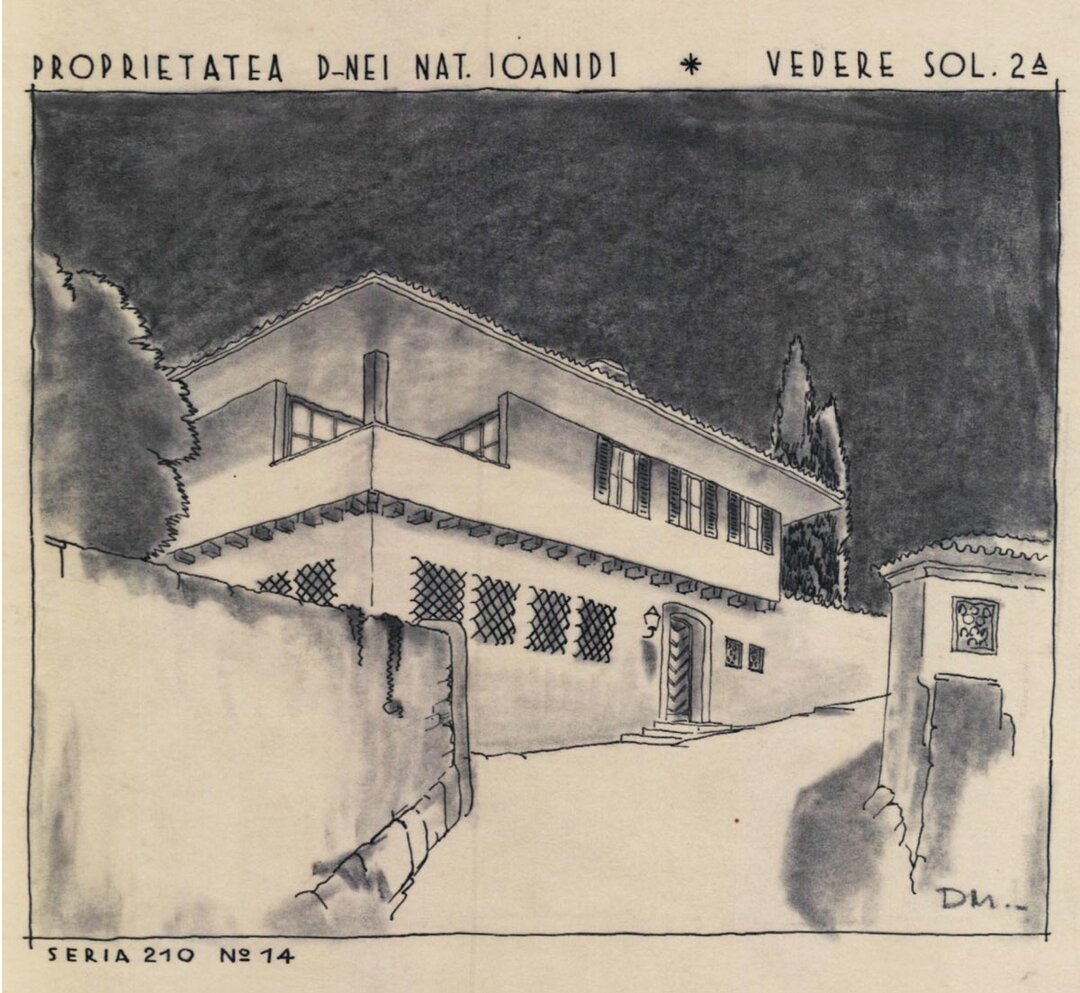
The man, the architect, the professor Duiliu Marcu

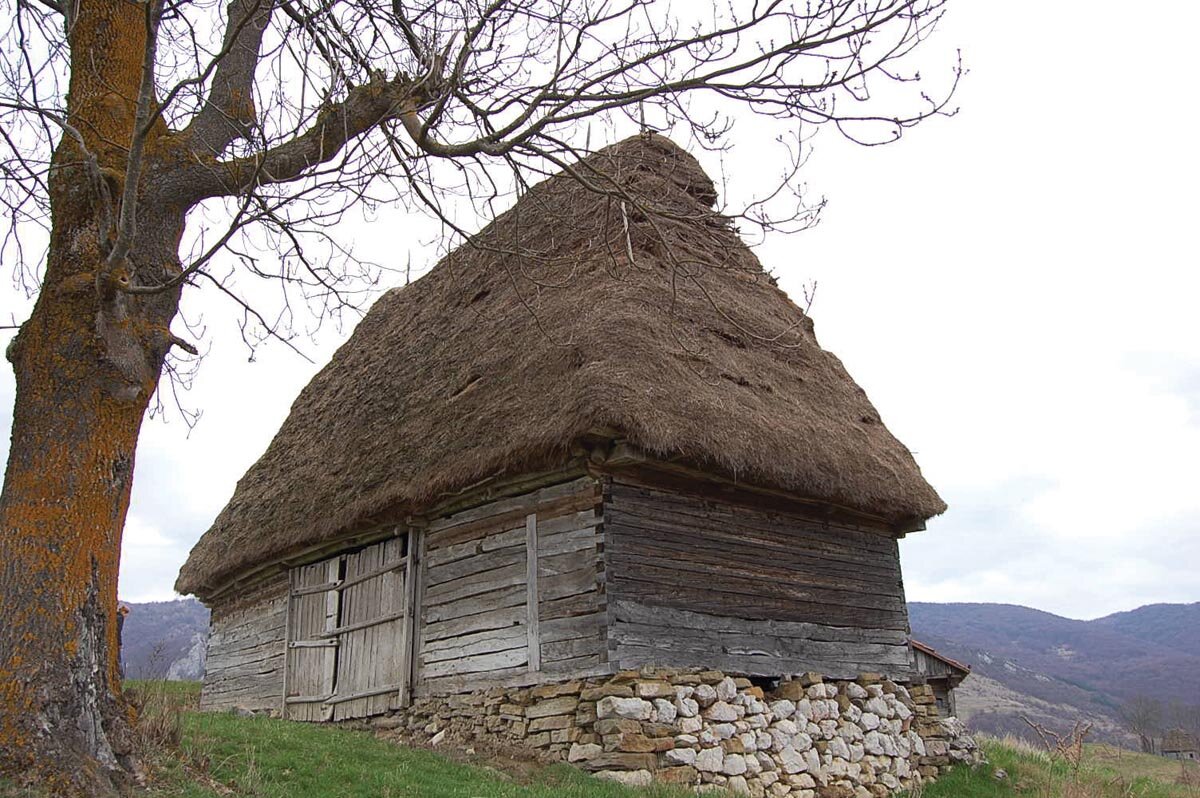
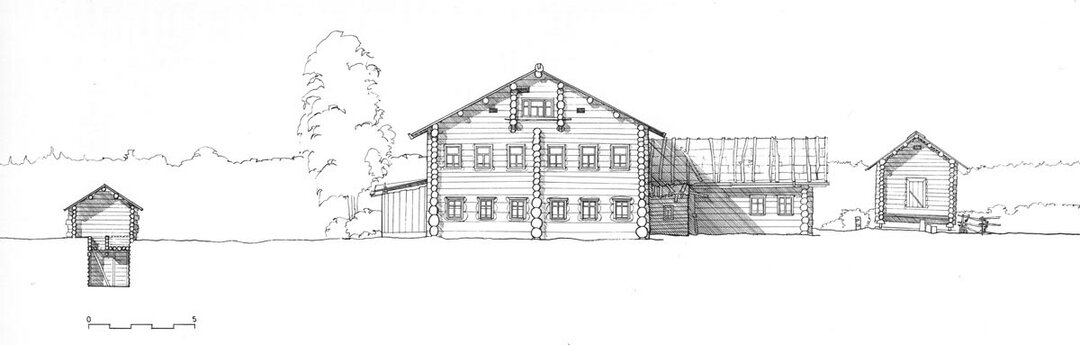
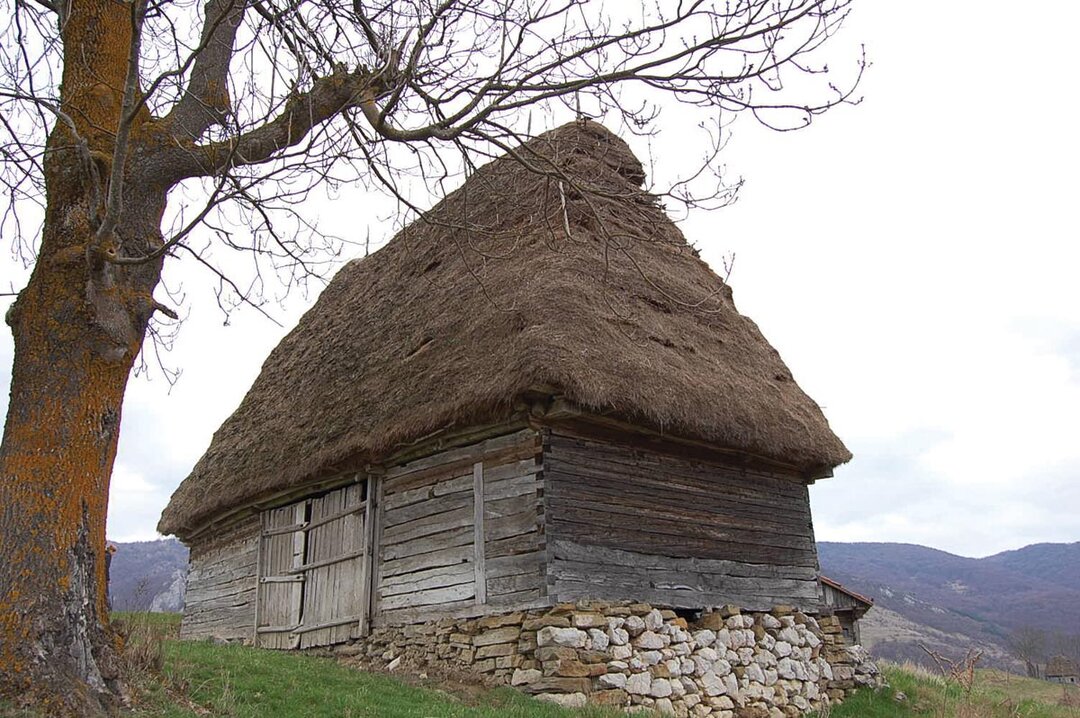
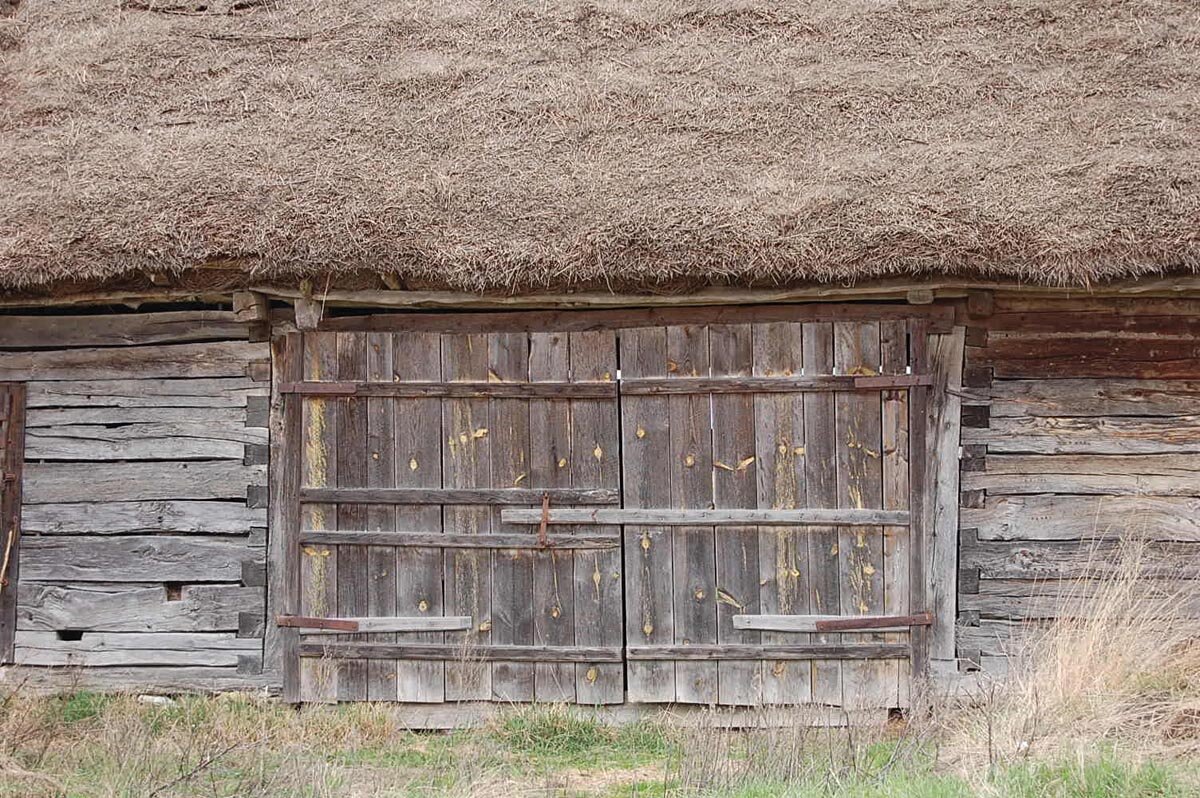
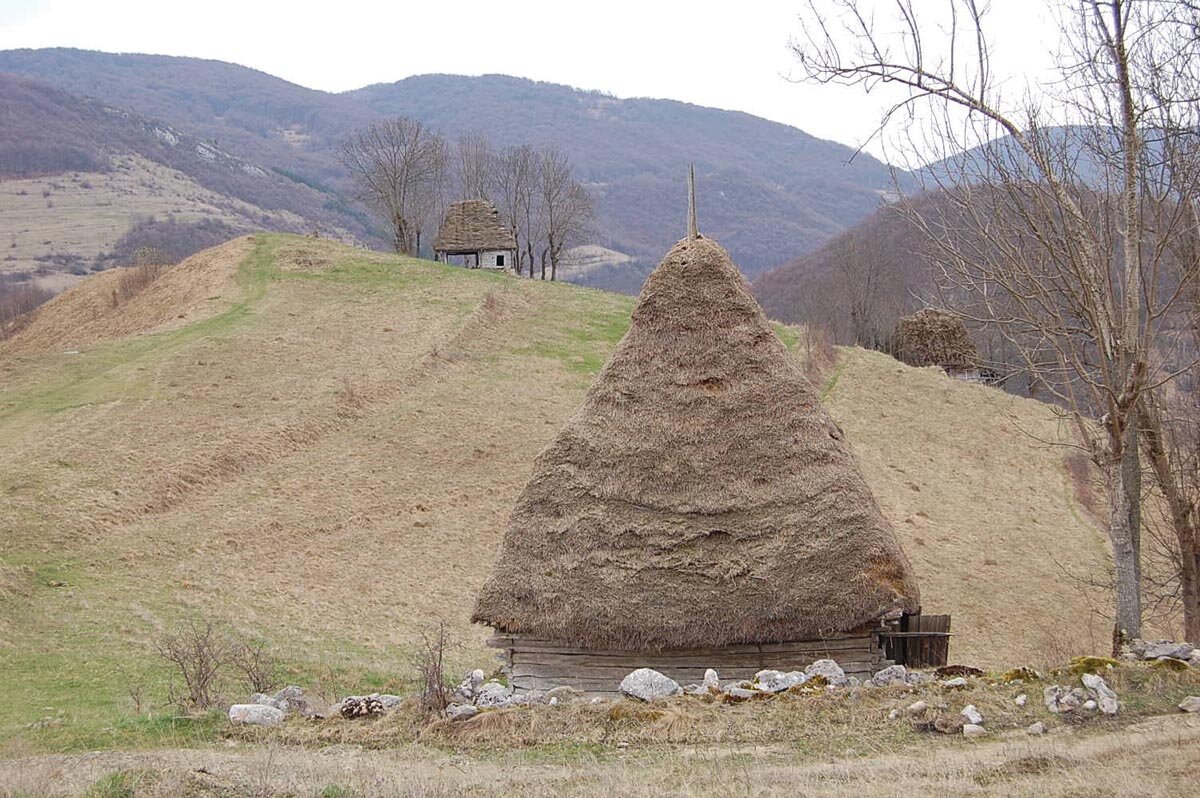
Re-use of plant fibre roofs, in addition to defining cultural landscapes, is nowadays an ecological but standardized issue. It also raises technical issues of design, authorization and approval, execution, maintenance and the long-term behavior of these constructions, which could serve various functions in rural areas and beyond.
We want to inhabit these high attics, and the old cold roofs to turn into warm attics; so we can start with energy audit issues. Traditionally, we know that such houses are cool in summer and warm in winter, a thermal ideal. How can we successfully use straw, these air fibers, thinner than 4 mm, without adding too much or any other thermal insulation materials? Existing examples, construction guides, material guides, various tests can lead to a minimum standardization of these roofs. Properly laid (craftsmen say, in layers of up to 70-100 cm), these straw can easily meet the thermal performance requirements for residential buildings and beyond. Additional insulation under or above the rafters can be done as appropriate; usually the design leads to combined solutions where heat loss and air infiltration at roof penetrations (cables, chimneys, vents, skylights, etc.), in addition to structural elements, need to be taken into account. Saturation of the roofing material with vapors from the inside or rainwater from the outside decreases the thermal insulation capabilities. A tightness test of the house, thermal photographs may be relevant to the need for the addition of thermal insulating material or the resolution of non-conforming construction details. Don't hesitate to use natural materials for extra insulation: hemp or animal fibers (mattresses or sheep's wool down).
On the other hand (be careful!), the thick stratigraphy of these roofs can lead to problems of residual dampness, from construction or as a result of living. Ventilation of large vapor-generating spaces is very important: kitchens and bathrooms produce vapors. Avoid locating them in attics wherever possible. Vapors are removed from objects and building elements for many hours after these functions have been used; ventilation should also take place locally during this time after use. Vapor retarding membranes may also be used; mechanical roof ventilation should not be neglected. As far as possible, ventilation within the roof (formerly done by the introduction of birch bark or young birch stems) should be maintained, as should obtaining the proper density in the laying and behavior over time of the thatch. Do not neglect accumulated moisture after building sites where wet finishes or castings were used for structural elements. The house must be dry. The substrate for laying straw should be dry. Accumulation of moisture from the job site into the house can be unfavorable to the roof and can create an environment favorable to microorganisms. The house will breathe if ventilation is done the traditional way. This can achieve moisture control and balance in the thatch. (...)
Read the full text in issue 1 / 2016 of Arhitectura Magazine