The man, the architect, the professor Duiliu Marcu

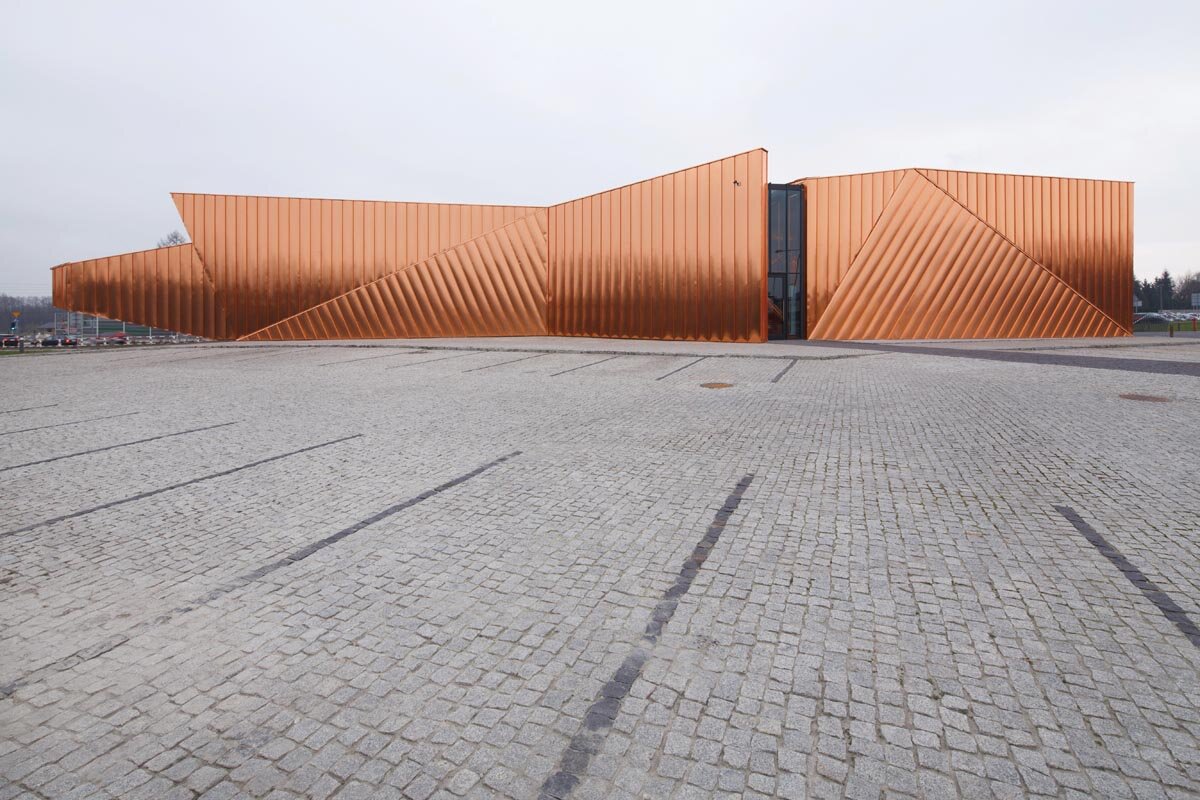
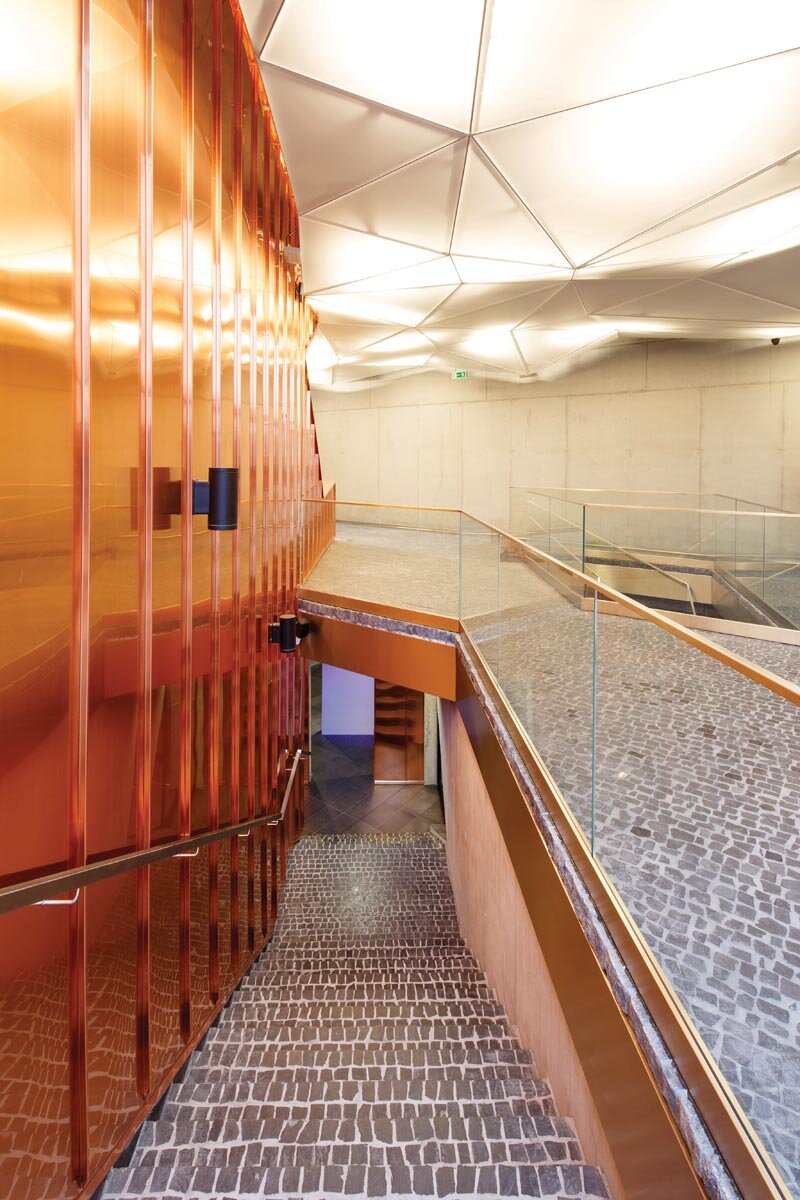
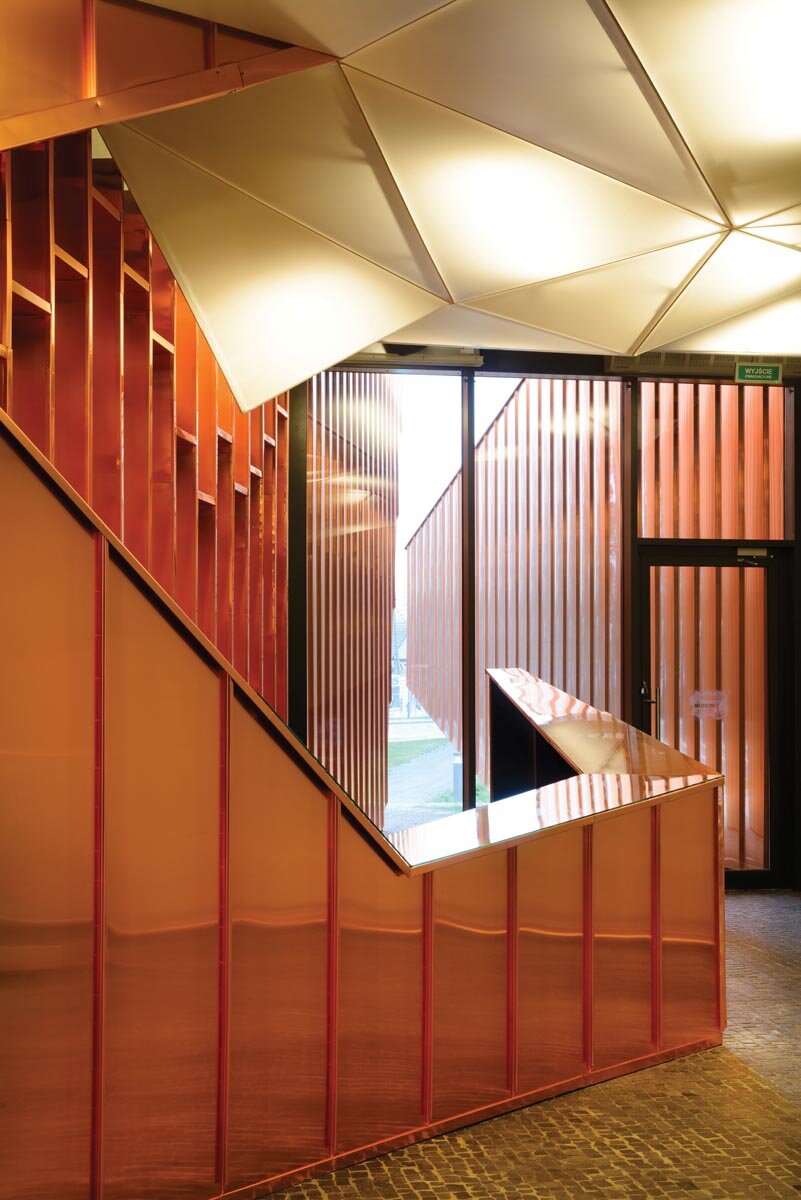
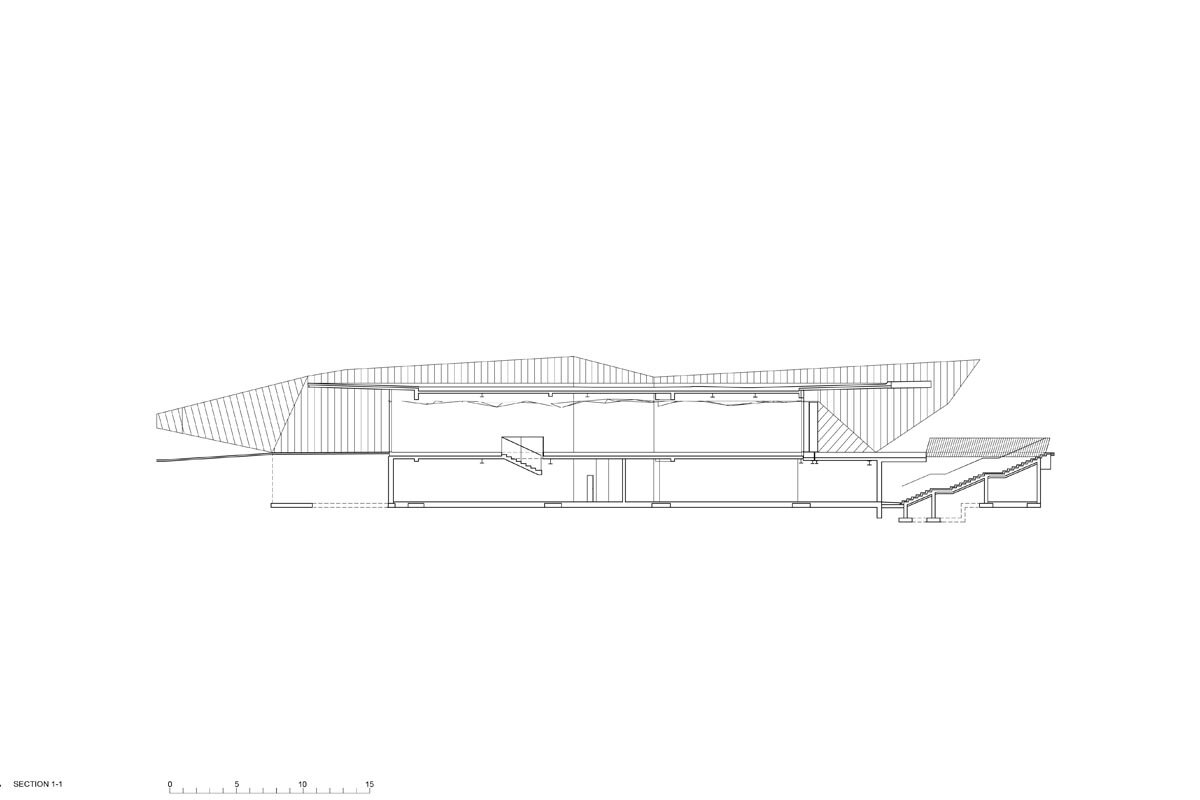
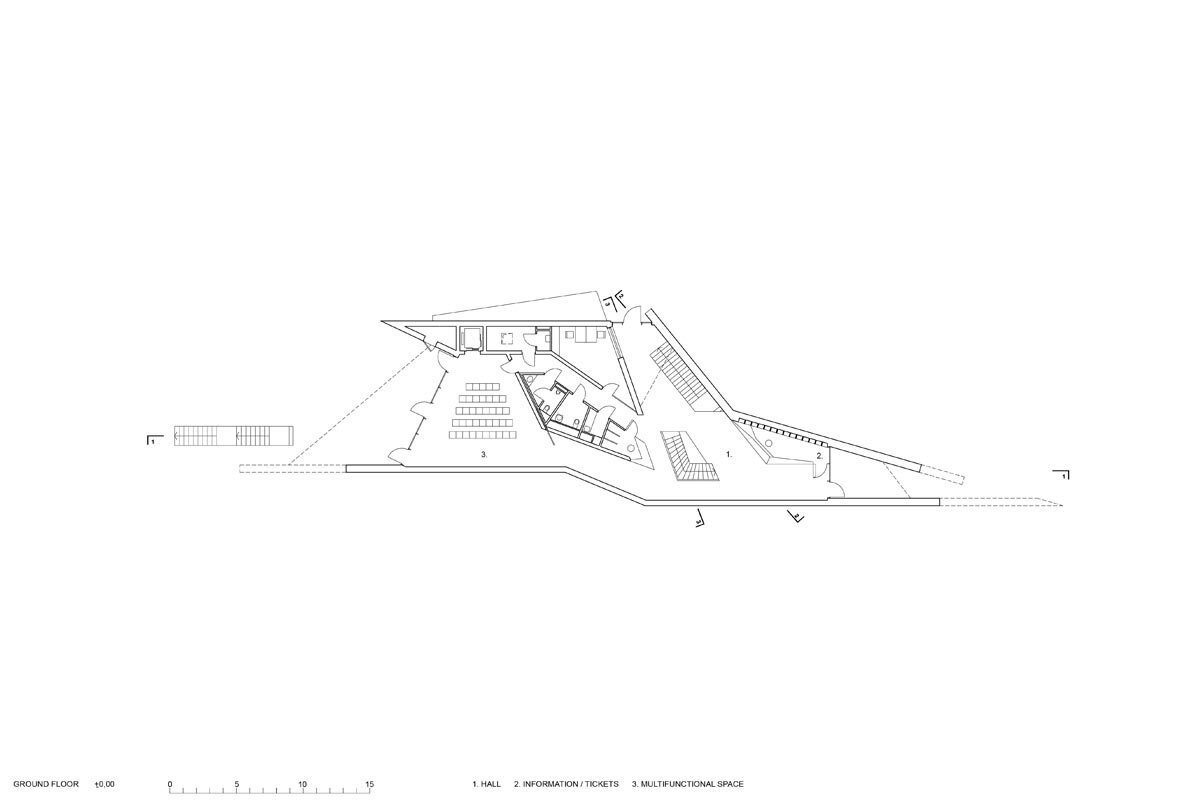
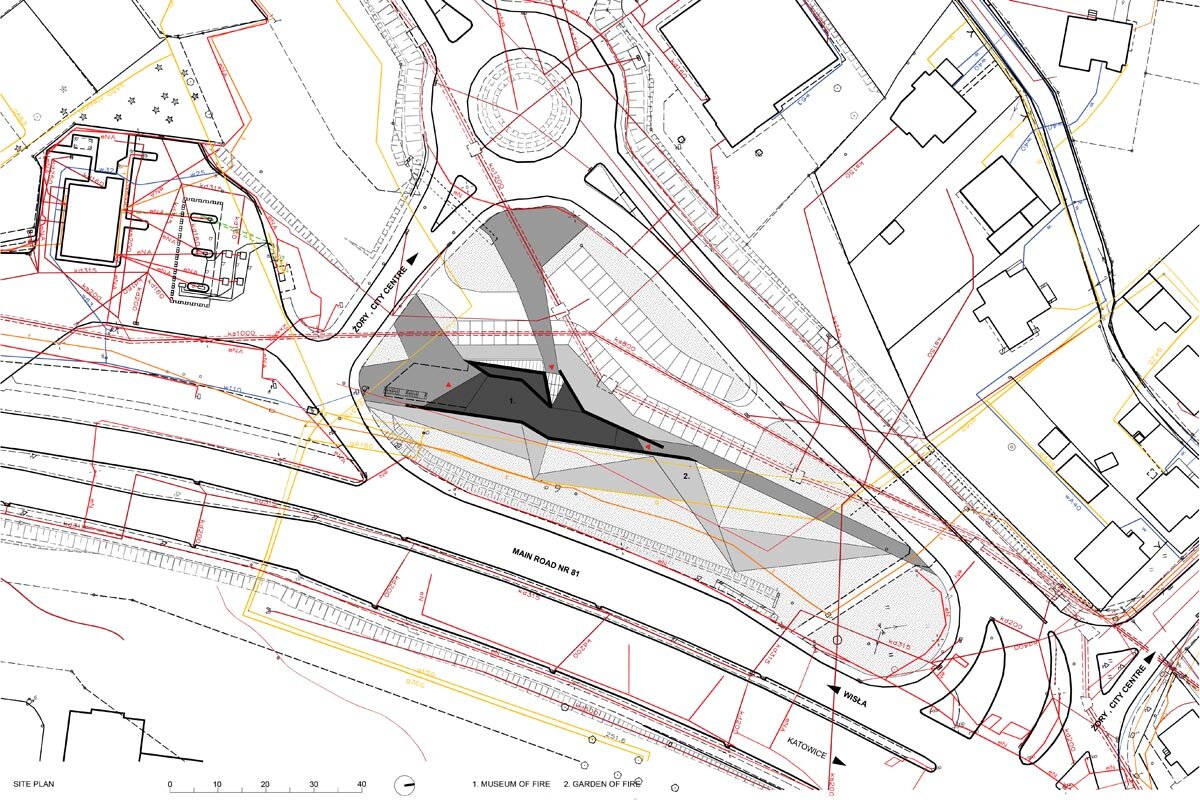
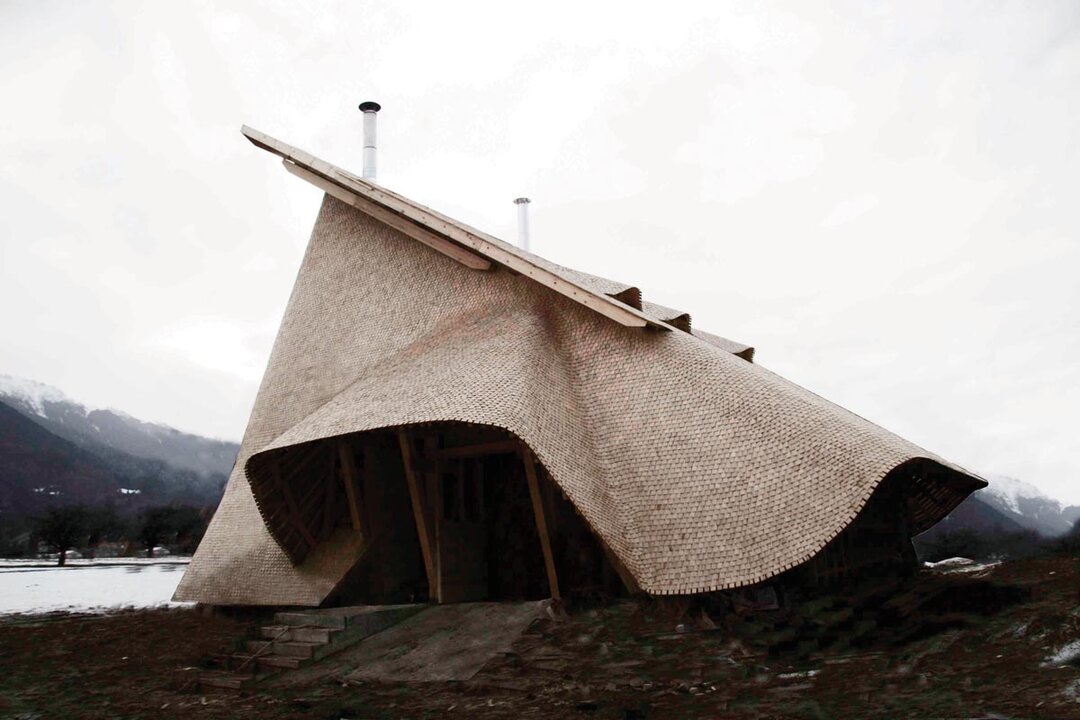
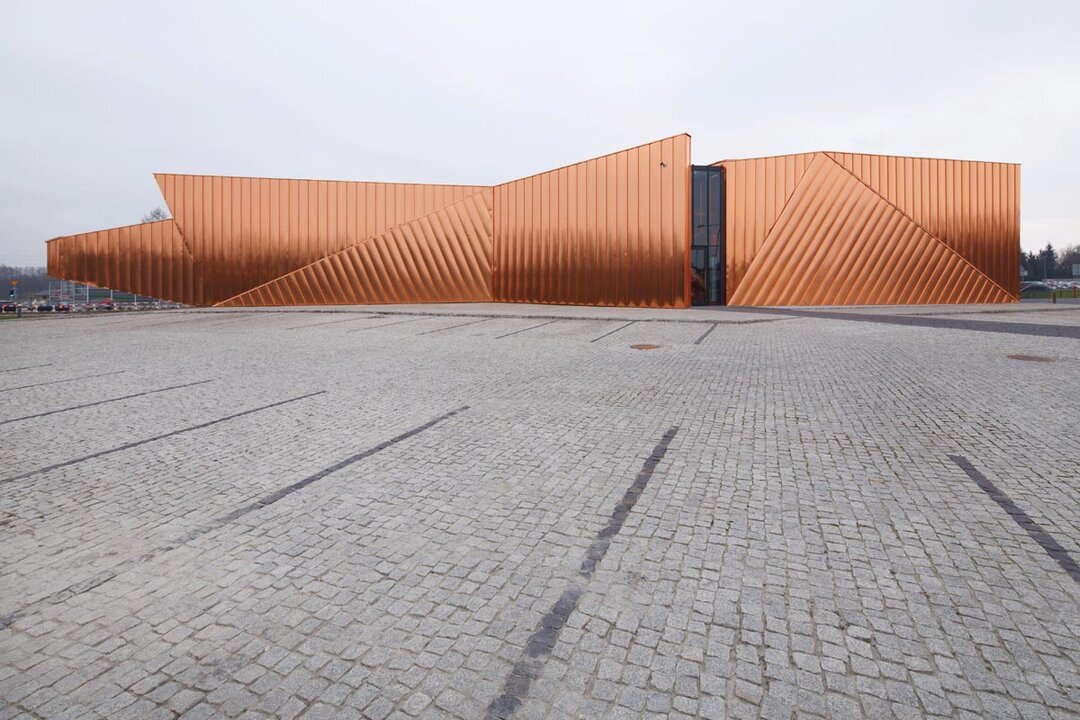
| Monica Lotreanu: How did you establish OVO Grąbąbczewscy Architekci? How do you organize your work? Do you employ other specialists, other professionals besides architects, for example for structural engineering, interior design or landscaping or any other technical consultancy? Tell us the story of your architectural office. OskarGrąbczewski: I established the architectural office together with my wife Barbara after we had been working together since 1995 in the design firm of a reputed Polish architect Ryszard Jurkowski, where we gained our experience as professional architects to some extent. In 2002, we decided it was time to open our own office. At first we won the competition for the Paleontological Pavilion and Museum in Krasiejów, and at that time our tactic was to participate in as many competitions as possible and try to get public projects. And we were successful. We won several competitions, started to realize projects and started to build. That's basically how we run our office. Most of our projects come from the public sector, but we also do projects for private investors, including houses and larger commercial buildings; still, the public realm is our main interest. We are a structural architecture office, so we do not employ other engineers. It is a common thing in Poland that architectural firms take care of the architectural part and there are general contractors for projects. And then we have subcontractors such as mechanical engineers, static and electrical engineers. Sometimes we realize a kind of consortium for bigger projects, for example, for the Liget Budapest competition where in the first phase we worked on the proposal in the office, then we were among the six finalists and we created a consortium with Arup Poland to finalize the project in the second phase of the competition. So we were very happy to work with them and we work together from time to time. Anyway, coming back to our architectural office, we are a small family business, so to say. We have a maximum of 10 employees. Perhaps, for us, this is the best way to keep in touch with the design work and to have people with us who help us, but also to still feel that we are the authors of the structure, the authors of the building. M.L.: How many architectural competitions do you participate in every year, let's say? Are they international or national? O.G.: I think it could be about 6 to 10 competitions a year, mainly nationally, but we also participate in international competitions, and of course they are more difficult and more complex, but we like to do more complicated and larger scale things from time to time to try not to focus on small things. In our work, as I said, there is a wide range of projects, from private houses to gyms or swimming pools. Most of the time we like this change of scale and we don't want to specialize in anything in particular. So if we come across something interesting, like this competition in Liget Park or other competitions for museums or larger public buildings, we're very keen to take part. M.L.: Now let's go back to one of the important projects of your architectural office that you presented at the RIFF conference: the Fire Museum. I think you should explain the theme of the project and also why this name and how you were entrusted with the project? O.G.: Yes, it's an interesting story because the initial commission was quite different from what happened later in the project. We were commissioned to design a promotional and other pavilion for Żory, a small town of about 70,000 inhabitants in Silesia, near Katowice. We have already worked with the municipality of Żory when we designed the ecological museum. They were very pleased with our project, for which we won the prize for young European architects under 40. They couldn't build it for financial reasons. But because they were satisfied with our work, they decided to entrust us with the design of this small pavilion, right on the road at the entrance to the city. Their idea was that the pavilion would promote the town and arouse the interest of people passing by. It should also be a signal, an emblem of the city... And we clearly wanted it to be a modern pavilion, like a Philip Johnson greenhouse... something in that spirit. In fact, I think we made a big mistake at the beginning, because we thought it was going to be a very simple glass box, a very clear solution. With this idea, we got totally stuck in the project. We couldn't move forward because the terrain was very complicated. There were a lot of underground pipes and we had two or three weeks to come up with the project. We had to take a break and we took a break. I went on a trip to Italy and while I was there, I took some sketches with me, and one day, talking with my wife, I realized that the shape of the land and the shape of the building that could be placed on it reminded me of fire. It was a very strange idea, completely abstract, but then we realized that we had to start from the beginning. And we asked ourselves what is representative of this city, what should the building look like. Suddenly, we discovered, or it had been clear, we just hadn't noticed it, that the town of Żory has a very close connection with fire, because the name of the town means 'fire' or 'flame' in Old Polish. It is very strange how we missed this aspect. And then, not only the name of the town is connected with fire, but also the history of the town, because Żory has burned several times in very strong fires. In the 18th century, it was almost completely destroyed by fire. And what's more (it was in May), this gave rise to a tradition of the fire ceremony because the day after this huge fire, all the inhabitants took part in a religious procession... to invoke God. This tradition has been perpetuated to this day: about 10,000 people gather in the evening, attend a mass in the church and then, with lighted torches, walk through the town, and this marks the beginning of a festival. When we discovered this history and realized what we should do, we set out to make the pavilion look like a fire. And very quickly, in about two days, we realized the project that fit perfectly in this complicated terrain. |
| Read the full text in issue 1 / 2016 of Arhitectura Magazine |
| Monica Lotreanu: How did you start your studio, OVO Grąbbczewscy Architekci? How do you organize your activity? Do you employ other professionals than architects, for instance for structuring engineering, for design or landscape or for any other technical advice? Tell us the story of your studio. OskarGrąbczewski: We started our studio together with my wife, Barbara, after working since 1995 in the studio of a renowned Polish architect, Ryszard Jurkowski, and somehow we gathered our experience as professional architects there. In 2002, we decided that it's time to start our own studio. We began by winning the competition for the Palaeontological Pavilion and Museum in Krasiejów and at the time our tactic was to make a lot of competitions and to try to get public commissions. And we have been successful - we won some competitions and we started to make projects and to build things. And this is how we are running our studio, basically. Most of our commissions come from the public sector, but we are also making some projects for private investors including houses and bigger commercial buildings; still, this public domain is our main interest. We are an architecture studio. So, we don't employ any other engineers. It is very common in Poland for architectural studios to deal with architecture assigned by general contractors for projects. Then we've got subcontractors like mechanical engineers, statics and electrical engineers. Sometimes we make a kind of consortia for bigger projects. For example, for the Liget Budapest competition in the first stage, we did the project in the studio, but we made it to the final six, so we made a consortium with Arup Poland to complete the project for the second phase of the competition. We were very glad to work with them, and we have continued working with them from time to time. Well, anyway, we are a small, let's say, family business. We are employing up to ten people, maximum. Perhaps this is the best way for us to keep the contact with the design and to have people who are helping us, but still feel as we are the authors of the structure, the authors of the building. M.L.: How many competitions do you enter annually, let's say? International or national? O.G.: I think it could be about 6 to 10 competitions per year, mostly national, but we are also making international competitions and, of course, they are harder and more complex, and we like from time to time to make something that's more complicated and on a bigger scale in order to try not to concentrate on small things; as I told you, our work has quite a wide range, from single family houses to sport halls or swimming pools. So basically, we like this change of scales and we don't want to specialize in anything. Therefore, if we find something interesting, like this Liget Park competition or other competitions for museums or bigger public buildings, we are very willing to participate. M.L.: Let's return now to one of the important projects that your studio delivered and you presented in the RIFF conference: The Museum of Fire. Perhaps you could explain the project brief and also its title and how you were commissioned for the project. O.G.: Yes. This is a very funny story, because our assignment was quite different from what happened till the end. We were commissioned to design a promotional pavilion for Żory, a small city of like 70,000 people, in Silesia, near Katowice. We worked together before with the mayoralty Żory, for the design of the ecological museum. They were very glad about our project, for which, among others, we got an award for young European architects under forty. This was a small pavilion, located on the very gate of the city, meant to promote and raise interest for the city to the people passing by. It also had to be a signal, an icon of the city.... And we wanted it to be a clear modernist pavilion, like a glasshouse from Philip Johnson... something like this. I think, in fact, at the very beginning, we made a big mistake because we figured out that it would be a very simple glass box, a very clear solution. But we got totally stuck in this project. We were not able to go any further because the plot was very complicated. It was disturbed by many underground pipes and in fact we were having two or three weeks left to present the project. We had to make a break, and we made a break. We took a trip to Italy and during the visits I took some sketches with me; one day, as I was sitting there talking to my wife I realized that the shape of the plot and the shape of the building applicable to place in this plot reminded me of fire. It was a very strange idea, totally abstract, but after that we realized we should start the design from the very beginning. We asked ourselves what is specific for this city, what this building should look like. Suddenly, we discovered - perhaps it was quite obvious but we didn't see it - that the city of Żory is very strongly connected to fire, because the name of the city translates with "fire" or "flame" in old Polish. It is very strange how we had missed it. And then, not only the name of the city relates to fire, but also the history, because Żory was burnt several times by huge fires. In 18th century, it was almost completely completely burnt down (it was in May), and there has started the tradition of a fire ceremony: the next day after this huge fire, all the people went in a procession to invoke God... And this tradition lasts till today: around 10,000 people are gathering in the evening for a mass in the church, and then they are walking through the city, with fire, torches, and that is the beginning of a festival. When we came up with this history and we understood what we should do, we said we should make this pavilion look like fire. And very fast, like in two days, we made the design that perfectly fit into this complicated plot. |
| Read the full text in the print magazine |