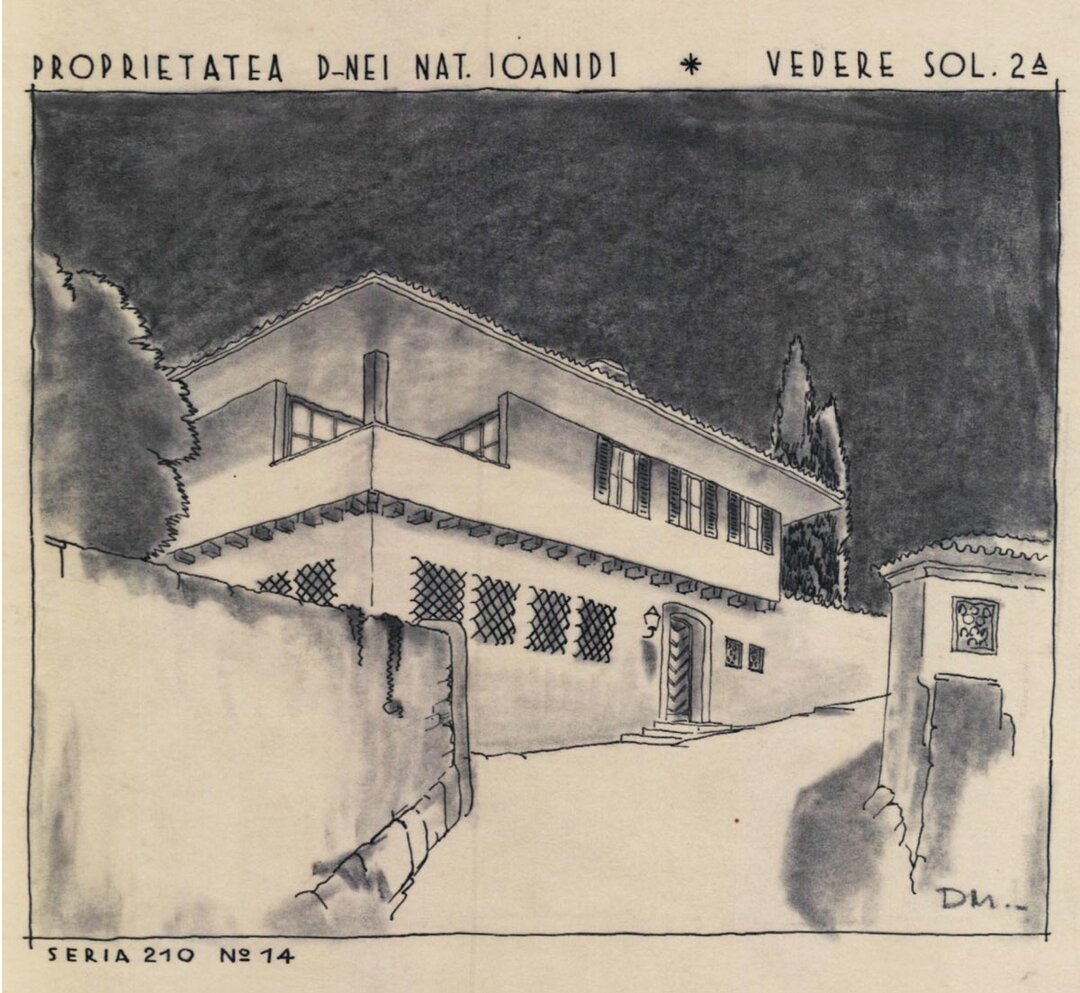
The man, the architect, the professor Duiliu Marcu

"The village is the most beautiful ornament of the Romanian land. All the premises of our civilization are to be found there. By its way of losing itself in the greenery, with its garden-like appearance, the Romanian village affirms that understanding of nature and that sensitive notion of life which is reflected in all our popular arts..."
(G.M. Cantacuzino, Izvoare și popasuri, Ed. Eminescu, 1977, p.155)
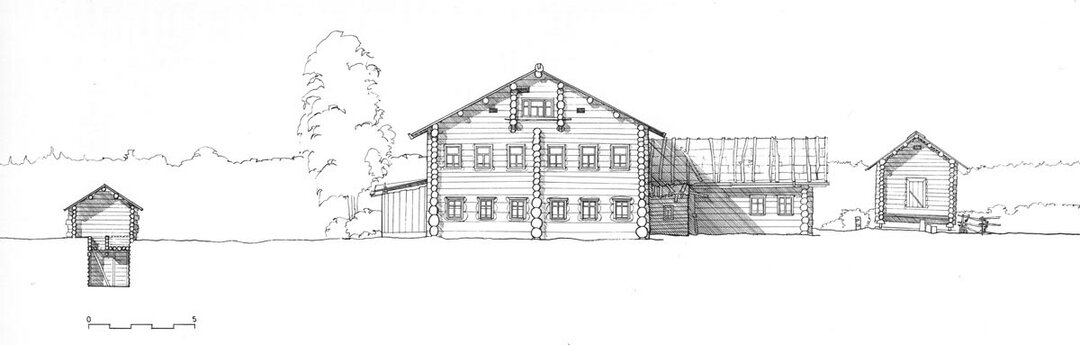
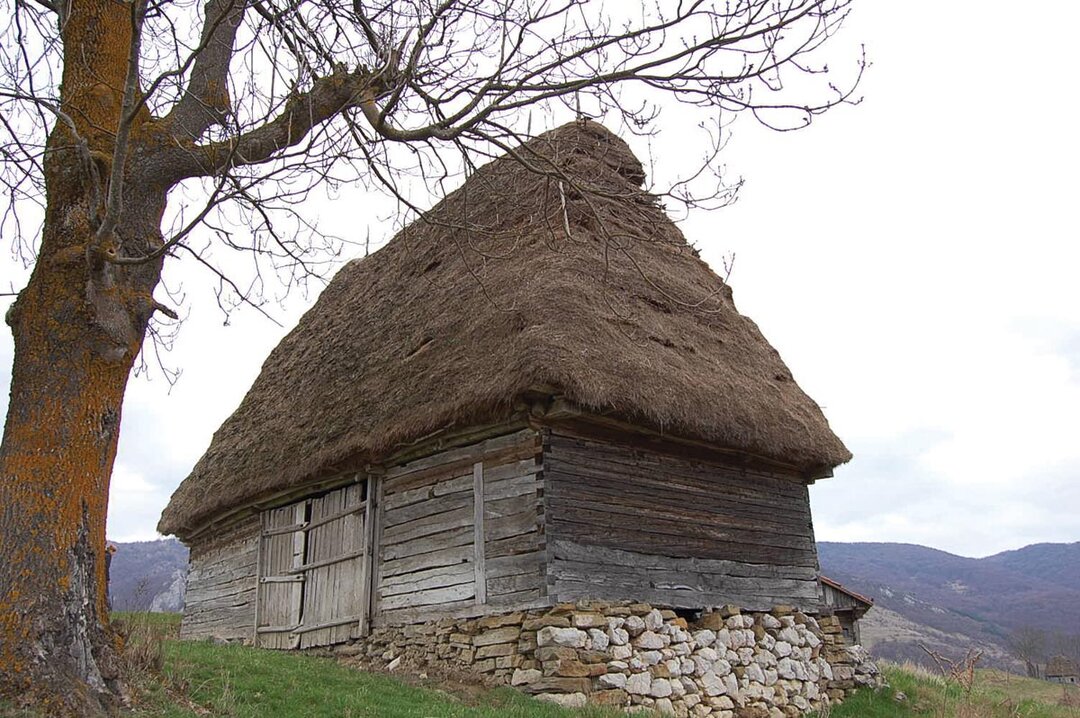
Professor architect George Matei Cantacuzino, a subtle connoisseur of the values of Romanian rural civilization, has synthesized the essence of one of the most relevant values of the Romanian architectural heritage - vernacular architecture, expression of the material and spiritual needs of communities sharing the same value system. The traditional Romanian village, through all its components: settlement, materials, shapes, proportions, chromatics, is an example of unity, of harmony between the living nature of the landscape and the artificial nature of the built elements. The houses and farmhouses, set at a certain distance from the lane, are points of interference between natural and man-made spaces. The first owner of a house was the craftsman or the craftsman's helper who built it. This direct, affective and effective participation in the durability of one's own house gave it a harmony present both in its exterior appearance and in the organization of its interior.
Founded in 1936, as a result of the complex research carried out by the Sociological School in Bucharest under the direction of Professor Dimitrie Gusti, the Romanian Village Museum, today the Dimitrie Gusti National Village Museum, is a place of soul for many Romanian architects. Here they made their first survey in the first year, countless sketches, perspectives, watercolors, photographs, return visits, marked, almost every time, by other details discovered or found over the years. Activities dedicated to passing on the values of ethnological heritage to all generations are a constant feature of the museum's offer, and collaboration with architecture faculties and architects is a permanent feature, whether it is about built heritage, the restoration of monuments or the modern sustainability of vernacular architecture.
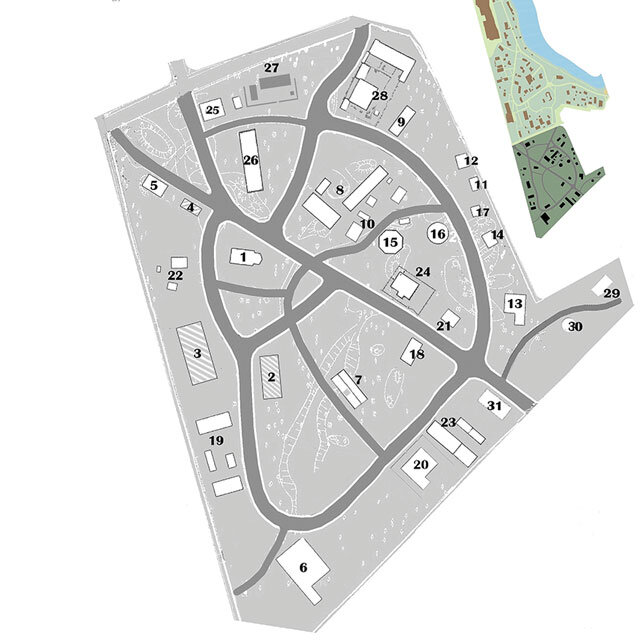
The anniversary, in May 2016, of 80 years since the foundation of the Romanian Village Museum marks an important moment in the development of the National Village Museum "Dimitrie Gusti", with the opening for visitors of the New Village, a project realized on a site of over 3 ha in Herăstrău Park, between Elisabeta Palace and the Triumphal Arch, granted by the City Hall of the Capital 25 years ago. It required research and acquisition campaigns, the development of a coherent project to develop the park, launched in 2007, including solutions for the siting of original buildings - dwellings with outbuildings or workshops of craftsmen, as well as buildings with public functions.
The monuments in the New Village were relocated from their original villages, preserving, as in 1936, all the original elements, while respecting traditional building materials and techniques. The Galben Inn in Bucharest, built in the early 19th century and demolished in 1985, was reconstructed according to plans from the Relief Archive of the Ion Mincu University of Architecture and Urbanism, and the Road Canton is the reconstruction of a monument identified by the museum's researchers in a campaign dedicated to road cantons, conducted between 1995-1997 in the Prahova, Dâmbovița and Mehedinți counties.
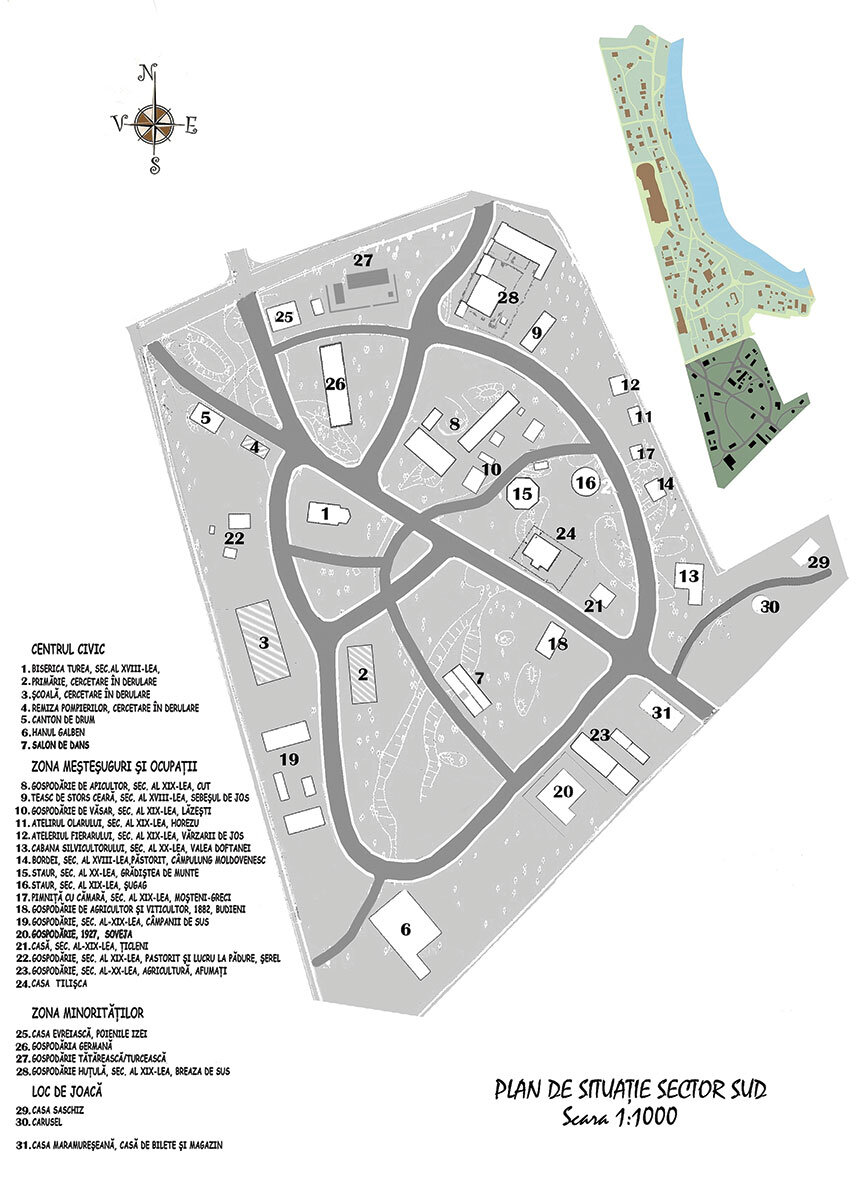
Grouped in three main visiting areas - Civic Center, Crafts and Occupations Area and Minorities Area - the 27 households, traditional technical installations, buildings with public function, dating from the sec. They come from all historical provinces of Romania. Some of the monuments from the museum's original exhibition have been transferred to Satul Nou on more generous sites, happily completing the museum's itinerary. This is the case of Turea Church, jud. Cluj, 18th century, the first monument moved to the new site in the early 1990s, where the only Resurrection Mass in the museum's history was celebrated.
The civic center of the New Village comprises the Turea Church, the Yellow Inn, the Road Canton and the Dance Hall of Aluniș, jud. Prahova, 1928. Research campaigns have already been carried out to identify a school, a town hall and a firemen's shed, monuments that will complete the Civic Center area.
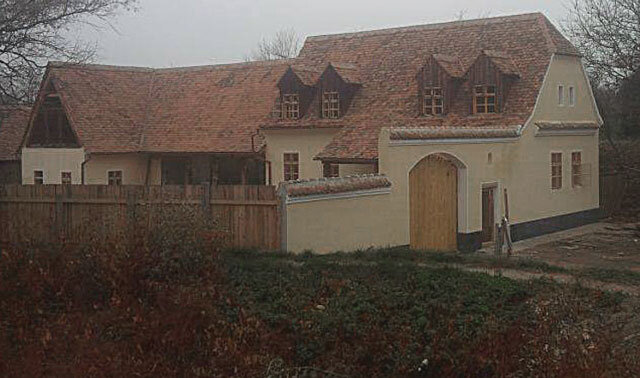
The minorities' area continues the thematic idea illustrated in the museum by the Lipovenetian household from Jurilovca, jud. Tulcea, 1898, and the Secze household in Bancu, jud. Harghita, 1862. The Saxon household in Dealu Frumos, jud. Sibiu, 19th century, the Saxon house in Saschiz, jud. Mureș, 1762, the Jewish house in Poienile Izei, jud. Maramureș, 1860, the Huțula household with a fortified settlement in Breaza, jud. Suceava, 19th century. Research is in progress to complete the minority area with a household belonging to the Turkish or Tatar community of Dobrogea.
The crafts and occupations area includes 16 monuments, 4 of which were part of the museum's initial exhibition and were relocated to the New Village - the pottery workshop in Horezu, jud. Vâlcea, 19th century, the blacksmith's workshop in Vărzarii de Jos, jud. Bihor, 1905, the household in Câmpanii de Sus, jud. Bihor, 19th century and the household in Șerel, jud. Hunedoara, 19th century.
Beekeeper's household in Cut, jud. Alba, 1882, and the wax squeezing teapot in Sebeșu de Jos, jud. Sibiu, 18th c., the bird-farrier's household in Lăzești, jud. Alba, 19th century, the forester's hut in Valea Doftanei, Prahova, 20th century, the staurele in Grădiștea de Munte, jud. Hunedoara, 20th century, and from Șugag, jud. Alba, 19th c., the shepherd's herding village of Câmpulung Moldovenesc, jud. Suceava, 18th century, the Beuran house in Budieni, 1882, and the house in Țicleni, 19th century, both in jud. Gorj, as well as 20th-century monuments in Soveja, Vrancea and Afumați, Ilfov, illustrate spaces that housed crafts and occupations specific to rural life in all parts of Romania.
TheNew Village of the National Village Museum "Dimitrie Gusti", an exceptional museological realization, awaits its guests - of course, many of them architects - who will certainly be delighted by the enchanting atmosphere of the museum-park, by the valuable monuments of vernacular architecture, by the authentic folkloric performances with which the museum honors its heritage and its image as a cultural institution of reference in the capital.