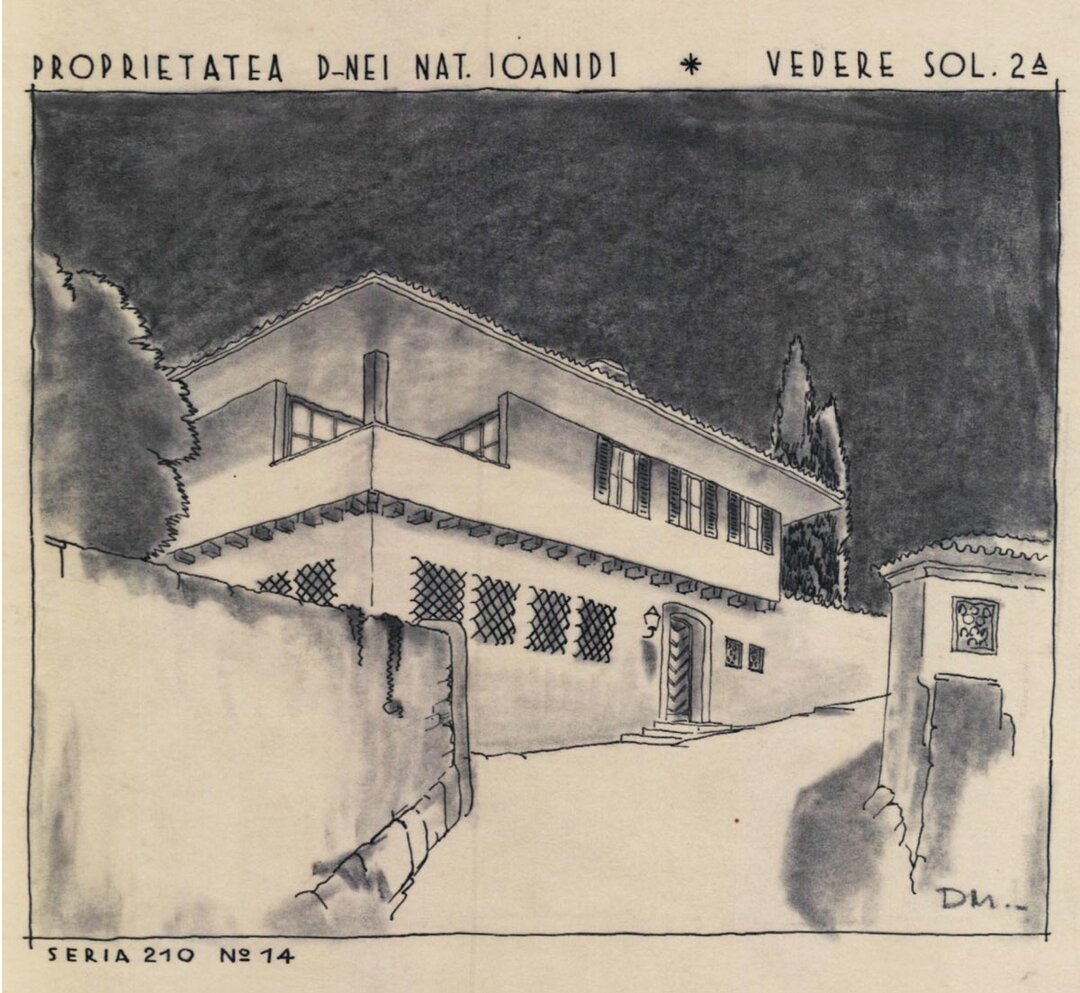
The man, the architect, the professor Duiliu Marcu

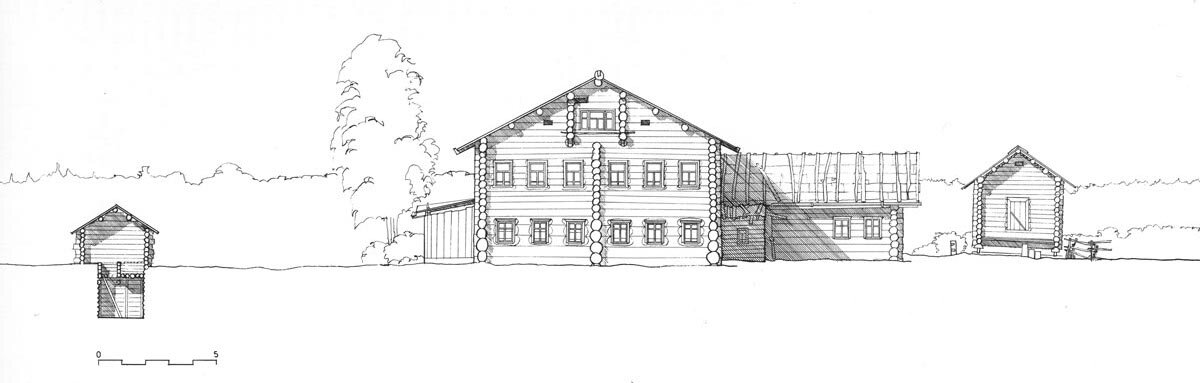
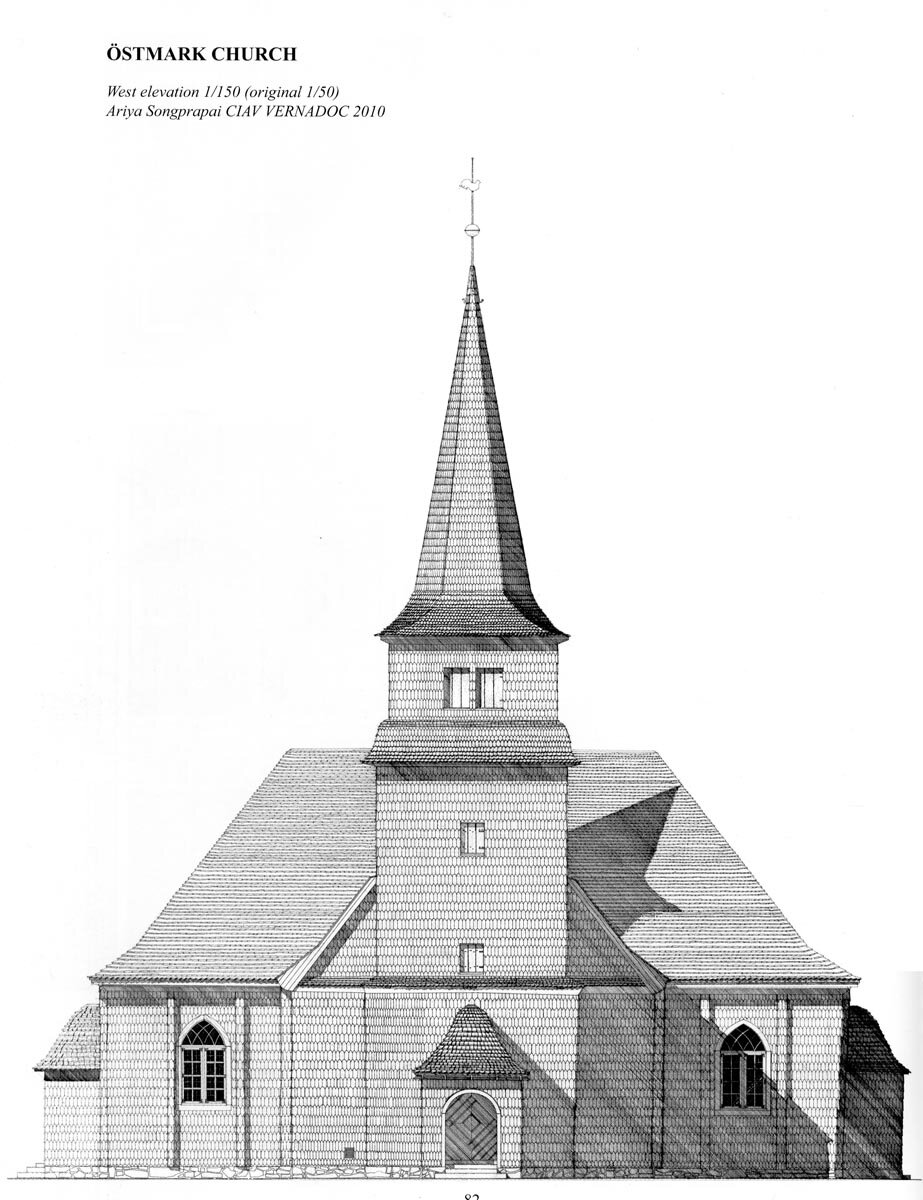
While scouring the virtual world of the internet for information, events or signals from the bygone world of vernacular architecture, I came across the announcement for VERNADOC 2010 and couldn't believe it: a 2-week camp in a lost village in Sweden, with the study of the Östmark church relief in the slightly romantic technique of rapidographs and paper. Two weeks of working side by side with colleagues from all over the world, discovering an interesting culture at no out-of-pocket expense, was wonderful and incredible!
I immediately contacted the eminence grise of these architectural survey camps called VERNADOC, Mr. Architect Markku Mattila, professor at Aalto University in Helsinki and at Tampere University of Technology. He very kindly replied that Maramureș is a familiar land to him and that he was deeply impressed by our wooden churches during his visit to Romania a year ago. He also said that he would be interested in a collaboration, considering that Finland and Romania share the use of wood as a building material in traditional architecture.
History of VERNADOC
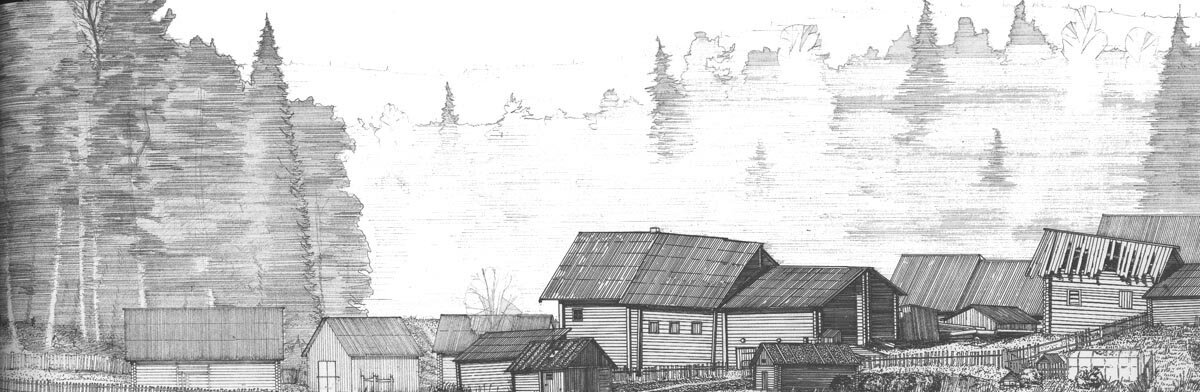
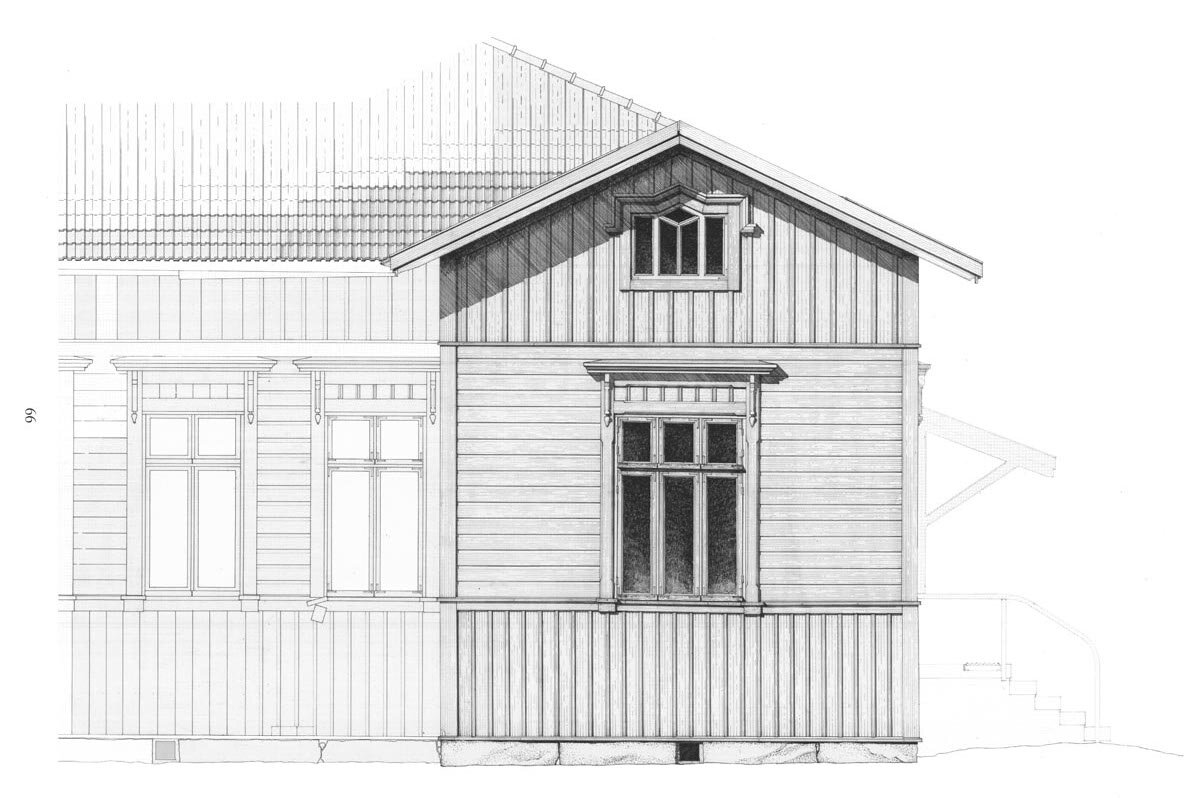
This is how I started to get acquainted with VERNADOC - DOCumentation on VERNacular Architecture - a concept which appeared at the end of the last millennium, aiming to immortalize vernacular architecture so perishable nowadays. It means, in fact, to draw up surveys, paying great attention to the accuracy of the measurements and to the most attractive way of representation for any viewer. This process is made interesting by the impact it has on local people who can see in a new light the homes they are so used to. During the time spent measuring, the architects express their admiration for the craftsmanship and beauty of the buildings they focus on, thus making another contribution to convincing local people to maintain and use the old traditional buildings.
One of the most impressive documentation of vernacular architecture took place in 1998, when a team of architects from Finland and Russia traveled for a week along the Pinega River (Russia), stopping in all the villages to measure and draw the traditional structures found there - a very remote area, where access was only possible by river or by helicopter. Shortly after the architects' expedition, the local authorities decided that the area had no future and moved the school, hospital and shop to the nearest rural center; of course the population soon migrated.
This action was the cornerstone for the vernacular architecture documentation camps called VERNADOC, whose spiritual father is the Finnish architect Markku Mattila. They have a substantial spread in the world, with new members joining every year, either by participation or by organizing VERNADOC documentation camps.
Finland has documented houses in remote villages in the Finnish archipelago, a wooden farmhouse in Längelmäki, a villa in Ruovesi, old village schools in Ruovesi and the Kirstie Museum in the old UNESCO World Heritage town of Rauma.
Sweden contributed by documenting the wooden church in Östmark.
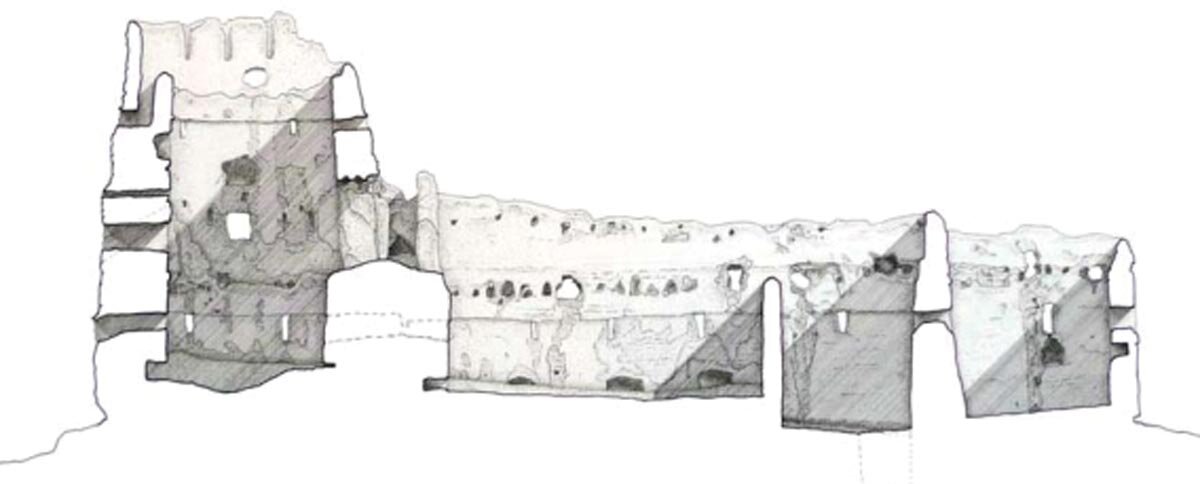
The United Arab Emirates organized a VERNADOC in Al Ain, focusing on earthen constructions: two small mosques, a dwelling with a defense tower and a village bazaar.
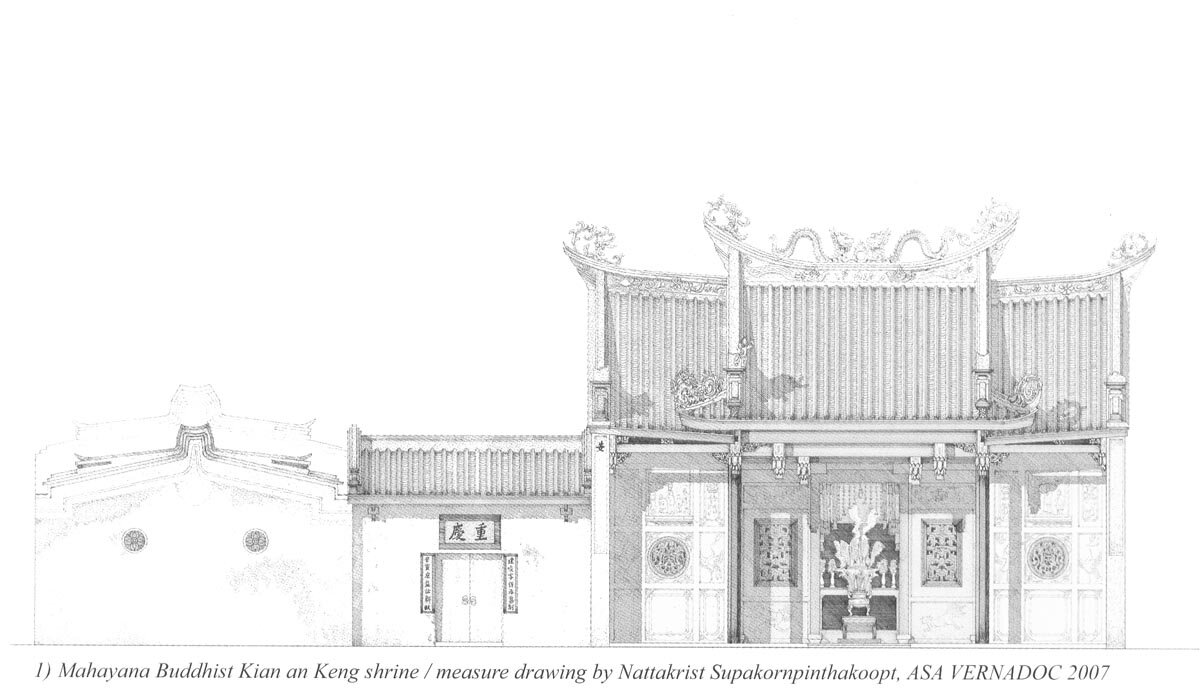
Thailand has a major promoter of VERNADOC camps: architect Sudjit Sannanwai, a professor at Rangsit University, who organizes through the Association of Siam Architects (ASA) and Rangsit University (RSU) several such camps a year, involving hundreds of students and architects. It benefits from the support of Princess Maha Chakri Sirindhorn, who understood the importance of VERNADOC both for the old buildings to remain a testimony for future generations and for the effect of the interest of the specialists on the local population.
Other VERNADOC events: in Japan, traditional architecture has been documented in the Okinawa archipelago; several stone watermills in Montaria - Portugal; a lacy wooden villa in Narva-Jõesuu - Estonia; facades of the historic center of Amandola Marche - Italy.
VERNADOC in Romania
The collaboration with Romania started after short e-mail exchanges with arh. Markku Mattila, in which he requested the presence of an article about the architecture of Maramureș churches in the CIAV VERNADOC 2010 brochure: "Orthodox Spires from Old Maramureș".
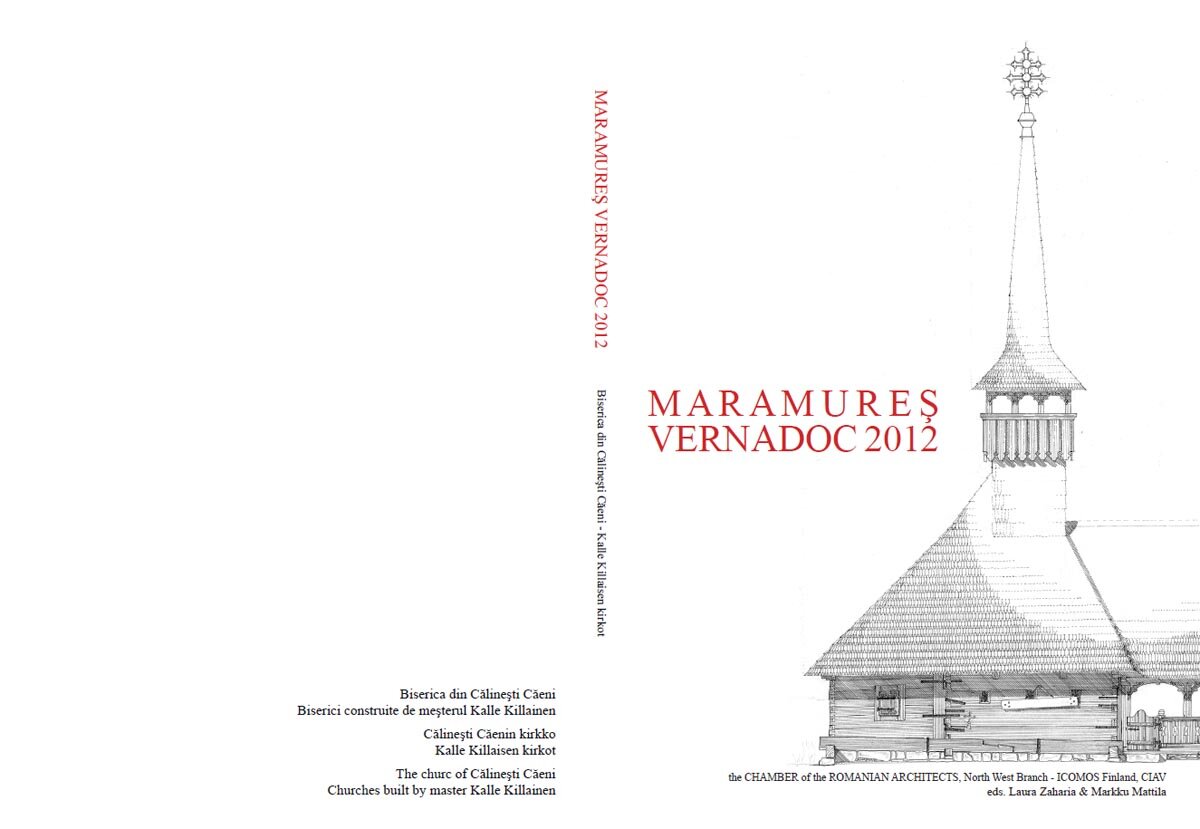
Then came the revenge: in 2012, with VERNADOC in Maramureș, in Călinești, with the "Nativity of the Virgin Mary" Church of Călinești Căeni as the object of study. The team was small - only 7 architects and student architects from Finland and Romania. The relief drawings are in the archives of the North-West Branch of the Romanian Order of Architects, together with other reliefs of traditional houses and households from Maramures, in the custody of architect Laura Zaharia.
The editing of the magazine VERNADOC MM 2012 was also an interesting labor, during which I got in touch with interesting personalities: Mr. architect Adrian Panaitescu, with his wonderful drawings made in Maramureș during the period dedicated to the design of the Administrative Palace in Baia Mare; Mrs. architect Maria Enache, with the goodwill with which she rummaged through the archives of the Institute of Architecture "Ion Mincu" following the tradition of the school of architecture in the field of surveying and with the elan with which she mobilized the first year students to survey the churches of Dragomirești (Maramureș) and Timișeni (Gorj); my colleague, Mrs. architect Oxana Crăciun, who promptly accepted as always to share with us her experience during the restoration of the church in Coruia. The ethnologist Mihai Dăncuș described the church of Oncești which is currently in the Village Museum in Sighetu Marmației; the engineer Gelu Zaharia analyzed from a structural point of view the tower of the Church of the Nativity of the Virgin Mary in Călinești Căeni, starting from VERNADOC drawings; the young architect Andrada Ghineț described the revealed church in an article accompanying the drawings from the camp; and I expressed my views on the negative effects that the non-observance of building legislation has on vernacular architecture.
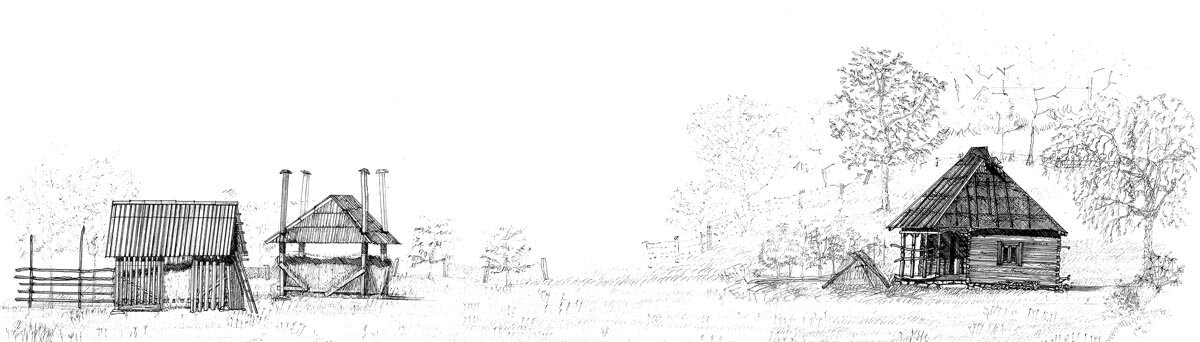
2014 was again a year dedicated to Maramureș, this time in the Vișeului valley, in the commune of Petrova, where 4 households and a traditional gate were documented. The participation was wider, the 16 participants formed a heterogeneous and picturesque collective: architects and student-architects from Finland, Thailand, China, France and Romania, aged between 20 and 65, formed 4 teams that worked in a professional way to document 4 typologies of traditional houses together with their annexes. The teams enjoyed the open way in which the locals interacted with them, learning about the history of the houses and other details about the usefulness of the outbuildings and wooden household tools.
To edit the magazine VERNADOC MM 2014, 21 authors enthusiastically joined the project, thus contributing to its complexity: in addition to the 5 articles accompanying the drawings of each of the objectives of the VERNADOC MM 2014 camp in Petrova, the magazine presents diverse topics on the theme of documenting vernacular architecture and the problems generated by living in these traditional buildings. The issues are the same everywhere, only the way in which local communities find (or not) solutions for the integration of vernacular dwellings into everyday life differs.
The magazine includes articles presenting case studies from China - the city of Cicheng, Ethiopia, Egypt - the Nubia region, Finland - the old town of Rauma, Estonia, Croatia, Romania - the city of Baia Mare and the villages of Tur and Nistru. The last interview with the famous master carpenter Hotico Herenta, from Ieud, is also honored.
The list of authors is as follows. Markku Mattila (Finland), dr. arh. Guo Li (China), dr. arh. Dr. Mamdouh Mohamed Sakr (Egypt), arh. Parichat Sakunjaroenpornchai (Thailand), etn. Joosep Metslang (Estonia), design. Luka Jelusic (Croatia), stud.-arh. Ella Killa-Kause (Finland); and from Romania: arch. Maria Enache, arh. Mihaela Arsene, arh. Christiana and Mihai Pienescu, arh. Gențiana Crăciun, arh. Ina Funețan, arh. Horea Stoia, arh. Andrada Ghineț, arh. Alexandra Lobonțiu, arh. Veronica Iosip, arh. Andreea Ștefania Kadar, dr. ing. Gelu Zaharia, stud.-arh. Alexandru Greceniuc (Romania) and arh. Laura Zaharia.
Conclusions
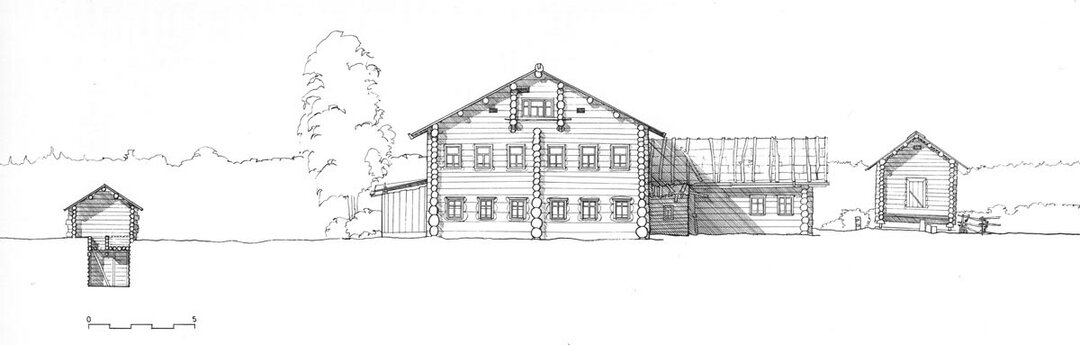
VERNADOC stands for the process of collecting data and information from the field and rendering them into drawings of high artistic and technical quality, using very simple technical means. All measurements are immediately translated into a drawing on the sheet of paper, without any intermediate notations or sketches. The working tools are the cheapest possible that can be bought on the spot: paper, pencil, eraser, rulers and water hose. The drawings, once finalized in pencil, are drawn in ink in the studio, and the finish is so real and expressive that any layman can understand the drawing and capture the beauty of the construction represented.
VERNADOC stands for two-week work camps, organized in such a way that the participants only pay their own travel and the organizer takes care of the necessary costs of the camp activities.
Every VERNADOC camp ends with an exhibition displaying all the drawings produced during the camp and a publication that reproduces the products of the camp, writes related information and collects various articles on vernacular architecture by VERNADOC participants or other enthusiasts.
The VERNADOC network started to coalesce in 1994 in Finland. Since then, it has spread throughout Europe (Russia, Estonia, Sweden, Romania, Italy, Portugal, Estonia, Romania, Italy, Portugal), as well as in South America (Mexico), Africa (Egypt) and Asia (Thailand, Japan, Philippines, United Arab Emirates).
In the end, it turns out that VERNADOC is more than just a series of documentation camps. VERNADOC is in fact a social network for vernacular architecture enthusiasts. It was born in the islands of the Finnish archipelago, has traveled through Russia, Thailand, Italy, Egypt, Maramureș, Romania... Friendships are born, horizons are opened, collaborations are established and everything has as its motto the interest in vernacular architecture and its promotion.