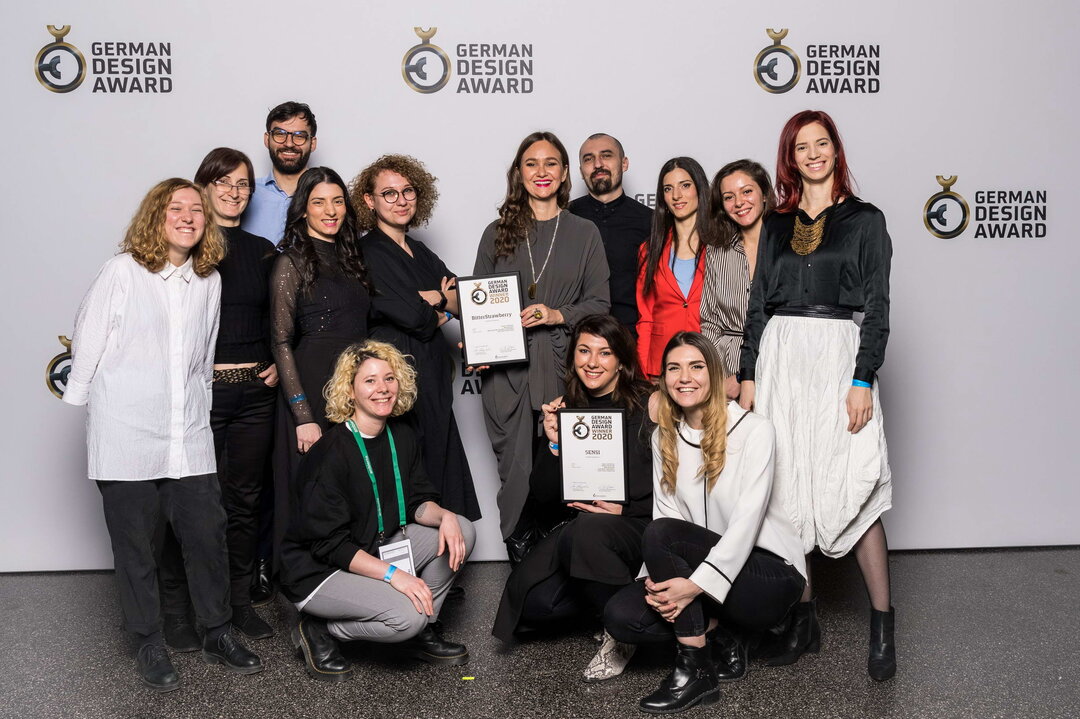
AMA DESIGN won two awards at the German Design Awards 2020

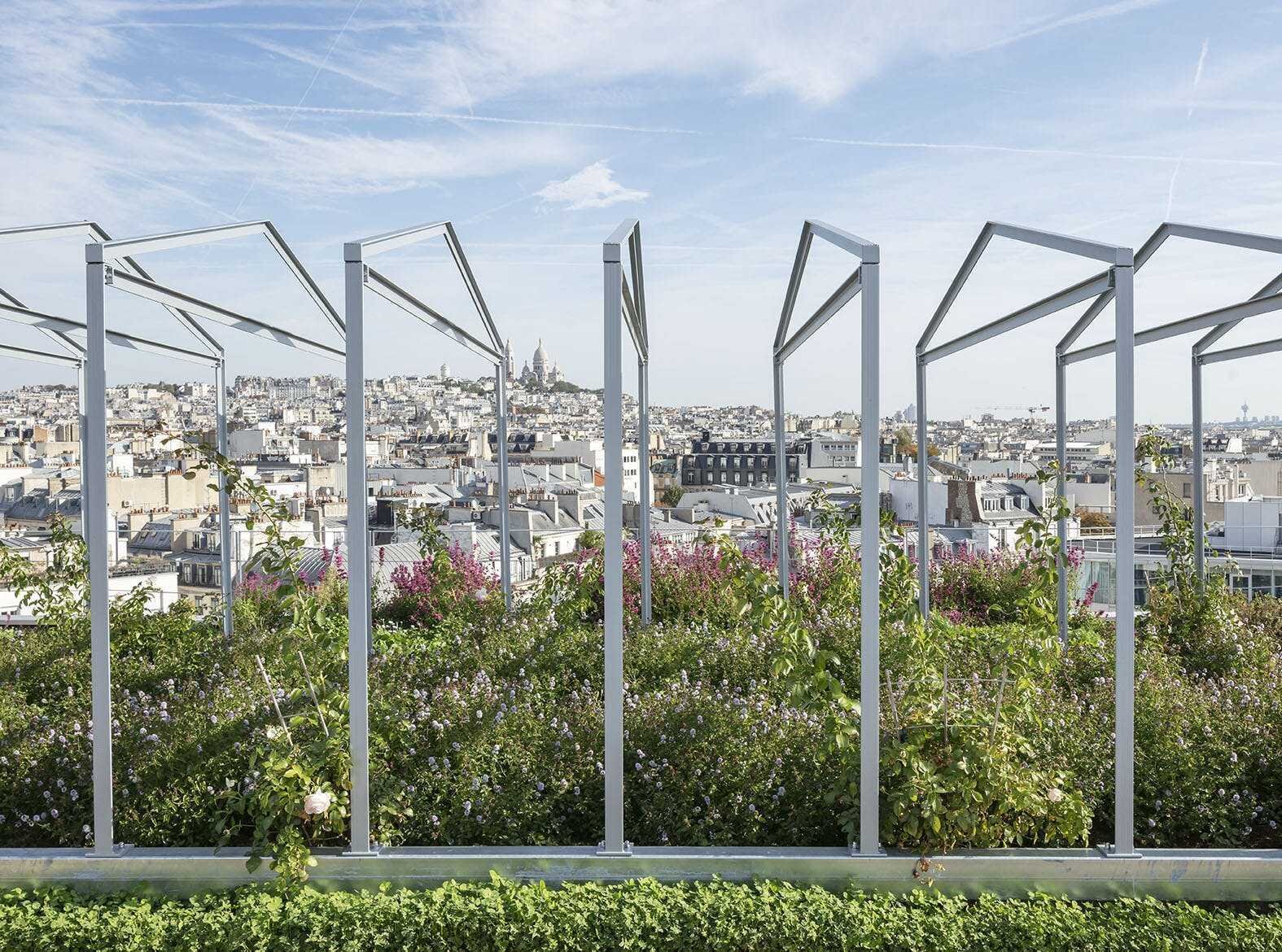
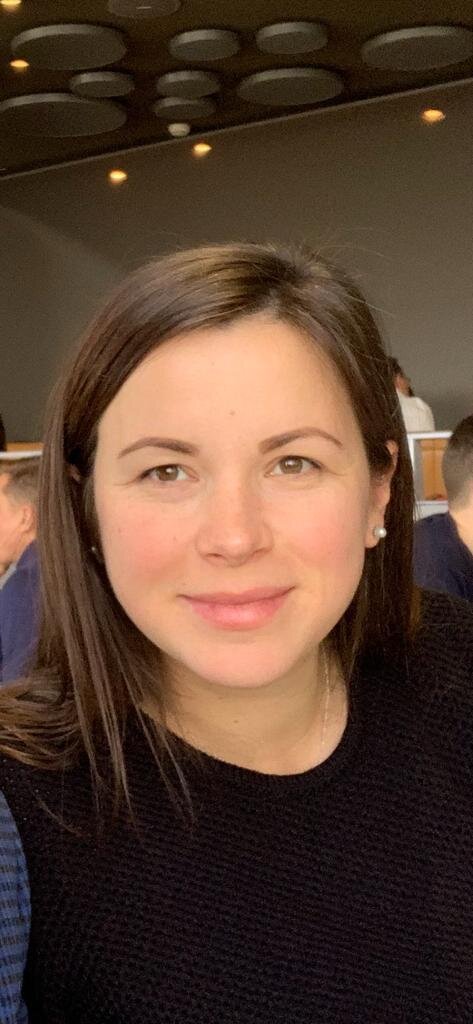
Alexandra SCHIPOR MOCANU - FRANCE, Paris
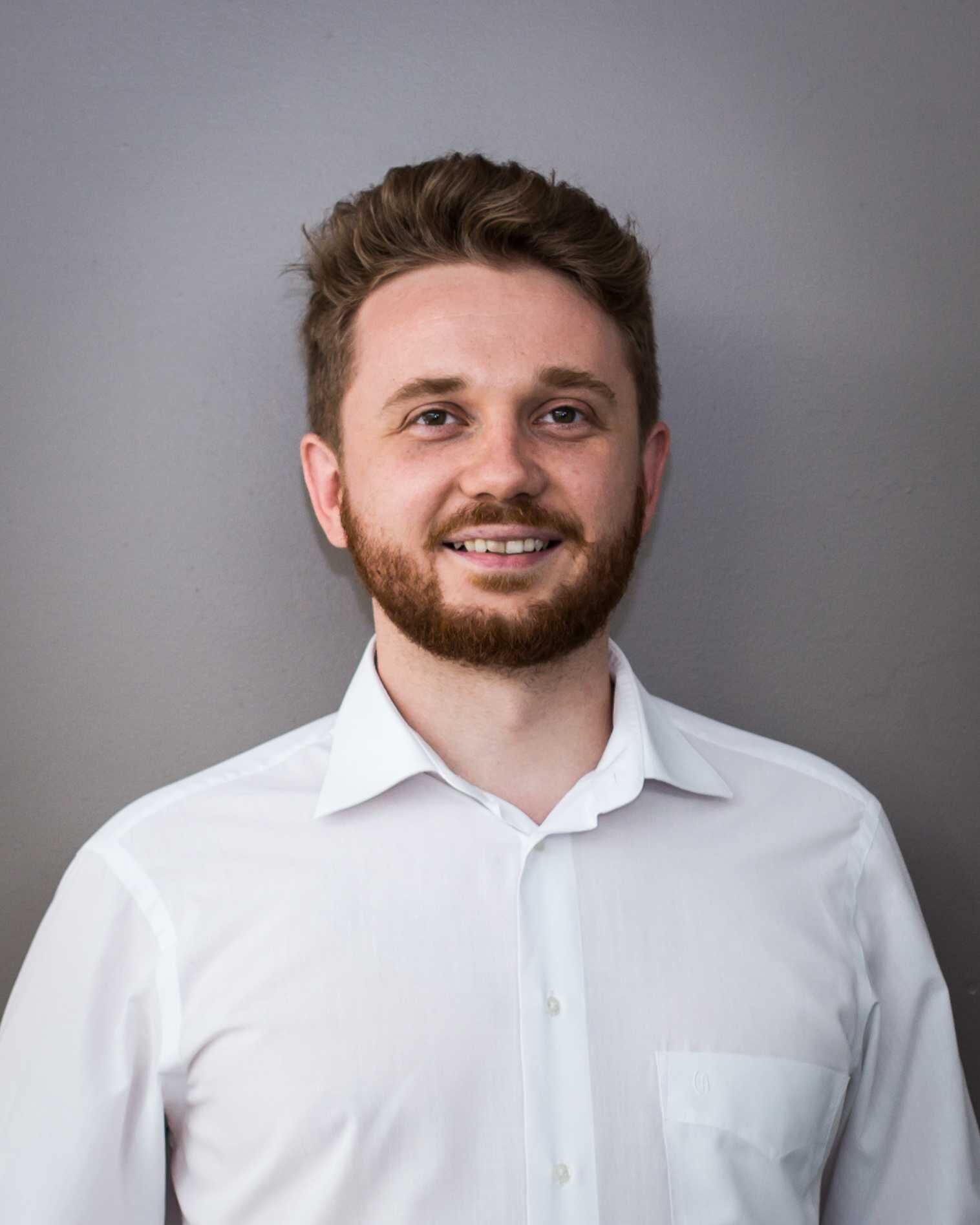
Alexandru SENCIUC - UNITED KINGDOM, London
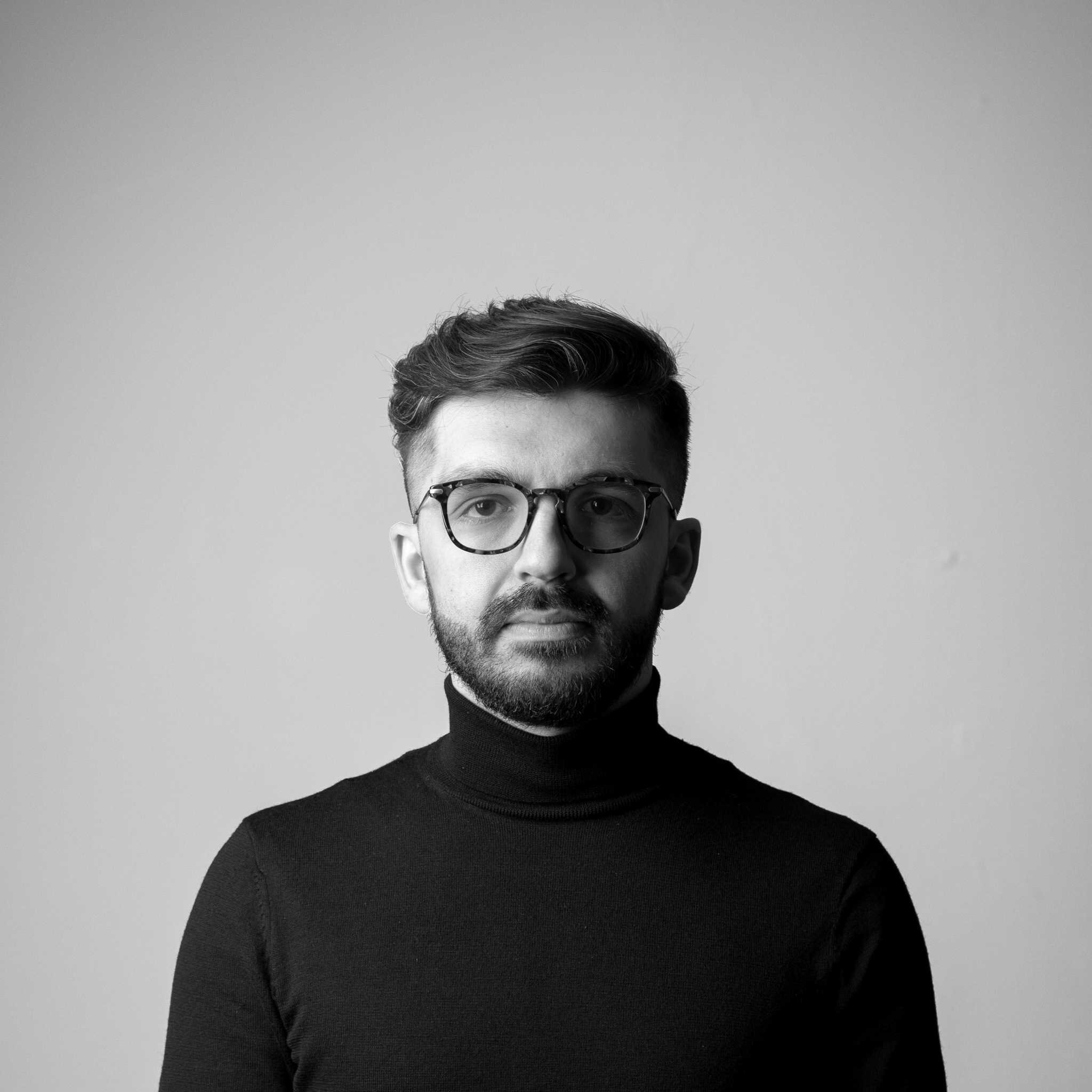
Sorin Tudor BOMPA - HOLLAND, Delft


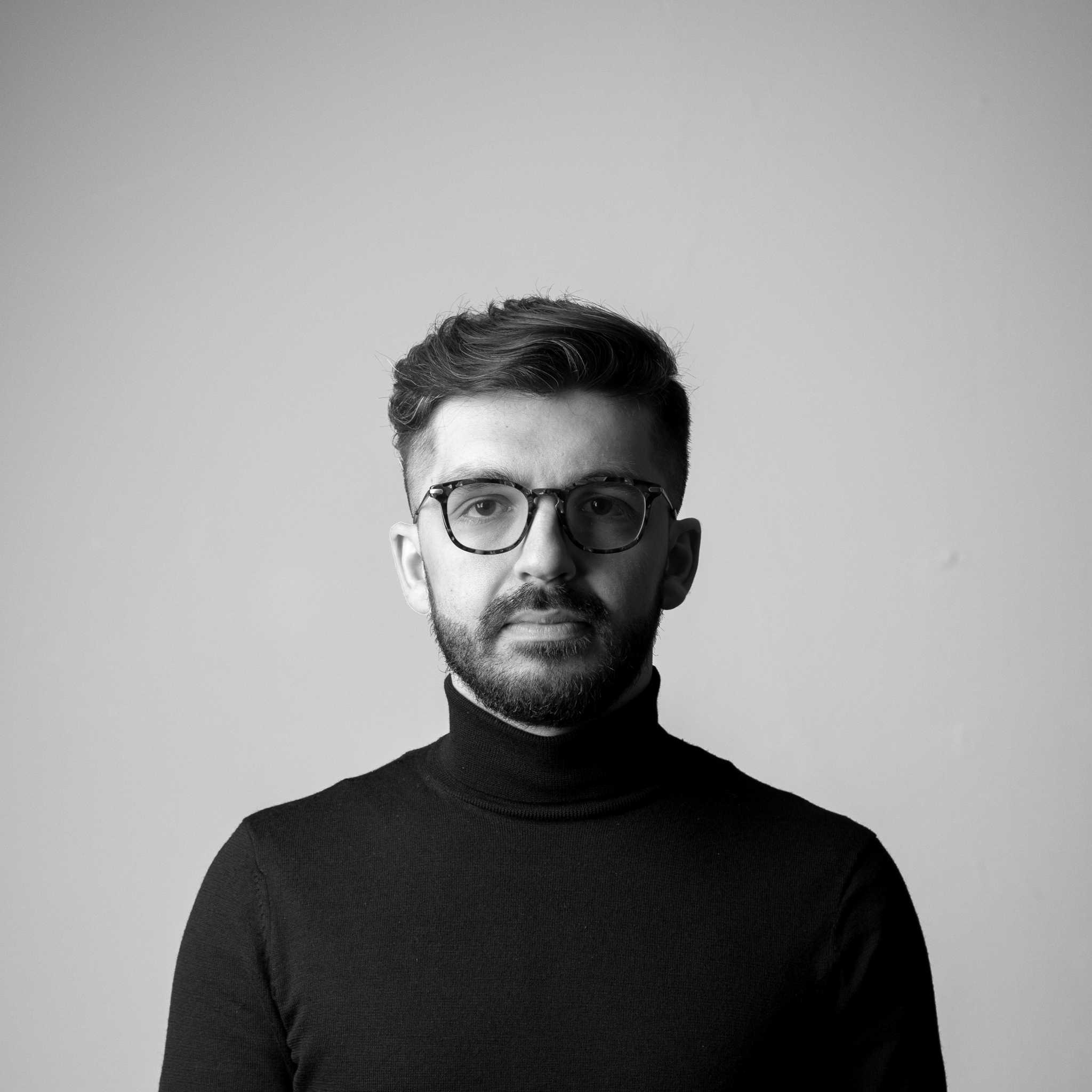
Alexandra SCHIPOR MOCANU (b. 1986) graduated from ENSAPLV Paris (2010), after two years of training at UAUIM Bucharest and an Erasmus scholarship at ENSAPLV Paris. Immediately after graduating from the university and obtaining the right to sign in France (2011), she continued her professional career, working with architects specialized in hospital architecture (Christian Tanascaux, Remy Butler, Michel Beauvais). Most of Alexandra's time is spent in the architectural office Michel Beauvais et Associés, experts in hospital projects. Her professional experience started since her university years and was acquired almost entirely in France, with the exception of a few short collaborations in Romania. His active participation in the elaboration of PUZ - Suceava central area, in the conversion of an industrial building into an Urban Culture Center and, last but not least, in 2007, in the projects for the rehabilitation of two hospitals in Brasov and Bucharest gave him his first professional experiences. The national or international projects she has taken part in France are focused on health programs. These include: CH Annecy Genevois (rehabilitation, palliative and geriatric program), CHU Limoges (medical-surgical program), CHU de Nimes (cancerology institute), CHU de la Reunion (extension and restructuring of the technical plateau), CH Emile Muller in Moulhouse (maternity), etc.
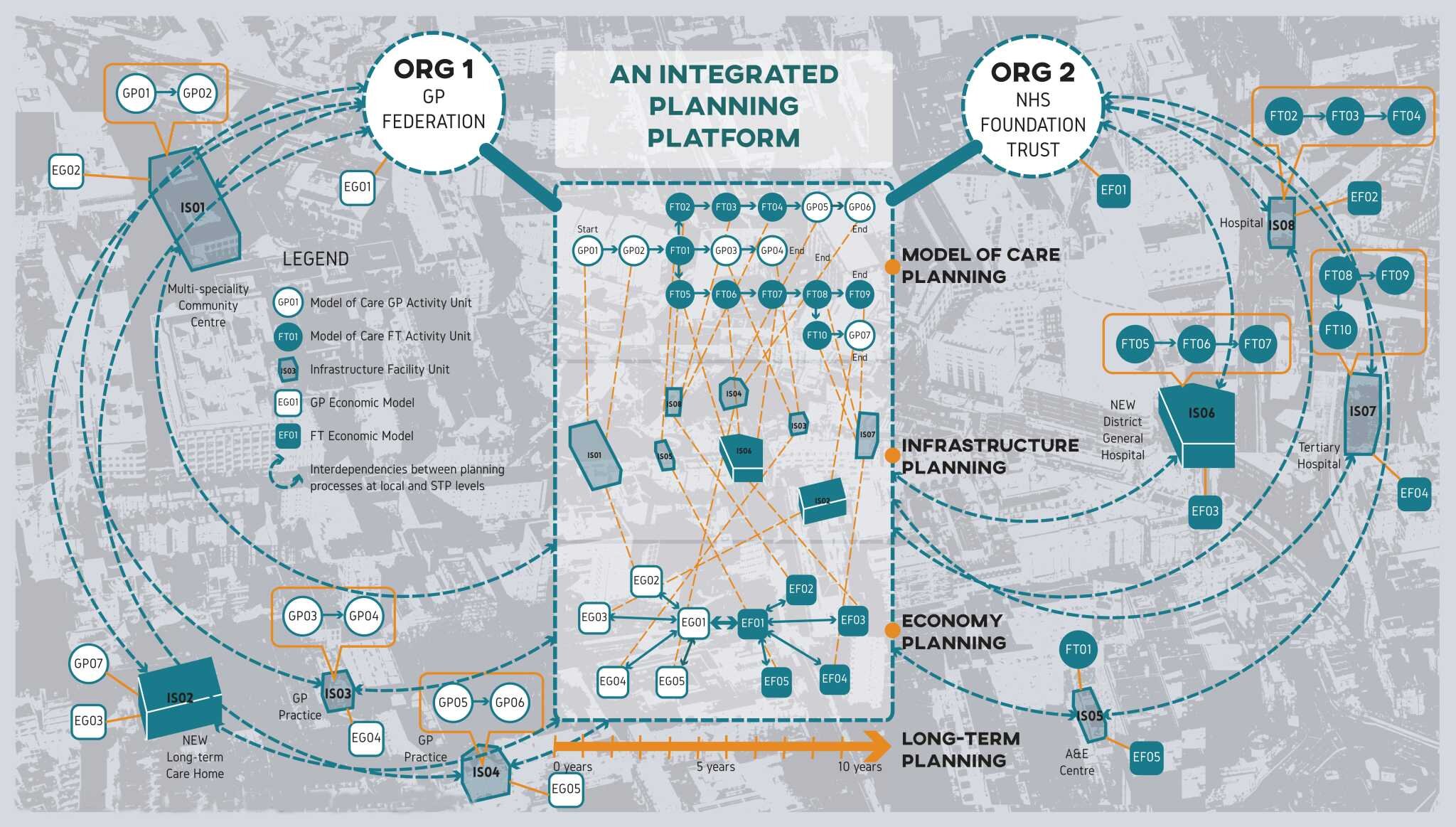
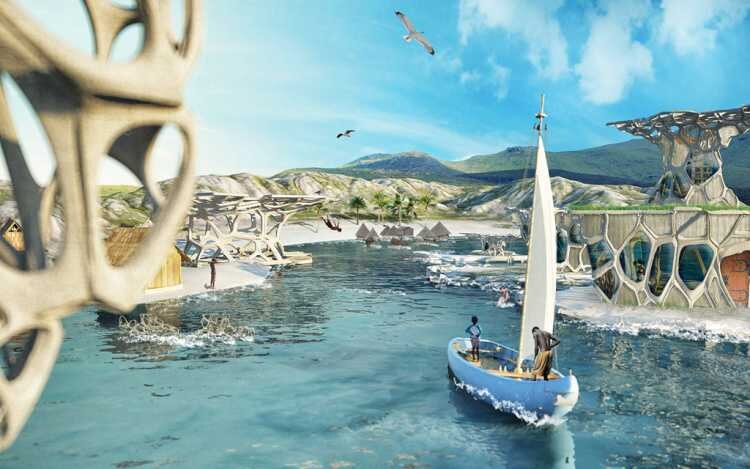
Alexandru SENCIUC (b. 1988) is an architect at Medical Architecture and a PhD student at Bartlett, UCL. He works with collective intelligence to solve the complex challenges of planning and designing medical infrastructure. He developed a protocol for collaborative design, applied to the TarTar team that won special mention for the Living Grounds project in the 2014 Jacques Rougerie competition, in partnership with the French Academy and Unesco. As an architect at Medical Architecture, he works on hospital infrastructure in the UK and internationally. In Paris and London he gained international experience in hospital architecture, with projects in France, China, Morocco and Liberia. He started his UAUIM in Bucharest and completed his Masters at ENSAPLV Paris in 2013, and was awarded his PhD in 2014. His PhD topic (from the Bartlett School of Architecture) addresses the planning of healthcare infrastructure by integrating with clinical and capital investment planning using a simulation platform.
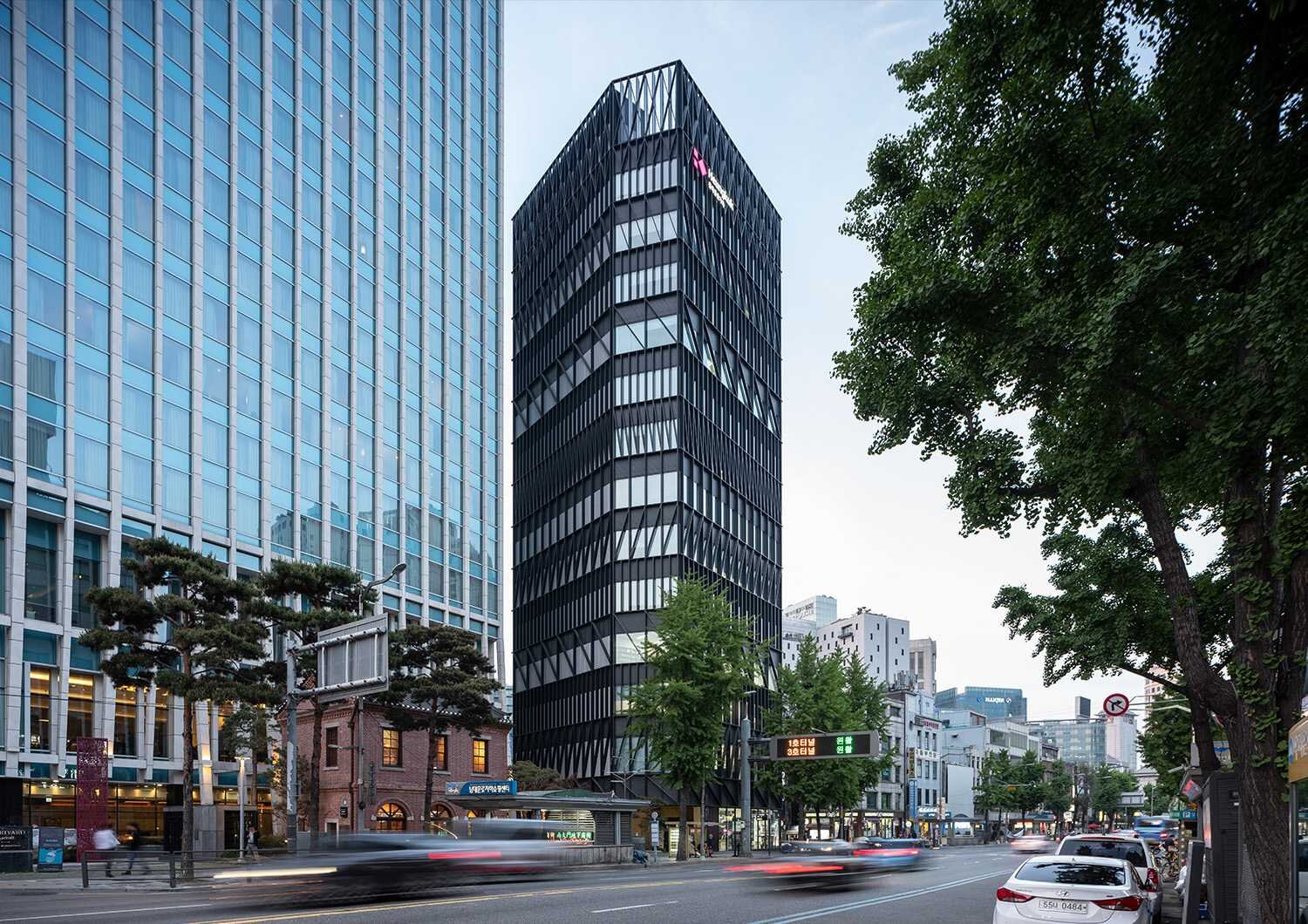
Sorin Tudor BOMPA (b. 1988) graduated from UAUIM in 2014, won an Erasmus scholarship at IUAV (Venice) and had two professional experiences at ADNBA (Bucharest) and Mecanoo (Delft, The Netherlands). After graduating, she returned to the Netherlands where she continues her collaboration with Mecanoo. In Delft, she gained experience working on local and international projects of great complexity, ranging from research, interior design, renovation and architecture projects to urban strategy projects. These include the renovation of the New York Public Library Mid-Manhattan Library and the Stephen A. Schwarzman Building (New York), the new headquarters of the European Investment Bank (Luxembourg), Namdaemun Heungkuk Life Insurance Bank (Seoul, Korea), Shenzhen North Station Masterplan (Shenzhen, China) or the project for a sports complex and velodrome (Luxembourg).
Constantin GORCEA: You belong to the same generation. You were born shortly before the revolution (1986-1988) in Suceava, where you grew up and where you studied before going to university. You finished all the prestigious National Colleges in Suceava, in the math-physics departments... You prepared for admission to Architecture and opted for UAUIM Bucharest. After the first years, you had your first experiences in architecture schools in other European countries. Other colleagues left... Some stayed abroad, others came back... You stayed! Do you see the choice to stay abroad as a generational choice or a strictly personal one?


Alexandra SCHIPOR MOCANU: If we were to use statistics, we could probably have an objective answer to this question. As for me, the decision to stay in France was a strictly personal choice and largely linked to the context in which it took place. Erasmus scholarships were not easy to get. You had to be among the first to be able to choose where you wanted to go. In the light of this difficulty of access and the small number of scholarships, I could say that leaving was a generational choice. But coming back to the choice to stay, today I can say that the generation I belong to is an extremely unpredictable one. Our mobility and the technologies at our disposal make it much easier for us to leave our homelands to make our place in another world, to adapt to another culture and help us to integrate very easily. From this perspective, everything becomes a strictly personal, subjective choice, because we have a freedom that was not possible before. In my case, the desire to continue in the architectural niche in which I started was a determining factor in my decision. If the situation had been different in the field of architectural design for healthcare in Romania, my decision might have been different.
Alexandru SENCIUC: It is a strictly personal choice that I find in many other colleagues. I chose to stay for two reasons. The first is the chance to innovate in the architecture and planning of health infrastructure, which I could only do well from London. The second reason is more complex. If we look at the architectural industry through the prism of the European Union, it is a free trade market, where services flow with minimal restrictions. I, as an individual, can live anywhere in Europe with the freedom to practise my profession in any other country, within certain legislative limits of course. The way in which I define my life and my profession changes fundamentally when I move from being a citizen of one country to being a European citizen. It is natural to gravitate towards the territory where I have the best chance to develop, because the link with my place of origin changes, but is not lost. So the choice to stay is not a 'here vs. there' comparison, but a redefinition of individual identity. All the generation peers who left have gone through this transformation. Some chose to return to Romania and they did the right thing, because they will benefit from the opportunities of a country that is now entering major economic development. Others, like me, have chosen to stay in another part of the world.
Sorin Tudor BOMPA: I hope I'm not mistaken, but unlike my colleagues Alexandra and Alexandru, after my first contact with the school of architecture abroad, I returned to the country to continue my studies at "Mincu". After half a year, I left again for a six-month internship, which later turned into a year, after which I came back to Bucharest again to graduate. Two weeks after my diploma, I left for the second time. Five and a half years have passed since then. I haven't been back yet. Neither the choice to leave nor the choice to stay was very conscious. The fact that I stayed in the Netherlands is due to a mix of personal and professional factors. I can't generalize, but many of us who had contact with academia abroad stayed there. There were a number of objective factors that led our generation to seek opportunities abroad. The main reason was that, at that time, Romania was still in recession after the economic crisis of 2008, while in Western countries the economy was already on its feet and there were more opportunities. My colleagues from Italy, Spain and Greece had a similar path; many of them stayed in the Netherlands as well.

C.G.: The first contact abroad was with the university environment. Can you characterize the schools of architecture where you continued your studies in relation to the Romanian school?
A.S.M.: By comparison, I would say that the big difference between schools is in their approach. My experiences in school were both extremely valuable. Every year, every term, every hour that I spent either in the school in Bucharest or in Paris contributed to the foundation of my training as an architect, upon which I have been able to build so far, and I hope from now on. The school in Bucharest I would characterize it as a rather technical one, with a predetermined syllabus where most of the courses were quite Cartesian and the evaluations rigid. The exception were the design and structure courses, in the second year, which at the time seemed to me the most free and formative. The Paris school a bit more relaxed with a leaning towards the artistic sphere where the architectural concept is put to the height while putting the acceptance on electives, so that through the electives you choose you can polish your own path. In the end every school has its pros and cons. From this point of view I can declare myself happy that I had the opportunity to attend both of them, and this duality is still very useful to me today in my approach to projects.
A.S.: I left UAUIM deeply dissatisfied with the education I received. On the one hand, I had great teachers in the studio. On the other, the program was rigid, stuck in the past. The same books my father had learned from 30 years before, sometimes even the same teachers.
I ended up at Paris-la-Villette, where I discovered a totally different system: a free-choice program, where any student shapes his or her courses as he or she wishes. At first, I thought this was a great advantage. Courses adapted to the problems of today's society were a big step forward. Now, after many years in the profession, I realize that this system is not perfect either. I have seen how too much freedom and lack of guidance puts a lot of pressure on the student. I have seen many colleagues who had difficulties early in their careers because of this.
I'm currently working on my PhD at UCL at Bartlett's in England. It is the same system with a high degree of freedom, the difference being that my progress is monitored by the supervising professors. At the same time, the faculty is part of a large multidisciplinary university, which gives me direct access to research communities in the medical faculty, mathematical sciences, economics, computer science and so on. This makes the difference between an isolated academic architecture environment and one integrated into a wider community. I believe this is the right model for the future of architectural education: a profession that is responsive to today's issues and always connected to industry and other disciplines.
S.T.B.: I left on an Erasmus scholarship in my fifth year, later than the vast majority of my colleagues who had left earlier and who have since returned or decided to continue their studies abroad. The 4th year at "Mincu" was a big disappointment, both for me and my other colleagues. I applied then for an Erasmus scholarship, rather because all my colleagues were doing it, and I was selected for the fourth option expressed, IUAV, Venice, where I studied for one year. IUAV is still living on the glory of the 70s and 80s, when it had Aldo Rossi and Vittorio Gregotti as professors. At "Mincu", I have always considered myself extremely lucky, because I had Florian Stanciu as studio teachers in the first year, and Mac Popescu and Andrei Șerbescu in the second and third years. They were geniuses, as a former classmate of mine said, so I started with very high standards or expectations. So year 5 at IUAV was below the "Mincu" level.
What was very different, however, was the school curriculum, with a focus on the design workshop, compared to "Mincu" where you were suffocated by the large number of courses, most of them outdated. The workshop was integrated: architecture, statics and construction, giving an overview. The most interesting moment of that academic year was the final workshop, two weeks of work, with multiple workshops and guest professors from outside Italy. Then and there, I met a group of professors through whom I ended up in the Netherlands.
C.G.: The experience of working in architecture firms in Romania boils down to a few months of internship. You probably started the same way abroad. Were these experiences decisive for your decision to stay?
A.S.M.: I wouldn't say that, exclusively, professional experience was a determining factor in my decision to stay in France, even if it weighed heavily in my decision. In my case, I weighed a lot more things, including of a personal nature, when I made such a decision, even if it was temporary. Indeed, professional experience was a priority and I chose to take the opportunities offered to me here. Undoubtedly, my profile would have taken a different shape if I had returned to Romania, because I would not have had the opportunity to work on hospital projects - an area of architecture in which I find myself and where I was able to combine the technical-artistic duality I have mentioned.
A.S.: I only knew the professional activity in Romania through other people's eyes. I always received negative impressions: the amount of work in relation to fees, unbalanced tenders and competitions, lack of interest in quality architecture. But I believe that Romania's economic development will bring more demand for quality architecture.


Alexandru SENCIUC
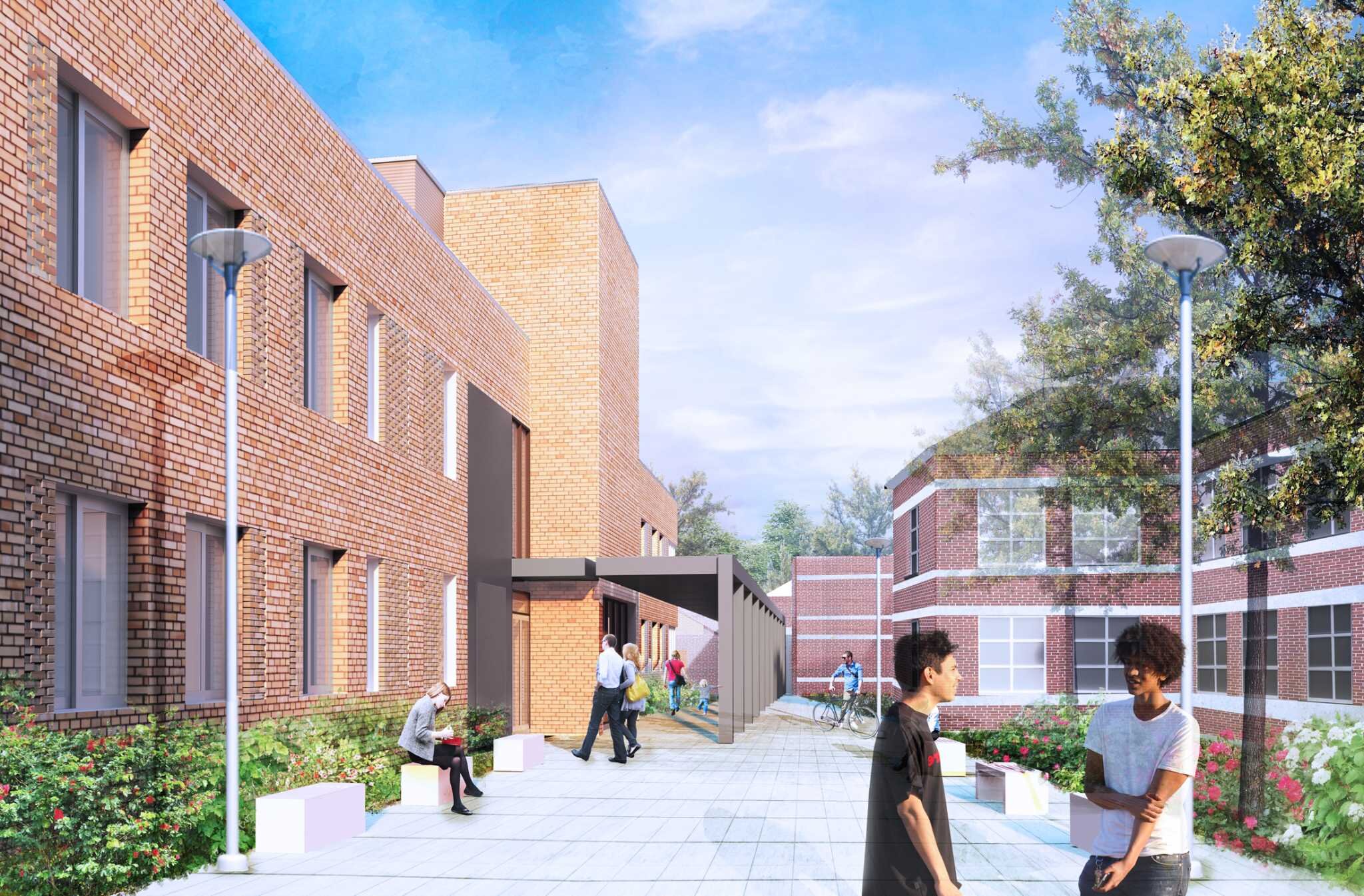
St Anns - copyright Medical Architecture
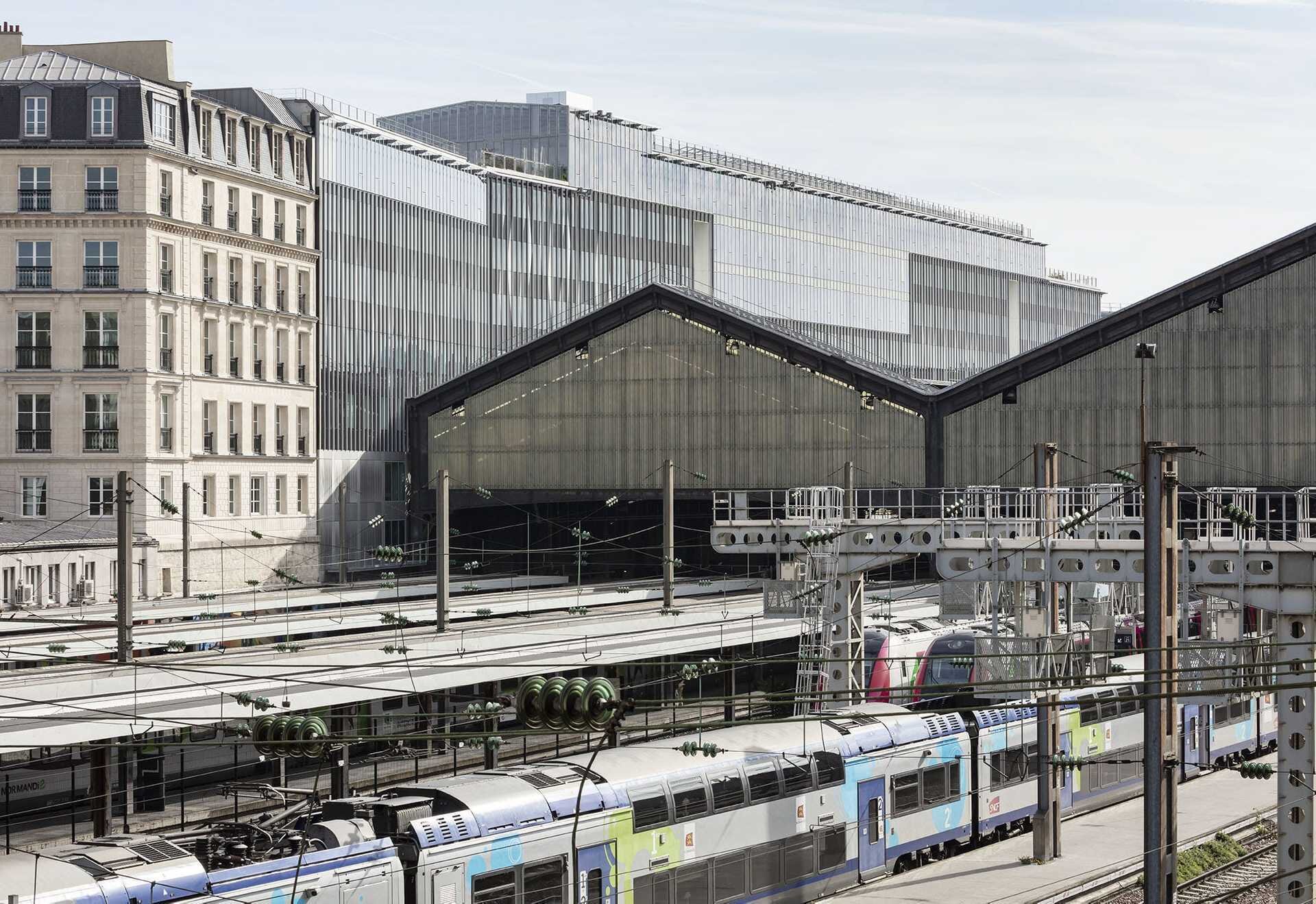
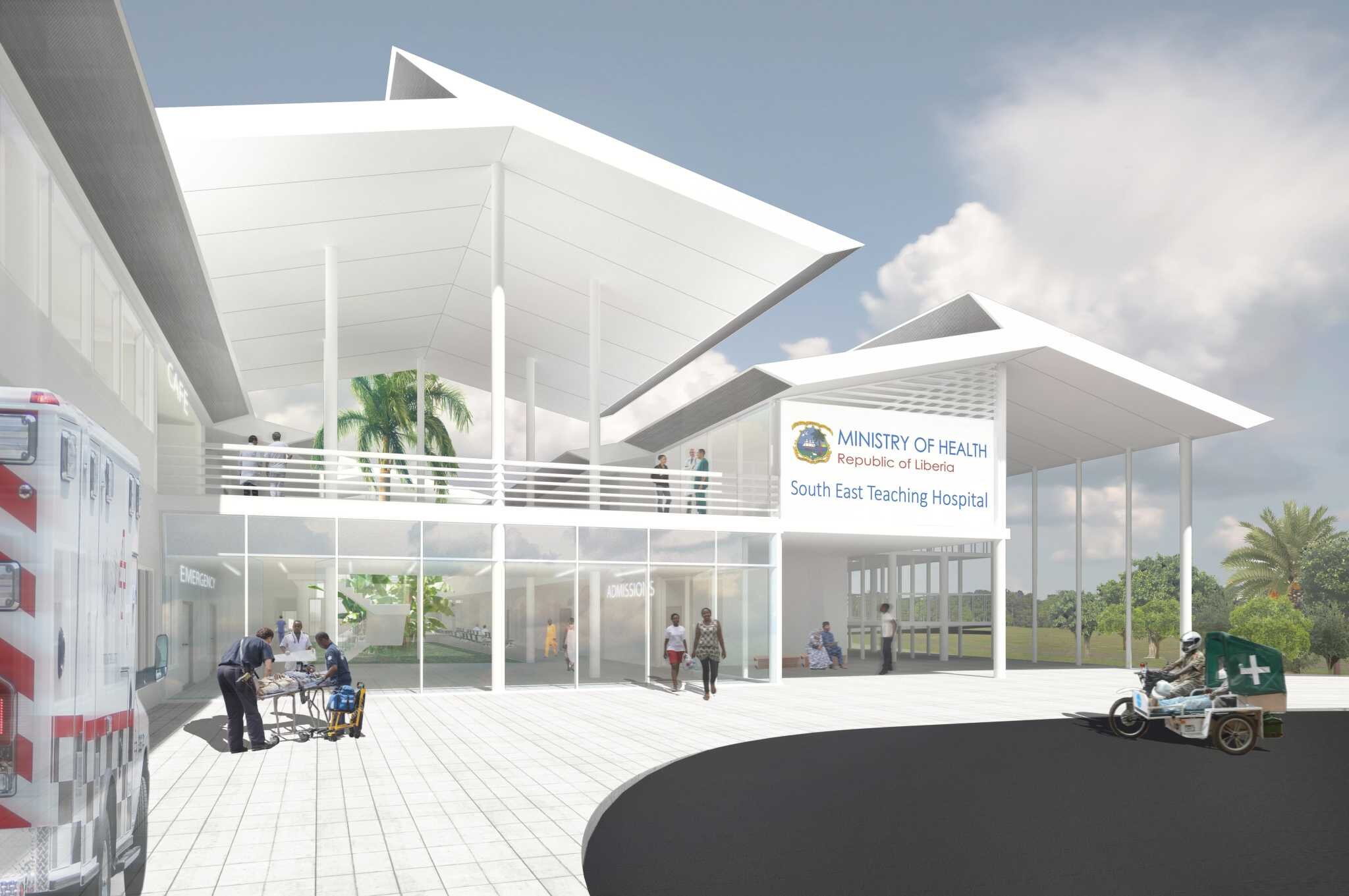
The job market in Paris or London has a lot to offer. The amount of work is about the same, but the competition is much tougher, against many very well prepared candidates. I have had access to many interesting projects such as a new university hospital in Rabat, an office building near St. Lazare train station in Paris, a new university hospital in Liberia or a new psychiatric hospital in North London. These projects attracted me, but the choice to stay was determined by the working environment. The working culture in the UK is to develop a professional community and invest in each individual for their career. This approach serves both sides because a better trained individual produces a better quality service. For example, alongside my office work, I'm enrolled on a PhD on a work-related topic and I'm part of a professional organization called Architects for Health that organizes conferences on the same topic.
S.T.B.: At the end of the first semester of year 6, I decided to take a break and get some work experience before graduating. I went to the Netherlands for a 6-month internship that lasted the whole year. I came back, graduated and returned to the Netherlands. That was in the summer of 2014. It's been a while since then, I'm working in the same office where I started, where I had the opportunity to grow and train as an architect.
For both myself and my colleagues, professional experiences were an important factor in the decision to stay. The three of us have had very different paths. While Alexandra and Alexandre had the chance to specialize in the hospital architecture niche, I had the opportunity not to specialize but to work on very different projects. In my case, the choice was influenced by the working environment in which I worked.
C.G.: I know you're happy to come back home... You have often been involved in local cultural actions. How do you see
professional collaboration with Romania? Is it possible to return, as some of those who have left do, or is it more likely to be one-off collaborations in which knowledge of the environment or language is important?
A.S.M.: It's been 10 years since I finished my studies and obtained the right to sign, during which I had the opportunity to go through all the stages of an architectural project, from concept to execution. During all this time, I have to admit that I often wondered whether everything I learned in France could one day be applied in Romania, and I am referring strictly to hospital architecture. Today, with my wealth of knowledge, I would have the courage to return to Romania for a possible long-term collaboration. I just wonder to what extent I will be able to practise the profession I have learned and at the same time continue to develop further. Romania educated me. France gave me the opportunity to practice a niche in architecture that I would not have had the chance to practice in Romania. Today I don't rule out either returning to Romania or a professional collaboration with Romania.
 A.S.: I have gained experience in architecture and in the planning of medical infrastructure that I would like to be able to implement. Romania needs a lot of new hospitals and clinics, of European quality, state-of-the-art, and especially specialized hospitals, such as those for cancer treatment. Our company has been active in this field for over 25 years and has been involved in setting the standards for hospital design in the UK, standards used in many other countries. For this reason I believe we are in a very good position to offer this expertise in hospital design and planning and I would love to be able to lead such a project.
S.T.B.: I work in the Netherlands, but most of the projects I have been involved in have been outside the Netherlands, such as New York, Luxembourg or Shenzhen. The office's portfolio is defined by a duality, with a large part of the projects outside the Netherlands, probably the most prestigious ones. I have always been a bit jealous of my colleagues, expats like myself, who have the opportunity to be involved in projects developed in their home countries and who favor the development of large-scale projects where the much more diversified or rich experience in a particular niche of renowned international offices is sought after. I have always enjoyed working in Romania, even from afar; it gives you an incredible sense of belonging. I would like to do it more often and never rule out a possible return.


C.G.: What do you consider as a professional achievement that you could not have had in Romania: special projects, experience, training?
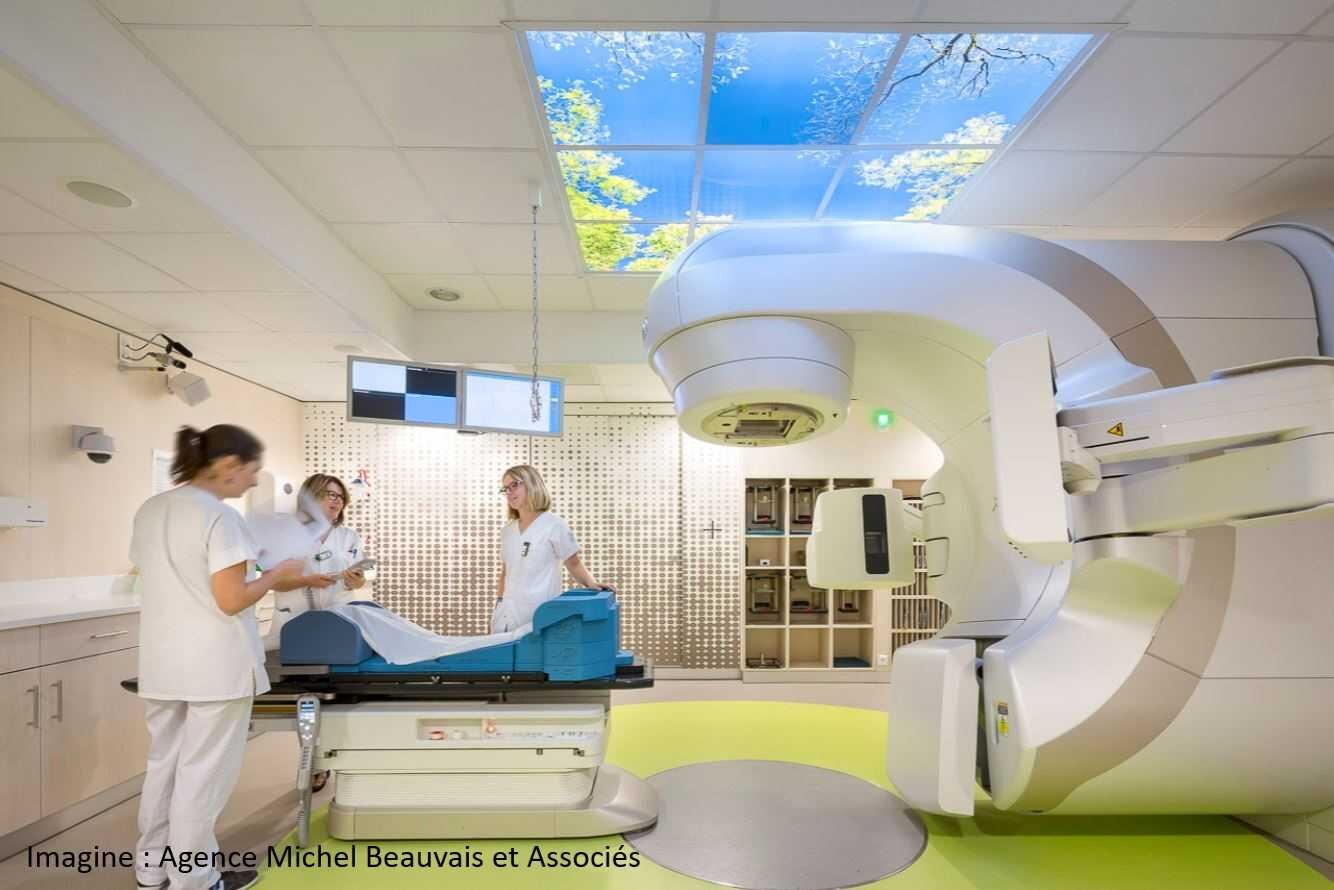
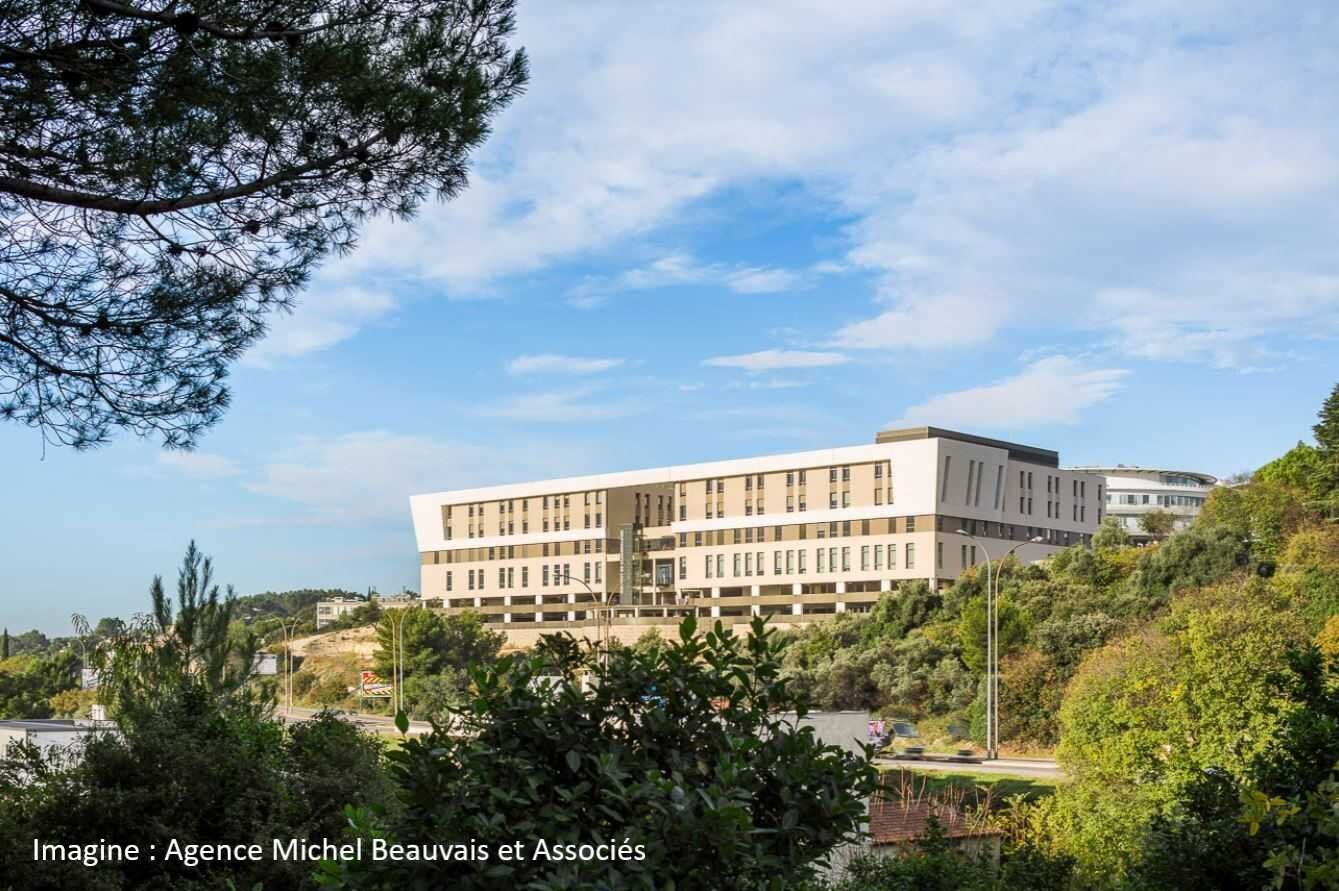
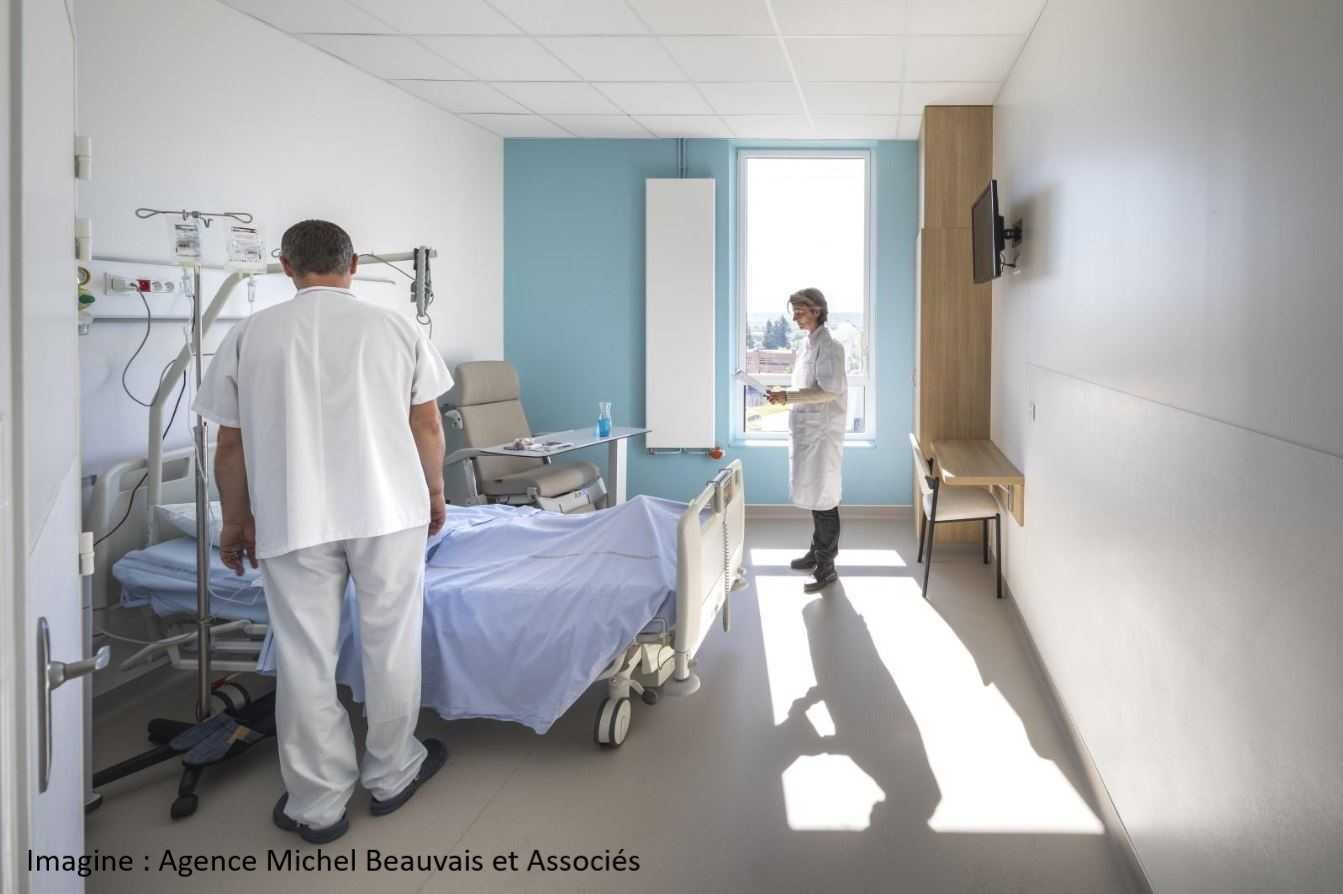
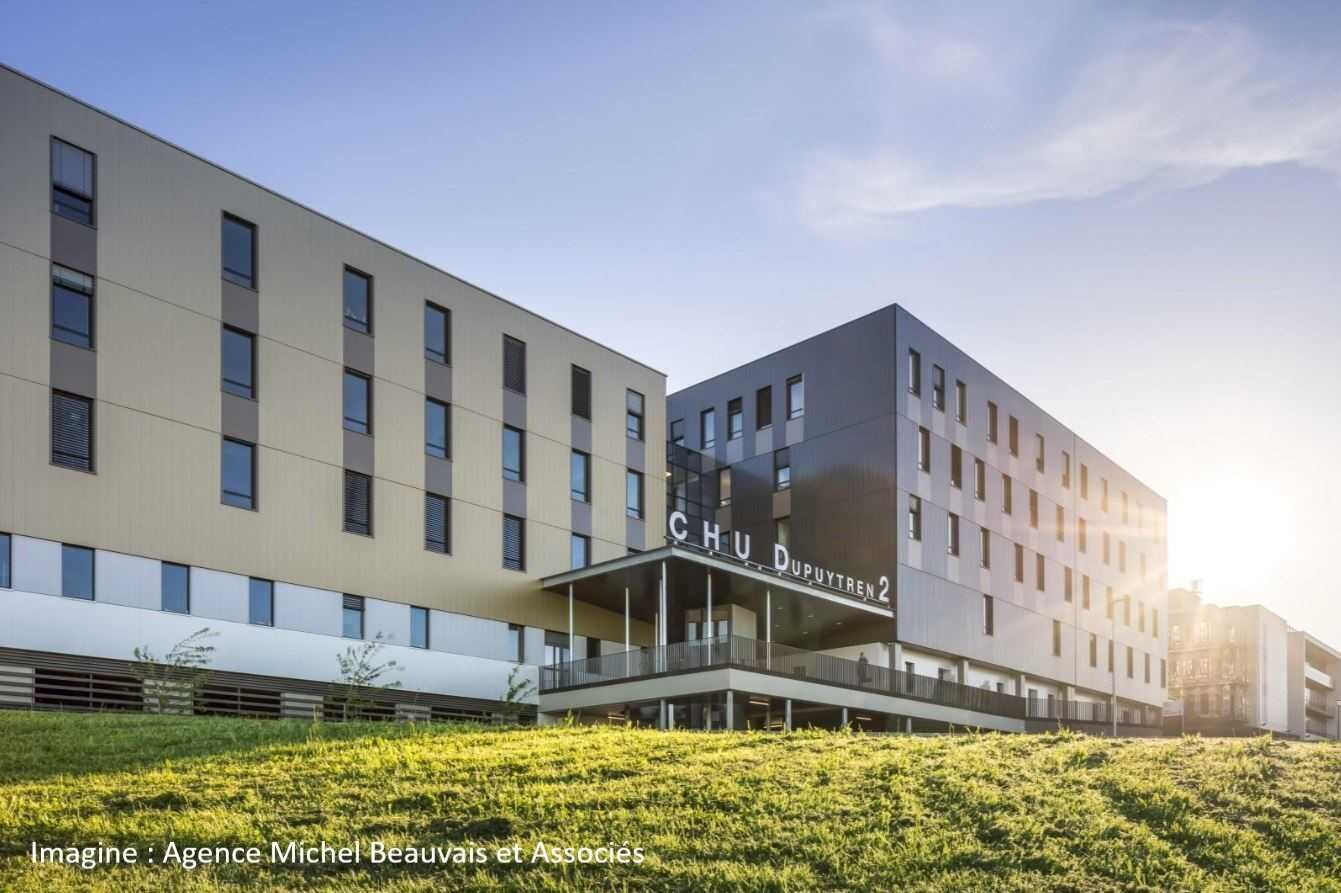
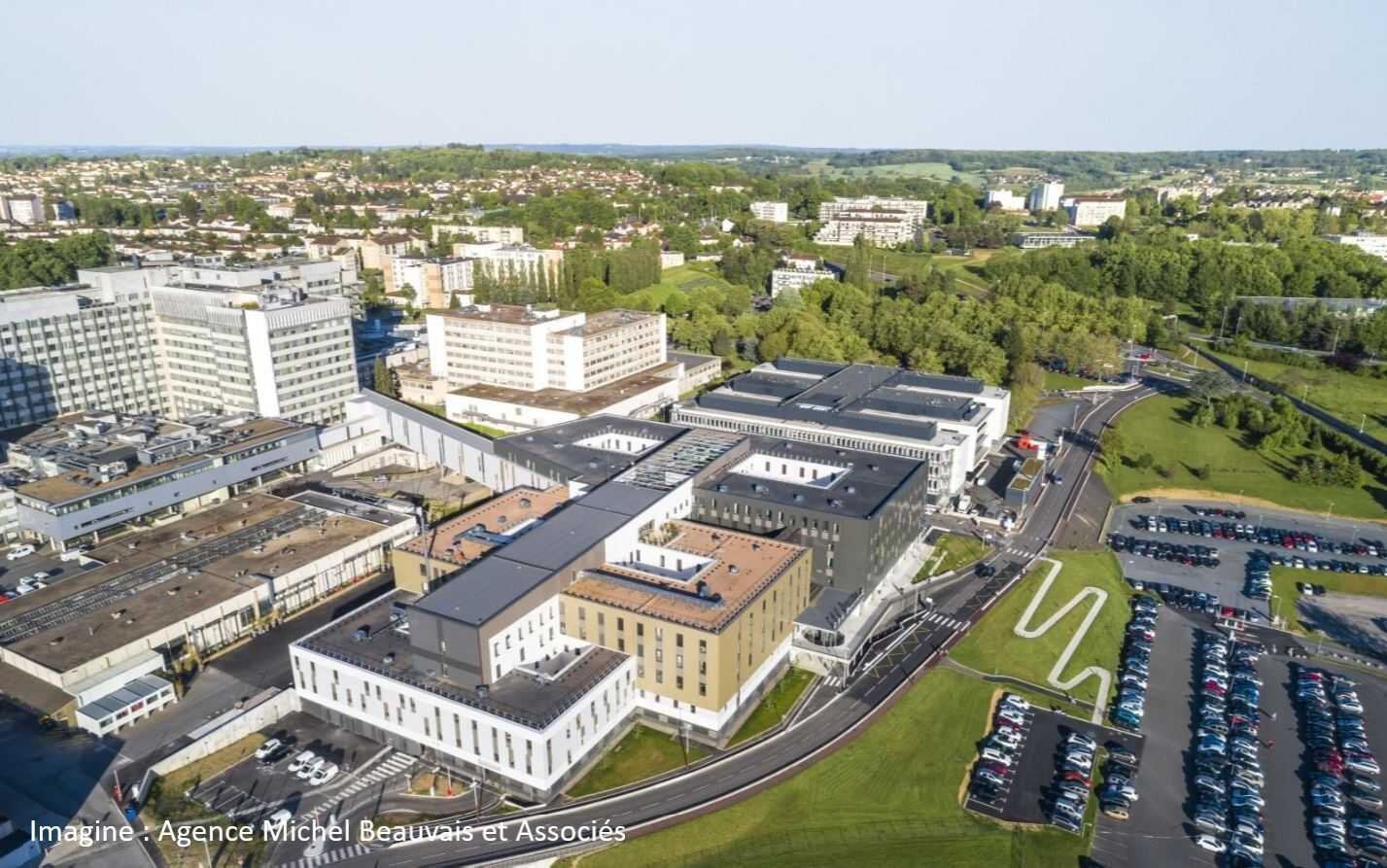
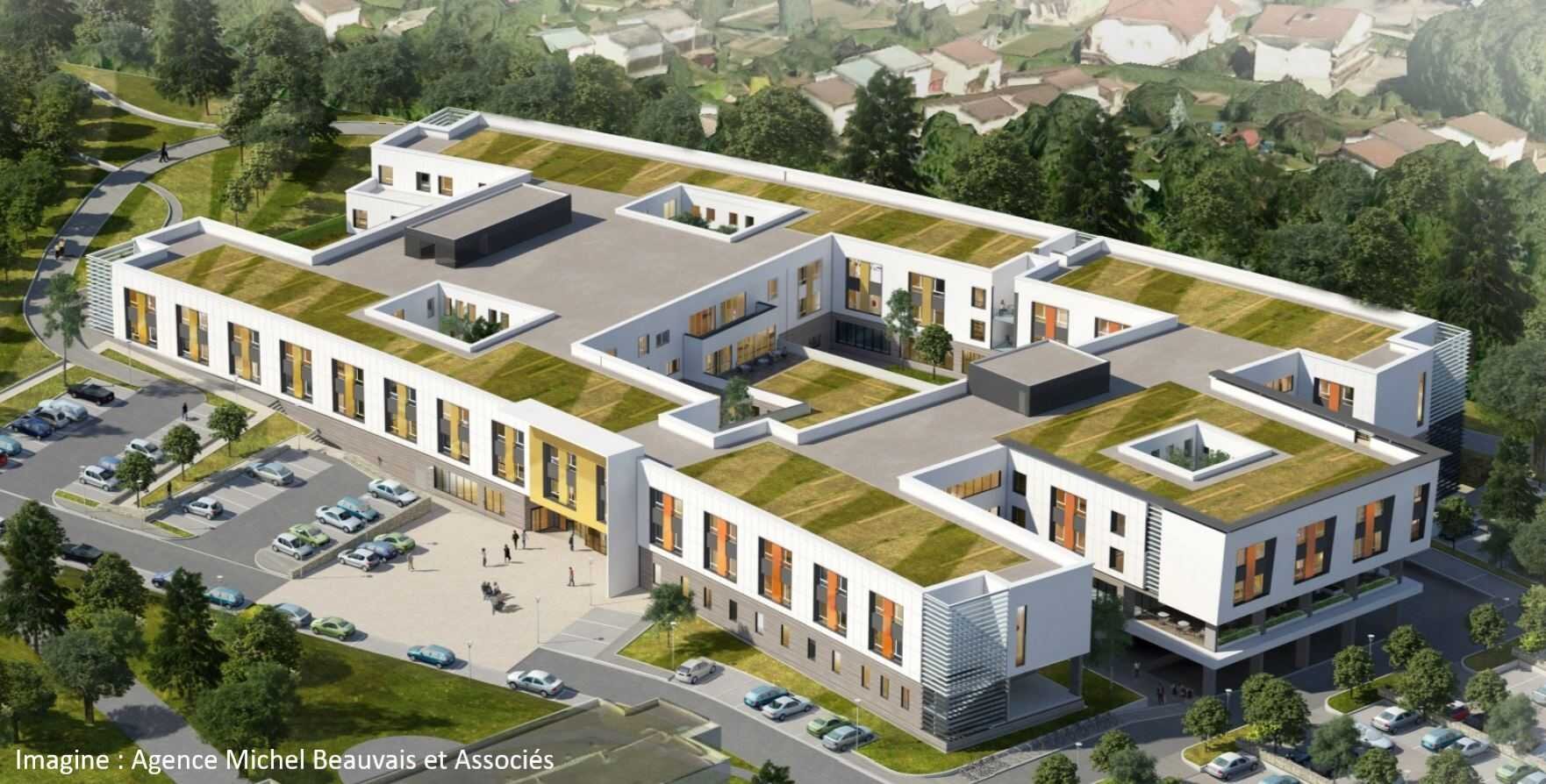
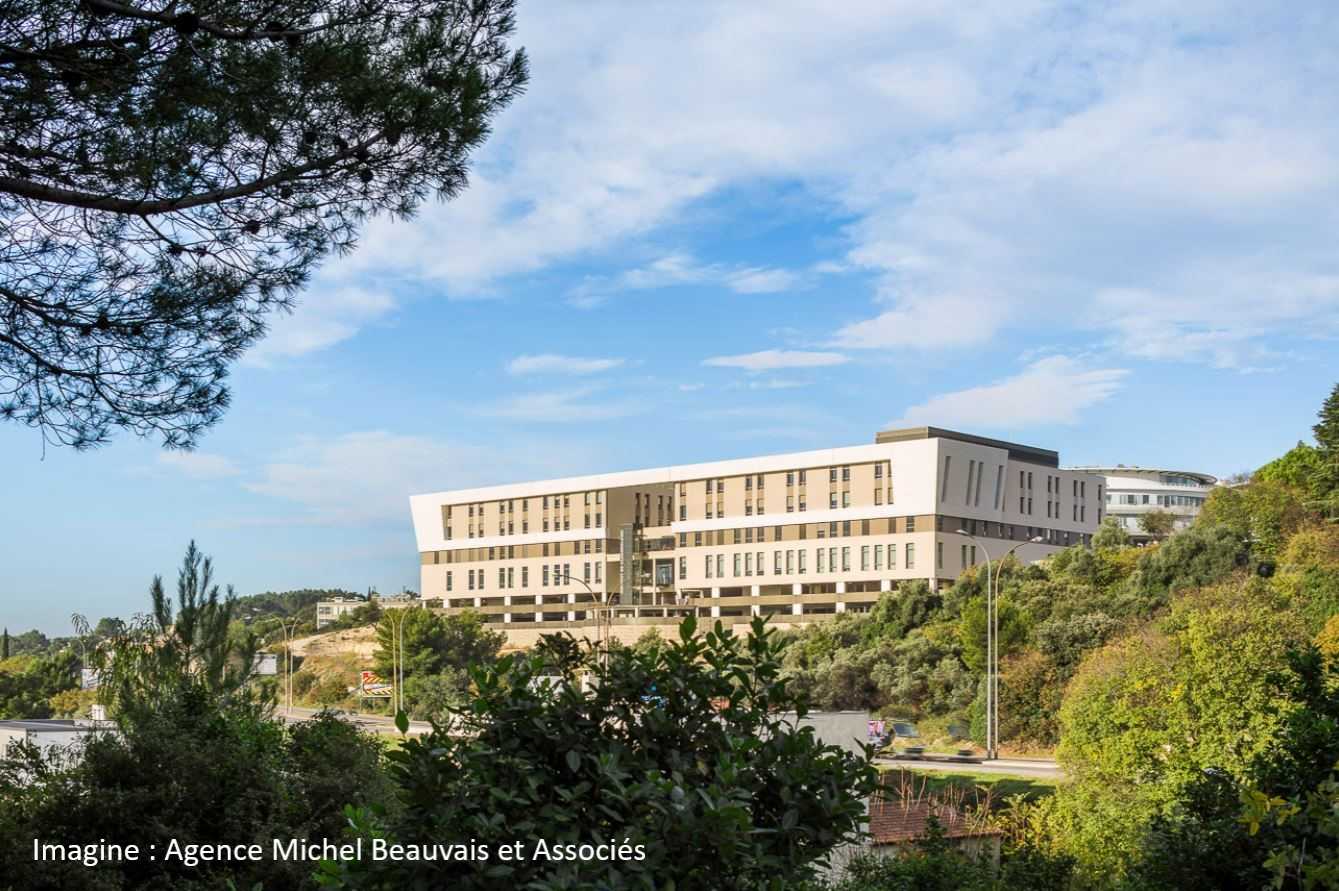
A.S.M.: In my case, it is a professional achievement to have had the opportunity to work on hospital projects. It has not been a smooth road because such projects are extremely complex and require complementary skills. I started by working on the competition phase (sketch) where I spent the first 4 years working on different projects, one more interesting than the other, all of them having different programs (maternity hospitals, oncology institutes, psychiatric hospitals, etc.). Once I felt I had "got the hang of it", I felt it necessary to move on to the design phase, where I spent about 3 years developing my technical "engineering" side. I finally crowned it all with the execution phase on a hospital project in the Savoie area, city of Annecy, of 20,000 square meters, a project in which I actively participated, initially in the competition phase, then in the design phase and finally in the construction of the hospital, a hospital with a rehabilitation and geriatric profile, with a 210-bed program, in which the construction itself alone took 2 years and where I was co-site manager.

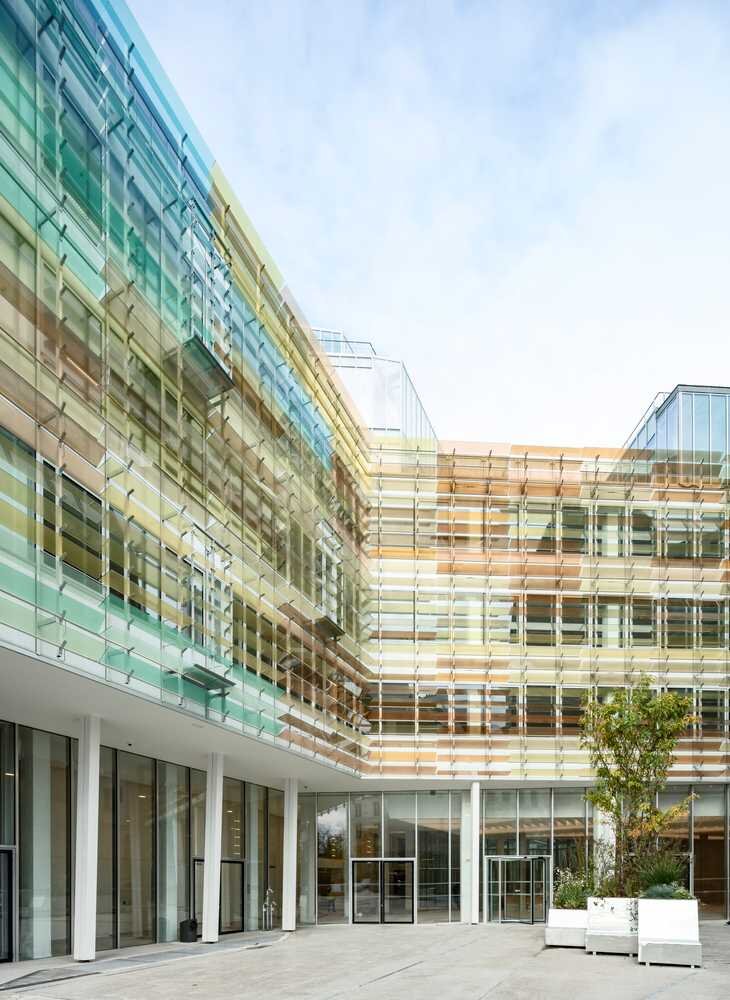
A.S.:.: First and foremost, I measure my success by my ability to innovate in the field. I am always looking to produce something new be it related to the architectural concept, building technology, architectural program, or design process. For example, in 2012 for the project at the St. Lazare Train Station in Paris (Ferrier Marchetti Studio) I produced a computational model for the facade design: by rotating the glass panes with the model I obtained the colors and proportions of an impressionist painting. In 2014 in the Living Grounds project (independent - TarTar) we produced a collaborative design protocol that contributed to the winning prize in the competition. In 2017 on the Liberia General Hospital project (Medical Architecture), I produced a fully modular design with structural and plumbing engineers to build a 300-bed hospital in an extremely harsh environment lacking basic public utilities such as sewage, electricity and potable water. Currently, in my PhD I am developing a collaborative process based on collective intelligence to support the medical infrastructure planning process.
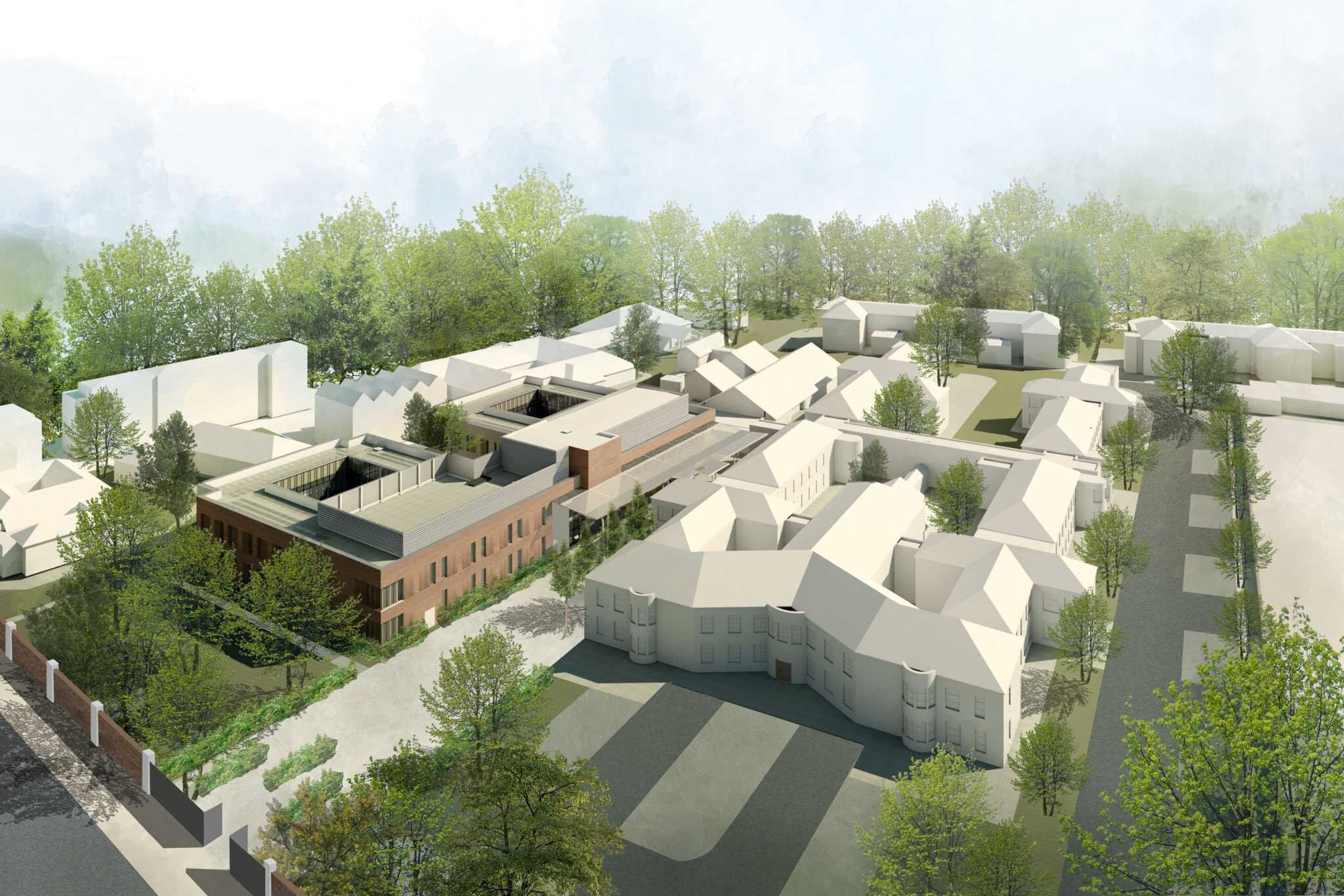
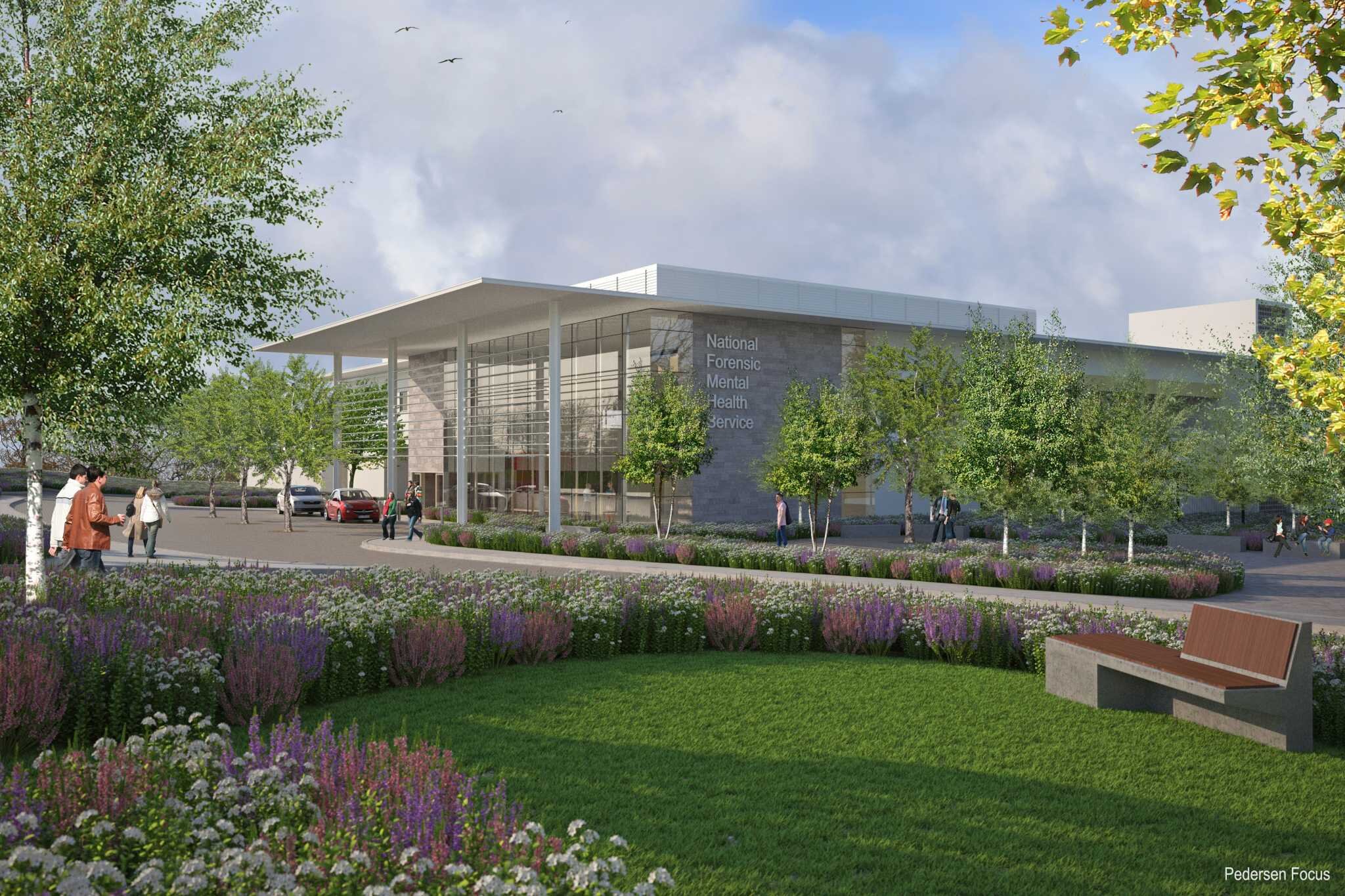
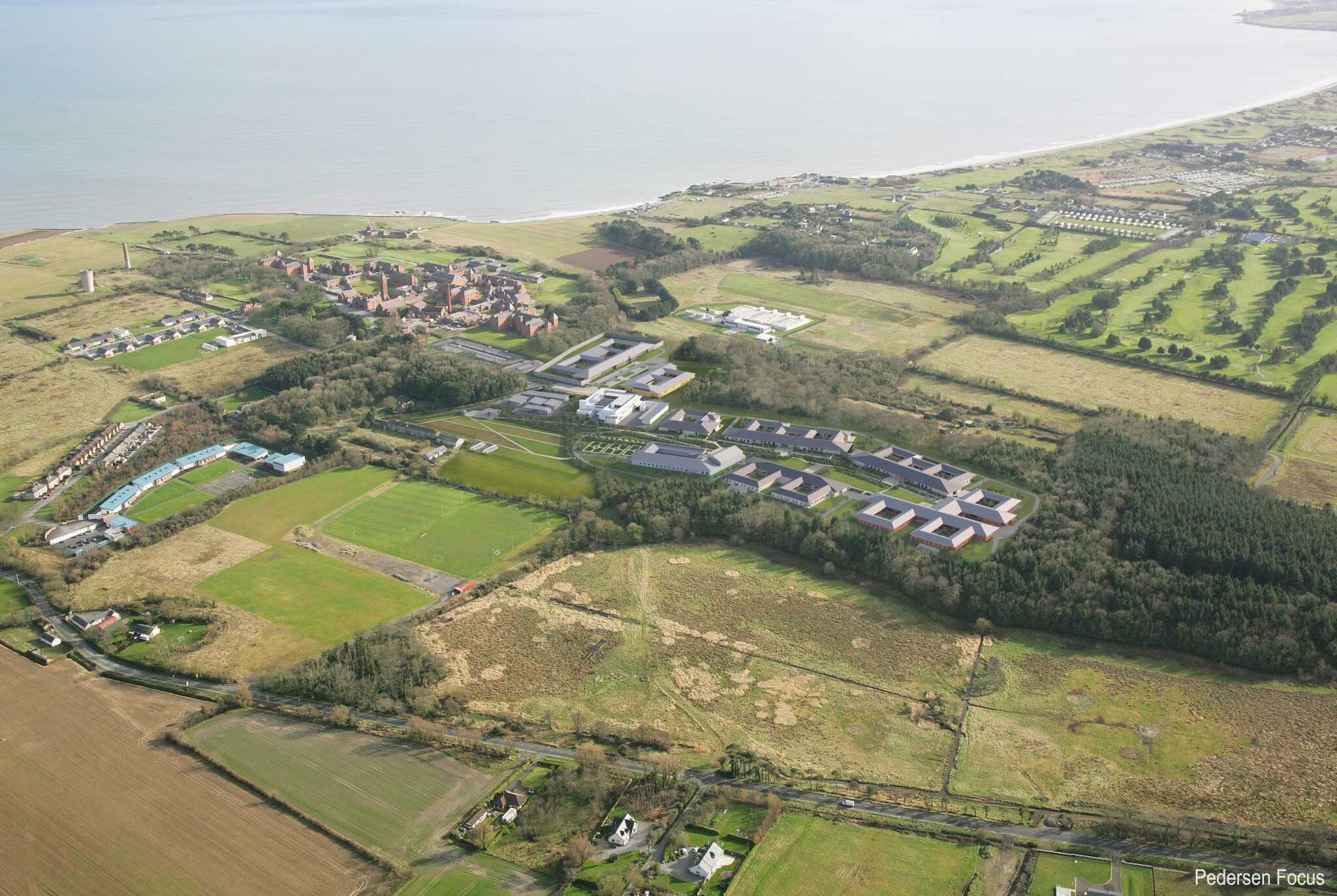
Secondly, I consider it an achievement to be able to work on different hospital programs, each with different complexities and challenges. The General Hospital of Rabat (Atelier Michel Remon) was a huge university hospital with myriads of departments, covering more than 100 000 square meters. Quite different is the Legal Psychiatric Hospital in Ireland (Medical Architecture and Scott Tallon Walker Architects) which is only on the ground floor, 24 000 square meters, where every interior wall is built of reinforced concrete. Another example is St Ann's Psychiatric Hospital in London (Medical Architecture), set in an urban environment, where the challenge was to develop a two-storey psychiatric hospital.
C.G.: Your answers reminded me that I have been waiting 25 years to build a new hospital in Romania ... Let's see what the future holds ...


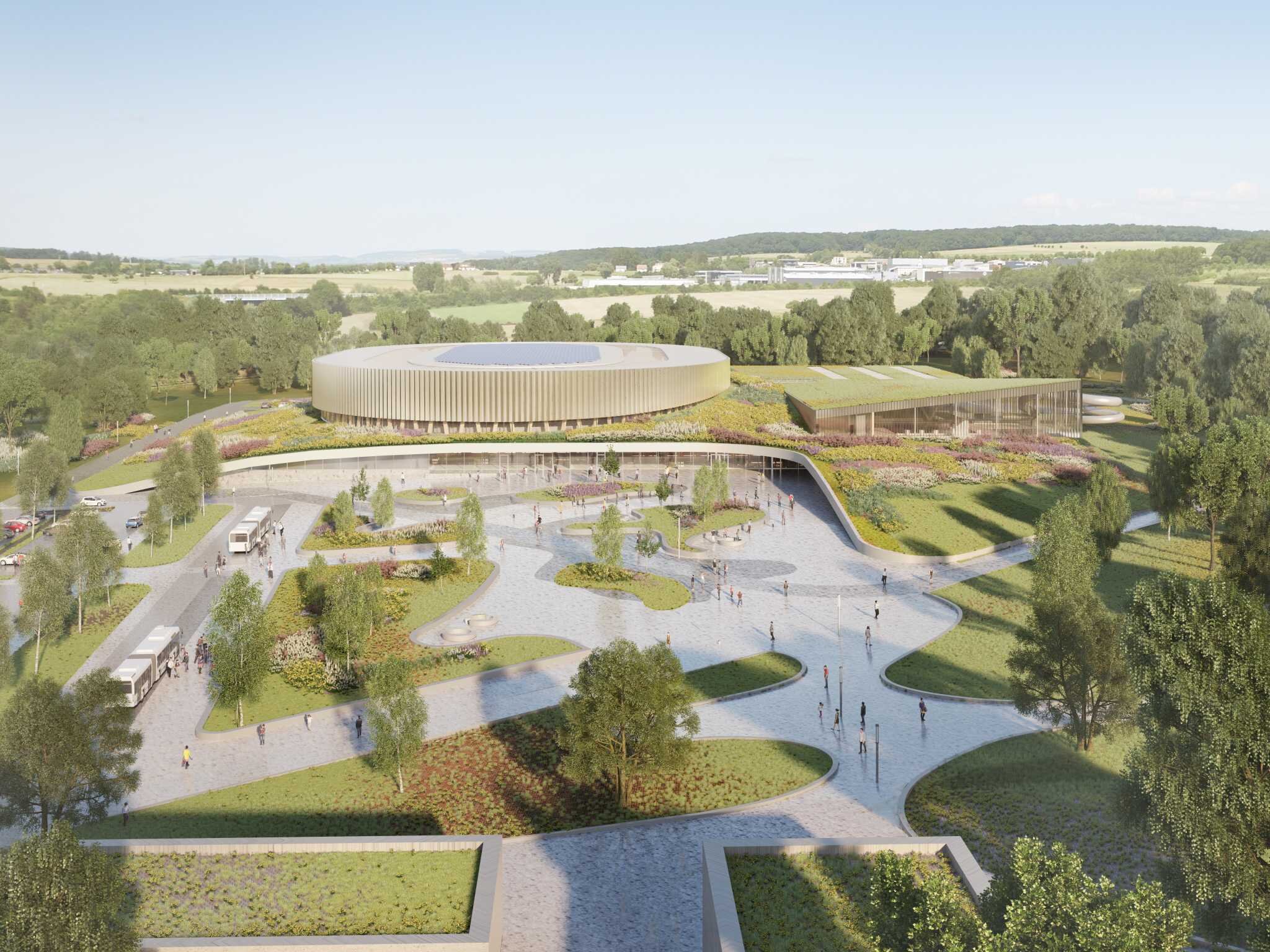
S.T.B.: The variety and complexity of the projects I have been involved in. At the moment I am project manager for a sports complex in Luxembourg, including the country's first velodrome, an aquatic center with six swimming pools and a multi-sports hall. The project was originally a competition that I won in 2018, and construction will start next year.
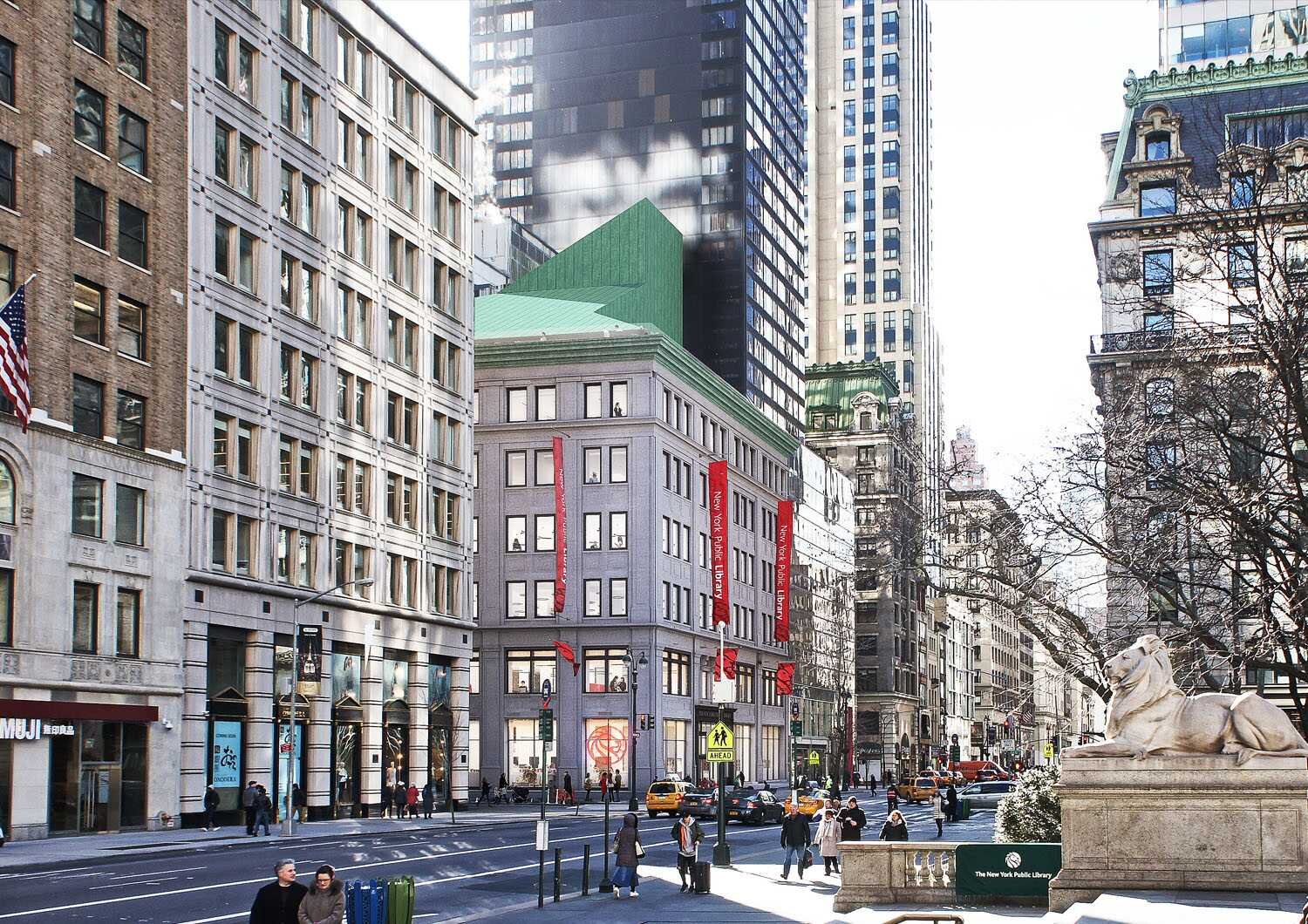
This year we have the official opening of the project in New York, of which I was part of the design team. The project is the renovation and expansion of the Mid-Manhattan Library, one of 92 branches that belong to the New York Public Library (NYPL) and is located on 5th Avenue, minutes from Times Square.
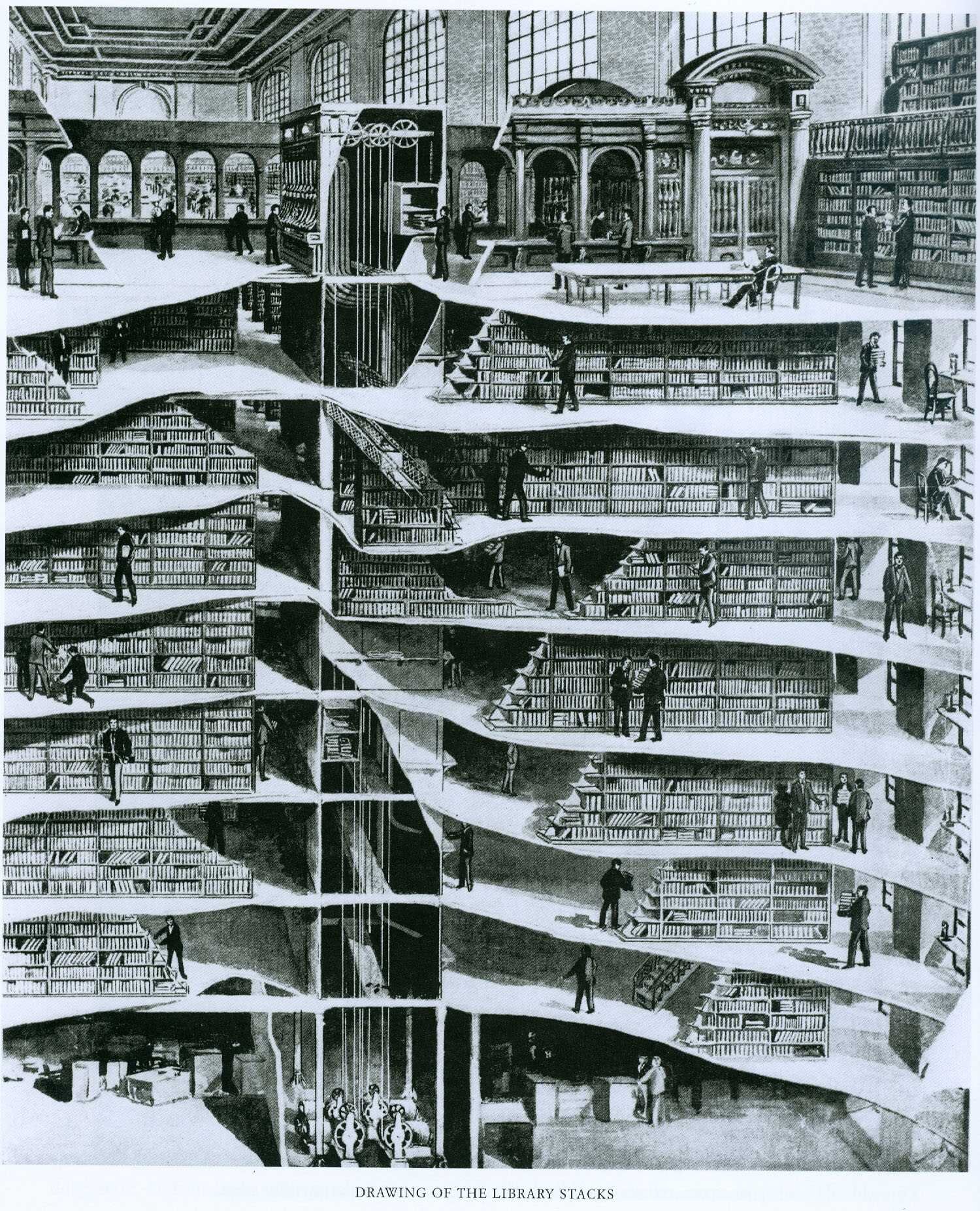
Across the street from this project is NYPL's main branch, the Stephen A. Schwarzman Building (SASB), for which we created a concept for the renovation and repurposing of a very specific area of the building, The Stacks. There are 7 levels of book shelving, with a clear height of 8 feet, structural steel shelving supporting The Rose Main Reading Room, which is located on the top floor. This was originally the storage space for the library's entire book collection and served the reading room. It sadly remained just a survey, but it was one of the most interesting ones I have done.
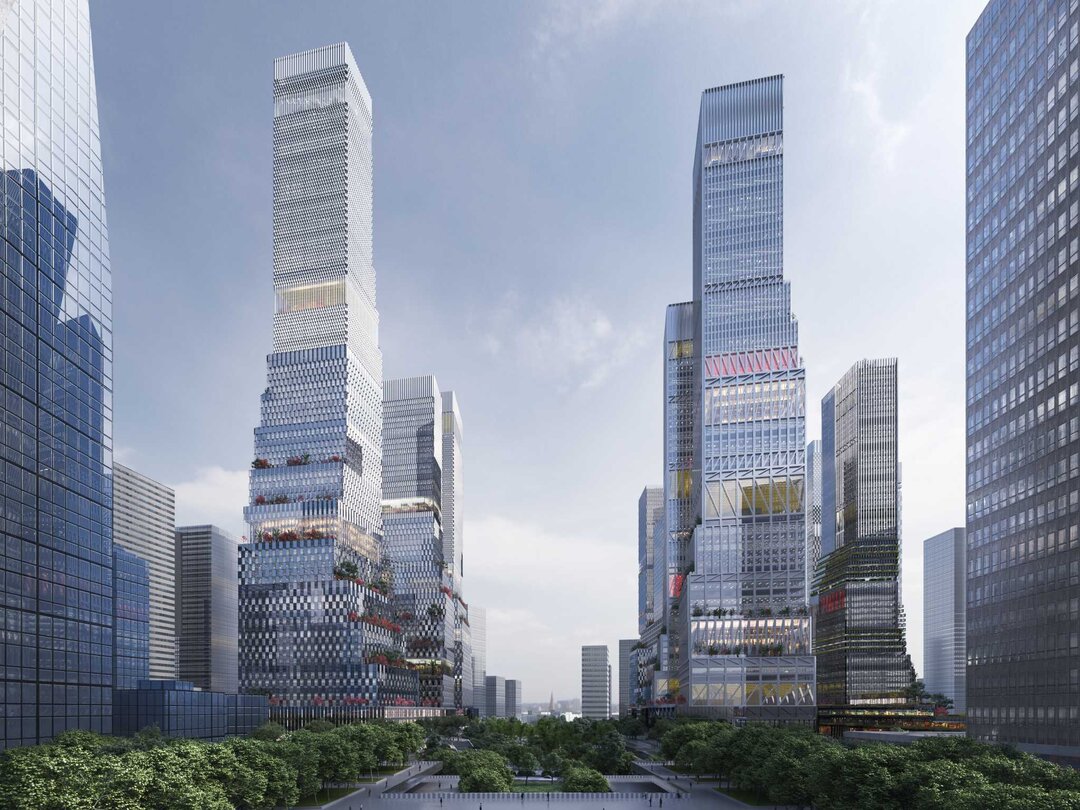
Last but not least, one of the projects that I will always remember was a competition for a master plan in Shenzhen, together with a great team, for 1.3 million square meters built and 12 towers, the tallest of which was +400 m high. We won the competition, although the day before the handover we realized that two or three towers were more than 100 m taller than the competition brief required; good thing the jury didn't notice. Unfortunately, the Shenzhen local government changed shortly after the results were posted and we had to change the whole competition solution. And not for the better.
Some projects remained only at the idea stage, others have been or will be built, but they were all very different, which is why it was a unique experience.
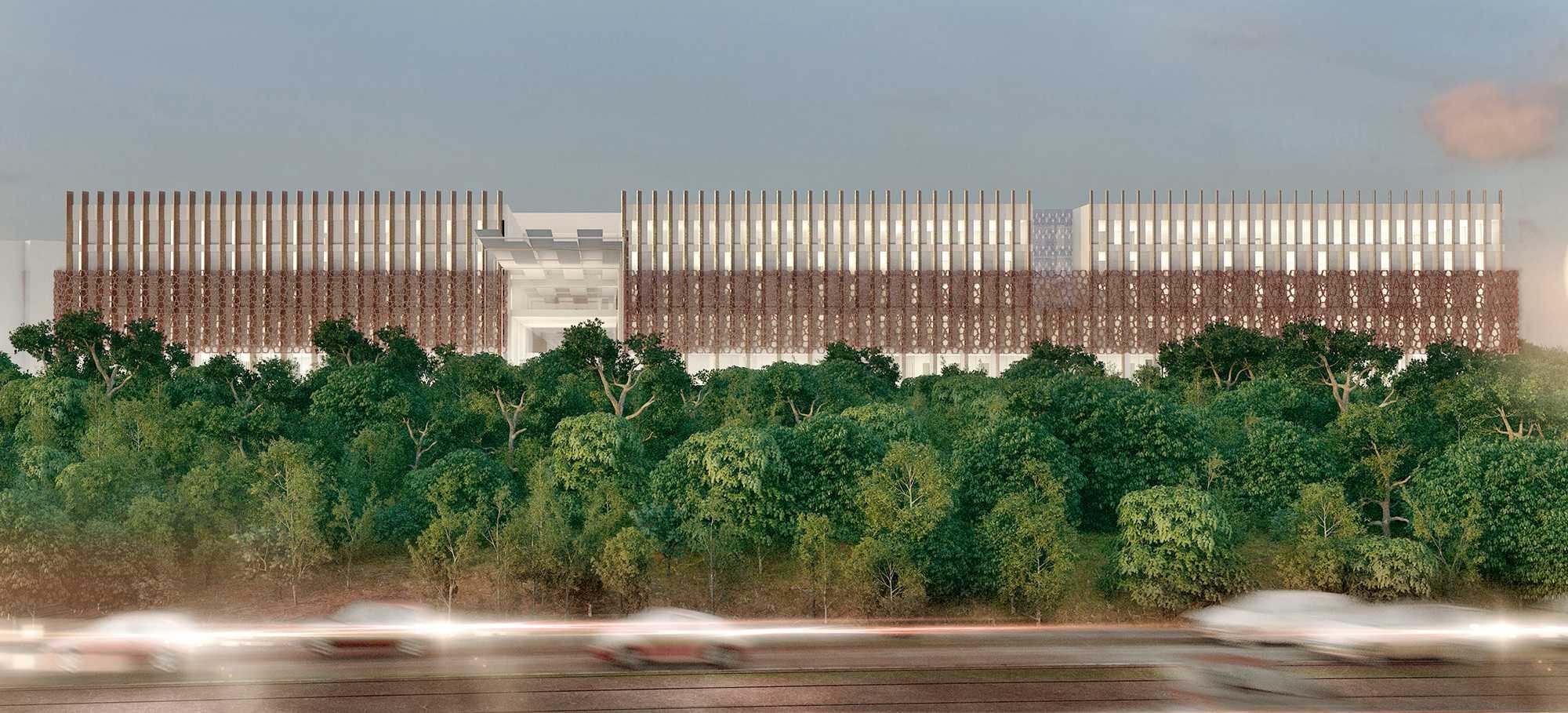
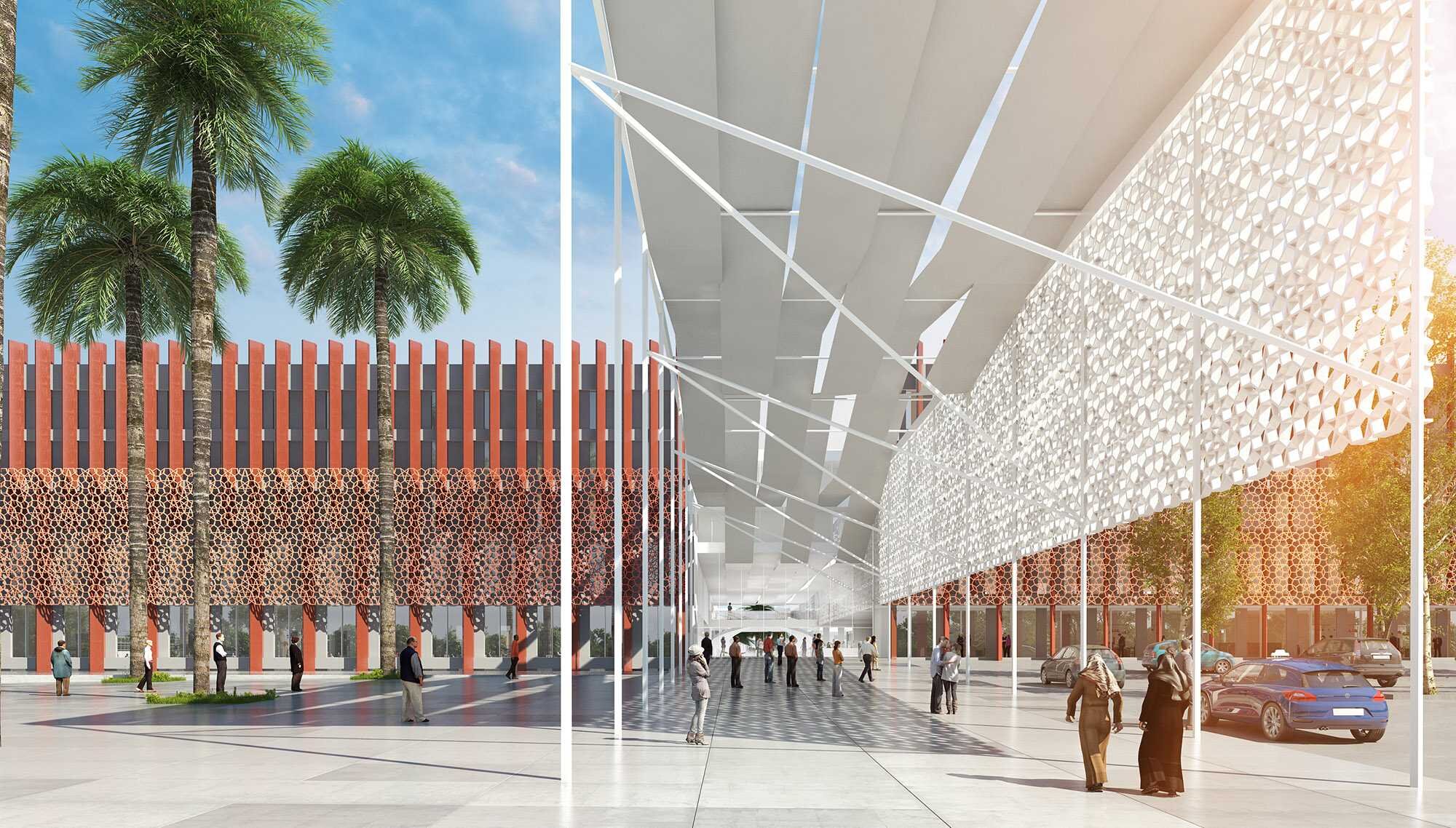
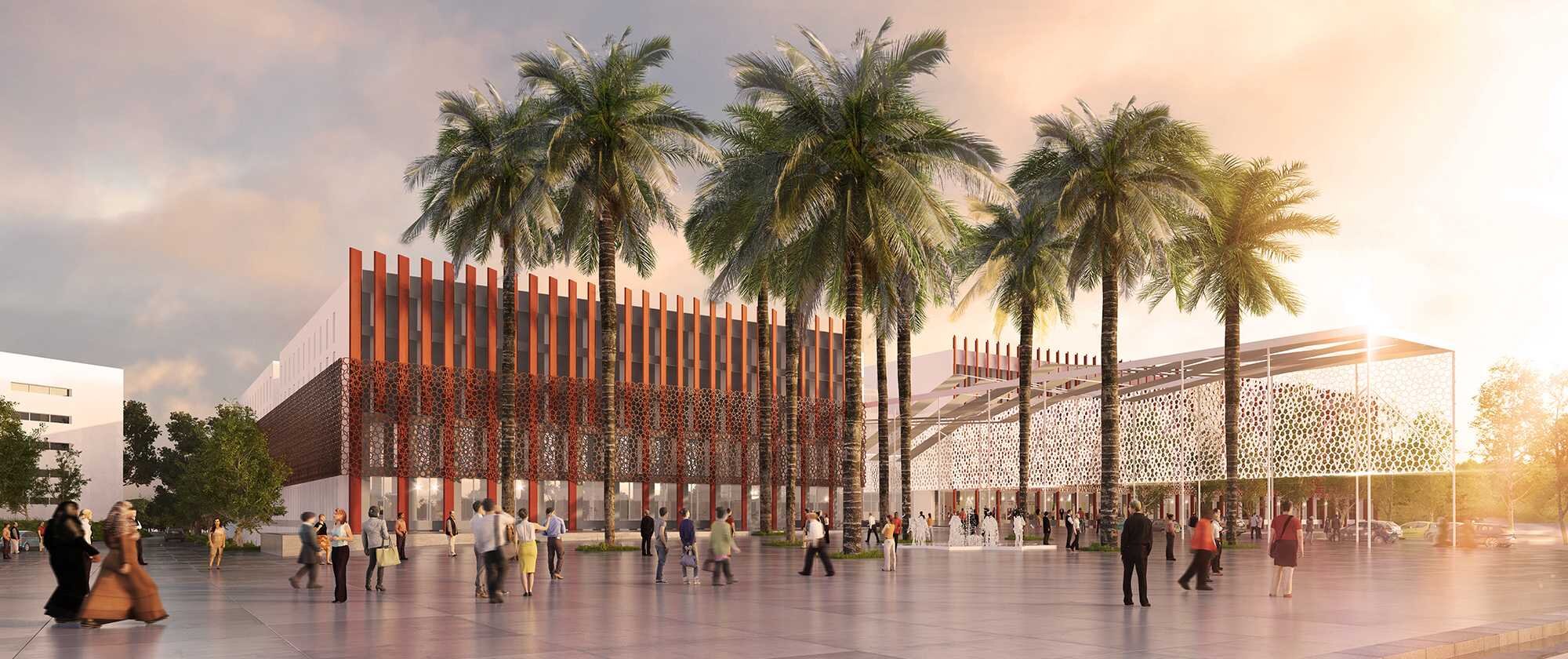
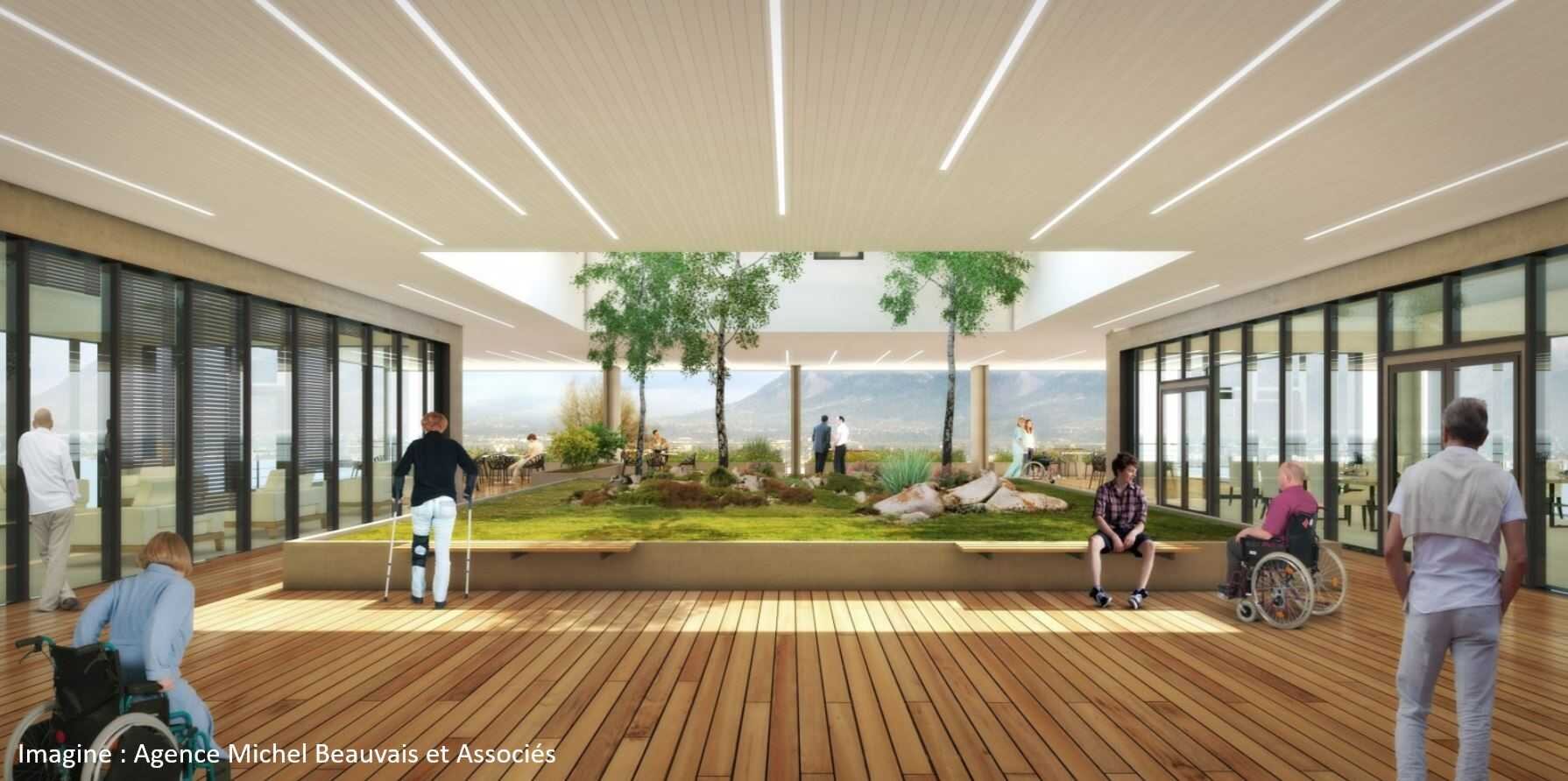
The photos provided by A.S.M. are taken from the website of the agency he works for: Agence Michel Beauvais et Associés http://www.architecturemba.com/fr/partners/