AMA DESIGN won two awards at the German Design Awards 2020

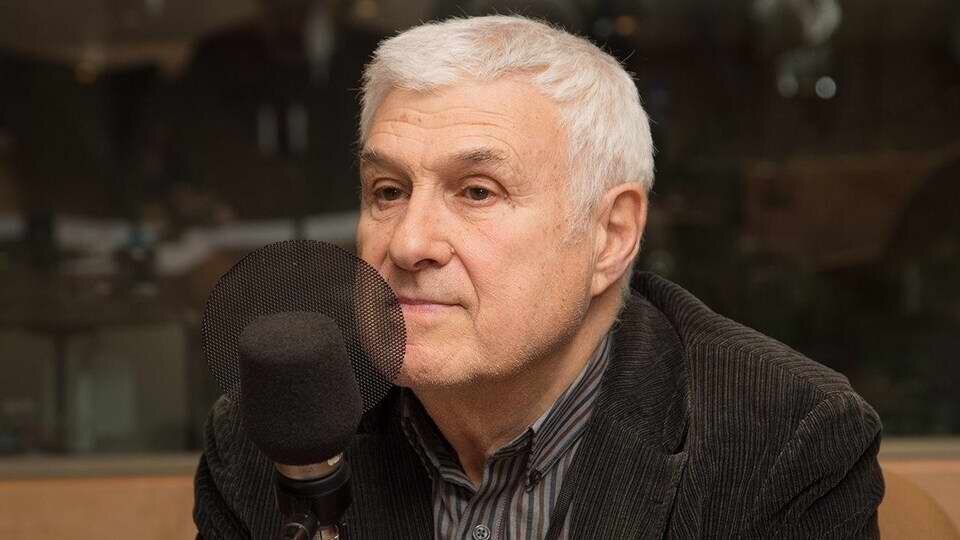
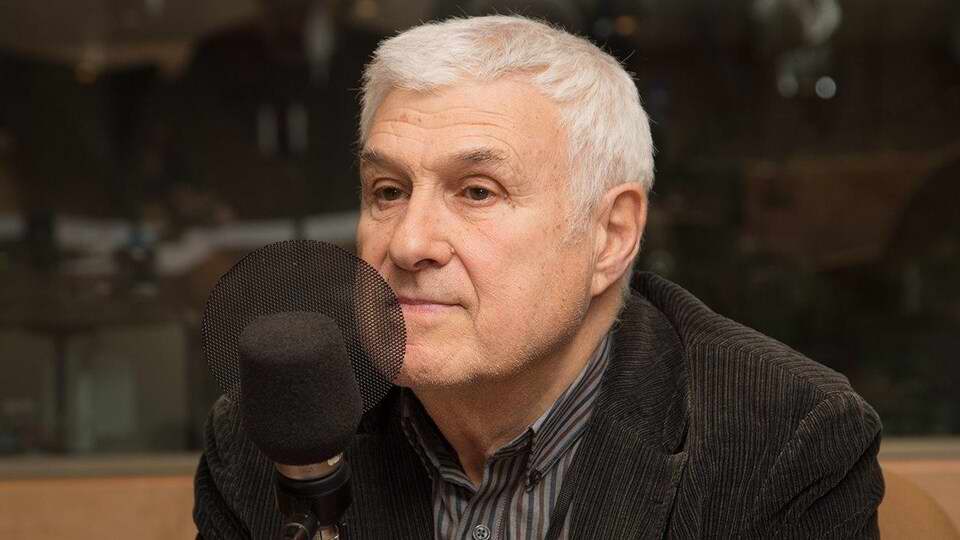
text: Augustin IOAN
In the early 1990s, one of the UAR's most important activities was to reconnect with Romanian architects who had gone abroad during the communist period. A sumptuous exhibition at the Dalles Hall, with a catalog to match, opened to those still very young at the time an unknown page, other than through whispers and apocryphal stories, of the work of these architects. In the meantime, others were leaving, starting with at least half of my graduating class (1990), an open wound that is still open today. At the time, it was a (rare) professional fulfillment camouflaged in a (frequent) personal drama, and the opposition was the country versus the rest of the world. In the meantime, nuances have emerged: they were no longer precisely political departures (like the one after the mineriades), but economic ones, with nothing significant happening in the country until almost the end of the first post-revolutionary decade, apart from the wave of new churches; on the other hand, with the EU, which Romania joined late and with difficulty (2007), on the other hand, the departure seemed more like a change of residence in a larger homeland than a definitive abandonment.
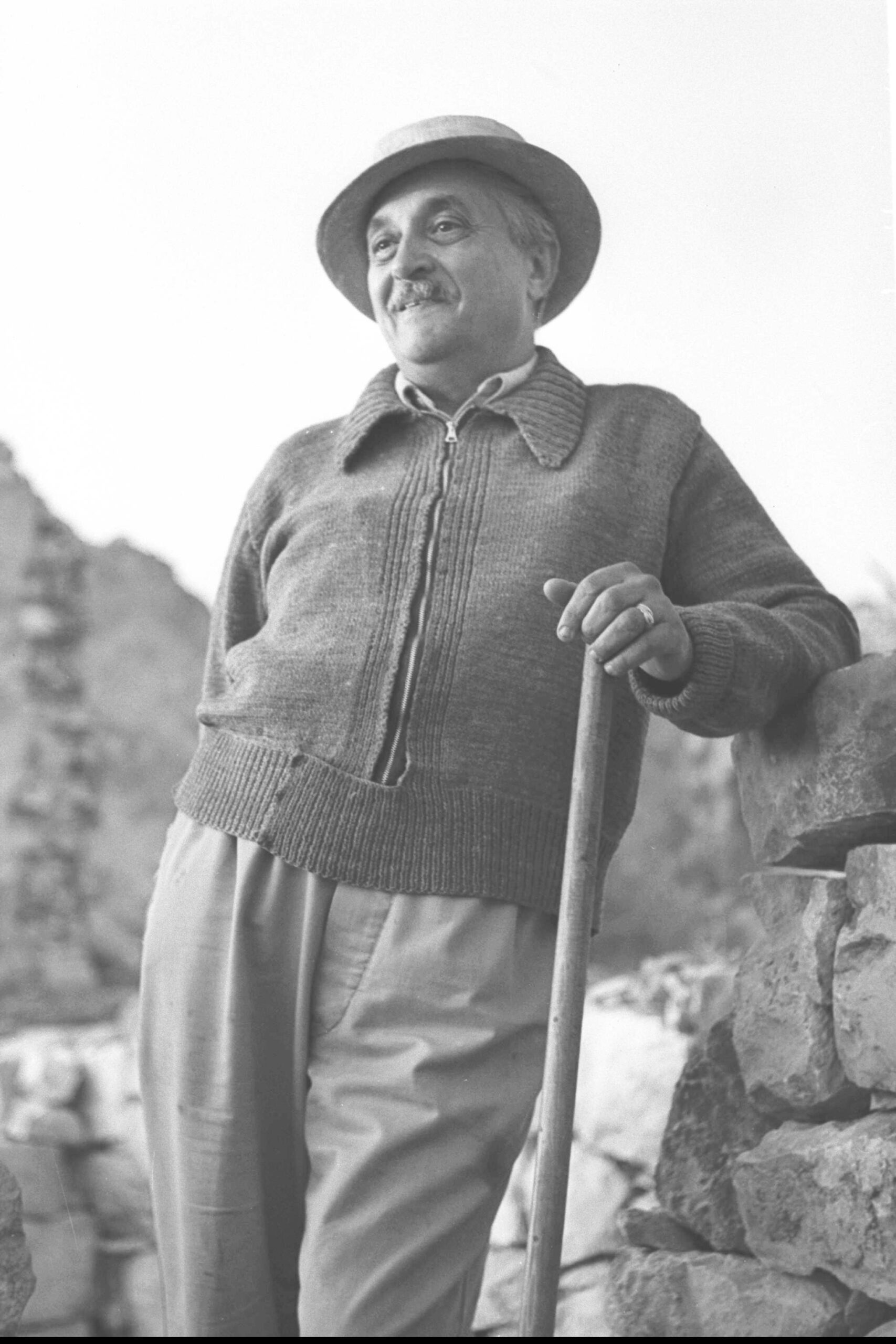
I have chosen to talk here about a few cases, each with its own significance. The first and perhaps the most exemplary is the case of Marcel Iancu/Janco. A rebellious, innovative, plural spirit, Iancu took part in the emergence of DADA-ism, together with Tristan Tzara, then distinguished himself as an architect and promoter of the avant-garde in Romania, before leaving again, definitively, for Palestine/Israel, where he remains established as a plastic artist of great renown. It is legitimate to say that exile is, culturally, historically and religiously, a biblical theme; moreover, Iancu's departure from the country is, in fact, a banishment, due to the anti-Semitic legislation introduced by inter-war European governments, including the one known as Goga-Cuza in our country. No wonder that in his interviews from Israel, Iancu has no kind words for Bucharest and Romania, from which he was forced to leave. Now we are proud of Romania's Jewish artists and writers, forgetting that they often had to leave their country in order to train, to assert themselves or, at the limit, to escape with their lives.
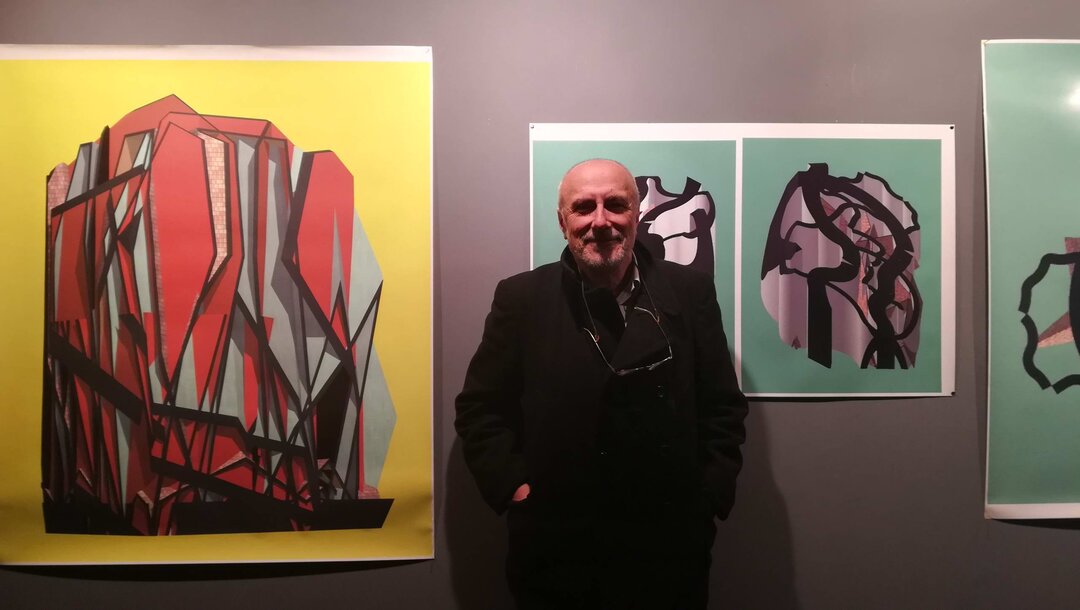
With these thoughts in mind, I started the Marcel Janco Reloaded project in 2003, together with my students Horia Dinulescu, Florin Barbu and Anca Popescu, with whom I had also worked on the competition for the Cathedral. In the meantime, the project grew, I presented it once more at a conference on the Romanian avant-garde in Jerusalem in 2010, then in the magazine Arhitectura in 2012 and again at a conference dedicated to the DADA movement in Bucharest in 2016 and in 2020 at ICR Tel Aviv, on the occasion of the opening of the exhibition with Seven Jewish Architects from Romania. But now we have moved from computer-processed images to digital morphogenesis processes. The new shapes, which I made public for the first time, are computer-generated, based on initial data and aggregation algorithms. Bottom-up design, i.e. applications of the course on contemporary design methods in the horizon of complexity, which I have been teaching, also since 2003, to our students at UAUIM Bucharest.
Now, the starting point was the so-called "Formal Alphabet", published by Marcel Iancu in 1924 in his Contimporanul. If it is an alphabet, we set out to add to it rules for articulating these graphemes into words, to give them a meaning (usually an architectural scale, transforming graphemes into choremes, i.e. elementary units of space) and a syntax (generation algorithms, telling the computer what to do with this initial data, plus performance criteria, i.e. when to stop successive iterations). The results are spectacular, and so were the few architects in the audience. More and more complexity means more and more visual spectacle. The great thing is that, drawn on architectural tape, they always recall the real architecture of Marcel Iancu and, in general, the modernism so dear to his heart.
So what is exile, in this case? Neither the formal alphabet nor the architectural drawings, all Marcel Iancu's, could be processed in the way we can process them digitally today. In other words, the emergence of the new forms with which we (and the students) delight our students today are and are not Marcel Iancu's; prompted by the initial data, which are the architect's, they arise (something out of nothing) as a further consequence of the process of complexification through successive iterations.
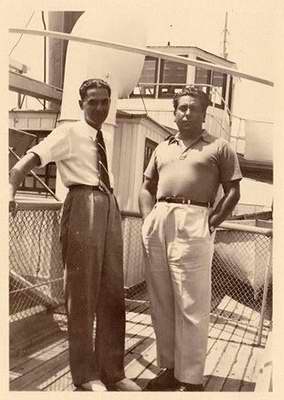
The second famous case is that of Haralamb (Bubi) Georgescu, Horia Creangă's companion in deeds of architectural valor. He went to the USA, where he was known as Harlan Georgesco, and had a successful career until his death in 1977. A career(https://bucurestiulmeudrag.ro/blog/articol/arhitect-haralamb-georgescu) that the exhibition and the catalog, both by Professor Corneliu Ghenciulescu, have brought home again. I will not go over the Romanian contributions of the architect, who worked inseparably with Horia Creangă for ten years until his death (1943), nor the American ones, of the best Californian modernist expression. But the questions raised by A. Doicescu about the Orthodox church built in the 1950s by Harlan Georgesco (https://andreidoicescu.blogspot.com/2010/04/usa-california-biserica-construita-in.html) deserve attention; I will rephrase them, according to the purpose of this text: can a church in California, which abandons the original material (wood) to be realized in contemporary materials, including steel, but keeping the original silhouette, still be considered Maramureșean? In short, what else can be considered autochthonous/roman in an American church? Here, I would make a couple of comments: first, that wooden churches from Maramureș have been built in recent decades in diasporic communities of Romanians. At one time, S.C. Taina Lemnului SRL was engaged in such exports of prefabricated Romanianness, in parallel with restorations (http://salaj.transilvania-localitati.ro/prodanesti-biserica-monument-istoric-sfantul-gheorghe-povestea-restaurarii/ ) and a competition for the tallest new wooden steeple (for the time being, the title has gone from Șurdești to Săpânța nouă). In the 1950s, of course, such direct export was not possible, and American fire legislation is extremely restrictive in the case of public buildings. On the other hand, the Maramureș region itself went into self-imposed exile, abandoning in dereliction its wooden churches, whose nostalgia was put to work by the Romanian-American architect. Let us not forget that, by demolishing their wooden architecture in favor of the phallic, walled buildings that the Moors saw in their Italo-French exile and wanted to emulate at home, they deliberately and consciously renounced one of the (re)sources of their identity. It is a pilgrim coincidence, for the wooden architecture of the Transylvanian churches is itself exiled in multiple ways: first, it represents the influence of Central European Gothic (as evidenced not only by the formal similarity but also by the strictly decorative presence of the four wooden spires around the main spire, which originally signaled the right of the city to punish with death); it passes - from the stone and brick wall - back (?), into wood and, after the last destructive invasion of the Tatars, in conjunction with the union of 1700, it gives an account of the transition from Orthodoxy to (Greek-)Catholicism. Therefore, it is not easy to answer, now, the two questions about Harlan Georgesco's church: against the background of what happened to the traditional architecture of Maramureș, yes, it is a church with at least the nostalgia of it (and, obviously, of him); and, in relation to this traditional architecture, it swings, like it, between different materials and symbolic meanings. So did Dan Sergiu Hanganu, a Romanian architect living in Canada, when he had to design a Catholic monastery.
Deliberately, explicitly, he has adorned it with references to his place of origin. The question is whether these architects can be salvaged, other than encomiastically, from Romania's architectural culture, such as it is. To be able to give an answer, let's look around: the literature of the Romanian exile, although written and/or (re)published in Romanian and publicized (see the case of Vintilă Horia), has not, I believe, succeeded in rewriting the Romanian literary canon. Even less will the works of exiled architects of Romanian origin, although many of them trained and worked in the country before leaving for good; and the works of those who didn't even train here, choosing to start their architectural studies directly abroad, will do so even less. Dan Hanganu was angry with me when I told him this, and I can understand the nostalgic springs of trying to reconnect with his native place, at least in spirit. But their works remain true to the contexts that spawned them, from the spirit of place to community ethos to different economics. For an architect, exile is integrally and without possibility of evacuation, or mitigation, from the biography of the work.
I have other cases. The first is Șerban (Sherban) Cantacuzino(https://www.telegraph.co.uk/obituaries/2018/05/04/sherban-cantacuzino-architectural-writer-obituary/), son of his illustrious and aristocratic father, G. M. Cantacuzino, whom he did not see from 1939 until his death. I had the joy of meeting him, first in London in 1992, when I went to see him with a letter of recommendation from Petru Creția; then we met in Bucharest several more times, he approved and was delighted by the republication of his father's post-war book (1947), On an Architecture of Reconstruction (Paideia, 2003), which he did not know. Written not in 1947, but, let's say, in 2017, this ignored book by G. M. Cantacuzino could not have been more "up to date". Unfortunately for us, the author was, and still is, right when he criticizes the state of affairs then - which is much the same as it is now - and, also unfortunately for us, he is right in the prognostications and in the, despairing, prophecies and warnings he formulates. We remember the author as a frontline reporter in Odessa, horrified by Stalinist architecture. Here he is then/now warning us - uselessly, in retrospect - against the house factories, against the disappearance of craftsmen of quality building, against the stripping to the bone of historic sites set up to serve obscene nationalist political agendas, against the disintegration of architectural education, against...
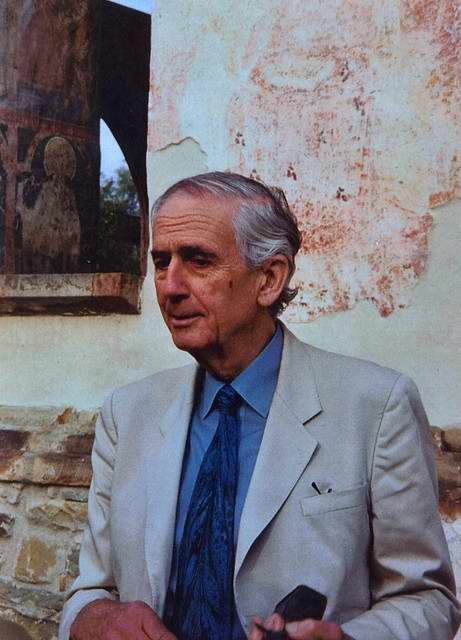
After which the author went to his dungeon and fell silent, and we did not listen to him for nearly 60 years.
Sherban Cantacuzino also enjoyed Mariana Celac's selection of terms from his journal, Simetria, an anthology also published by Paideia in 2002, Introducere la studio arhitecturii. His contribution to the defense of Romania's architectural heritage through Europa Nostra is much better known. It is a pity that his studies, such as the very important volume Rearchitecture: Old Buildings, New Uses (which, incidentally, very early on proposed an alternative term, rearchitecture, for the term conversion, which has now become adaptive reuse), have not been translated into Romanian, which he wrote and spoke extremely well, with inter-war inflections.
This is neither the place nor the time to explain why the Cantacuzini, the illustrious exiles in Wallachia after the fall of Constantinople, are, in fact, a continuous process of augmentation of the culture and architecture of this second homeland of theirs and not (only) a sum of voivoces, princes, scholars and founders, among whom the semi-cantacuzinian prince-martyr, Brâncoveanu, is also to be mentioned. Against this backdrop I would project Șerban Cantacuzino - the heritage conservation architect, critic, journalist (Architectural Review in its heyday) and institution (he was secretary to the Royal Fine Arts Commission, mentored to the end Europa Nostra).
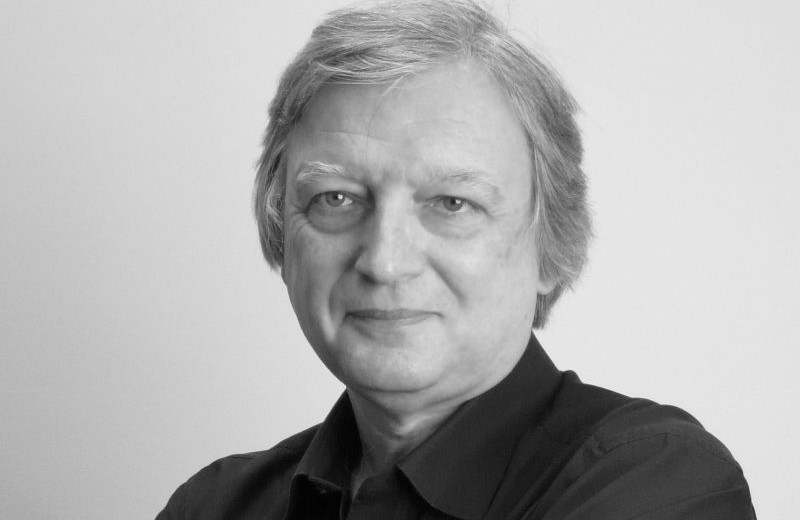
Finally, among our exiles (there are many in the world, especially in France), I would choose Radu Drăgan. Radu left the country, first for a scholarship in Paris, then, finding out that he would no longer be permanently employed as an assistant in the post he had taken in 1990, he stayed (?) there. He did two brilliant doctorates, one at EHESS and one at the Sorbonne. He has published in Romanian, including in the collection Spații imaginate of the Paideia Publishing House, and in French, has recently been translated into Italian, and, more recently, our joint book Ființa și spațiul (ALL, 1992) appeared in English with Edwin Mellen Press (Symbols and Language in Sacred Christian Architecture,1994). Remaining in his homeland, R.D. should have been, by now, at least a serious candidate or corresponding member, if not a full member, of the Romanian Academy; fully integrated in France, he should at least have been a major member of the CNRS. However, he is neither, to the loss of both institutions. Radu works (also) as an architect(http://www.draganarchitecture.com/en/about_final.php) and is nostalgic for a time when he was at least as well known at home (also) as a poet (A Wild Summer, Tomis, 2006). Although a good part of Radu's references come from Romanian popular culture and vernacular architecture, his openness has been from the very beginning, ever since he wrote mind-boggling articles in Arhitectura RSR ("Have Constantin Constantin's craftsmen known
Brâncoveanu's Golden Section?" and others, from the same series, are still valid today, at least as a question, if not as an argument) one without universal rest. Caught between worlds, nowhere fixed, geographically and culturally, but also not settled between research and design, Radu Drăgan is exemplary: his bio-bibliographical construction makes him, I think, the ideal exile, although I think he is not happy with this title. The school in Bucharest was wrong to Radu then, in 1991, and, over time, lost the opportunity to protect and promote him as one of its own, even if only occasionally. Pity!
I was going to write more about the inner exile, about the retreat of many of our best architects into industrial architecture, for example, to get away from Stalinism, but these things have begun to be a little better known, though not better understood. I think that more thought needs to be given to emergency architecture for those afflicted by natural calamities or exiled for various ethno-religious reasons, but I have written enough about this in Poverism: Prolegomena for the Re-Christianization of the Church, Paideia 2005, online at www.liternet.ro/editura). I would also say that exile is the very definition of style, the one that departs from one art, epoch and geo-cultural geo-territory to spread into many,or all arts, many or all countries, sometimes across territories and eons: see only the recent dispute over classicism concerning federal architecture in the USA: well, what is classicism there? Many things: it is Palladianism that went to England and, from there, exiled overseas, recovered by the president-architect Thomas Jefferson and transformed into American Architecture; it is a good part of New Deal architecture; but it is also the classicism of Philip Johnson's modernism at Lincoln Center, so influential in our architecture, or that of Richard Meier at Islip, Long Island(https://www.richardmeier.com/?projects=united-states-courthouse-islip-2). It is also worth reflecting, I think, on the churches of the Romanian exile after 1990, from conversions of pre-existing churches to new buildings that require definitive settlement and an interesting positioning in relation to the tradition at home and on the ground, to my much younger colleagues Adam Dorin Ștefan or Tudor Elian.
I also want to conclude philosophically by saying that exile is part of the human condition, starting with the banishment from paradise (which is, etymologically at least, a garden surrounded by stone walls) and continuing with the evangelical exhortation to consider that it is not here that we call home, but beyond, whatever that will mean. The human condition is one of separation and estrangement, between the roots id (identity) and alter- (otherness, but also alteration). The expression of this condition is lapis exilis, in Rene Guenon's language lapsit exillis, in Arabic Al Simsimah(https://alsimsimah.blogspot.com/2013/11/lapsit-exillis-rene-guenon.html). Stone fallen from the sky, which resurrects the phoenix and which is associated in the mystical tradition with the Grail, in the guilds of operative builders it was a metaphor for the stone at the head of the corner: the keystone of the arch, the keystone of the vault or the ring of the dome, those which represent the ultimate expression of craftsmanship and which close the building system, transforming a collection of stones or bricks into an arch, vault or dome, that is to say into metaphors of heaven, respectively into figures of Jesus ("the stone at the head of the corner, which the masons forgot") or of the Trinity itself. The condition of architecture is therefore, at least in this sense, one of perpetual exile: from heaven to earth, but there, being pulled by gravity ennobled in tectonics, it remains to tend, with its crest on the brim, back towards the sky...
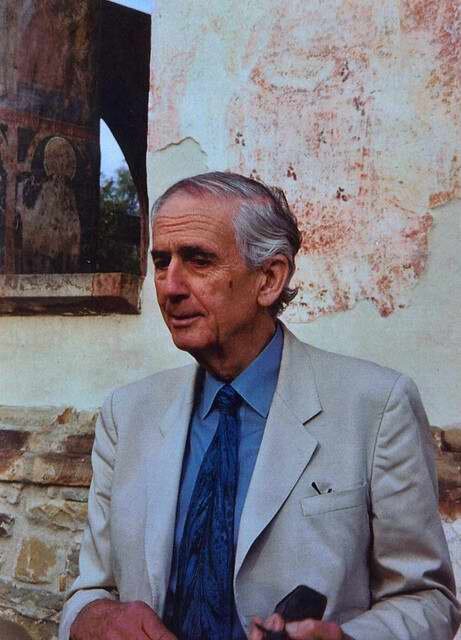
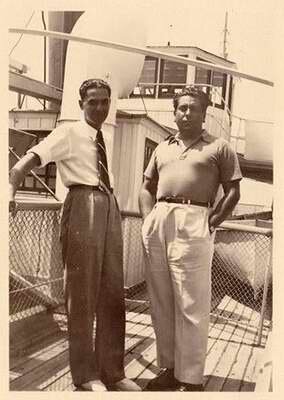
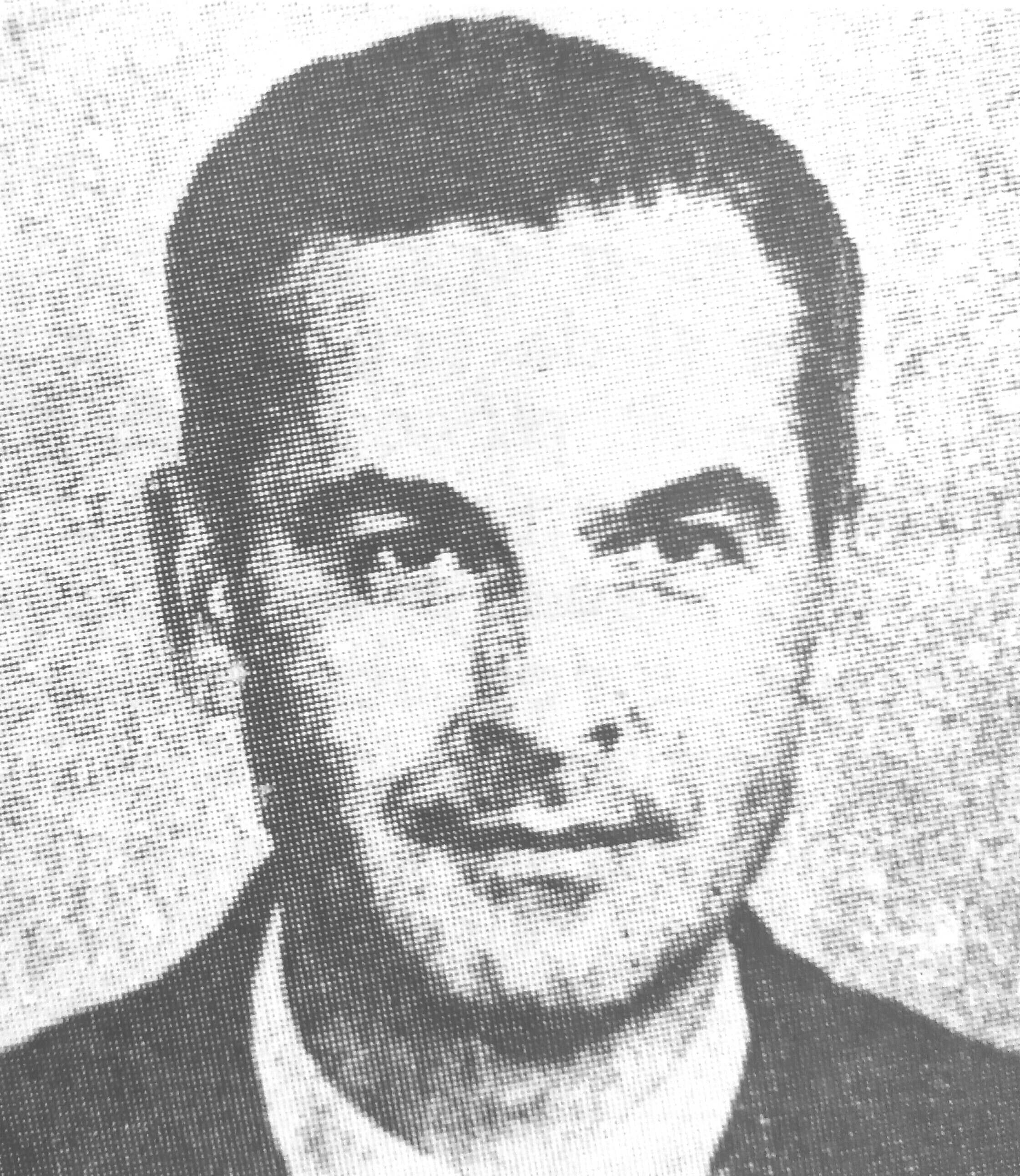
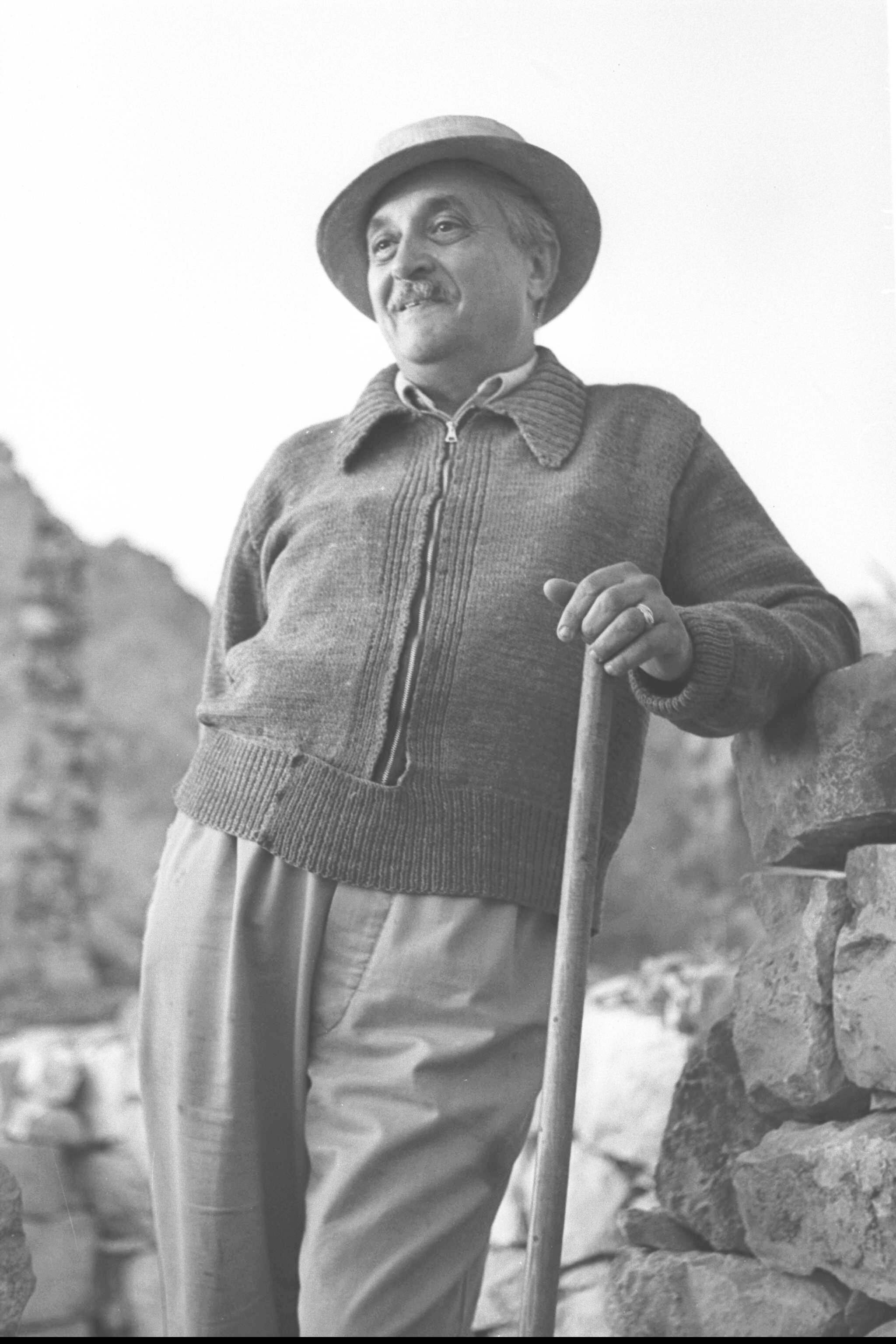
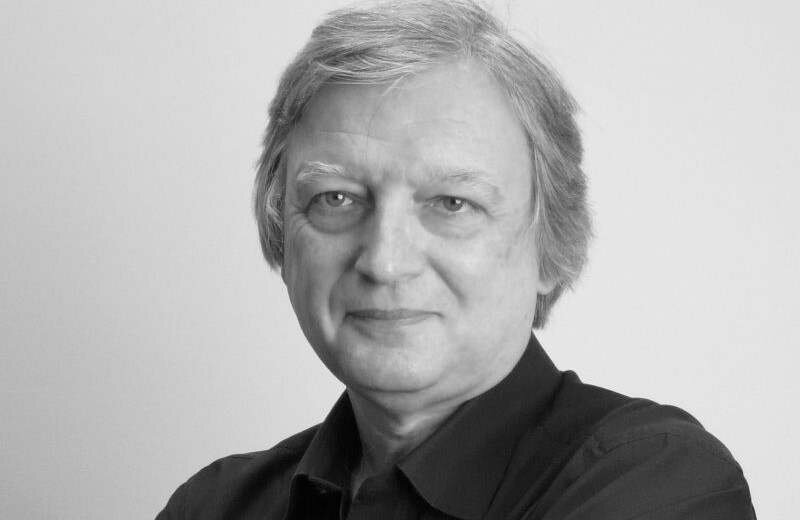
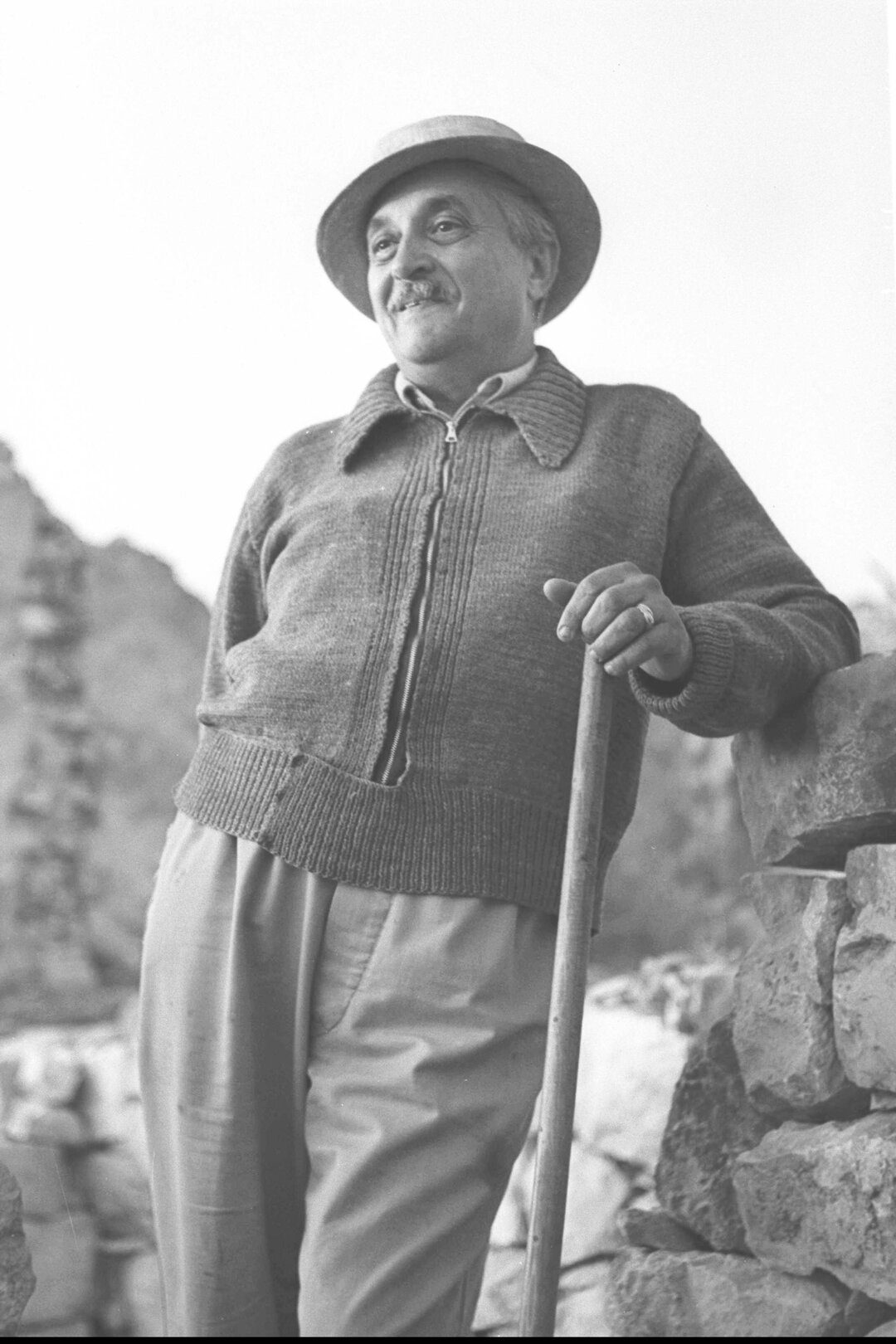
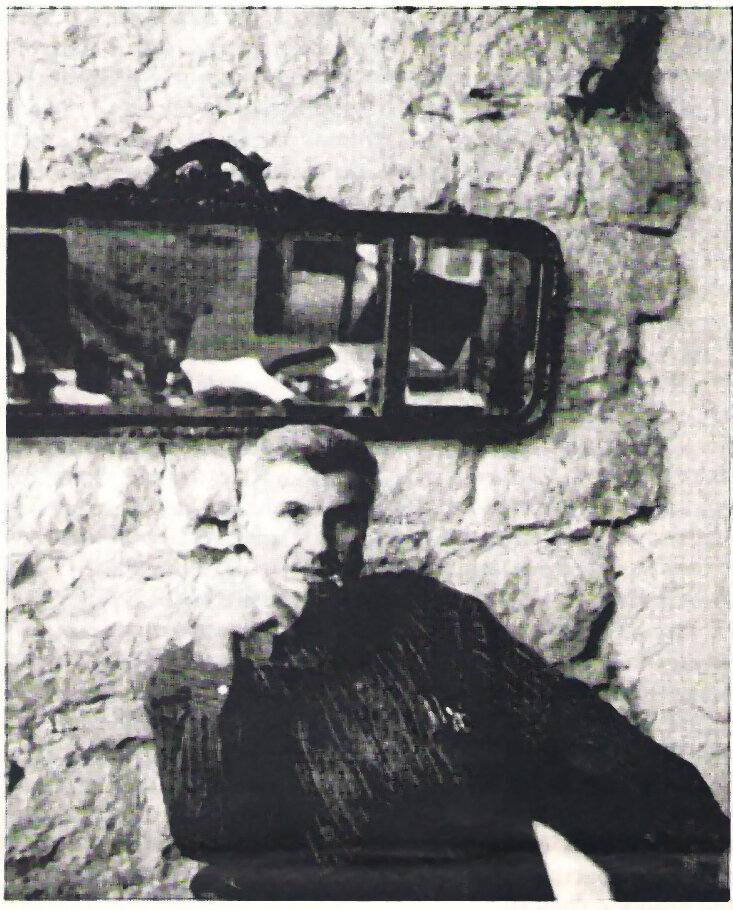
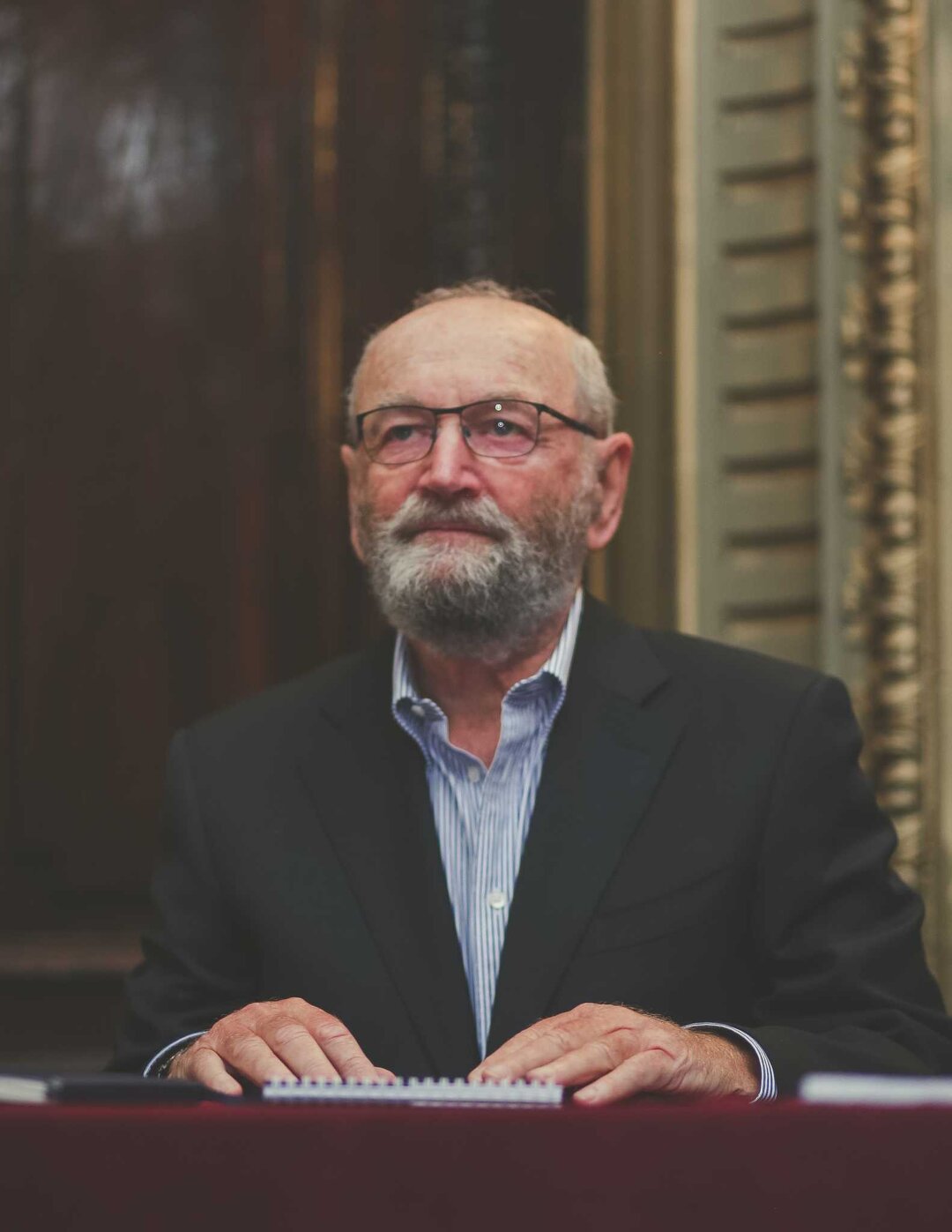
Illustrations - Marcel Iancu, Haralamb Georgescu, Sherban Cantacuzino, Dan Hanganu, Radu Drăgan.