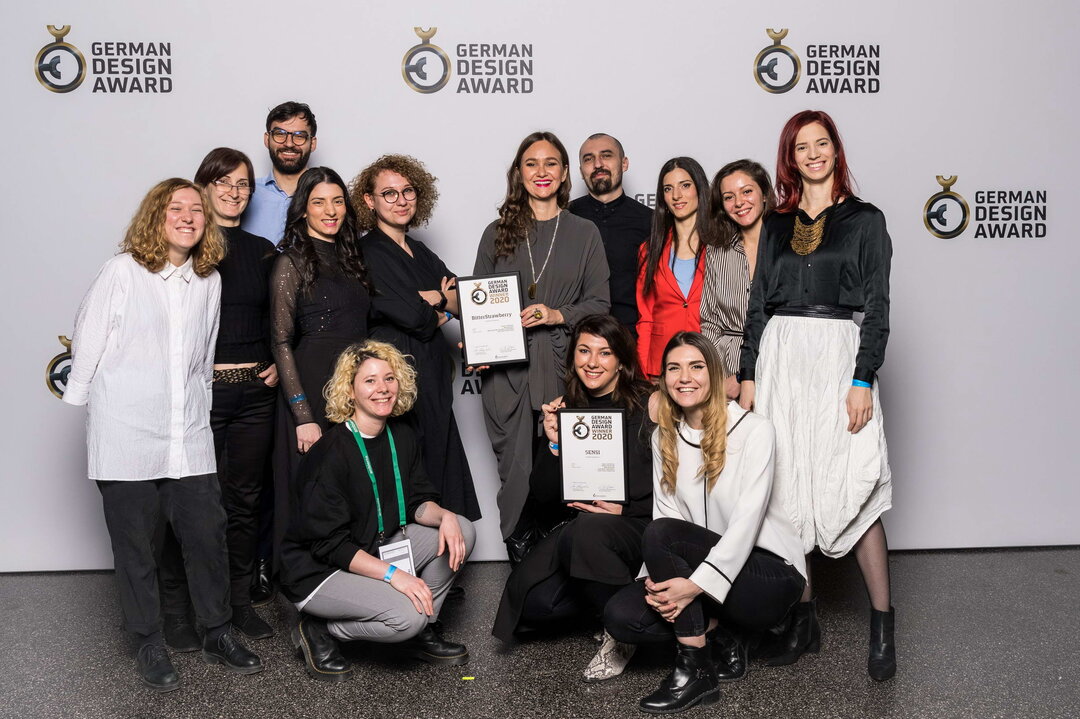
AMA DESIGN won two awards at the German Design Awards 2020


text: Dorin Ștefan Adam
photo: Laurian Ghinițoiu

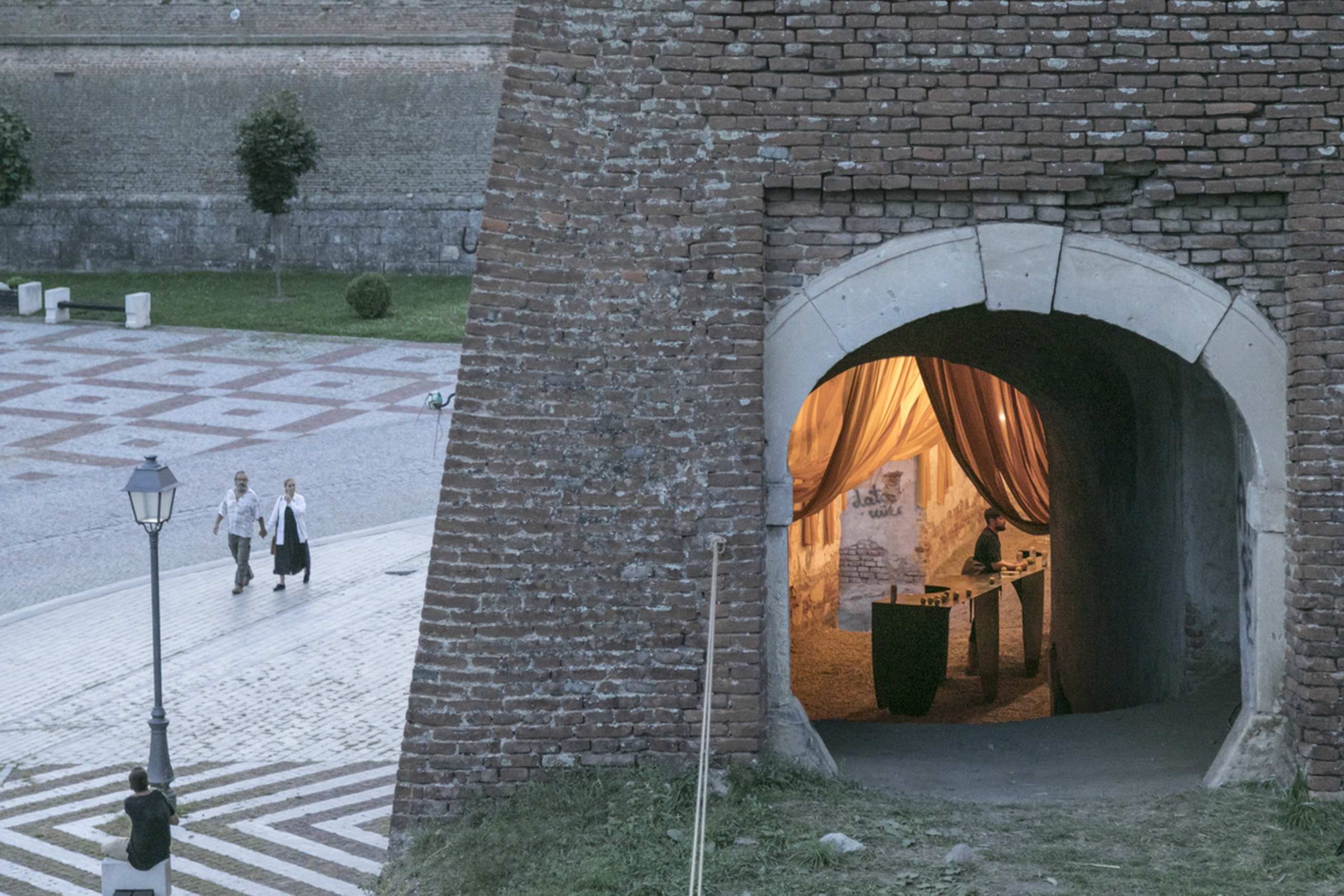
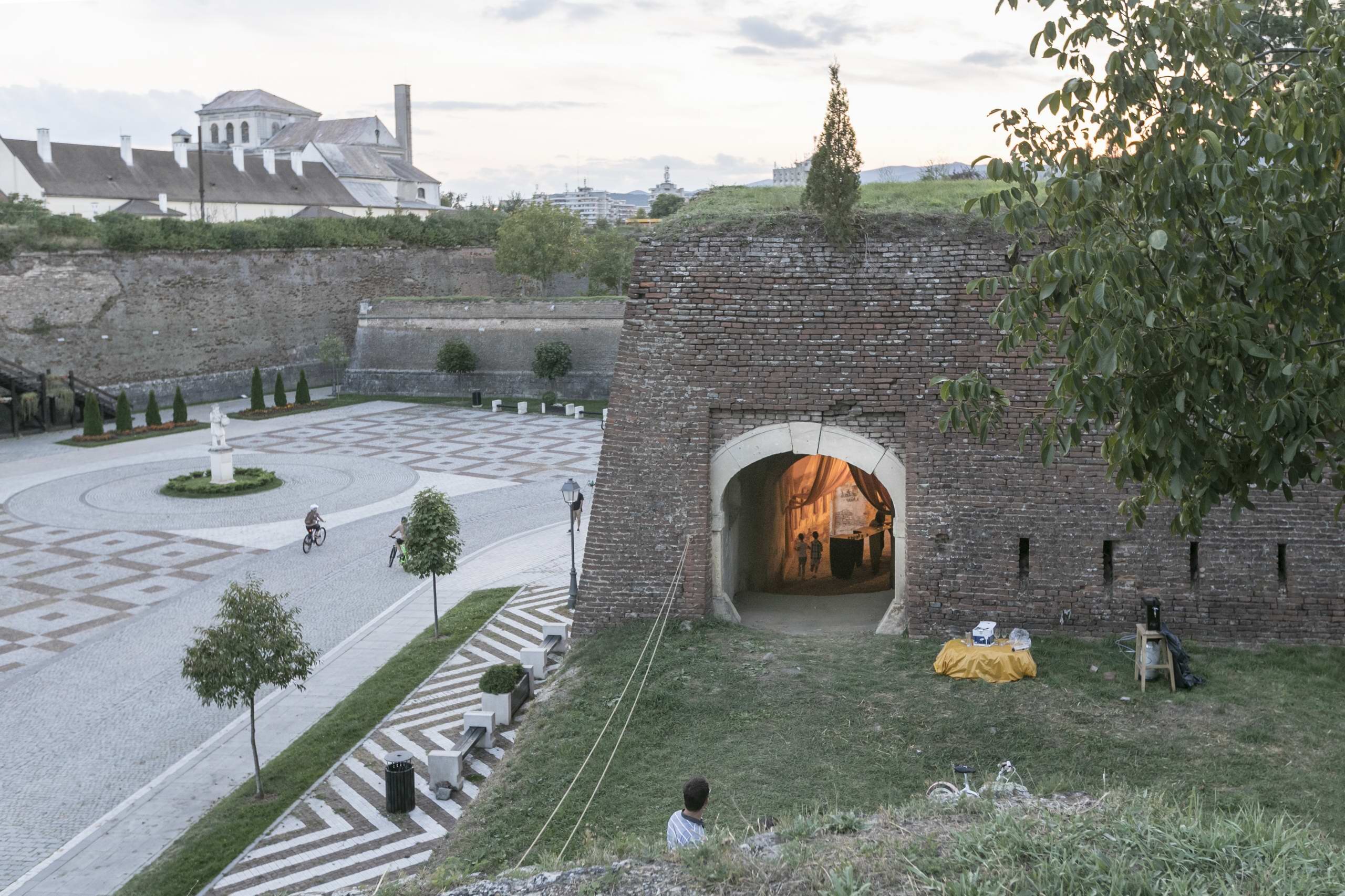
The city of Alba Iulia, located in the center of Romania, has attracted in a very short period of time numerous European funds for the restoration of the citadel. The 18th-century Habsburg fortress lies in the center, between the upper and lower town. It was an east-west passage space, a space that housed the army buildings, two churches, the history museum, a seminary and nothing more.
It is a stellar fortress with multiple defense moats. As intricate as its surface defenses are, so too are the defenses within its walls.
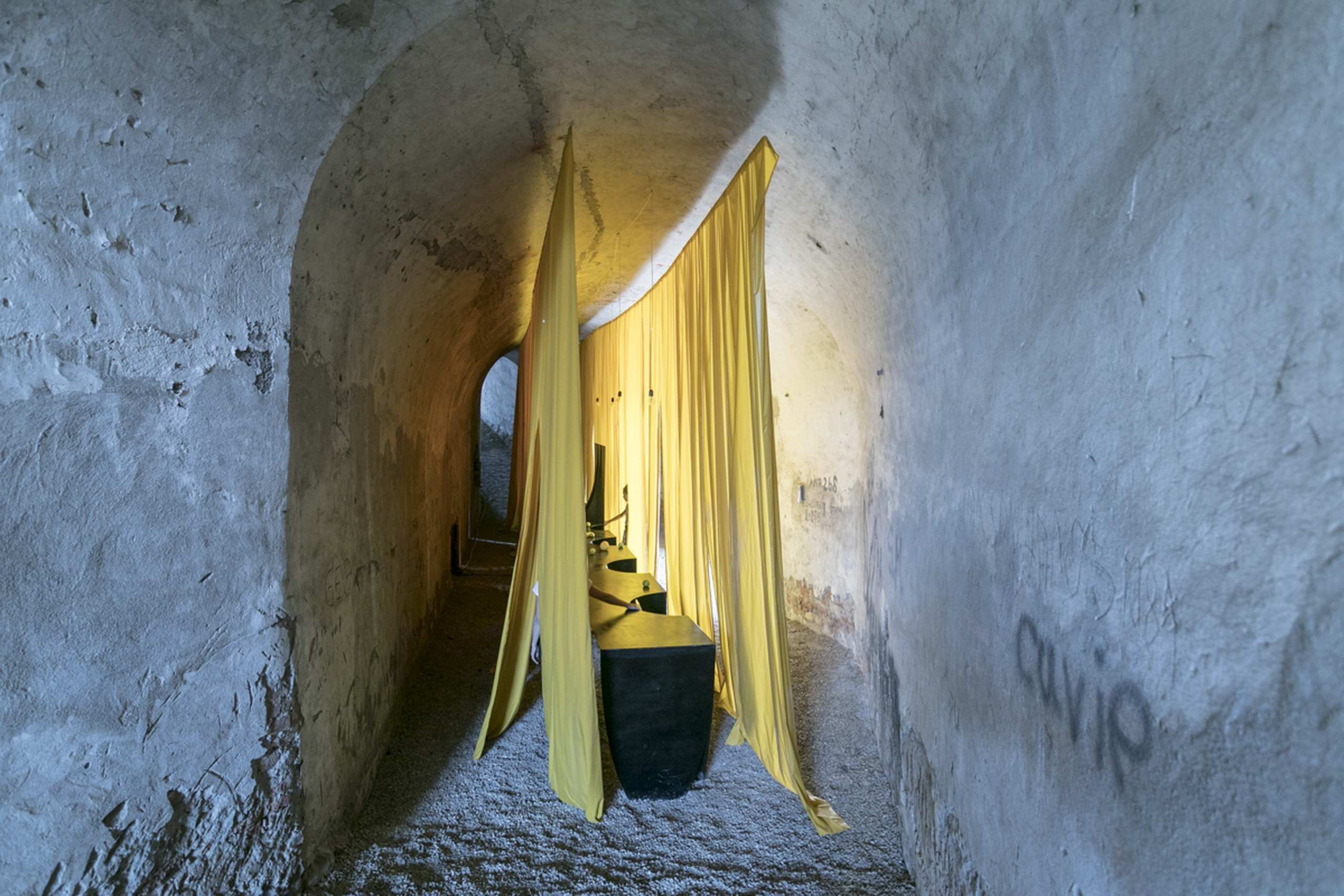
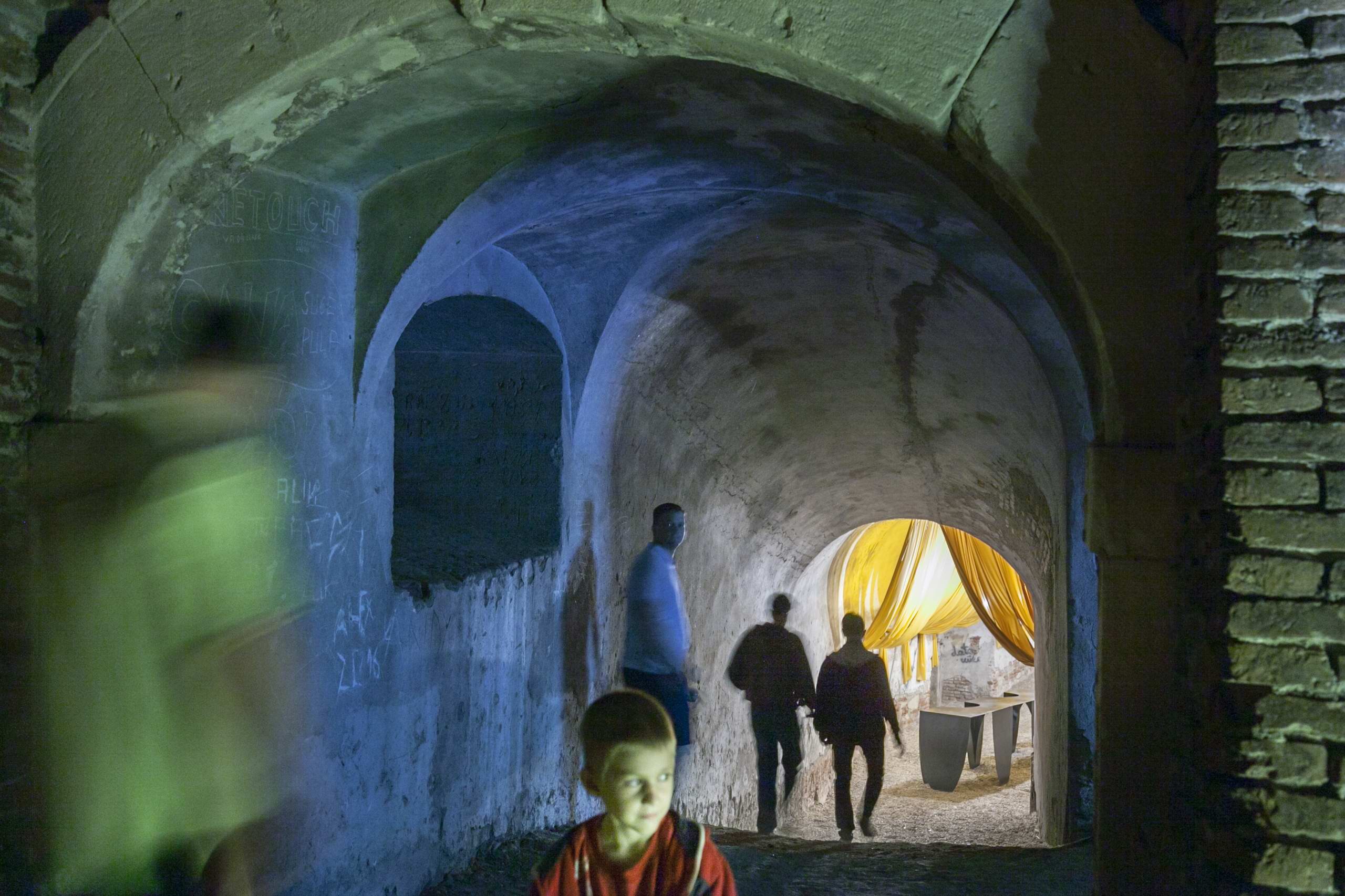
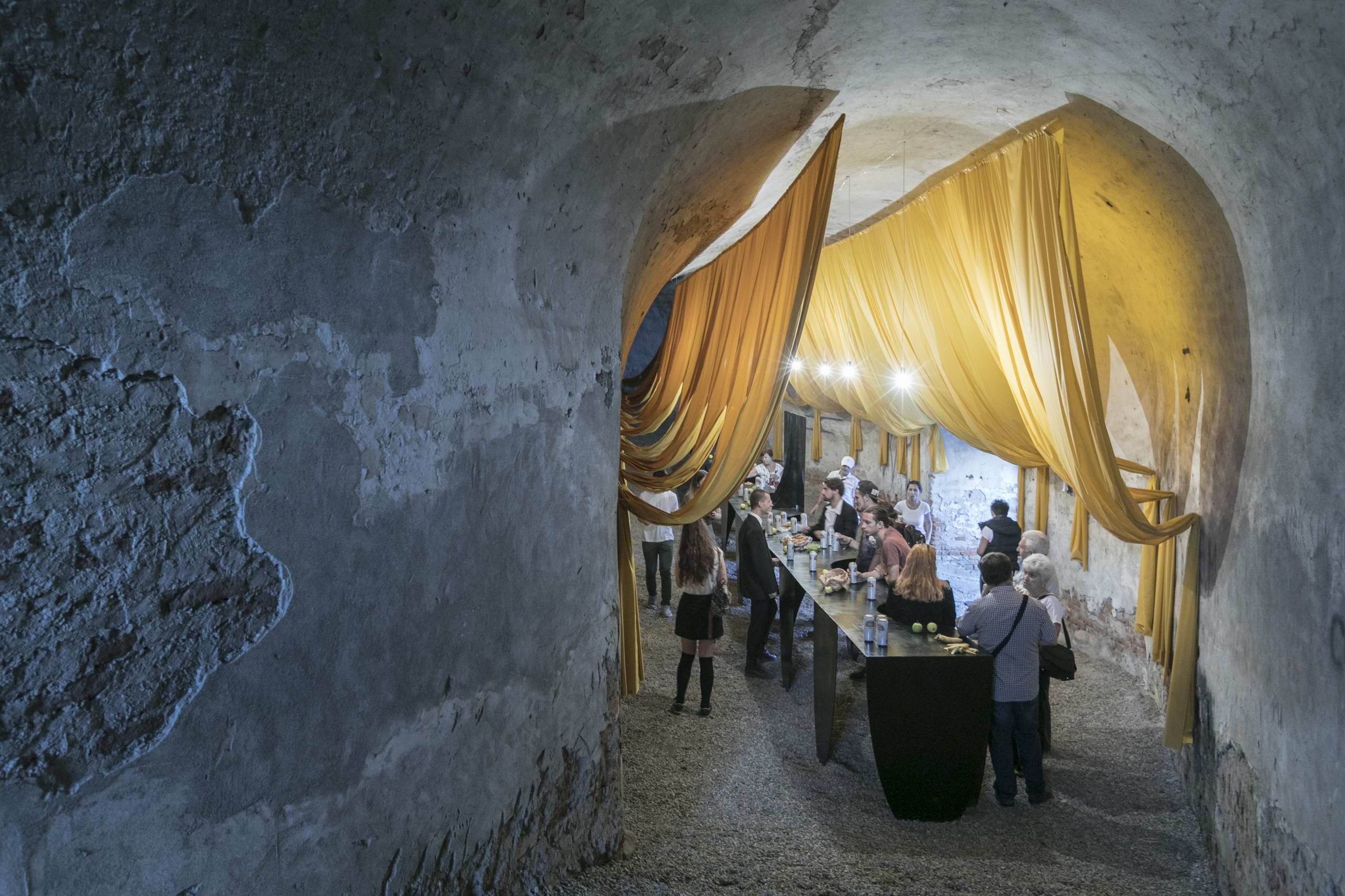
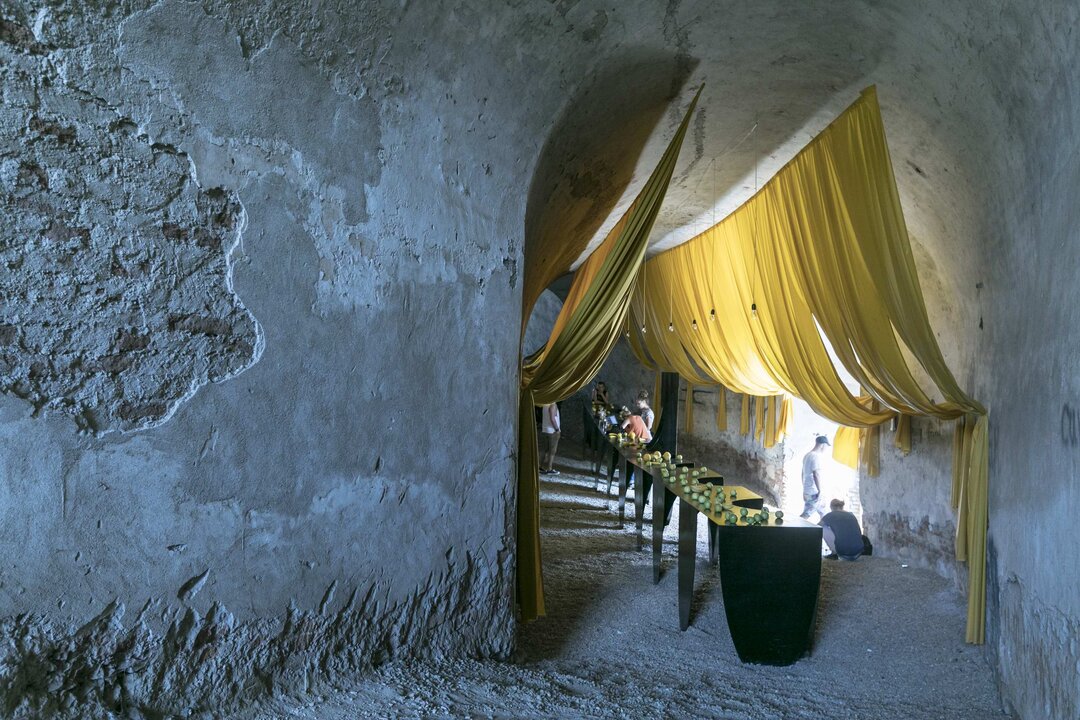
The project deals with one of the underground spaces, a typical space that connects the fortress moat with the defense ravelins. The project proposes to sensitize the public to such spaces that remained forgotten even after the restoration interventions were done, spaces that remained unused because they did not attract activities.
We proposed to open it to the public through an event during the Festival of Film, Street Art and Dance, organized in partnership with TIFF in 2018.
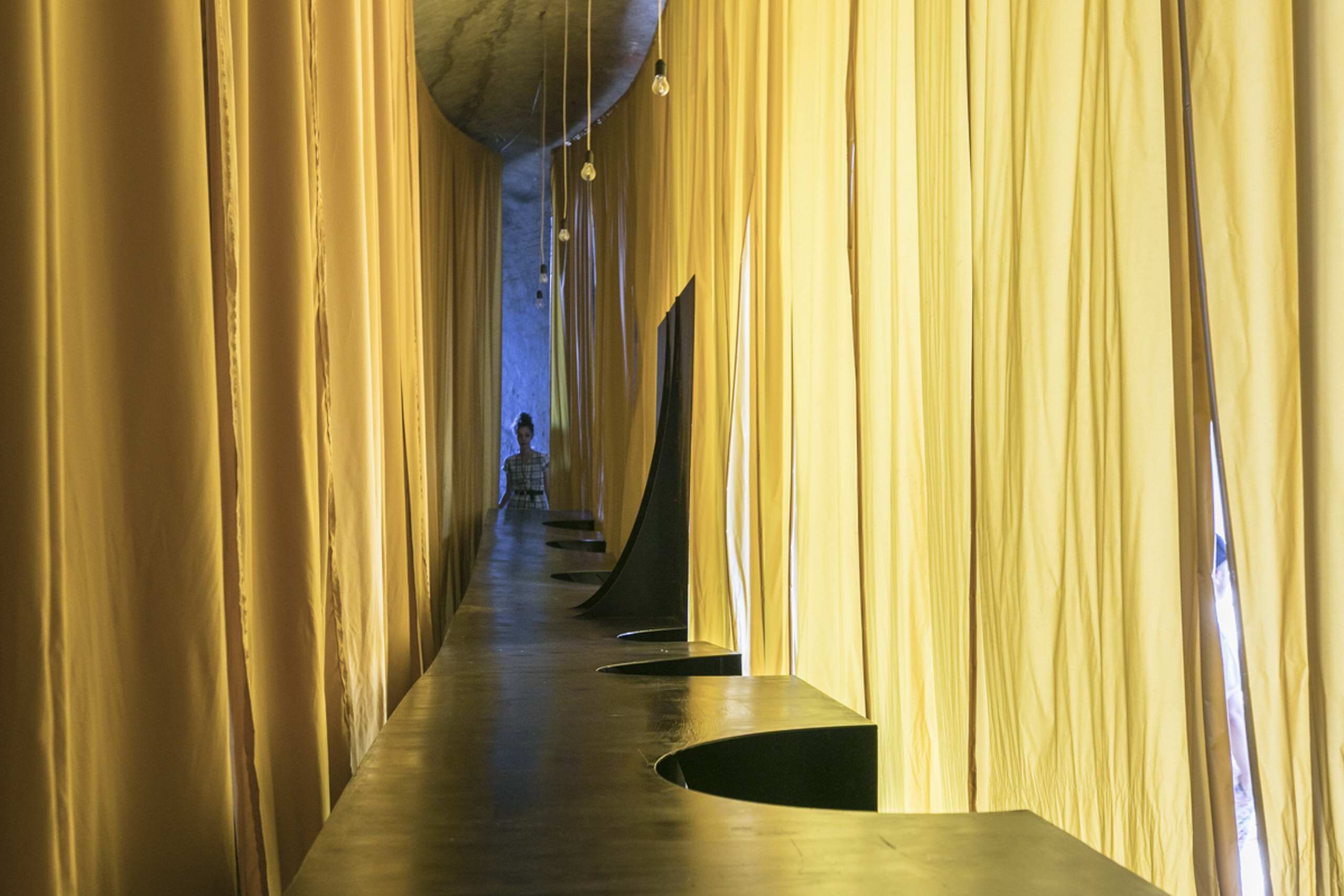
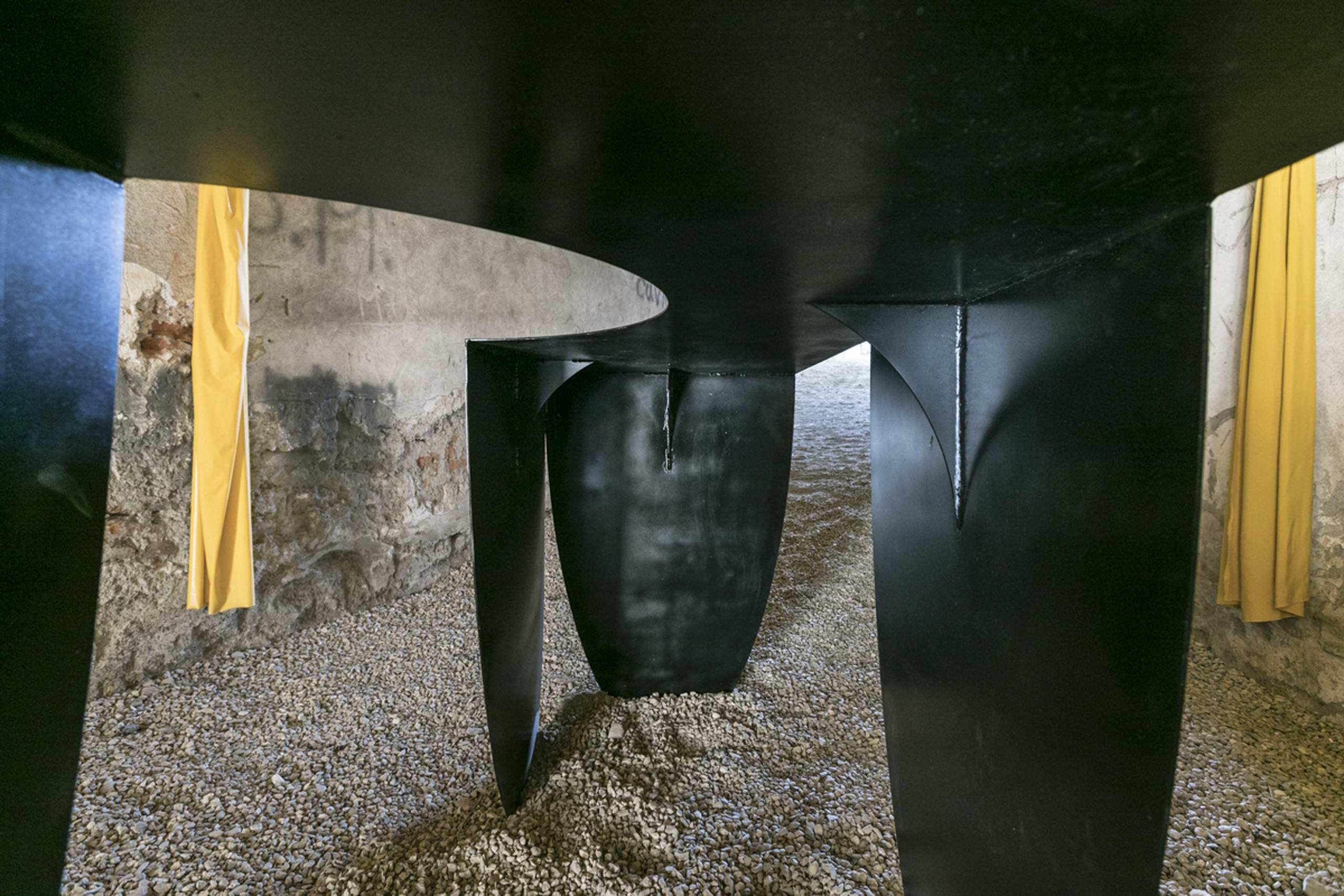
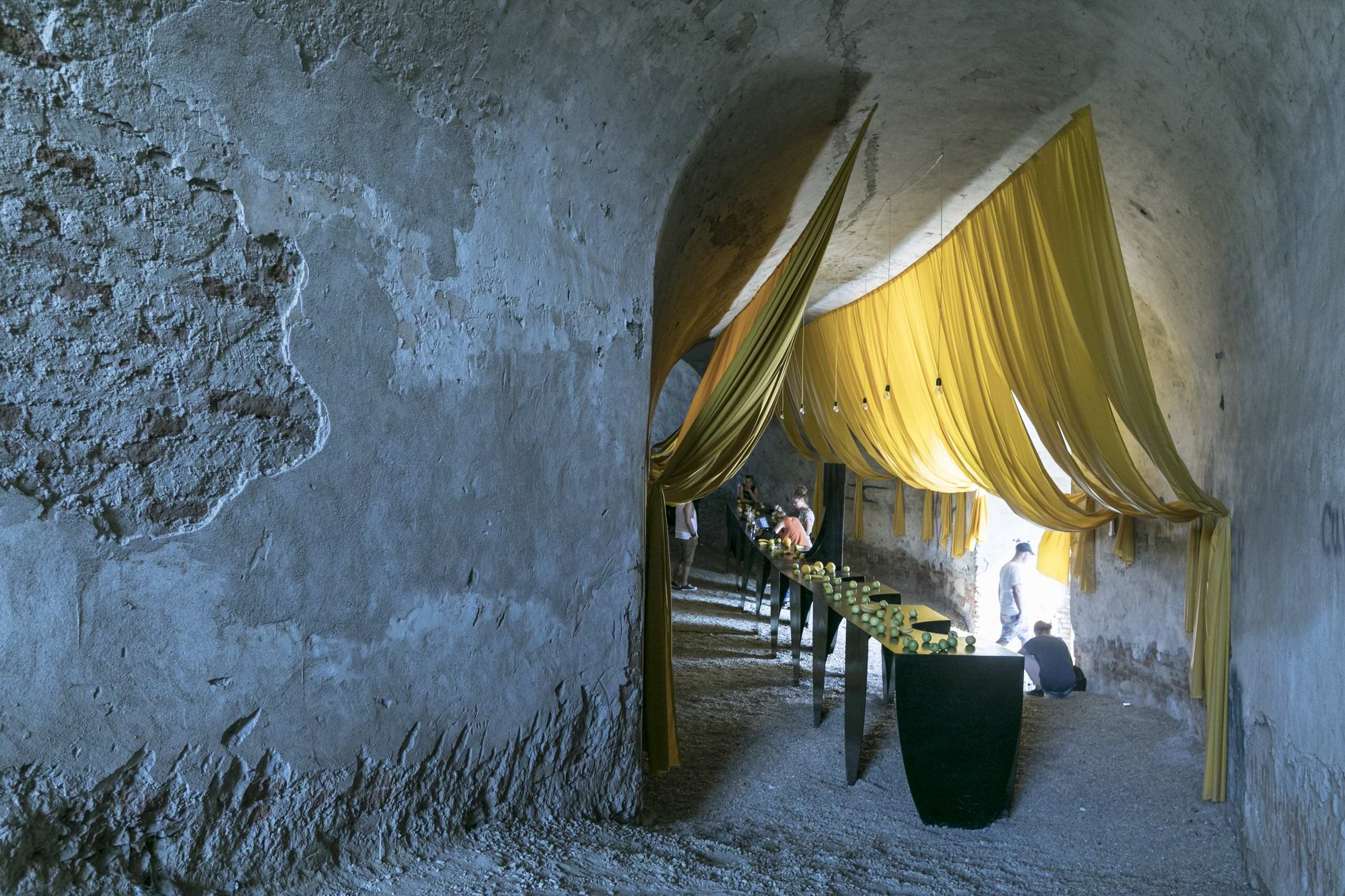
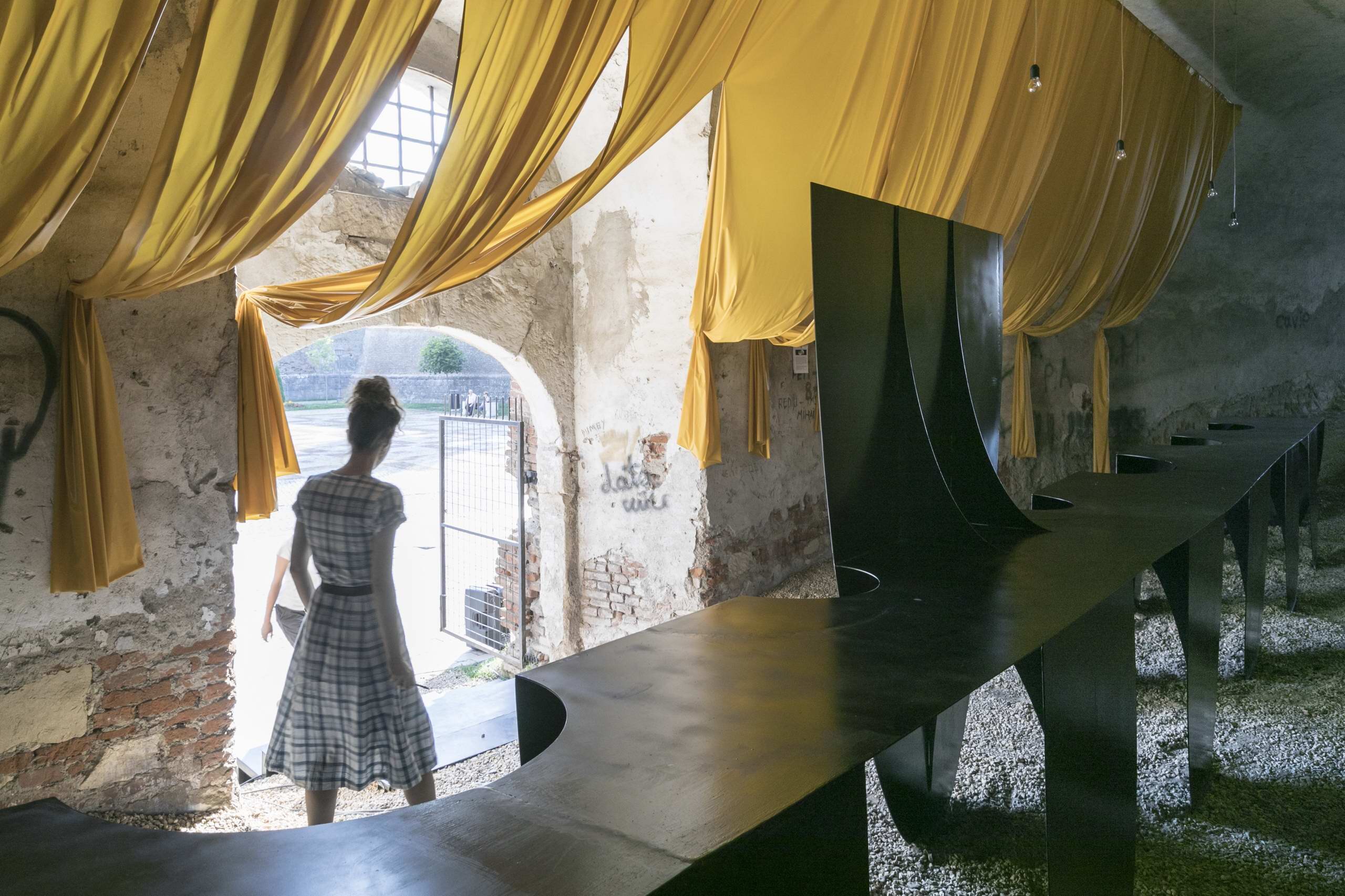
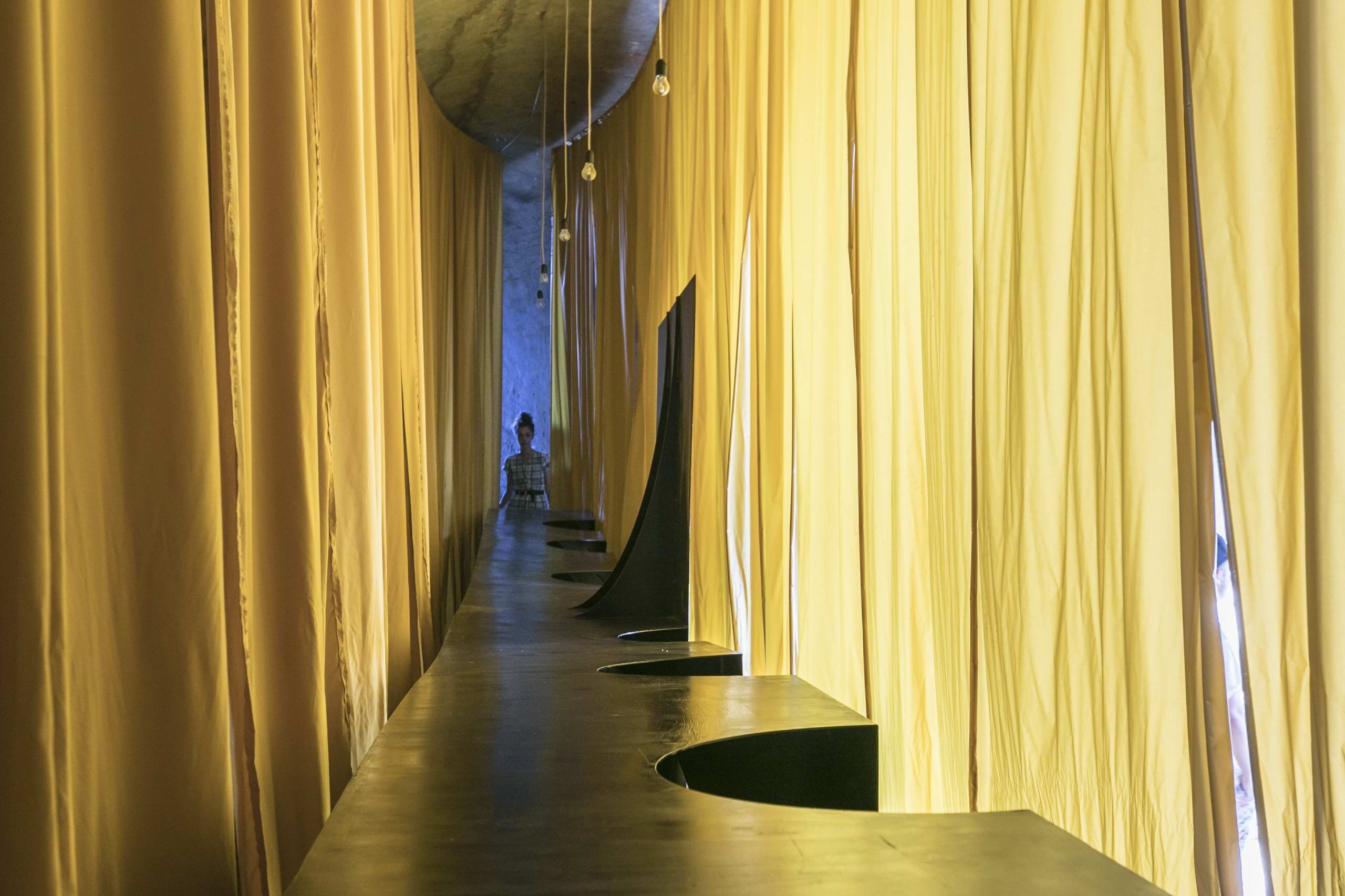
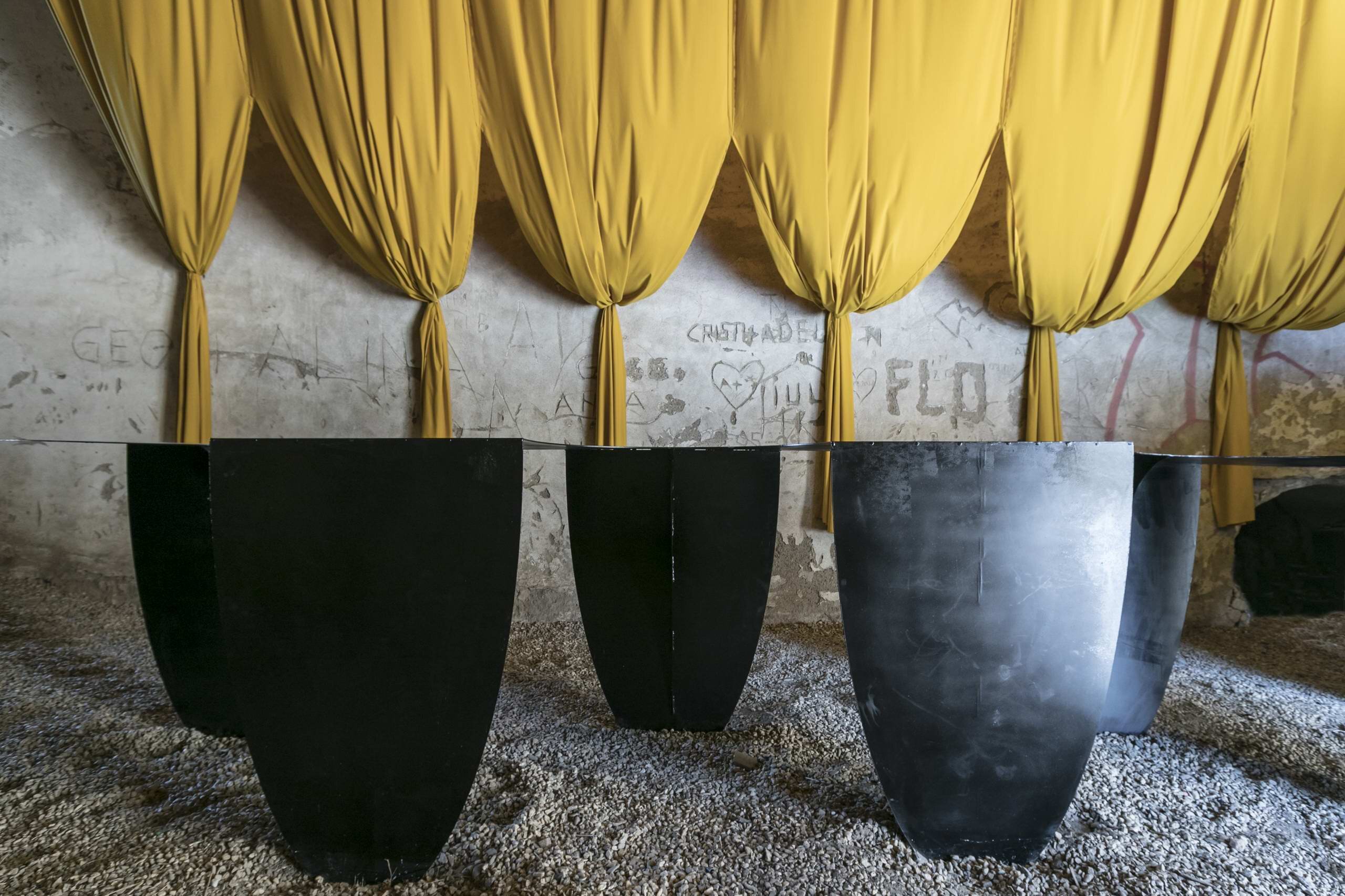
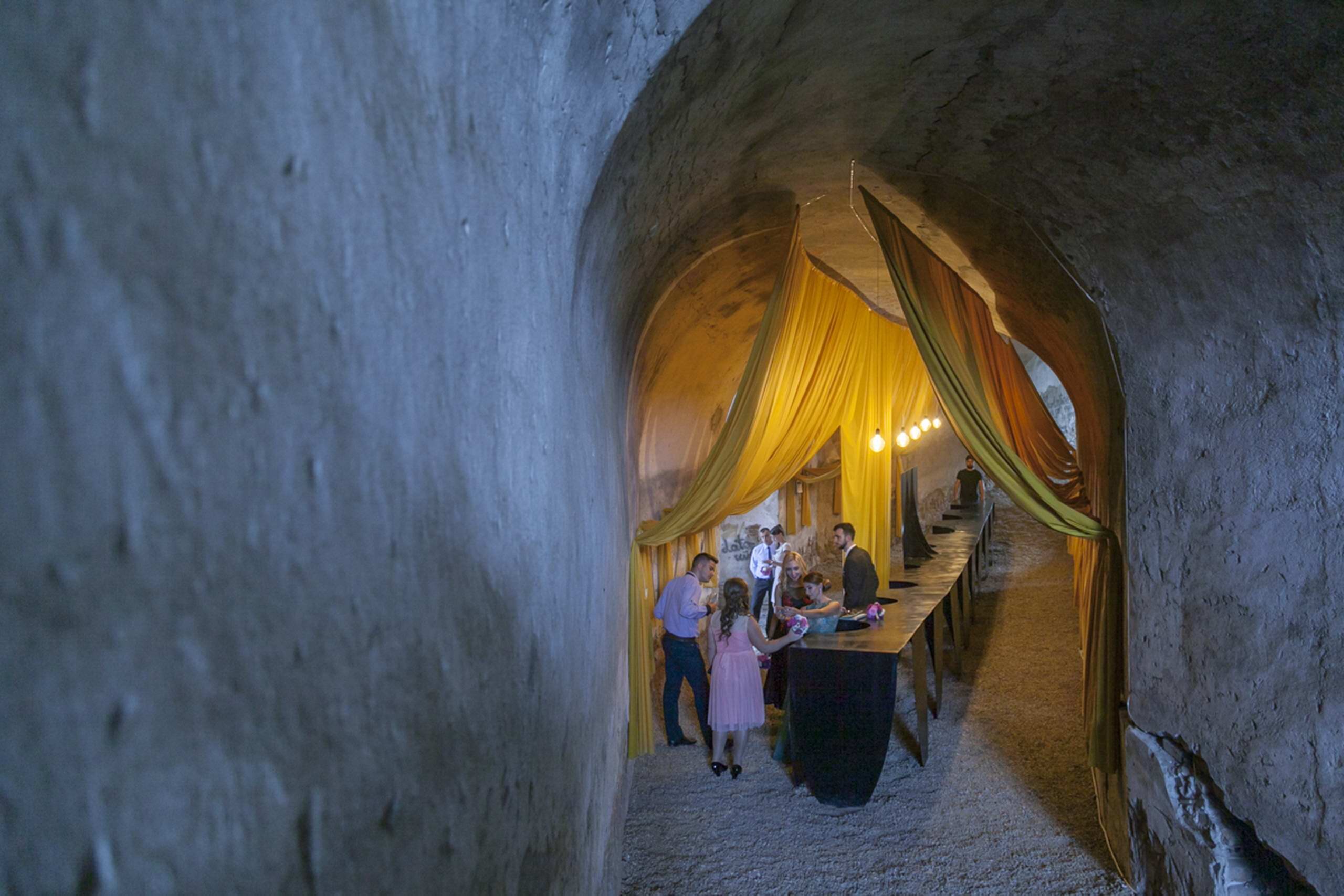
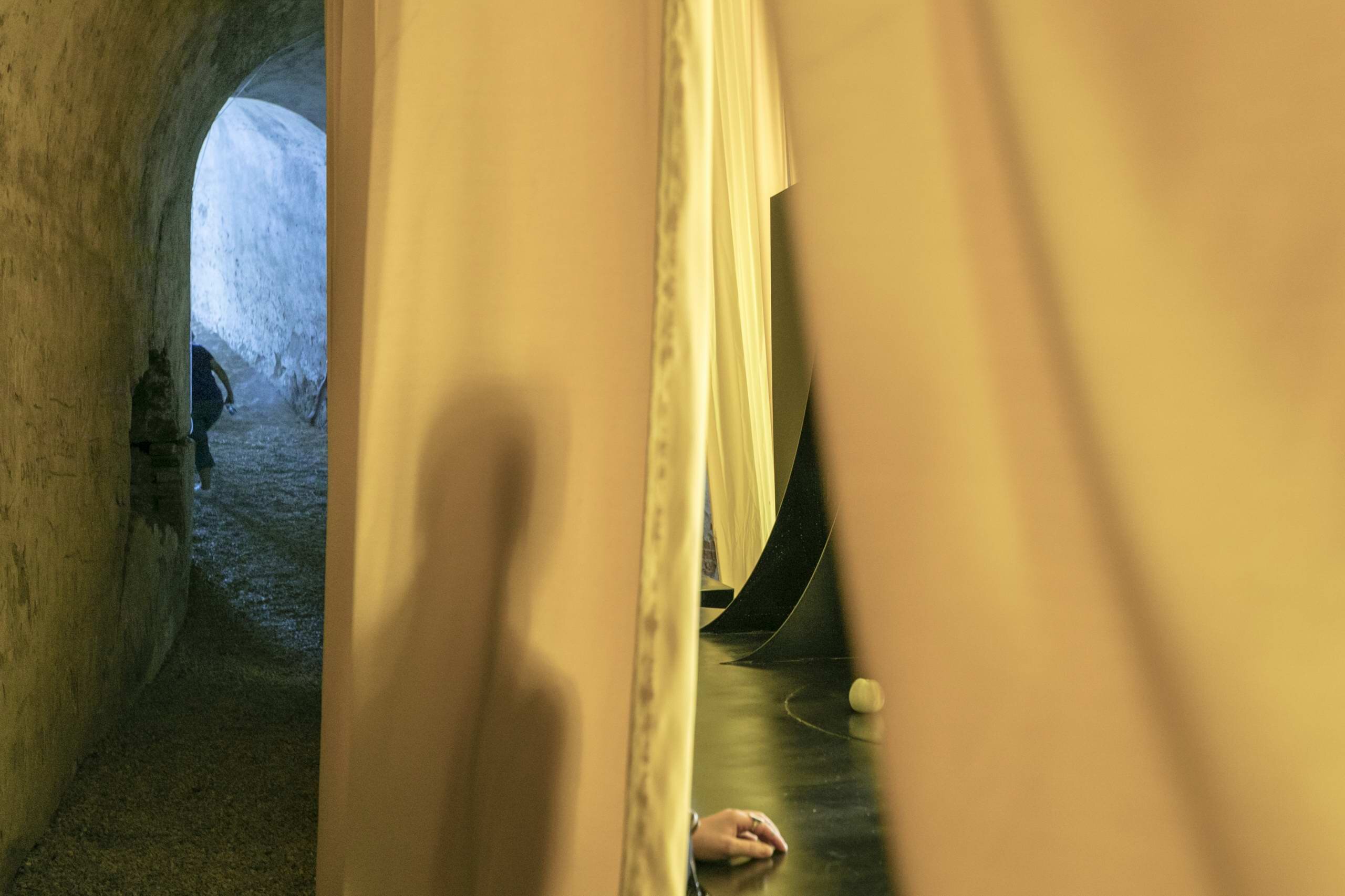
The proposal consisted of a long table located in the elongated gallery space, a table at which the local community gathers together. Hypostases of the table object are captured in the accompanying photographs. They do not concern its aesthetics, but its appropriateness to place and use through human participation.


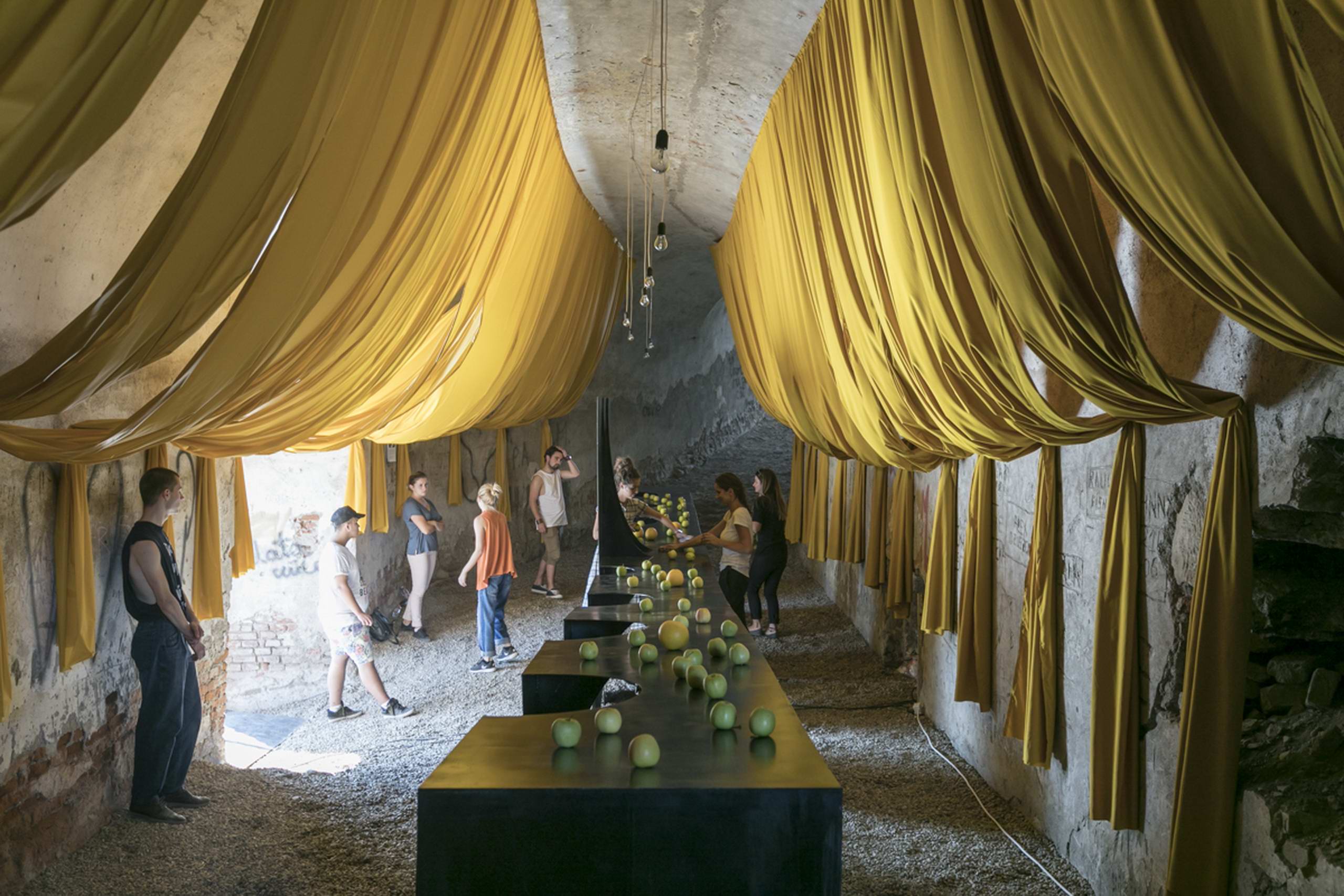

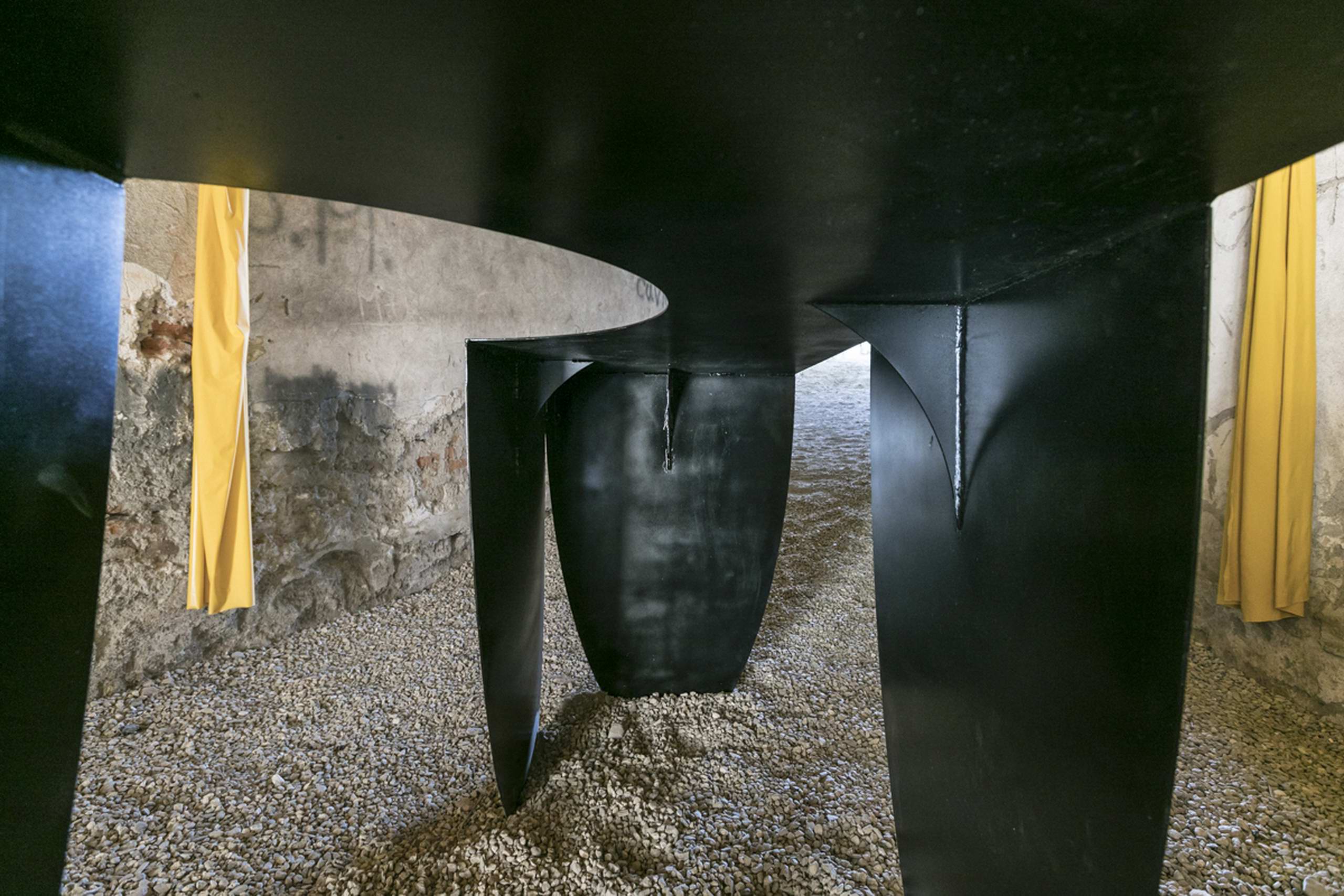


©Laurian Ghinițoiu
We were concerned with the space inside the wall building (the fortress wall) and the dilution (on one side) of the boundary of the fortress by loading the unused substance of the wall with human activity or, I could say, reinforcing the boundary by drawing attention to it. In fact, it is an approach that I have made in the area of "blurring" the boundary by working with potentiating its materiality to the point of dilution or reinforcing its firmness by showing the valences of space that infinitely nuance the boundary (depths of the penumbra, spaces without end through the folding angles, fluid spaces in the dense content of the brick wall, the thinness of the sheathing that would cover the matter - the plaster covering the brick, the colored fold covering, but also opening the thick metal tile, the possibility of the limit to accommodate and trap in it - the table with the cubbyholes, where the shape is given by the scale of man, the place of close encounters between people).
Immovable cultural heritage is the most valuable component of cultural heritage, both in terms of its direct material value and in relation to the possibilities of incorporating extra-cultural components.
The importance of contemporary art in the promotion of immovable cultural heritage emphasizes the important role played by contemporary art as a cultural form of expression and a way of highlighting the immovable cultural heritage in our country.
In contemporary art man shows his current state regardless of the level of education and captures a fragment of the state that society reflects at that moment.
Buildings belonging to immovable cultural heritage should not be kept as objects locked in a showcase, but as a living presence that draws attention to that potential by re-evaluating and enhancing such places with a different purpose than the way we have been used to relate to heritage. The visuality of a space occupies an extraordinary role right now, and the visual arts are a territory where all the arts can meet and have a very important role to play.