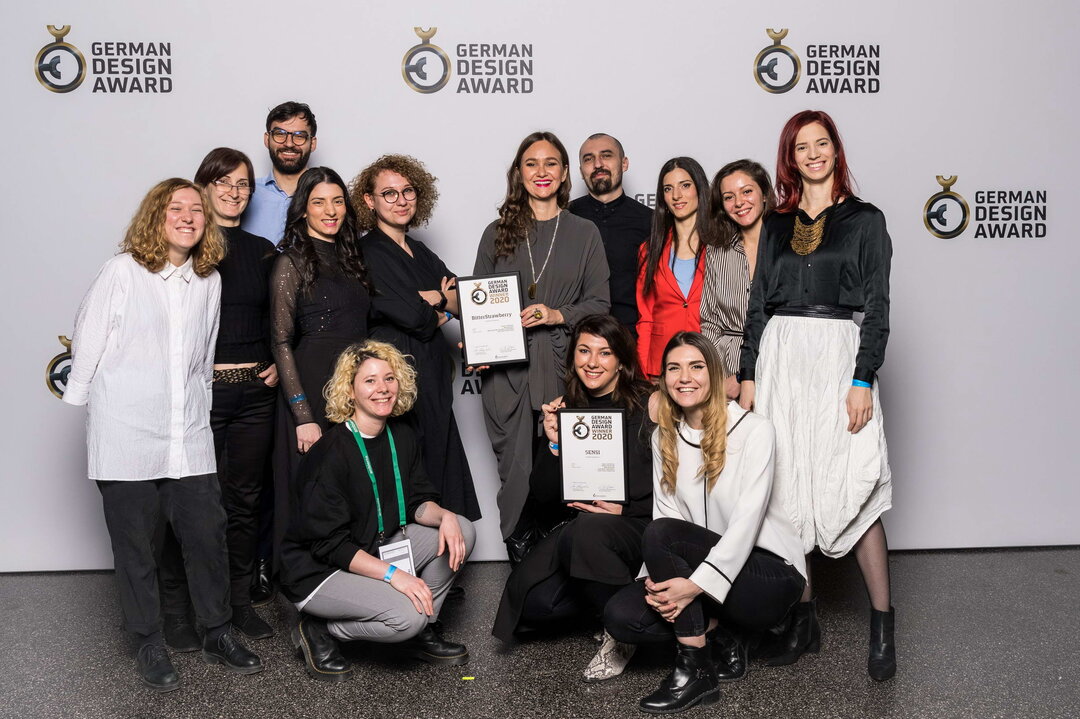
AMA DESIGN won two awards at the German Design Awards 2020

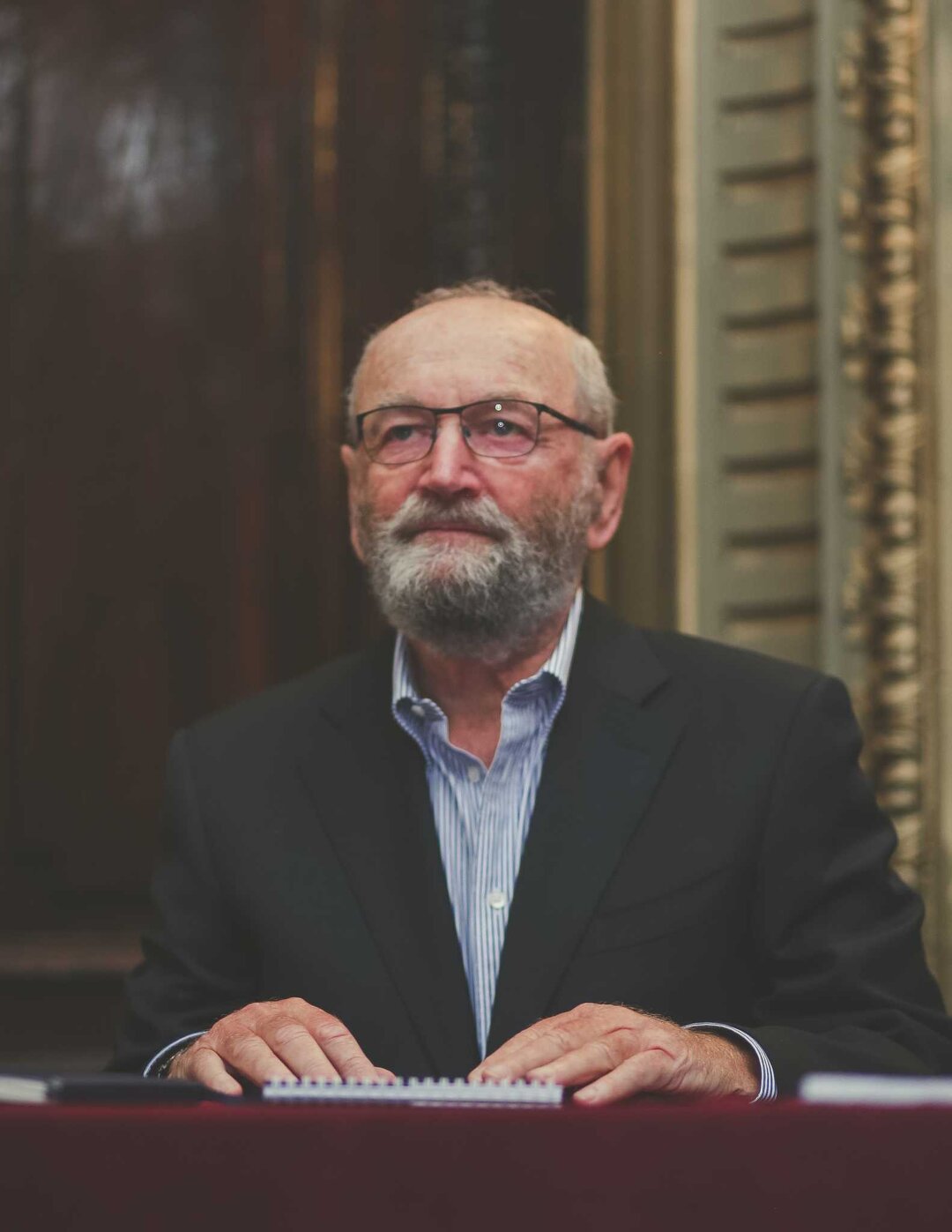
Nicolas Mircea LUPU
LUCK
 "Exodus": "Emigration of the Hebrews out of Egypt. Par extension: Émigration, départ en masse" (Le Petit Robert 2020, p.978). Exodus is linked to a grave danger, a "last resort". I imagine that, for today's young graduates, the 70s and 80s are part of history. On the other hand, getting around (especially in Europe) is no problem. By going abroad, you are not "leaving your country".
So I will leave aside considerations of the act itself and try to evoke my own situation as an architect in the country where I arrived.
In a way, I was very fortunate in Switzerland, where my wife had a large family. I refer first of all to the professional aspect that I could compare with the situation in France, the United States, Canada.
Switzerland is, on the one hand, the land of small architectural offices. Herzog and de Meuron were, at the time of the competition for the Viège theater, at an astronomical distance from the 450 associates and collaborators of today.
Secondly, the relationship with the client often starts with the choice of a site and ends with the signing of the final accounts, with all the stages of the realization of the object being designed, organized, constructively and financially controlled by the architect. I am talking, of course, about current mandates: houses, schools, multi-purpose halls, buildings, sports halls...
Thirdly, the architectural competition remains (compulsory by law for public buildings) the most common way of obtaining a commission. I have sat on competition juries and I can say that I have never felt any form of pressure.
All the above underlines the fact that good training, availability, "openness", full commitment to the work, but also the imponderable factor of "natural qualities" can become the "marshal's baton" in the kit of every soldier/architect (to paraphrase Napoleon).
I look with admiration at the light structures of the new architectural offices in Geneva. I admire the versatility of the team members. I look with admiration at their ability to "coagulate" for competitions or major works, their dedication and tenacity to get the result. But similar qualities were demonstrated in the 1970s by Sergiu Hanganu's team, which won an important competition for a seaside ensemble against Cezar Lăzărescu. No consequences! That's why I was talking above about a chance we had.
The space reserved for each of us being limited, I am obliged to make a drastic selection of my work. I am trying to distinguish what has been of real use to me from the whole of my training as an architect in Romania. I would place, in the foreground, the training in the field of structures, which can fundamentally influence the "logic" and clarity of the project as a whole. I would add architectural history courses, in their complete and chronological sequence (1), knowledge of art history and architectural theory (2).
At the same time, I sensed important shortcomings in the methodology of the project (3), in the in-depth approach to the "place" and the "urban form"; I felt a flagrant lack of coherence between the late Professor Radu Laurian's course on Urban Aesthetics and the "urbanism" projects that I was doing in the workshop.
Of course, decades have passed and the situation has evolved. I would not have talked about such "old" things without being asked.
I would conclude by saying that my presence in Switzerland has contributed fundamentally to the development of my career as an architect.
(1) It seems strange to say this, but in many Western schools only historical "fragments" are treated (chosen on sociological, political or purely subjective criteria) which induces a gaping vision - where Greek or Roman architecture, for example, may be missing from an architect's training.
(2) At the Department of Architecture at EPF Lausanne, a course in Architectural Theory was introduced in the mid-80s.
(3) The most eloquent example is the work of Professor Pierre von Meiss, whose book "De la forme au lieu" has become indispensable for the training of student architects.