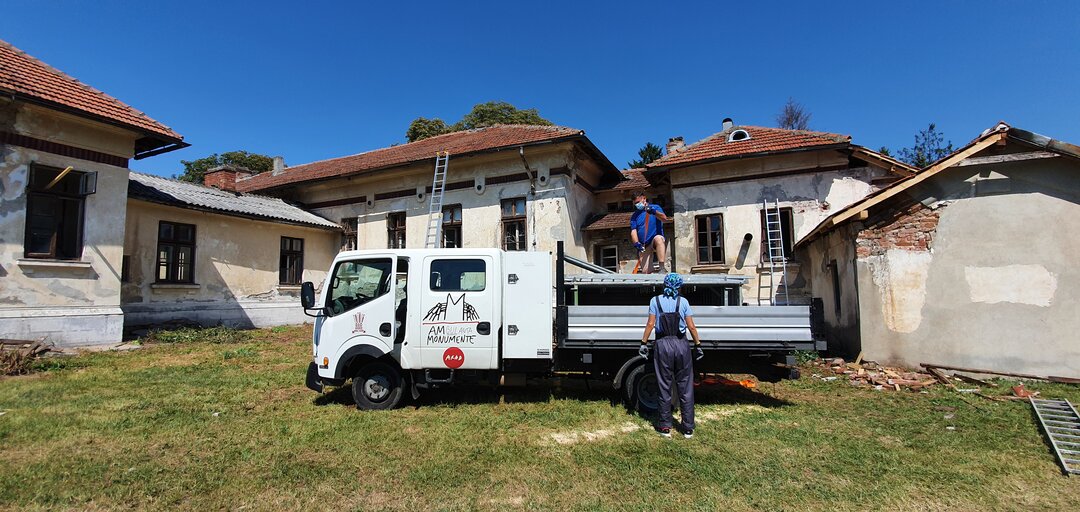
Europa Nostra Award 2020 and Public Award 2020 - Ambulance for Monuments, excellence in safeguarding Romanian heritage

From the beginning of the 18th century, in the Romanian Principalities on the Danube, the first efforts were devoted to the establishment of establishments specifically intended for medical care. Until then, the care of the sick was provided empirically, at home or in more improvised spaces near some monasteries, in so-called 'bolnițe', simple rooms that housed 10-15 needy sick people, as was the case, for example, in Walla Wallachia, in the monasteries of Vodița, Tismana or, in Moldova, in Neamț, etc. In these cases, treating the sick was the task of the monks.
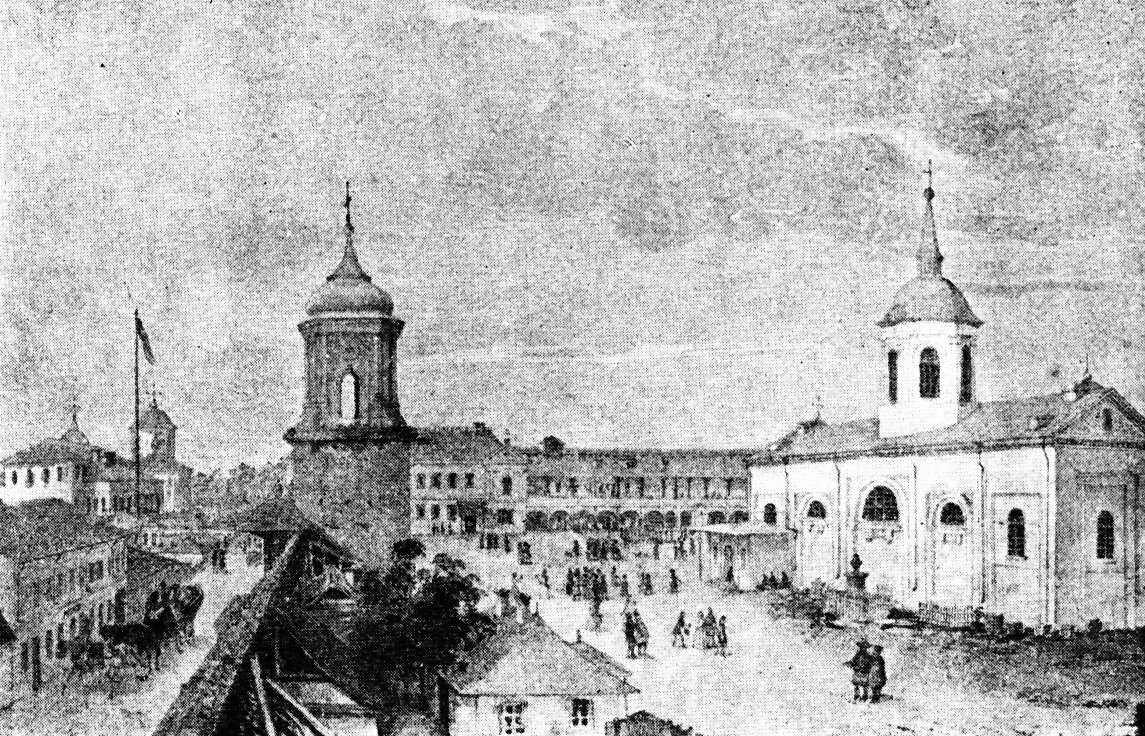
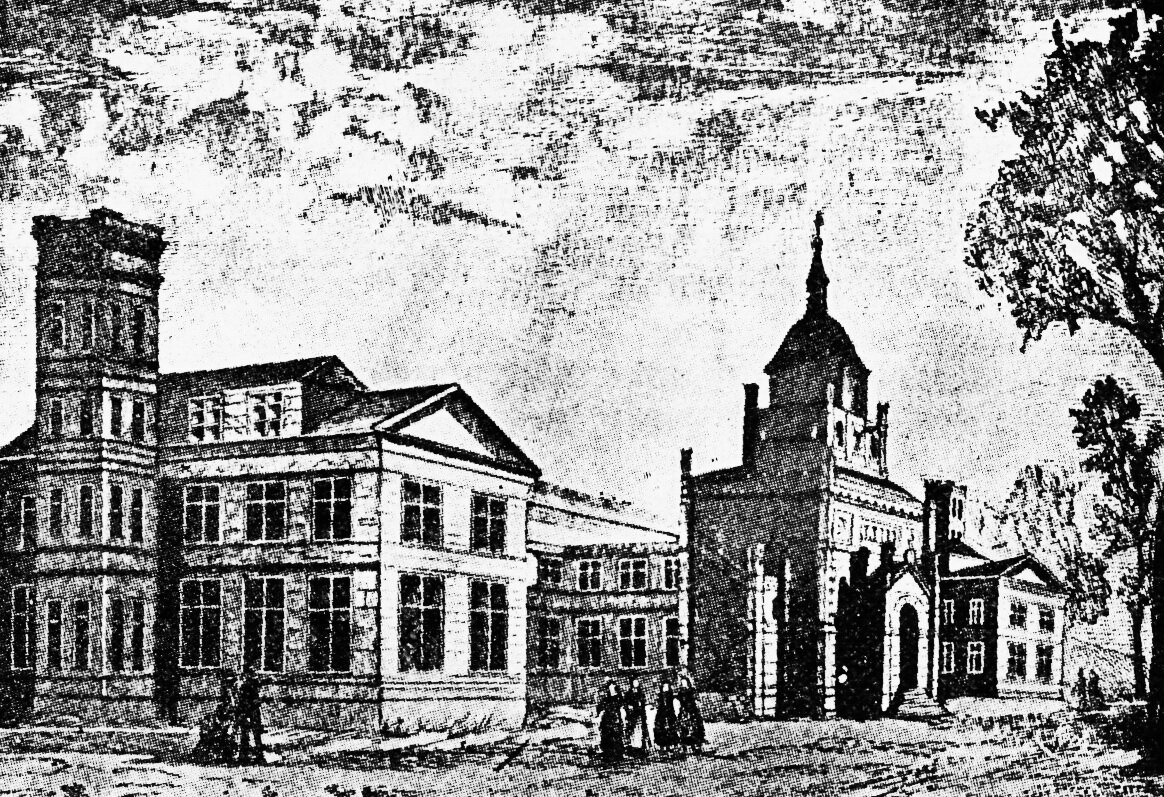
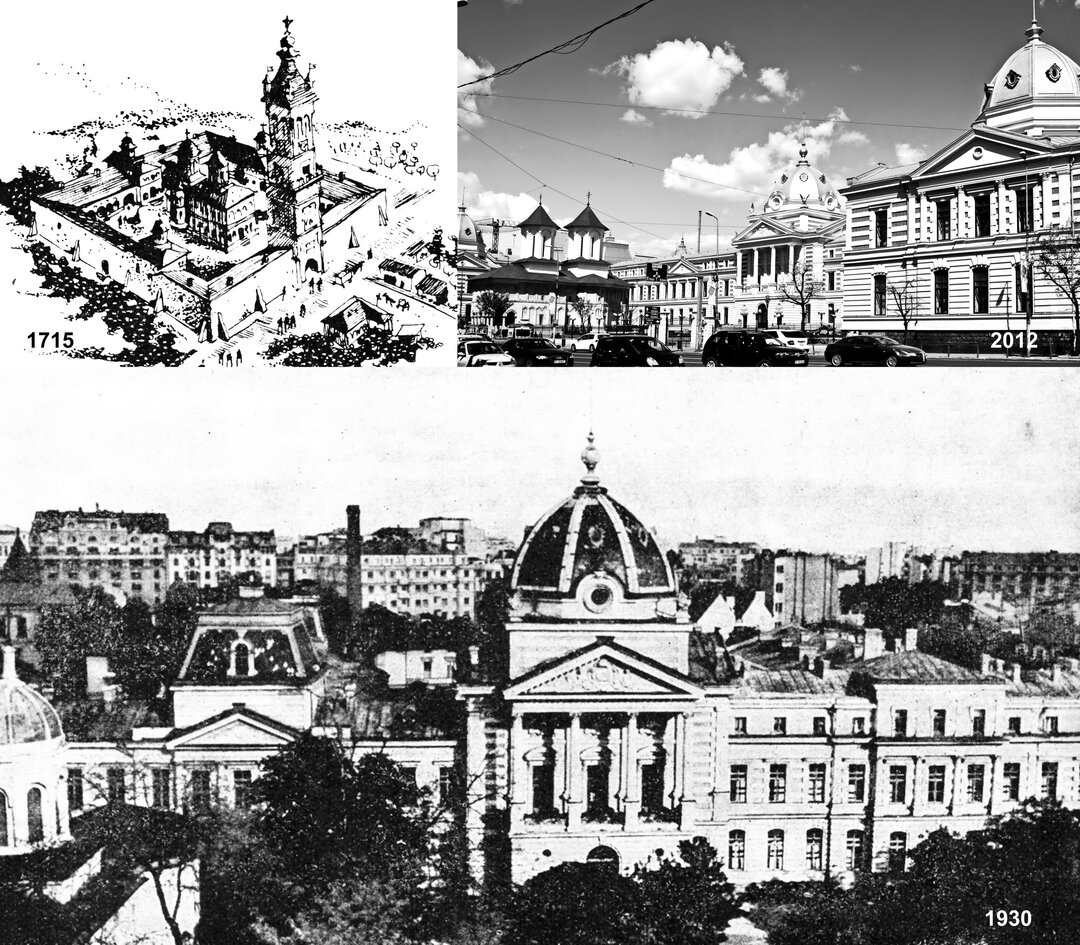
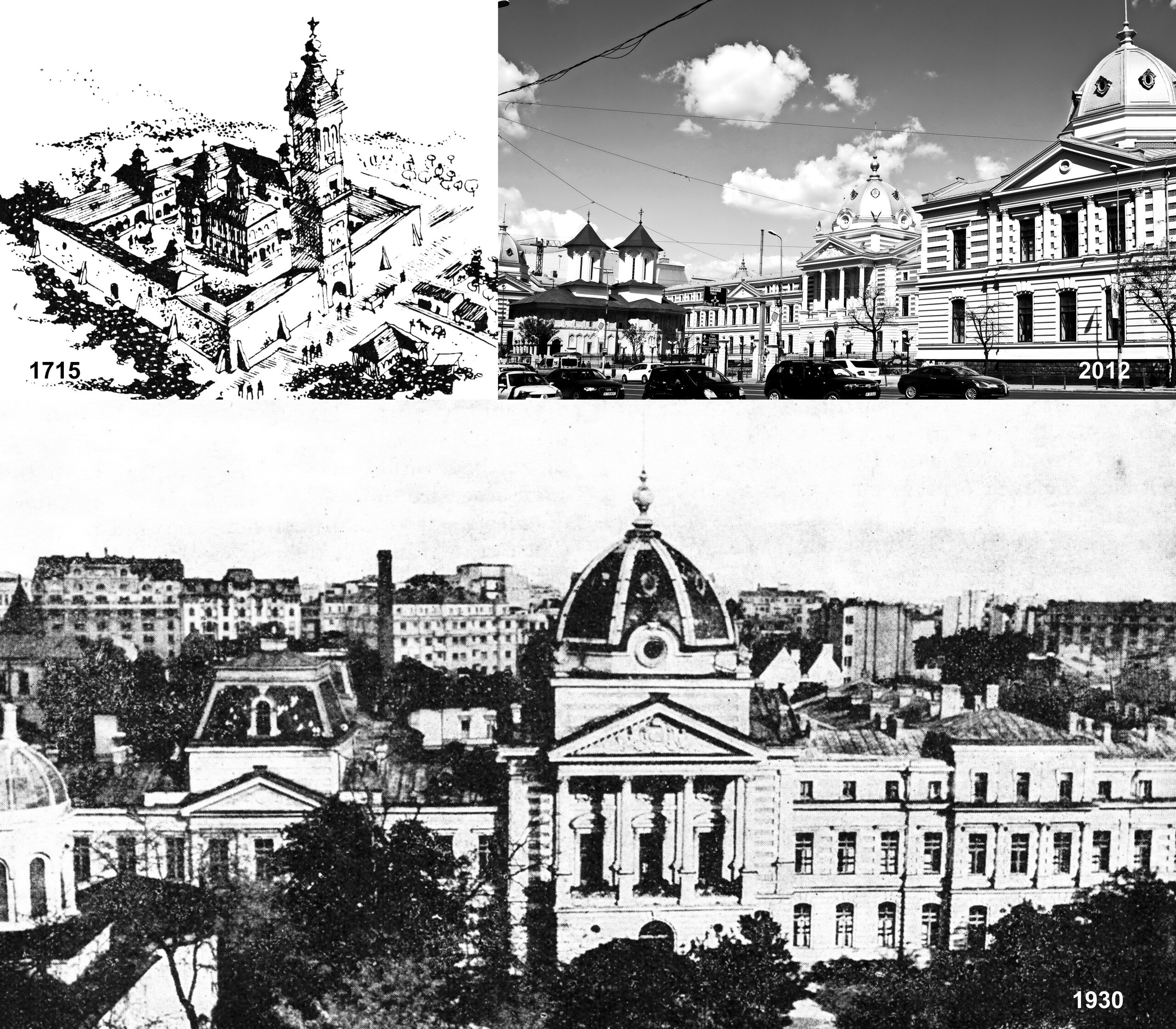
In Wallachia, the first known hospital in Bucharest, still in operation today, is the Colțea Hospital, founded in 1715 by the laird Mihail Cantacuzino on the site formerly belonging to the clucer Colțea Doicescu (from which the name is derived), located near the city's customs house and not far from the Curtea Domnească Veche. Initially, the hospital, which sought to follow the model of a famous institution of the time, the Ospedale di San Lazzaro e Mendicanti in Venice, had only two rooms for the sick, one for men and one for women, with 12 beds each, and a chapel between them. As was later recorded, it was extended to 30 beds, then, under the reign of Mr. Alexander Moruzi, to 50 beds. In the 19th century, the Colțea hospital underwent continuous development, being renovated several times, transformed and extended between 1836 and 1842 by the architects Schwink and Faiser, and the monumental building we know today is the work of the Austrian architect Josef Schiffeleers, dating from 1888-1897.