Europa Nostra Award 2020 and Public Award 2020 - Ambulance for Monuments, excellence in safeguarding Romanian heritage


The world will move from "me, me, me"
to "us, us, us"

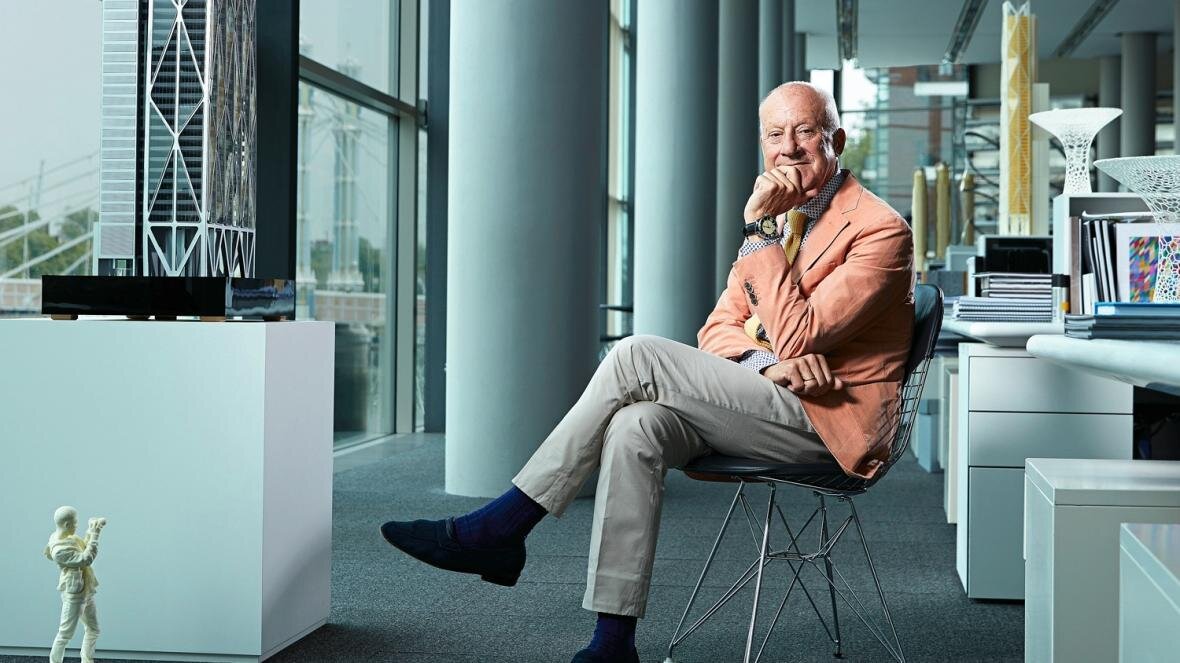
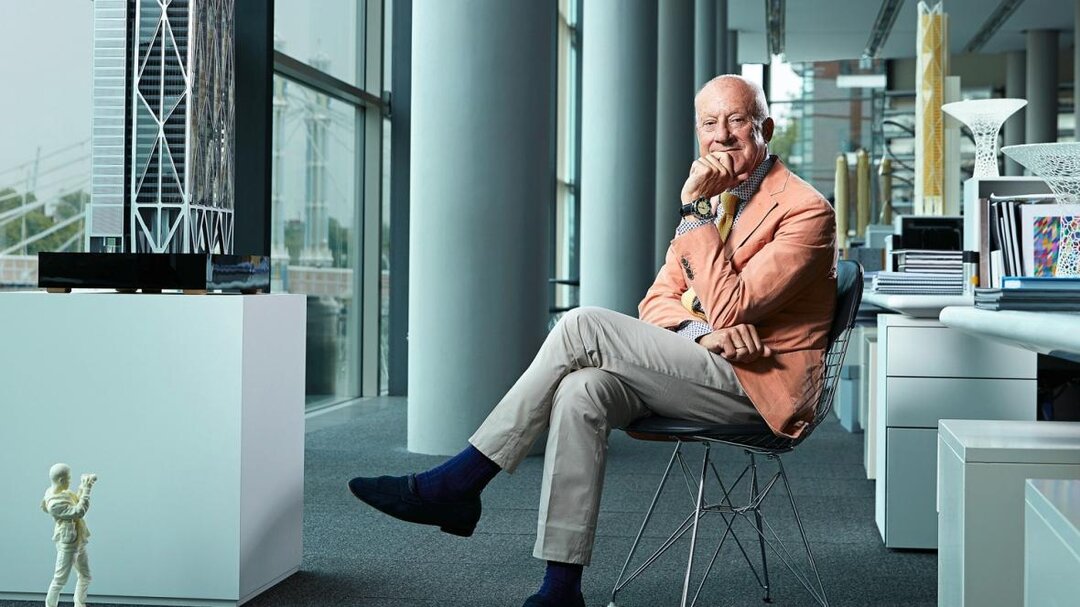
The British architect Norman Foster, iconic for high-tech architecture, is proving to be, in the nebulous period marked by the New Coronavirus pandemic, one of the visionaries who address the global problems of humanity and architecture in the context of the planetary upheavals, with their social, economic and technological determinants and consequences.
Norman Foster speaks at the UN, the Mayors' Forum and major world meetings. His opinions are picked up and debated in the world press. His involvement in the planet's fundamental problems is not recent, but goes back more than 50 years.
Asked about the importance of changes in architecture and urban development concepts in the period ahead, Norman Foster replied that the pandemic will not bring unexpected, surprising changes, but will accelerate trends that are already known but not taken seriously.
Sustainable architecture, practiced today as the exception, will become the main trend, as cities will protect their inhabitants rather than cars, green spaces will become an everyday living environment and land public transport will be replaced by air monorails, work will be done more from home but also from unconventional places, food will come more from urban farms, etc.
Architecture and health
In the annual report of the firm that bears his name, Norman Foster analyzed the global building world and evoked the relationship between city life and health throughout history. Bolile, molimele, epidemiile au fost, în mod paradoxal, motorul unor uriași pași spre progres: holera de la Londra, de la mijlocului secolului al XIX-lea, a grăbit introducerea rețelei moderne de canalizare și salubrizarea, tuberculoza newyorkeză a tras un semnal de alarmă față de necesitatea spațiilor verzi în oraș, pandemia de gripă spaniolă de la începutul sec. 20th century triggered the program of sanatoriums, open-air terraces, sports grounds and swimming pools, white walls and the recognition of the therapeutic qualities of light and clean air, London's "Great Smog" led to the Clean Air Act and hastened the replacement of coal heating with natural gas. Without being the cause of the phenomena, the medical crises were the catalyst, the "opportunities" that hastened and enforced solutions to the "smouldering" problems.
Healthy architecture
On the current crisis, Foster addresses the definition of healthy architecture and its trends as the architecture of the future.
"Ever since 1967, when I founded the firm, I have extolled the qualities of healthy buildings that can breathe and interact with nature to achieve a controlled indoor environment that also consumes less energy."

Healthy architecture principles imply:
Autonomous buildings and a green approach to design
Norman Foster has been pioneering new values and seeking answers to humanity's global problems since the 1970s. The oil crisis and his concern about energy waste, his substantive dialog with nature, brought him together with another 20th century visionary, Buckminster Fuller, with whom he collaborated from 1971-1983, driven by a state of "impatience and irritation with the way things are done".
Norman Foster in collaboration with Bucky realized four projects that acted as a catalyst in the development of an ecological approach to design.
The first joint project, the Samuel Beckett Theatre, was an auditorium under the courtyard of St. Peter's College, Oxford, "like a sunken submarine". The project failed to attract enough funding to be realized, but it involved research into underground structures that would later inspire other projects.
The Climatroffice project - a transparent structure with tensional integrity and its own internal microclimate incorporated office floors. Although it was only a research project, it inspired the urban plan for the Hammersmith Center.
The study for the 1978 International Energy Exposition in Knoxville, Tennessee, was a rhomboidal structure with tensional integrity and double exterior walls, enclosing the entire exposition in a climate-controlled enclosure. The structure included a wide range of solar heating, cooling and electrical generation to maintain optimum comfort conditions.
The Autonomous House involved two prototype dwellings - one in Los Angeles for the Fuller family in Los Angeles and an identical one in Wiltshire, UK, for the Foster family. The houses were to be double-shell geodesic domes, both inner and outer (15 m in diameter), which would rotate independently of each other. The two enclosures were to be half glass and half matt/opaque material, so that the dome could be completely closed at night and the sunlight would follow during the day.
Warm or cold air would circulate between the two shells, depending on the season. As in the Climatroffice project, the cooling properties of certain plants were to be harnessed to create a pleasant indoor microclimate.
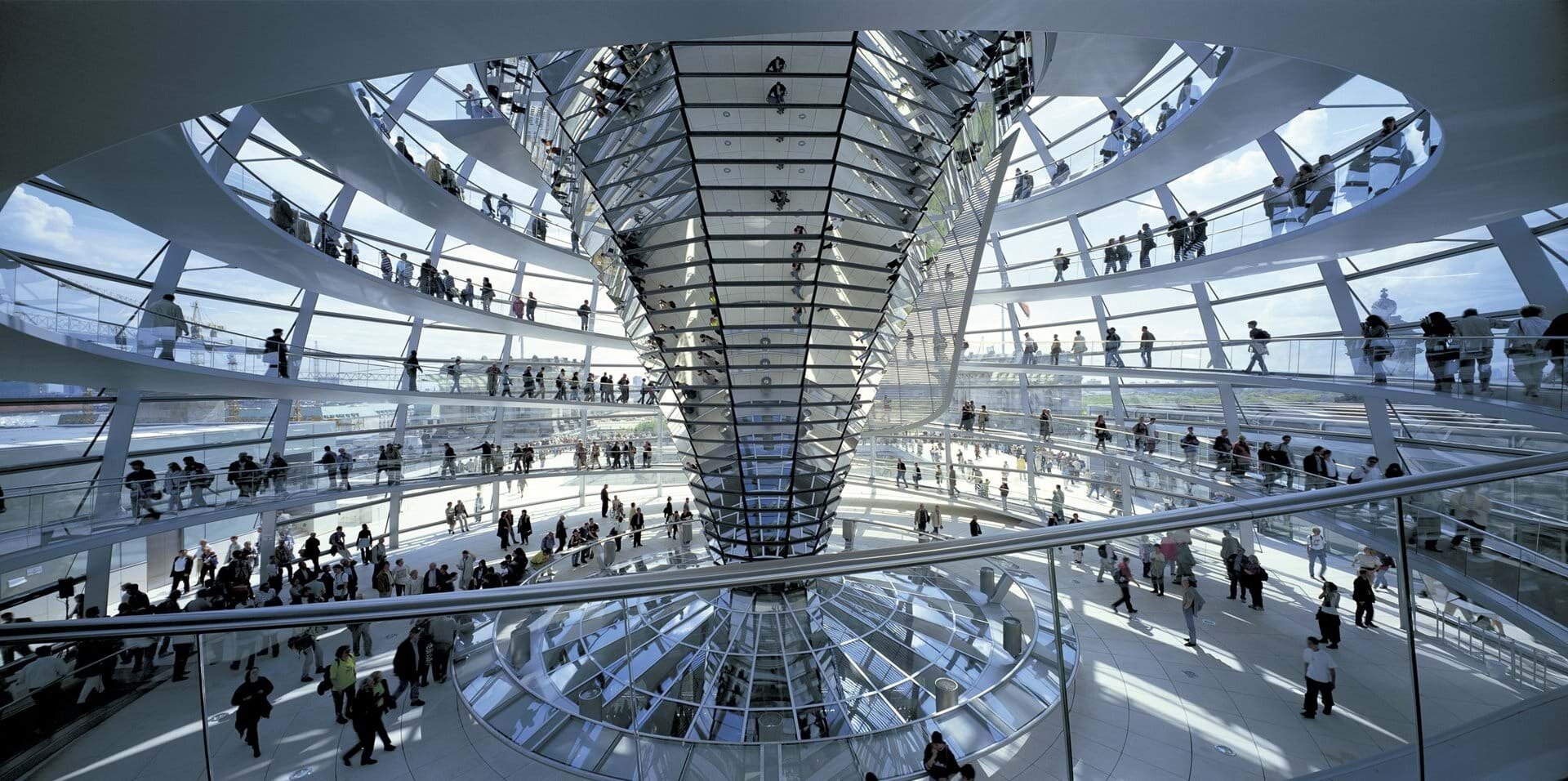
Their construction was halted in the summer of 1983 with Fuller's death, but the ideas he incorporated are to be found in the Reichstag dome with its movable roof.


Sustainable, energy-efficient office buildings
The first building designed in the spirit of a beneficial dialog with nature was the Sainsbury Center for the Visual Arts, also in the early 70s. Half a century on, the firm's most recent achievements are the Bloomberg Press Trust headquarters in London and Apple's headquarters in California. In between, tall buildings have been built, starting with Commerzbank in the 1990s, which demonstrated the possibility of a naturally ventilated skyscraper.
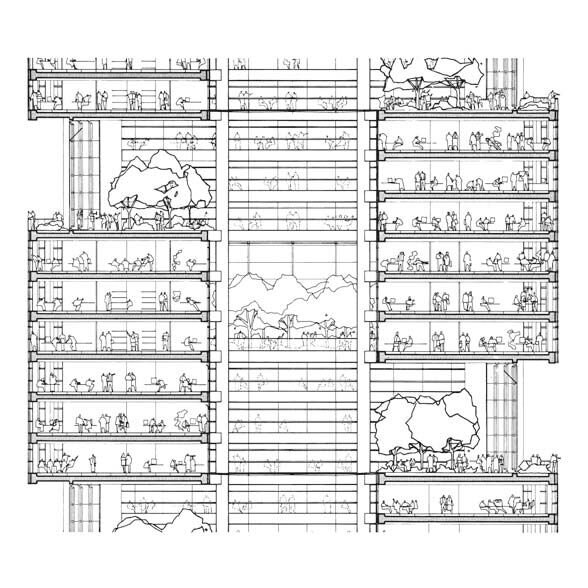
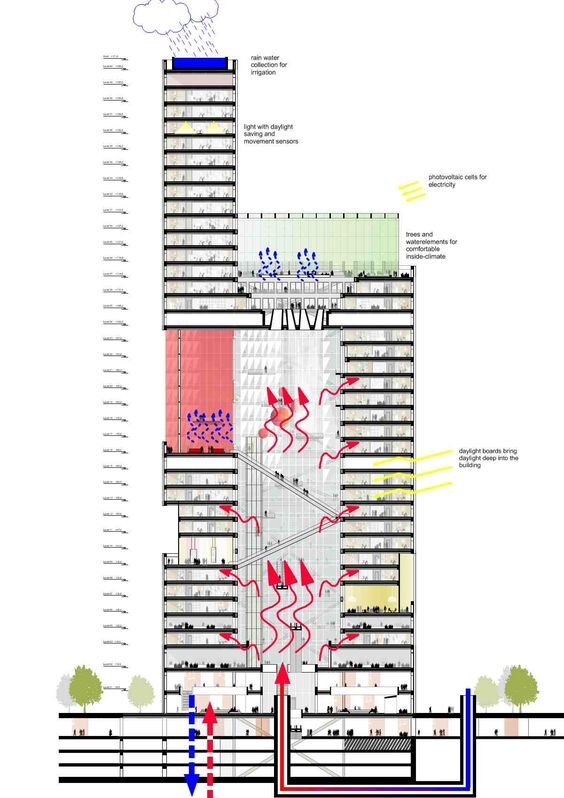
At Commerzbank, the central atrium acts as a ventilation 'chimney', drawing in fresh air through its openable windows. With four-storey, high-rise gardens, it is considered the first green skyscraper.
"Innovation in creating a healthier, low-carbon workplace has only been possible by combining research with passionate advocacy and the support of corporate leaders genuinely concerned about the well-being of their workplace. This trend, which is today only a 'fringe' phenomenon, will become the mainstream for new buildings" - says the architect.
More than sixty rating systems have been in use for decades to assess the performance of buildings in terms of their sustainability. BREEAM and LEED are predominant, and the Bloomberg Press Trust's headquarters project received the highest BREEAM certification ever for an office building.
More recently, WELL certification has emerged, following the analysis of trends that pose risks not only to the building, but also to the well-being of its beneficiaries. The Hearst Corporation headquarters was the first building in New York to receive LEED Platinum and the first WELL certification ever in the metropolis.


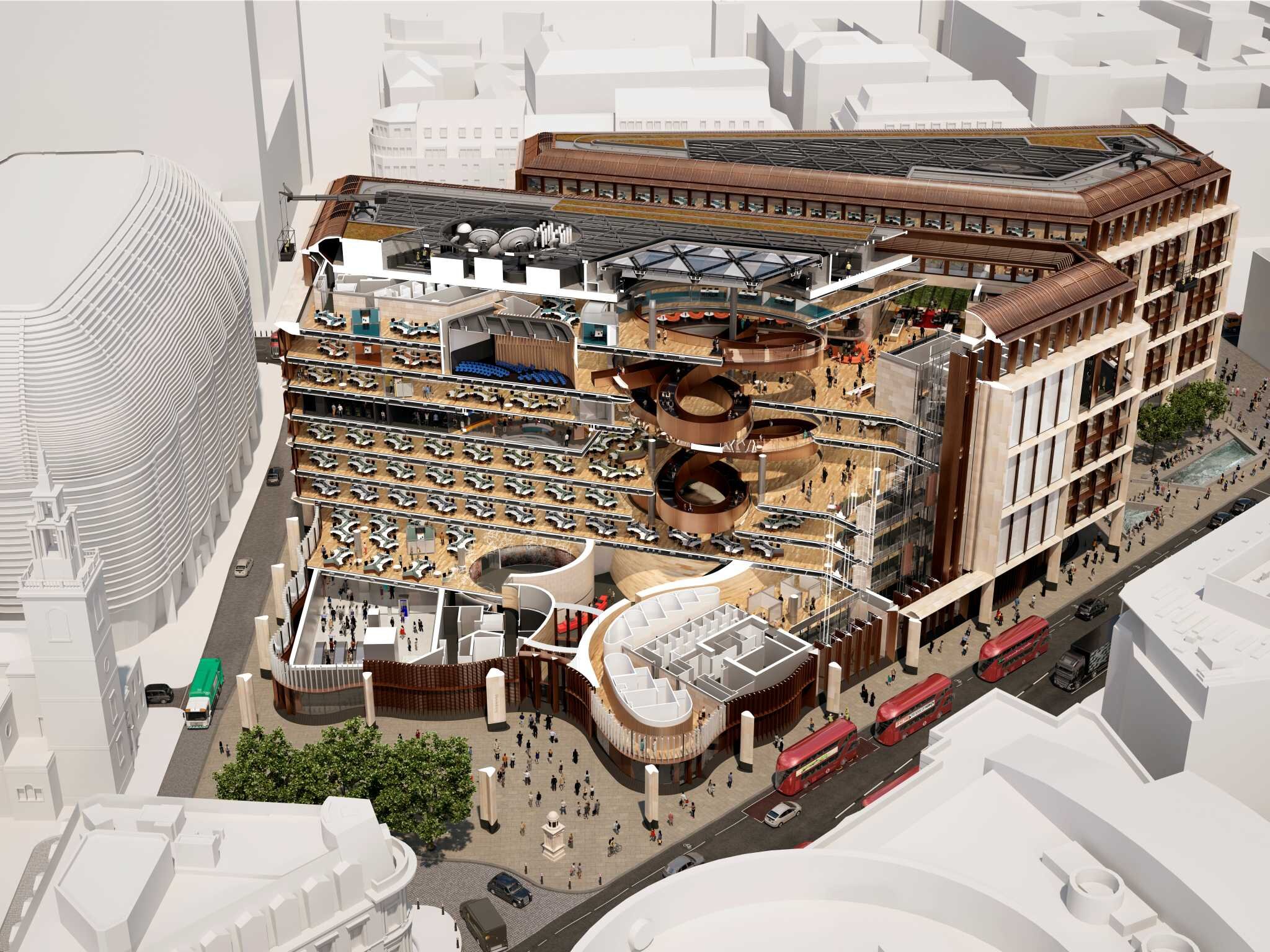
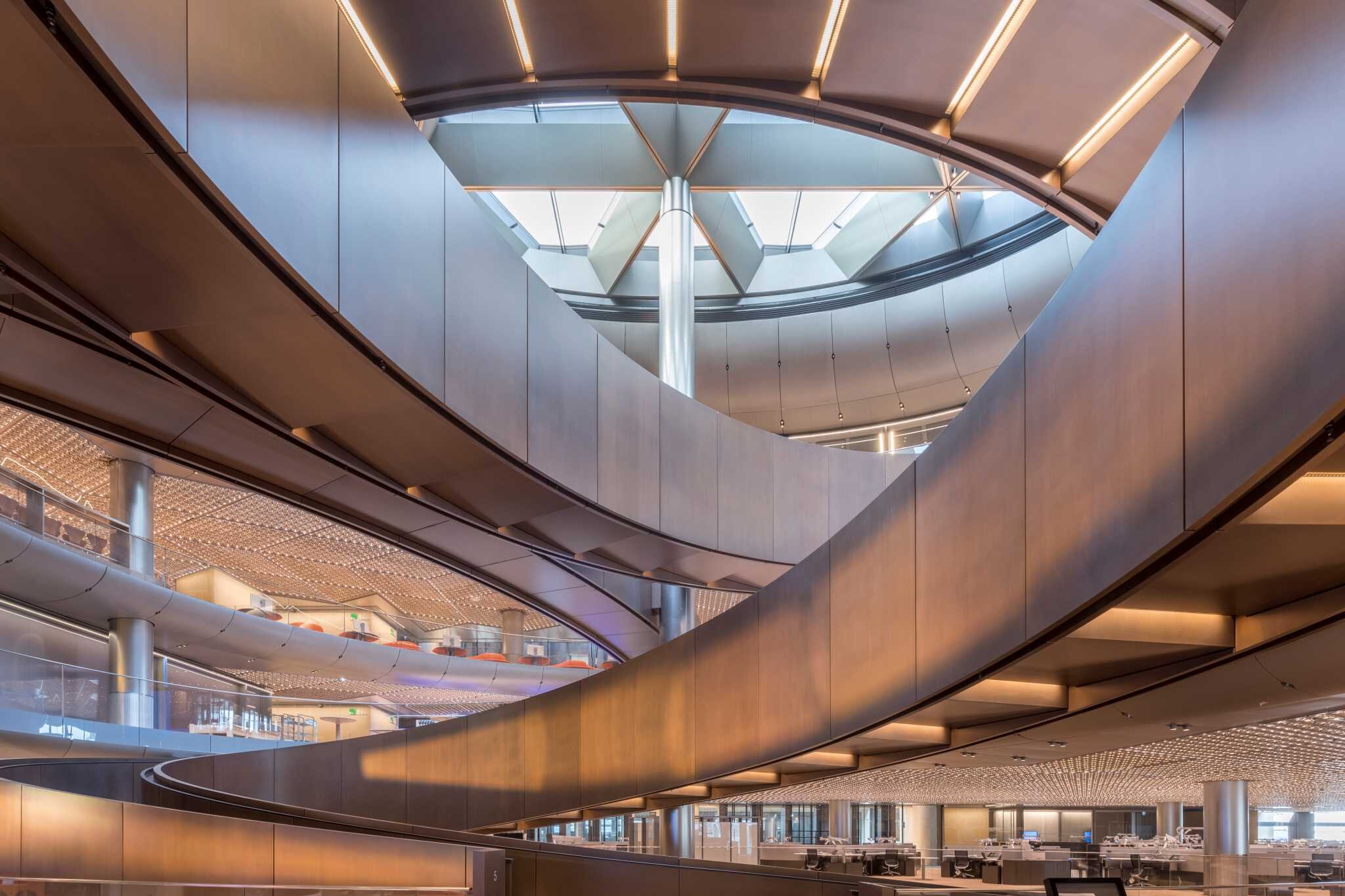
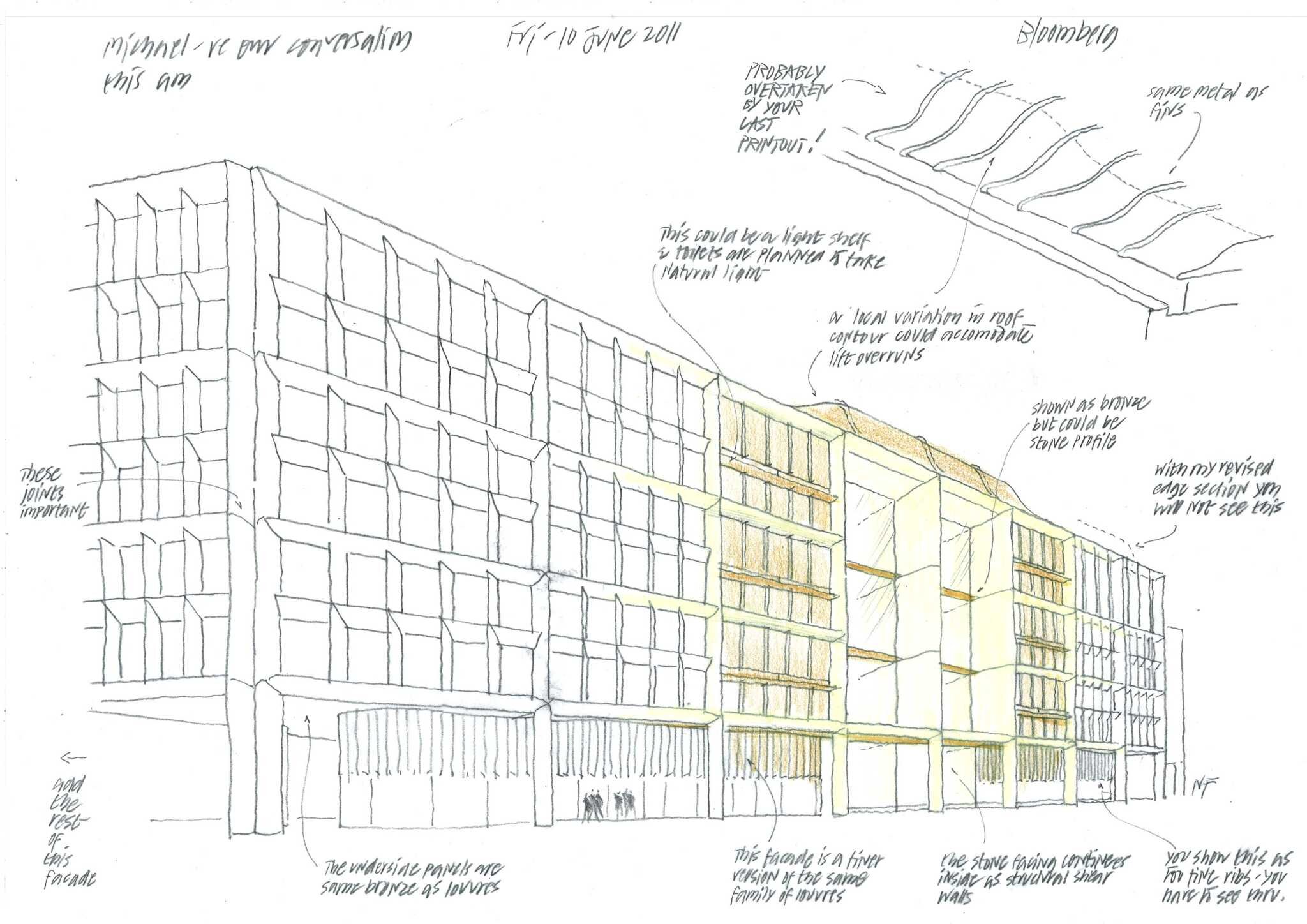
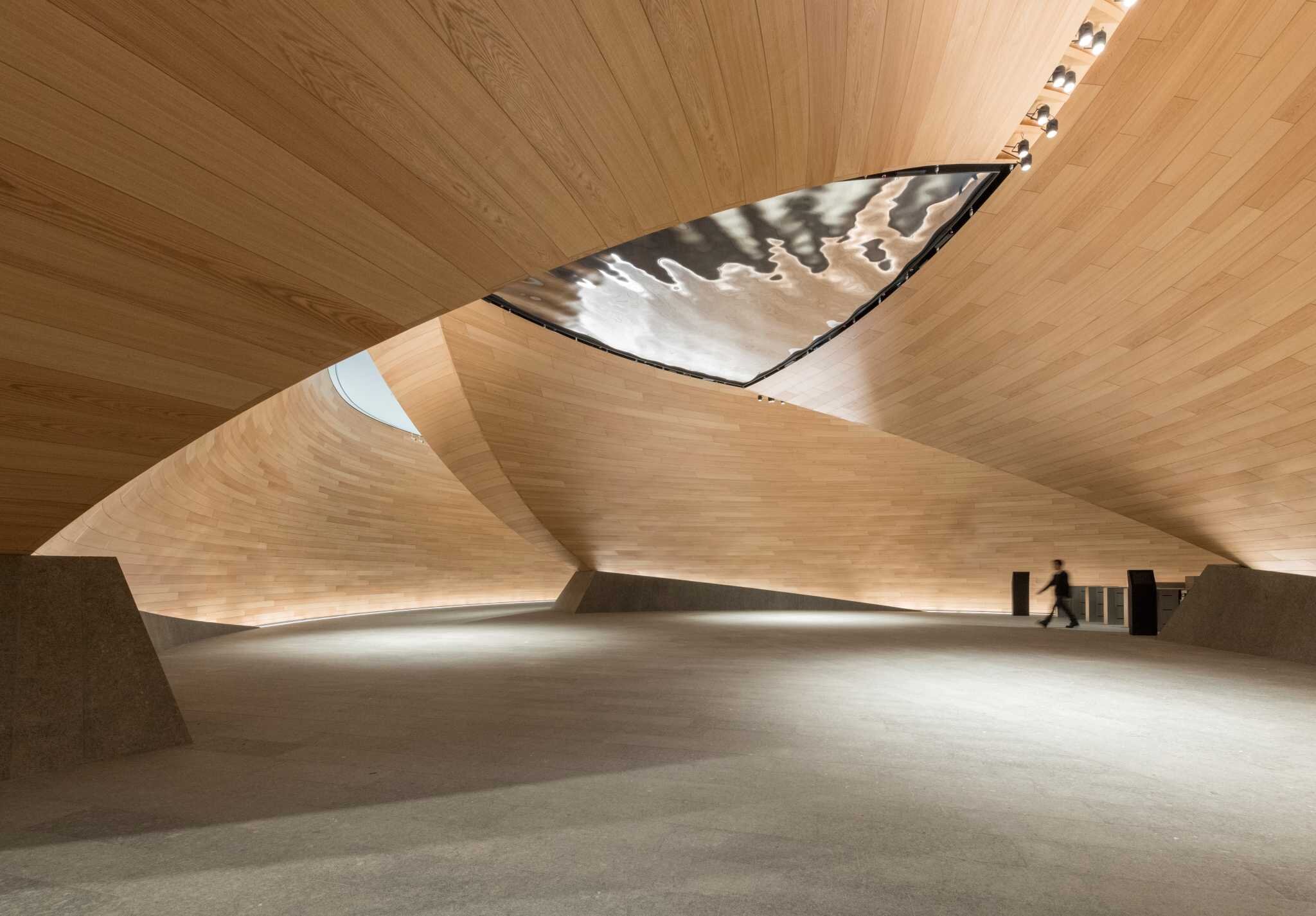
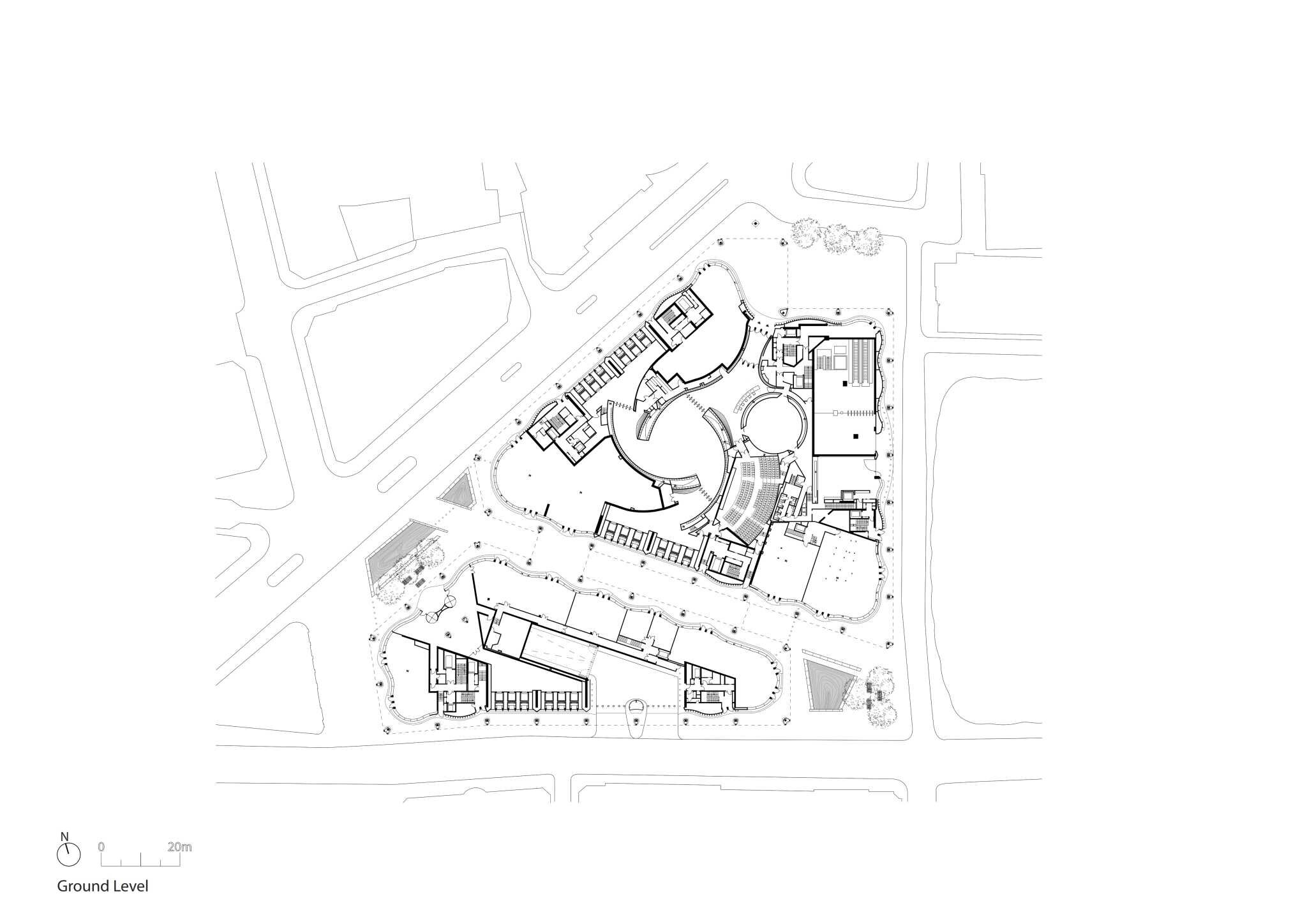
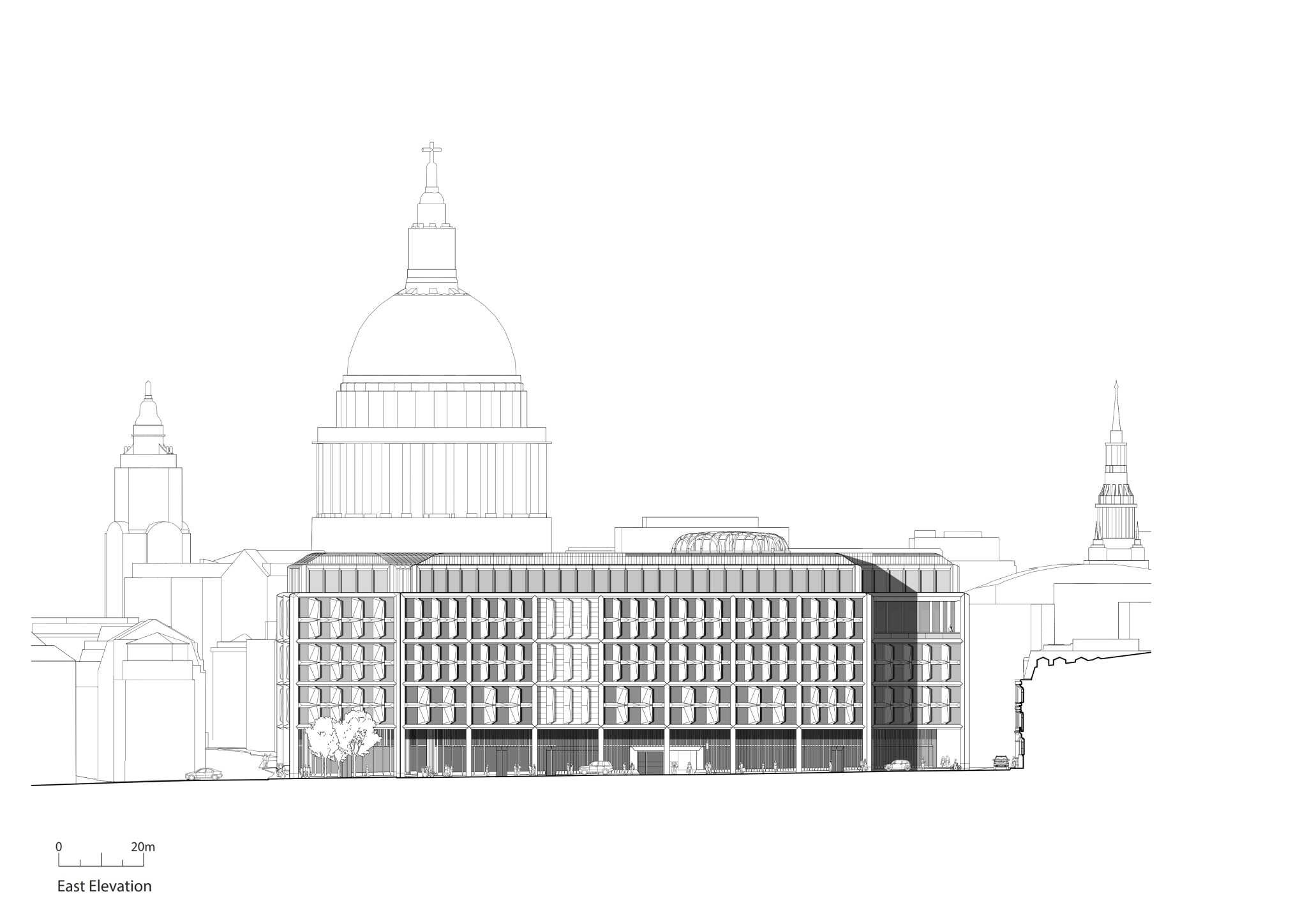
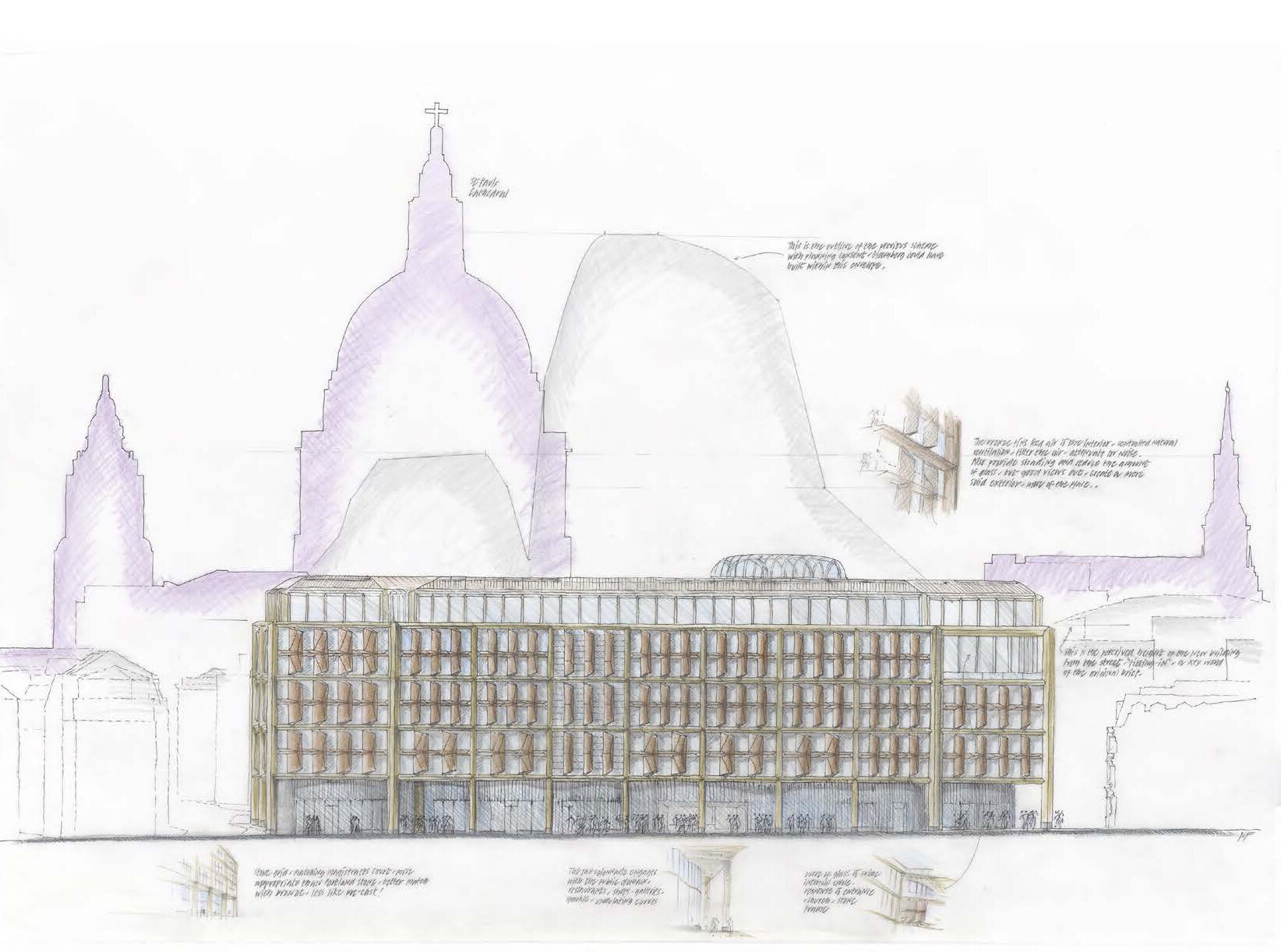
2017 - Bloomberg Press Trust Headquarters, London
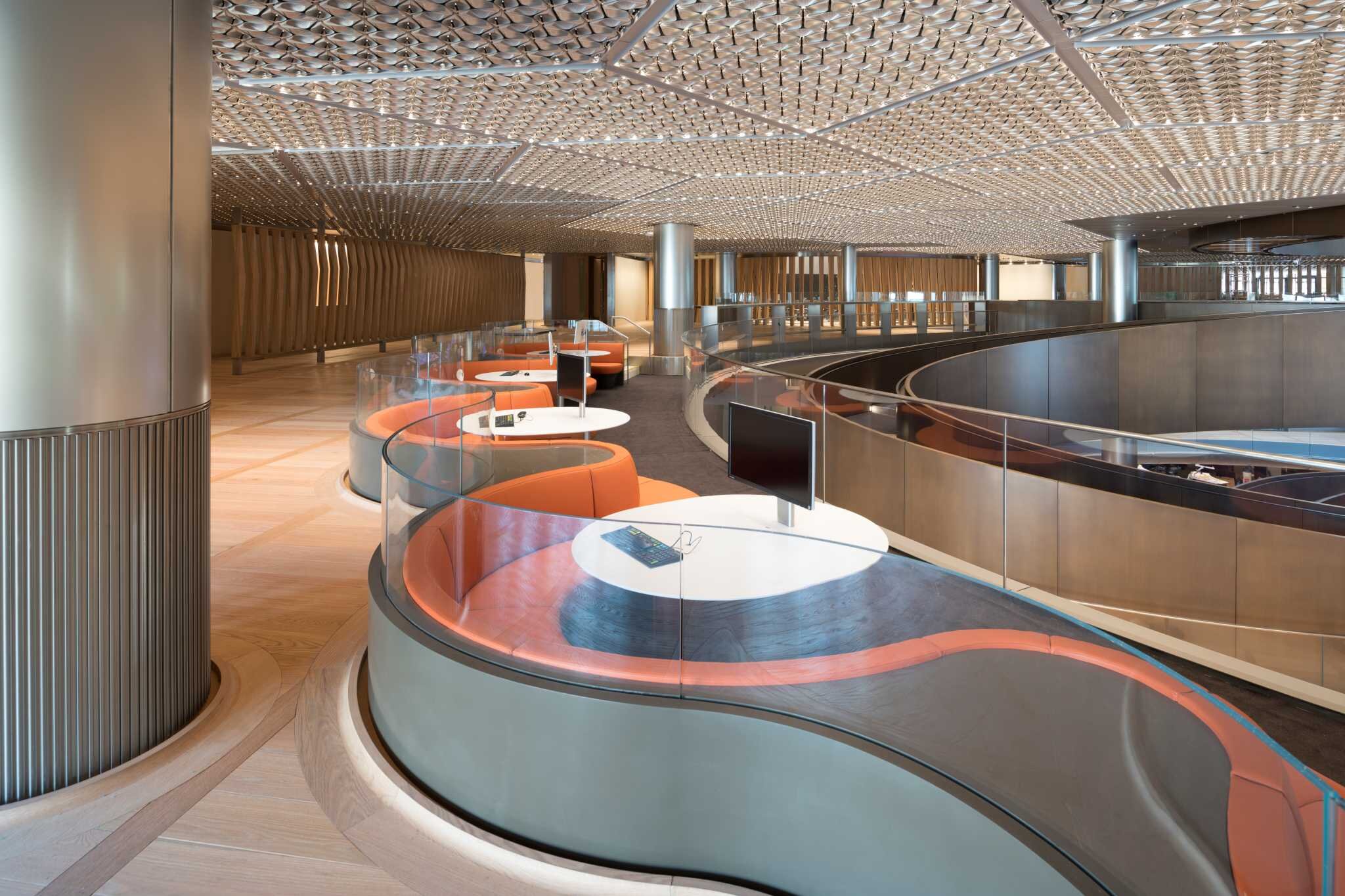
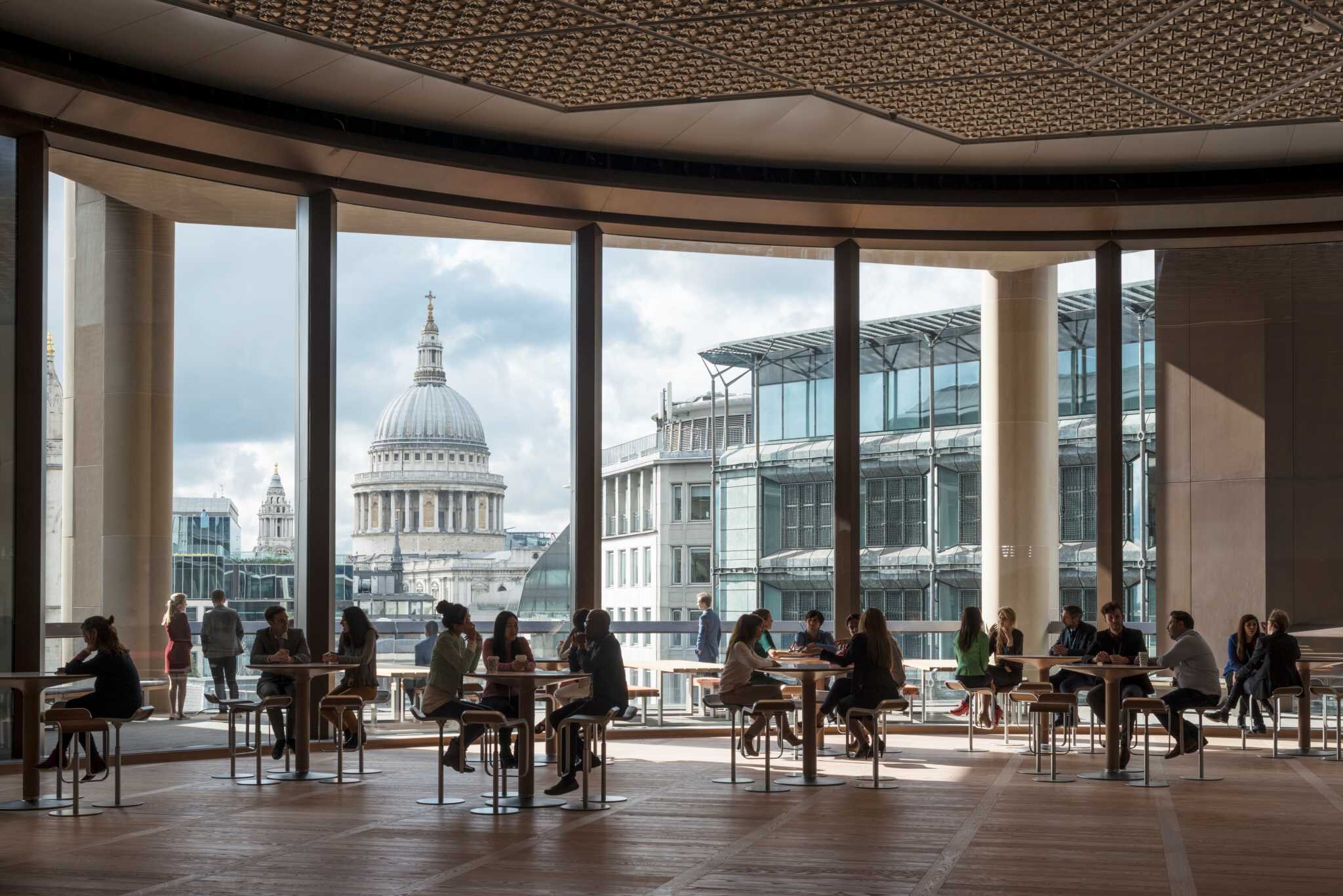
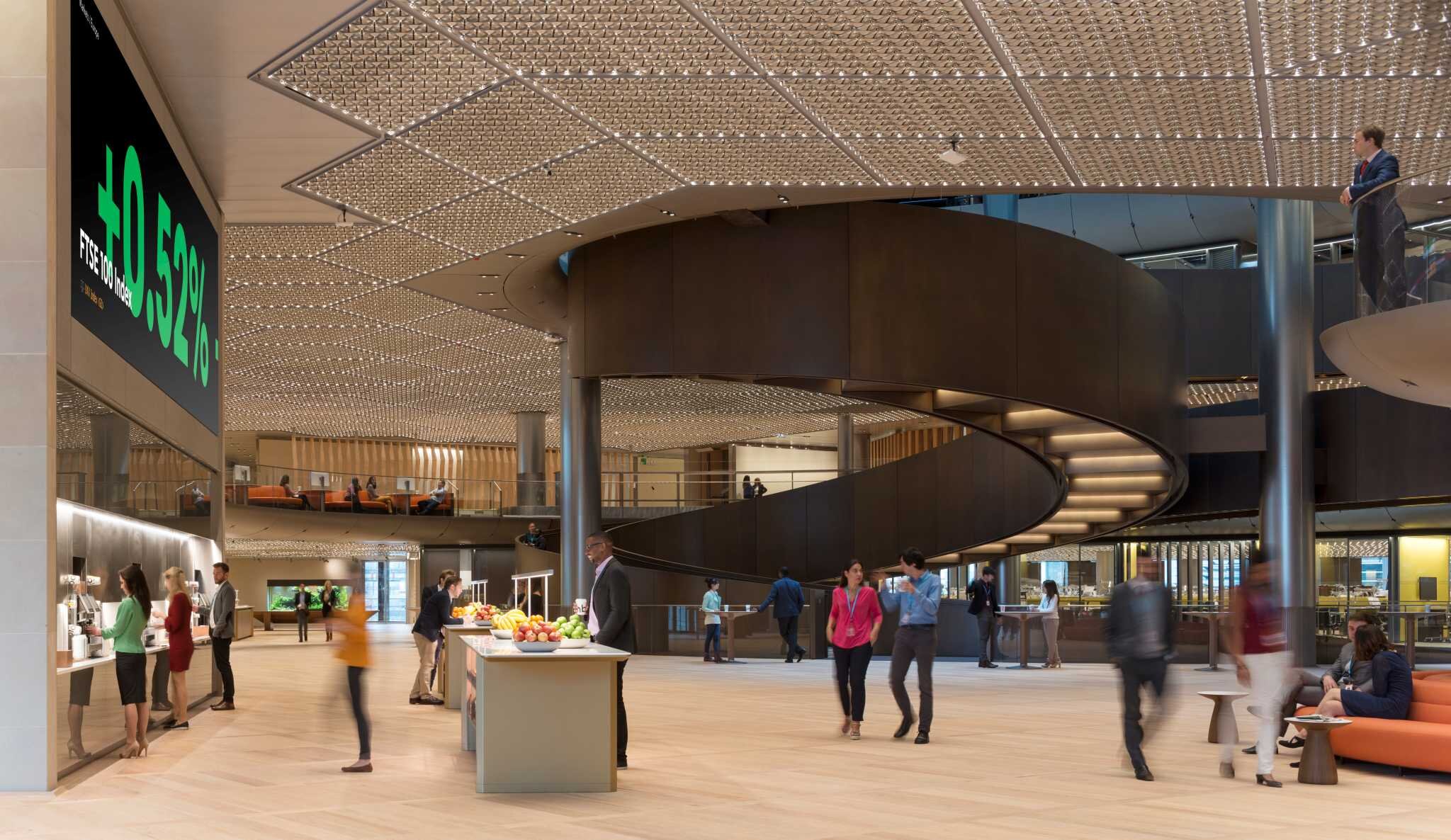
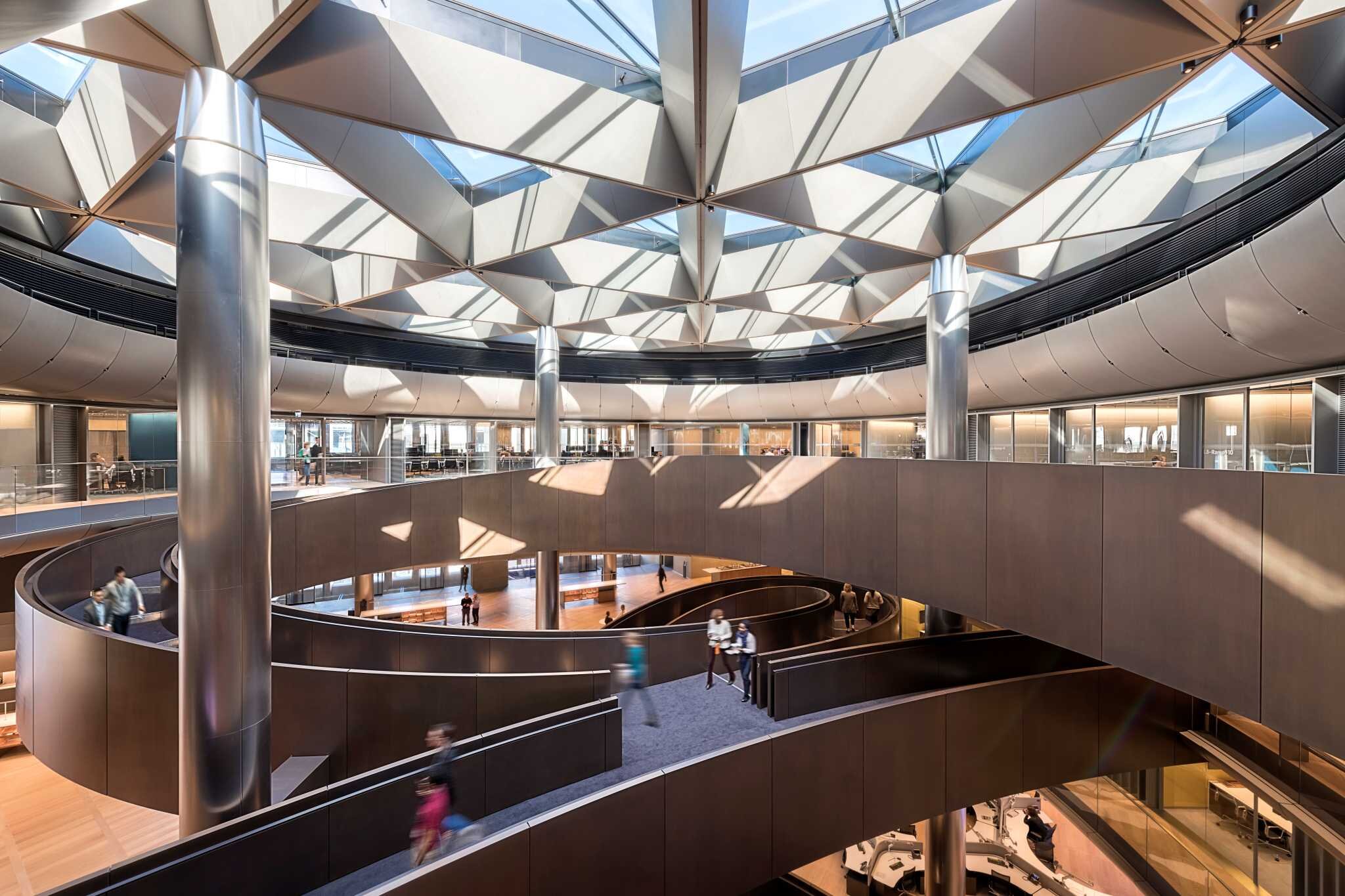
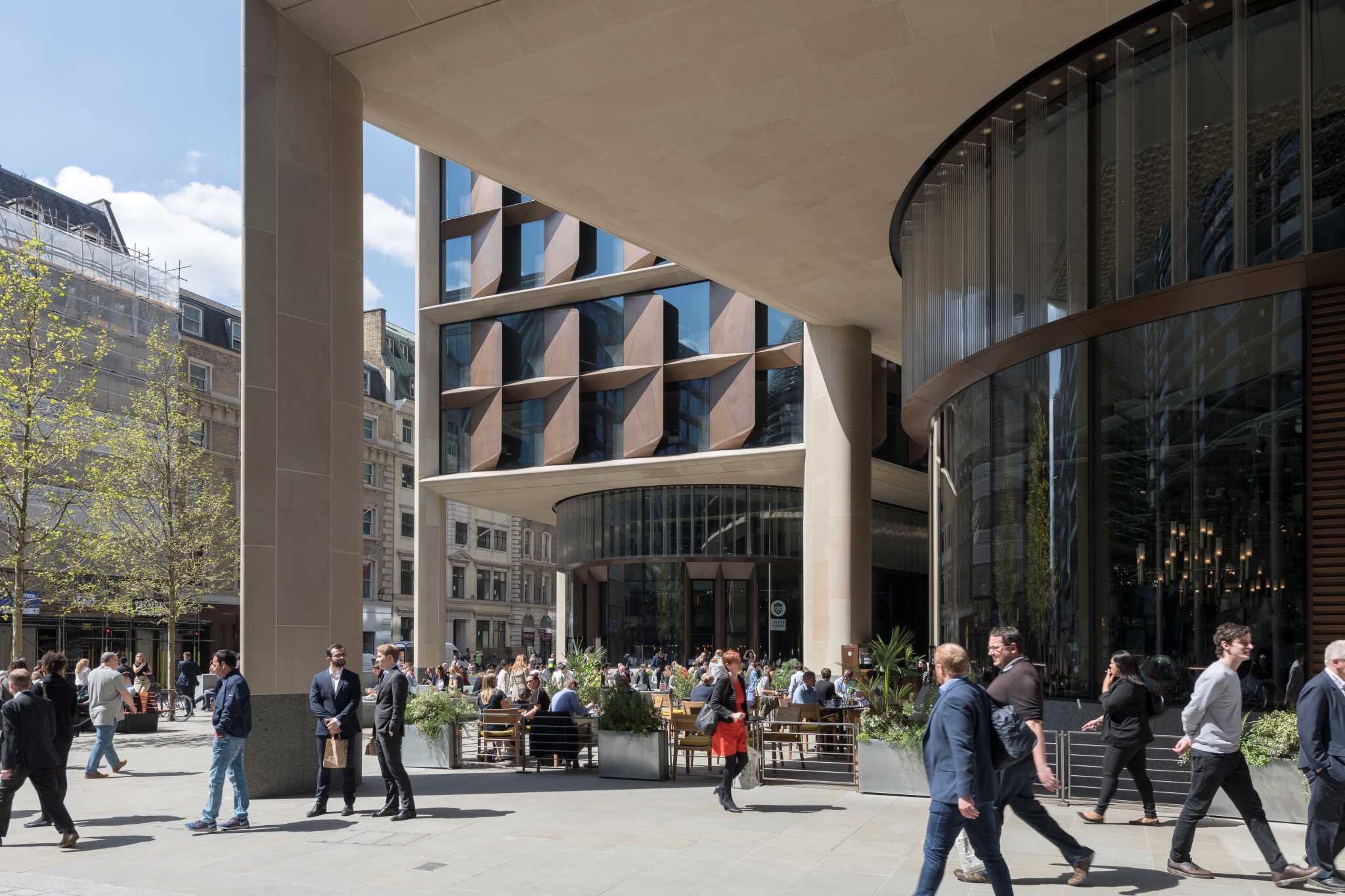
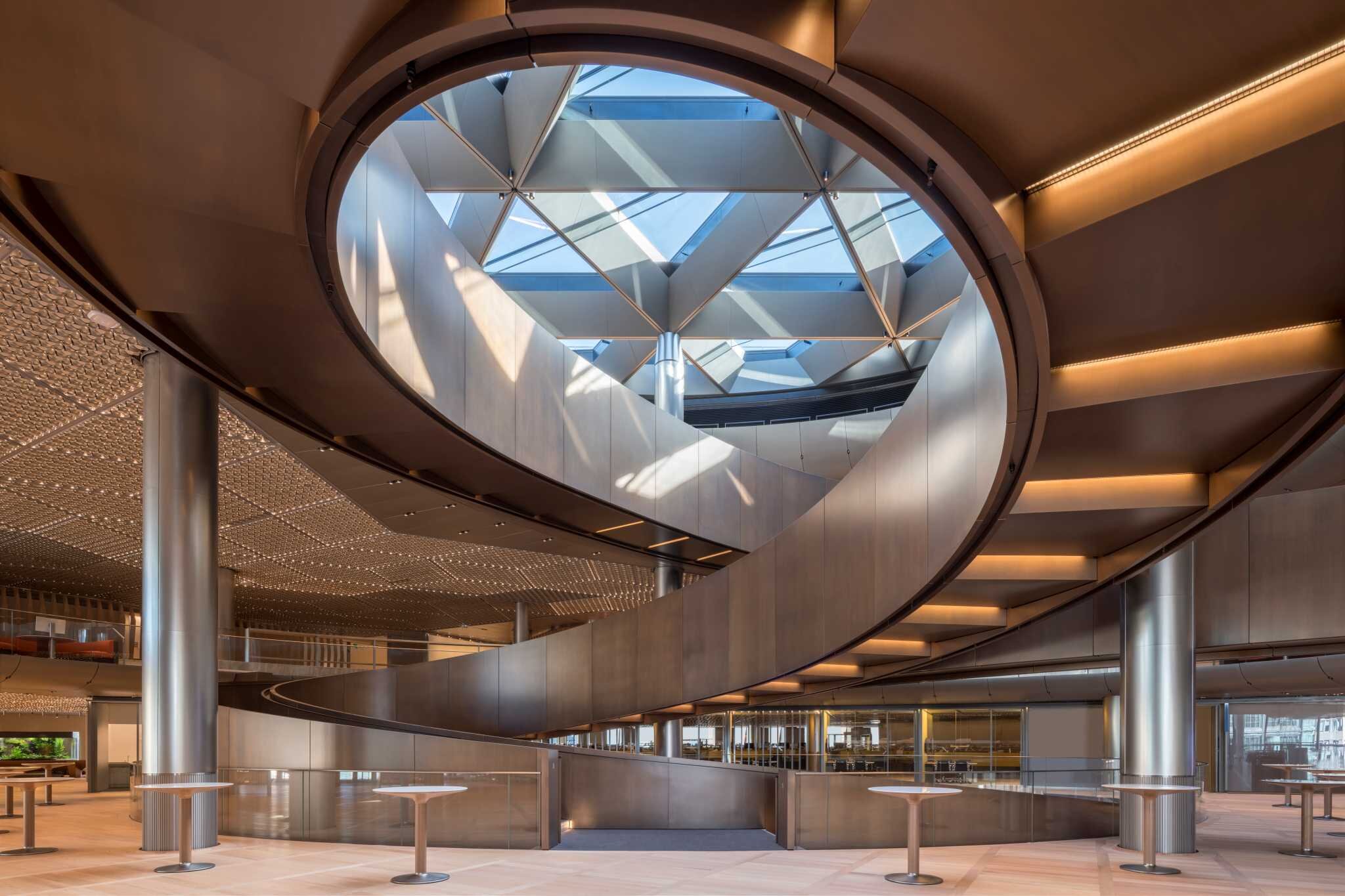
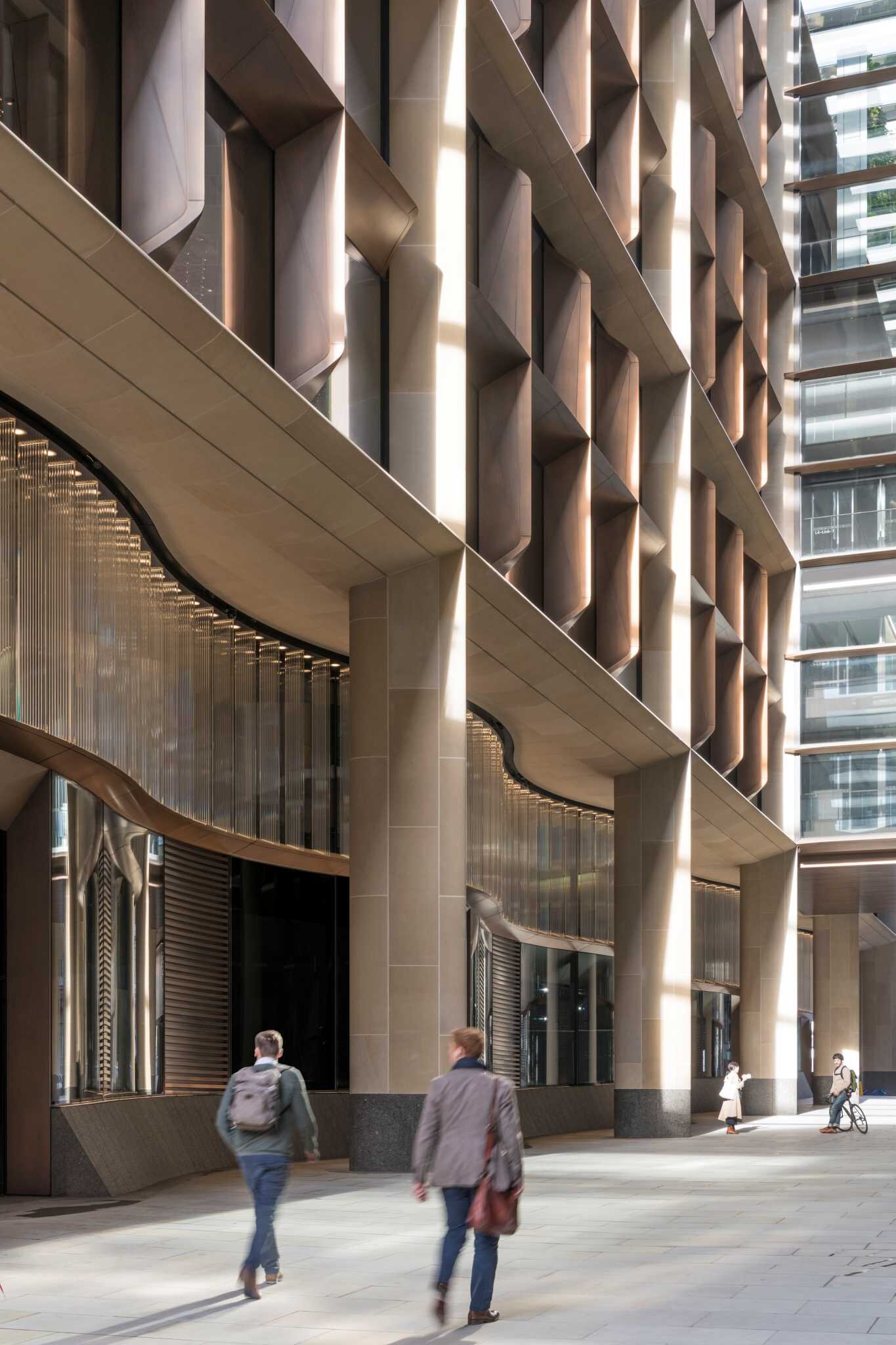
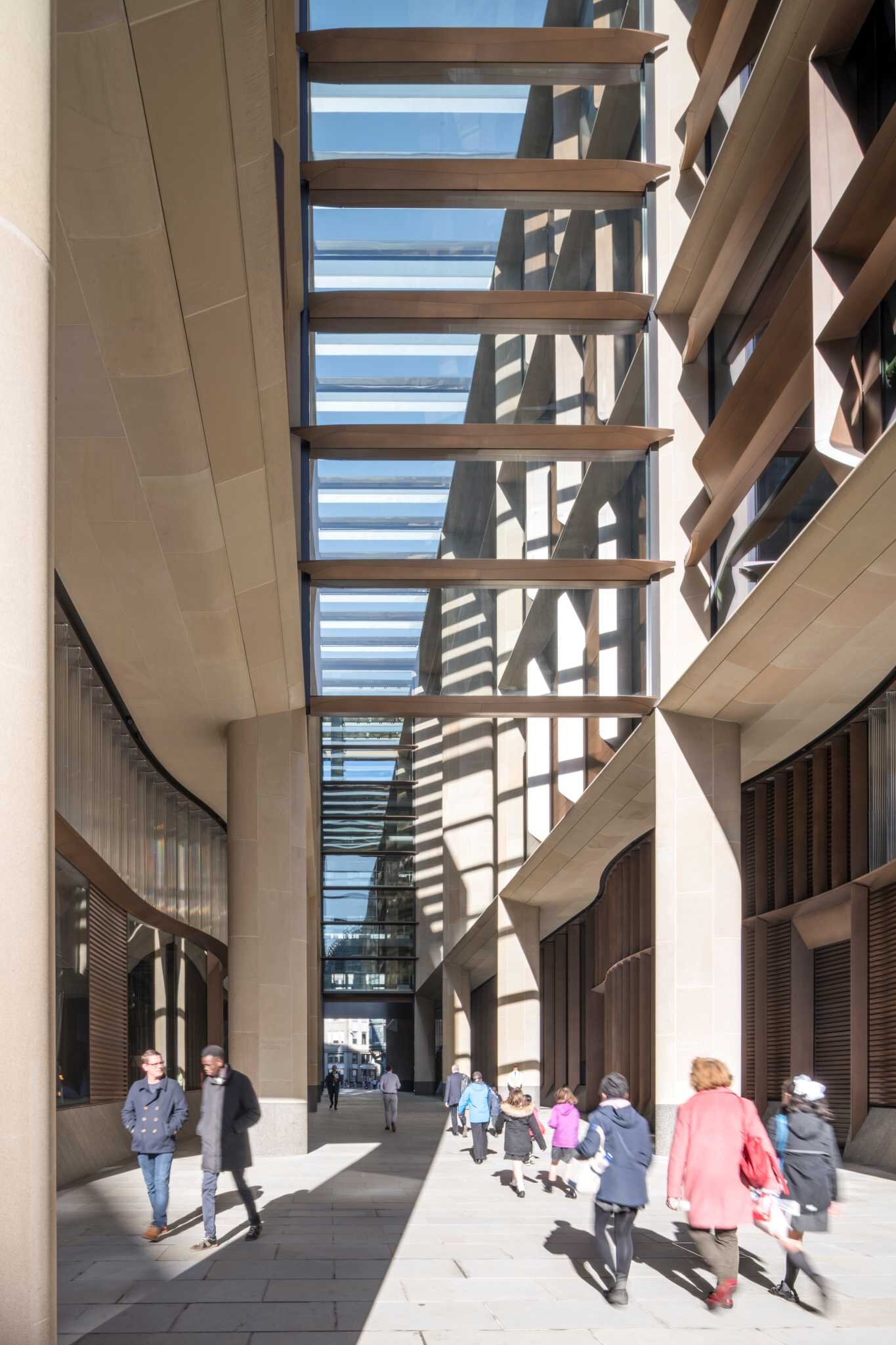
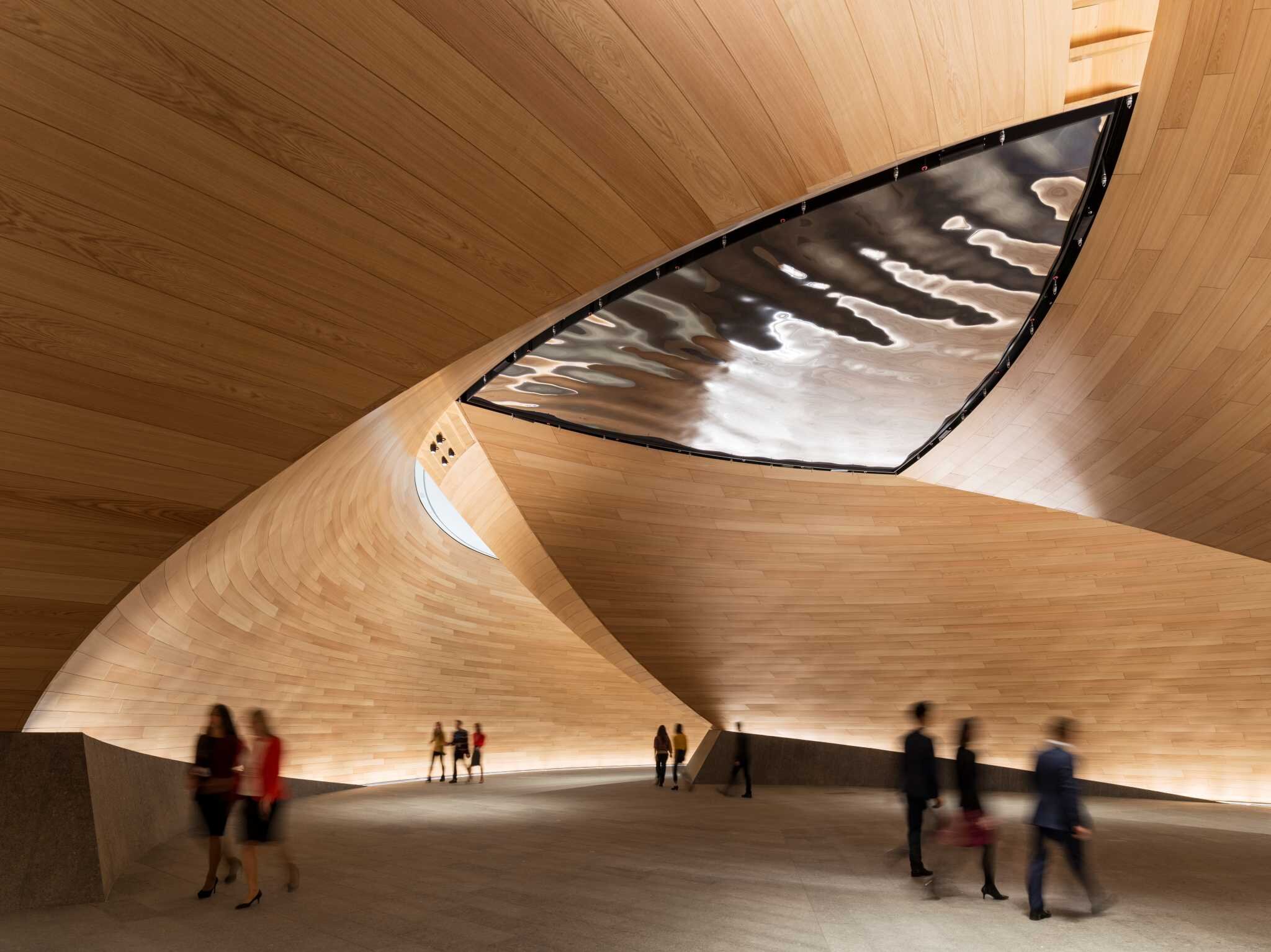
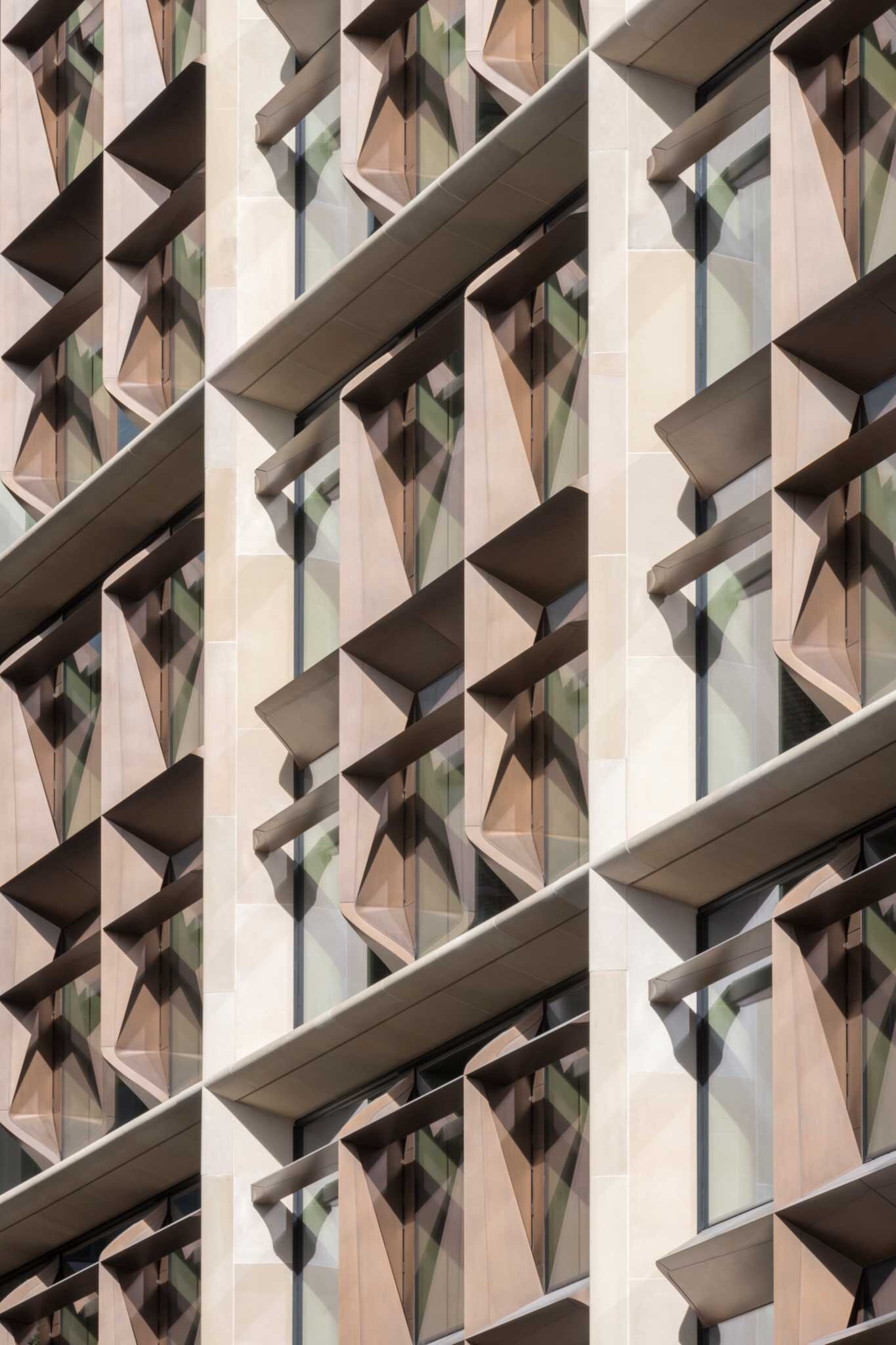
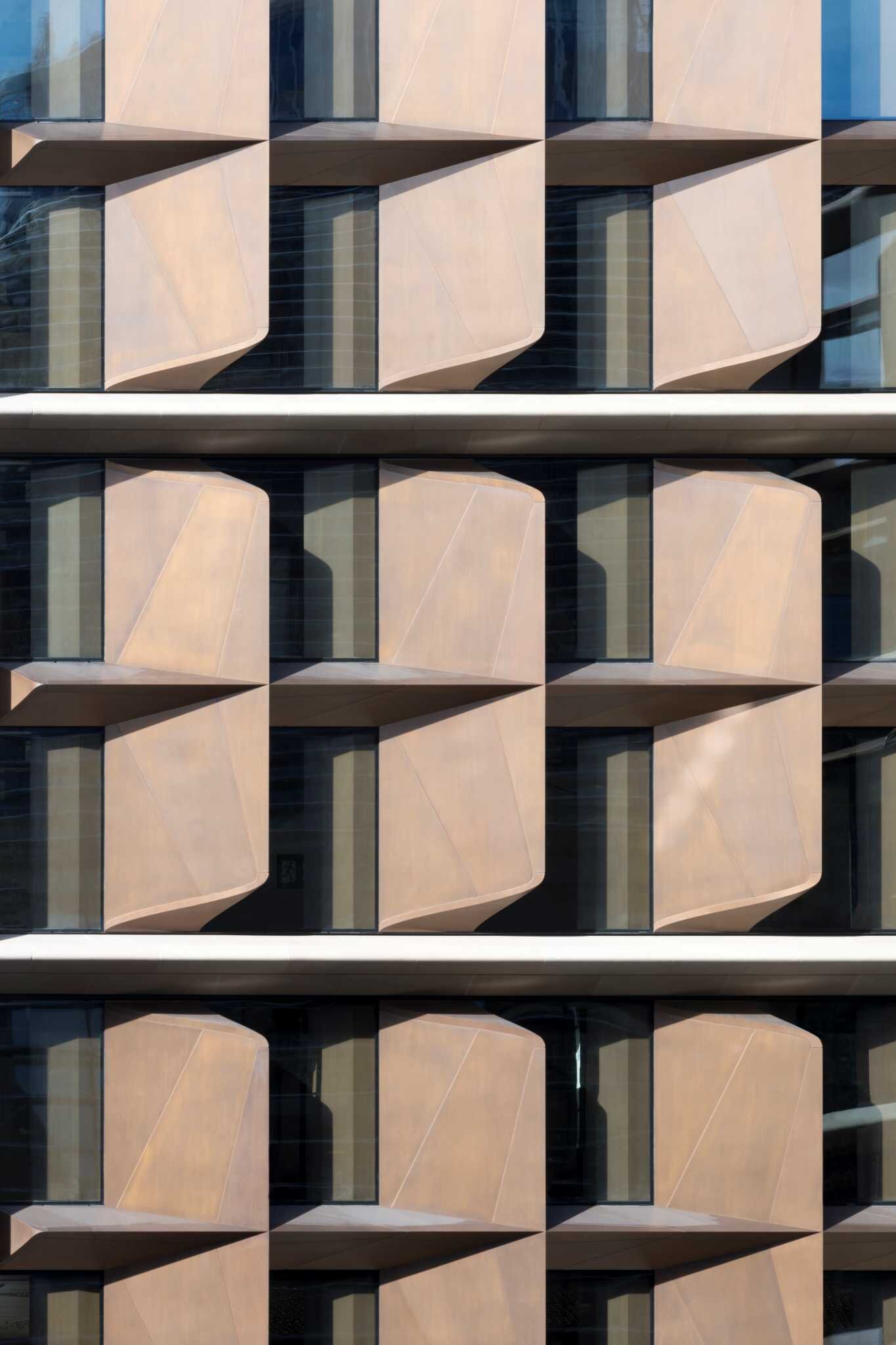
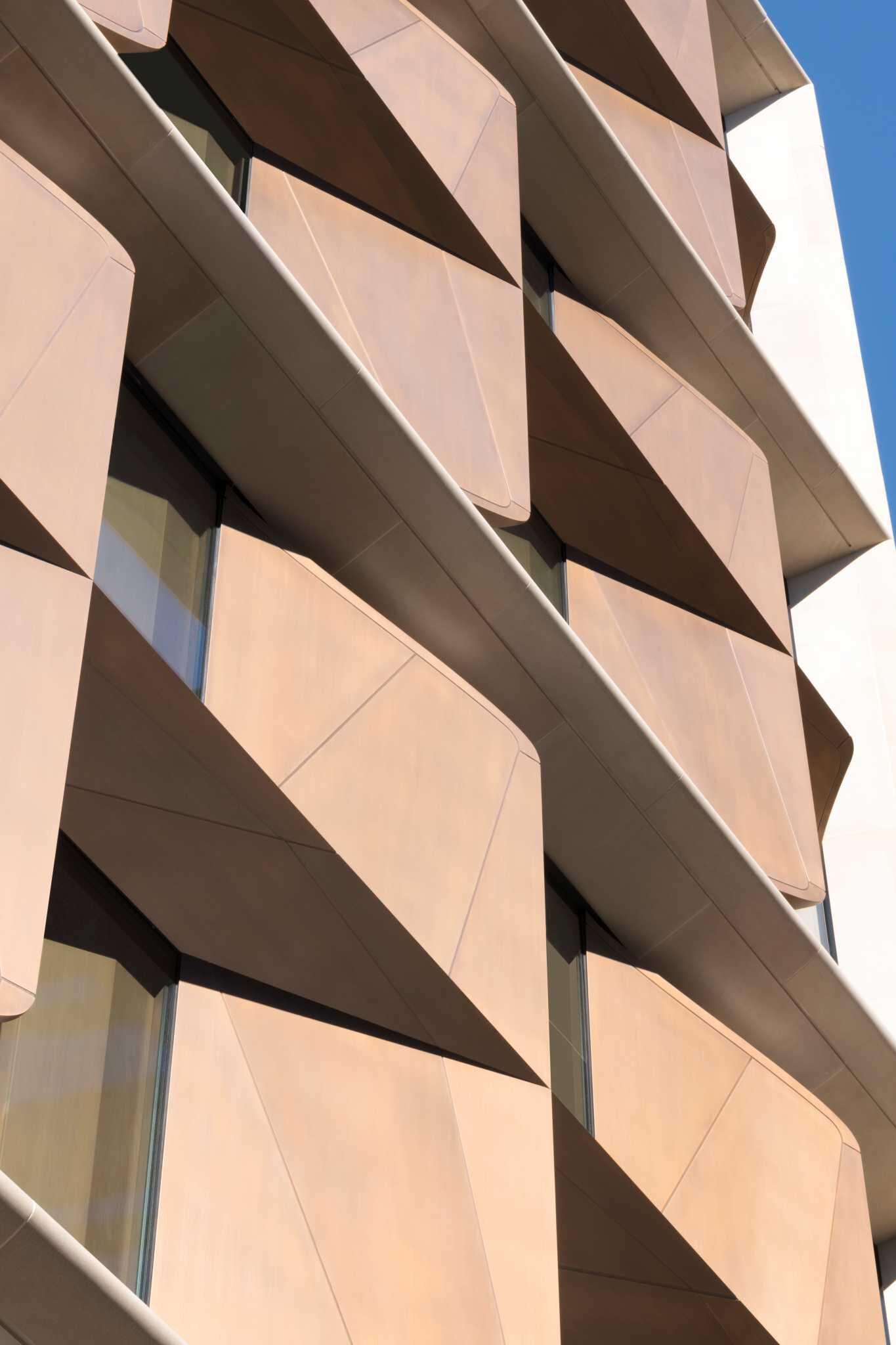
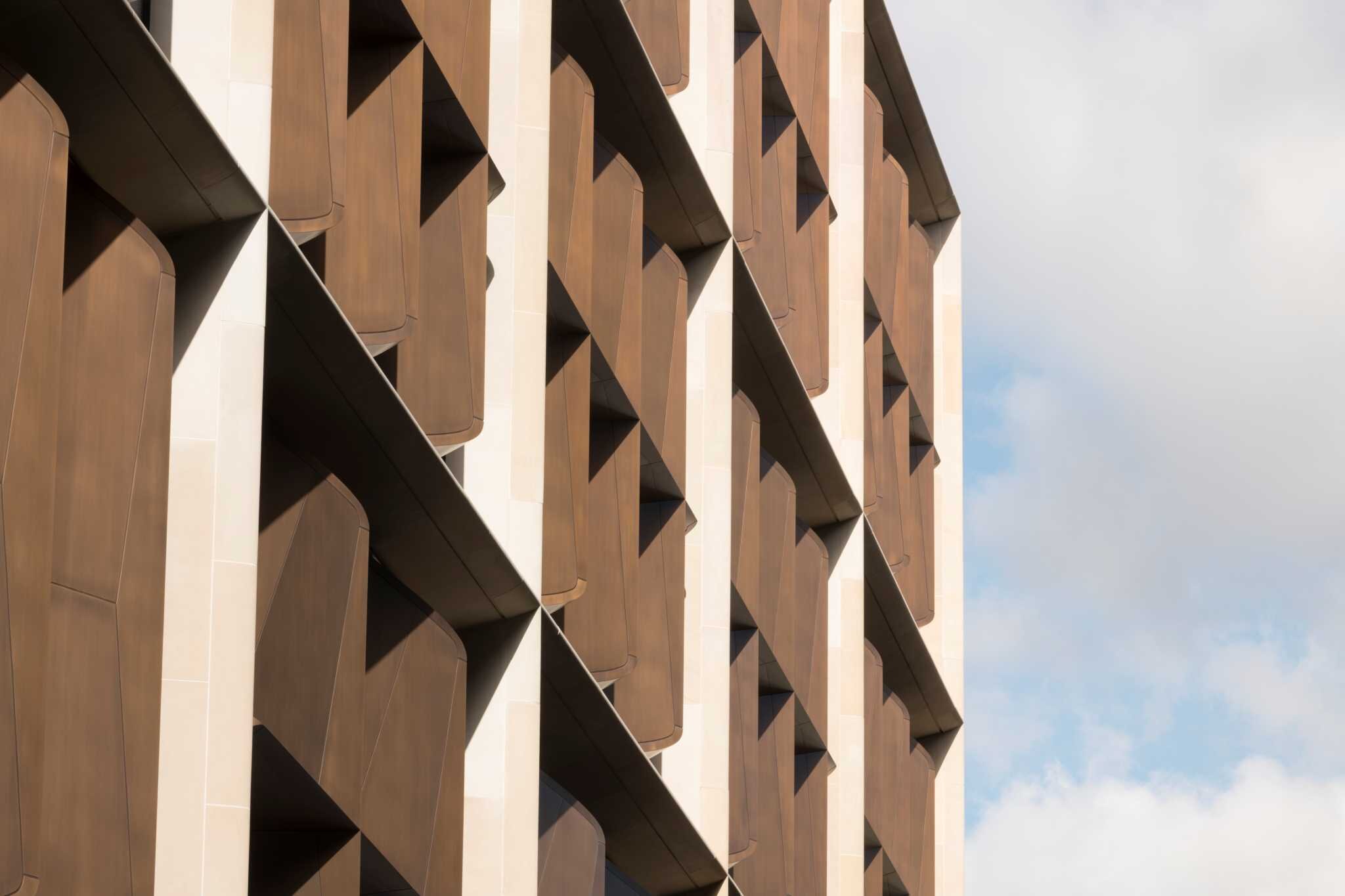
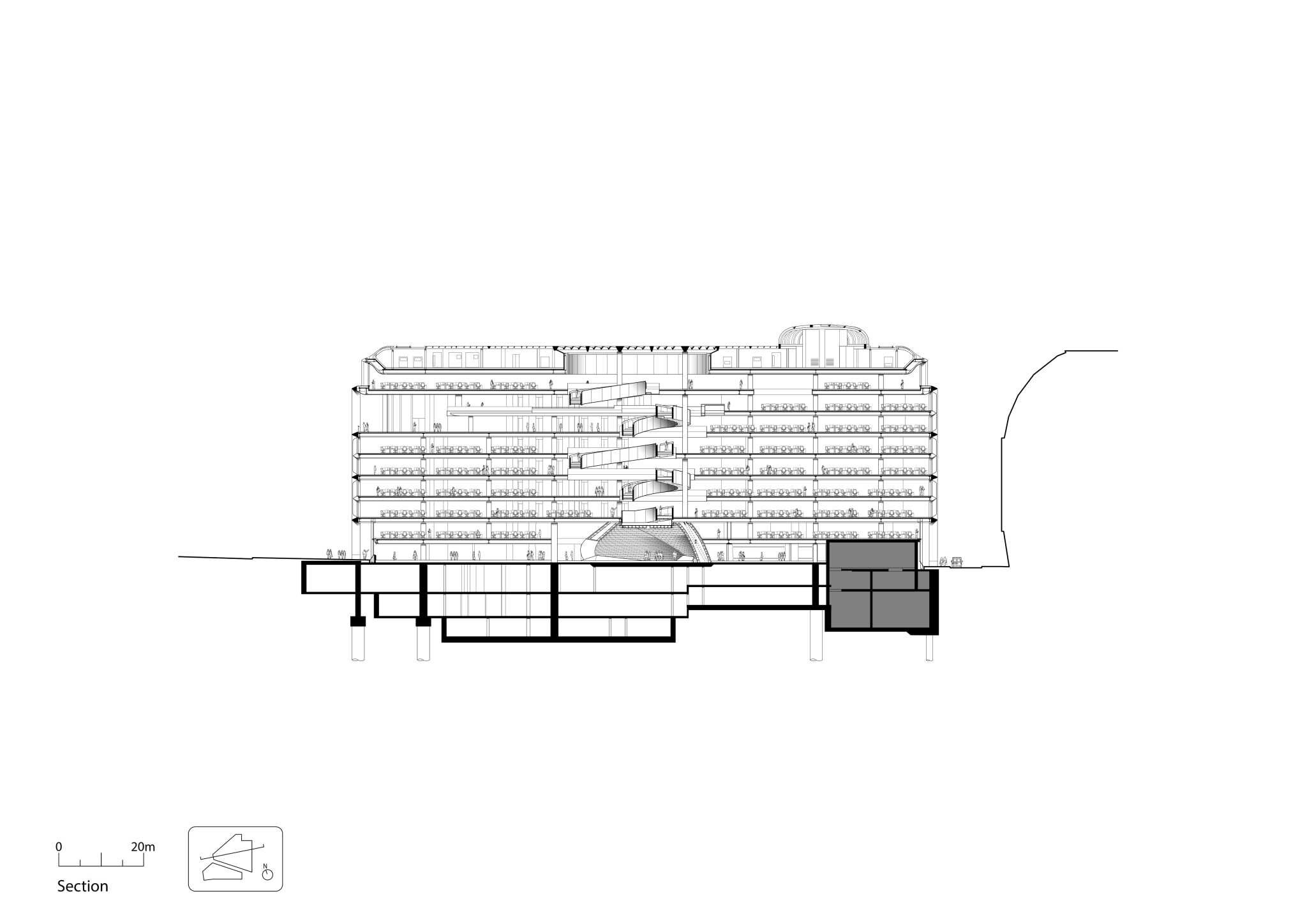
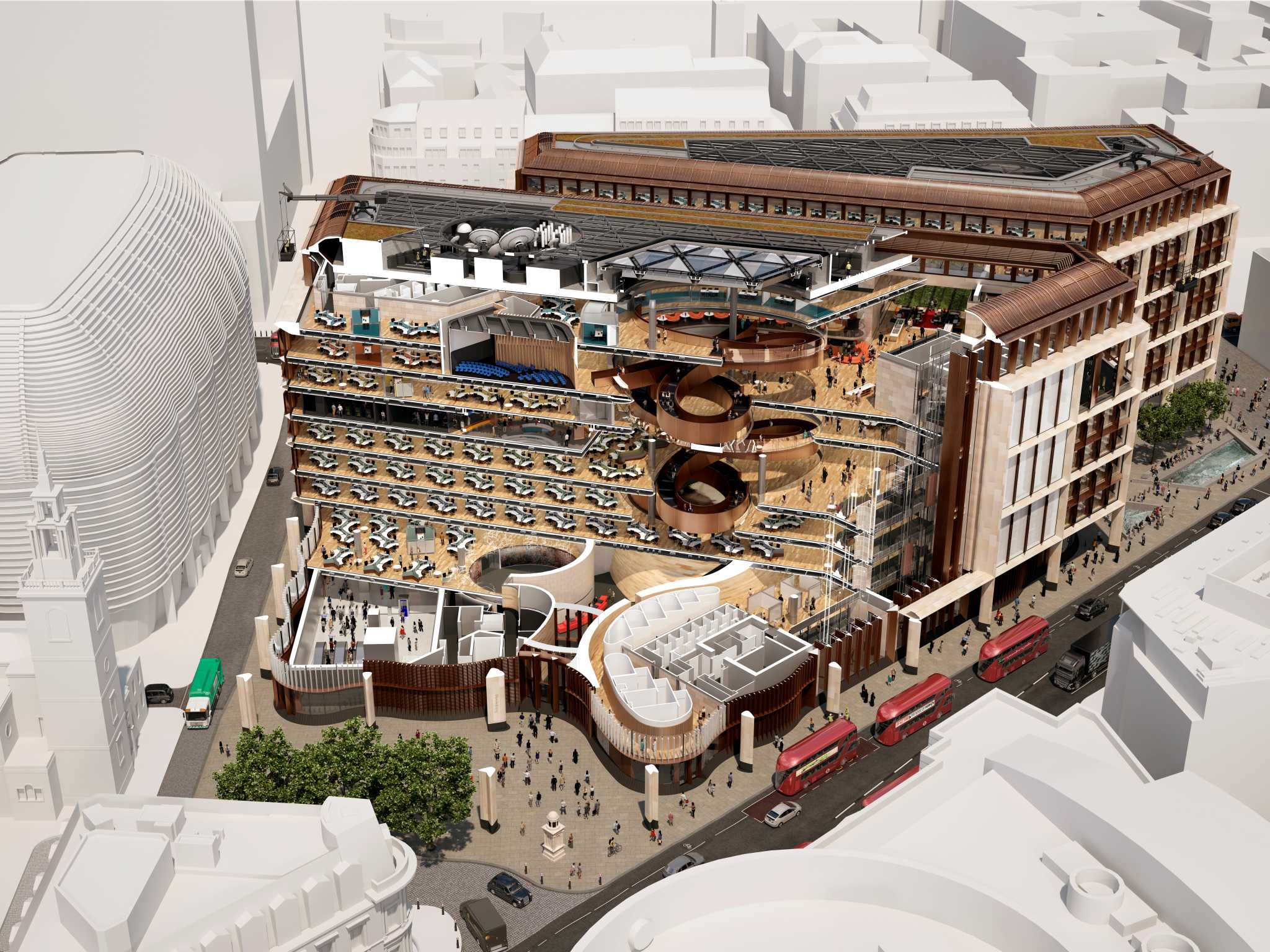
The Bloomberg Building has, in a very short time, become iconic for the City of London through its architecture and position. It is a model of sustainable development, achieving the highest energy certification ever awarded to a large office building.
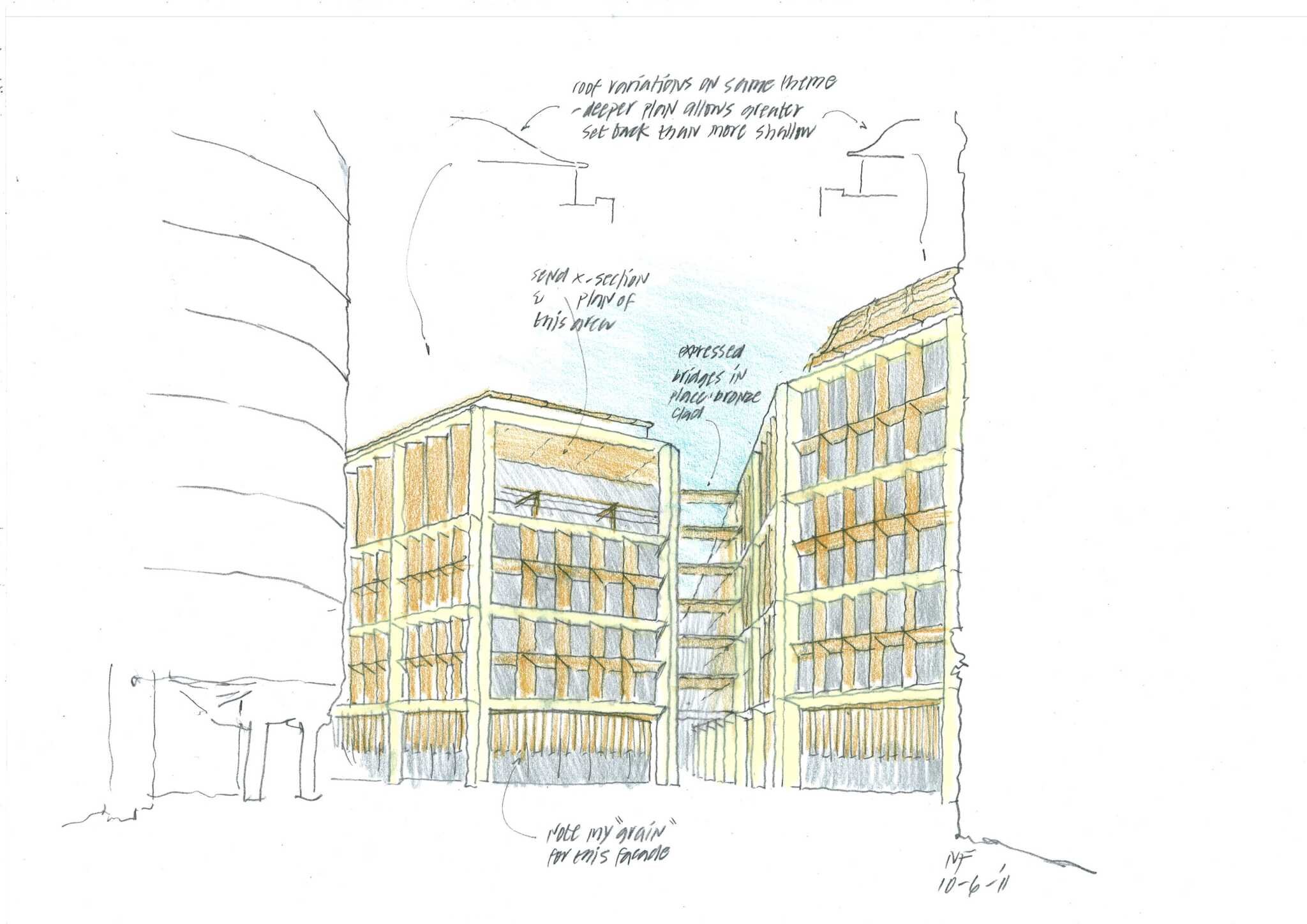
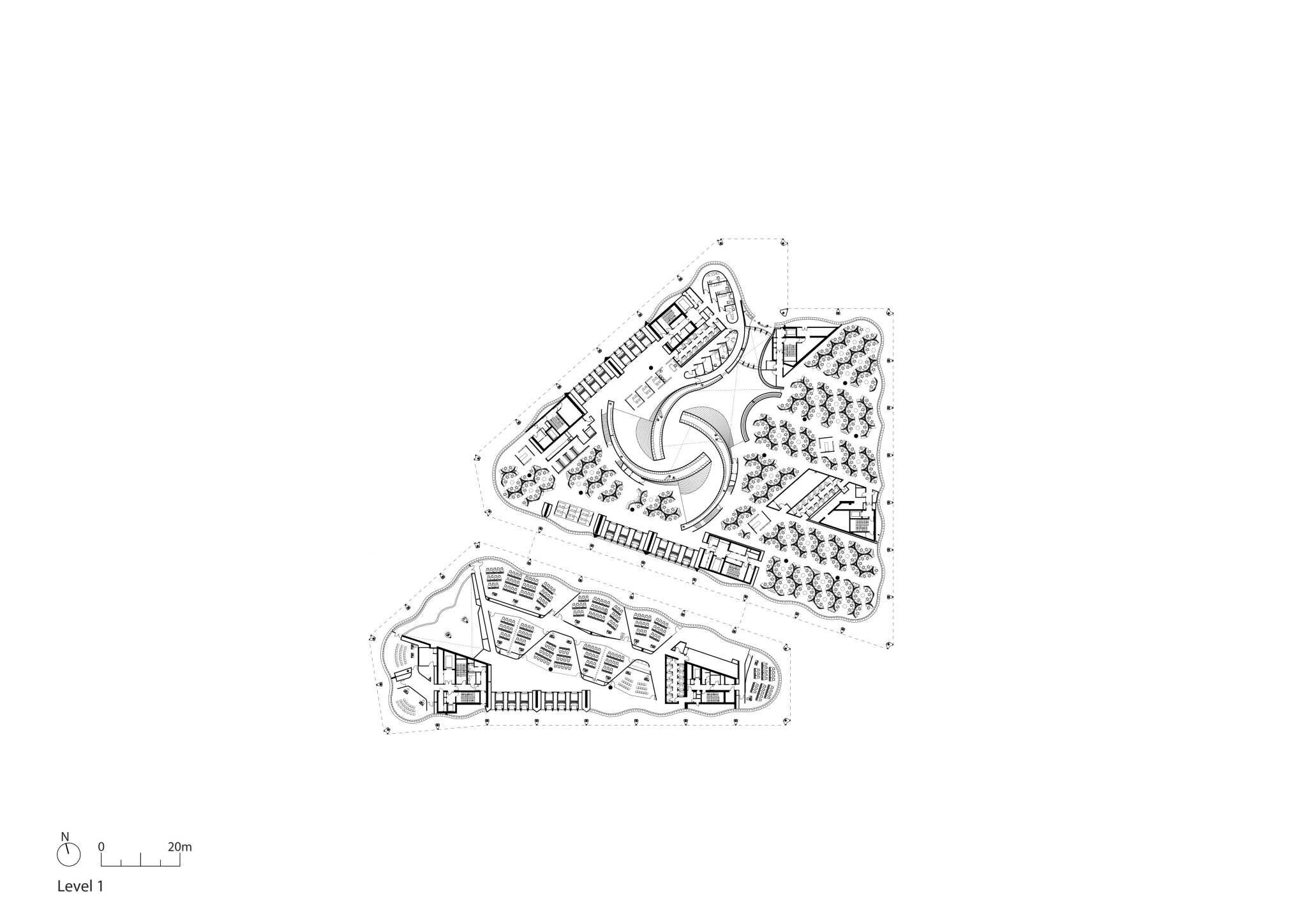
The building is set on 3.2 hectares of land and comprises two buildings joined by walkways over a pedestrian arcade that recreates Watling Street, an ancient Roman road that ran through the site. The Bloomberg Arcade has become a reputed trail in the City, bustling with restaurants and cafes behind a corrugated glass facade. Three public plazas, located at either end of the arcade and in front of the building's entrance, create new public spaces in the center of the Square Mile.
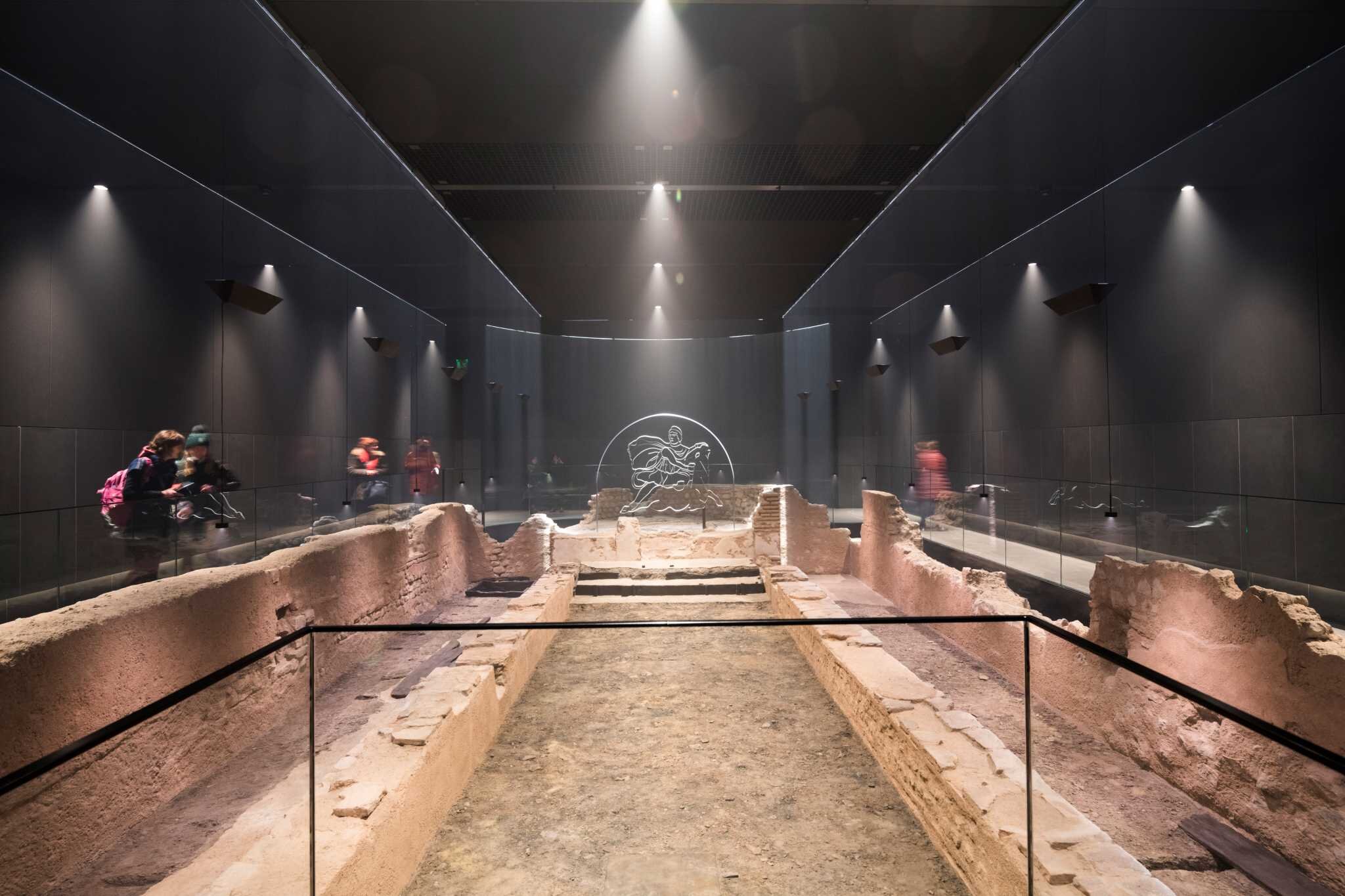
The building also incorporates the archaeological remains of the Roman Temple discovered on the site as part of a cultural center.
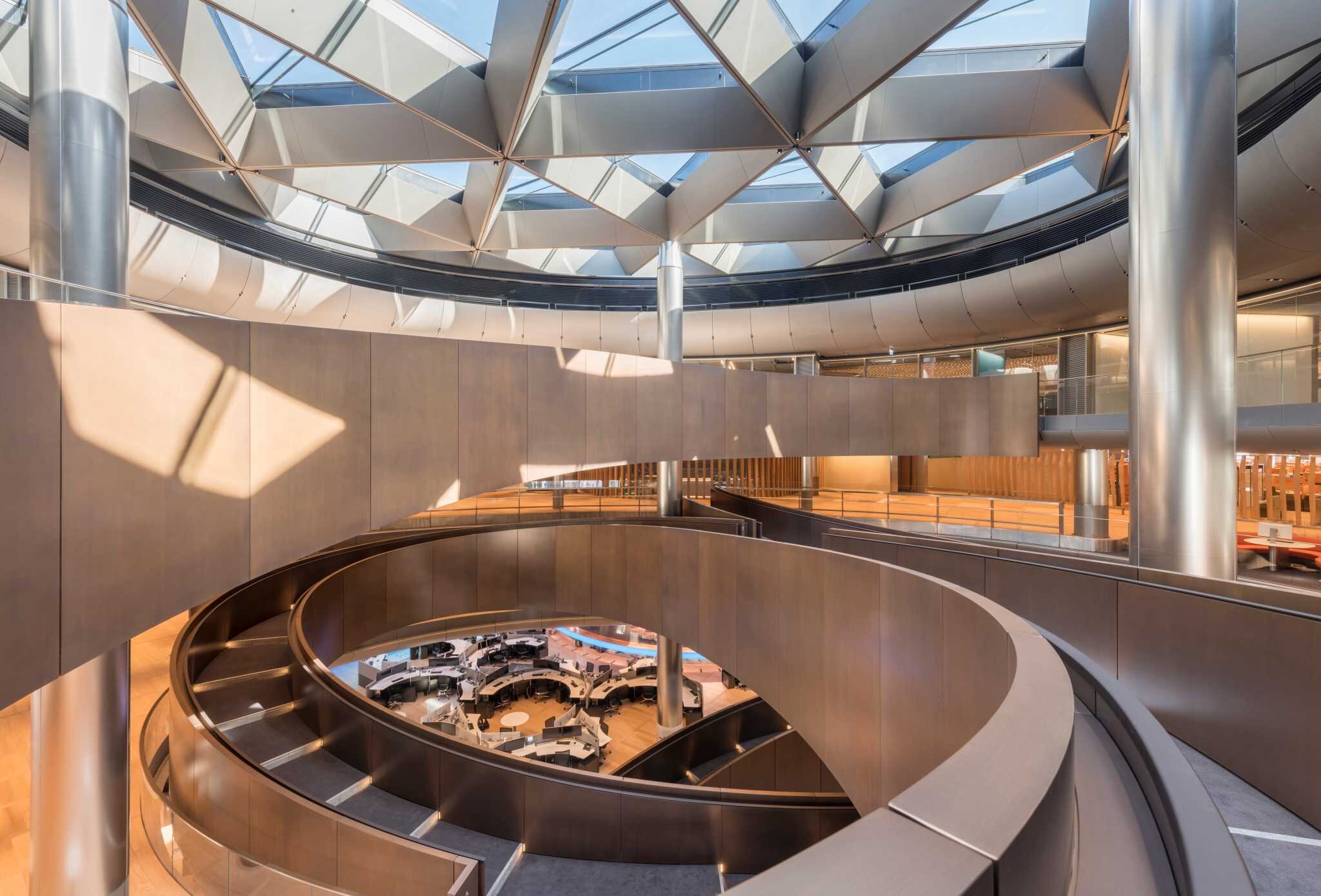
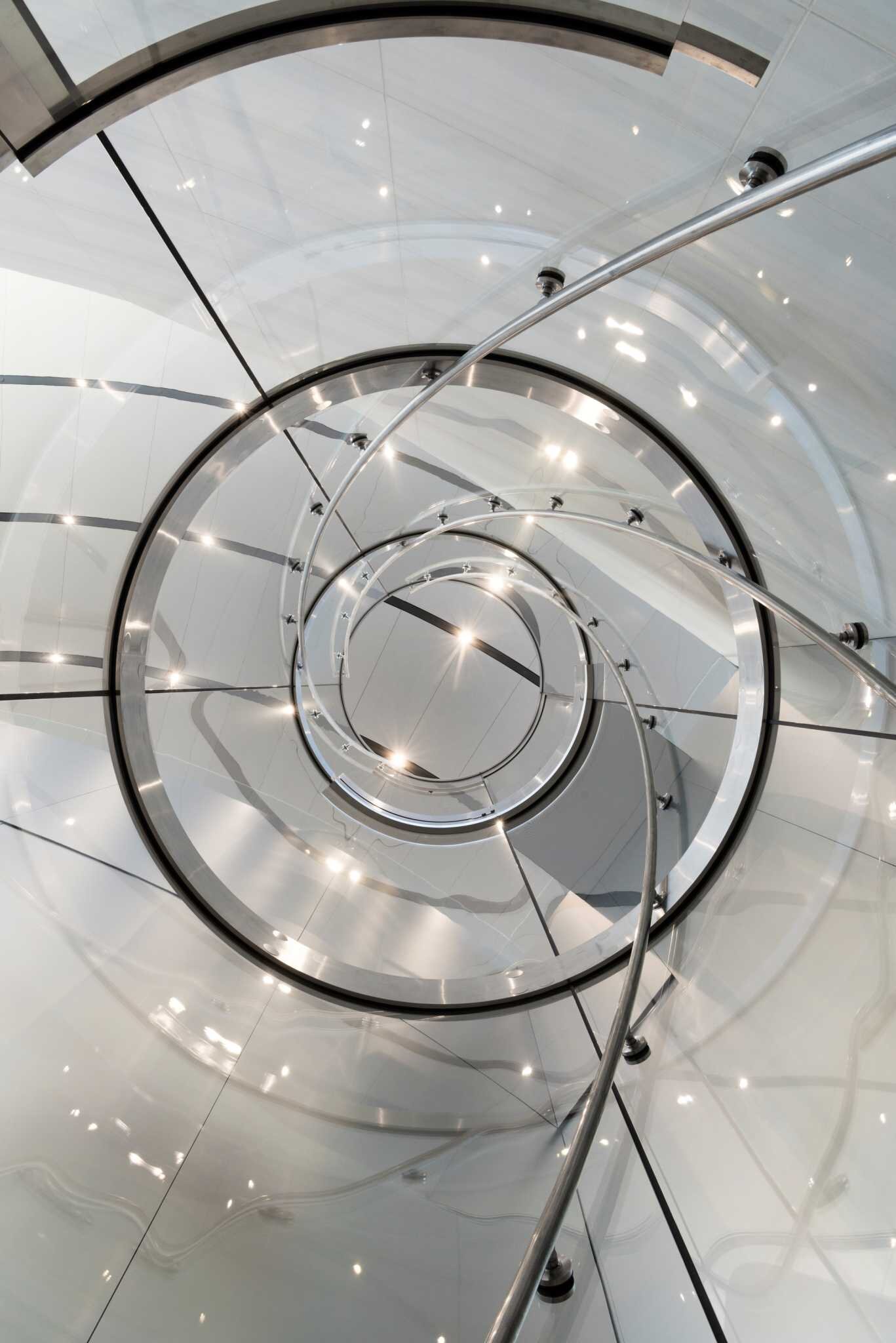
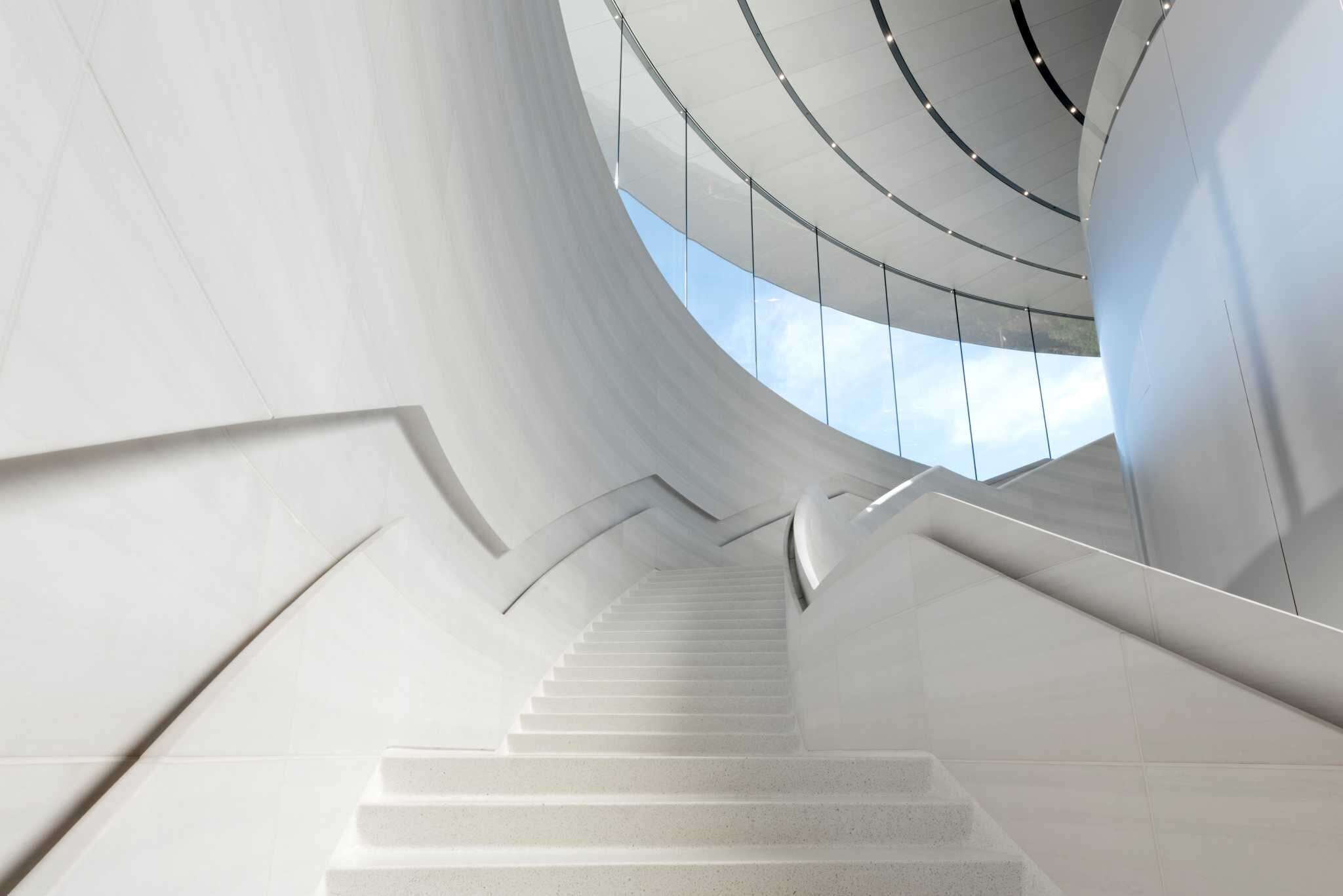
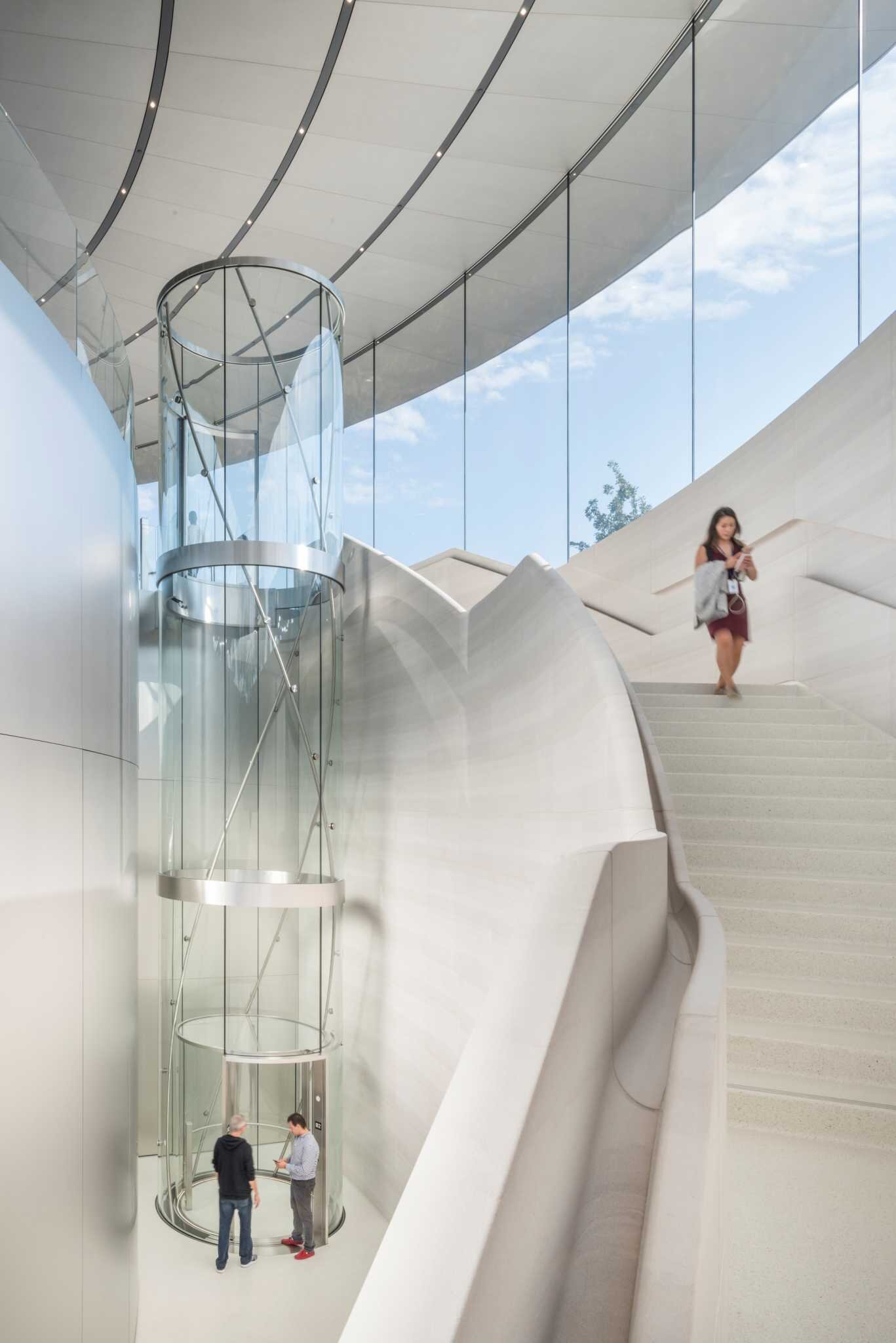
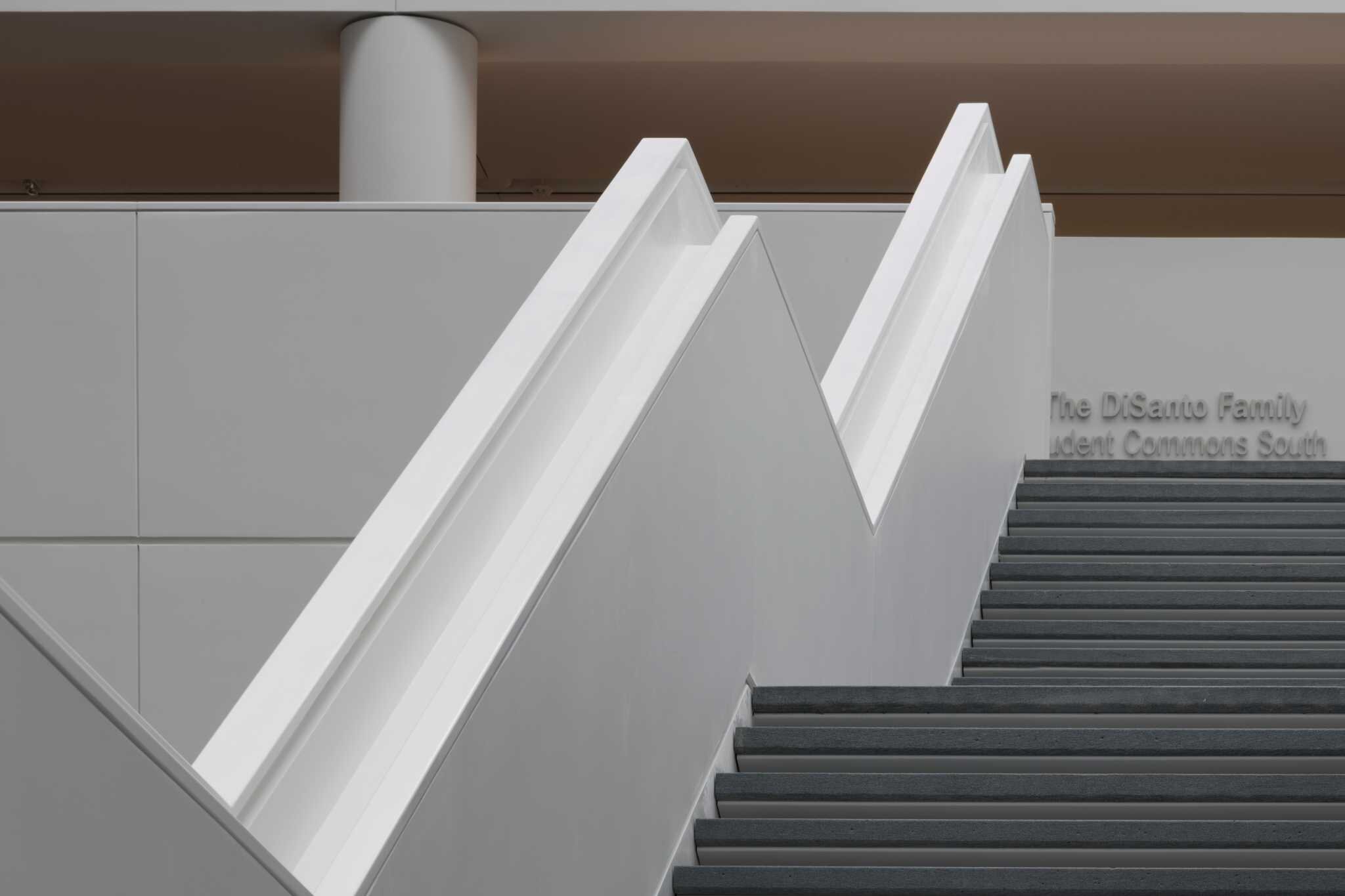
A ramp with steps in the shape of a hypothoid, characterized by a smooth, continuous, three-dimensional circle, stretches the full height of the building, adding to the excitement of the interior space. Plated in bronze, the ramp is designed and proportioned to become a place for socializing.




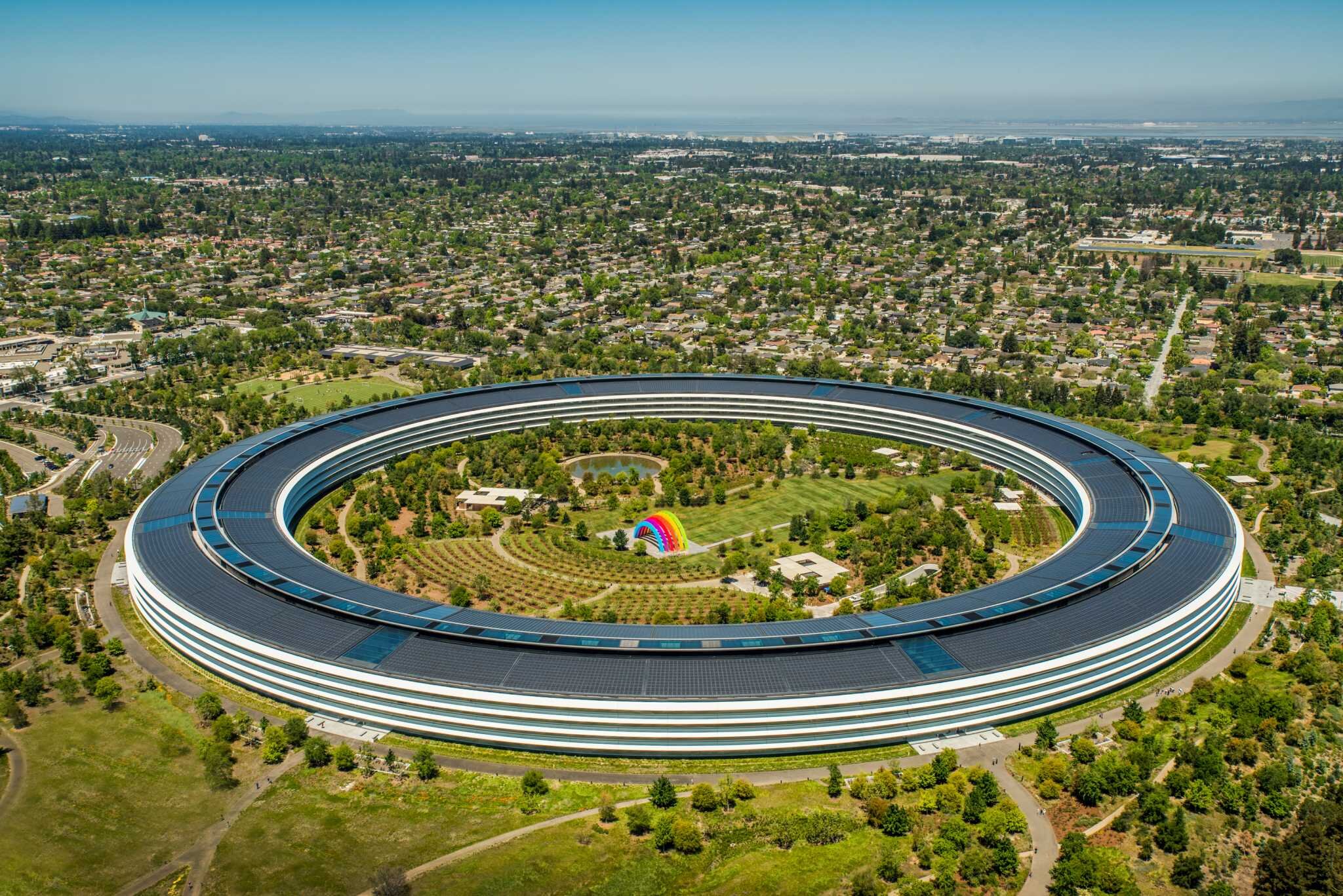
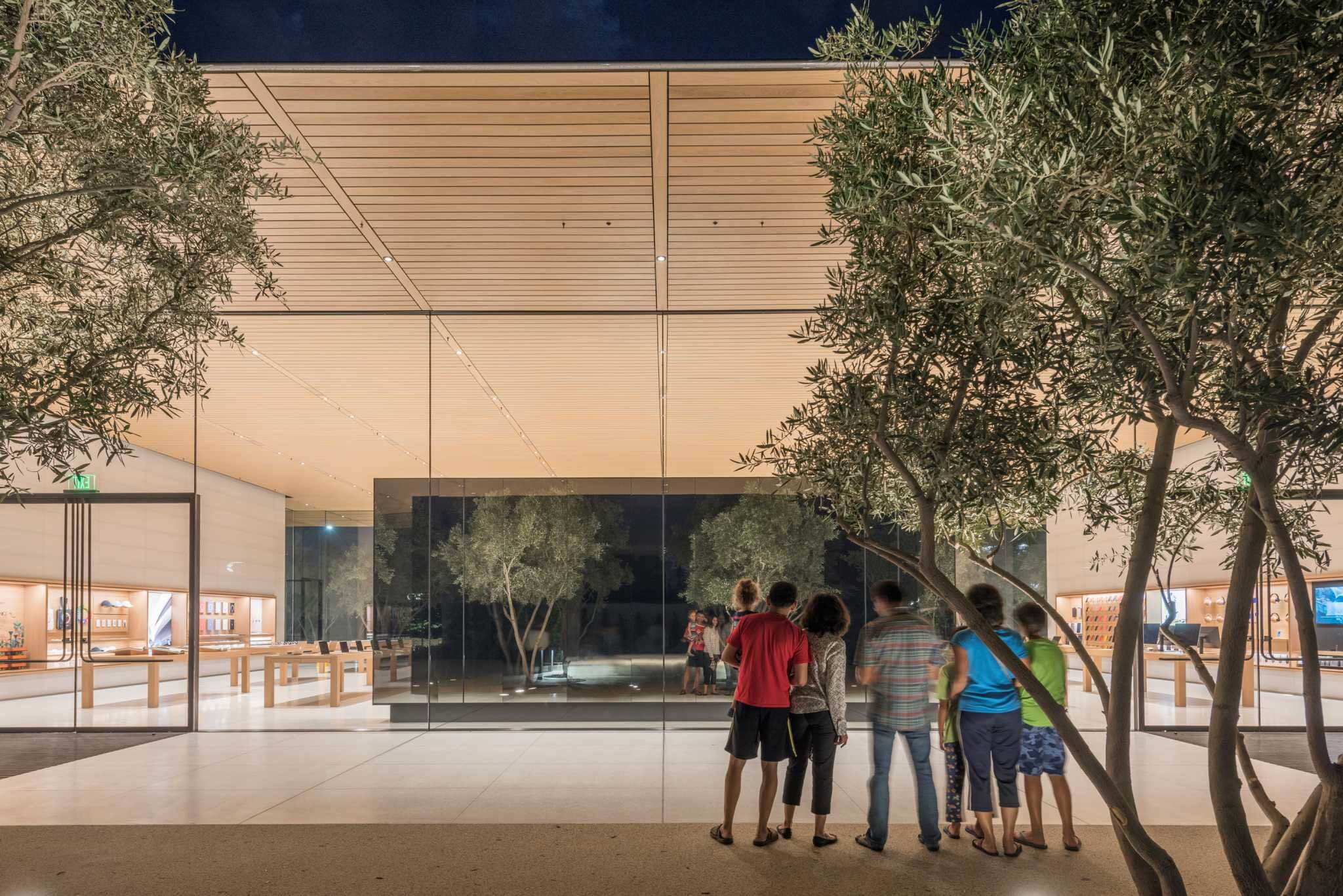
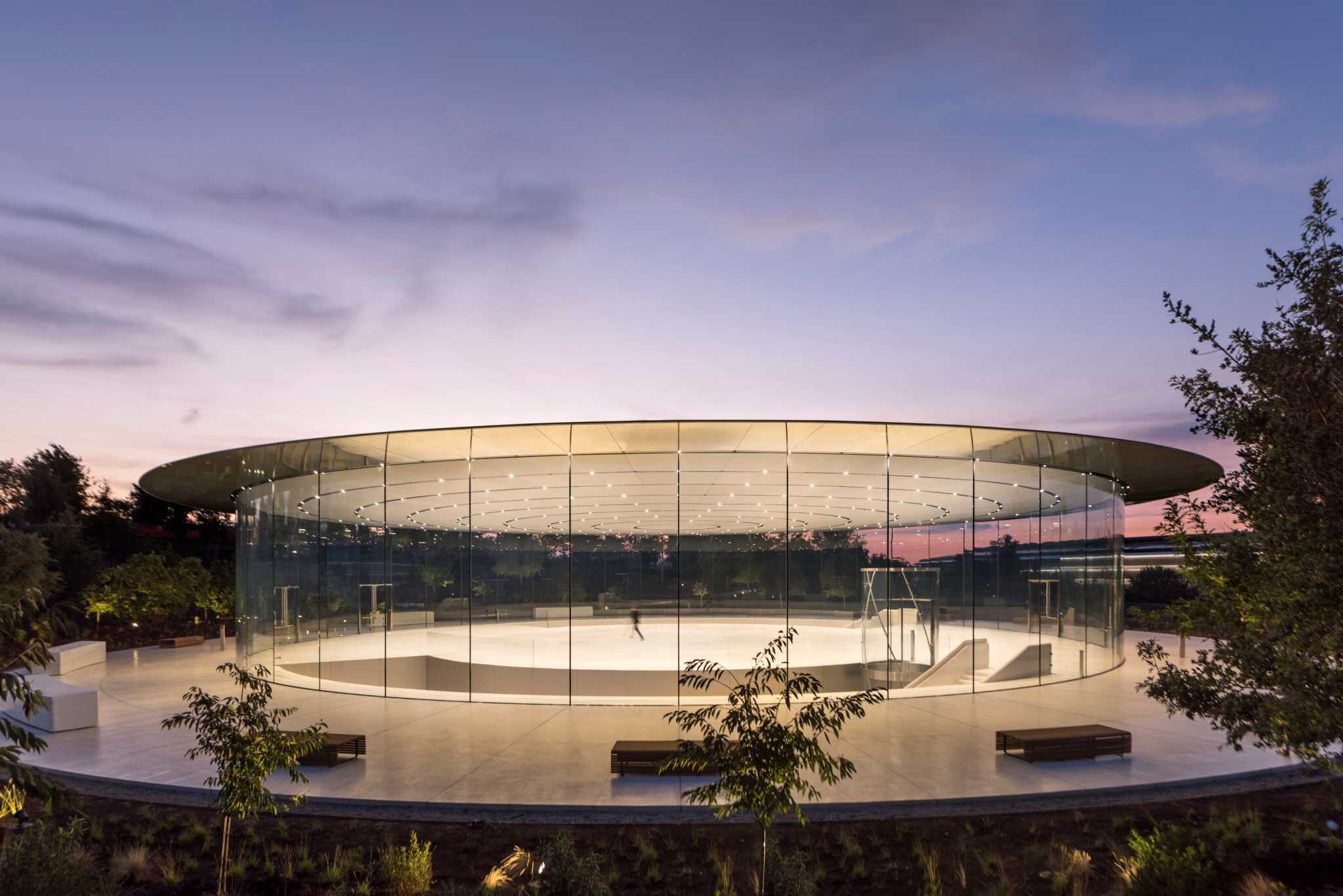
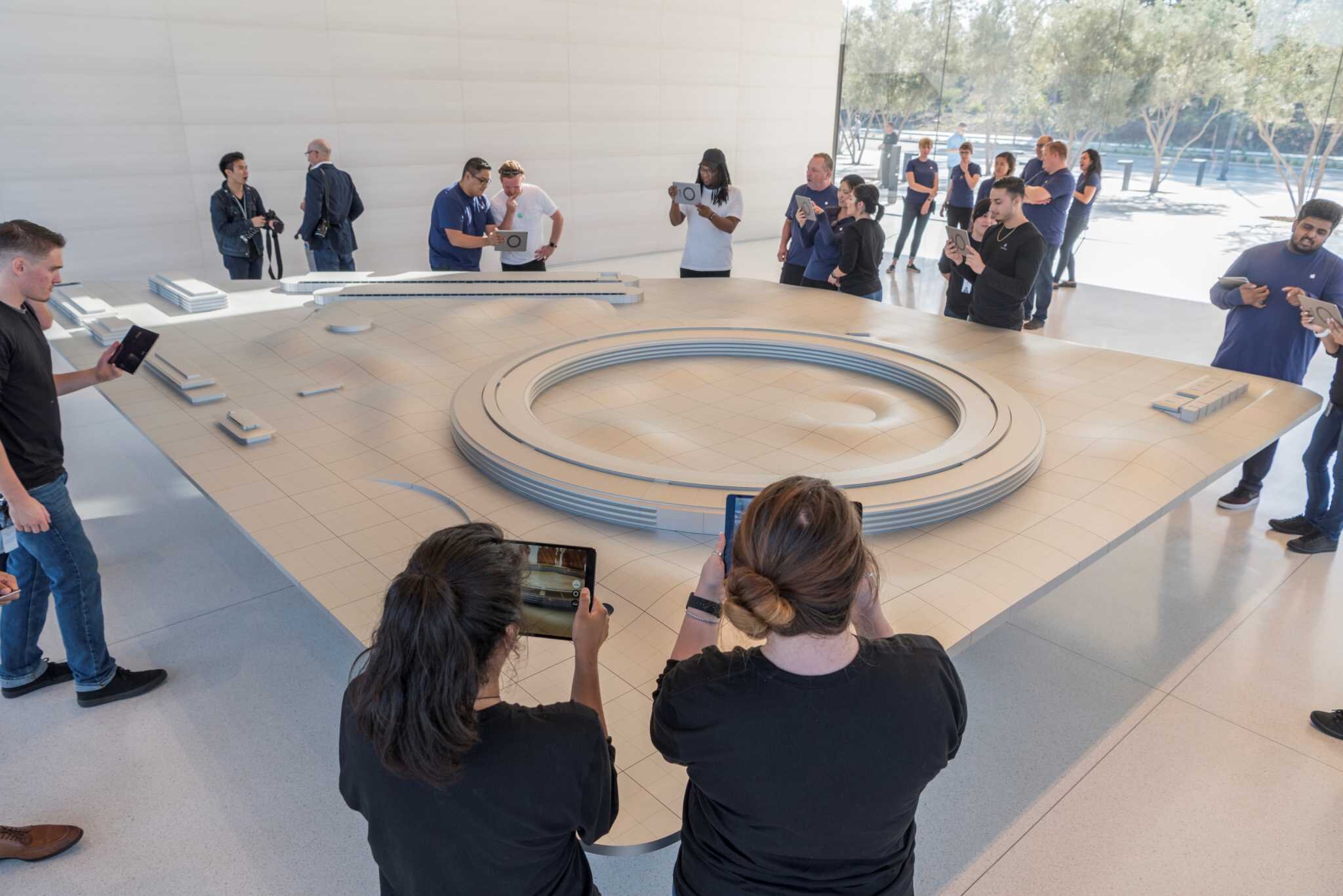
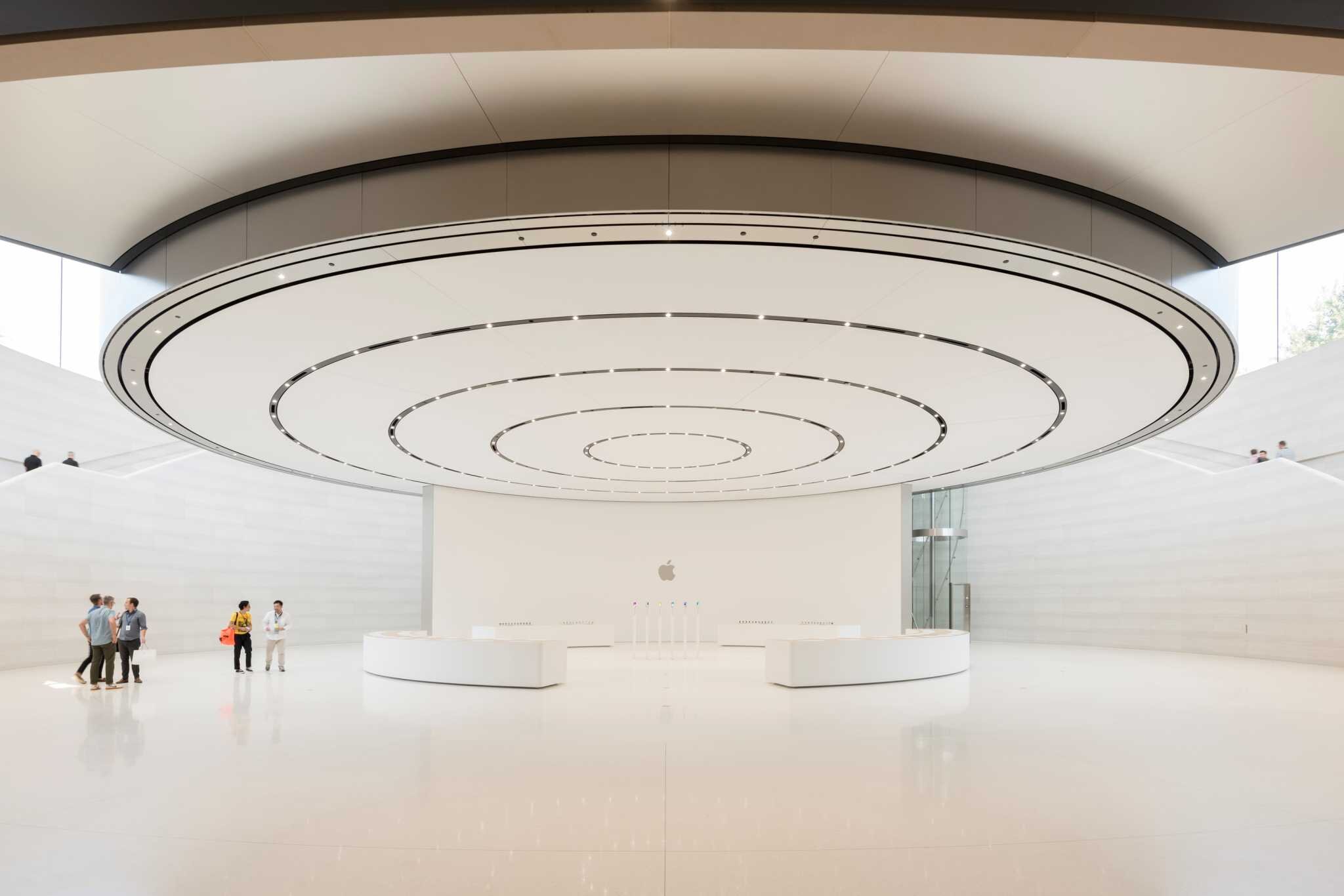
 2017 Apple Headquarters - Cupertino, California, USA
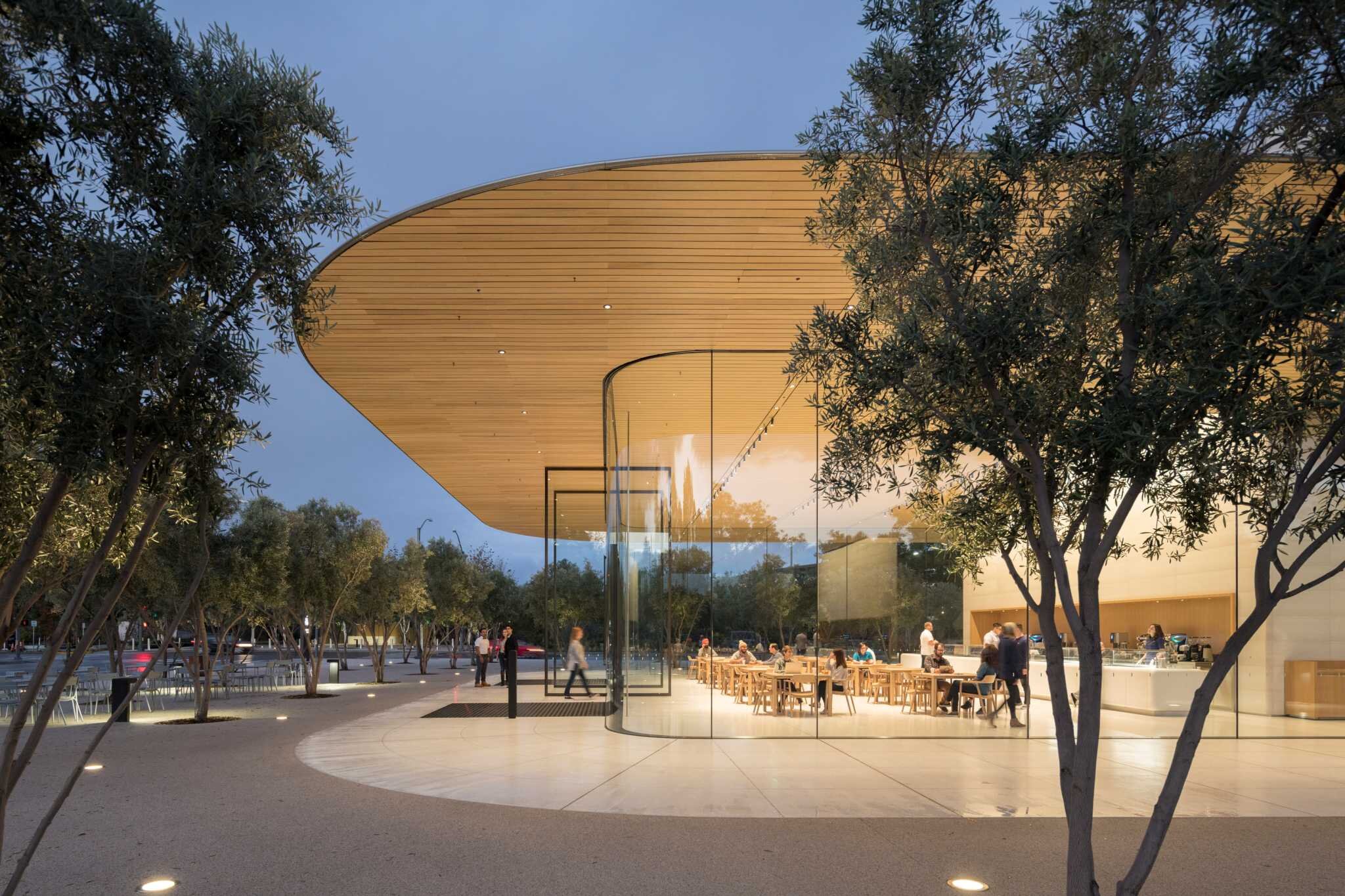
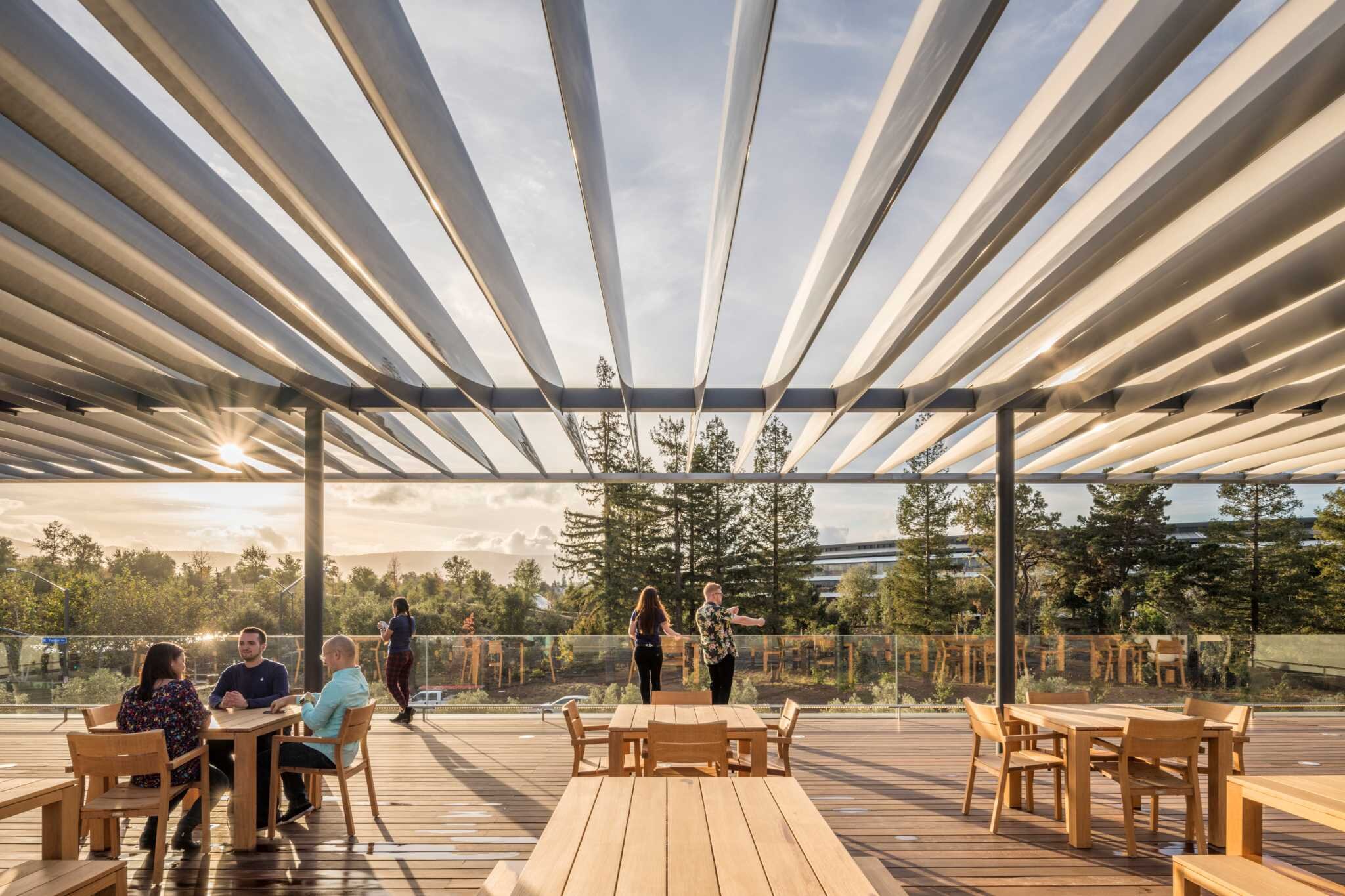
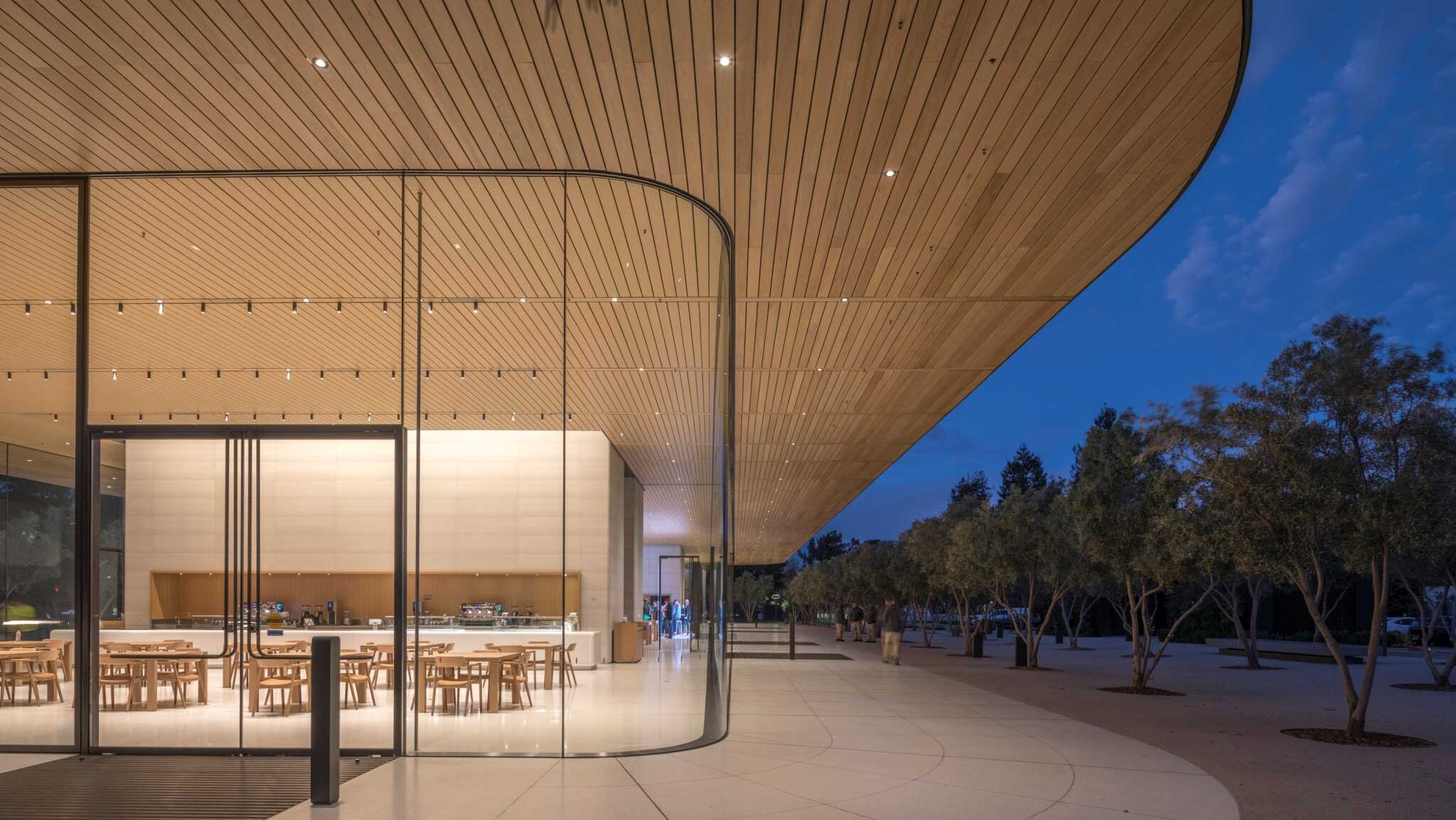
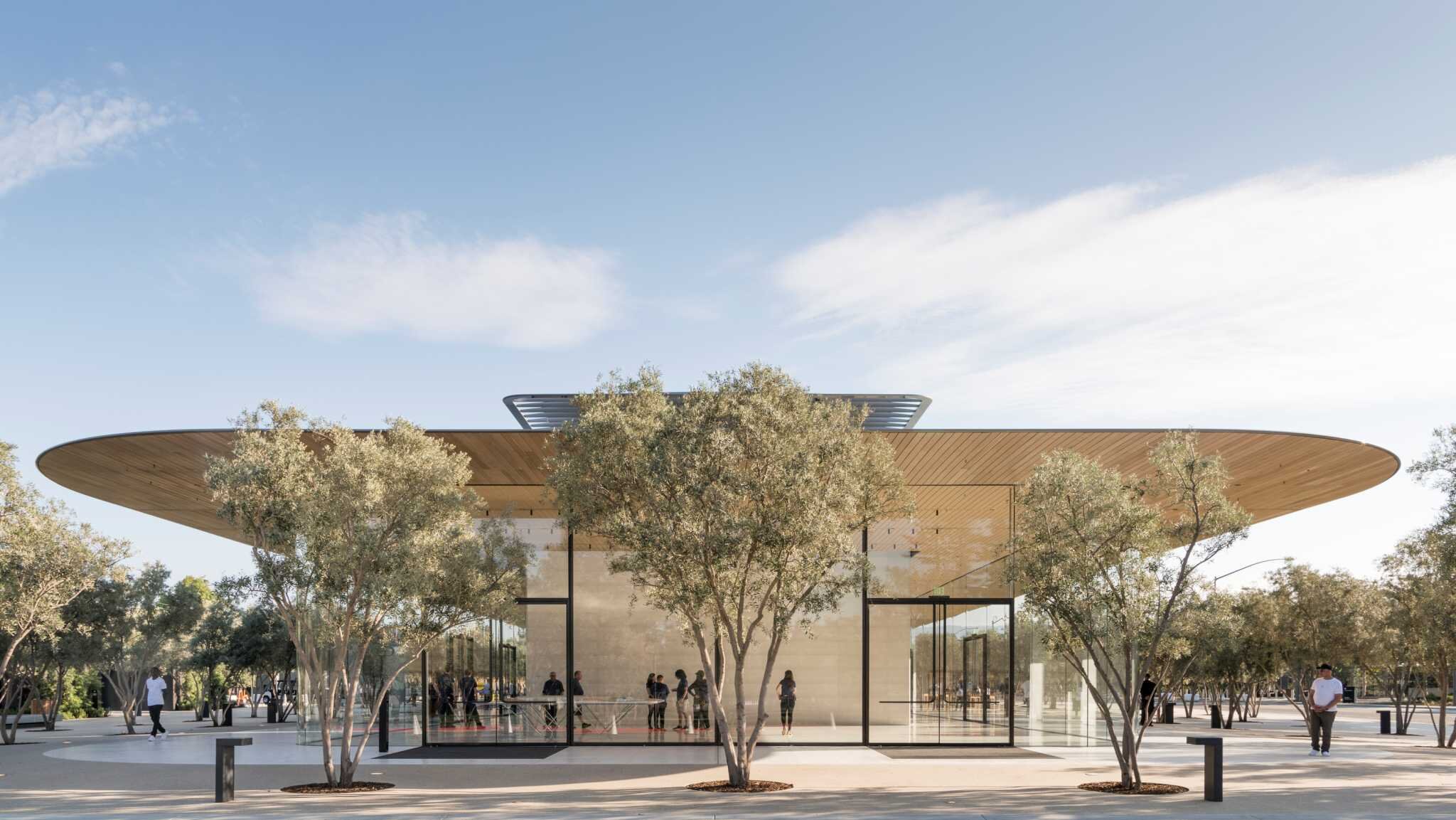
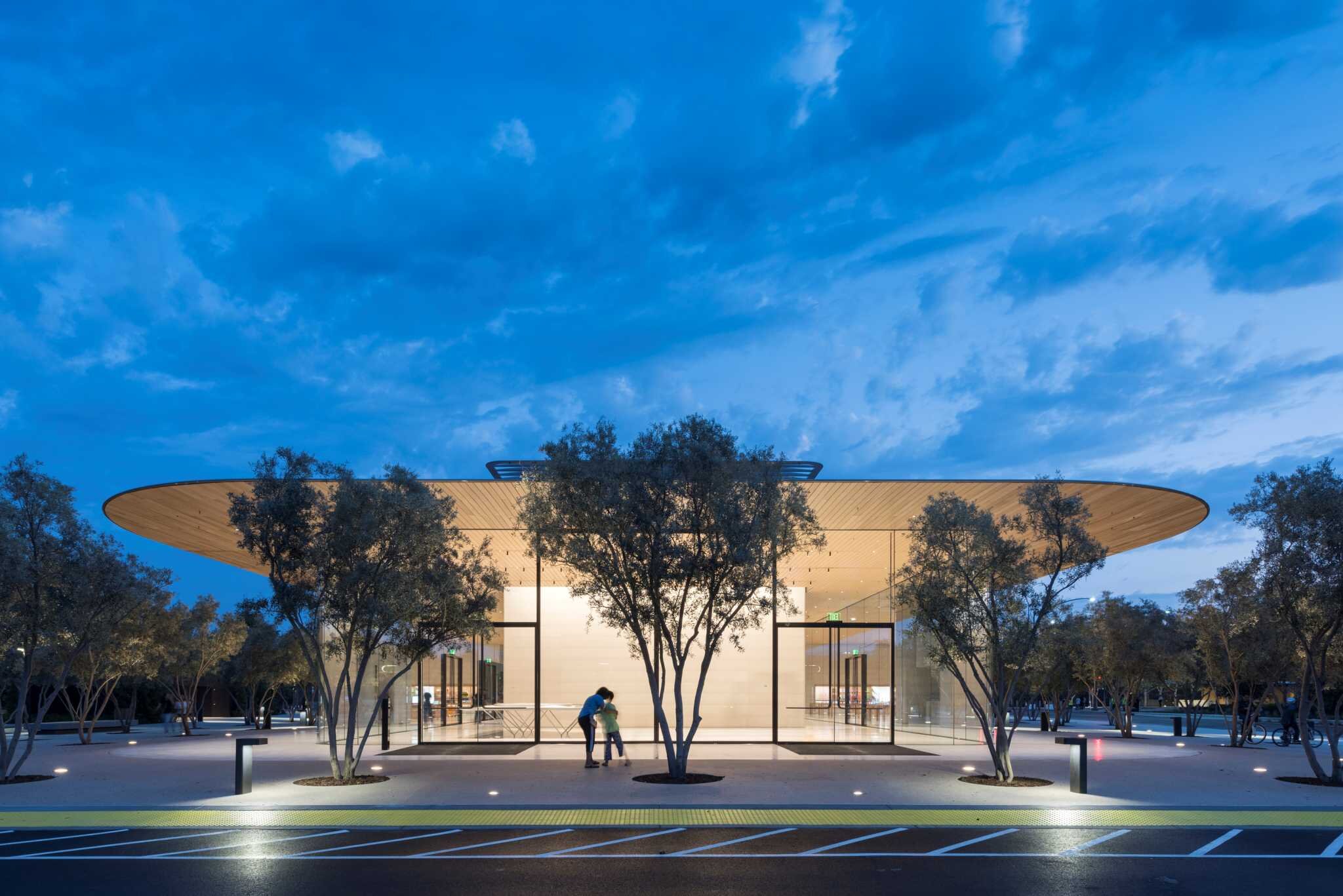
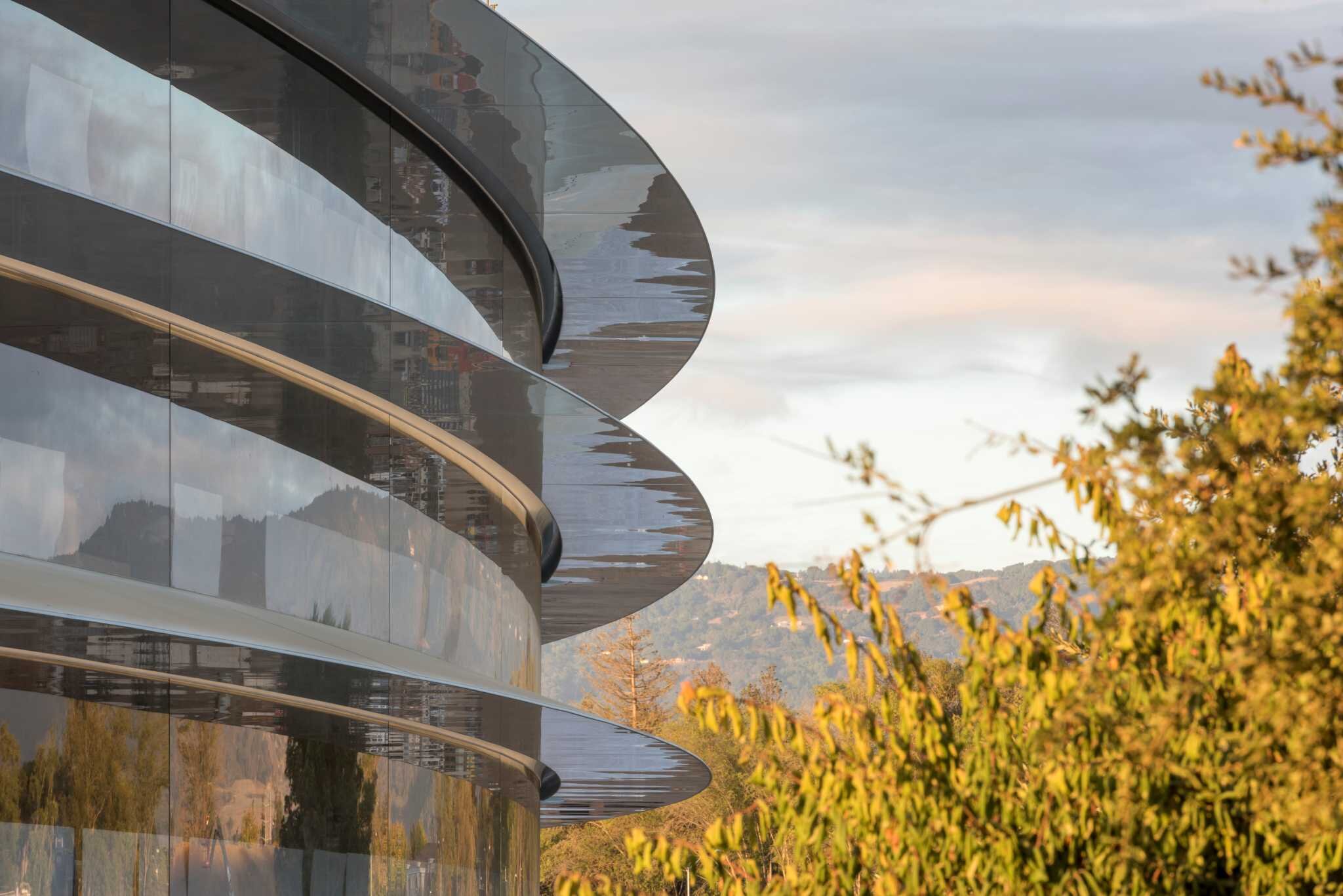
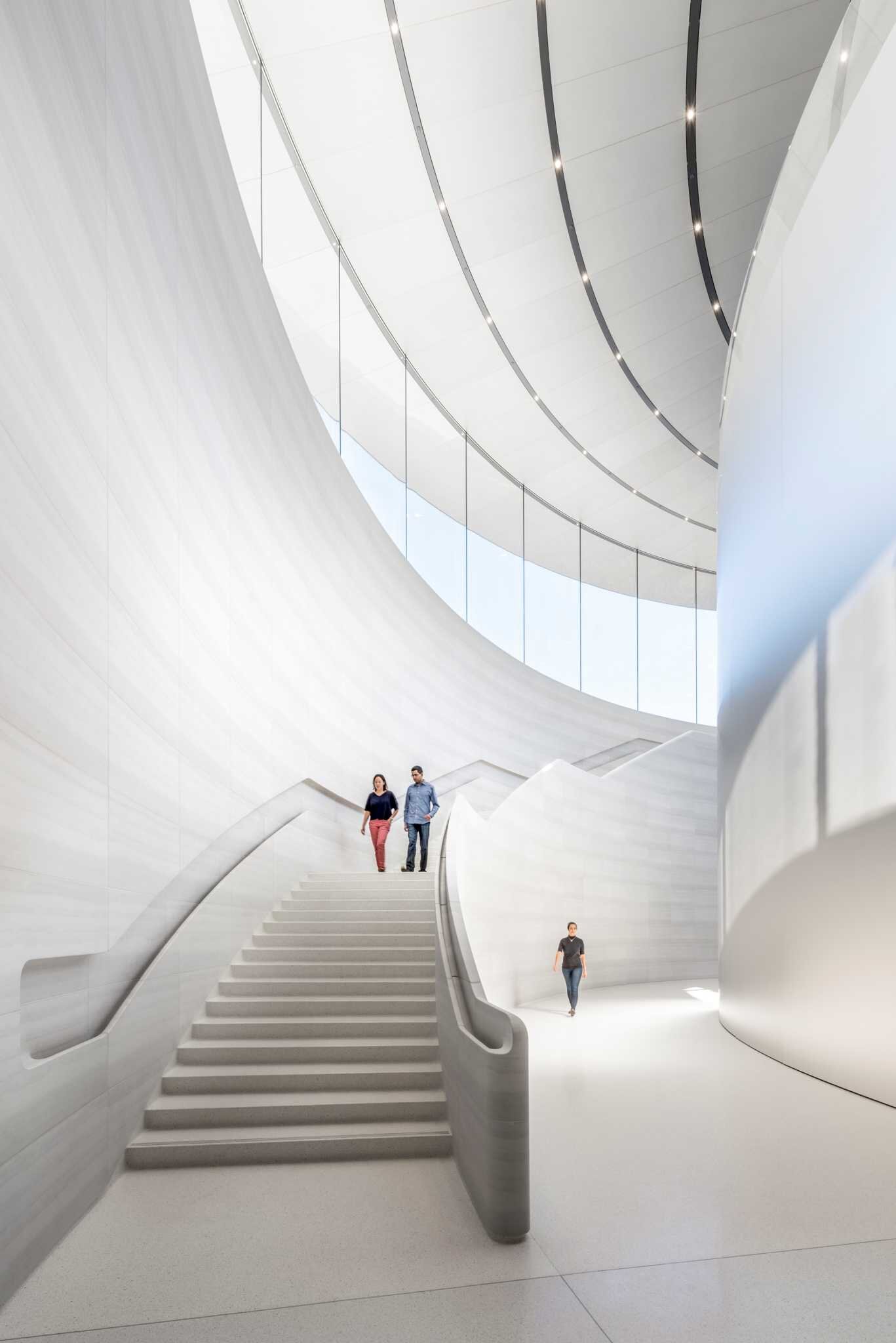
The Apple Company Park creates an ideal setting for creativity and innovation. The campus is an expression of the Californian spirit connected to nature. The landscape and buildings form a seamless whole: the Island Building, Steve Jobs Theater, Fitness & Wellness Center, Visitor Center, and South Park are all about socializing, sports and creative work. The flexible, minimalist architecture blends into the park among the tall trees, draws its energy from the sun, and brings the invigorating views and fresh air of the park through the glass facades. The building was designed with care for the environment as well as for the company and its staff. The campus is 100% powered by renewable energy and is on track to become the largest LEED Platinum certified building in North America. Green spaces have been expanded from 20% to 80% of the park's 71-hectare site (with 9,000 trees, meadows, sports fields, terraces and a pond), and walkways and jogging paths total 6 km.


 The Hive Building embodies immense expertise and capacity for innovation with a few essential elements: a 'pod' of shared spaces for collaboration, private office spaces for individual work, wide, perimeter, glazed circular corridors - including the largest sheets of curved glass ever produced - that allow a permanent connection to the landscape. The 'Ring' floors are made of the most advanced precast concrete structures in the world. Known as 'hollow core slabs', these multi-functional elements form the structure and open ceiling, incorporate radiant heating and cooling systems and provide air recirculation. Oriented to the eight points of the wind wheel, full-height atria create light-filled common entry areas: social spaces that connect the park with the garden space inside. The restaurant occupies the entire northeastern axis of the 'Ring'. The quadruple-height dining room and outdoor terraces encourage interaction. The most impressive is the restaurant's northeast facade, which glides open. Enormous glass doors - the largest of their kind ever built - 15m high and 55m wide, slide effortlessly along the under-floor tracks and add to the sense of the landscape floating through the building.
A few other buildings intertwine the Apple Park experience: the Fitness & Wellness Center is a pavilion-retreat in the landscape, consisting of a pair of lightweight, ground-floor buildings; a large window opens the gyms to the park.


Employee fitness and working in nature
Foster+Partners has been involved in promoting social peace since the early 1970s, when the Fred Olsen shipping company managed to avoid a longshoremen's revolt thanks to the design firm and its project to promote a new lifestyle, including sports in the workplace.
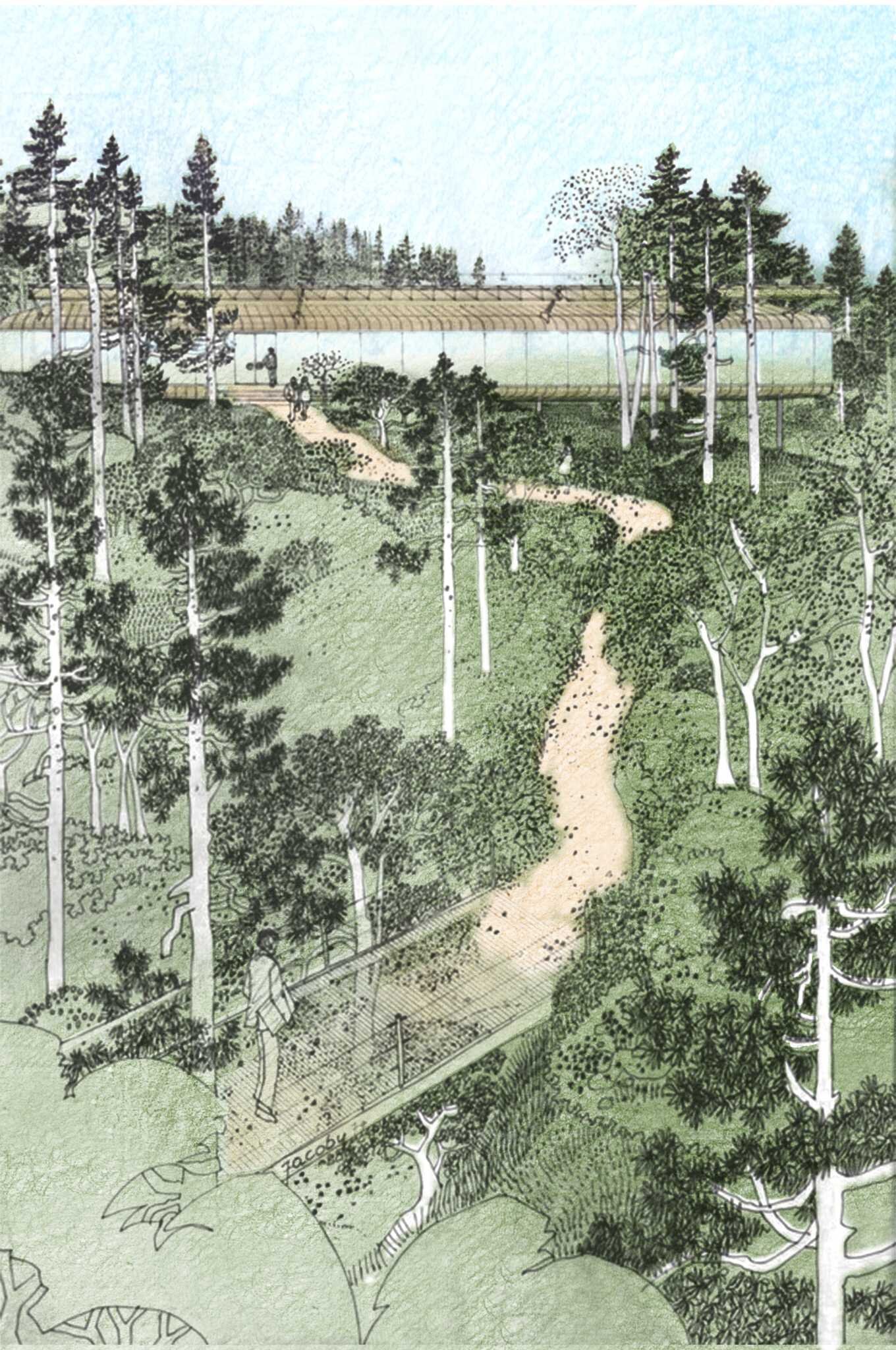
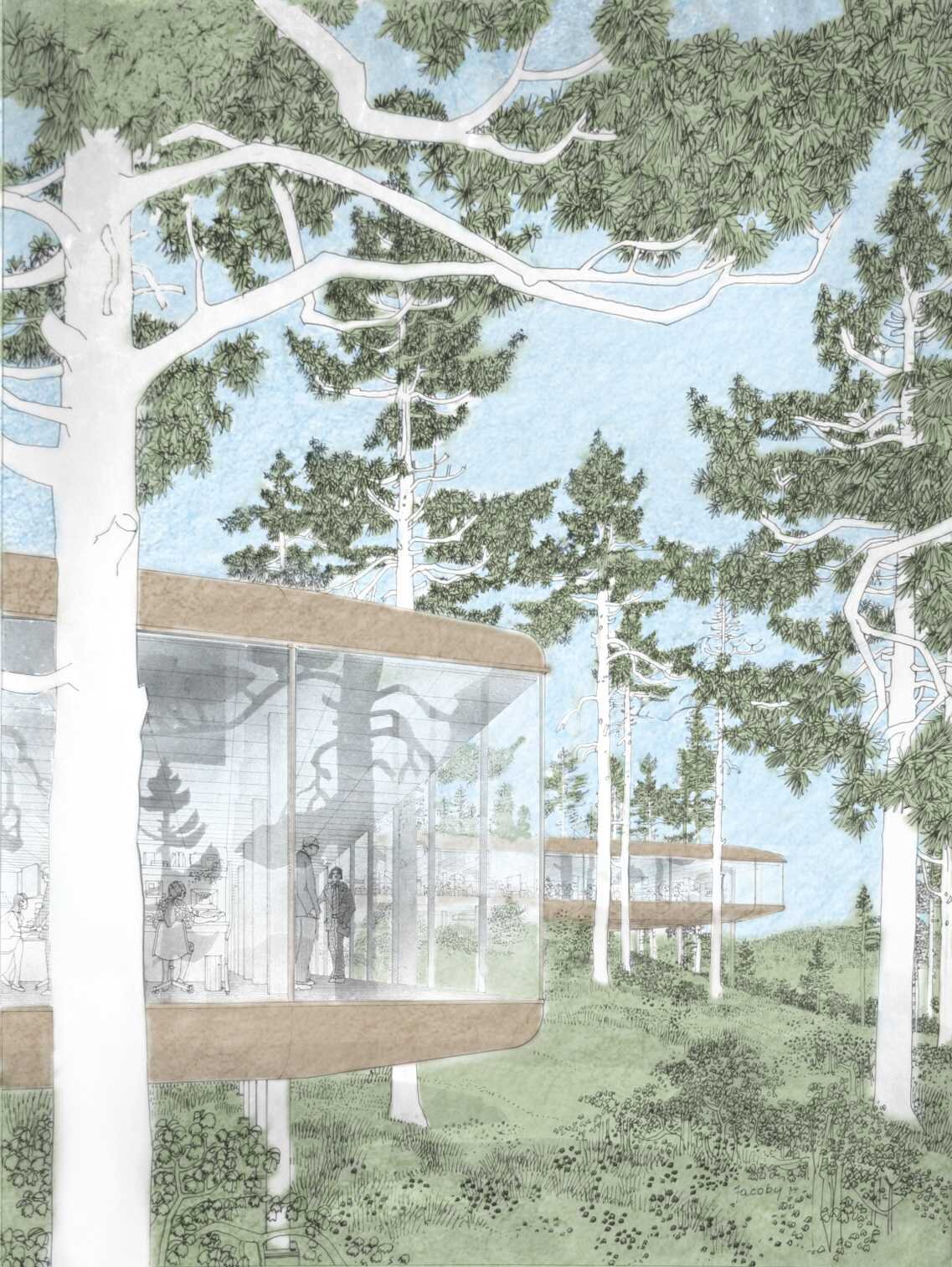
In 1973, the design for the company's headquarters in Norway proposed a site in the pine forest near the capital Oslo:
Out of Town Offices - Vestby, Norway
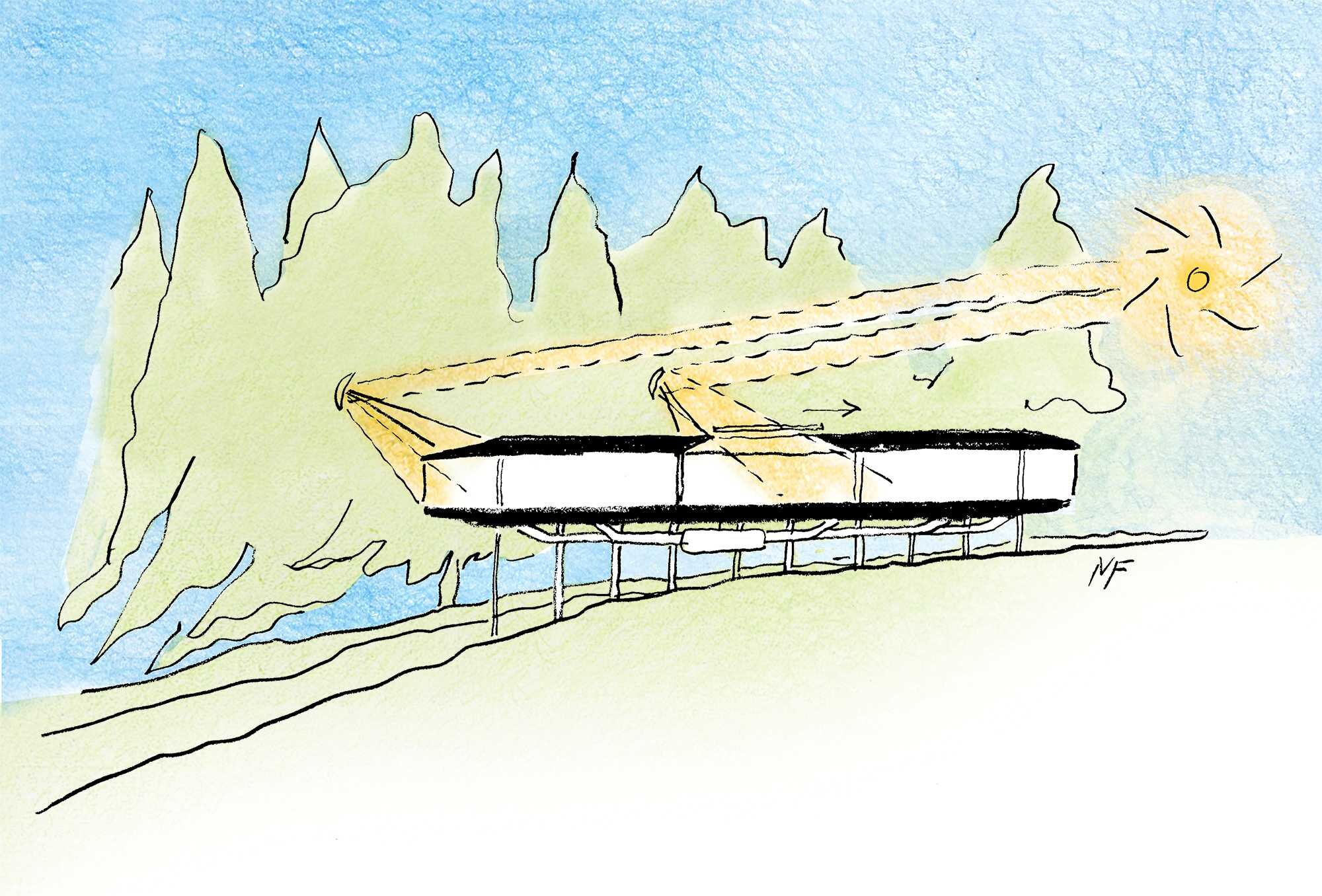
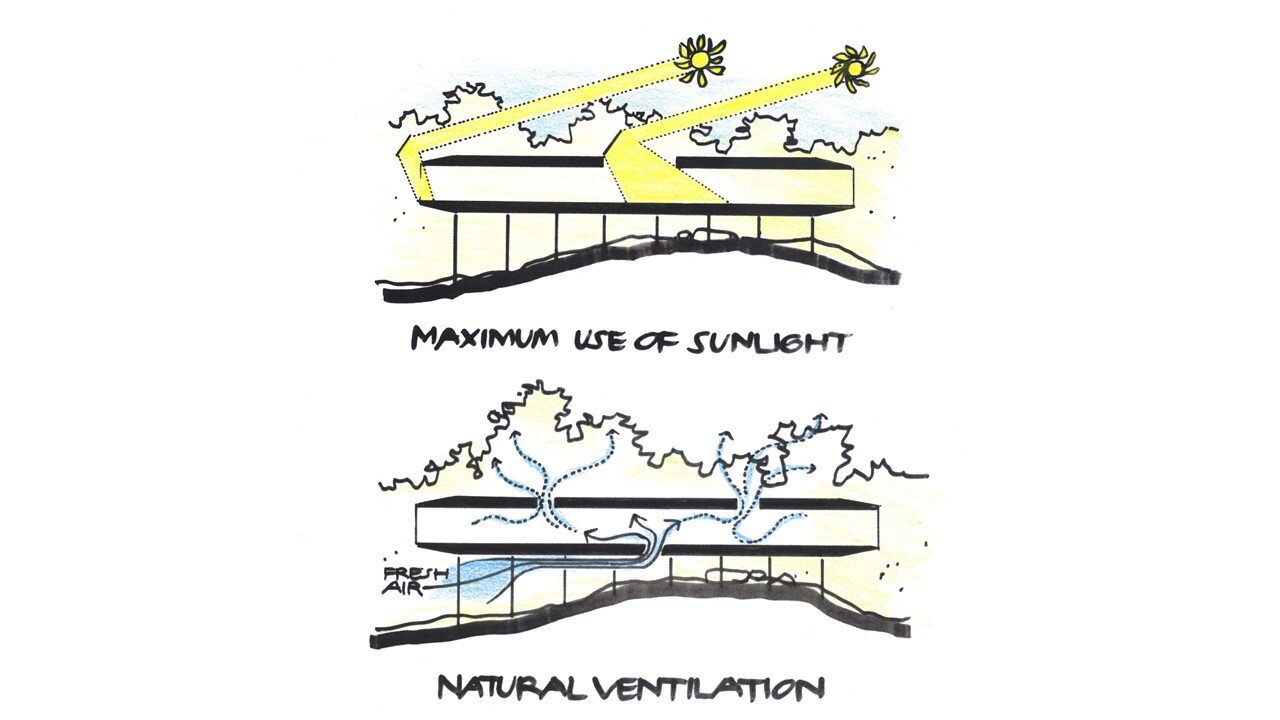
The proposal comprised a series of pavilions scattered in a pine forest near Oslo. Accessed by pedestrian walkways following the ski slopes, the pavilions take the form of ground-floor enclosures, carefully designed to avoid disturbing the natural balance of the forest and to save energy (it was the oil crisis of 1973).
The buildings had to respond chameleon-like to changing environmental conditions. Exterior shutters were designed to automatically adapt to changes in weather and light, and roof-mounted inclined reflectors were designed to track the path of the setting northern sun. Energy consumption for air conditioning was avoided by installing large heating and ventilation equipment under the building. The plan was abandoned because the client decided to keep its existing offices in Oslo.


Teleworking for routine work and "third place" for creative work
Interesting conclusions about the post-pandemic way of working seemed to emerge during this period - that non-creative, routine work can be done from home, and that creative meetings are best held elsewhere. 'Somewhere else' could be the company premises or a novel space - a community building, Starbucks or a beautiful area suitable for outdoor activities. "Somewhere else" becomes a new component of a work package.
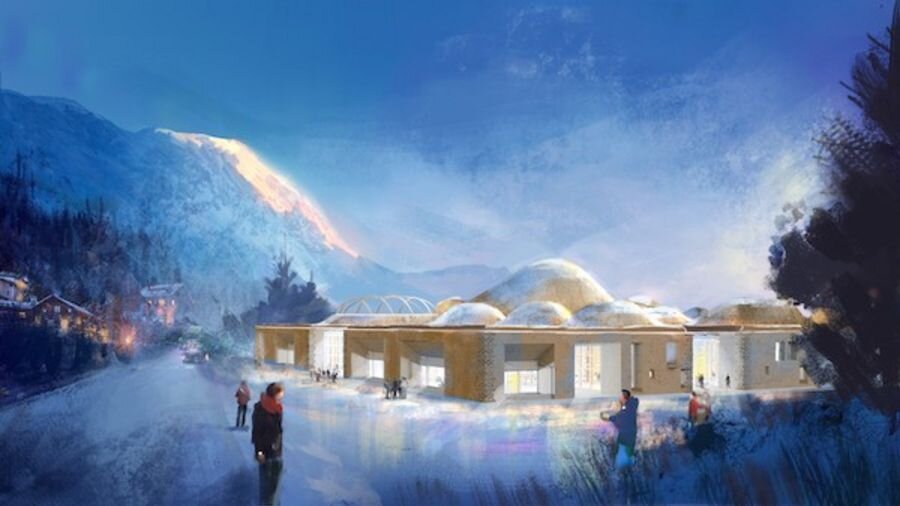
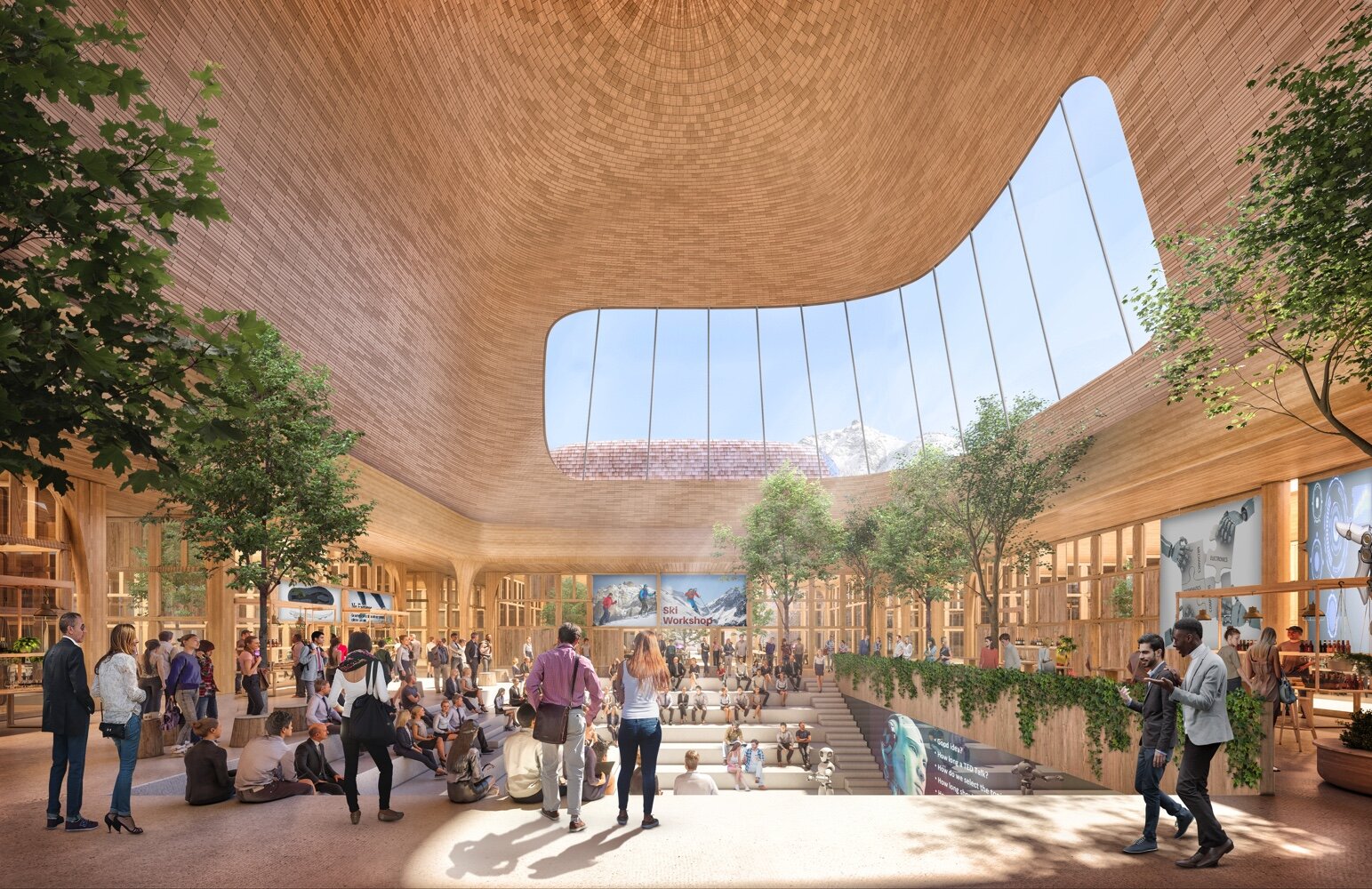
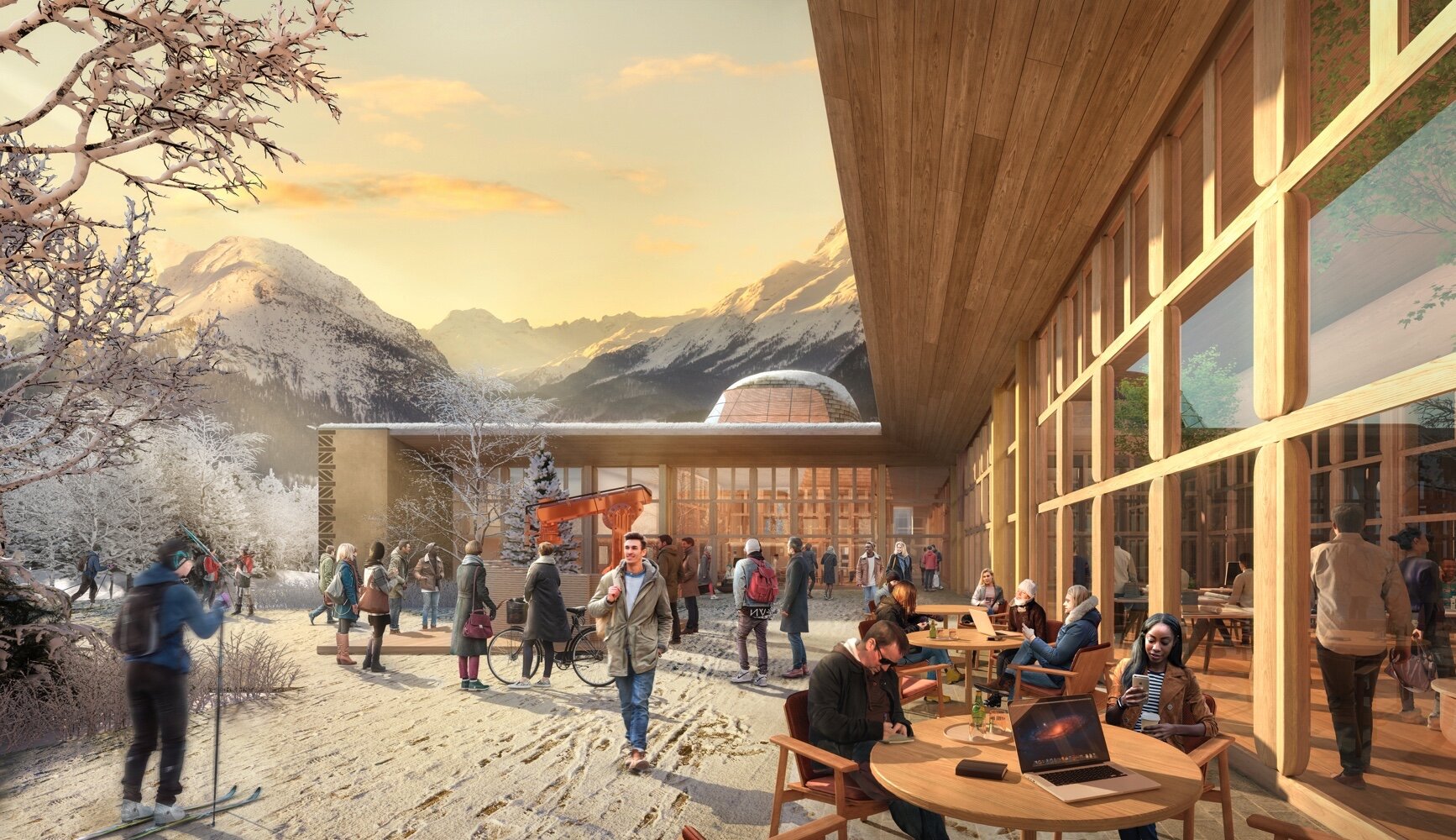
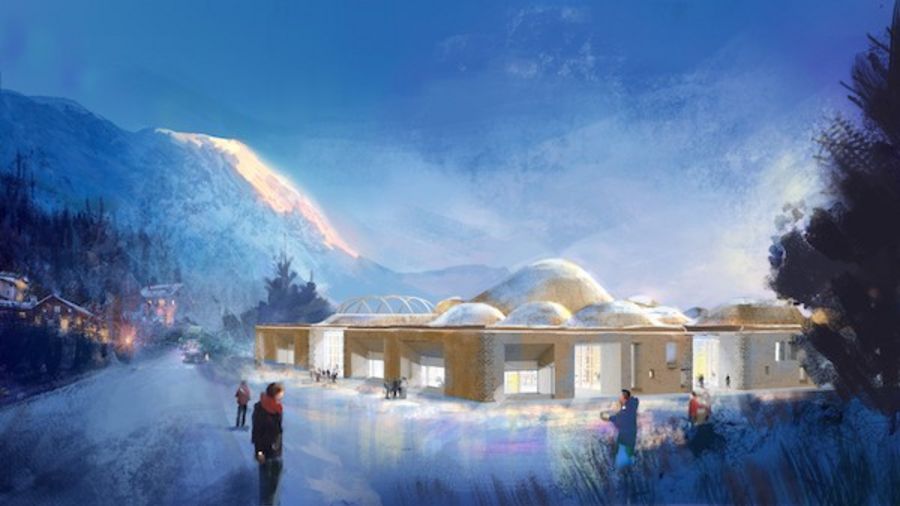
This trend was anticipated by The Hub project in the village of La Punt in the Swiss Alps. There, far from the city, a new type of visitor has emerged - the working tourist. The solution not only solves the problem of a healthy working environment, but may also become the solution to save forgotten and deserted villages.
The revival of declining villages is a trend with a positive impact on local businesses and seems to be favored by the younger generation. The project in La Punt village illustrated a trend against young people leaving the village inspired by a workshop held at the Norman Foster Foundation in Madrid, where two entrepreneurs from La Punt village watched 10 graduates and a similar number of mentors debate the effects of global warming, robotics and artificial intelligence. The dominant theme was young people and their involvement in environmental issues. Young people proved to be more health literate than their elders.
Along the same lines are urban farms which, in the future, seem to present the solution for much of the cities' food supply, the potential of hydroponic urban agricultural crops which save water and have much higher yields, reduce transportation distances and deliver fresh produce at lower prices.

Hospitals capitalize on the therapeutic effect of nature and family atmosphere
Hospital buildings have been brought to the forefront by the pandemic, and F+P's achievements demonstrate a cutting-edge approach to this topic as well. The projects emphasize and maximize the therapeutic role of the natural environment on patients. The projects also emphasize the importance of a social atmosphere for medical research, with the architect's view that "great discoveries are more likely to be the result of coffee-table exchanges than formal debates".


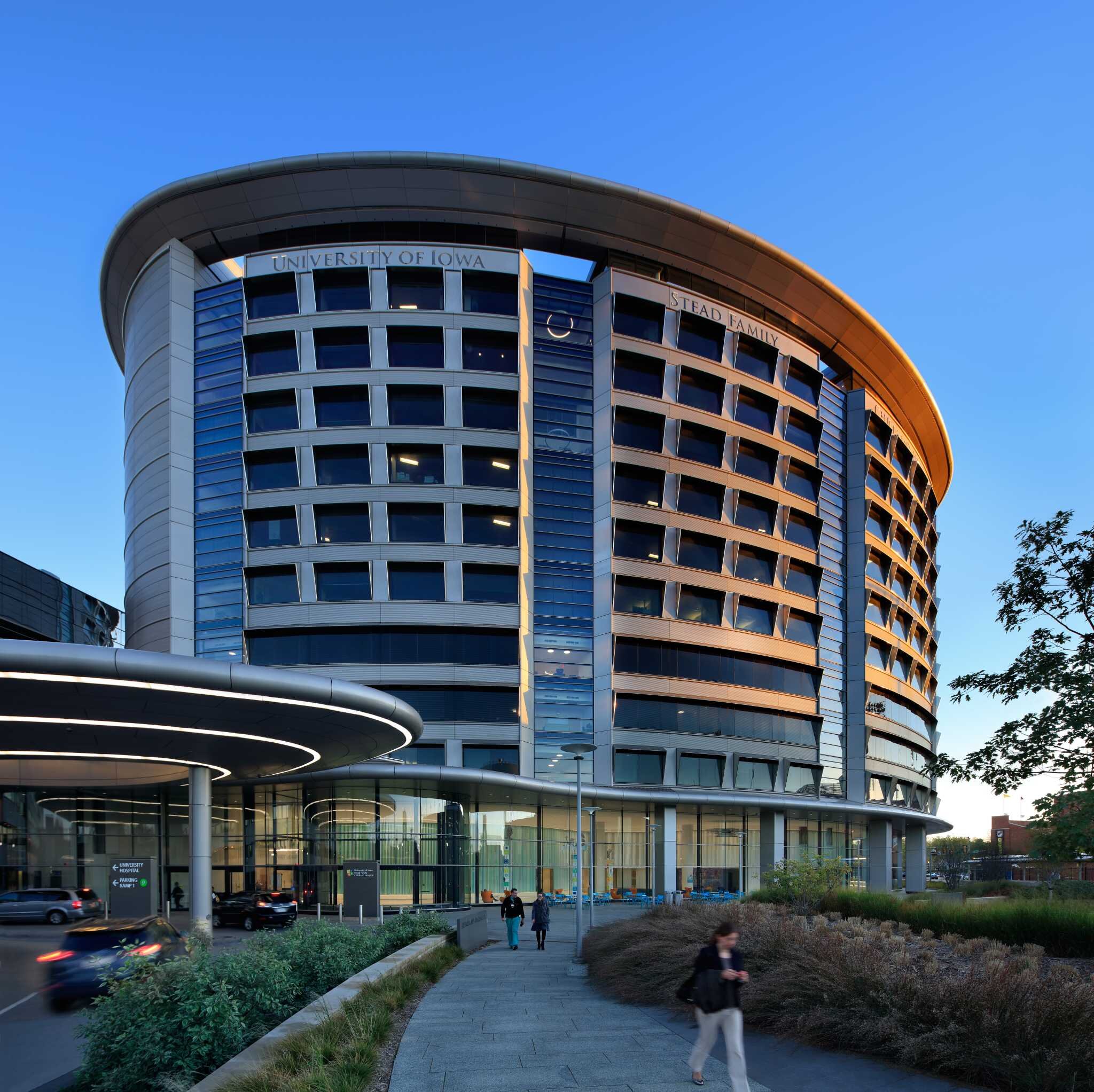
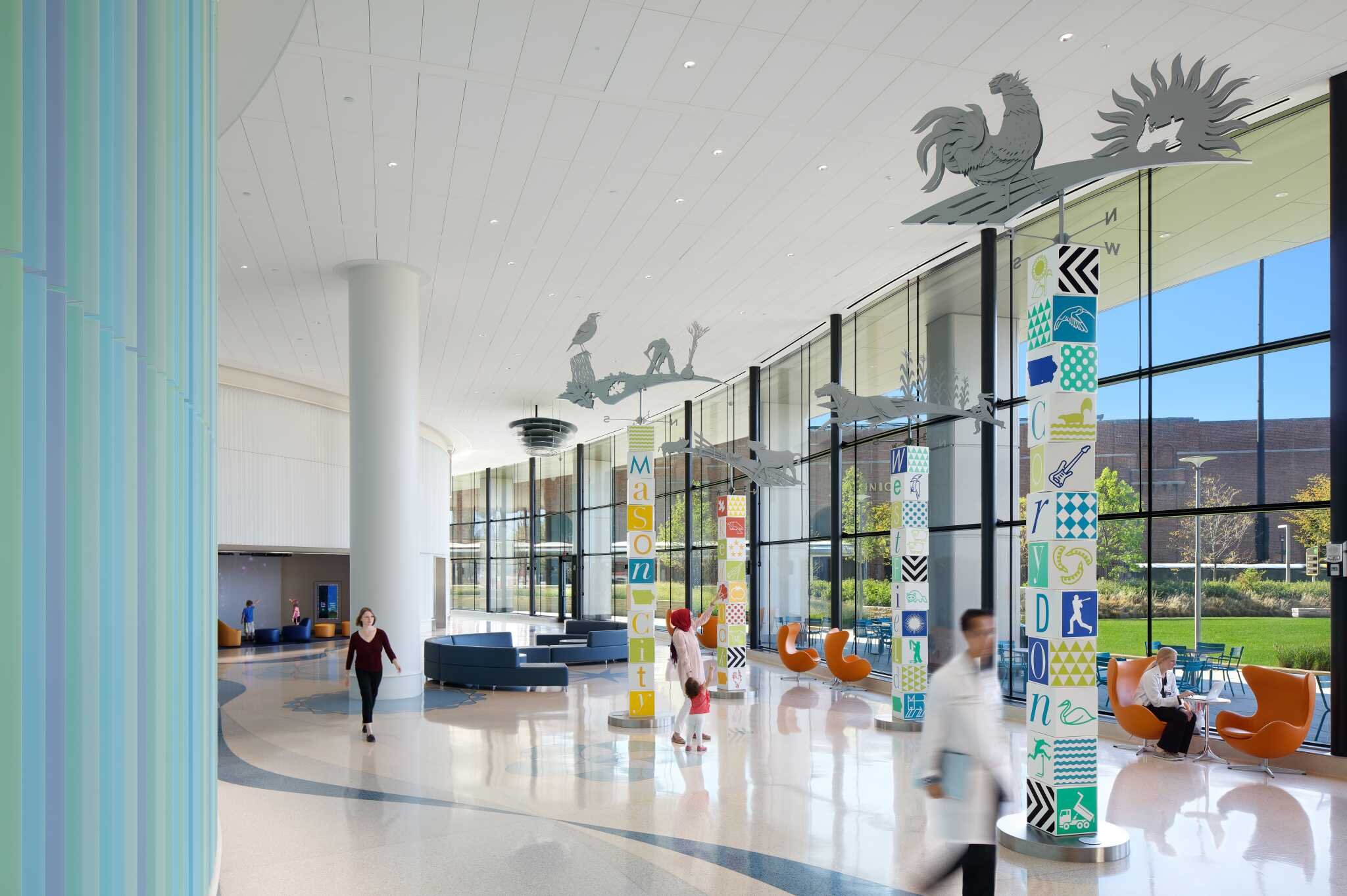
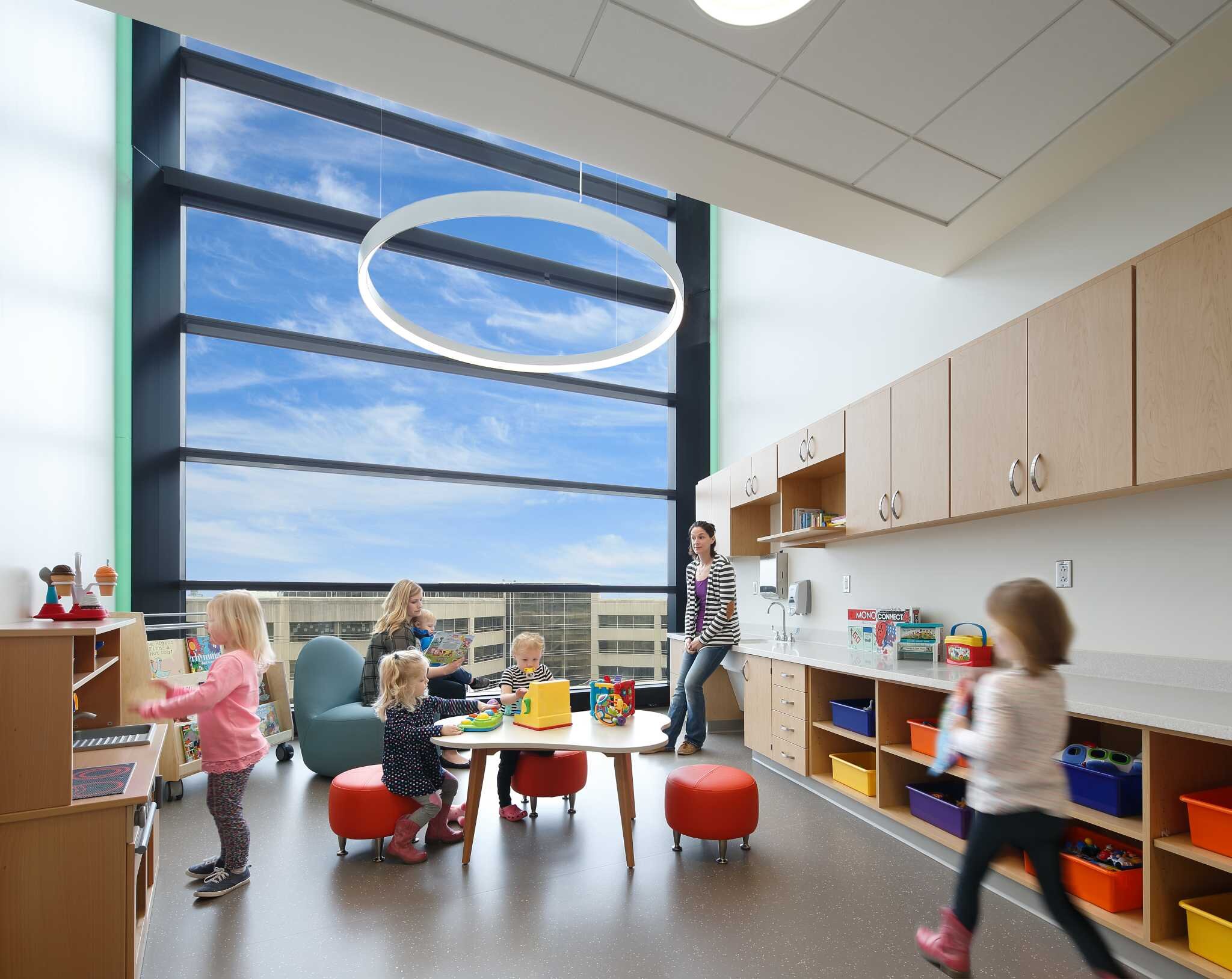
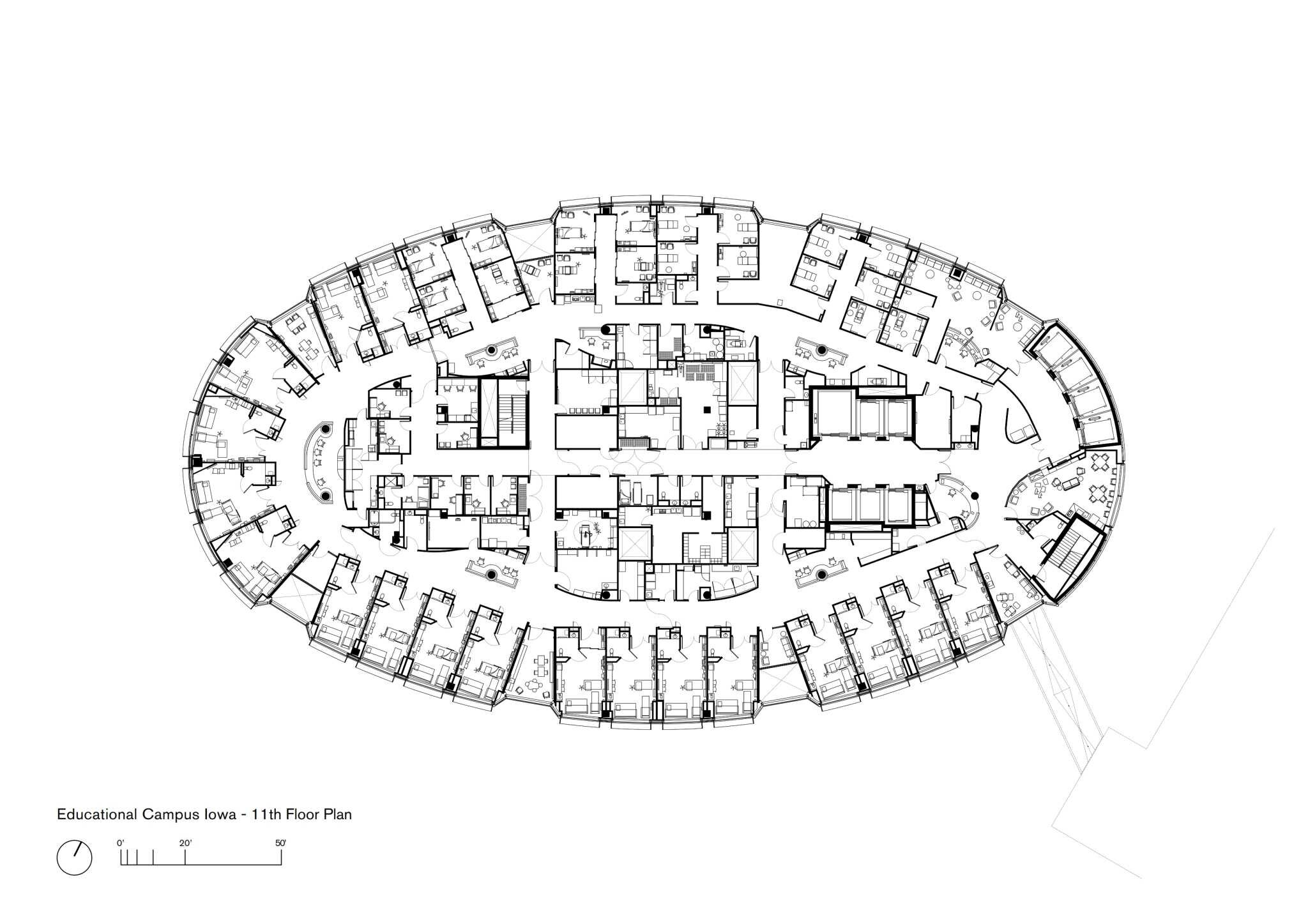
 2011-2016 University of Iowa Children's Hospital - Stead Family, Iowa, USA
The University of Iowa Children's Hospital, as the first step in modernizing the university campus and improving the quality of care, is dedicated to saving children's lives and focuses on making the traumatic experience of hospitalization a more humane one for young patients and their families.
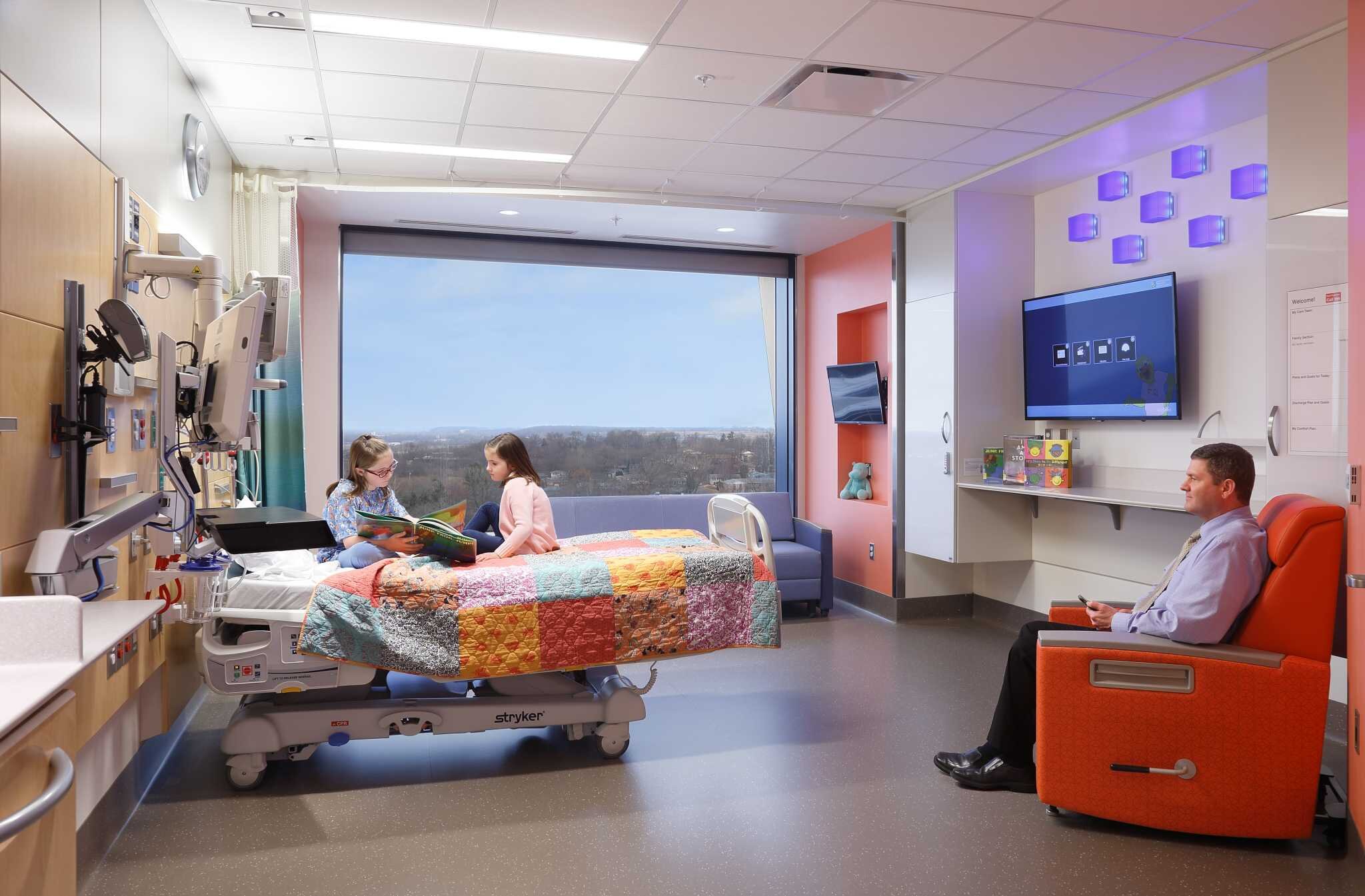
The 140-bed hospital is designed as a bright, comforting environment. This is achieved through the use of color, the transparency of the facades towards the surrounding environment, and atrium "skylights" that bring light and nature inside. Playrooms for children and their families are spread throughout the building. The lounges are centered around the needs of patients, with a large window to make a visual connection to the outside world, with family areas for parents to sit with their children. Integrated blinds provide protection and light/shade inside.
Maximizing the therapeutic qualities of the natural site, the patient tower extends with a new public park. The ground floor is transparent and permeable with public spaces.


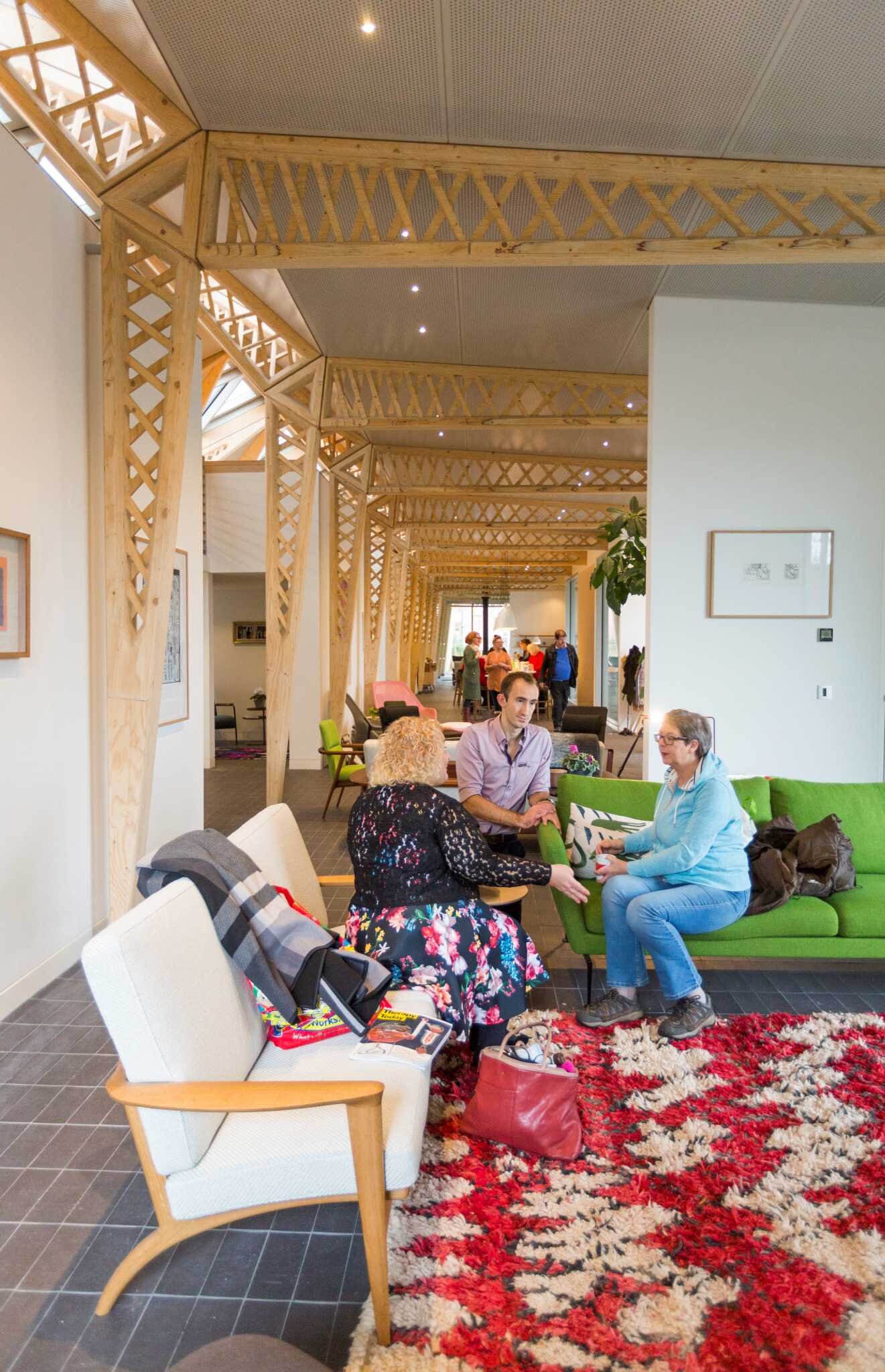
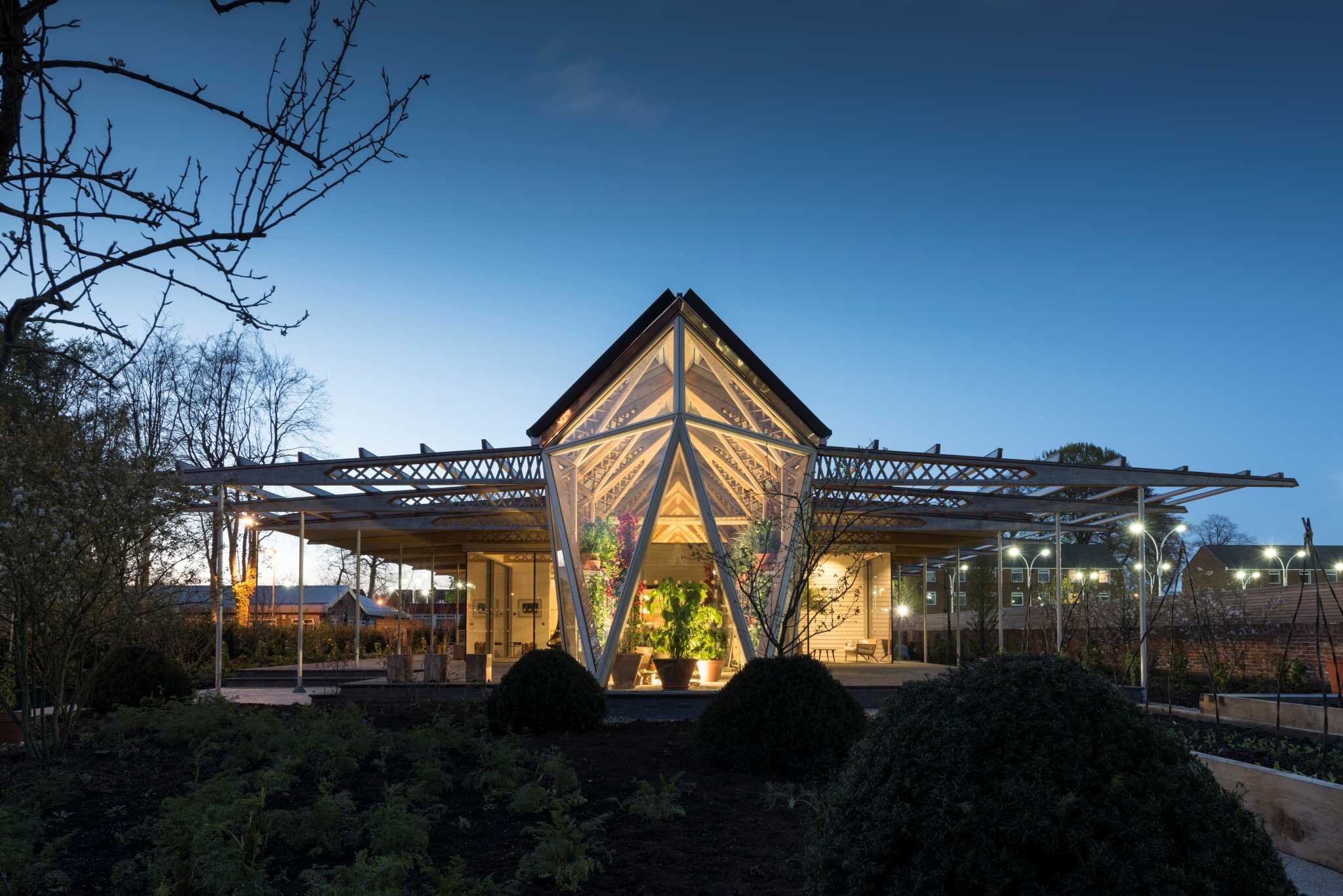
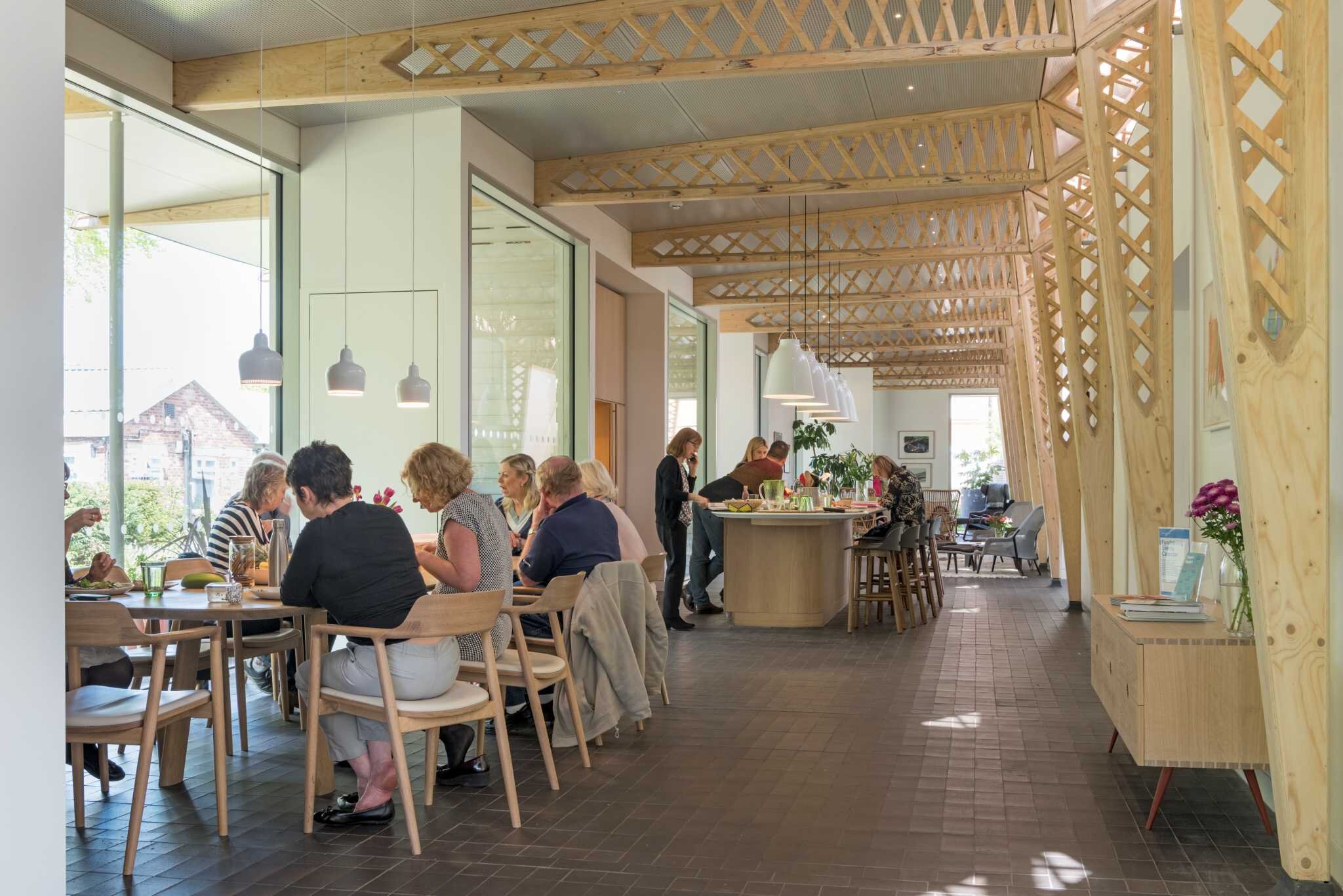
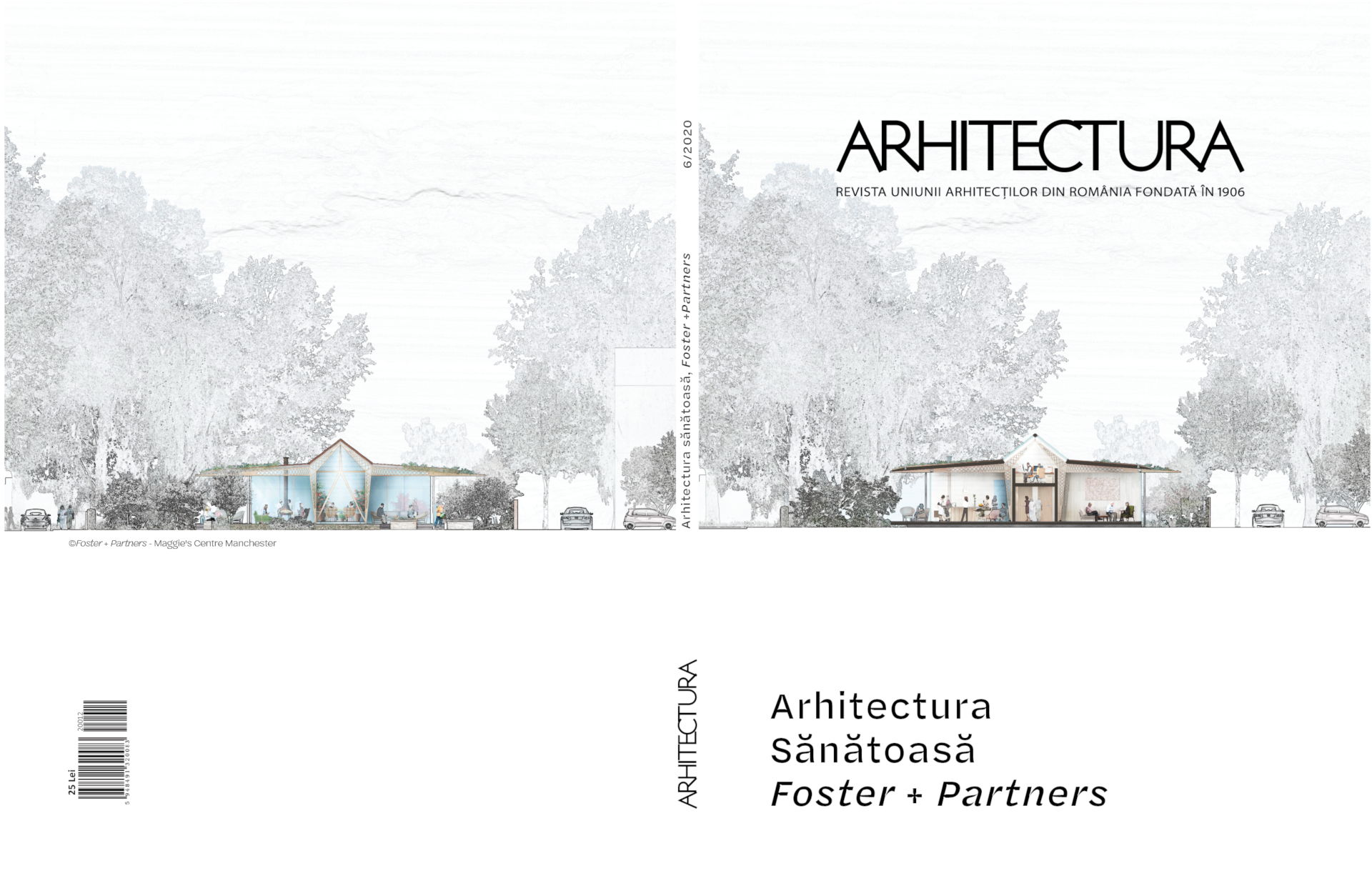
2012-2016 Maggie's Center in the Robert Parfett Building, Manchester
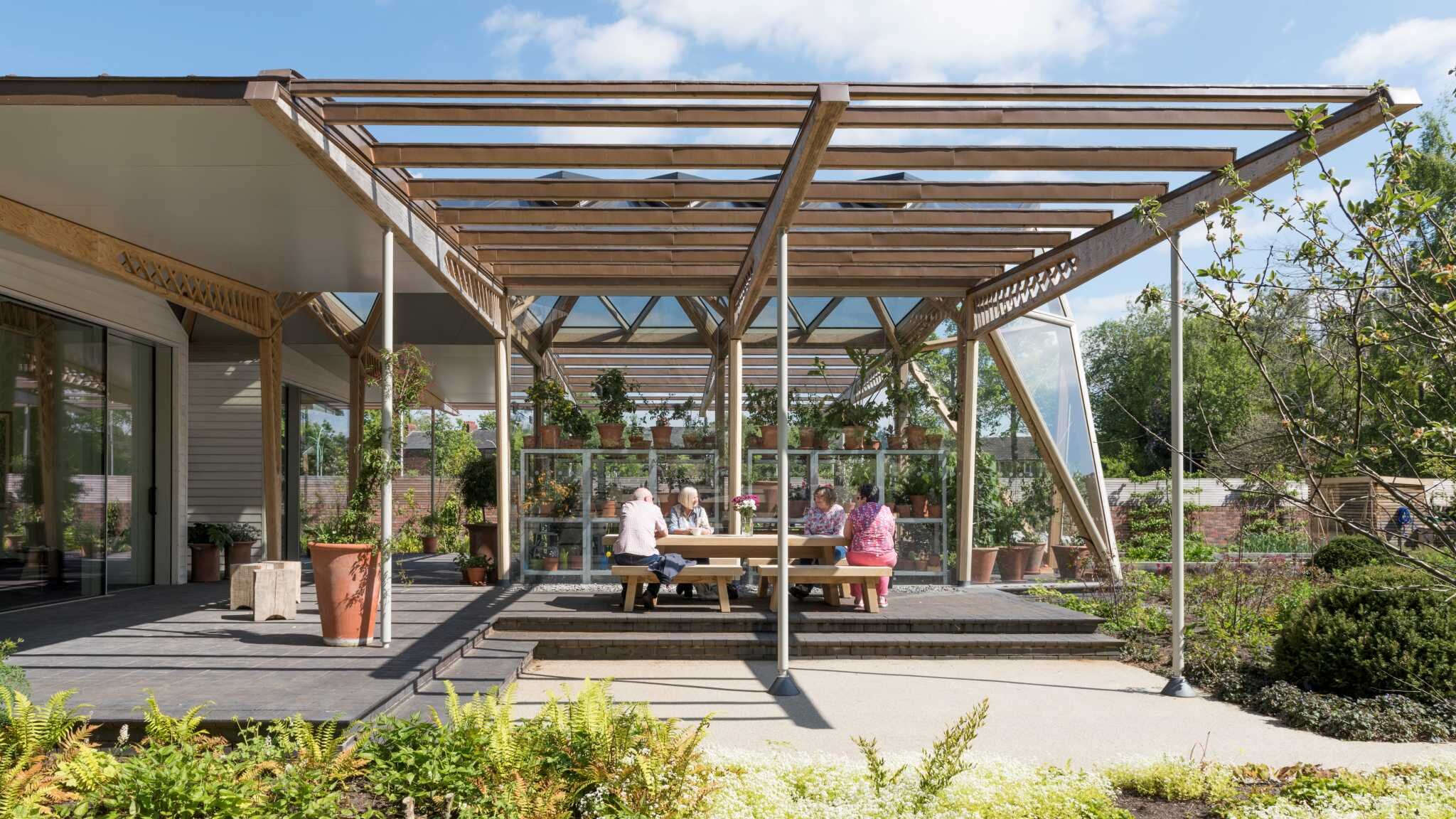
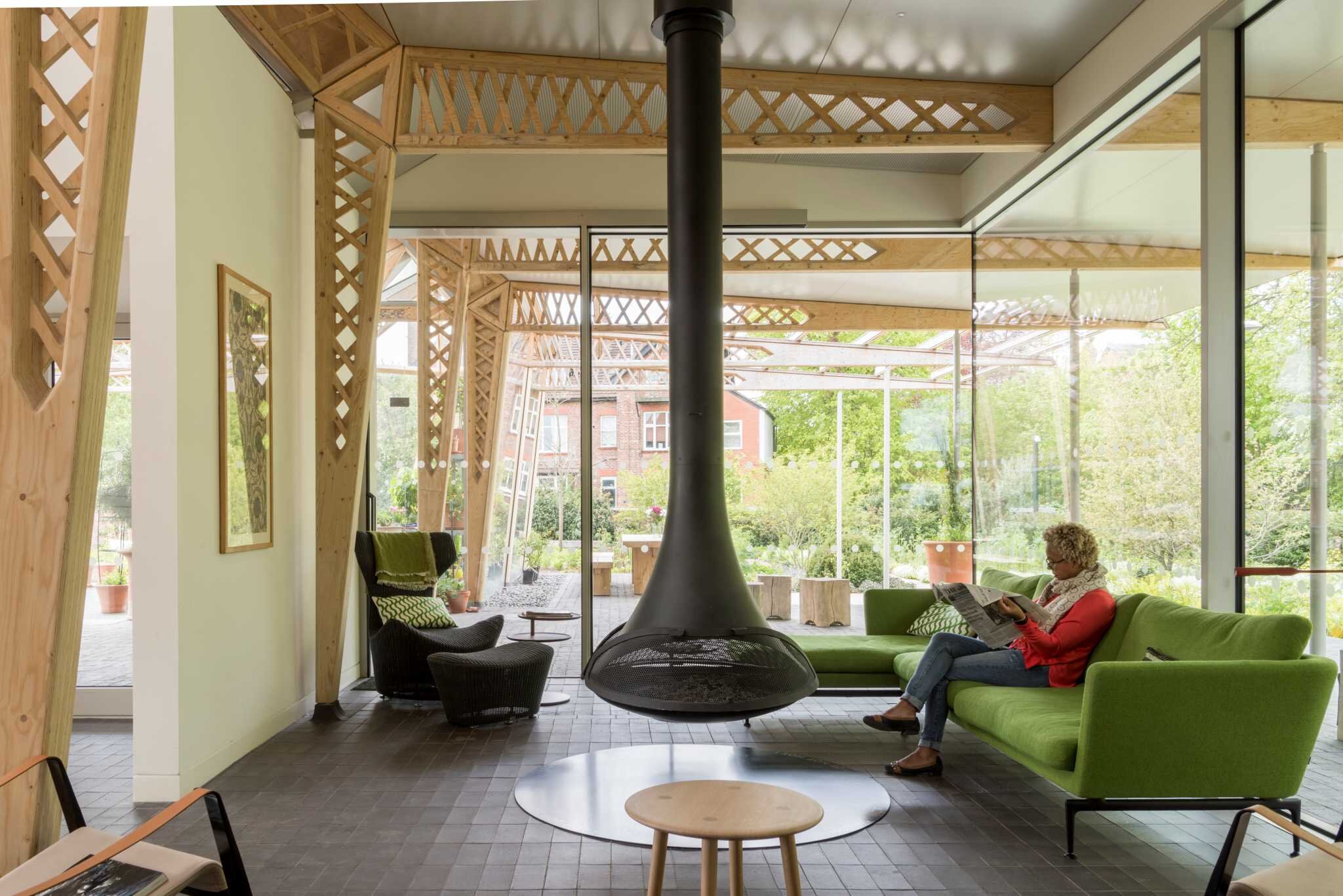
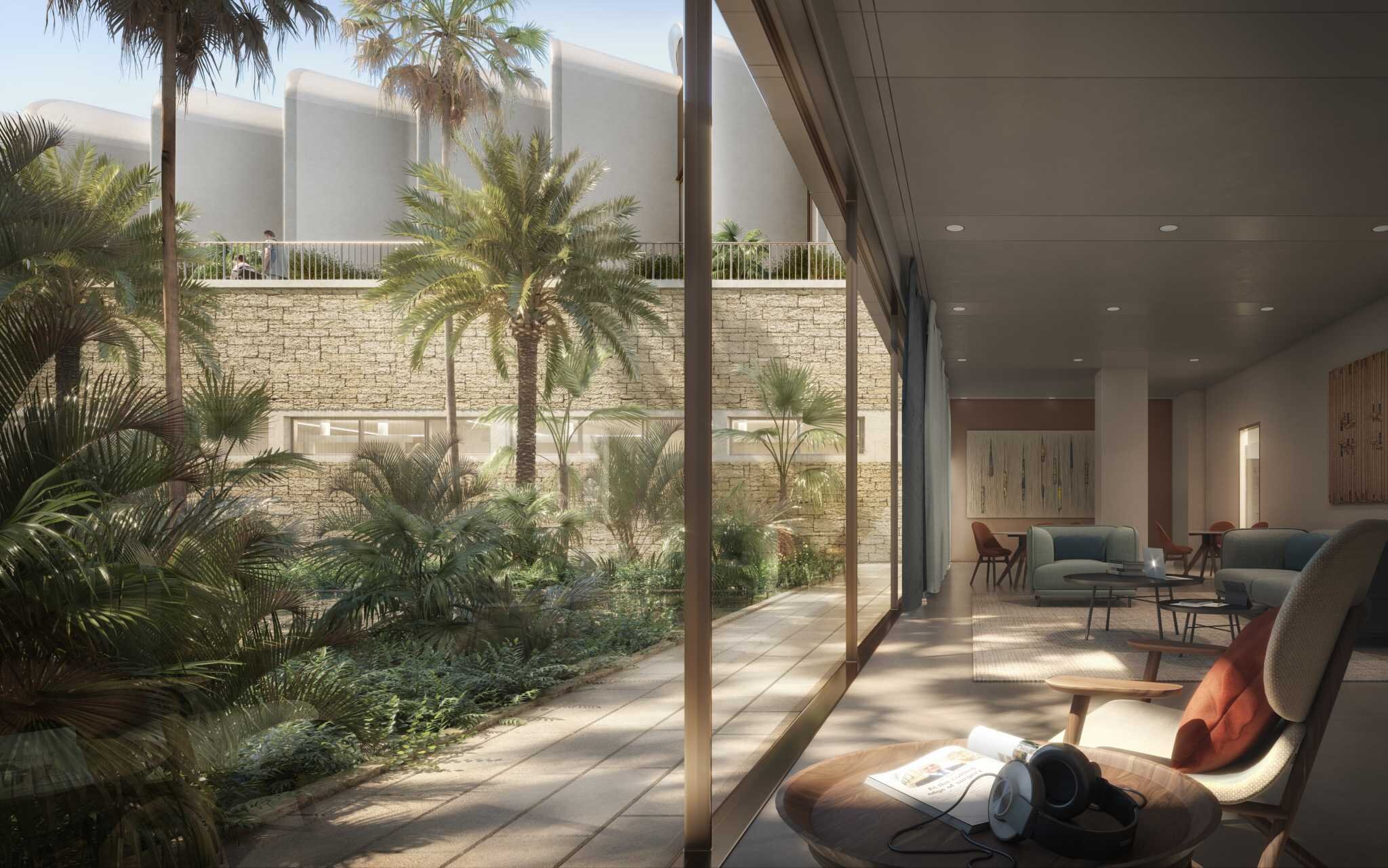
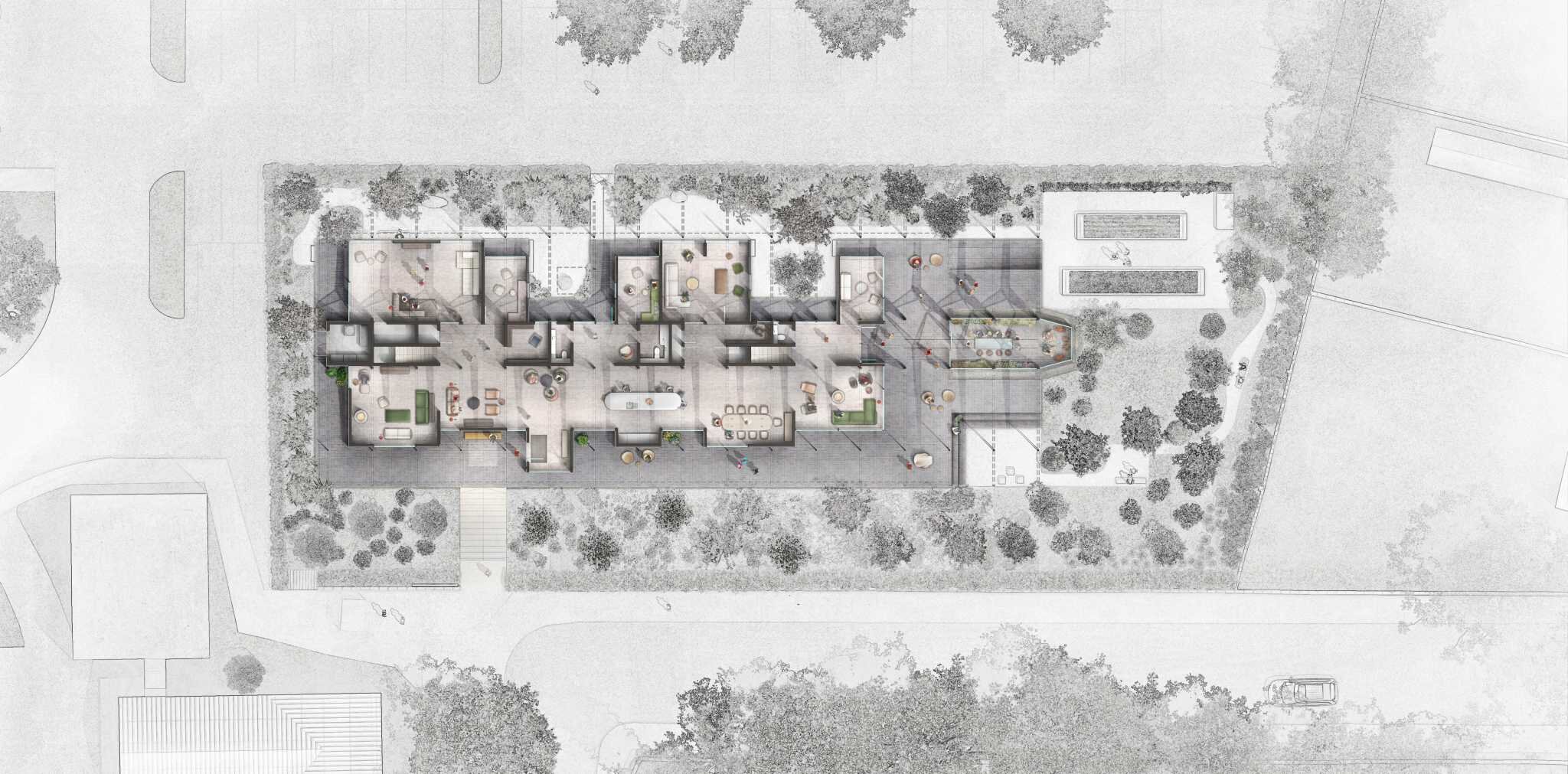
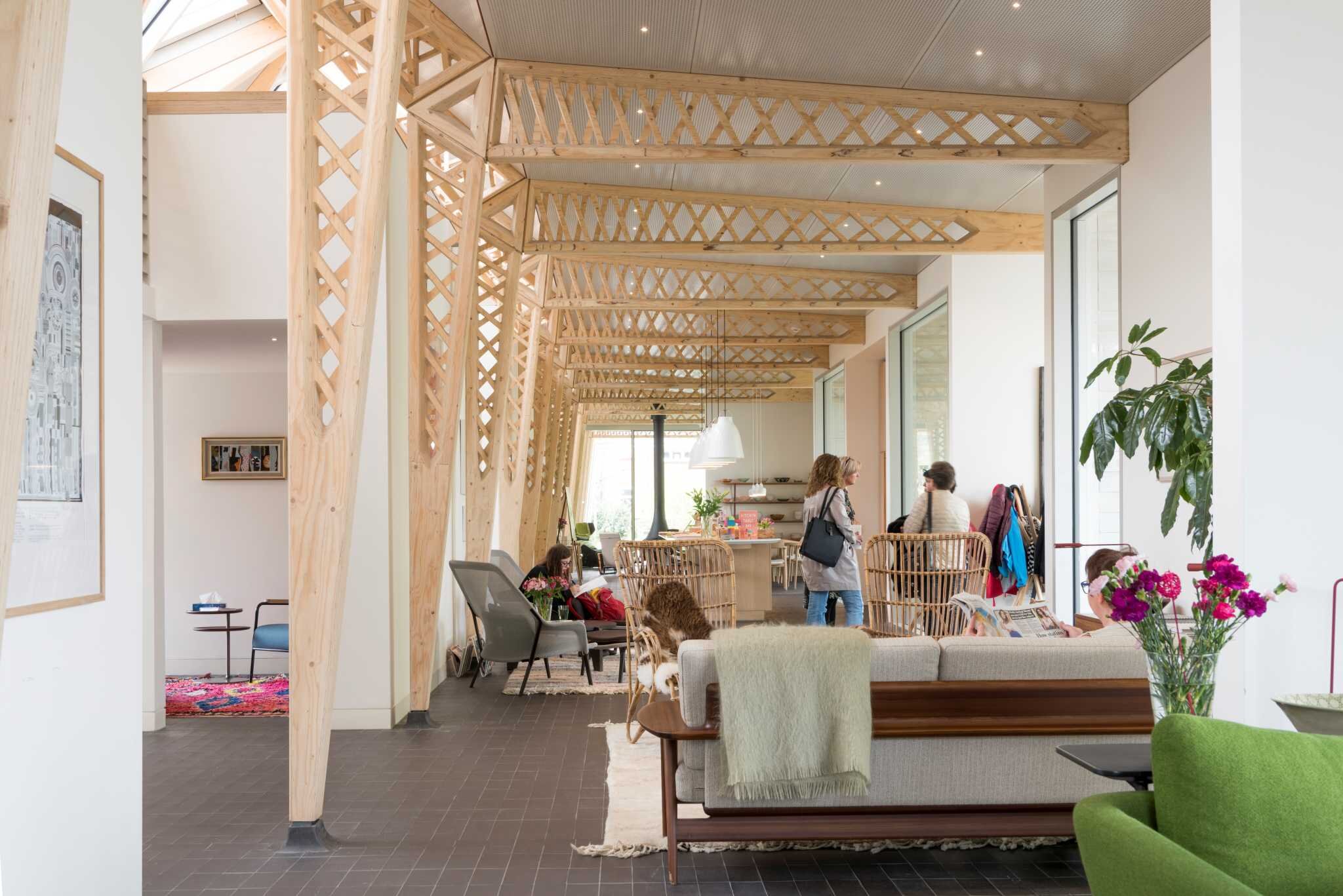
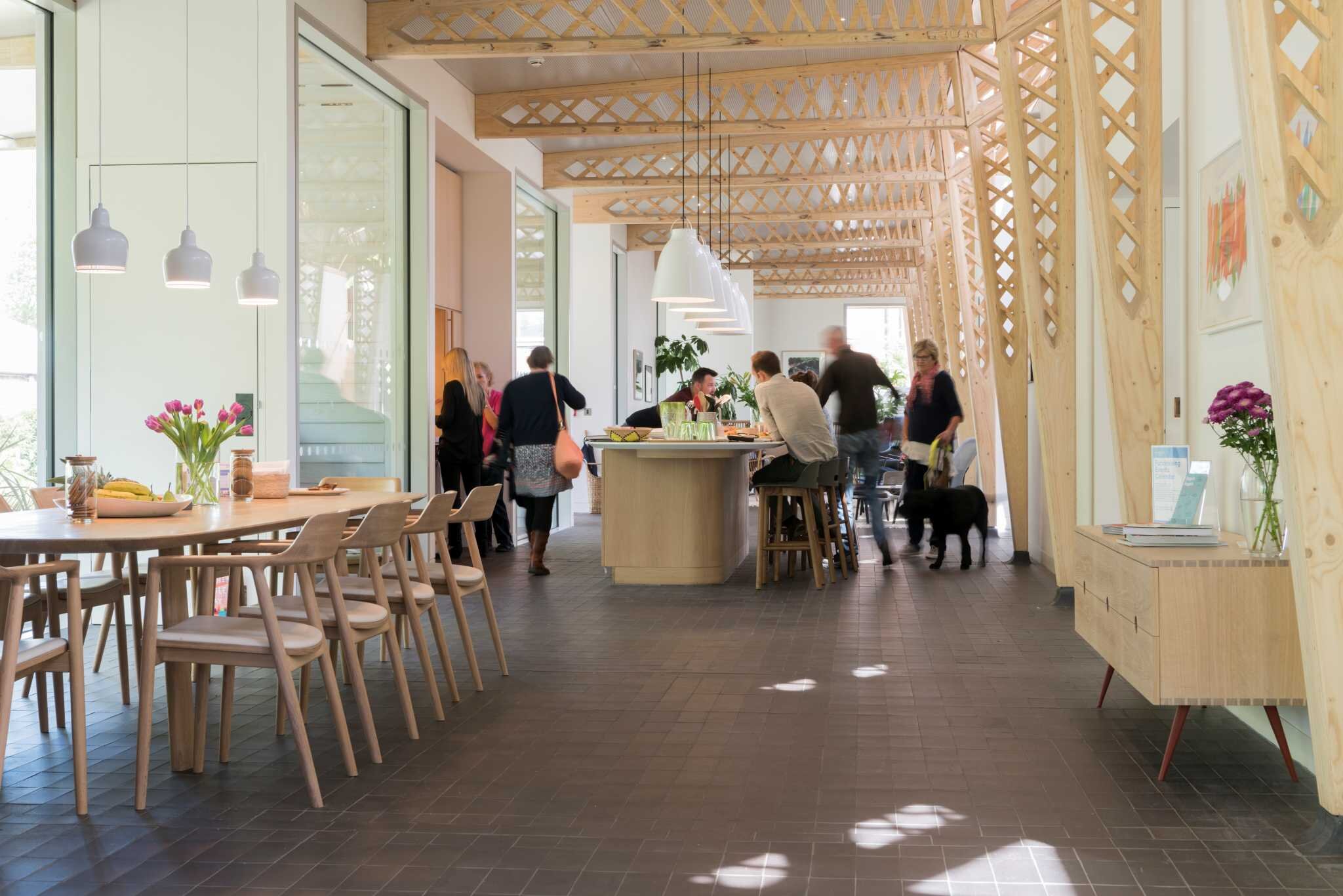
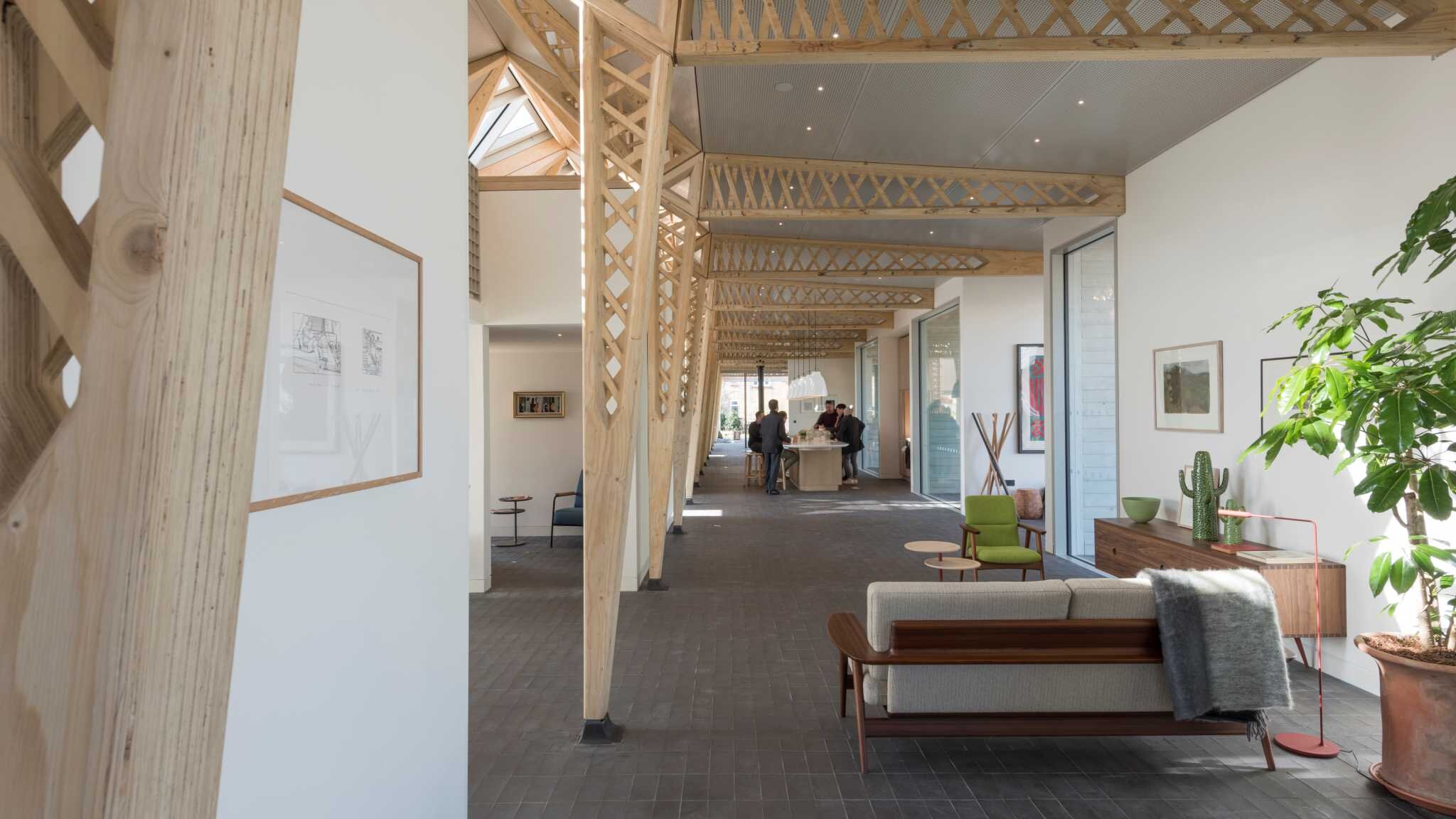
Maggie's Centers provide a 'home away from home', a haven where cancer patients can find emotional and practical support. Inspired by the model of a new kind of healthcare established by Maggie Keswick Jencks, they place great importance on the power of architecture to lift morale and support therapy. The center achieves a home-like atmosphere in a garden setting within walking distance of Christie Hospital and its important oncology unit and respects the residential scale of the neighborhood. The roof rises up to form a mezzanine naturally lit by skylights and rests on a network of beams that act as partitions between the different spaces, visually dispersing the architecture into the surrounding gardens. The center combines a variety of spaces, from partitions to large spaces such as a library, gyms and meeting places.
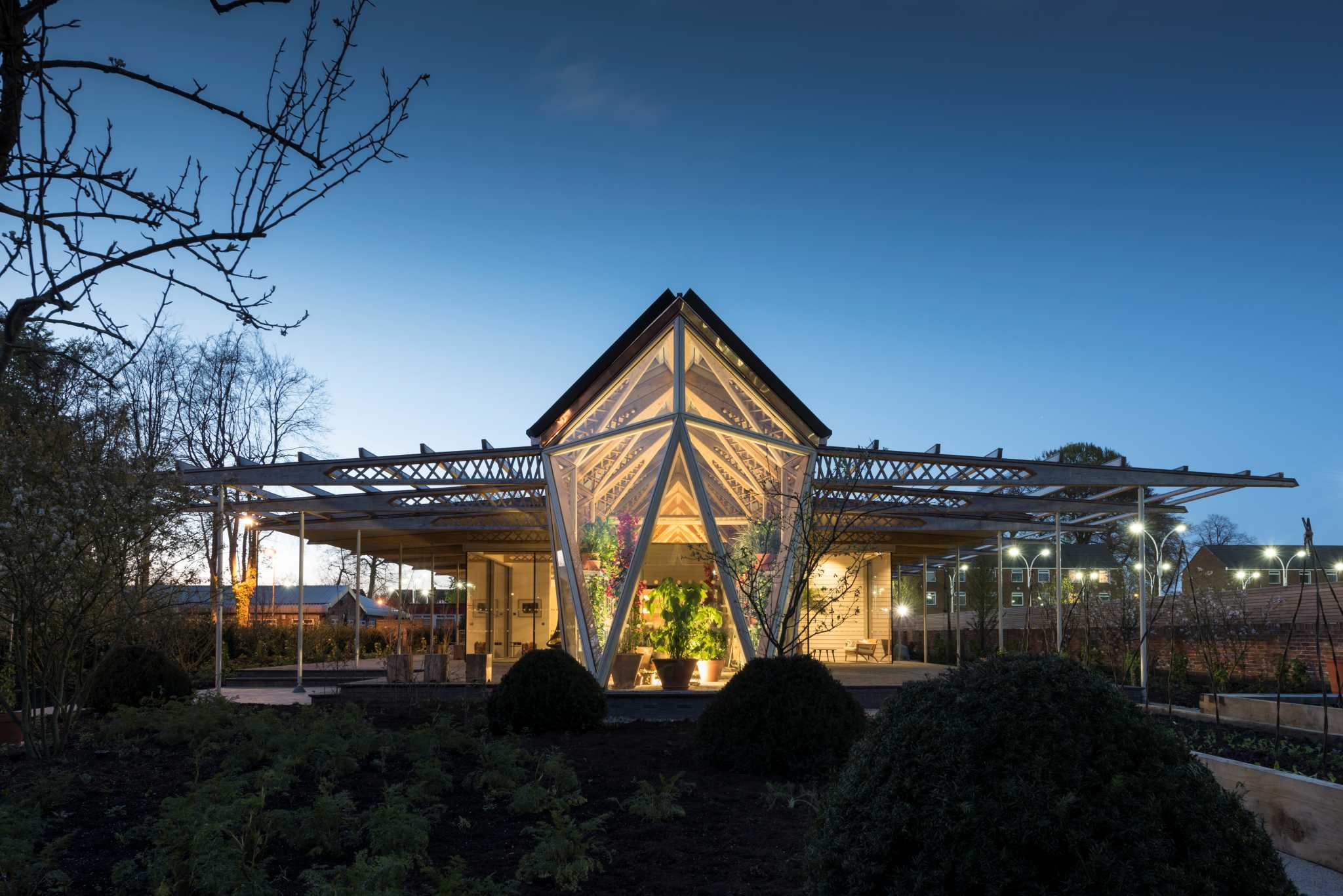 In the central area, where the kitchen is located, the focus is on natural light, greenery and views of the garden. The plan, punctuated by landscaped courtyards, extends into a wide veranda, sheltered by a prominent eaves. Sliding glass doors open onto the garden. Each treatment room opens onto its own garden. The south end of the garden is extended by a conservatory with a retreat garden where patients can meet, work and enjoy the outdoors. It is a place where flowers, vegetables and fruit can be grown and used in the center, giving patients a sense of usefulness at a time when they feel very vulnerable.
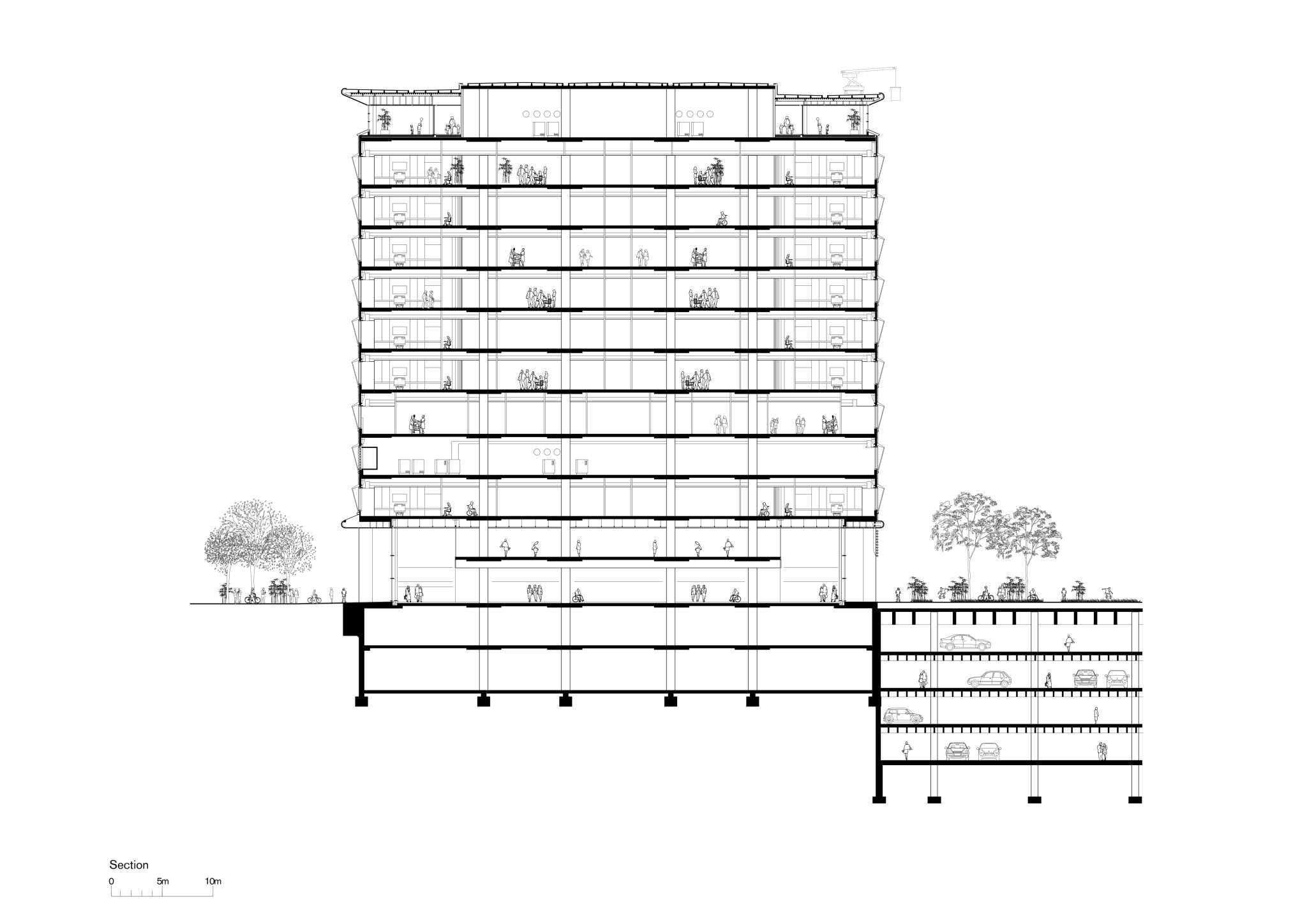
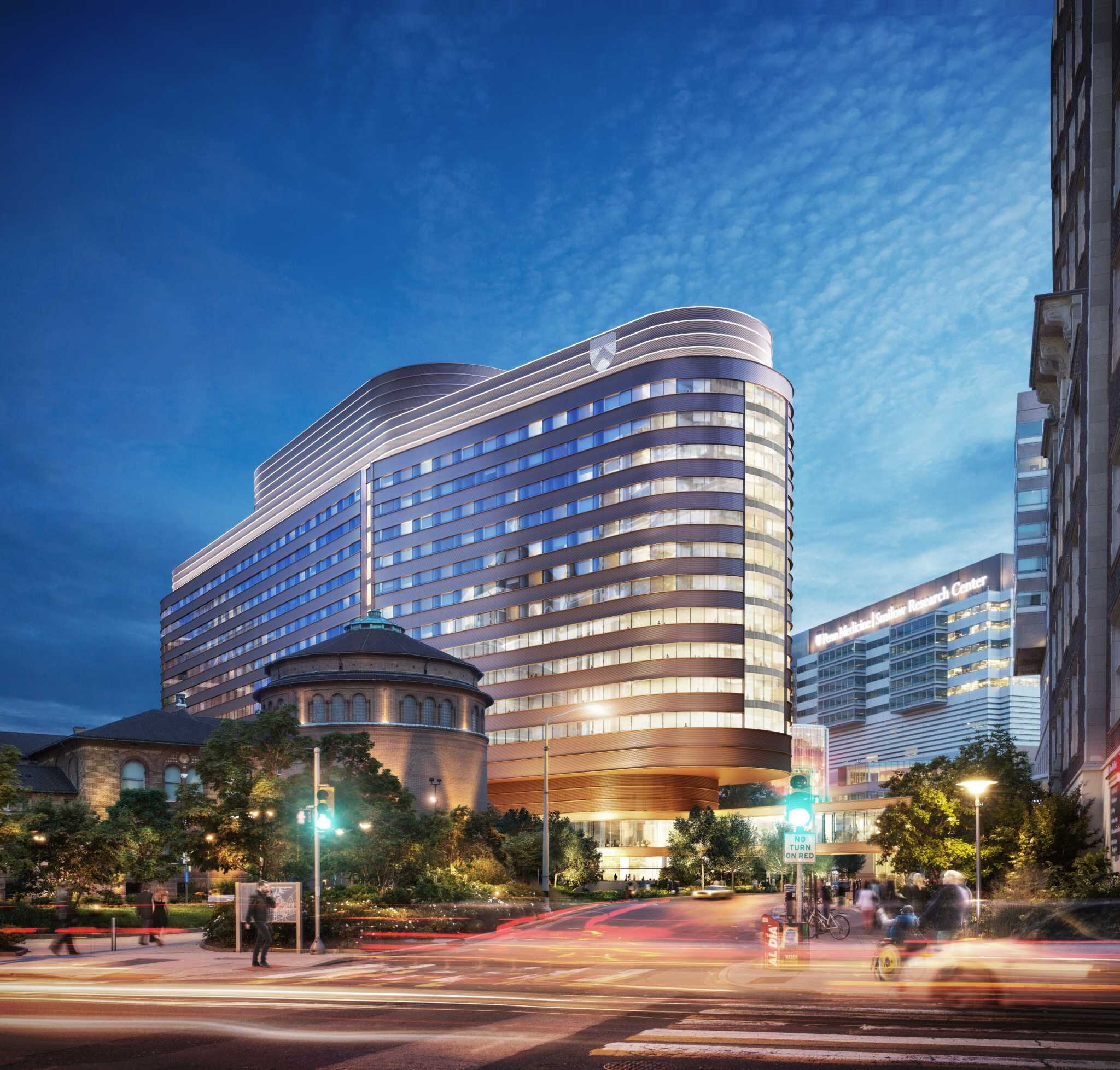
2015 New Hospital Pavilion, University of Pennsylvania
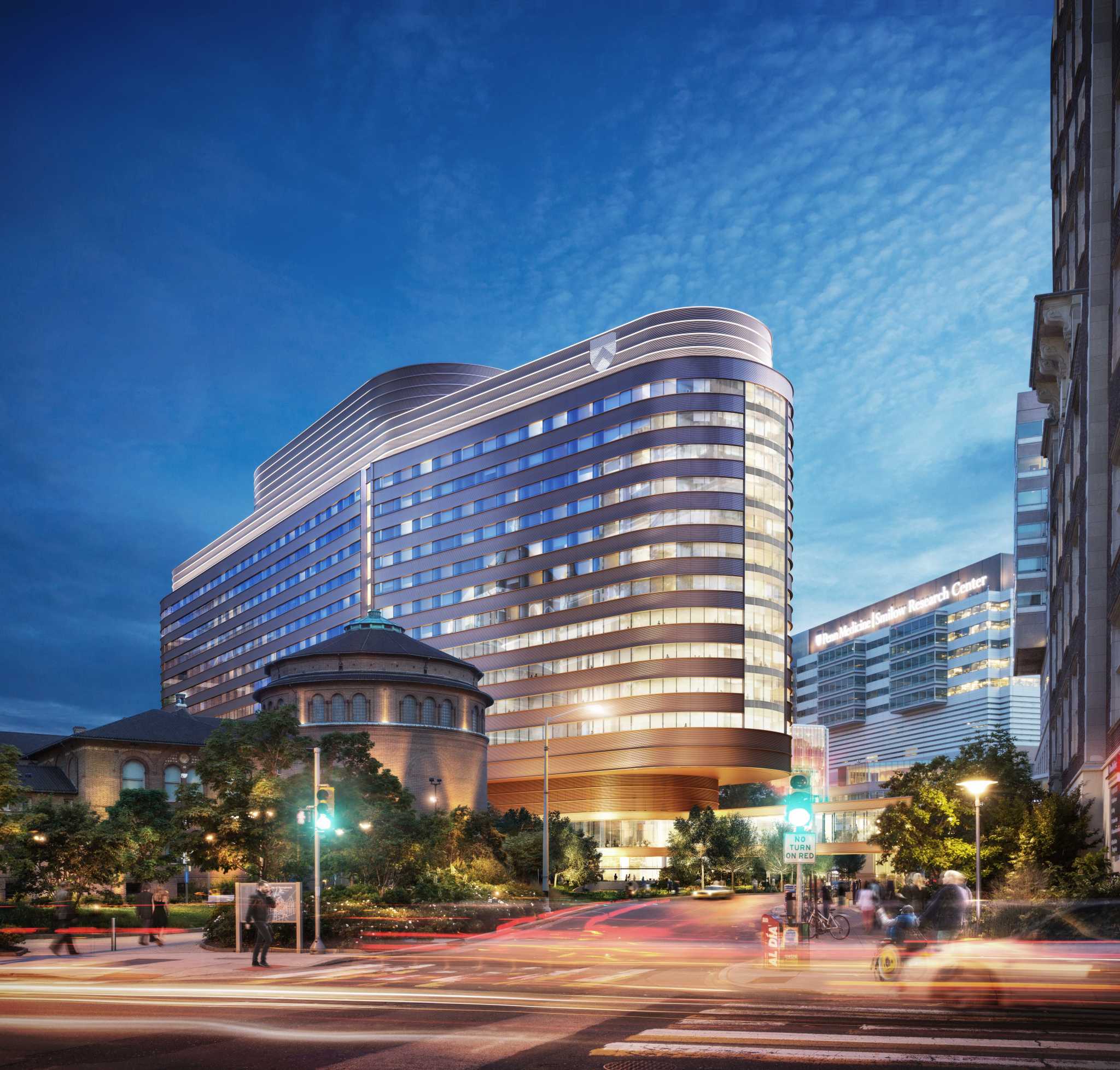
The Pavilion at the University of Pennsylvania Health System (Penn Medicine) is a flexible hospital building that is the institutional and architectural symbol for the "hospital of the future" and provides the most advanced healthcare in the world.
The design is sustainable, efficient and environmentally sensitive, responding to the tangible and intangible material and spiritual needs of patients.
Prioritizing light and views for patients, visitors and staff, the project takes a holistic view of health.
The unique design system breaks the building down into 'neighborhoods', which suggest, on a smaller, more human scale, giving the impression of a more sensitive and personalized environment. Each floor is equipped with a living room for attendants, the size and configuration of the lounges are flexible, responsive to changing needs and patient requirements.
Flexibility is an essential criterion, as the most unpleasant patient experiences are related to wheelchair journeys to ever-changing medical services.
The 500 reservations, adaptable to any level of care, have been designed to provide a wide range of patient care and are spacious for family to accompany them. The reserves feature an interactive wall that allows patients to personalize their environment and also act as a real-time information support point for doctors. As medicine evolves, patients' priorities will continue to change, and new technologies will be able to be incorporated - many of which are as yet unforeseen. In this way, the building provides a platform for future healthcare.


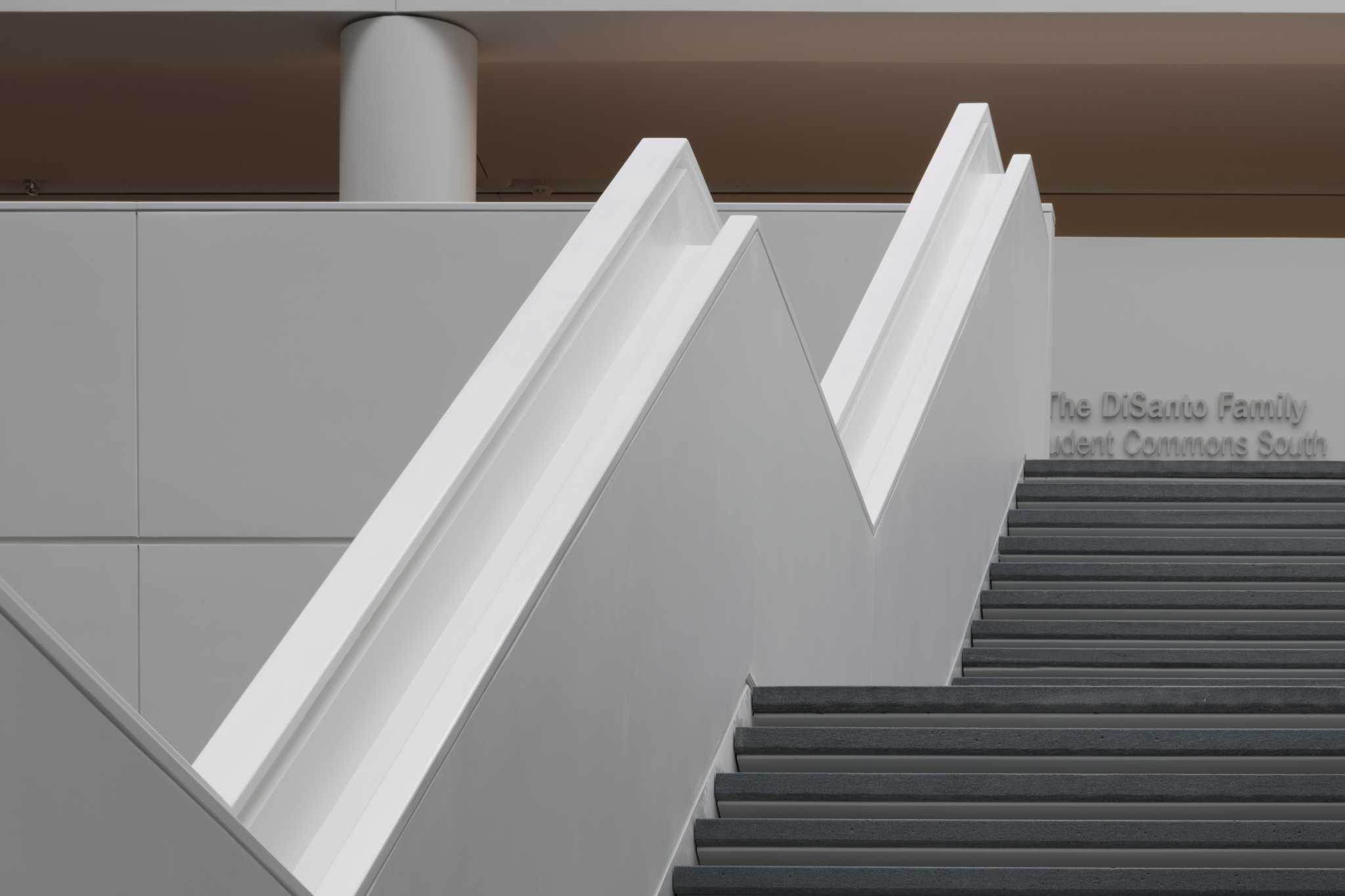
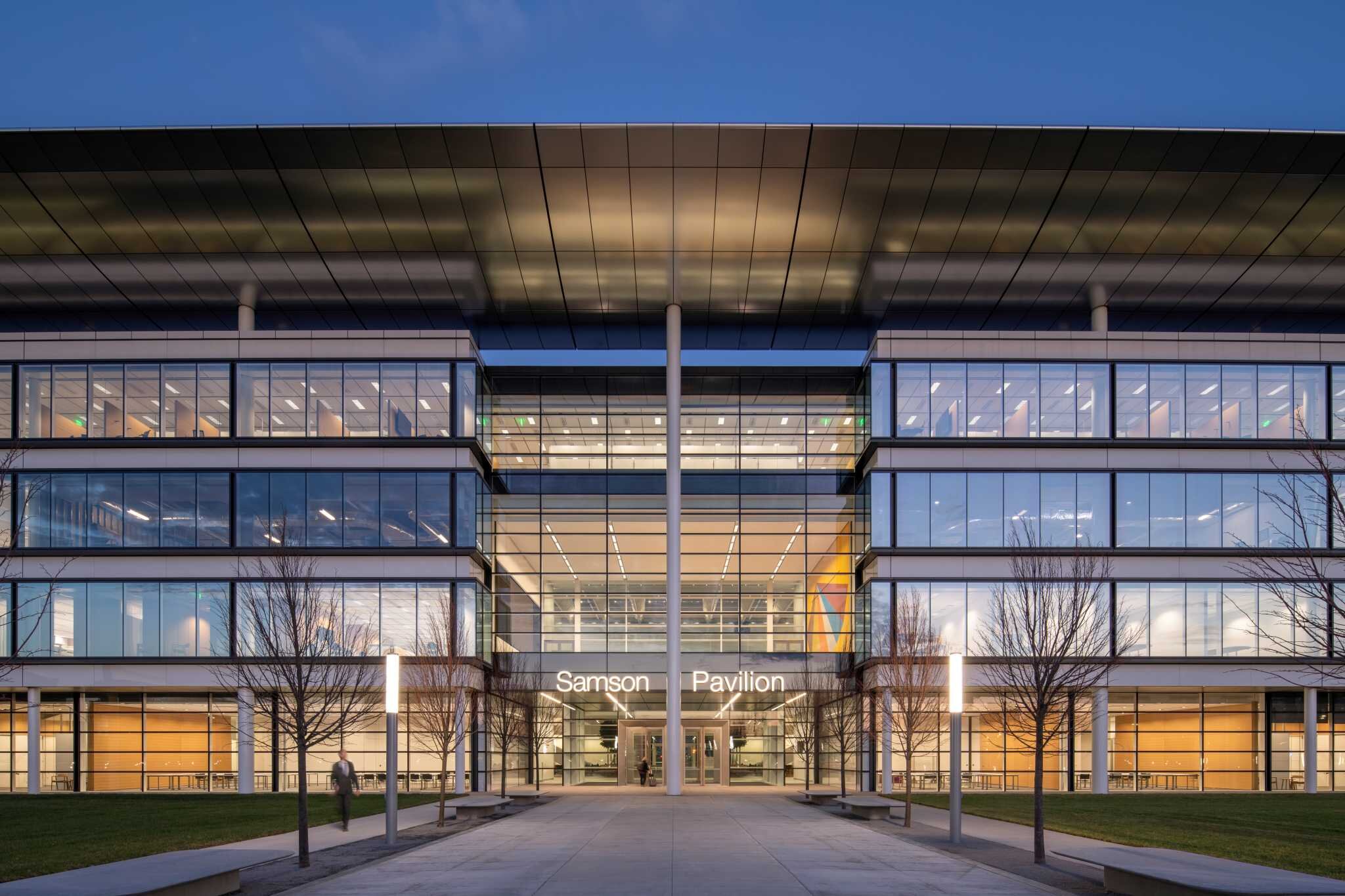
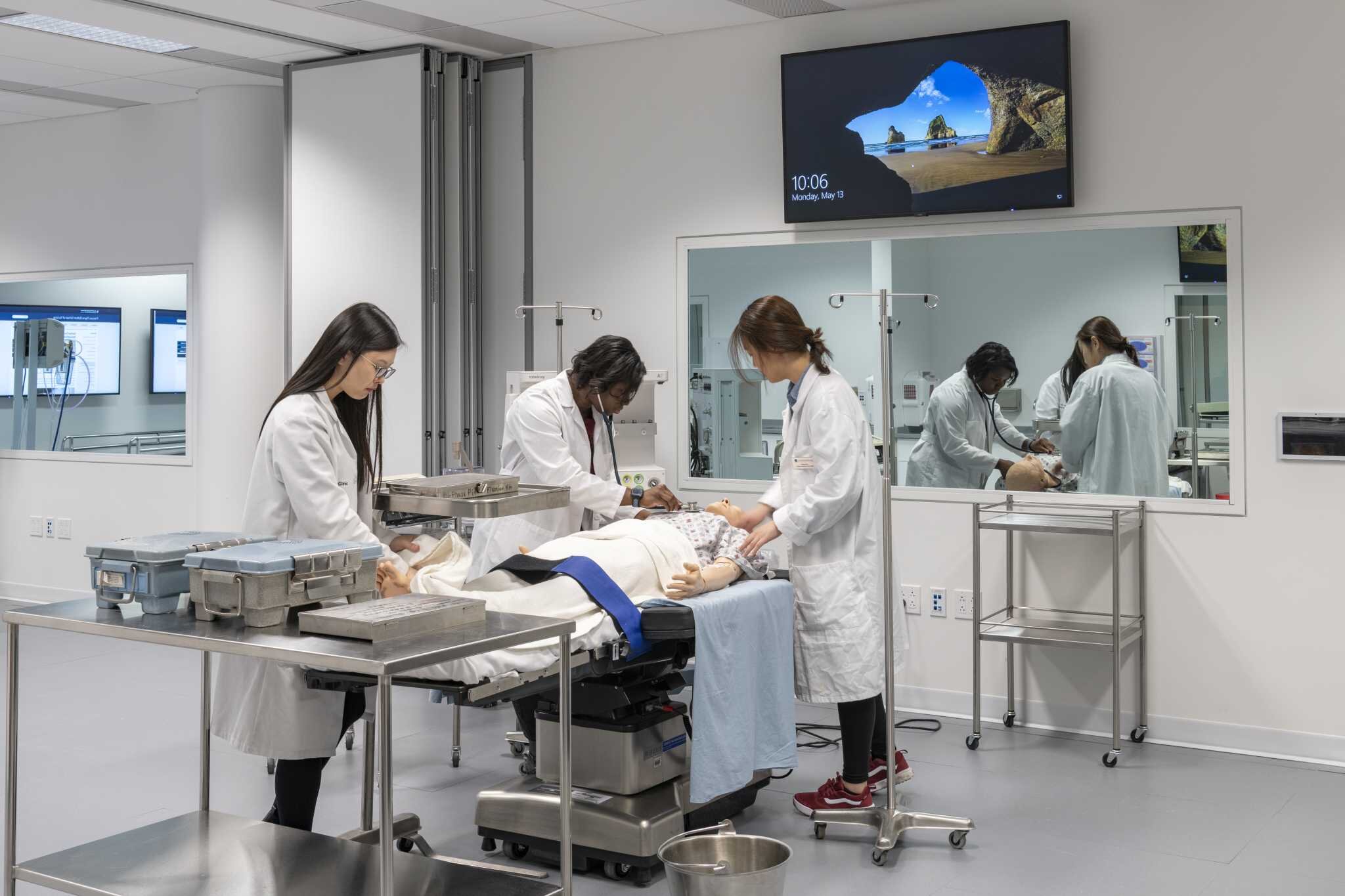
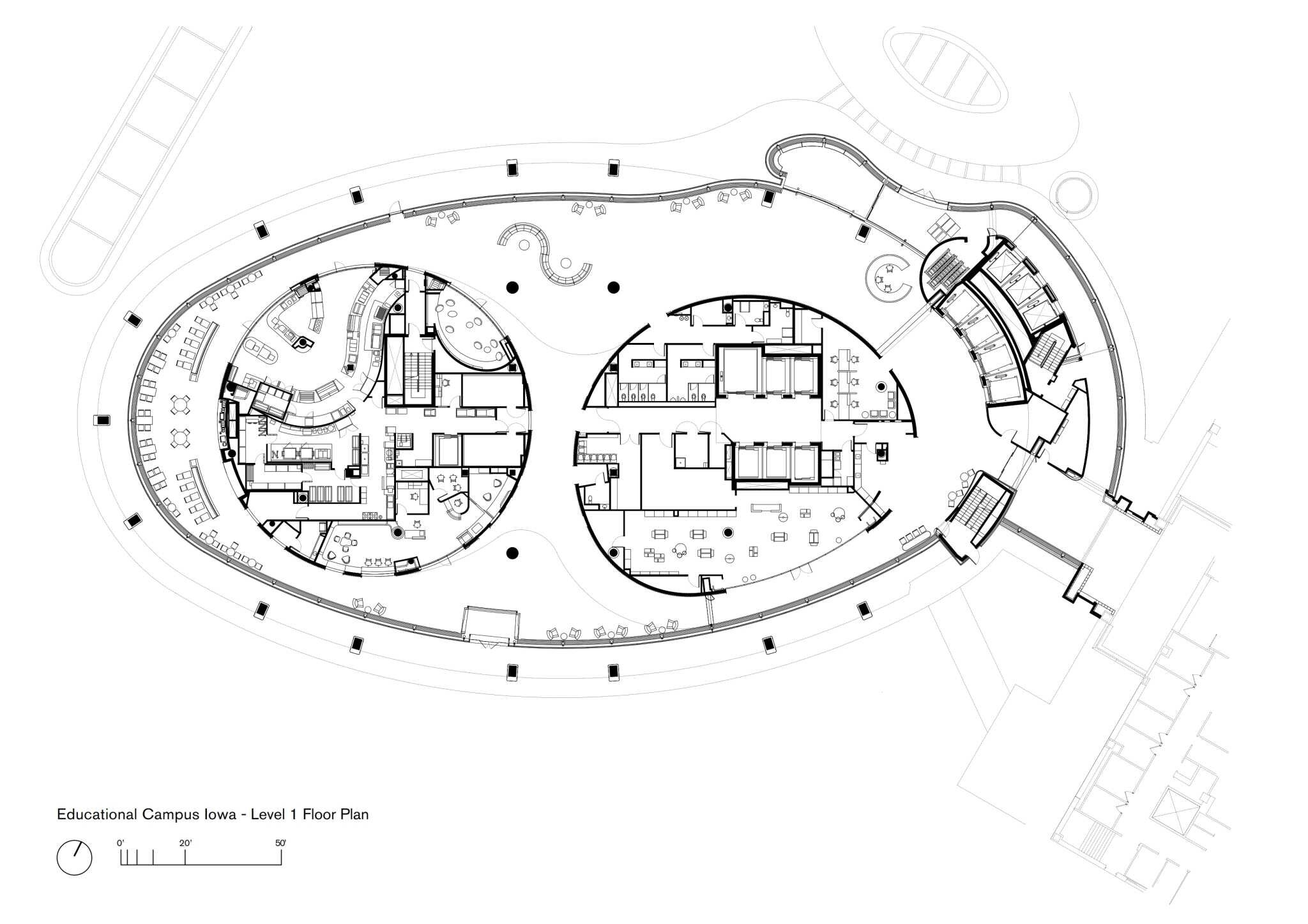
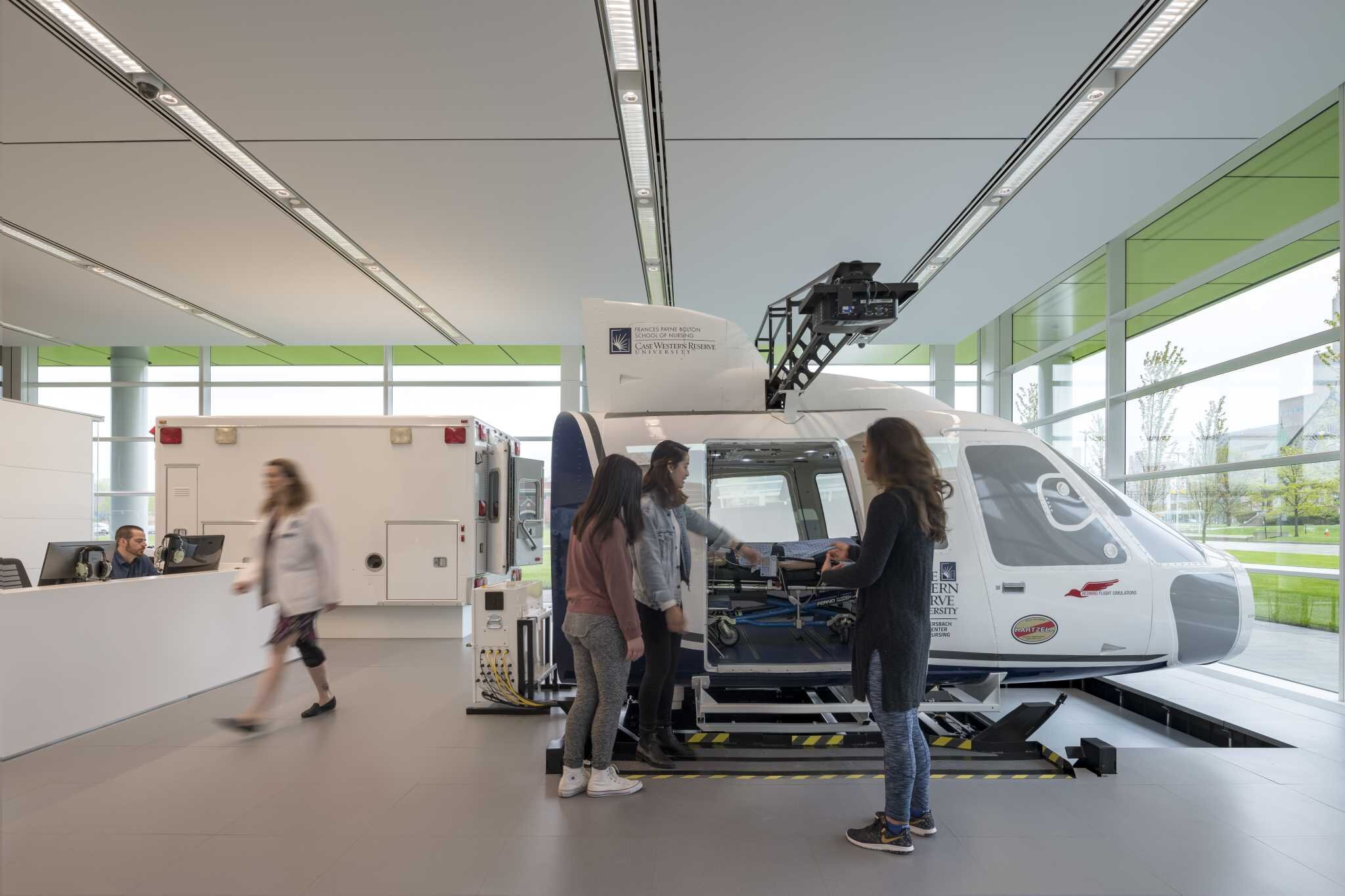
2015-2019 Samson Pavilion, Case Western Reserve University (CWRU) and Cleveland Clinic, USA
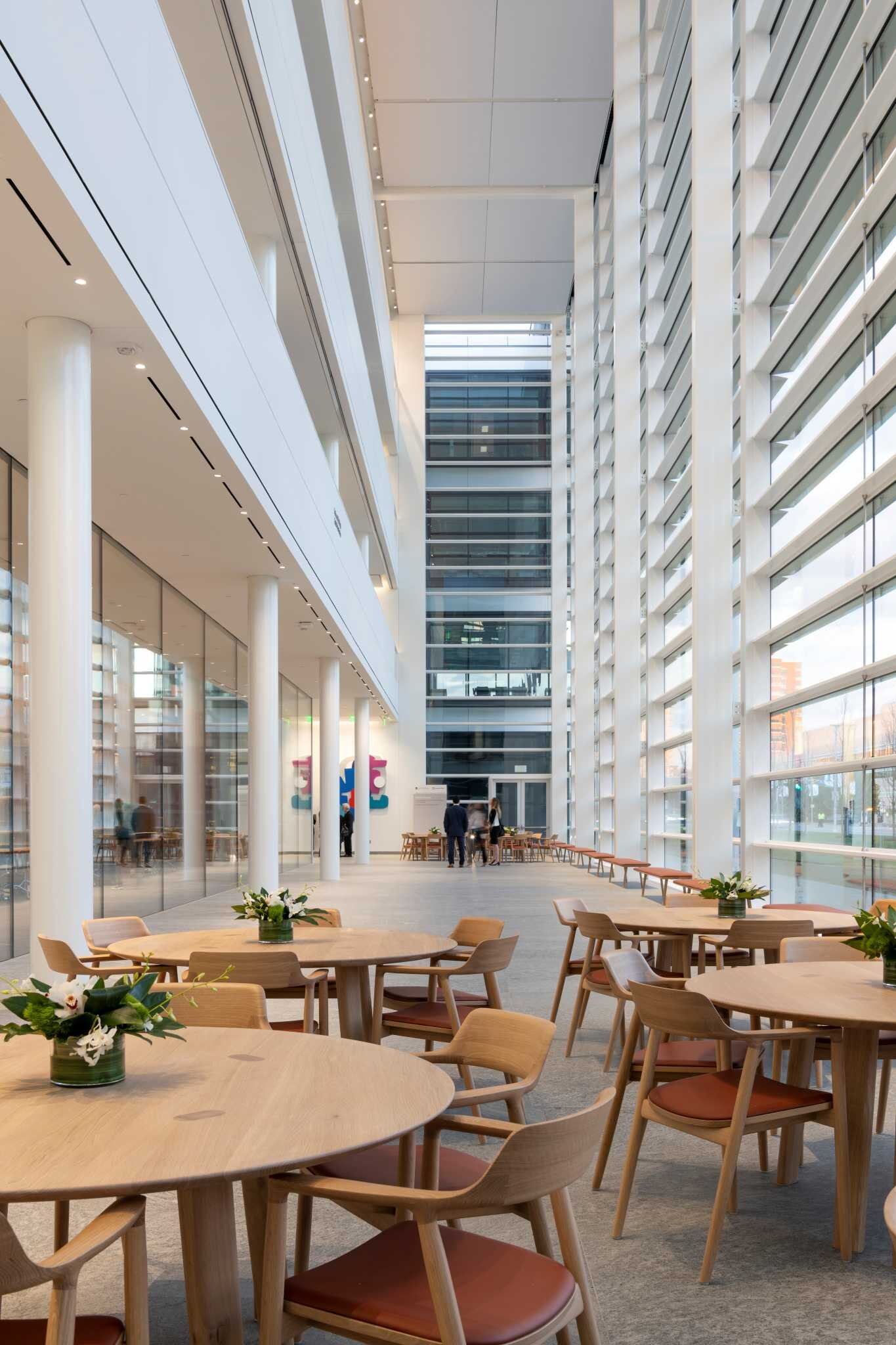
A medical pavilion that illustrates the future of integrated and interactive medical education. The design theme identified an area that could be transformed into a campus, uniting several faculties: General Medicine, Dentistry and Nursing.
The Samson Pavilion represents an investment in the future of medical education that brings together originally distinct medical education programs into one multidisciplinary building.
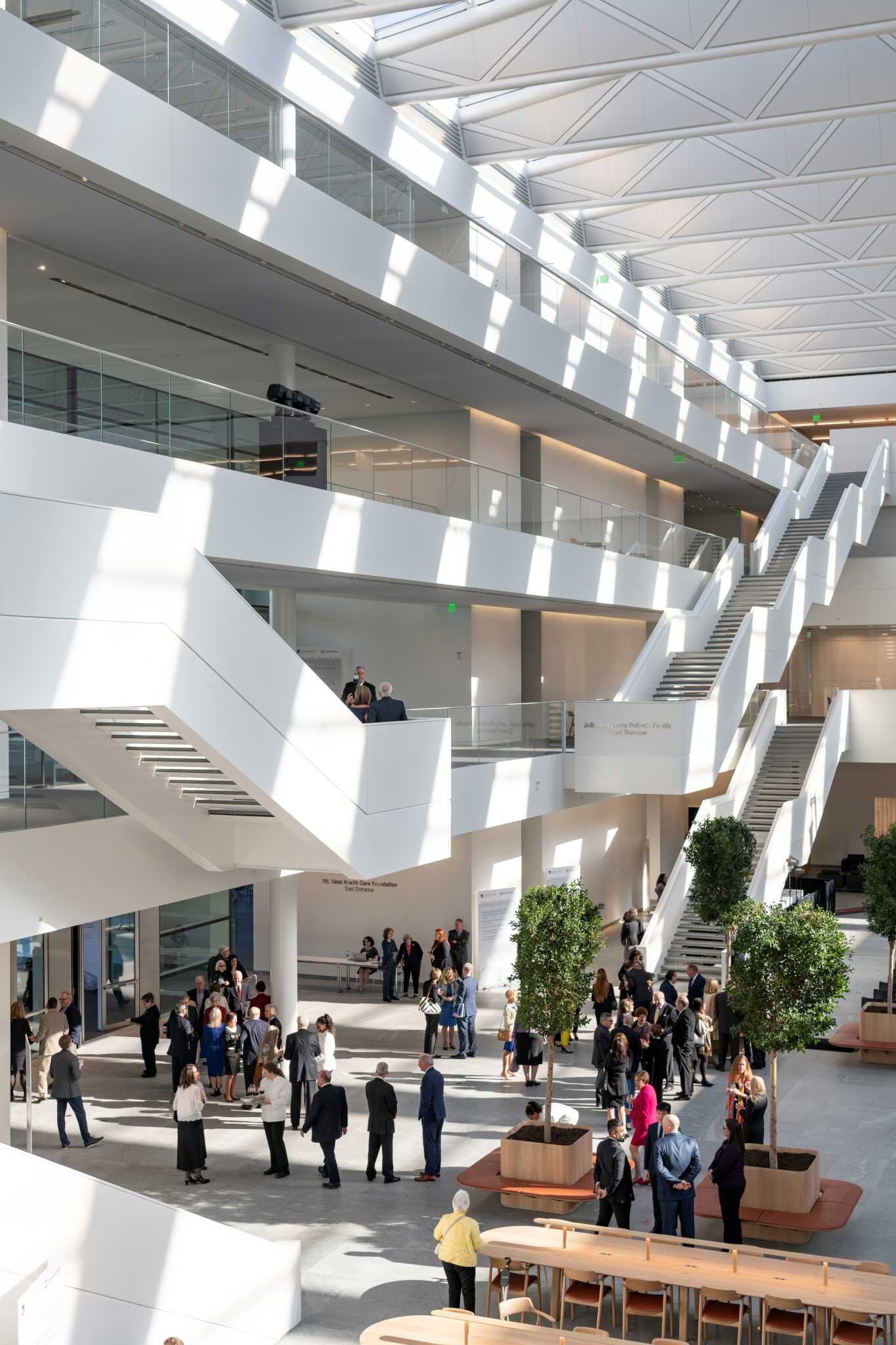
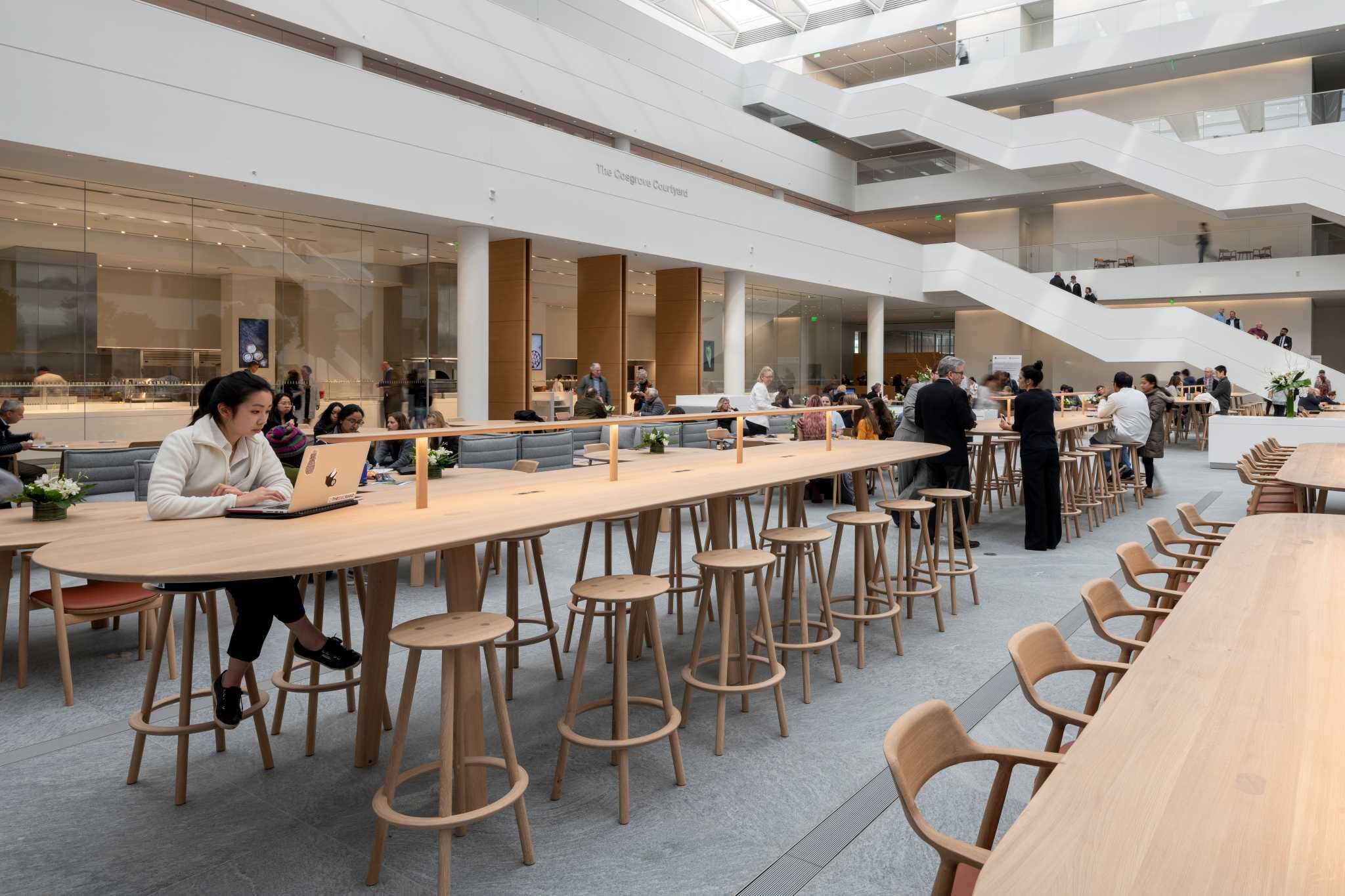
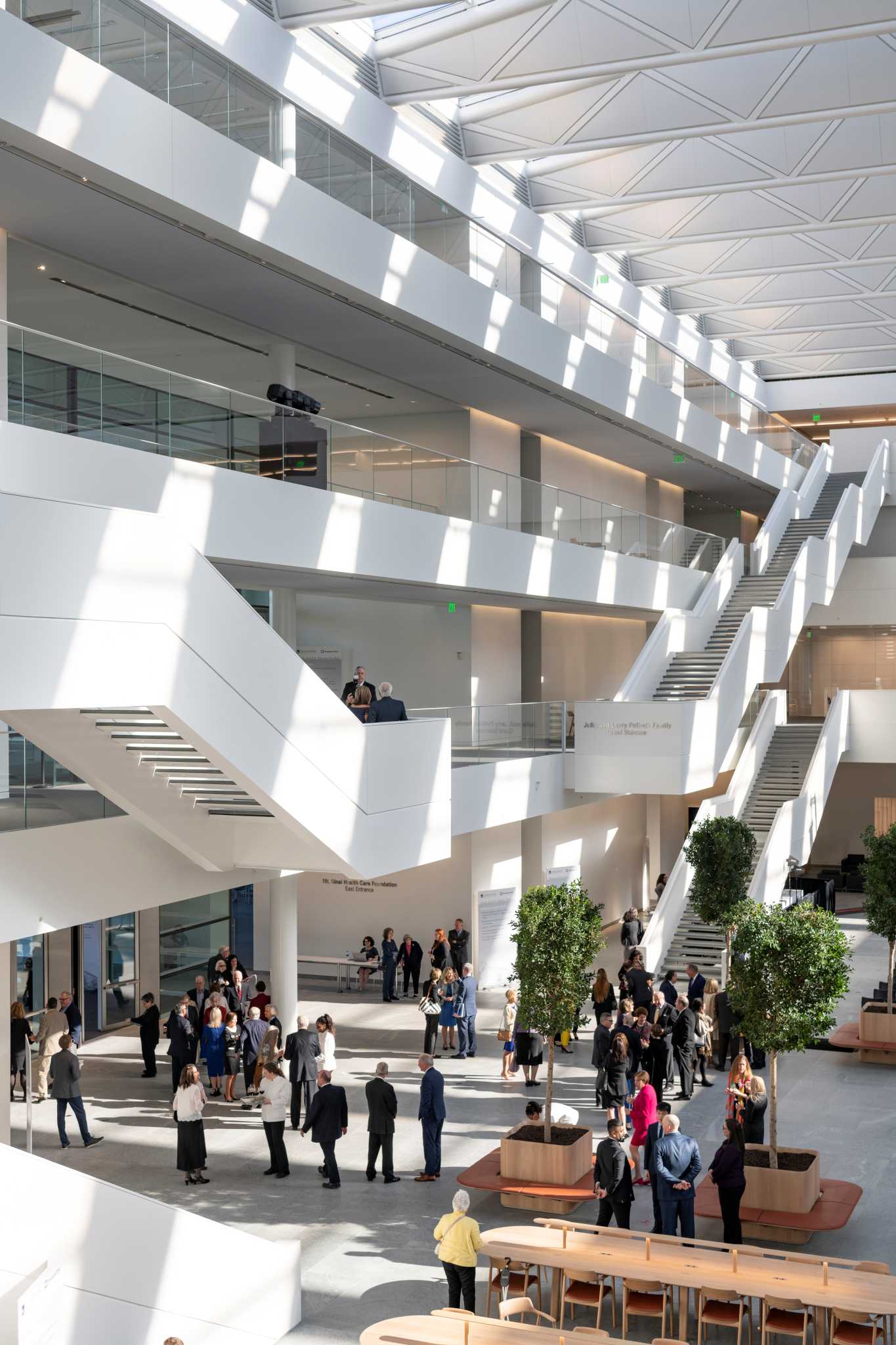 The essential elements of each faculty are arranged around a large courtyard, maintaining their identity and placing a series of common layered spaces. Efficiency has been increased through space utilization studies and analysis of teaching methods by creating flexible spaces. Different faculties share teaching spaces, administrative areas, lecture halls, recreation areas and technical facilities, service and storage areas, canteens, etc.
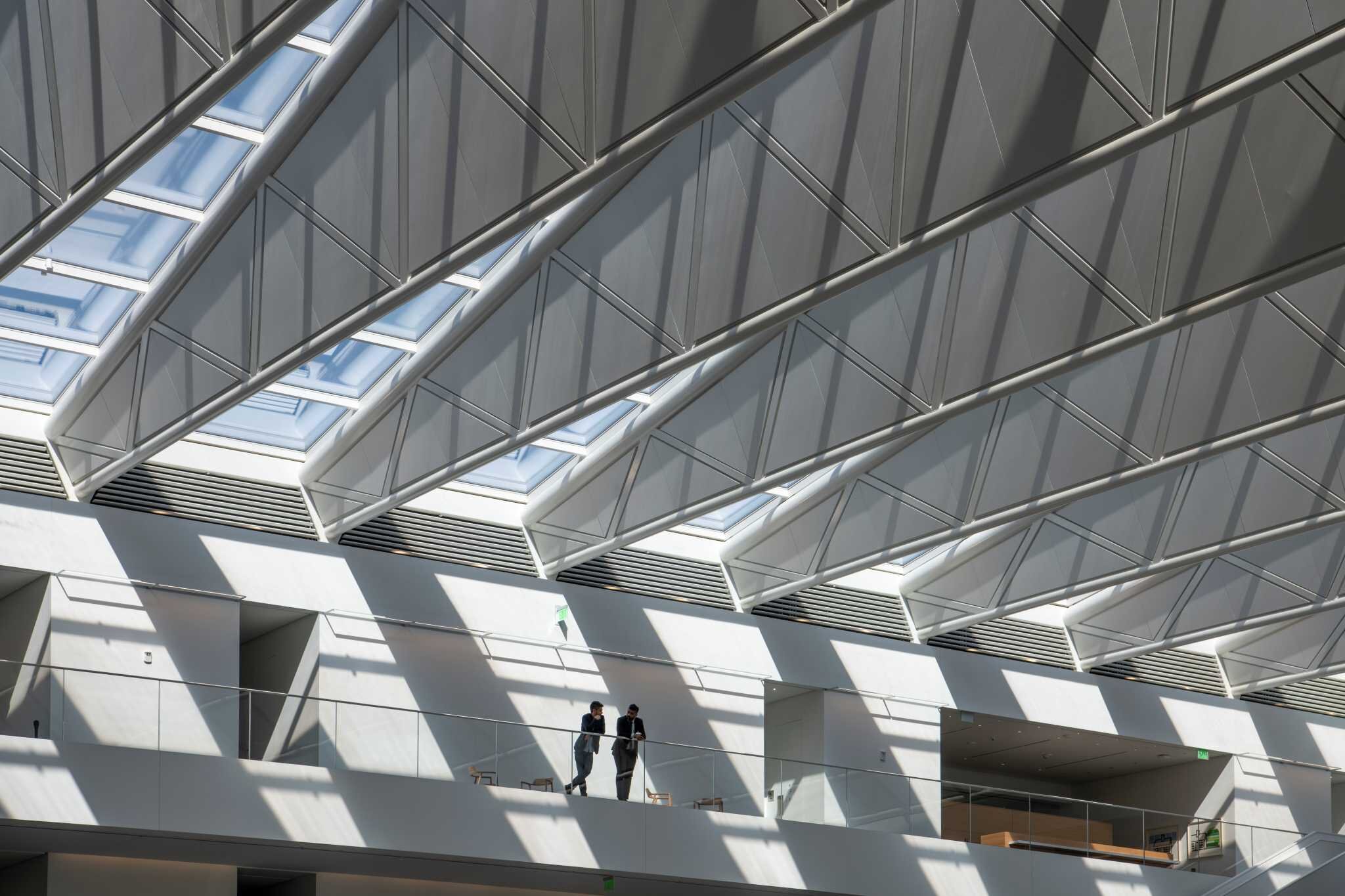
The central courtyard is the social heart of the pavilion. Intensely floodlit, the space is designed for informal meetings.
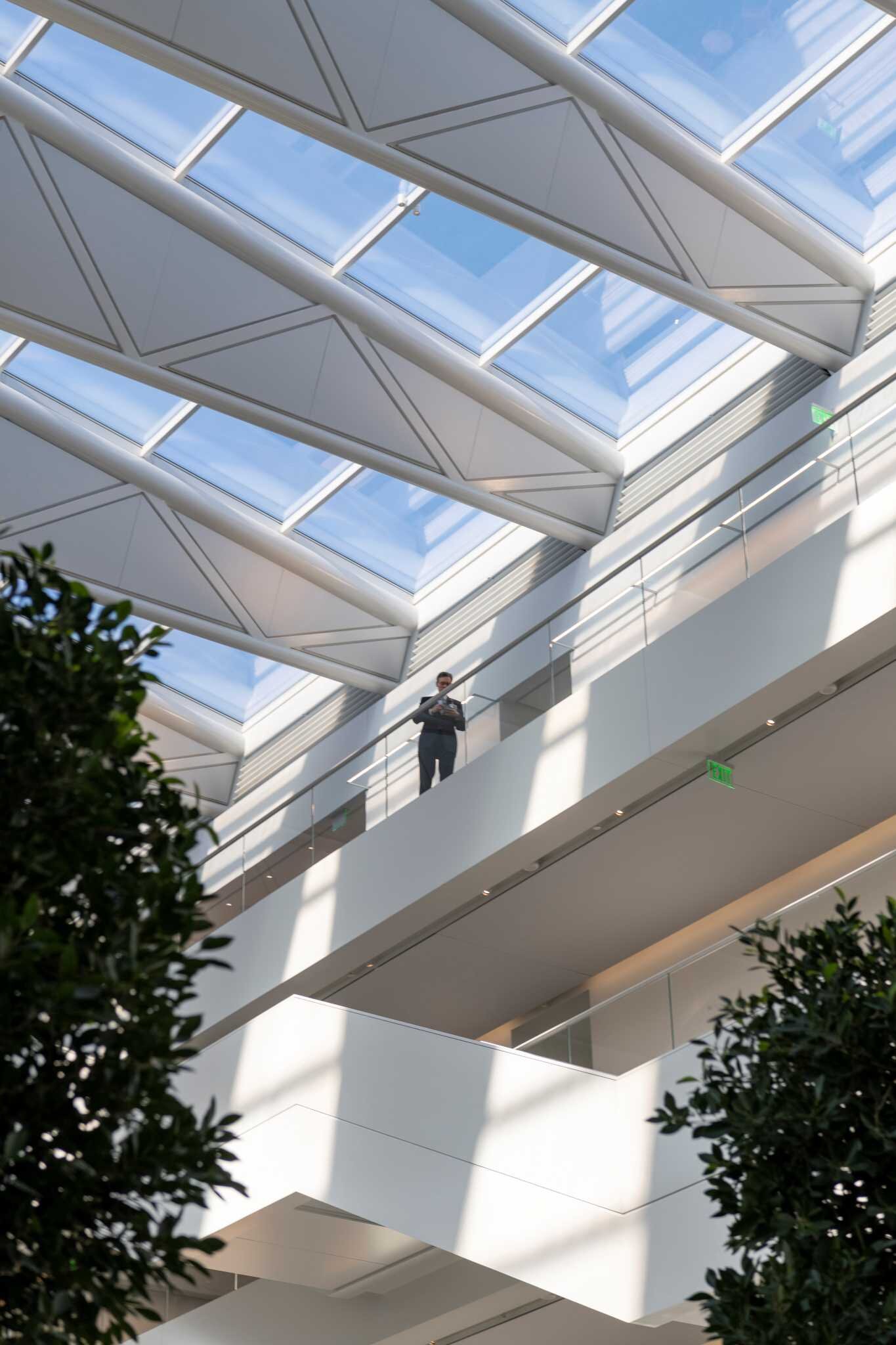
The analysis of natural light and climate by the teams of structural and ecologists working with the architects inspired the design of the central courtyard roof. The heavy snowfall in the region prompted the structural design, and shading is provided by metal trusses that allow light into the perimeter circulation area.
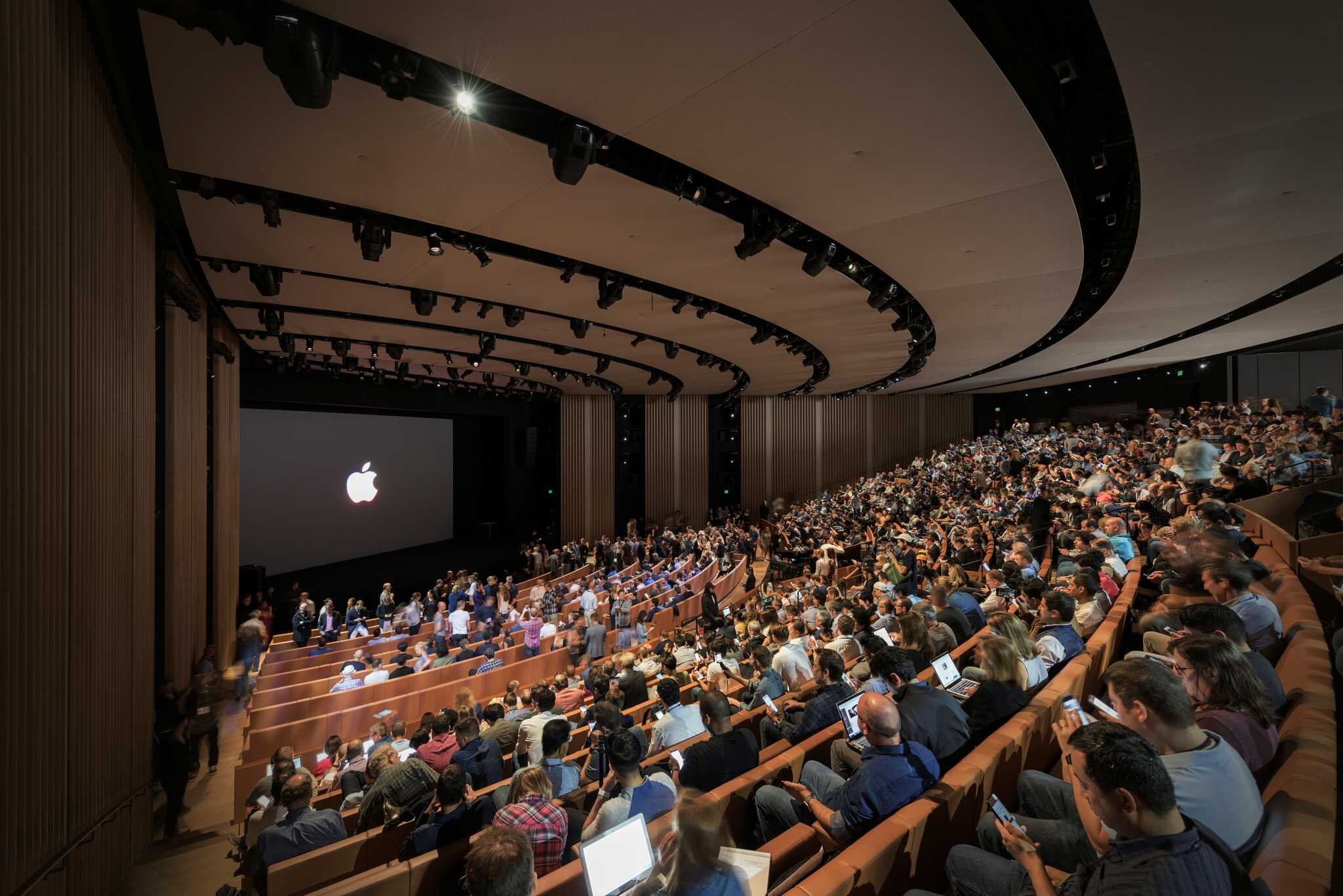
The pavilion allows students from the three faculties to study together, inspire and collaborate using the latest digital technologies and share social spaces, reinforcing the building's pioneering aim to provide better healthcare for all.

Project: Cleveland Clinic Medical School, Ohio, Copyright holder: Nigel Young / Foster + Partners
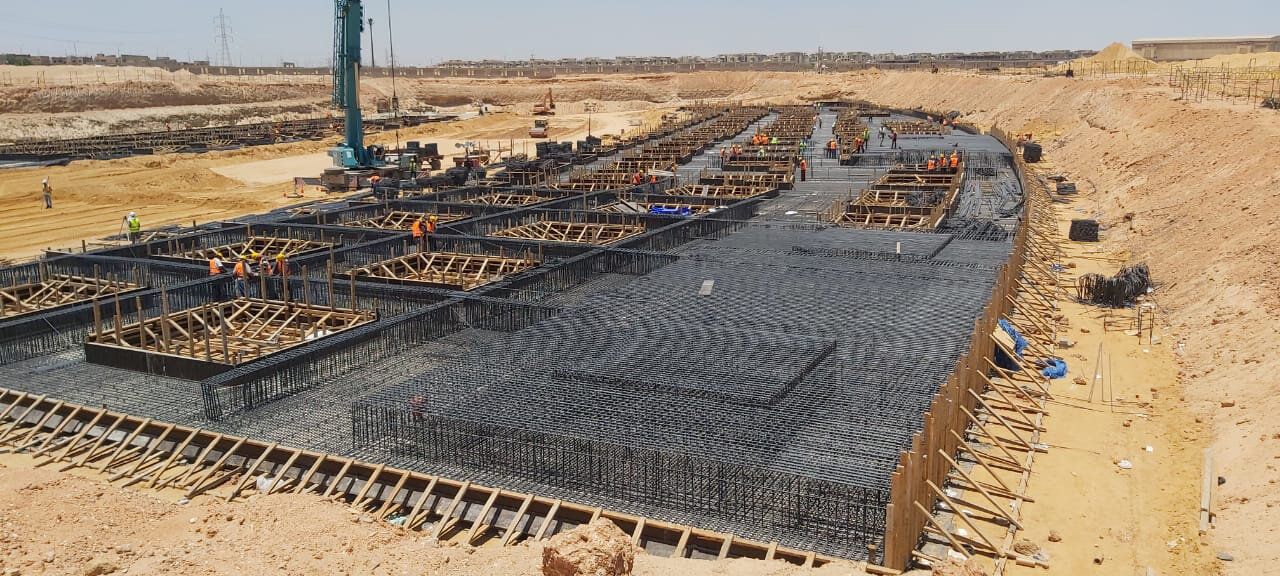
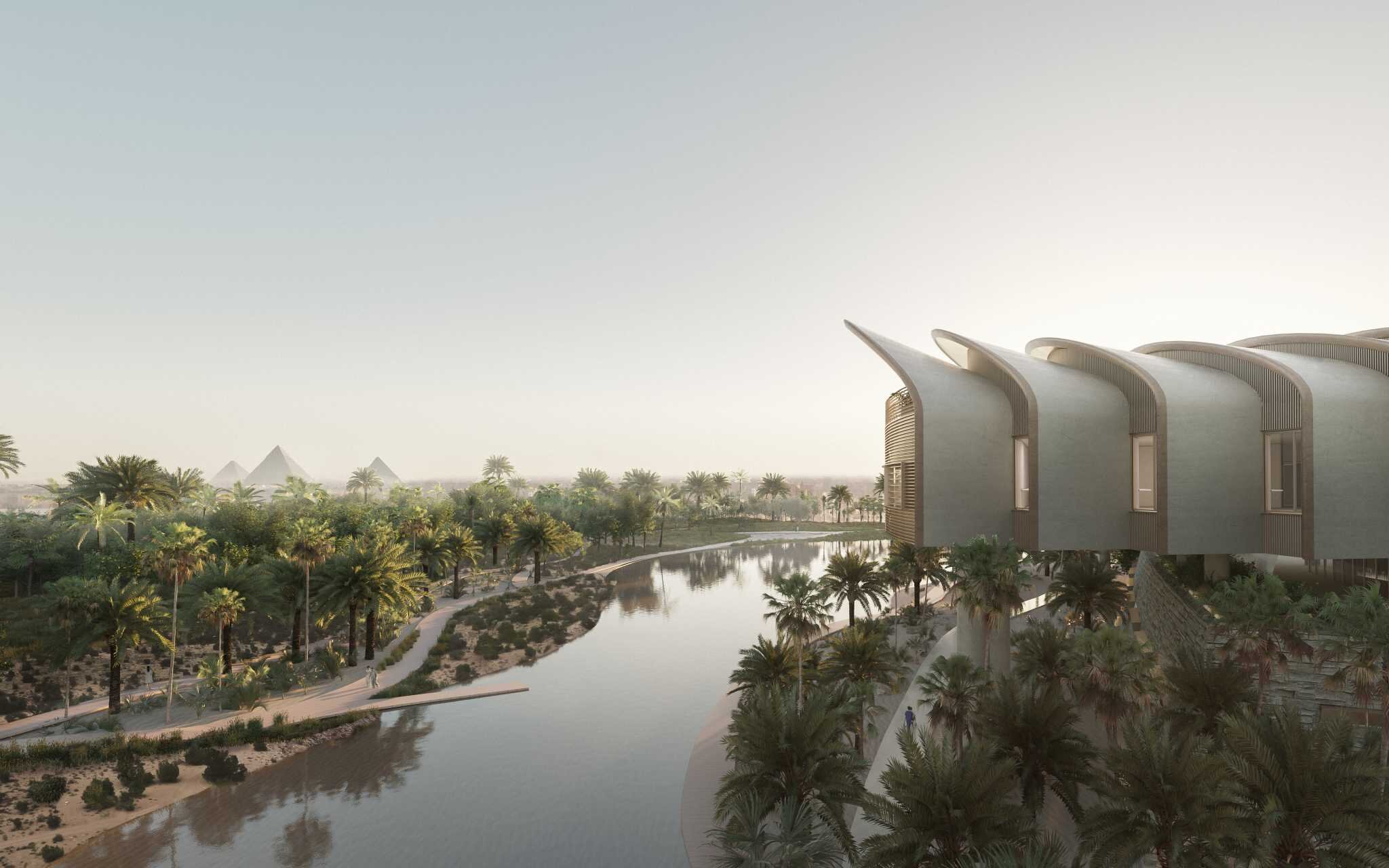
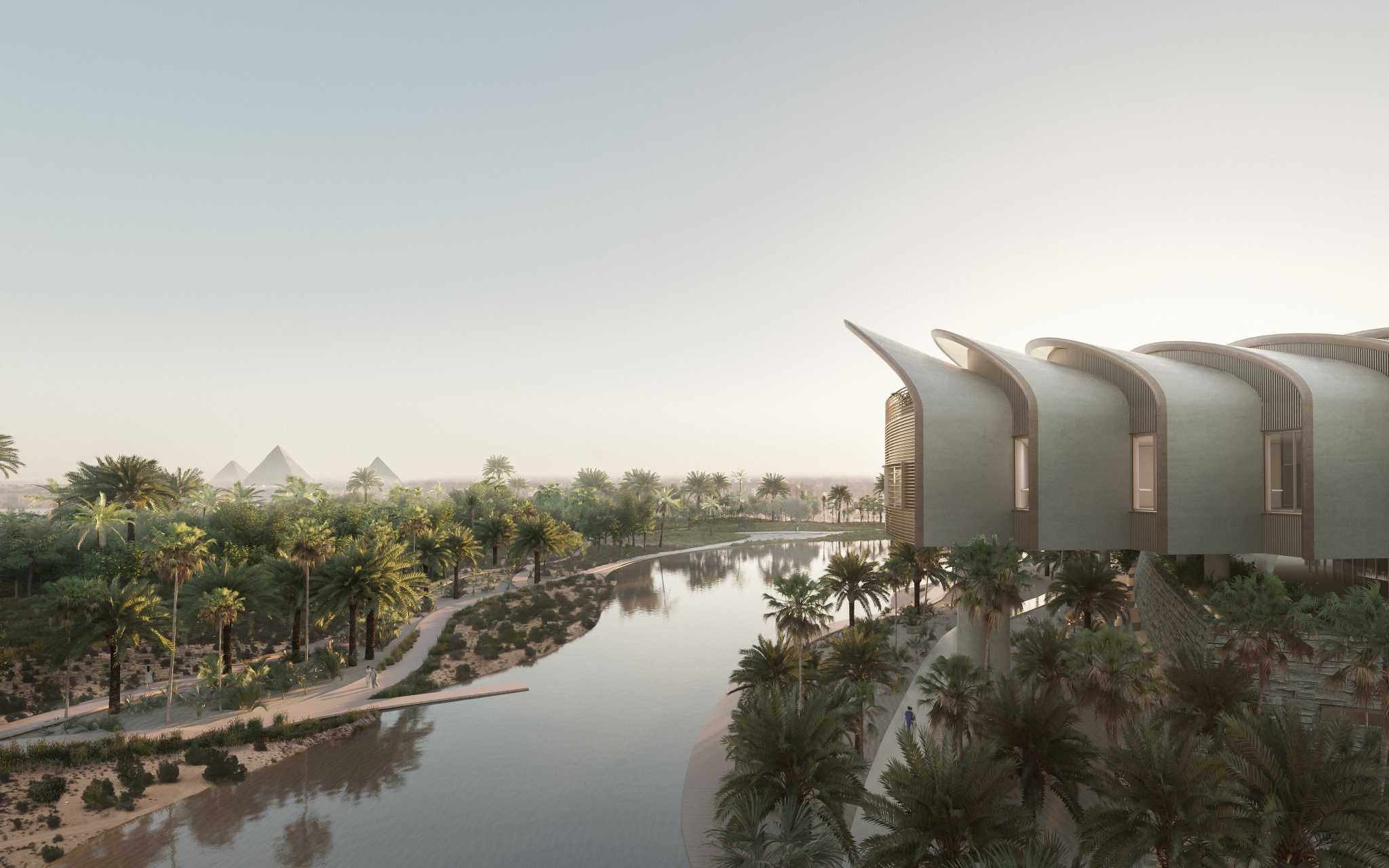
2017 Magdi Yacoub International Heart Center in Cairo, Egypt
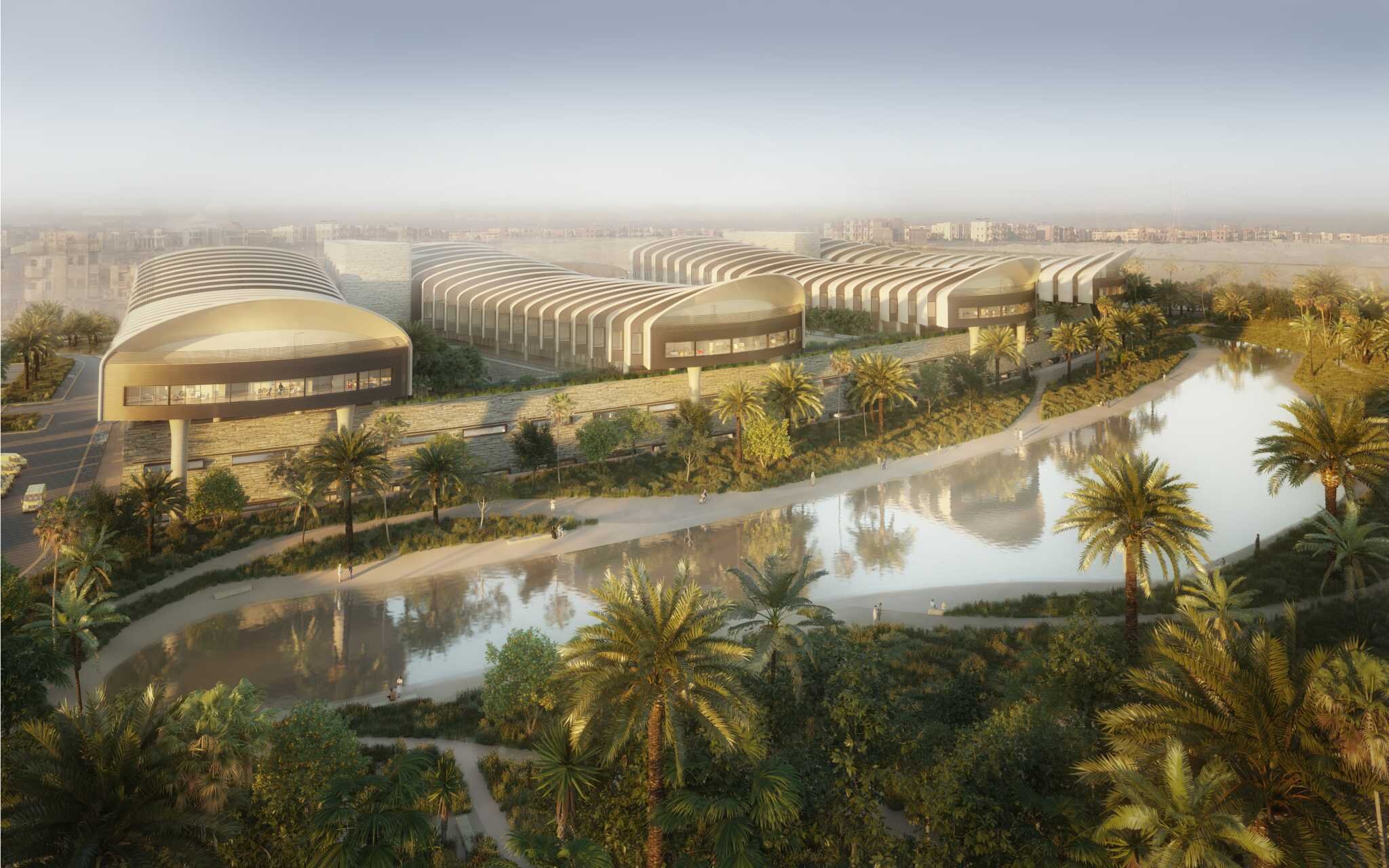
The Magdi Yacoub International Heart Center in Cairo is a state-of-the-art hospital integrated into a health and medical research area. One of its strengths is its stunning views of the Pyramids of Giza and lush landscape, which aims to improve the overall patient experience.
The 300-bed hospital caters to the needs of patients, families and medical staff. Access is through a plaza at the end of a shady, welcoming walkway leading to an awning that marks the entrance. The ground floor comprises complex diagnostic and treatment facilities, an ICU, an outpatient clinic and a rehabilitation clinic. Several courtyards bring natural light, facilitating orientation.


Each ward enjoys a special view. The upper-floor reservoirs also have shell-shaped roofs, reminiscent of the Nile sluices. The design uses soft, warm colors influenced by color psychology and Egyptian history.
A green terrace with canteen and socializing spaces including a children's kindergarten - inspired by local tradition - provides a relaxing space for staff and visitors.
The emphasis on natural light, greenery and views creates a health-promoting environment. The rich local flora has been used in the form of a green belt, interspersed with pedestrian paths and quiet belvedere spaces.
Existing buildings - with outdated and polluting systems - will be overhauled and modernized
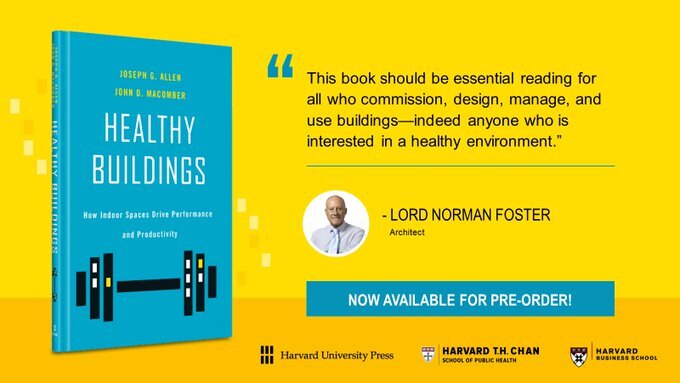
Norman Foster recently embarked on research into the scientific assessment of existing buildings with the Harvard TH Chan School of Public Health and Joseph Allen, co-author of Healthy Buildings, with whom he co-authored the book Healthy Buildings. "Allan and I emphasized the relatively small incremental costs." Either way, "unhealthy", energy-intensive, CO2-emitting buildings cannot survive and cannot compete with today's competition and demands.
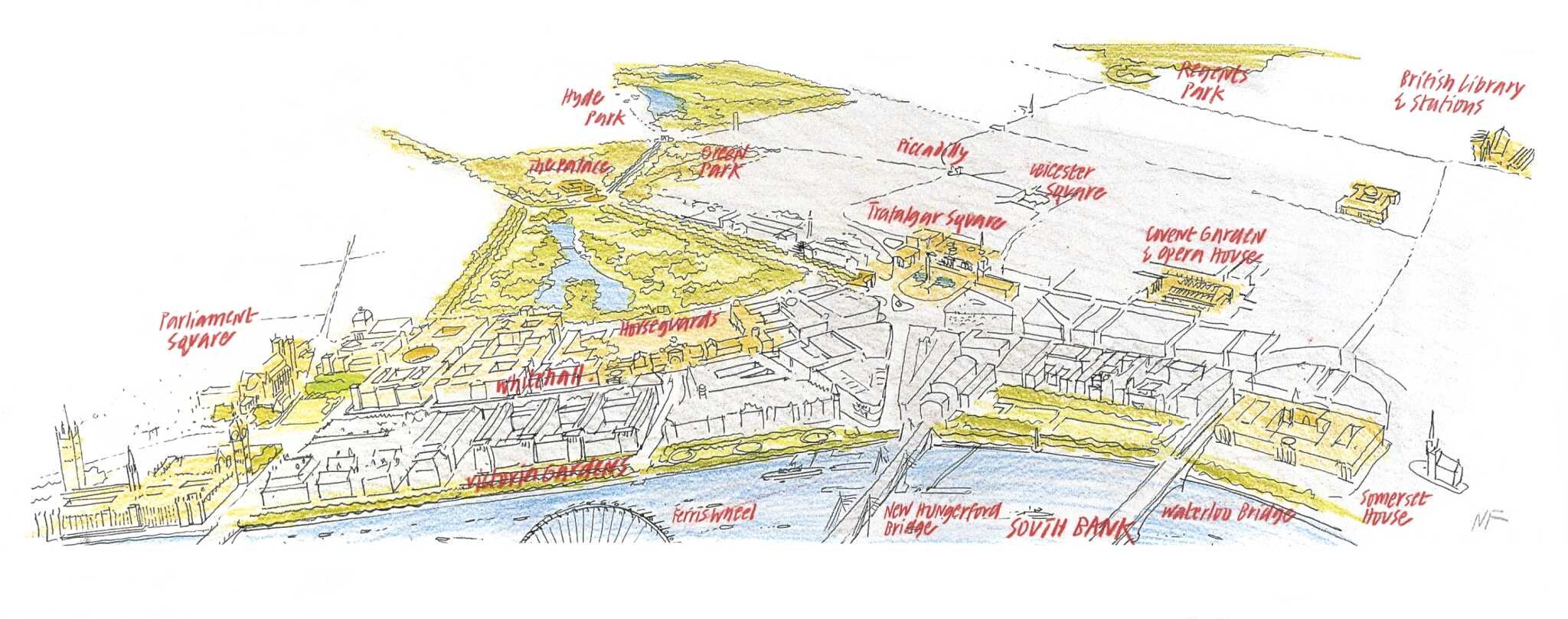
Cities will become greener, freeing up large areas dedicated to roads and traffic for pedestrians, cyclists, terraces, parks and alleyways
Foster suggests that cities will become greener because personal mobility is changing rapidly and there is less interest among young people in using cars. London's streets that devote two-thirds of their width to vehicles limit space for other uses. In Foster's view, this space should be transformed. With parking lots merged onto nearby vacant land, the street should be returned to the community by giving priority to pedestrians and cyclists, reclaiming areas for plants and benches, and managing waste more effectively.
Transportation "up to the challenge
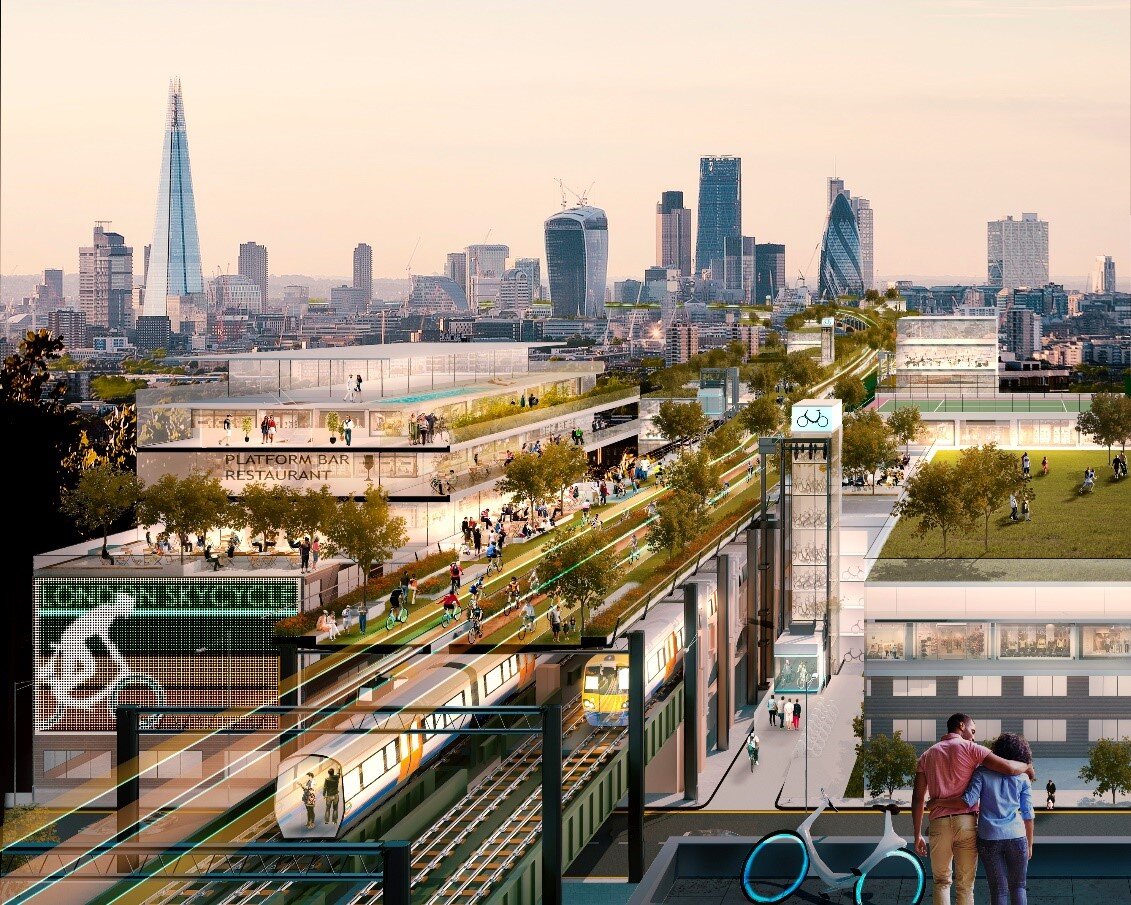
In the days of the pandemic, many cities have already taken advantage of empty roads to create new bike lanes. Paris alone is creating 650 km of such lanes. Foster's SkyCycle project for London envisions bike lanes as lightweight, suspended platforms that would "fly" 12,000 commuters an hour through the city and provide air connectivity to different destinations.
A new generation of monorails is being prepared that could provide aerial mobility, freeing the ground plane for pedestrians. The Norman Foster Foundation's research has demonstrated the potential of combining these systems with local microclimate control - purifying the air on arteries that were, in the past and present, polluted.

 Pedestrians reclaim streets and squares
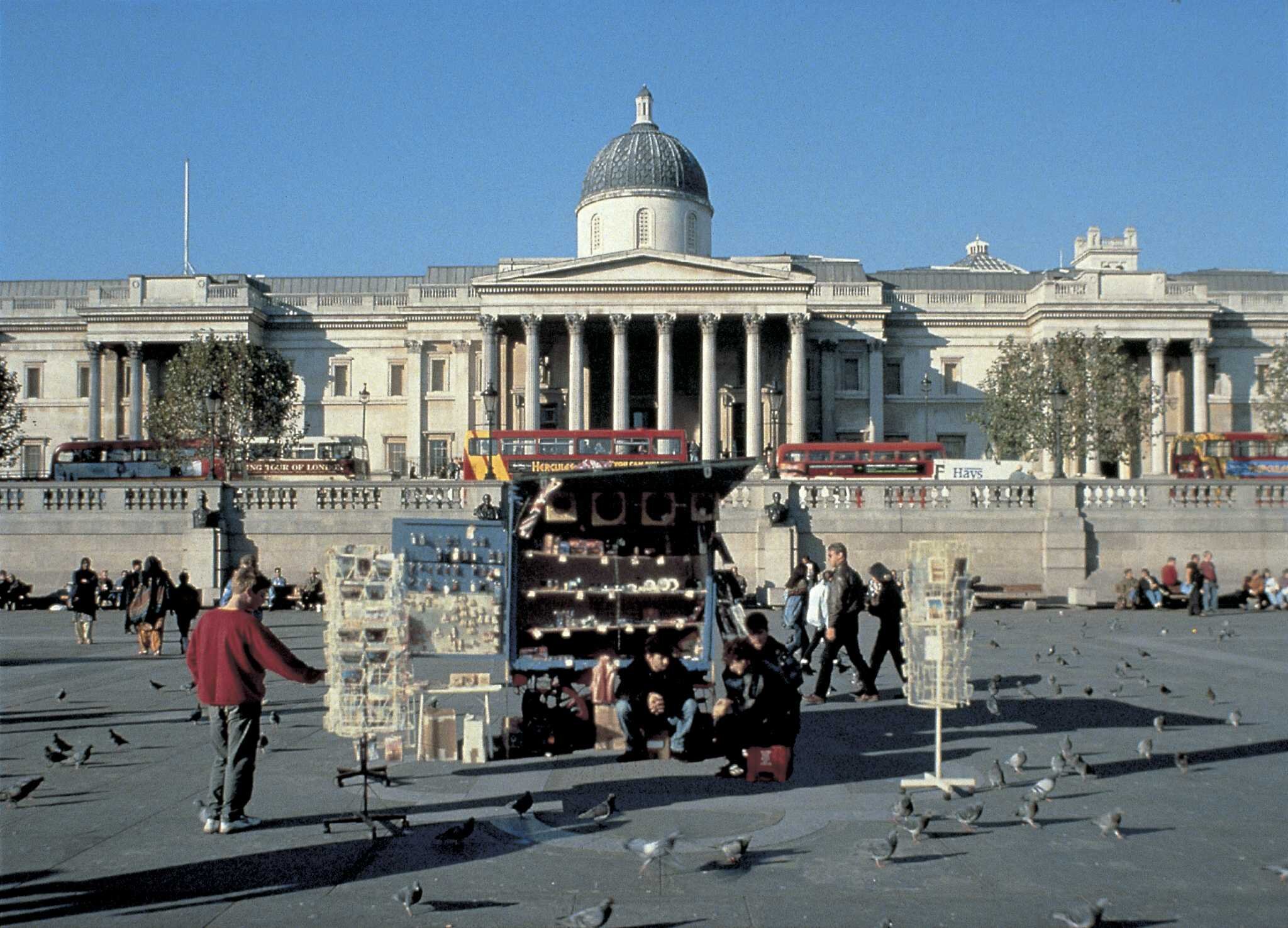
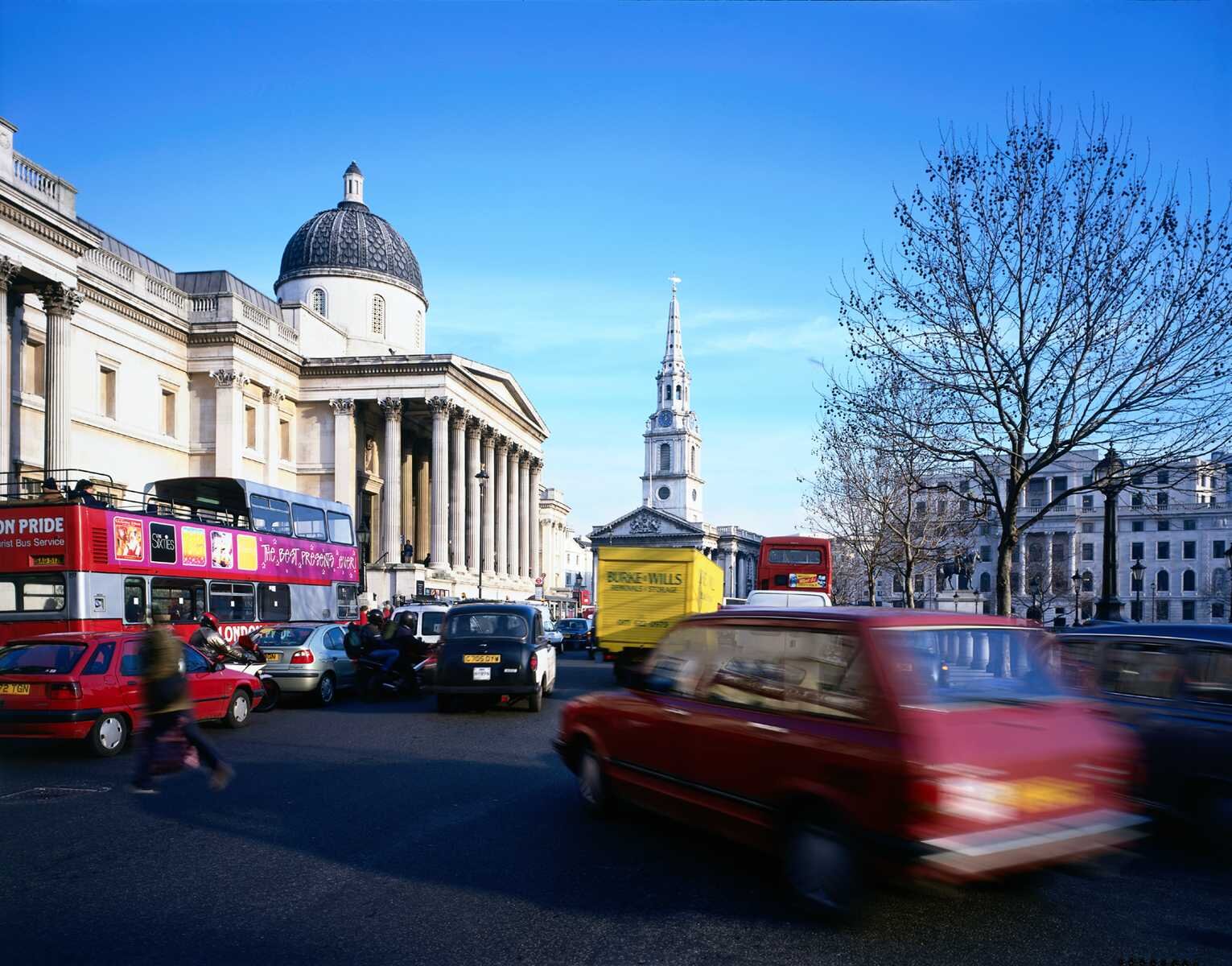
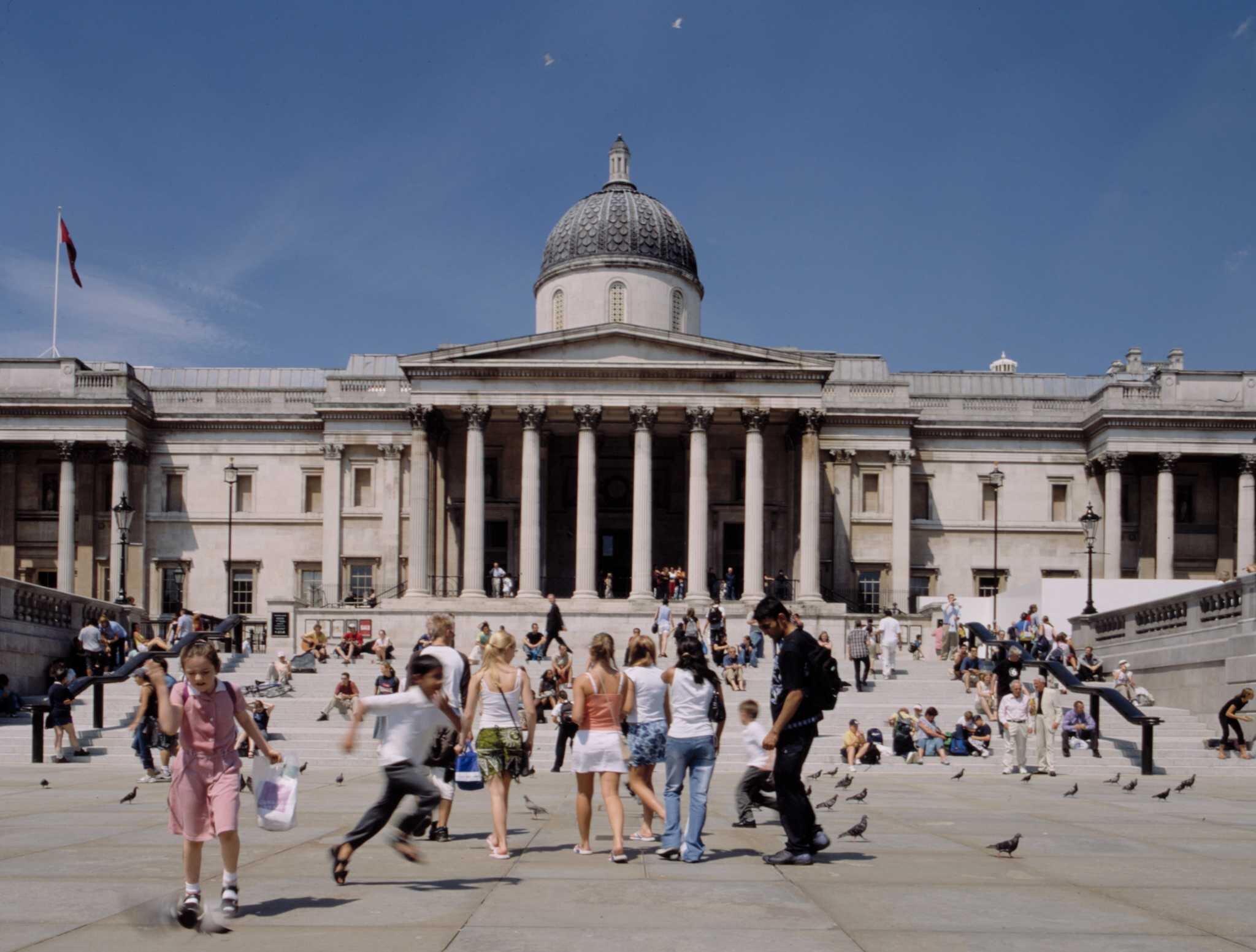
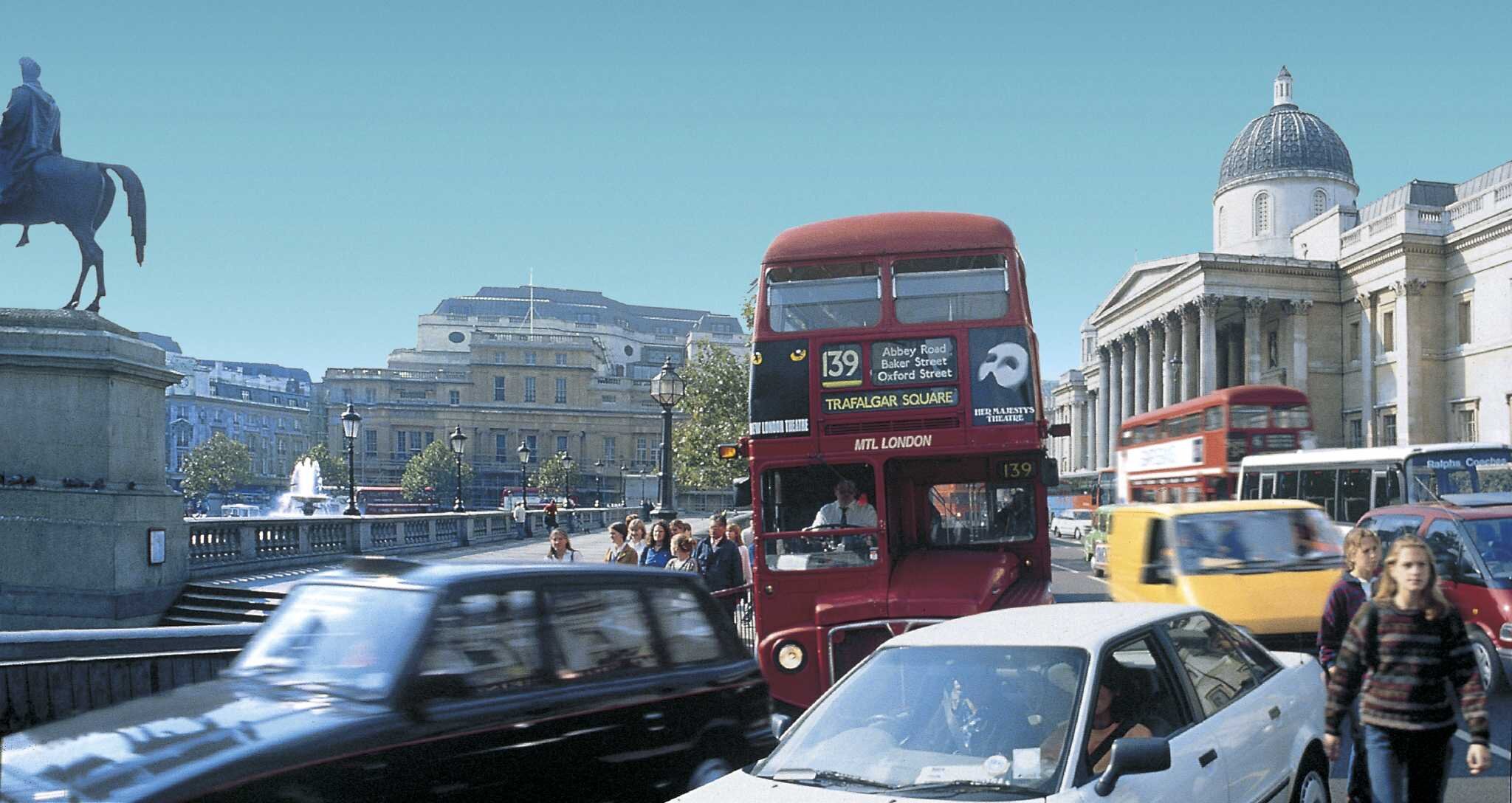
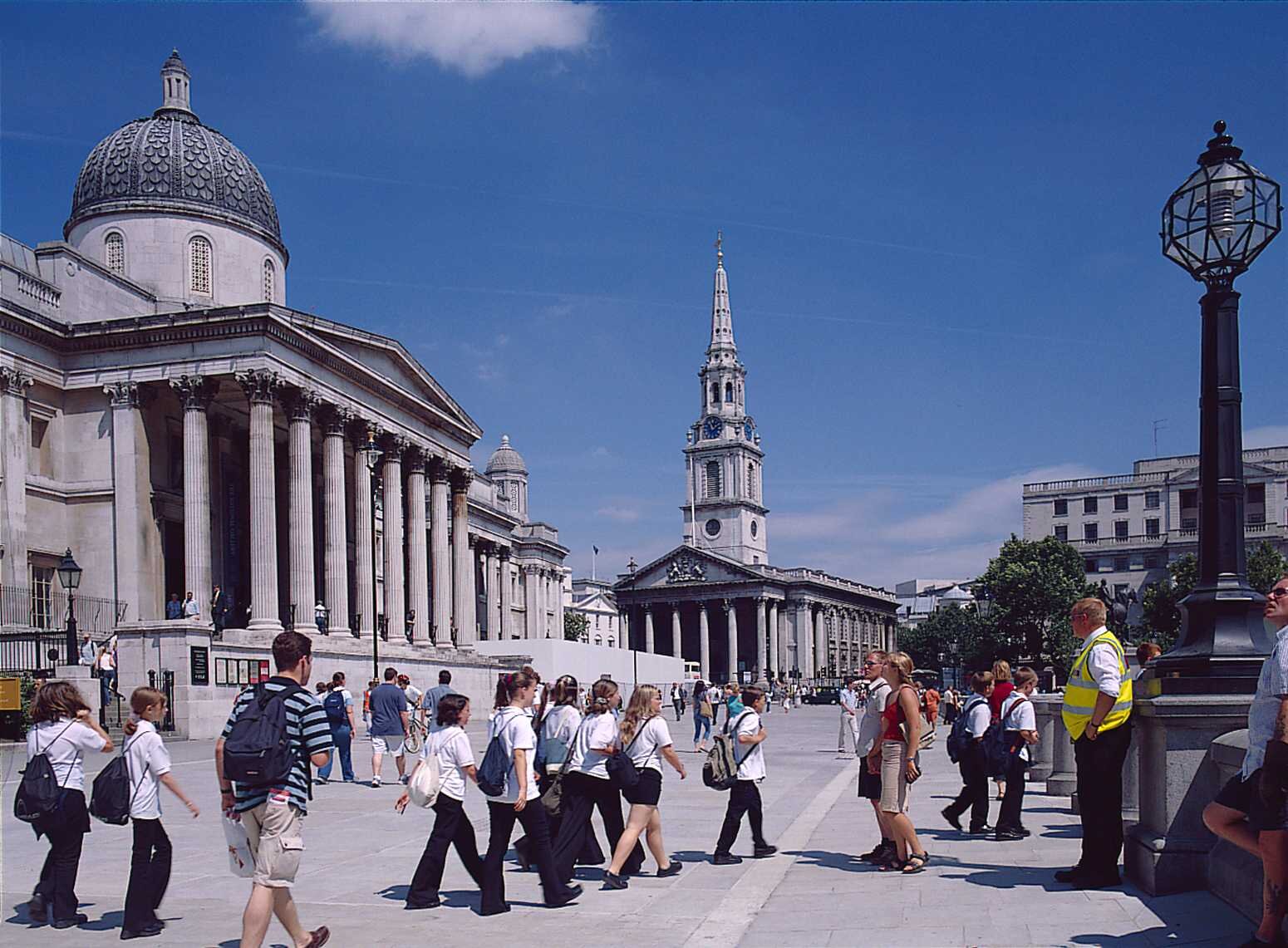
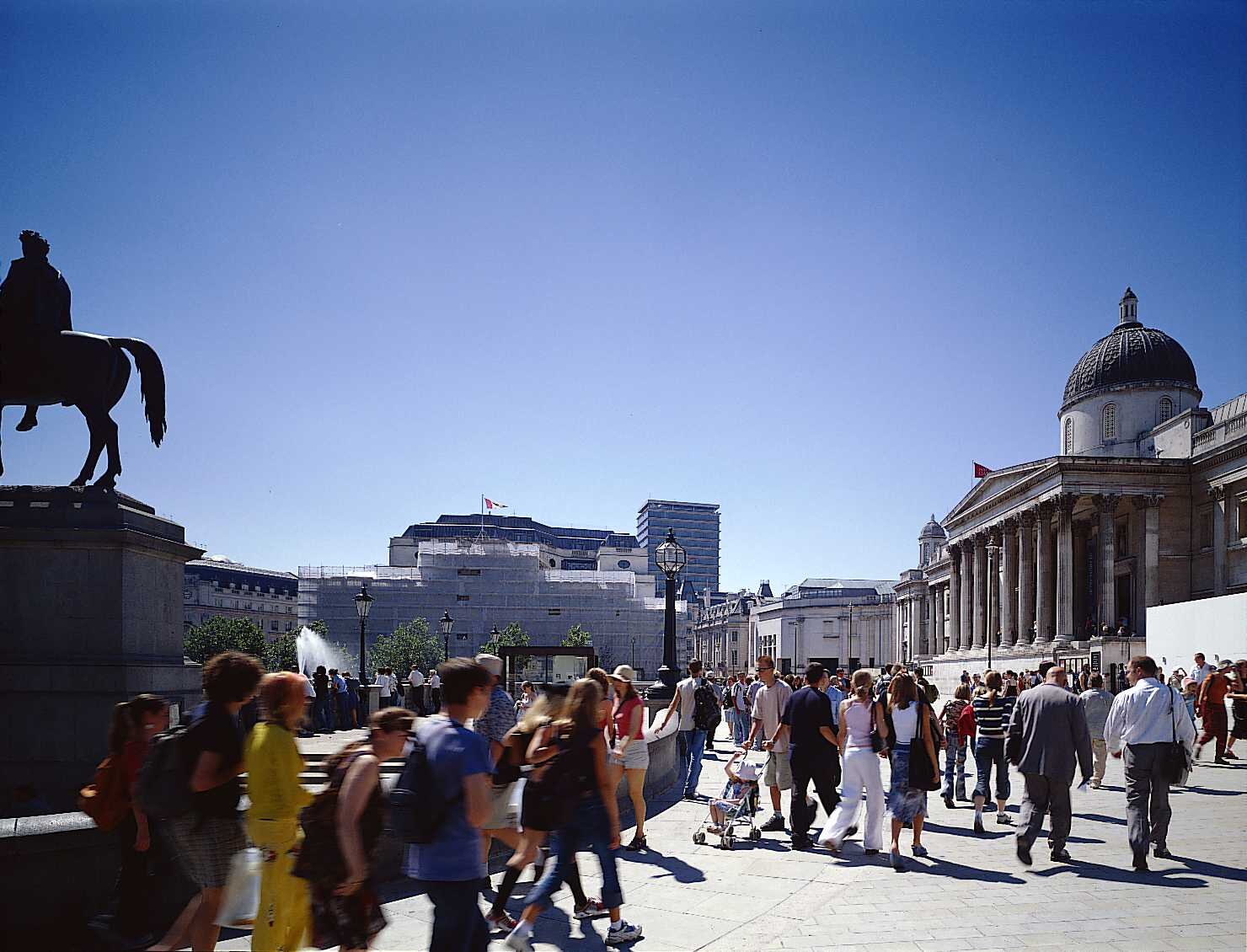
1999-2003 Trafalgar Square - A hostile urban space has become a true public space. London, United Kingdom
The transformation of Trafalgar Square is the result of a re-balancing of the needs of traffic and pedestrians, of extraordinary events and everyday life, of old and new.
Designed in the 1840s by Charles Barry and dominated by Nelson's Column, the Square is bordered by iconic buildings. Although generous, by the mid-1990s the Square was choked with traffic. After consultation with 180 institutions and thousands of Londoners, the project proposed closing the north side of the Square to traffic and creating a large terrace with a flight of steps and a café to provide a suitable refuge for the National Gallery.
Proposed landscaping, in the Square and adjacent streets, including seating, lighting and road signage systems, pavements with contrasting visual and textural material contrasts.
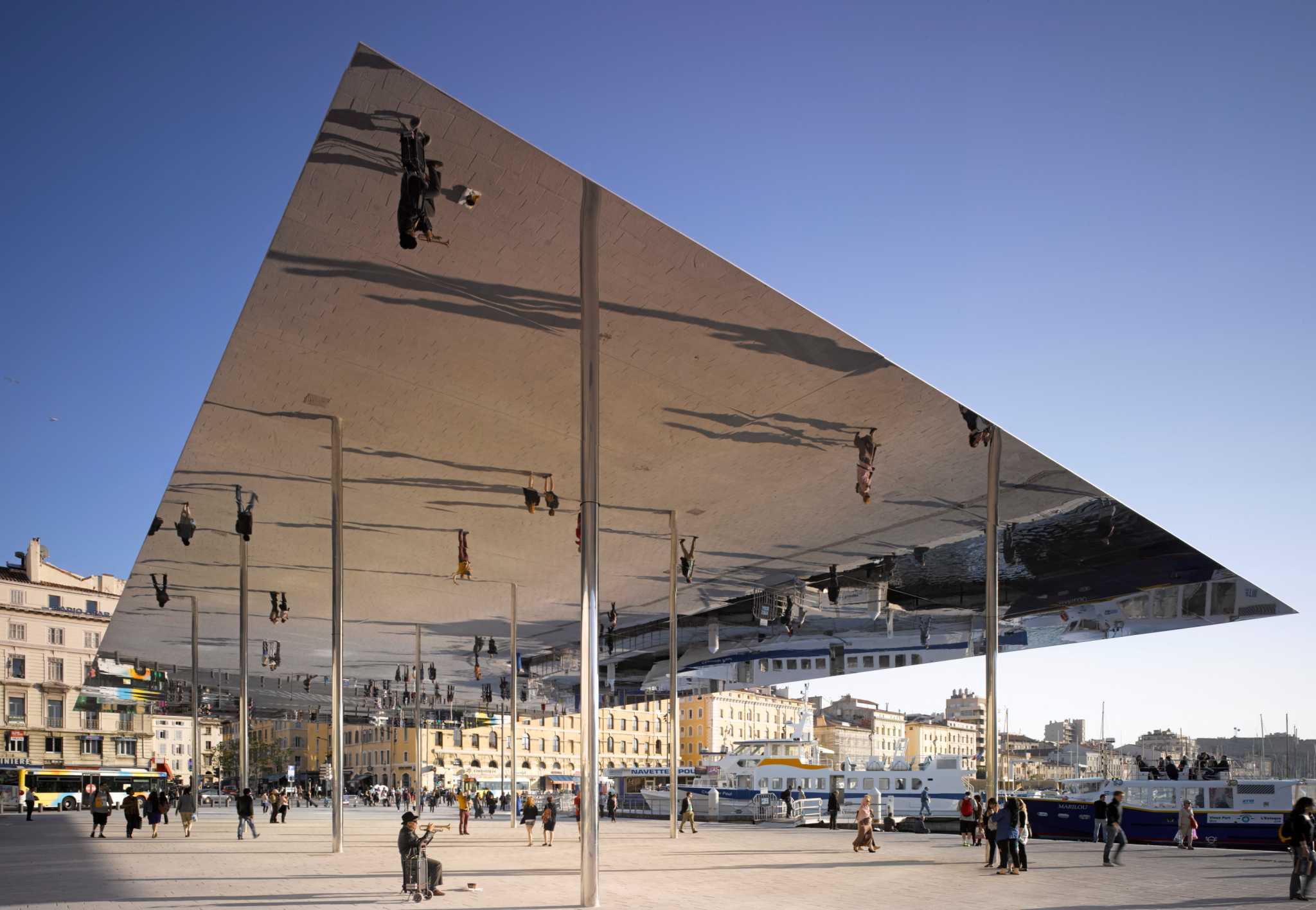

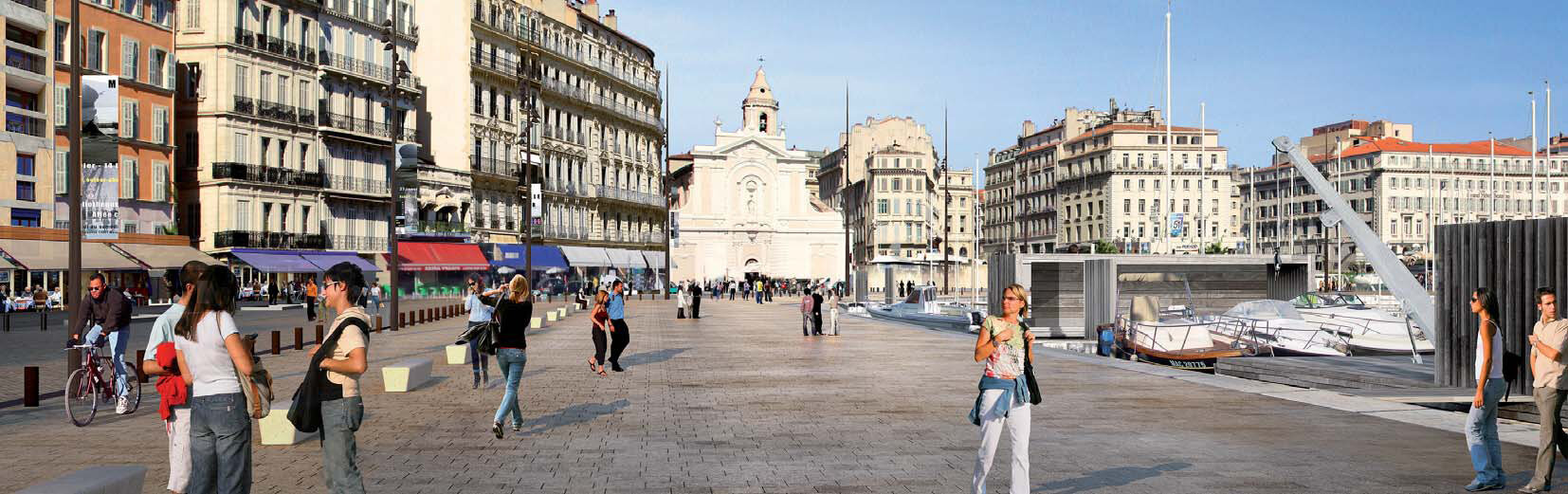
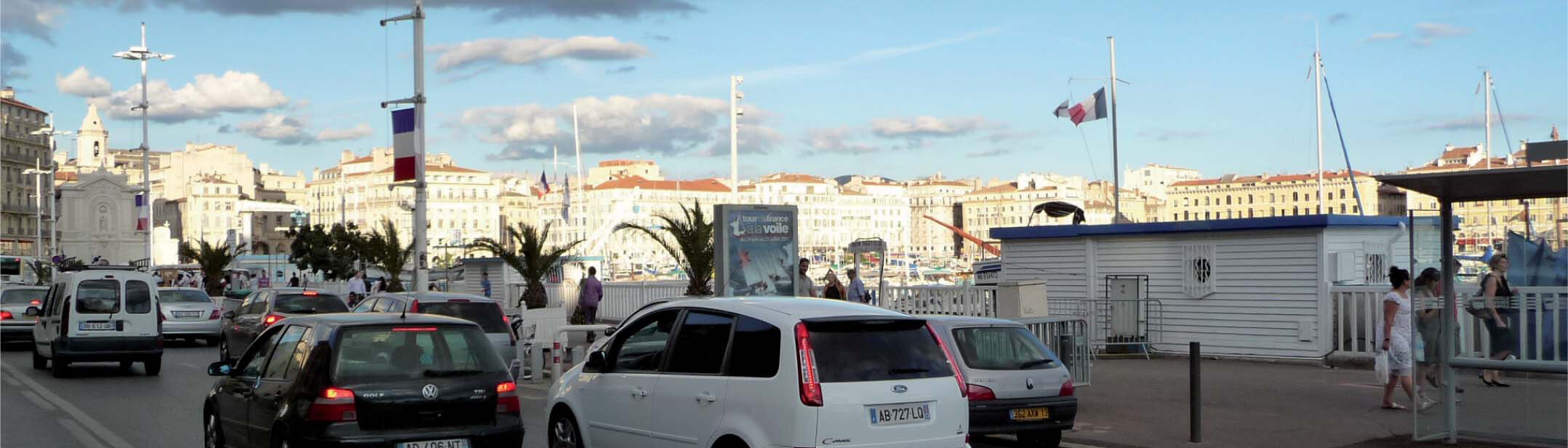
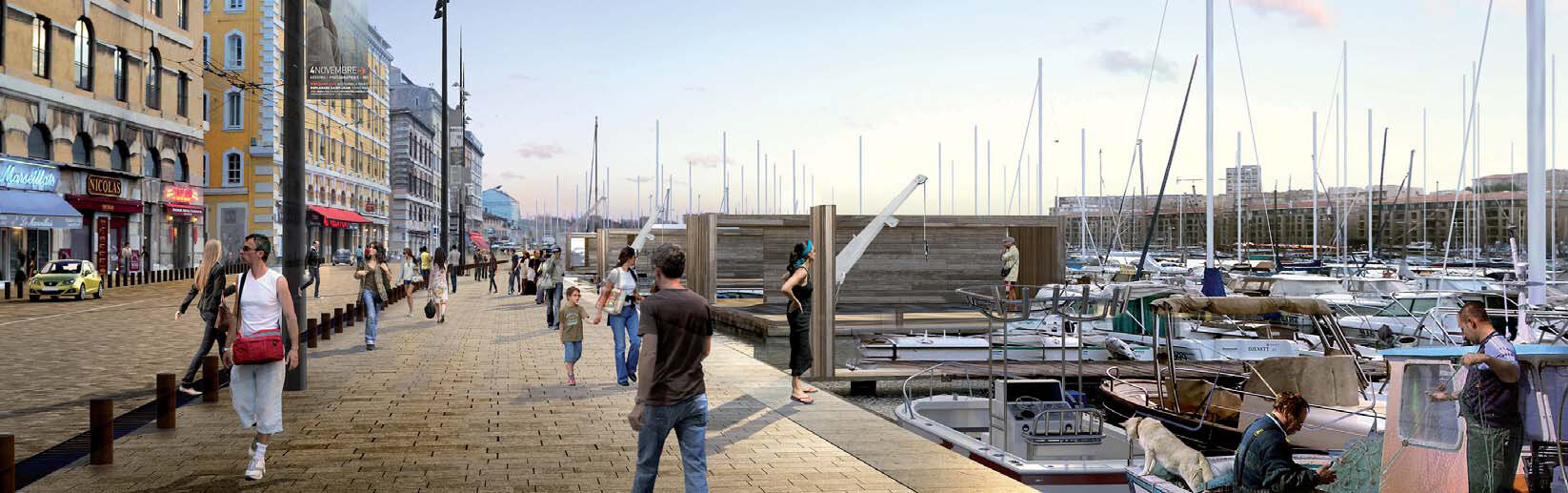
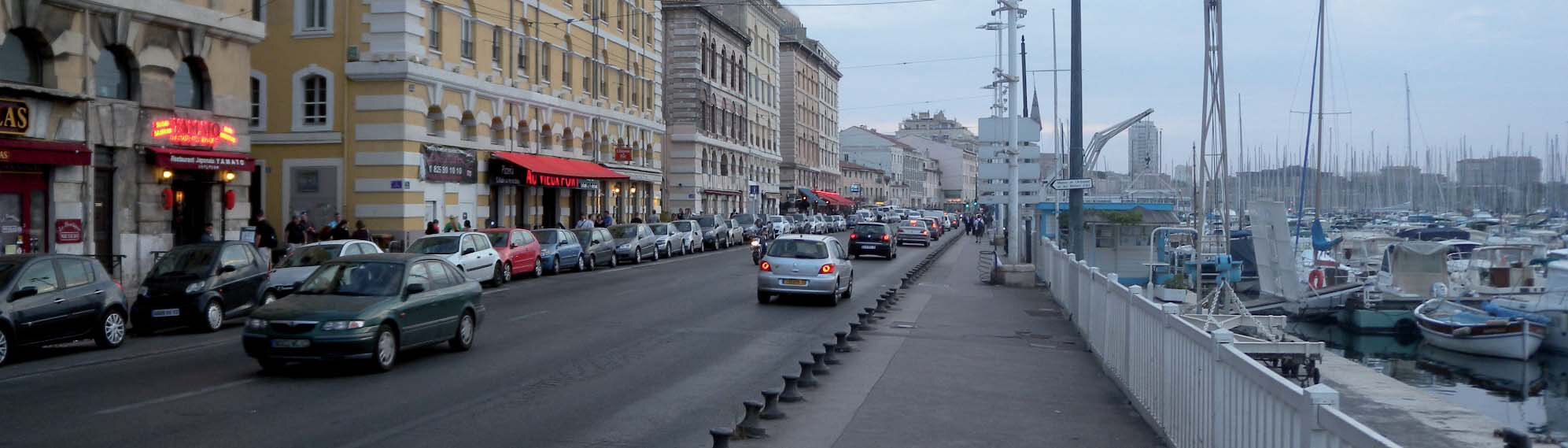
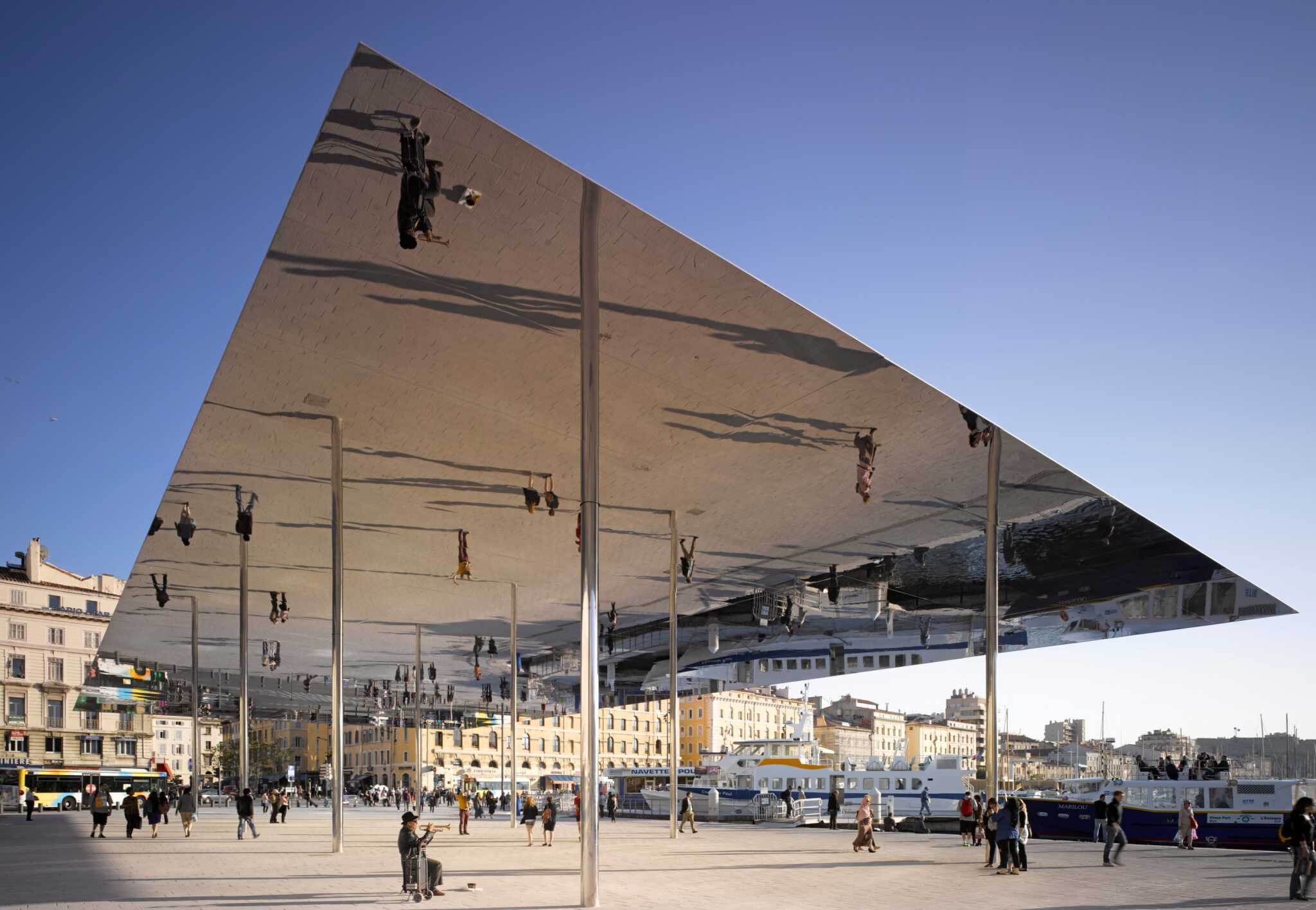
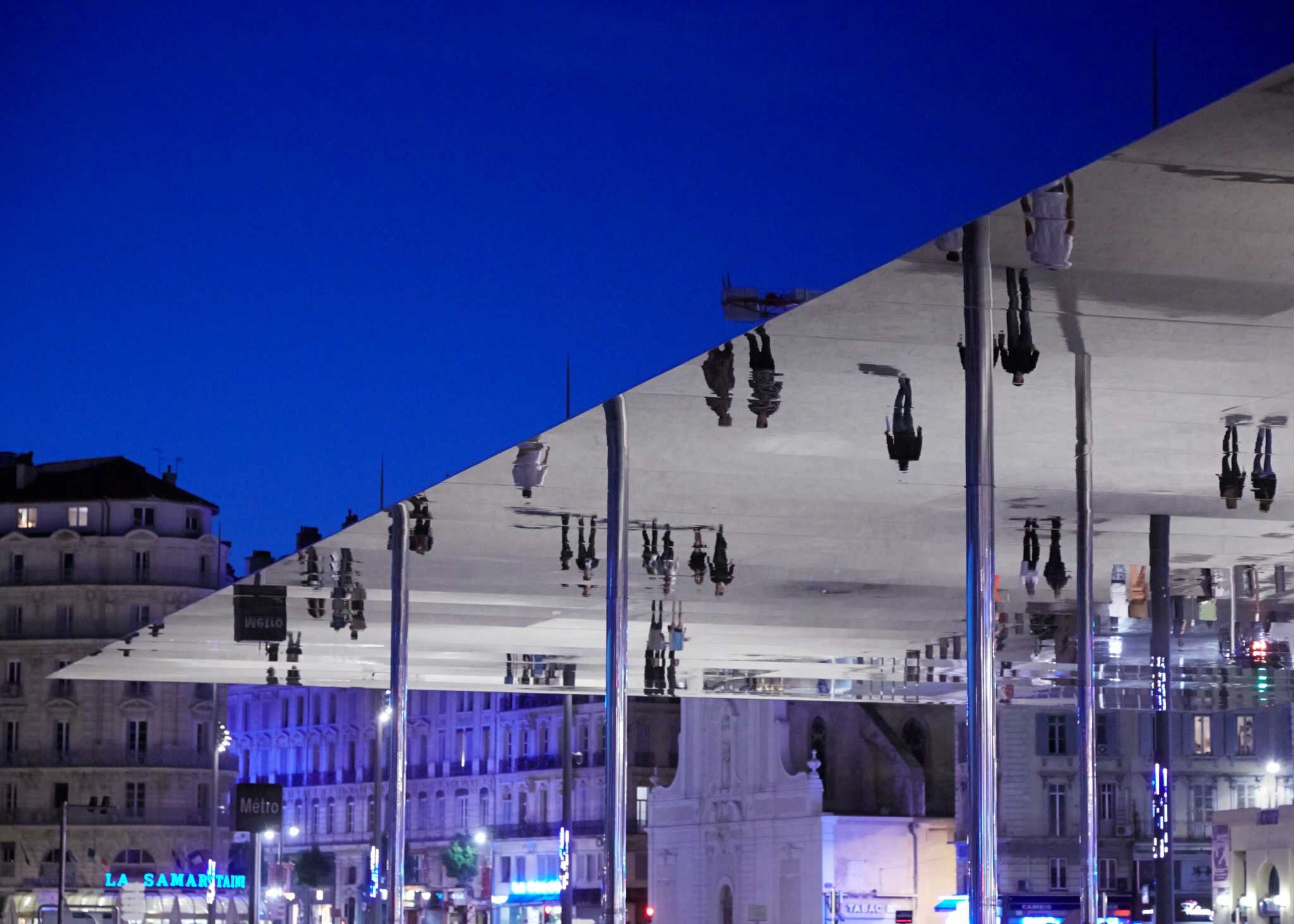
2010-2013 Revitalization of the Old Port of Marseille
One of the great Mediterranean ports that had become inaccessible to pedestrians and cut off from city life was reclaimed for the community by creating a pedestrian area, transforming the quays into public space and organizing spaces for performances and events. The transformation was part of preparations to secure Marseille's 2013 European Capital of Culture status.
The enlargement of the pedestrian space, the evacuation of the technical installations and the replacement of the industrial quays with floating platforms and clubs, the landscaping, carried out in collaboration with Michel Desvigne, the removal of the curbs and improved accessibility, maximum functional flexibility have made it possible to improve the atmosphere, increase the liveliness and reclaim the port for the social life of the city, with very discreet means. On Quai de la Fraternité, a strip of stainless steel shelters a new flexible pavilion, an open "umbrar" is intended for occasional events and markets.
Material by Ileana TUREANU, based on documentation provided by Foster+Partners