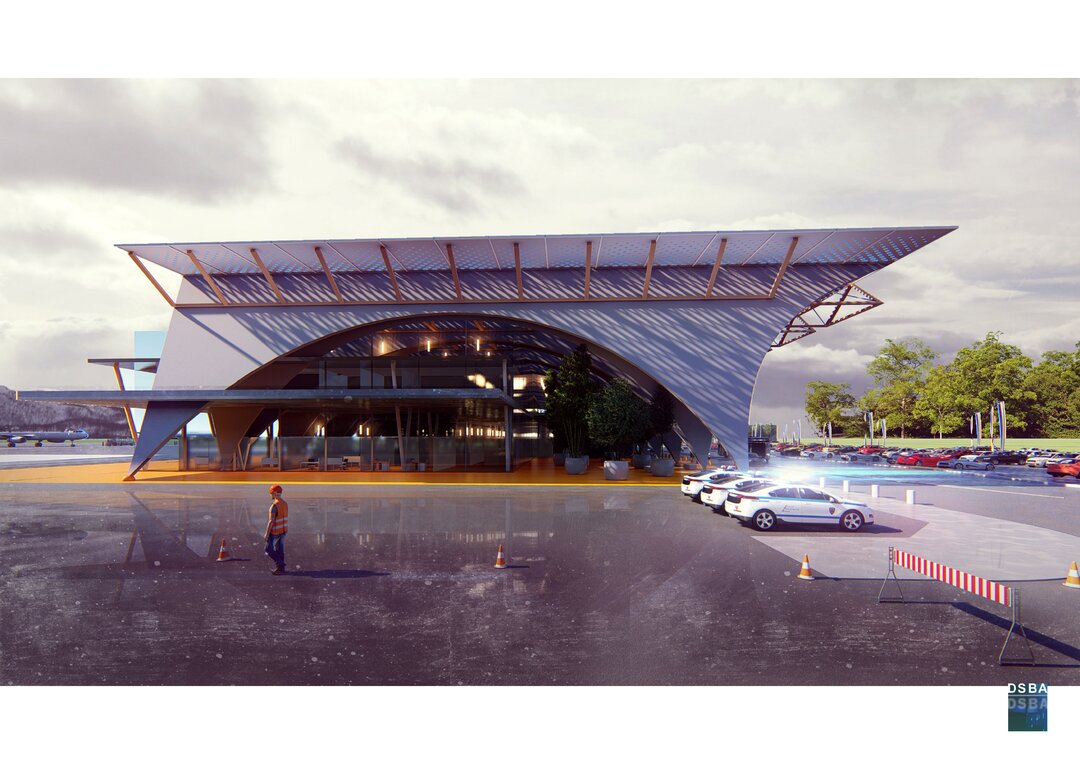
Europa Nostra Award 2020 and Public Award 2020 - Ambulance for Monuments, excellence in safeguarding Romanian heritage

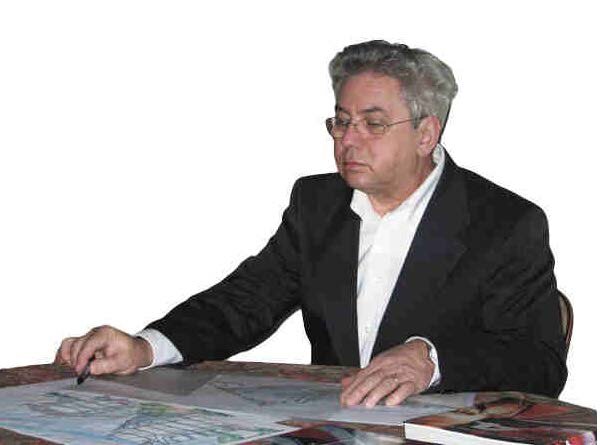
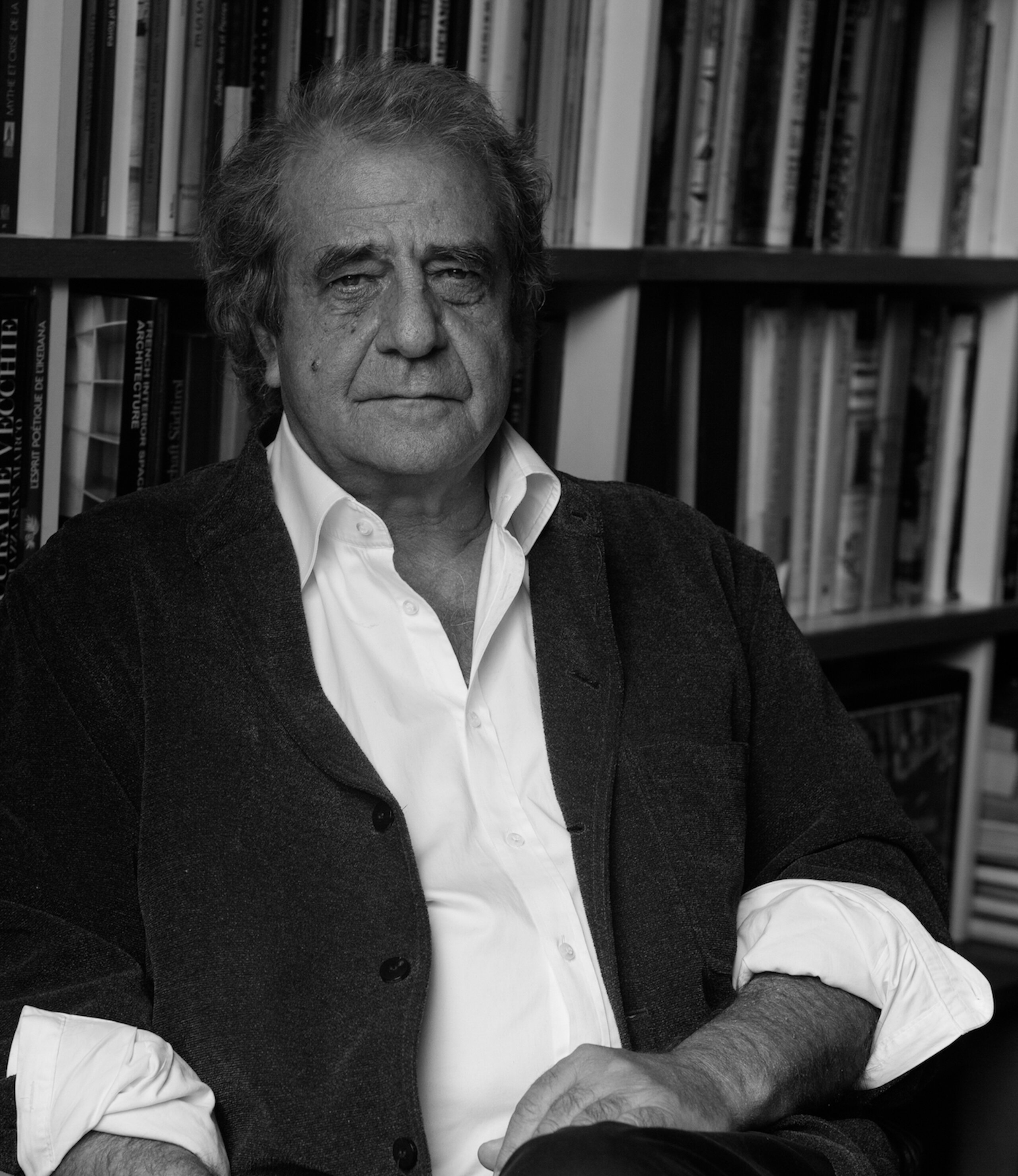
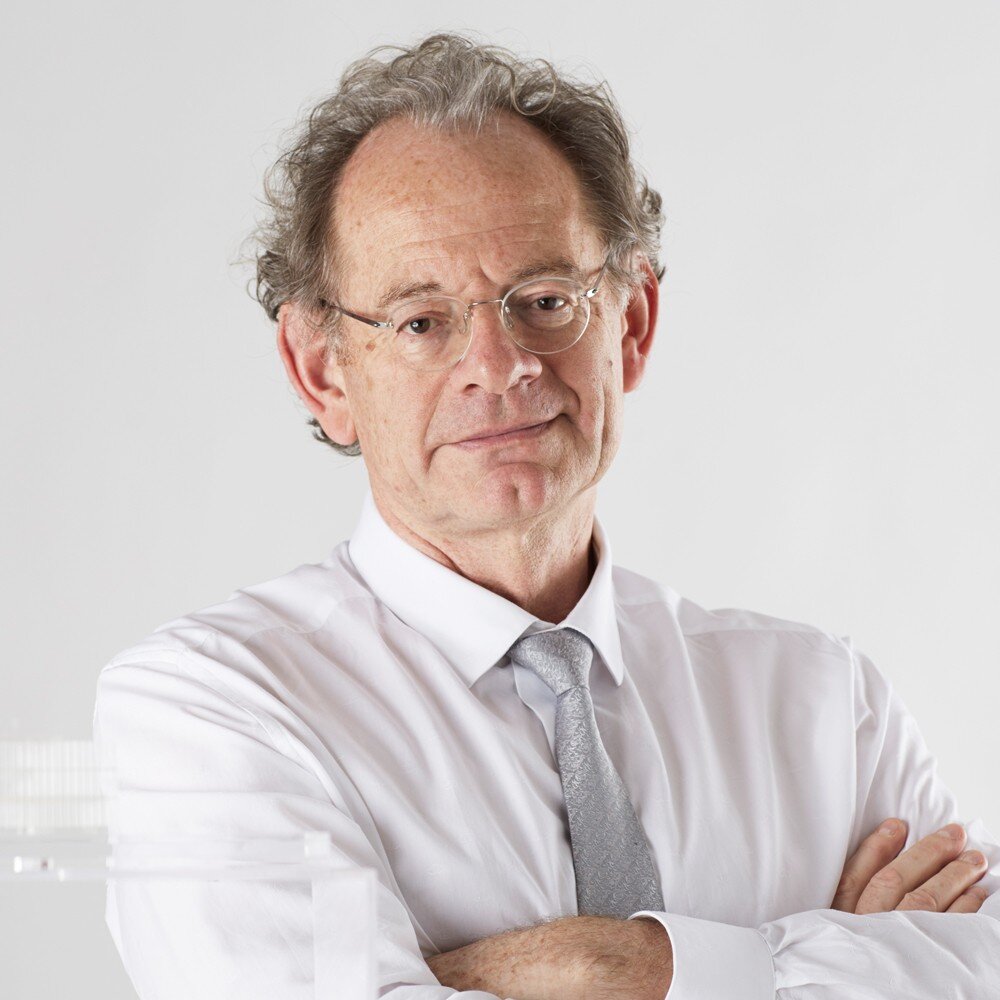
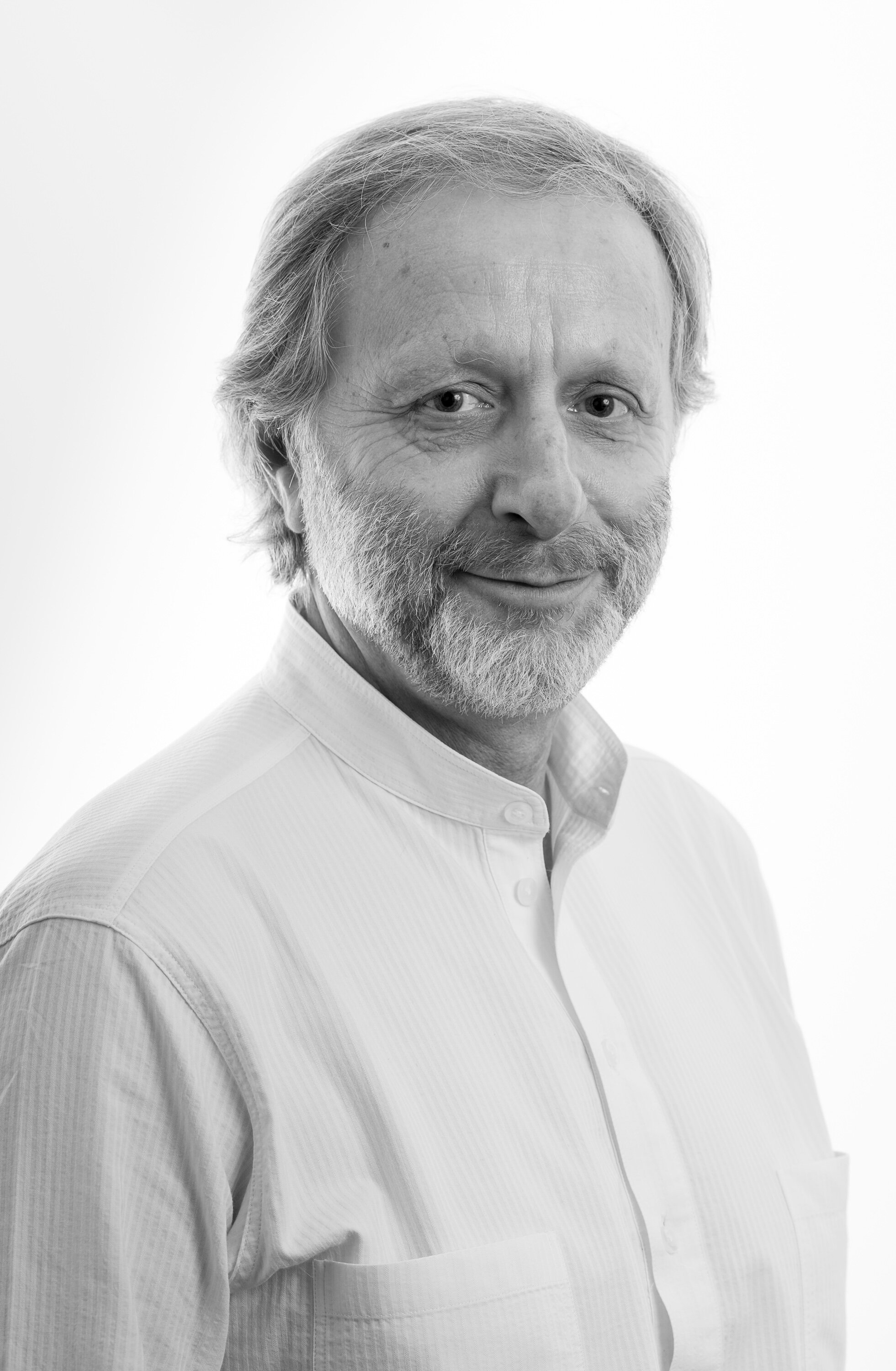
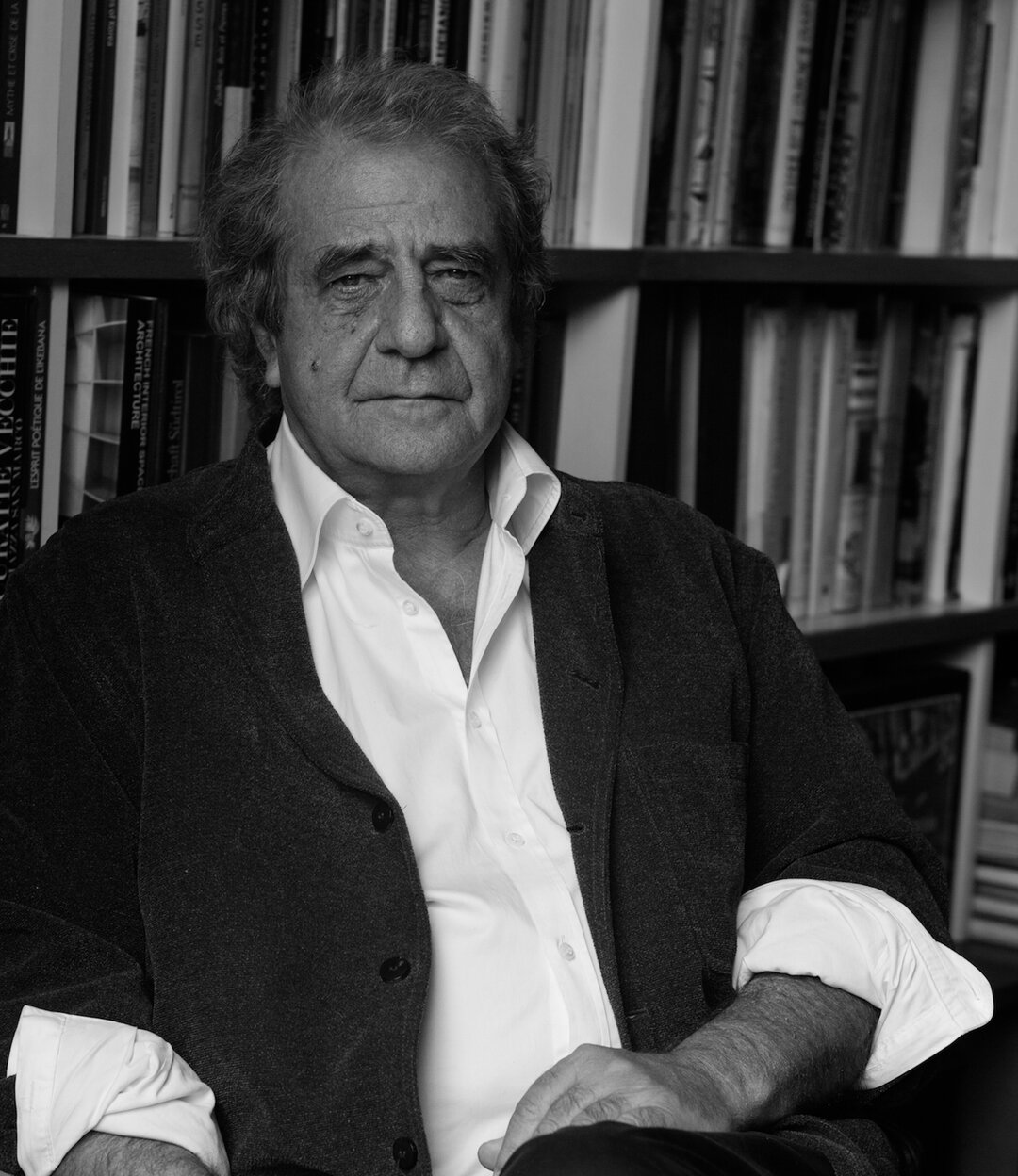
This issue brings together texts by French architects
Remy Butler
Michel Remon
Michel Beauvais
Christian Tanascaux
received in response to the debate initiated in July this year on the special situation we were all in.
The architects who were kind enough to take part and share their experience with fellow Romanian architects and other readers of ARHITECTURA magazine are representatives of a generation of architects who have designed France's hospitals over the last decades.
Each of them has had, more or less, links with the world of Romanian architecture through the Romanian architects who chose the free world or through the generations of young architects who completed their studies and experience in France, through visits to Romania or even through collaborations and other professional events realized in Romania.
A particular case is Mr. Tanascaux, an architect of Romanian origin, who started his activity in communist Romania and who also experienced the realities of post-communist Romania.
The general nature of the proposed theme-questions allowed for particularized forms of response, given the different personalities and experiences of the architects. While Michel Beauvais and Christian Tanascaux responded to the questions in interview format, Remy Butler and Michel Remon sent us summary texts, some of which have been published recently, which proves the topicality of the subject under discussion.
The realization of the article was also made possible thanks to the architects Alexandra Schipor-Mocanu and Răzvan-George Gorcea who ensured the communication with the architects Michel Beauvais and Michel Remon respectively.
The following questions were proposed:
About SPITAL AND WORLD
Experiences lived during the recent pandemic lead us to think that the world can turn into a big hospital... That the world will increasingly operate according to epidemiologic and sanitary rules, criteria and rationales. Our circuits of movement in buildings and urban space will be subject to these rules... Even dwellings have become part of a prophylactic and curative system and we expect that in the design of buildings with different functions we will take into account the specific situations of quarantine...
The world has been a "hospital" until now and we were unaware of this fact?..... Or will it become a "hospital"?..... Will it change the architectural and urban paradigms we have lived and worked with as architects and urban planners until now...?!
About HOSPITAL ARCHITECTURE
In your career, you have witnessed a lot of changes in the way hospitals are thought/designed. Even I remember the design of operating blocks with separate circuits (dirty/clean) from my first French experiences in 1991-1993. In 1999-2001, when I returned to France for a few one-off collaborations, I found that they had been abandoned, with protection from contamination being done by airtight containerization at the site and at the time of retrieval of possibly infected material. Changes in hospital design practice have been permanent and mainly related to the evolution of medical practice.
Do you think we will see major changes in hospital design principles? Do you think there will be a major process of restructuring, of rethinking what exists, involving architects, or will the adaptation be limited to changes in internal regulations, operating rules, user...?
On MEDICINE, TIME and ARCHITECTURAL SPACE
Researchers of the evolution of human civilization predict that medicine will be one of those professions that will be taken over to a very large extent by automated and computerized systems.
Yuval Noah Harari said in "Homo Deus": "... In hospitals we are no longer individuals. Most likely, in your lifetime, many of the most important decisions about your body and your health will be made by computer algorithms" ... or in "21 Lessons for the 21st Century": "Thanks to learning algorithms and biometric sensors, a poor peasant in an underdeveloped country could end up enjoying far better medical care via his smartphone than the richest person in the world today gets in the most advanced urban hospital".
In a profession where even specialized staff, in the traditional sense, are losing their importance, what role can architectural space play?.... Will large hospitals, already in the bigness* category, evolve into medical malls, where junkspace will wreak havoc?!.....
About ROMANIA and HEALTHY ARCHITECTURE
I belong to a generation that has been waiting for 30 years to build a hospital in Romania according to coherent rules that at least equal those of the 1960s, when the social and planning ideals of communist ideology coincided with the principles of modern architecture and urban planning of the international movement, when Romania's great hospitals were built, which today we are only patching up.
The medical crisis will probably generate a coherent restructuring effort...
Do you have any recommendations for resolving this situation?
NOTE
* Rem Koolhaas and Bruce Mau, "Bigness", S, M, L, XL, Office for Metropolitan architecture, 010 Publishers, Rotterdam, 1995.
Rem Koolhaas, "Junkspace", Payot et Rivages, Paris, 2010.
Remy Butler, "Reflexion sur la question architecturale", Les Belles Letress/essais, 2010.