
Living today
International news
Fundamentals Biennale di Venezia 2014
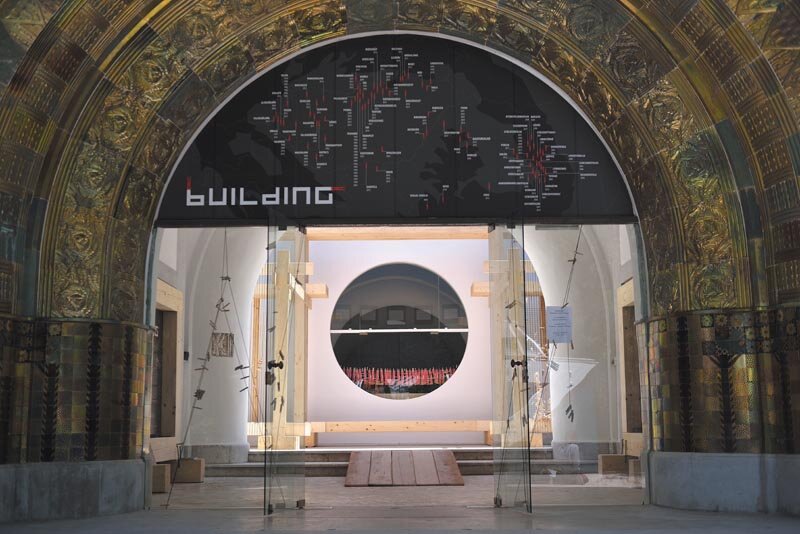
The events of the Venice Biennale take place from June 7 to November 23, 2014. The pavilions and national participations are grouped in the Giardini and Arsenale areas. Collateral events of the Biennale, part of the national participations plus numerous exhibitions and events, take place in different areas of Venice grouped typologically according to a scheme made available to visitors at the entrance to the Biennale area.
The theme proposed by Rem Koolhaas for the Venice Architecture Biennale was a double challenge. Fundamentals was driven by the need to convey a coherent message about the architectural phenomenon. Secondly, it is worth noting the attempt to express the conceptual identity applied to architectural design, which takes up an older theme proposed for the Biennale in the 70s. As Paolo Baratta remarks, this year's Biennale is "a research-based exhibition". "For the first time, the national pavilions are invited to respond to a single theme... 65 countries - in the Giardini, at the Arsenale and elsewhere in the city - examine key moments from a century of modernization. Together, the presentations start to reveal how diverse material cultures and political environments transformed a generic modernity into a specific one. Participating countries show, each in their own way, a radical splintering of modernities in a century where the homogenizing process of globalization appeared to be the master narrative..."(Rem Koolhas)
The theme is almost metaphysical, trying through simplified elements to highlight not an interpretative whole, but a contextual environment that could give rise to personalized interpretations. Absorbing Modernity is the framework for analyzing the specific transformations that have taken place in the last hundred years, 1914-2014.
The theme of the archive, of remembering the events that have determined the architecture of a region in a certain period of time, is the premise for the research of a distinct phenomenon or reaction in the architectural phenomenon.
The theme of research developed in several directions in the pavilions presented is remarkable. The Korean and Japanese pavilions stand out for their archive-type research typology (laboratory, workshop) and its extension in the presentation of the Russian pavilion, which transforms archive elements into commercial goods, similar to a product fair. The Slovak or Polish pavilions follow a poetic direction, developing the subject by emphasizing a specific element. A distinctive approach, relying on identity and visual expression presented through films or models, transports the viewer into a world in motion, where aspects of temporality become key elements in the evolution of the architectural phenomenon (the French or Romanian pavilions). We also find a fourth approach in the Greek, Spanish or Brazilian pavilions, which translate modernity through the capacity of exposure; the pavilions are a space of diverse nuances - a visual conglomerate of static images arranged chronologically or key moments in time.
In the spirit of the complex vision, Rem Koolhaas counterbalances the radical, contextual approach (the archives of the pavilions) with the global research (the fundamental, essential approach) of Elements in the central pavilion of the Giardini. "The history of the past one hundred years prelude to the Elements of Architecture section hosted in the Central Pavilion, where the curator offers the contemporary world those elements that should represent the reference points for the discipline: for the architects but also for its dialog with clients and society." (Paolo Baratta)
The research emphasizes the expression of the limits and the ability to control the complexity of the relationships established between the landmark elements of architectural language. As a complement to the approach of pavilions, Rem Koolhaas proposes the analysis of the basic elements(Elements of Architecture) specific to the architectural language (window, door, staircase, etc.), elements that transpose the definition of the complexity of codifiers subject to specific operating tools: space, norms, rules, heights, modulators, etc. One of the key elements is spatiality or spatial relations: the composition and arrangement of elements in space, a complex challenge that constitutes the essentialization of the architectural phenomenon. Determining the spatial relationships between architectural elements transposes an experiential zone: a window is not just a void in an opaque vertical element (or the result of a mathematical calculation), but a result of what you can see beyond, through that architectural element (see Corbusier)... Architecture becomes contextually a tool that generates emotional relationships, developing creativity - modernity expressed in terms of complexity.
In conclusion, we cannot fail to notice the unprecedented breadth and diversity of approaches, a true "Choral Research on Architecture!"."This time, the exhibition is the result of research effected under the guidance of the curator. There are some historic precedents to this in some of the early Architecture Biennales, but nothing comparable. The spirit of research is always something with which la Biennale concerns itself; but here it is la Biennale itself that is doing the research. And we are convinced of the importance of this development and this extraordinary opportunity Rem has offered us." (Paolo Baratta)
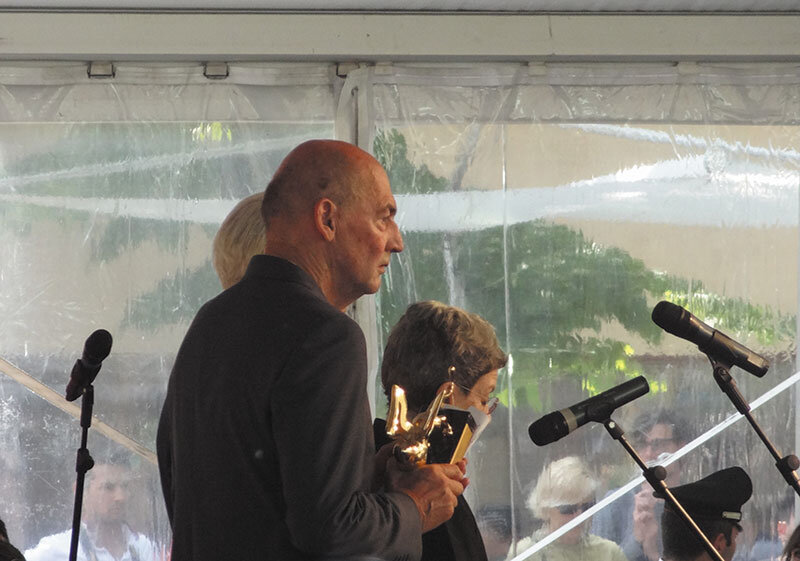
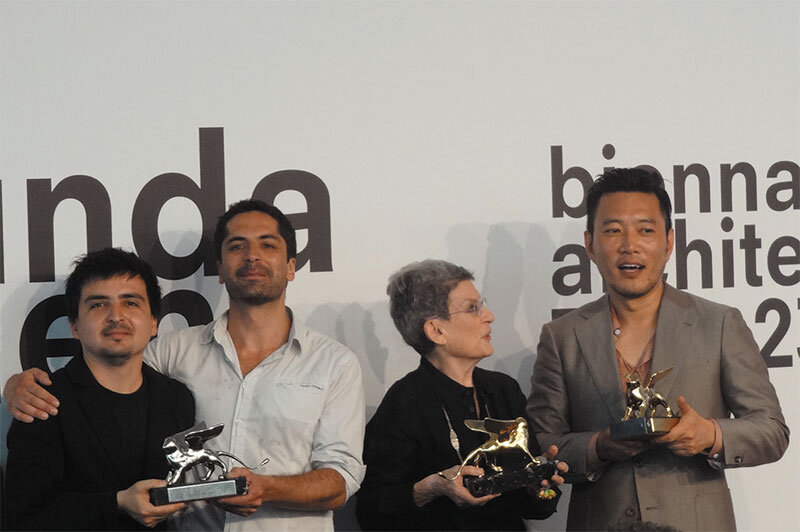
The winners of BAV 2014 are:
1. Korea with the pavilion Crow's Eye View: The Korean Peninsula (Golden Lion Award);
2. Chile with Monolith Controversies (Silver Lion Award);
3. Monditalia for the research project section (Silver Lion Award).
3 special mentions were awarded for national entries:
1. Canada(Arctic Adaptations: Nunavut at 15);
2. France(Modernity: promise or menace?);
3. Russia(Fair Enough: Russia's past our Present).
Three special mentions were awarded for research projects in the Monditalia(Fundamentals) section:
1. Radical-Pedagogies-Action-Reaction-Interaction;
2. Intermundia;
3. Italian Limes.
"The Giardini 'rest stop
Fundamentals Biennale di Venezia 2014

Piranesi Prix de Rome 2014

Green Paradises or Ash Ghettoes
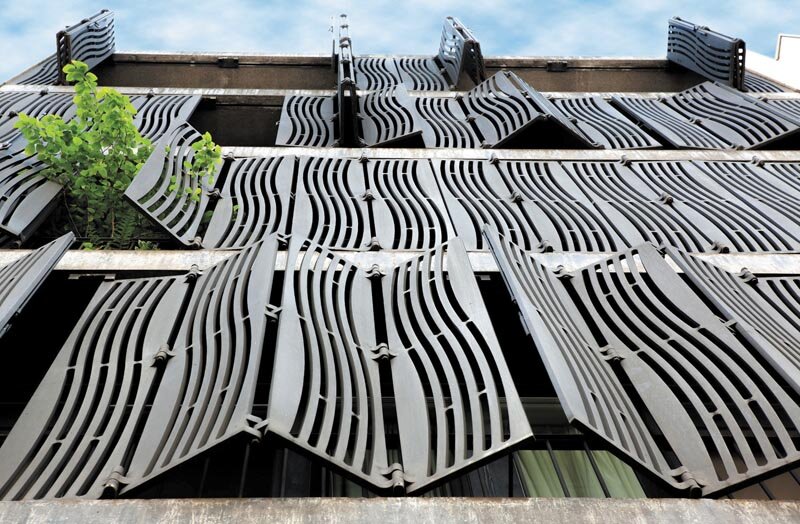
Research, examples, trends in current collective housing design
Individual or collective housing?
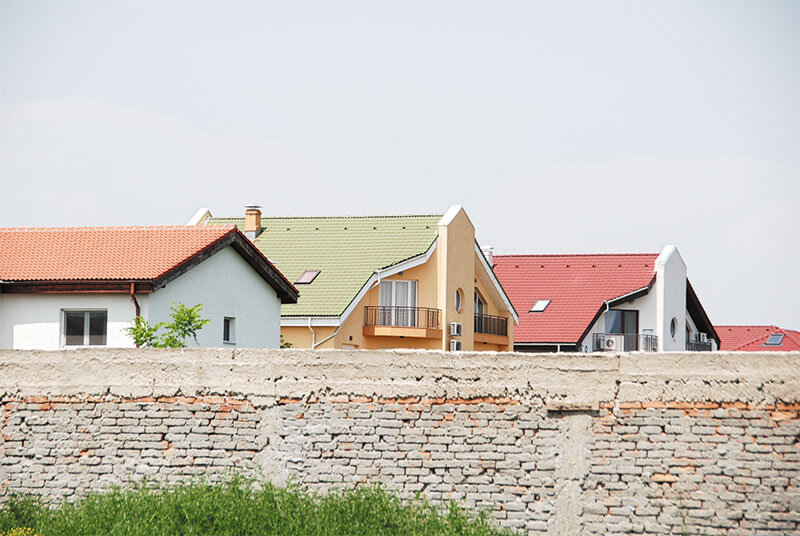
Peripheralization of Bucharest from the perspective of differentiated urban dynamics
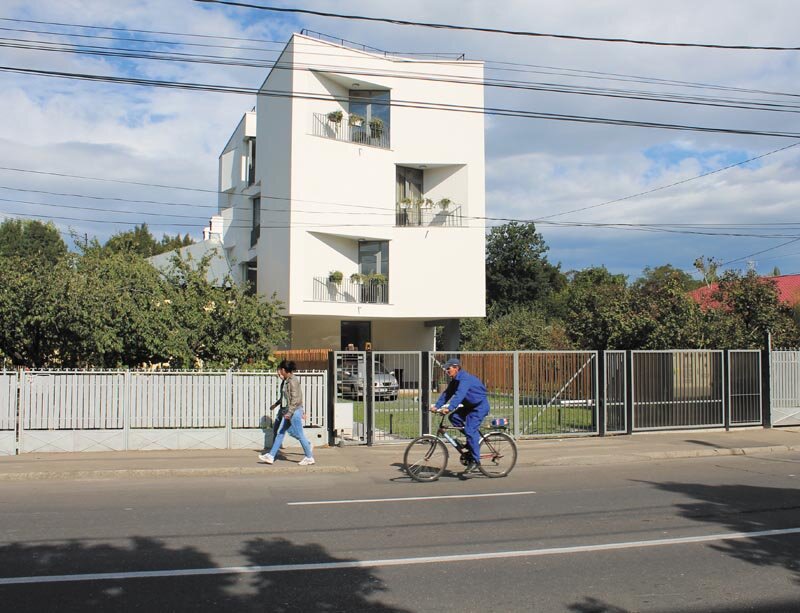
6 courtyards
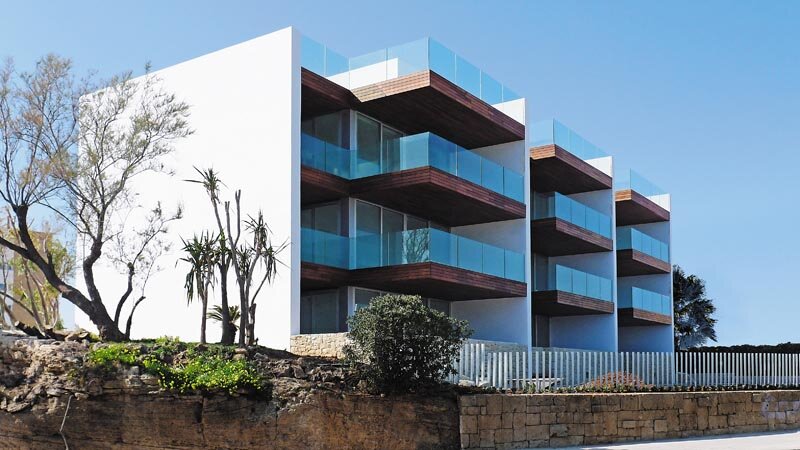
Apartment building in Jávea, Valencia, Spain
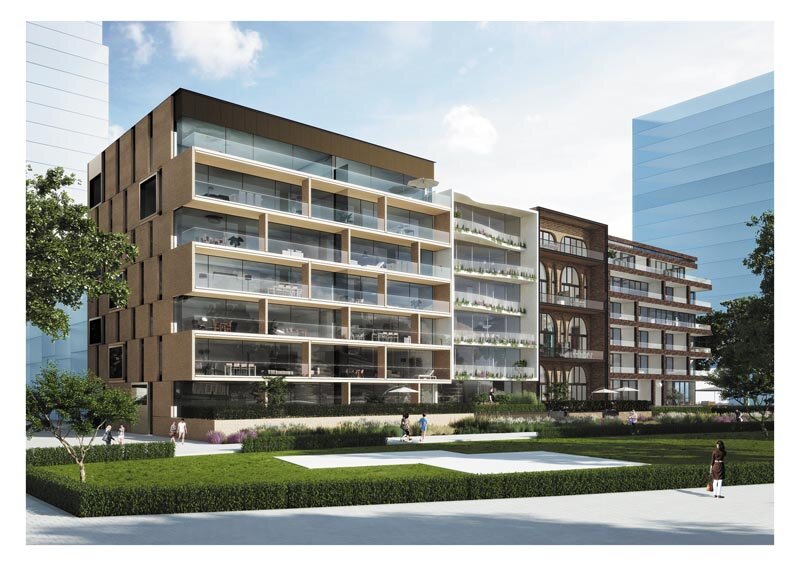
Amstel C1
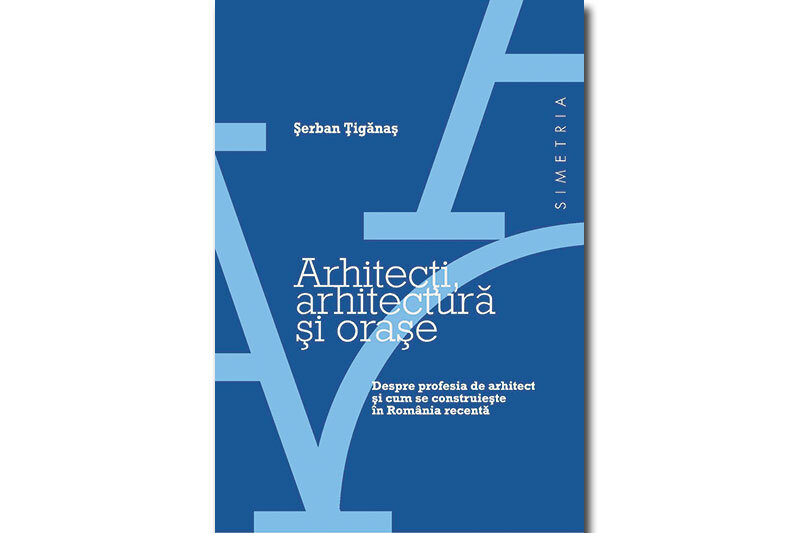
Architects, architecture and cities. About the profession of architect and how to build in recent Romania