
Living today
Argument
Living today
If someone were to ask me to speak freely on the issue of housing today, with a particular emphasis on collective housing, I would have to touch, however briefly, at least on the following points, which I leave as a score that will perhaps generate discussion:
1. The conceptual crisis of collective housing (at all levels assisted, community-based housing, conditioned by the high level of urbanization, crisis of the modernist model, failure of socializing-collectivist thinking, etc...); the issue being very little critically discussed.
2. The crisis of gated communities (living protected by walls, isolating a socially "superior" community from the rest of the city). By extension, the crisis of wealthy suburban individual housing in the US (resulting in: the emergence of The New Urbanism, any new form of settlement - satellite neighborhood - fractally repeats the complexity of the whole, i.e. has all urban forms in the small).
3. The new post-Facebook intimacy; the dedramatization of the idea of comfort, the refusal of typification through the success of DIY (it has reached us: do it yourself, DIY; v. Ikea and other home improvement chains).
4. "Democratic" architecture, the "socialism of the production of private space": the home is not the privileged domain of the architect, who is no more a specialist in housing than the average client (see Christopher Alexander and his A Pattern Language).
Information (its production and consumption) becomes a component of dwelling and even an emblem of social status: the house/the screen.
5. At the bosom of "Mother Geea": legislated energy recovery and self-sustainability in the West transforms the house into a computerized energy saving and producing machine (the buried house, the heat pump, material efficiency, smart facades, solar/wind, household waste, etc...).
After that I would also give examples of best practices in contemporary residential architectures and their environment:
(a) Rural Studio, Herzog/De Meuron, Mahti Senaksenaho, Habitat and Art Foundation in Romania (i.e. sculptor Alexandru Nancu, Augustin Ioan and friends).
b) minimalism, poverism, "as found" materials (not necessarily natural, but recyclable), "humble": revitalization of natural materials, a new return - culturally - to "nature": adobe, wood, cane, bamboo, but also massive natural stone.
c) the DIY-house (Herczeg House, Timișoara); the application of philosophical principles to architecture: the fold/fold (MVRDV, Mecanoo, Rem Koolhas); the Mobius house and the anti-Oedipian house: a new stakes of the public-private relationship in the Foucaultian sense of Mobius's strip (through a new dosage of the theme of transparency, different relations with the outside, dissipation of the dichotomy between public and private and/or day/night activities); rediscovery of intermediate spaces (courtyards, porches, cursives).
To conclude such a discourse, I would make the following bitter observation.
In our country everything is to be done and all the mistakes are repeated: gated communities are appearing, social housing is not being discussed, those in the socio-human sciences are not terribly interested in investigating collective housing after 50-60 years of application, individual housing is not experimental in the sense of new housing models, but only - rarely - in the sense of the expression, and the state, through ANL, although it should no longer be in this market, is building the same blocks, only much worse...
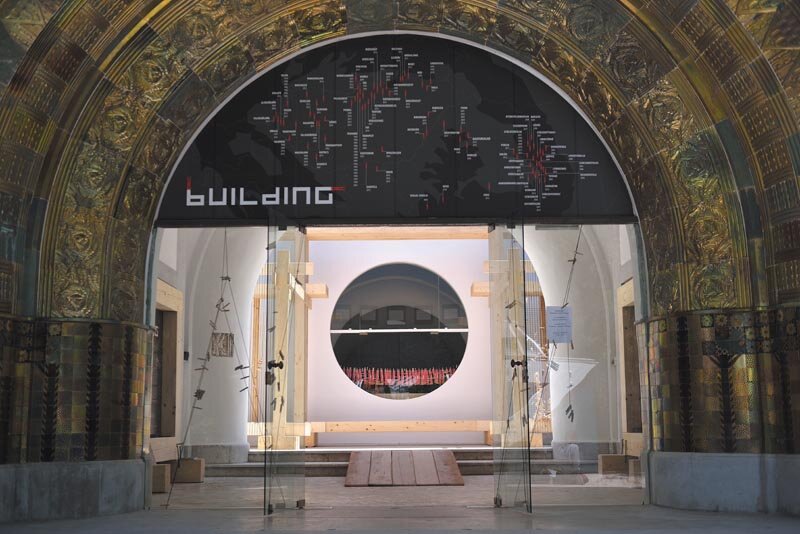
"The Giardini 'rest stop
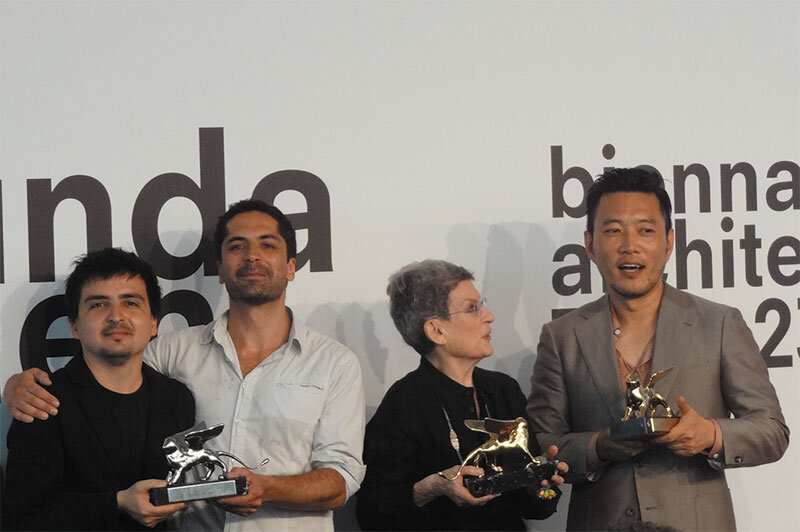
Fundamentals Biennale di Venezia 2014

Piranesi Prix de Rome 2014
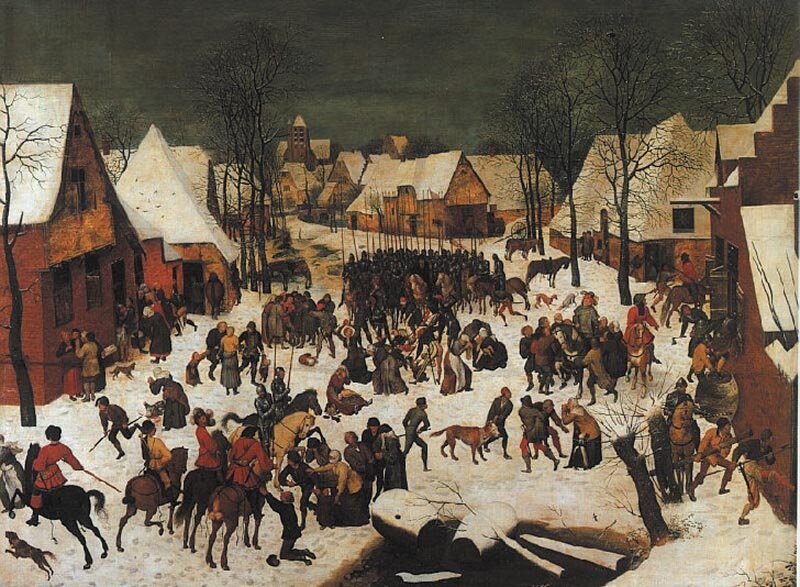
Green Paradises or Ash Ghettoes
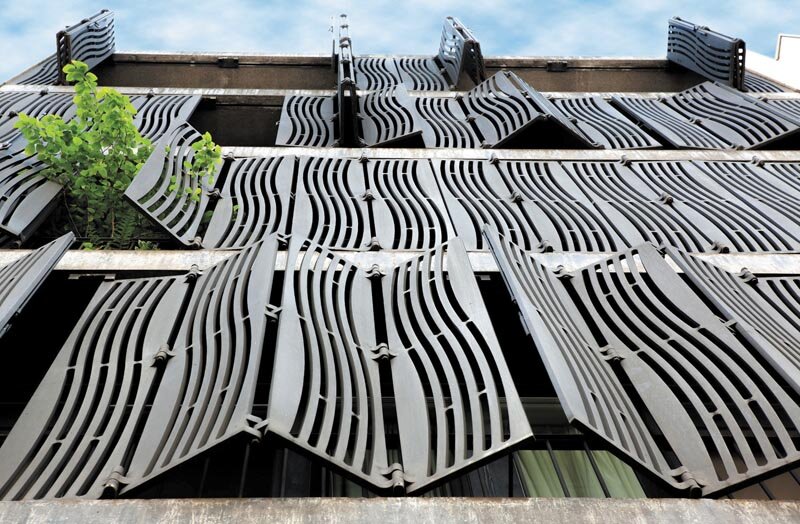
Research, examples, trends in current collective housing design
Individual or collective housing?
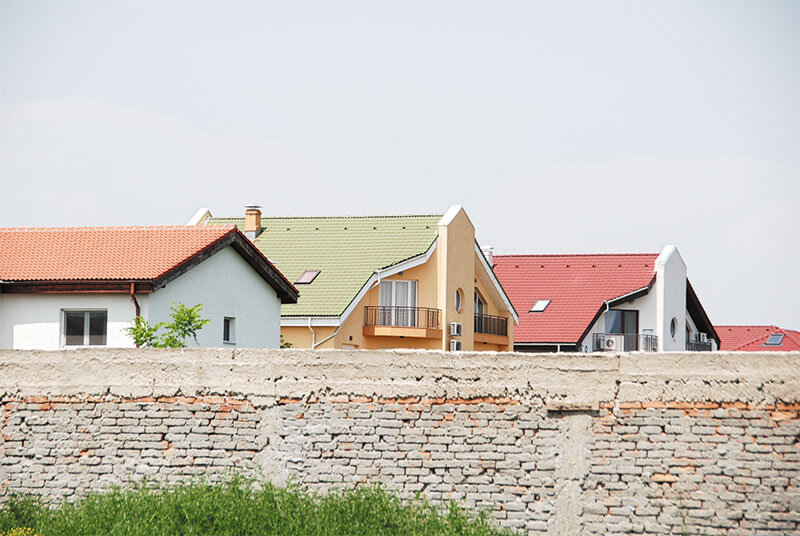
Peripheralization of Bucharest from the perspective of differentiated urban dynamics
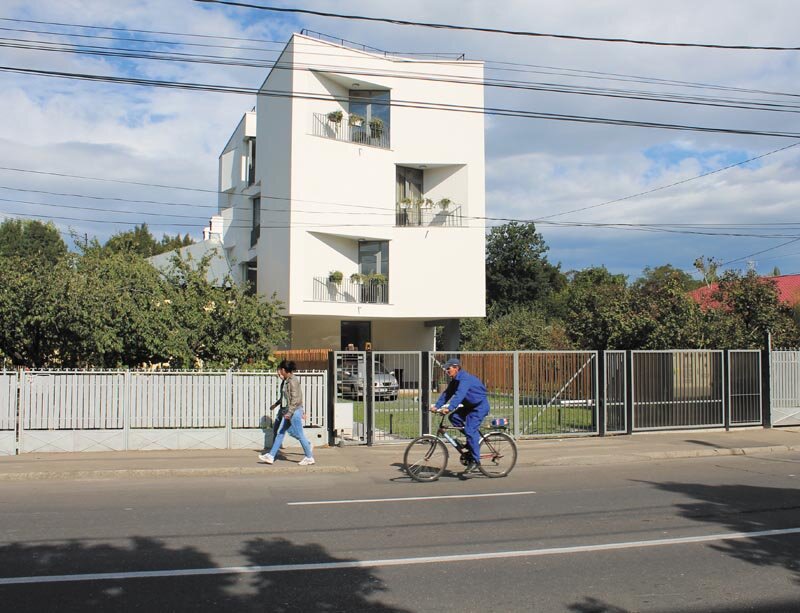
6 courtyards
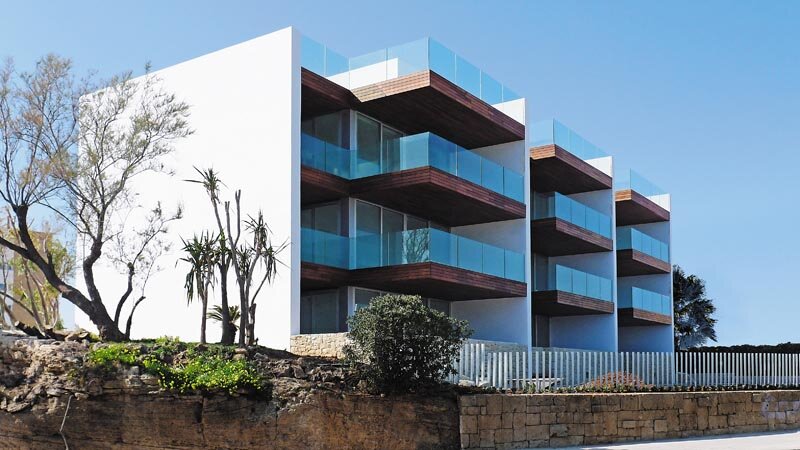
Apartment building in Jávea, Valencia, Spain
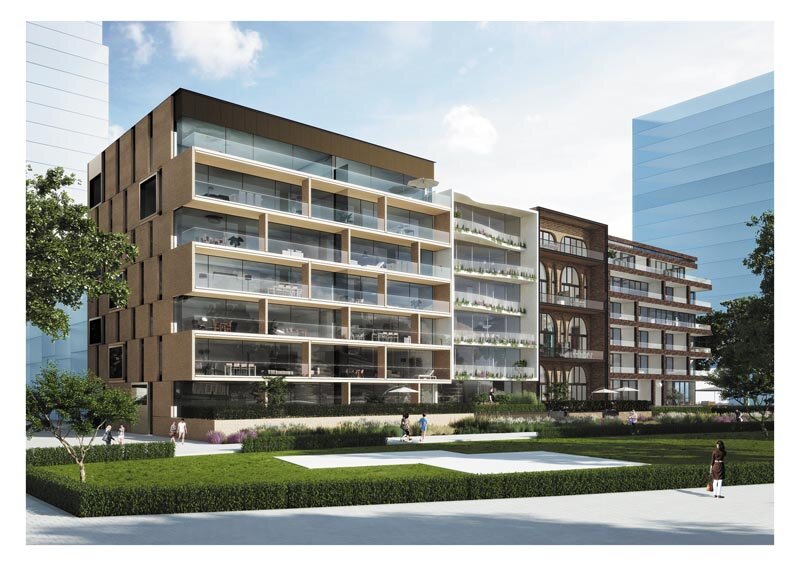
Amstel C1
Architects, architecture and cities. About the profession of architect and how to build in recent Romania