
Living today
Essay
Green Paradises or Ash Ghettoes
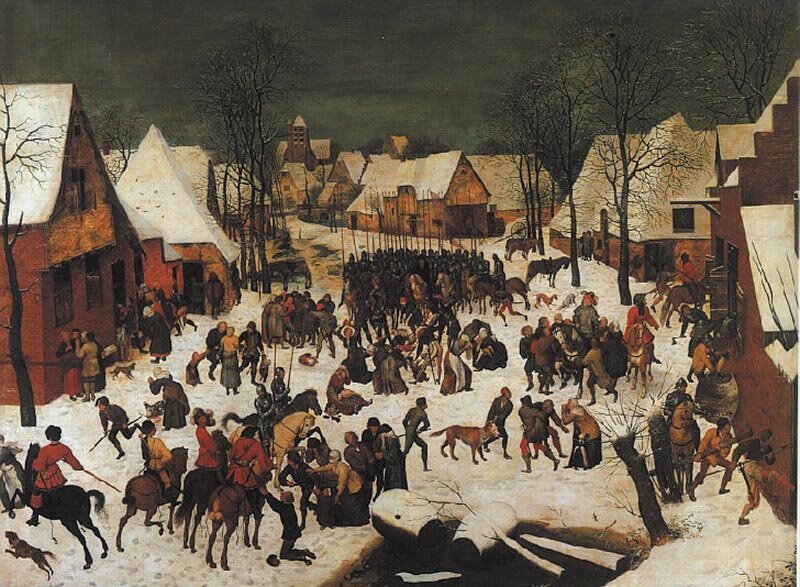
Green Paradises or Gray Ghettos
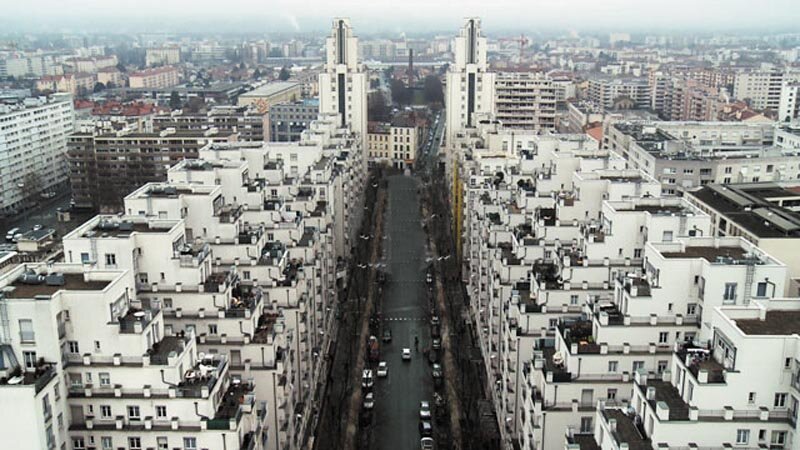
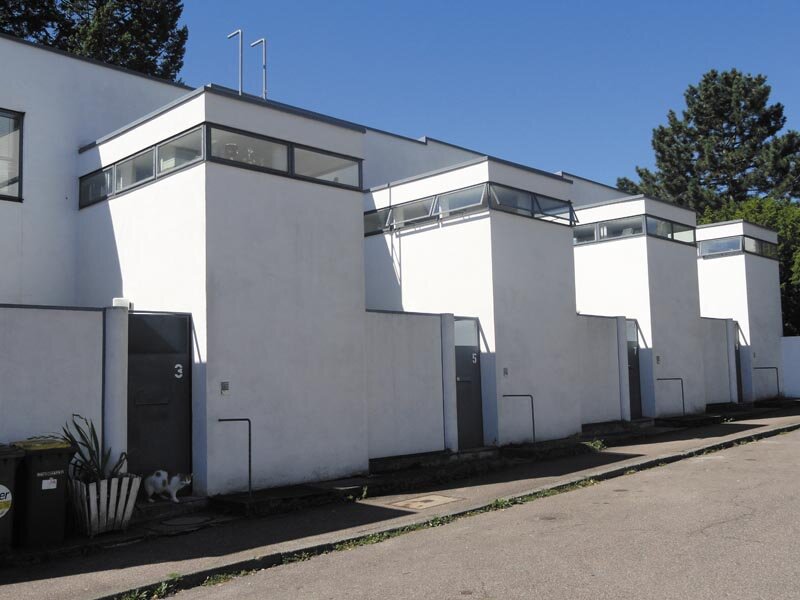
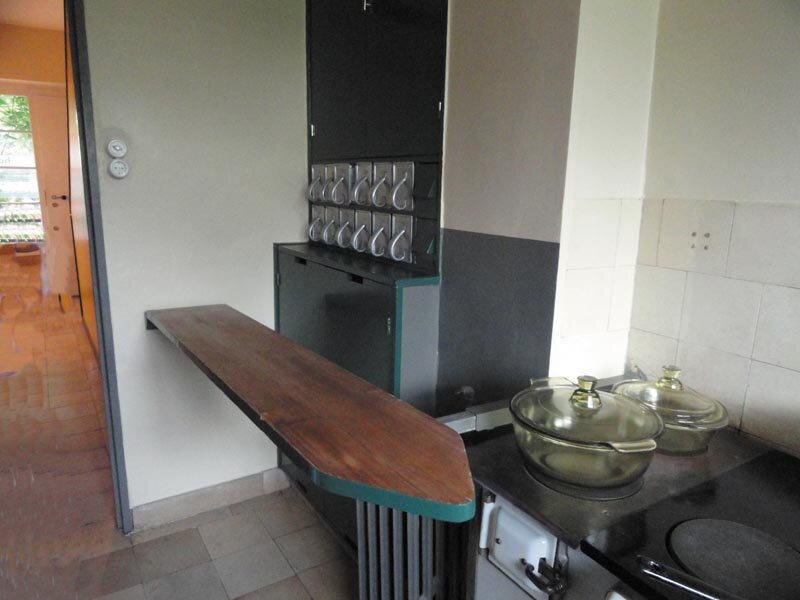
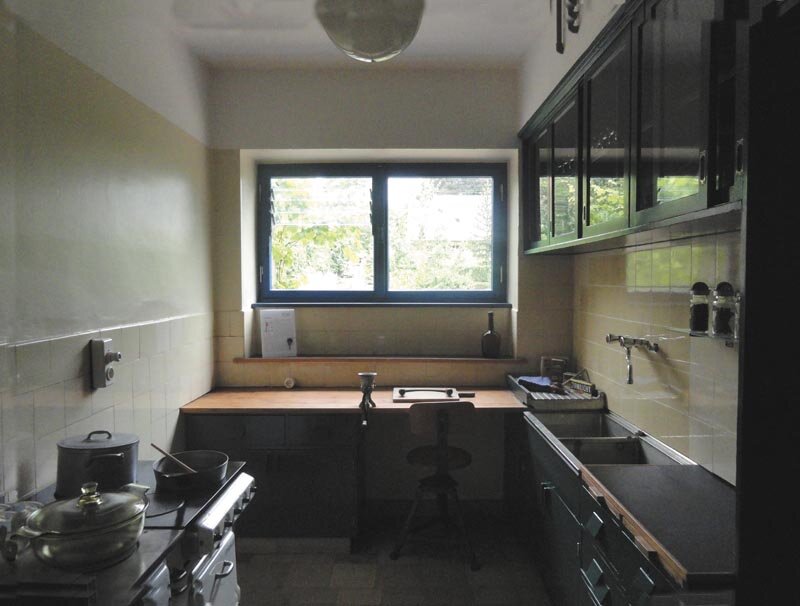
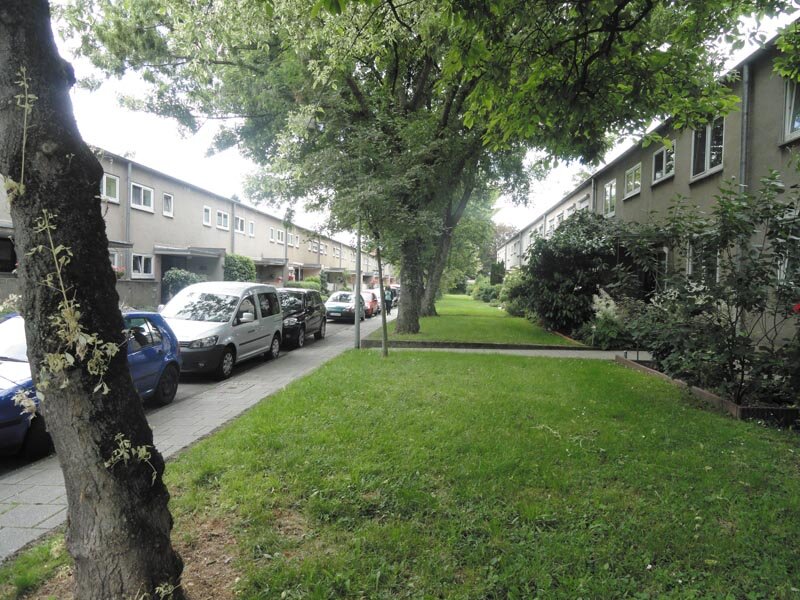
| "A-home" in Apartment. I don't know to what extent housing should be a city problem, relative to private initiative. I think, though, given its weight in the city relative to other programs, ideally it should remain the city's burden. If the programmes initiated by the authorities could ensure the quality of housing and at the same time the architectural quality, diversity and personalization, and relate them appropriately to a quality environment, how good that would be! It is within their power to link housing architecture with urban regeneration and greening. How wonderful it would be if there were not only money, but also a willingness to work with free and imaginative architects who can produce new solutions to reintegrate housing into the fabric of the city! In practice, however, it seems that it is only private initiative that has taken on the housing problem and is solving it as it knows how. Through paradisiacal estates. But few of them are integrated into the fabric of the city; as a rule, they are set up in peri-urban fields. Even so, it's a good thing they meet a demand. What's more, although despised by architects, they produce results that are appreciated by the public. They just don't solve the problem of city living. One problem that the authorities of large cities have, when they concentrate, is that of the general height regime. This in turn drives density, the ratio of free-standing to built, the type of subdivision and so on. Harsh realities exert pressures in favor of medium- and even high-rise collective housing, but the cultural sages insist on preserving the tradition of housing. If things are the same in Milan, Marseille, Barcelona, Lyon (not to mention Villeurbanne, by the way), nothing could be simpler. There, people have been living happily for almost two centuries, living on top of each other on many floors. In their decent apartments in dignified buildings, they feel at home. One Barcelona architect even said that one explanation for Barcelona's exemplary community cohesion may be precisely this tradition of undifferentiated living. Be at home there, we say, in our experience. There is no doubt, however, that a superior form of life remains living in individual houses. In 1904, Muthesius in Prussia urged that the Anglo-Saxon preference for individual houses as close as possible to nature should be maintained, because they allow the development of the personality. Of course he was right, he was knocking on open doors and he was listened to. It's just that the preservation of this culture is possible in countries like that of Dom Muthesius - with developed economies, evolved societies and educated authorities. Even there, however, it doesn't mean that, in addition to single-family houses, there is no medium- and high-rise collective housing. Of course not. |
| Read the full text in issue 3 / 2014 of Arhitectura magazine |
| "At-home, in an apartment I do not know how appropriate it would be if the housing would be a city problem rather than a private initiative. Yet, I believe that, giving its volume in the city comparing to other programs, it should be, ideally, an issue of the city. How good would it be if the programs initiated by the authorities would be able to assure the quality of the housing as well as the architectural value, diversity, personalization and to link them adequately to a quality environment. It is in their power to associate the architecture of the house with urban regeneration/renewal and greening the space. How good would it be not only to have the money/means, but also the availability to work with open minded and imaginative architects, which would design new solutions of integrating the housing in the urban fabric! However, it seems that only private initiative controls and solves the housing problem, as it knows how to: through paradisiacal "estate". Nonetheless, few of them are integrated in the urban fabric; usually they are built in the peri-urban spaces. Even so, it is good they answer a demand. Moreover, although architects disregard them, they produce solutions appreciated by the public. Yet they do not solve the problem of living in a city. The authorities in big cities focus on the maximum height of structures. Urban height restrictions have consequences on the housing density, free built environment, type of lotization and others. The harsh reality makes the collective living of medium and tall height the preferred solution, yet the wise men of culture insist on maintaining traditional housing. If we are talking about Milan, Marseille, Barcelona, Lyon (not to mention Villeurbanne), nothing simpler. There, for almost two centuries, people lived happily on different layers. In their decent apartments, part of dignified buildings, they have the feeling of "home". A female architect from Barcelona argued that this exemplary living community could be explained through the tradition of undifferentiated living. According to our experiences, we note, be their way there. Without a doubt individual houses are the preferred form of living. In 1904, in Prussia, Muthesius suggested to keep Anglo-Saxon's propensity for individual housing, closely connected to the nature because they developed the personality. Of course, he was right, knocking at open doors, and, he was listened. Nonetheless, this culture of housing is possible in countries such as Mr. Muthesius was - with developed economies, evolved society and educated authorities. Even there, besides uni-familiar housing, there are medium and tall collective buildings. By all means! |
| Read the full text in the print magazine |
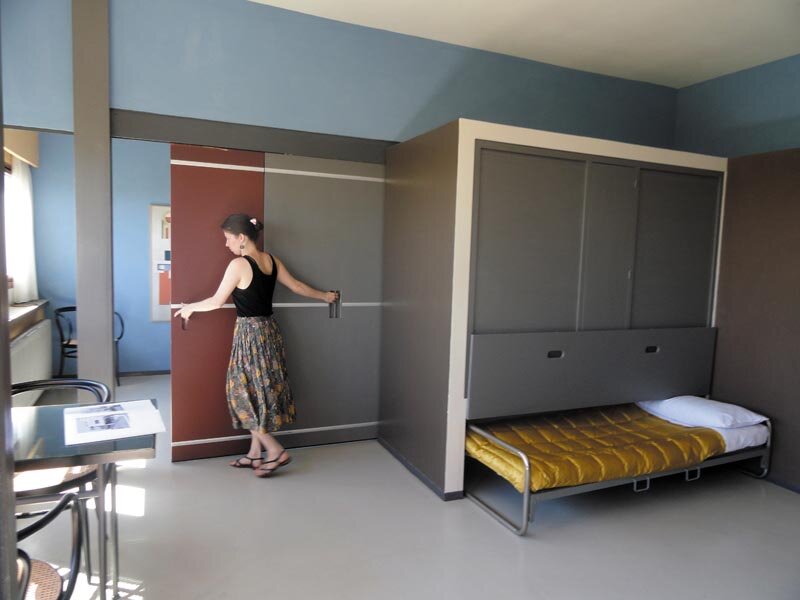
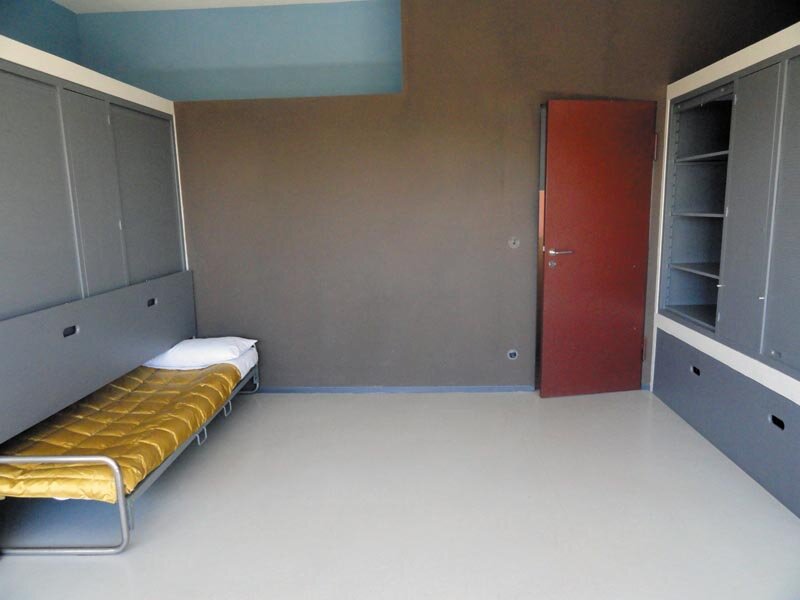
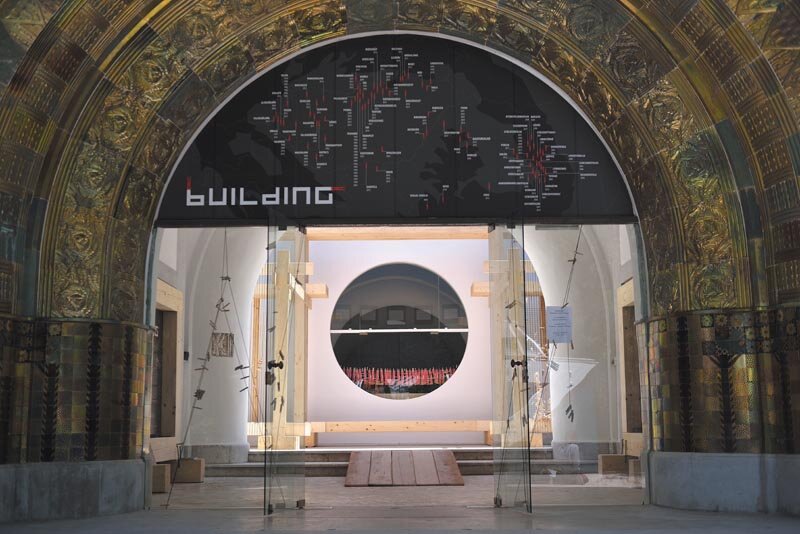
"The Giardini 'rest stop
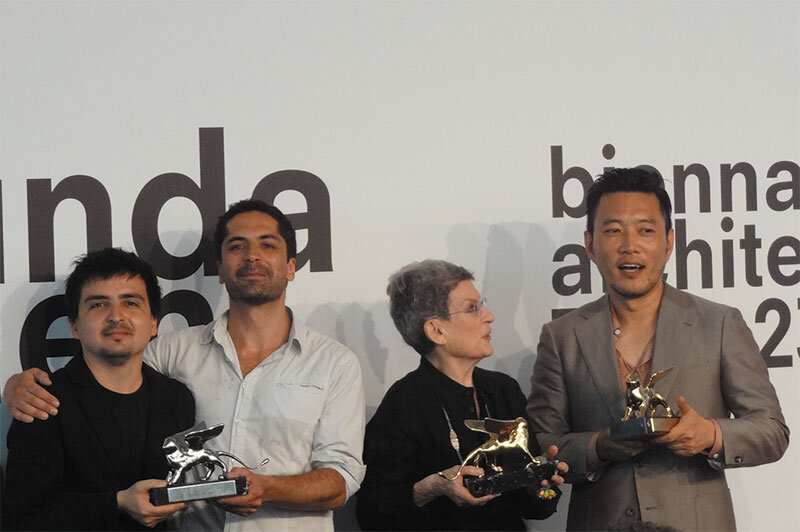
Fundamentals Biennale di Venezia 2014

Piranesi Prix de Rome 2014
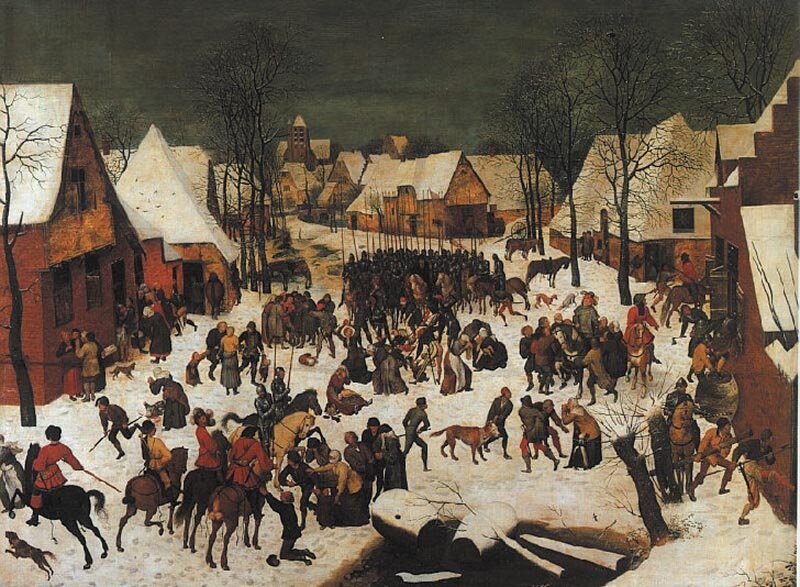
Green Paradises or Ash Ghettoes
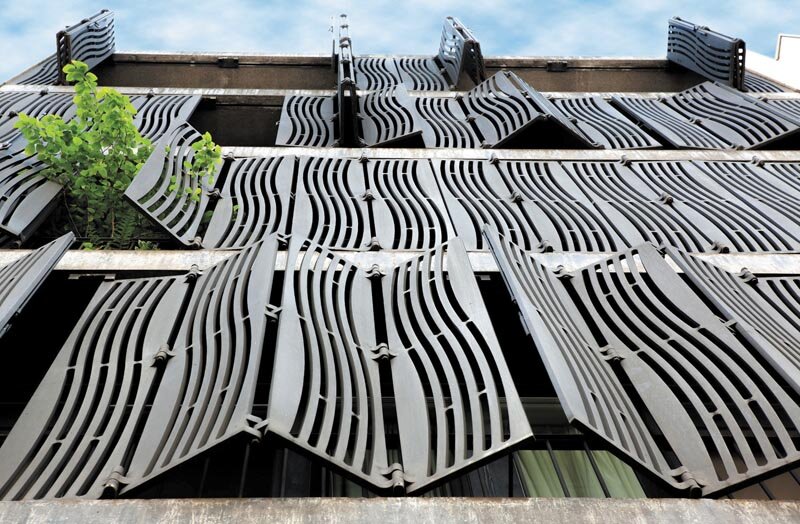
Research, examples, trends in current collective housing design
Individual or collective housing?
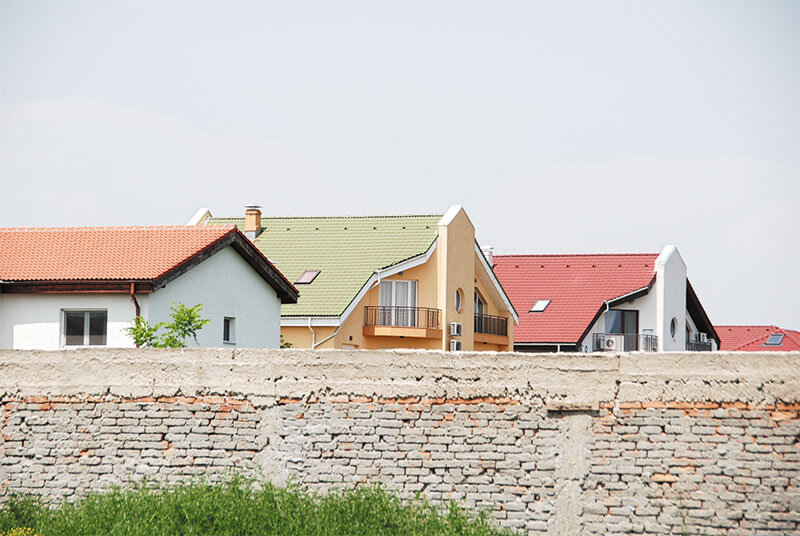
Peripheralization of Bucharest from the perspective of differentiated urban dynamics
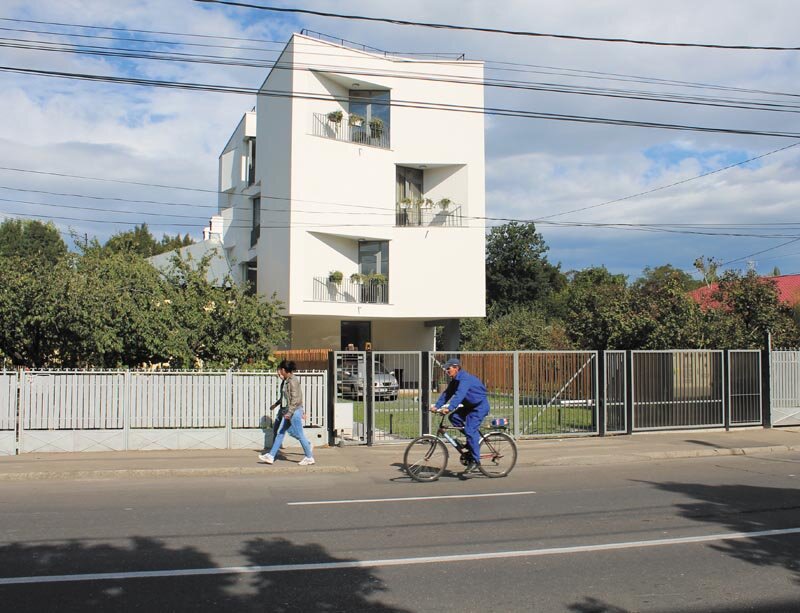
6 courtyards
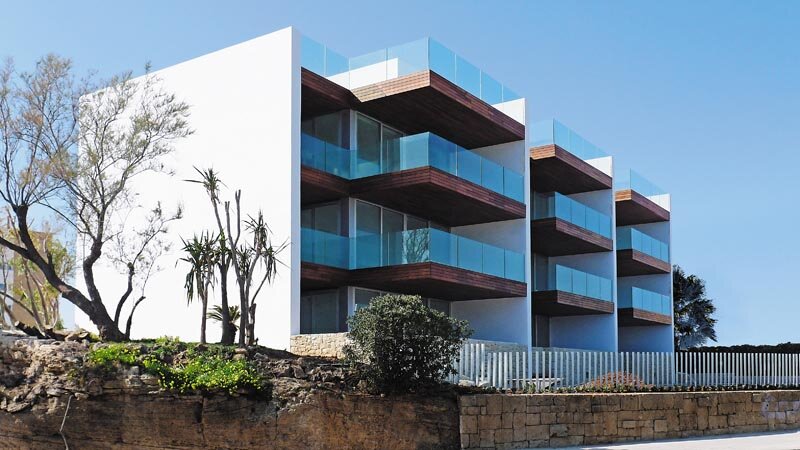
Apartment building in Jávea, Valencia, Spain
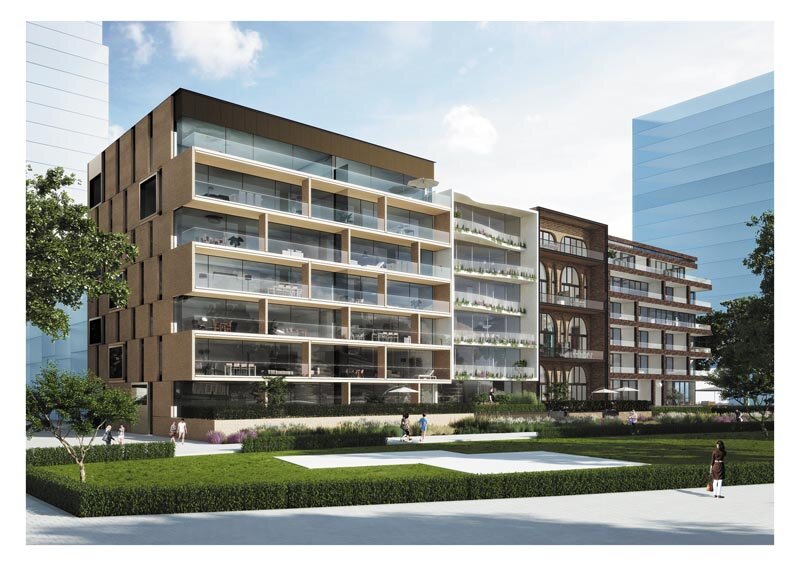
Amstel C1
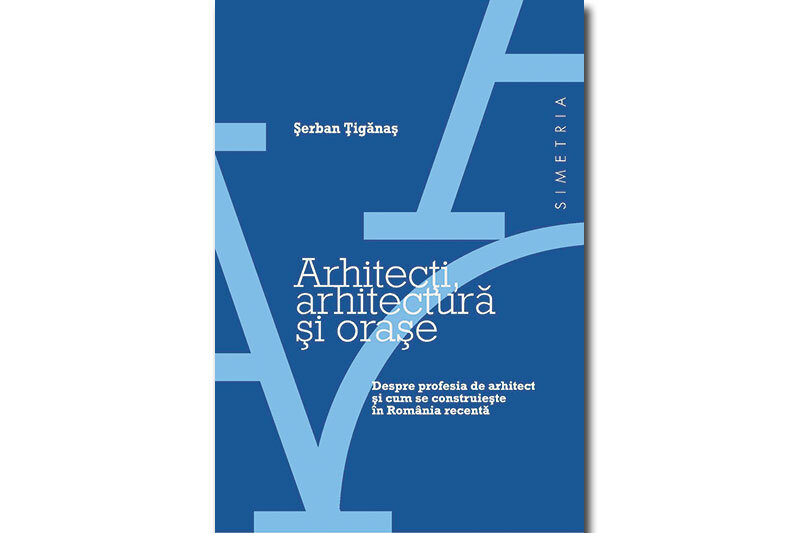
Architects, architecture and cities. About the profession of architect and how to build in recent Romania