
Living today
Thematic dossier
Research, examples, trends in current collective housing design
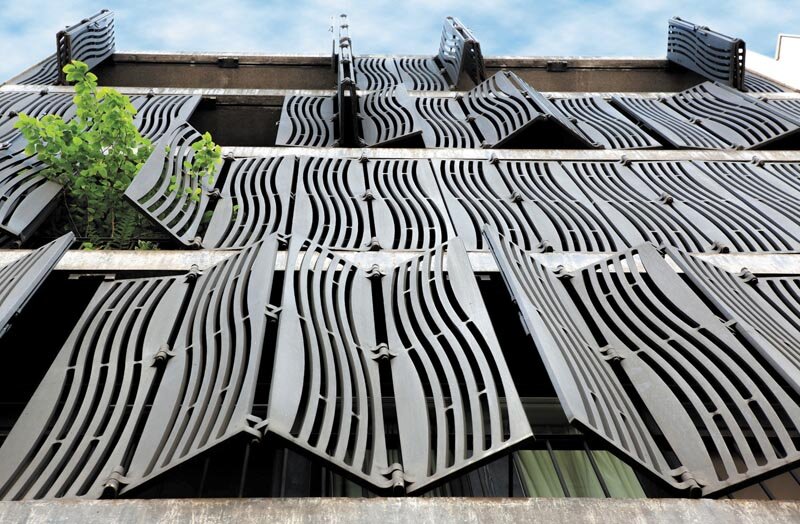
Shelter, a defining element in the evolution of mankind, is in modern and contemporary coordinates a space intended for security, relaxation and individual health. Although apparently housing involves satisfying the same basic needs, the way in which residential buildings are occupied is in a constant state of change. Programs are accumulating and becoming more and more complex or, on the contrary, tending towards "impoverishment" and simplification, so that the architect is constantly faced with new situations. As a consequence of the general evolution, today we are witnessing: the acceptance of ideas of continuous change, the study of border areas, a new attitude towards values coming from different cultures, a rethinking of human needs and a return of attention to the human being, to the beneficiary or user of architecture. From the earliest stages of design through to the end of the building's construction, and beyond, a whole set of questions, doubts and contradictions are generated, which are characteristic of a living, complex and constantly changing organism. Architecture tends to solve new kinds of problems: the problems of communities, collectivities, based on the acceptance of cultural differences and differences in taste, and emphasizing the importance of human emotions and perceptions.
Reflecting a number of personal researches, but also in order to understand and diagnose states of affairs found in recent projects, I try to capture some cause-effect relationships in the architectural program of collective housing. Highlighting state-of-the-art aspects and trends in international practical experience, starting with the conceptual approach of the project and ending with the insertion of the architectural object in the urban context of the immediate, near or distant neighborhood, I believe that the examples chosen and presented speak for themselves.
Insertion in a given urban context
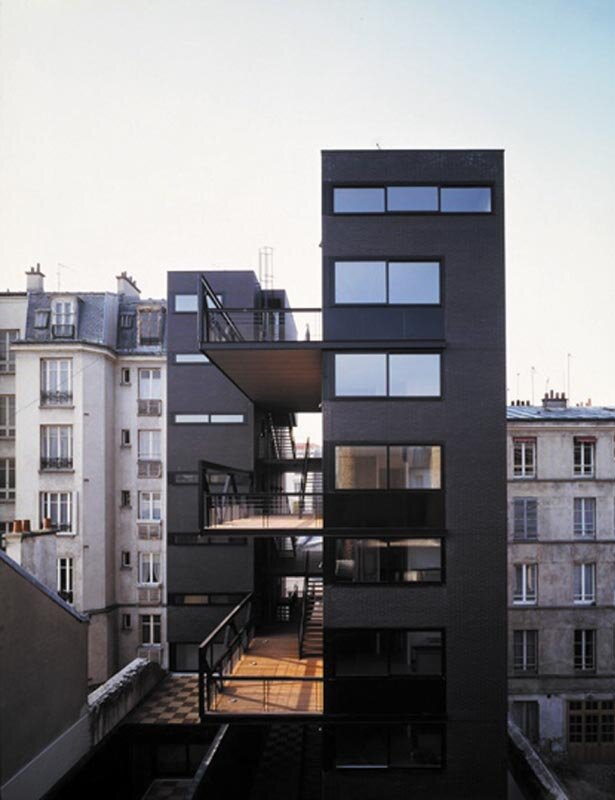
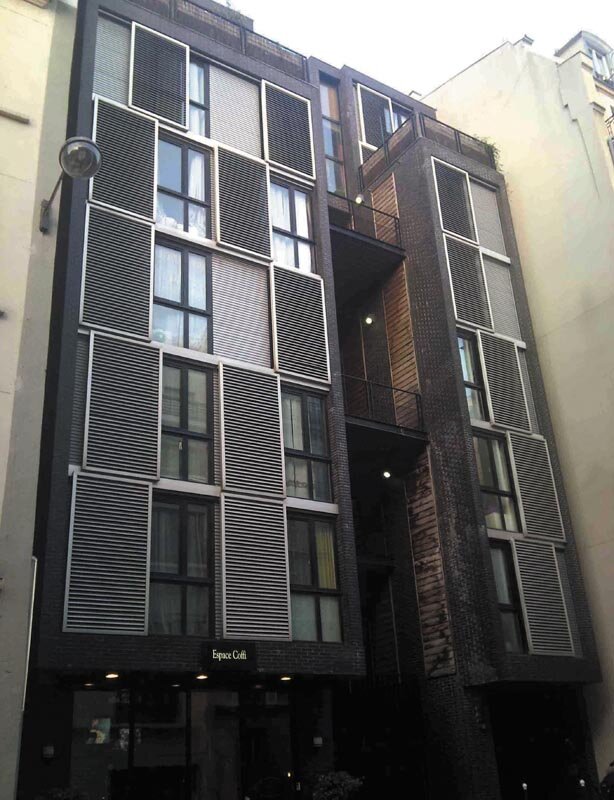
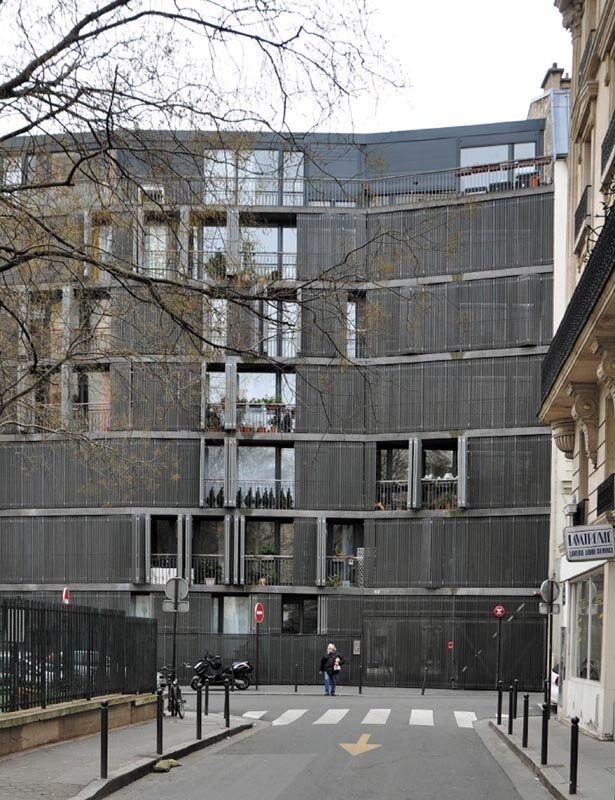
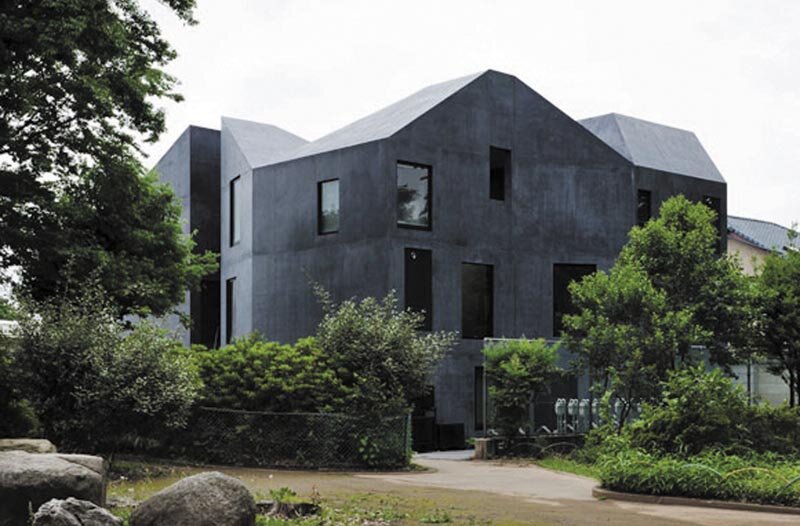
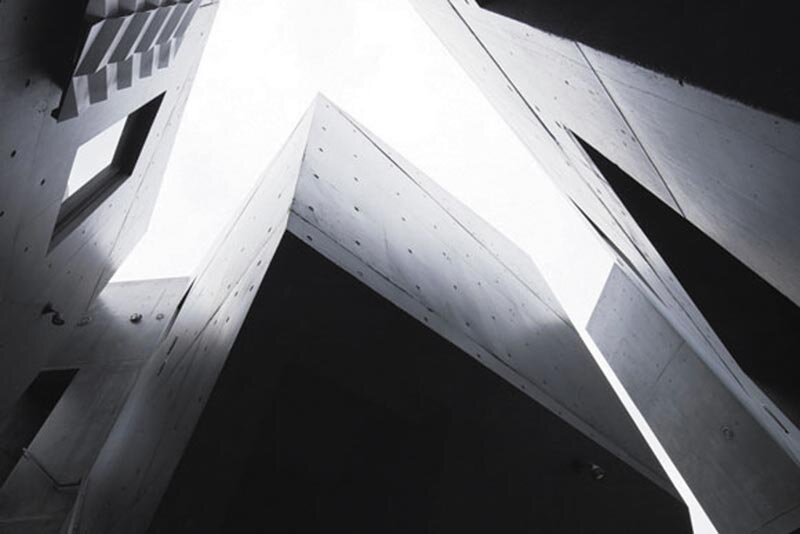
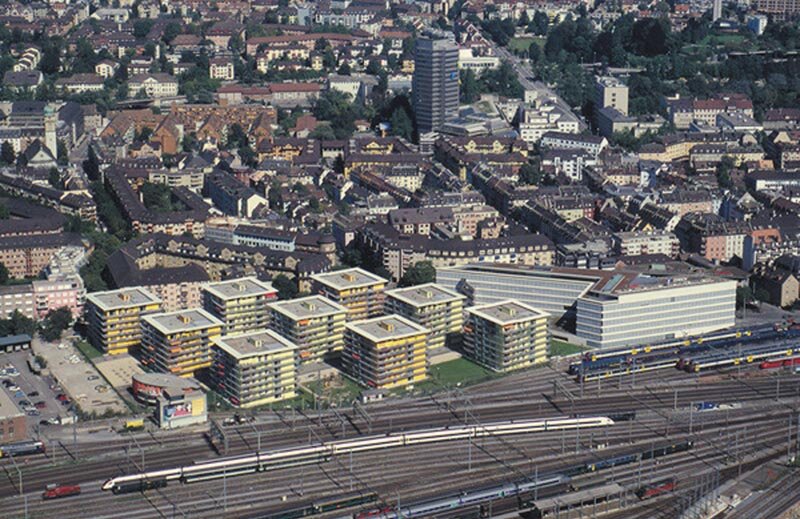
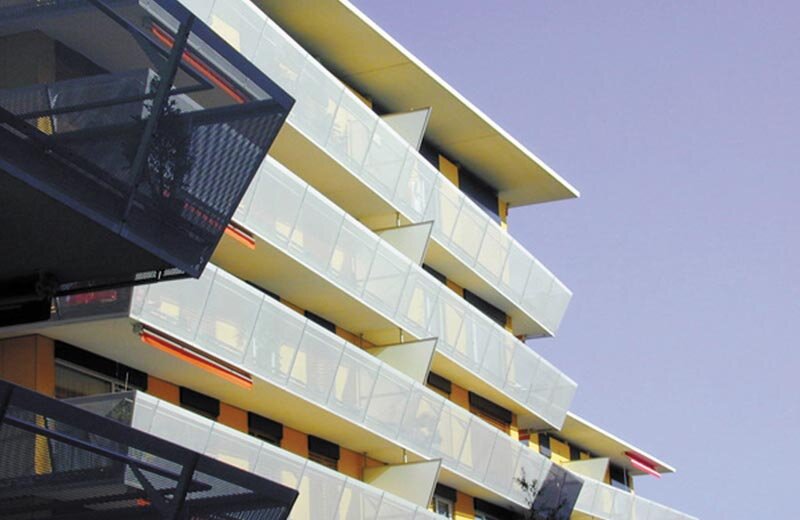
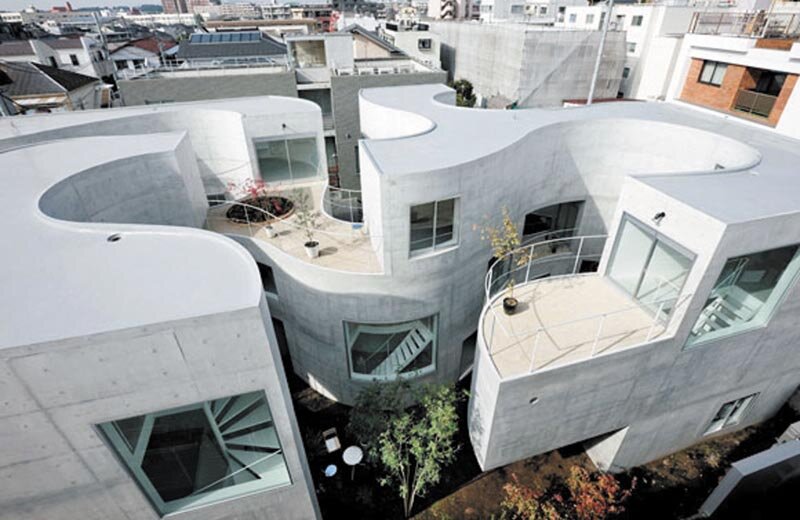
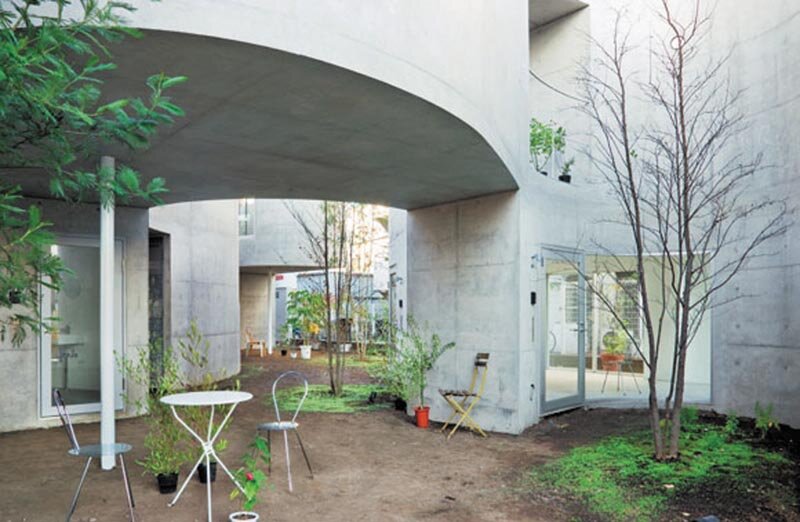
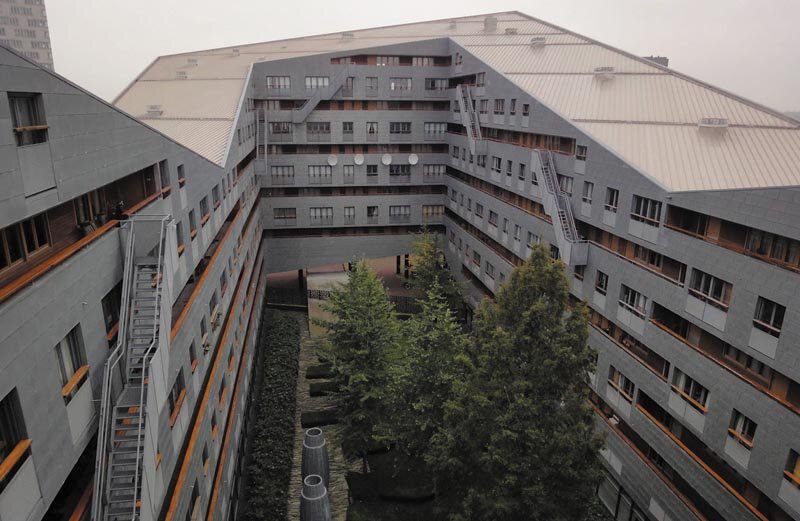
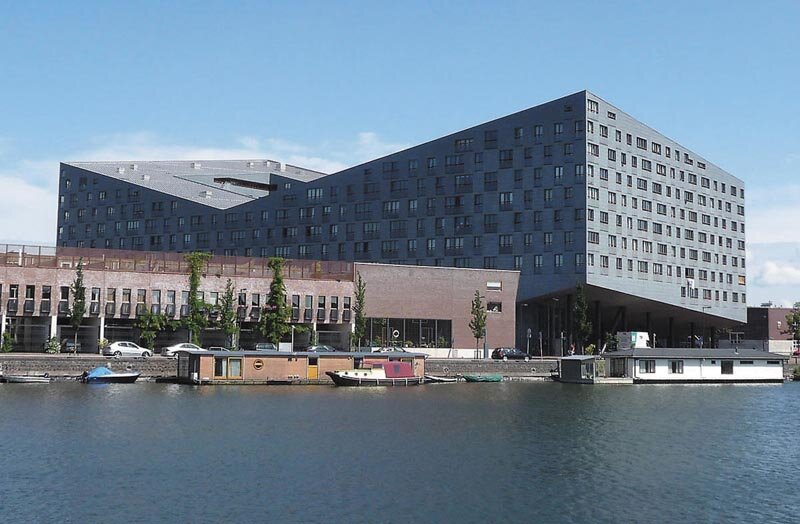
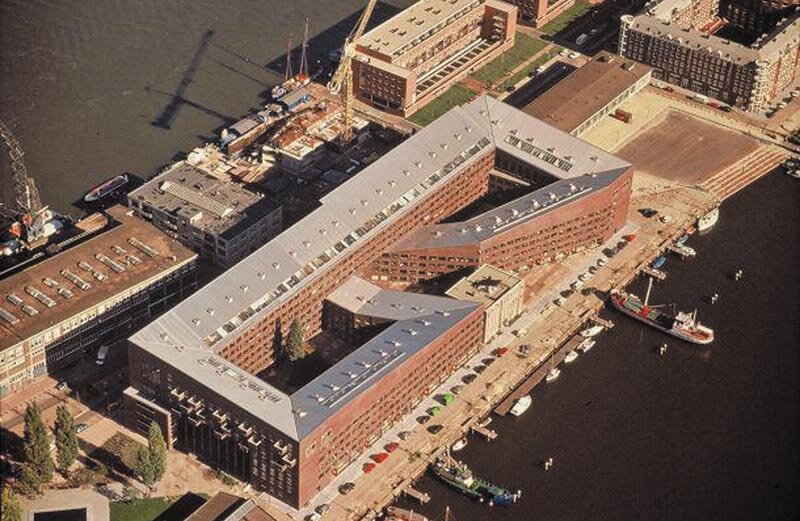
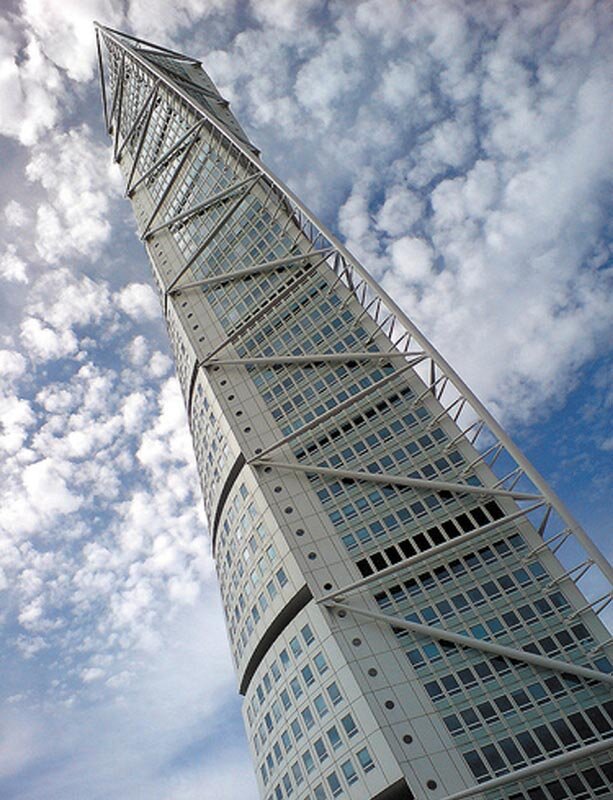
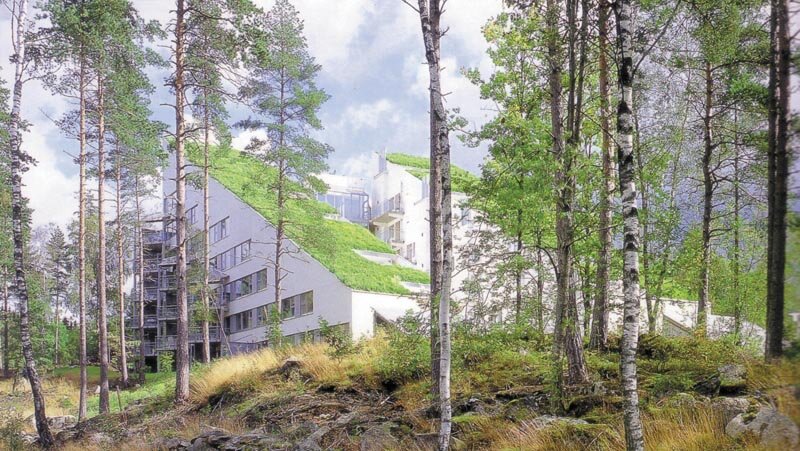
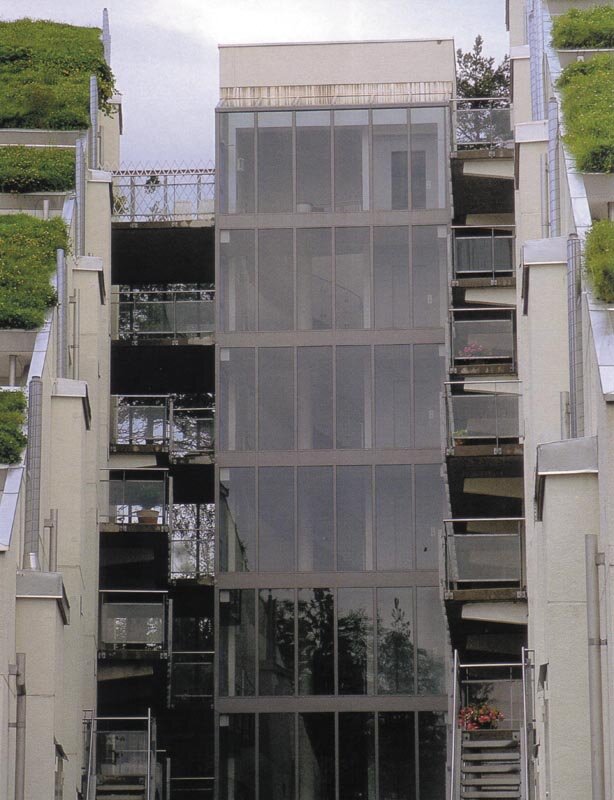
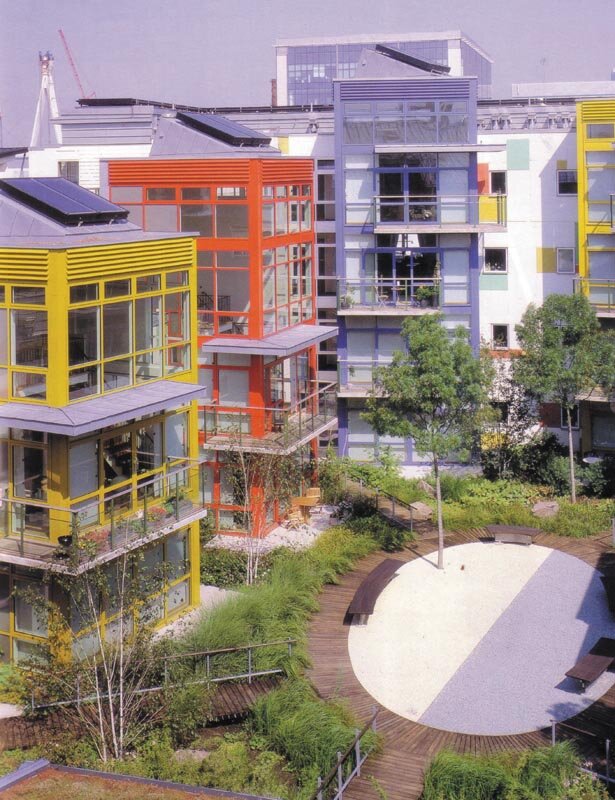
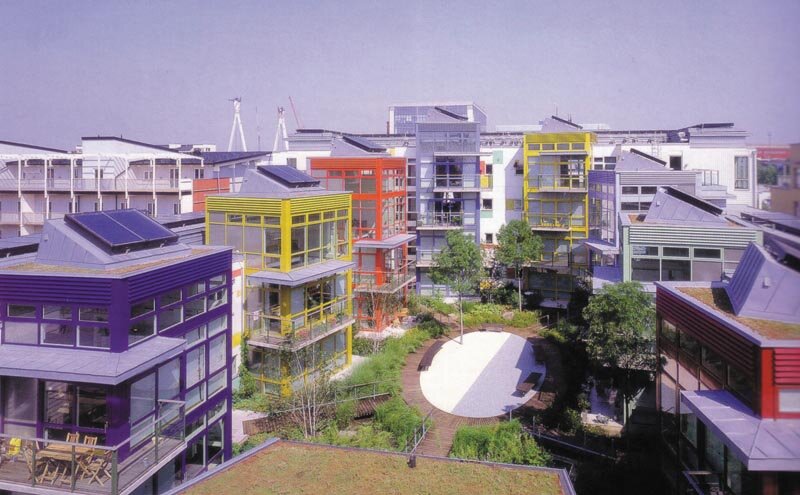
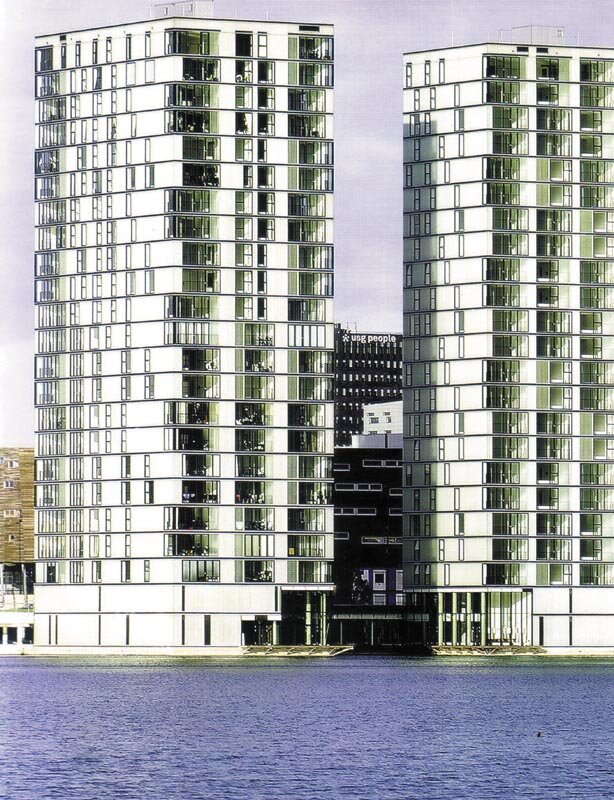
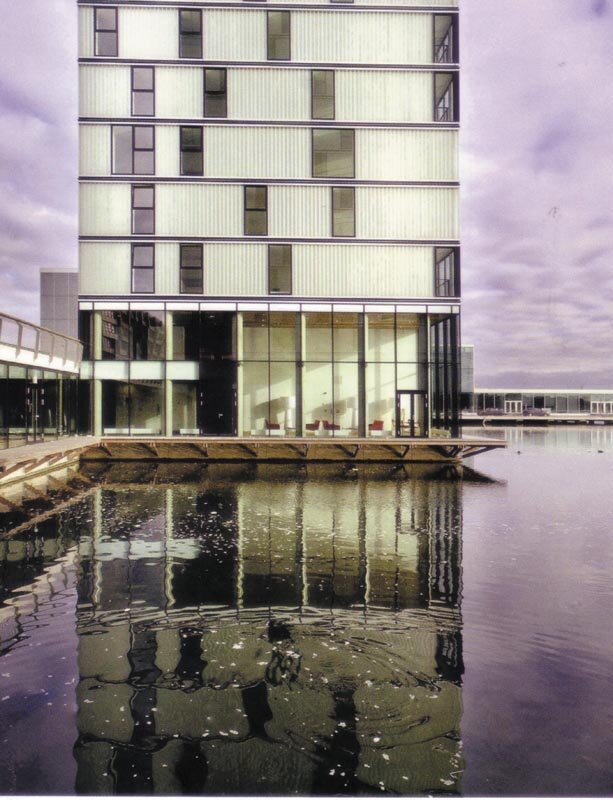
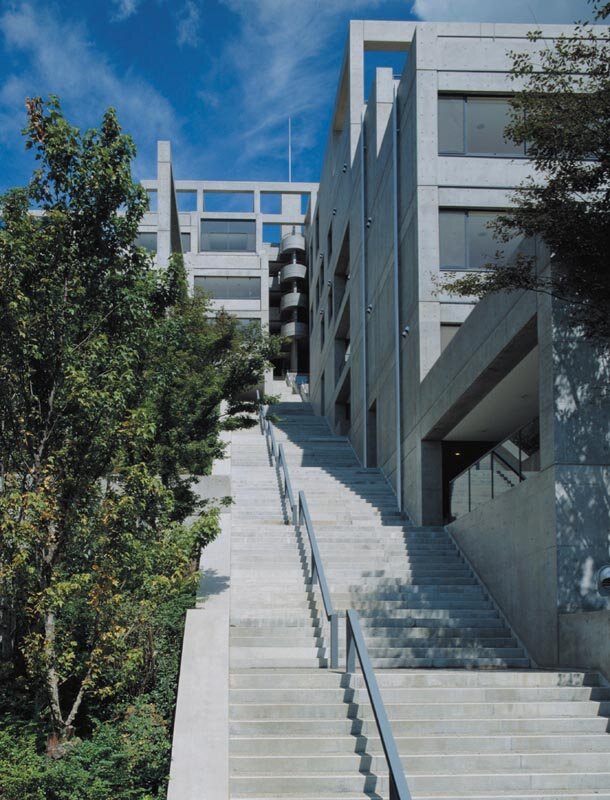
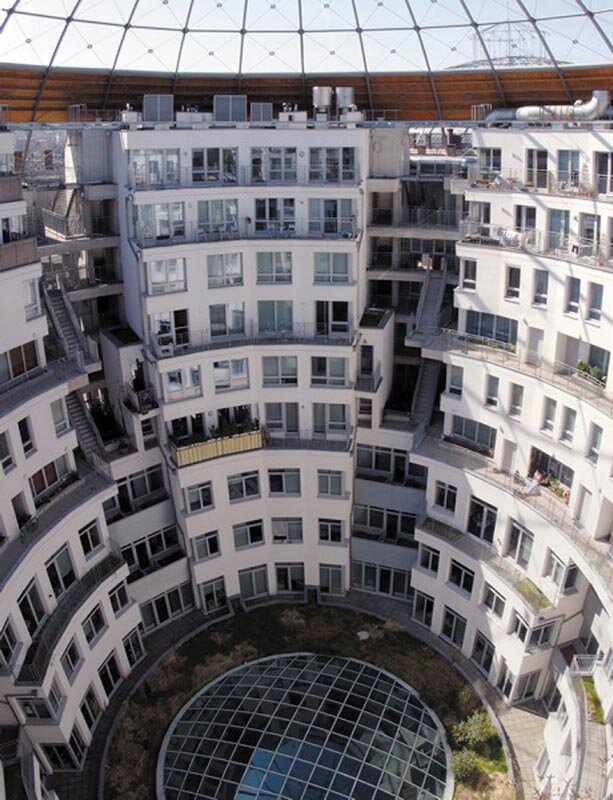
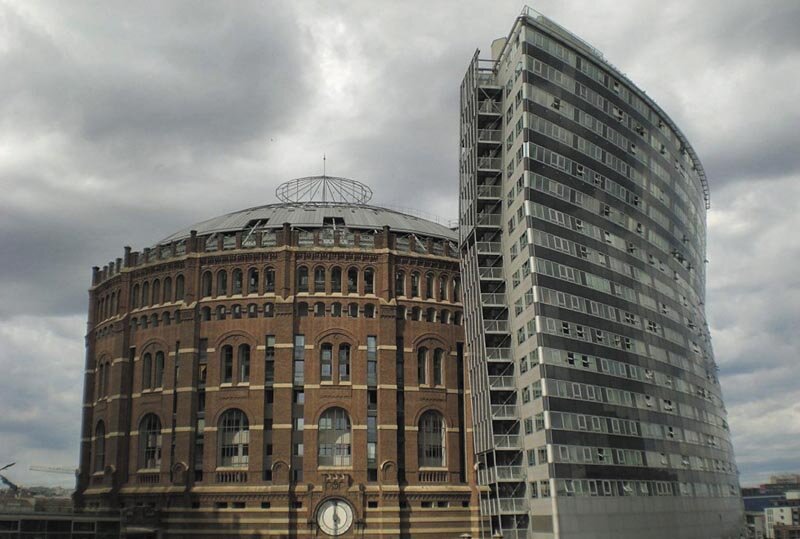
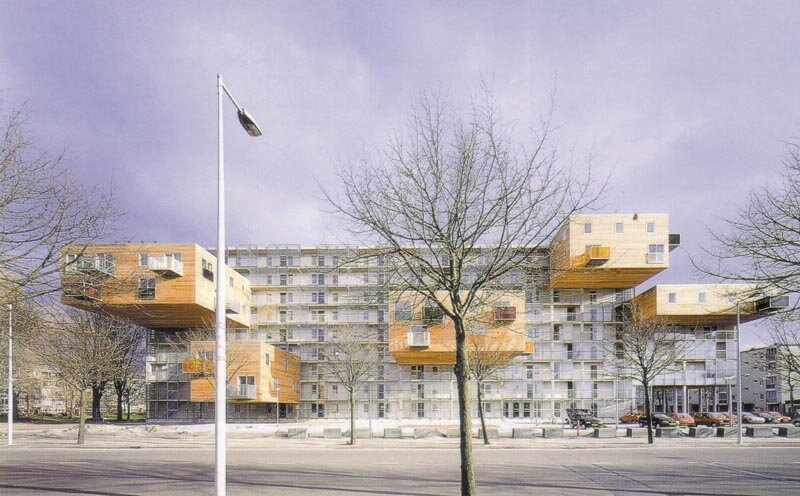
The great majority of the examples of collective housing subscribe to this characteristic, that of relating to a more or less defined urban context. The obvious characteristic would be the planimetric and volumetric development in accordance with the different neighborhoods, conditioned by a large number of restrictions that respond to the demands of the area. For example, the development in the depth of the lot, between two calcane proposed by arch. Philippe Gazeau in Rue de l'Ourcq 46, Paris, in 1993, or the presence of interconnected volumes along the entire length of the lot designed by Herzog & De Meuron, Schutzenmattstrasse 11, in Basel, also in 1993, are examples that reflect the difficult constraints imposed by the context. Being in principle multi-storey buildings, which respect the configuration of the street grid, in relation to height, cardinal orientation, and the volumetry that defines the structural typology, the following options for the orientation of the main rooms are outlined for collective housing: to the street or to the inner courtyard; in many cases the inner courtyard is directly connected at ground floor level with the street spaces or the courtyard can serve as a semi-public space, to which balconies, loggias open; here we have the example of the alienation to the calcan by extensions of the major volume generating successive courtyards - Herzog & De Meuron project, Rue de Suisses, Paris, from 2000. Another example is the Alp building, by Akihisa Hirata. The sculptural volumetry mimics the buildings and rooftops in the neighborhood. The dark mass of concrete is partitioned by the core of exposed interior circulation, creating the appearance of a canyon from the entrance. Multi-family housing provides the advantages of a single-family dwelling: small number of occupants, orientation on all four sides, relationship with green spaces (garden), all of which are determining factors in the quality of living. All the aspects mentioned above concerning integration in a given urban context can also be found in the example of the multi-family dwelling proposed in 1999 by architects Isa Sturm and Urs Wolf, Rontgenareal, in Zürich. In the Okurayama Apartment, Kazuyo Sejima & Associates, Yokohama, Japan, the design of these nine living units around an undulating courtyard gives each unit access to its own terrace or garden, making the ensemble unique in comparison with its neighbors. As a general trend observed in the above examples, I would mark the interpretation of two ways of integrating the architectural object into the context: by resemblance or by contrast, as the ways in which the architects manifest their intention to impose themselves or subordinate themselves to it.
Read the full text in issue 3 / 2014 of Arhitectura Magazine

"The Giardini 'rest stop
Fundamentals Biennale di Venezia 2014
Piranesi Prix de Rome 2014
Green Paradises or Ash Ghettoes
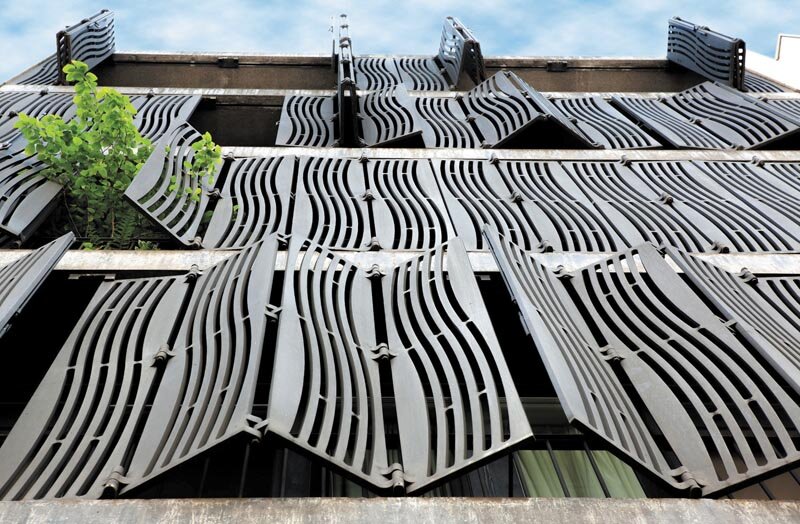
Research, examples, trends in current collective housing design
Individual or collective housing?
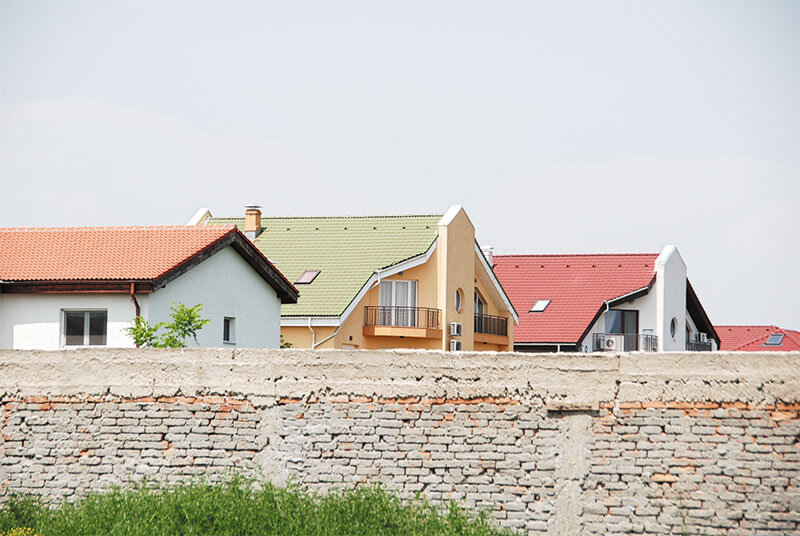
Peripheralization of Bucharest from the perspective of differentiated urban dynamics
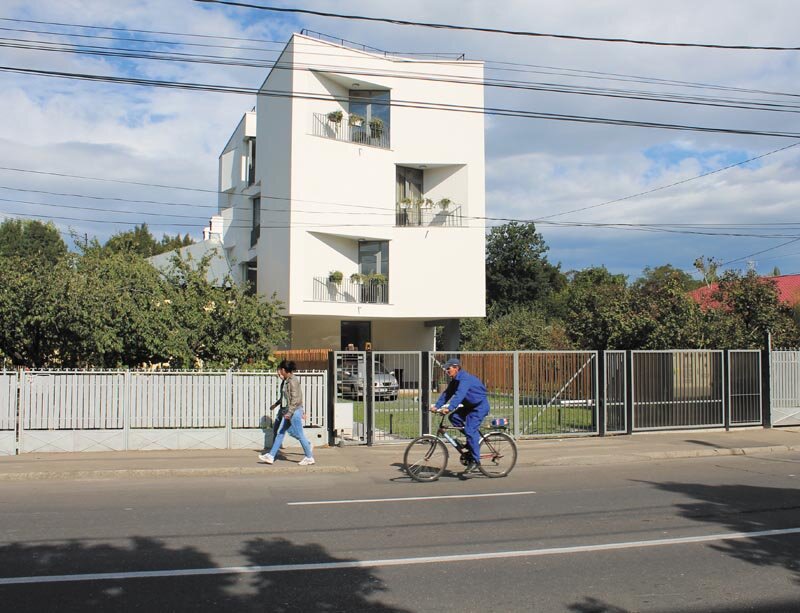
6 courtyards
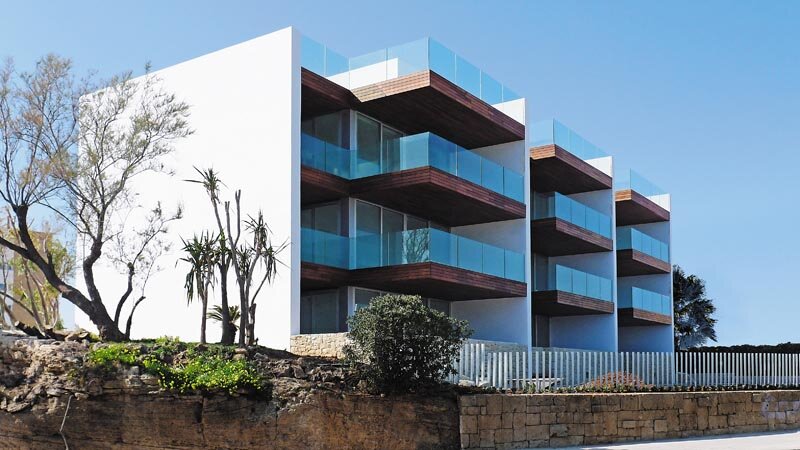
Apartment building in Jávea, Valencia, Spain
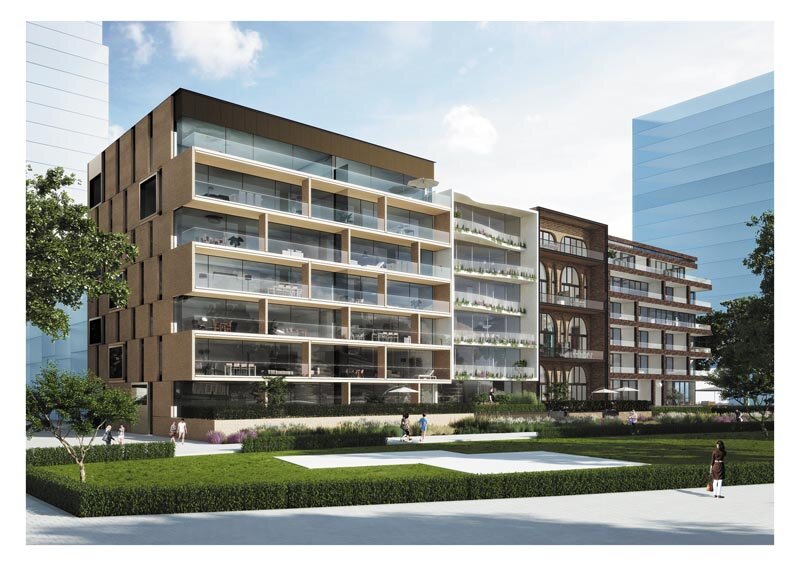
Amstel C1
Architects, architecture and cities. About the profession of architect and how to build in recent Romania