
Society of Romanian Architects 120 years
Top shelf
Problematic analogies - time jump
RELOCATION OF THREE BLOCKS OF FLATS ON ȘOSEAUA ȘTEFAN CEL MARE IN BUCUREȘTI
Project developers: engineers EUGEN I. IORDĂCHESCU, GABRIELA POP, ZEFIR APOSTOL, INOCENTIU FILIMON, CORNEL STĂNESCU, arh. MIHAELA STĂNESCU, S. eng. PETRE CONSTANTINESCU
GENERAL DESIGNER: "PROIECT - BUCUREȘTI" DESIGN INSTITUTE
As part of the works for the systematization and modernization of Șoselei Ștefan cel Mare - an important traffic artery of the Capital -, between 1978-1982, the widening of the roadway to 4 lanes per direction and the entire front of the housing that covers the artery, except for the area between Tunari and Aurel Vlaicu streets, were carried out.
[...]
Chronology
2011, April, the Bucharest Tribunal decides that the Buzești - Berzei axis PUZ, approved by HCGMB151/2006, is illegal. The municipality can appeal to the Court of Appeal. The Save Bucharest Association's action to challenge the PUZ was based on the lack of approvals from the Ministry of Culture, Ministry of Environment, Ministry of Development, incomplete regulations to ensure the quality of a PUZ and the lack of a public debate organized by the municipality.
In 2011, March, the National Commission of Historical Monuments chose (among the three variants presented, for the transmission of the historical monument - Matache Măcelaru Hall - to the next generations) the variant in which the metal structure of the roof is preserved and positioned on a reconstruction of the walls of the hall on another site. Among the three variants proposed to the commission was that of translation. The Commission did not choose this option for economic reasons.
2010, December, in the PMB's Urban and Spatial Planning Commission, following an address from the Ministry of Culture and National Heritage stating that the historic monument Hala Matache will not be downgraded, given its value, three PUZs for islands west of the diametral are presented for approval. This is the first time that the question of relocating or rebuilding the Hale Matache on a different site has been raised at an official level (in the course of the approval procedure).
2010, June, Government Decision on the start of expropriation procedures for the Buzești - Uranus diametral.
2006, the General Council of the Municipality of Bucharest adopts a PUZ for the Buzești - Berzei segment, part of the Buzești - Uranus diametral (HCGMB 151/2006). The PUZ foresees a roadway on the site of several historical monuments, including the Hala Matache.
1997, Romania accedes to the Granada Convention.
1989-1982, several culturally or economically valuable buildings were transferred to Romania; many of them were rescued in extremis in the face of political decisions on systematization, decisions with characteristics akin to natural cataclysms. An important argument in the relocation of buildings of no cultural value, under threat, was that the relocation was quicker and cheaper than a new construction with similar characteristics. 1985, Granada Convention of the Architectural Heritage of Europe.
"Art. 3 Each Party undertakes: 1) to establish a legal regime for the protection of the architectural heritage; 2) to ensure, within the framework of this regime and in accordance with the modalities specific to each State or region, the protection of monuments, architectural groups and sites. art. 5 Each Party undertakes to prohibit the removal of all or part of a protected monument, unless its removal would be imperatively necessary for its material preservation. In such a case, the competent authority shall take the necessary steps to ensure that it is dismantled, moved and reassembled in an appropriate place. Art. 10 Each Party undertakes to adopt integrated conservation policies which include the protection of the architectural heritage among the essential objectives of town and country planning and urban development and to ensure that this imperative is taken into account at the various stages of the preparation of development plans and planning permission procedures [...]"
1981, erection of the church on Ostrov Island for the construction of the Călimănești reservoir.
1980-1960, removal by dismantling and rebuilding or relocation of 18 temples to be covered by water after the Aswan dam.
1979, relocation of the former headquarters of the Trud newspaper (Moscow), a historical monument, for urban interventions.
1964, Venice Charter (adopted by ICOMOS). Art. 7 "The monument is inseparable from the history to which it bears witness and from the site on which it stands. The removal of a monument, in whole or in part, may not be accepted unless it is necessary for the preservation of the monument or is justified by an overriding national or international interest". 1959-1956, relocation of the Compagnie Française de Matières Colorantes synthetic dyes factory in Oissel. 1954, relocation of the residence of Consul Louis de Cabre (Marsillia), a historical monument, to align it with the new boulevard. 1939, relocation of the building of the City Soviet (Moscow), a historical monument, to widen Maxim Gorki Street. 1935, erection of St. Nicholas Church in Rebegești - Buftea, to systematize the Colentine. 1933, CIAM's Athens Charter. pc. 68. "If the present location 'of historically important buildings' obstructs development, radical measures may be taken, such as diverting major traffic or even moving central districts - something ordinarily regarded as impossible."
1930, relocation of the Central Union Telephone Building (Indianopolis) to free up land needed for a new investment and wait for the life of the building subject to relocation to be exhausted.
1915, moving a church in the city of Pittsburgh to modernize a street.
Read the full text in the printed edition of Arhitectura, issue 1/2011
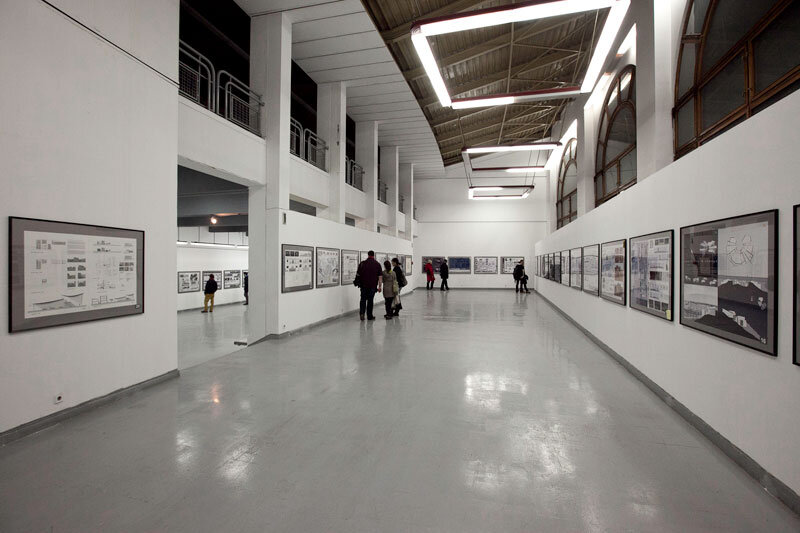
UAUIM - EEA Upgrade
Ideas competition for the Livada Poștei Park, Brasov
City of the future: Galati 2050
Argument - Climate
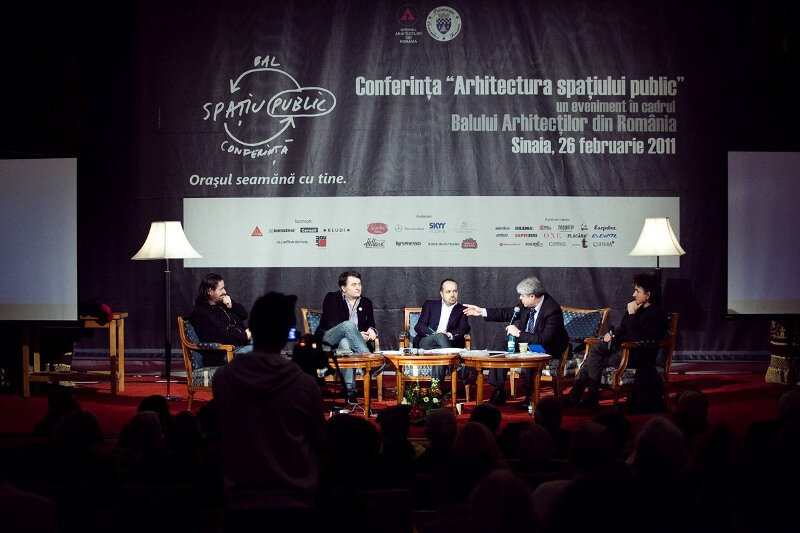
Architecture of public space
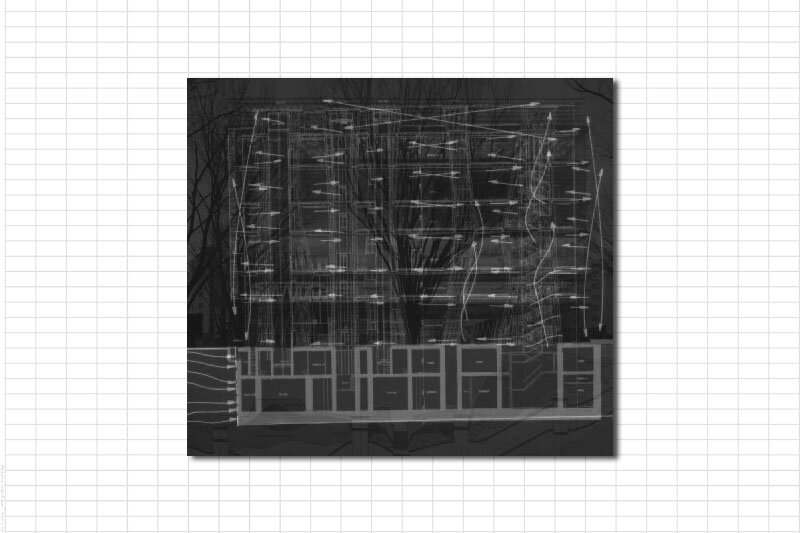
Earthquake Behavior of the Sendai Media Library (1995 - 2000)
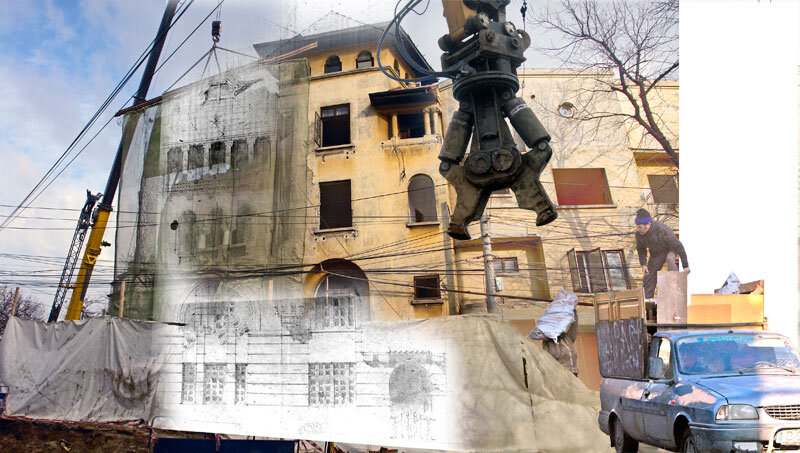
Mute File - Buzești Uranus
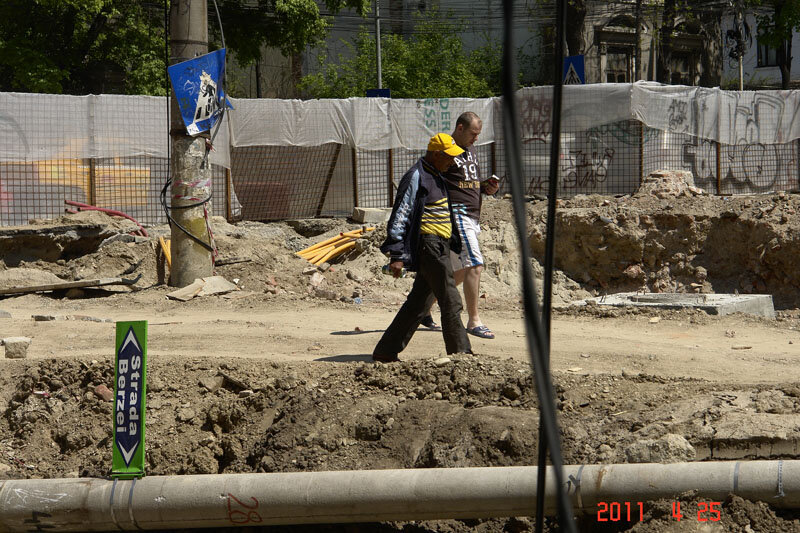
Climate in Bucharest - Berzei
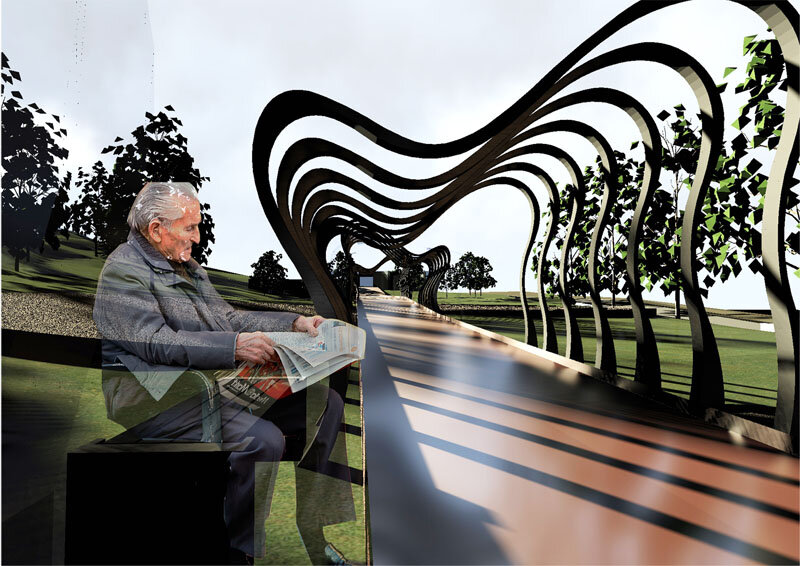
Climate Brasov - Livada Poștei, a current problem
Climate Iași - Iasi, the city of two kings
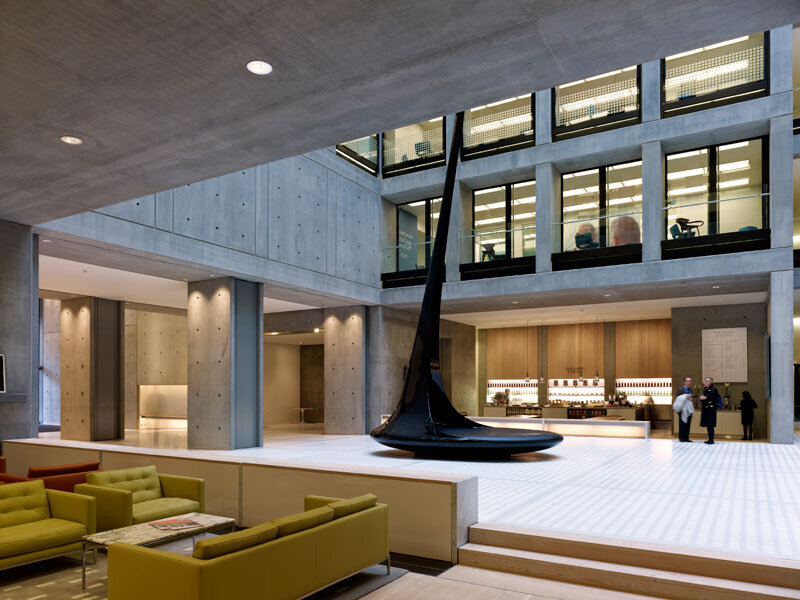
Angel Building - Allford Hall Monaghan Morris
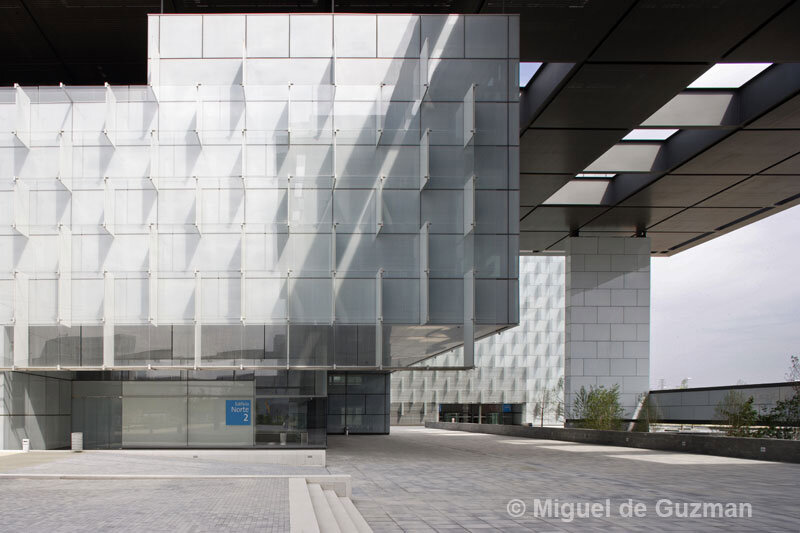
Telefonica Madrid building
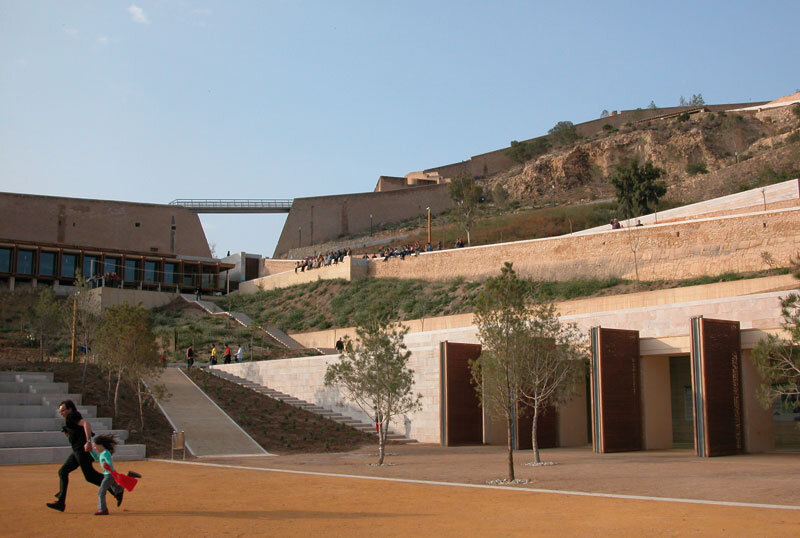
Alicante, an urban park
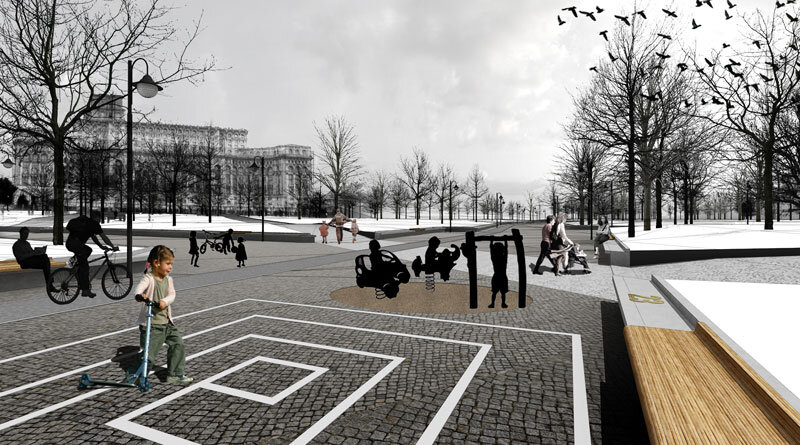
SYAA
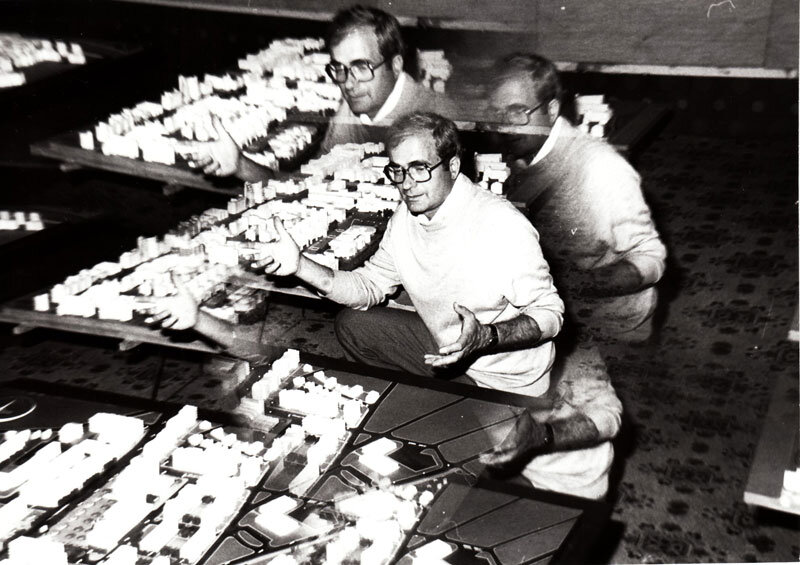
Profile: conf. dr. arh. Vasile Mitrea
Urban ID: competition of ideas for landscaping the area around Lia Manoliu Stadium
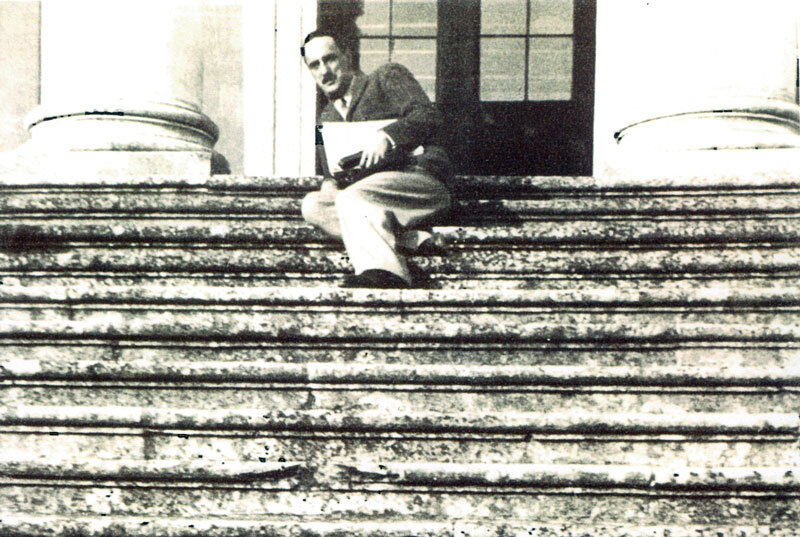
Open page to the work of George Matei Cantacuzino
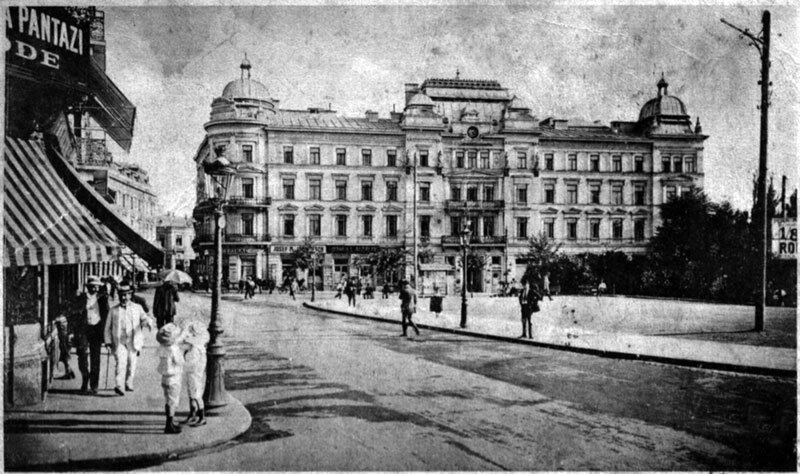
European Bucharest - Bogdan Andrei Fezi
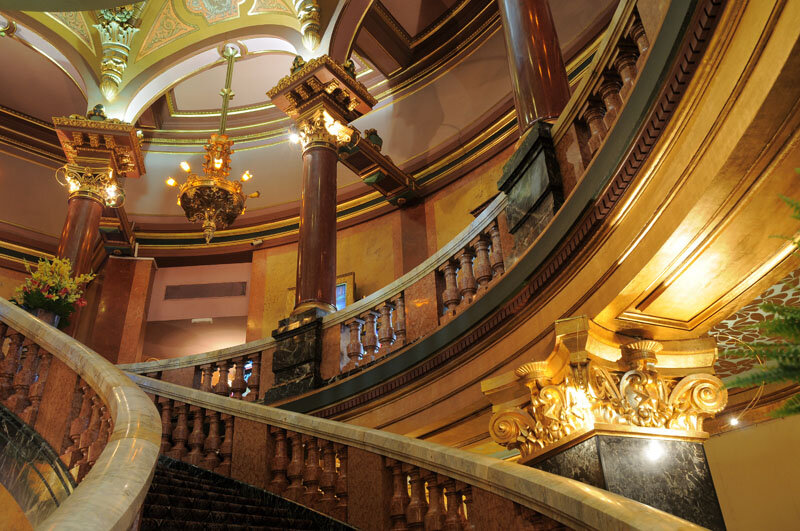
The marble road from Rima to Bucharest
Problematic analogies - time jump

Eugeniu Iordăchescu
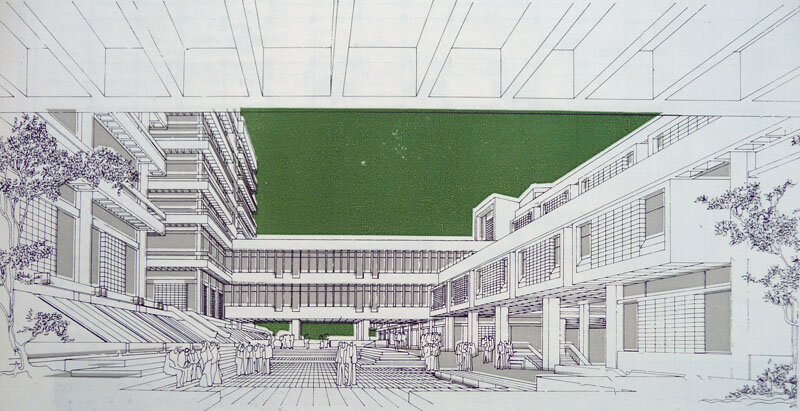
Colonialism as Peer to Peer
Darie DUP. Reflections around a found home