
Society of Romanian Architects 120 years
Bref
Architecture of public space
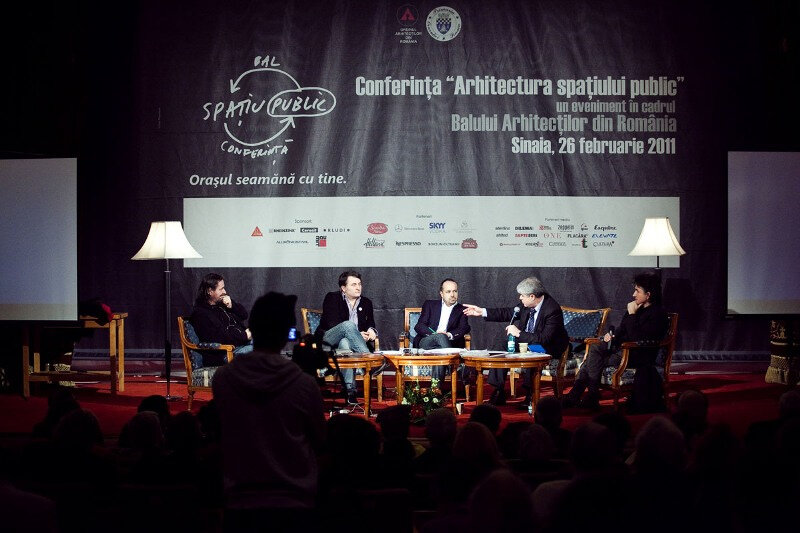
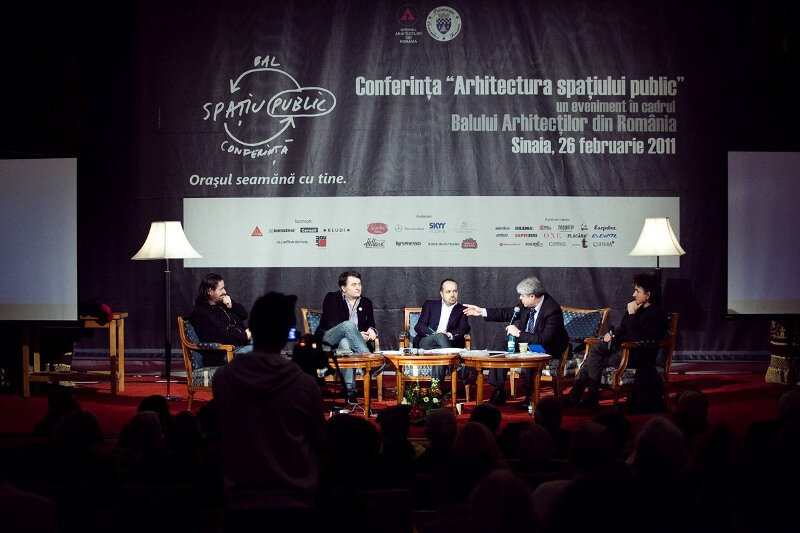
Some thoughts from the OAR conference on February 26, in the auditorium of the Casino in Sinaia
I chose this generic title because public space interests us, because it unites us and divides us, attracts us and discomforts us. Public space is for princes and beggars alike. Public space annoys us, it is complicated and disputed. Public space is built, preserved and passed on. Public space is built of architectures, it is the architecture of architectures.
Let's talk about the architecture of public space.
Constantin Goagea moderated the discussion of the first group of guests, composed of Dumitru Borțun, Alec Bălășescu, Cristi Puiu and Dan Perjovschi. Notions were defined and it was explained that public space is a binomial whose terms are both in opposition and in conjunction.
Not everything that is not private is public. There is nobody's space, uninvested. Public space has stakes and is the space of shared values. It must reflect the public interest, which is a negotiated version of the common good," says Dumitru Borțun. Public space is vital, it is a condition of inhabitation. The antonym of public space is desert. The rite of passage from public to private and vice versa is worth watching. The dismounting of those who enter the house from the staircase shows us that the common space is not appropriated.
Alec Bălășescu says that an extension of interiority into public space is necessary. Public space should not be subordinated to the automobile, which has become a fetish. There is probably an impossibility of communication and people are shutting themselves inside their own heads. We see images of fences and walls that Cristi Puiu photographed from his car and wonder why everyone is so strongly protecting each other. In the past, the fortress had one wall around everyone, outside was barbarism, and now everyone takes refuge in their own fortress.
In 1989 public space was not given, it was won, only to be taken over by others. Where blood was spilled, whiskey is now advertised. Public space has clearly been taken over by someone else. Is public space still necessary in these conditions, asks Dan Perjovschi? Romanians have a modern handicap. The pub, which comes from the public, the bar is a space for socializing, for everyone, available for interaction. Here, people don't sit at the bar. More recently the public space is virtualized through social networks like Facebook.
Cristi Puiu calls Romania an Adibas society, i.e. fake Adidas.
Constantin Goagea recalls an episode of loneliness on the beach at Vama Veche, where for consolation he was offered to live his isolation in society, having both options simultaneously.
In conclusion, we need to extend interiority into the public space. Relating needs to be encouraged. Draw on the walls that separate you!
At school, music, drawing and sport must be given more attention than the others. We need refereeing in the public space, information and debate and, last but not least, we can be alone and together if we want to.
Kazmer Kovacs was joined by Gabriel Liiceanu, Andrei Pleșu, Mircea Cărtărescu and Ciprian Mihali.
Should we hang the architects? It's the title of a book by a French journalist, from which Kazmer Kovacs raises the question. With whom does the architect share the responsibility of building?
Gabriel Liiceanu says that architects must assume solitude, isolation, that the work does not result from a dialog between inhabitants and architects. Total isolation means total responsibility. The architect decides how far compromise can be pushed. The mayors of Bucharest don't love Bucharest. Andrei Pleșu noted the precedents of the order in discussing the state of public space and cites the Cluj Declaration of 2008.
Mircea Cărtărescu says he lived in a world without architects, quoting Wittgenstein: "where there is nothing to celebrate there is no architecture". Architecture can be wonderful even when it doesn't exist at all. Mircea Cărtărescu says: "I dreamed of houses and I wanted a personal city.
Ciprian Mihali shows architecture as permanent but discreet, continuously affecting the senses. Cities become uninhabitable because architecture stops us dreaming. It's a form of symbolic misery. The architecture of public space is a process in which architecture is the initiating gesture. Space begins with architecture, which in turn is subordinate to ethics. Architecture is political. Public space is fragmented. Ciprian Mihali confesses that he does not believe in aesthetics. Consensus kills public space.
Kazmer Kovacs asks the guests to express what they expect from architects, to give them recommendations. Gabriel Liiceanu evokes the Aristotelian "being of time", telling architects to understand this dimension, beyond objects. In the case of architecture, killing and demolition do not only mean the suppression of the object, but also of time. Architecture is born out of conflicts between past and present. Andrei Pleșu talks about buildings that don't oblige us to do anything, that are tools. No one can solve what needs to be solved! Andrei Pleșu is unhappy with people, with the way they look, walk and talk.
Mircea Cărtărescu believes that very few architects can realize their vision, but there is always the refuge of a job well done.
Ciprian Mihali talks about learning by shaking certainties. Andrei Pleșu calls for architectural competitions and not tenders, after earlier referring to the disastrous consequences of urban planning by derogation, pronouncing "PUZ" as an ugly word.
Kazmer Kovacs asks me to say a few words at the end.
I would have wished that the discussion that we have witnessed had never ended. I don't think there is anything more to say now, but there is a lot more to do.
UAUIM - EEA Upgrade
Ideas competition for the Livada Poștei Park, Brasov
City of the future: Galati 2050
Argument - Climate
Architecture of public space
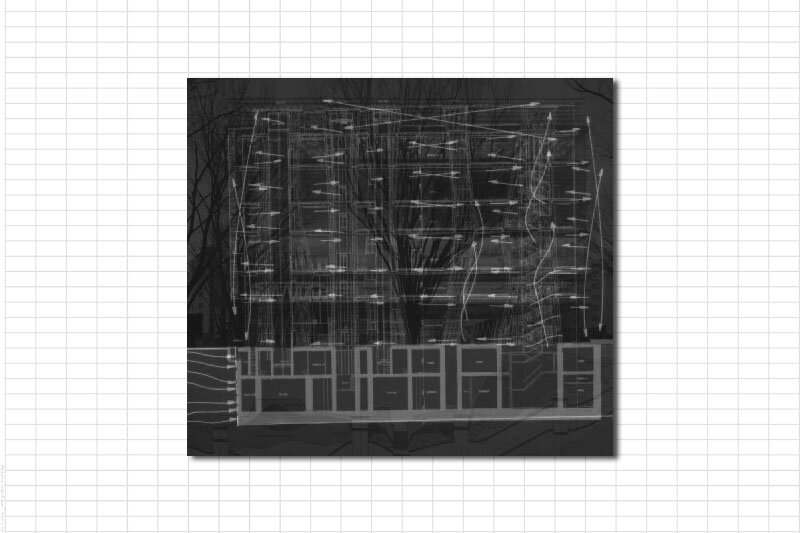
Earthquake Behavior of the Sendai Media Library (1995 - 2000)
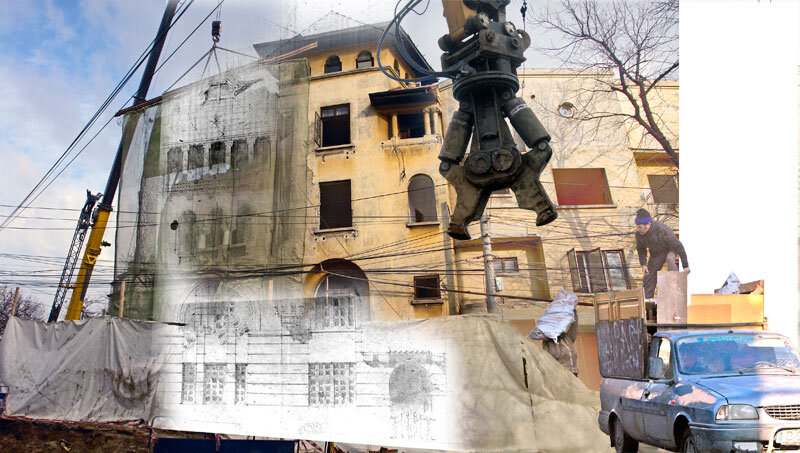
Mute File - Buzești Uranus
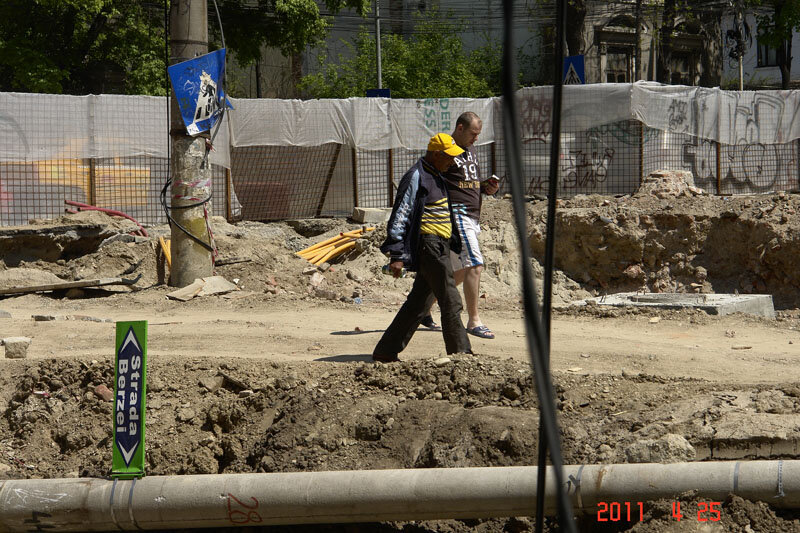
Climate in Bucharest - Berzei
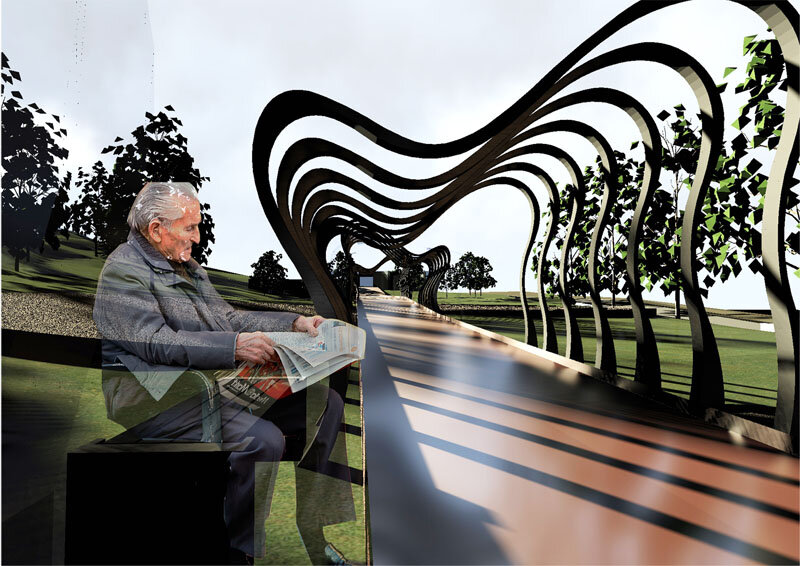
Climate Brasov - Livada Poștei, a current problem
Climate Iași - Iasi, the city of two kings
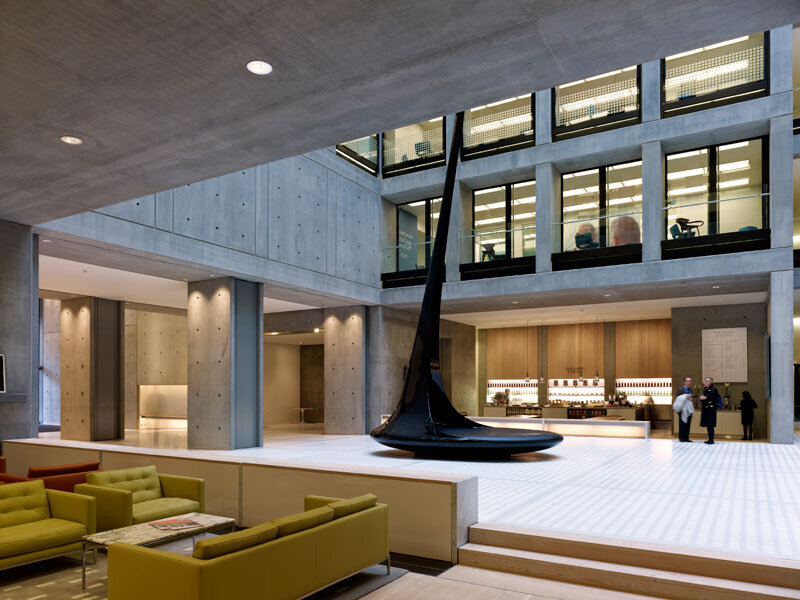
Angel Building - Allford Hall Monaghan Morris
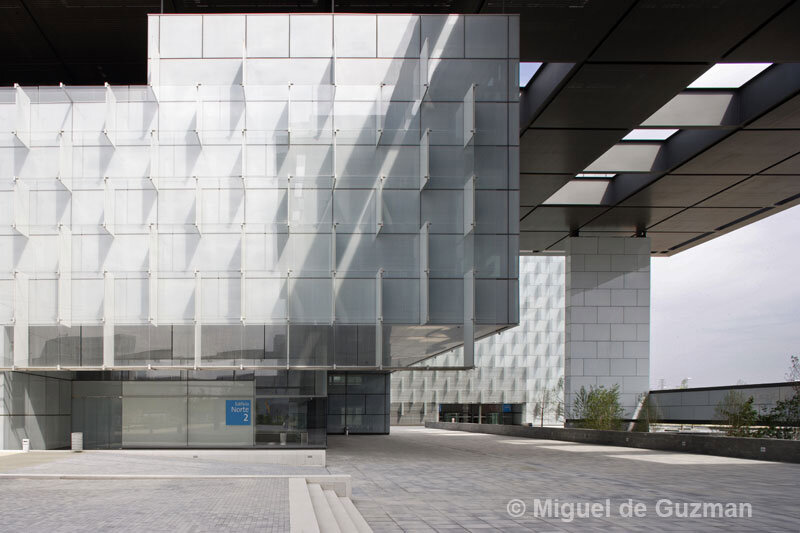
Telefonica Madrid building
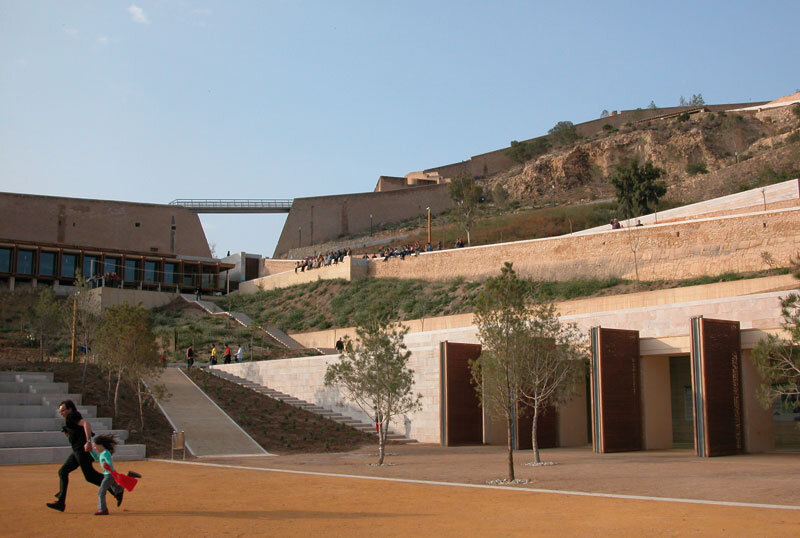
Alicante, an urban park
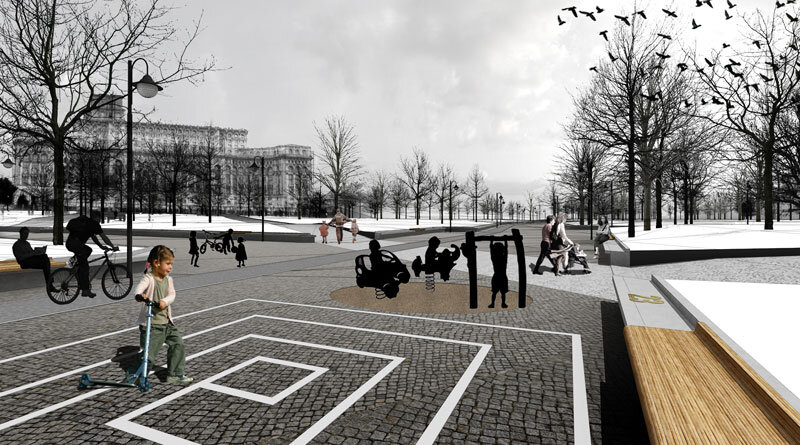
SYAA
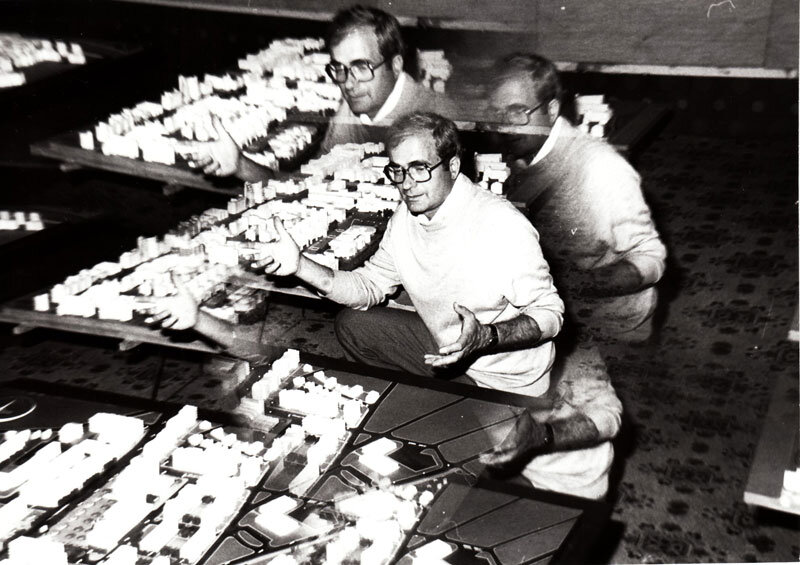
Profile: conf. dr. arh. Vasile Mitrea
Urban ID: competition of ideas for landscaping the area around Lia Manoliu Stadium
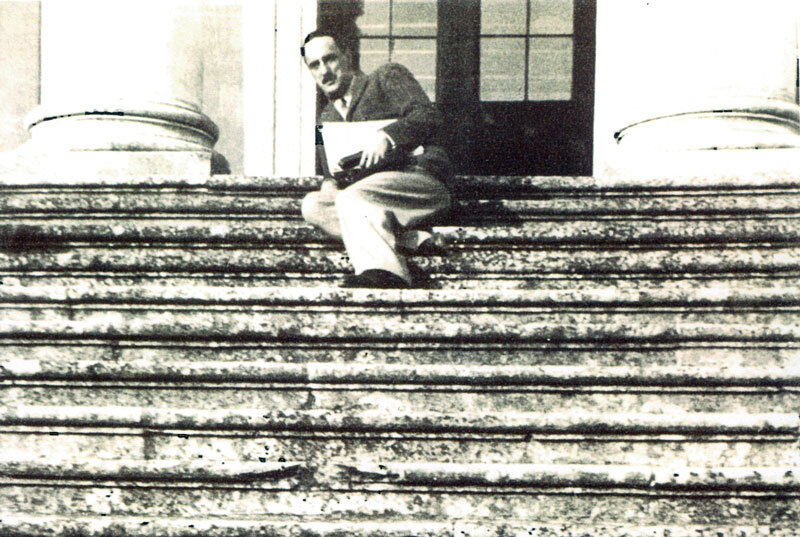
Open page to the work of George Matei Cantacuzino
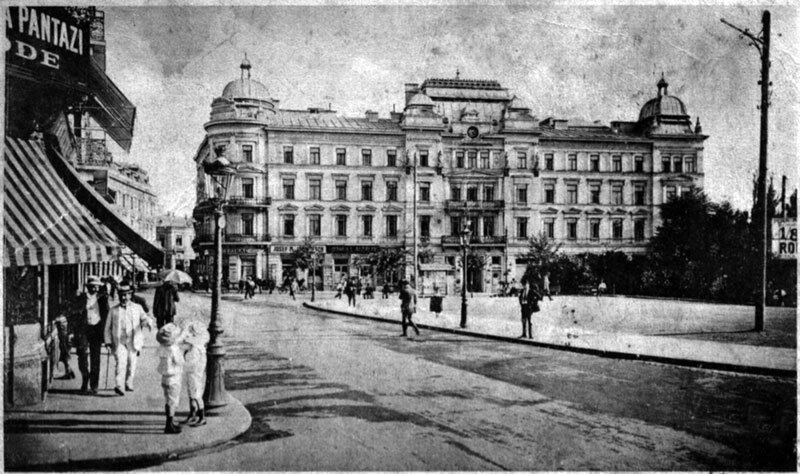
European Bucharest - Bogdan Andrei Fezi
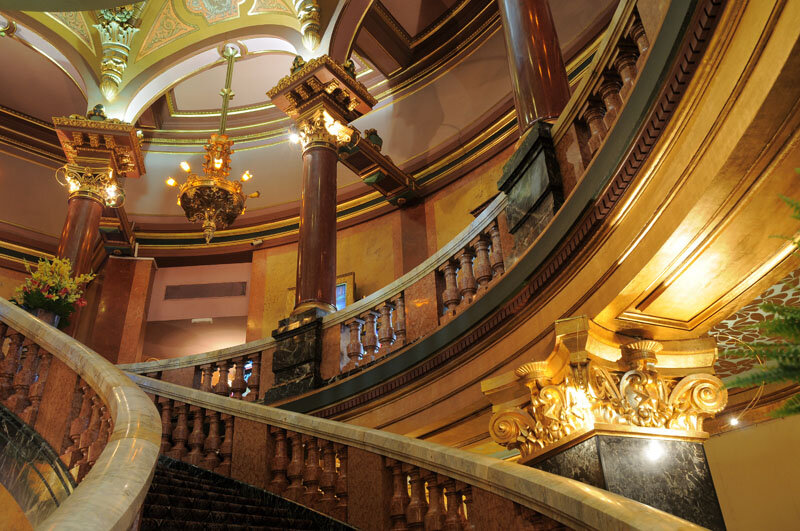
The marble road from Rima to Bucharest
Problematic analogies - time jump

Eugeniu Iordăchescu
Colonialism as Peer to Peer
Darie DUP. Reflections around a found home