
Society of Romanian Architects 120 years
Competitions
City of the future: Galati 2050
On April 15, 2011, the jury of the projects entered in the first phase of the urban inventions competition "The Possible City - Galați 2050 episode", coordinated by architect Ina Stoian, in partnership with Plusminus Association and OAR, Dunărea de Jos branch, took place. Out of 20 projects entered in the competition, ten will go to the second phase. The competition was aimed at young professionals up to 35 years of age and aims to "introduce creativity in working with the Romanian city".
1. project HB1890
Project coordinator: Lucian Sandu Milea;
Co-authors: Lucian Sandu Milea, David Matei.
2. project MFW187
Project coordinator: Laura Ioana Panait;
Authors: Laura Ioana Panait, Teodora Dănilă, Silviu Medeșan, Alice Oprică
Collaborators: Marius Nedelcu.
3. project NW0101
Project coordinator: Daniela Calciu;
Authors: Daniela Calciu, Andrei Victor Guțu.
4. TB0000 project
Project coordinator: Oana Cătălina Gherghiu;
Authors: Oana Cătălina Gherghiu, Tiberiu Bălașa, Zamfira Răzvan.
5. project QQ0016
Project coordinator: Cozma Alexandru;
Authors: Simionescu Oana, Cozma Alexandru.
6. project 110979
Project coordinator: Ioana Cristian; (DAEDALUS Project);
Authors: Ioana Cristian, Alexandru Cristian, Mihaela Ciolache.
7. project 200647
Project coordinator: Alexandru Axinte; (Studio Basar);
Authors: Alexandru Axinte, Cristi Borcan:
Collaborators: Alexandru Bălășescu, Doru Ruști, Ana Vlad, Adi Voicu.
8. project 543179
Project coordinator: Sabin Purice;
Collaborators: Adina Segal.
9. project 622171
Project coordinator: Andra Jurgiu;
Authors: Andra Jurgiu, Cristina Costea.
10. project EA1002
Project coordinator: Alexandru Fleșeriu;
Authors: Alexandru Fleșeriu, Peter Eszter;
Collaborators: Oana Alexandra Popescu.
The jury of the competition was formed by. Florentina Iugan, arh. Șerban Popescu Criveanu, arh. Dan Dinoiu and photojournalist Cristian Movilă, consultant.
"The recent urban transformations, mostly uncontrolled processes and, more recently, pretexts of generic strategies, require a reassessment of the relationship between space and its utility, as well as of the forms of intervention. The lack of public policies, uncontrolled urban sprawl, the progeria of the built environment, the abandonment of cultural and social institutions, the decline and ageing of the population, the decline of industrial areas and the imminent obsolescence of (complex) housing estates by 2050 are some of the factors that should prompt a rethink among the younger generation of professionals.
Located in the extreme south-eastern corner of the country, the city of Galati peaked in the 1960s with the development of the steel industry. Designated in 2008 as an urban pole of development, the city is now in a lower hierarchical position than before - as a major economic center. The generalized disinterest in urban spaces, the failure to value the specificity of the city on the Danube, the abandonment of some areas related to industry, the reduction of cultural activities have led to the visible degradation of the quality of life in the city to such an extent that the idea of belonging to a place has become inadequate. Although the city is visibly suffering from the effects of turbo-urbanism, it has the potential to develop and recover a lost identity. The current situation of Galati offers the opportunity to sketch new urban strategies, assessing cultural values or existing patterns of thought and action," the theme date reads.
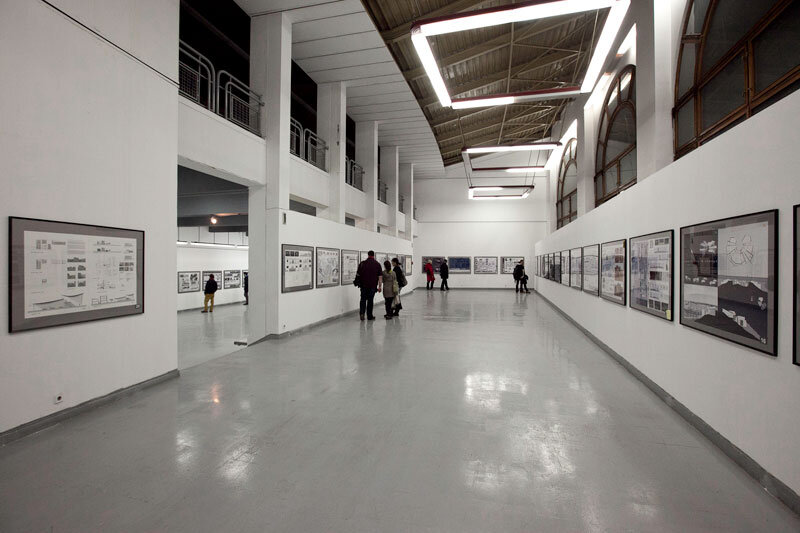
In the second phase of the competition, finalists will have to detail their projects. After the projects are finalized, an exhibition of the plans presented in the competition will be organized between 10-19 June at the Platul Navigației in Galati. This will sound out people's opinions on the ideas. The projects will also be presented to the authorities. This contest is atypical, as its aim is not to designate winners and implement the project, but to generate ideas that will contribute to the city's development and raise awareness of the problems facing the city.
The project was funded by the stamp duty of the OAR and UAR.
UAUIM - EEA Upgrade
Ideas competition for the Livada Poștei Park, Brasov
City of the future: Galati 2050
Argument - Climate
Architecture of public space
Earthquake Behavior of the Sendai Media Library (1995 - 2000)
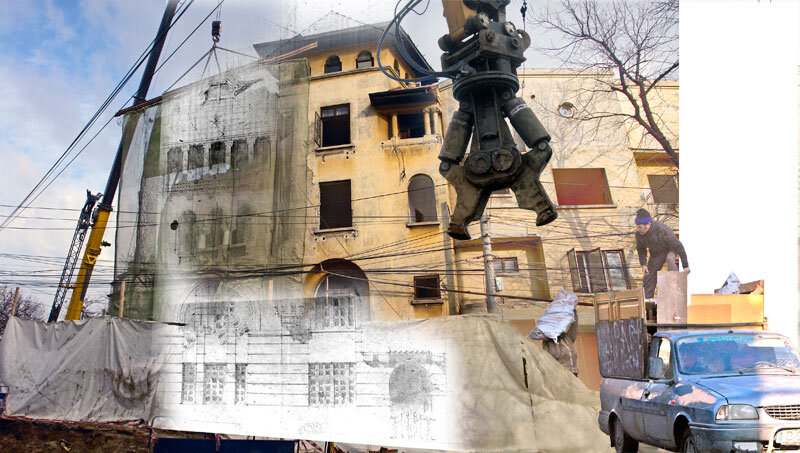
Mute File - Buzești Uranus
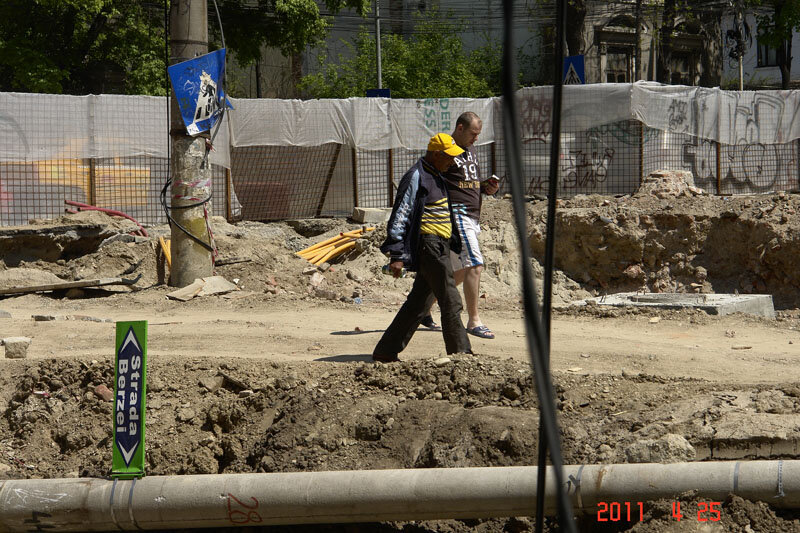
Climate in Bucharest - Berzei
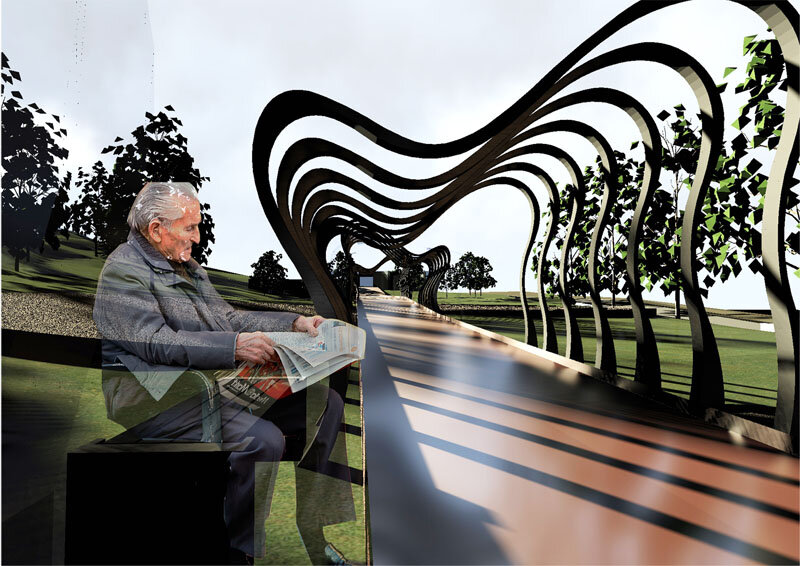
Climate Brasov - Livada Poștei, a current problem
Climate Iași - Iasi, the city of two kings
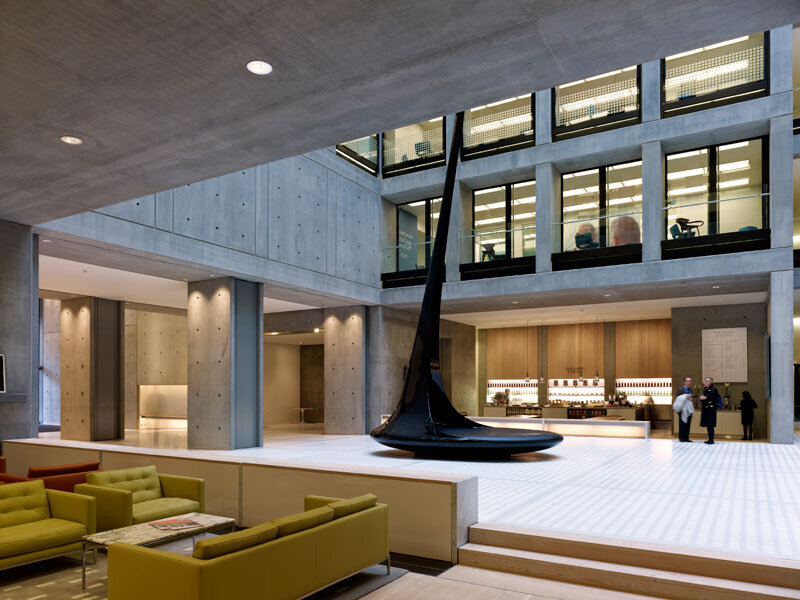
Angel Building - Allford Hall Monaghan Morris
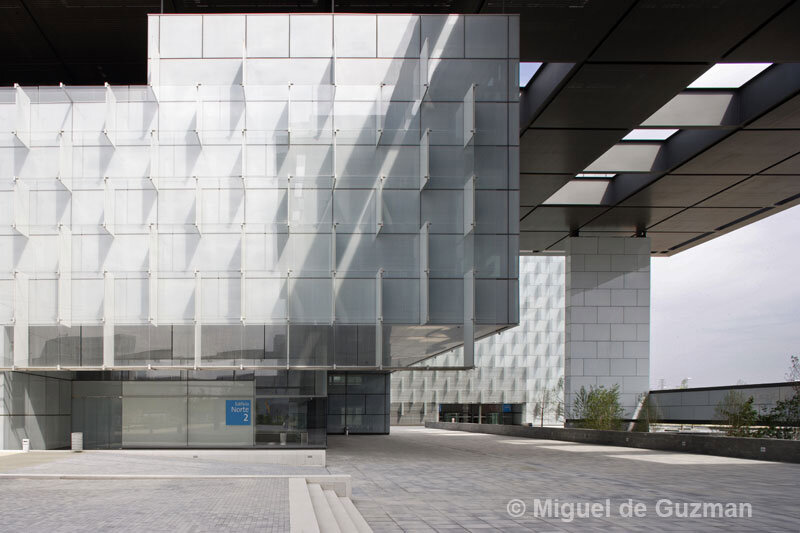
Telefonica Madrid building
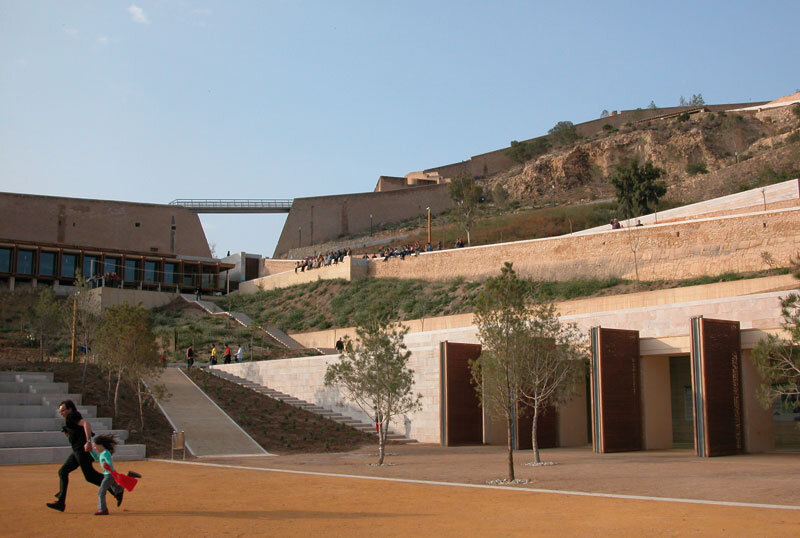
Alicante, an urban park
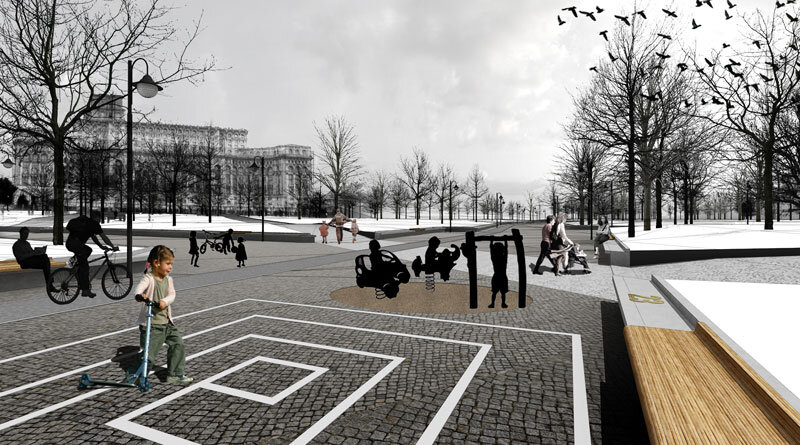
SYAA
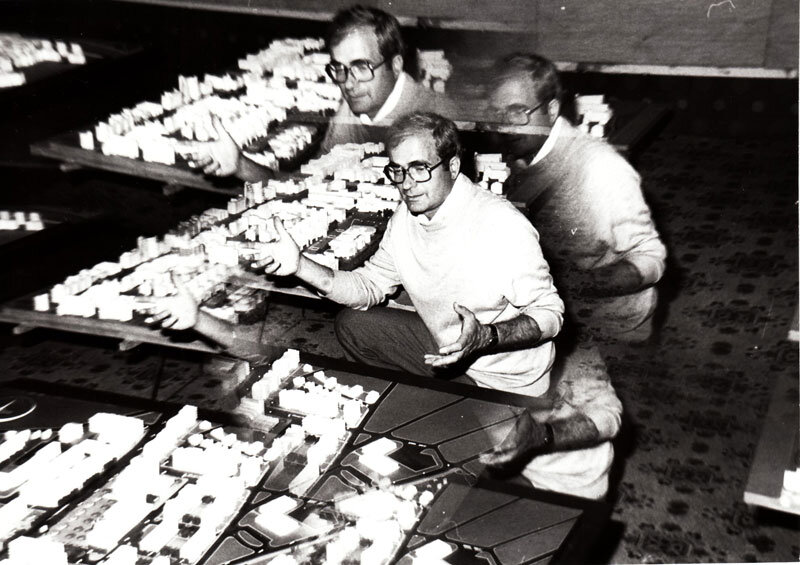
Profile: conf. dr. arh. Vasile Mitrea
Urban ID: competition of ideas for landscaping the area around Lia Manoliu Stadium
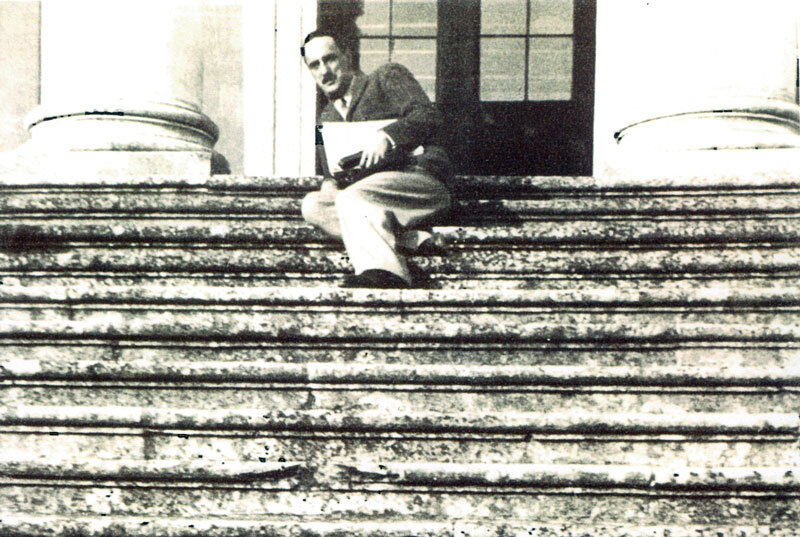
Open page to the work of George Matei Cantacuzino
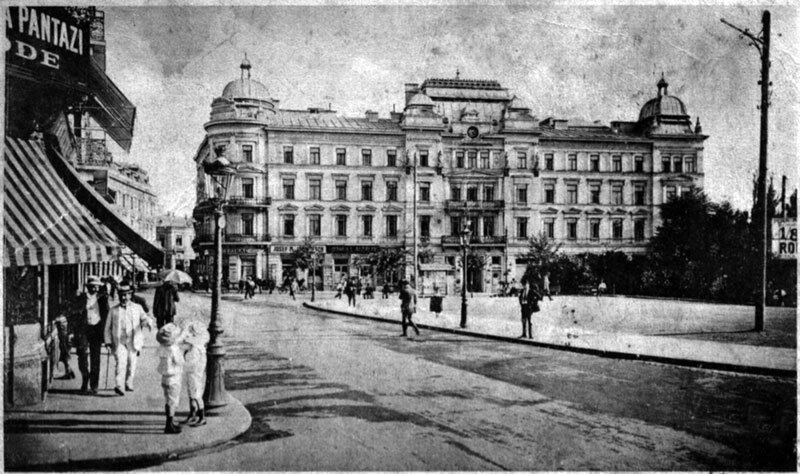
European Bucharest - Bogdan Andrei Fezi
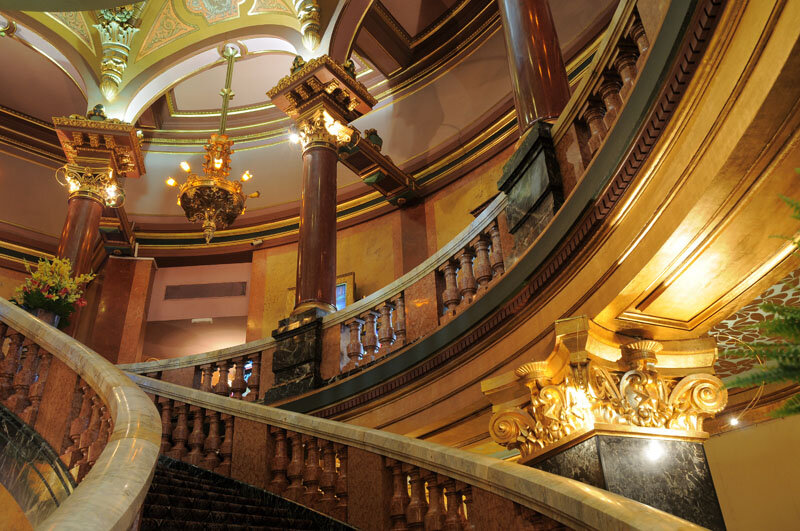
The marble road from Rima to Bucharest
Problematic analogies - time jump

Eugeniu Iordăchescu
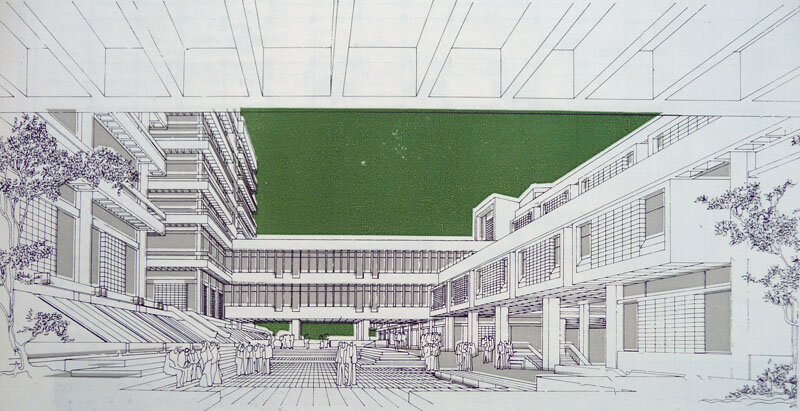
Colonialism as Peer to Peer
Darie DUP. Reflections around a found home