
Society of Romanian Architects 120 years
Event
Society of Romanian Architects 120 years
On 26 February 1891, a number of architects formed their first professional organization, the Society of Architects of the Kingdom of Romania.
After gaining legal personality, the SAR succeeded, until the First World War, in including the profession in the nomenclature of trades, setting up a school (still private) of architecture, publishing the magazine "Arhitectura" and discussing in Parliament the legislative acts concerning the practice of the profession of architect.
During the inter-war period, the internal organization continued in the context of the growth and modernization of the real estate sector. Now a regulation for competitions has been issued, the Corps of Certified Architects has been formed, the first official Salon of Architecture has opened, and its own headquarters have been inaugurated. Subjects (including limiting foreign competition) were on the agenda of several congresses, along with involvement in the international life of the profession. Members of the SAR attended congresses in Amsterdam, Rome, Paris, and some also participated as designers in various international exhibitions (making a name for themselves in Paris and New York).
After the Second World War (which also affected the profession), the communist administration abolished private architectural offices and the Society of Architects. In 1952, architects who were able to avoid the regime's repressions were allowed to reorganize within the Union of Architects (in the RPR, then in the RSR, and finally in Romania). Without architects, the socialist reconstruction of towns and villages would be impossible. The concentration of architects in a controllable organization was one of the levers for the construction of the so-called multilaterally developed society, in addition to the etatization of the construction industry, the formation of large design institutes, and the public financing of industrial and collective housing programmes. Considered as technical civil servants, and paid as such, UAR members benefited from a wide range of work, resulting in a vast production, some of which was of utilitarian value, some of which was of cultural interest.
After 1989, architects, without repudiating the communist version of the SAR, sought other organizational formulas. They reorganized from within, founding a number of local professional associations and reviving bodies invented in the inter-war period. Architects may be said to have set up some of the first liberal market structures (private architectural studios), trying to adapt on the fly to the emergence of the new private commissioners. But the necessary legalization of the right of signature and the emergence of the Romanian Order of Architects raised questions about the continued existence of the UAR.
Today, however, after a decade of parallel life and exactly 120 years since the foundation of the SAR, the predecessor of the UAR, it can be said that these two architects' organizations can be said to be complementary.
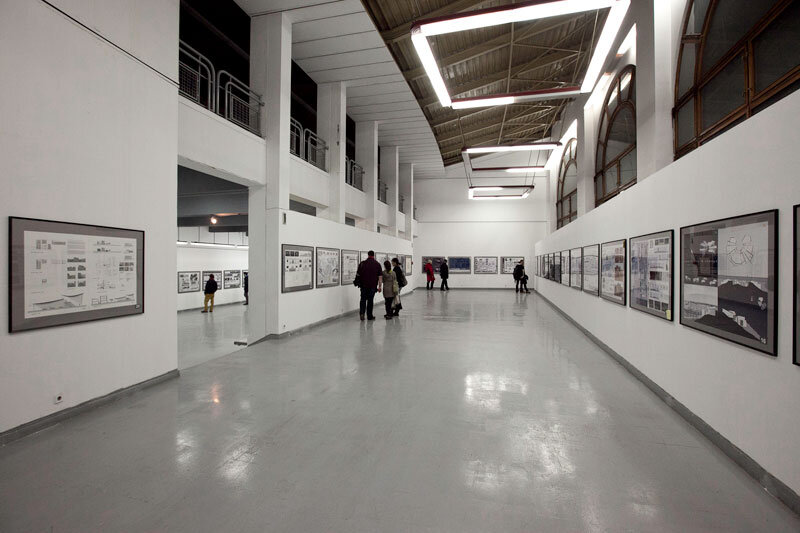
UAUIM - EEA Upgrade
Ideas competition for the Livada Poștei Park, Brasov
City of the future: Galati 2050
Argument - Climate
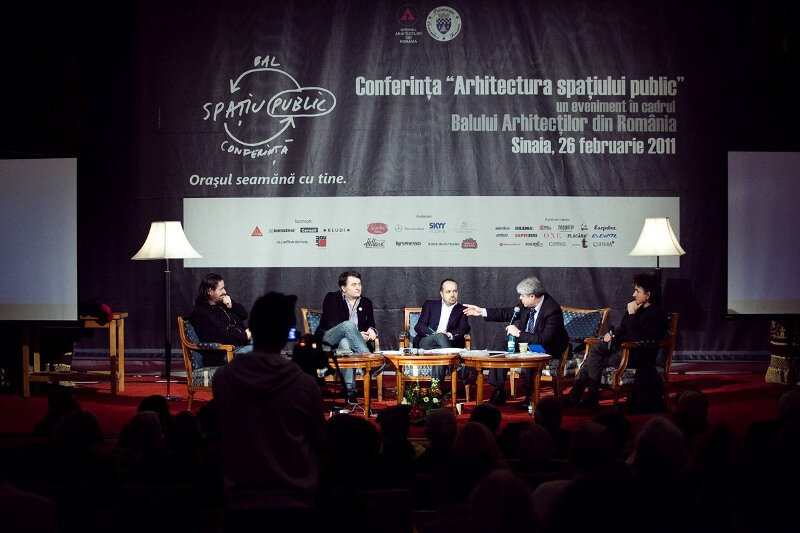
Architecture of public space
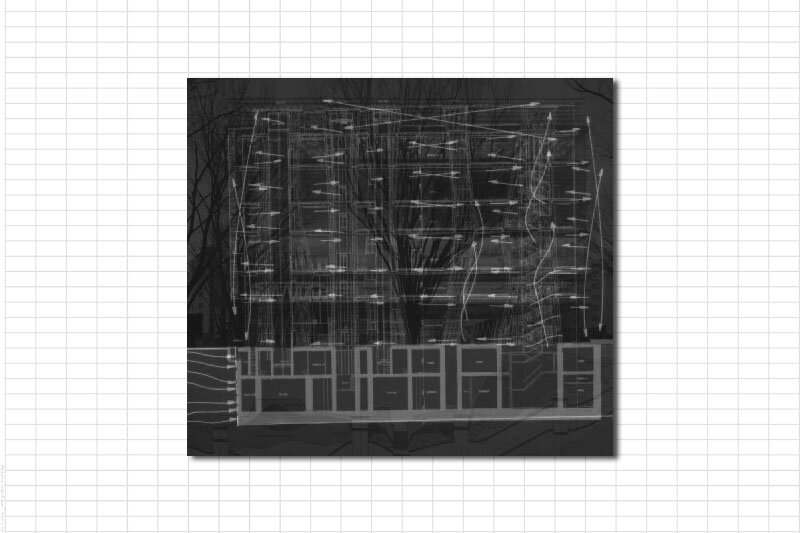
Earthquake Behavior of the Sendai Media Library (1995 - 2000)
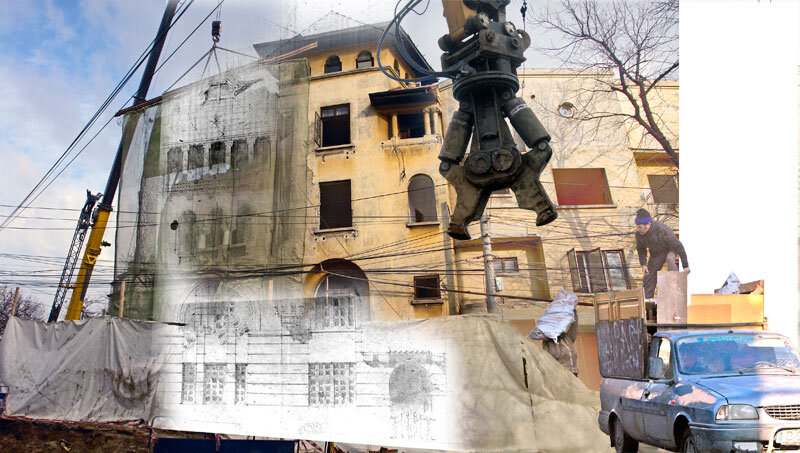
Mute File - Buzești Uranus
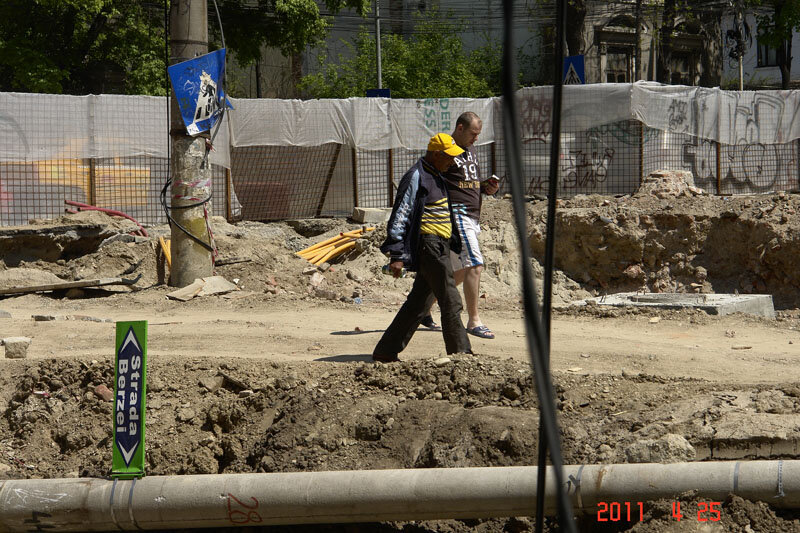
Climate in Bucharest - Berzei
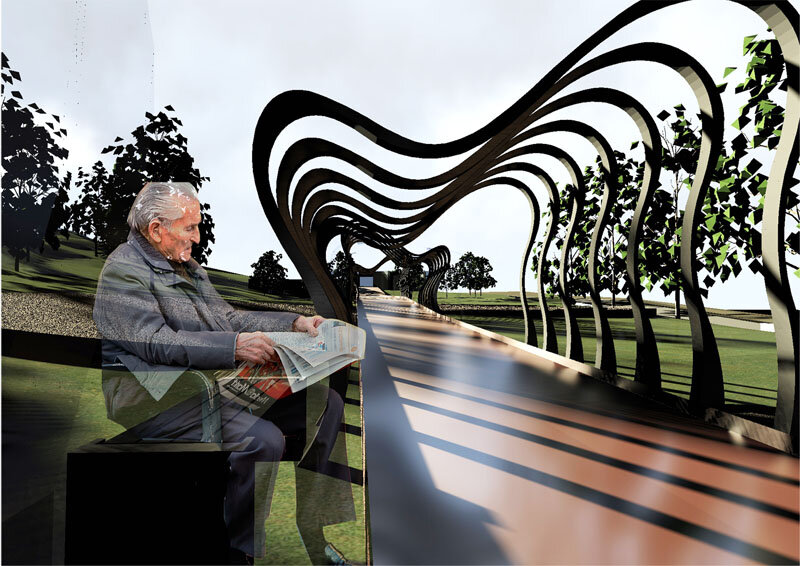
Climate Brasov - Livada Poștei, a current problem
Climate Iași - Iasi, the city of two kings
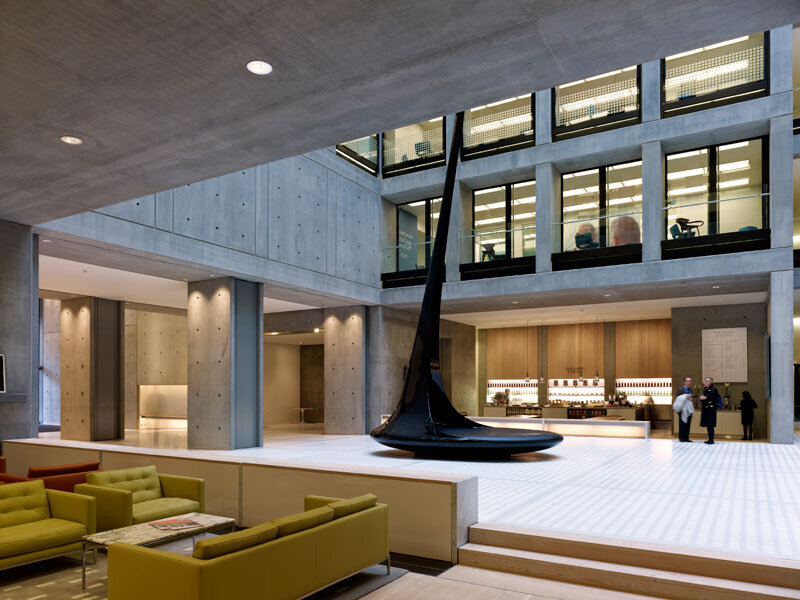
Angel Building - Allford Hall Monaghan Morris
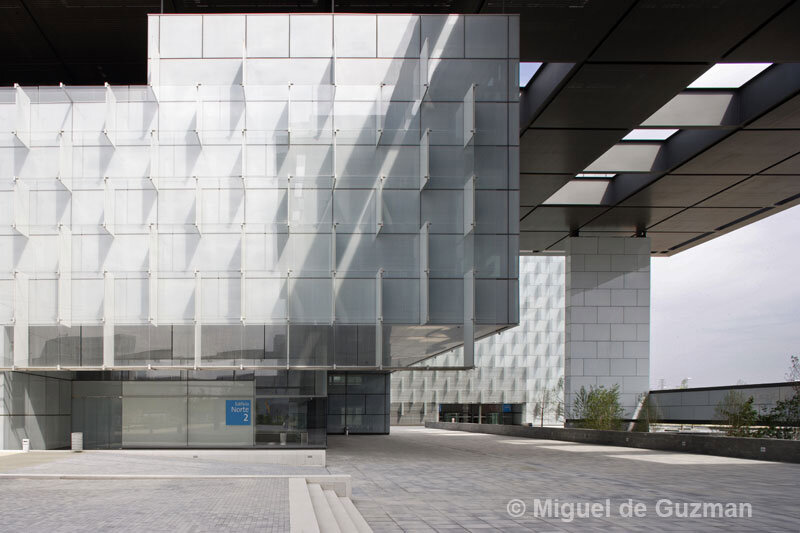
Telefonica Madrid building
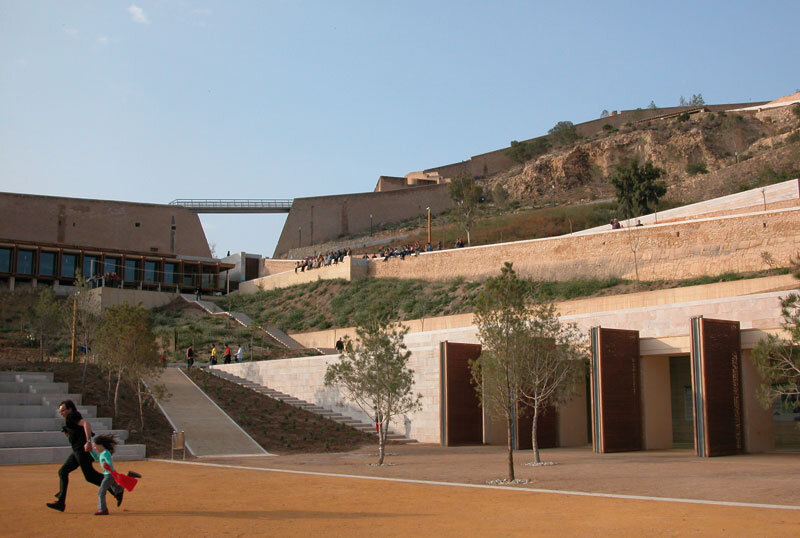
Alicante, an urban park
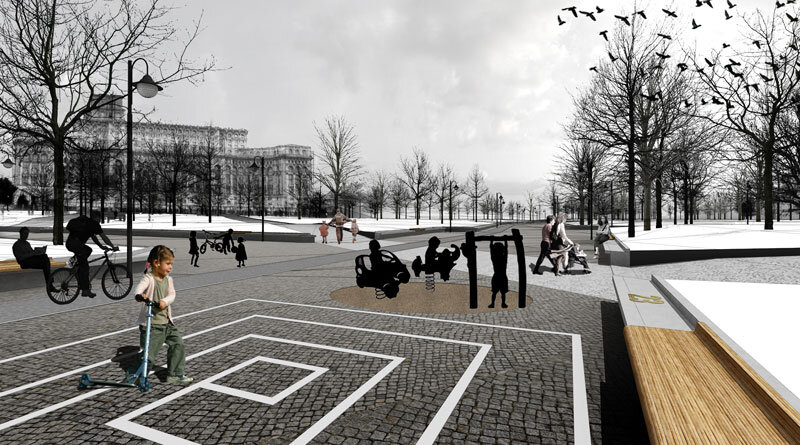
SYAA
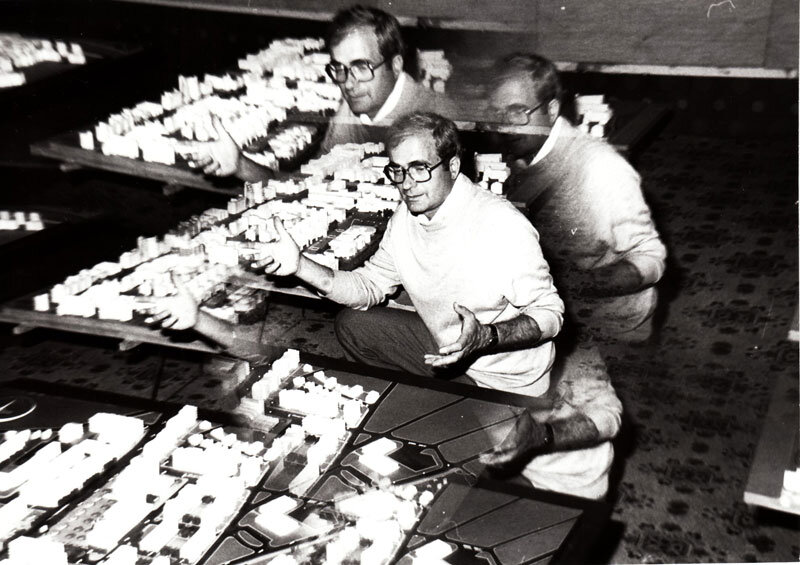
Profile: conf. dr. arh. Vasile Mitrea
Urban ID: competition of ideas for landscaping the area around Lia Manoliu Stadium
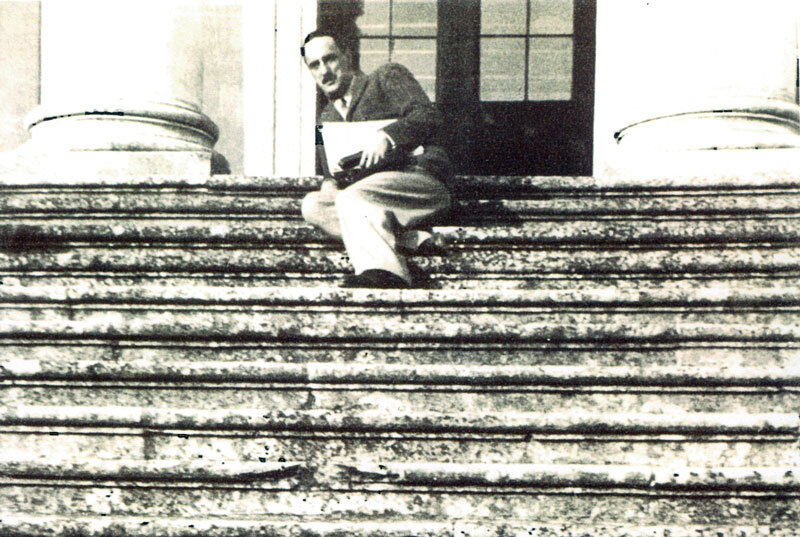
Open page to the work of George Matei Cantacuzino
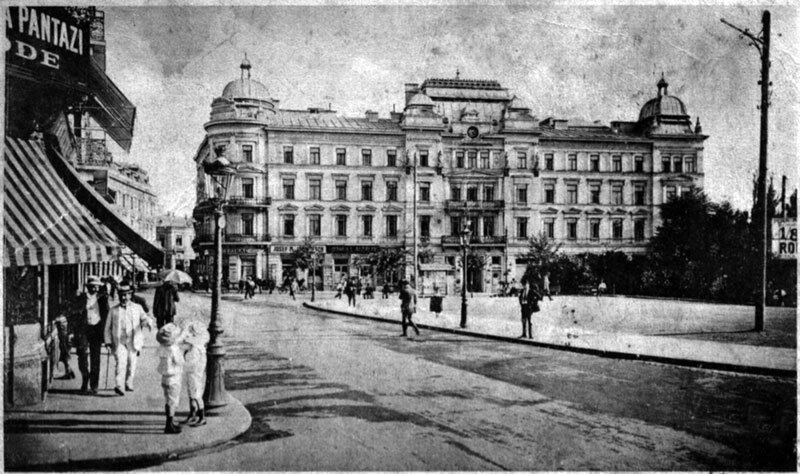
European Bucharest - Bogdan Andrei Fezi
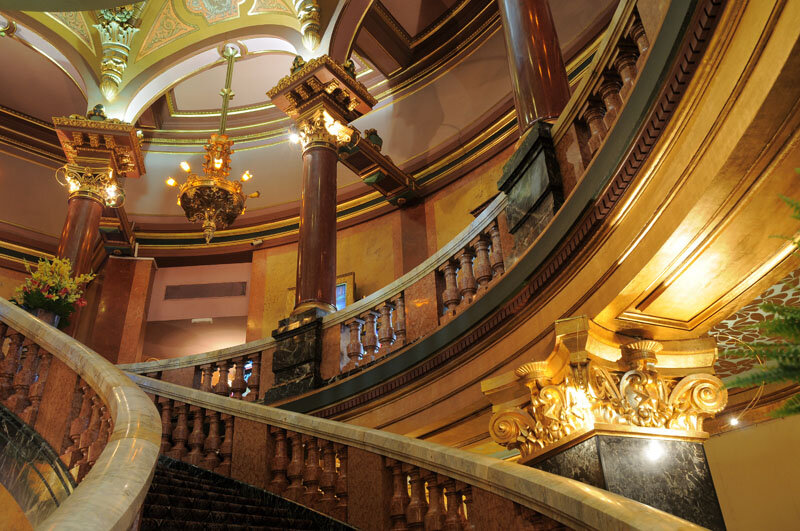
The marble road from Rima to Bucharest
Problematic analogies - time jump

Eugeniu Iordăchescu
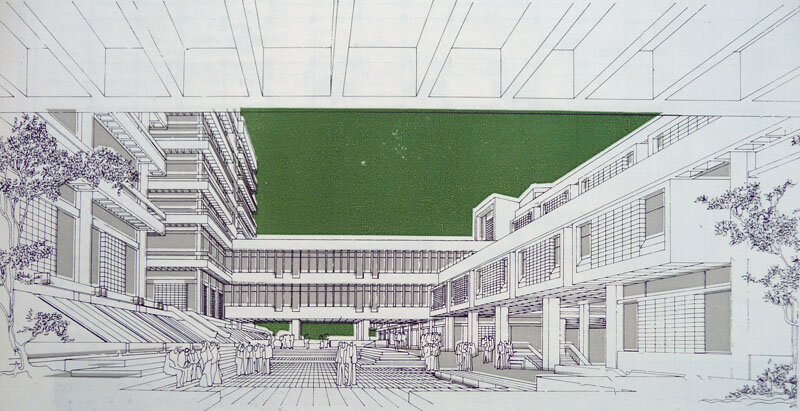
Colonialism as Peer to Peer
Darie DUP. Reflections around a found home