
School architecture

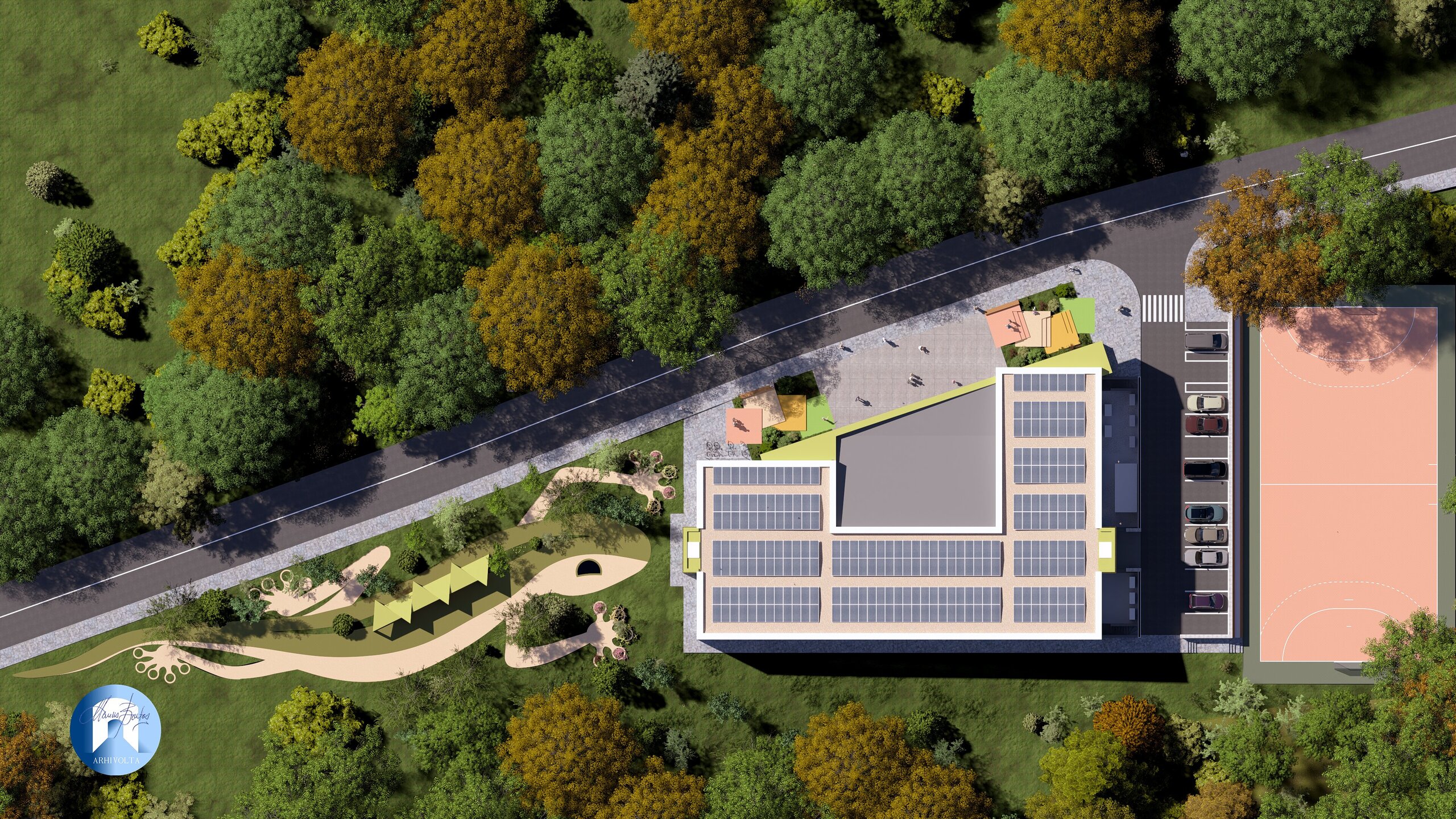
The Ministry of Education, as the coordinator of reforms and investments funded by the National Reform and Resilience Plan, launched in 2023 the competitive call for projects for the Construction and development of a pilot network of green schools, a call for projects funded by the PNRR - Component C15: Education. In this context, the Municipality of Rediu, jud. Iași, has won a grant worth 17.5 million lei, which will be used to build a green school in the village of Breazu - near the forest of Mârzești.
This project was initiated to meet the demands of a local community in full development, this process being stimulated by the expansion of the metropolitan area and the increase in the number of inhabitants of the municipality of Rediu. It is worth mentioning that the Iasi Metropolitan Area was the first metropolitan area in Romania, established on April 8, 2004, initially comprising, in addition to the municipality of Iasi, various neighboring municipalities, including Rediu. The population of this municipality has been continuously increasing, from 7,845 inhabitants in 2021, to 8,113 in 2022 and 8,529 in 2023, thus observing, only in the last years, an annual population growth of 5%.
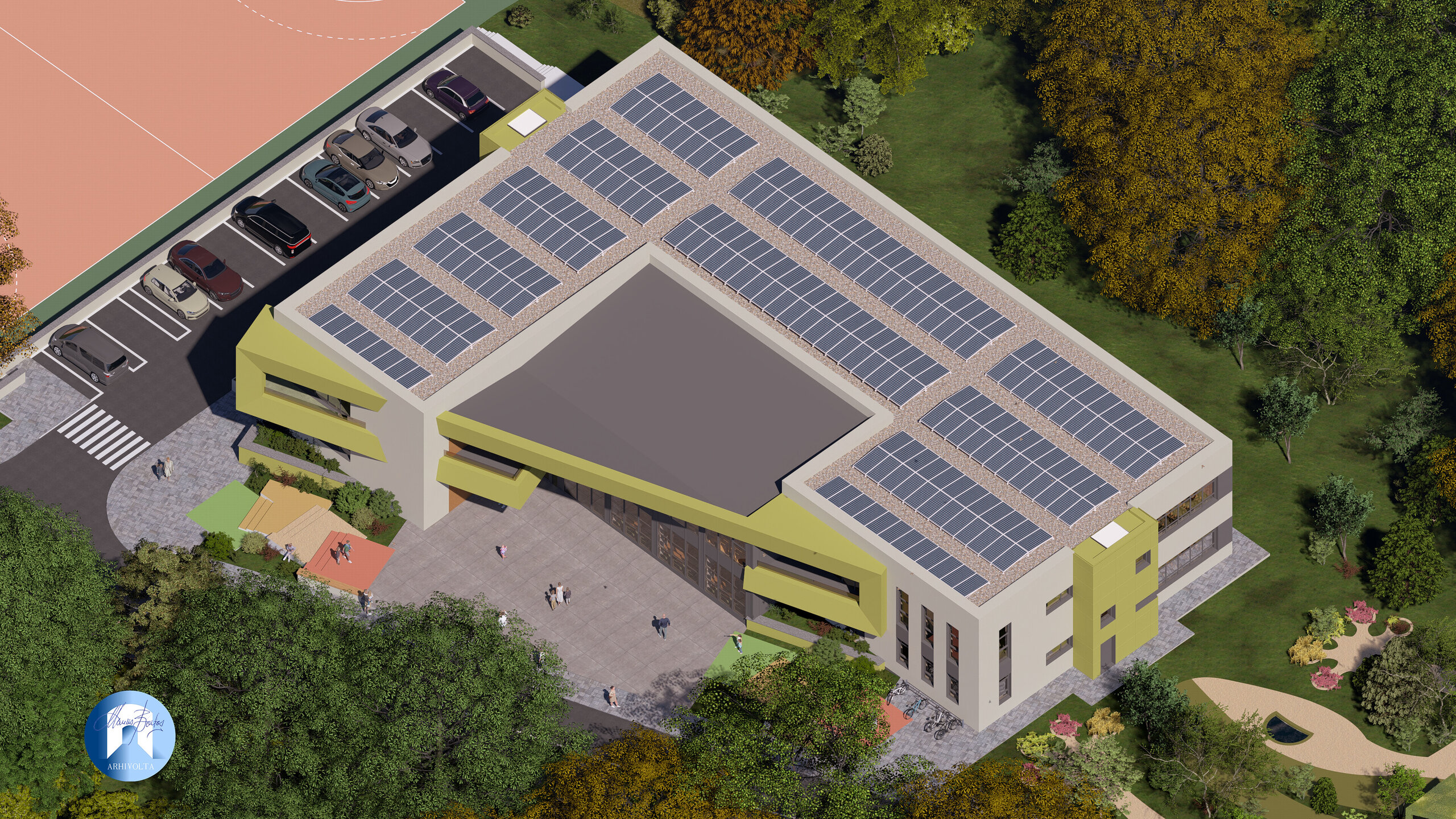
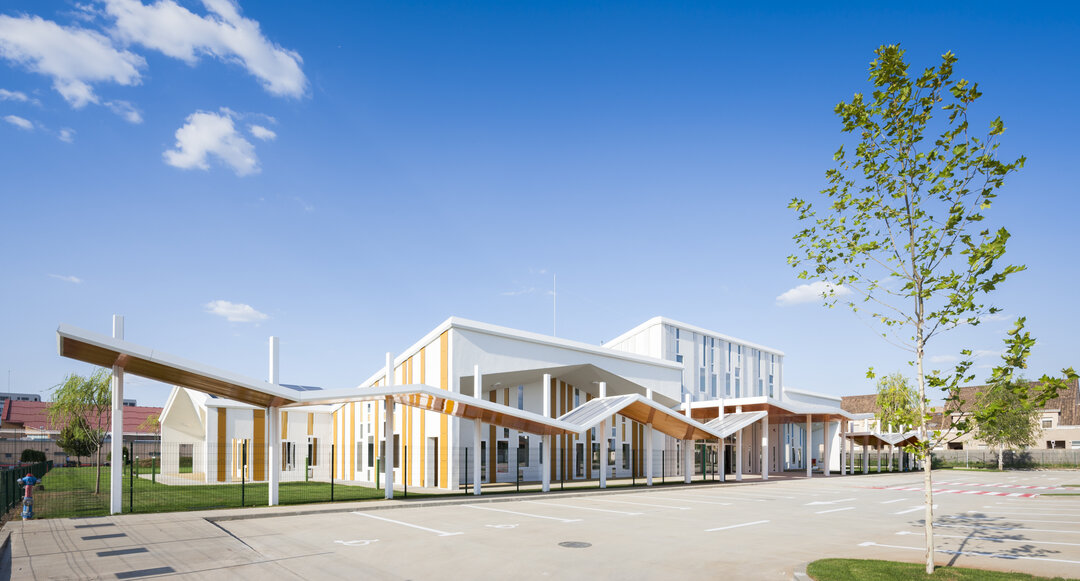
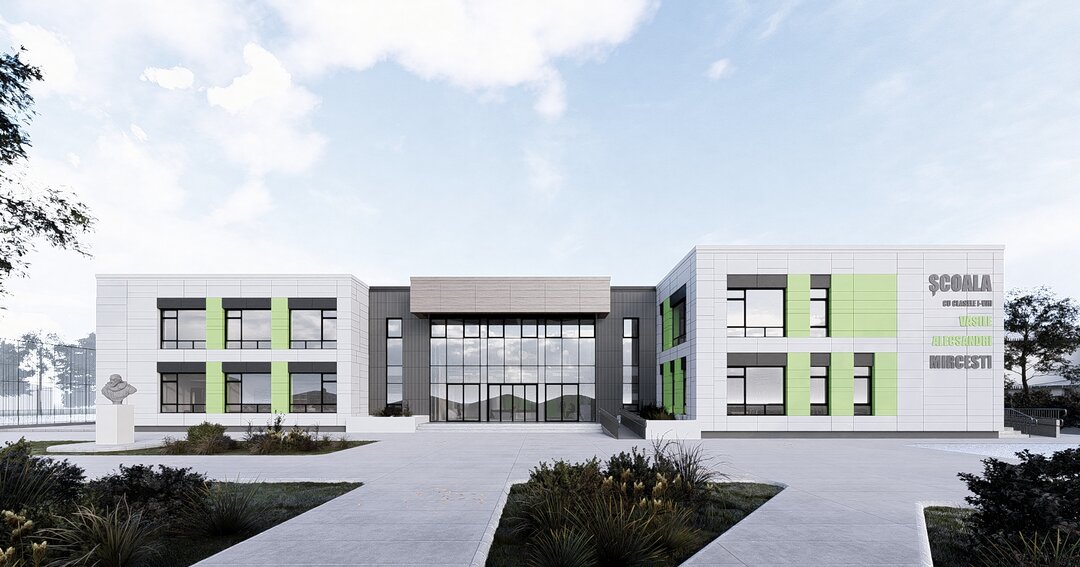
TheGreen School in Rediu commune, Breazu village, is a 12-grade educational institution, designed to provide schooling for 300 primary, secondary and high school students. Its location was planned in Rediu TAU, metropolitan area of Iasi, on the plateau bordering the forest of Mârzești. We specify that the forest and meadows of Mârzești represent an area covered with steppe meadows and Eurosiberian forest of silvosteppe, on a surface of 200 hectares, being declared a protected natural area of sites of community importance, as an integral part of the European ecological network Natura 2000.
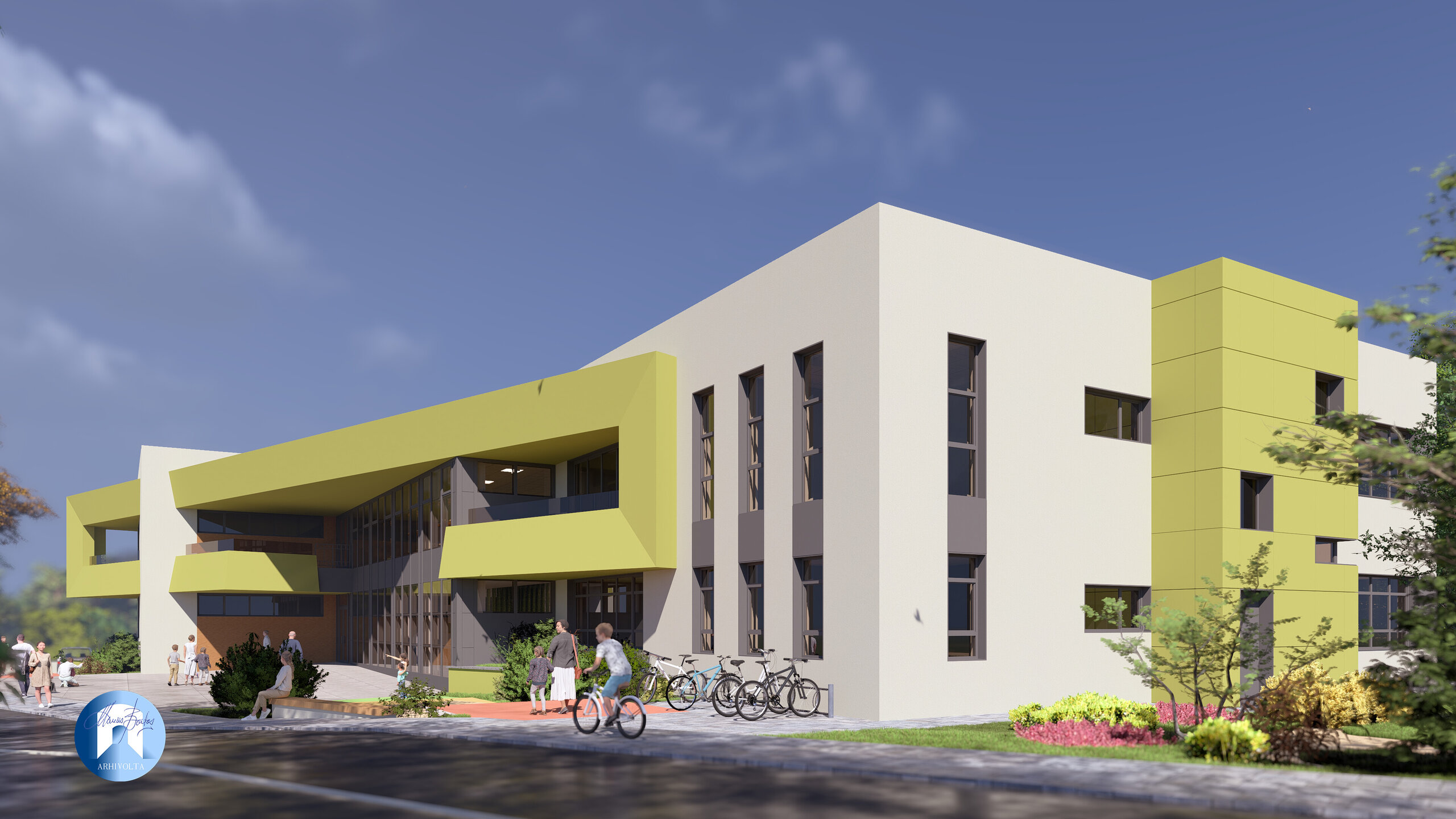
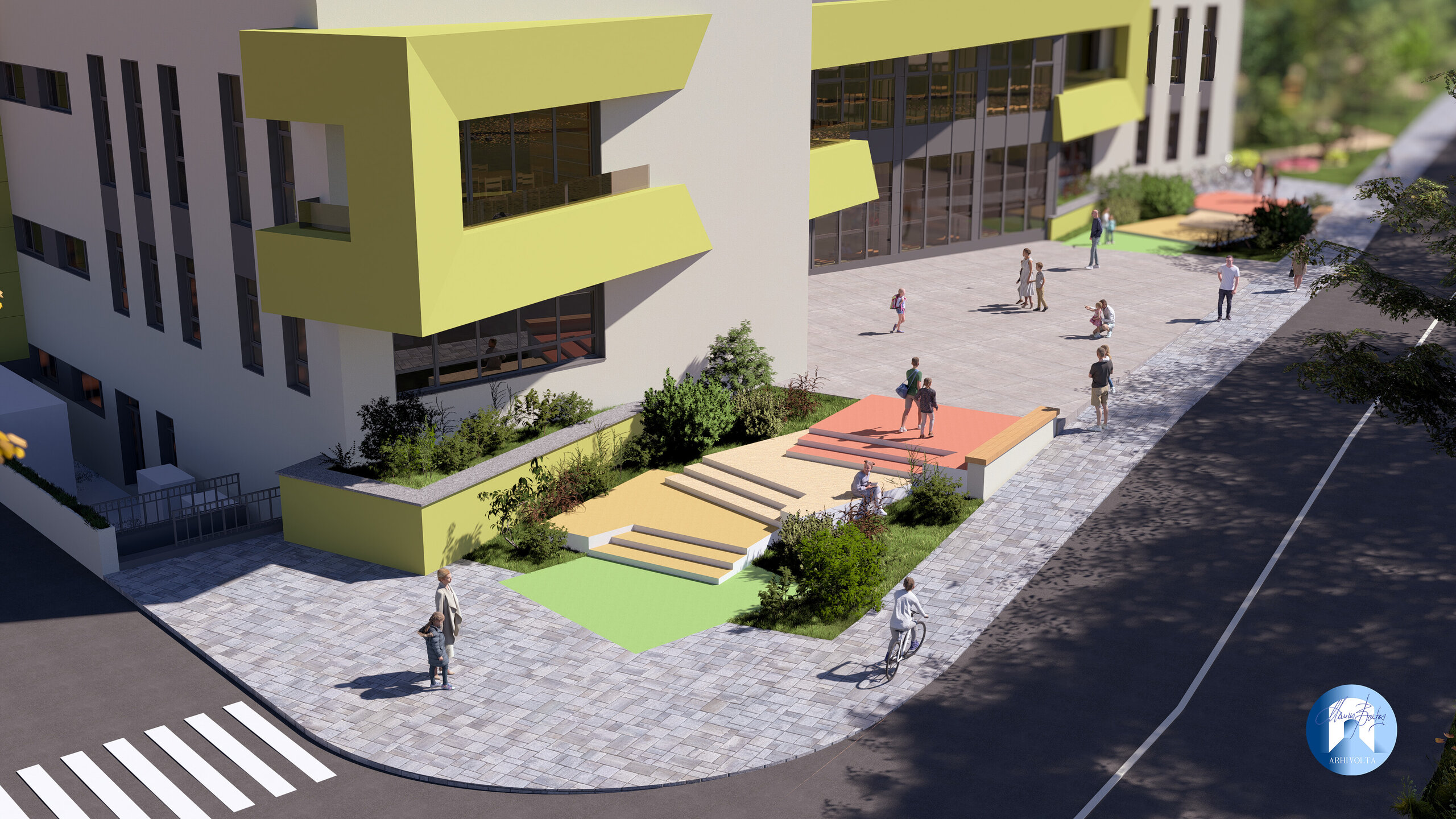
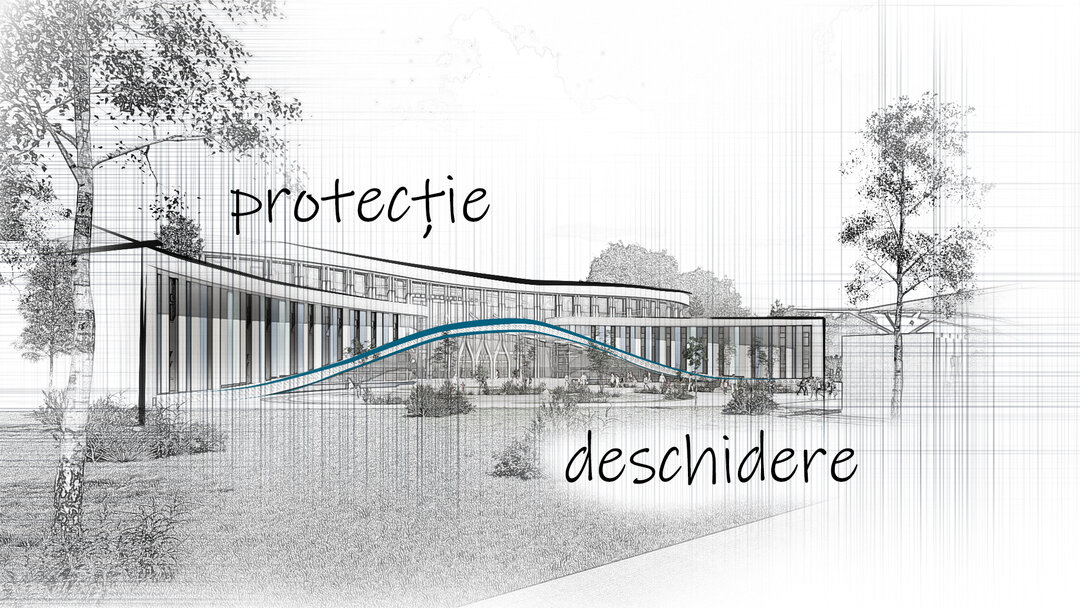
It was a moment of professional satisfaction for the whole design team when our project was chosen as the headline in an online article. Specifically on July 29, 2024, on the occasion of the announcement of the projects accepted for funding, the NewsEnergy.ro platform published a news item on Building and developing a pilot network of green schools. The article presented four projects at the feasibility study stage, out of a total of 54 projects accepted for funding, and the rendering image illustrating the Rediu-Iași school project was chosen as the most representative.
Education is the key word underlying the concept, and in this respect we can say that architecture, through its dual informative and formative role, contributes both directly and indirectly to the educational process. In this respect, the architectural object itself has a social communication function, conveying, by specific means, a cultural-educational message whose code of interpretation is easily accessible to school pupils, who are the main target group.
All the more so, a building with an educational function, through its representativeness, becomes an aesthetic landmark and an image model for such an institution. Good quality architectural design also supports the learning process by integrating spaces that facilitate learning, collaboration and active discovery. Thus, architecture not only provides a physical setting for educational activities, but becomes a pedagogical tool that promotes an open, creative and innovative attitude towards knowledge.
The project has been realized on the basis that the architect has a great responsibility towards the community, taking into account the material resources allocated, the permanence of the construction and, implicitly, the impact of the built environment on the quality of life.
The concept was based on imagining scenarios of everyday life in a school community, not just creating a building, but also the way of life that animates it. In this context, a framework was designed to be as non-restrictive as possible, conducive to education, non-formal activities, recreation and play, designed to contribute to the harmonious intellectual and emotional development of the 300 children who will spend a good part of their childhood in this school.
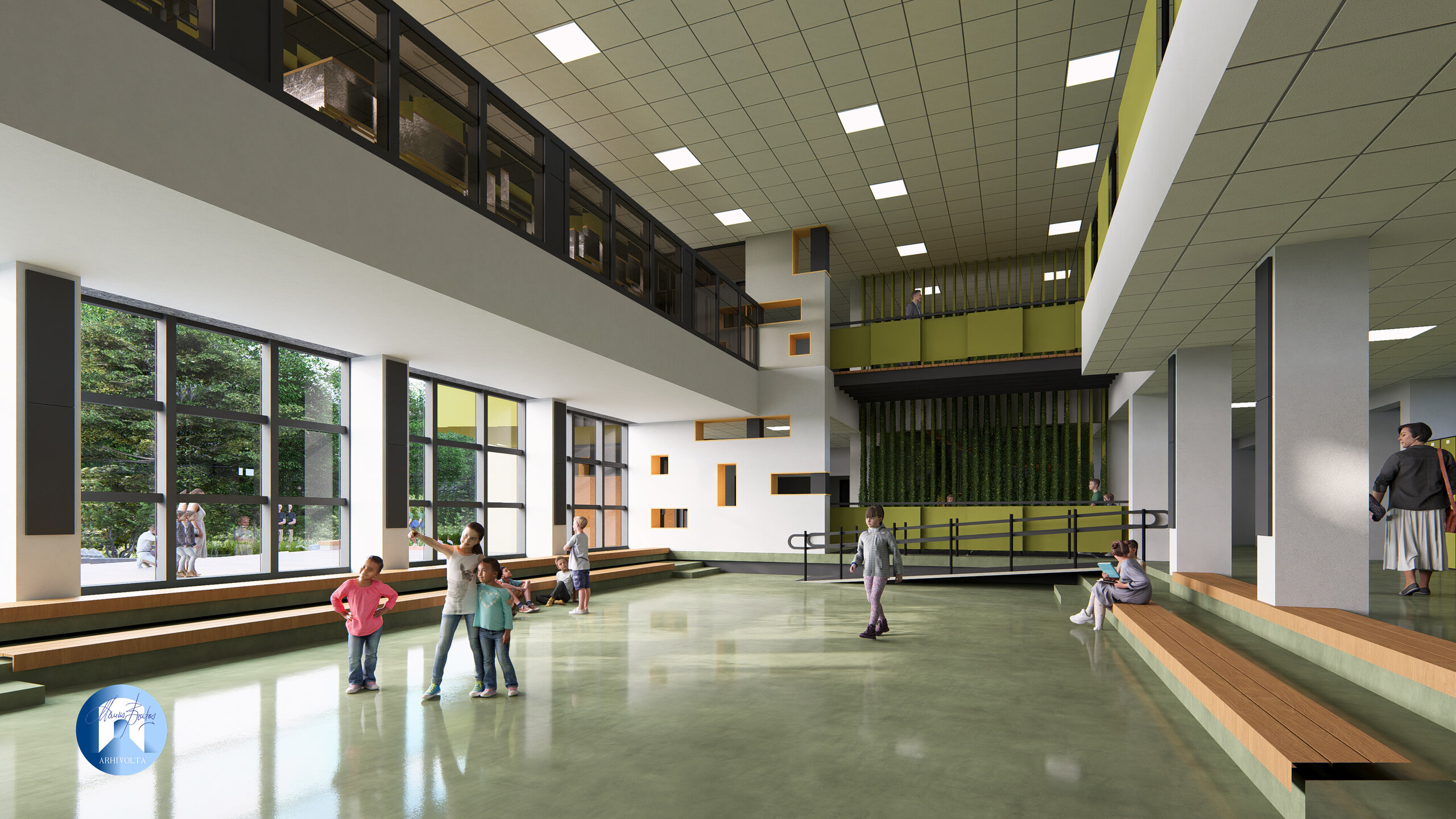
Therefore, the aim was to create a framework conducive to the development of interpersonal skills, with a view to encouraging pro-social behavior in a spirit of diversity and inclusion. A concrete example of this is the removal of architectural barriers through the provision of elevators and ramps for people with locomotor disabilities, dedicated toilets and tactile Braille signage, as well as sensory gardens for the blind integrated into the landscaping of the school's grounds.
Therefore, if a building is functionally logically organized and aesthetically well designed, then users will strive to live up to those standards, and cultivating this behaviour in the long term will translate into a civic lifestyle.
The obvious conclusion is that a well-designed school will in itself provide appropriate aesthetic and moral benchmarks and educate generally.
Architecture has a significant impact on aesthetic education because the spaces in which we live and learn shape our perception of harmony, proportion and beauty. With this in mind, we aimed to achieve a balanced relationship between functionality and artistic expressivity, based on the premise that a well-designed spatial-volumetric environment can stimulate creativity and artistic sensitivity. The concept of this school aims to cultivate the students' taste for beauty, offering in an easily accessible way aesthetic benchmarks of refinement and stylistic coherence necessary for the appreciation of shapes, colors and textures. Teaching in harmonious and well-proportioned spaces helps to better understand the added value of architecture, and this will be reflected in the way today's children - tomorrow's adults - will perceive and decode aesthetic value in its various forms.
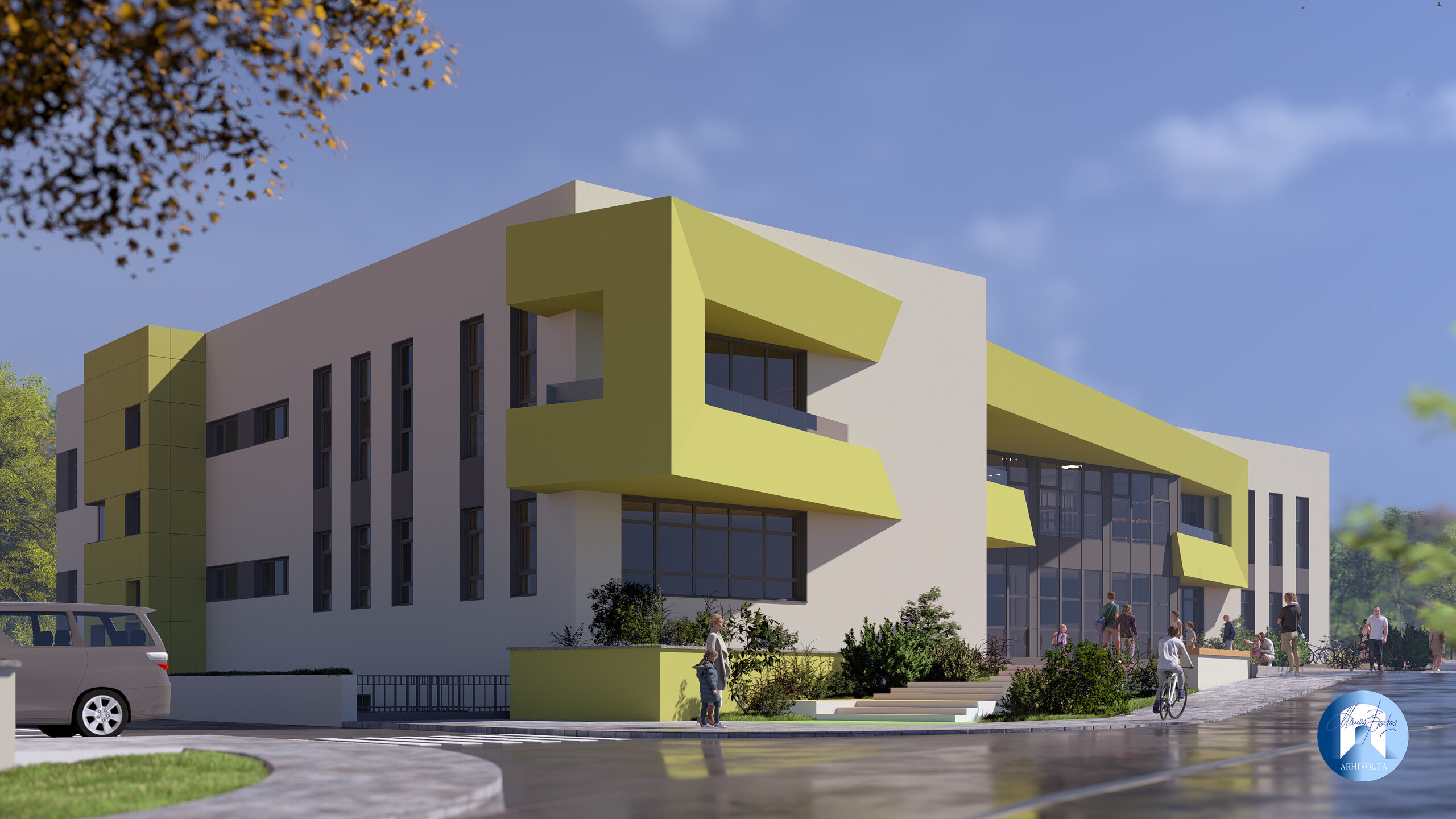
The concept promotes an Instagrammable image of a contemporary educational institution, illustrating in the most eloquent form the architecture of today. Thus, through the aesthetic values proposed, this project is based on a process of education by the power of example, the category of addressability being, in this case, the entire local community, not just the school's students.
Architecture significantly influences the formation of social skills, as the way spaces are designed can facilitate or hinder interactions between people. In the project, open and accessible common areas such as the atrium, the landscaped park, laboratories and classrooms were designed to encourage collaboration, the exchange of ideas and the building of interpersonal relationships.
Based on the premise that architecture can be an active framework for the formation of social skills, the design of this school sought to define an environment in which pupils can learn through interaction, respect and empathy, which is an essential requirement for the harmonious integration of children from diverse communities.
Taking into account the fact that this educational institution will accommodate children belonging to the three educational cycles, the architectural concept was designed to promote flexibility and mobility between the different age groups, thus contributing to the development of communication, cooperation and conflict resolution skills. The project envisaged 12 classrooms on two levels, the ground floor being allocated to primary classes, the first floor to the high school, and the middle school classes to be distributed in such a way that the age differences on the same level are as small as possible. It should be noted that three specialized laboratories with specific equipment and a greenhouse have been included in the project, and the school's students will benefit from these spaces on a rotating basis, according to the timetable.
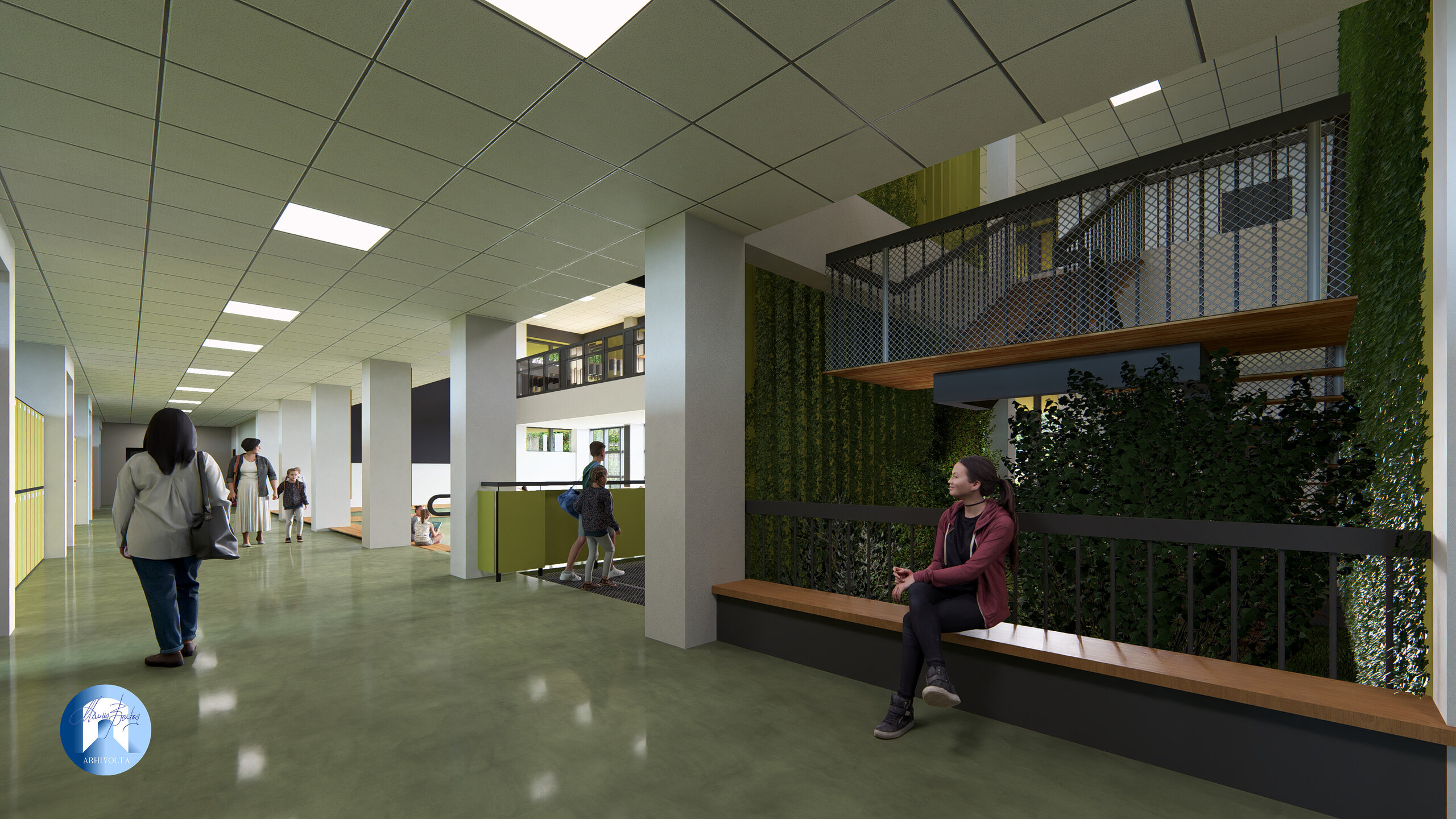
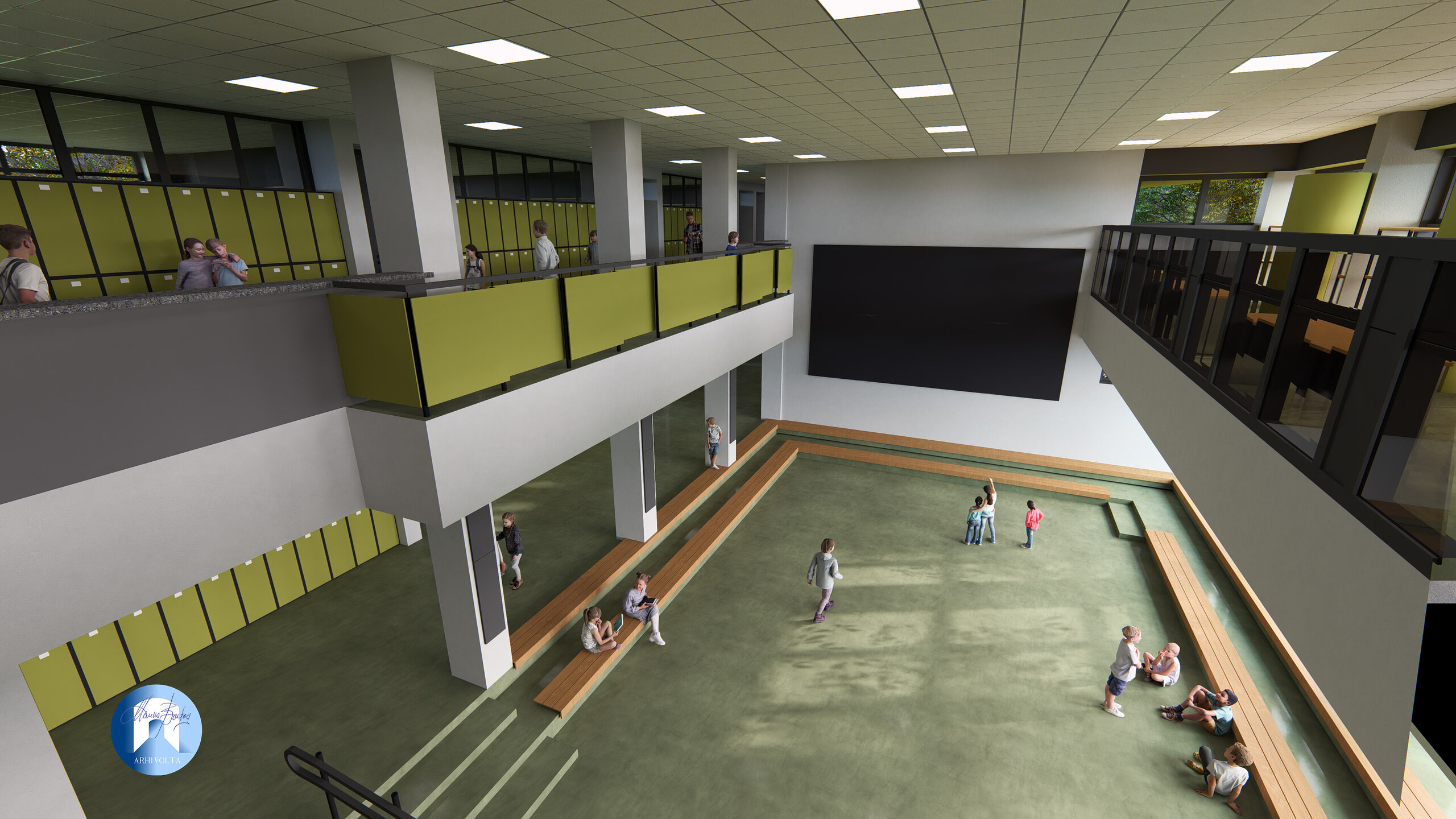
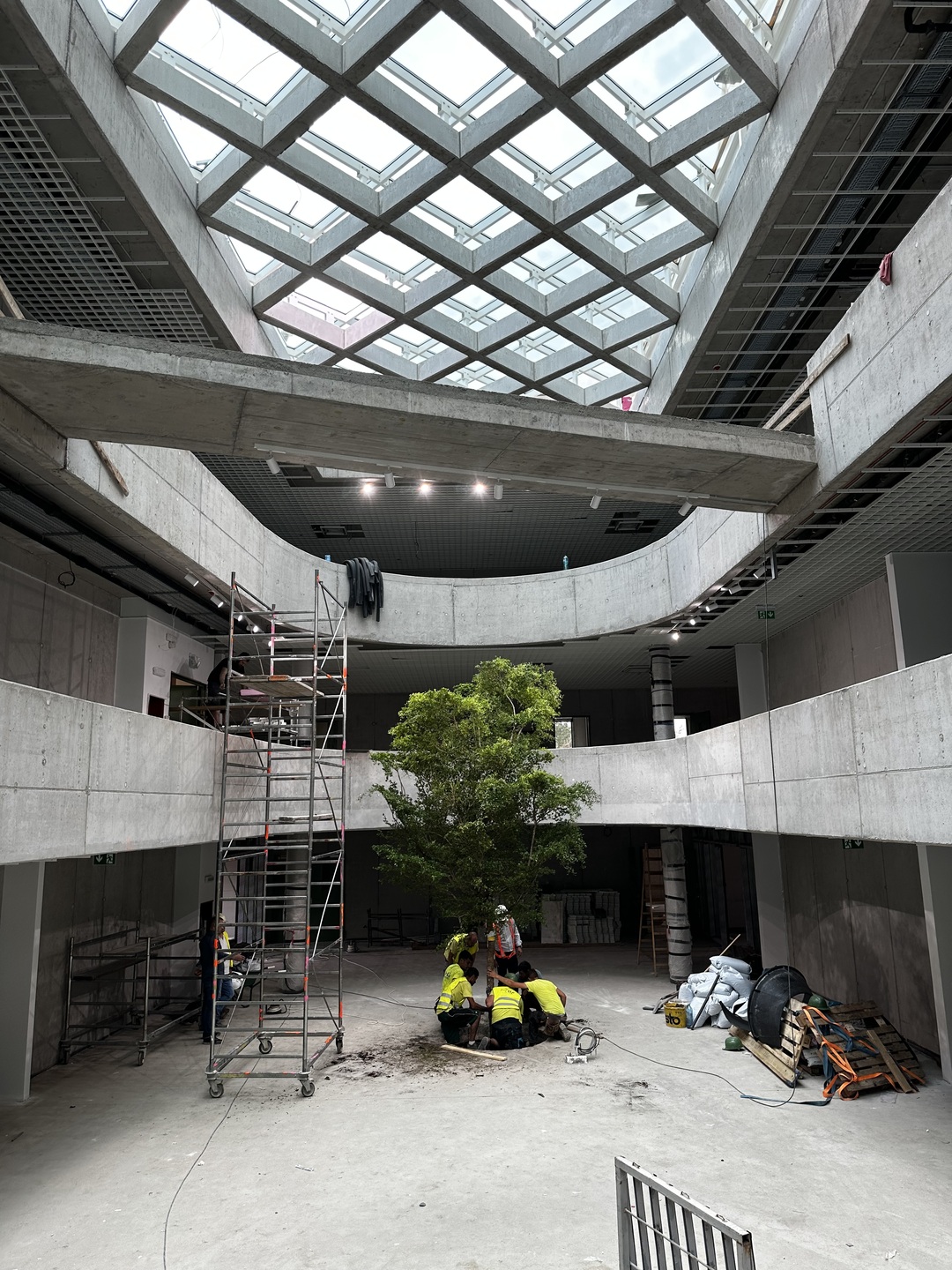
Architecture plays an important role in diversity and inclusion education, as appropriately designed spaces can facilitate interaction, accessibility and respect for differences. Moreover, architecture not only shapes the physical space, it also shapes the mindset and behavior of its users, playing a crucial role in shaping a more open and equitable society. With this in mind, the school has been designed to integrate facilities to ensure accessibility for people with disabilities and to convey a message of equality and acceptance of diversity. As an institution for public education, it was designed with the aim of providing an inclusive environment, designed to create opportunities for children of different ages from diverse backgrounds to meet, fostering empathy, collaboration and appreciation of diversity. To this end, common spaces were provided for leisure, recreation, communication and social interaction. A large, centrally-located, multi-purpose space has been created within the project, designed for the various socio-cultural activities specific to a school. This atrium, by its configuration and the fact that it develops on two levels, was intended to facilitate visual communication between the different areas of interest and to help good orientation in the space.
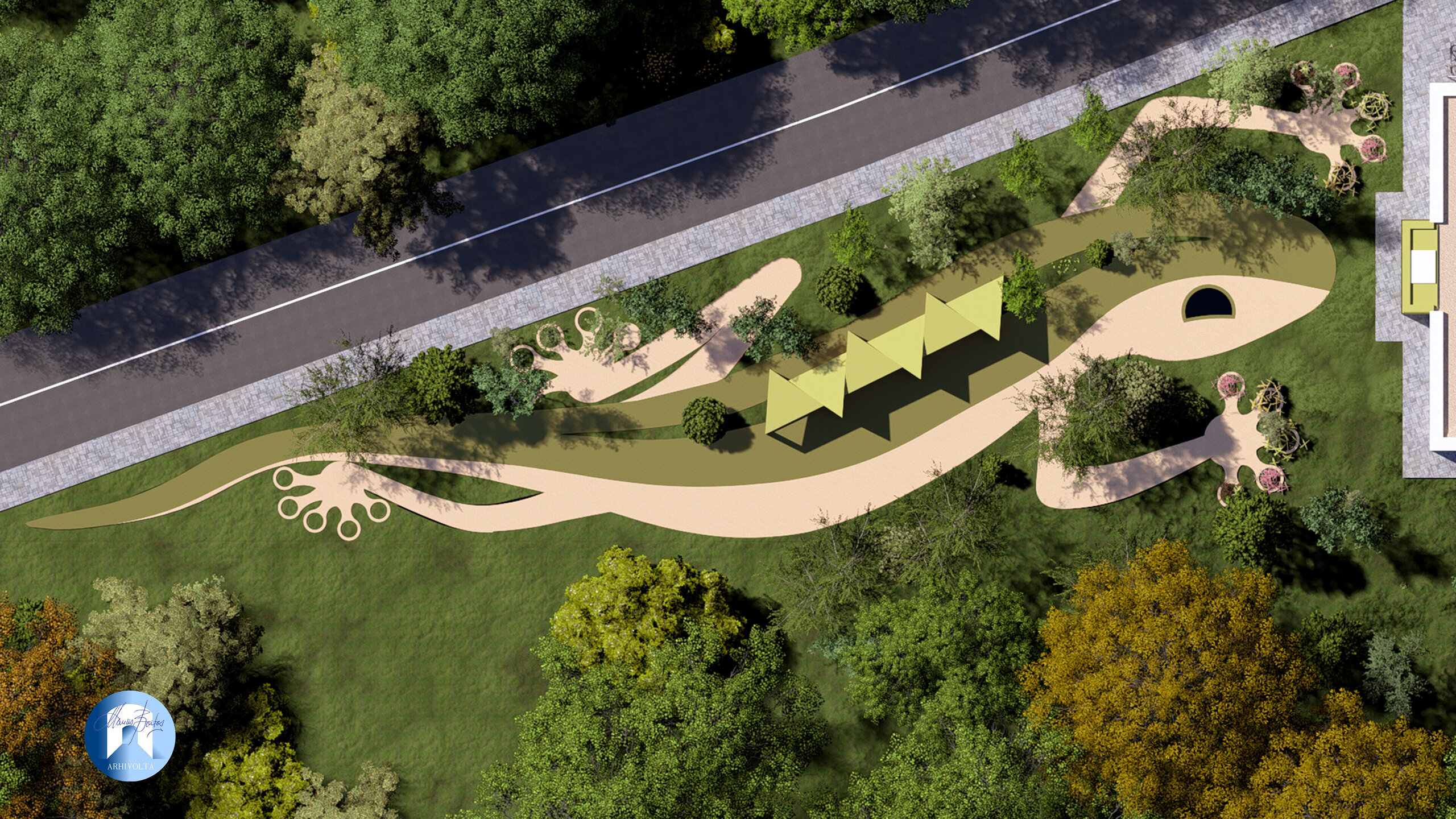
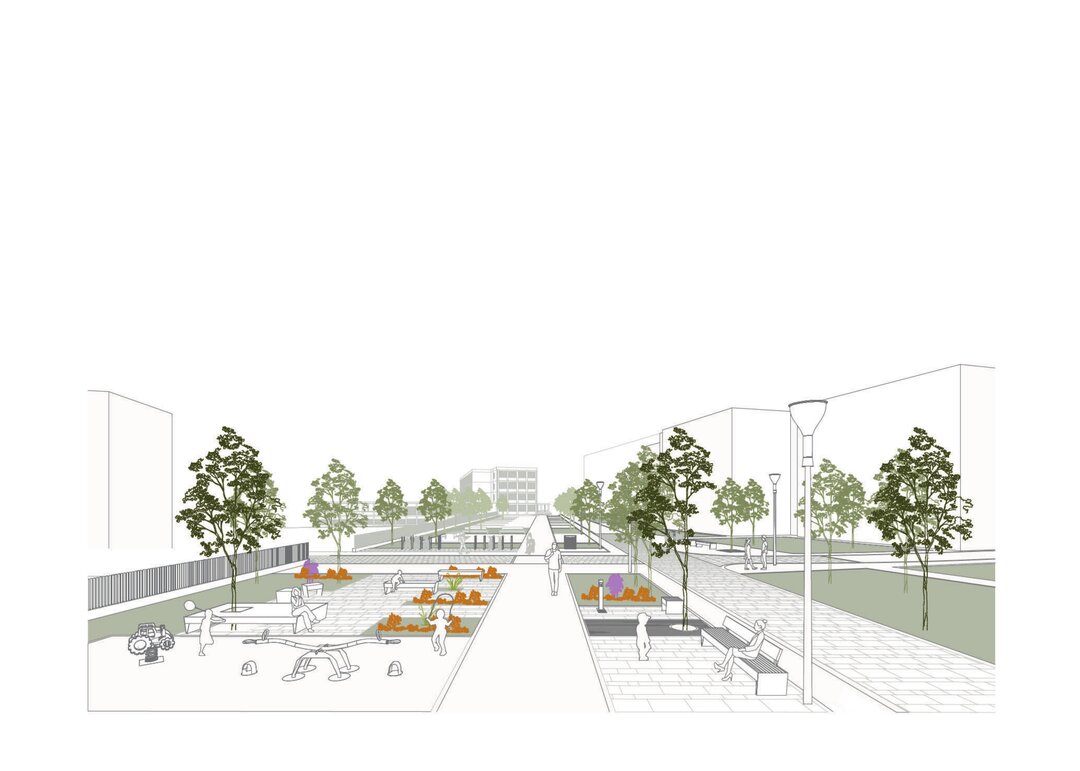
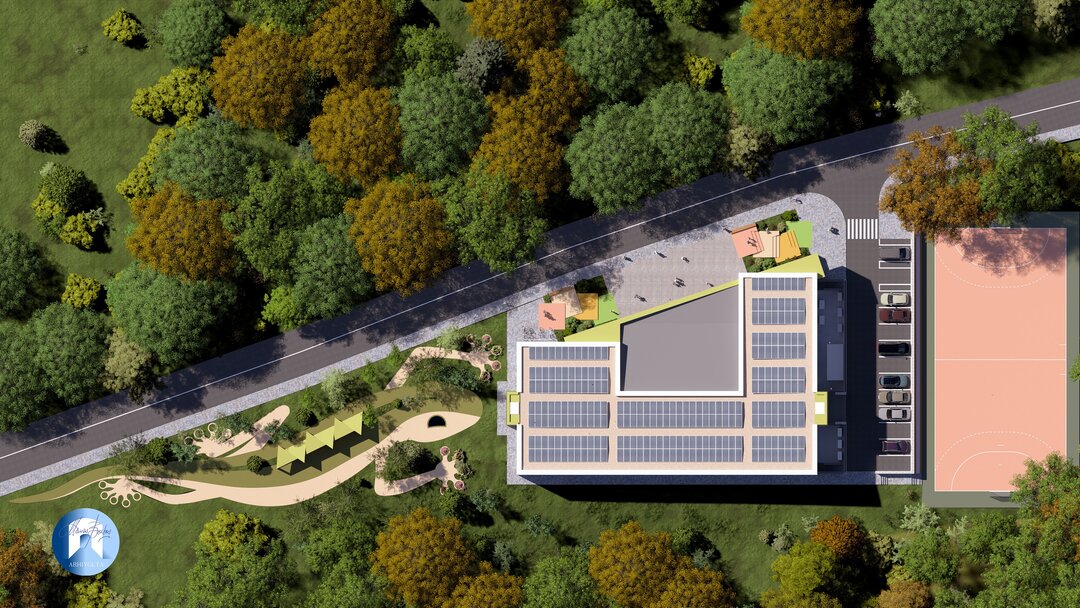
Architecture has a significant impact on play education, influencing the way people interact with space and stimulating creativity through play. Buildings and spaces designed with playful elements - unconventional shapes, vibrant colors, interactive structures, versatile spaces and areas - create an environment that encourages curiosity, experimentation, and invites exploration. The outdoor amenities have been designed to cultivate a playful spirit, with play seen not only as a means of recreation, but also as a means of education through which social and interpersonal skills are formed. The park obtained by the recovery and integration of a triangular-shaped residual space was designed in the form of a gecko, considering that a figurative, zoomorphic representation will be easy to decode both from the height of the windows and by walking through the park.
In designing the project, account was taken of the scale of the child and the fact that the perception of childhood spaces is variable over time. The child's way of relating to space varies according to its size and proportions, which are constantly evolving until the child reaches adult size. The same applies to his or her behaviour, the way he or she conceptualizes space and the environment, these aspects being in a permanent evolutionary process. Therefore, the child's scale in relation to the environment is not only that of his or her body, its dimensions and proportions, but also that of the perception of space, the development of his or her personality and relational system, the perception of the concrete and his or her capacity for abstraction. The project took into account the correct dimensioning of steps and steps, the shortest possible distances from the classrooms to the sanitary facilities, sanitary fittings and switches at the appropriate heights, adherent floors, finishes with pleasant textures and lively colors, easy access to the playground and sports field, ergonomic and adjustable school furniture.
Architecture has a profound influence on education in the spirit of order, logic and coherence, as well-structured spaces stimulate organized thinking and mental clarity. The project proposes a school with a logical functional layout, where each space has a clear function and a coherent relationship to the whole to provide an environment that encourages discipline and efficiency. Modular compartmentalized spaces and well-defined flows are designed to give users a sense of stability and security. In the design of this school, emphasis was placed on the fact that a clear and orderly spatial-volumetric organization can improve concentration and learning, demonstrating that architecture in itself helps to educate structured thinking and a rational approach to problems.
Starting from the premise that architecture plays an important role in terms of eco-sustainability, it was intended to realize a project that foresees the use of recyclable materials, eco-friendly materials, renewable energy sources and energy efficient construction techniques, intended to be an example of good practice in architectural design.
At the same time, by designing an educational institution in the spirit of responsible consumption, conservation and efficient management of natural resources, the contribution that architecture can make to the formation of a generation more aware and involved in protecting the environment was also emphasized.
TheGreen School has been designed in accordance with the principles of sustainable development, taking into account the use of renewable materials, the integration of green energy sources and the optimization of energy efficiency using BMS technology, with the aim of becoming a concrete example of environmentally responsible design.
In essence, by implementing the principles of sustainability in the design of this school, the aim was to reduce the environmental impact. This example can also help to educate users about their responsibility for resource efficiency and waste reduction.
It is worth mentioning that more than 70% of the total energy needed for the smooth running of activities in the school comes from renewable energy sources. More specifically, unconventional energy is generated by installations such as photovoltaic panels and heat pumps. To this end, a NZEB study has been carried out which, on the basis of energy efficiency calculations, certifies that this school is not green in the literal sense, but rather in the figurative sense.
In order to provide an optimal setting for environmental education, as well as for the training of skills and practical activities, dedicated spaces have been provided, including laboratories, greenhouses, vegetable gardens and landscaping.
For example, in the school, a laboratory has been designed for the study of life sciences. More specifically, it is a greenhouse adapted to the requirements of a teaching space, with a range of facilities such as rainwater storage tanks, work benches, aquaponics basins and shelves for planting material. The greenhouse will produce planting material from germinated seeds as a first step in the plant growing process, after which the seedlings will be planted in the school garden, tended and finally harvested. In this way, pupils will learn the process of growing plants and have the satisfaction of eating home-grown vegetables.
In the same spirit of biophilic architecture, the vertical circulation of the atrium has also been arranged, which is practically a vertically developed greenhouse that not only has an ornamental role, but also contributes to the oxygenation of the space, and to the control of air humidity, ensuring a pleasant environment.
Also, in order to educate in the spirit of responsible stewardship of resources and for the new generation to adopt sustainable behaviors, facilities for differentiated waste collection have been provided, with particular attention to the use of organic waste in environmental education activities. In the same vein, facilities and tanks have been provided for the collection of rainwater, which can be used to irrigate the garden and green spaces when necessary.
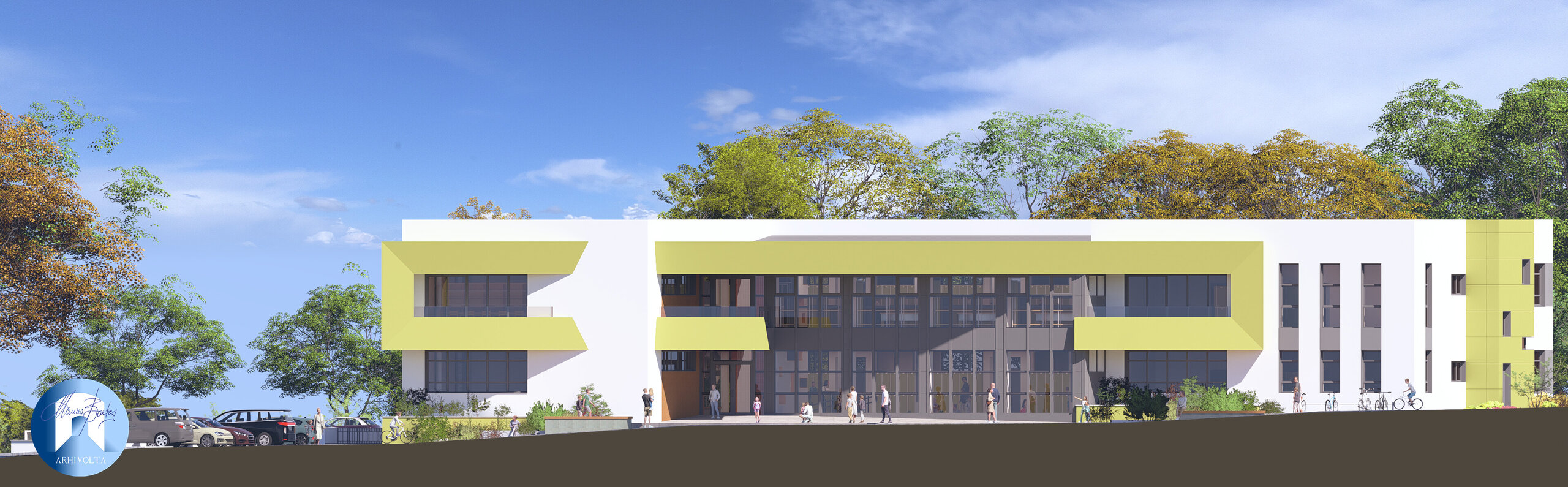
TheGreen School is located in a particular natural setting, the main facade with the access to the brooding brooding, as well as the atrium, facing north in relation to the Mârzești forest. The laboratory for life sciences is developed longitudinally, with large windows oriented to the north, designed to ensure good natural lighting, while relying on a panoramic view of the forest of Mârzești.
The classrooms benefit from a favorable cardinal orientation, to the south-east, ensuring good natural lighting throughout the year, shielded from the noise of the street, the playground or the sports field. In the same vein, sound-absorbing ceilings have been included in the design to ensure good acoustics in classrooms and laboratories.
The technical basement includes a basement in which all the installations are provided for easy maintenance. In practical terms, running water, sewerage, ventilation and rainwater collection installations are provided in this gallery which runs through the building, organizing the distribution of these installations in a centralized way. The ventilation units are located in dedicated spaces in the basement, in the form of English courtyards, so as to have as little visual impact as possible and to avoid any acoustic disturbance to school activities. The same courtyards provide natural lighting for the technical spaces in the basement of the building. Consequently, there is no designed space throughout the building that does not benefit from natural ventilation and lighting. At the same level, rainwater harvesting tanks have been provided to supply the water needed to irrigate the greenhouse, garden and landscaping.
In conclusion, as I stated in the introduction and as I have maintained throughout the whole material, the architectural project educates through its multiple values: educational, aesthetic, socio-psychological, eco-sustainability, as well as through its technical-utilitarian aspects. Therefore, I reiterate that 'Education' is the key word behind the concept, the architecture of a school educating by itself.
In summary, sustainably designed schools not only reduce environmental impact, but more importantly educate young generations through direct experience, demonstrating how intelligent design can create a balance between human needs and the natural setting. Thus, the architecture of a school remains not only a space for the didactic act, but also a pedagogical tool that shapes aesthetic sense, social skills, inclusion and convergence, an ecological and civic mindset among its direct beneficiaries as well as the whole community.
Finally, we can present a timeline of the stages of the project. Thus, the project started in mid-June 2023, once the Rediu local government decision makers gave an affirmative response to the competitive call for projects funded by the PNRR. In 2024, it has gone through all the design phases, so that at the time of writing, the project is in the tender procedure for the award of the execution.

.TIF--17914-m.jpg)

--18036-m.jpg)