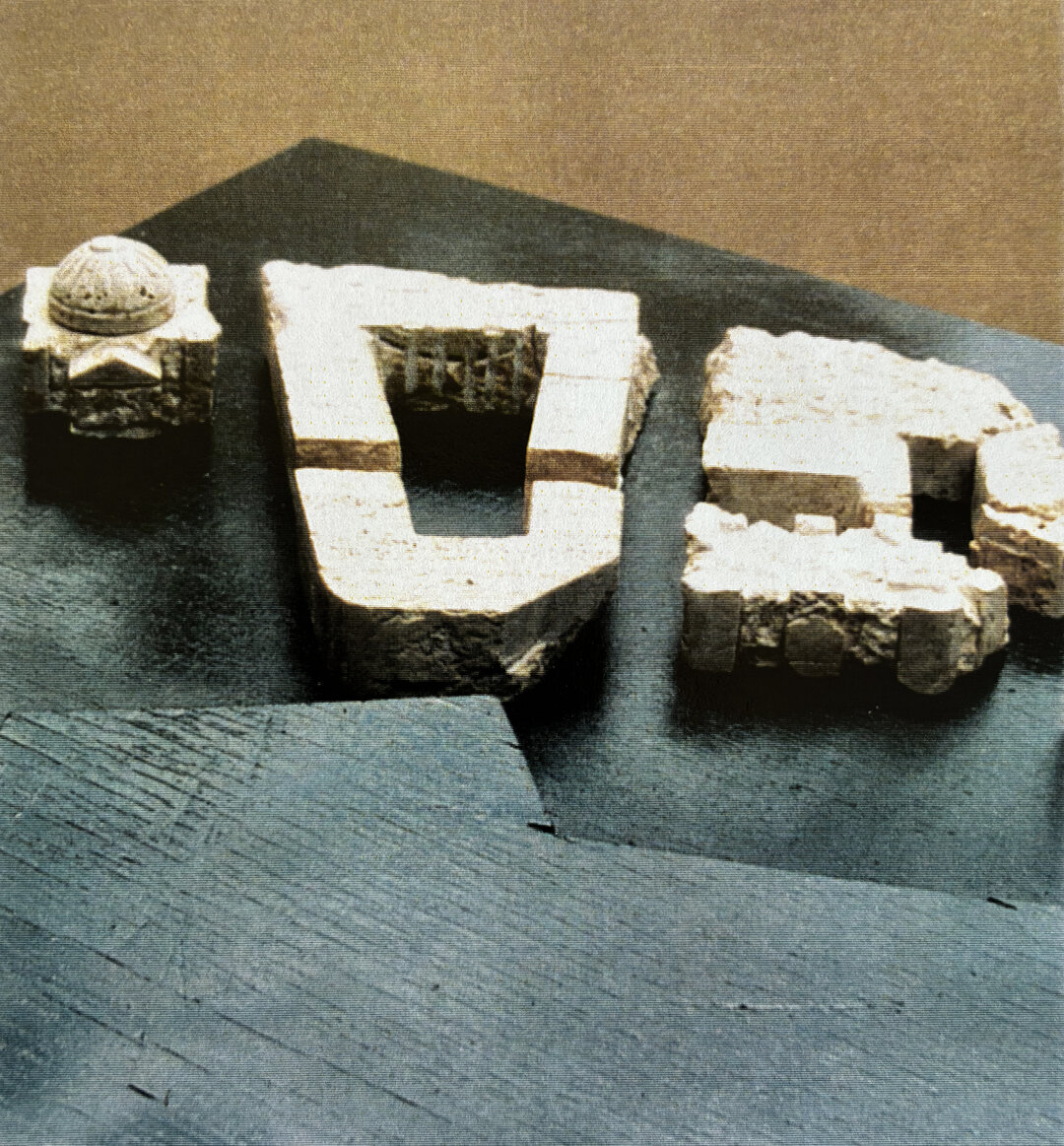
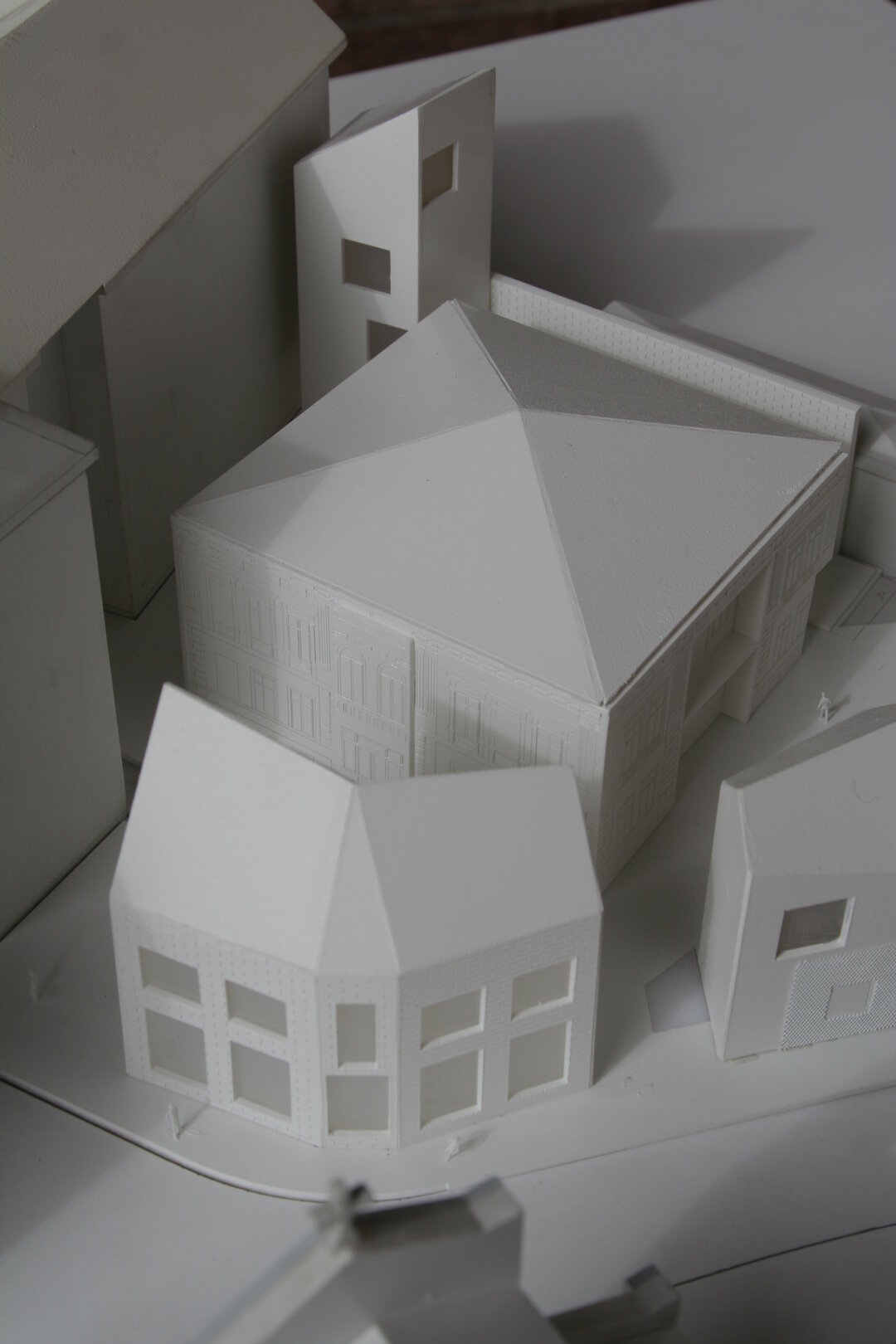
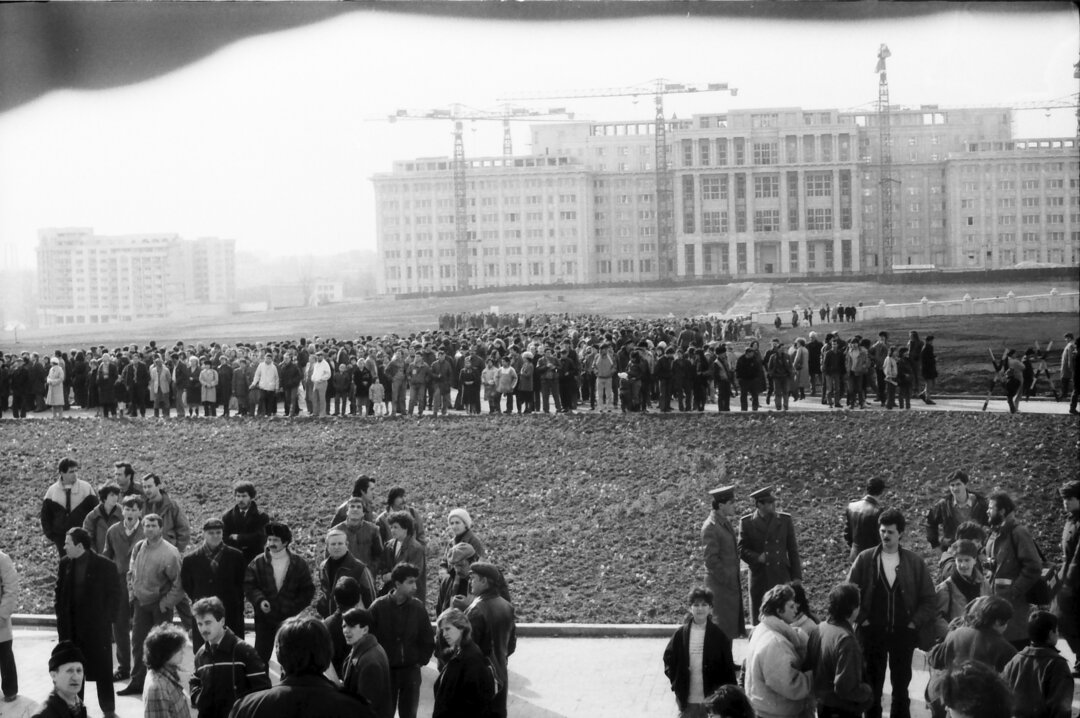
Our generation fully experienced the events of December 1989, the starting point for an intense and complex period of profound social change at all levels of the national community. In Romania’s case, with its “flattened” society—in which the social structure had been reduced to a single class —the proletariat—proved more difficult than in other communist countries, where remnants of the old social classes—primarily the middle class and the aristocracy—still existed in various forms. The culture instilled in generation after generation left deep marks, and the rebuilding of the social fabric proved, over time, to be complicated and particularly difficult, given the severe economic constraints as well as the country’s complete isolation within its own borders from the traditional democracies of Europe and the world.
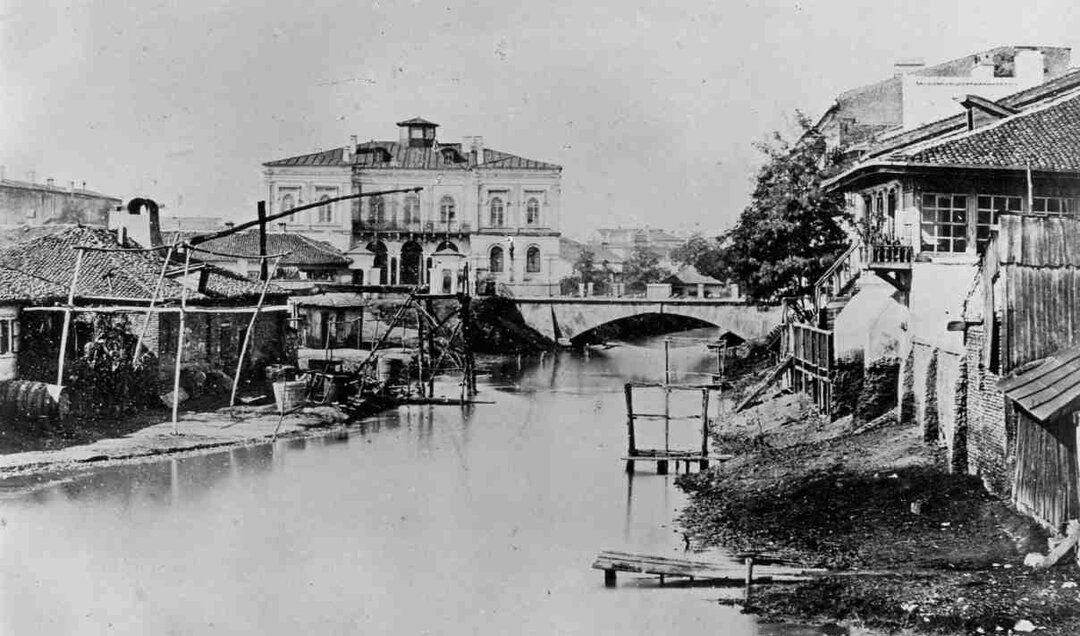
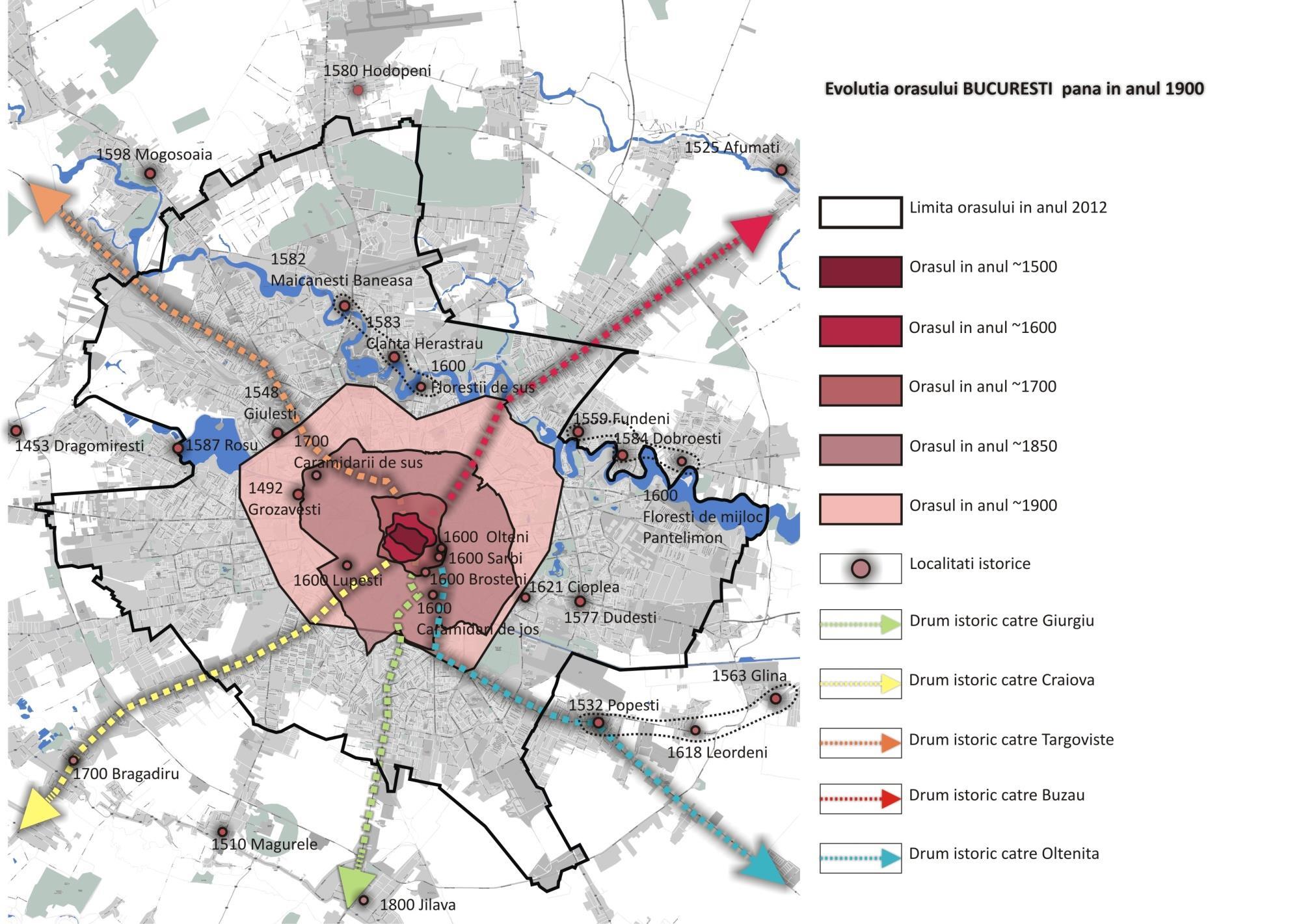
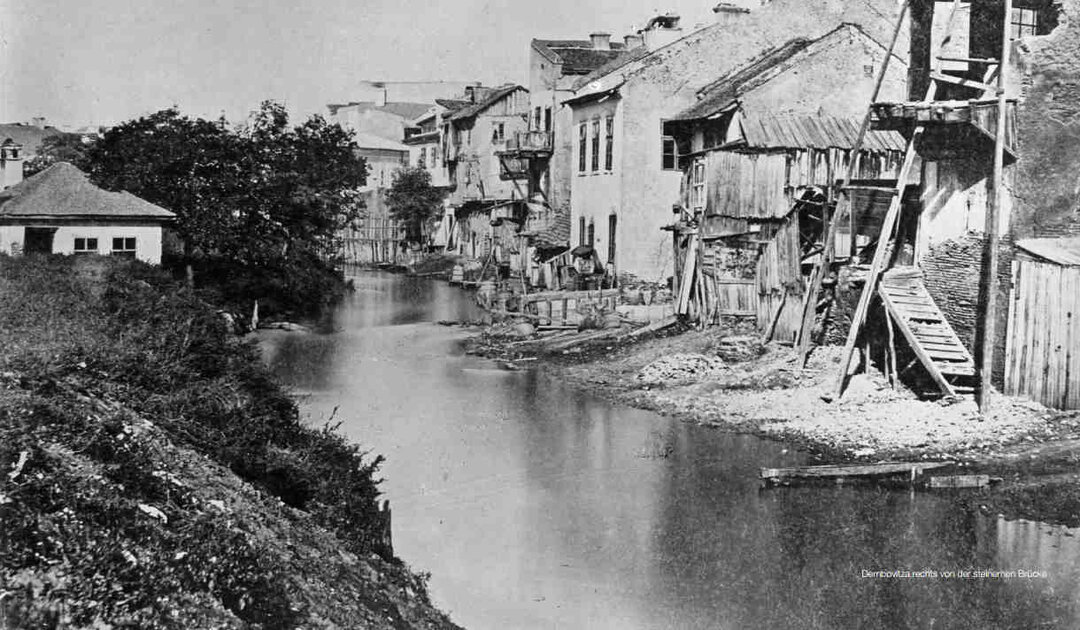
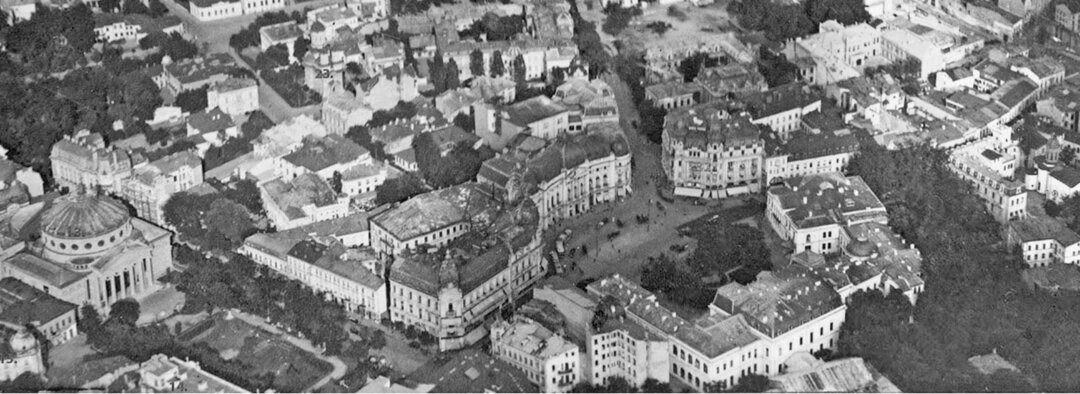
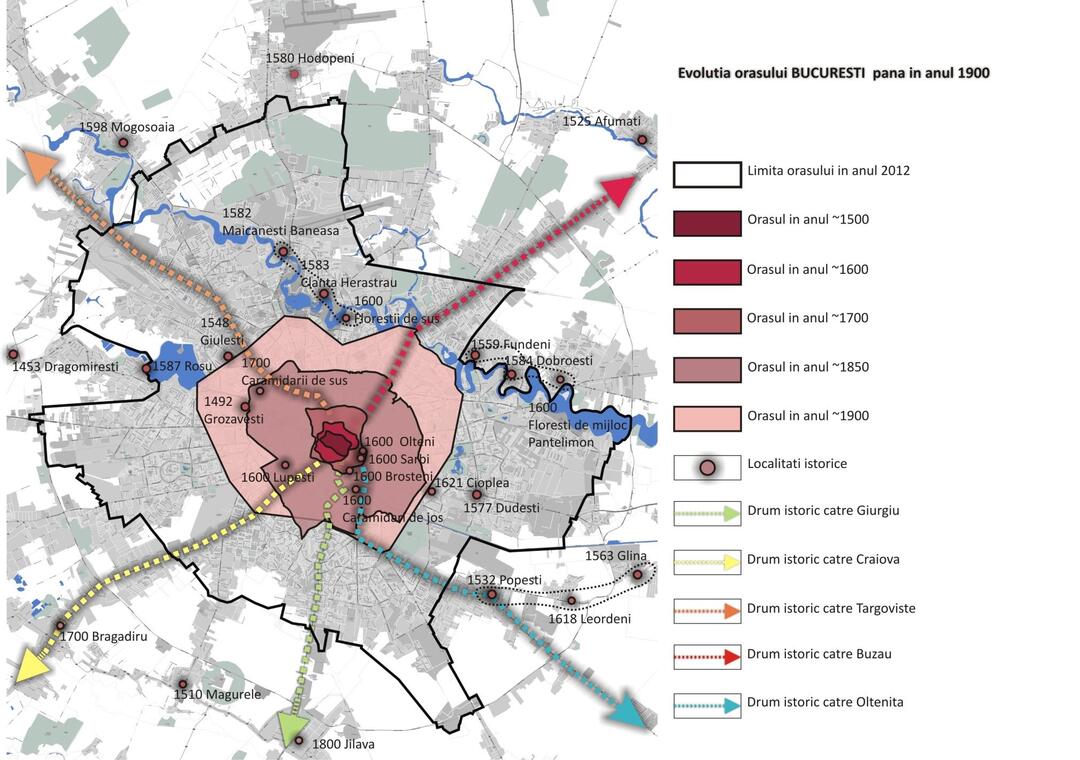
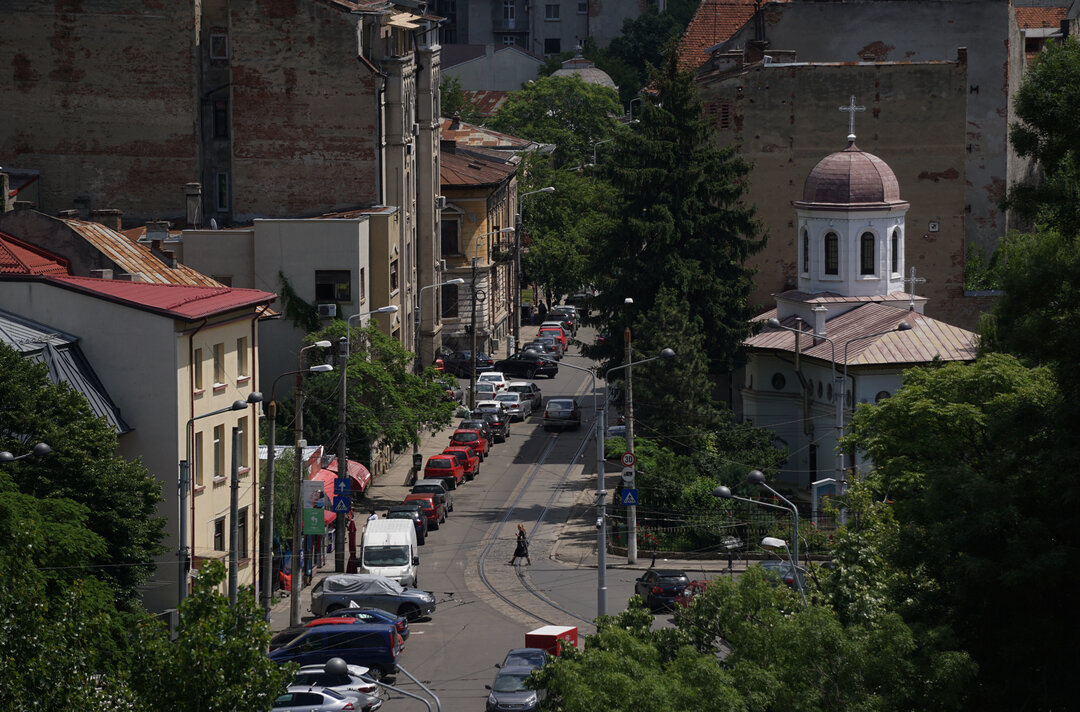
Bucharest grew up in the midst of a poor region, around the marshes of the Dâmbovița River, a territory defended only by the thickets of the Vlăsia forests. In the
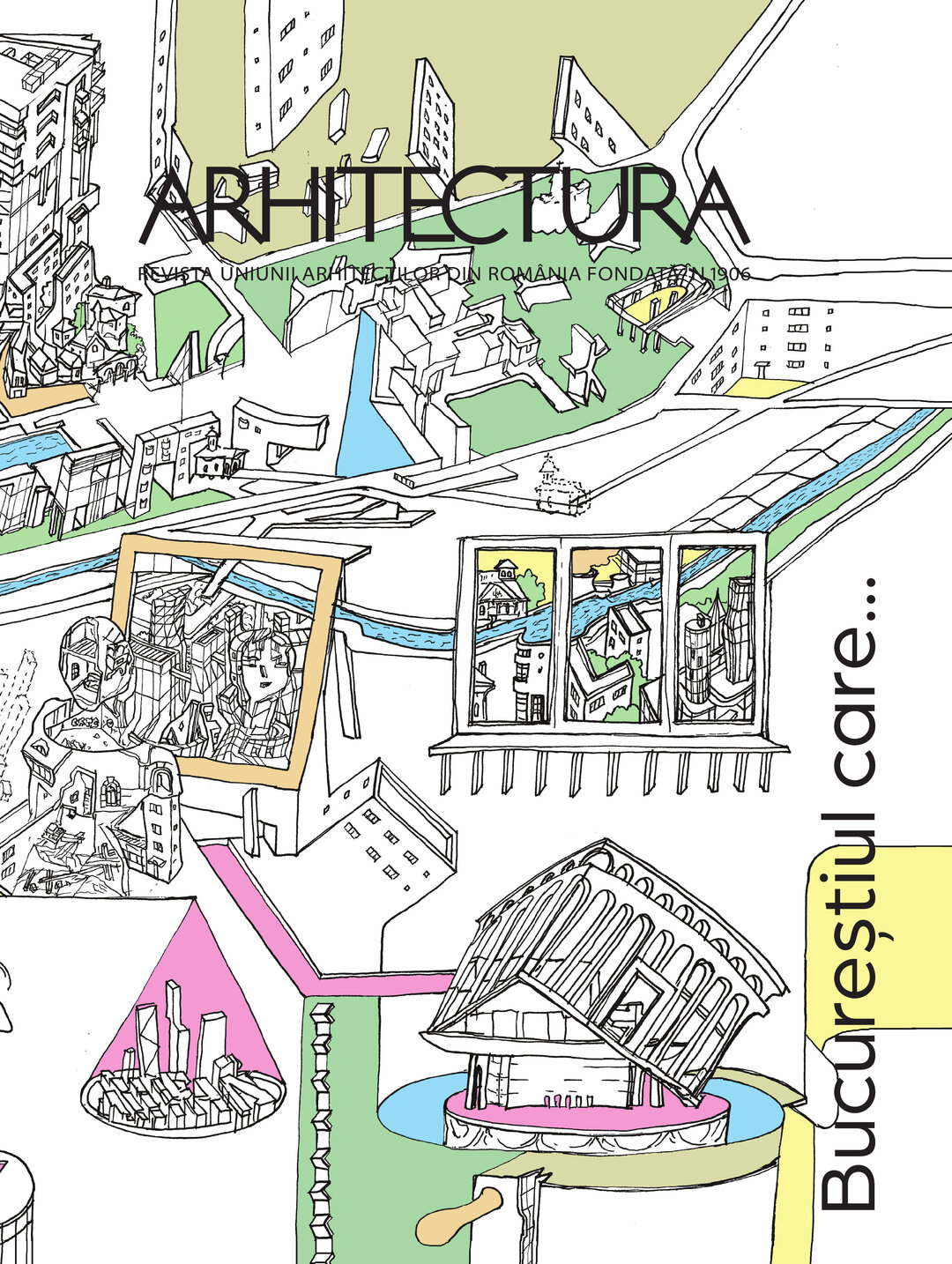
Read more in the magazine
Arhitectura 3-4/2026 (723-724)
The Bucharest that...


--20548-m.jpg)
--20666-m.png)