Bucharest: The Past and the Future

These days, we can’t help but be delighted by Bucharest.
But because we were born here, or gathered here, or our lives have brought us here, we would like to be happy in and with this city.
Every city has its own story and its own spirit—difficult to separate, or perhaps not meant to be separated.
As we approach the city’s edge, it becomes transparent. The sum of the spatial architectures that define it stands out, settles, and unfolds—and interestingly, this unfolding allows us to read the thoughts of the people who have built it over time.
Each layer is an imprint of how the generation responsible for the construction viewed and understood the process of replacement. A scholar (Jean Pierre Vernant) once said that “every generation, every people, every lineage, has its own time, its own age, whose duration, flow, and even orientation can be entirely different (from what historical chronology would suggest).” The past is stratified into a succession of ages. These ages form the time of old, yet they have not ceased to exist; some even possess a reality superior to that of the present and the people of today.
How could we be happier than by trying to live out the dreams of the city’s ages?
And so we dream of a Bucharest, a settlement without end and without beginning, constantly shaped by the thoughts of the people who inhabited it.
… Bucharest, an ancient territory, flourished alongside the Greek port cities on the western shore of the Euxine Sea.
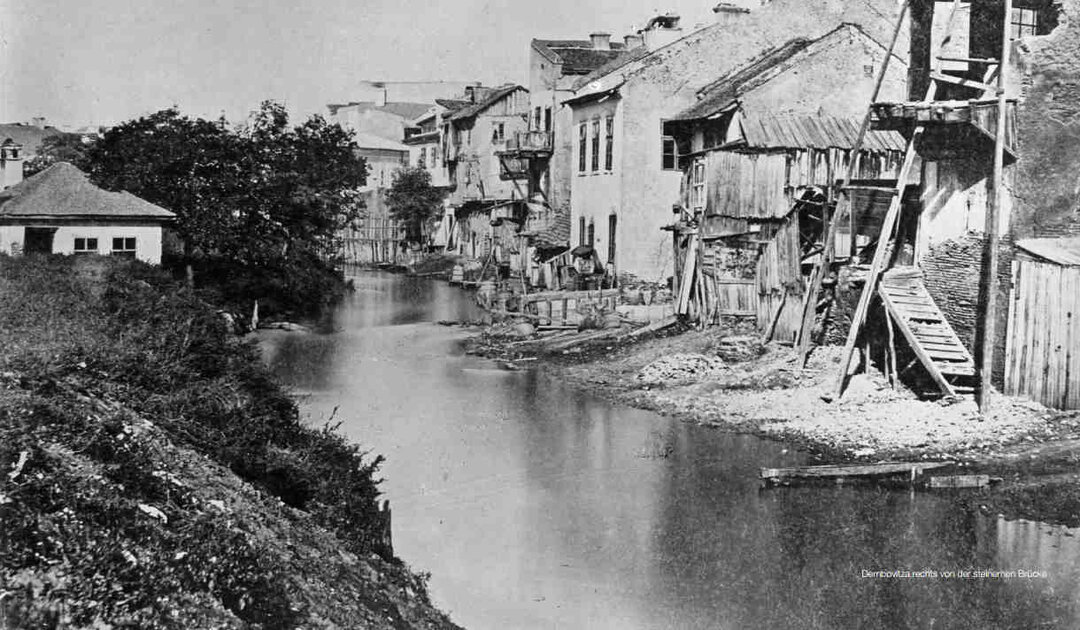
In the midst of a wave of colonization, on a sunny morning in the spring of 585 B.C., an expedition set out from Callatis toward the west, deep into Geto-Dacian territory, in search of fertile farmland. They traveled overland along the Danube, hoping that they would eventually be able to transport grain to Greece by water. Having found fertile land on the Bărăgan Plain and established a polis in Bucharest, they could have developed a powerful trading hub. Grain to Greece. Tools and textiles from Greece. Ships loaded with goods would enter and exit the sea via the Danube and, through the Dâmbovița estuary, reach Bucharest. Five or six hundred years before Christ, strongly influenced by the rationalist ideas of Greek civilization, Bucharest adopted the urban layout of grid-shaped cities, with a uniform and reversible geometry.
Over the years, this rigor was disrupted by the dominance of politics in the city’s life, and Bucharest became a city divided into functional zones: political, religious, economic, and administrative. As it had been another hundred years earlier, around 400 B.C., Bucharest followed a model—based on mathematics—of cosmic harmony. Gazing at the stars and the sky, the city’s philosopher, Zamolxis—a disciple of Pythagoras—sought to borrow some order from above, which he contemplated and tried to understand through measurements, numbers, and proportions.
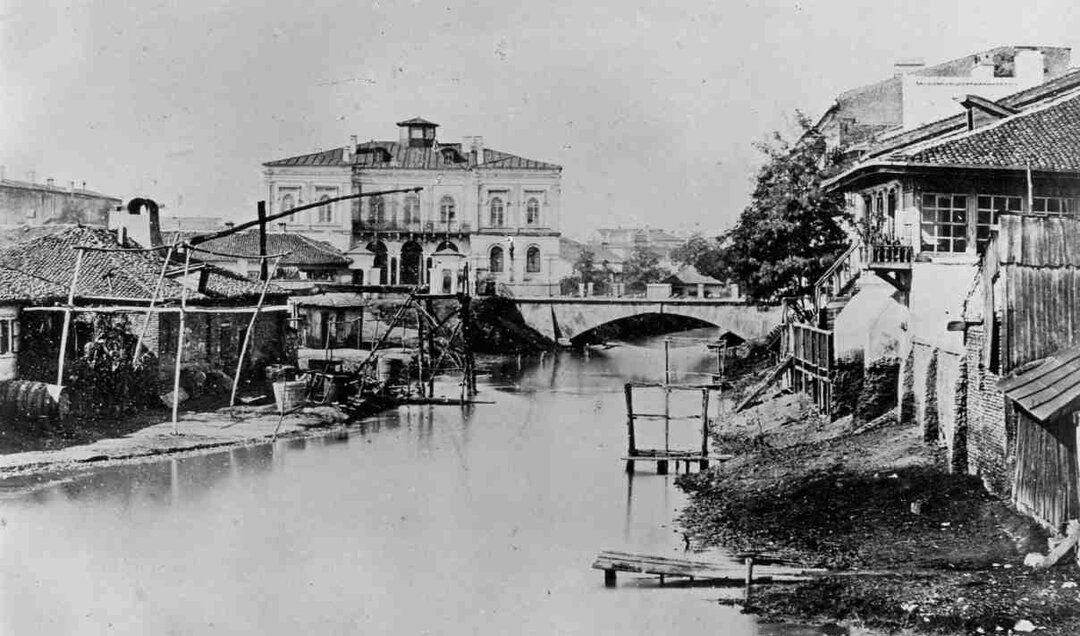
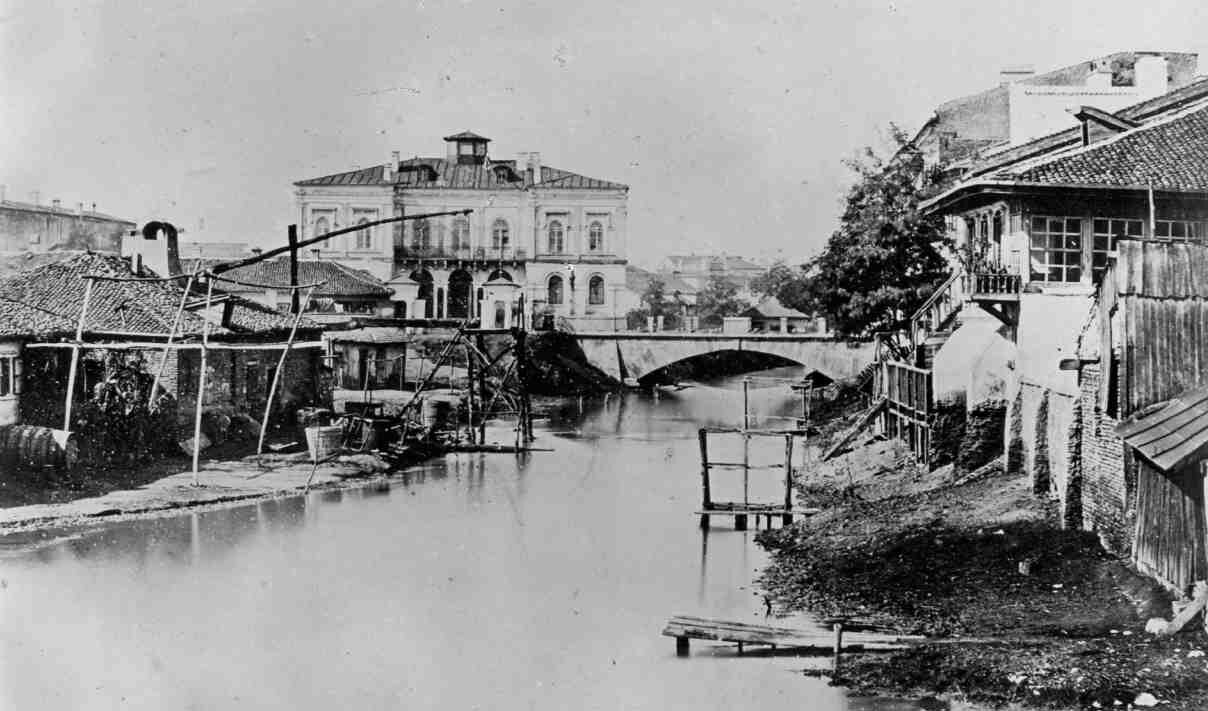
We never got to see this dream come true because the Bucharest region was traversed only by a non-navigable river that also frequently overflowed.
Then, about a hundred years after Saint Andrew consecrated the place and its people, it so happened that the Romans also passed through that same territory on their way to Pontus Euxinus. Settling in Bucharest, the Roman troops began by draining the marsh and taking possession of the land to found “a new Rome.” Incantations were then chanted, and animals were sacrificed to appease the gods and allow for the transfer of ownership: they demarcated the area, laid out the main perpendicular axes, and drew the boundary line.
But Bucharest had barely begun to flourish when Emperor Aurelian (270–275 CE) ordered the Roman troops to withdraw. Immediately, the waters flooded the territory once again.
The marsh has always been the true nature of the place, and today’s Bucharest might never have existed had Constantinople not fallen under Ottoman rule.
Situated on a trade route connecting the Byzantine south with the Germanic and Polish north, the Bucharest region had been traversed for hundreds of years by carts carrying goods.
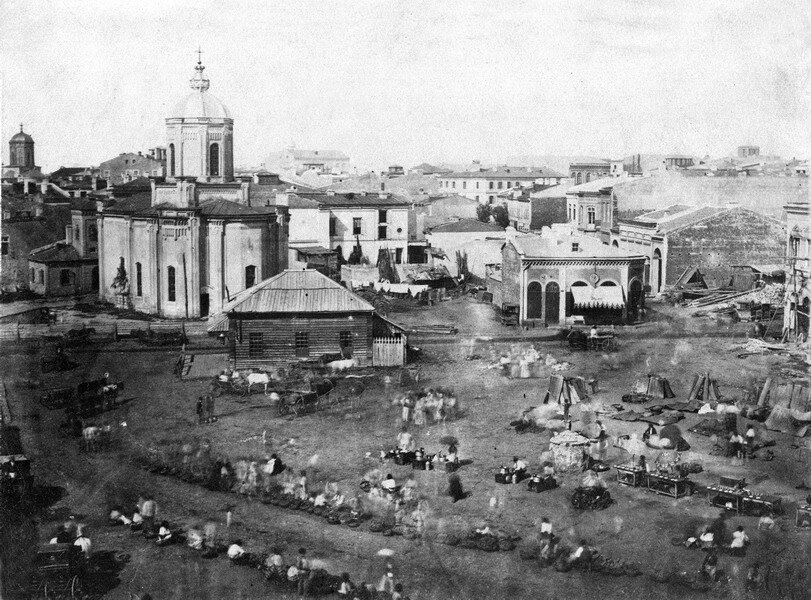
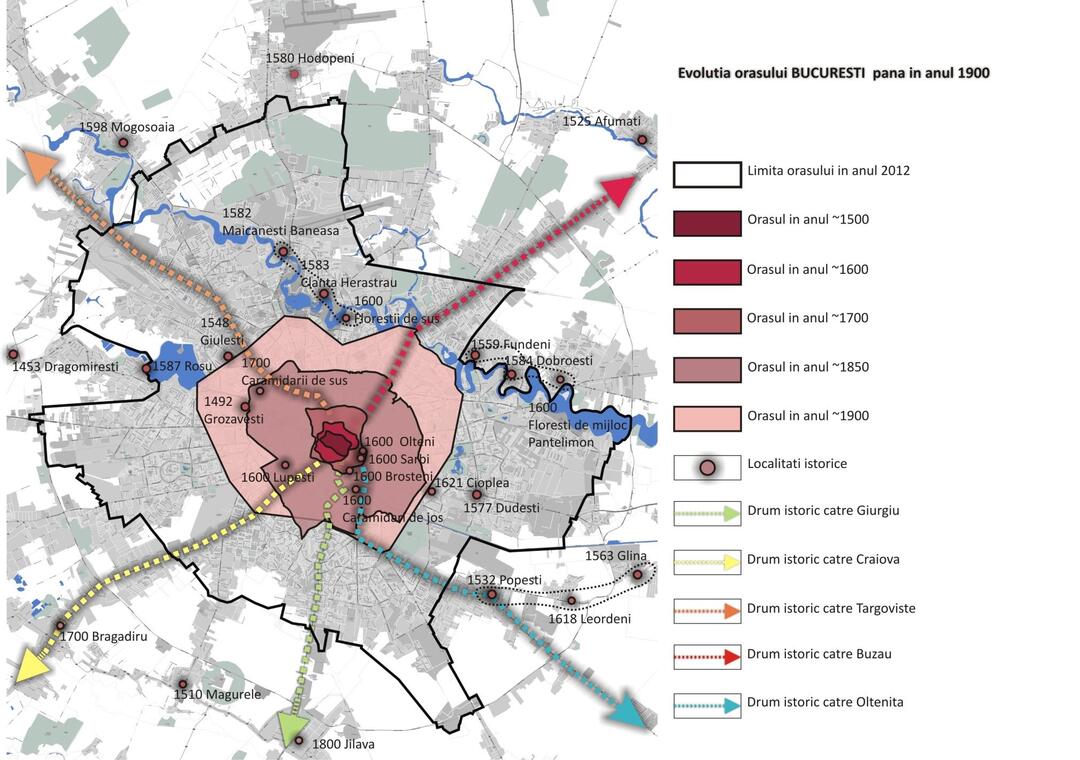
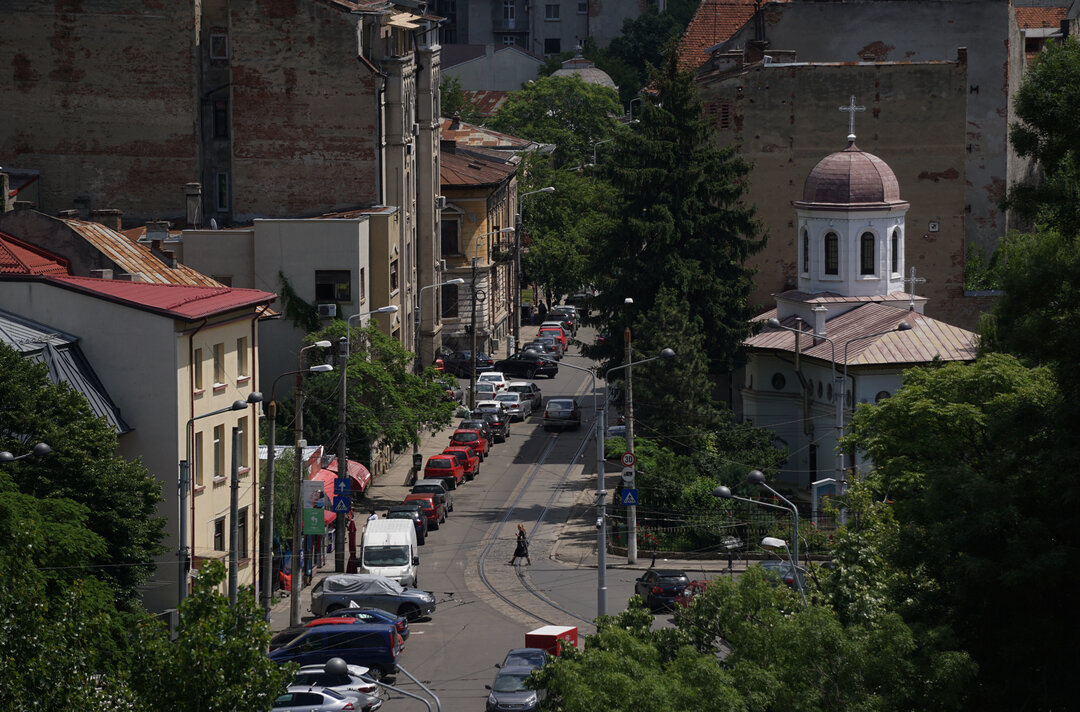
The Ottoman conquest of Constantinople and the empire’s expansion across the entire Balkan Peninsula and as far as the gates of Vienna would lend even greater importance to this route. And to ensure safe passage across the ford here, in the cradle of the future city, the Wallachian princes erected a watchtower around 1350. Gradually, the relationship between the guardian princes and the passing merchants strengthened and evolved into a relationship of dependence. Those passing through felt safer the more protection the others provided. The princes collected taxes and offered increasingly extensive services, and the place benefited from this interdependence. As a result, the place would attract not only an increasing number of directly interested parties but also the dregs of society—the unlucky, the downtrodden, thieves, lepers, and people who were not welcome in stable rural communities. These people would form the first informal community, known as the “Mahalaua Calicilor” (Slum of the Poor). Other small communities followed, grouped by trade: blacksmiths, potters, soapmakers, masons… The establishment of a neighborhood followed a similar pattern: first, a church was built, and around it, dwellings and small workshops sprang up. Thus, the parish and the neighborhood coincided.
This seemingly chaotic yet organic form of organization had a hierarchical structure, with social and material status also reflected by how close or far a home was from the church. The most powerful positions were those closest to the church grounds. The neighborhood was the embodiment of a self-sufficient, self-contained community that met its daily needs within its own boundaries, with its own barber, tailor, innkeeper, or priest.
And so, cell by cell, like a macramé in which a grandmother would first crochet the rings and then weave them into a tablecloth, Bucharest would become the capital of the lands north of the Danube—Wallachia.
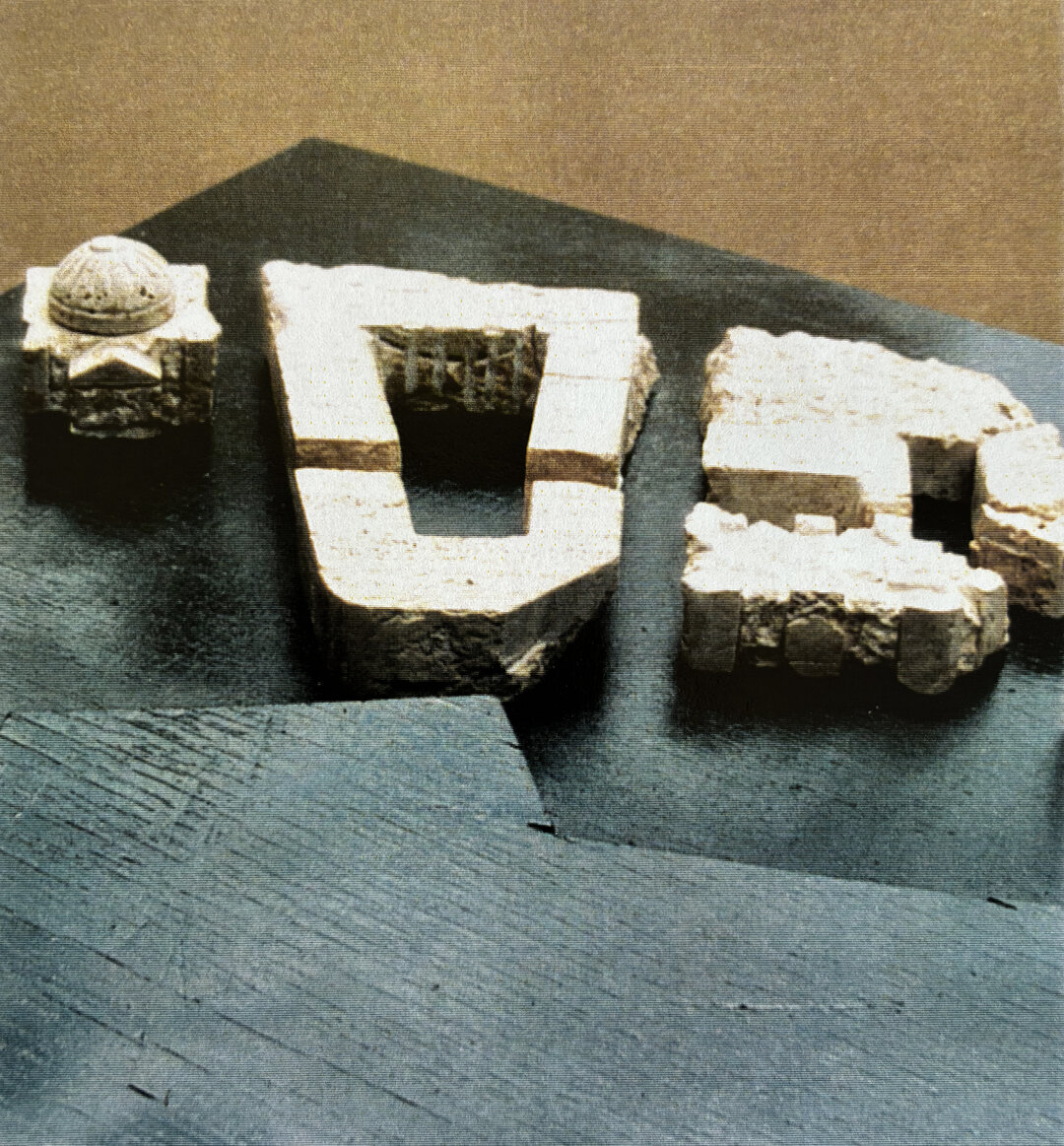
Here, north of the Danube, monks, scholars, and those initiated into Orthodoxy and Byzantine culture would take refuge after the fall of Constantinople. According to the findings—as well as the insights put forward by architect Dana Harhoiu—these individuals would establish the layout of the churches that gave rise to the neighborhoods, following hidden organizational schemes and an ideal model: the Byzantine model of the heavenly Jerusalem. Thus, the churches were carefully situated along the circumference of concentric circles, adhering to geometric rules and controlled directions to create axes and rhythms.
Furthermore, in the face of the imminent Ottoman threat, Constantin Brâncoveanu was to surround the fortress of Bucharest with strong and high defensive walls, based on the design of Antonio di Pietro Avelino (known as Filarete), arranged in the shape of an eight-pointed star formed by two squares rotated 45 degrees relative to one another. The dream of the Wallachian princes—the last crusaders of Orthodoxy—took shape. The fortress was surrounded by a deep moat filled with water from the Dâmbovița River. Entry into the fortress was through gates and drawbridges. A bastion stood guard at each corner, and inside the fortress, each bastion corresponded to a church. Brâncoveanu would complete on the outside what the monks and Byzantine initiates had begun 150 years earlier on the inside. Secret networks and virtual routes connected and defined the city in which: “the Church of St. George the Old represents the apex of the angle on whose sides were located—or rather, had been positioned— the churches of the Radu Vodă and Mihai Vodă monasteries. The bisector of this angle can be practically equated with the Caii Moșilor axis, which connects the Metropolitan Cathedral with the Church of St. George the Old… Thus, the Church of St. George the Old, through its location and the density of the buildings clustered around it, becomes the “axis mundi” of the city of Bucharest… The “axis mundi” has the quality of connecting the upper world to the lower world—that is, the subterranean realm to the celestial realm—by traversing the earthly plane.”
In fact, Mircea Eliade spoke of the “Land of the Meek,” which lay in the water-flooded underground of Bucharest.
But unfortunately, Constantin Brâncoveanu’s dream never came true. The Turks learned of the Wallachian prince’s plans, brought him to Constantinople, and beheaded him along with his sons, so that no one of his lineage could carry on the dream.
After hundreds of years of “darkness,” Romania and Bucharest began to emerge into the light.
King Carol I, independence from the Ottoman Empire, and the country’s wealth in grain and oil spurred a powerful economic boom. The leap forward was spectacular and was reflected in the built urban landscape.
One by one, the urban fabric was renewed.
Having dominated for centuries, wooden structures began to be replaced by those made of masonry, stone, and, finally, concrete.
Even as materials changed, a few “constants” deeply ingrained in the collective consciousness persisted: uncertainty and the mahalla. The slums—these relatively small communities of 20 to 40 families, developed as semi-urban cells—have taken on cellular functions: a professional unit transformed into a clan, a self-centered group, and a stagnant, sedentary mindset. The inhabitants of the mahala, mainly artisans, merchants, and farmers, lived in constant fear. For centuries, ever-increasing taxes and levies, which prevented them from accumulating wealth, invaders (beginning with migratory peoples, followed by the Ottoman Turks and the Russians), major fires (1660, 1804, 1847), and powerful earthquakes (1802, 1940, 1977) all contributed to fostering a collective mindset of uncertainty. Even the communist regime, which was supposed to strengthen the collective mindset, only reinforced this sense of uncertainty. Hence the distrust of long-term planning, the tendency to adapt and organize on a day-to-day basis…
Centuries of insecurity led to the use of perishable materials for homes, churches, and fortifications alike. Paradoxically, similar insecurities led the West to build its citadels and cathedrals out of stone.
Then the slums—conservative and exclusive—survived the centuries into the modern era, and, reluctant to embrace innovation, were often the ones to resist integration into Western-style urban structures.
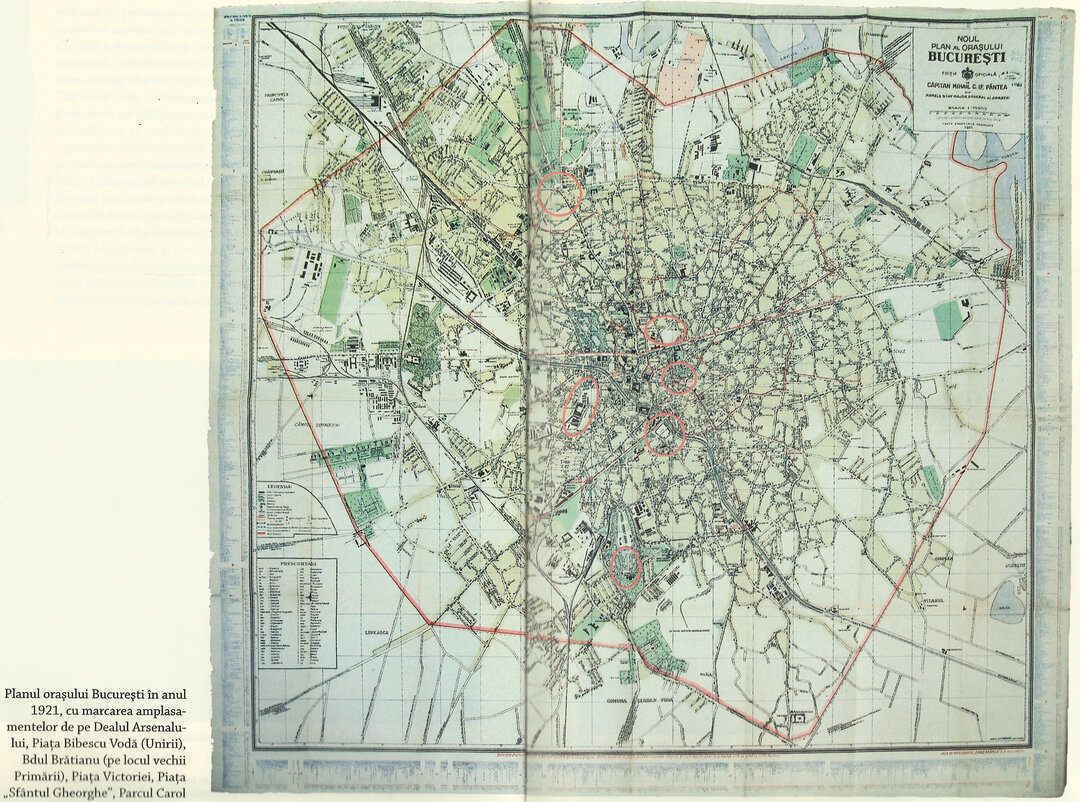
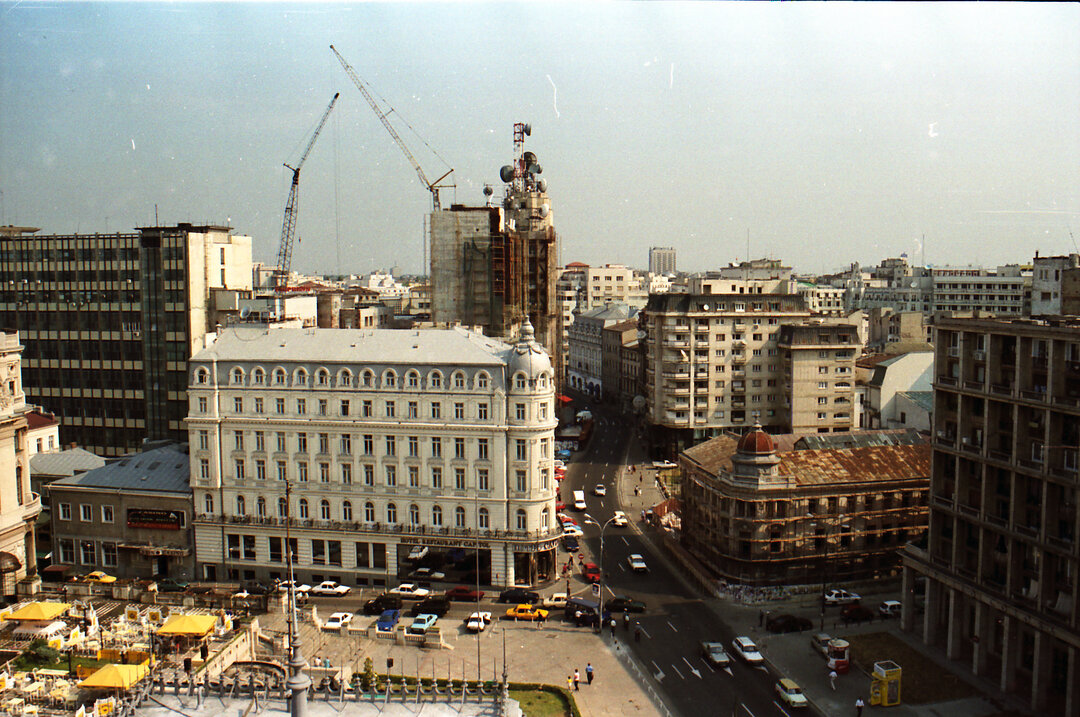
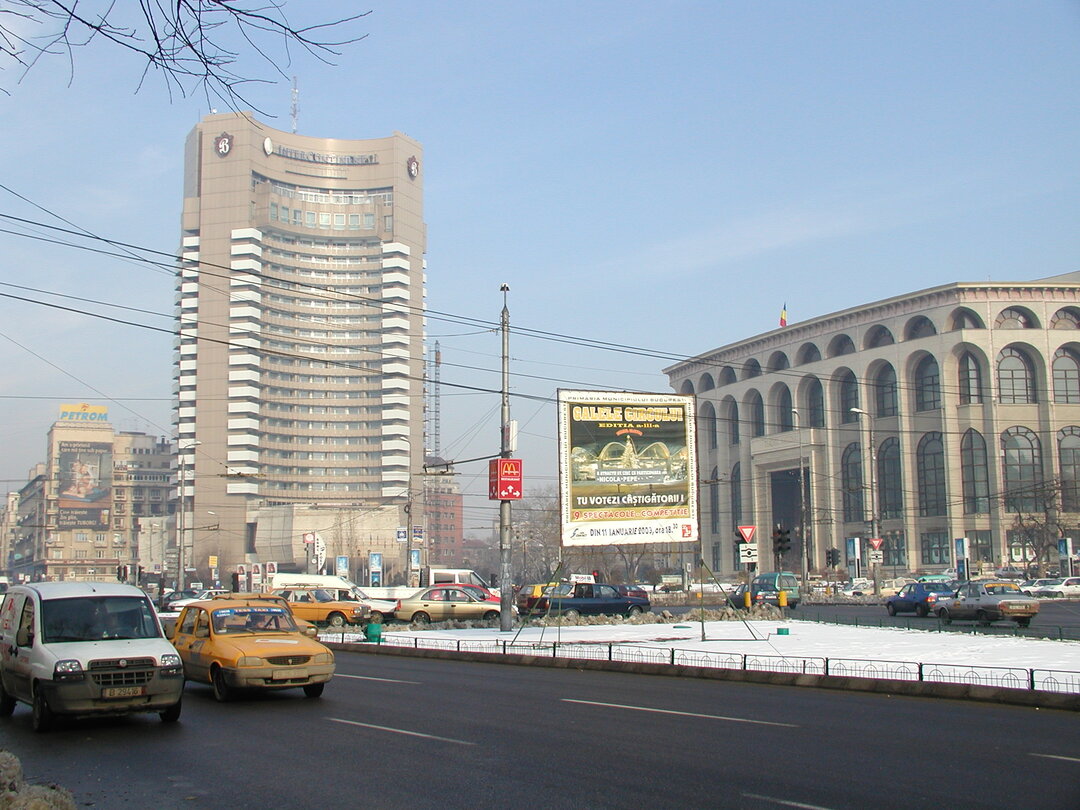
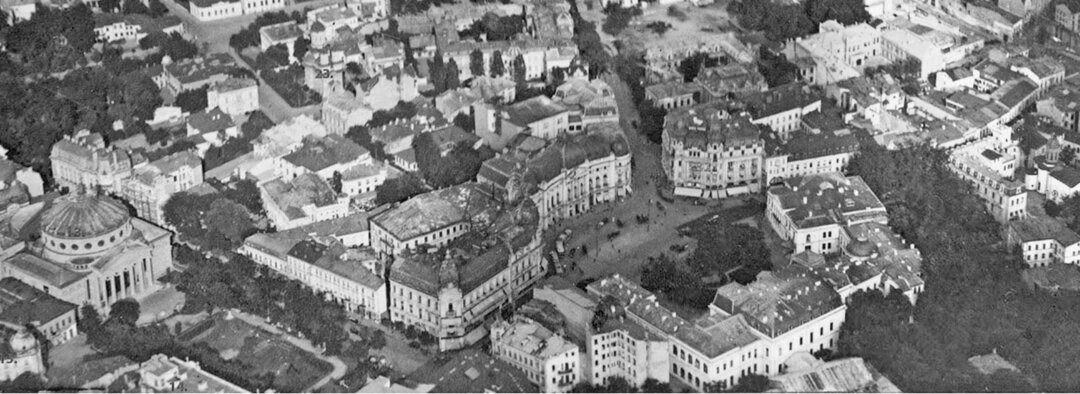
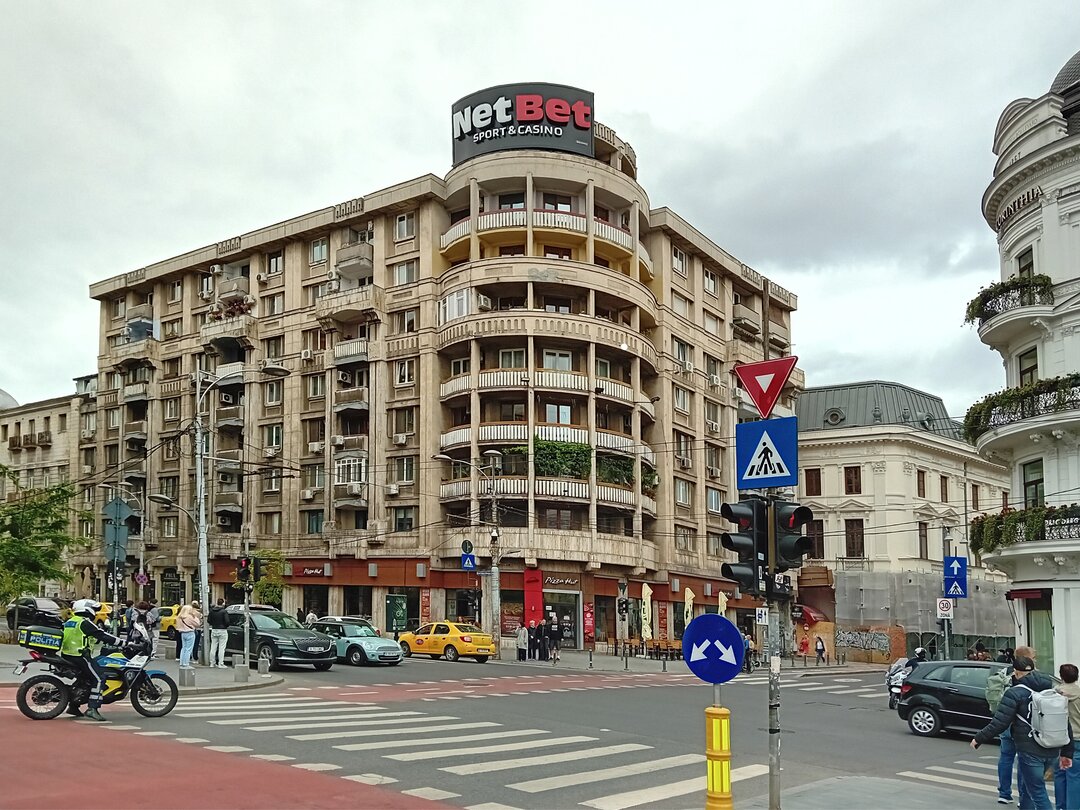
Although in the 1930s the architecture of public buildings was dominated by neoclassical monumentalism in a palace-like layout—occupying the center and extending laterally— toward the end of this period, the city’s main boulevards became dominated by high-rise buildings (10–11 stories), powerful as landmarks and defining a continuous urban space. As early as 1933, the Telephone Tower—the first vertical symbol of internationalist cosmopolitanism—had been completed; even the academic architect Petre Antonescu, swept up in the wave of high-rise buildings, would close off or open up Calea Victoriei at Senate Square (today, United Nations Square) with two emblematic projects—what we would now call landmarks—the “Adriatica” and “Agricol-Fonciera” apartment buildings.
And the dream that began back then, in the 1930s, would continue for over half a century of grandeur right up to the present day.
Thus, with architecturally distinguished buildings erected “side by side” along all of Bucharest’s boulevards, the dream of “Little Paris” was to become “Great Paris.”
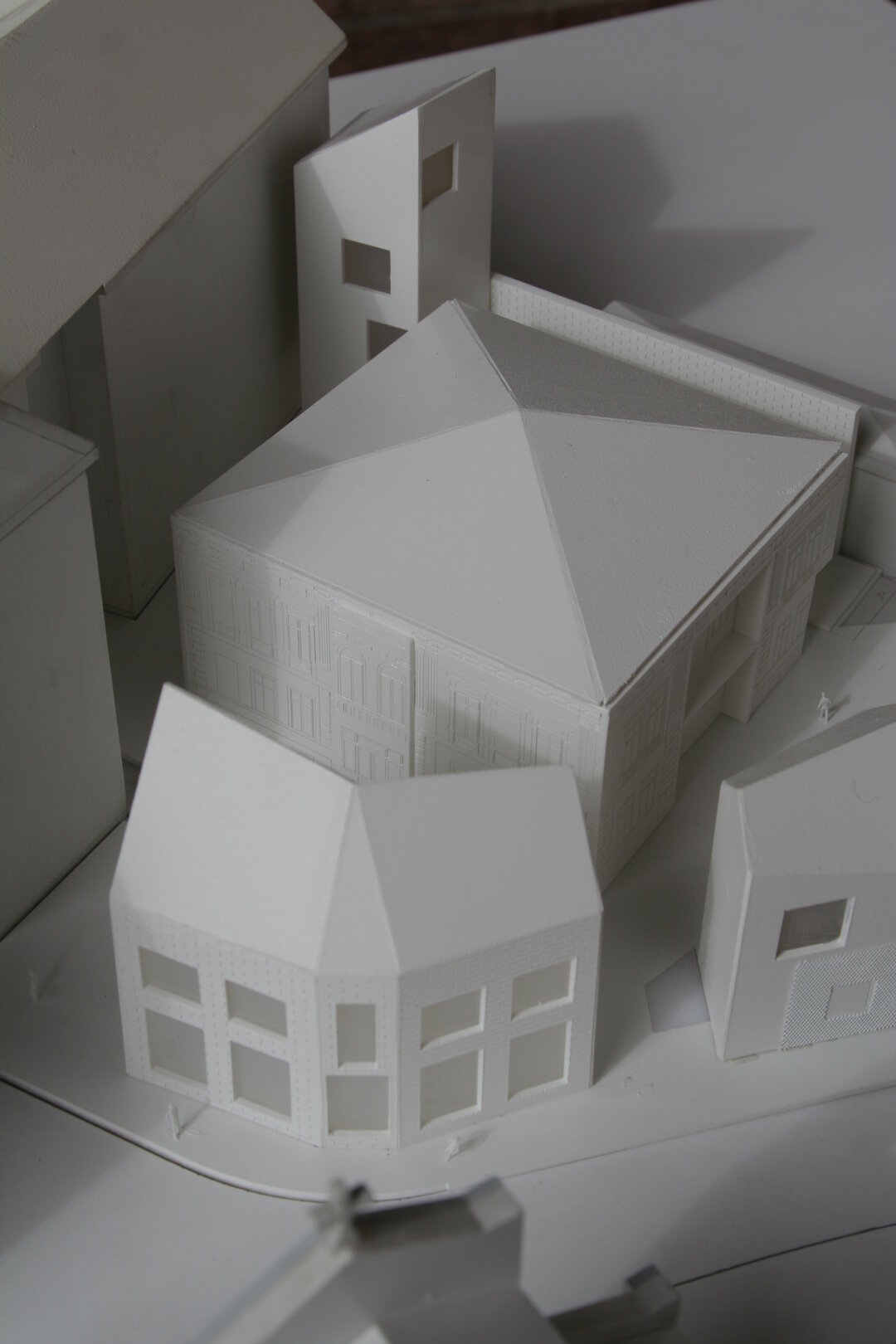
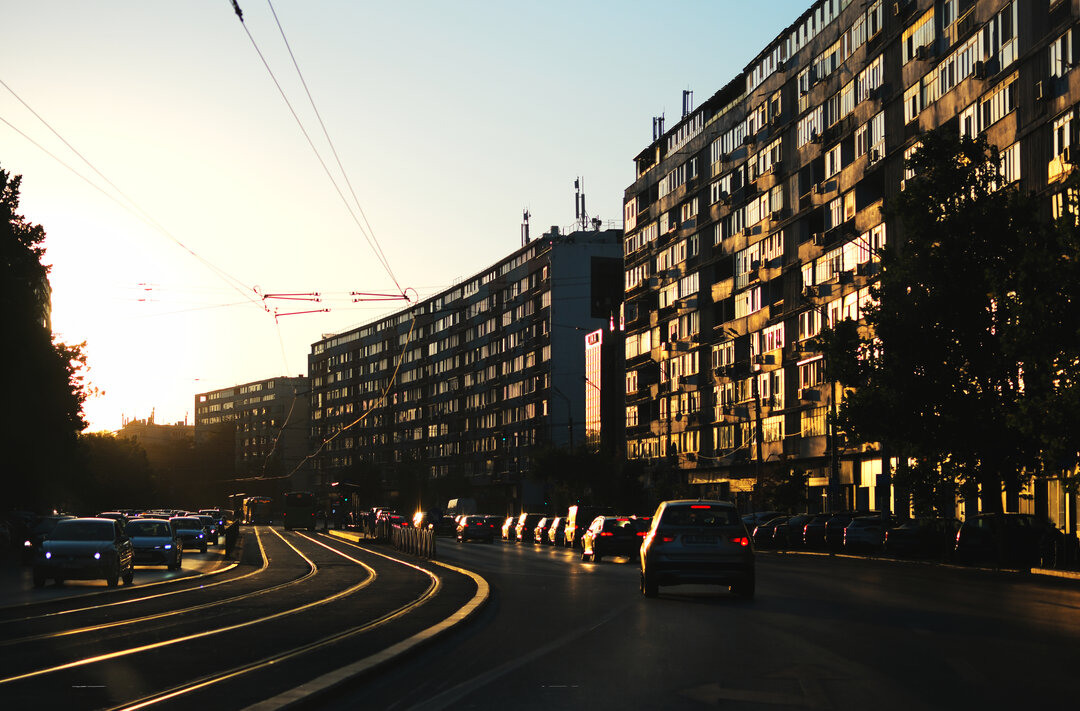
Aligned at the cornice in the Parisian Haussmannian style, Bucharest’s streets have been enclosed into “blocks.”
The old urban cells have now become urban blocks.
Enclosed by the modern Western-style streets, the interior still preserves the cells of patriarchal life.
On the street level, Bucharest was, overnight, to become like Vienna, Paris, or Barcelona. The urban macramé of the 18th century was transforming into the fine lace around the necks of Spanish infants.
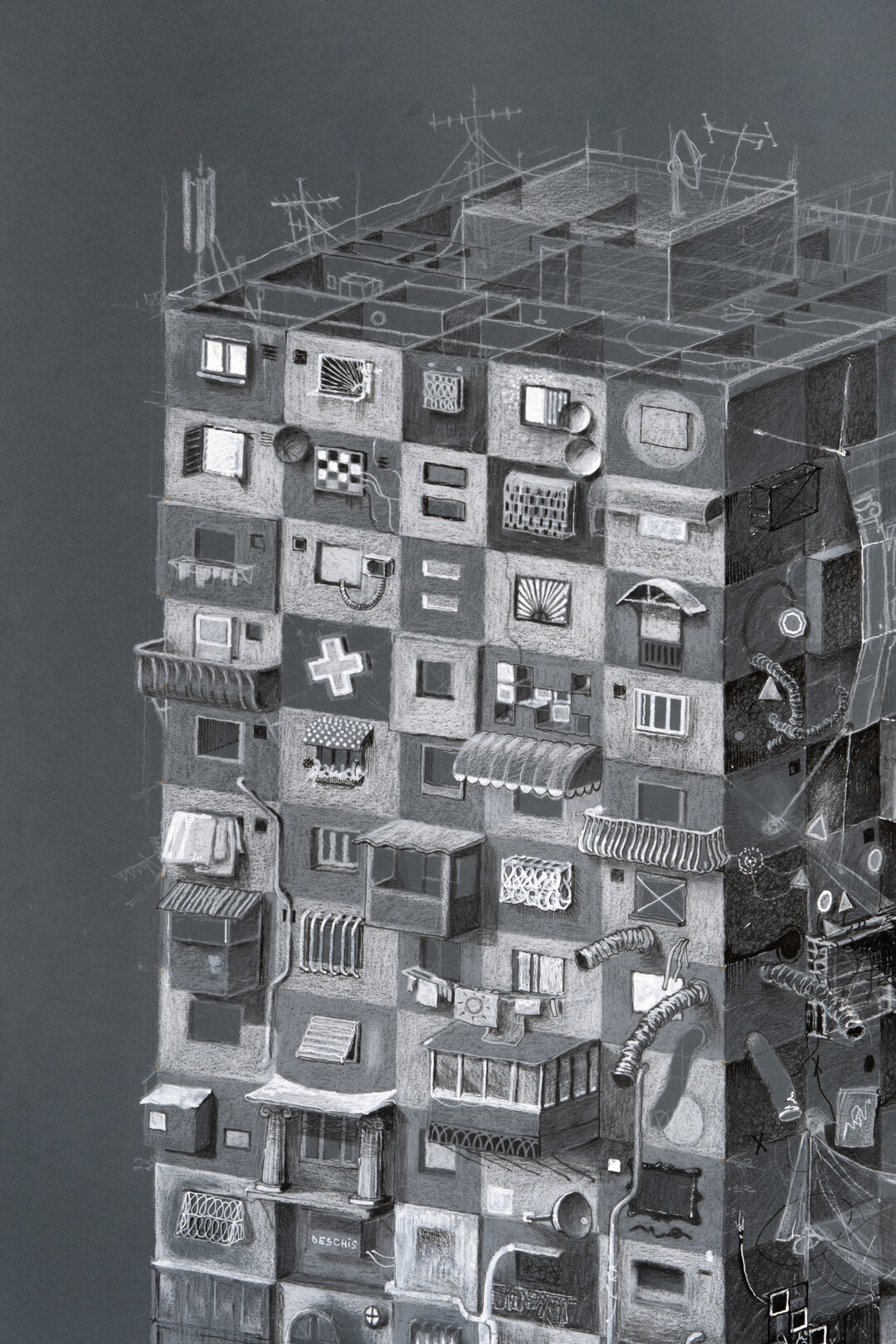
The entire city is being built uniformly with buildings featuring a ground floor and six stories.
Beautiful, aligned, orderly, dense. Built on the grid plan of the Greek polis, raised as if by an “extrude” command to six stories by the real estate speculation of rental apartment buildings, and confined within the narrow confines of the Brâncoveanu fortress walls, the city is suffocating.
Bucharest’s reformist mayor, Dem. Dobrescu, re-elected in 1950, twenty years after his first term, decided that, following the historical model of Vienna, he would finally tear down the walls enclosing Bucharest—the walls of Brâncoveanu’s citadel.
Once again, the dream did not come true. Since the walls of Bucharest’s citadel were not made of stone but of wood, they had long since outlived their usefulness. They had long since been swallowed up by the city’s dust.
What remained was dust—dust that still exists today. The dust of Bucharest.
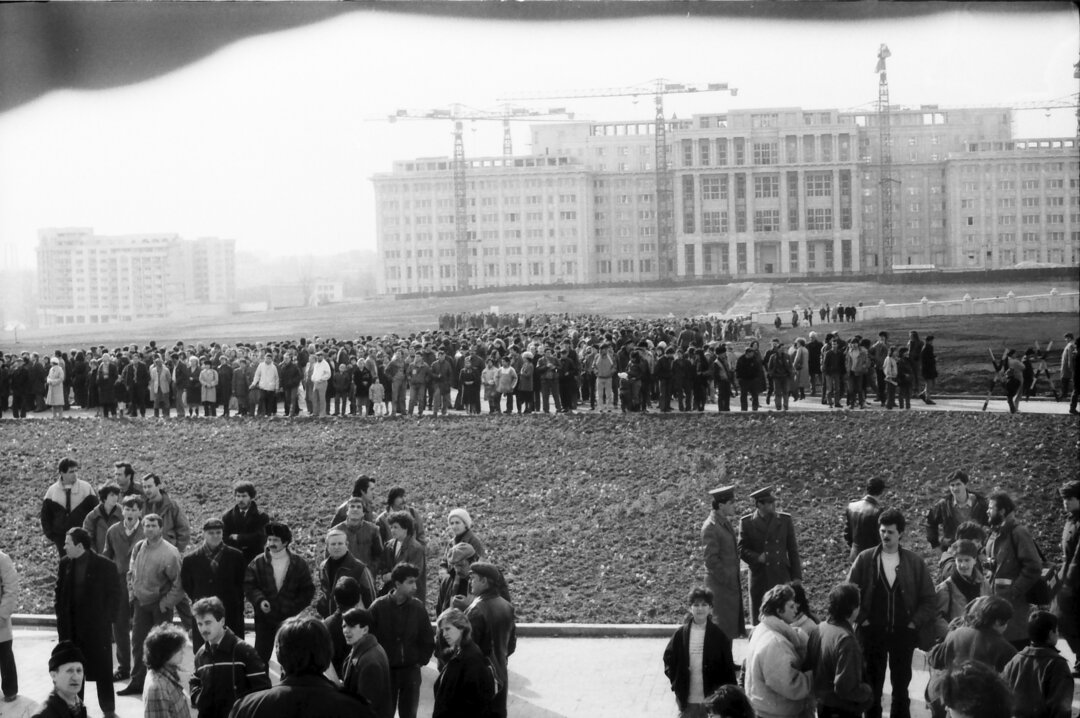
Angry at all these misfortunes befalling the city, Ceaușescu, the leader of communist Romania, shaved off the city’s face—just as a barber’s razor shaves off a three-day-old beard.
Carelessly, whether it was the Leader or the barber (history has yet to clarify the matter), he let the razor slip across the unshaven face. Red blood gushed forth. The Leader died. The city was left with a deep wound on its three-day-bearded face.
During the Transition period that followed the Leader’s demise, on the city’s face—scarred by the barber’s ineptitude and unshaven for three days—cosmopolitan piercings appeared. In the style of ancient fashion revived in our times, pieces of metal and glass (Swarovski) were embedded in the cheek, nose, ears, and tongue.
The madman, his face scarred, unshaven for three days, and covered in piercings, perched atop a stake-shaped monument in Revolution Square (the old Royal Square), spouts fatalistic predictions and prophecies about the city:
-“What Greeks, sir! Phanariots, yes, but those came much later… What a mess! Zamolxis, the Romans. They never even made it this far. The swamp reigned! The swamp and the birds of the sky!
-“This city is like a flock of pigeons. You can’t catch it.
Look at it flying.
Wing to wing.
Shoulder to shoulder.
They don’t touch, but they aren’t scattered either.
How can you organize pigeons? Well, back in the days of Prince Ipsilanti, around 1798, Bucharest had 67 or 69 (ha… ha… ha…) slums and over 6,000 houses; it was surrounded by wastelands where the poor built mud huts here and there, with or without permission. You couldn’t see them anyway; at least in the summer, they were lost among the tall weeds, mallows, and thistles…
Later, Vodă Alexandru Ipsilanti’s “cousin,” Constantin Ipsilanti, tried to get them to line up, right there on the spot, sometimes with kind words, sometimes with threats, but to no avail, for straight and somewhat wider streets did not appear in Bucharest until after the great fire of ‘804. But, as can be seen, it was not possible to straighten the streets and regulate the alignment of the houses even through on-site action, just as it was not possible a hundred years later, despite all the various alignment plans.
- Sir, here tradition is stronger than any written regulation! As Petre Tutea said: “Inspiration and dogma, not rules and initiation…”.
/The city has been desacralized. Once upon a time, there was a place…/.
-Yes, sir, the city is a flock of pigeons!
P.S.
…this text, written around 2007, published somewhere, retrieved from the trash bin to be republished, must be amended for ill will; I recall that when I wrote it, I was “somehow” connected to the city I was walking through, now I’m “different” because even to my eyes it looks different—it’s much cleaner, it’s actually very clean…
(Thanks to: G. Ionescu-Gion, *The History of Bucharest*; C. Sfințescu, *General Urban Planning*; Ovidiu Drimba, *The History of Culture and Civilization*)
--20548-m.jpg)
--20666-m.png)