A decade of space planning in Romania

The Value of
Design Research in the Architecture Academy
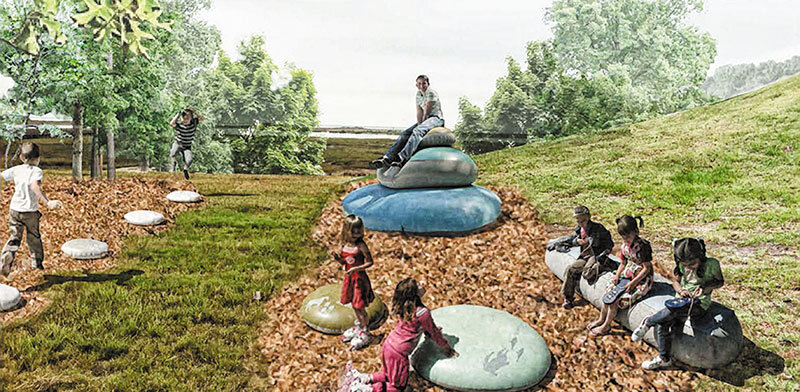
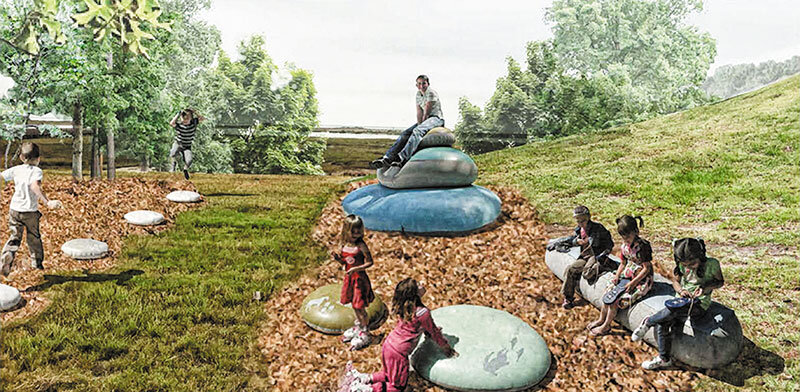
| What is research in architecture? As Associate Dean for Research in the School of Architecture at the University of Virginia School of Architecture, I am constantly confronted with this question. The majority of architecture programs in the United States are led by large, research-engaged universities that are increasingly requesting external funding for research and validating research methods anchored in the real sciences, humanities, or social sciences. Until recently, most academics in the field of architecture were trained in master's or bachelor's degree programs focused on developing the technical and design skills needed in professional practice. In the US, to become a licensed architect, a person must complete a two- to three-year post-graduate professional internship and pass a fairly difficult licensing examination. The requirement to go through this lengthy process before embarking on a career in academia has been an obstacle for most professors of architecture in American universities. Often the research that I have done manifests itself in sketched projects on paper or in actual realized projects. Sometimes, these projects are placed in the "real world" and are realized through teaching activities in workshops. Even when the work is clearly categorized as research by design, these projects must be legitimized by a university administration that is not intimately familiar with this research methodology. While some architectural educators utilize models of analysis from the humanities or social sciences that result in traditional scholarly publications, it is vital that academia champion the cause of "research by design." This gives rise to the pressing question posed by the editor of this publication, "What is the difference between regular design projects and research-focused projects?". To answer this question, I will review a recent research project that I completed with a group of students at the University of Virginia.Within the broader sustainability discourse, there is an urgent need to create knowledge and improve public policy about the critical relationship between human health and the built environment. The volume of evidence-supported research linking public health and architecture has increased; however, very little of this information penetrates the workshop environment of architecture schools or government agencies. My research entailed certain pedagogical models to educate students, practitioners, policy makers, and the public about the important connection between design and health. The Paradise Creek Nature Park project is part of a multi-year study that began in 2006 and included several architectural firms that allowed students to effect change on a global scale through "live projects." In collaboration with the City of Portsmouth, Portsmouth State Schools, the environmental nonprofit organization The Elizabeth River Project (ERP) and other community partners, faculty and students investigated the complex relationship between health, environmental restoration and sustainability education through the development of a specific project. The forty-acre nature park is situated in a troubled context marked by industrial, economic and social conditions that contribute to environmental degradation, violence and health concerns. Researchers are asking a series of questions: will the experience of visiting an urban nature park in an industrial setting affect visitors' well-being? How will a particular design encourage sustainable behavior and environmental stewardship? Through the research activity, assistance is provided to a disadvantaged community and at the same time architectural knowledge is generated through the design and construction process, post-occupancy evaluation, theoretical reflection and theoretical writing. |
| Read the full text in issue 2 / 2014 of Arhitectura Magazine |
| What is research in Architecture? I constantly confront this question as Associate Dean for Research at the University of Virginia School of Architecture. The majority of architecture programs in the United States reside within major research universities that increasingly demand more external research funding and validate research methods based in the hard sciences, humanities, or social sciences. Until recently most architecture professors were educated in Master of Architecture (M. Arch) or Bachelor of Architecture (B. Arch) programs focused on developing design and technical skills necessary for professional practice. Before becoming a licensed architect in the US, individuals must complete a post-graduate professional internship of two to three years and pass an intensive licensing examination. Concluding this lengthy process before starting a career in academia has produced a conundrum for many architecture professors within the American academy. Often our research is manifest through speculative or built design projects. Sometimes these projects are situated within the "real world" and achieved through studio teaching. Even when the work is clearly framed as design research, these projects must be legitimized to a University administration unfamiliar with this research methodology. While some architectural educators employ humanities or social science models of analysis that result in traditional scholarly publications, it is crucial to build a strong case for "research-by-design" in the architecture academy. This raises a compelling question posed by the journal editor: "What makes the difference between ordinary design projects and research-by-design projects?". Within the larger sustainability discourse, there is an urgent need to create knowledge and improve public policy regarding the essential relationship between human health and the built environment. Evidence-based research that connects public health and architecture has increased, yet little of this information makes its way into architecture school studios or governmental agencies. My research develops engaged pedagogical models to educate students, practitioners, policymakers and the public about the important linkage between design and health. The Paradise Creek Nature Park project is part of a multi-year study started in 2006 involving several architecture studios that allow students to make a difference in the world through "live projects". In collaboration with the City of Portsmouth, Portsmouth Public Schools, The Elizabeth River Project (ERP), a non-profit environment organization, and other community partners, University faculty and students investigated the complex relationship between health, environmental restoration, and sustainability education through the design of a specific project. The forty-acre wetland park is located within a troubled mix of industrial, economic and social conditions that contribute to environmental degradation, violence, and health concerns. Research questions include: Will experiencing a restored urban nature park amidst an industrial setting affect the visitor's well-being? How will a particular design encourage sustainable behavior and environmental stewardship? While assisting a disadvantaged community, the research generates architectural knowledge through the design and construction process, post-occupancy evaluation, critical reflection and theoretical writing. |
| Read the full text in the print magazine. |