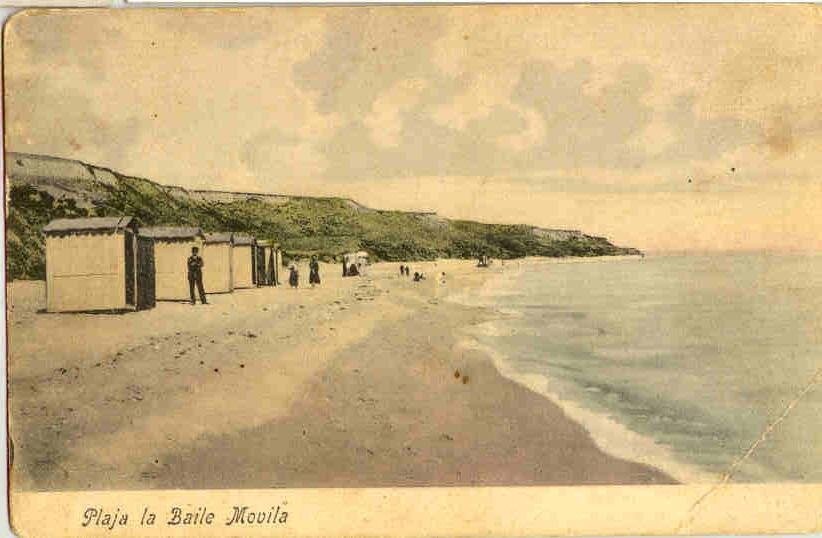
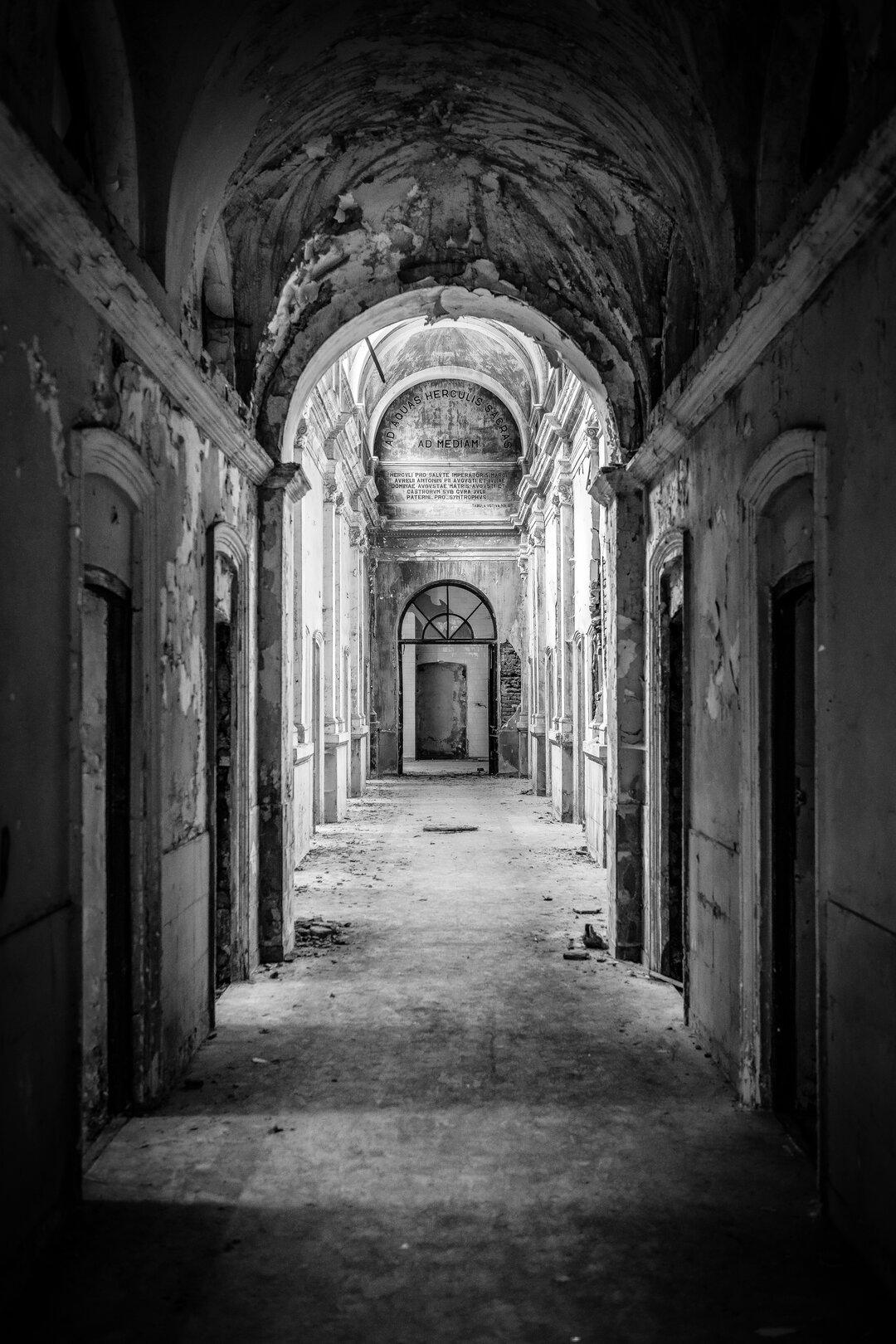
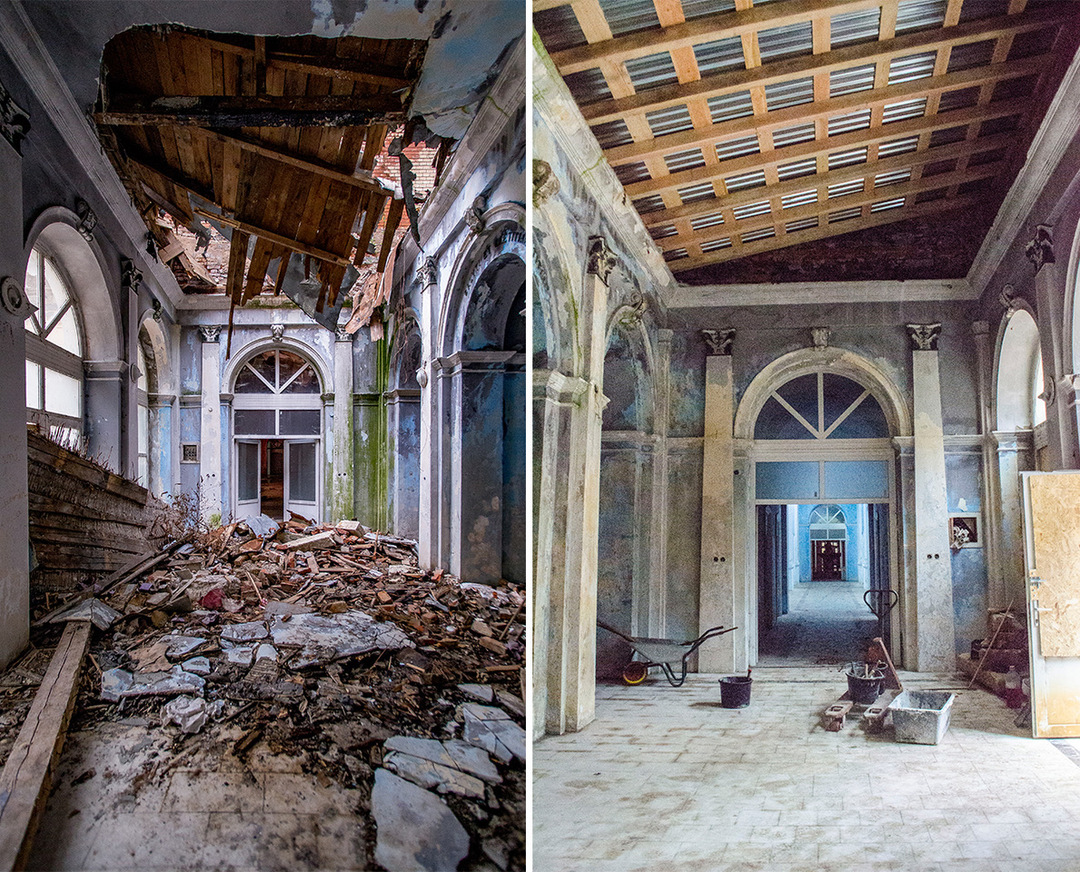
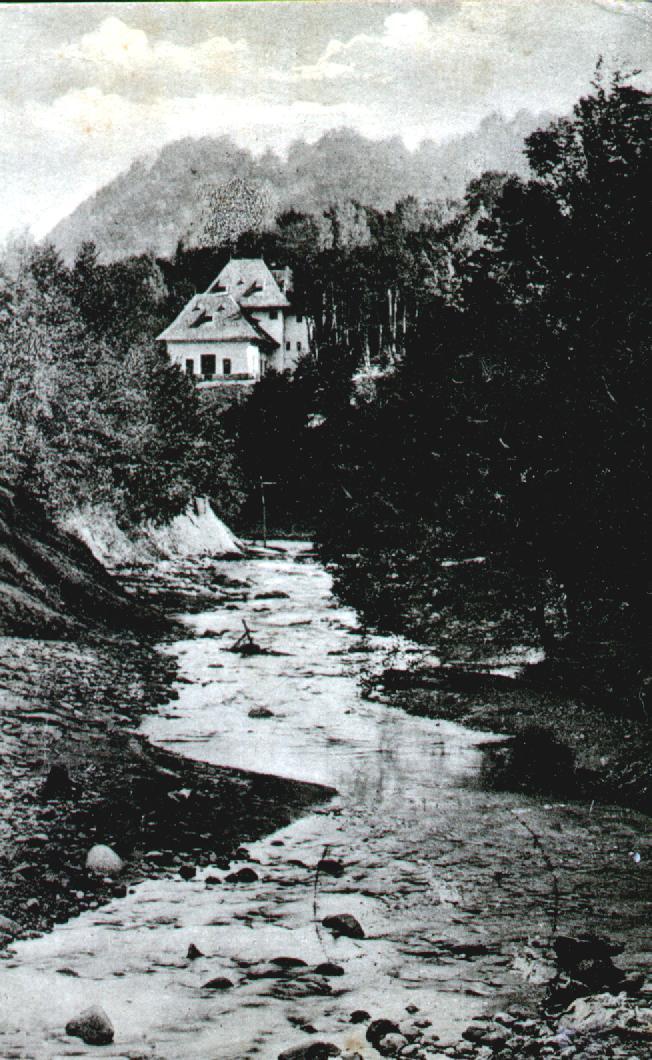
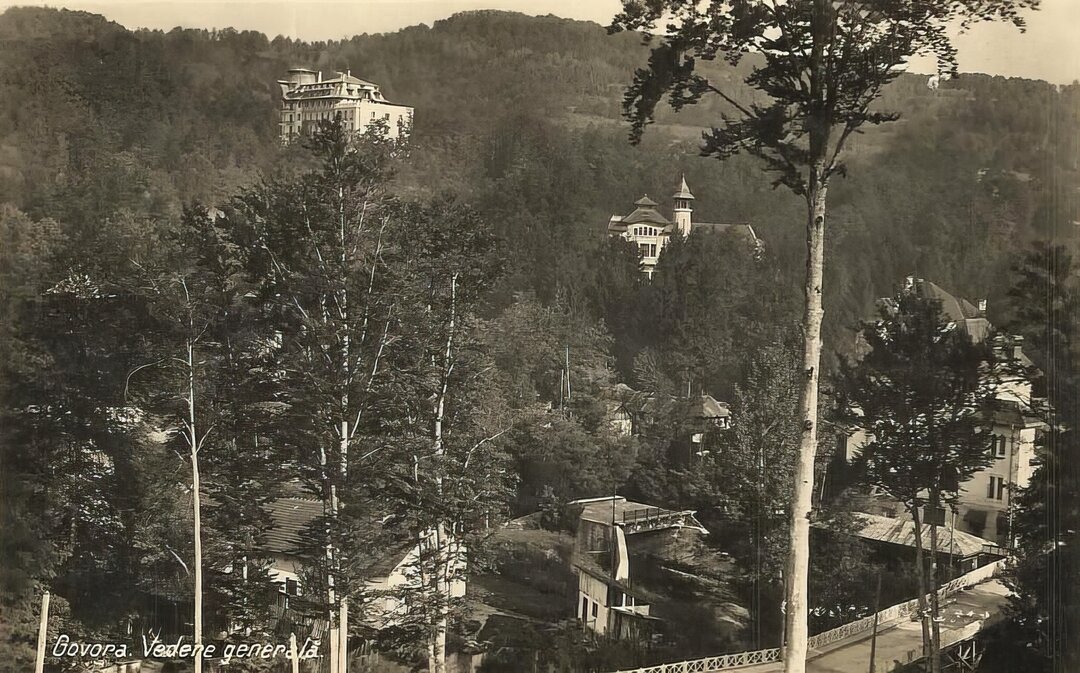
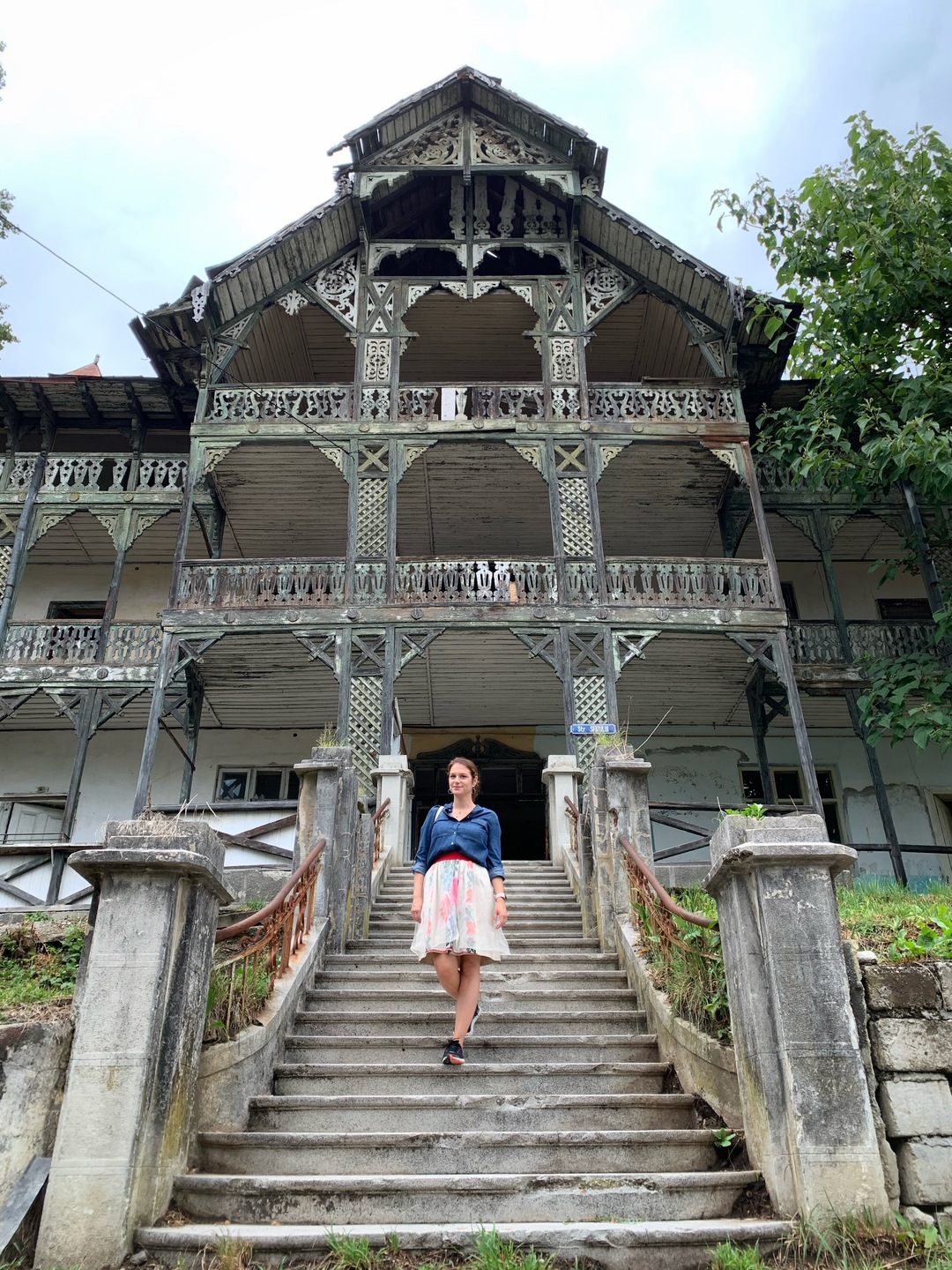
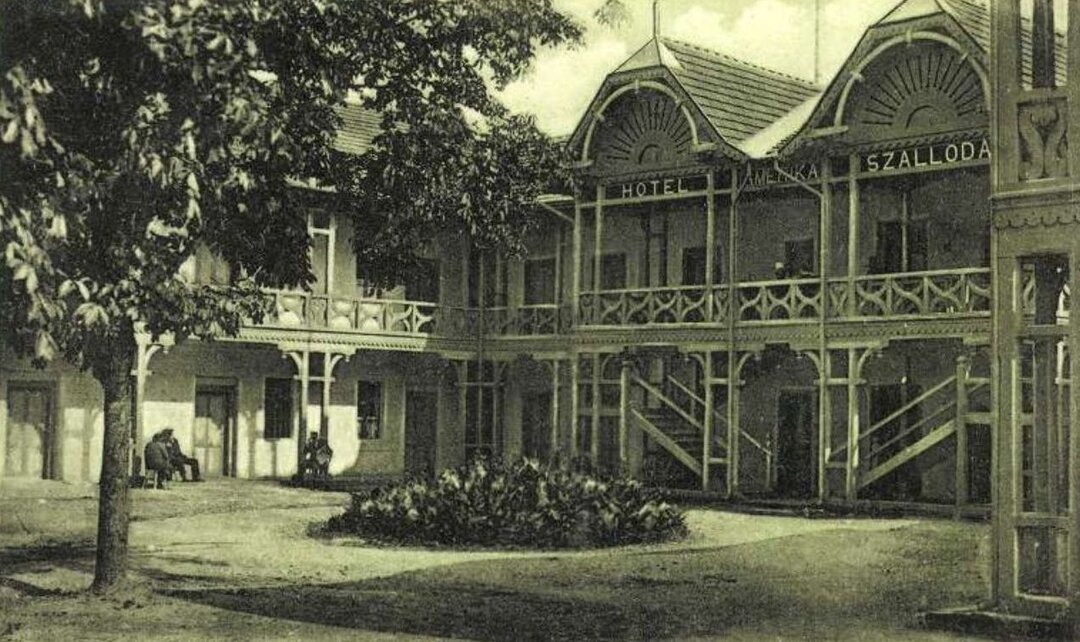
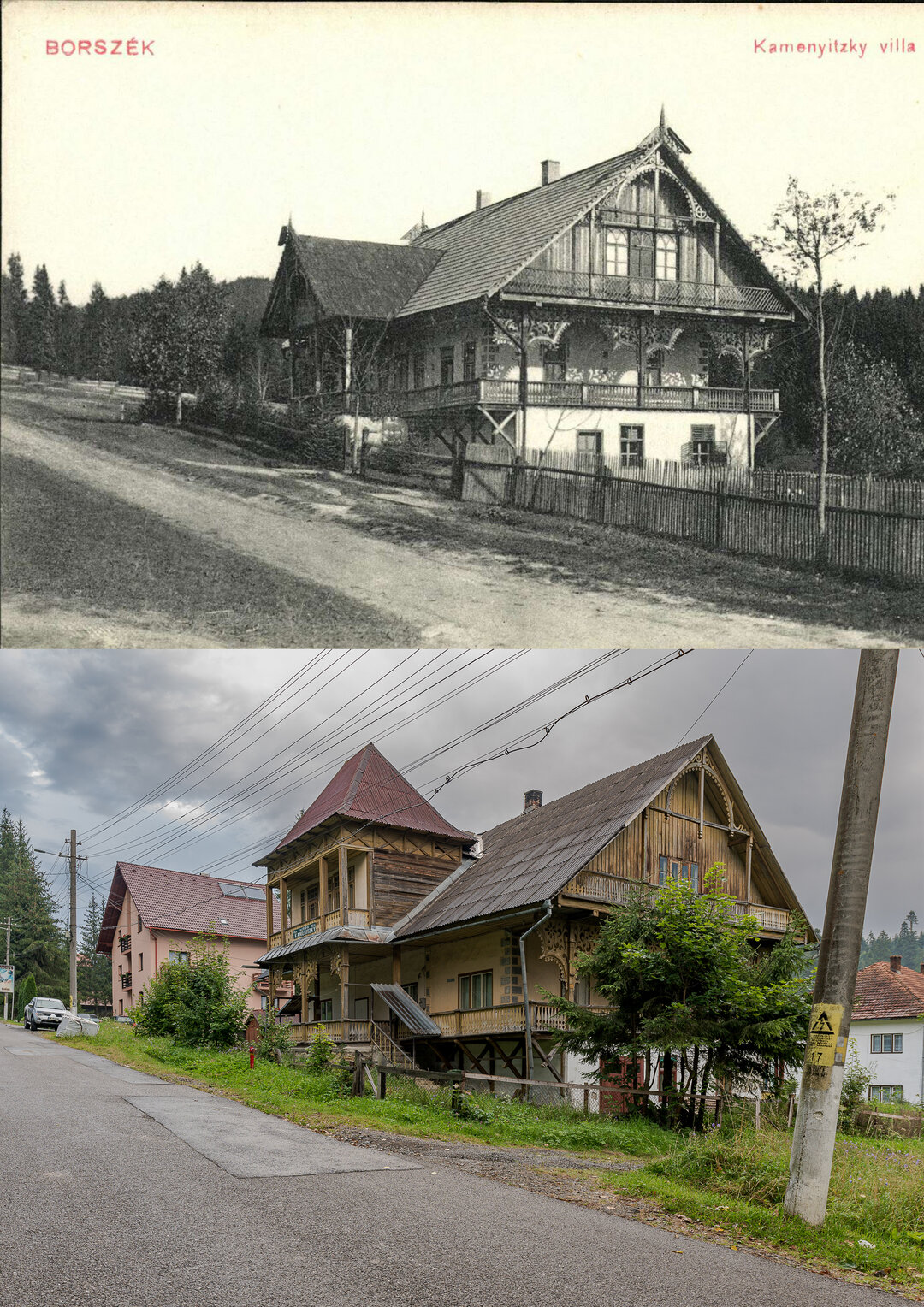
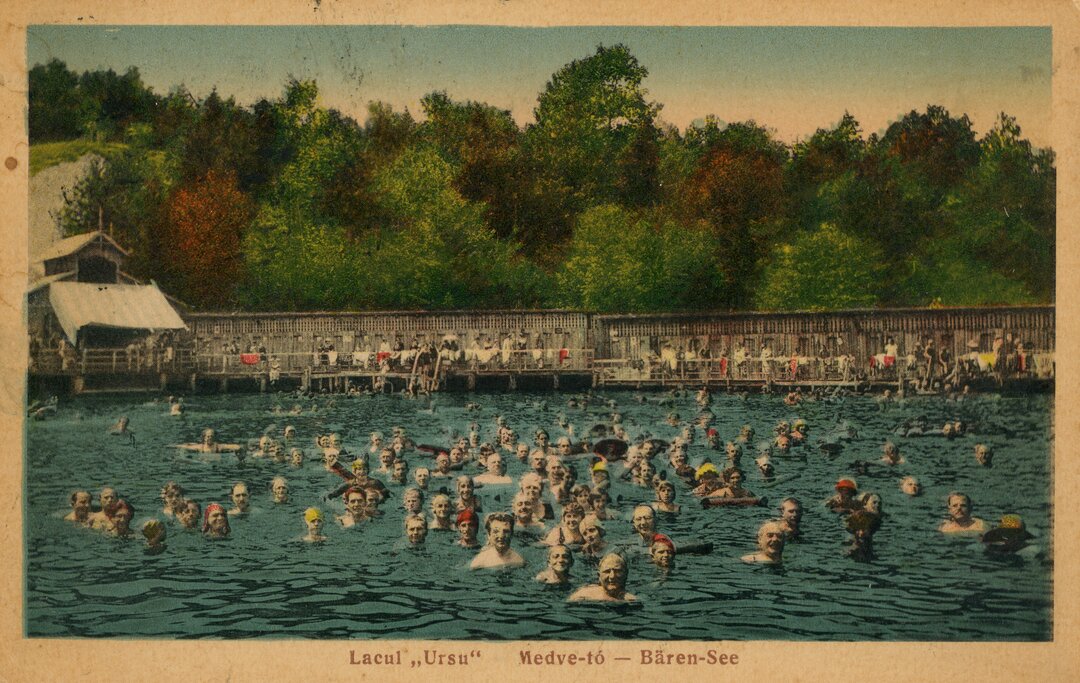
During the Austro-Hungarian monarchy, the architecture of baths and spas played a particularly important role in the urban and cultural development of Central and Eastern Europe. The thermal springs and healing waters in regions such as Transylvania have over time attracted both locals and visitors from other parts of the Empire in search of curative treatments and relaxation. It was in the 19th and 20th centuries when the architecture of these resorts underwent a significant leap forward, becoming an expression of aesthetic refinement and new paradigms of health and recreation.
The dominant architectural styles of the time - Classicism, Romanticism, Eclecticism and Neo-Baroque - were adopted and reinterpreted locally, resulting in elegant buildings perfectly adapted to their spa function. Their architecture was not purely utilitarian: it communicated status, well-being and modernity. Spa resorts functioned as true social and cultural centers where architecture complemented th
Read more in the magazine
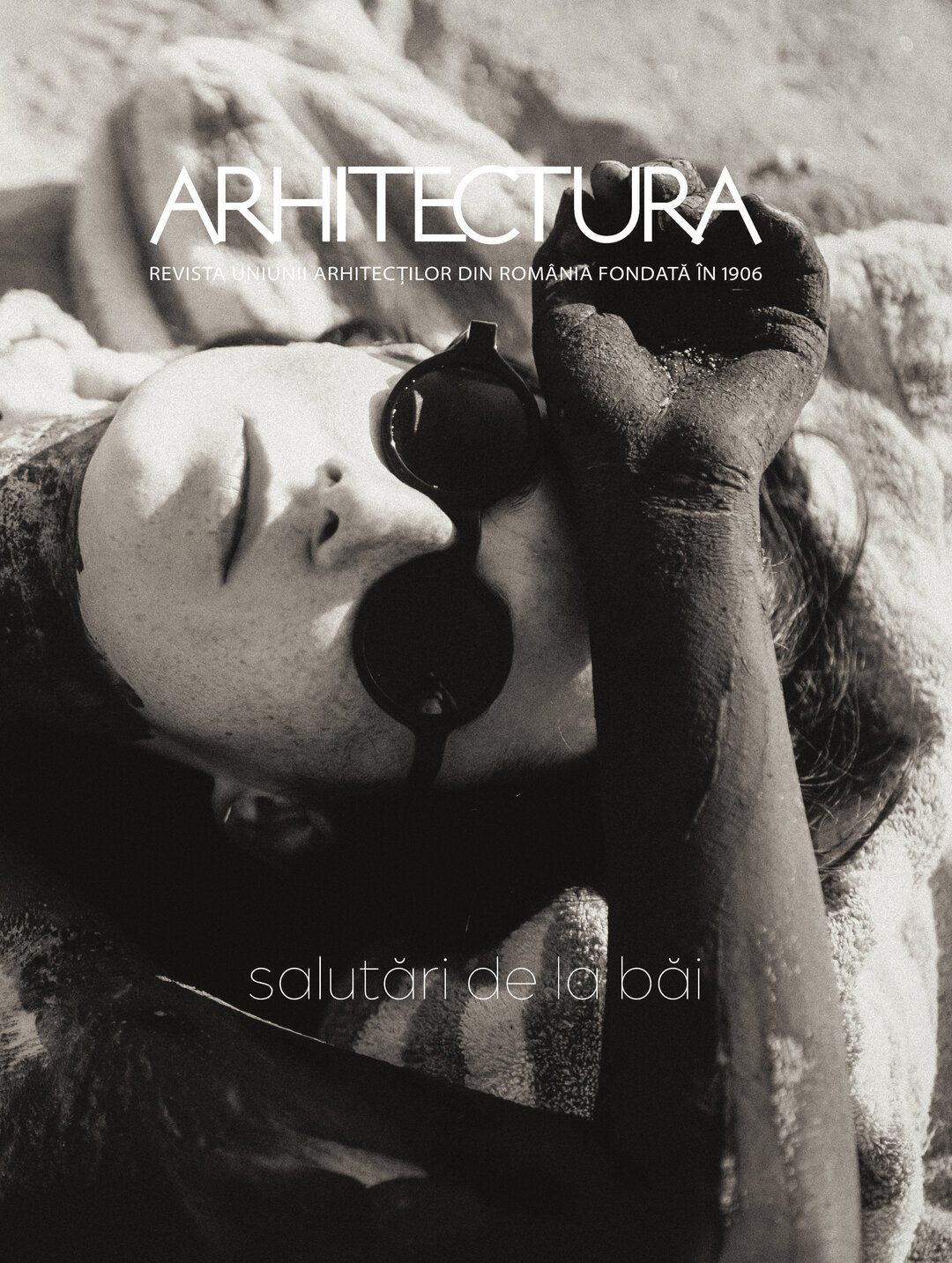
Arhitectura 3-4/2025 (717-718)
Greetings from the spa






--18343-m.jpg)