
Thematic articles
Some narrow streets in Bucharest: a microcosm
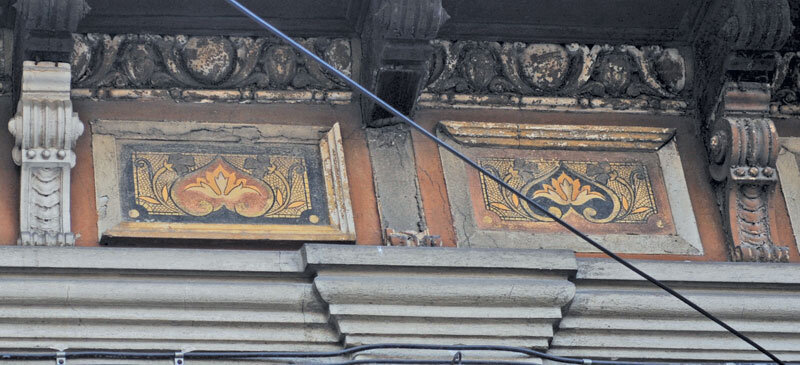
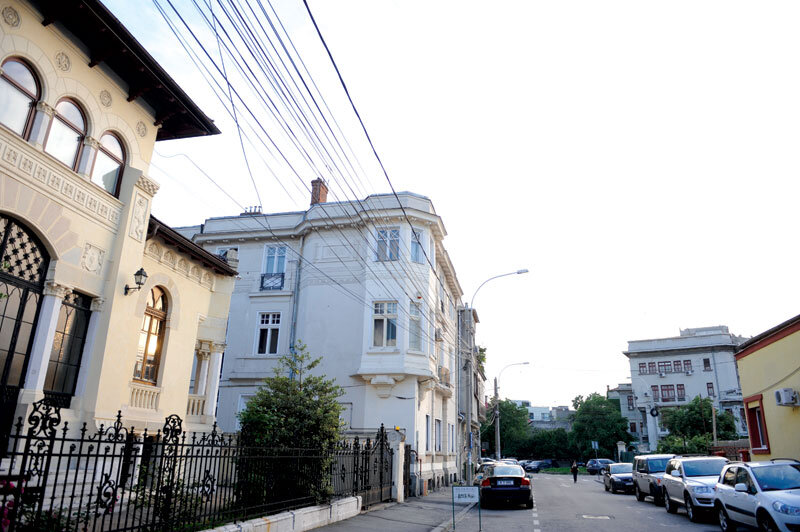
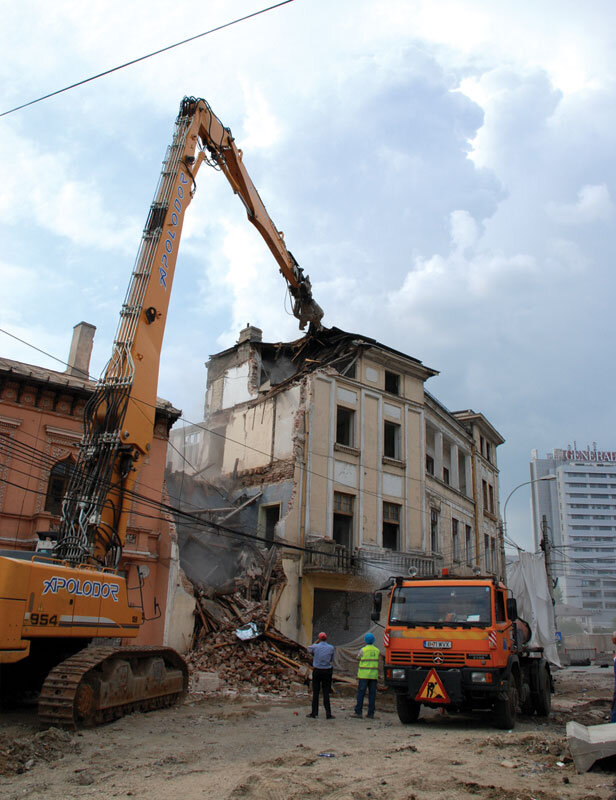
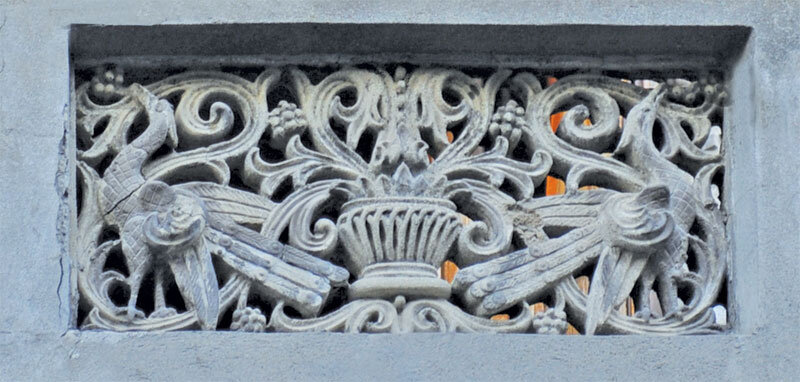
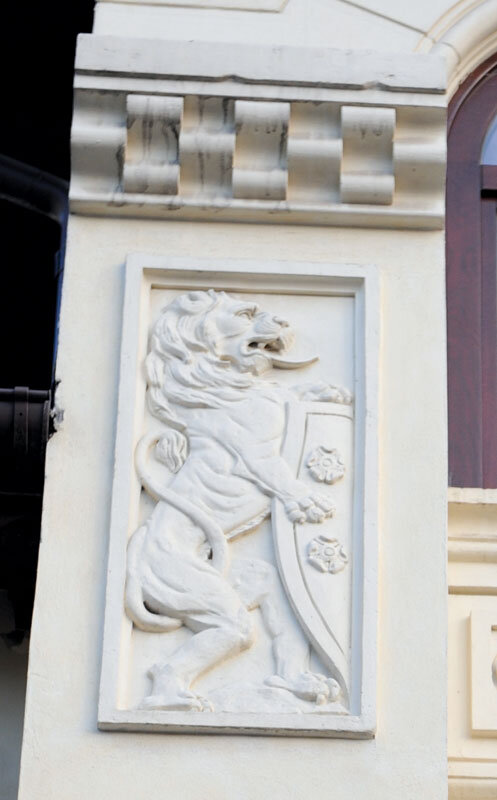
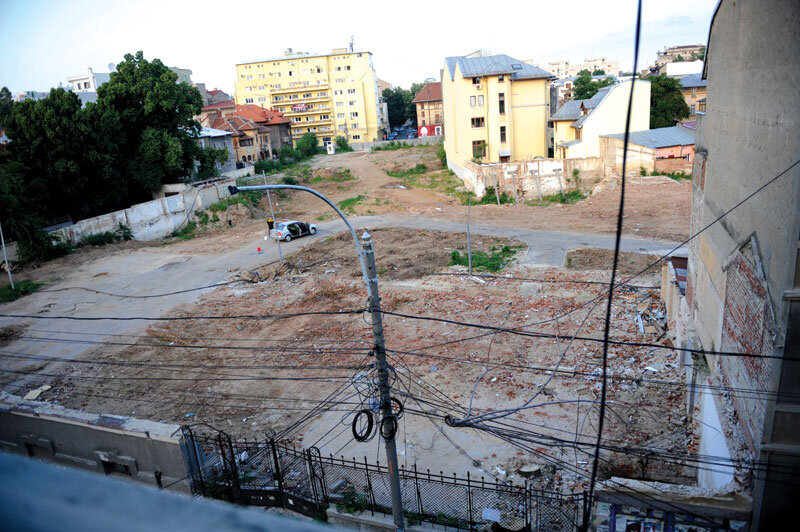
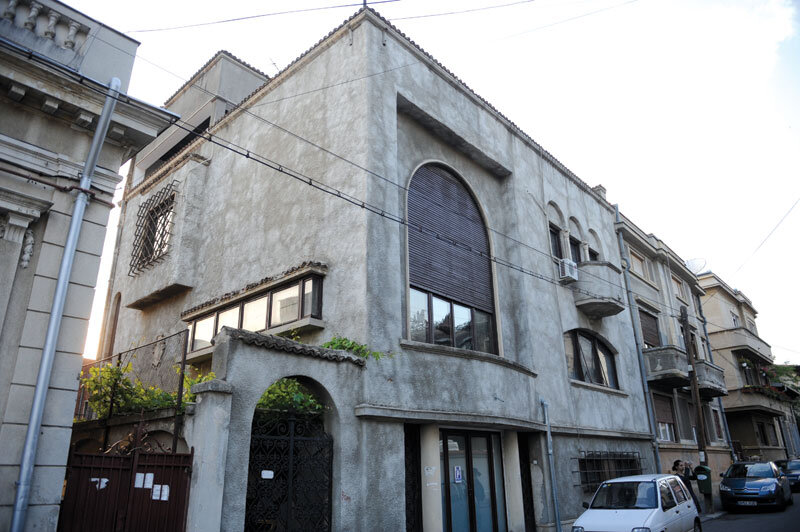
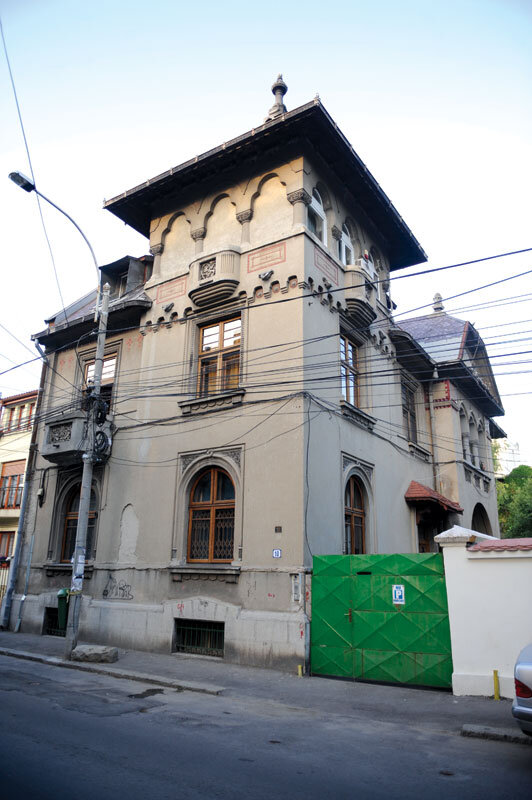
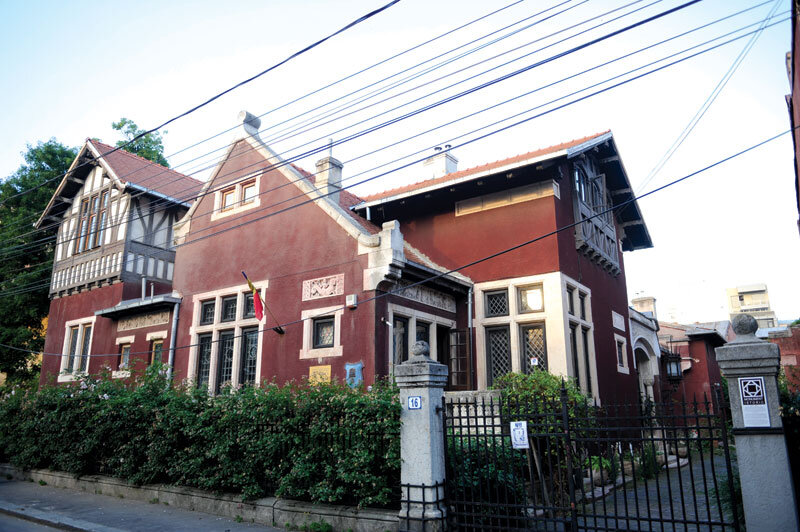
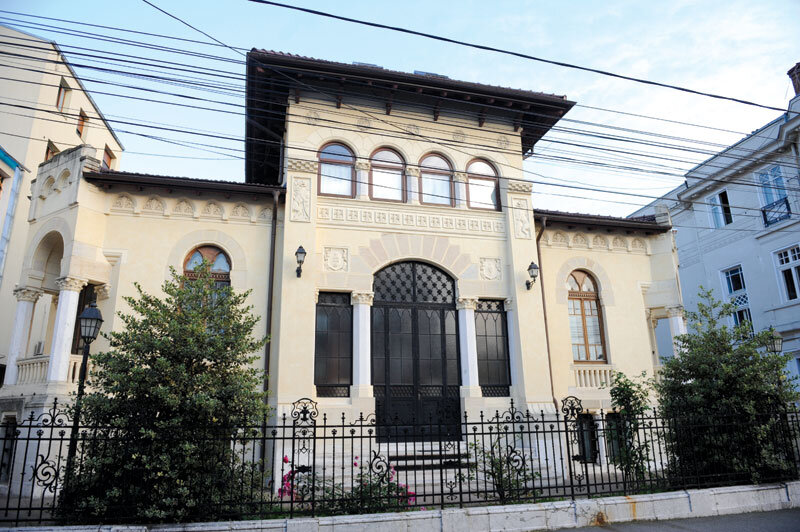
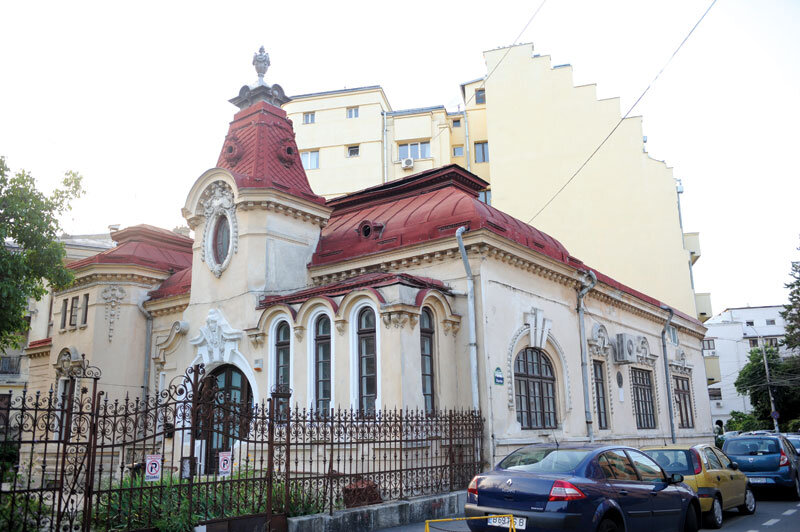
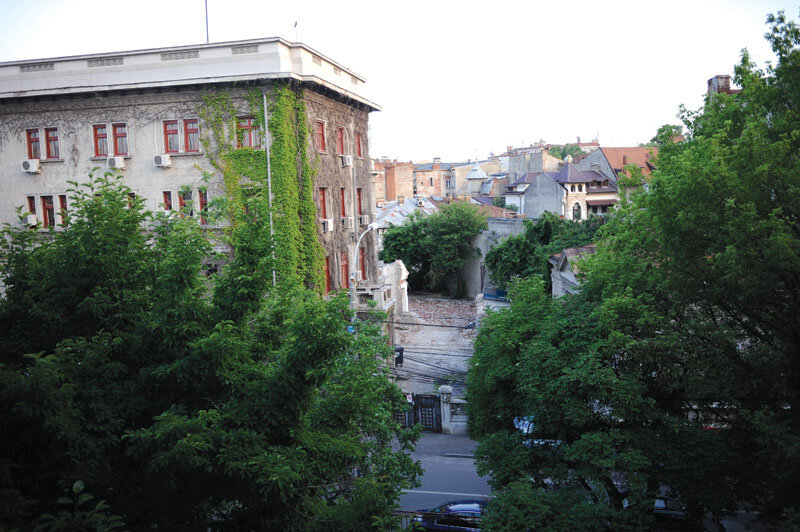
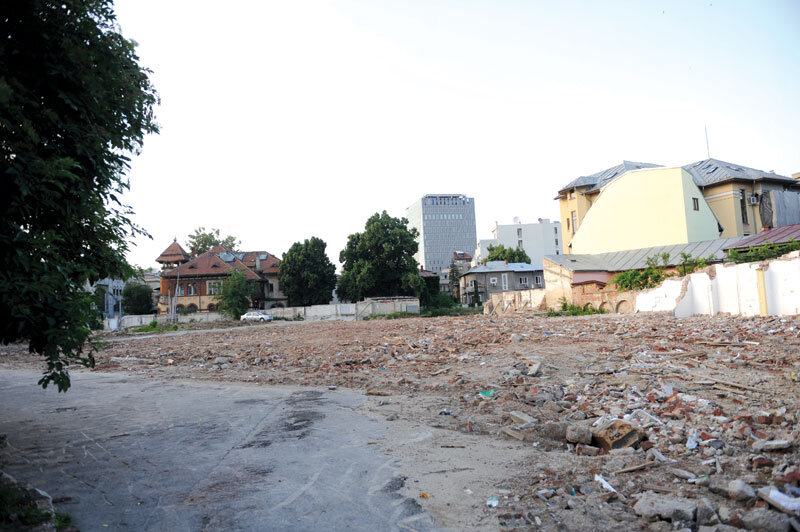
| They are quiet streets with beautiful houses. On the edge between the center and the north of the capital, in other words a good neighborhood. They were laid out towards the end of the 19th century, at the time when Colțea Boulevard, now called Lascăr Catargiu, was opening from the present-day Roman Square northwards. Some, such as Visarion Street, appeared even earlier, towards the middle of the 19th century, but the houses from those times have long since disappeared in the haze of later construction.It was an area covered with vineyardsIt was an area covered with vineyards, which is still remembered today by the names of some of the streets: Povernei, Viișoarei. As a sign that there are thin people in the neighborhood, one was named Vasile Alecsandri. One street was called Brutari. Bread and wine were certainly not lacking on the table of the people of Bucharest in those times. It turned out that Brutari Street was destined by the godmother-in-law to a political destiny. It was called General Badoglio when the Right was in power, Filimon Sârbu when the Communists came to power. When they too went down the drain, a liberal happened to remember that at number 14 lived Dr. Constantin Daniel, from a family with ancestral-liberal sympathies. He was a psychiatrist, but he was passionate about oriental studies and, until his death in 1984, he had translated a number of texts from oriental languages. Soon the necessary steps were taken and street signs bearing the name Strada Constantin Daniel 1917-1984 Orientalist appeared in the streets. |
| They are quiet streets, with beautiful houses. Just at the border between the center and the North of the capital city, that is, in a good neighborhood. They were traced towards the end of the XIXth century, in the period when Colțea Boulevard, today referred to, just like in the inter-war period, Lascăr Catargiu, sprang from the North side of the current Romană Square. Some of them, like Visarion Street, appeared even earlier, towards the middle of the XIXthe century; however, the houses of those times perished long ago in the dust of subsequent constructions.It Was an Area Covered with Vineyard It was an area covered with vineyard, a reality still echoed by the names of some of the streets: Povernei, Viișoarei. As an indication of the fact that the neighborhood was also inhabited by persons of high station, one of them was named Vasile Alecsandri, spelled with an "x": Alexandri. Another street was named Brutari. Bread and wine surely honored the Bucharest community's tables in those days. It turned out that the small Brutari Street had been acribed a political destiny by the Fates. Over time, it was named General Badoglio when the right came to power and Filimon Sârbu when the communists did. |
|
Read the full text in issue 2 / 2011 of Arhitectura magazine. Read the full text in the print magazine. |

Daily Express Art Deco
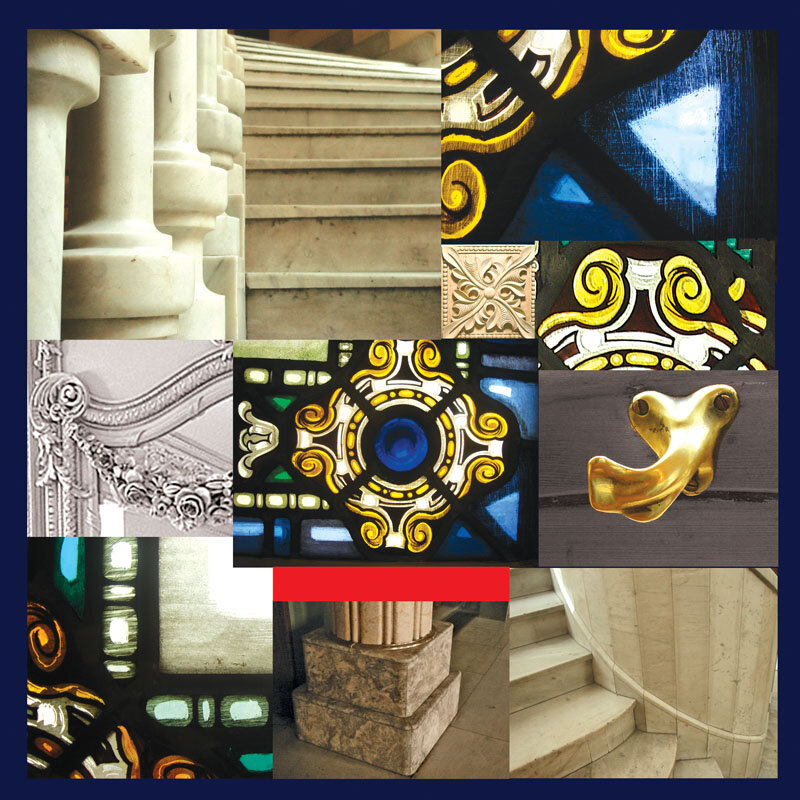
Circulo de Bellas Artes - Madrid

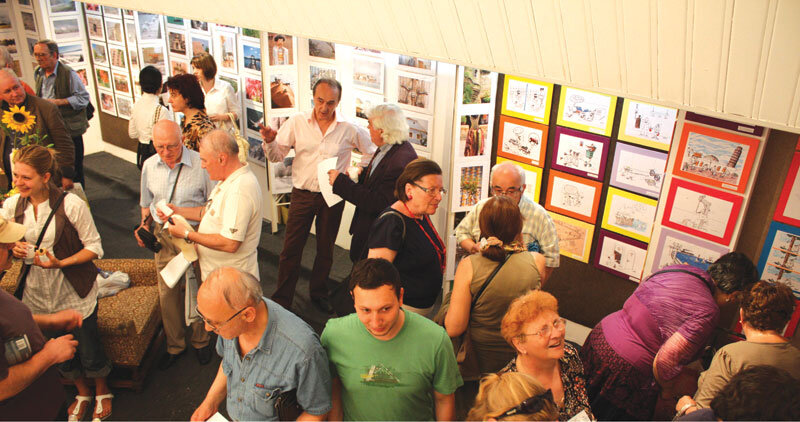
Mugur Kreiss. Beyond reality
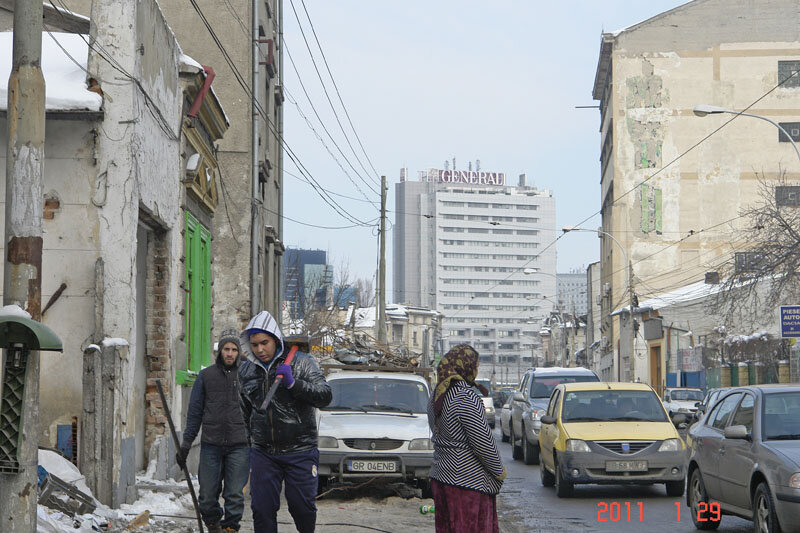
"The number of cars on Buzești-Berzei Boulevard will reach around 3,000-3,200 cars per hour, per direction"
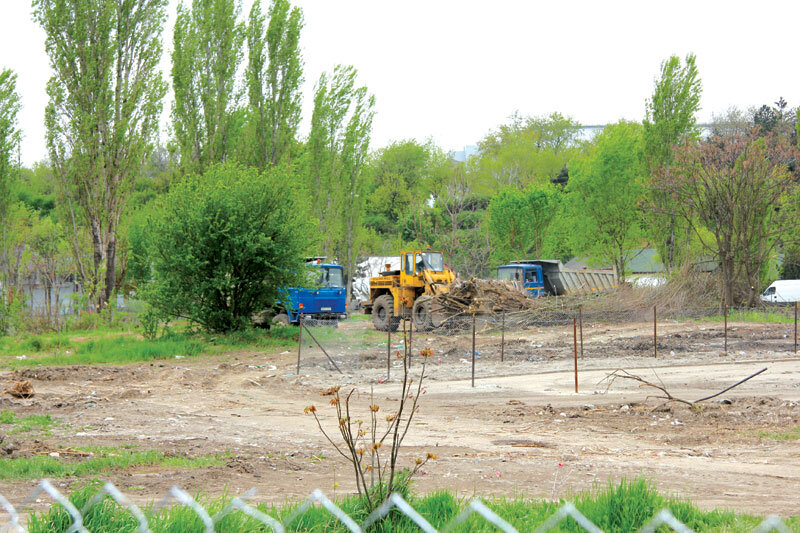
Five hectares of Tineretului park cleared for aqua land
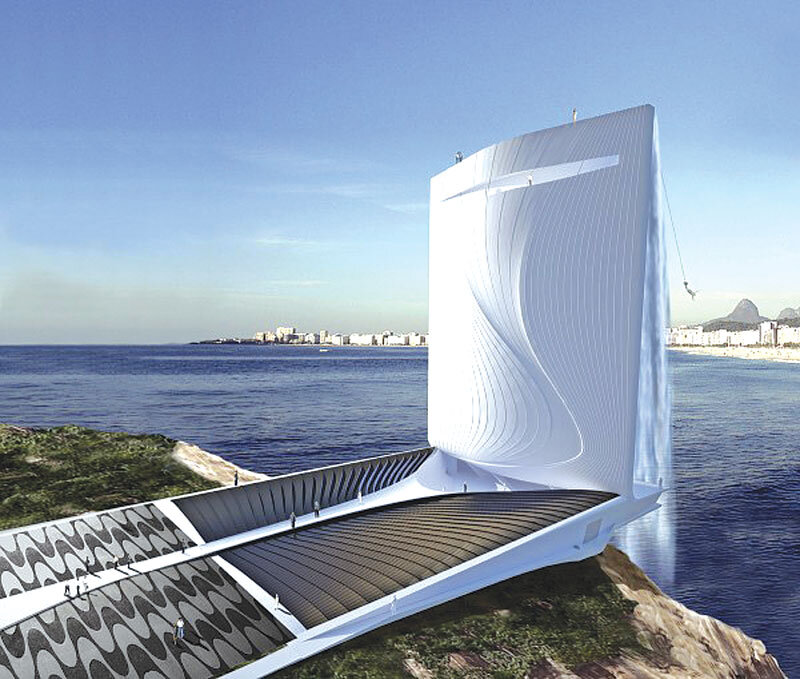
International fairs
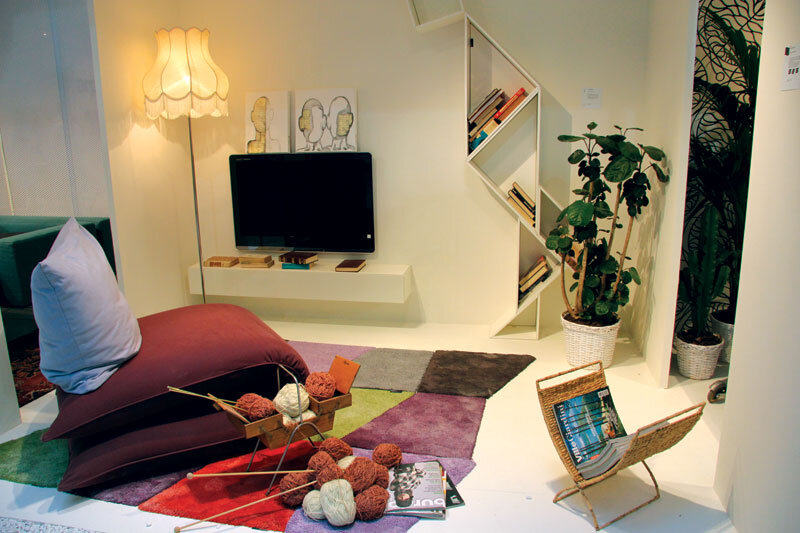
International Furniture Fair - Milan, 2011 (II)
Competition for the design of the Romanian pavilion at the UIA 2011 in Tokyo
Unbuilt Architecture and Design Competition
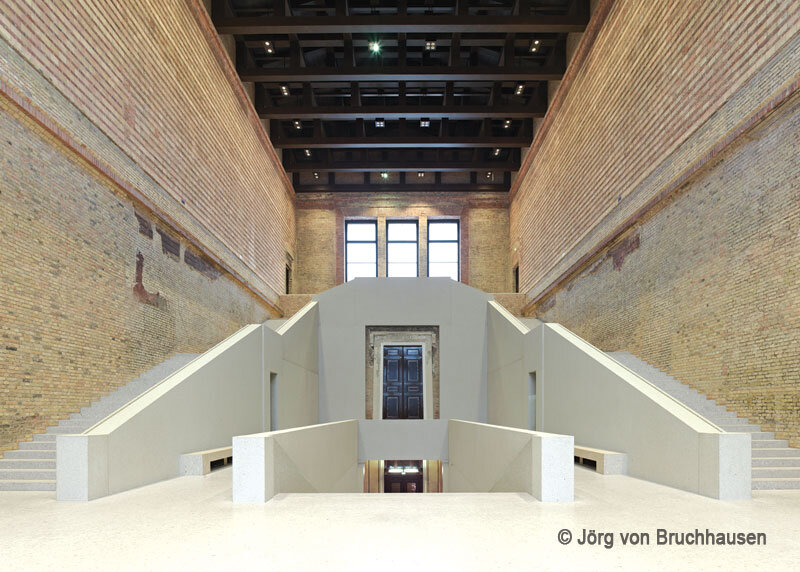
Mies van der Rohe Awards 2011
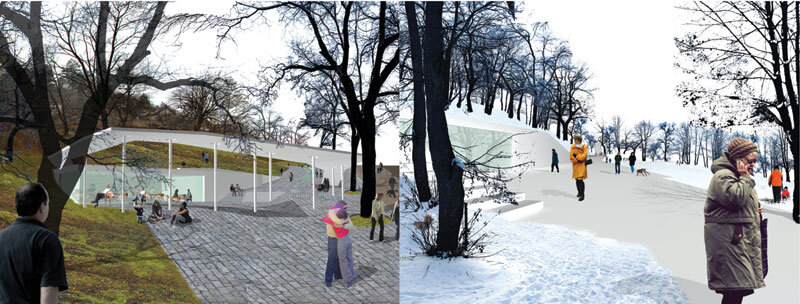
A Romanian architect from Portugal wins the competition of ideas for the "Livada Poștei" park in Brasov
Public space - a bar counter?
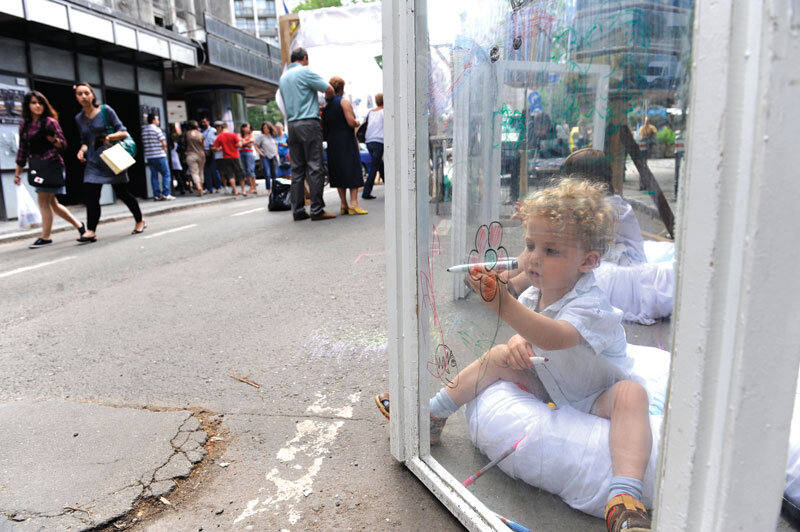
Verona Street Delivery 2011
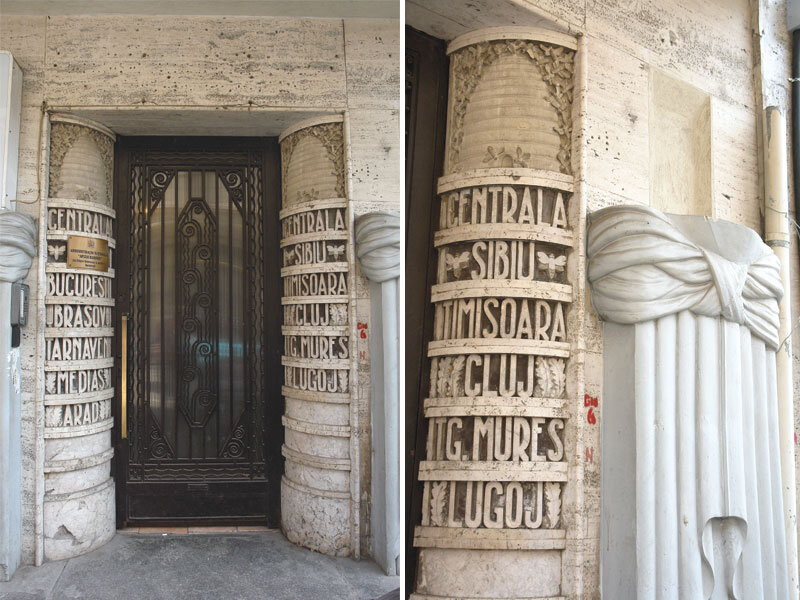
6 Edgar Quinet
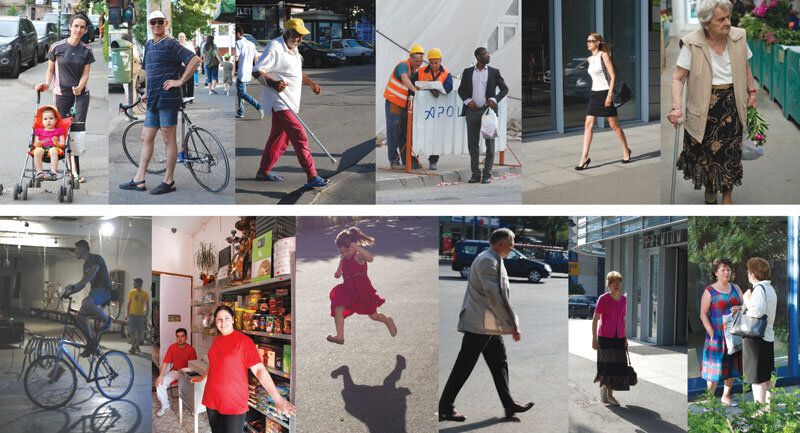
Alternative Bucharest - young voices in urban planning
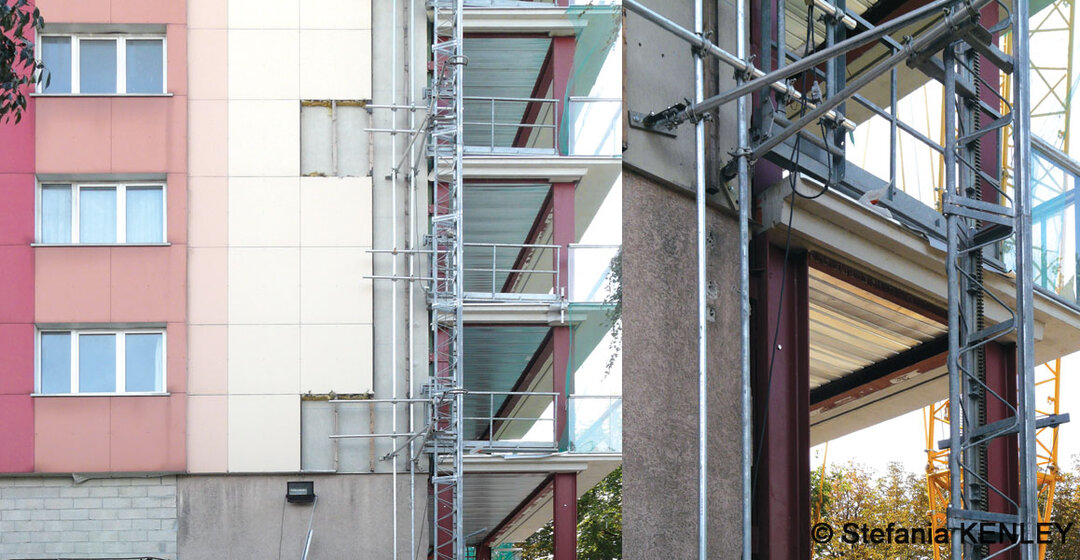
From detail to concept, the Bois le Prêtre residential tower in Paris
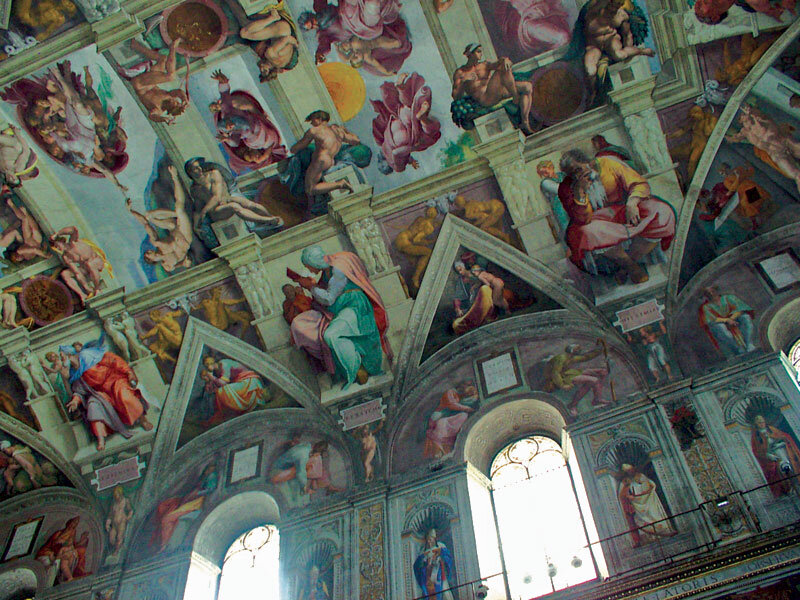
Painted ceiling
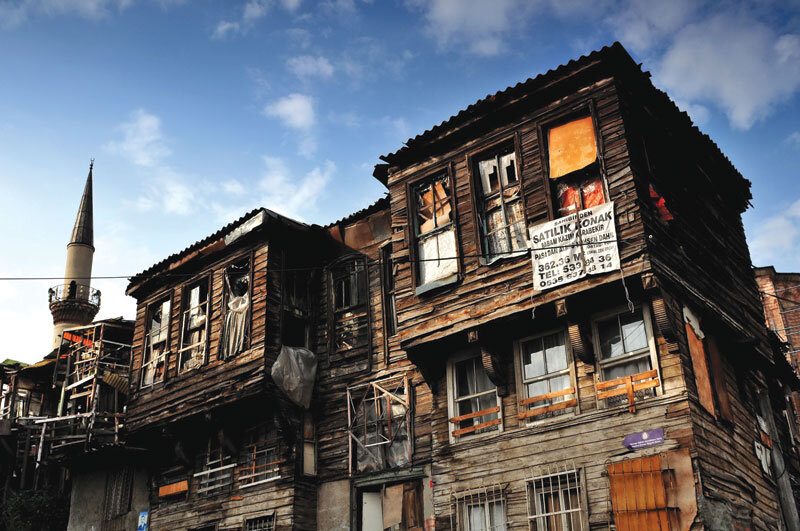
Blow-Up
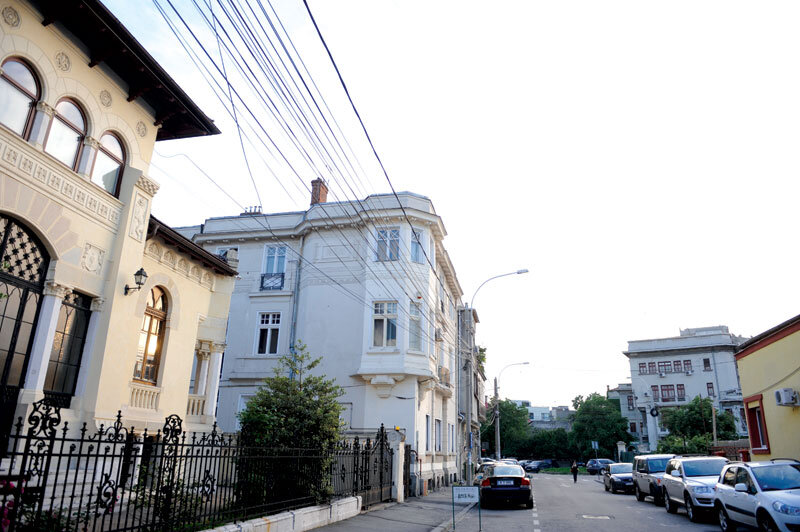
Some narrow streets in Bucharest: a microcosm
Argument: Controlled detail - long-term commitment
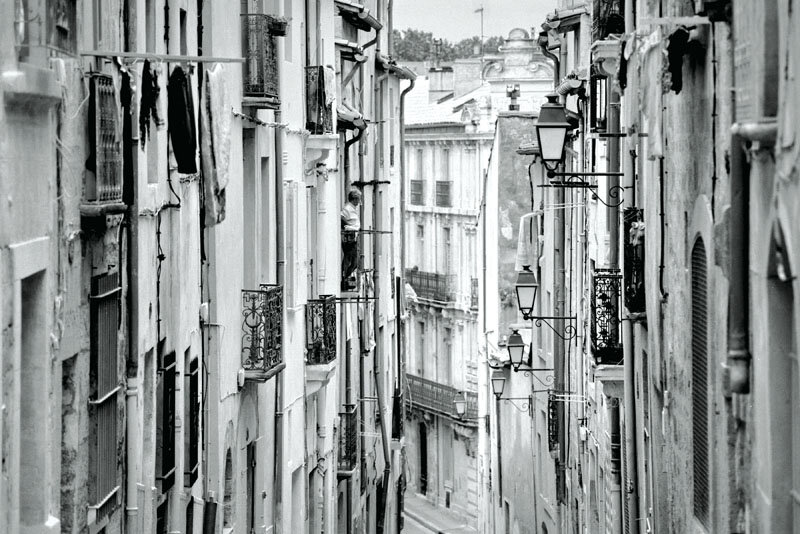
Simple details of life. The city setting, between story and emotion
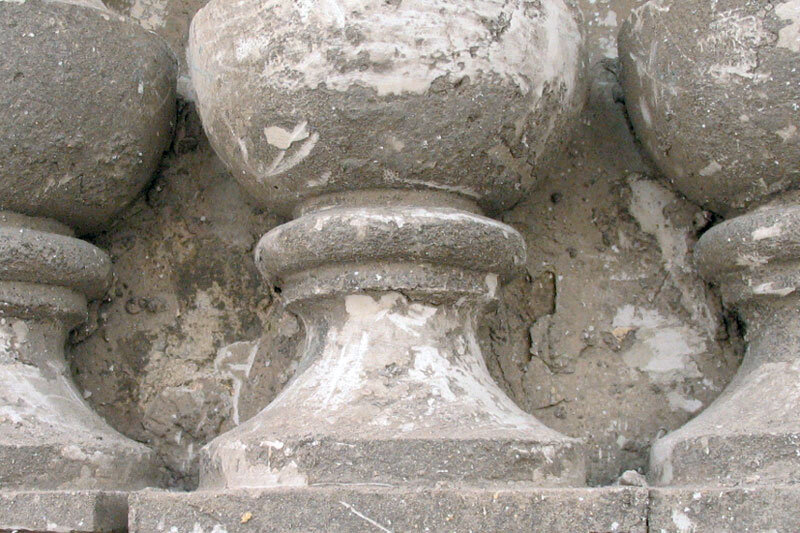
Forgotten materials and technologies: lime plasters

The second edition of the architectural competition Archetypes has started!
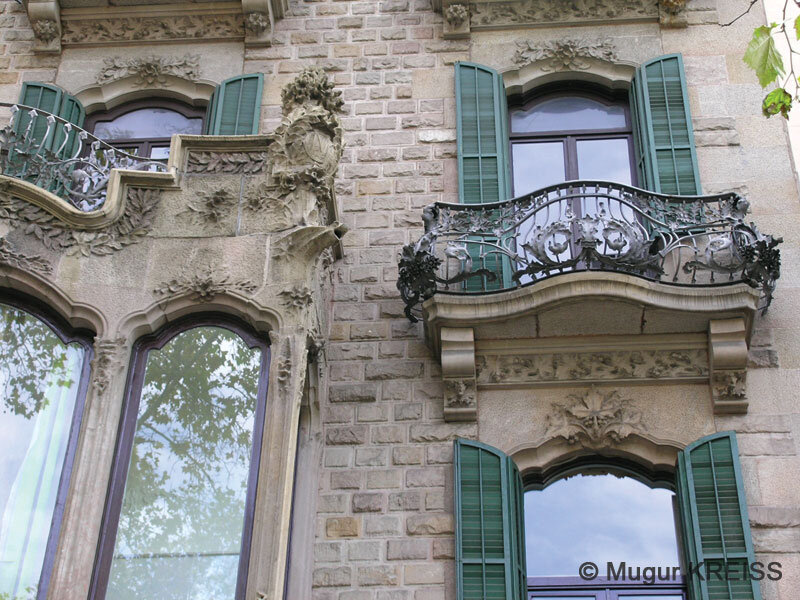
Open in detail
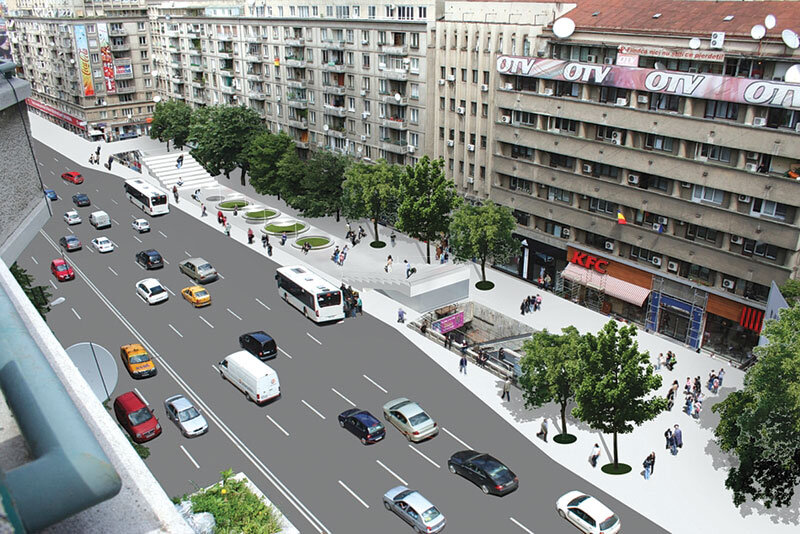
Republic of Architects - public projects (unrealized)
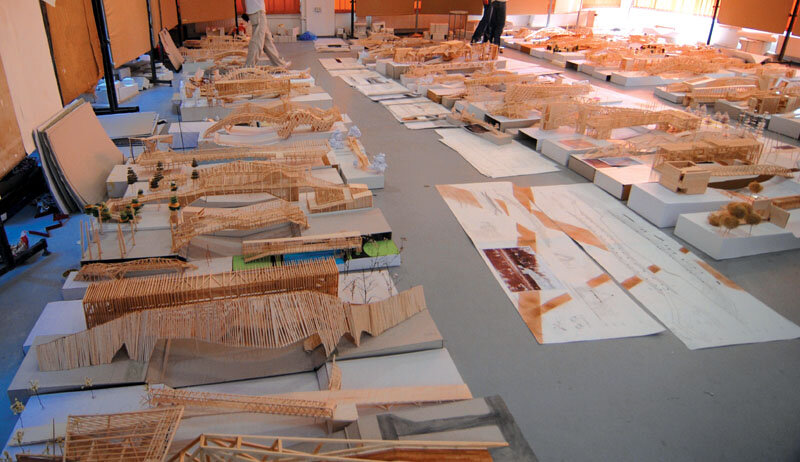
Timișoara School of Architecture
Nothing new on architectural detailing
Interview with Architect Dorin Stefan
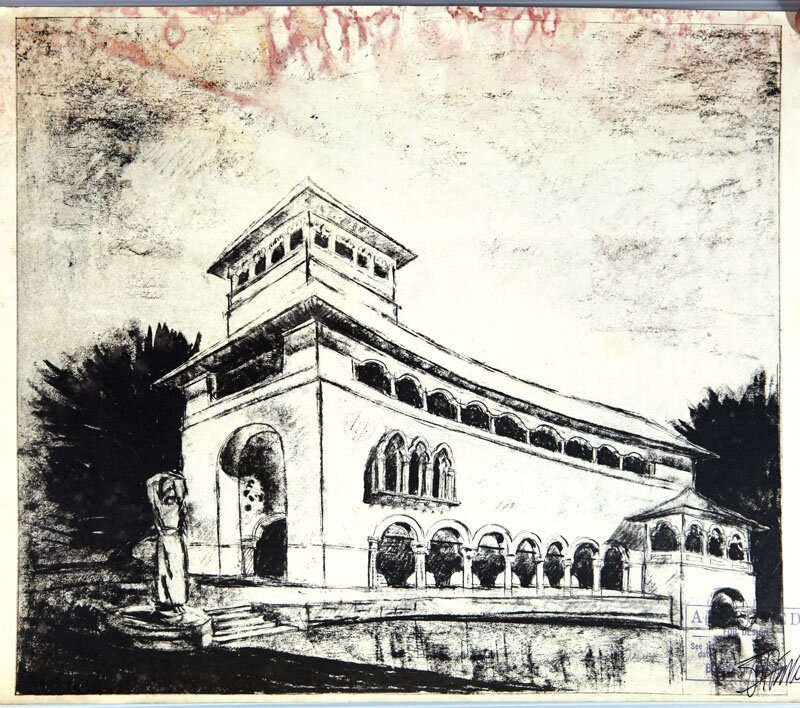
Craft and art. Prof. arh. Octav Doicescu (1902 - 1981)
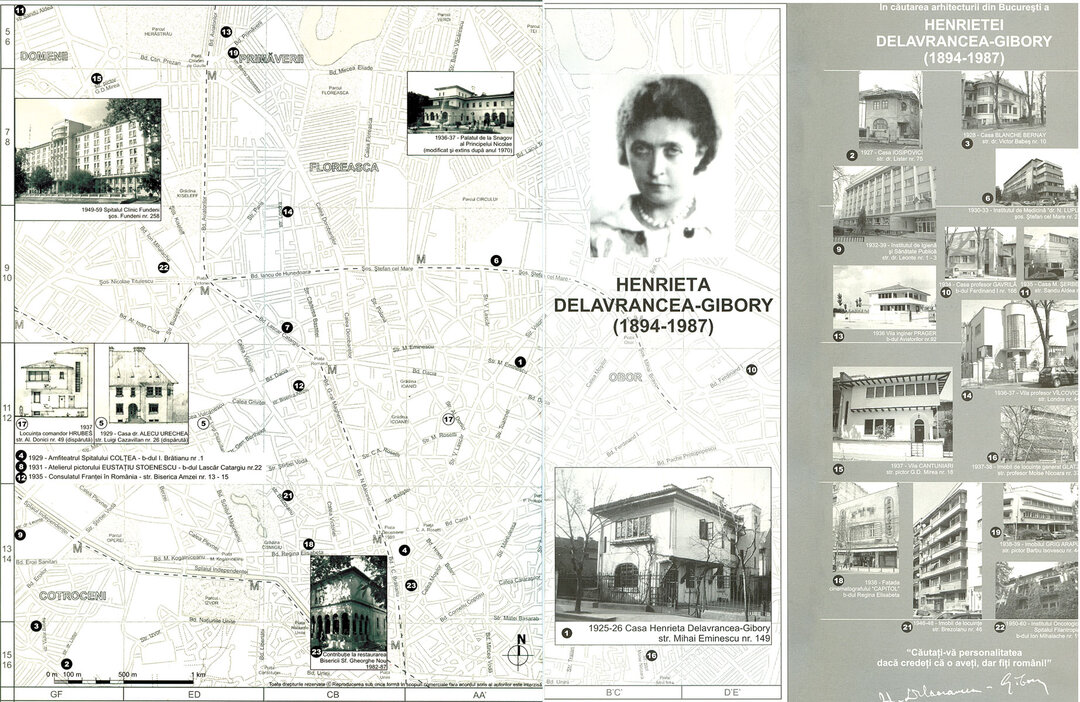
Henrieta Delavrancea-gibory (1894-1987)
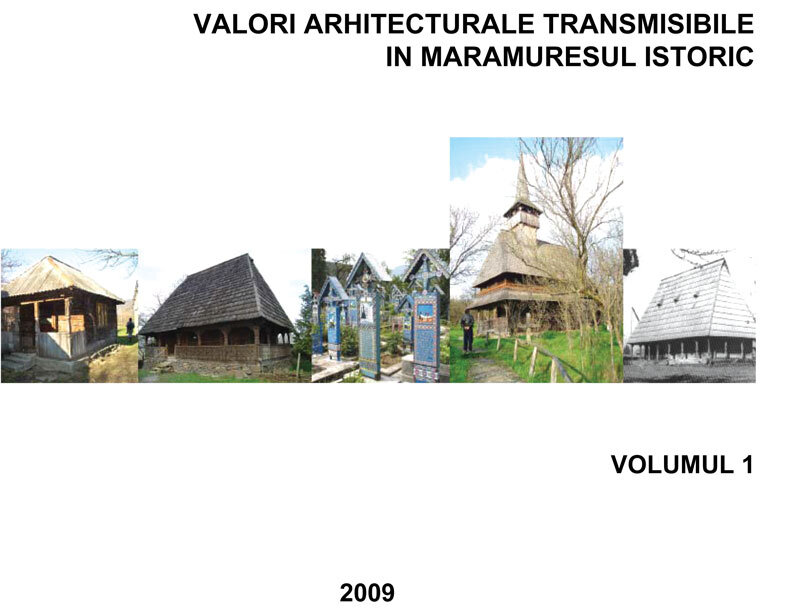
Transmissible architectural values in historical Maramureș (1902 - 1981)
Autopoiesis: the self-generating system of architecture
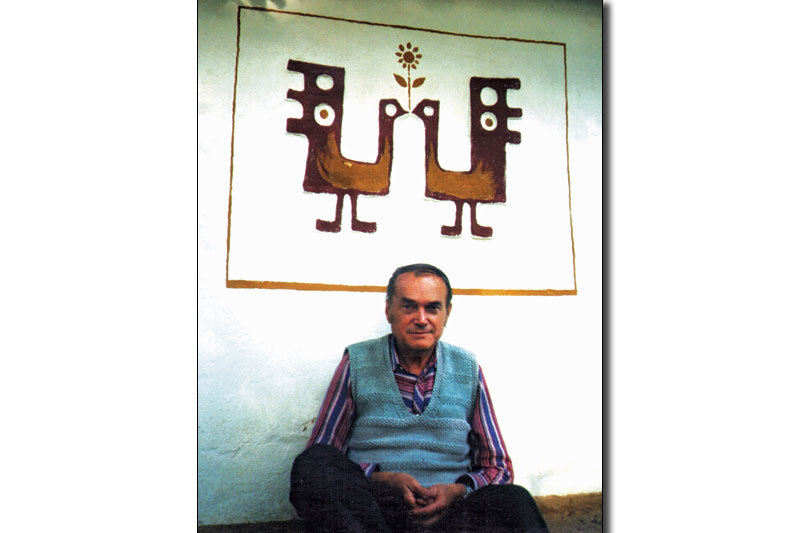
A life among houses and colors
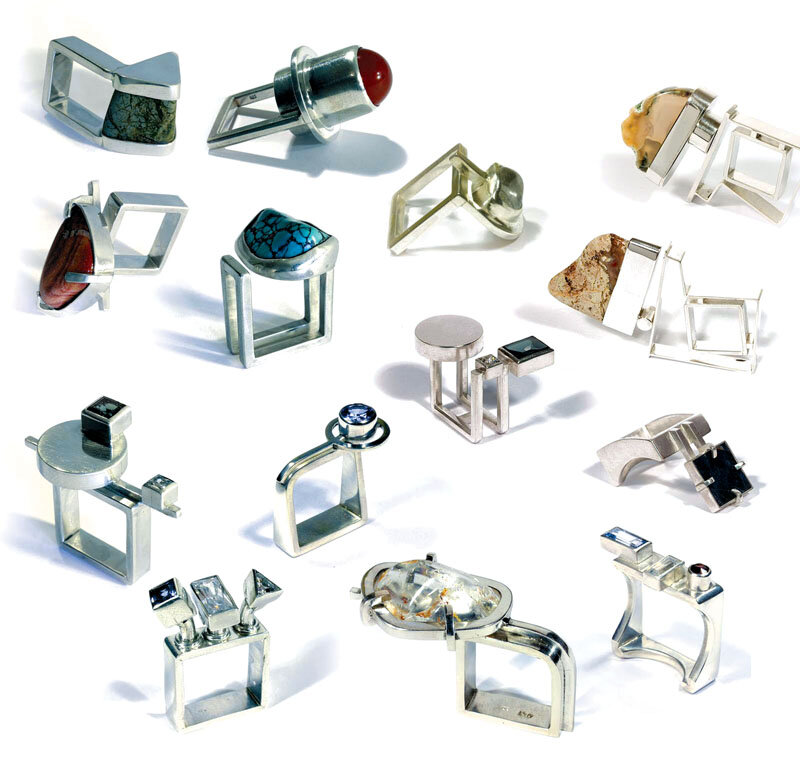
David Sandu or the citadel of form
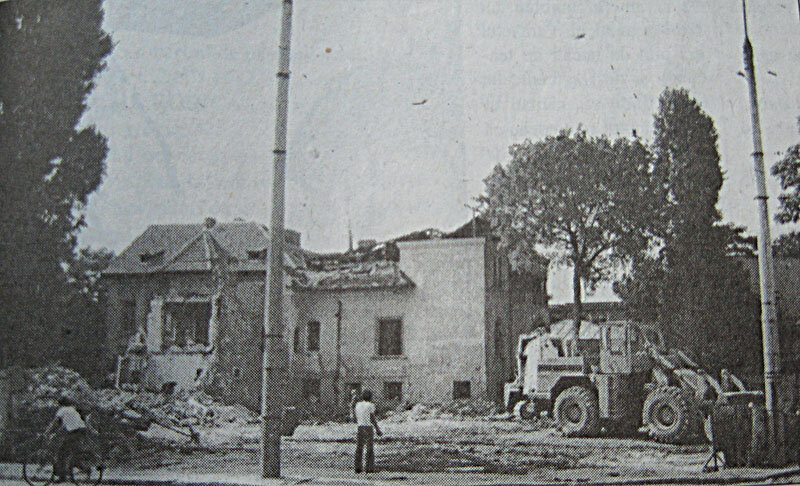
Meeting with Prof. Dinu C. Giurescu. 47 Berzei Street