Drawing in architectural design

With the development of society, both the needs and the complexity that architecture has to incorporate have increased. As a result, both the design and the construction industry have to implement a greater degree of interrelationship and integration of requirements and building elements within a building. More time and effort is needed to coordinate and manage the ever-increasing amount of information contained in the design.
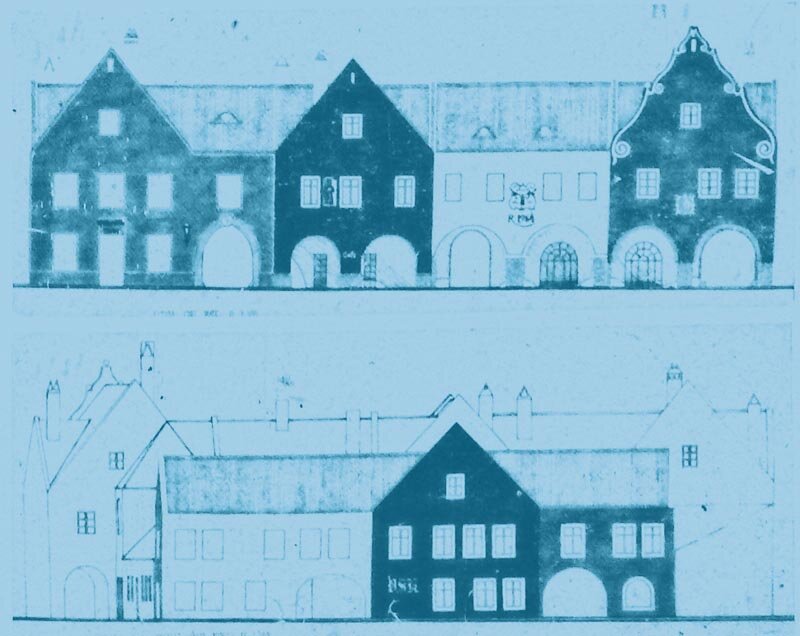
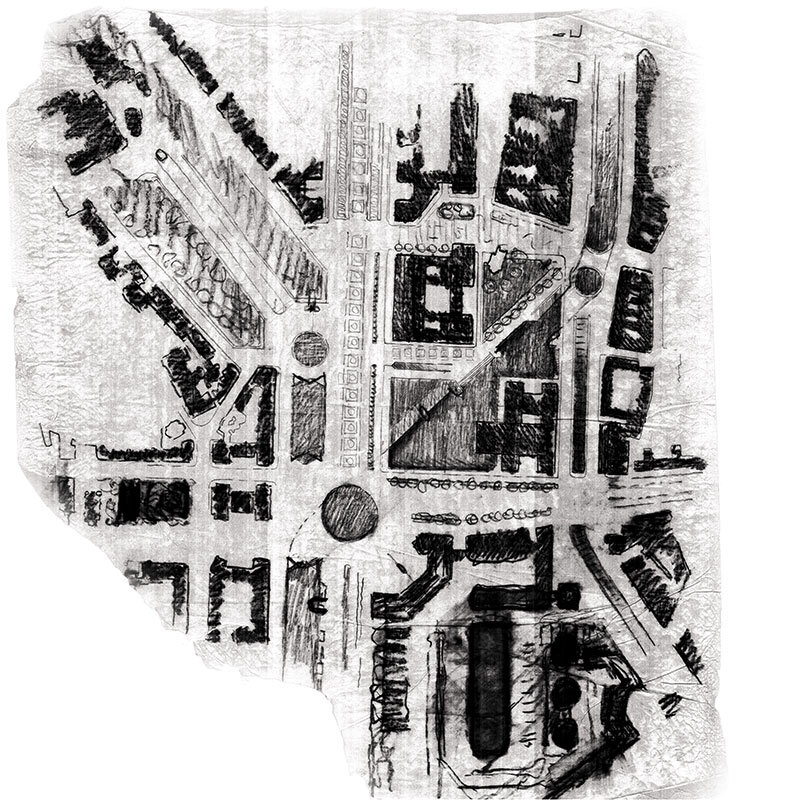
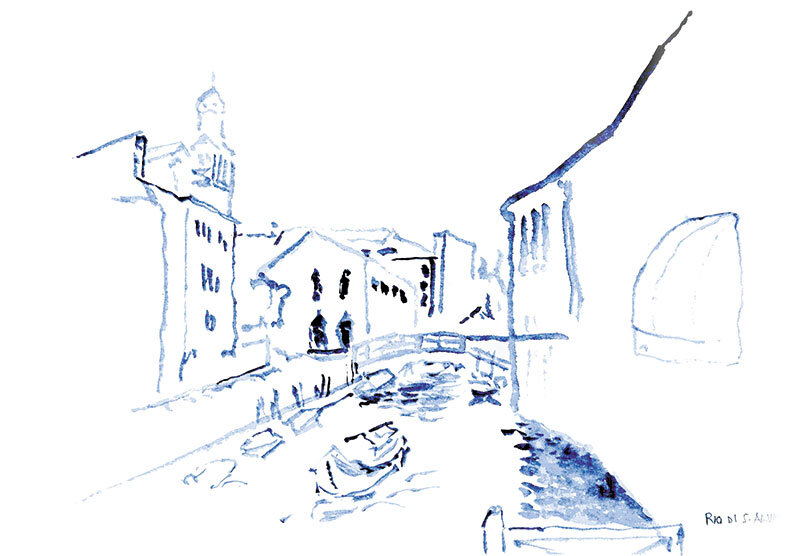
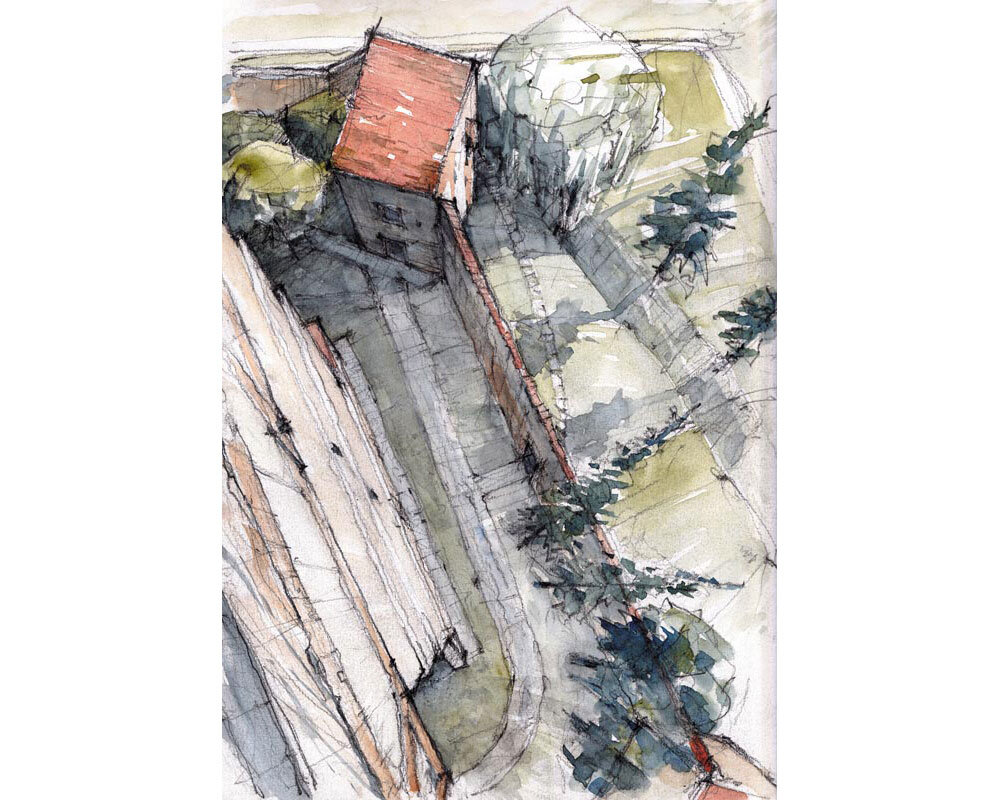
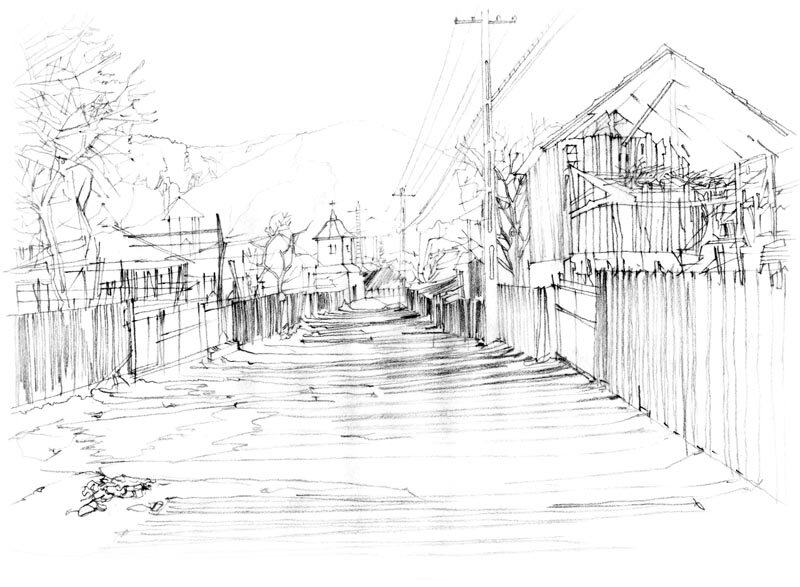
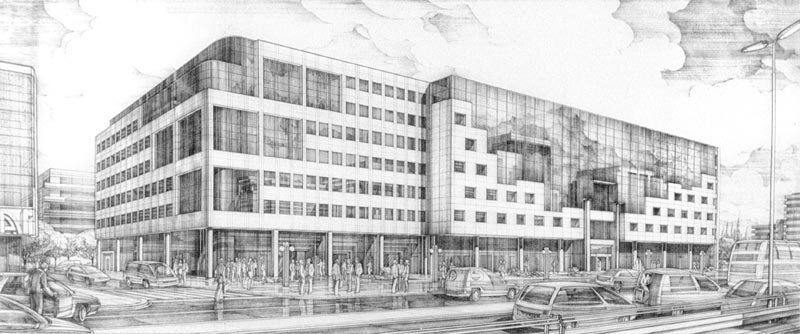
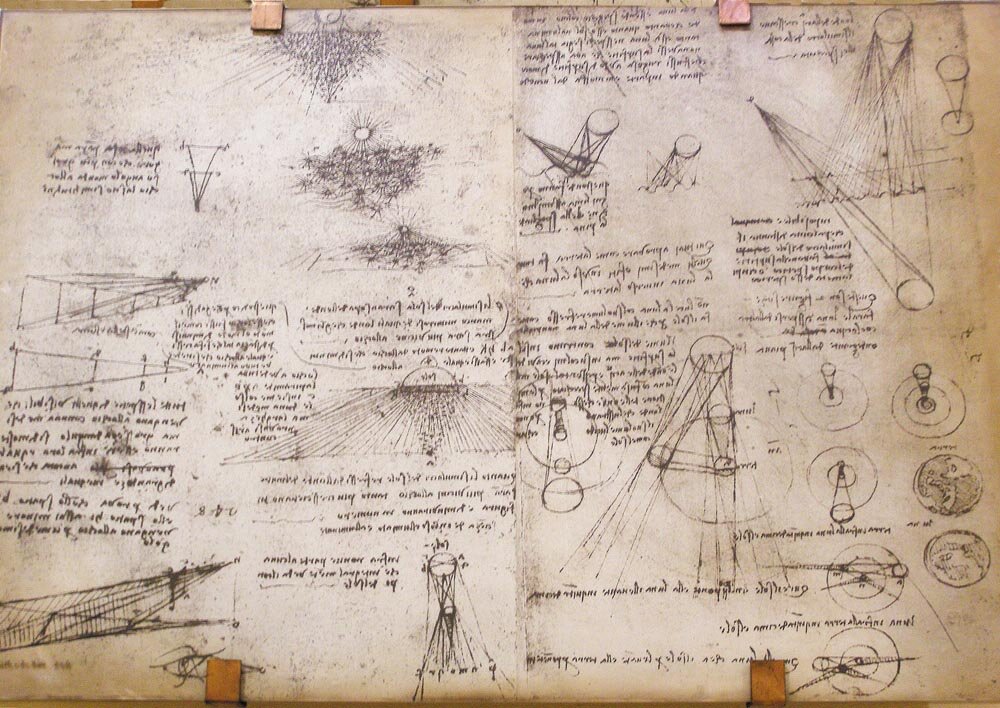
Gradually, architecture has distanced itself from the building process, with the architect communicating his creative intent through two-dimensional drawings which are then transferred to and appropriated by the builder. These drawings provide information that is intended both to resolve particular details and to define the general characteristics of the building. Thus, the architect has a global vision of the building in his imagination, which he transmits to other parties involved by means of local representations that have become standardized. This chain of communication between design and realization leaves many aspects of the construction open to interpretation.
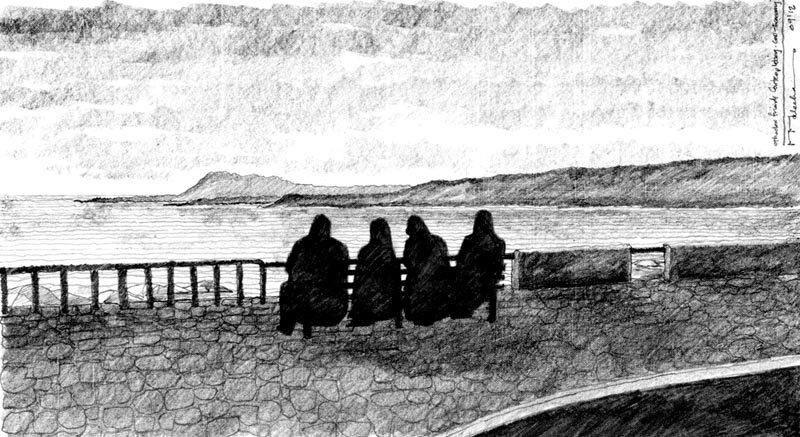
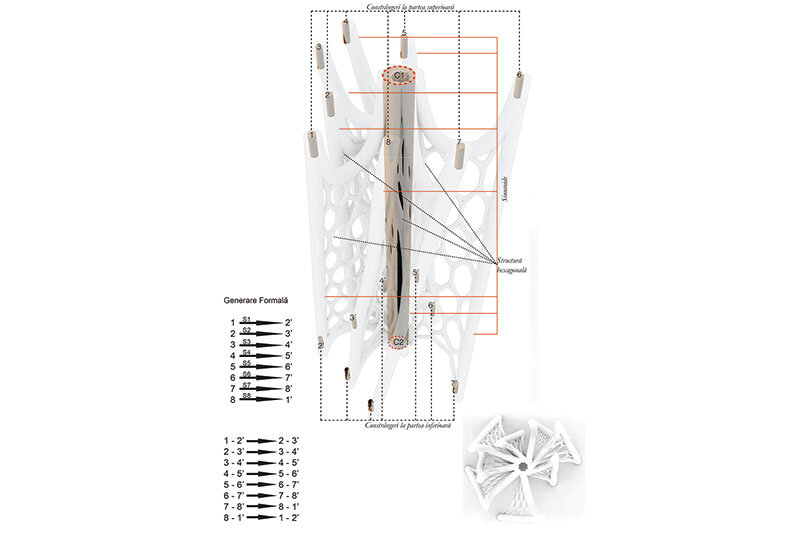
In order to communicate better with clients or to pass on a certain type of information to his collaborators, the architect often has to draw various two- or three-dimensional representations of the building. Traditionally, architects use one set of 2D drawings as permitting or execution documents, other sets of 2D drawings for client presentations, a 3D model for visualizations, and so on. All these drawings, even if they are made in CAD (Computer Aided Design) software and produced with the help of a computer, are not fundamentally different from drawing with pencil on paper. Every line drawn is drawn by an architect, once in the plan, once in the façade, once in the section and then in the three-dimensional model, and any changes to the design must be implemented in all these representations of the building.
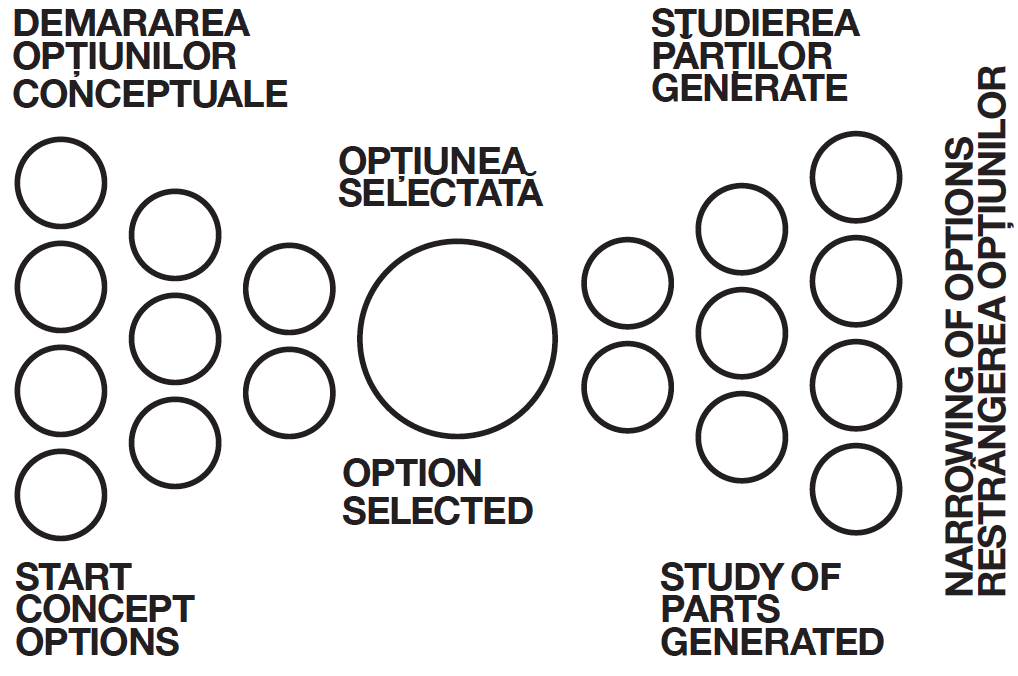
Technological developments in recent years are bringing another way of designing, which is poised to fundamentally change the way in which the architect represents his design and conveys his design intent to others.
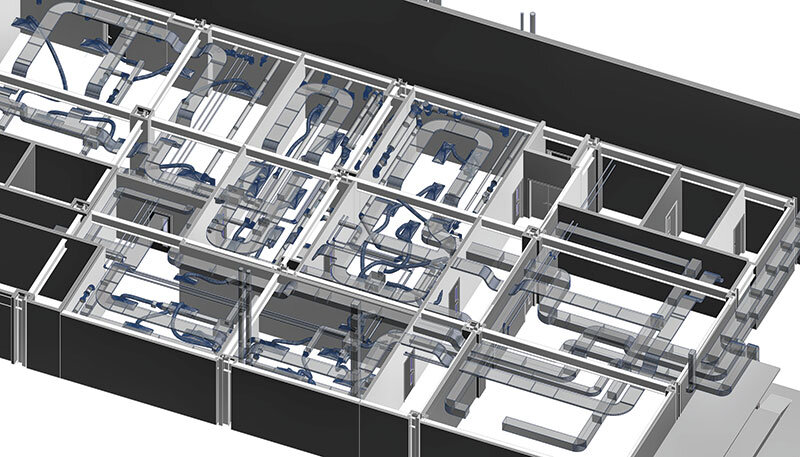
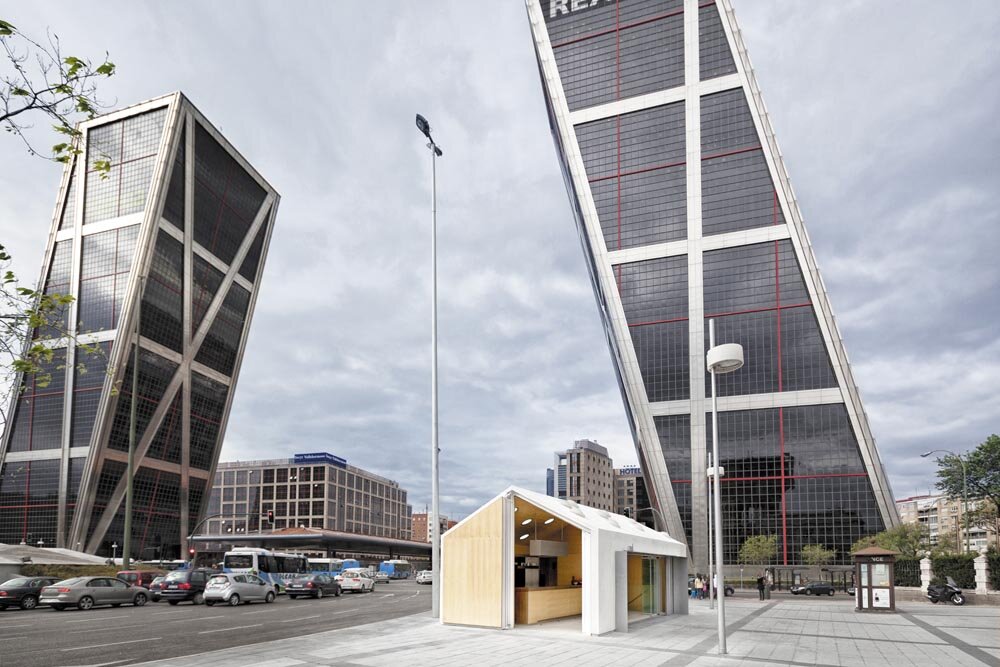
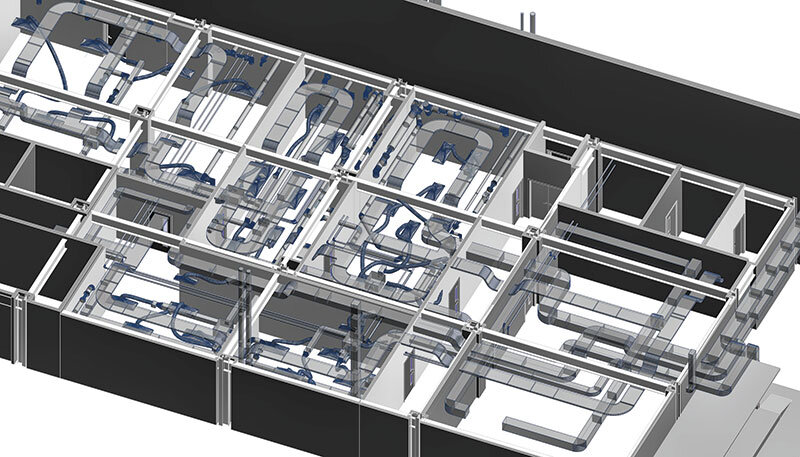
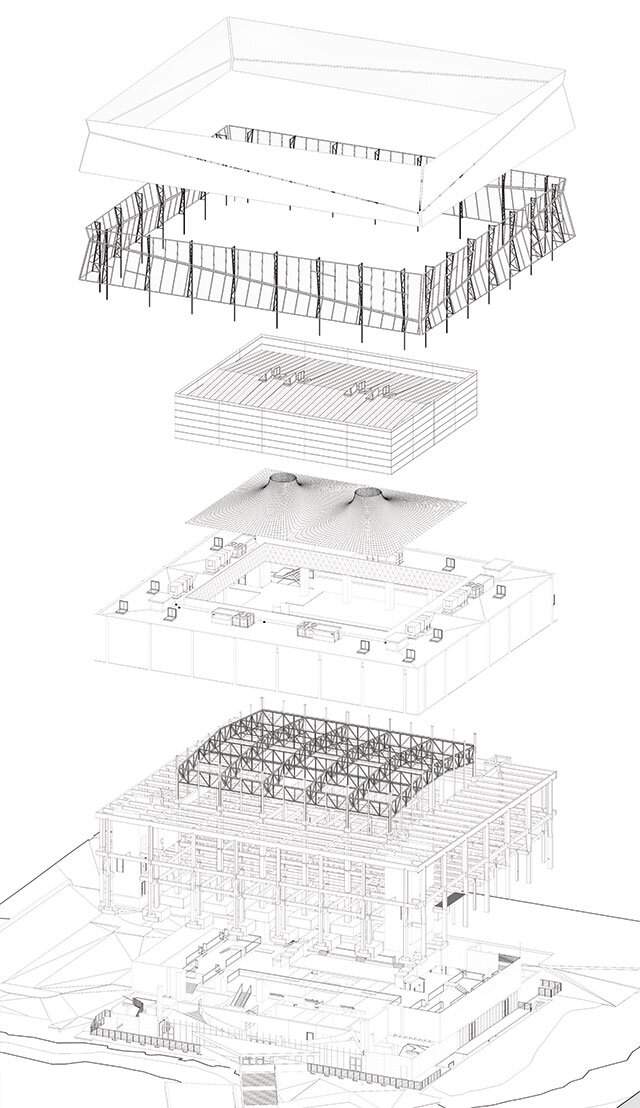
Building Information Modeling (BIM) is a digital model of the design intent which, in addition to a three-dimensional geometric description of the building elements, also has associated physical and functional characteristics of these elements. BIM is more than a simple three-dimensional model that can be used for visualization, it integrates model elements from the specialties involved in the project, thus reducing ambiguity, reducing errors, increasing the architect's control and, last but not least, reducing the economic component of the investment1. (...)
Read the full text in issue 1 / 2014 of Arhitectura magazine
illustrations: idz architecture
NOTES:
1 Pittman, Jon, "Bulding Information Modeling: Current Challanges and Future Directions", in Architecture in the Digital Age: Design and Manufacturing, ed. Branko Kolarevic. Taylor & Francis, 2003.