Drawing in architectural design

The Architectural Drawing, Free and Engaged
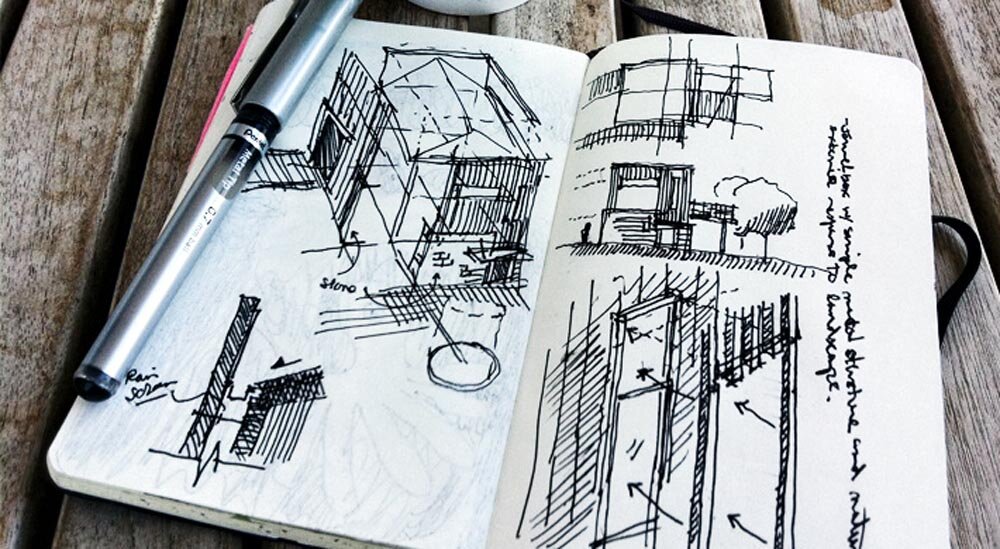
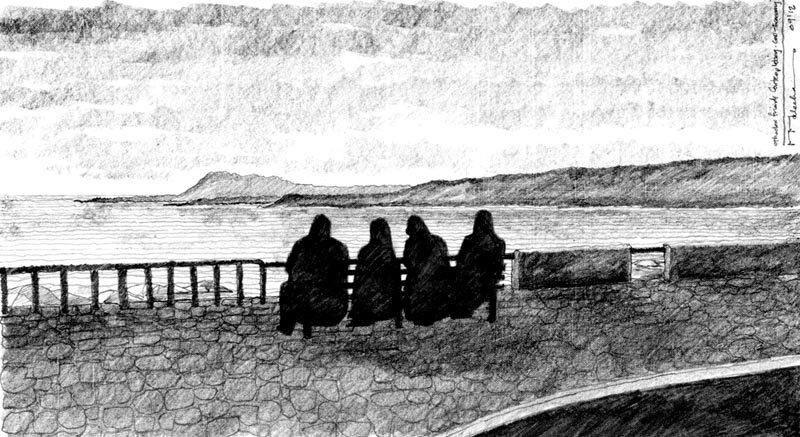
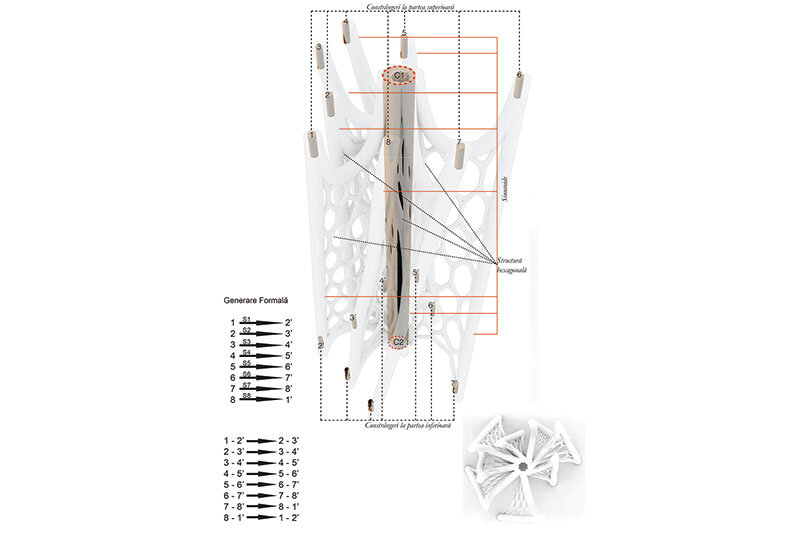
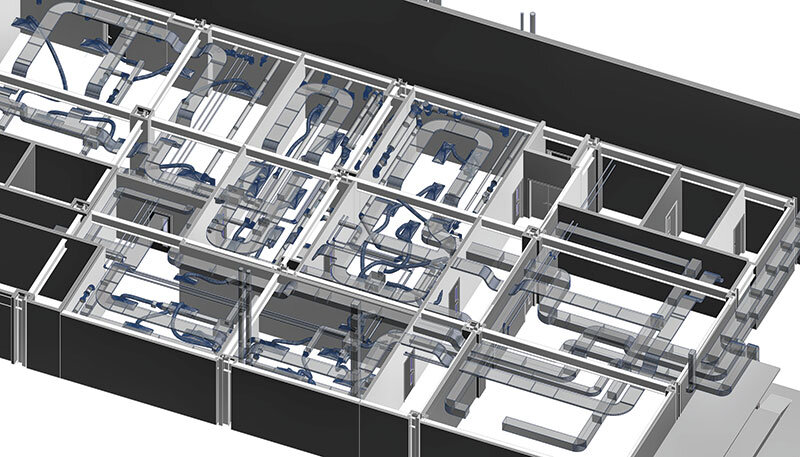
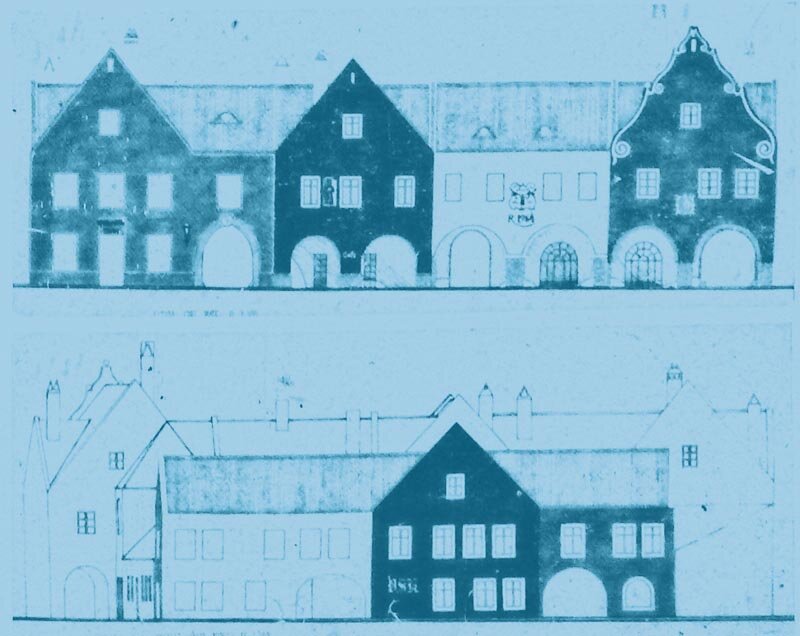
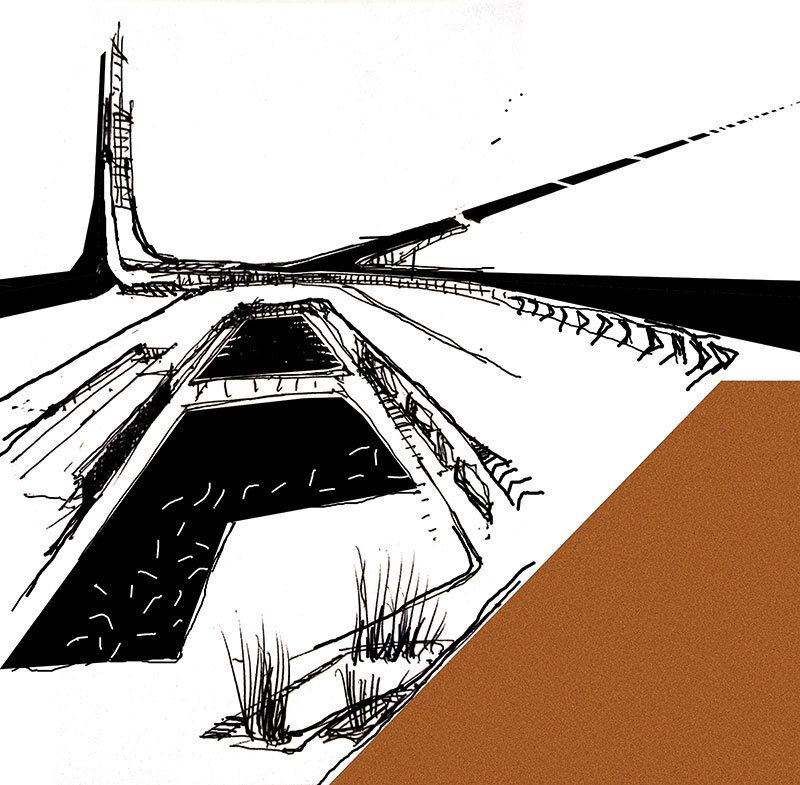
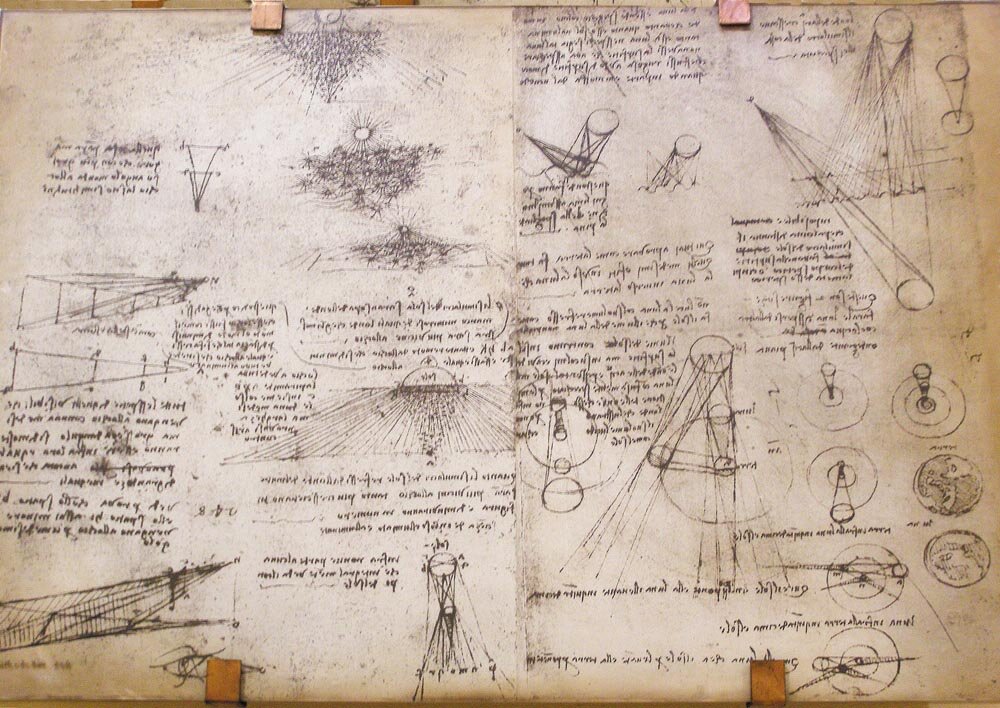
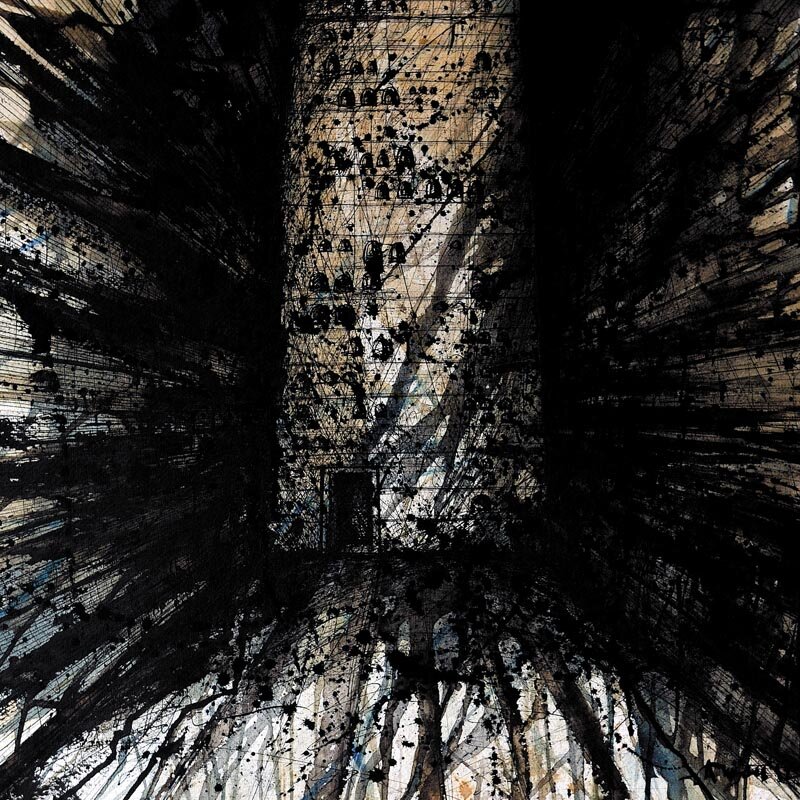
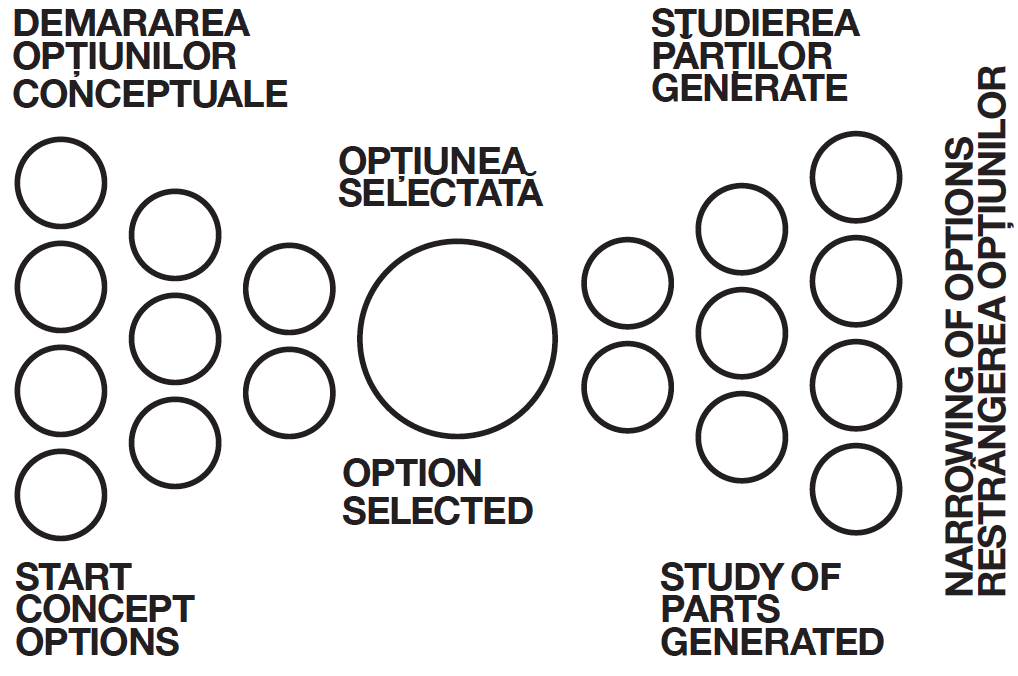
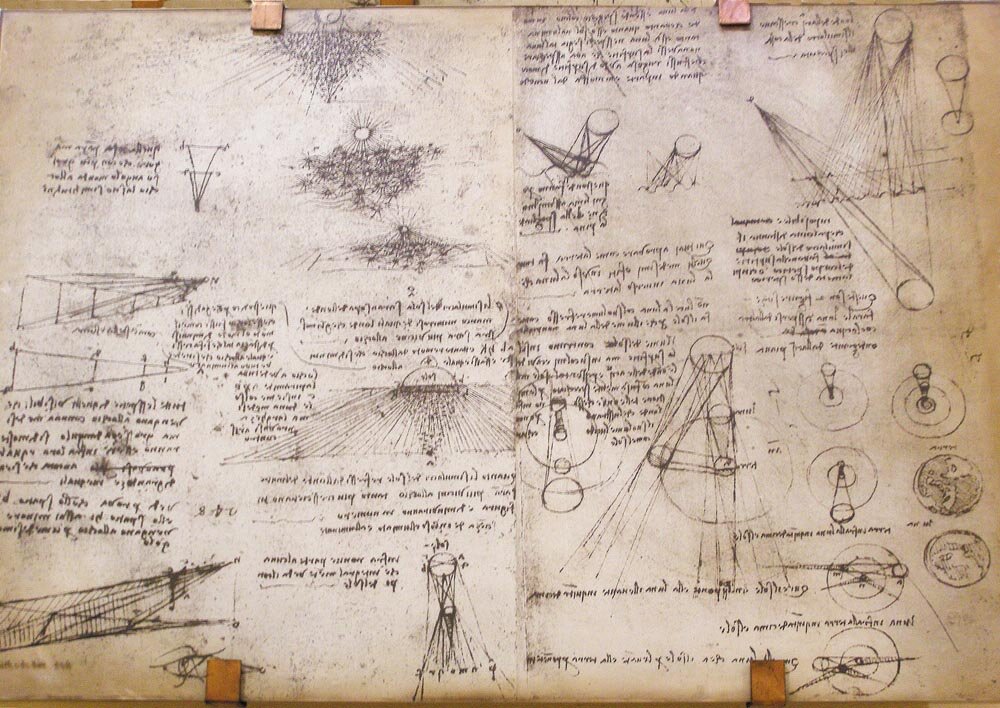
| Multi-architecture, like biodiversity Everyone knows that today you don't need drawing skills to be an architect. Well, doesn't everybody today do 3D modeling? Everybody knows that good taste, a sense of form, color, proportion... you learn them. And no one wants to know exactly how the talented one learns them and how the modest one catches on. It doesn't even matter, because everyone knows that there are good architects and good architects, and the status of architecture has opened up so generously that it can accommodate them all. Perhaps the decline of beautiful design began with that of ornament, yet Loos reserved a more lenient fate for it. "The architect who is highly rated, besieged by clients and awarded prizes in competitions is not the one who knows best how to build, but the one whose designs look best on paper. The best draughtsman can be a poor architect, the best architect a poor draughtsman. The old masters used drawing as a language to address builders." He gave free rein to drawing, but surely he thought, at worst, of the Germans educated in their trade schools. Proof that, before long, the most brilliant confirmation of Loos's truth appeared: the brilliant Gropius, a sophisticated and inventive but realistic and... wooden-handed architect. It is true, however, that Gropius did not regard his handicap as a virtue, and that he employed the most interesting visual artists of the time at the Bauhaus. (This should be known by the wooden-handed students who think they are Gropius, like the Romanian language quizzers who are happy to compare themselves to Eminescu.) So, after five centuries of harmonious partnership between architecture and drawing - its devoted, sensitive and beautiful assistant - there has followed a century of increasingly cold relations. Today, the ancient and noble art of drawing has remained just a chosen hobby of the old and talented generations. Threatened by digital and photorealistic techniques, hand-drawing is striving to reinvent itself in order to find its place in the life of architecture - until, perhaps, its time comes again. And so, because Loos himself indulged it when it has a utilitarian role, we still find drawing as a vehicle of communication on site notes and in architects' diaries. They could be calledcommunication sketches and are common in the post-creative moments when the architect is clear about what he wants and needs to make himself understood by others. They circulate throughout design and execution. It doesn't require drawing talent, just a skill that is acquired. Using your hand and pencil to quickly sketch out a section, a plan detail, a perspective from a particular angle, or axonometrically explain a joint instead of getting out your laptop... it's a matter of efficiency. And yet, perhaps, it's also a test of elegance. It harks back to the days after the too-old masters, during the five centuries of the masters, when the architect was recognized by everyone as an artist. So what, was that so bad? It wasn't bad, but that's the way it was, like the revolution. In the sixth century, architecture did not assess the situation realistically, nor did its contemporaries, Wilhelm II, Franz Joseph and Nicholas of Russia. In the face of reaction, it did not give in in time either, but, courted by industrialization and mass culture, continued to stand proud and defend the title of nobility inherited by generations. While engineers erected skyscrapers over their heads, students and architects spent their lives producing splendid artistic designs on the monuments of the past. As a result, accused of autism, elitism and anachronism, the revolutionaries swept it away like emperors and stripped it of its noble title of art. To survive, for years it had to subordinate itself to the new politics and obey the function. He pasteurized himself. And because it couldn't forget the sufferings it went through, wooed again today by the anesthetizing aspects of harsh reality, it readily accepted the paradigm shift. And it has taken on many new faces, allowing itself to be fertilized by the lofty policies - energy, social, environmental, ecological, technological, cultural, democratic, sustainable, urban, conurban and extra-urban, regionalization, mobility, economic and many others. Its old cherished status of architecture as an art has not been diluted, but it has discreetly taken them over, subsumed and aesthetically subordinated them. But a new status of architecture has also emerged, in which space has been made for other forms of integrated, multi-, inter- and transdisciplinary architecture. Because the reality we live in is not divided into disciplines either. Diagrammatic and graphic representations , i.e. the technical, scale-free, iconic forms of (scientific) research design, are probably best placed within these forms. They are symbolic modeling and can be done by hand or by computer, with nothing to be lost or gained. In fact, they look better on the computer. They express the scientist side of the architect who is capable of scientific effort. But they are not merely the result of reason, of his power of multicriterial analysis and judgment; they carry in them much, much of his dear consciousness of responsibility towards mankind. How to represent it in a hand drawing of a house? All things considered, the favorite companion of architecture of any kind - traditional or integrated - today is the computer. It can impeccably draw anything. In traditional architecture, it began by replacing the laborious and imperfect labor of hand-drafting, i.e. the technical draughtsman of the 20th century, as it were. From that time, the early days of collaboration, comes the phrase computer-aided design. In the meantime, however, the wizard has promoted spectacularly. It gives the architect's indistinct visions clear and precise, colorful and textured, contextualized and populated images from as many angles as he wants. And he generates other "visions" - as many as he is asked for. The form-generating power of the computer, but also its capacity to organize multi-criteriality and many other capabilities are worth exploiting.Sometimes this enthusiastic cooperation willingly becomes computer-driven architecture. But in current parlance we still use the old, self-flattering phrase, because all architecture has its vanity. To some - traditional architects, but not only them - computer-aided design seems like stroking a woman with gloves. But others, and there are growing numbers of them, relish the pleasure of creating blobs and rhizomes with a mouse. It's called biodiversity. |
| Read the full text in issue 1/2014 of Arhitectura magazine |
| Multi-architecture as biodiversity Everybody knows nowadays that you don't need any drawing skills in order to be an architect. I mean, doesn't everybody do 3D modeling these days? Everybody knows that good taste, the sense of forms, the colors and the proportions... can be acquired. Nobody wants to know exactly how the talented one acquires them and how does the less talented one. And it doesn't even matter, because everybody knows that there are architects and then there are good architects, and the status of architecture has opened so generously that it can accommodate everybody. It is likely that the decline of beautiful drawing began concurrently with that of the ornament. Still, Loos is more understanding with respect to its destiny. "The renowned architect, assailed by customers and recipient of many awards at competitions is not necessarily he who knows best how to build, but he whose projects look best on paper. The best drawer might be a very weak architect and the best architect might be a weak drawer. Old masters used drawing as a language in which to address the builders." He may have released architects of the obligation to draw well, but he must have had in mind, nevertheless, those Germans educated in their trade schools. Proof is the fact that, shortly afterwards, Loos' assertion was brilliantly acknowledged: the genius Gropius, a sophisticated, creative architect, who nevertheless was realistic and... couldn't draw much. (This fact should be known by those no good at drawing students who believe themselves to be Gropius, much like those pupils who have to resit their Romanian test, for which reason they compare themselves to Eminescu). Therefore, after five centuries of harmonious partnership between architecture and drawing, its dedicated, sensitive and beautiful partner, there followed a century of increasingly cold relations. Today, the old and noble art of drawing has been relegated to becoming the choice hobby of the old generations of talented architects. Threatened by numerical and photorealistic techniques, hand drawing makes efforts to reinvent itself in order to find a place for itself in the life of architecture, if any. Thus, because Loos itself allowed for it when it had a utilitarian role, we still encounter the drawing as a vehicle of communication on building site notes and in the architects' agendas. They could also be also be called communication sketches and are frequent in the post-creation moments, when the architect clearly knows what he wants and needs to be understood by others. They circulate throughout the design and execution phases. You don't need drawing talent, only a certain address which can be acquired. To use your hand and pencil in order to rapidly draw a section, a plane detail, a perspective from a certain angle or to explain in axonometry a joining instead of taking out your laptop is, after all, a matter of efficiency. And it could be a matter of elegance as well. It calls to mind the five centuries of masters, which followed after the times of the ancient masters, when the architect was known by everyone to be an artist. Was that so bad, after all? In the sixth century architecture did not assess the state of play very well, and nor did its contemporaries Wilhelm II, Franz Joseph and Nikolai of Russia. Faced with reaction, it did not give in time; courted by industrialization and mass culture, it continued to keep its head high and to defend its title inherited generations ago. While the engineers were making skyscrapers according to their own imagination, the students and the architects spent their life producing splendid artistic drawings after the monuments of the past. Consequently, the revolutionaries accused it of autism, elitism and anachronism, and did away with it, much like they did with the emperors, and withdrew its aristocratic title of art subject. In order to survive, it had to obey the new policy for years and to comply with the orders. It was thermally treated. And, because it was unable to forget its suffering, being once more courted by the new, anaesthetic aspects of tough reality, it has promptly accepted the change of paradigm and has acquired new facets, embracing the noble energy, social, social, technological, cultural, democratic, democratic, sustainable, urbanism, con-urbanism and extra-urbanism policies, the policies of regionalization, economics and many more. Its old cherished status of art subject did not dilute; it took all these over subtly, engulfed them and subordinated them to it. However, there appeared a new status of architecture in which room has also been made for other forms of integrated multi, inter and transdisciplinary architecture. Because the reality in which we live is not divided into disciplines either. These forms probably best accommodate diagrammatic representations and charts, i.e. the technical, scaleless, iconic forms of (scientific) research drawings. This is symbolic modeling and can be handmade or computer made, without it gaining or losing anything thereby. In fact, it looks better on the computer. They express the researcher side of the architect who is capable of a scientific effort. But they aren't a mere result of his reason, power of analysis and multi-criteria judgment; they also carry his immense conscience of his responsibility towards humanity. How can one, then, depict that in a hand drawing about a house? All in all, the favorite partner of architecture of any kind, traditional or integrated, is nowadays the computer. It impeccably draws for it anything it wants. In the realm of traditional architecture, it began by replacing the laborious, imperfect work of hand drawers, i.e. of the technical drawer dating from the XXth century, as it were. It is in those days, when this collaboration started, that the phrase computer-aided design originated. It has turned the unclear visions of the architect into clear and precise images, coloured and textured, contextualized and peopled, from as many angles as the architect wants. Its form-generating force, as well as its capacity to organize multi-criteriality and many other capacities deserve to be exploited. Sometimes, this enthusiastic cooperation willingly becomes computer-aided architecture. Still, the old, self-flattering phrase continues to be used, because any architecture has its vanity. To some - traditional architects, but not only - computer drawing is very much like caressing a woman with the gloves on. However, others are increasingly enthralled with the mouse-created blobs and rhizomes. It is called biodiversity. |
| Read the full text in the print magazine. |