Drawing in architectural design

DRAWINGS INARCHITECTURAL DESIGN
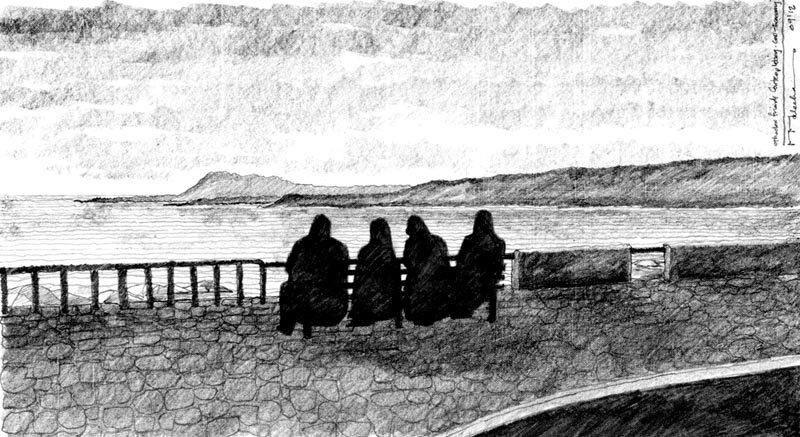
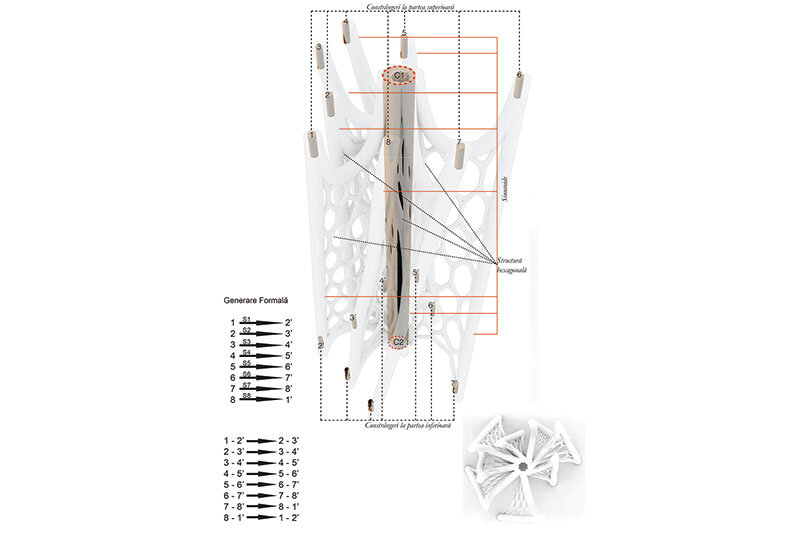
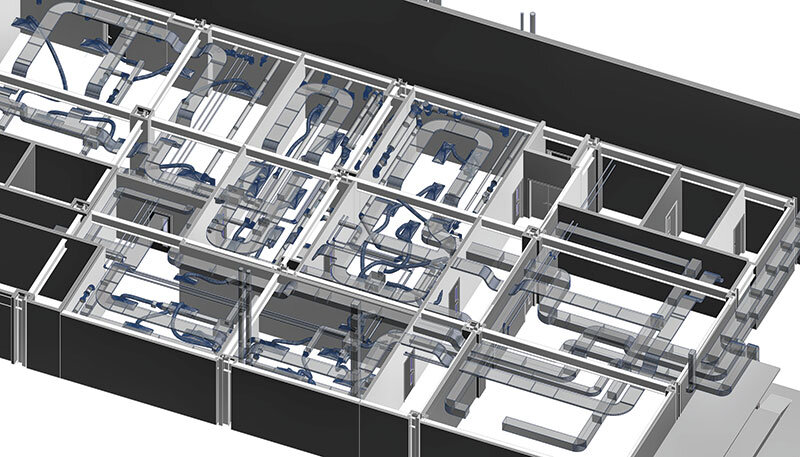
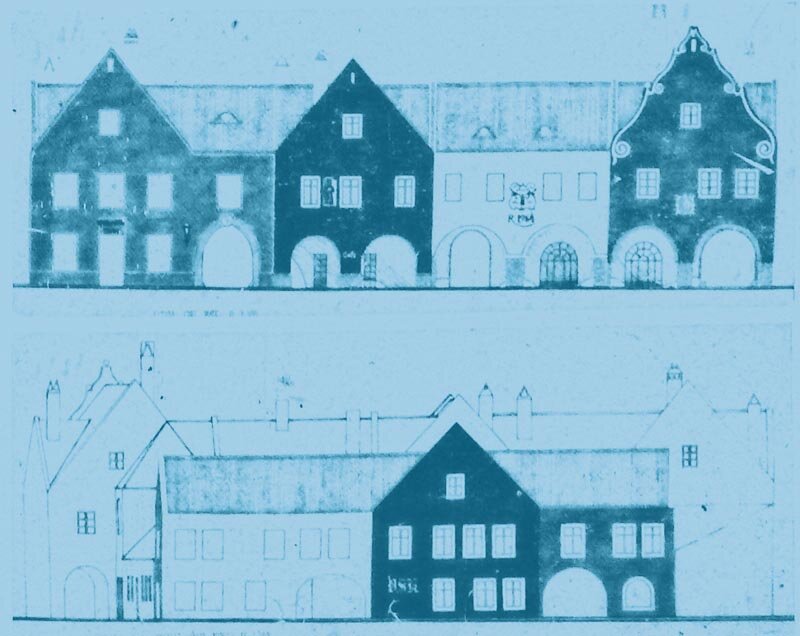
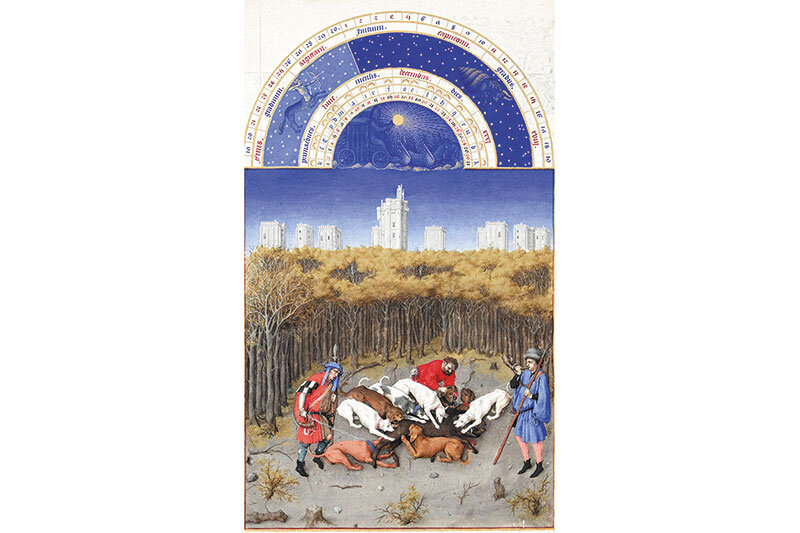
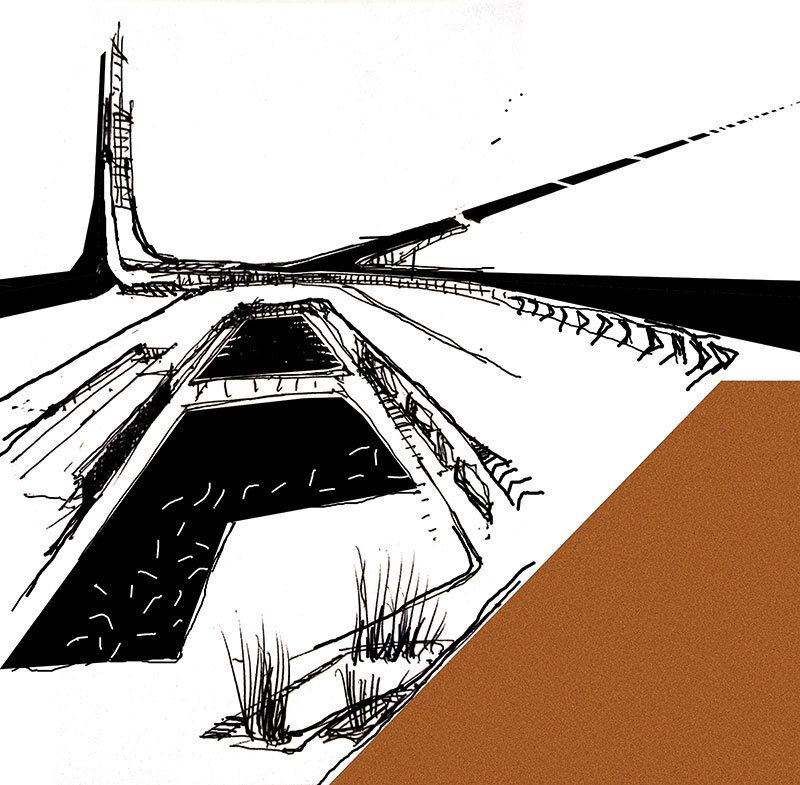
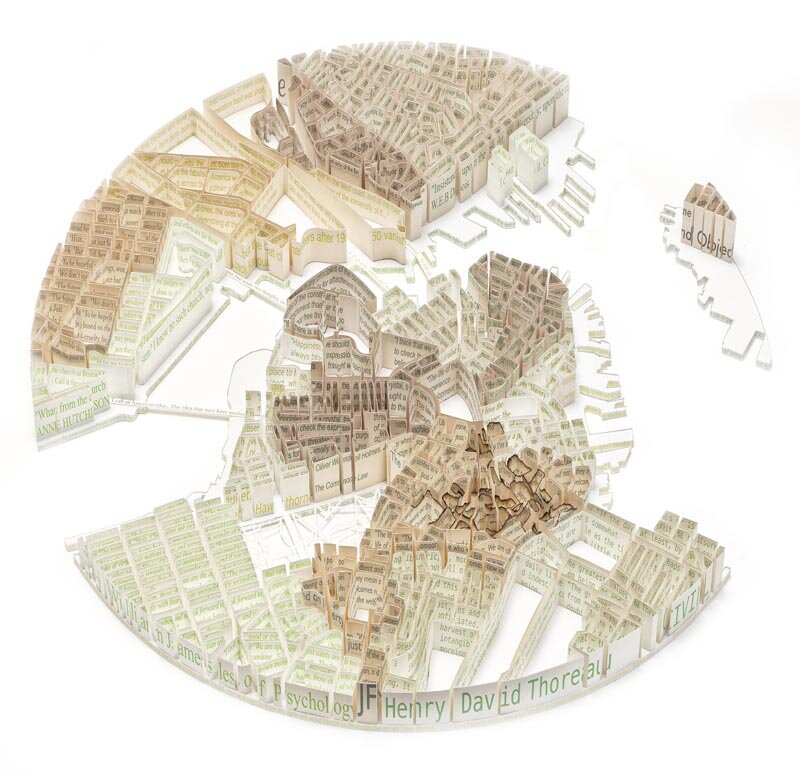
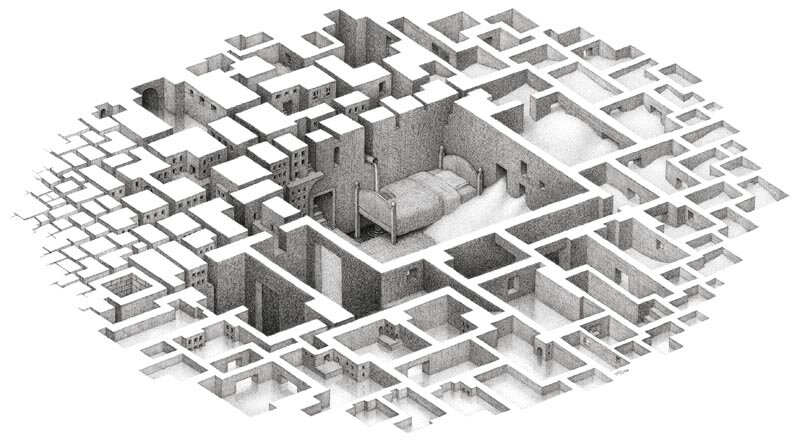
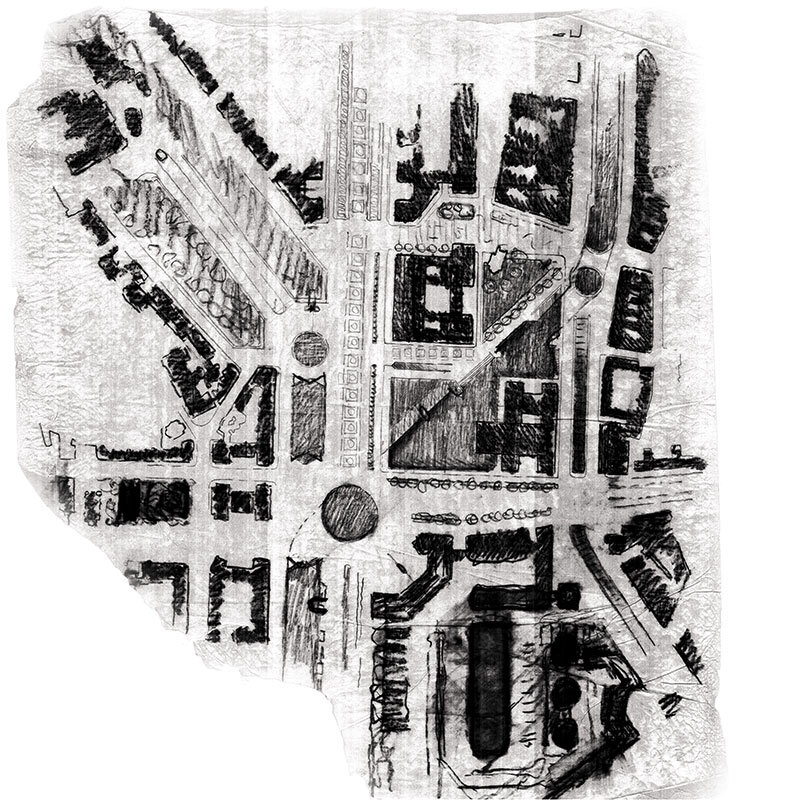
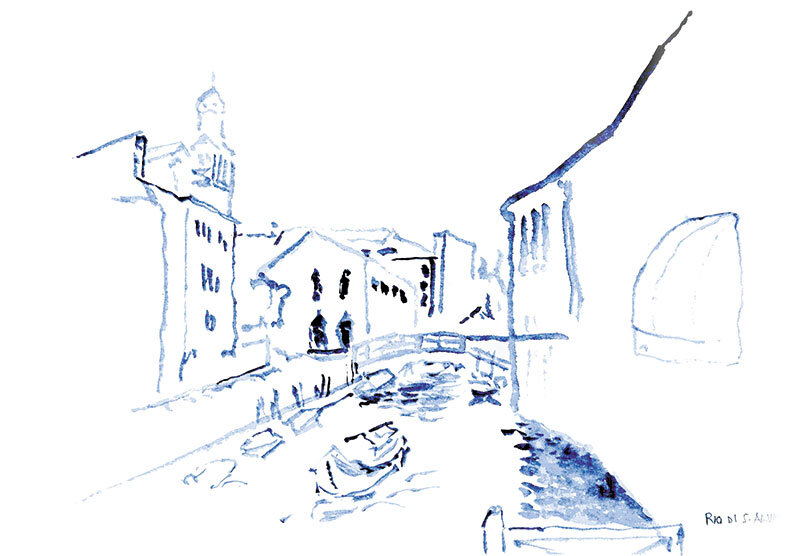
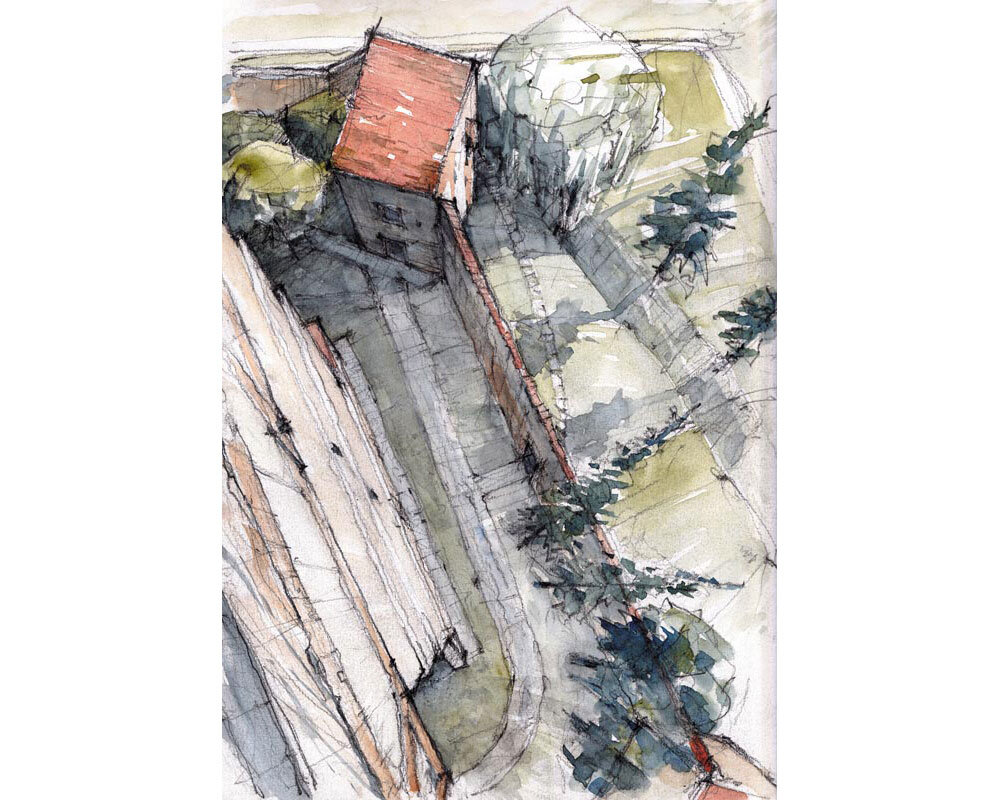
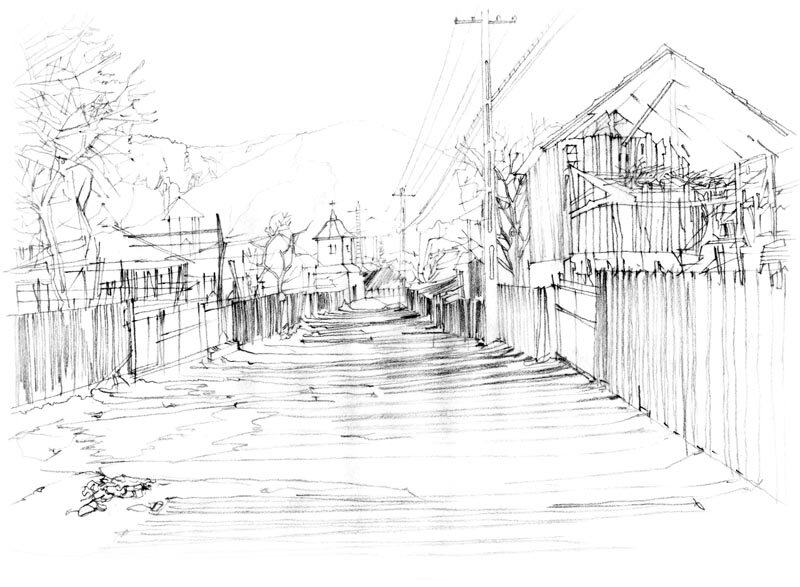
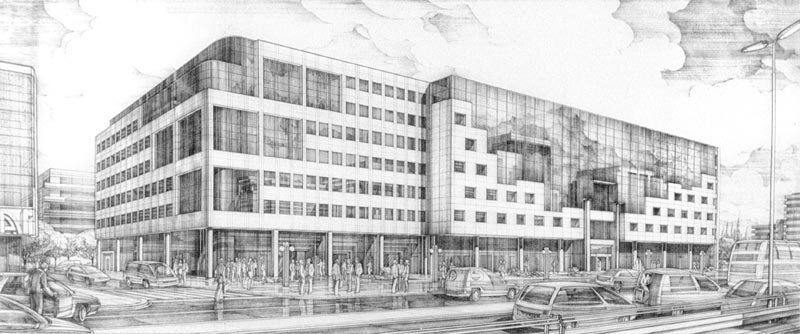
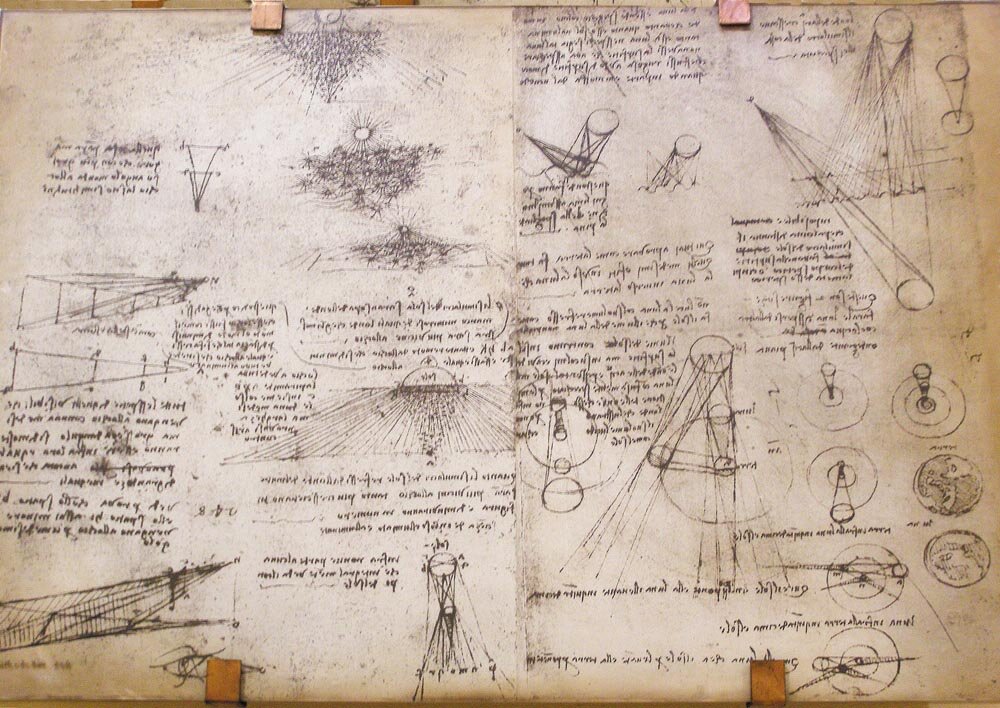
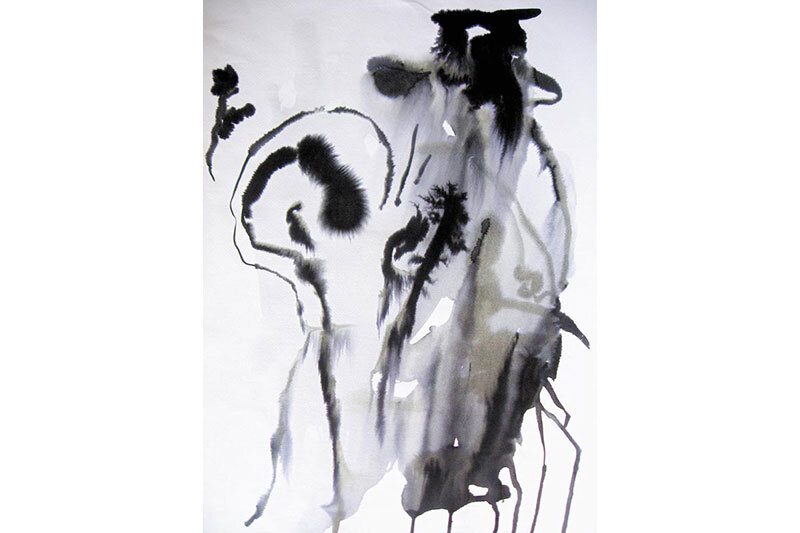
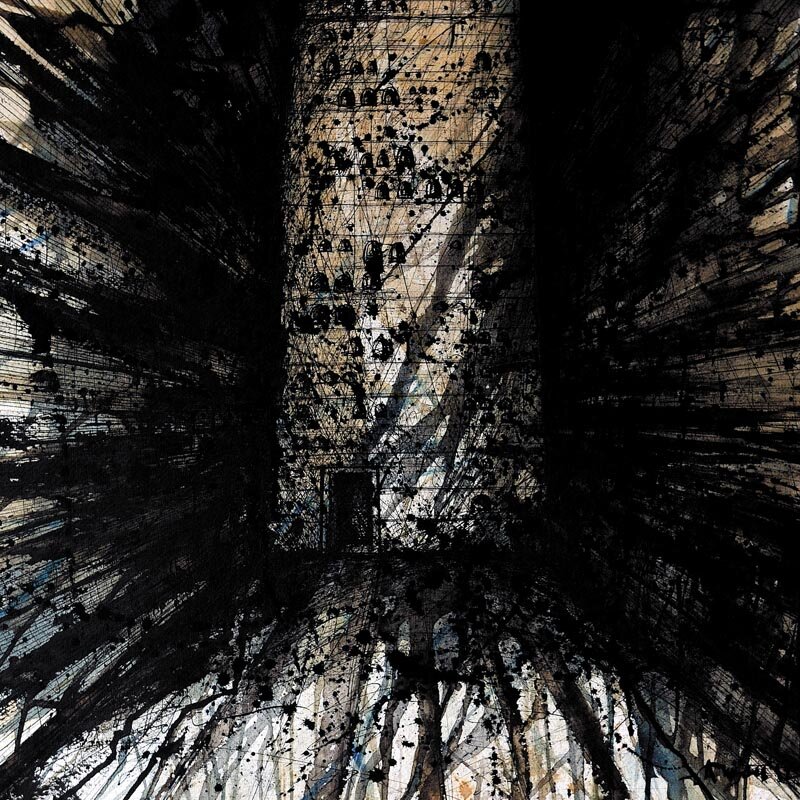
| Drawing is a form of communication with yourself and others. It is a kind of language. Unlike speech, which appeals to hearing, drawing is visual. Throughout history, drawing as an element of communication has played an important role in architectural design. It is widely recognized that drawing involves the interactive coordination of hand, eye and brain. As researchers at the time were in the early stages of research into brain function, it would be interesting to see how far we have come in understanding how we create through drawing. This paper sets out to explore drawing as one of three contemporary tools, namely 1) drawing, 2) model making, and 3) digital image construction and fabrication. All are explored from the perspective of design and production of finished products. The main tools used in design are: 1) Drawing; 2) Layout construction; 3) Digital image construction/fabrication. All three tools have their own complex attributes, strengths and weaknesses, and the use of one or the other depends either on circumstances or personal preference. It is often the concrete situation that determines the choice of tool according to the problem at hand. For centuries, the most widely used and perfected instruments have been 1) and 2), with brilliant results: works of art of exceptional quality, worthy of being kept in museums. Unlike physical models, drawings are often singular products of the designer, who - over a long career - forms a unique style with a conceptual and compositional quality that in itself constitutes a work of art. These drawings are not meant to be expressive renderings, but visual languages endowed with a special poetic elegance. They can be sketches accompanied by written notes in the form of a diary of design investigations. |
| Read the full text in issue 1/2014 of Arhitectura Magazine |
| Drawing is a form of communication with oneself and with others. It is a kind of language. Unlike speech, which is audio, drawing is visual. Historically, as a communications element, it has been valuable in architectural design. It is also commonly acknowledged that drawing involves an interactive action of hands-eye-brain coordination. As our researchers have been at an early stage of brain research, it would be most interesting to see progress in understanding how we create by drawing. This paper intends to explore the tool of drawing as one of three contemporary tools - 1) drawing, 2) model making and 3) digital image construction and fabrication. All explored in the light of design and production of finished products. The following are the major design tools: 1) Drawing; 2) Model Making; 3) Digital Image construction/fabrication. All three tools have their complex attributes, strengths and weaknesses, the use of which are circumstantial and personal. Every situation often conditions an individual to solve the inquiry according to the question of the moment. For centuries, 1) and 2) have been most widely used and perfected with glowing results; the results were objects of art with outstanding examples of museum quality. Unlike physical models, drawings are often singularly produced by the designer, who over a long career communicated a signature style of conceptual and compositional quality that is a work of art. These drawings are not intended to be renderings but a kind of visual language of poetic elegance. They may be sketches accompanied by written notes as a form of diary of design investigation. |
| Read the full text in the print magazine. |