Drawing in architectural design

Hand drawings for newperception and mistakesin architecture
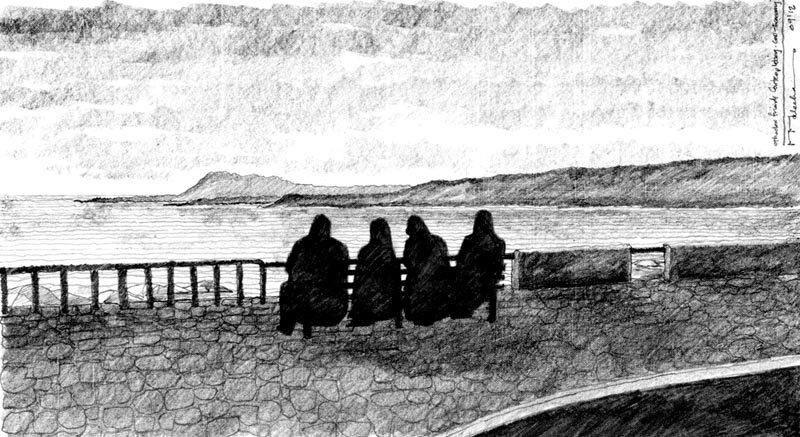
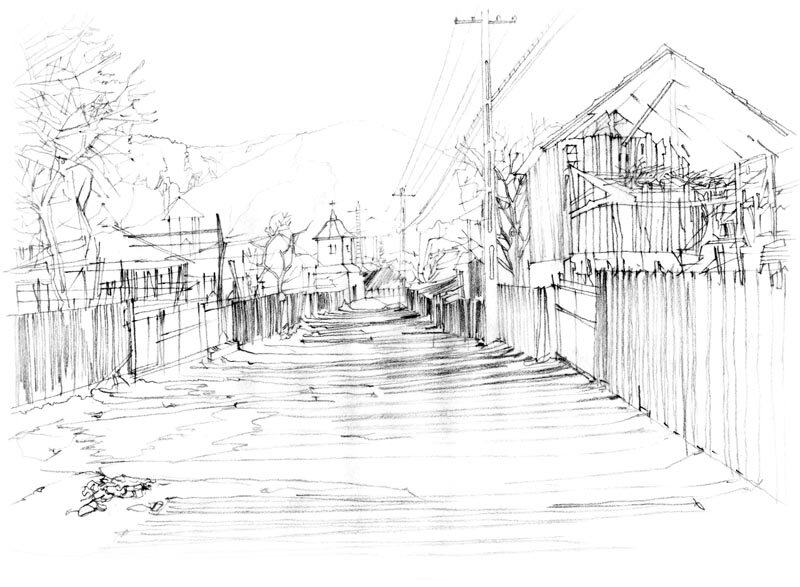
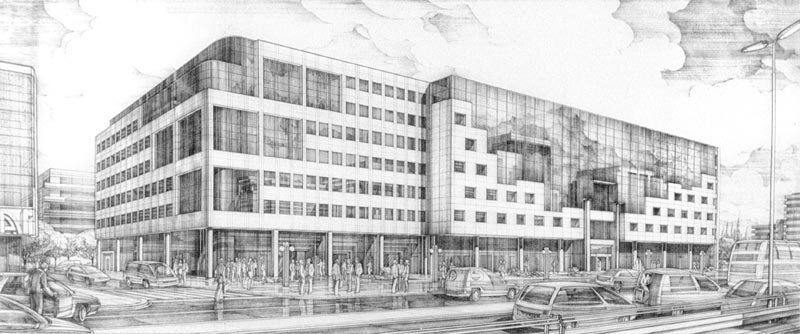
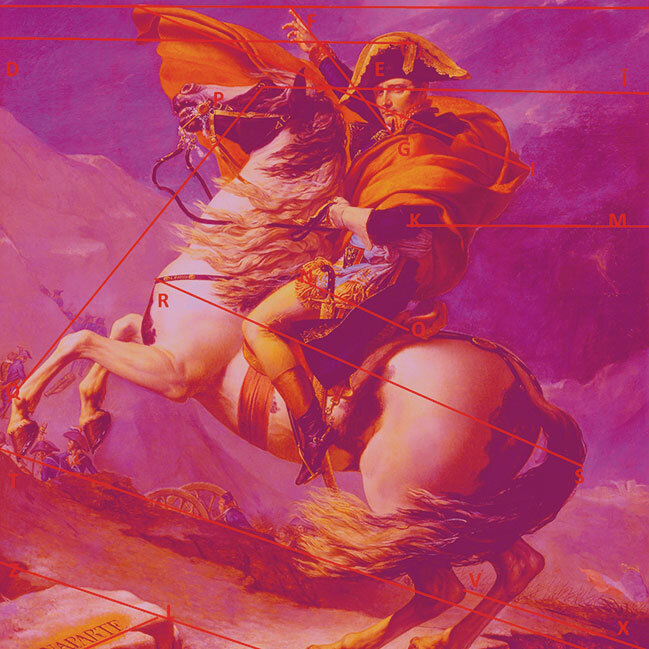
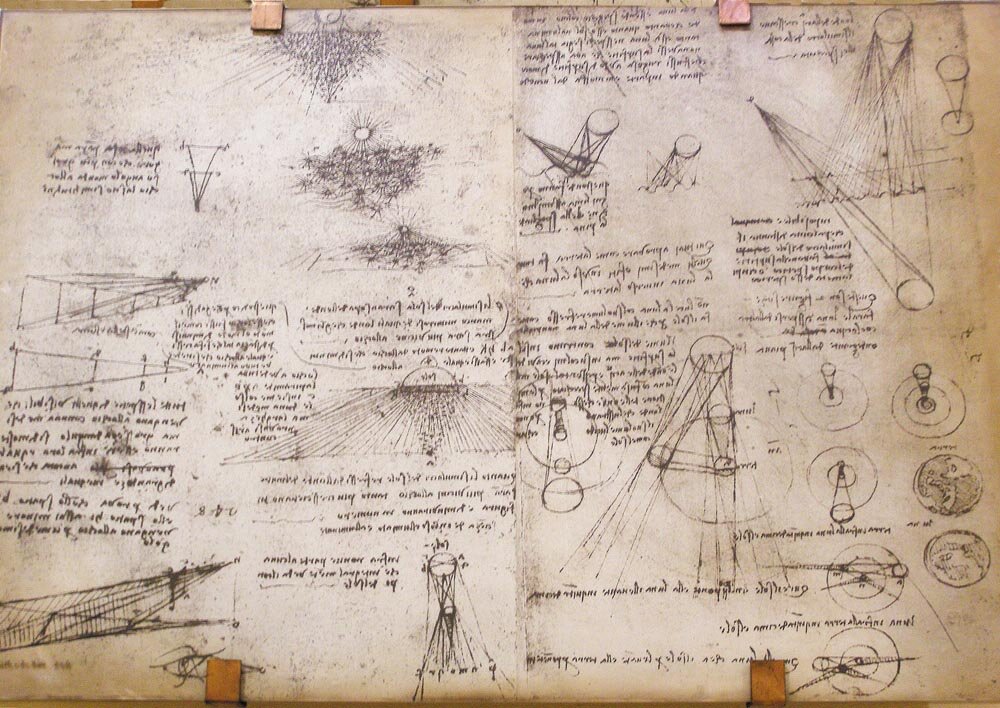
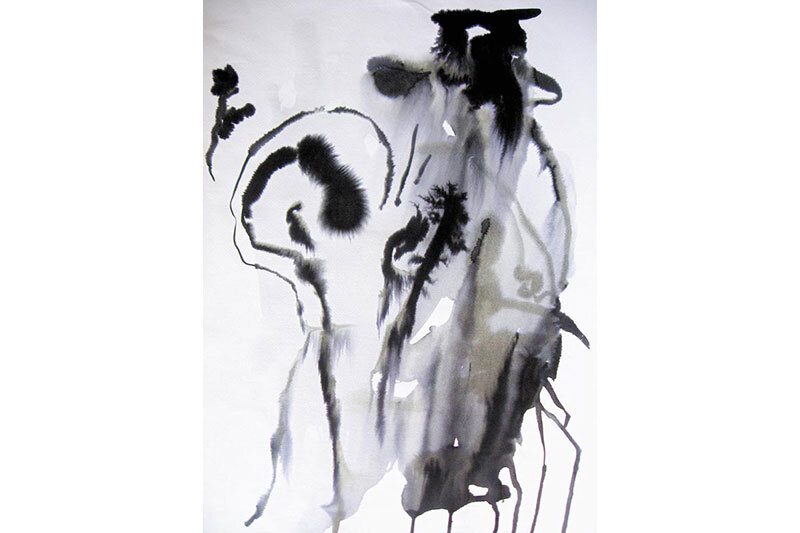
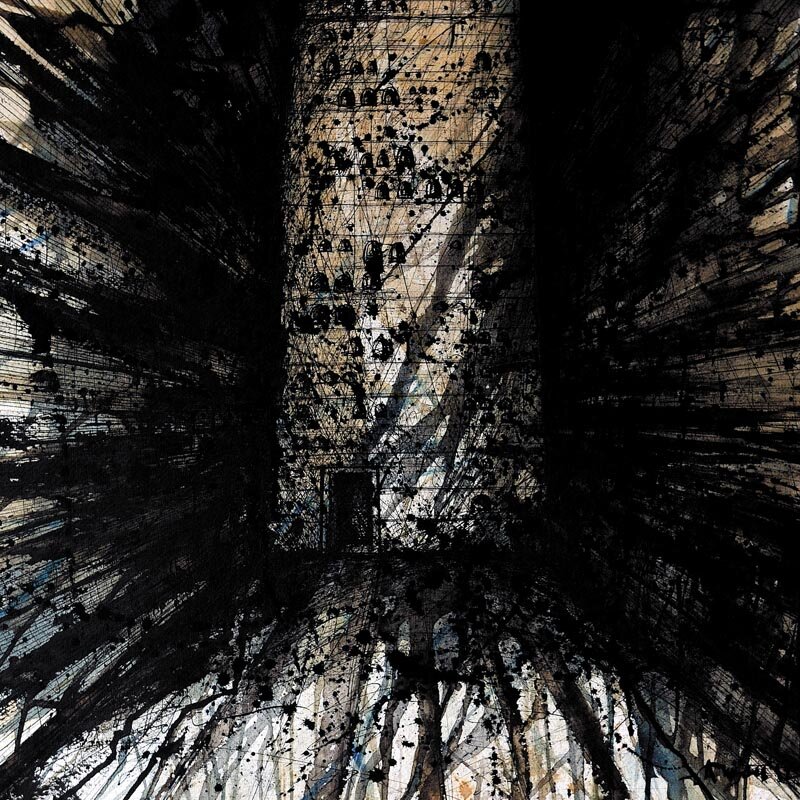
| At the beginning of the last century, Duchamp transformed the art world by asserting the possibility of producing art without the intervention of hands. Art could or had to be created through the complicated conceptual application of ideas or conceptual theories, which became more important than the physical representation of art itself. By the act of transforming pieces of material, of selecting existing objects, for example, to transform their real essence, new life and new meanings were breathed into them without any special manual operation. This revolution was incredibly important and affected many different aspects of art. Artists no longer had to use their hands to produce something special; they could use the method of "conceptualizing" ideas to create art. This theory revolutionized not only the physical world of art, but above all people's perception of art and art's perception of people. Although, if we think of the 'Bicycle Wheel', one of Duchamp's most famous ready-made objects, the imperative use of the hands to lend this object the dynamic expression of the essence of art was important and fundamental. At that time, we did not witness the same dichotomy in architecture because concepts and hand drawings were part of the same process in the perception, design and representation of architecture. Architects were still using hand drawing to develop their ideas, following the evolution of design through forms generated by the production of sketches and notes, generally used in parallel with sketches. Le Corbusier's robust, essentialized and less appealing sketches, Wright's magnificent ideal Arcadian representations of architecture, or Mies' flat, precise, poetically managed spaces are just a few simple, clear and unmistakable examples of a strong connection between hand drawings, technical drawings and process in architecture. Álvaro Siza wrote in 1987: "For the architect, drawing is a working tool, a form of learning, assimilation, communication and transformation: it is a method used in the design process. There are other tools at the architect's disposal, but nothing can take the place of drawing without negative consequences. The conception of an organized space and the calculated approach to the existing situation and the one we hope to achieve in it are filtered through the intuitions that the drawing instantly generates in the most logical constructions agreed upon, thus contributing to their birth. Every gesture we make, including drawing, is loaded with history, unconscious memory and immeasurable and unknown wisdom. Drawing should be practiced in such a way that our every gesture and everything else does not become atrophied." |
| Read the full text in issue 1/2014 of Arhitectura magazine |
| Duchamp, at the beginning of the last century, transformed the world of Art asserting the possibility to produce art without using the hands. Art could or must be created through a complicated conceptual application of ideas or conceptual thoughts, which became much more important than the physical representation of the art itself. At least, the action to transform pieces of real material, picking existing objects up, for example, in order to transform their real essence, was an act to give them new life and meanings without involving any particular actions by hands. The revolution was incredibly important, and afflicted many different aspects of art; artists had not had any more the necessity to be special in using their hands, but they could use the "technique" of conceptualization of ideas to create art. This theory, not only have revolutionized the physical world of the art but, above all, the perception that people had about art, and the perception that art had towards people. Although, thinking about "The Bicycle Wheel", one of the most famous Duchamp's ready-made, the imperative use of the hands to give to this object the dynamic expression of the essence of its art, was important and fundamental. In that period, we did not assist to the same dichotomy in architecture because concepts and hand drawings were part of the same process in perception, design, and representation of architecture. Architects still used the hand drawings to develop ideas, following the evolution of the design through forms that came out from the production of sketches and notes, usually used next to the sketches. Le Corbusier's strong, basic, and less attractive sketches, the stunning ideal Arcadian representation of the architectures by Wright, or the precise flat spaces managed with poetry by Mies, are just a few simple, clear, indubitable examples of the strong connection between the hand drawings, technical drawings and process in architecture. Álvaro Siza in 1987, wrote: "For the architect, drawing is a work tool, a form of learning, assimilation, communication and transformation: it is a method used in the design process. The architect also has other tools available, but nothing can take the place of drawing without leading to negative consequences. The ideation of an organized space and the calculated approach taken to the existing situation and what one hopes to achieve there are all filtered through the intuitions that drawing feeds instantaneously into the most logical and agreed upon constructions, thereby nourishing them. Every gesture that we make - including drawing - is charged with history, unconscious memory, and incommensurable and unknown wisdom. Drawing should be practiced so that our every gesture and everything else does not become atrophied". |
| Read the full text in the print magazine. |