Drawing in architectural design

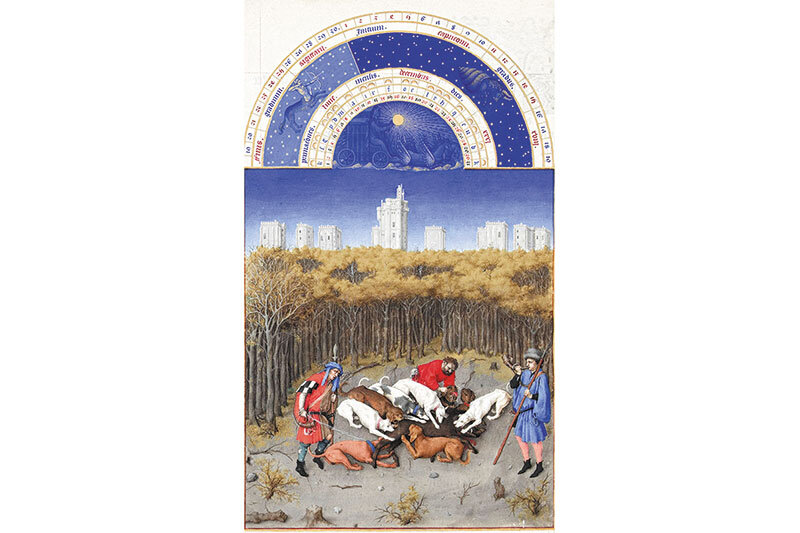
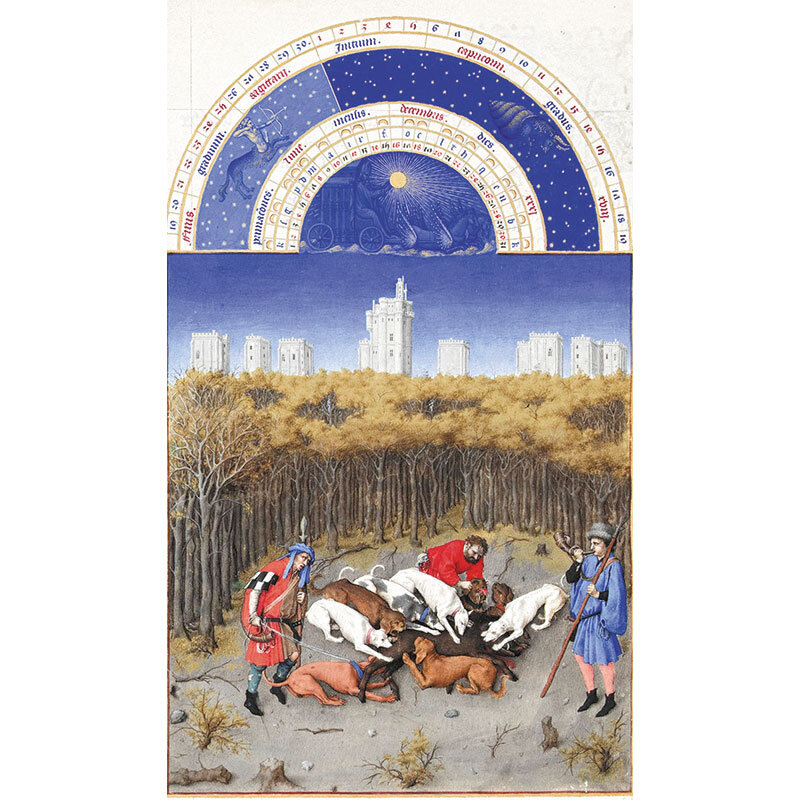
Although as adults we find ourselves in an HD world of moving images, we all grew up listening to stories alongside drawings, illustrations, still images. Whether it is the world of the Brothers Grimm or the animated images created by Walt Disney, they all represent a first initiation into another world, sometimes a highly complex architectural world that contextualizes, places in a specific moment or a universal time. Looking back over the last decade, we cannot fail to notice the extent to which stories have gained in film productions for adults and children, exploiting their "dynamic intertextuality and potential to transcend mediums"1. Film productions revisit childhood themes and stories, relying on the flexibility and adaptability of fairy tales, on the fabulous imaginary or the universal, especially in recent years, amplifying the constructed framework.
Through "Once upon a time (asnever before) ..." - the key introductory phrase of fairy tales - all fiction is historically determined in another time, another space. Frequently, we notice the phenomenon of reproducing reality, and in this sense the difference between fairy tales and folk tales is striking - fairy tales speculate fiction in an impossible, ideal, utopian time, while folk tales become parables, activating exemplary actions applied to the real model.
Fairy tales construct an obsessive allegorical vision, dominated by dream narrative, exaggerated detail, violence, repetitive motifs and recurring characters2. The phenomenon of repetitiveness is the basis for the archetyping of patterns that become recognizable through similar reproduction, as in the fairy tales of the Brothers Grimm or in the cinematic constructions of director Tim Burton. As a result, the architectural aesthetic built on the foundation of fairy tales, like any oral tradition, has in its substratum influences and connections beyond the source itself recognized by the author. Author Donald Haase notes, in The Greenwood Encyclopedia Of Folktales And Fairy Tales, the impact of literary and folkloric traditions in Tolkien's work with ripples implicitly propagated in director Peter Jakson's screenization. "In Tolkien's work, the use of magic in the narrative is simultaneously self-consciously and deeply rooted in the folkloricand literary traditions ofWestern European folkloreand literature, with an emphasis on Scandinavian folklore and epos, Germanic saga, and medieval English Romantic creations. Other influences include George MacDonald, Lord Dunsany and Andrew Lang's collection of fairy tales."3
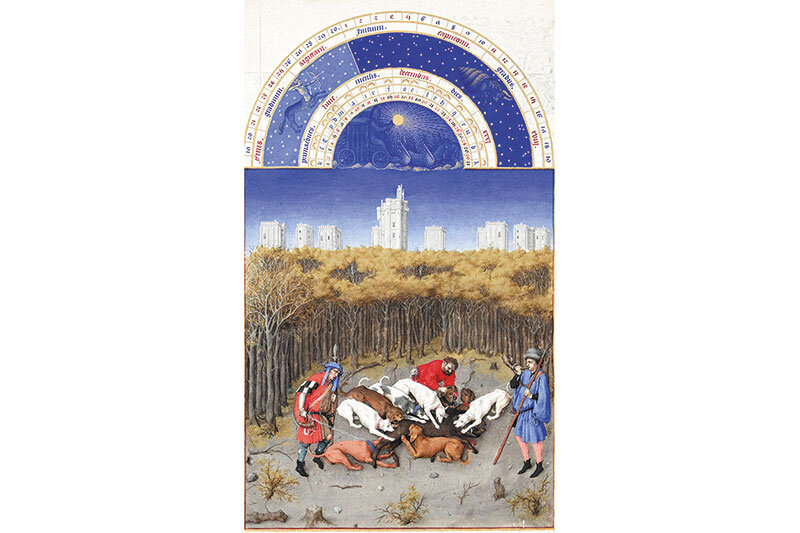
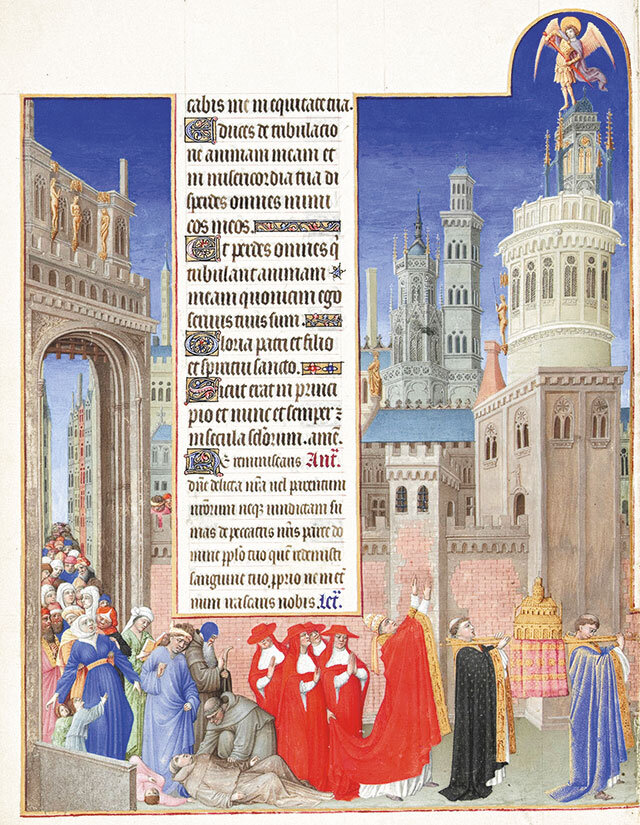
In 2006-2007, the exhibition Il était une fois, Walt Disney (Once Upon A Time... Walt Disney)4 at the Galeries Nationales du Grand Palais in Paris presented a veritable spectacle of pictorial influences behind the frames. Subsequently taken up by the Musée des Beaux-Arts in Montréal, the exhibition told the story of the moving image in terms of stylistic influences and borrowings from the old world - Europe - to the new - the United States - from history to the present, i.e. in magic time.
I note the effort that lies hidden in the setting of the action's framework, seemingly a secondary plan, the main effort to build an aesthetic world anchored in a specifically architectural reality or fiction. The curator of the event, Bruno Girveau5, remarked on the diversity of documents - from Enlightenment manuscripts to modern paintings - translated into the complexity and depth of visual stories6. (...)
Read the full text in issue 1 / 2014 of Arhitectura magazine
NOTES:
1 "In order to break free from our fixation on the oral-literary dichotomy and to understand the fashion of the latest fairy tales that has accompanied globalization and the digital age, it is necessary not only to recognize the flexibility and adaptability of stories and fairy tales, but also to understand their dynamic intertextuality and potential to transcend media. It is also necessary to understand fairy tale studies as an interdisciplinary endeavor." Haase, Donald (ed.) - The Greenwood encyclopedia of folktales and fairy tales, Greenwood Press. Westport, London, 2008, pdf. xxxviii.
2 Ibid.
3 'Tolkien's most comprehensive description of how fantasy operates is to be found in his essay "On Fairy Tales" (a 1938 lecture by Andrew Lang, later published in 1947) Haase, Donald (ed) - The Greenwood encyclopedia of folktales and fairy tales, Greenwood Press. Westport, London, 2008, pdf. p. 976. p. 976.
4 The exhibition was held at the Galeries Nationales du Grand Palais, Paris, France (September 14, 2006-January 15, 2007), the Musée des Beaux-Arts, Montréal, Canada (March 8, 2007-June 24, 2007).
5 Bruno Girveau in an interview with Ben Simon /Animated News & Views', on the exhibition Il était une fois, Walt Disney (Once Upon A Time... Walt Disney). Simon, Ben - 'Il était une fois... Walt Disney - Artistic Sources Exhibition '. http://animatedviews.com/2007/disney-paris-exhibition/, accessed: 02.03.2012.
6 See also Allan, Robin R. - Walt Disney and Europe: European Influences on the Animated Feature Films of Walt Disney, Indiana University Press, 1999.