Drawing in architectural design

Awareness of the world around us brings architects, artists and designers closer to success. They can respond to a need, they can see the invisible, and they can just as well create useful and compelling objects. By understanding the world, designers are able to come up with something formidable, successful and surprising. They have drawing in common. What, after all, is drawing for architecture?
Immediately, do you have a pencil?
When in a discussion two architects want a clear argument you hear the phrase immediately, have you got a pencil? Why? Surely they will resort to drawing. It's a persuasive and convenient mode of expression. It's typical of creative people who want to communicate clearly and quickly. Drawing or graphic expression is for those who want to shorten the path from idea to words. The direct way to represent an idea, an image, a project or something else without words is drawing.
What is architectural drawing?
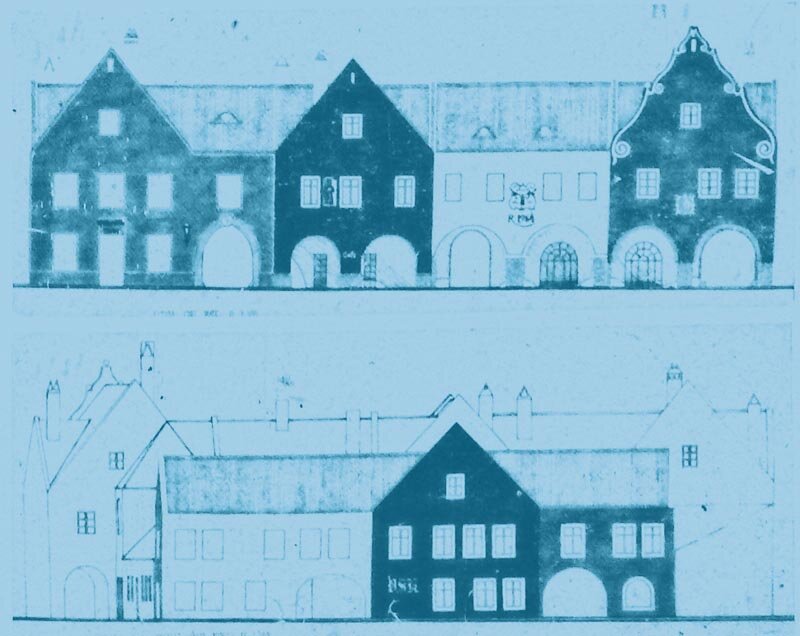
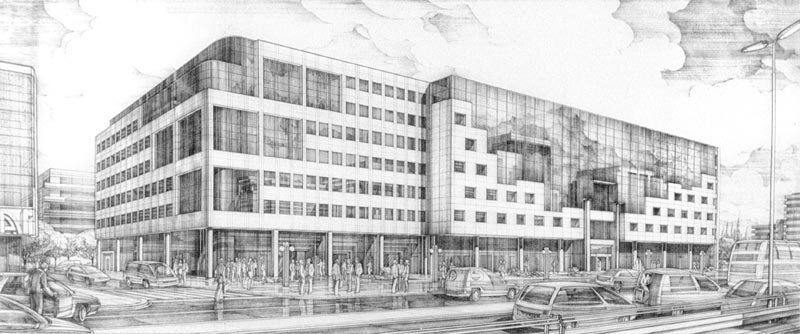
Both in the profession of architecture and in its training and education, message (design) and language (graphics) are so interrelated that they cannot be separated. The design process includes specific graphic elements. They clarify, distinguish and communicate the distinct subjects of any approach. The nature of graphic elements and, in fact, their differentiation contains a special way of drawing. It can be sketch, sketch, sketch, diagram. Then the mode of drawing is expressed in axonometry, plan, section, detail, perspective, illustration, etc.
When do we start and when do we stop talking about drawing in architecture?
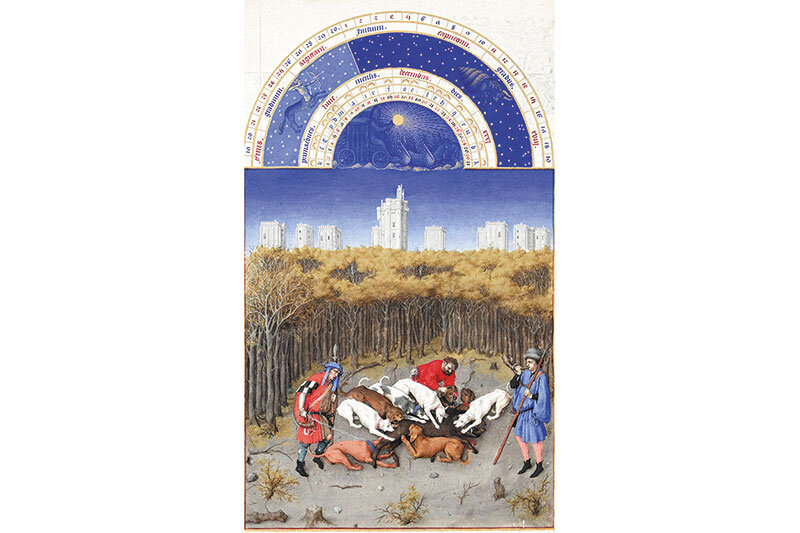
Naturally, drawing precedes architecture. Polychrome cave drawings, tens of thousands of years old, are both representation and magic. It is a first form of notation, but also of art. But architecture fundamentally uses drawing as a way of conception and communication.
What is the generative element of drawing?
And what are the types or modes of drawing, in what techniques and on what media? The hand-eye-mind relationship is the generating element of free drawing. As you draw more you look more at the world around you. You pay more attention. You think. Drawing is a form of cognition. It also reinforces/ reinforces ways of perceiving reality and understanding what exists. The generative element of drawing derives from the need to represent an idea. The idea can manifest itself in all sorts of forms - an object, a state, a character, an action, a moment. That is why we draw from a very early age and include in our drawings both what we see and what we imagine.
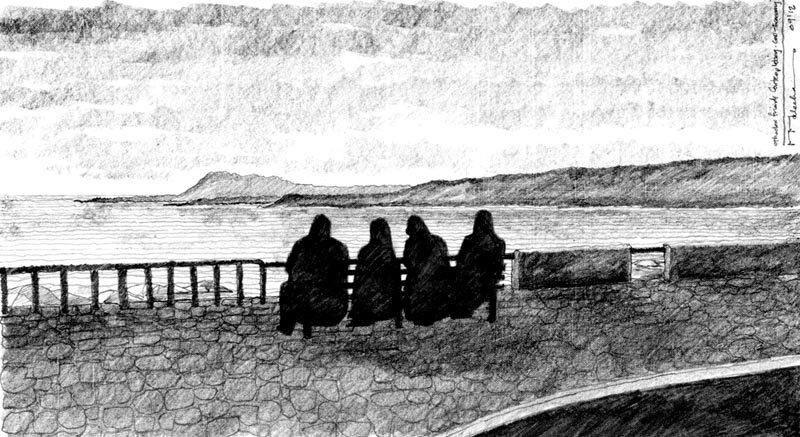
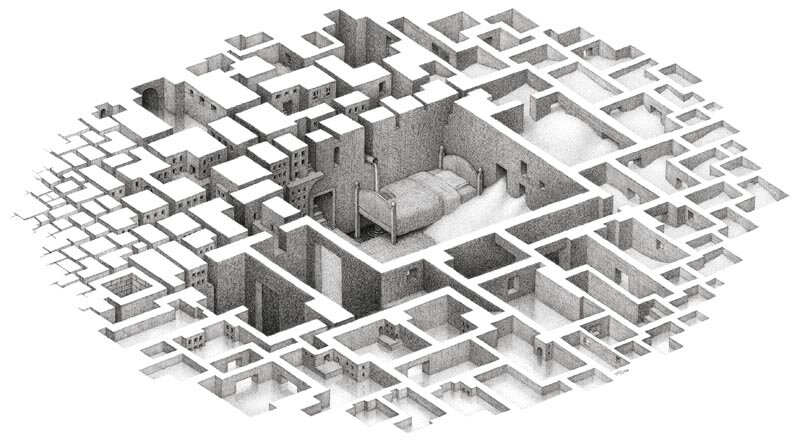
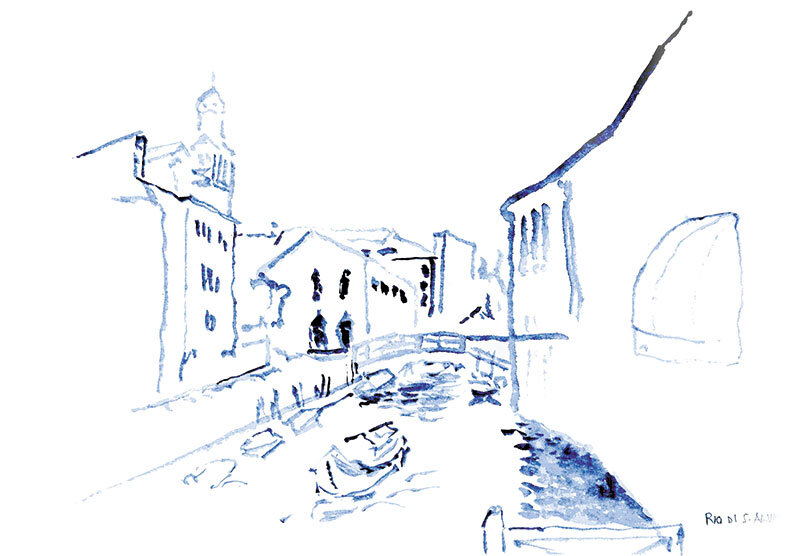
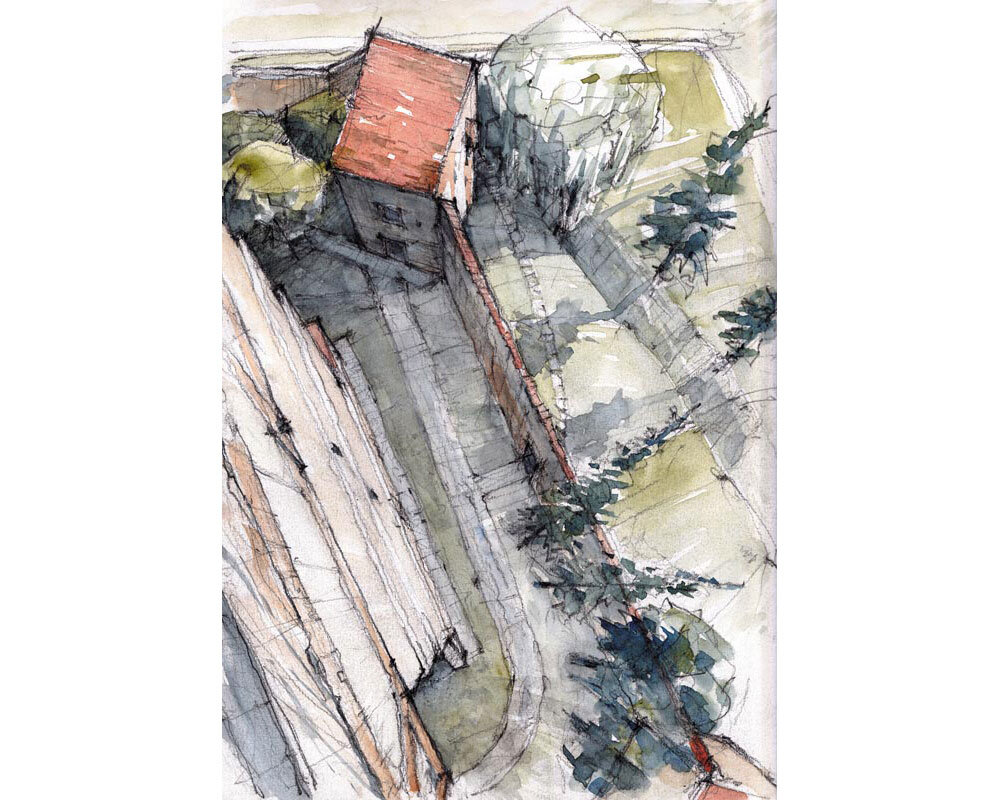
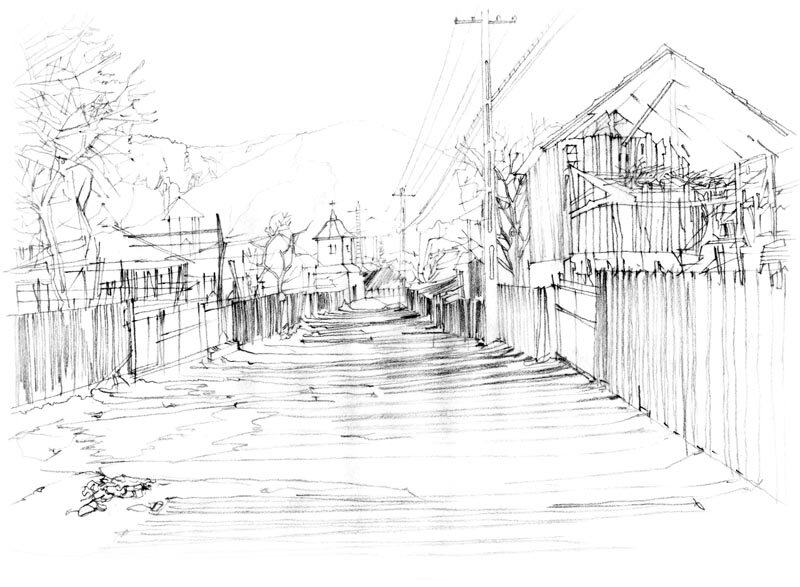
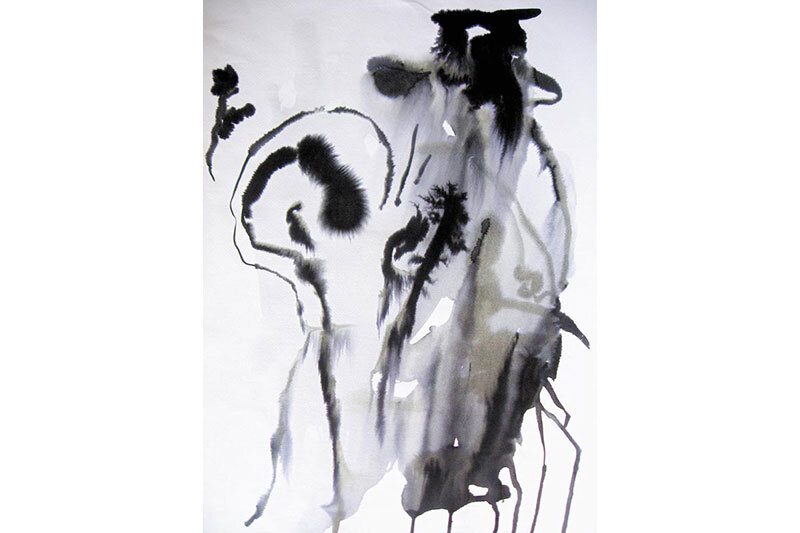
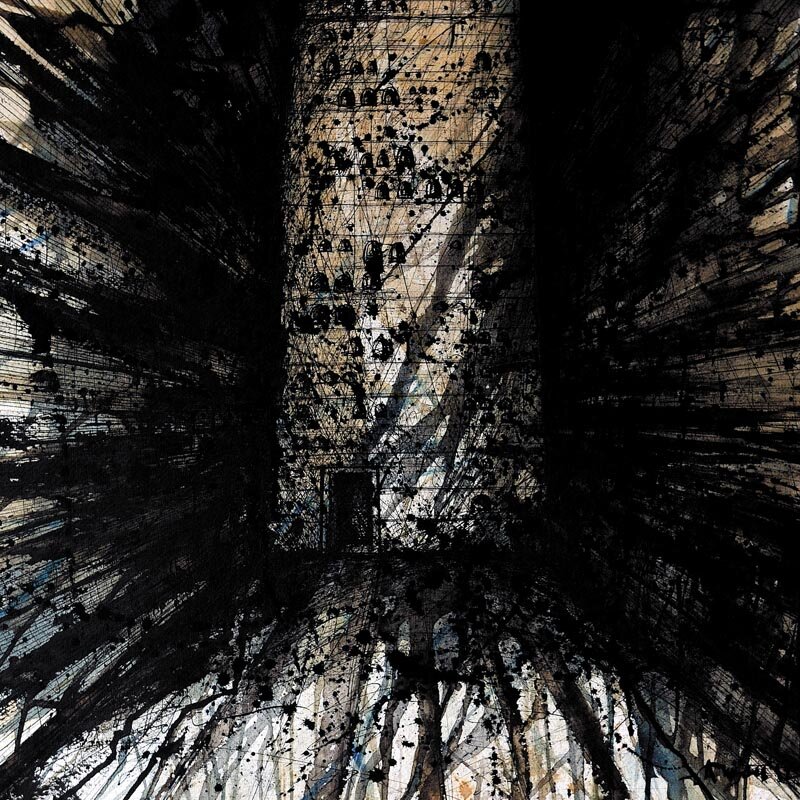
There is the observational drawing, the landscape sketch, the sketch of a motif, the sketch of an idea and many others. The drawing can contain synthetic or analytic information, real or imaginary objects, two-dimensional or three-dimensional elements. Observational drawing starts from a specific awareness of the visual world. It contains a reaction, a response, a way of resonating with a visible theme. Creative drawing proposes an interpretation, a remedy or a complement/alternative to the world. In drawing something is imagined before it exists. The laws of making this thing are built in and through drawing.
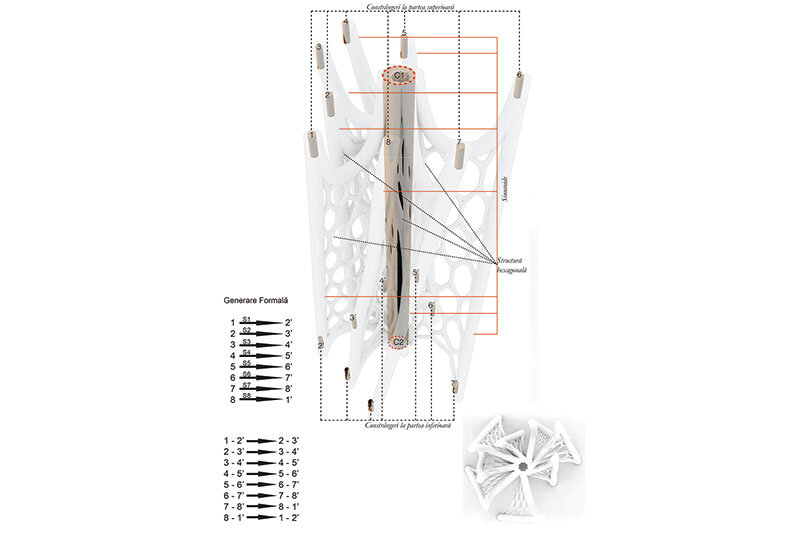
In design, drawing is dominantly linked to representation and involves a sum of conventions such as orthogonal projection, two- or three-dimensional representation, scale. Drawing embodies conventions of composition - such as convergence or parallelism - and of texture - line, accent, value, shadow, shadow, hatching, color.
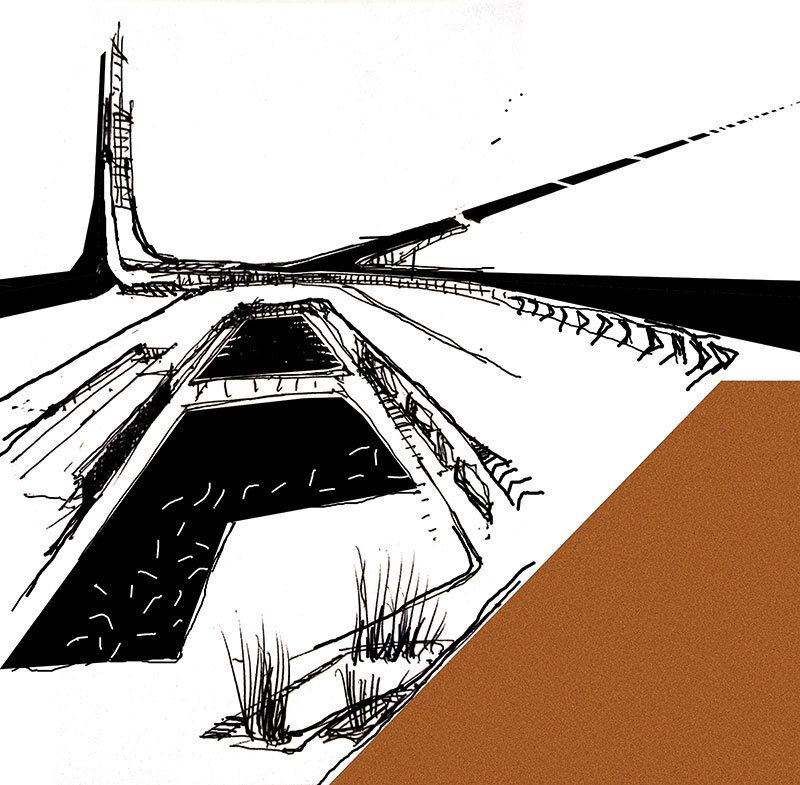
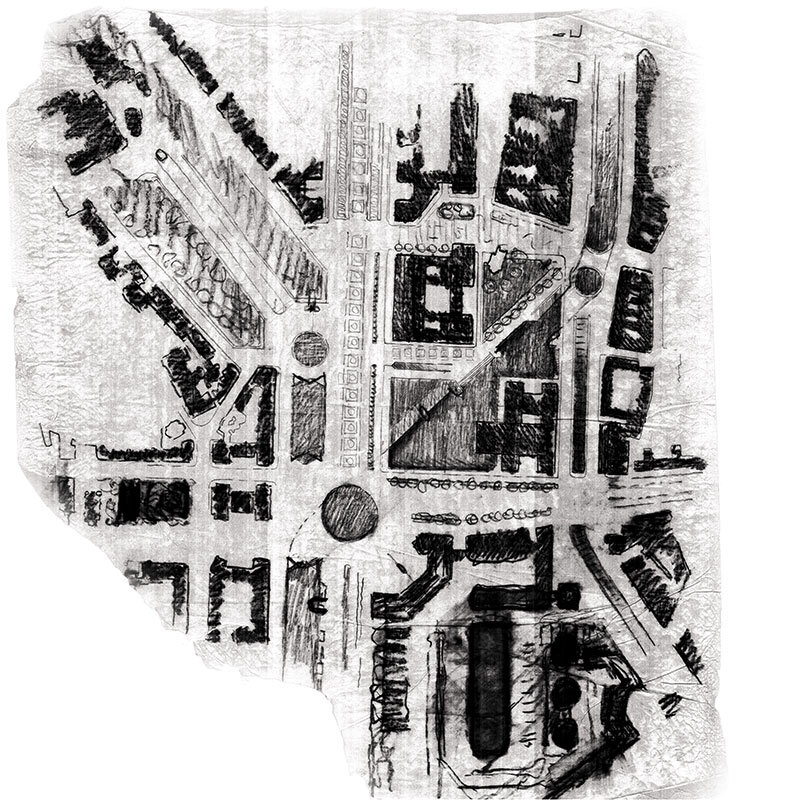
Drawing technique flows from mode. For example, sketching is a genre of drawing. It incorporates either observational drawing or a drawing of future composition. In either case, the sketch utilizes freehand drawing with a simple graphing tool - graphite pencil or pen/ink. The medium for a sketch is most commonly paper.
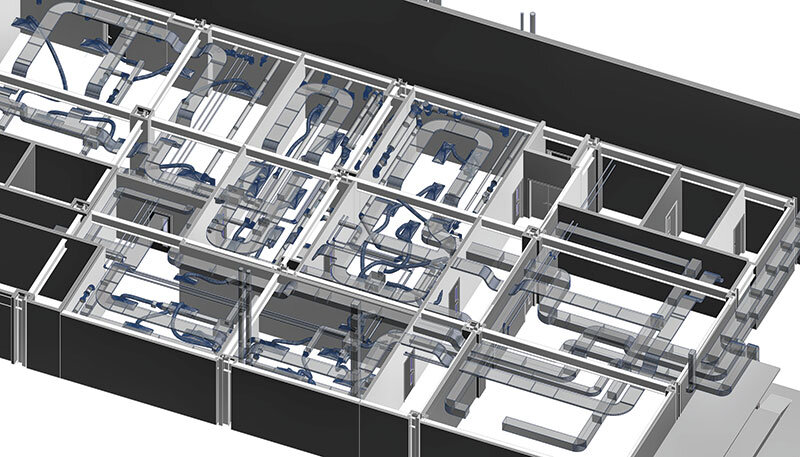
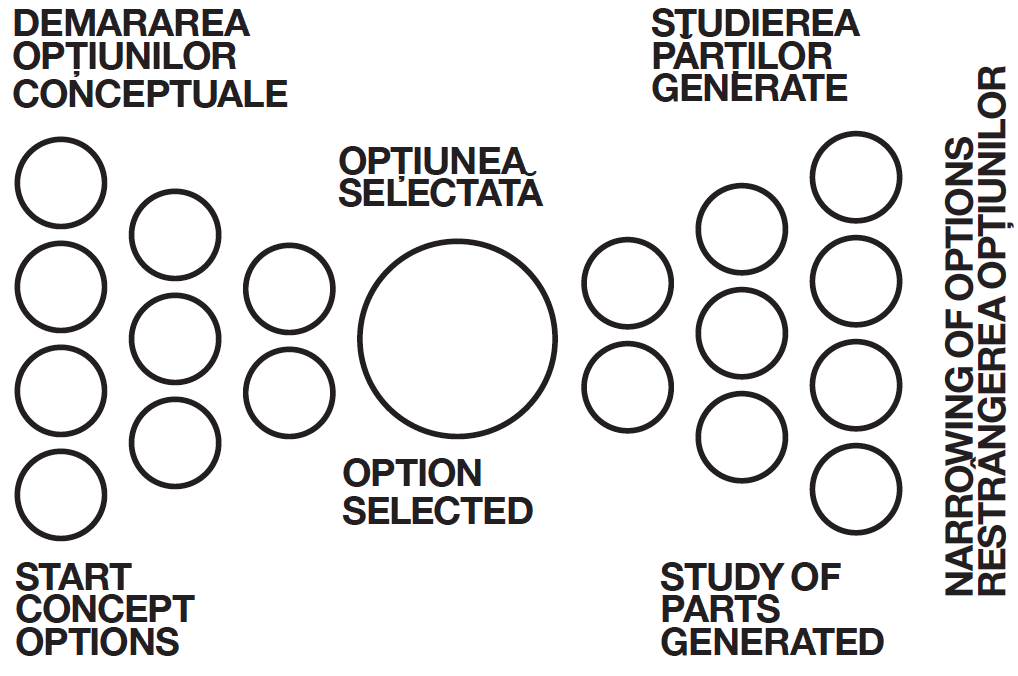
But the material can be opaque, semi-transparent or transparent, i.e. paper, tracing, acetate. Here, some of you will gasp at the memory of the sheet. Also calledtracing ortracing paper, it is the material that dozens or even hundreds of generations of architects around the world have used in their studies. The merit of this material lies in its intrinsic invitation to re-draw. The superimposition of successive ideas and reconsideration are characteristic of concept drawing, but they are also characteristic elements of drawing on the sheet. The sheet has a predominantly possible territory of creation, with a fertile and fruitful vagueness. In freehand drawing - it's possible, or it's sort of - there are conditions that contain dreaming and encourage imagining i.e. instead of specifying invites. The sheet is hardly used today. The computer screen is - within certain limits - a territory of creation positioned in the foreground. It stifles the vagueness of some freehand graphics but is fertile through variation. The mouse drawing tricks with its (seemingly) axiomatic validity - it is so, but it beggars rigor. Here, advocates of parametricism will counter with the argument that digital drawing fetches and filters infinite computational resources. They show us that it is possible in infinite ways, and that certain subroutines with static, aesthetic balance or manufacturability desiderata reduce from variants and restrict the computer's almost uncountable response.
What distinguishes architectural drawing from other types of drawing?
Design drafting is an ongoing process. It develops and builds confidence in an individual's graphic talent and skills but it is also intended to communicate specifics. This form of communication is declined according to the type of drawing, the information it contains, its intended purpose, but also its level of detail. There are, for example, in the graphical part of an architectural project, different ways of writing the information drawn in a PT, PD, DE, DDE, just as an architectural concept can be represented in a particular illustration.
People learn to communicate through language from a very early age. They learn to speak, read and write. The primary mode of communication in any kind of design - whether we are talking about clothing, product or building design - is drawing. To communicate our design ideas to others we need to learn and know how to draw. We need to draw with an ease capable of making our ideas clear. Then we need to be able to re-draw. We need to self-communicate graphic ideas because as we work on any assignment, paper or project, our ideas are constantly changing and evolving. Thus, we draw and re-draw.
The language of graphics draws on all aspects of the mind - analytical, intuitive, synthetic and even emotional. Architectural drawing contains a series of graphic tools and conventions that are specific to the design process. They break down and remake an object, a space or a building over and over again. Architectural drawing is thus a permanent accompaniment to a project. It contains both imagination and reality.
Why architectural drawing?
We want to find out which contemporary elements give character to visual communication methods in the field of built space. The ultra-densified visual universe and the hegemony of the image are characteristics of the 21st century. They place architectural design in a place of radical transformation. In this issue we want to discover what remains unchanged and what is changing in an architect's way of drawing.
The following 10 questions - which we invite you to answer now and in years to come - are just a few starting points in the inexhaustible discussion about drawing.
What is drawing in/of architecture?
What drawing techniques do you use/prefer in an architectural, urban planning or interior design project?
What's the difference between CLASSICAL drawing - to teu and echer - and digital C.A.D., which includes computer-aided design?
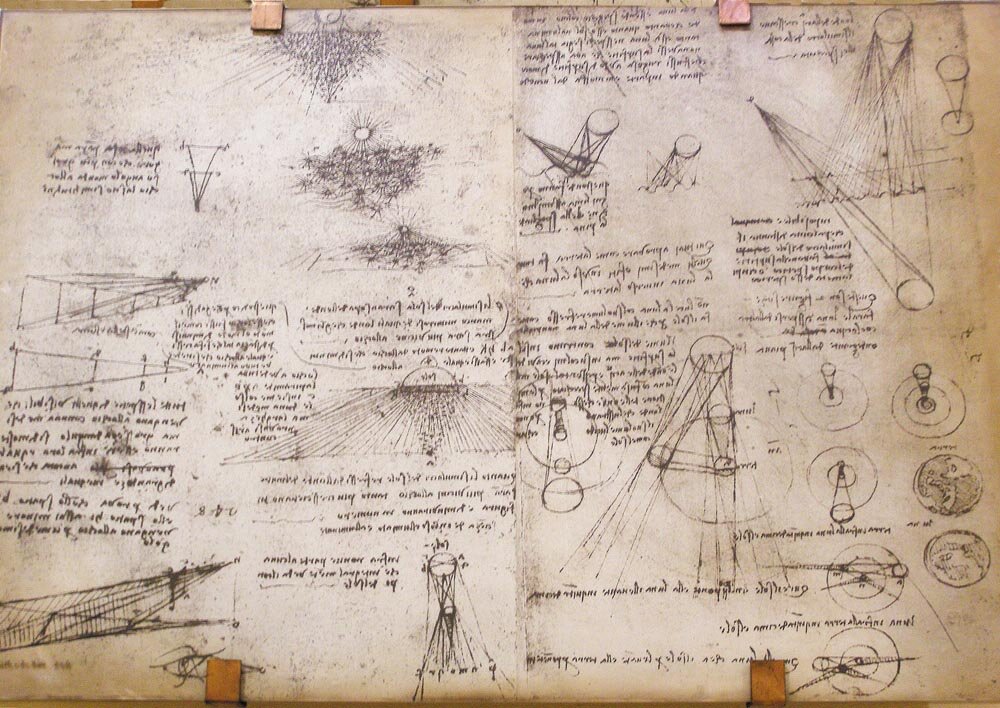
Is Leonardo da Vinci's statement - il disegno e una cosa mentale- still legitimate?
Has there been a paradigm shift in the use of sketch drawing after the digital revolution?
How is a sketch made today? In what technique? With what tool, on what type of support?
What is the most appropriate tool for notating ideas about space?
What drawing and notation technique do you use when documenting a site and a project?
What is your way of DRAWING in the observation preceding an architectural project?
How can the contemporary limits of architectural drawing be utilized/assumed?