Drawing in architectural design

"Architecture is born and lives in images"(Spiro Kostoff)
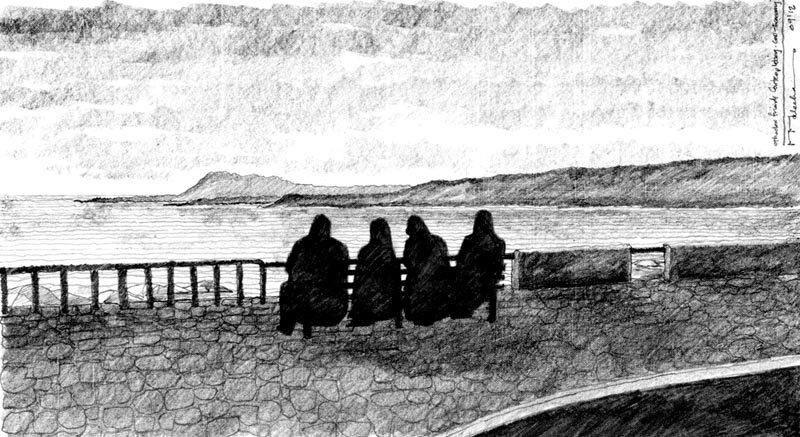
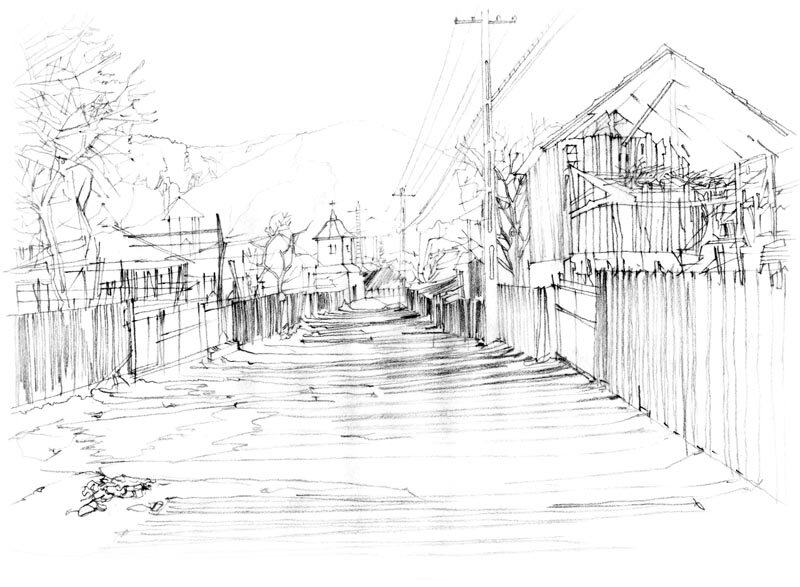
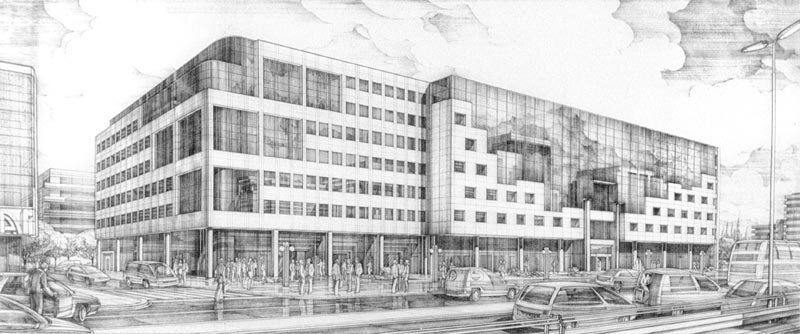
What I am about to share with you is a dramatic confession, and I would not wish to unfair anyone by suggesting, however, that this inner dilemma may have crossed the mind of every architect at least once. Though undeclared, but nevertheless secretly proud of the skills of artistic representation we have acquired, we are often intrigued by the drawings that come with the great projects of the architects of the time. Concept sketches or hand renderings in various techniques, we always looked at them out of the corner of our eye, while a passing thought whispered to me: as well as you (think you) draw, surely fate is unfair depriving you of the popularity of such characters; my pulse would rise and my heart would leap with joy at the thought that I could always be better than them. Surely, drawing better I am much better. Time will prove that. There is justice in the world.
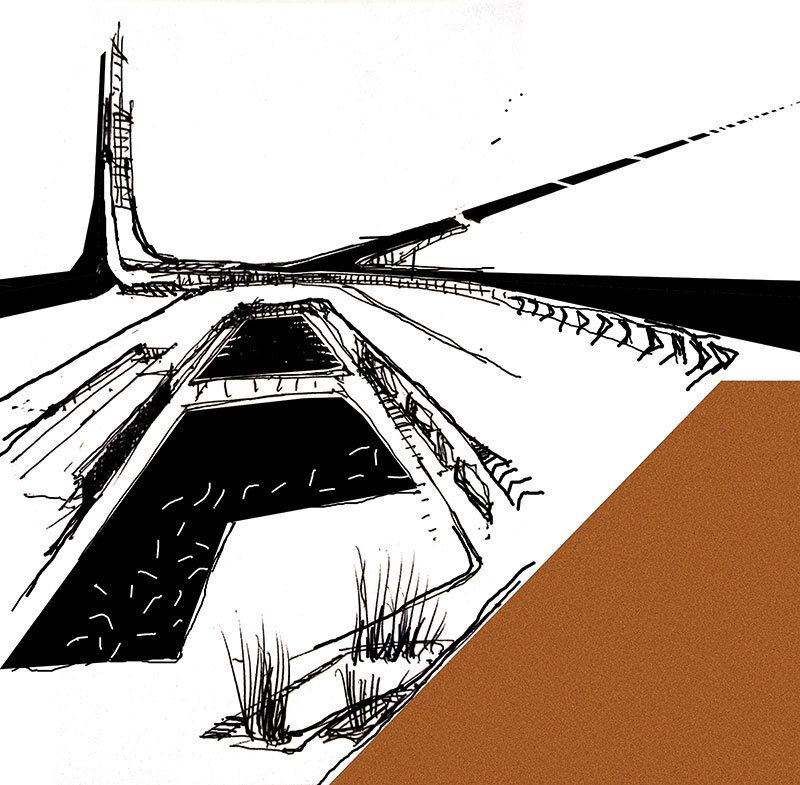
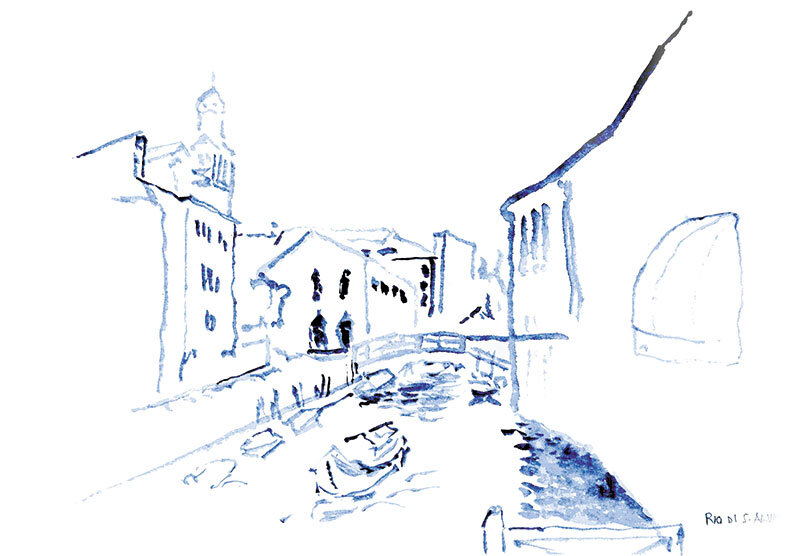
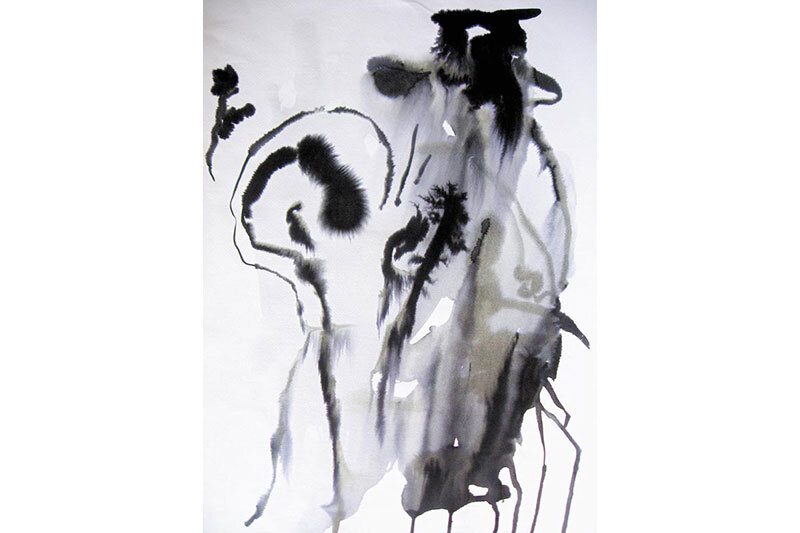
Watching an interview recently with a well-known deisgner managed to bring me painfully down from the paroxysm of glory and I realized something of undeniable truth. Oki Sato, Nendo's chief designer, said frankly: "My drawings are truly awful". A strategic pause potentiates the gravity of the statement. "My feeling is that if you're a good draftsman, when you draw or sketch in a neat and valuable way, the idea of the story dissolves. Your drawings have to be something that everyone can understand. The simpler the sketch, the better the story".
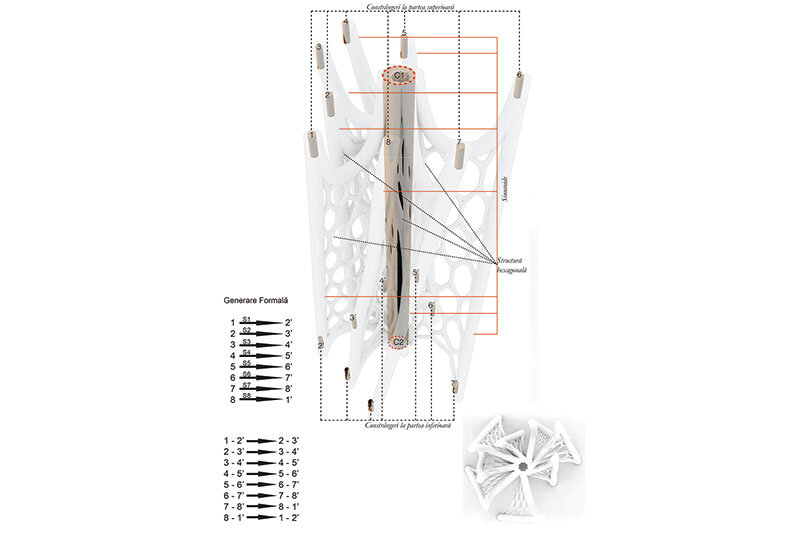
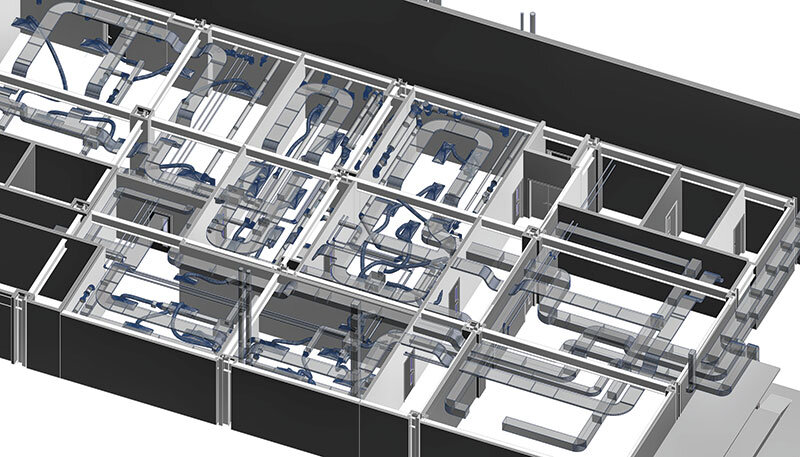
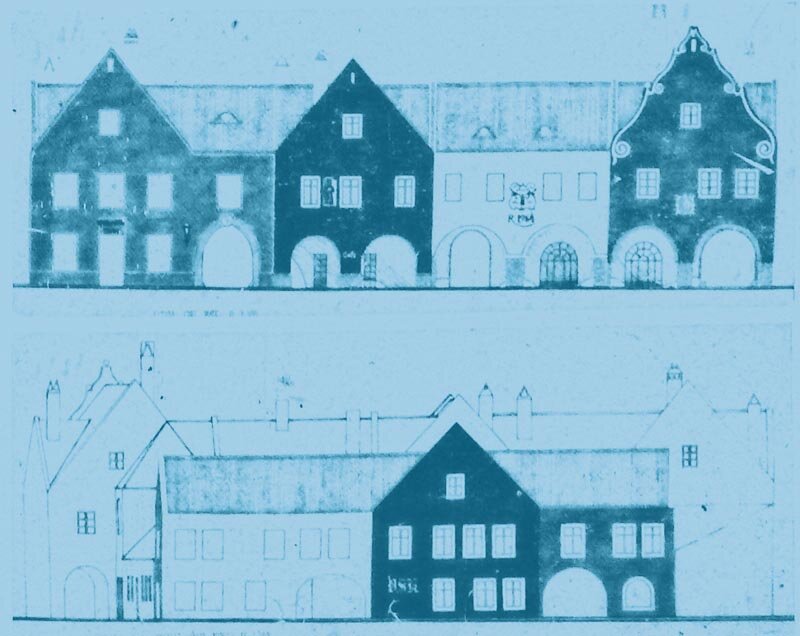
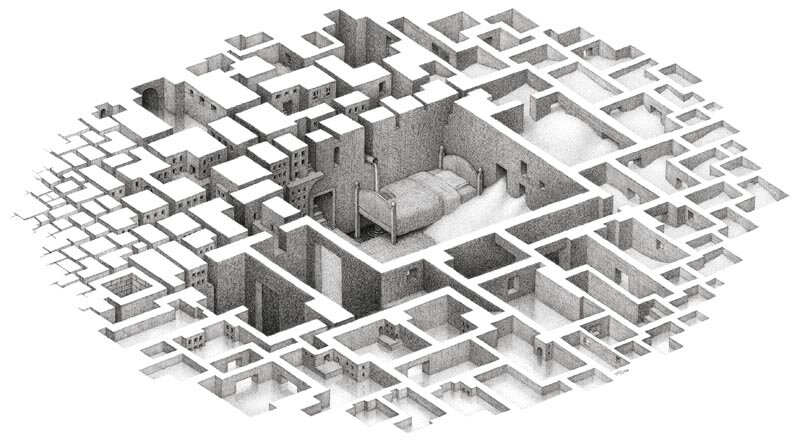
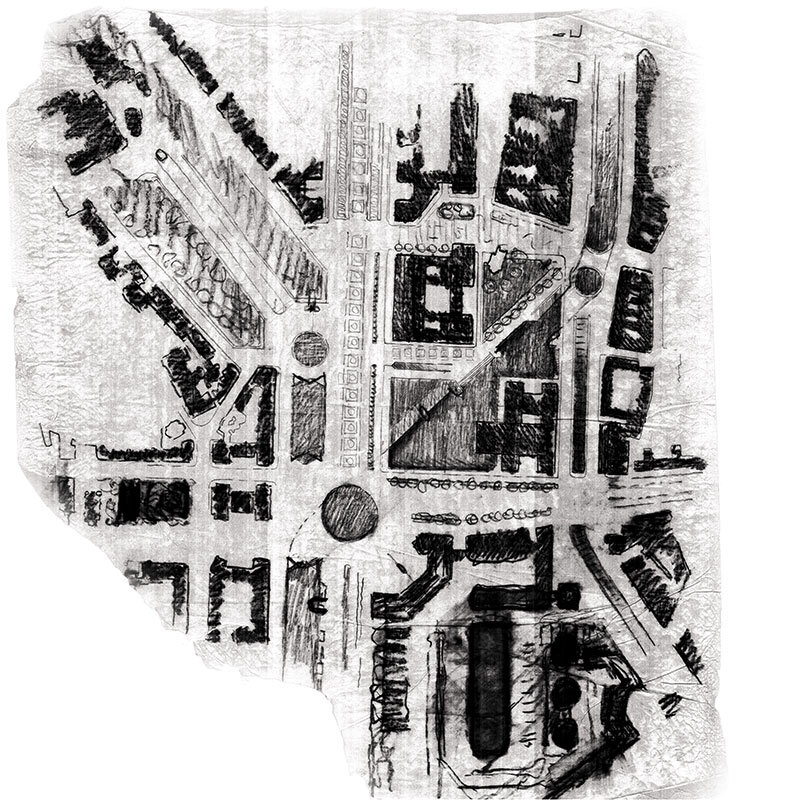
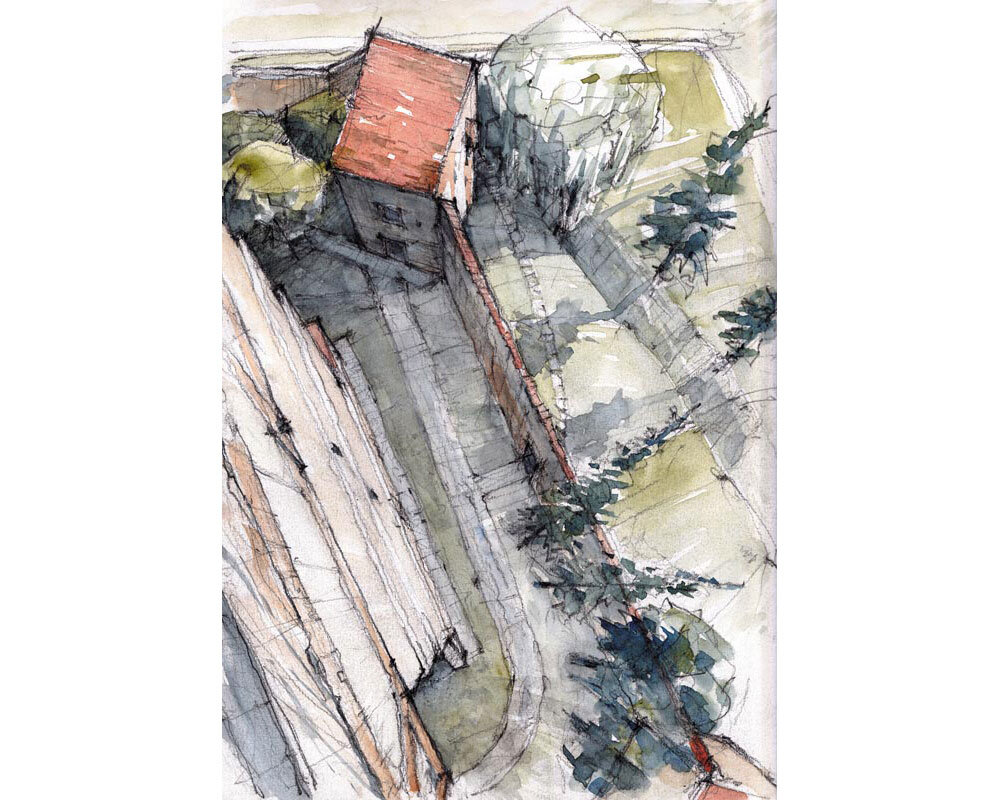
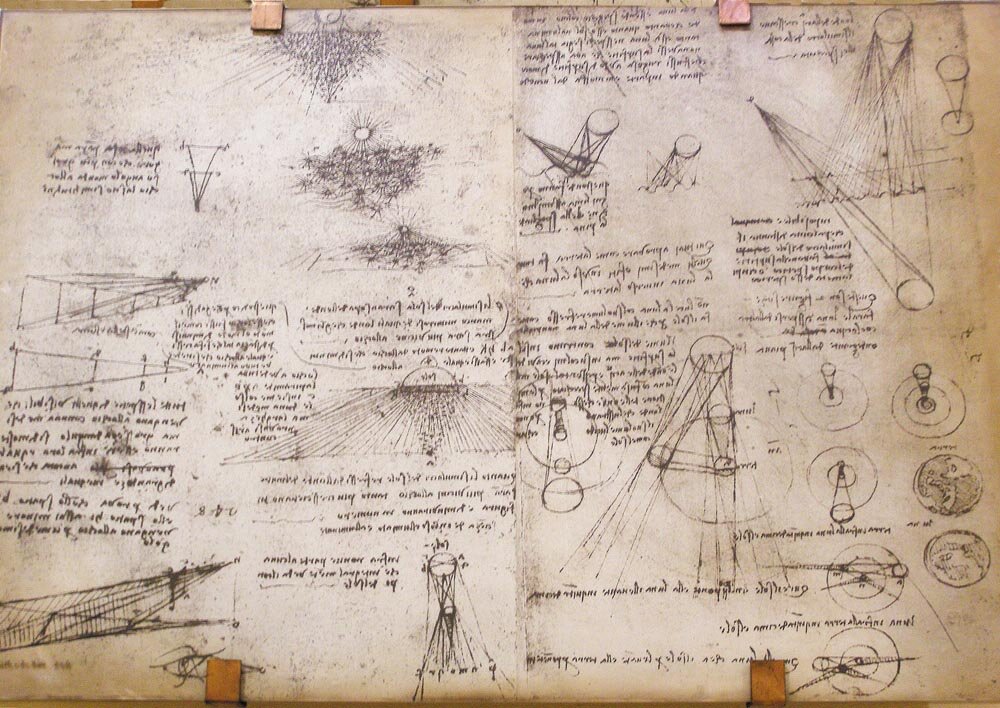
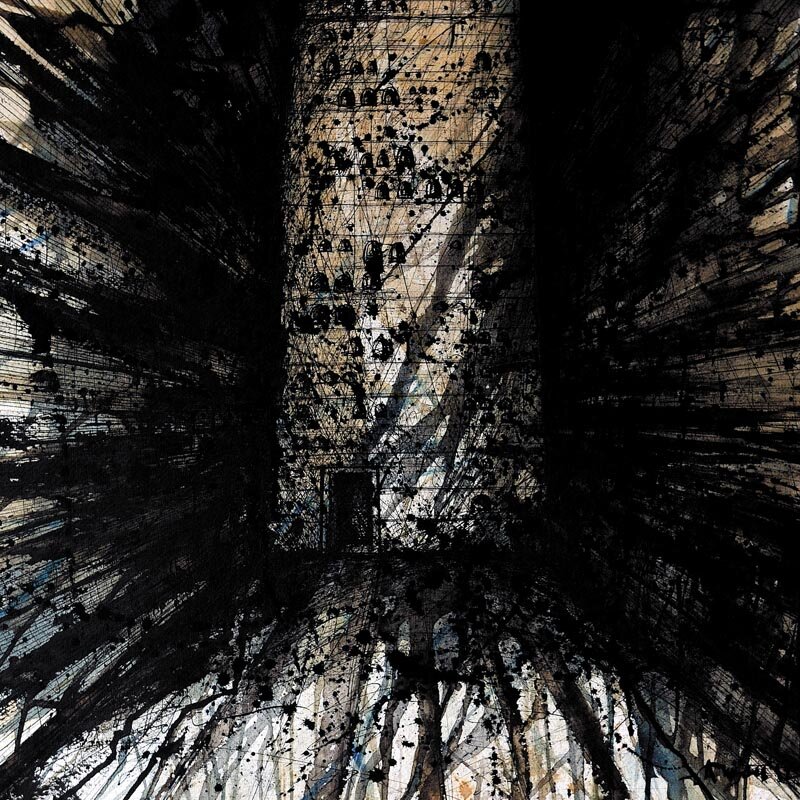
First revelation: It's not drawing beautifully that will make me a good architect, it's the ability to communicate something through drawing. There are two major branches of drawing in architecture: the first is technical drawing, which must be a faithful representation of an existing or potential image, and the next branch is artistic drawing, which is a mode of language. The philosopher David Kolb, speaking about architecture, denied that architecture is in the true sense of the word a language, but suggested that both architecture and drawing " behave as a language(...) since they give the possibility of being read as a text". The discussion is not far from the meaning of the idea of "ornament and crime". Of course Loose's argument motivated my second revelation.
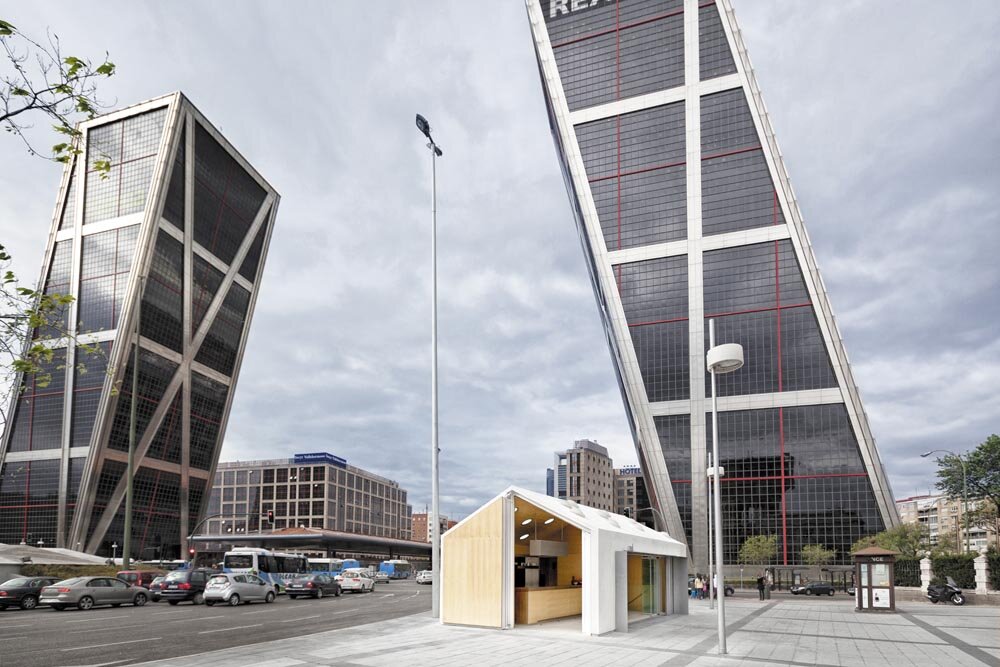
Architectural drawing certainly goes beyond the artistic, in that it stops not just at observing and representing things, but at understanding them and their related relationships - I think that is the third revelation. "Objects exist, and if we pay more attention to them than to people it is of course because they exist more than people. Dead objects are still alive. Living people are sometimes already dead." And this is because the goal does not stop at observation: if for an artist it is important to sensitize the world through the image, an architect only uses the image: he will only help to build a future three-dimensional image that must sensitize.
Read the full text in issue 1/2014 of Arhitectura magazine