
Let's talk about architecture schools
Thematic articles
Architecture, the car and the modernist interior
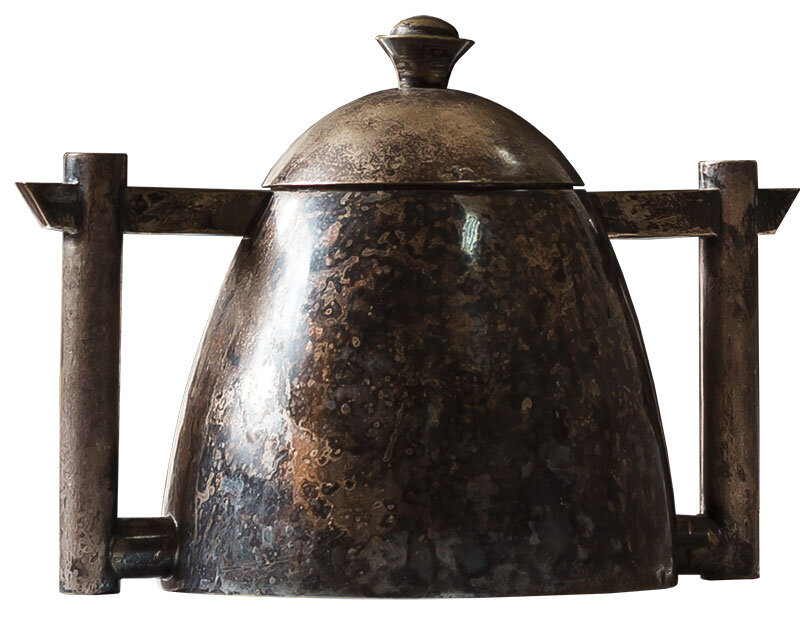
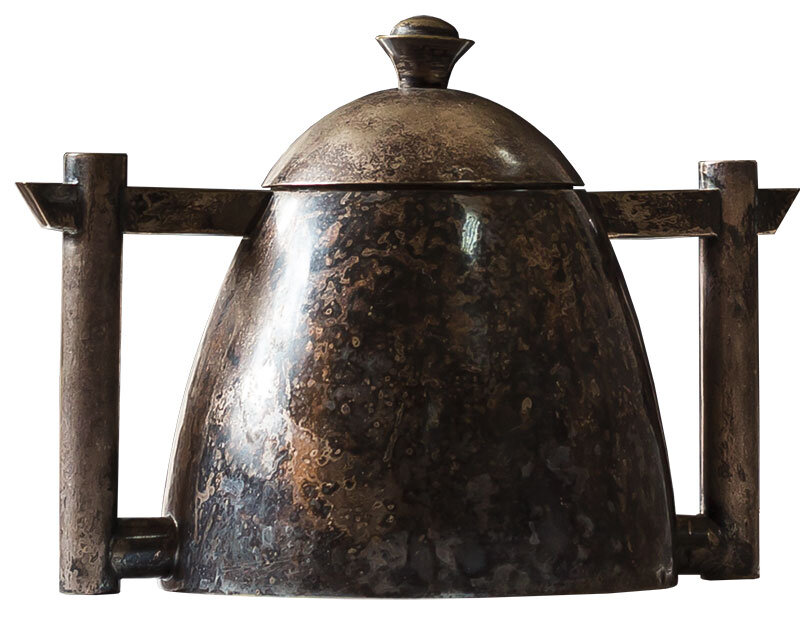
NOTE ON THE FURNITURE AND APPLIED ART OBJECTS DESIGNED BY MAX HERMAN MAXY
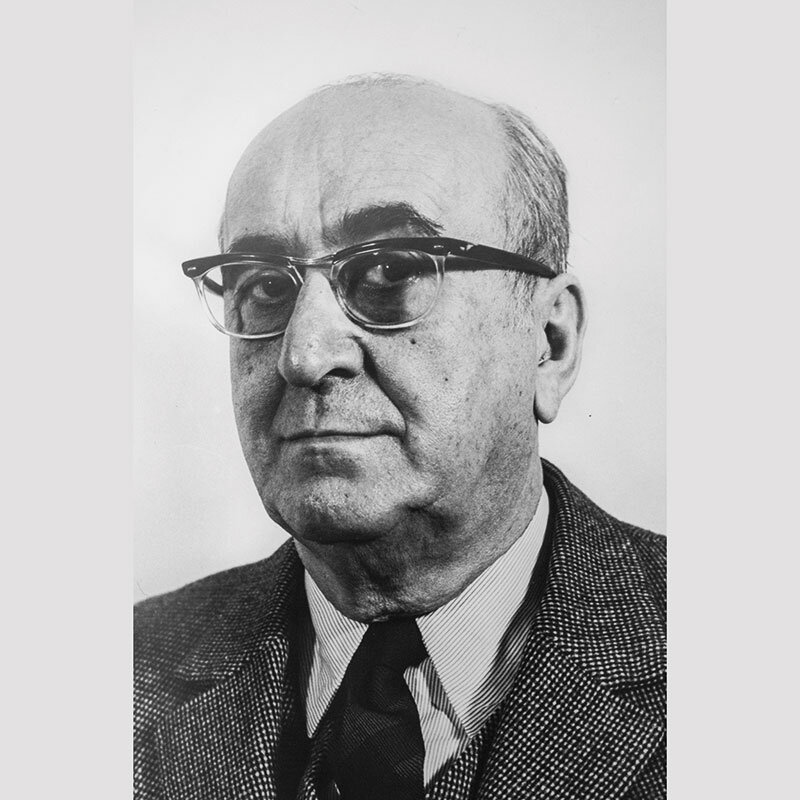
It is still a little known fact, even among those who appreciate his painting, that Max Herman Maxy also carried out a very interesting and consistent activity as a designer of furniture and decorative objects. Maxy's achievements in the decorative and applied arts testify not only to his many talents, but also to the consistency with which he sought to fulfill in his own work the integralist desire of the complete artist, capable of working in several branches of art simultaneously. Integralism - "a constructive spirit with boundless applications in all fields"1 - was intended to embrace all forms of artistic expression, from painting, sculpture and graphics to tapestry, ceramics, bookbinding, furniture design and metalwork. In fact, the date of his first exercises in the applied arts coincided with the debut of Integral magazine in 1925. At that time, together with Victor Brauner and Corneliu Michăilescu, he founded the Atelier of the Integral Magazine, a small business that, in addition to posters and "scenic constructions", also produced "interior decorations"2. The studio was closed the same year, probably for lack of orders, but not long after, in 1926, Maxy became a professor and then artistic director of the Academy of Decorative Arts (founded in 1924), which he would try to reorganize on the Bauhaus model. After the Academy closed in 1928, he decided to continue on his own. The following year he opened the Maxy Studio of Decorative Art at 77 Calea Victoriei, which operated continuously until 1940.
Although Maxy's activity in the field of decorative arts was a sustained one, spanning, as we have seen, almost 15 years, its real scope, the significance that Maxy must have conferred on it, and the impact it must have had on the times are very difficult to appreciate today. No written evidence has survived, apart from the catalog of the first exhibition of the Academy of Decorative Arts, a few photographs and advertisements and announcements published in Integral and, exceptionally, in Contimporanul and Tiparnița literară. Few pieces have been documented to date, and even the total number of objects that came out of the workshops run by Maxy at one time or another remains, to this day, very difficult to estimate3. The pieces in the collection of the Brăilei Museum4, the only ones accessible to the general public, can be dated approximately between 1926 and 1928 (with the exception of a bookbinding, dated 1934) and therefore belong to a limited segment of what must have been a more complex technical and stylistic journey. This, on the one hand. On the other hand, Maxy was an intrepid practitioner rather than an artist bent on speculation and commentary, so we do not know how he (would have) articulated theoretically the output of the workshops he coordinated. Maxy did not leave any texts that demonstrate theoretical concerns about the role of the applied arts, of the kind we find in Marcel Breuer, Paul Theodore Frankl, Le Corbusier or even - naturally, to a much more modest extent - Marcel Iancu5. All we know is that he considered it to be in line with a European "common sense" of Cubist origin6. However - and in spite of the categorical tone with which Maxy tried to attach them, in retrospect, to the most radical modernism (in particular, the Bauhaus school)7 - it must be said that the objects were adapted to a rather eclectic taste, hence a certain hesitation among today's commentators to consider them as properly "integralist" productions or merely as extensions or varieties of Art Deco8.
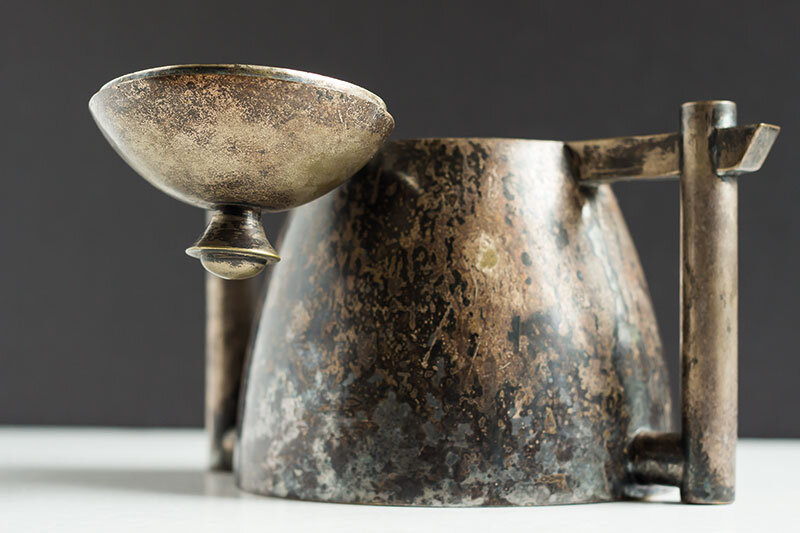
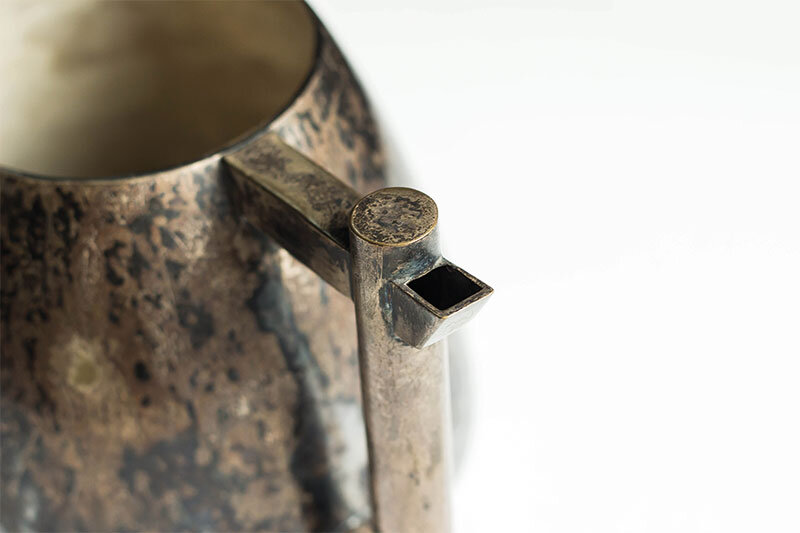
But it would be difficult - and perhaps too irrelevant - to separate what is Art Deco reminiscence from what is Bauhaus-like solution, and both from what is synthetic "integralist" effort in their appearance, partly because Integralism set out to be eclectic (stylistic miscegenation was accepted and practiced), partly because a sharper geometry of volumes and surfaces places them quite close to the Bauhaus models that Maxy would have wished to emulate. If we were to integrate his productions with Art Deco, then they would certainly belong to a more austere Art Deco, more attached to the German and Russian modernist (constructivist) direction than to the French decorative tradition9. There is, in the consistency with which straight lines and flat surfaces are privileged, in the preference for fundamental geometric forms, an interest in formal rationality which gives a certain architectural quality to the furniture and decorative objects executed according to his designs. Maxy would therefore find himself in a special "niche" of Art Deco, alongside names such as Pierre Chareau, Jean-Michel Frank, Paul Theodore Frankl, Donald Deskey and Robert Mallet-Stevens, designers for whom the Bauhaus remains an uncontested reference, but who never quite mastered the radical solutions of Marcel Breuer or Ludwig Mies van der Rohe.
Read the full text in issue 2/2013 of Arhitectura magazine
The objects are part of the Mimi Șaraga Maxy Collection at the Braila Museum
PHOTOS: CRĂIȚA FRUNZĂ
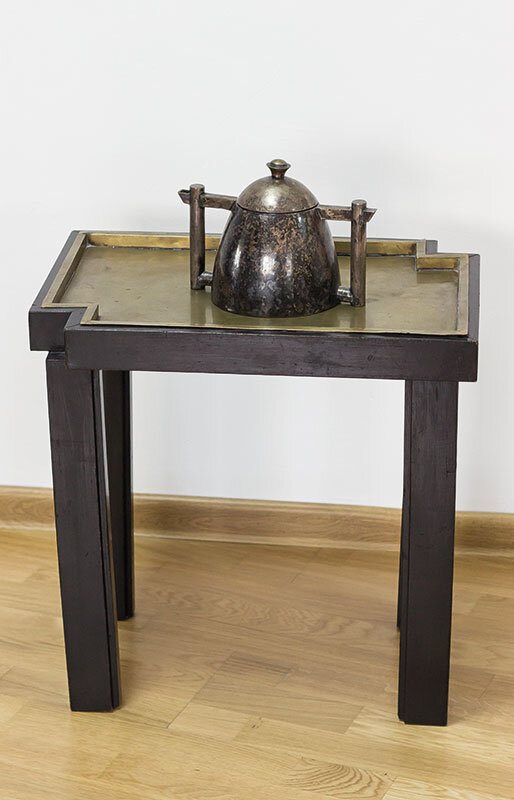
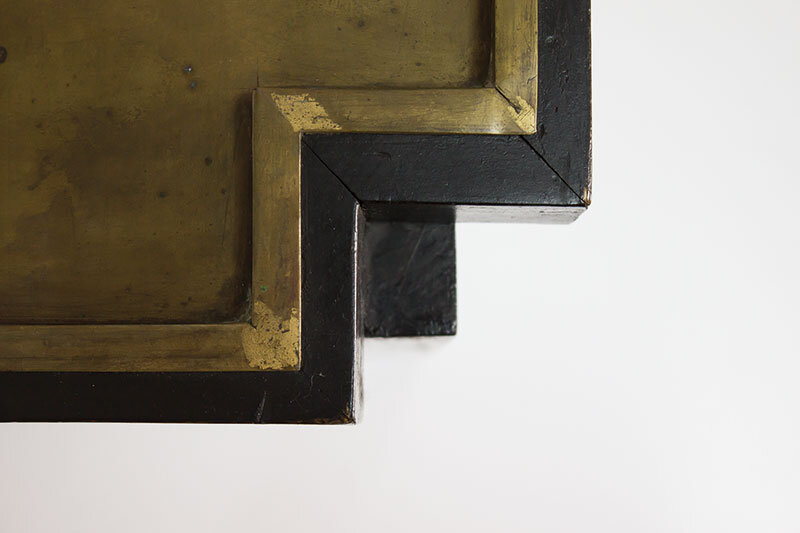
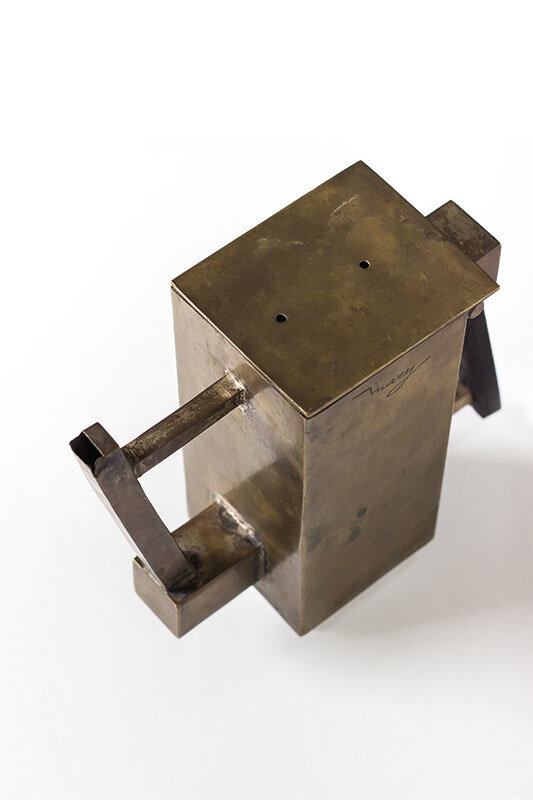
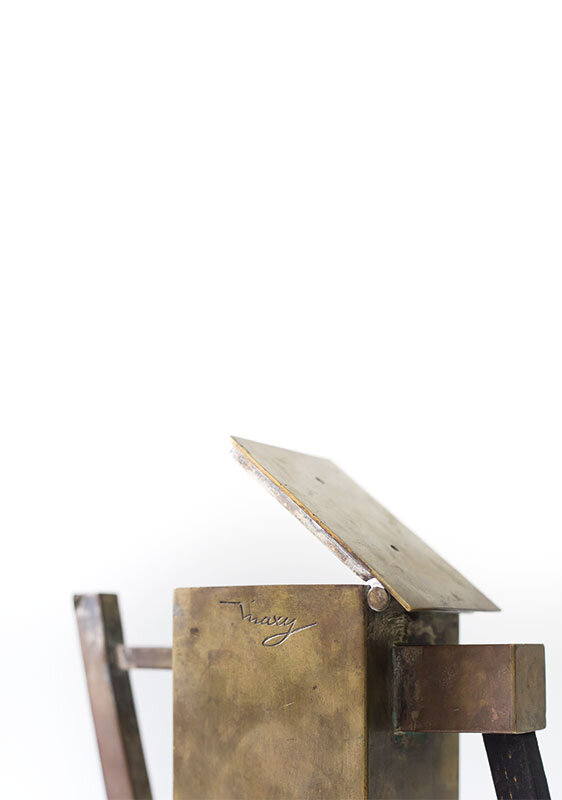
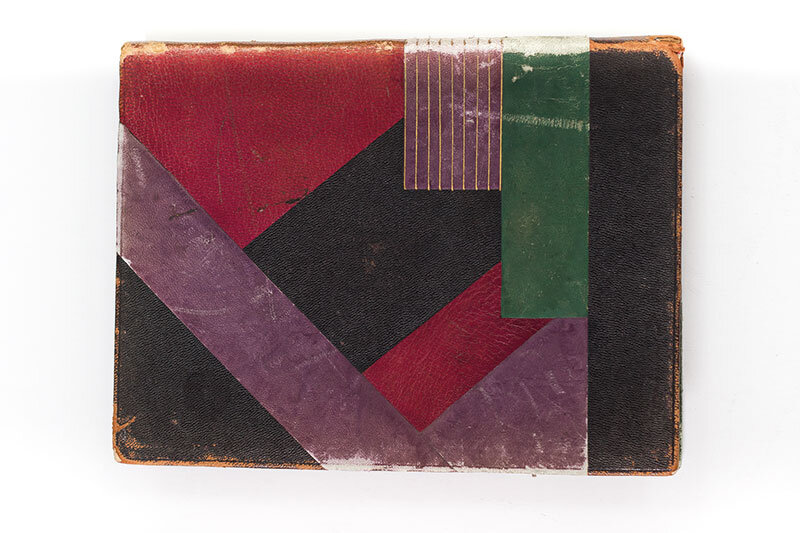
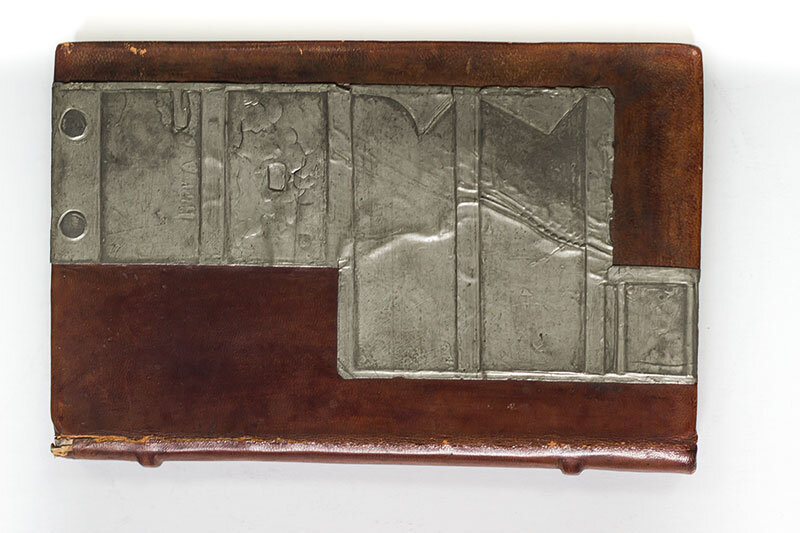
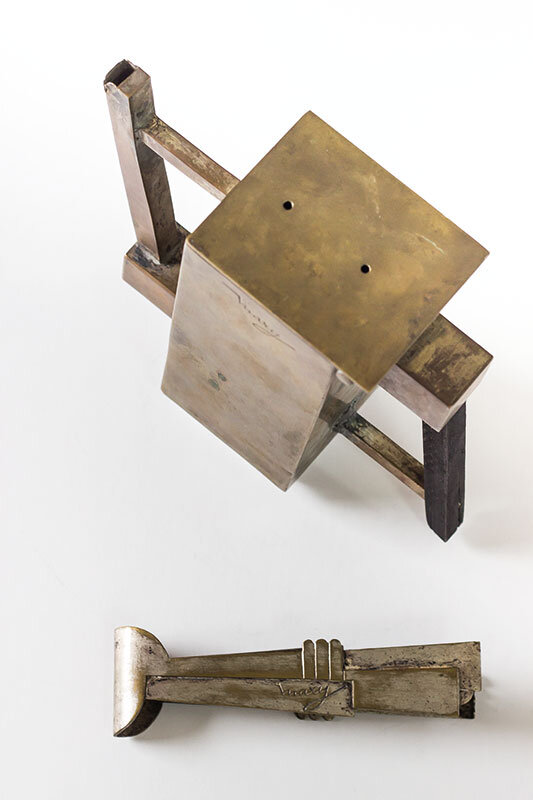
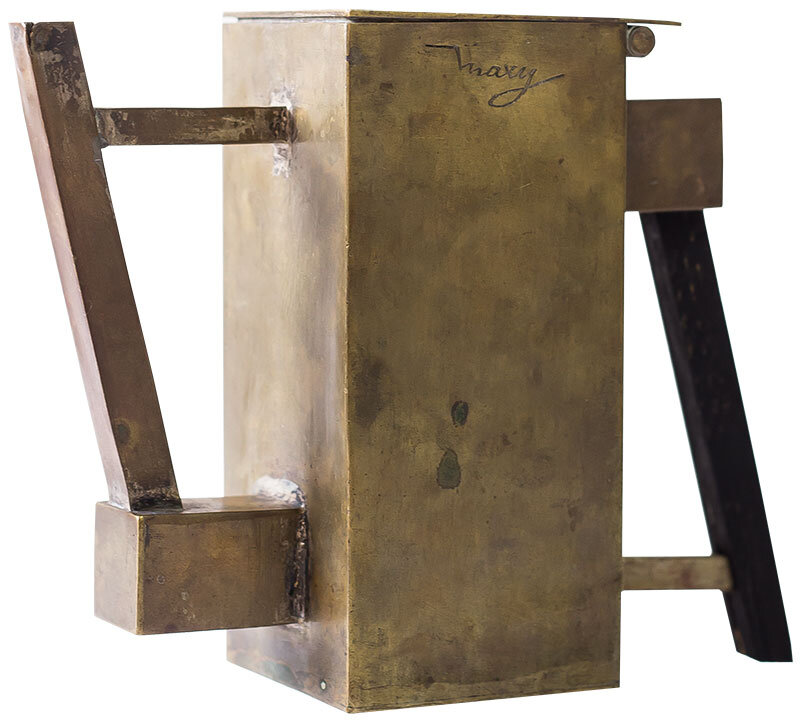
N.B. I have quoted mainly sources that were immediately accessible to Maxy, namely articles in Contimporanul (nos. 53-54 and 57-58, dedicated to architecture and interiors, respectively) which he will have read and with which, it is to be expected, given the fundamental congruence between the ideas conveyed in the articles mentioned and the positions expressed in Integral, he will have been in full agreement.
1. Mihail Cosma, "From Futurism to Integralism", in Integral, no. 6-7, 1925, p. 9.
2. Advertisement in Integral, no. 1, 1925, p. 2.
3. The most comprehensive catalogue of decorative objects known to date is to be found in Mr. Michael Ilk's book, M. H. Maxy: Der integrale Künstler 1895-1971, Antiquariat Günter Linke, Berlin, 2003.
4. Most of the pieces (21 of 23) come from the Mimi Șaraga-Maxy collection. Of these, four entered the heritage of the Braila Museum through acquisition in 1978, and the rest through donation in 1982. The other two pieces - a flower vase and a dressing table - come from the collections of Hariton Harmina (acquired in 1981) and Margareta Sterian (donated by Mr. Mircea Barzuca in 2011). V. Ana-Maria Harțuche Harțuche Vicol, Exhibition of the Max Herman Maxy cultural collection of the heritage of the Brăilei Museum, exhibition catalog, Brăila, 1996, p. 31-35.
5. Marcel Iancu, "Interiorul", in Contimporanul, no. 57-58, 1925, p. 2.
6. Max Herman Maxy, "Politica plastică", in Integral, no. 9, 1926, p. 3.
7. In an interview with Mihai Drișcu, "Retrospective. M. H. Maxy", in Arta, no. 4-5, 1971, p. 53.
8. V. Irina Cărăbaș, Integral and the Reception of Constructivism in Romania, chapter "The Academy of Decorative Arts in the Context of the Redefinition of the Decorative in Romanian Modernity", PhD thesis (in manuscript), National University of Arts Bucharest, 2011, especially pp. 100-106, as well as the section on decorative arts in (Dis)continuities. Fragmente de modernitate românească în prima jumătate a secolului 20-lea, Carmen Popescu (coord.), Ruxandra Demetrescu, Irina Cărăbaș, Ed. Simetria, București, 2010.
9. For a broader discussion of the French and German (Central European) strands of Art Deco, see the recent monograph by Alastair Duncan, Art Deco: Encyclopédie des arts décoratifs des années vingt et trente, trans. Hélène Tronc, Citadelles & Mazenod, 2010, p. 1- 21; English ed. Art Deco Complete: The Definitive Guide to the Decorative Arts of the 1920s and 1930s, Abrams, 2009.
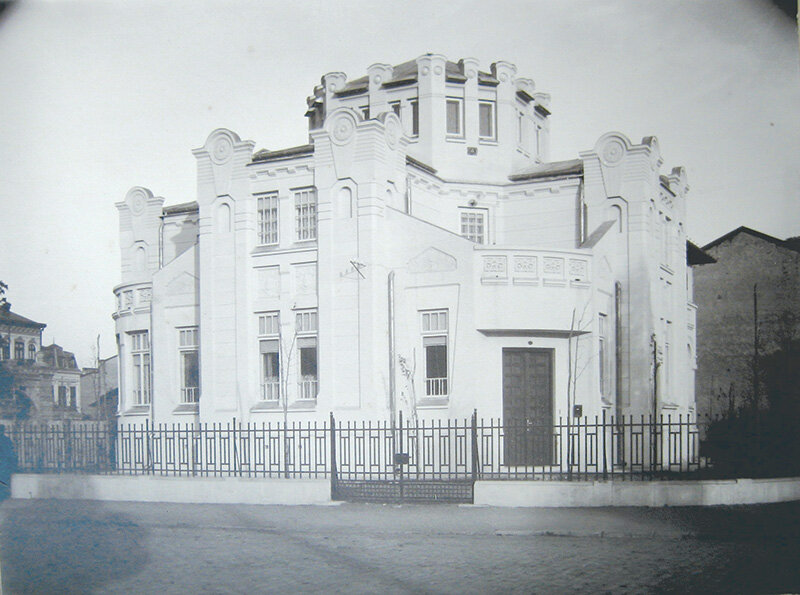

Bucharest. In search of visual identity
Patrimoniophobia: the false dilemma of the conflict between development and heritage conservation
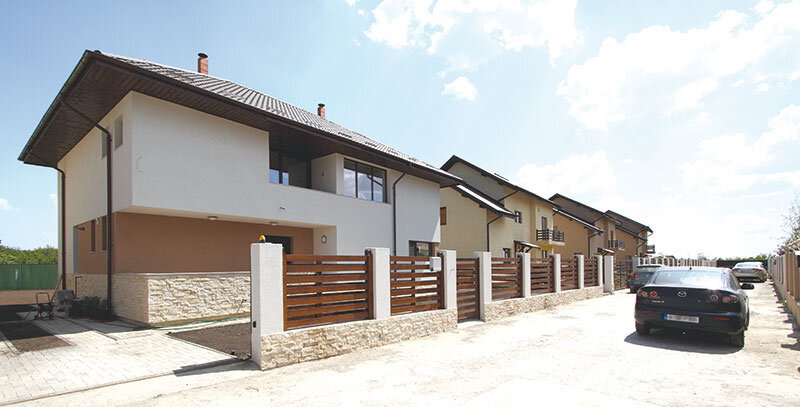
95%
Architecture, the car and the modernist interior
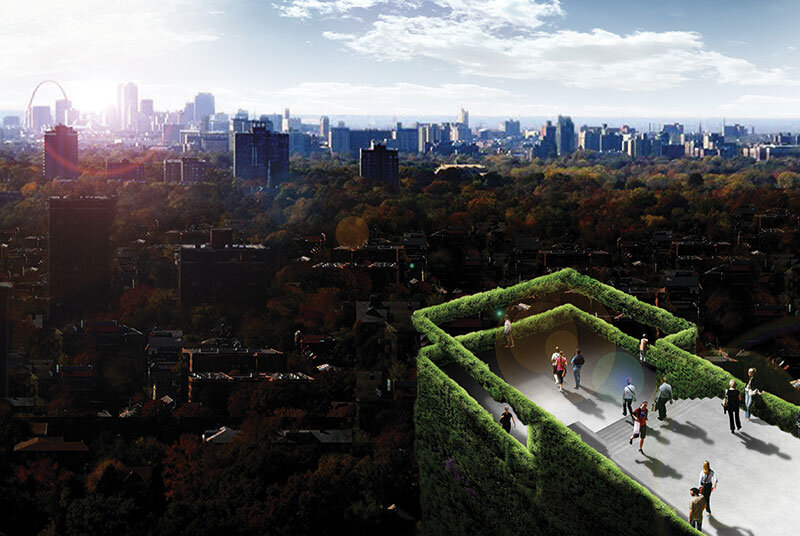
Pruitt Igoe Now - Natural Reclaim
Converting Christian sacred spaces

Great Expectations
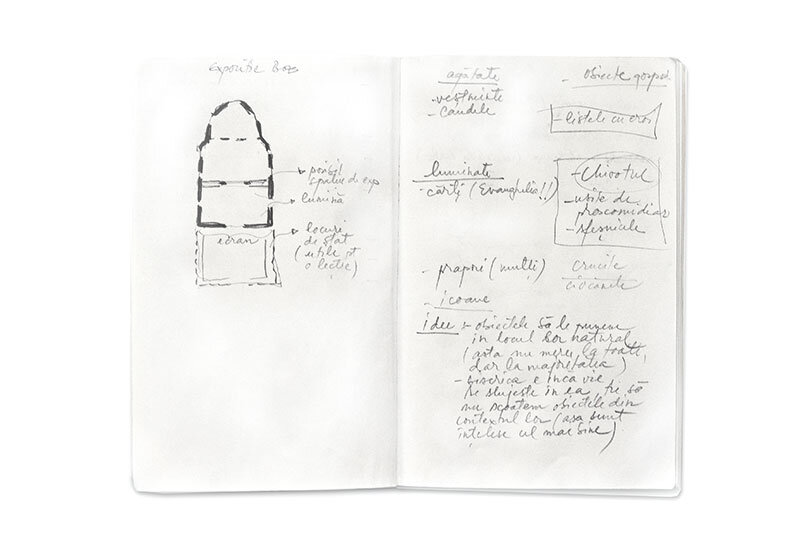
Good practices for saving and reusing old wooden churches Boz, Târnăvița, Cervicești
Bunești School. Protostructuralism
One yellow kitchen, millions of gray kitchens
Cinematic architecture
Some notes on traditions and tradition
The Church of the Monastery of Arges - Re(in)stauration, musealization and national myth
Savings. For an exhibition of frescoes from Arges
Fort 13