
Let's talk about architecture schools
Thematic articles
Converting Christian sacred spaces
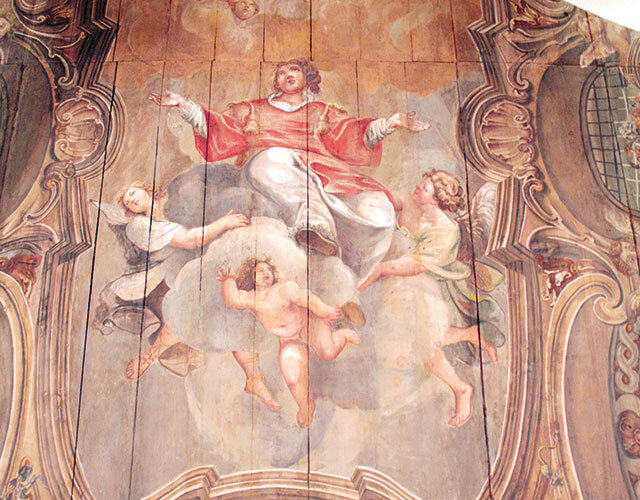
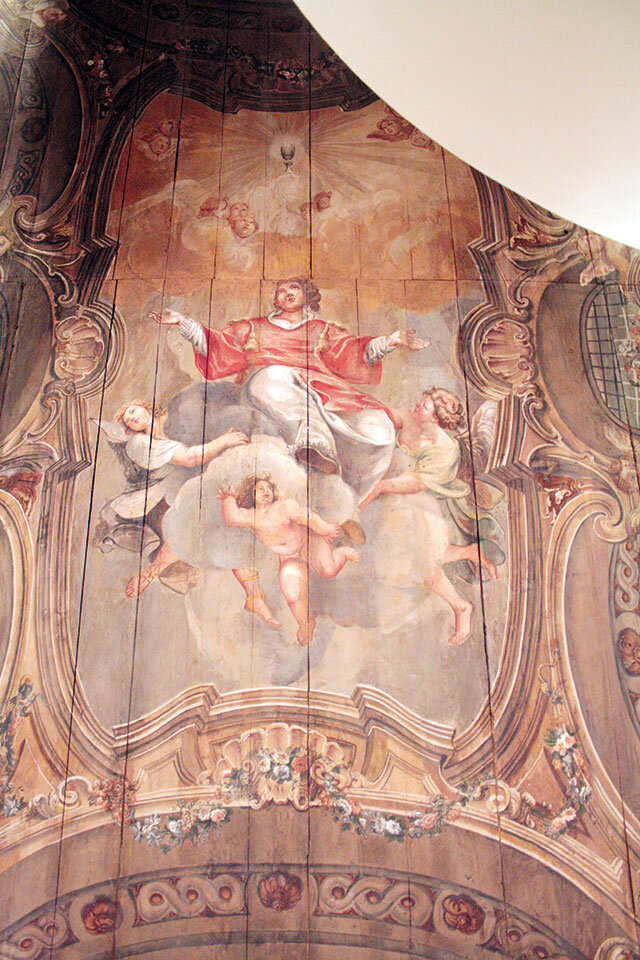
A CONTROVERSIAL AND INSUFFICIENTLY THEORIZED TOPIC IS THE CONVERSION OF SACRED SPACES, WITH NO CONSENSUS IN THE LITERATURE ON THE CORRECT PRACTICES THAT CAN BE APPLIED TO PLACES OF WORSHIP WHEN THEY ARE GIVEN SECULAR FUNCTIONS.
How can a space that is by definition opposed to the profane1 be reused without irrevocably compromising its primary character? How much can be done and what functions can such spaces be given?
GENERAL FRAMEWORK OF THE THEME: CONVERSION IN ARCHITECTURE.
Although it seems to be a discovery of the last few decades, the conversion of buildings is practically avant-la-lettres since antiquity, being more or less an improvisation - from case to case - rarely theorized and classified, but used and recognized in previous eras.2 Since the 1960s, conversion has become an integral part sine qua non of urban revitalization policies, largely due to the demolitions and damage suffered in the aftermath of the Second World War, and intrinsically linked to the notion of cultural heritage. Functional retrofitting is a new movement in architecture and urban planning, an important social phenomenon that denotes the attitude of the contemporary individual towards the past, towards inherited architectural heritage and implicitly reflects the current position of a society in relation to the past. It is about the ability to breathe new life/function into a shell that has been designed to outlast its primary function3 while keeping its architectural qualities intact as far as possible.
The concept of the 'recycled'building4 or its comparison with Duchamp 's 'ready made' object5 has generated enthusiasm among architects and interior designers worldwide. Old buildings are conserved or restored, but the innovative element of the conversion is the new/foreign pieces that transform the space into a fantasy-like space without destroying the memory of the place. In current conversion practice it is considered that the best responses for historic buildings have come from architects who have worked in the manner of the modern tradition, not in the pastiche sense, whereby the two elements (old and new) are clearly separated. Along these lines, the most appropriate approaches, in the view of Kenneth Powell - one of the theorists dedicated to this phenomenon - are those involving meticulous restoration in contrast to bold interventions made with state-of-the-art materials6.
The issues at stake today are no longer the subject of old versus new legitimacy, but the nature of the relationship between the two. The discussion is still heated between the architect camps and the representatives of associations/institutions of historical monuments.
Read the full text in issue 2/2013 of Arhitectura magazine
PHOTOGRAPHS: CIPRIAN BUZILĂ 1-24 AURELIAN STROE 25-26
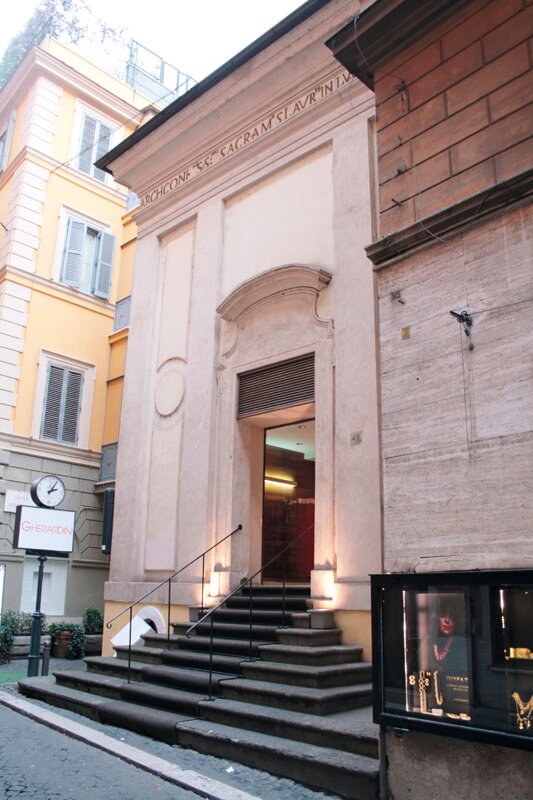
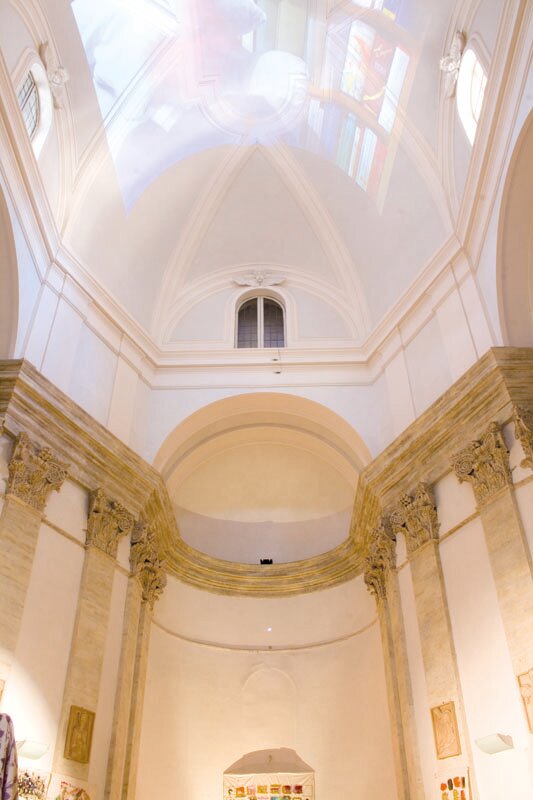
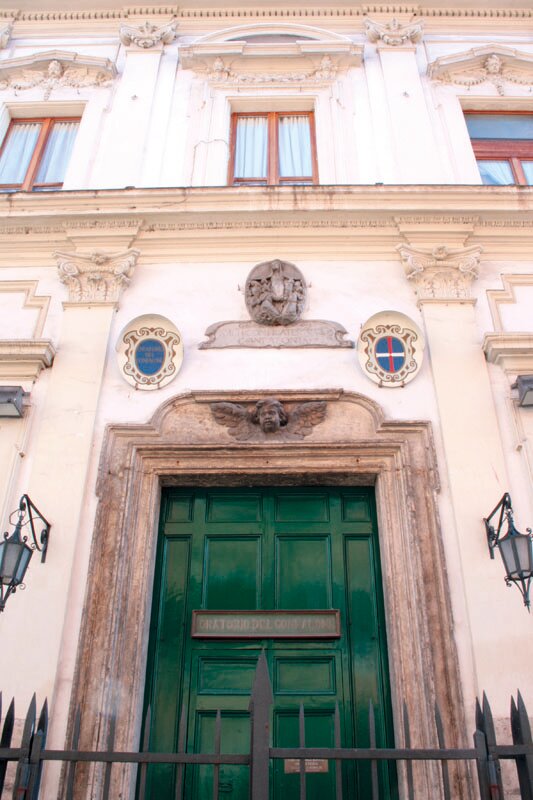
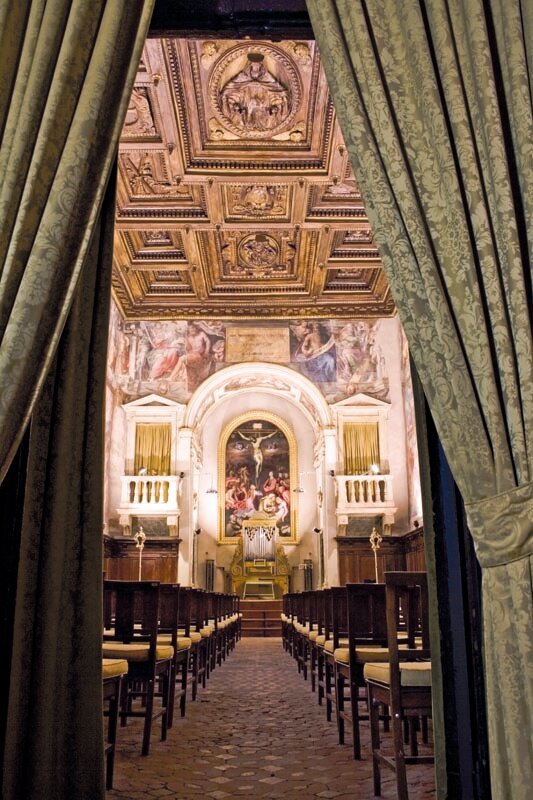
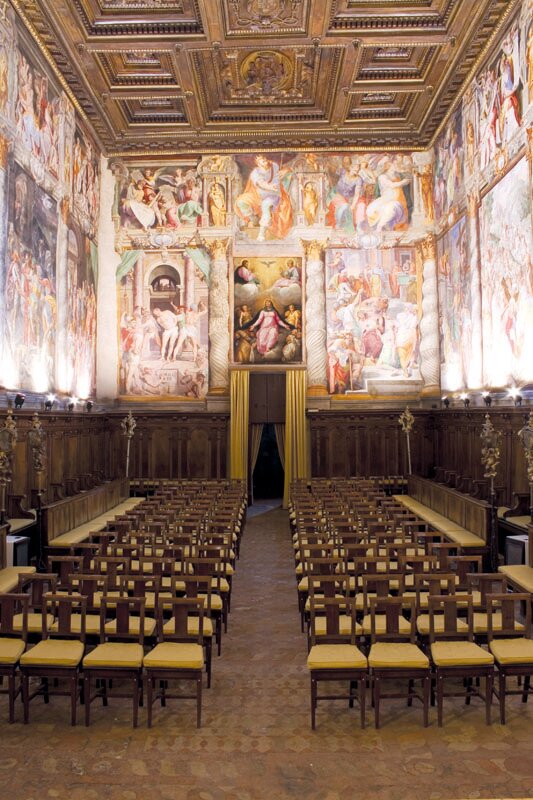
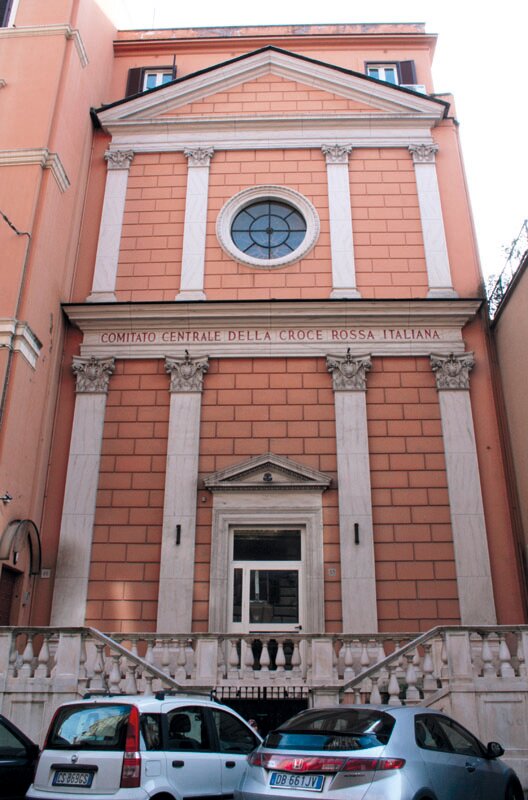
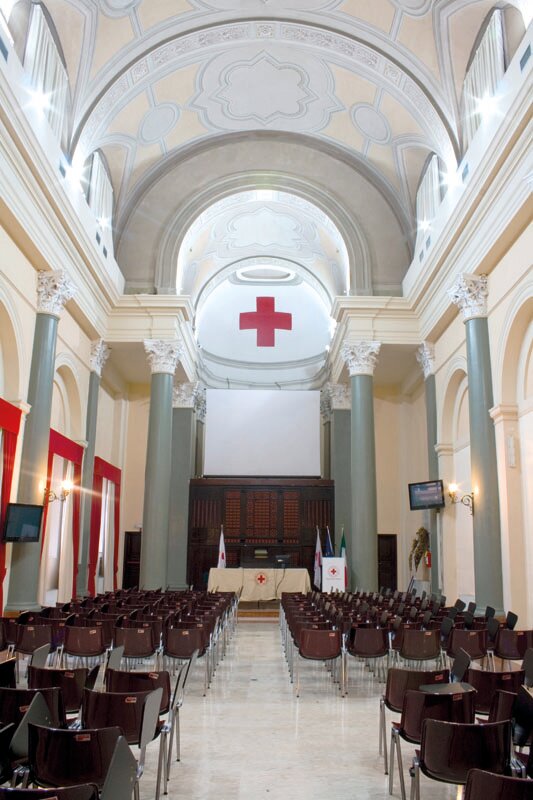
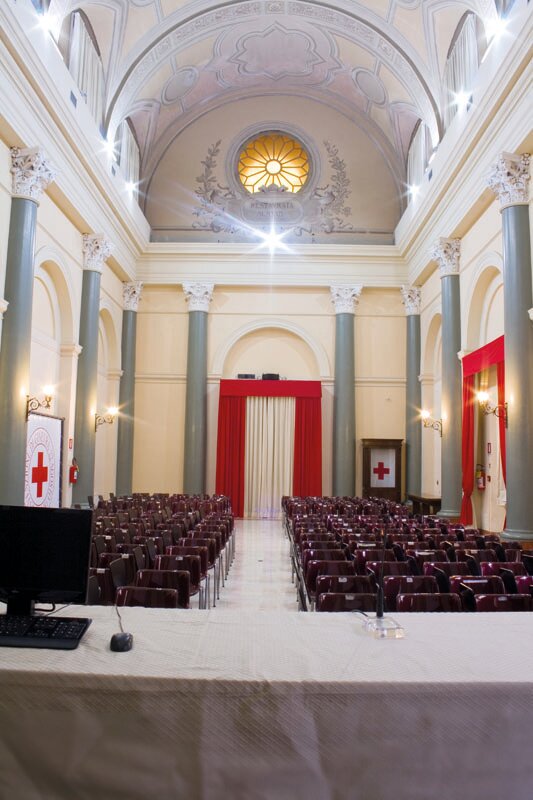
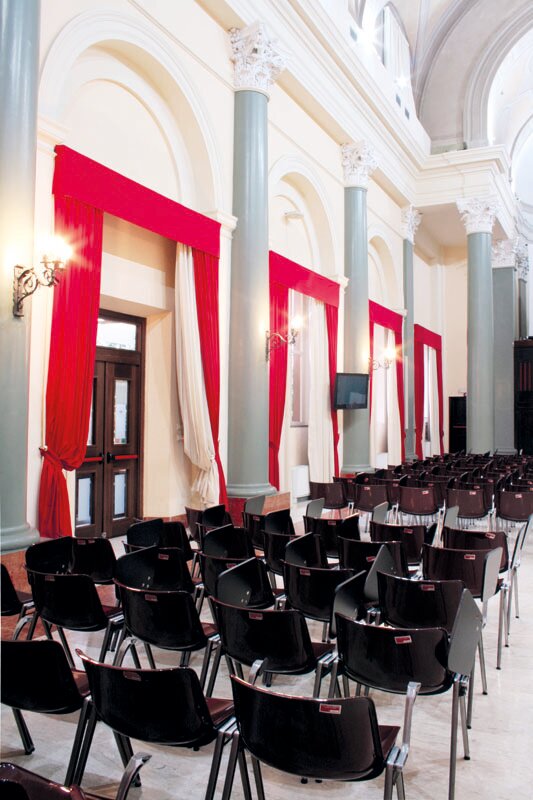
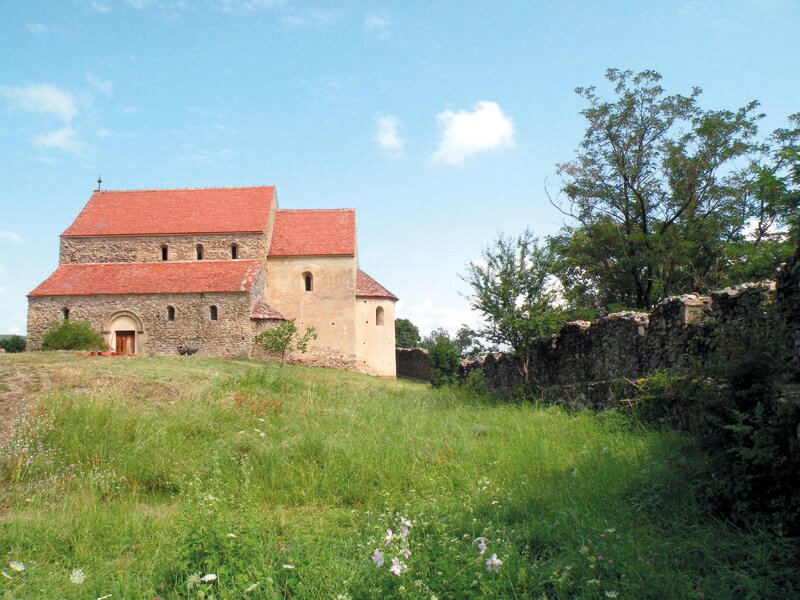
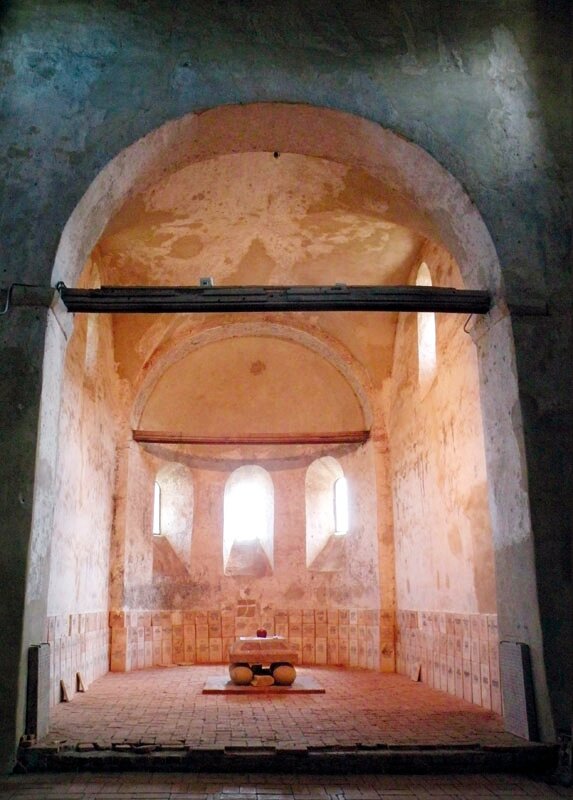
NEUTRAL CONVERSION
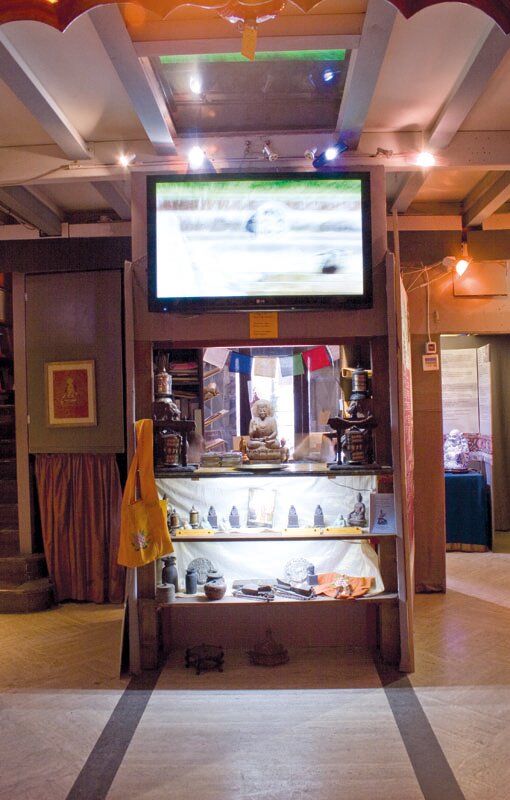
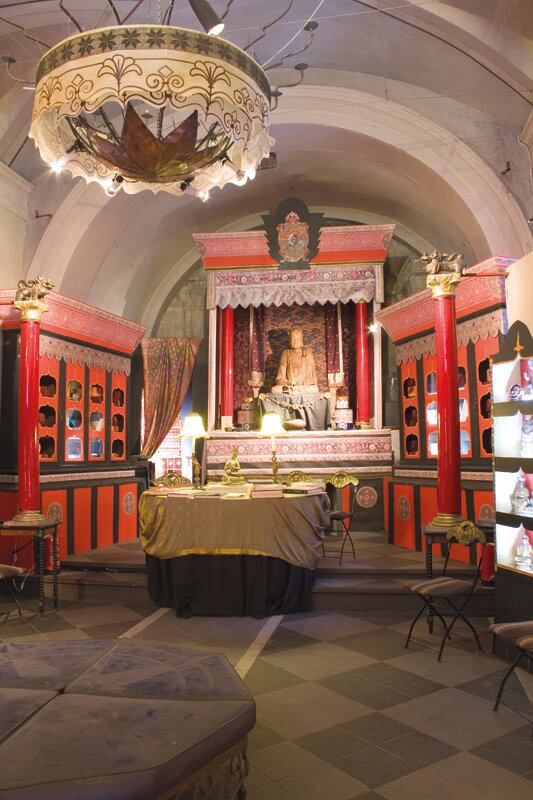
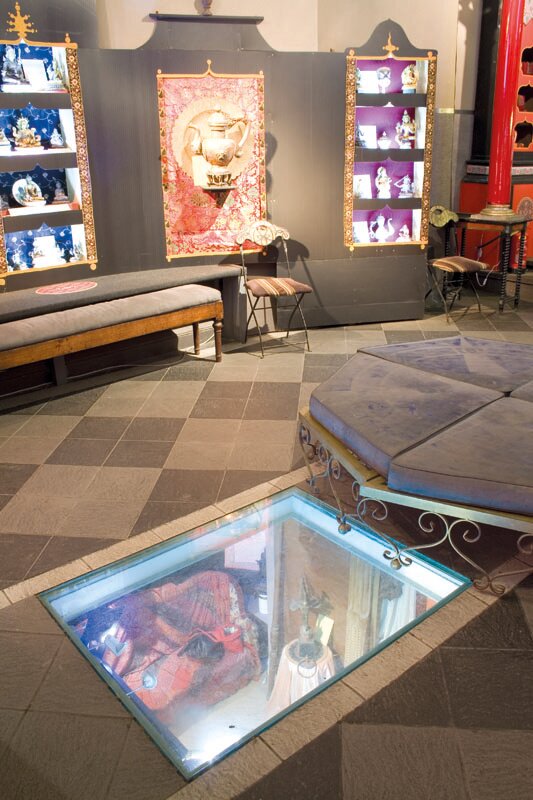
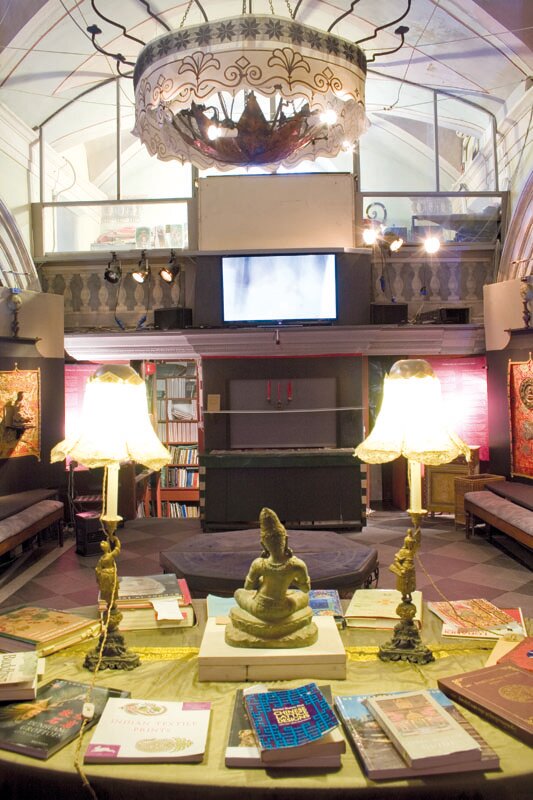
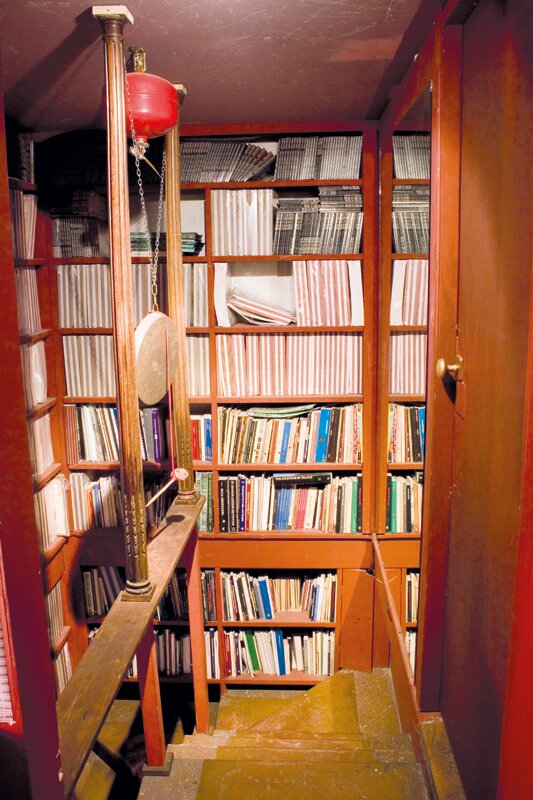

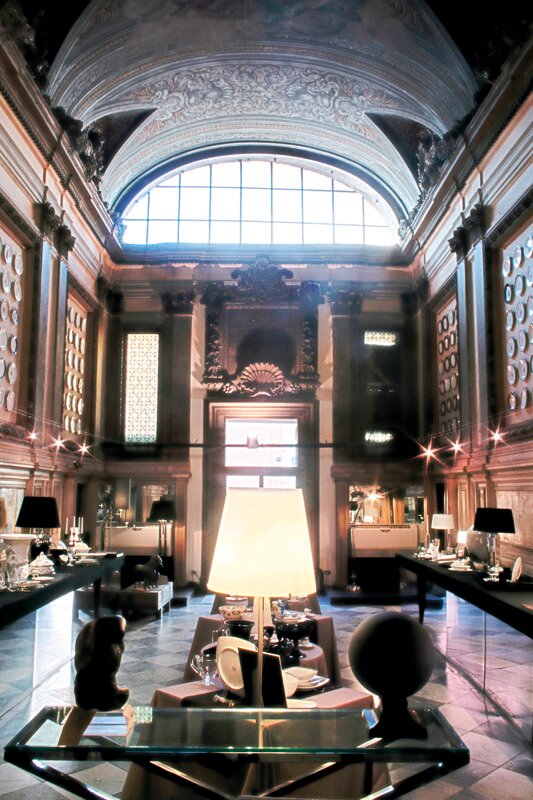
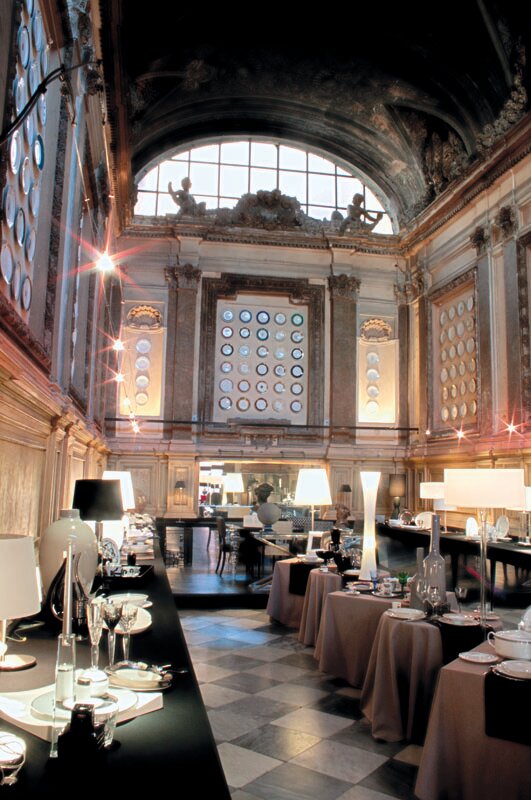
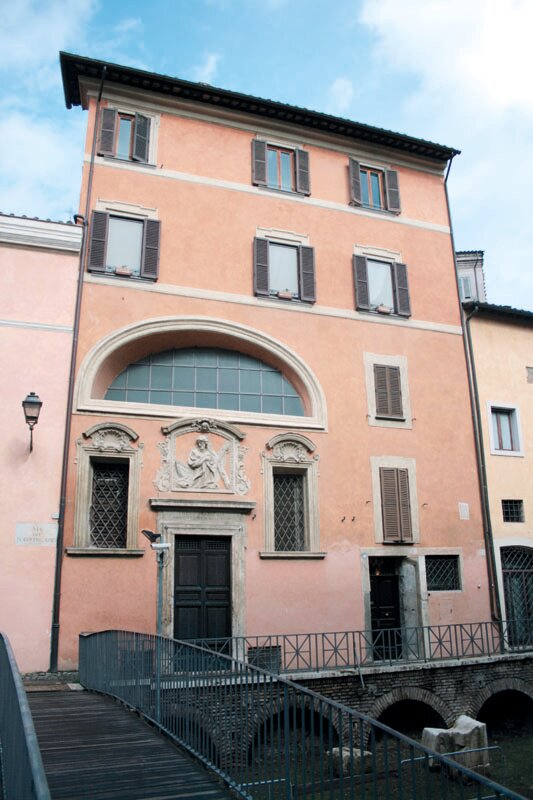
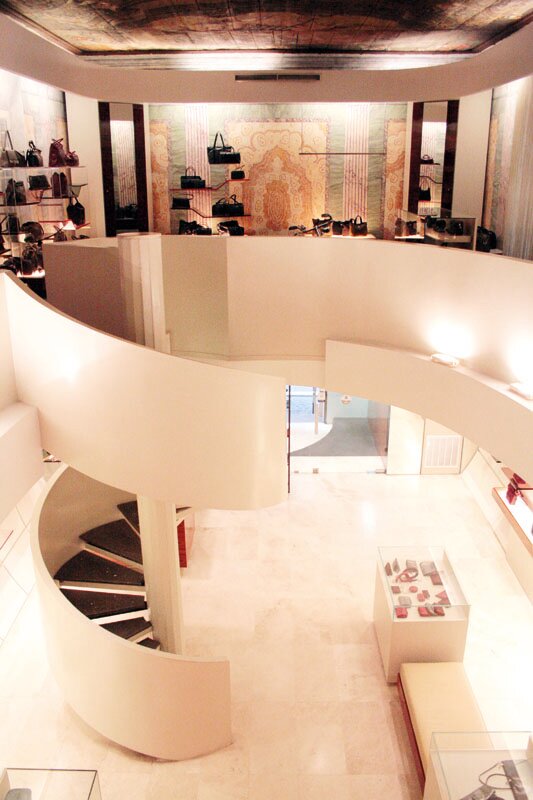
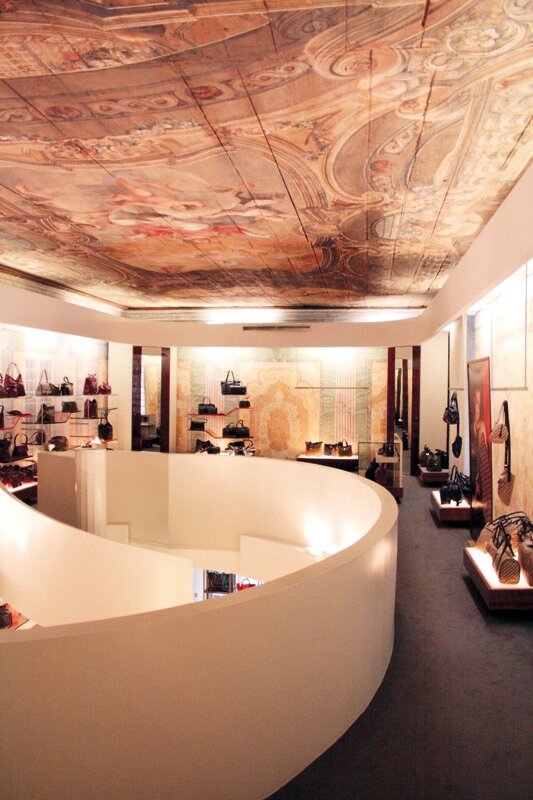
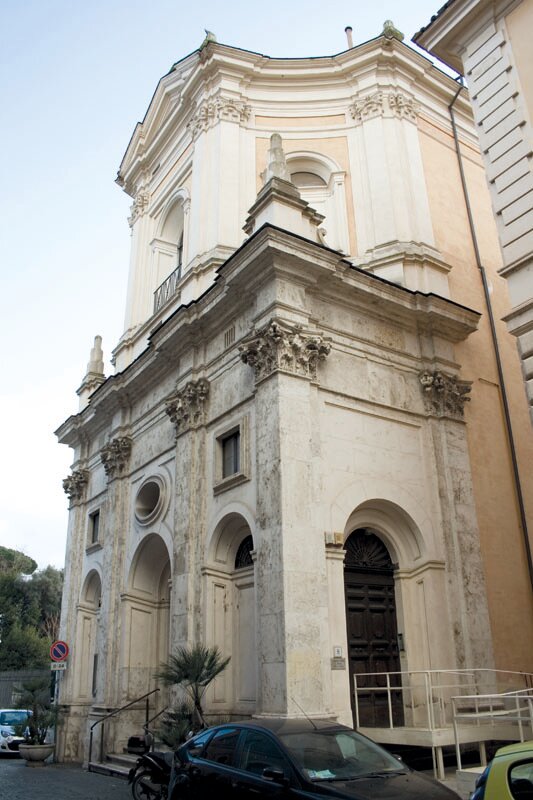
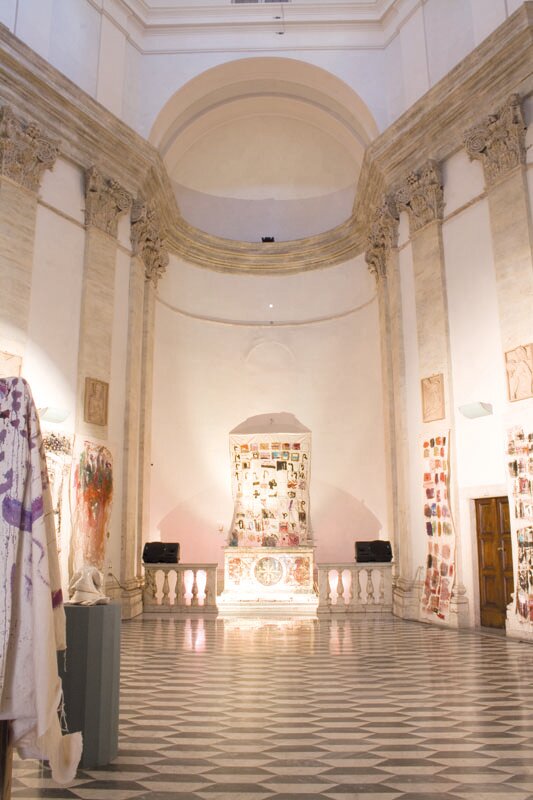
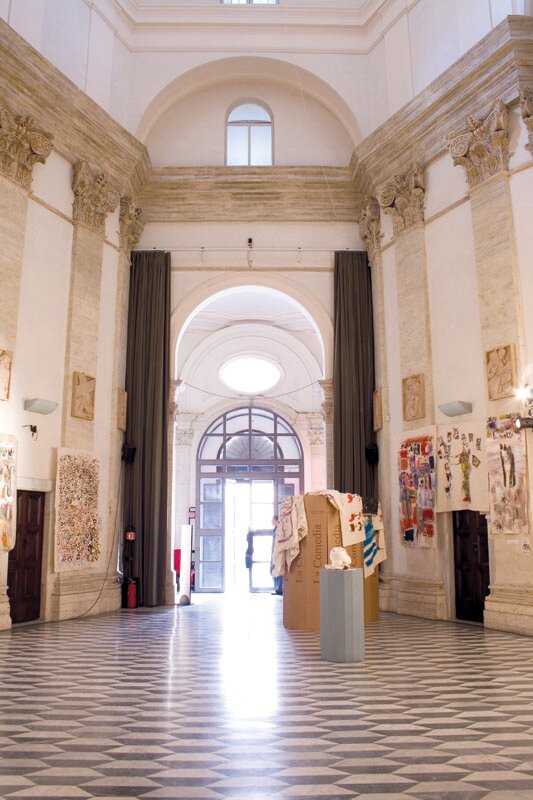
WEAK CONVERSION
NOTES:
1. Mircea Eliade, The Sacred and the Profane, Humanitas Publishing House, 1995, pp. 22-23.
2. Florent l'Hernault, "Quelle Reconversion?", in Architecture d'Aujourd'hui, Reconversion, dec. 1997, no. 194, p. 2.
3. Sherban Cantacuzino, New Uses for Old Buildings, Abbeville Press, New York, 1989, p. 8.
4. Kenneth Powell, Architecture Reborn, Ed. Rizzoli, New York, 1999, p. 14.
5. L. Feireiss and R. Klanten, in Build-On Converted Architecture and Transformed Buildings, preface to the album [no page number].
6. Kenneth Powell, op. cit., p. 17.
Bucharest. In search of visual identity
Patrimoniophobia: the false dilemma of the conflict between development and heritage conservation
95%
Architecture, the car and the modernist interior
Pruitt Igoe Now - Natural Reclaim
Converting Christian sacred spaces
Great Expectations
Good practices for saving and reusing old wooden churches Boz, Târnăvița, Cervicești
Bunești School. Protostructuralism
One yellow kitchen, millions of gray kitchens
Cinematic architecture
Some notes on traditions and tradition
The Church of the Monastery of Arges - Re(in)stauration, musealization and national myth
Savings. For an exhibition of frescoes from Arges
Fort 13