
Let's talk about architecture schools
Thematic articles
Let's talk about architecture schools
LET US TALK ABOUTARCHITECTURE SCHOOLS
| WHY LET'S TALK? It is more than obvious that, on the one hand, the whole of human civilization is confronted with complex changes that are happening without being desired, and on the other hand that a change or a series of changes that will place mankind in a more comfortable and optimistic period is more than expected, even invoked. If the world is changing, then so is the way of life, and with it the built environment, and a change in the built environment requires a special attitude of the architectural profession. If change is expected of the architectural profession, it is more than obvious that professional education, i.e. schools of architecture, must bring about change. How important this change is, in what it should manifest itself, and what are the chances that such a complex and responsible action will be proactive and successful, these are the reasons to talk about schools of architecture. To be sure, every generation is inclined to feel that it belongs to a deep crisis in need of repositioning, but it goes without demonstrating nowadays that there are at least some fundamental issues that place us in a period of unprecedentedly accelerating change and the complexity of the balances for living within the parameters we like to call normal is also very high. Demography with all its complex aspects and consequences, including global migration whether physical or economic, is unprecedented on a planetary scale, climate change and all its accompanying phenomena are alarming, energy resources, their distribution and the way they are consumed, plus a global economy whose model based too much on consumption and profit is not coping with the new conditions. It is naïve to think that all this does not affect the way we think and build, and that architecture, as a profession and as a result of its practice, can 'quietly' go its own way without proposing and achieving profound change. During this period, the European Commission's Professional Qualifications Directive (PQD1 recast) is being renegotiated, a directive covering the professions regulated in the European area, which until now provided for a minimum of 4+0 (4 years of university studies and 0 years of professional experience) before international professional recognition and conditions for mobility and access to the EU internal market. A minimum of 5+0 or 4+2 is currently being discussed, a proposal supported by the Scandinavians, but a 5+1 or 4+2 is what the Architects' Council of Europe2 considers to be the profession's objective in this negotiation. It is highly likely that the new directive will leave the option for Member States to adopt one of the two options. This would mean that full access to the profession, with full responsibility for signing off projects, would be after 5 or 6 years, with a Master's level and professional experience also required by the International Union of Architects3 (which strongly supports a minimum of 5+2). The UIA also points out that if European architects drop below 5+2, their access to the American and Asian markets may be really jeopardized, as that is where the standard operates. We will very soon find out the outcome of the re-discussion of the directive, most likely in the first half of 2013. It is worth noting that in Romania we are currently at 6+2, i.e. full access after a minimum of 8 years, which has no future in the European context. States want to shorten the period during which they finance or subsidize university education, extending the period during which they collect taxes on work, and students and young people in general are asking for shorter periods of study in order to ease the extremely high costs which are currently very high for studying and to get on their own feet, i.e. into the market, more quickly. It is extremely important to realize the precariousness of the current situation in the Romanian context and the need to reform it intelligently. Given that, in Romania, it takes a young person a minimum of 8 years to become an architect with the right to sign, benefiting from an academic education that I question in terms of attractiveness and performance compared to many other offers accessible on the continent, where the same course of study is 4 or maximum 5 years at other schools, plus a professional experience of 1 or 2 years, so a total of 5, 6 or maximum 7 years, what will he choose? Here is a reason to talk about Romanian architecture schools. |
| Read the full text in issue 2/2013 of Arhitectura magazine |
| Notes: 1. Professional Qualification Directive on regulated professions in the European area. Commission Directives are reviewed every five years (recast). 2. ACE - CAE, Architects Council of Europe - Conseil des Architectes d'Europe, a Brussels-based lobbying organization for the architectural profession. 3. UIA, Union Internationale des Architectes, a worldwide organization of architects, founded at the same time as UNESCO, based in Paris, representing architects through 5 distinct geographical regions. |
| WHY SHOULD WE TALK IN THE FIRST PLACE? It is more than obvious that on the one hand, the entire human civilization is faced with complex changes which have been occurring without any intention, and, on the other hand, that a change or series of changes that could place the world in a more comfortable, more optimistic period is expected feverishly and even invoked. If the world changes, then the lifestyle changes too, and along with it the built environment; and a change in the built environment requires a special stance from the architect profession. Then if a change is required from the architect profession, it is more than obvious that vocational training, i.e. architecture schools, need to undergo a change themselves. How important this change is, how it should express itself and what the chances are for such a complex and responsible action to be proactive and successful, all these are good reasons to talk about architecture schools. Naturally, each generation is bound to feel at some point that it is going through a deep crisis which requires everything to re-position itself, but at present one needn't even prove that there is at least a set of fundamental issues pertaining to a time of fast changes occurring at an unprecedented pace and that it is becoming increasingly difficult to ensure the balance of our lives within those parameters that we like to call normal. I am referring to demographics, with all of its complex aspects and consequences, including global migration, be it physical or economic, which has an unprecedented global presence; the climatic changes and all the phenomena accompanying them, which are quite alarming; the energy resources, their distribution and the manner in which they are consumed, plus a global economy whose model, relying too much on profit and consumption, cannot cope with the new conditions. It is naive to consider that all these do not affect the manner in which we conceive and achieve constructions and that architecture, as a profession and as a result of its being practiced, can toddle its way along "peacefully", without intending or managing to produce a major change. At present the Directive of the European Commission on professional qualifications, containing the professions regulated in the European area, is being renegotiated (PQD1 recast). Until present, the directive required a minimum of 4+0 (4 years of university education and 0 years of professional experience) for the acquisition of international professional recognition and the possibility of movement throughout and access to the internal market of the European Union. At present the discussions are targeting a minimum of 5+0 or 4+2, a proposal supported by the Scandinavians, but 5+1 or 4+2 is what the Architects Council of Europe2 considers to be the objective of the profession in this negotiation. It is highly likely that the new directive will leave it to the Member States to opt for either of the two variants. This would mean that full access to the profession, with the entire responsibility to sign projects, would take place after 5 or 6 years, and would involve a master's degree and a professional experience according to the requirements of the International Union of Architects3 (which is firmly in favor of a minimum of 5+2). The same UIA calls attention to the fact that, if European architects decide to go below 5+2, their access on the American and Asian markets might be severely compromised, as this standard is already operational there. We shall learn very soon about the outcome of the renewed discussions on this directive, most probably in the first half of 2013. We should note that at present in Romania we are at 6+2, i.e. full access to the profession takes place after a minimum of 8 years, which is devoid of prospects in the European context. European Union states wish to curtail the period dedicated to the financing or subsidizing of university education and to prolong the period of collection of taxes on work; equally, students and young people generally demand shorter periods of study in order to relieve themselves faster of the extremely high, at present, costs with university education and to earn their bread on the labor market faster. It is extremely important to realize the precariousness of the current circumstances in Romania and the necessity to reform them intelligently. When in Romania a young person needs a minimum of 8 years to become an architect with signature right, after completing a university education that many question severely in terms of attractiveness and performance in comparison with other, more accessible educational offers on the continent, which also require only 4 or maximum 5 years to complete plus a professional experience of 1 or 2 years, therefore amounting to a total of 5, 6 or 7 years at the most, the question arises, what would such a person choose? Here is another reason to talk about Romanian architecture schools. |
| Read the full text in the print magazine. |
| Notes: 1. Professional Qualification Directive, regarding regulated professions in the European area. The directives of the Commission are reviewed every five years (recast). 2. ACE - CAE, Architects Council of Europe - Conseil des Architectes d'Europe, organization for the lobby of the architect profession, based in Brussels. 3. UIA, Union Internationale des Architectes, global organization of architects established concurrently with UNESCO, based in Paris, representing architects through 5 distinct geographical regions . |
Bucharest. In search of visual identity
Patrimoniophobia: the false dilemma of the conflict between development and heritage conservation
95%

Architecture, the car and the modernist interior
Pruitt Igoe Now - Natural Reclaim
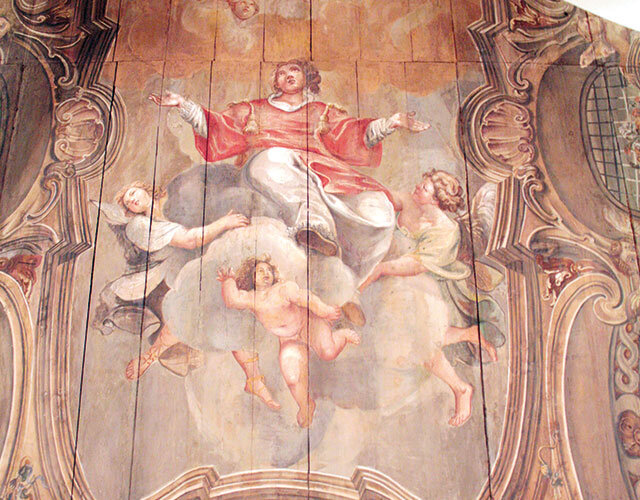
Converting Christian sacred spaces

Great Expectations
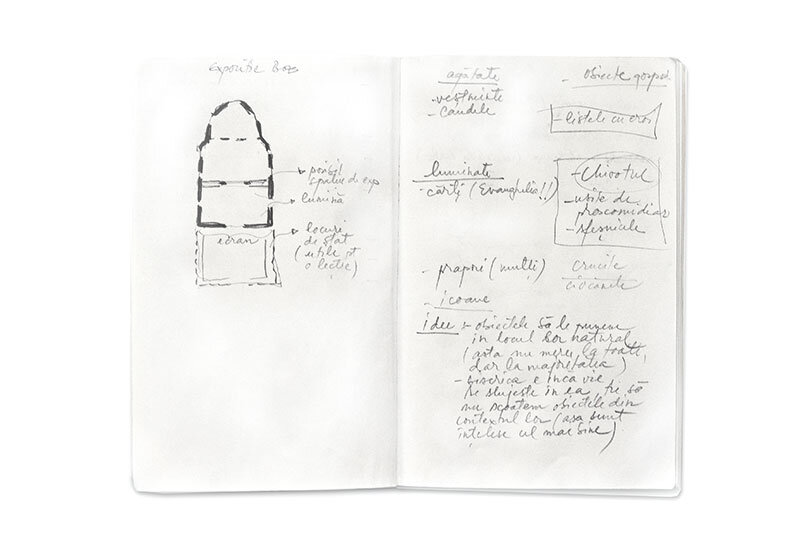
Good practices for saving and reusing old wooden churches Boz, Târnăvița, Cervicești
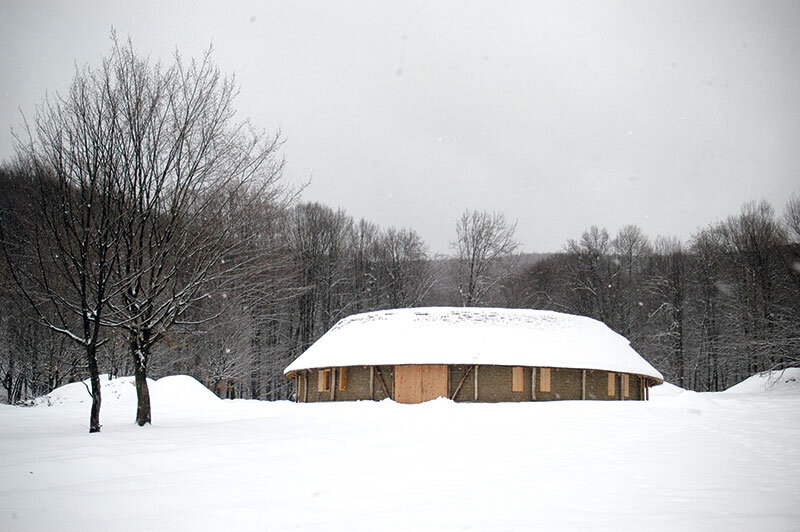
Bunești School. Protostructuralism
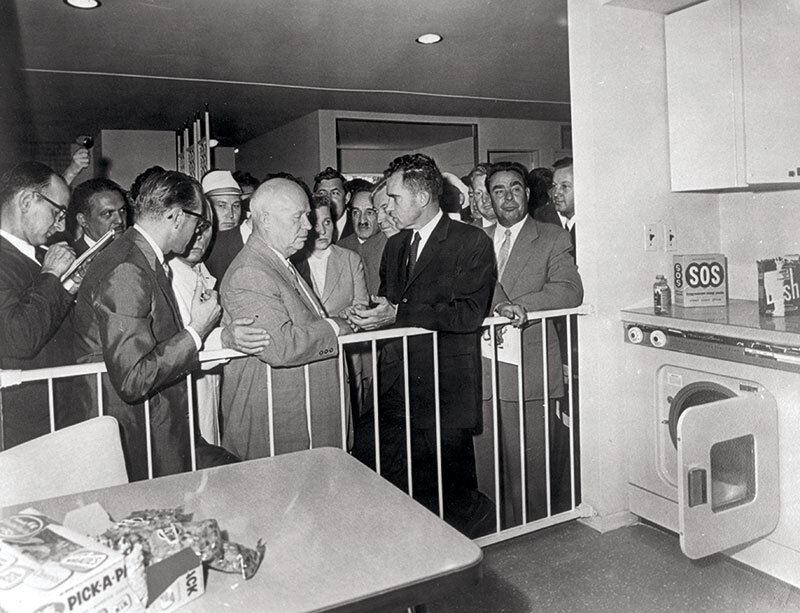
One yellow kitchen, millions of gray kitchens

Cinematic architecture
Some notes on traditions and tradition
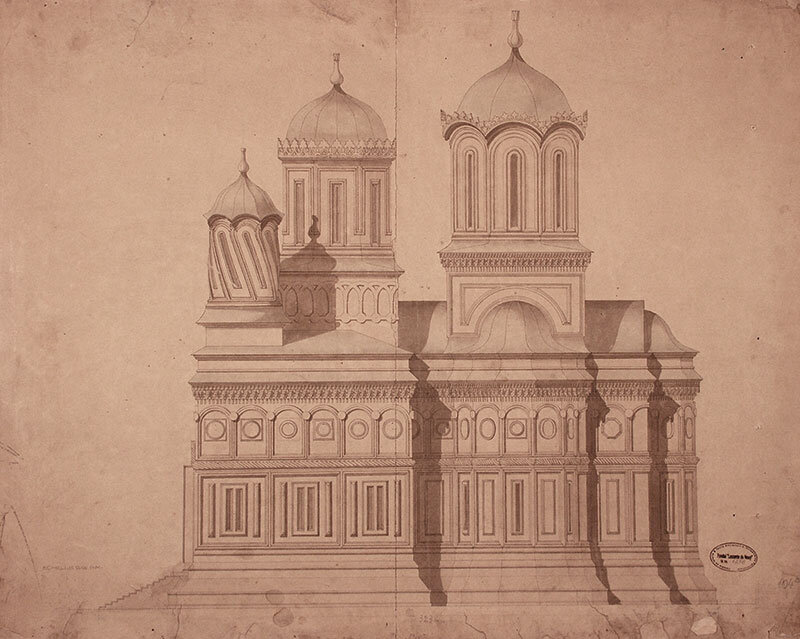
The Church of the Monastery of Arges - Re(in)stauration, musealization and national myth
Savings. For an exhibition of frescoes from Arges
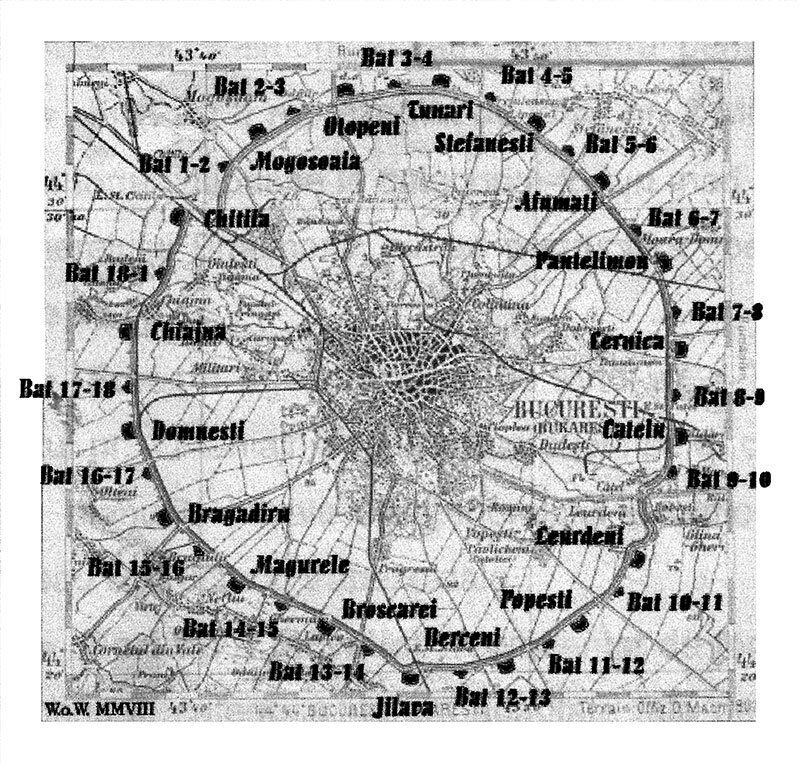
Fort 13