
Let's talk about architecture schools
Project details
Fort 13
CRUSTS OF MEMORY
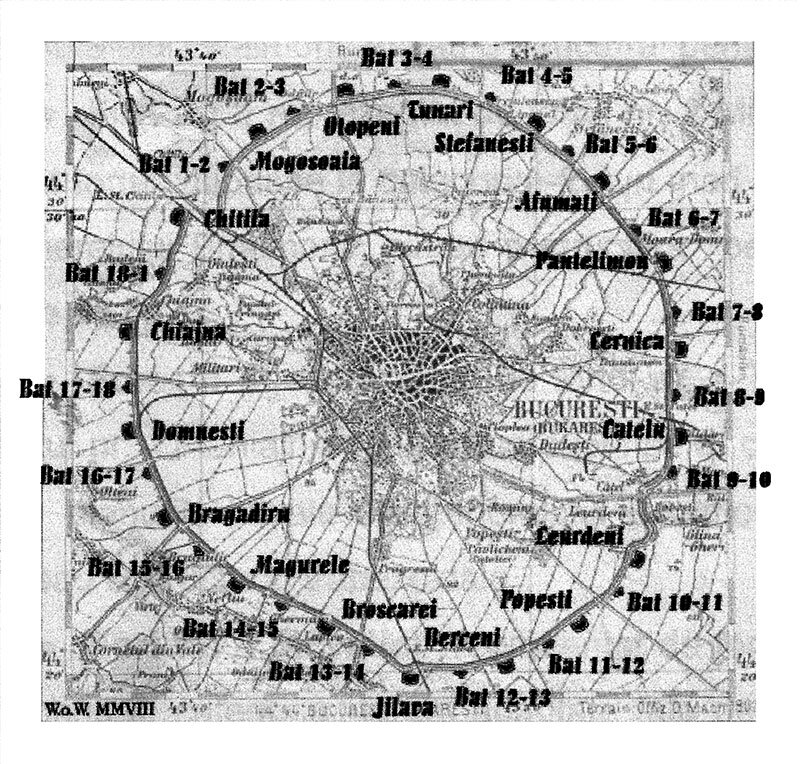
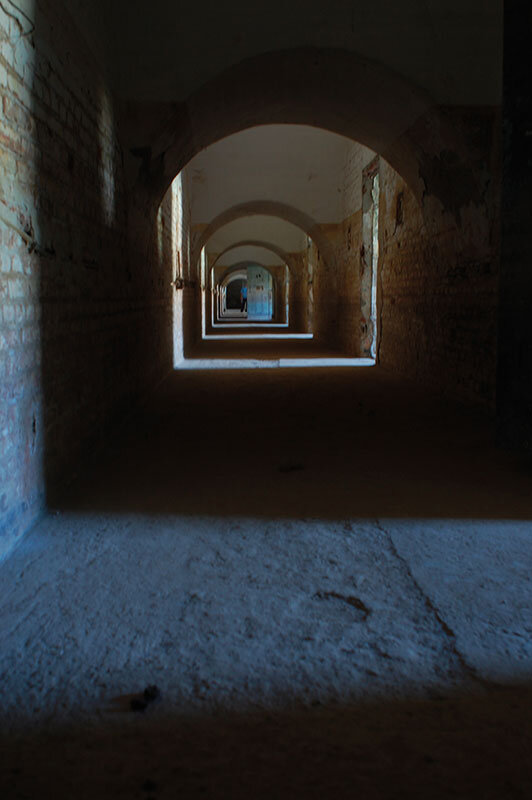
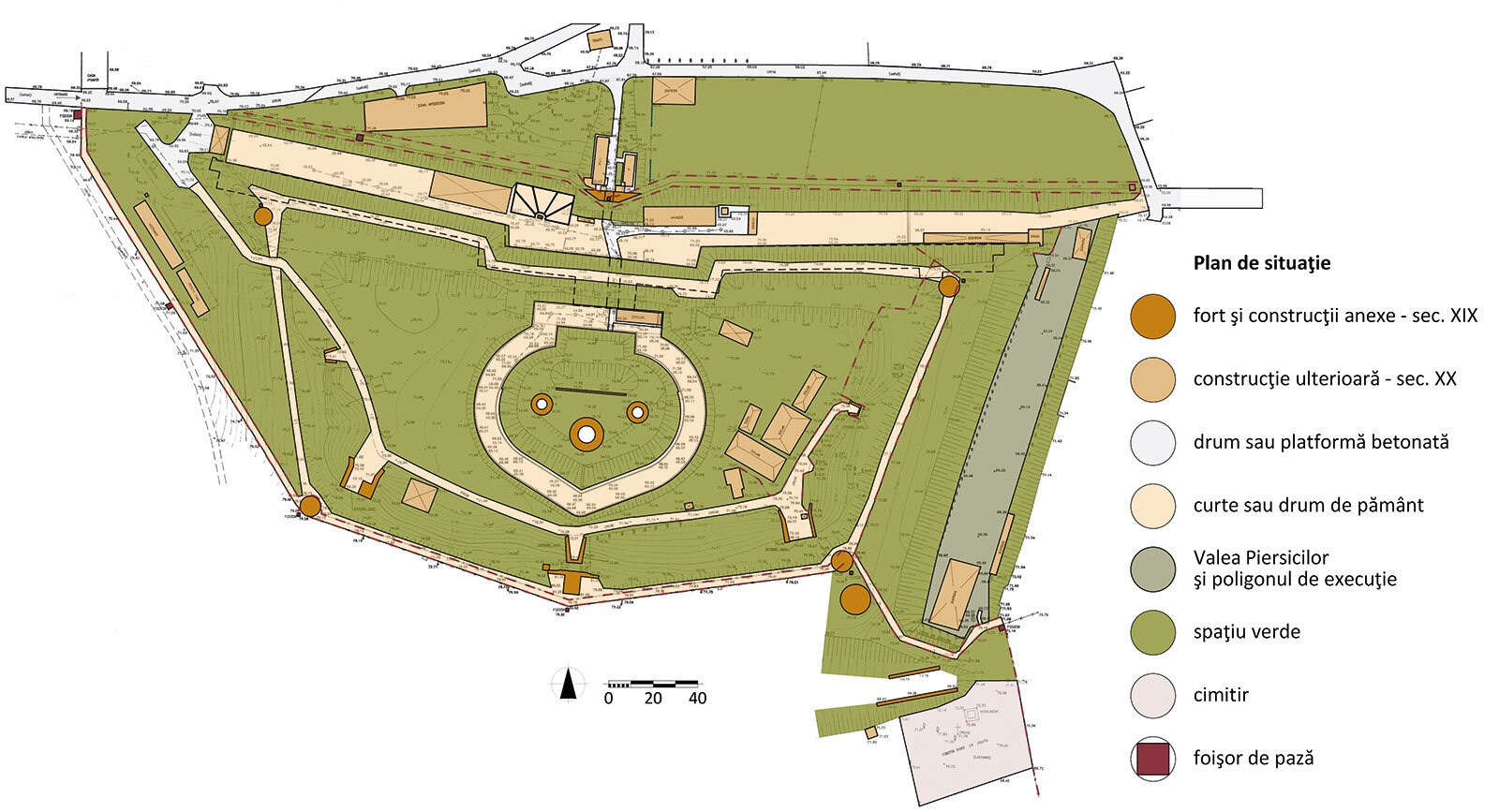
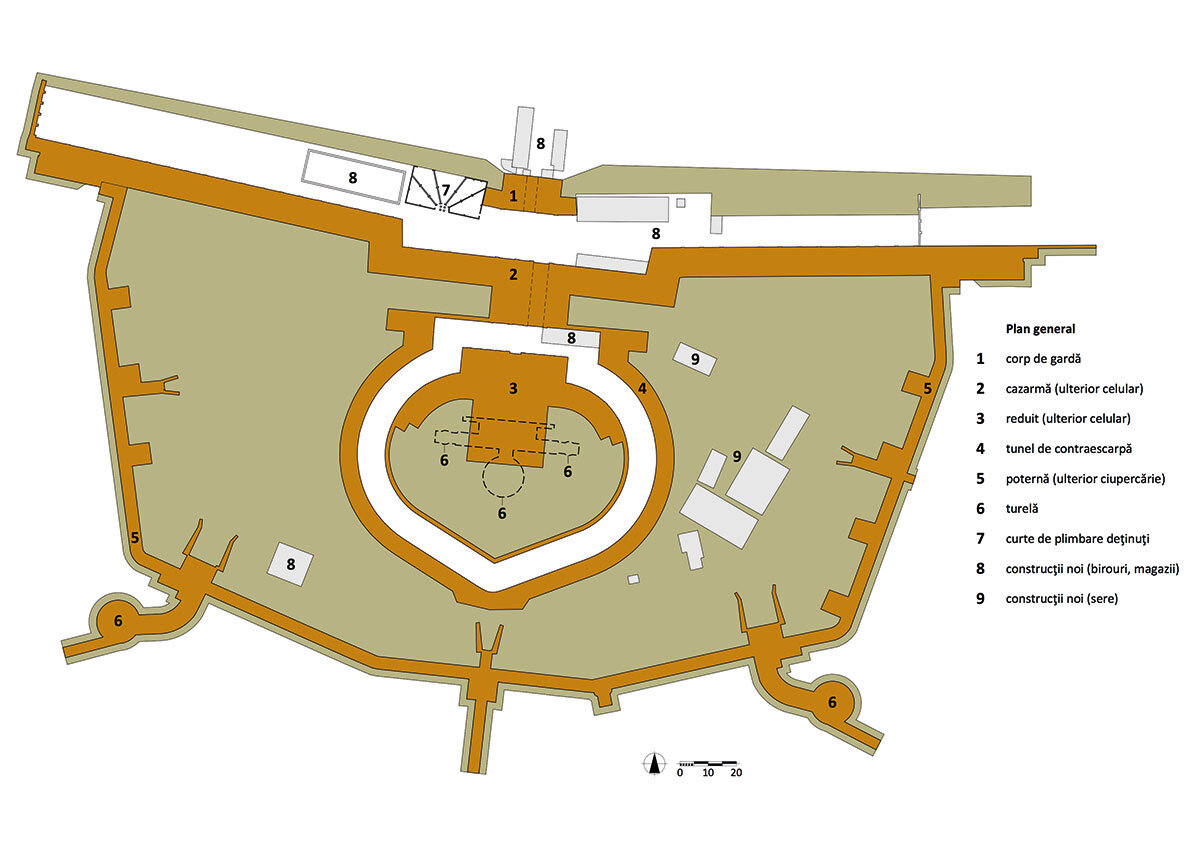
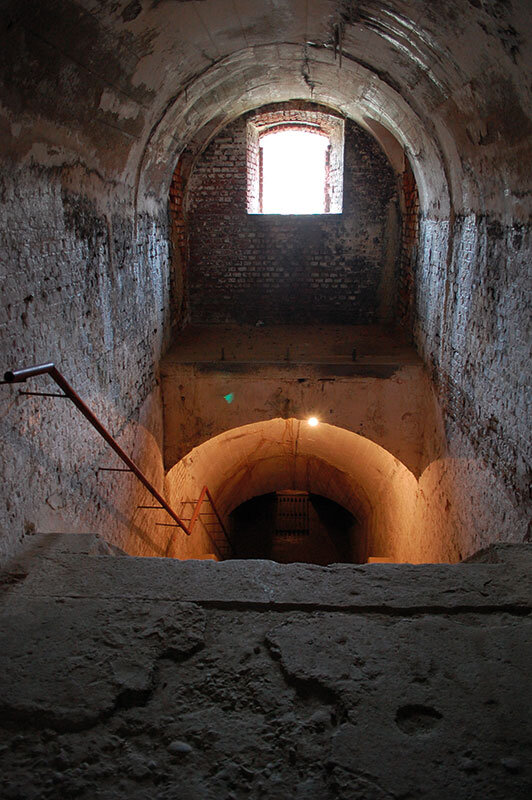
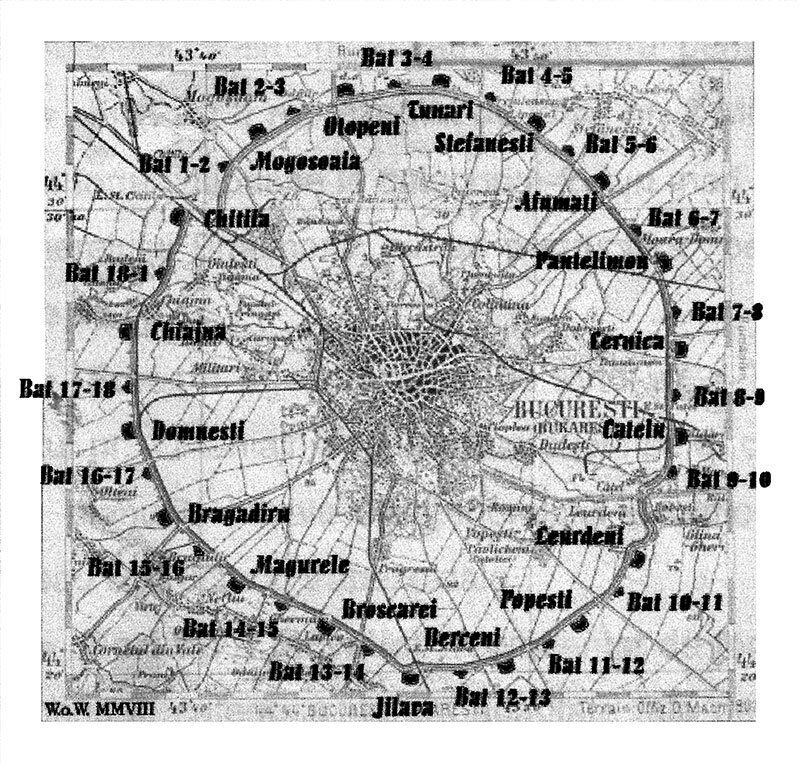
Fort 13 can only be entered with the approval of the management of the Jilava Penitentiary, where it is located. When you arrive, you leave your cell phone, headphones, memory stick and any other object through which data can be transmitted or stored at the gate. When you leave, you take with you images stored in your own memory, superimposed over what you have read, heard or experienced. Beyond Jilavei's sad reputation, for anyone who has never entered a 19th-century fortress, the alternation of closed and open spaces, the length of the facades and the thickness of the walls are mind-boggling. And since few people know the history of Bucharest's fortress belt, and even fewer have ever visited one, the chances of being overwhelmed are high.
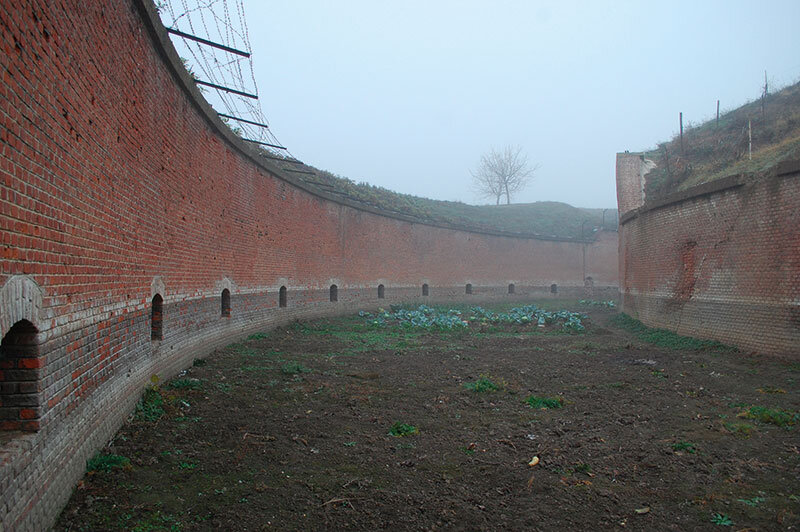
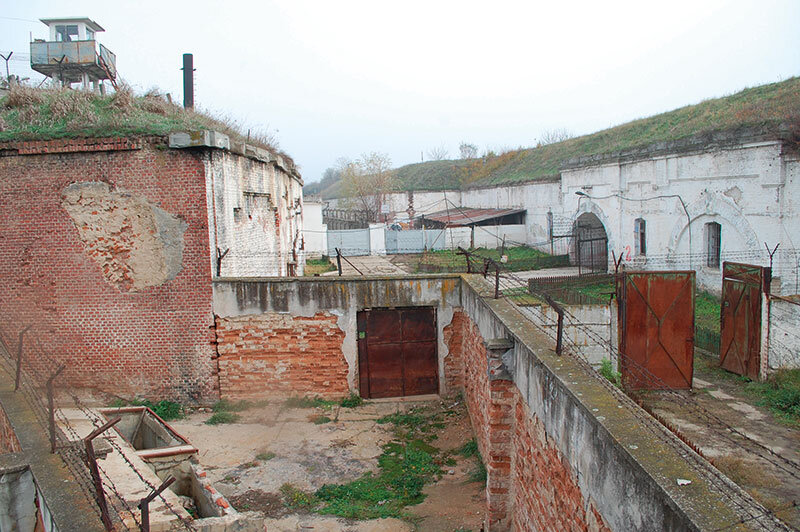
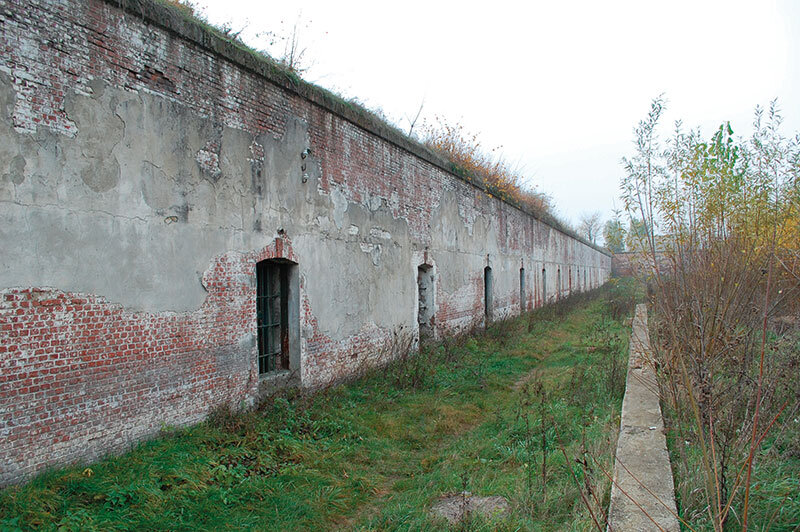
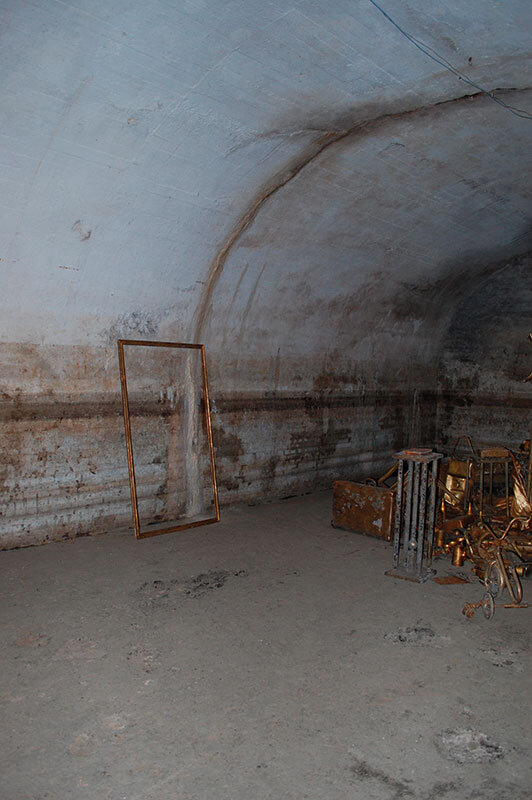
Once you let the spaces assimilate you, you begin to perceive textures. Although almost everything around is raw or burnt earth, each wall bears traces that give it a different look. Through the three-foot-thick brick walls, dampness rises up from the foundations and descends from concrete vaults covered with a thick layer of earth. Moisture is present even in the place name, and the fact that the fort was dug at a depth of about 8 m from the surrounding land, so that the earth fill above the buildings reaches the level of the surrounding land, only favors its presence. Mineral salts bloom everywhere, staining the walls and slowly grinding the brick.
The clogged drain in the ring courtyard meant that the sludge from the 2005 floods could not be completely cleaned out until four years later. Traces of falling water levels from the floods have drawn a strange layering on the inner walls of the redoubt, where recent pseudo-pits coexist with inlaid marks in the plaster by inmates. Lichens and algae proliferate on all surfaces exposed to rainwater, and trees grown in the earth over the construction extend their roots to the concrete vaults.
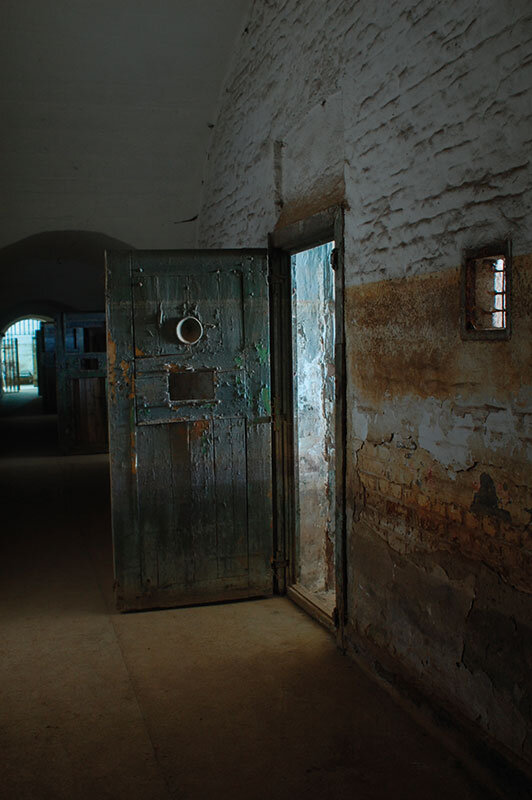
Everywhere, the space is overgrown with later compartmentalization, dilapidated outbuildings, rusting and warped metal scaffolding. Many walls have been mutilated by deep damage due to subsidence of the earth above and below, or by masonry disintegration followed by careless repairs. Successive layers of lime scale in the sun or hide scratched inscriptions in the cell walls. Window bars slowly corrode and peephole doors expose their rows of oil paint and cell number tablets from successive eras. Circulation within the fort's buildings is interrupted by walled corridors at numerous points. By sealing off the ventilation tunnels during political imprisonment, a veritable instrument of torture was created in the redoubt, which is practically buried in the ground: the "Neagra", as the prisoners called the pair of freezing, damp, windowless cells with mold and calcite stalactites hanging from the cracked vaults.
On this space shaped almost scenographically by people, time and nature, the imaginary molds almost perfectly what the memory of each of us has accumulated around the hard grain called Jilava Prison. Words and images drawn from the memories of others find a natural support in the surrounding material structures. If you walk through the corridors and enter the cells with the thought of feeling a sliver of what you know happened here, you have to rethink your bearings and redefine fear, hunger, cold, hope, generosity, courage, realizing that the difference in scale between your everyday world and that of the Jilavea cells is huge.
Read the full text in issue 2/2013 of Arhitectura magazine
PHOTO:
CĂTĂLINA BULBOREA
Bucharest. In search of visual identity
Patrimoniophobia: the false dilemma of the conflict between development and heritage conservation
95%
Architecture, the car and the modernist interior
Pruitt Igoe Now - Natural Reclaim
Converting Christian sacred spaces
Great Expectations
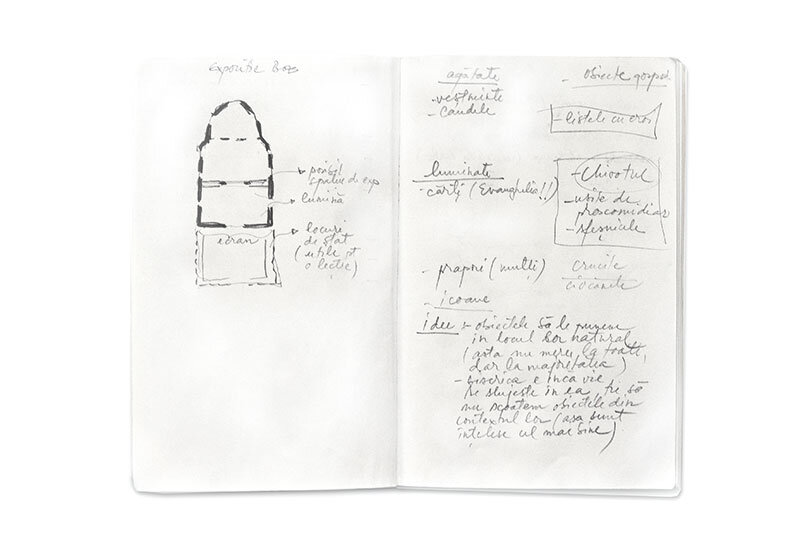
Good practices for saving and reusing old wooden churches Boz, Târnăvița, Cervicești
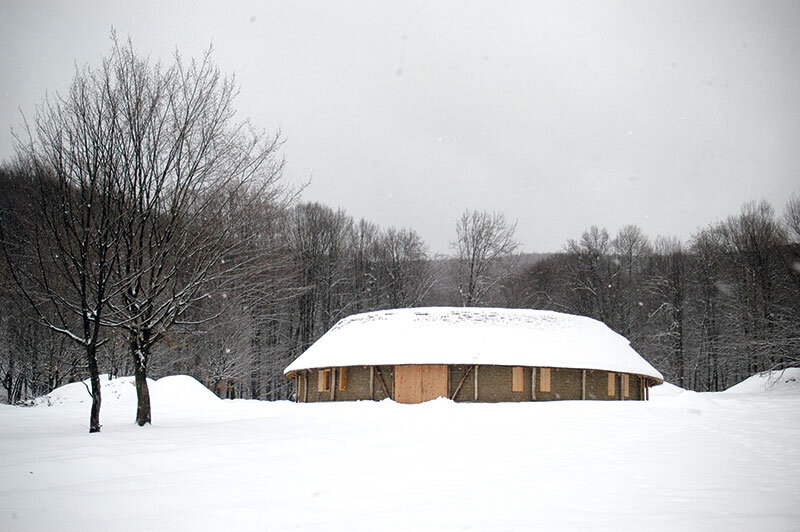
Bunești School. Protostructuralism
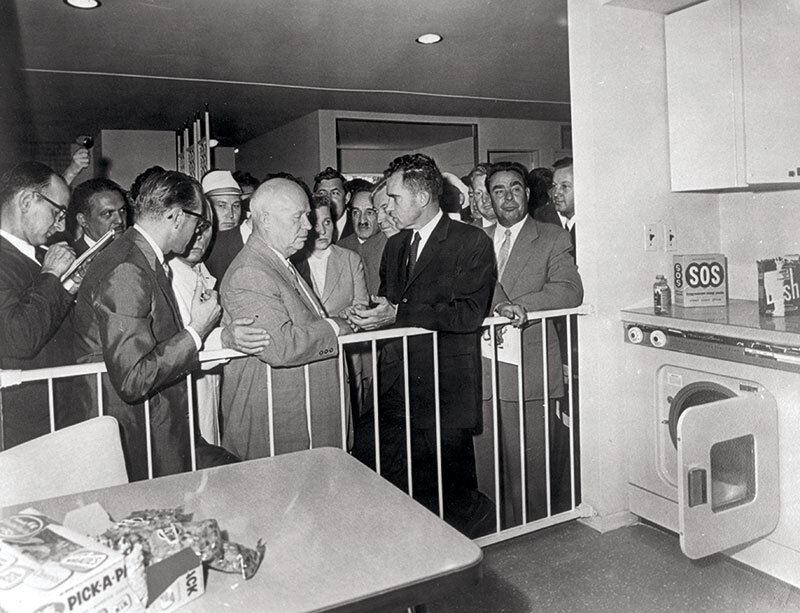
One yellow kitchen, millions of gray kitchens
Cinematic architecture
Some notes on traditions and tradition
The Church of the Monastery of Arges - Re(in)stauration, musealization and national myth
Savings. For an exhibition of frescoes from Arges
Fort 13