
Let's talk about architecture schools
Thematic articles
Bucharest. In search of visual identity
BUCHAREST.IN SEARCH OF LOST IDENTITY
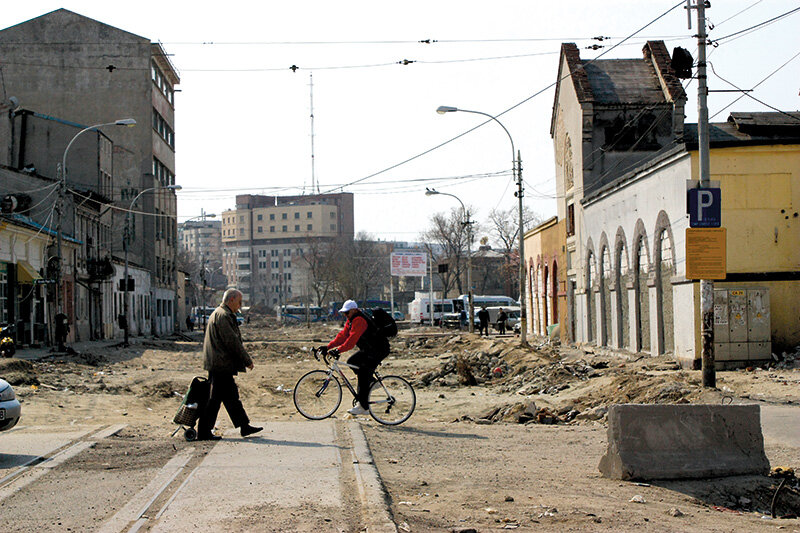
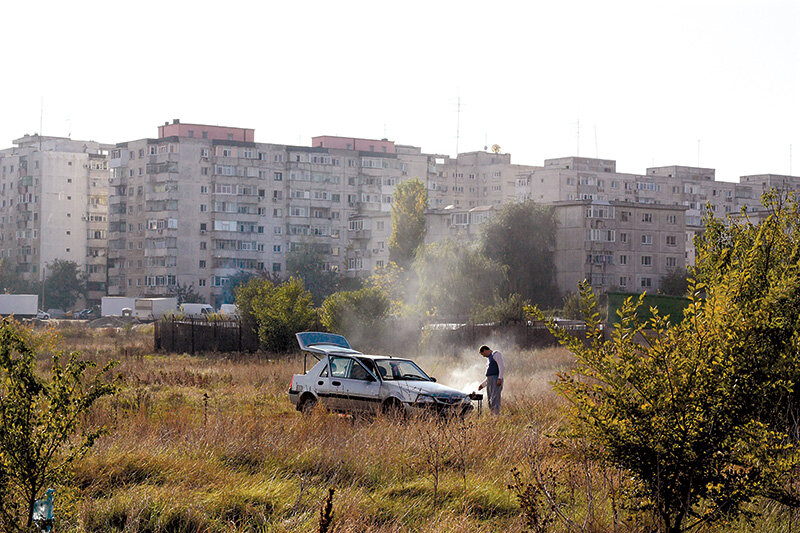
| IN TRYING TO DEFINE ITS IDENTITY, WE DISCOVER THE DIVERSITY OF ARCHITECTURAL STYLES, THE STILL PALPABLE PRESENCE IN THE FABRIC OF THE CITY OF ITS EVOLUTION OVER TIME, THE CHAOS OF PUBLIC SPACE, THE CONTRASTING COLORS, THE VITALITY. |
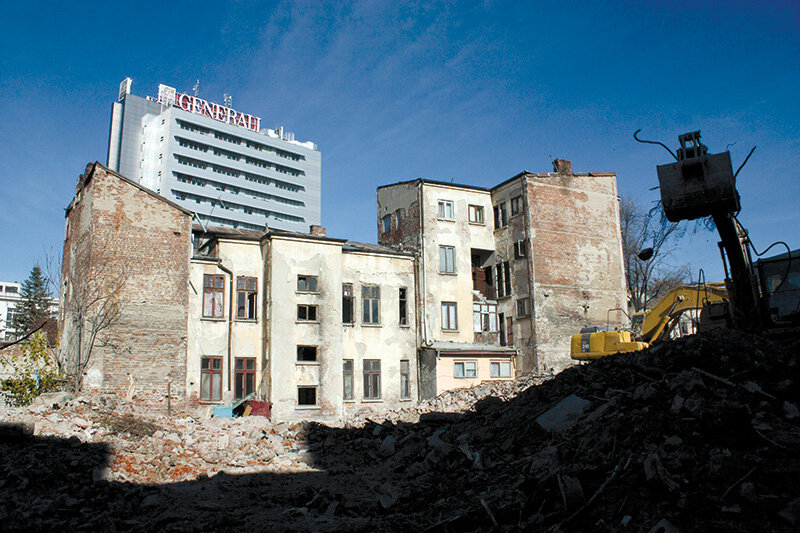
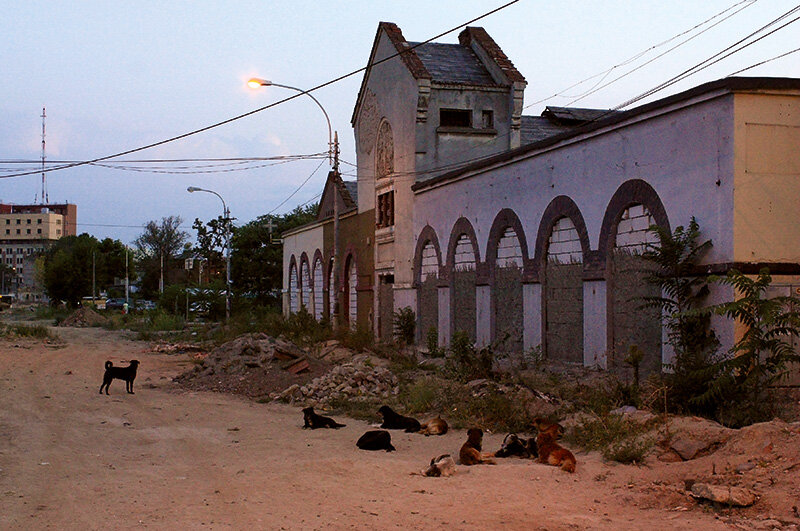
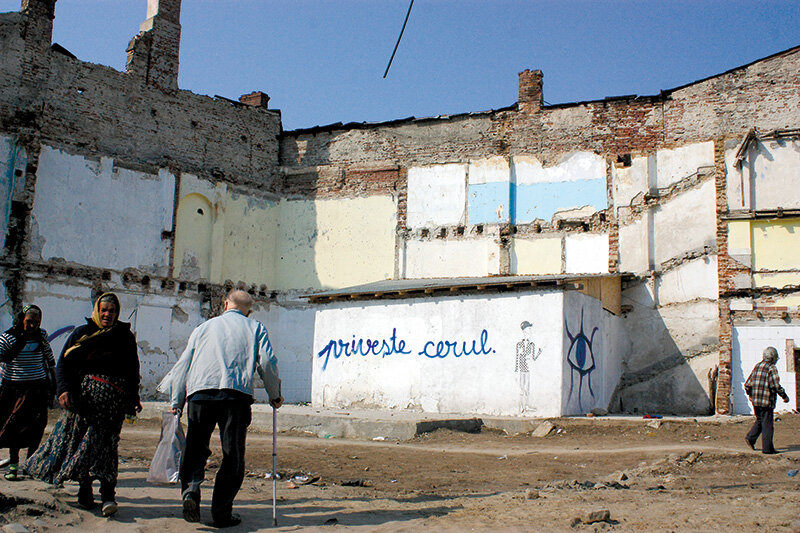
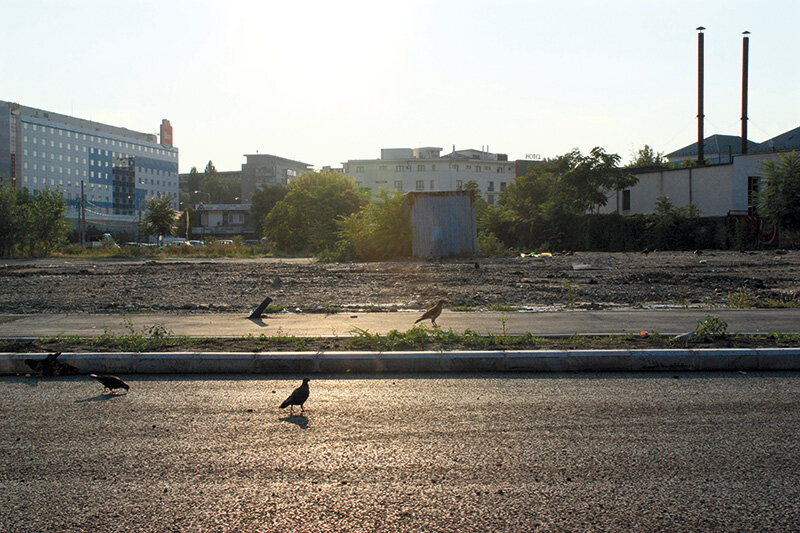
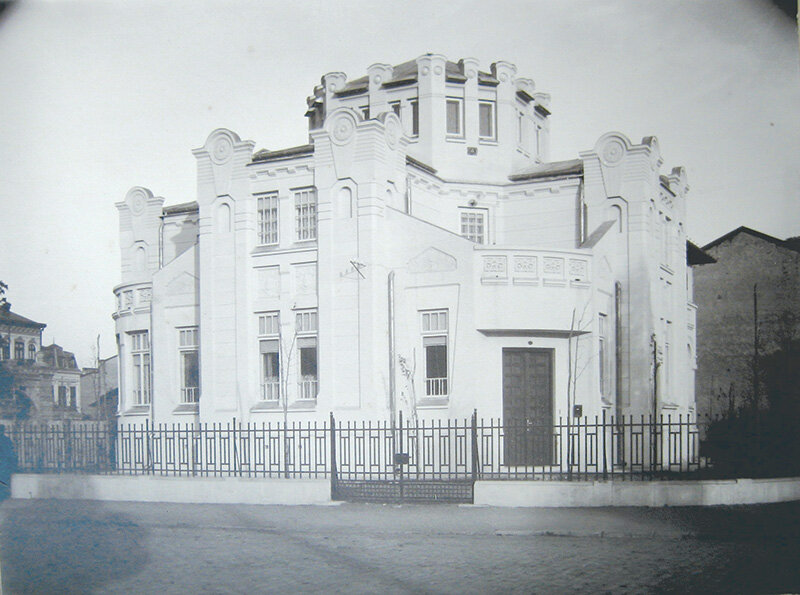
| For Ștefan Baciu, Bucharest is both an ugly and a fascinating city: "How I hate you, my beloved city,/How I covet you when I am not near you,/Because with a white knife blade/Your soul is inlaid in my veins"1. Dana Harhoiu discovers it as "a city of destiny and European vocation, a city martyred by totalitarian power,(....) a city to be understood, thought about and rebuilt.... Bucharest has developed by assimilating Eastern influences, through a natural capacity for integration that has sustained its vocation as a city between East and West"2. Bucharest excites foreign travelers: Paul Morand believes that the lesson it offers us "is not a lesson of art, but one of life; it teaches you to adapt to everything, even the impossible"3, while Catherine Durandin said that Bucharest is " not a little Paris, but its bustle, its architectural contrasts, the intrusions of the countryside into its heart and its disjointed neighborhoods incite the imagination to create coherence. Whatever the context, the attempt to define Bucharest always starts from its historical presence, the kernel around which the contemporary city is defined . Historic Bucharest, 14% of the city's surface area5, concentrates the architectural, environmental and cultural values that make it unique. If one can speak of a tangible identity of Bucharest, it is to be found in the historic neighborhoods, with their patriarchal air, their mix of architectural styles, their decorated facades, their private gardens, their winding streets. The Bucharest of historic districts, neglected or demolished by the communist administration to make room for its grandiose projects, became the favorite target of real estate speculation in the post-Decembrist period. In the last decade, numerous derogatory urban interventions have destroyed the urban coherence of old Bucharest, leading to the degradation of the quality of life of its inhabitants and the loss of historical and cultural landmarks.Today, the public discourse on Bucharest's heritage is dysfunctional, divorced from reality. Experts talk about the city's heritage as if it were just a collection of disparate "objects", whether or not they are inscribed on the List of Historical Monuments. Investors, public administration and architects are constantly explaining to us that Bucharest is constantly evolving, that the city needs to develop at all costs. In his essay "Let's philosophize a little more about Bucharest"6, the architect Dorin Stefan developed the theory of Bucharest's "urban becoming": "Today, Bucharest is stuck on the threshold. It will have to cross the threshold. It cannot go back. (....) Let the city run its course. We just 'critically assist' it".An elegant theory, but contradicted by the everyday reality of the street, which has become a jungle in which the new annihilates the old. "(...) The complex, transhistorical and transindividual situation"7 of the city that Dorin Stefan speaks of is manifested in the demolition of architecturally valuable buildings and brutal urban interventions on the historic fabric. In the shadow of theory, reality turns out to be aggressive, unsightly and indifferent to the values of the past. The watchword of this assisted 'becoming' is, unfortunately, disrespect for local history. However, neither the Bucharest City Hall (PMB) nor professional organizations have yet assessed the effects of derogatory urban planning on the coherence of protected built areas. The case studies documented by the Pro.Do.Mo8 Association show that much of the new architecture ignores not only international heritage protection legislation, but also the more permissive national legislation. In order to give Bucharest a chance to compete with other European capitals and to inspire loyalty to the city of birth or adoption, historic areas must be protected at all costs. Thus, the future General Urban Development Plan will have to strengthen and detail the regulation of protected areas, not to 'relax' it. The derogations that have mutilated protected areas in recent years must not be the starting point for a new zoning plan. Among the proposals that would improve the quality of interventions in protected built-up areas is the creation of a Historical Bucharest Commission to evaluate projects in terms of urban coherence and conservation of the built heritage. Currently, projects are only evaluated from a technical point of view by the PMB's Technical Commission for Urbanism and Spatial Planning. There is no control over the aesthetics of the new buildings, and rarely are the conditions relating to building materials and the creation of an architecture appropriate to the character of the area respected. Neither the members of the Historical Monuments Commission nor the members of the CTUAT evaluate the projects in situ and on the basis of impact studies on the coherence of the area. On the other hand, the City Hall feigns public consultation and systematically ignores the criticisms and protests of residents. In reality, no public institution is responsible for the way in which protected built-up areas are developed, which allows private investors to "interpret" the urban planning regulation in their own interest. Better regulation of the approval process and broad public participation are necessary but not sufficient ingredients for the conservation of protected areas. The economic and financial framework to stimulate the development of conservation and restoration projects is lacking. This framework must include public subsidies, tax exemptions, financial guarantees, long-term loans and clear regulation of public-private partnerships, making the concession of public land to developers conditional on the conservation and restoration of built heritage. One of the sources of funding for the urban regeneration of historic areas is the European Union, provided that the public administration understands the importance of preserving the historic identity of the city and has the administrative capacity to manage complex urban projects. The first step in attracting funds for the development of neighborhoods of architectural value, however, is the inventory of all public and private buildings and open spaces. This step has not yet been taken by the PMB, which in the last 12 years has inventoried only 12 of the 98 legislated protected areas. Instead, it has initiated a mapping project for three protected areas9, which, if adopted by the General Council, would represent a derogation from the protected areas regulation by increasing the urban planning indicators. A coherent approach to the development of historic neighborhoods at the local government level is lacking. In the opinion of Pro.Do.Mo Association and Save Bucharest Association, the initiators of the voluntary project Inventory ofProtected Built Areas10, the quantitative assessment of historic areas is a prerequisite for the initiation of coherent urban regeneration projects based on relevant socio-economic analysis. Education is another important lever in the effort to preserve historic areas. In our experience, the concept of a protected built-up area is unknown to the general public, including residents of historic neighborhoods. There is no public institution responsible for informing and advising owners in protected built-up areas, instead, the institutions involved in the approval of urban planning documents (Bucharest City Hall, the Bucharest Department of Culture and National Heritage, the Ministry of Culture and National Heritage and the Ministry of Development and Territorial Administration) play bureaucratic ping-pong with the responsibility of the approval. This article is a plea in favor of the conservation and urban regeneration of protected built-up areas11 , the only instrument for preserving the city's identity. For civil society, protected areas are not a bureaucratic, unenforceable concept or a "threshold" blocking the city's economic development. For us, historic areas shape the identity of Bucharest, on which we must build the future. |
| Notes: |
| 1. Ștefan Baciu, Cetatea lui Bucur, lyrics, "București!", Humanitas Publishing House, 2006.2. Dana Harhoiu, București, Un oraș entre Orient și Occident, p. 13, Simetria Publishing House, Arcub, 2001.3.Paul Morand, București, p. 235, Echinox Publishing House, 2000.4. Catherine Durandin, București, Amintiri și Plimbări, p. 139, Paralela 45 Publishing House, 2003.5. "Zone Protejate Construite - Municipiul București și teritoriul administrativ", "Ion Mincu" Institute of Architecture Bucharest - 1997, architect Dan Marin, architect Florinel Radu. 6. Bucureștiul Ascuns, "Let's philosophize a little about Bucharest", architect Dorin Ștefan, Igloomedia Publishing House, 2010. 7. Ibid. 8. Patrimoniul Bucureștiului. Report 2008-2012, Pro.Do.Mo Association, www.prodomo.org /urbanism/projects/projects_1.php 11. HCGMB nr. 279/2000, http://www.pmb.ro/servicii/urbanism/zone-protejate/z_aprobate.php |
| BUCHAREST IS IMPOSSIBLE TO DESCRIBE IN ONLY ONE WORD. WHEN WE ATTEMPT TO DEFINE ITS IDENTITY, WE DISCOVER ITS DIVERSE ARCHITECTURAL STYLE, THE PRESENCE, STILL PALPABLE, IN THE TISSUE OF THE CITY, OF ITS EVOLUTION OVER TIME, THE CHAOS OF THE PUBLIC SPACE, THE CONTRASTING COLORS, THE VITALITY. |
| For Ștefan Baciu Bucharest is an ugly, as well as fascinating, city: "How much I loathe you, my beloved city,/How much I need you, when I am not near you,/As in the wound you cut with a white blade/You poured the poison running through my veins"1. Dana Harhoiu describes it as a "a city of European destiny and vocation, martyred by the totalitarian power,(....) a city which needs to be understood, thought over and rebuilt... Bucharest has developed by assimilating Oriental influences, thanks to a capacity of natural integration which has supported its vocation of city caught between the East and the West"2. Bucharest has deeply moved foreign travelers: Paul Morand believed that the lesson this city taught us "is not a lesson in art, but a lesson in life; it teaches you to adapt to anything, even to the impossible"3, while Catherine Durandin noted that Bucharest is not "a little Paris; however, its hustle and bustle, its architectural contrasts, the intrusion of country life in its very heart and its disjointed districts invite the imagination to create a coherent entity. This coherence is not architectural, though; it is emotional"4.Irrespective of the context, the attempt to define Bucharest always starts from its historical presence, the kernel around which the contemporary city is defined. Historical Bucharest, 14% of the city area5, concentrates the architectural, ambiance and cultural values which make it unique. If we must refer to a tangible identity of Bucharest, then it can definitely be found in the historical districts, with their patriarchal air, their mix of architectural styles, the decorated facades, the private gardens and the winding trajectory of the streets. The Bucharest of historical districts, neglected or demolished by the communist administration to make room for its pharaonic projects, has become, in the post-December '89 period, the favorite target of real estate speculation. In the last decade, numerous illegal urban interventions have destroyed the urban coherence of the old Bucharest, leading to the degradation of the life of its inhabitants and to the loss of historical and cultural landmarks.Nowadays the public discourse on the patrimony of Bucharest is dysfunctional and utterly cut off from reality. The experts refer to the city patrimony as if it were a mere string of disparate "objects", registered or not on the List of Historical Monuments. The investors, the public administration and the architects permanently explain to us that Bucharest is subject to ongoing change; that the city needs to develop at all costs. In his essay "Let us speculate a little more about Bucharest"6, architect Dorin Ștefan developed the theory of Bucharest's "urban becoming": "Today Bucharest is stuck on the threshold. It will have to cross it though. There is no turning back for it. (....) Let us leave the city to follow its course, and let us just 'assist it critically'". It is an elegant theory, which is contradicted, however, by the daily reality of the street, practically a jungle where the new is doing away with the old. "(....) The complex, trans-historical and trans-individual location"7 of the city, referred to by Dorin Ștefan, expresses itself through demolitions of buildings evincing valuable architecture and through brutal urban interventions on the historical tissue. In the shade of theory, reality turns out to be quite aggressive, unaesthetic, and indifferent to the values of the past. The essential word which best summarizes this assisted "becoming" is, unfortunately, the lack of respect towards the history of the place. The historical city and its inhabitants are nowadays engaged in a silent war for survival.However, neither the Bucharest City Hall (PMB), nor professional organizations have performed an assessment of the effects of illegal city planning on the coherence of the protected built up areas. The case studies documented by Pro.Do.Mo Association8 show that a large part of the new architecture ignores not only the international laws regarding protection of the patrimony, but also national and more permissive, laws. In order to give Bucharest the chance to enter into a competition with other European capitals and to infuse Bucharest dwellers with loyalty towards their native or adoptive city, historical areas must be protected at all costs. Thus, the future General Urban Plan will need to consolidate and to further detail the regulation on protected areas, not to render it "more flexible". The derogations which have maimed the protected areas during the last years should not represent the starting point of a new Zonal Urban Plan. One of the proposals which could improve the quality of interventions in the protected built-up areas is the establishment of a Commission of Historical Bucharest, which would evaluate the projects in terms of urban coherence and preservation of the built-up patrimony. At present, such projects are only assessed from a technical standpoint by the Technical Urban Planning and Land Development Commission within PMB. There is no control over the aesthetics of the new buildings and the requirements concerning the construction materials and the creation of architecture in line with the character of the area are rarely observed. Neither the members of the Historical Monuments Commission, nor the members of CTUAT evaluate the projects in situ and on the basis of impact studies on the coherence of the area. On the other hand, the City Hall mimes public consultation and systematically ignores the criticism and protests raised by the inhabitants. In point of fact, no public institution is responsible for the manner in which built up protected areas are developed, which allows private investors to "interpret" the urban planning regulation for their own benefit. A better regulation of the endorsement process and larger public involvement are necessary, but not sufficient to preserve the protected areas. What is missing is the appropriate economic and financial framework which would encourage preservation and restoration projects. Such framework needs to contain public subsidies, tax exemptions, financial guarantees, long-term loans and a clear regulation of the public-private partnership, which would condition the concession of public land to real estate promoters on the preservation and restoration of the built up patrimony. One of the financing sources of the urban regeneration of historical areas is the European Union, provided that public administration understands the importance of preserving the historical identity of the city and possesses the administrative capacity to manage complex urban projects. Yet the first step to attract funds for the development of districts with architectural value is to make an inventory of all vacant buildings and premises, be they public or private. However, this step has not been taken yet by PMB which, during the last 12 years, has made an inventory containing only 12 protected areas from the 98 provided by law. Instead, it initiated a map drawing project for three protected areas9 which, if adopted by the General Council, would amount to a derogation from the regulation of protected areas through an increase in urban planning indicators. What is missing is a coherent approach by local administration authorities to the development of historical districts. We, the Pro.Do.Mo Association and Salvați Bucureștiul Association, initiators of the voluntary project An Inventory of Built up ProtectedAreas10, are of the opinion that the quantitative assessment of the historical areas is an essential condition to the initiation of coherent urban regeneration projects based on relevant socio-economic analyses. Education is another important factor in the effort to preserve historical areas. According to our experience, the concept of built up protected area is unknown to the public at large, including to the inhabitants of historical districts. No public institution is responsible for the information and guiding of owners in the built up protected areas; instead, the institutions involved in the approval of urban planning documentation (Bucharest City Hall, The Directorate for Culture and National Patrimony of the Bucharest Municipality, the Ministry of Culture and National Patrimony and the Ministry of Development and Land Management) play a bureaucratic game of Ping-Pong with the liability for the opinions issued. This article is a plea in favor of the urban preservation and regeneration of protected built-up areas11, the only tool for preserving the identity of the city. For civil society protected areas are not a bureaucratic, impossible to apply project or the "threshold" which blocks the economic development of the city. For us, historical areas are those areas which shape the identity of Bucharest, on which we must build the future. |
| Notes: |
| 1. Ștefan Baciu, Cetatea lui Bucur, lyrics, "București!", Humanitas Publishing House, 2006.2. Dana Harhoiu, București, Un oraș între Orient și Occident, p. 13, Simetria Publishing House, Arcub, 2001.3.Paul Morand, București, p. 235, Echinox Publishing House, 2000.4. Catherine Durandin, București, Amintiri și Plimbări, p. 139, Paralela 45 Publishing House, 2003.5. "Zone Protejate Construite - Municipiul București și teritoriul administrativ", "Ion Mincu" Institute of Architecture Bucharest - 1997, architect Dan Marin, architect Florinel Radu. 6. Bucureștiul Ascuns, "Let's philosophize a little about Bucharest", architect Dorin Ștefan, Igloomedia Publishing House, 2010. 7. Ibid. 8. Patrimoniul Bucureștiului. Report 2008-2012, Pro.Do.Mo Association, www.prodomo.org /urbanism/projects/projects_1.php 11. HCGMB nr. 279/2000, http://www.pmb.ro/servicii/urbanism/zone-protejate/z_aprobate.php |
PHOTO:
IOANA MARIA RUSU
Bucharest. In search of visual identity
Patrimoniophobia: the false dilemma of the conflict between development and heritage conservation
95%
Architecture, the car and the modernist interior
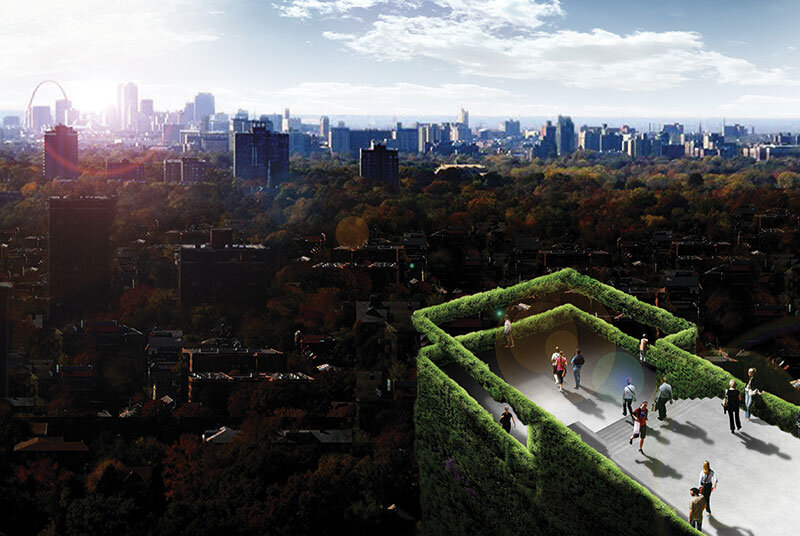
Pruitt Igoe Now - Natural Reclaim
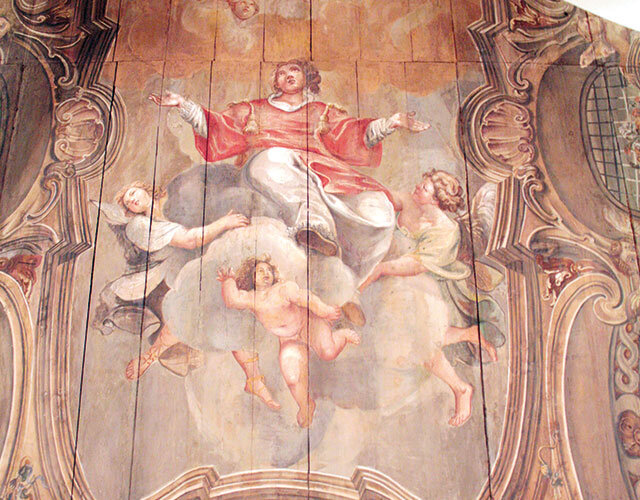
Converting Christian sacred spaces
Great Expectations
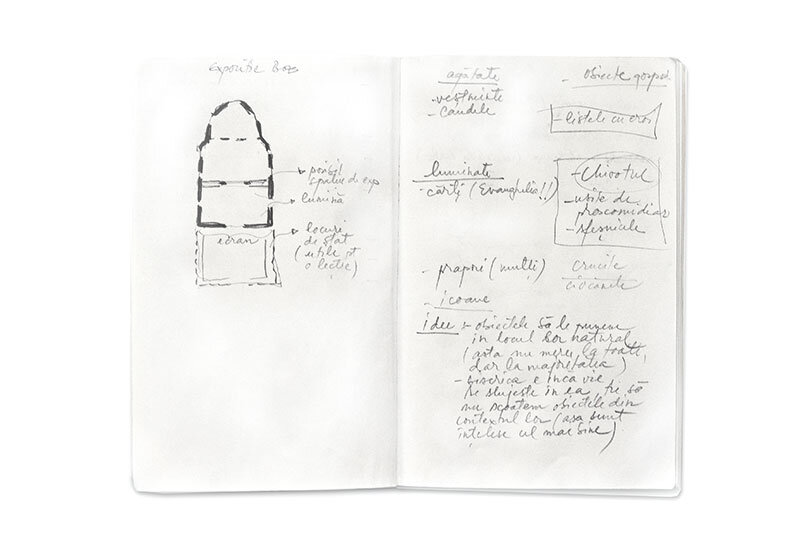
Good practices for saving and reusing old wooden churches Boz, Târnăvița, Cervicești
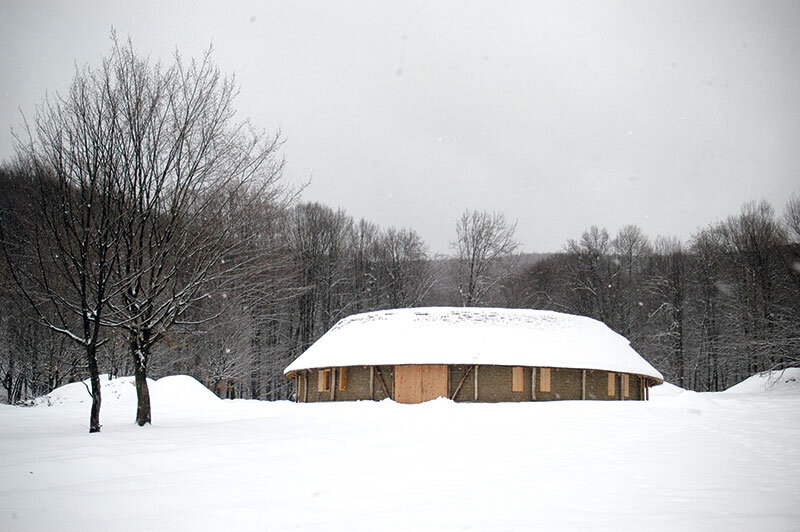
Bunești School. Protostructuralism
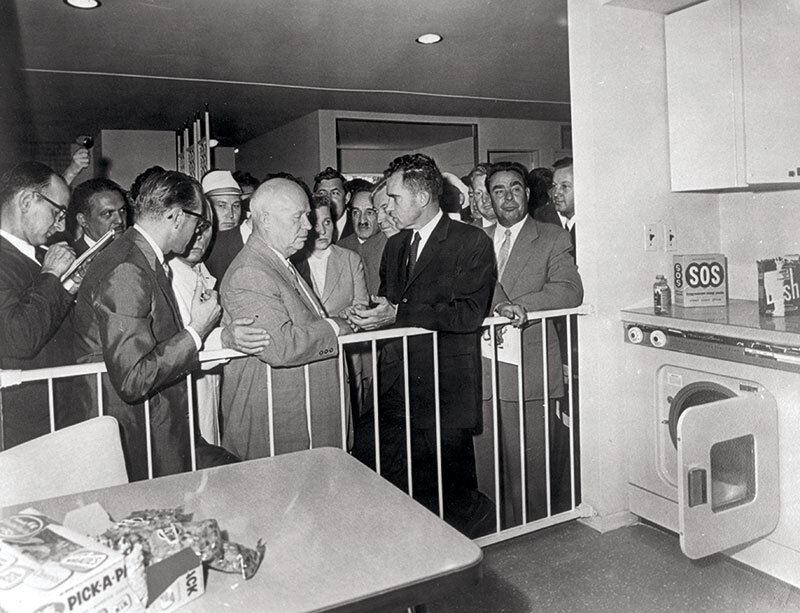
One yellow kitchen, millions of gray kitchens

Cinematic architecture
Some notes on traditions and tradition
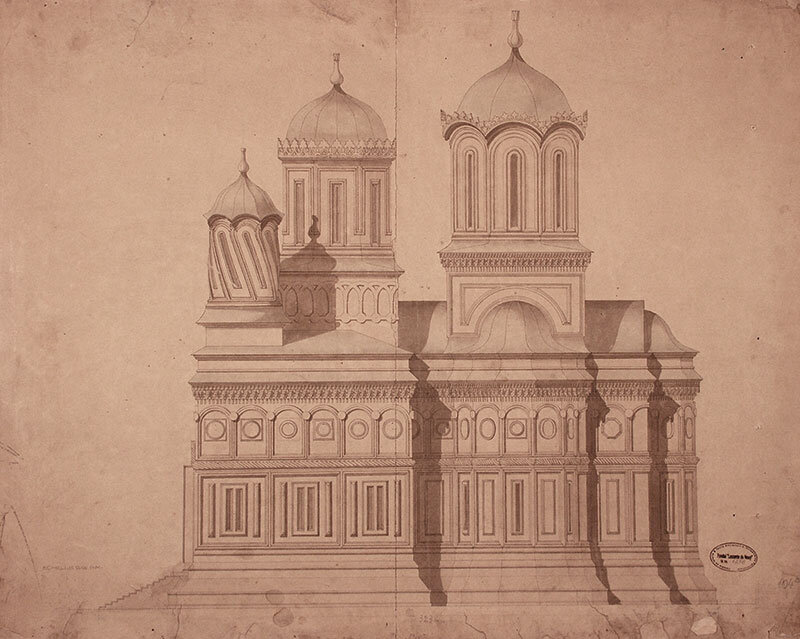
The Church of the Monastery of Arges - Re(in)stauration, musealization and national myth
Savings. For an exhibition of frescoes from Arges
Fort 13