
Let's talk about architecture schools
Project details
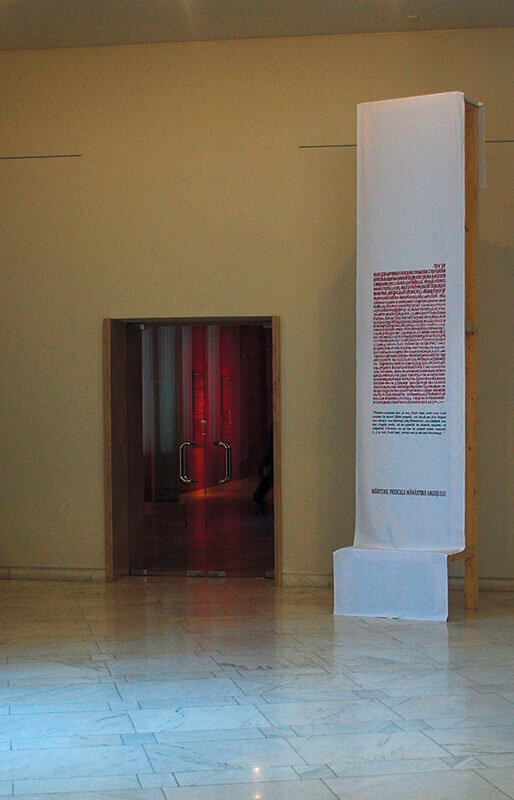
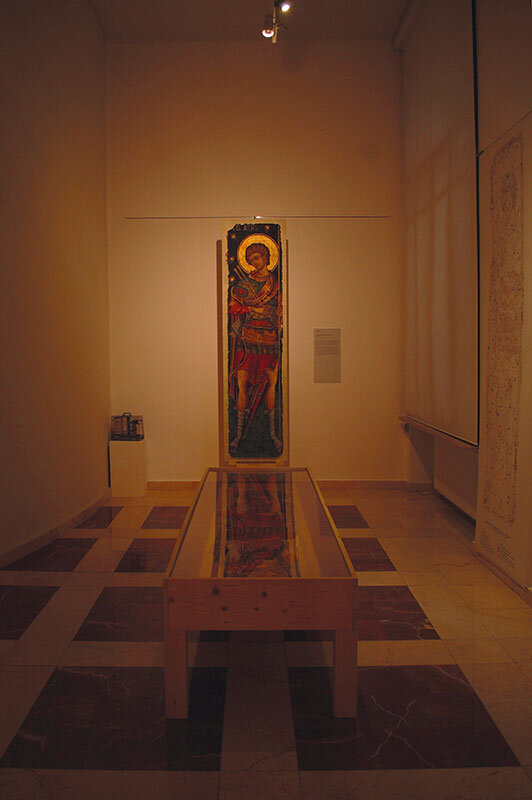
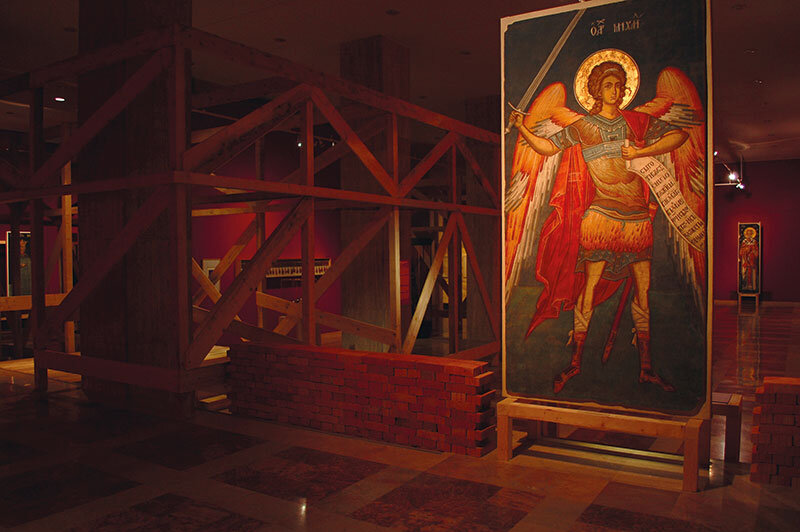
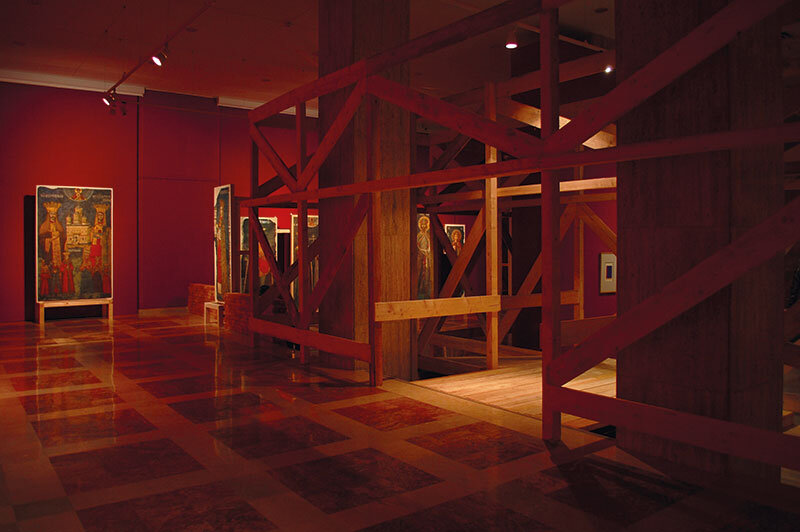
Savings. For an exhibition of frescoes from Arges
Economy comes from the Greek oikonomia, from oikos (house) and nemein (to manage), carrying the meaning of "the administration of the house, the management of the household", it is the ancestor of today's economy, but also of iconomia in the theological sense. Just as economics originally concerned itself with the good stewardship of the household, of the immediate world with all its goods, so icononomy designates the way in which God takes care of the created world, the way in which God's love is manifested in the plan of man's salvation. For a beautiful explanation of this, see Giorgio Agamben, The Friend and Other Essays. Trei fulgerătoare incursiuni în universul unor concepte fundamentale, Humanitas, Bucharest, 2012.
CURATORS:
EMANUELA CERNEA, LUCREȚIA PĂTRĂȘCANU ;
AFCN PROJECT COORDINATION:
CRISTINA TOMA, CODRUȚA CRUCEANU ;
EXHIBITION SCENOGRAPHY:
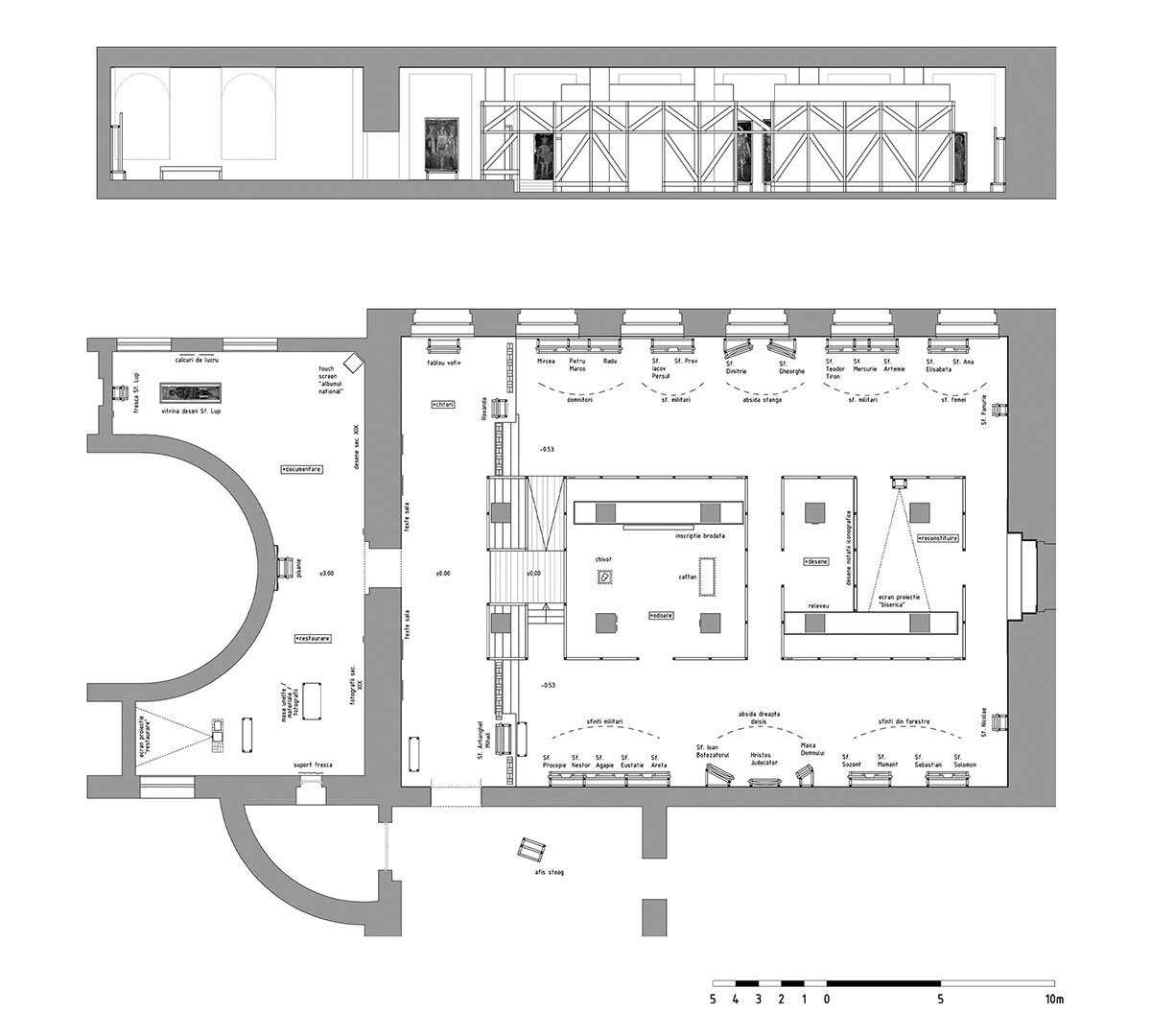
ABRUPTARHITECTURA - CRISTINA CONSTANTIN, MIRELA VLĂDUȚĂ, COSMIN PAVEL;
MULTIMEDIA MATERIALS:
KOTKI VISUALS, DILMANA YORDANOVA, MIHAELA KAVDANSKA, LARISA CRUNȚEANU, ȘTEFAN ȚENOVICI, VLAD ȚELEA ;
TECHNICAL ASSISTANCE:
LIVIU CONSTANTINESCU;
TRACT:
COSTICĂ STOICA, AEDIFICIA CARPAȚI - TEODOR IOAN OPREAN.
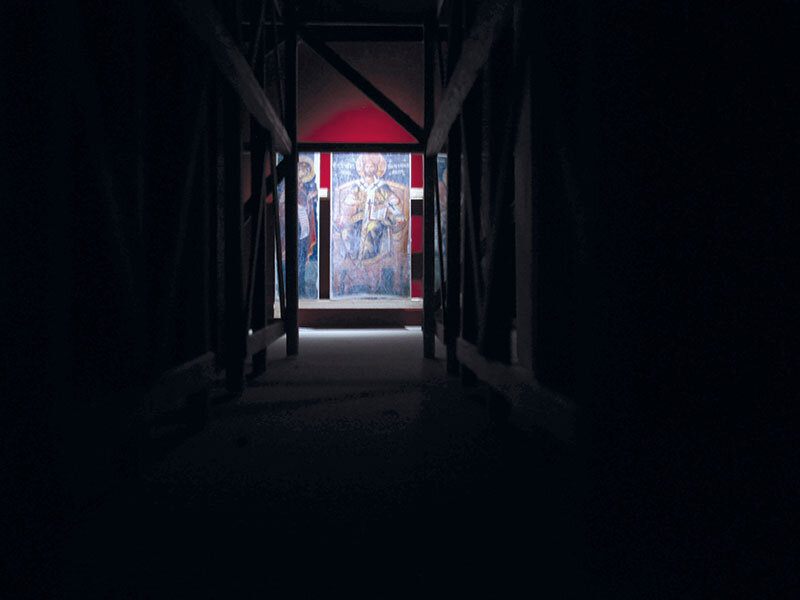
DIFFERENT MATERIALS, DAYS, PEOPLE, WALLS, GOLD, STORIES, FRESCOES AND OTHERS, IN DIFFERENT QUANTITIES, SOME BROUGHT BY US, OTHERS JUST PUT TOGETHER, LEFT TO SPEAK ABOUT A CEASELESS MAKING, ABOUT THE WASTE OF ENERGY OF THE WORLD HERE. BECAUSE THE FRESCOES THEMSELVES EXPOSE A WORLD1. NEAGOE'S WORLD.
29
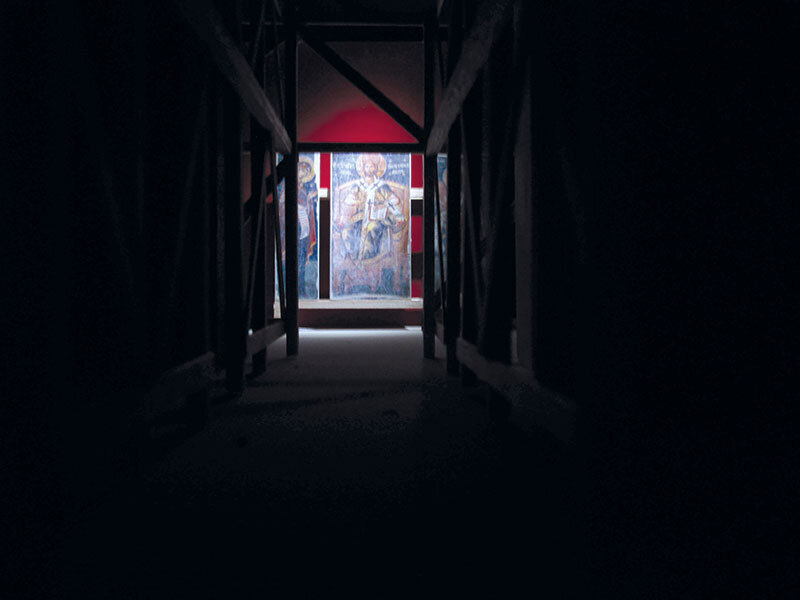
On a Friday, June 29, the Feast of the Holy Apostles, news of the exhibition reached us. We received a few lines on a sheet of paper, talking about many, many messages to be integrated into the "exhibition concept": the uniqueness of the monument, the figure of the holy voivode Neagoe Basarab, 500 years since his accession to the throne, 16th century painting, a national cultural treasure, the restoration process, documentary elements, projections, animations, etc. Beyond the beauty of the theme itself, we were impressed by the passion of the people in the museum who had been planning the exhibition for some time. How could the Argeș frescoes be more appropriate to reach the public?
2
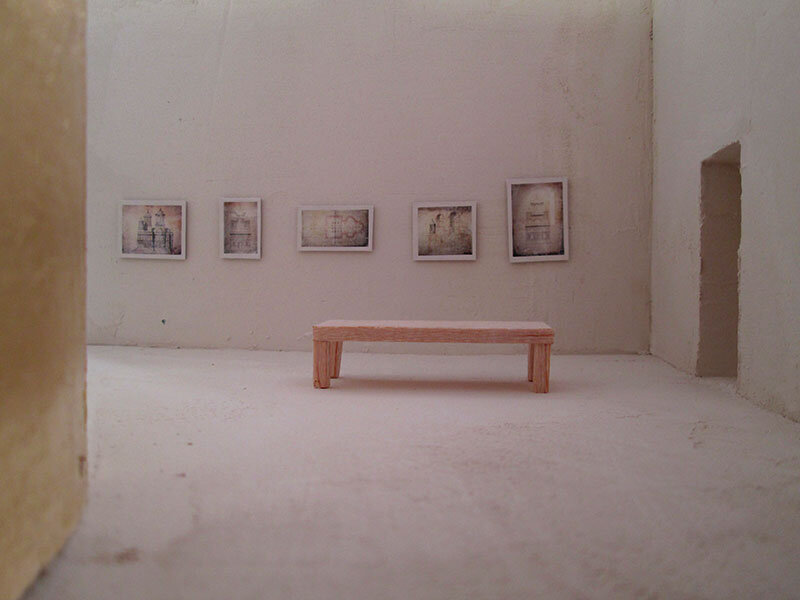
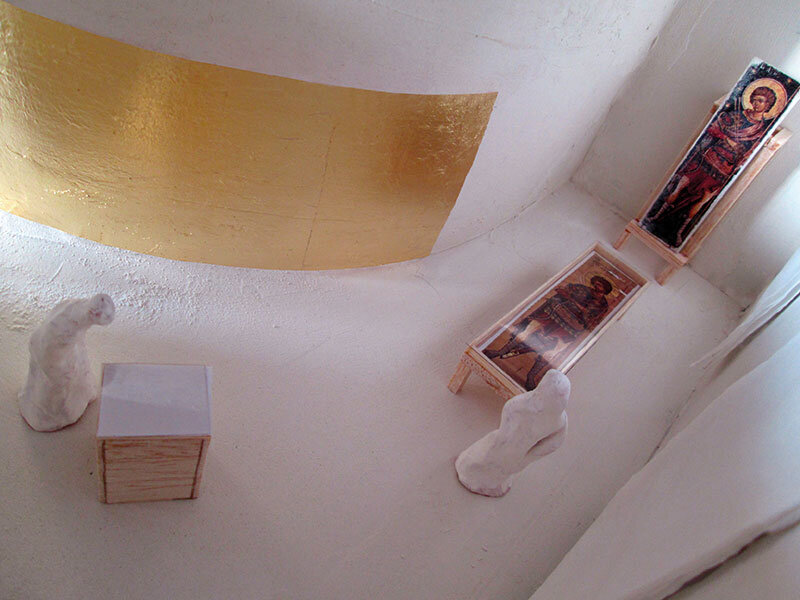
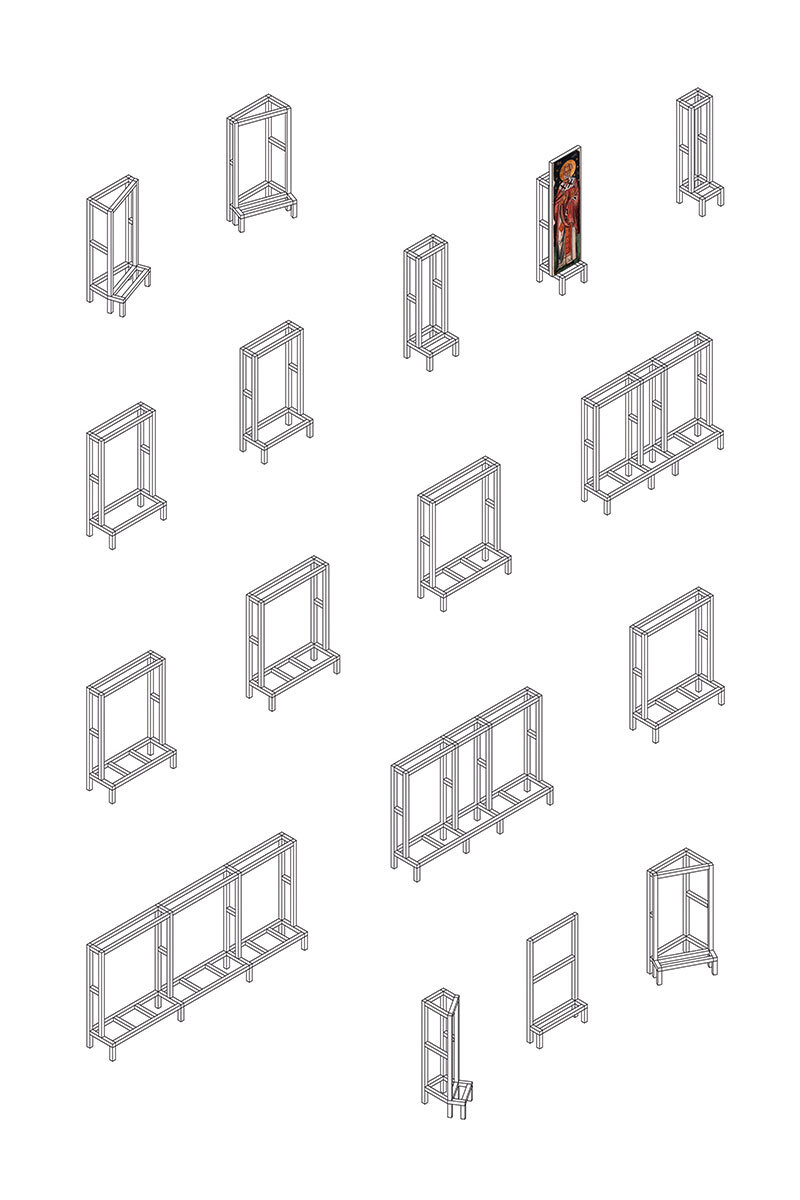
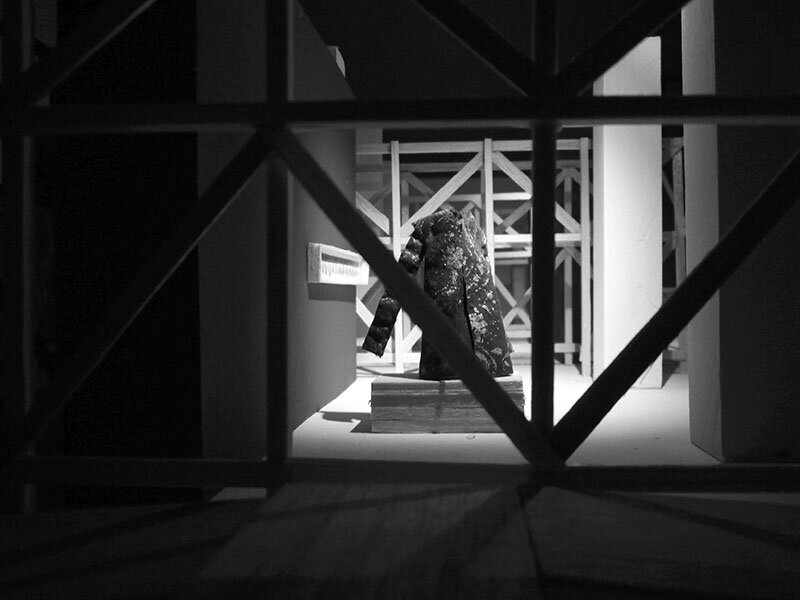
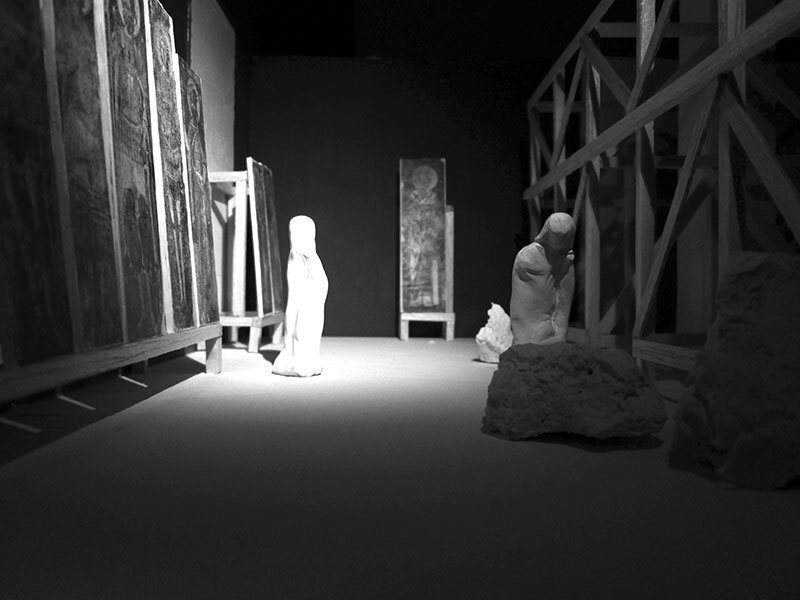
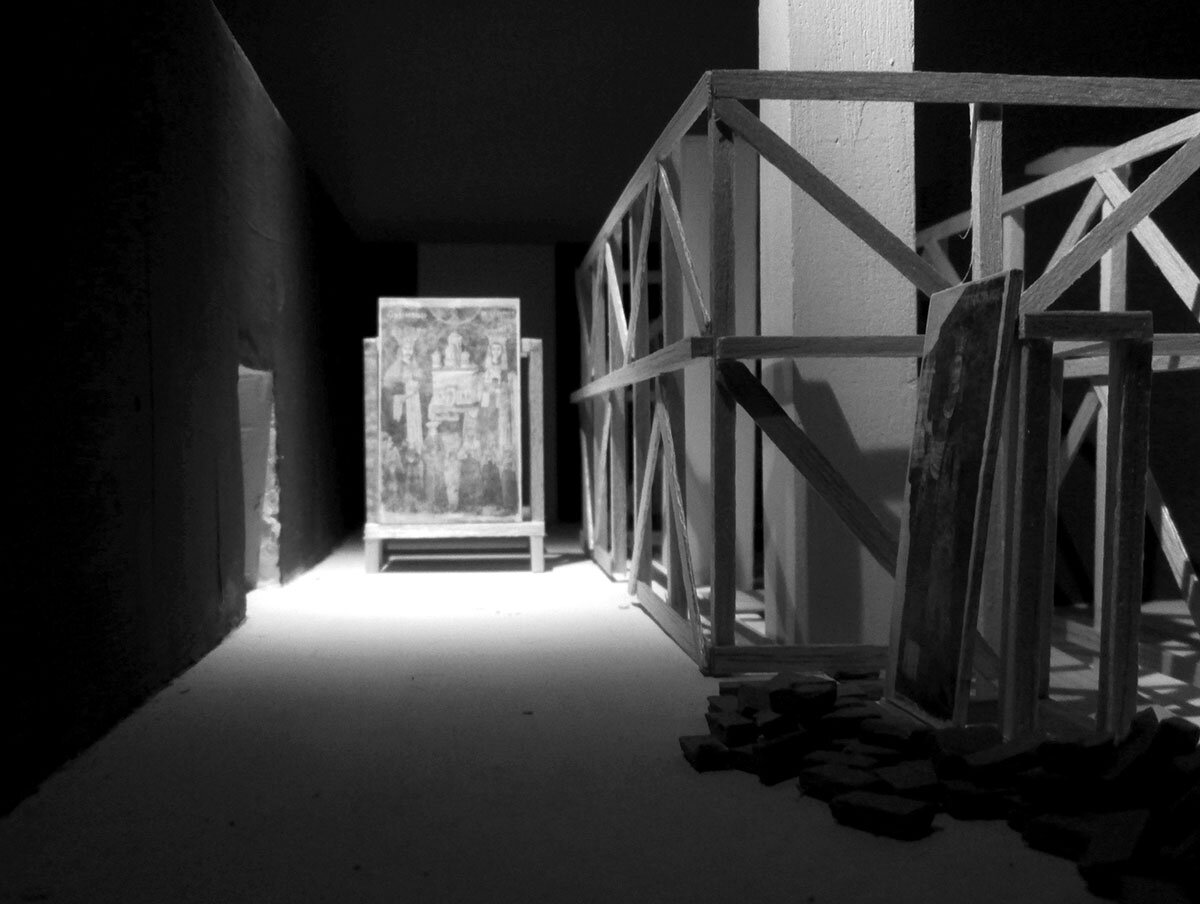
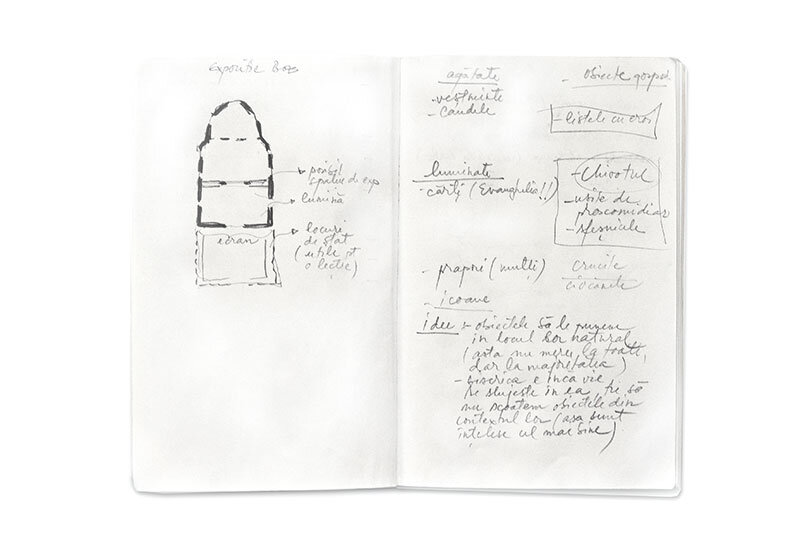
For about two months the working model occupied the kitchen table of a fourth-floor apartment on Neagoe Voda Street (sic!). We started with the frescoes on custom-made cardboard and dusted with tempera, the caftan cut from the collar of a blue shirt, ennobled as much as possible with gold textile paint, the walls covered with plaster, the bricks made of terracotta modeling paste. Then followed several variations of scaffolding and, finally, the pieces of furniture, tables, benches, showcases, and the large "saddles" for the frescoes.
8
Mostly eight - or at least eight - attendees at our working meetings at the museum. Drastic negotiations or miraculous agreements, sweetened with tea and biscuits, around a low table with different chairs and armchairs, specialists in medieval art, museum education, visual artists, architects, young volunteers, etc.
Read the full text in issue 2/2013 of Arhitectura magazine
Notes:
1. For Martin Heidegger, beyond being "exhibited", the work of art "ex-pposes a world". "The work keeps the world open (...) By the fact that a world is opened up, all things acquire their leisure and their haste, their remoteness and their nearness, their magnitude and their smallness", Martin Heidegger, The Origin of the Work of Art, Univers, Bucharest, 1982, p. 59-60.
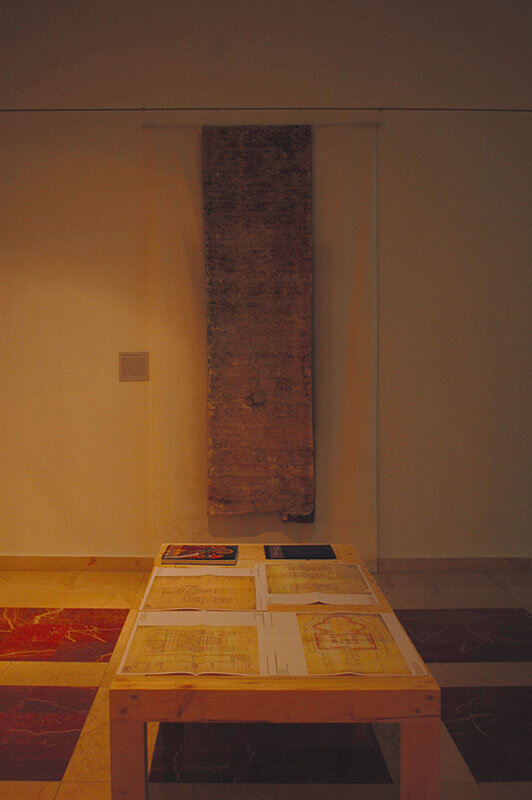
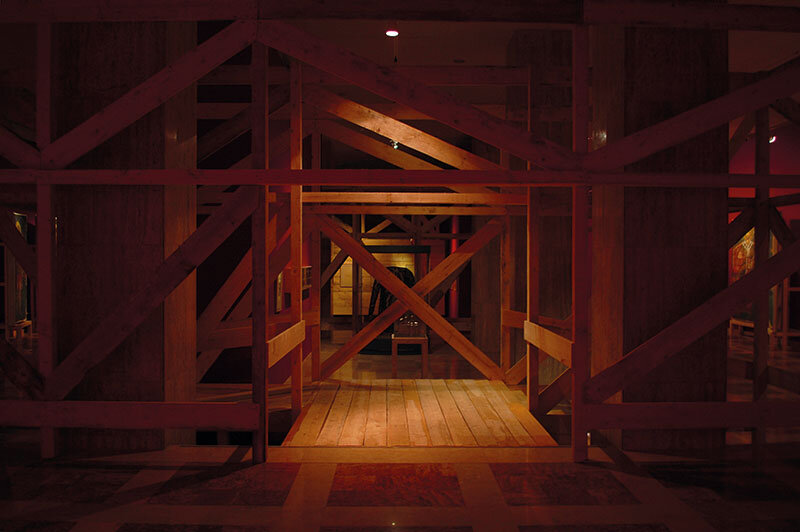
PHOTOS:
ABRUPTARHITECTURA - CRISTINA CONSTANTIN, COSMIN PAVEL
* Under thename
ABRUPUPTARHITECTURA, architects Cristina Constantin, Cosmin Pavel and Mirela Vlăduță have been working together since 2007. ABRUPUPTARTARHITECTURA proposes a discourse centered on the theme of rediscovering the domestic topos, the familiar in the built space. The places of "home" become the subjects of an intuitive rather than programmed search, seeking the recovery of the act of creation as a foundation, as the dwelling in a place.
Bucharest. In search of visual identity
Patrimoniophobia: the false dilemma of the conflict between development and heritage conservation
95%
Architecture, the car and the modernist interior
Pruitt Igoe Now - Natural Reclaim
Converting Christian sacred spaces
Great Expectations
Good practices for saving and reusing old wooden churches Boz, Târnăvița, Cervicești
Bunești School. Protostructuralism
One yellow kitchen, millions of gray kitchens
Cinematic architecture
Some notes on traditions and tradition
The Church of the Monastery of Arges - Re(in)stauration, musealization and national myth
Savings. For an exhibition of frescoes from Arges
Fort 13