
Let's talk about architecture schools
Mirrors
Cinematic architecture
CINEMATIC ARCHITECTURE
| ARCHITECTURAL SPACES AS DELIBERATE ACTS OF MEMORY-MAKING |
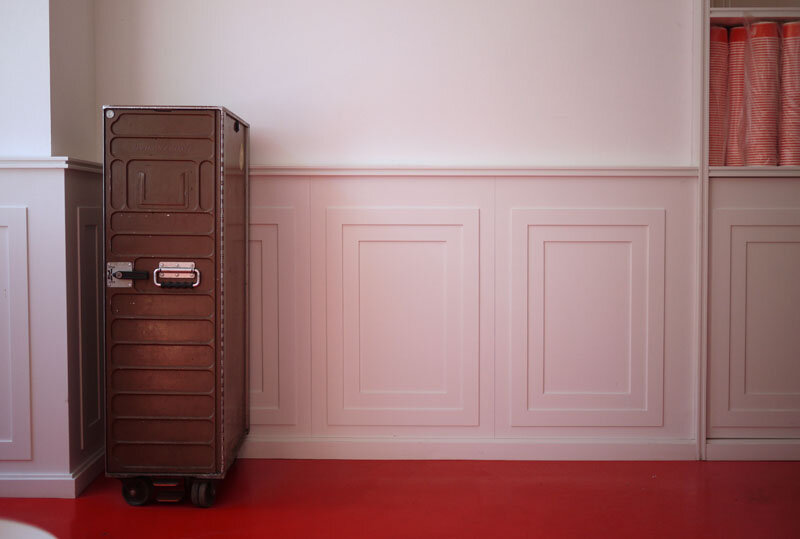
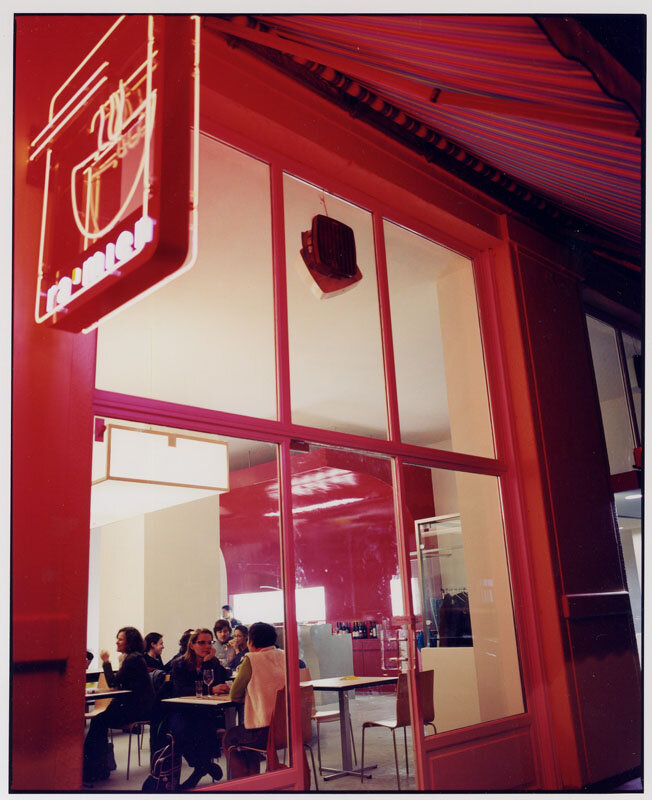
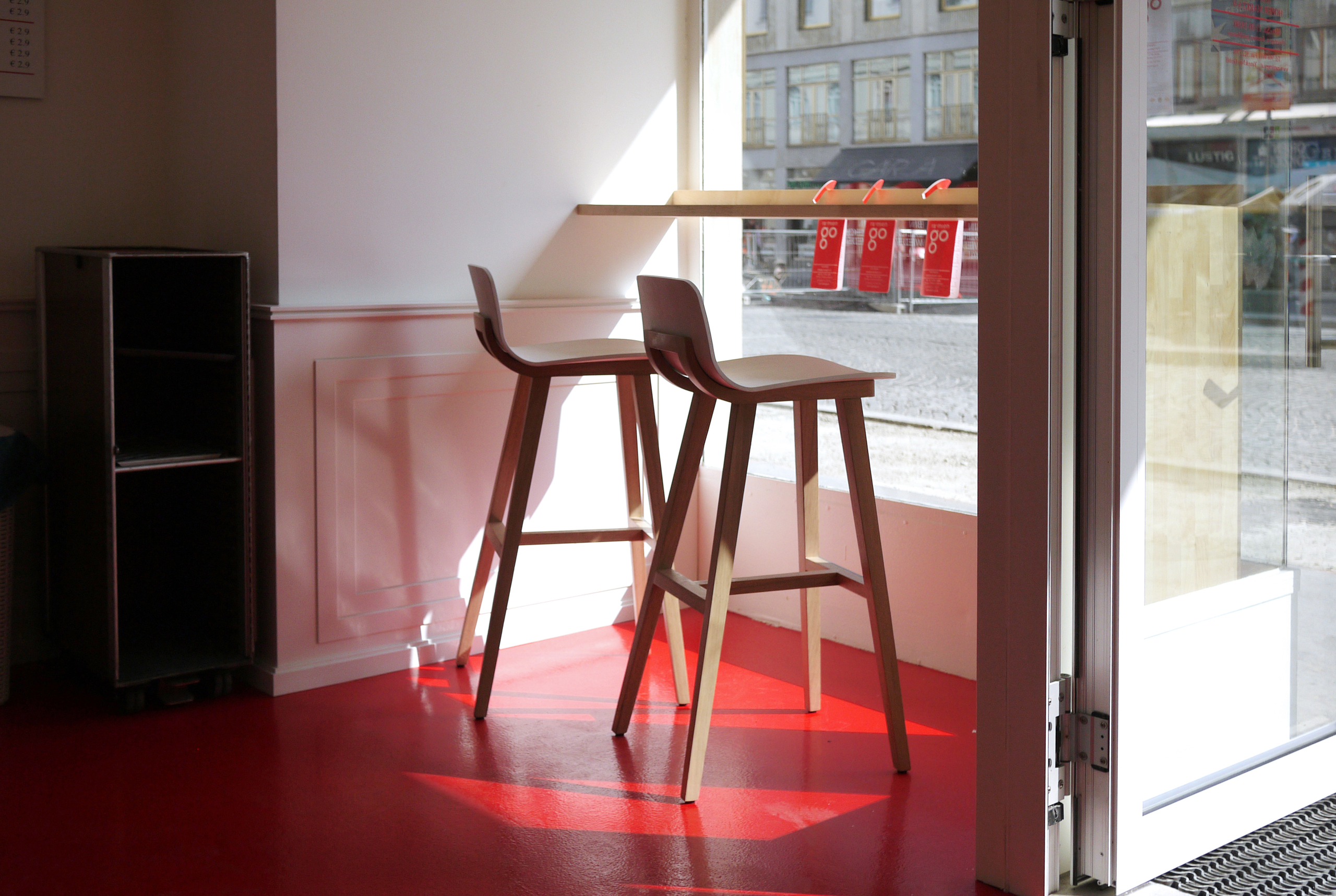
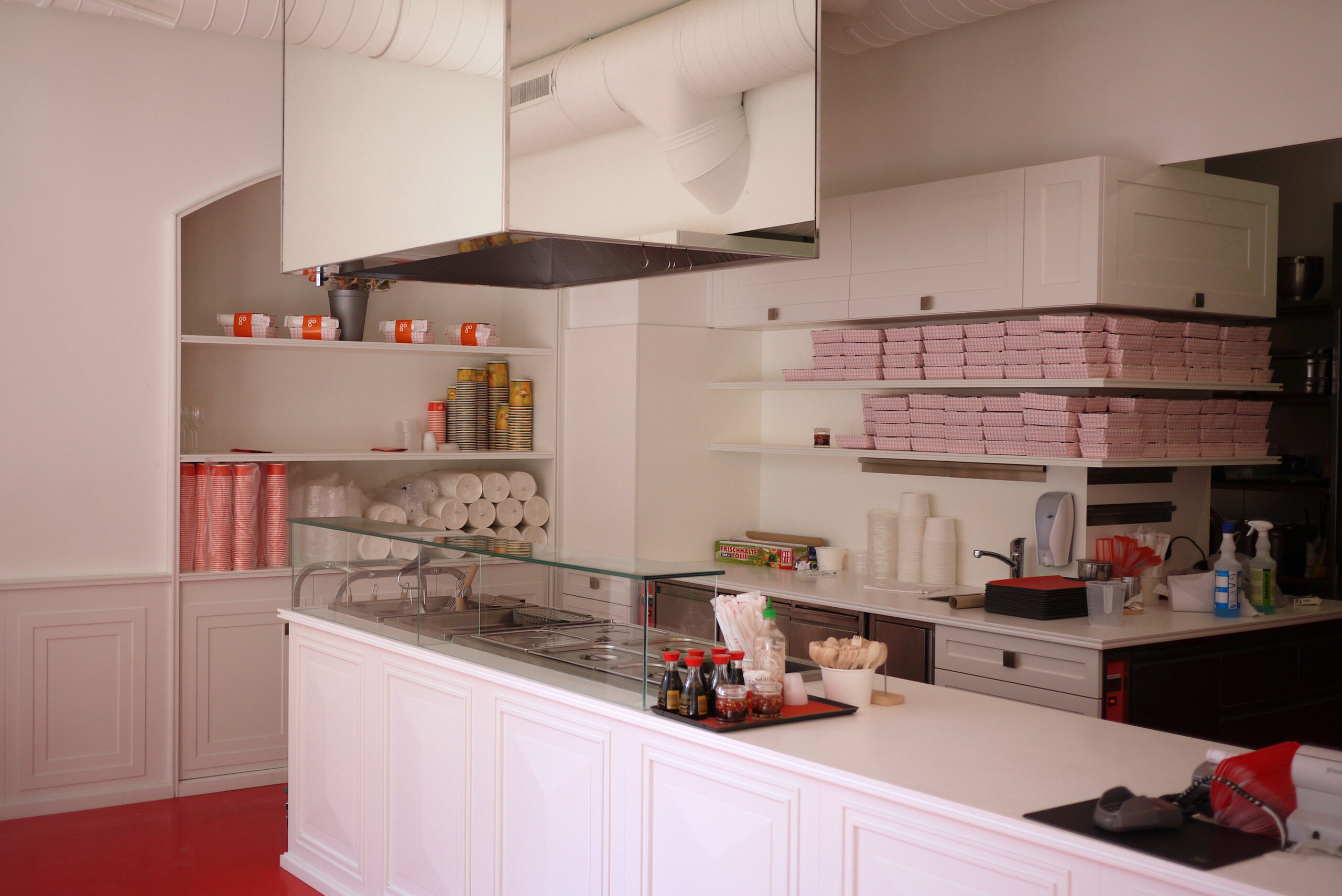
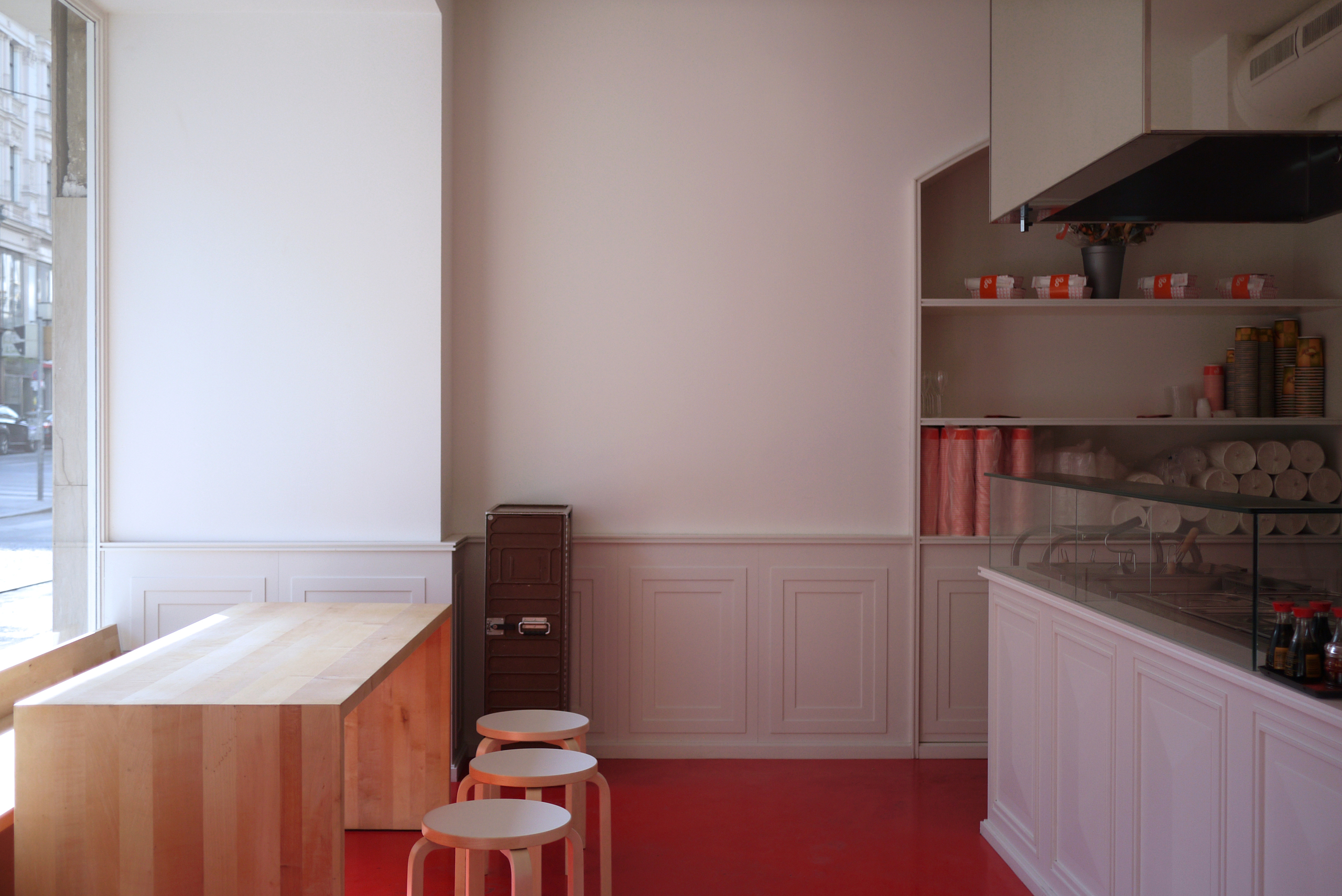
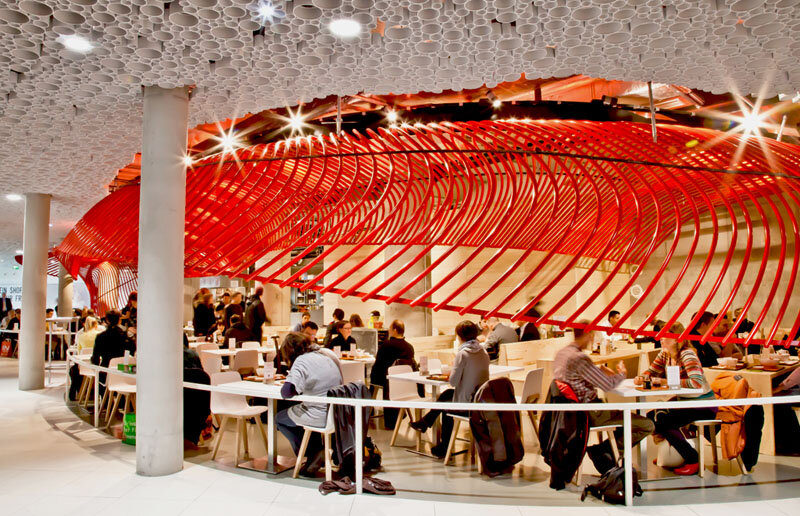
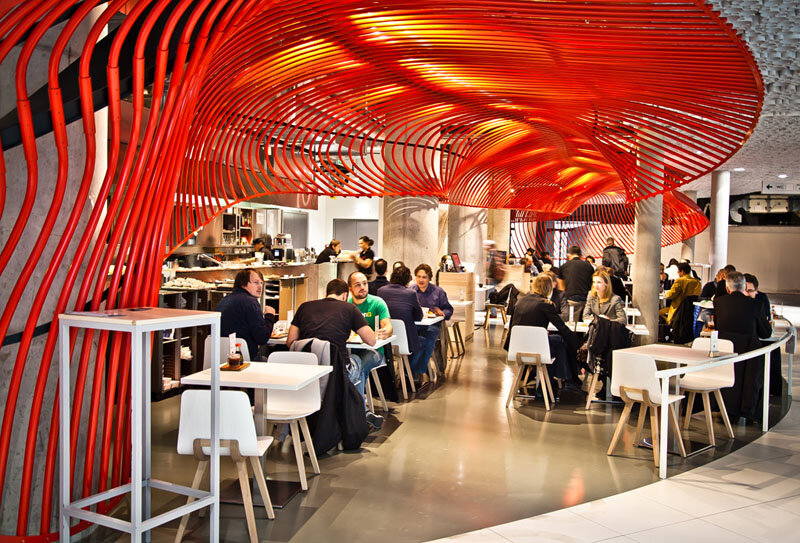
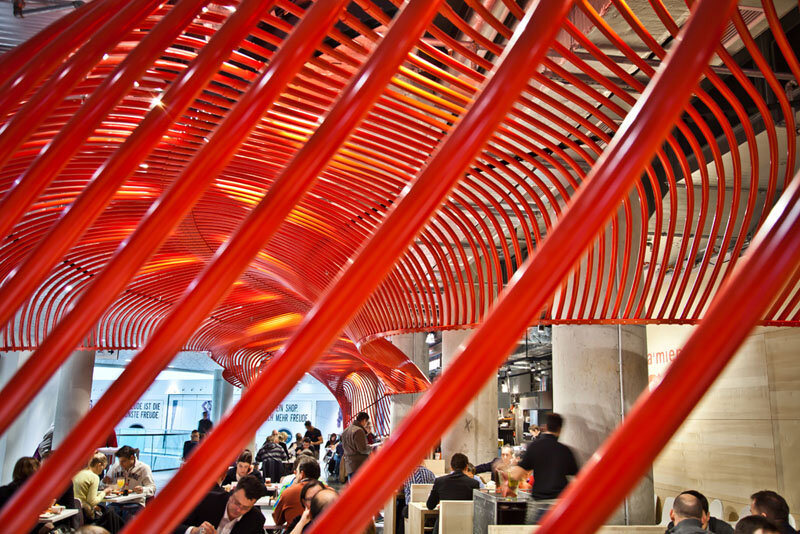
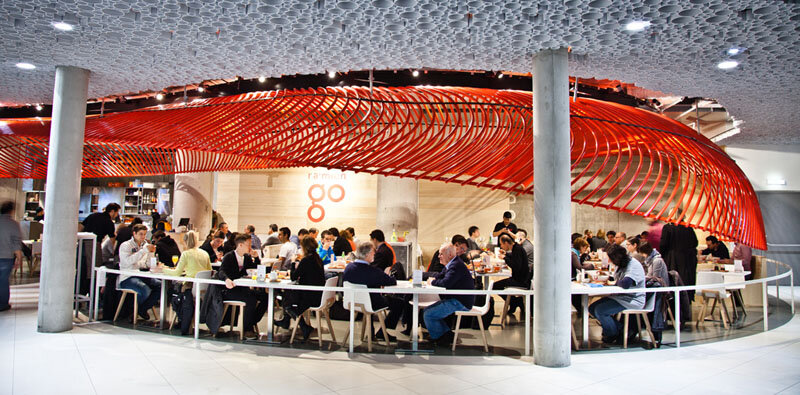
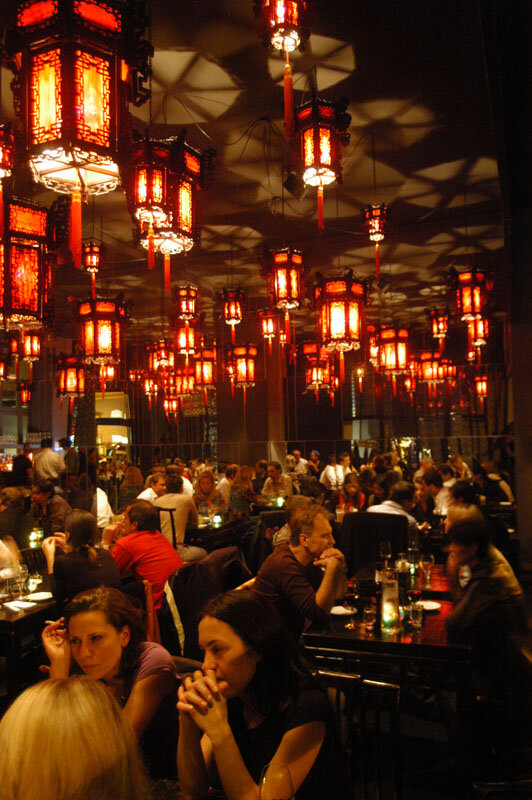
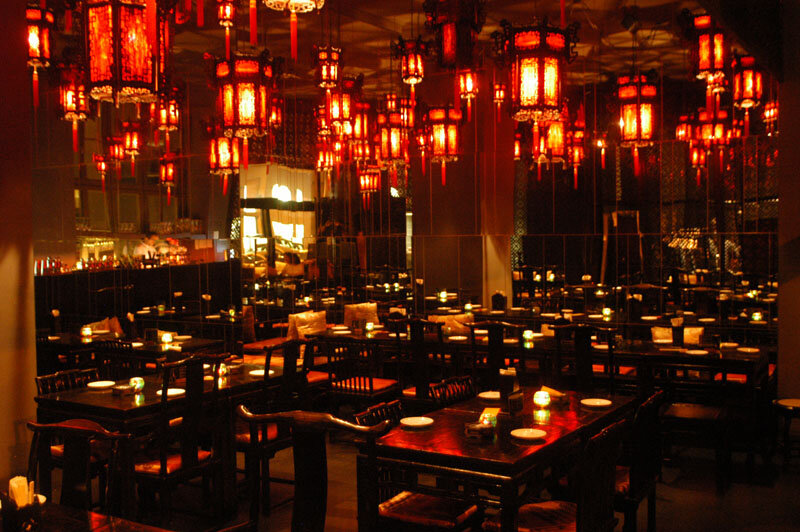
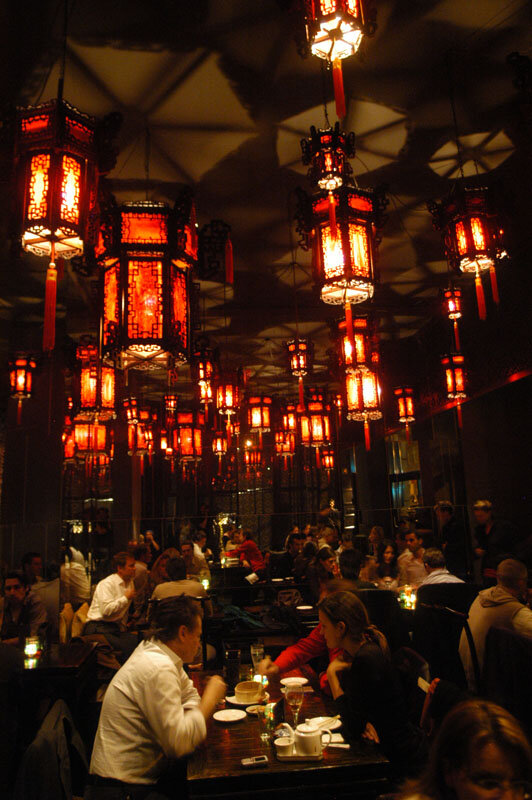
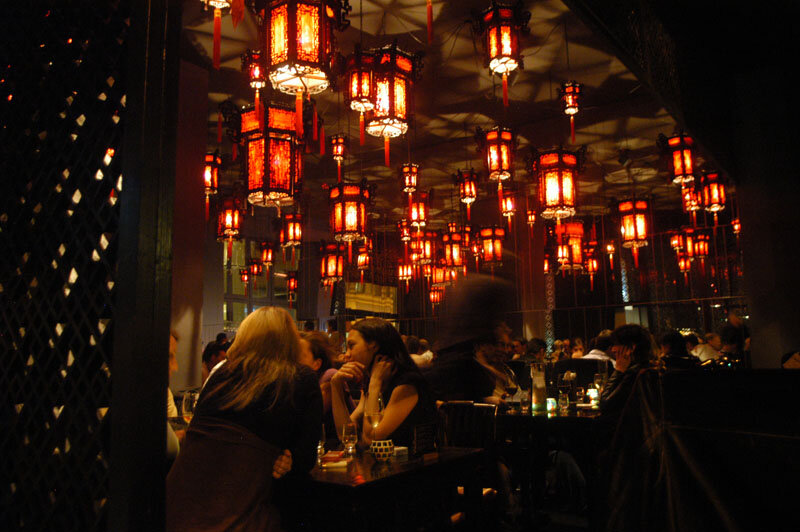
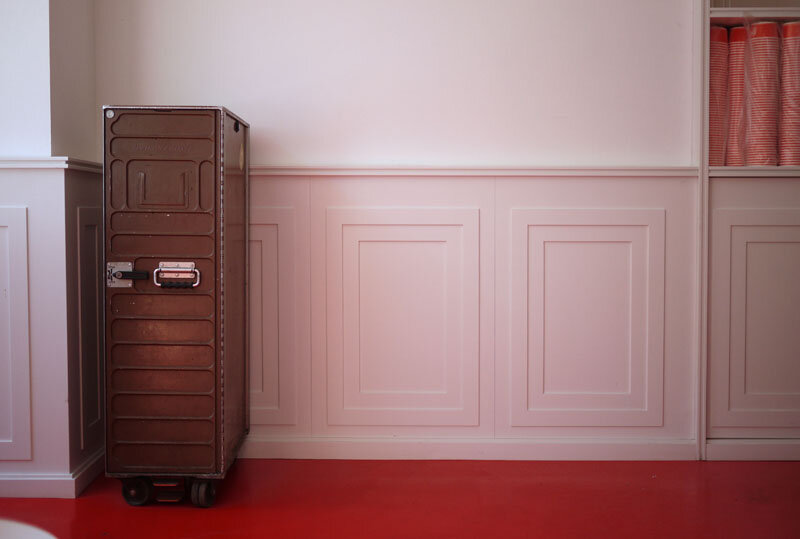
| More often than not, architecture and design function as telescopic extensions of history - whether personal or shared, internalized or abundantly exposed - in this way creating an intermedial reality through which the past is expressed in the present. Understood as a medium through which history manifests itself aesthetically, contemporary architectural space remains charged with identity meaning and opens access to tradition, while history itself acts as a transparent negotiation, an illuminating evidence in the sense of a paradigm of unity that is established between the sensitive entity of space and that external force that cuts it out of context to make it relevant to its origins. As far as the works presented in this article are concerned, the heritage of identity is Chinese, but for their author, the artist Jun Yang1, China is shown in lost profile. The essence of the spaces created by Jun Yang unfolds in four artistic acts, four fictional contexts that tell the story of a beauty with interior implications for which functionality is implicated as a constructive tool: Ra'mien, Shanghai Tan, Ra'mien Go (Hoher Markt) and Ra'mien Go (Wien Mitte)2. By considering architecture as more than the pretext of a narrative context, the spaces created by Jun Yang become able to emerge from the passivity that functionality imprints on the consumer's perception, transforming them, during the creative process that he also follows in the film, from spaces with objects into places with subjects. This becoming stems from the employment of a common apparatus in both his architectural or design and cinematic creations, and, like film set design, but on another level of artistic practice, the kind of approach to architecture and design that Yang develops can easily be superimposed on a cinematic modus operandi whereby narrative contexts both shelter and determine events. Each restaurant has its own scenography in a permanent expectation of hosting the personal narratives of those who temporarily inhabit it, but more importantly of being predicative in determining possible variations of a story that is consumed in that place. Despite the notable aesthetic differences between the four spaces, the coherence of the concept behind the realization of these design works is inevitable once the premise contains, in all cases, the re-contextualization of an eccentric identity with the deviation from the rigorousness of the exterior life that the urban syntax of Vienna imposes. Thus, the relationship between exoticism and tradition becomes one that rejects the consumer's anticipation as the interior structure of the space is revealed, it disregards the pattern symptomatic of most Asian restaurants in the West. The fracture produced by the generality that the audience is accustomed to comes from the staging of a personal archive that dictates a layered path to authenticity in the discourse of tradition and identity in which visual idiosyncrasies, the cursivity of the tempo so well articulated to the rhythm of volumes, emotions and physicality make the experience of these spaces unfold as a multi-purpose documentary in continuous progression. The collective platform on which these spaces are built is the aesthetic and, to some extent, sociological proposition that Jun Yang translates into architecture, a recurring concern also developed in the film: the artistic investigation of multifaceted identity in the creation of public architectural environments designed to question private space. This deliberate juxtaposition of two antonymous notions is emphasized by the juxtaposition of spaces and design pieces, mirroring or one on top of the other, which, having a symmetrical structure but an opposite concept, expose the tension between the exterior as a collective and anonymous plane and the interior understood as a place of individual transposition, of distinction. |
| Read the full text in Arhitectura 2/2013 |
| Notes: 1. Jun Yang (born in China, lives and works in Austria, Taiwan and Japan) has participated in several international art biennales, such as Roundtable, 9th edition of the Gwangju Biennale (2012); Taipei Biennale (2008); International 06, Liverpool Biennial (2006), and represented China at the 51st Venice Biennale (2005). 2. Restaurants conceived and founded by Jun Yang as artistic projects in collaboration with Ție Yang, Dong Ngo and Adam Gortvai; all located in Vienna, Austria. The architecture of the restaurants Ra'mien and Ra'mien Go (Hoher Markt) is by Jun Yang, and Shanghai Tan and Ra'mien Go (Wien Mitte) with the architectural office Tzou Lubroth Architekten |
| DESIGNING ENVIRONMENTS AS A DELIBERATE ACT OF CREATING MEMORY |
| Most of the time architecture and design act as telescopic extensions of history - either personal or shared, interiorized or lavishly exposed - thus creating an intermediary reality for expressing the past. Understood as mediums through which history manifests itself aesthetically, environments loaded with identity significance open the access to tradition, while history itself acts as a transparent mediation, an enlightening evidence, a paradigm of the unity that is establishing between the space' sensitive entity and that exterior force that is snipping it from the rest in order to make it relevant for its origins. In this case Chinese, but for such an alluring artist like Jun Yang1, it's a China en profil perdu. The essence of his environments is unfolding in four design acts, four fictional traps that tell the story of a beauty with inner implications: Ra'mien, Shanghai Tan, Ra'mien Go (Hoher Markt) and Ra'mien Go (Wien Mitte)2. Thinking of architecture as a narrativized space, Jun Yang's environments are able to get out of the passivity that functionality is imprinting on the consumer's perception, and transforms them from spaces with objects into places with subjects. This becoming is common to film and like movie sets, but at a different level of engagement, his approach to architecture and design can be easily compared to the cinematographic practice of staging of things and facts for the particular reason of telling and also creating events. From a restaurant to another a thin red line can be traced, as a sign of following a unified visual and narrative approach that finds its departing point in the playful deviations from the rigorous exterior life of Wien's urban syntax. They reject consumers' anticipation while matching an intrinsic behavior as they need not subordinate themselves to work the same patterns of Asian restaurants in Western Europe, nor they need to tell the story the same way - guiding the guests to a familiar end of it. Yang's staging a premise, rather than than giving obsolete directives or forcing conclusions. While his visual idiosyncrasies, his flow of tempo - so beautifully apprehended in perfect match with space, physiology and emotions, make experiencing these environments so close to the cinematographic reaction. The common ground of these cinematic places is the concept itself - an aesthetic and almost sociological proposition that follows the path of some of his seminal works - the artistic research on multifaceted identities and the creation of public spaces for questioning privacy. This specific juxtaposition between two antonymous notions is reflected by the staging side by side or one underneath the other of symmetrical yet conceptually reversed designs that embody the challenge between the collective and anonymous exterior and the interior understood as a place of individual distinction. |
| Read the full text in the print magazine. |
| Notes: 1. Jun Yang (born in China, lives and works in Austria, Taiwan and Japan) has participated in numerous biennials, including Roundtable, the 9th Gwangju Biennale (2012); Taipei Biennial (2008); International 06, Liverpool Biennial (2006); and 51st Venice Biennale (2005). 2. Restaurants established and conceived by Jun Yang in collaboration with Tie Yang, Dong Ngo and Adam Gortvai; all of them are located in Wien, Austria -Ra'mien and Ra'mien Go (Hoher Markt), architecture by Jun Yang, Shanghai Tan and Ra'mien Go (Wien Mitte), architecture by Tzou Lubroth Architekten(www.ramien.at and www.ramiengo.at). |
Bucharest. In search of visual identity
Patrimoniophobia: the false dilemma of the conflict between development and heritage conservation
95%

Architecture, the car and the modernist interior
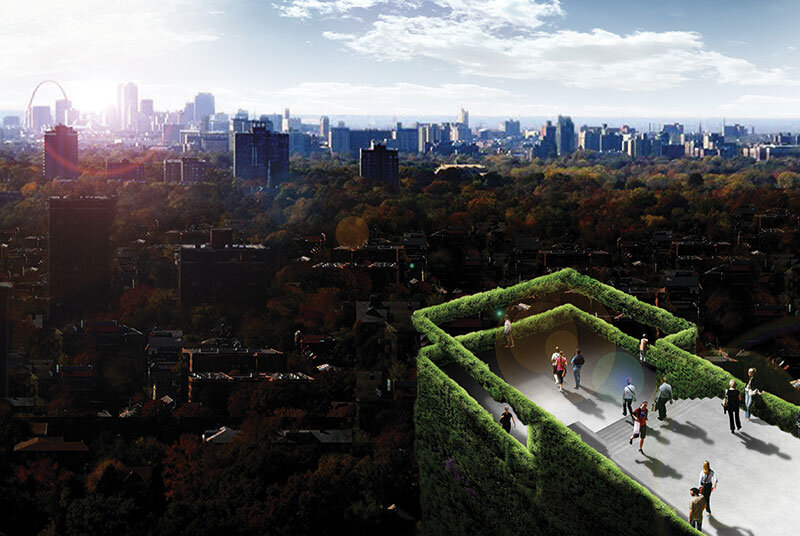
Pruitt Igoe Now - Natural Reclaim
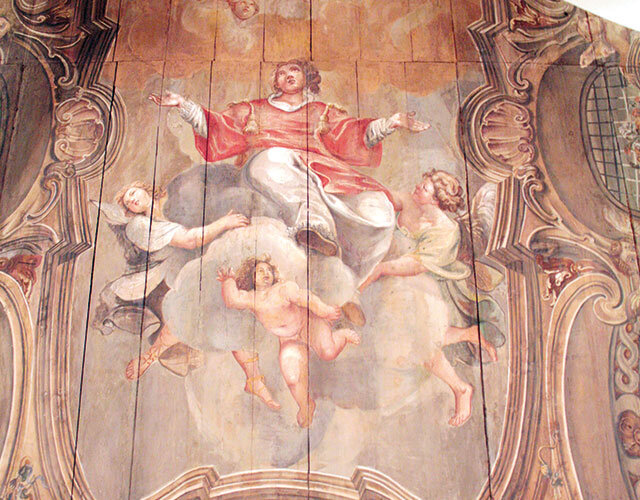
Converting Christian sacred spaces

Great Expectations
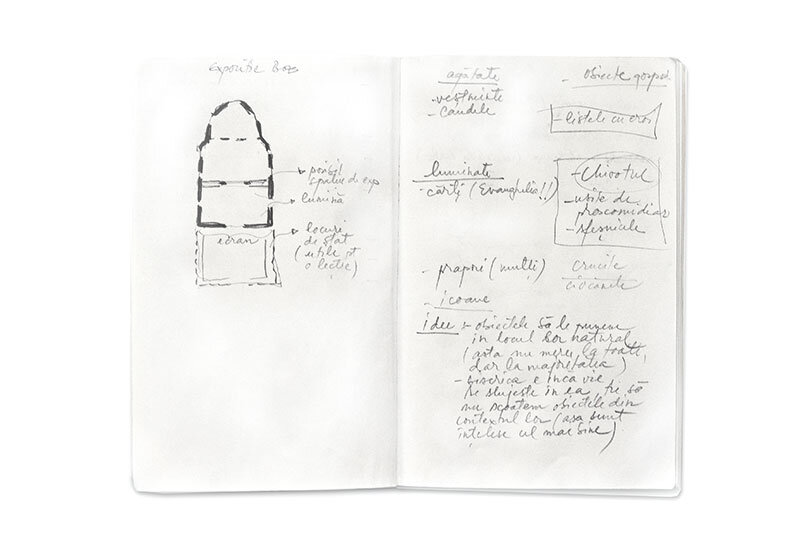
Good practices for saving and reusing old wooden churches Boz, Târnăvița, Cervicești
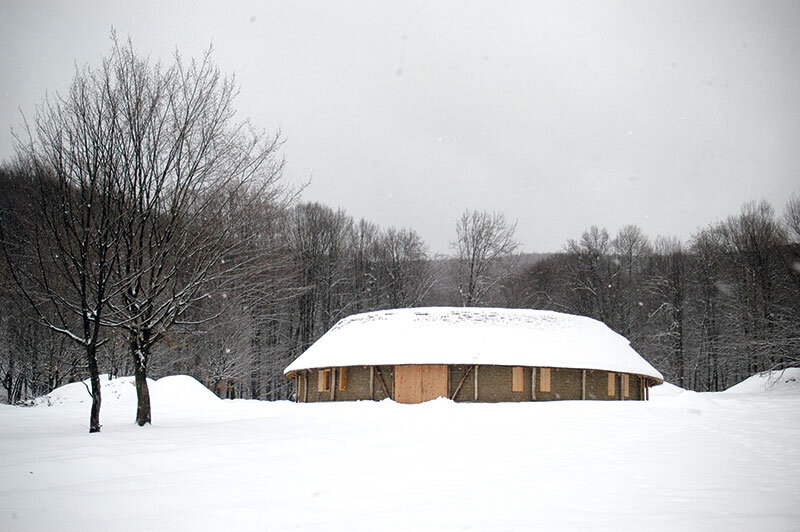
Bunești School. Protostructuralism
One yellow kitchen, millions of gray kitchens
Cinematic architecture
Some notes on traditions and tradition
The Church of the Monastery of Arges - Re(in)stauration, musealization and national myth
Savings. For an exhibition of frescoes from Arges
Fort 13