
Let's talk about architecture schools
Thematic articles
Patrimoniophobia: the false dilemma of the conflict between development and heritage conservation
HERITAGE-PHOBIA.A FALSE DILEMMA IN THE CONFLICTBETWEEN DEVELOPMENT AND HERITAGE PRESERVATION
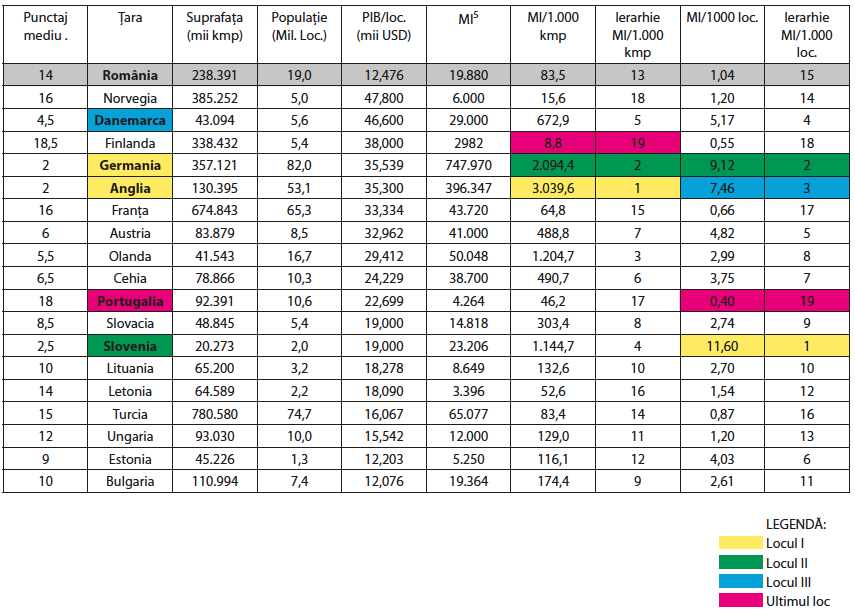
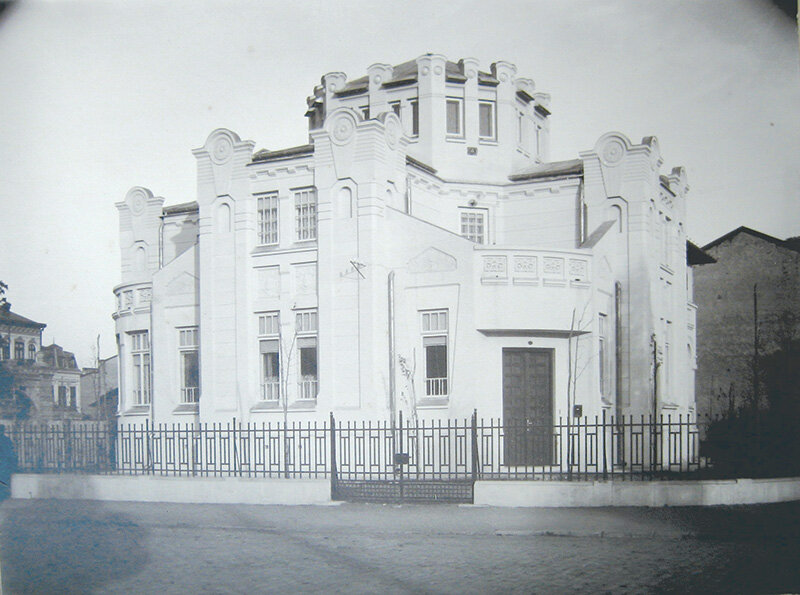
| For some time there have been voices saying that there are too many historical monuments in the List of Historical Monuments in Romania - and especially in Bucharest. That it would be reasonable to reduce some more of them, in order to be able to freely develop the territory, which is being squeezed by the rigors of protecting listed buildings. Removing them from the List of Historic Monuments would have the same beneficial effect as the one cynically proclaimed not long ago to "take pensioners out of the system". After 23 years of transition to a market economy, during which the results in our standard of living and quality of life have been relatively modest, it has finally been discovered what is preventing us from catching up with the countries which, having left the 'socialist camp' at the same time as us, have gone considerably further. The cause would be the overabundance of built heritage, especially urban heritage, or that which lies unhappily in the path of the large and (in this respect, perhaps) overdue infrastructure projects. The technique is an old one: if state budgets or people's budgets or the economy was in crisis, the fault lay not with politicians, administrators or authorities, but, as the case may be, with the bourgeois, foreigners, Jews or - if neither bourgeois, foreigners nor Jews were involved - with the unfortunate geopolitical context. Today, through public positions, in conferences, in approval meetings or in Parliament, the solution offered to us to restart the economy is to change the list of historical monuments (at least in Bucharest), to change the approval system so that the Romanian state is substituted by private and local interest groups, to erase the history of places in order to extract their energy or raw materials. What is not said by the theorists of "development first" is that the trend they are proposing is the exact opposite not only of that expressed in international recommendations or conventions (some of which have even been signed by Romania), but also of that established by the recent experience of the countries we want to catch up with in terms of quality of life. |
| Read the full text in issue 2/2013 of Arhitectura magazine |
| Several voices have been heard lately claiming that the List of Historical Monuments in Romania, and especially in Bucharest, is too lengthy. That the reasonable thing to do would be to cut it down a little in order to allow free development of a land that is otherwise suffocated by the rigorous laws protecting historical buildings. Their deletion off the List of Historical Monuments would have the same beneficial effect as that cynical "removal of pensioners" from the system, claimed not long ago. After 23 years of transition to the market economy, during which time the results observed in the living standard and the quality of life are fairly modest, it has been finally discovered what has been preventing us from catching up with the countries which, while escaping the socialist prison concurrently with us, have nonetheless managed to go much farther. The cause would be the superabundance of the built heritage, especially in the urban areas, or of that heritage which unhappily stands in the way of the great and delayed (for this reason, probably) infrastructure building sites. The technique is old: when state budgets or people grew poor or the economy went through a crisis, the fault did not lie with the activity of politicians, managers or the authorities, but, depending on the circumstances, with the bourgeois, the foreigners, the Jews or - if there were no bourgeois, foreigners or Jews - with the unhappy geopolitical climate. Nowadays, by means of public stances, in conferences, information meetings or in Parliament, the solution provided to give a new start to the economy is to amend the list of historical monuments (in Bucharest at least), to change the endorsement system so that the Romanian state may be replaced by private and local groups of interest, to delete the history of places in order to be able to extract their energy resources or raw materials. What the advocates of the "development first" theory fail to say is that this trend is opposed not only to that expressed by international recommendations or conventions (some of them even signed by Romania), but also to that consolidated through the recent experience of the countries we wish to catch up with in terms of life quality. |
| Read the full text in the print magazine. |
Bucharest. In search of visual identity
Patrimoniophobia: the false dilemma of the conflict between development and heritage conservation
95%
Architecture, the car and the modernist interior
Pruitt Igoe Now - Natural Reclaim
Converting Christian sacred spaces
Great Expectations
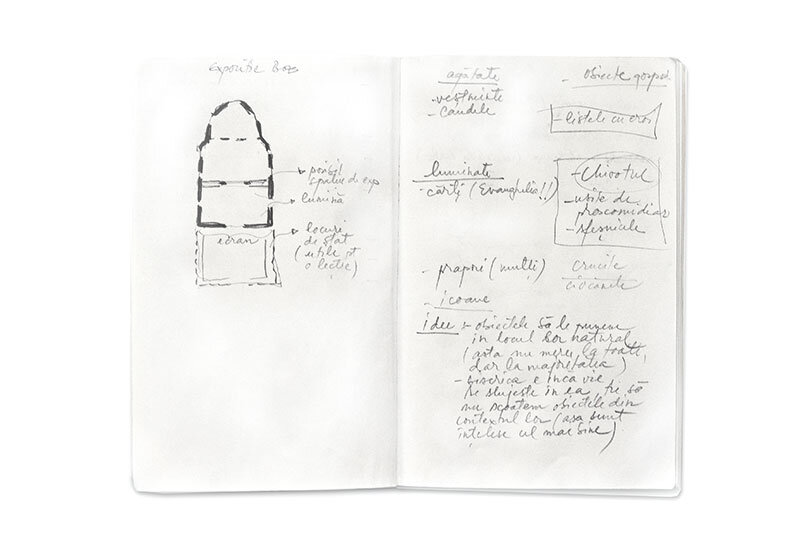
Good practices for saving and reusing old wooden churches Boz, Târnăvița, Cervicești
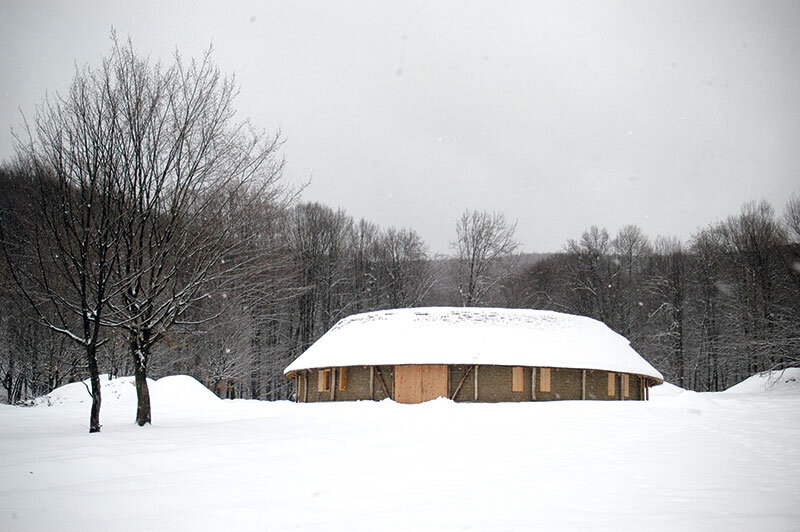
Bunești School. Protostructuralism
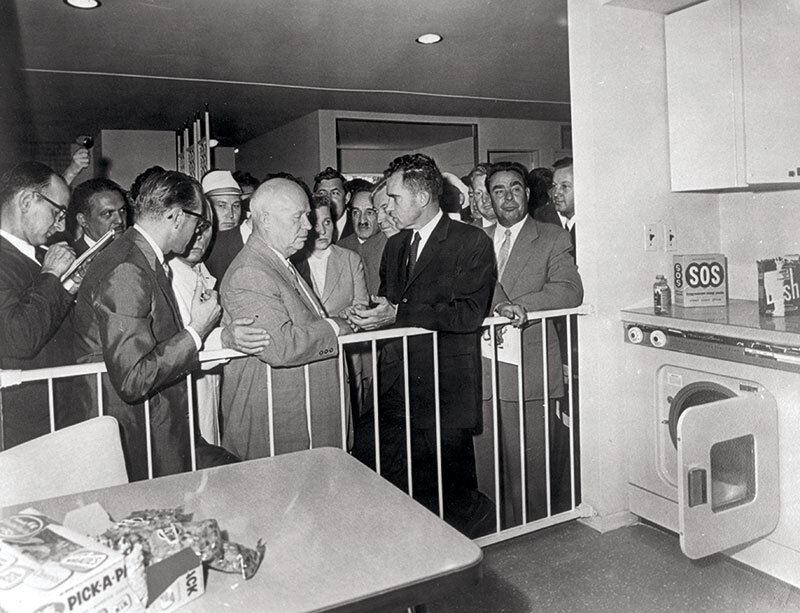
One yellow kitchen, millions of gray kitchens

Cinematic architecture
Some notes on traditions and tradition
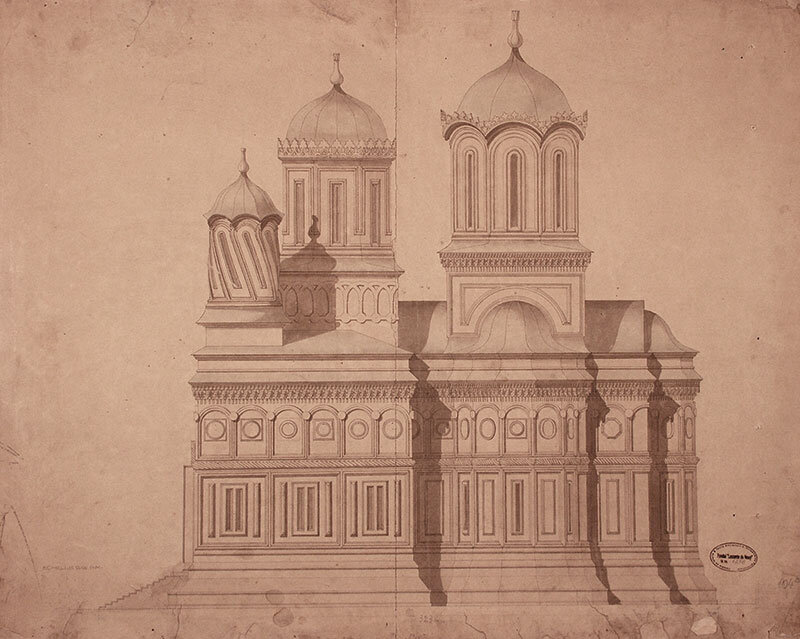
The Church of the Monastery of Arges - Re(in)stauration, musealization and national myth
Savings. For an exhibition of frescoes from Arges
Fort 13