The photography archive of Romanian Union of Architects. Online and Offline

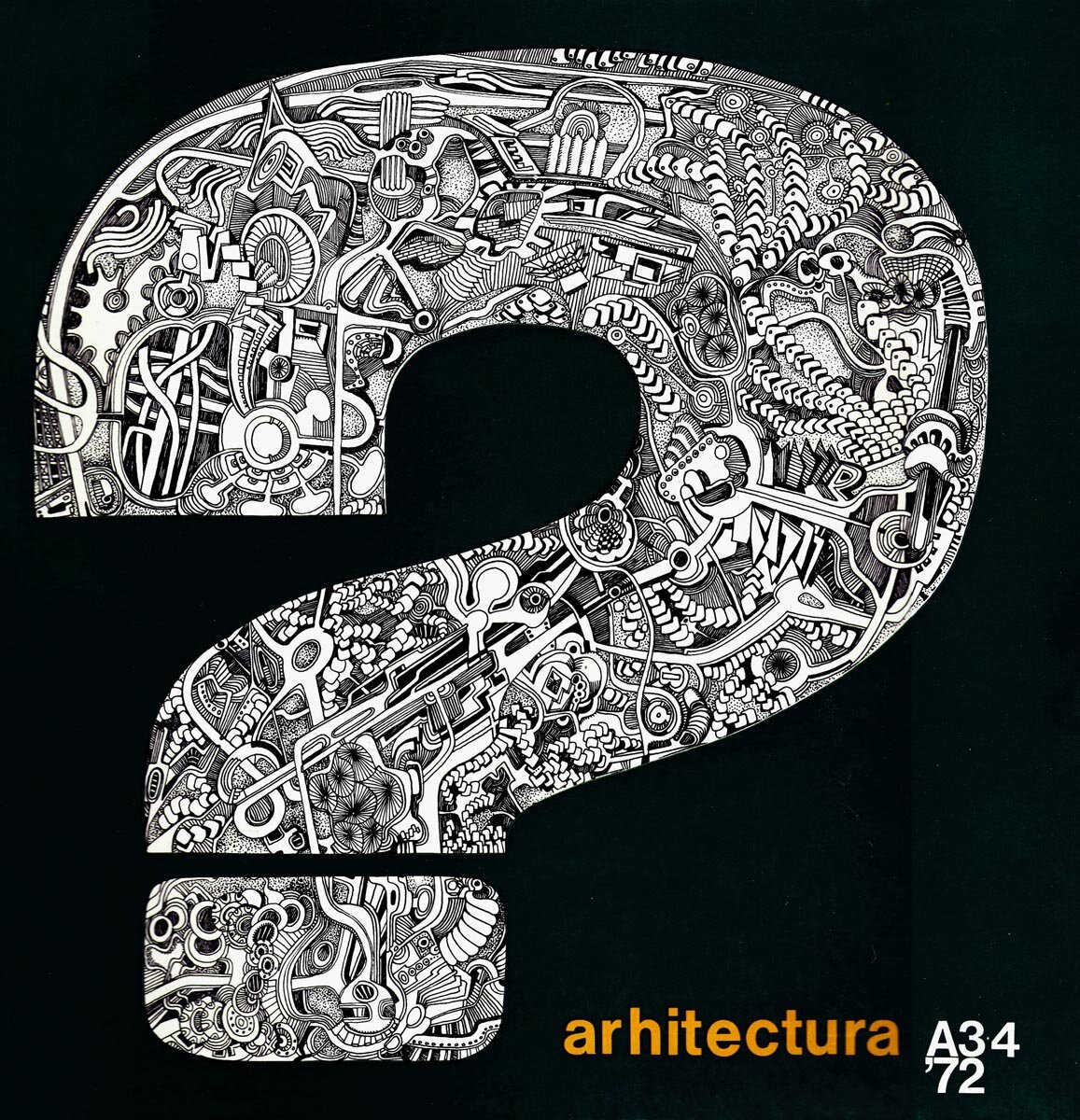
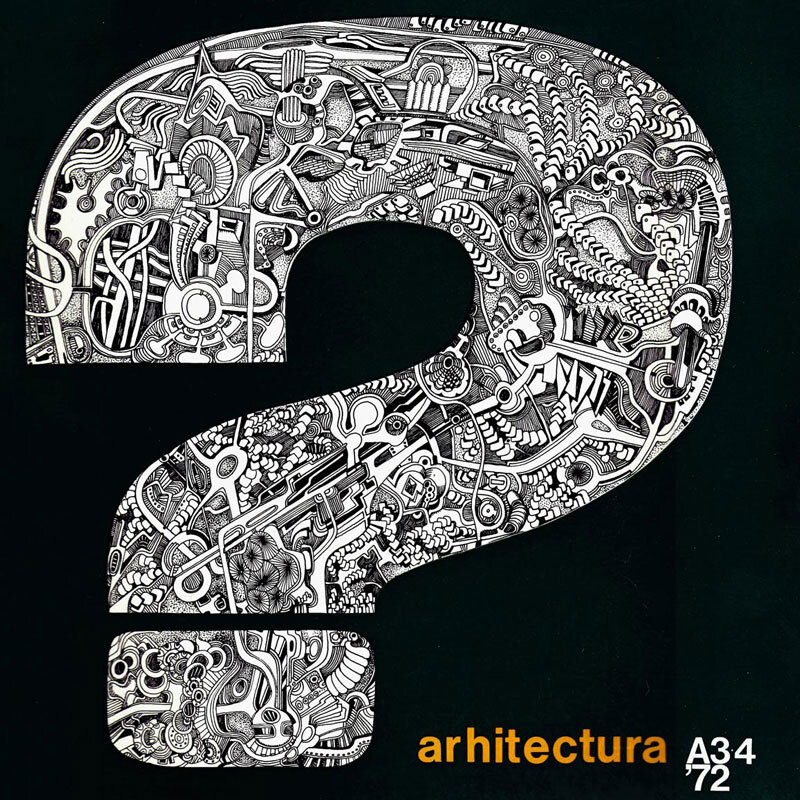
For "Architecture", the early 1970s was a turning point. Having come out from under the co-sponsorship of the State Committee for the Economy and Local Administration1 and remaining only the official publication of the Romanian Union of Architects, the journal refreshed its editorial board (1971)2 and changed its editor-in-chief (1972), Marcel Melicson giving way to the much younger Mircea Lupu.
Our Forerunners. The story of a column (1972-1989) |
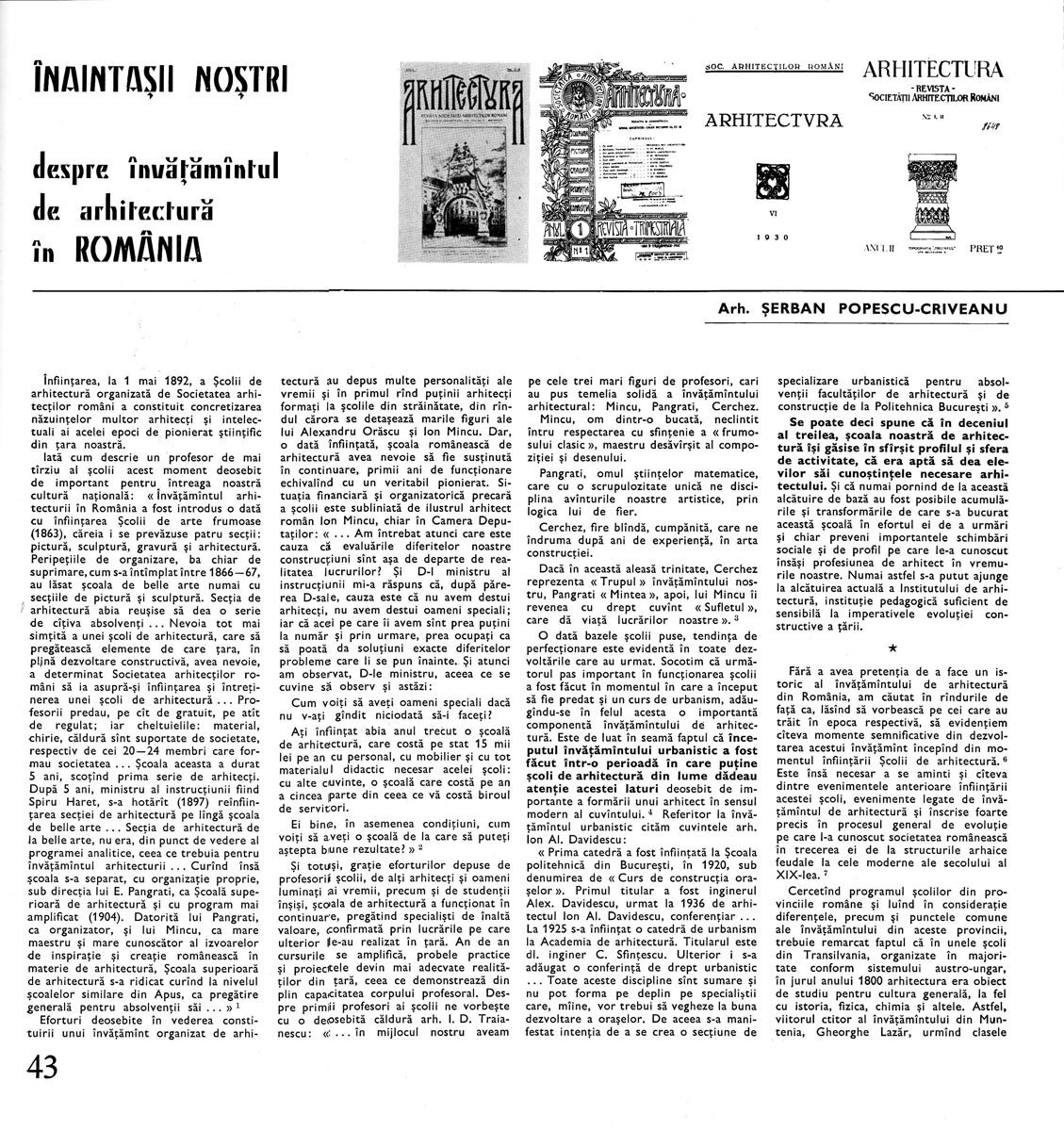
| Our Forerunners was one of the most durable sections of the Arhitectura magazine, with an uninterrupted run between 1972 and 1989. Initiated by a group of young architects just as the entire publication was undergoing a major makeover at the beginning of the 1970s, Our Forerunners rapidly became one of Arhitectura's flag columns. The authors publishing under this header amounted to a very heterogeneous group, with consecrated figures sharing the pages with young researchers on the rise. The section enjoyed a well-defined graphic identity, as a particular page format and a specific font created an easily recognizable brand that quickly acquired professional notoriety. Even if the topics of the articles were quite diverse, some of the frequently re-emerging subjects ensured the scientific relevance of the column, as they were seldom treated elsewhere at the time. Among these, one can certainly emphasize the biographies of some well-known architects, the studies on 19th century and interwar Romanian architecture and planning or on the history of architectural education, the articles discussing doctrinal issues linked to urban restoration and renewal, etc. During its almost two decades of existence, Our Forerunners established itself as a platform that had the merit of being both accessible to most of the relevant researchers of the time and open to scientific topics that would have been otherwise hard to publish. Many of the articles still maintain their interest and validity today, and some of them became a base for larger research projects after 1990. At the same time, the column maintained high professional and scientific standards, and even indulged in upholding topics and opinions sometimes at odds with the official discourse. |
In this context, innovations are not slow to appear, and they manifest themselves in both content and form. As regards questions of substantive organization, the first half of the eighth decade saw at least two significant developments: the generalization of the hitherto isolated practice of thematic issues (which became the rule from 1974 onwards) and the redefinition of permanent columns.
As far as the "humanist" direction of the magazine's content was concerned, the end of the 1960s had consecrated two headings under which articles with a more theoretical theme were organized: The Theory and History of Architecture (a rubric dominated by the cycle "Fișe pentru una istorie a gândi architectural thought contemporane", under the signature of Marcel Melicson3) and Cronica ideilor (where the most frequent contributions belonged to Gheorghe Săsărman4). Other well-known names also published in one or another of these columns, including Dinu Antonescu, Marcel Locar, Mihai and Mircea Enescu, Gheorghe Curinschi, Gheorghe Curinschi, Dorian Hardt, Radu Patrulius and Mircea Lupu.
The two cycles of articles (merged, starting with issue no. 4/ 1970) cease with issue no. 5/ 1971, and the theoretical and historical issues are absent from the next three issues. This period overlaps exactly with the handover of the baton as described above. These few months probably constituted a "gestation period" for a new column, since issue no. 3-4/1972 includes, for the first time, an article under the heading OurForefathers5 . The section thus inaugurated would become a remarkably constant presence in the pages of the magazine, appearing in no issue of "Arhitectura" until 19896.
In the early years, Our Forebears was the fruit of the contributions of a small number of authors. The first 20 articles belong, with only a few exceptions, to a trio consisting of Sanda Voiculescu7, Șerban Popescu-Criveanu and Nicolae Lupu. As time went by, the range of authors diversified, with Radu Patrulius, Grigore Ionescu, Dinu Antonescu, Oliver Velescu and Andrei Pănoiu8 among the "regulars" of the column. A remarkable fact is that there are no authors, in any period of the almost two decades of existence of the series, who benefit from a monopoly, even temporary, on publication. Nor can any dominant generations or backgrounds be identified. Young or old, in or out of school, architect or non-architect, the authors form a heterogeneous group. This is, on the one hand, an indication of the interest in publishing in this section and, on the other, a testimony to the openness shown by the editorial staff.
The topics covered are also varied. The most common types of contributions, as they appear over the years, would be as follows:
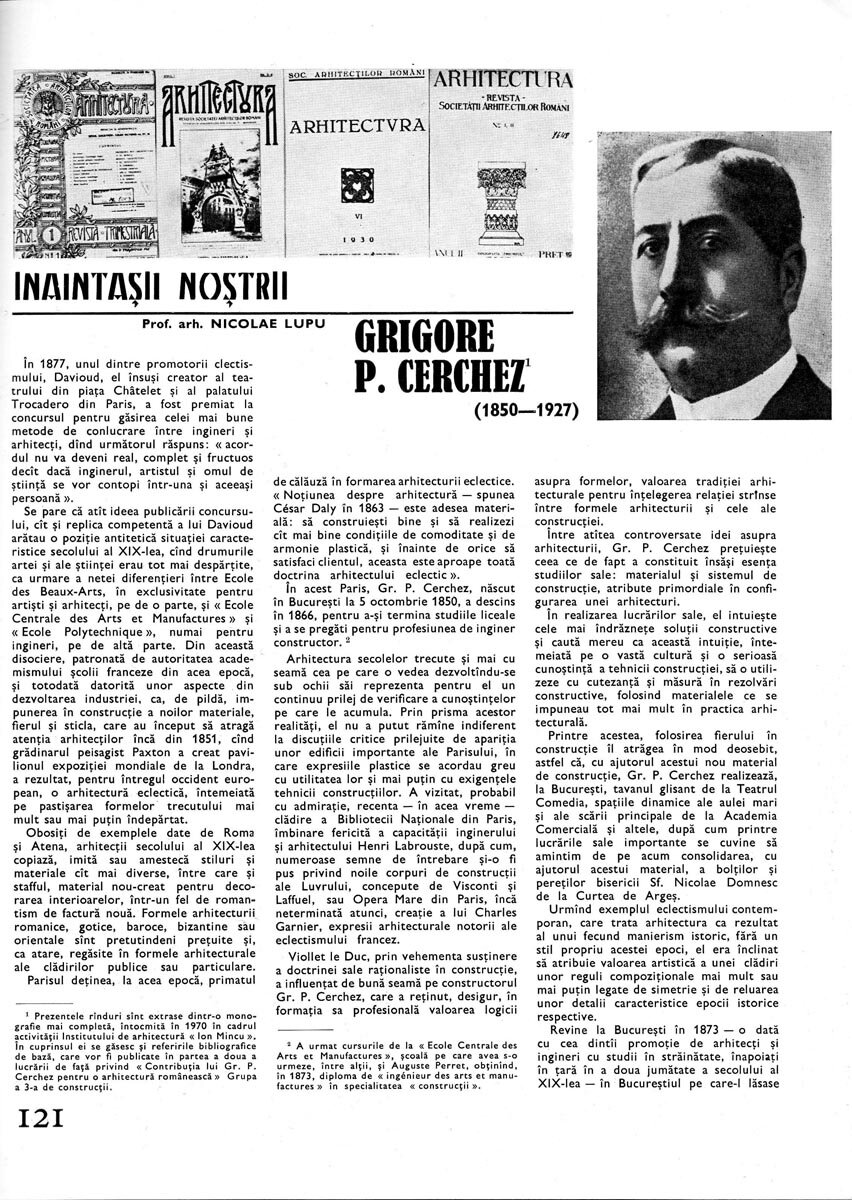
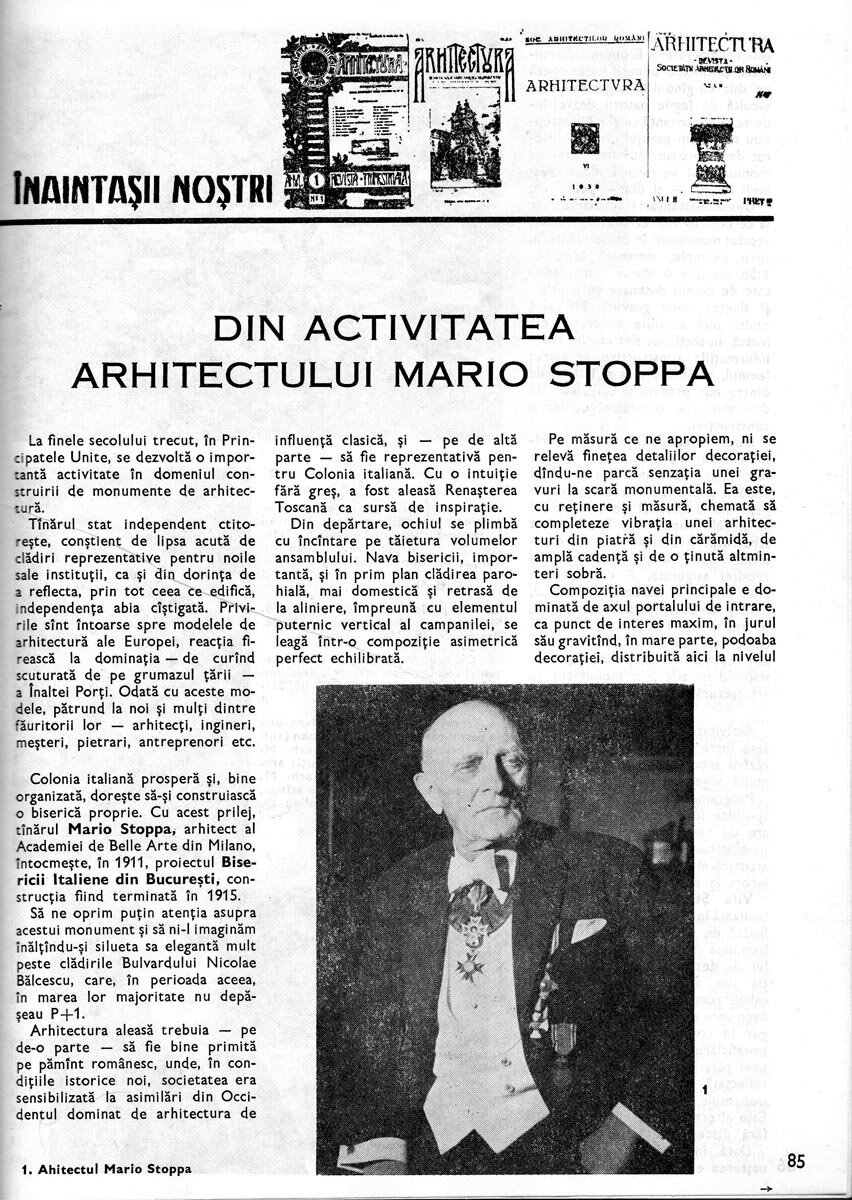
a. Monographic-type studies on the careers of architects. Sometimes they coincide with an anniversary or commemorative moment, but more often they are the result of the free choice of the authors and the editors. It is remarkable that these "micromonographies" often represent either the first attempt to synthesize the life and work of important architects or the signal of a posthumous rehabilitation of names that the historiography of the 1950s and 1960s had obscured. In one or the other of these situations we find the evocations of the careers of Grigore Cerchez9, Nicolae Ghika-Budești10, Gheorghe Sterian11, Nicolae Nenciulescu12, G. M. Cantacuzino13, Virginia Sp. Haret14, Florea Stănculescu15, Alexandru Zamfiropol16, Roger Bolomey17, Eng. Cincinat Sfințescu18, Gheorghe Simotta19, Mario Stoppa20, etc.
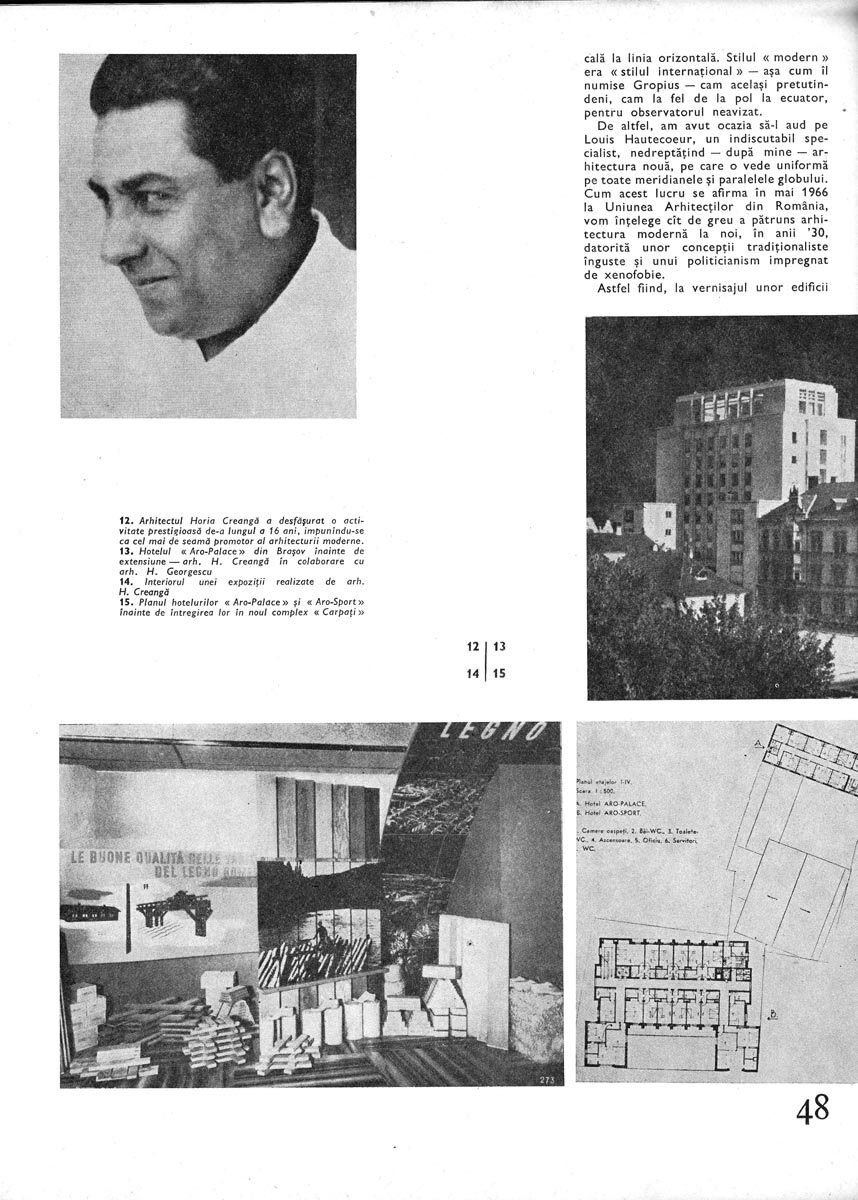
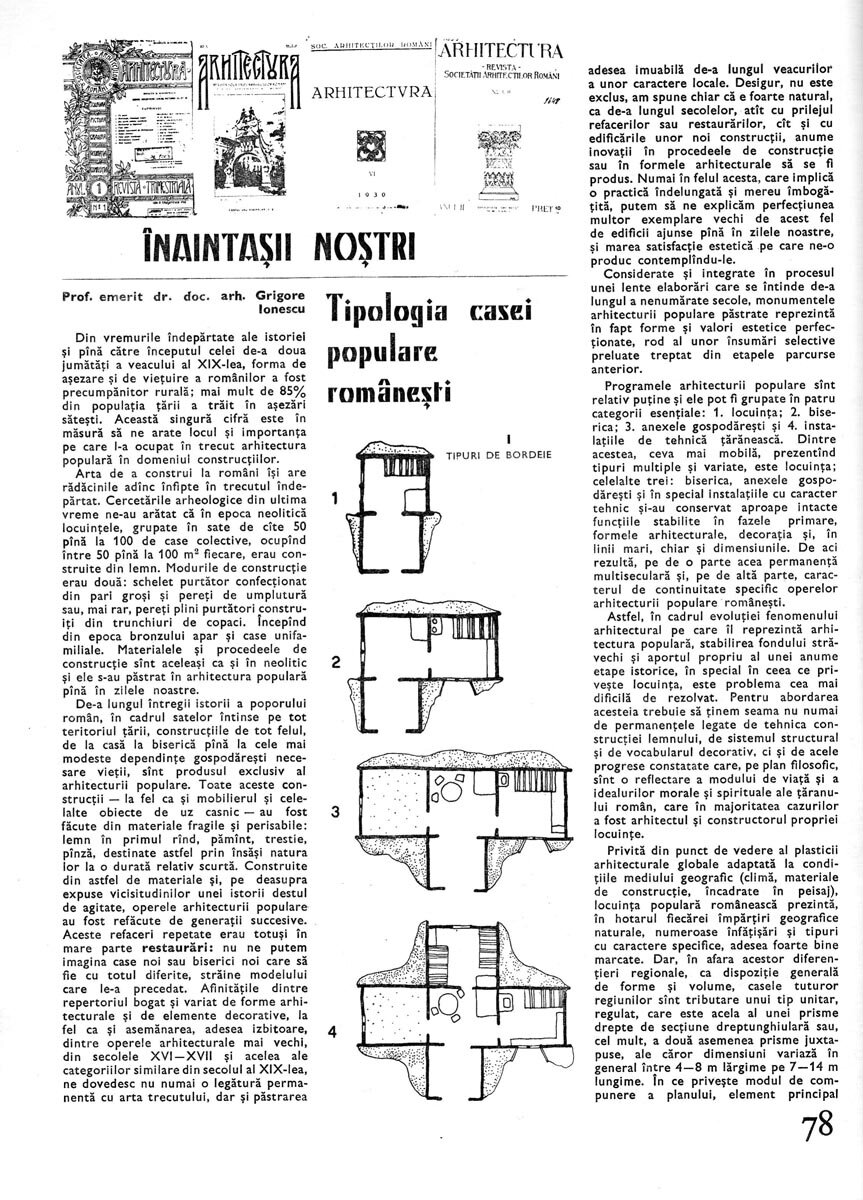
b. Thematic research on some unknown or less studied aspects of the evolution of architecture and urbanism in Romania. From the varied range of themes addressed, we consider, with the advantage of hindsight, that the greatest scientific relevance belonged to the research dealing with the 19th century, which was only marginally touched upon by Romanian architectural historiography in general (in articles published, for example, by Sanda Voiculescu, Cezara Mucenic, Oliver Velescu21 and others).), that of the inter-war period, still too recent and politically "uncertain" to have been dealt with in depth in synthesis works (we note here the essential contributions of Radu Patrulius22), that of architectural and urban planning education, including through the ephemeral disengagement, towards the end of the period, of a column dedicated to this issue - From the life of the School of Architecture/ From the past of the School (in articles signed, in the early 1970s, by Șerban Popescu-Criveanu23 and, in the mid-1980s, by Nicolae Lascu, Grigore Ionescu, Tudor Oteteleșanu, Dinu Vernescu24 and others.a.), as well as that of popular architecture, in a more "modern" methodological key than in the traditional morphological approaches (Andrei Pănoiu published a significant number of articles dealing, among others, with issues related to rural systematization, settlement typology, typical projects in rural areas, etc.25; themes related to popular architecture are also addressed, with some consistency, by Grigore Ionescu or Gheorghe Pătrașcu26).
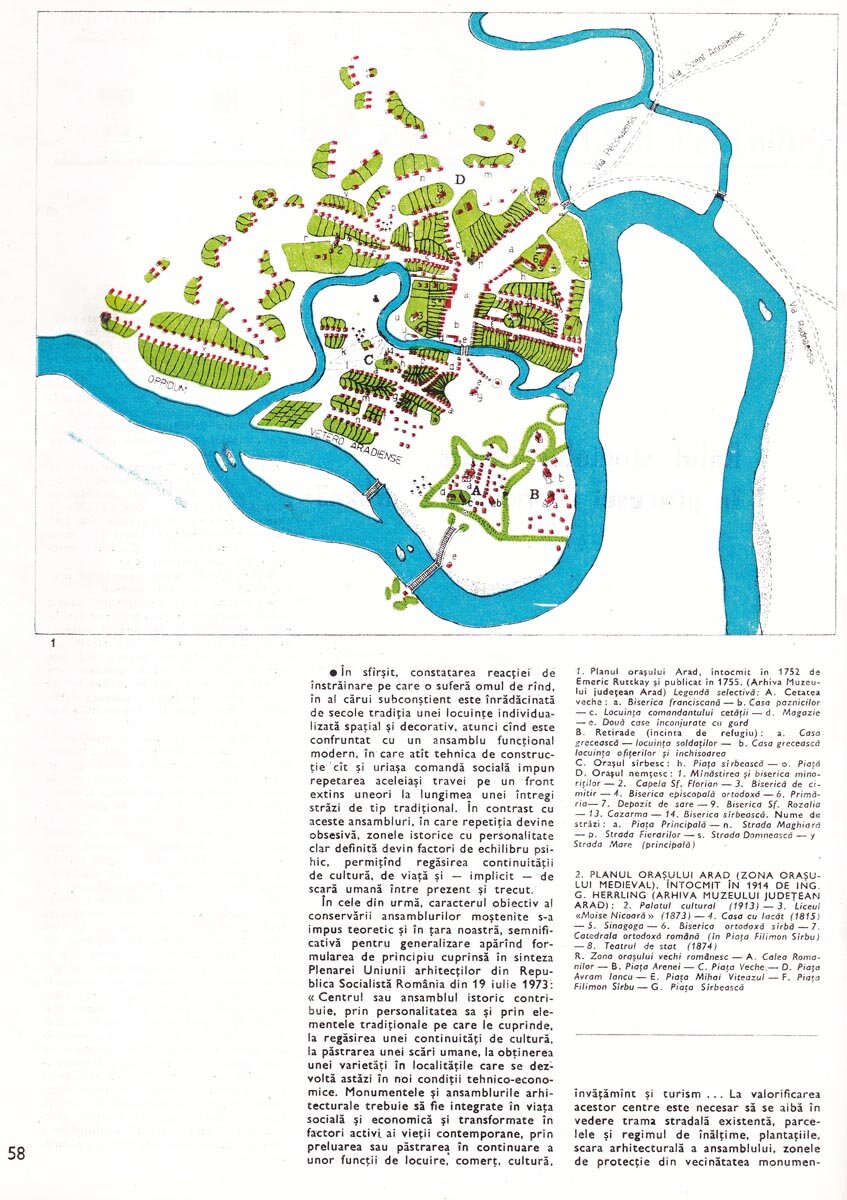
c. Problems related to the restoration of monuments and large-scale interventions in historical fabric. In addition to examples of good practice (grouped mainly in the section File, taken from Our Forebears in 1977), this category also includes contributions of doctrinal or methodological relevance, some of which are in clear dissonance with the dominant direction of the time. For the restoration of monuments, we note here the cycle of articles "In the field of conservation and restoration of historical monuments", by Grigore Ionescu27; for urban interventions - in particular the contributions of Eugenia Greceanu and Teodor Octavian Gheorghiu28.
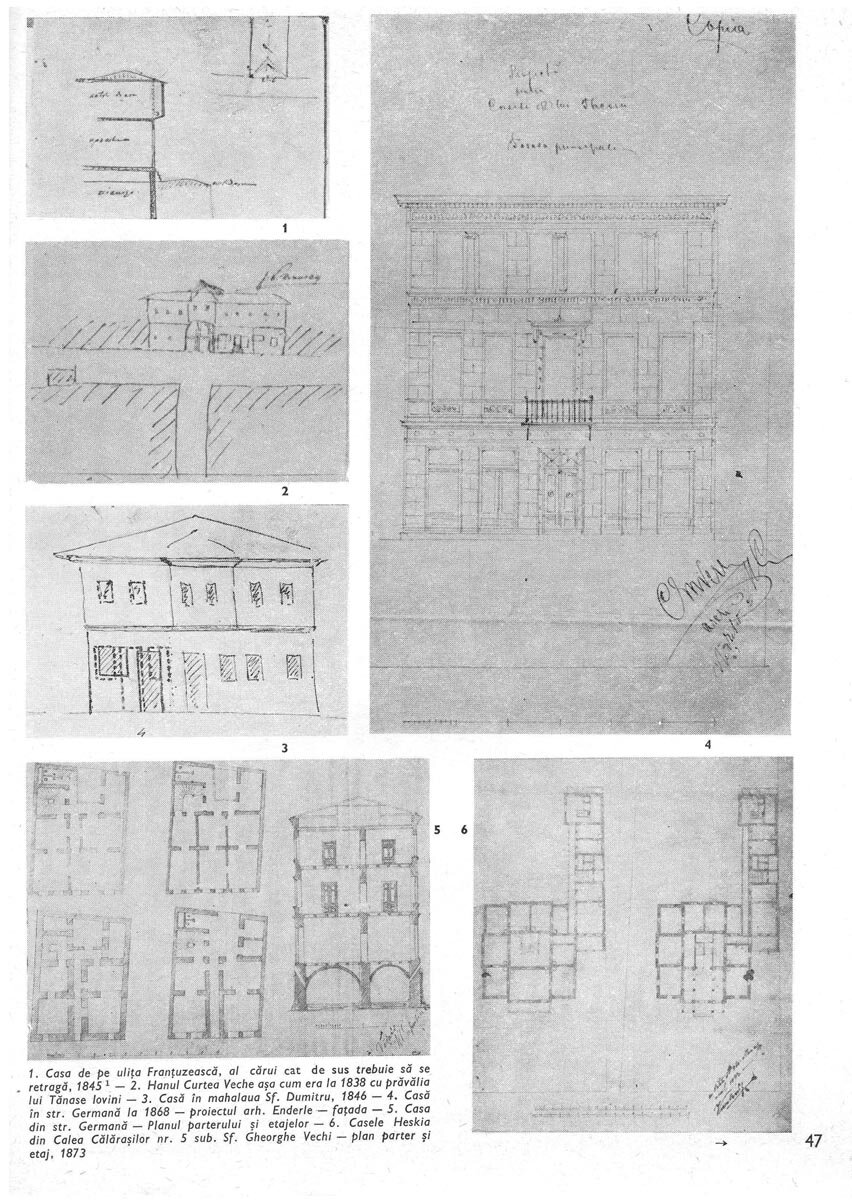
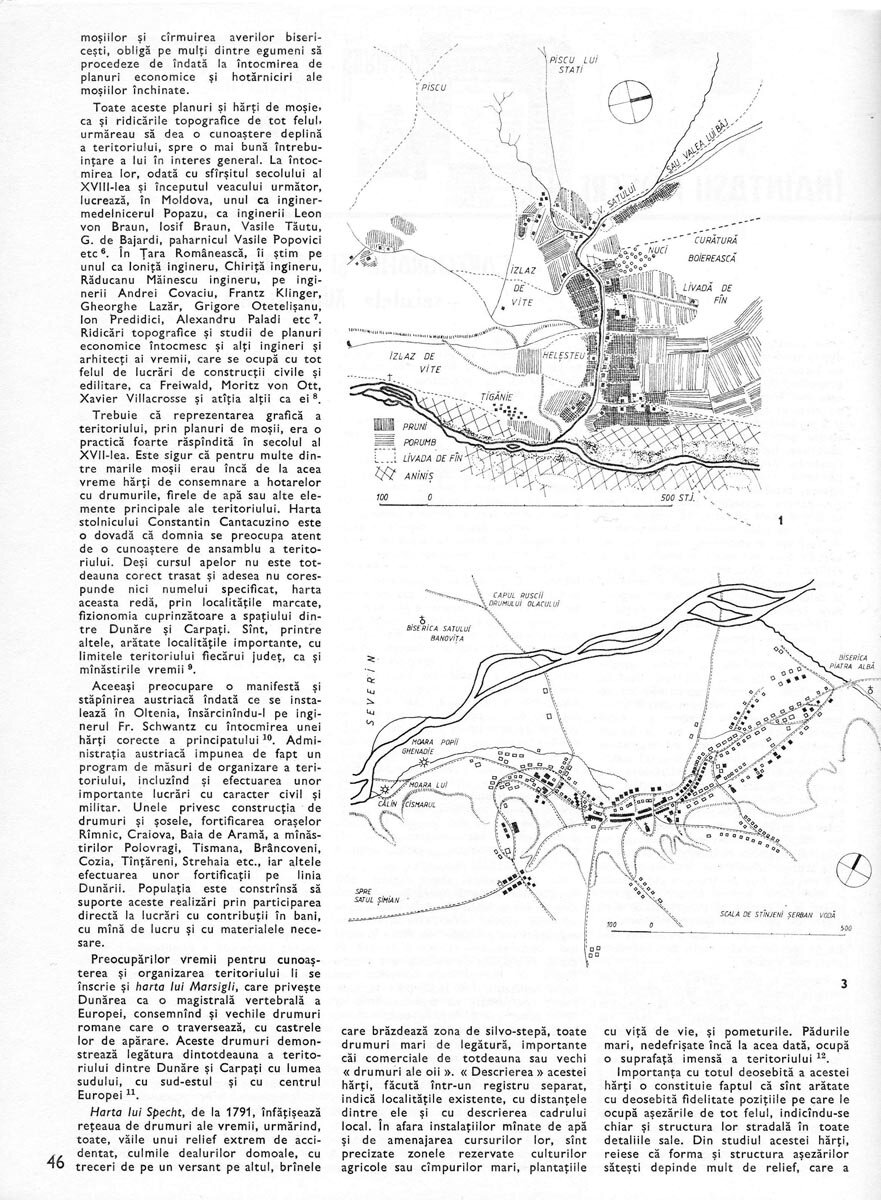
In addition to these topics, most often found in the column, some authors also address other issues, sometimes directly related to a thematic dossier (for example, the four contributions on the influence of Palladian architecture, signed by Gheorghe Curnischi-Vorona, Grigore Ionescu, Nicolae Lupu and Radu Patrulius29), sometimes to a subject for which the author in question was a recognized and accepted authority (Dinu Antonescu, on Dacian architecture30; Gheorghe Sebestyen, on the Renaissance31; Mihai Opriș, on the urban history of Timișoara32).
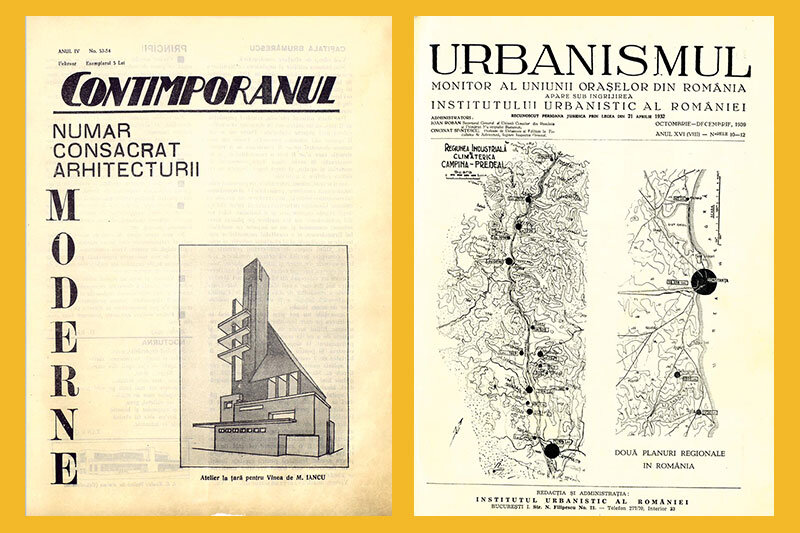
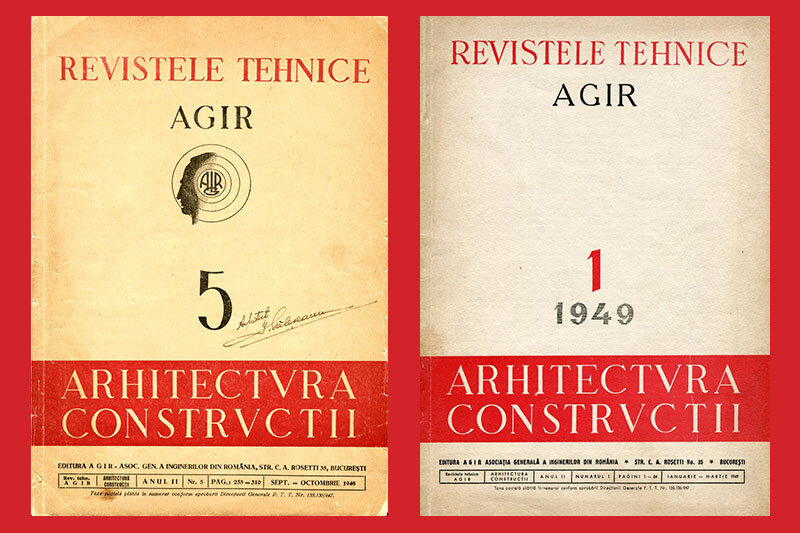
From a formal point of view, the column maintains a remarkable consistency from the first to the last issue, which makes it a stable landmark of the magazine, easy to identify visually (and even tactile). Thus, from the very first instances, the defining elements of the graphic identity of the series are fixed: its own masthead (consisting of a combination of reproductions of covers of the inter-war "Arhitectura" magazine - a transparent allusion to the title of the column; these covers will be changed periodically, but their number - four - and their horizontal arrangement at the top of the page will remain constant) and the specific, vaguely archaistic typeface used for the title of the column and, sometimes, of the articles.
Quite soon after the launch of the Forerunners series, the magazine resorted to a typographical device that would become closely associated with this section. The general quasi-square format (26 x 27 cm) adopted by "Arhitectura" from issue 1/1963 onwards, and consistently and without exception until 1989, was replaced in the middle or at the end by a series of rectangular pages about 20 cm wide. Printed on a rougher paper than the rest of the magazine33, this fascicle is most often opened by an article in the series Our Forerunners and contains, in addition to some generic articles taken from it over time(File, Evocations, From the Life of the School of Architecture), other "special" columns in a magazine which is still dedicated to the presentation and criticism of projects(Reviews/Presentations, Technical Files, etc.). Our Forerunners thus quickly becomes the "flagship column" of this special section. In this context, it is worth noting that the average size of the section declined slightly towards the end of the 1980s, but this should be seen in the context of the general impoverishment of the magazine during this period.
Of course, with hindsight, the quality of the articles published between 1972 and 1989 under the heading Our Forebears is sometimes uneven. However, placing this statement in the context of the period provides an opportunity for nuance.
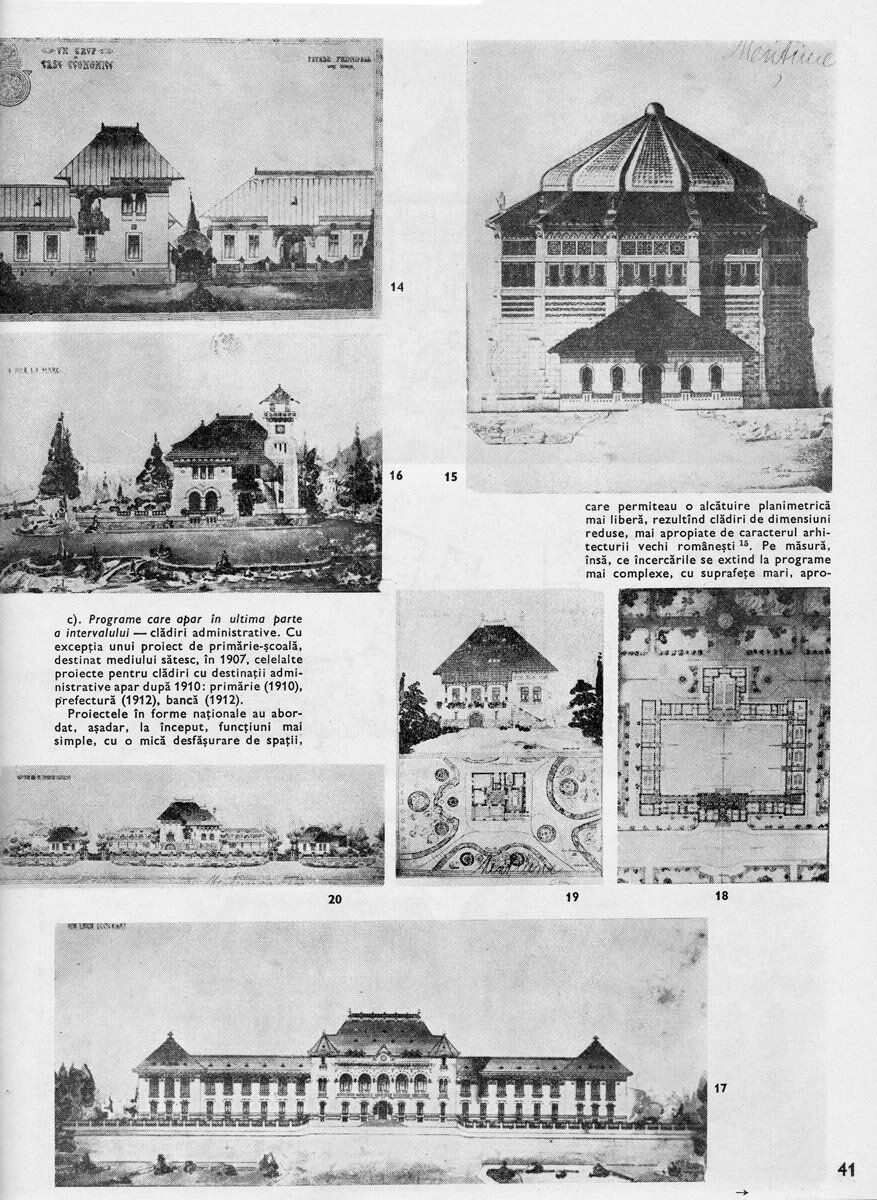
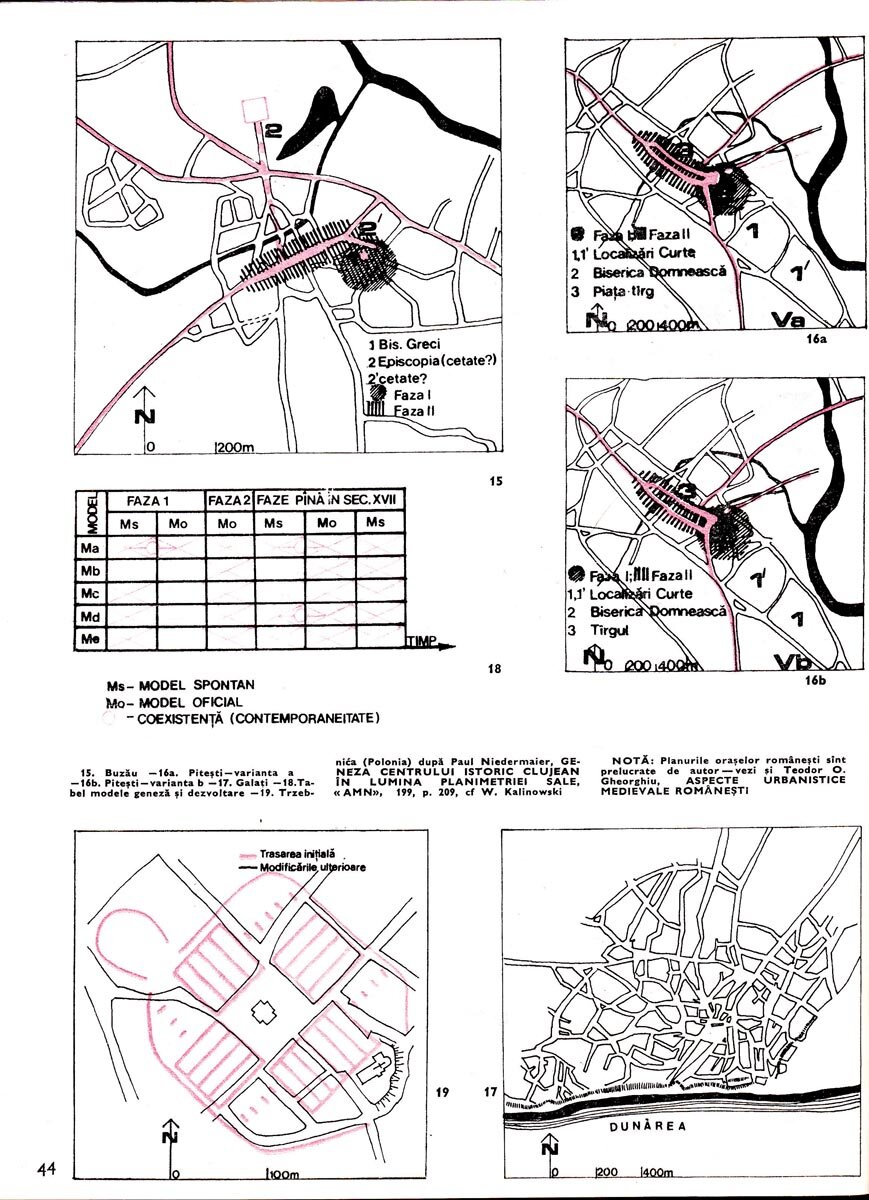
On the one hand, it should be noted that architectural historiography in Romania in the 8th and 9th decades did not excel (quantitatively speaking) in large-scale, volume publications. Of course, in addition to the two "canonical" treatises that appeared during this period34, there were other books (some of them of remarkable quality), but their number remained relatively small, for reasons that are not the subject of this study. In these circumstances, and because "Arhitectura" was the only specialized publication with a wide circulation, Our Forebears was one of the few forums to which many researchers of architectural history had access (it should be mentioned here, with a similar role, the "Bulletin of Historical Monuments", which in 1974 became the "Journal of Monuments and Museums", series Historical and Art Monuments, but it was published less frequently and addressed a more specialized and therefore smaller audience than "Arhitectura"35).
On the other hand, both the two treatises mentioned above and the "Bulletin of Historical Monuments" tended to give greater importance to the pre-modern period, with less emphasis on the 19th and 20th centuries - a consistent interval covered by the contributions of our Forebears, as we have already shown. From this point of view, it can be argued that the accumulation of a critical mass of research under this rubric has provided a platform from which post-1990 architectural historiography has been able to benefit substantially. We refer here in particular to studies of interwar architecture and some "micromonographies" of architects, which were spectacularly developed, by other authors, in the first decade after the regime change.
Last but not least, both in terms of the themes dealt with (which generally kept away from some of the templates of the time and often tackled subjects that were "out of step" with the times) and the scientific approach it displayed, the column Our Forebears contributed, perhaps especially in the 1980s, to setting benchmarks for anchoring a professional conscience that was increasingly under attack and in doubt, both from within and without.
NOTES:
1 Formerly the State Committee for Construction, Architecture and Systematization; the first issue of the journal on which this direct subordination to a governmental body is no longer mentioned is No. 2/ 1971.
2 Only two of the members of the old Editorial Board retain their positions. For details on these changes, as well as other key moments in the history of the magazine, see Ana-Maria Zahariade, 'Testing the Physiognomy of the Arhitectura Magazine, 1952-1989', sITA - studies in History and Theory of Architecture, no. 1, 2013, pp. 161-183.
3 15 consecutive articles, first in no. 1/ 1967, last in no. 3/ 1969.
4 Eight articles between 1968 and 1970.
5 Șerban Popescu-Criveanu, "Forward-looking attitudes to our past urban planners".
6 Between No. 3-4/ 1972 and No. 5-6/ 1989, the magazine (and, with it, the column "Our Forebears") registered 97 issues.
7 According to verbal information from Șerban Popescu-Criveanu, Sanda Voiculescu was also the initiator of this column.
8 Over the 17 years (97 issues) covered by this study, the most contributions to the column "Our Forebears" belong to Andrei Pănoiu (11), Grigore Ionescu (9), Dinu Antonescu (9), Nicolae Lupu (7), Radu Patrulius (6) and Teodor Octavian Gheorghiu (6).
9 Author Nicolae Lupu, no. 4 and 5/ 1973.
10 Author Ion Ghika-Budești, no. 4/ 1974.
11 Author Nicolae Lupu, no. 5/ 1974.
12 Author Nicolae Lupu, no. 1/ 1975.
13 Author Radu Patrulius, no. 4 and 5/ 1975.
14 Author Radu Sp. Haret, no. 5/ 1976.
15 Author Nicolae Lupu, no. 6/ 1977.
16 Author Adrian Mahu, no. 4-5/ 1981.
17 Author Radu Patrulius, no. 1/ 1982.
18 Author Nicolae Lascu, no. 2/ 1989.
19 Author Ion Vlahu, no. 4/ 1989.
20 Author Constantin Rulea, no. 5-6/1989.
21 Nos. 3/ 1974, 6/ 1974, 3/ 1976, 4/ 1982.
22 No. 6/ 1973, 1/ 1974.
23 No 5/ 1972.
24 No. 5/ 1984, 6/ 1984, 5/ 1985, 6/ 1987.
25 No 1/ 1976, 1/ 1983, 4/ 1984, 6/ 1985, 2/ 1987, 5/ 1987.
26 No. 2/ 1975, 4/ 1979, 5/ 1986, 4/ 1987.
27 No. 6/ 1976, 1/ 1977, 4/ 1977, 4/ 1978, 2/ 1979.
28 No. 3/ 1980, 2-3/ 1981, 1/ 1988, 3/ 1988.
29 No. 6/ 1980.
30 No. 4/ 1976, 2-3/ 1977, 5/ 1977, 3/ 1978, 6/ 1980, 6/ 1981, 2/ 1983.
31 No 6/ 1984, 6/ 1985.
32 No. 3/ 1985, 3/ 1986.
33 Unfortunately, this choice has a negative effect on the quality of the images published in the section, which are often blurrier than those printed on the glossy paper that makes up the rest of the magazine.
34 Grigore Ionescu, Arhitectura pe teritoriul României de-a lungul veacurilor (Bucharest: Editura Academiei RSR, 1982) and Gheorghe Curinschi-Vorona, Istoria arhitecturii în România (Bucharest: Editura Tehnică, 1981).
35 It should be noted that we often deal with the same authors in both journals ("Arhitectura" and "BMI"/"RMM-MIA"), and some of them even take up the same topics, in slightly different forms.