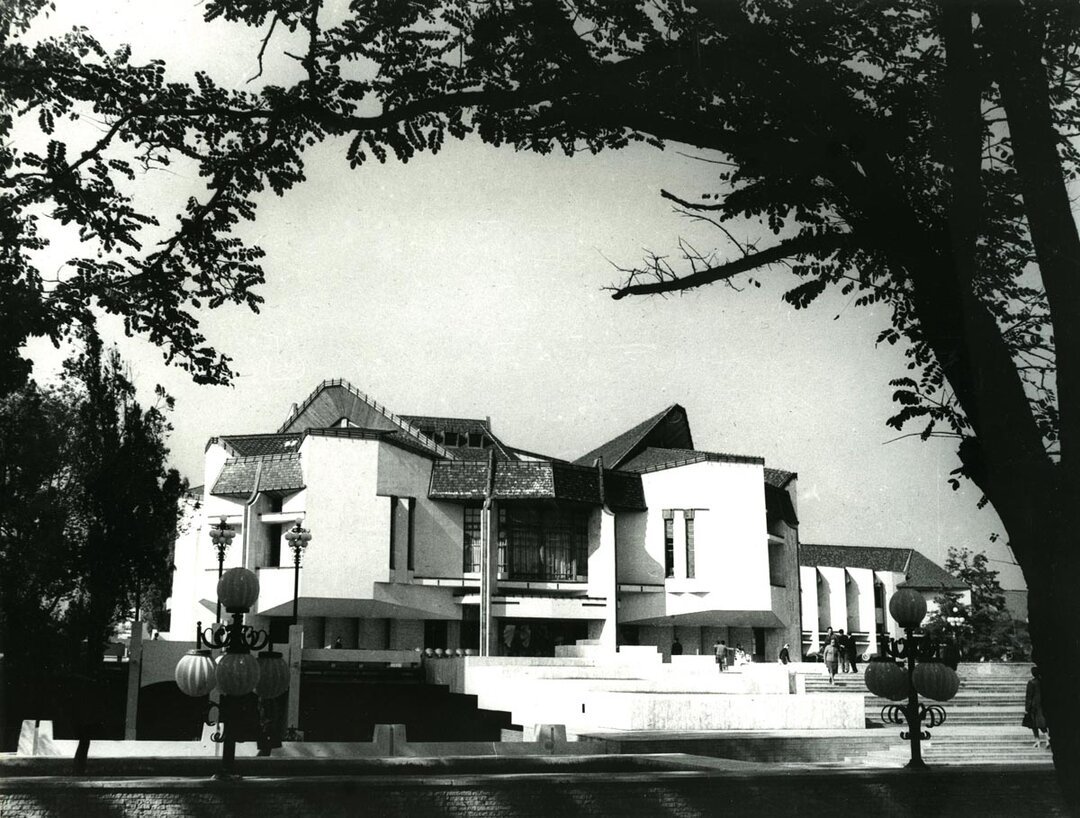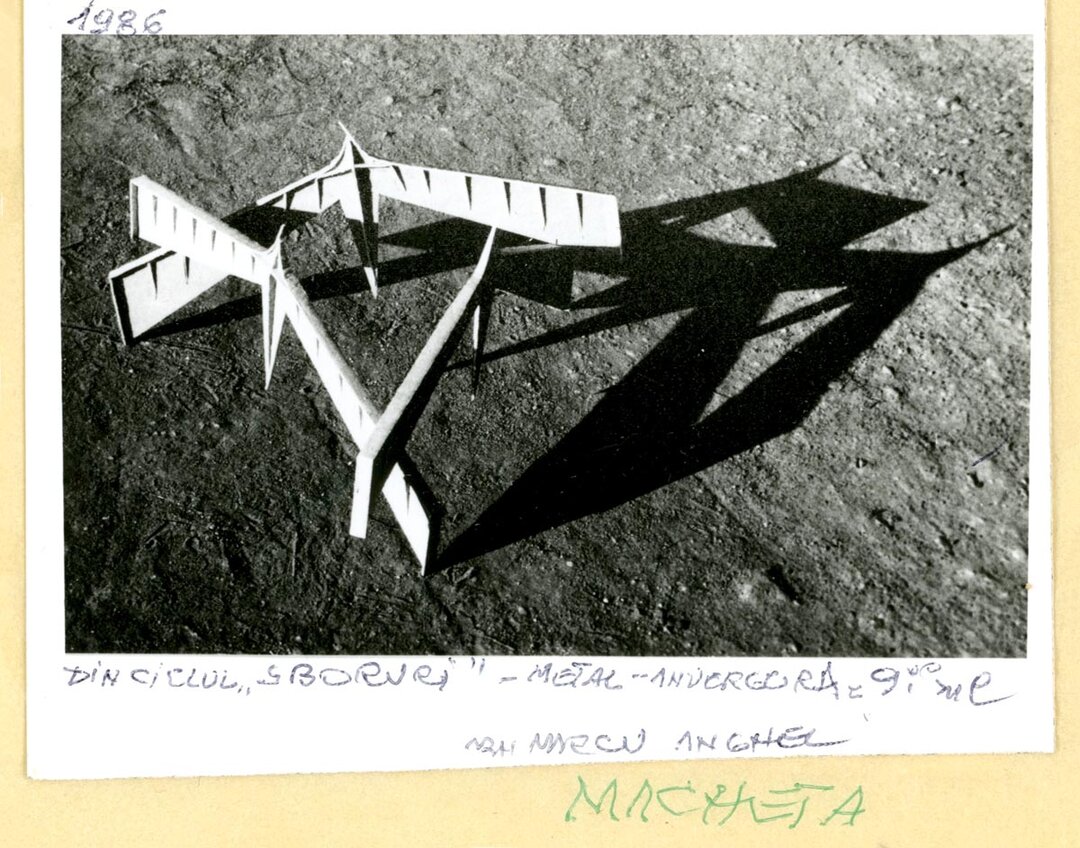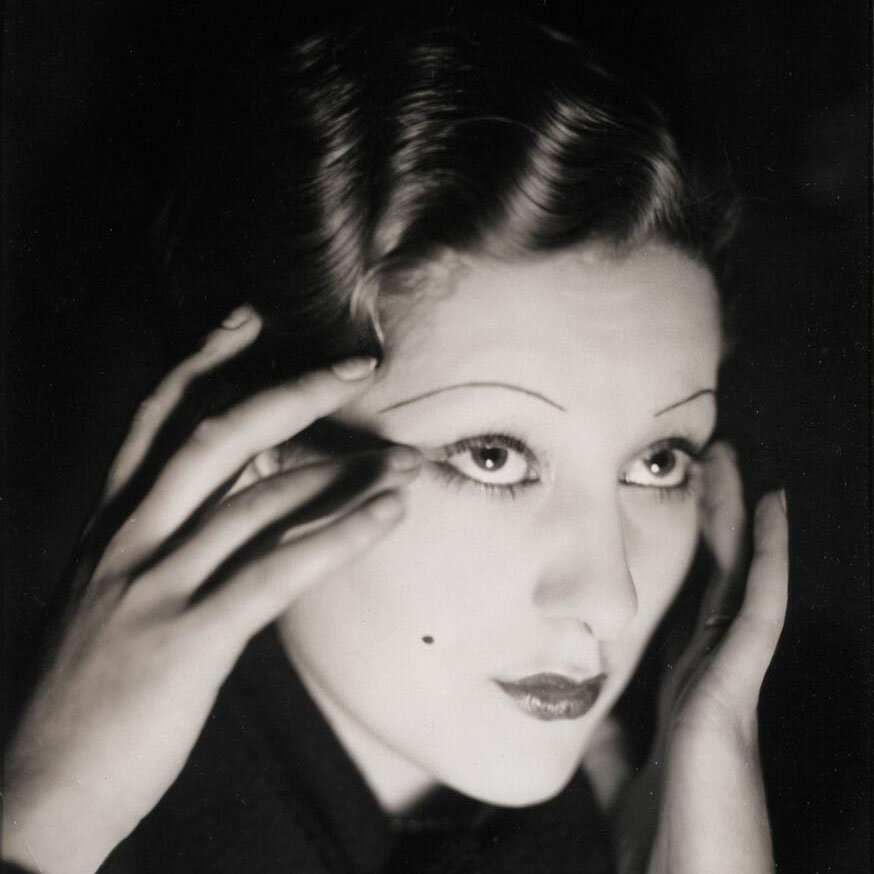
The photography archive of Romanian Union of Architects. Online and Offline

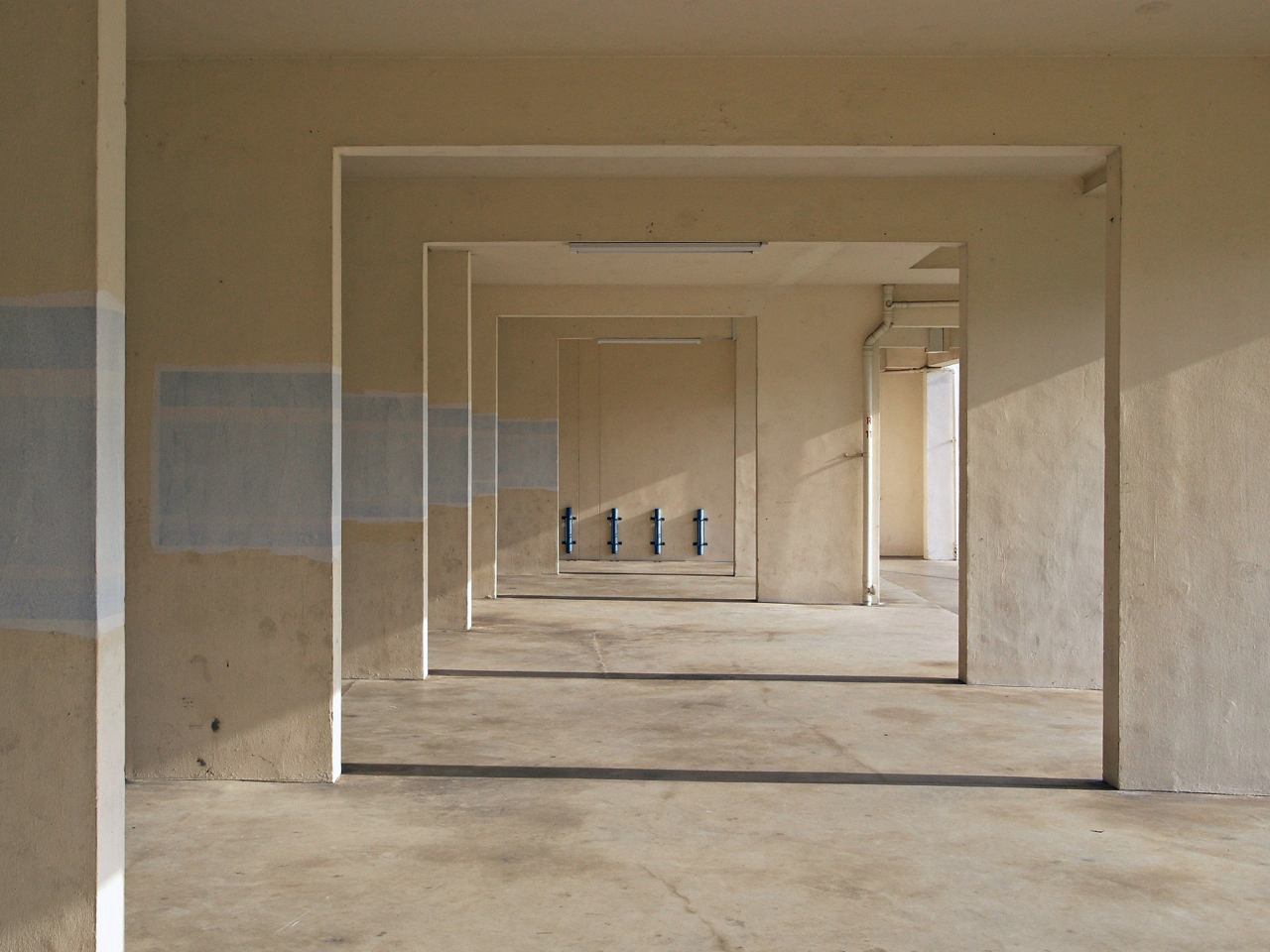
Anca Sandu Tomaszewski: Dear Françoise, you who always seem to take everything in jest, how did you manage to amuse yourself when you took over the responsibility of "Arhitectura" magazine? That was in...?
Françoise Pamfil: 2010. I didn't really enjoy it then. The joke quickly turned serious when I realized that I had not only elegant intellectual problems to solve, but first and foremost I had to overcome practical constraints. I soon realized that I had to invest all my energy in inventing and feeding a logistical system, and that I could hardly find time for the content of the magazine - which was, in fact, my concern and for which I thought I was called - I could hardly find time for it.
Conversation within "Arhitectura" magazine |
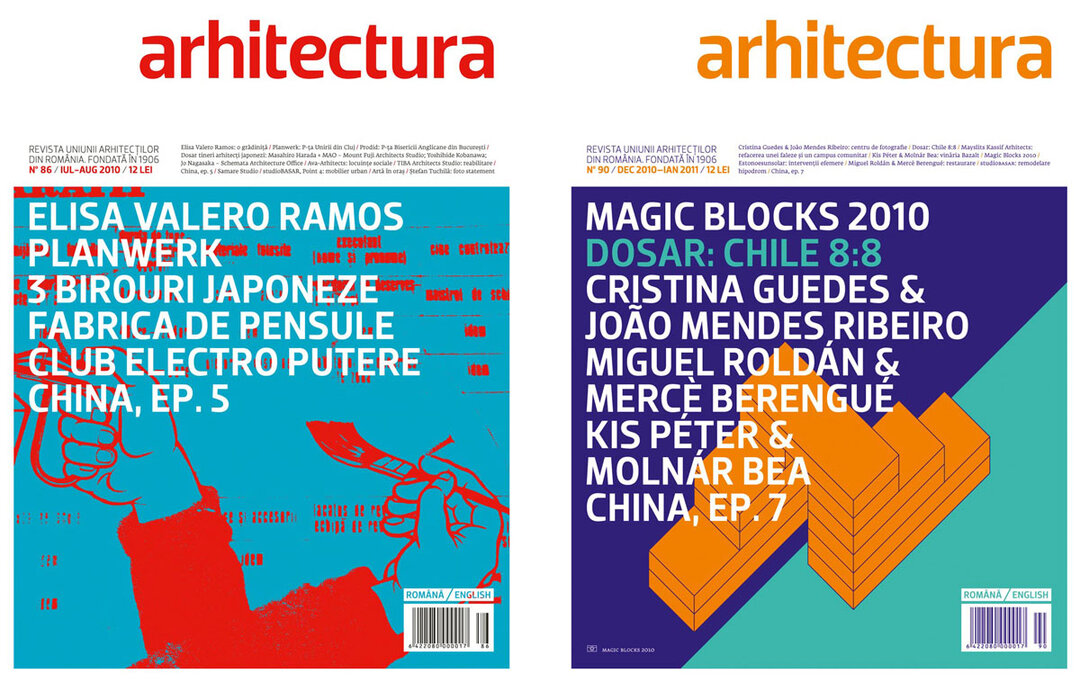
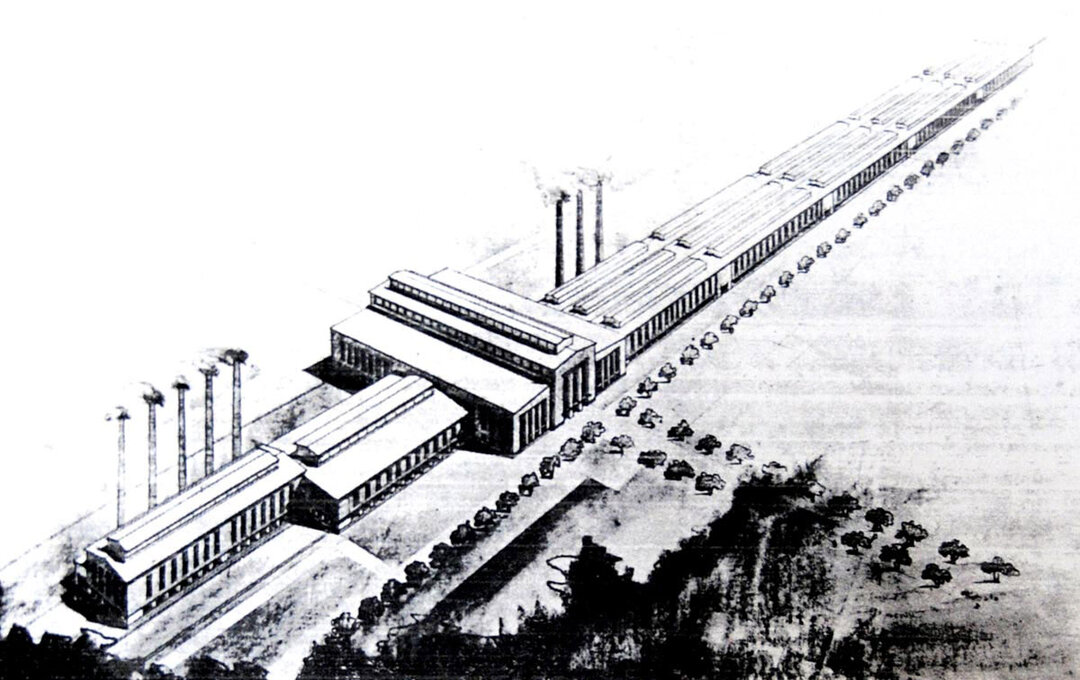
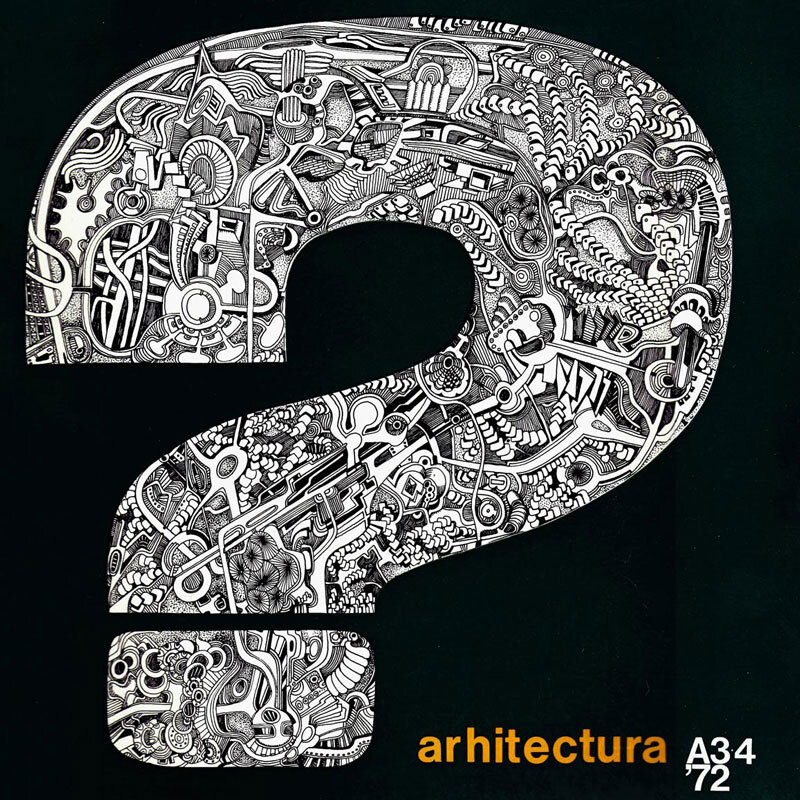
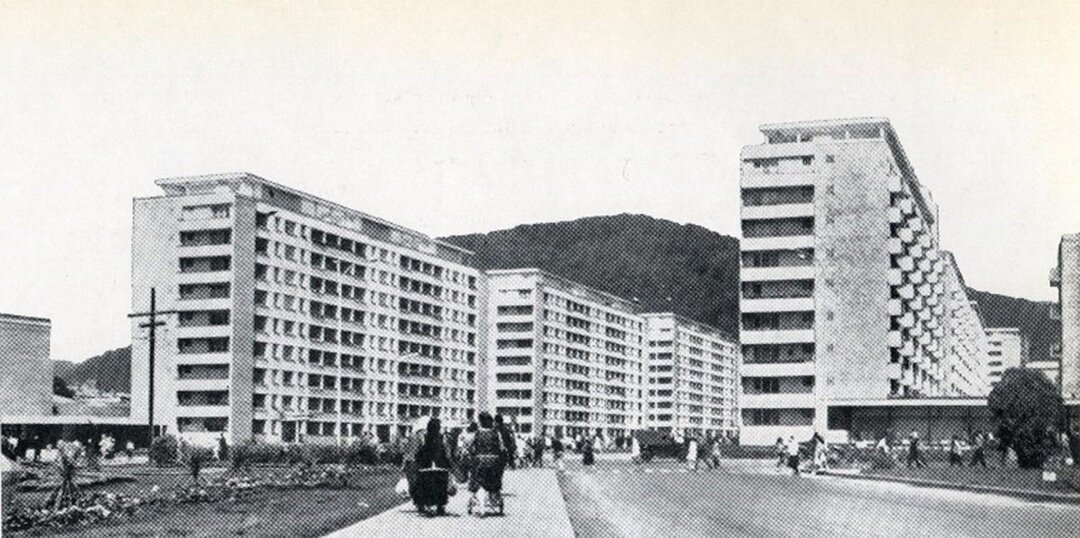
| 2016 is for "Arhitectura" magazine the celebration of its 110th anniversary. The Union of Architects in Romania (UAR) made some gestures in honor of the magazine and published online valuable archive information. In this context the editor have invited architect Françoise Pamfil and architect Anca Sandu Tomaszewski to reveal us - from the periods in which they wrote in - some meaningful insights of the UAR's official publication. Taking up this challenge of professional editor's memories and honesty in the fall of 2016 began a conversation that ended in January 2017. We reproduce it below. (...) A.S.T.: Yes, noblesse oblige, but it was just a matter of personal honor. There was a distinct love and gratitude for the magazine and distinctively for what it meant for the guild in tough times and this continued all the time. And perhaps especially especially in the dark years of 1980s. I felt the need to do something about it, to support the magazine when the need was high. It was not easy in the early 1990s, when all the relevant people, as you say, were busy to carve out a new career. But the magazine found ways. (...) F.P.: It was hard to quit a job that I learned gradually how you do it. At least having a successor in the current system, which does not have to take everything from the beginning again would have helped. And finally, I did not gave up because I felt a discreet protection from someone who loved the magazine - as I did - and that I consider not to disappoint. |
A.S.T.: You had no management experience? Had you been a newborn thrown in the water, just to manage?
F.P.: Wait and see, there was no water. Then it was another moment of lucidity that eradicated my appetite for joking.
A.S.T.: Not the humor, never. So, you opened the door to take your job and found an empty room.
F.P.: With a computer and a lady. And in the computer nothing, no contacts, no contacts, no partners, no contracts, no names, no addresses - for typography, publicity, distribution, cultural exchanges, any suppliers of materials and services, any libraries or archives. No substance from which to start a magazine. And, above all, there was a lack of contributors to the magazine; there was no graphic designer, no relevant person to write.
A.S.T.: They weren't in the computer, but they existed in reality. So, you had to rediscover water sources and build canals. You did it, of course, because we all have in our genes both resourcefulness and the eternal making of the beginning.
F.P.: Yes, step by step: two steps forward, one step back. I resumed the magazine's links by primary methods and breathed a sigh of relief when I secured a content profile for a year or so and a printer.
A.S.T.: But what had happened to the legacy of the old editorial staff? In my time, Ștefan Radu Ionescu (Fică), although wounded, undeservedly in my opinion, left everything in good order when he retired with dignity in 1990.
F.P.: In 2010, however, the Ghenciulescu-Goagea team's break with the UAR was perceived by both sides as a war. As a result of this anger, a schism was triggered among the old web of relationships around the magazine; contributors found themselves in the position of choosing to be allies of one side or the other and automatically enemies of the other.
A.S.T.: "He who is not with us is against us," as it were. I remember the ungrateful situation we were put in, through no fault of our own. Whatever we did, we were implicit traitors. I had already given an article to the magazine "Arhitectura" when I found out that, in this way, I had signed an adhesion and had excluded myself from the other phalanx. Even to this day I have not gotten over my astonishment and sadness at the way in which the matter was raised. But you overcame the deadlock.
F.P.: I think it was, first of all, the merit of the magazine, which had coalesced the guild around it for over a hundred years at that time. Now there are 110. Thanks to the architects' devotion to the magazine, we knocked, in most cases, at open doors.
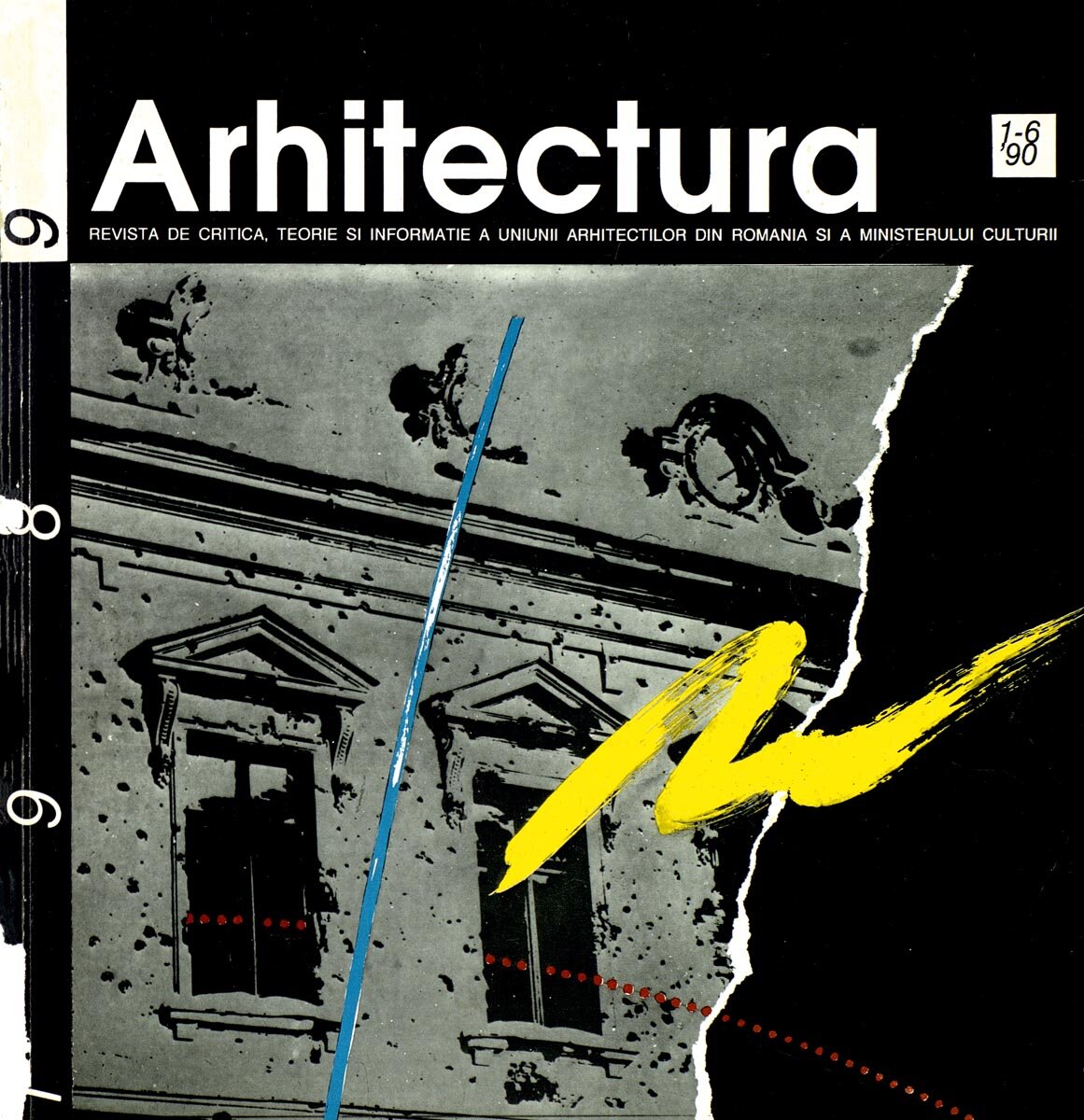
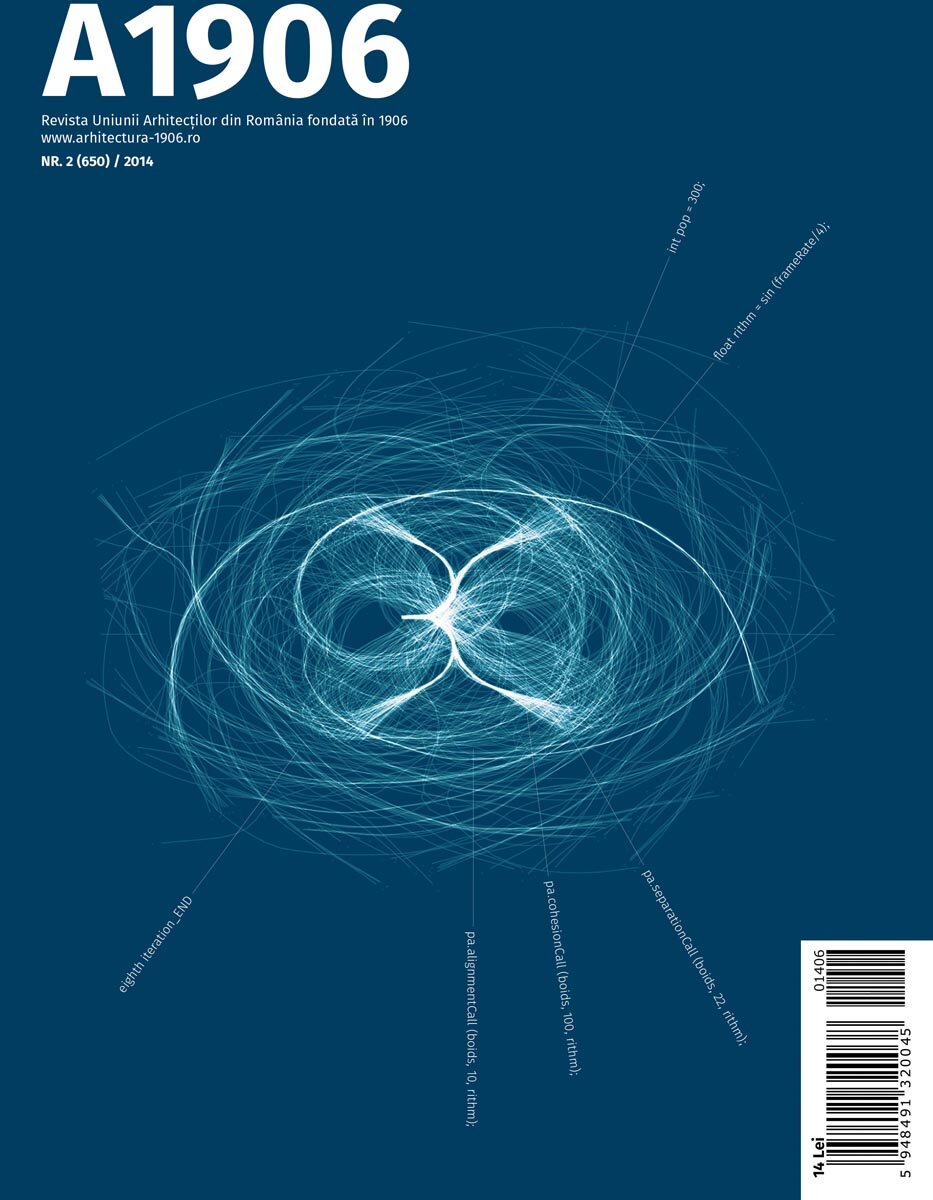
A.S.T.: It was extraordinary the cohesion of the guild around the magazine, I noticed it in 1990. In 2010, however, here we are divided into the faithful-of-all-ages-of-"Arhitectura" and the young-of-"Zeppelin". Unpleasant, because some of us would have liked to remain impartial, like all Swiss. However, I was also of the opinion at the time that the empowerment of the old editorial office was for them the step forward after the kick in the ass, and it shows how well "Zeppelin" magazine has evolved. Why can't these necessary changes take place here without interpersonal tensions, unfair prejudice and starting the world all over again?
F.P.: That's why, because we are not Swiss...
A.S.T.: Who financed the magazine?
F.P.: The Union alone, to start with. We had an OK premises, we hired people, at a certain point I was able to stop working on the magazine on my personal laptop. It's just that after a while the pressures started - to downsize, to quit, to economize.
A.S.T.: And the editorial team?
F.P.: When we finally had one, the recommendation came to cut salaries.
A.S.T.: Oh, how important the team is, when the orchestra-orchestra man really doesn't dare. You managed the great feat of not losing the rhythm of the magazine. The price was that you couldn't always control all the details, which were left to the team members. I could easily identify them.
F.P.: I know. For example, you can't get a good layout if you don't assimilate the textual content, but work solely on the basis of graphic criteria.
A.S.T.: Yes, it happened to me to see my article illustrated on the criteria of the resolution of the pictures, and thus the message of the text was diluted and the hierarchy of ideas was overturned. The same happens when you make a correction or a translation solely on linguistic criteria. I was amused when I read about a church turned into a columbarium, that it became a columbarium, which sounds like a columbarium.
F.P.: Or you condition competence or involvement on the size of the salary. I have missed people who, with me, would have assumed the intellectual management of the magazine. When they were beginning to have formed, I left them.
A.S.T.: Against your will, as fate would have it. Can you tell us about it?
F.P.: No. I want to forget.
A.S.T.: You also managed to pay your collaborators' honoraria, which was nice, even if no one ever wrote for money, but only out of an interest in communicating their ideas and, possibly, for some public recognition, which is good for anyone. "We write to be loved", said Berthold Brecht.
F.P.: As you say, I, like you, like all the editors up to now, have benefited from the unconditional support of collaborators of all ages. At least our fellow teachers, with whom I used to bump into willy-nilly at school, were ashamed of themselves if they were late with an article - it was a matter of honor.
A.S.T.: Yes, noblesse oblige, but it wasn't just a matter of personal honor. It was always love for the magazine and gratitude for all that it had meant to the guild in hard times, I mean all the time. And, perhaps especially in the dark '80s. They felt the need to do something for her, to support her in her time of need. It wasn't easy in the early '90s, when all the relevant people, as you say, were busy forging new careers. But they found time for the magazine.
F.P.: And that's how I, in my turn, felt the need not to take bourgeois advantage of the nobility of the authors and made an organizational effort to have the journal accredited by the National Council for Scientific Research. This had the advantage that the published articles scored better in the evaluations of the work.
A.S.T.: And you felt brightened. You began to laugh at yourself and your old worries, you returned to your apparent lightness. The magazine was bought, read and "risked" getting better and better. But there were rumors of discontent within the Union.
F.P.: Passe-parole. I too would like to know exactly what was actually going on and why. But you should know that my levity was really apparent, because I didn't allow myself to relax. The working system I had invented, with my improvised self-taught mind in editorial management, required constant rigorous control.
A.S.T.: It's not really in the nature of us architects, who fancy ourselves artists.
F.P.: I think it comes from my knowledge of computer operating systems. I used to imagine the inputs of information, their place in the magazine, the processing, the output, and I would concentrate on supervising the functioning of this mechanism.
A.S.T.: And your system never crashed. But why didn't you take people on the chin when, following your first good and hard-earned results, you were rewarded with cuts in salary, staff and expenses, plus criticism?
F.P.: I think for the same reason you didn't do it when you had it tough, I mean, all the time. For about three reasons. First, because I enjoyed complete freedom in the content of the magazine. Didn't you?
A.S.T.: Yes, me too. Too much, and not only in terms of content. We were free to bring our mops, paper mops, paperclips, paper clips and whatever else the administration gave us, with the bag, from the Press House. I remember Lucică (editor's note: Lucian Mihăescu) at the editorial office door with a duffel bag that wouldn't close because of the bucket and a broom in the other hand. He was nervous because the bus was crowded. I was free to choose my personal friends whom I could ask to xerox and soon we would be free to print the magazine ourselves with whatever money we wanted and to take the print run and sell it to whomever we wanted. As volunteers.
F.P.: Could you explain, please?
A.S.T.: The magazine belonged to the Union of Architects, but it had neither the money to keep the magazine, nor an administrative department sufficient to manage it. For many, many years, there had been a contract, a protocol or something, with a service of the Ministry of Culture, which financed and managed cultural publications: it ensured the printing and distribution of the magazines, paid salaries, supplied photographers with substances, etc. It was a kind of personal-administrative-financial-accounting service at the disposal of publishers, but also of associations and unions.
F.P.: Was that good or bad?
A.S.T.: It was a solution that worked. But after the 1990s, when I took over the magazine, that system of socialist mutual aid between cultural institutions became increasingly anachronistic. For a while it was business as usual, only censorship had disappeared. As time went by, however, the mechanism kept seizing up, and I remember going to Minister Pleșu and then to Spiess for an audience, to get funding for the issues. Within the Union there was a current within the Union that wanted the magazine to break away from that service, because the Ministry of Culture was perceived as a communist institution, but the editorial staff was not presented with any realistic alternative solution. There were three of us in the editorial staff: a photographer, a young editorial secretary and myself. There were a few initiatives from independent architects to help with financing, but at the Union there were probably suspicions and fears, so nothing happened. In the end, the break-up came about in 1993, much to the chagrin of the Ministry of Culture, which had long wanted to get rid of us. After four months without pay, we realized we had to leave. Mr. Dumitru, the photographer, officially retired.
F.P.: And how did the magazine manage under these circumstances, without an editorial staff?
A.S.T.: I don't know, because I was no longer there. Probably not too easily, I suppose, but Augustin Ioan knows best. Then, in 2000, the Union entrusted the magazine to a young team, composed of George Harpău, Constantin and Cosmina Goagea, and they set up an editorial office again, with a system; the magazine was finally able to resume a normal rhythm of publication. I worked very well with them. But I was sticking to the reasons why you didn't give up when your wings shortened. You won't want to tell me, I think, about the sudden and regrettable - people say - end of that experience.
F.P.: It was hard for me to let go of a job that I had just learned how to do. The least I could have done was to have a follower who was up to date with the system, who didn't have to start all over again. And, finally, I didn't give up because I sensed behind me a discreet protection from someone who loved the magazine and whom I didn't want to disappoint: Mr. Derer.
A.S.T.: In my case, I think the magazine's guardian angel was Alecu Beldiman. He was able, discreetly, to ensure its existence during those three years that were continually traversed by all kinds of telluric movements. And Mr. Derer also played a crucial role in my personal destiny, linked to the magazine: it was he who first asked me to write an article for "Arhitectura" magazine in the early 1980s; that's how my "marriage" with it began.
F.P.: Which of them proposed you for the vacancy in January 1990?
A.S.T.: It was Ștefan Radu Ionescu, who had to take a step back, "in new times... a step back". He had been the magazine's editor from 1975, I think, until 1989 - a thankless and long period. I don't know why so little is said about the fact that he maintained the magazine at the highest possible quality then, in those bleak conditions, and that with efforts that he overcame with a laugh. For that generation of architects damned by socialism, the magazine was then a landmark and a refuge. Even today I still encourage students to read it.
F.P.: Why did a man who had fallen into revolutionary disgrace accept the proposal?
A.S.T.: Well, they were all architects, not barbarians. There were conveniences. Fică probably had an authority and, tacitly, they probably appreciated him. I don't know. I guess it was like in Damian Stănoiu's novel "Choosing the Abbess". There, the camps, with their well-vetted protégées, neutralized each other in infighting, so that in the end a young, naive and devout nun, a stranger to intrigue and presumably capable of the task, found herself the victor. Given the candidate's innocence, this deus ex machina solution suited them all. Now, between you and me, I say that in that monastic hornet's nest as well as in the small world of the Union, the stakes were also pretty harmless, with all the inflamed spirits. Why did they choose you?
F.P.: Out of desperation to fill a void. But for better or worse, they still knew me.
From school.
F.P.: Yes, on the one hand. But also from my proposal for the structuring of the Center for Architectural Culture, which had been foreshadowed as an institution since 2009 and which now operates in Calderon Street.
A.S.T.: To tell the truth, Fică Ionescu knew me more from my texts. When you opened the door of the editorial office, the sociable Mr. Dumitru always greeted you, to whom I usually left the article and left. I don't know how they had the courage to bet on me.
F.P.: Some people thought you were manipulable.
A.S.T.: I was young, 5'6" and a bit naive.
F.P.: You fooled them, ha, ha. But where was the magazine based?
A.S.T.: I don't know, but I didn't mean to. I was focused on a single goal: to be able to continue, for the time being, the magazine's legacy. Let's get past the watershed. The headquarters of the magazine was in the school, from time immemorial, in the first workshop on the right, on the first floor. At the top of the stairs, on the left, was the Union Headquarters. You know the location was a great advantage - you know the neighborhood principle in a community. In the editorial office it was like on the platform of the station, that's what Fică Ionescu had taught his collaborators. He had developed the custom of chatting with all visitors. On their way, people would pass by the editorial office door, nod, then come in for a chat. It wasn't Fică anymore, it was me, and that was fine. True, it was ruinous for working at the magazine and I actually had to work at home at night, but I would never have changed it. It's so fun to get to know the architects, these people who were so interesting at the time, who would come over in friendship for a moment of disconnecting communication. You know this, once the center of intellectual socializing moved to your home.
F.P.: It's just that architects you didn't know came to you every day. It must have been fine and beautiful in your time. Or did you feel threatened? Who helped you?
A.S.T.: Not threatened, just occasionally obstructed. Shall I tell you how I took it? I'm not complaining, but between you and me, I can tell you honestly: I clearly felt that someone, with an unseen power, was intervening to make my work a failure. I also felt that the school was on the magazine's side, and all the architects, but they couldn't interfere. And the one who actually helped me, every day, was Mr. Dumitru, the veteran, employed by the magazine as a photographer since Mircea Lupu's time. He was a well-mannered, well-mannered man, who knew everyone. He played a beneficial role in connecting me with the architects of the country, telling me who to rely on, suggesting whom to ask, teaching me well. Later, I realized that he was an exponent of the majority group, which did not want to destabilize the magazine. If he hadn't, I would have failed, no matter how hard I worked.
F.P.: But why would anyone want to destabilize the magazine? It was almost a hundred years of editorial existence, in fact, a testimony to the history of the guild.
A.S.T.: You know that Haydn spent his whole life on the Esterházy estate, far away from the buzz of the world, and he was always very busy, so he remained rather naive in worldly matters. When he retired, tours were organized for him in England, but strange things were always happening there. As a matter of fact, the hall was always closed two days before the concert. His manager told him it's like that in big cities, there are vested interests. But Haydn asked, as candidly as you: "Why don't they like his music? Then why did they invite him? How could anyone have an interest in not playing music that he made to make people happy? As for our magazine, nobody wanted to kill it. On the one hand it may have been just a poor human desire to take my place, on the other hand, at some point, I had the impression that, still isolated, there was also the illusion that the magazine could also get involved in extra-architectural fields, at least a little. A political hijack would never have succeeded for anyone, of that I am absolutely sure. It's just that the moment was hectic, and I was tempting: I seemed, you could see, easy to thwart. I mean there were offers to buy me out, that's why I allow myself to speculate. Then, if it didn't work out for the good, I felt the bad - the discrediting, the attempts to drive away collaborators.
F.P.: Did you have any concrete signs?
A.S.T.: Yes. I was amazed, I had never experienced such strange things before. It was a new world - one that we have gotten used to. To tell the truth, I never knew exactly why and who was doing it, because I would have asked him. Anyway - what do you know? - The magazine was not without defense, from the Union, of course.
F.P.: Did you pay for collaborations?
A.S.T.: With token sums. There was no money. Look, the magazine always had an editor-in-chief, until Ștefan Radu Ionescu took over. He was never appointed editor-in-chief, I have no idea why. For 8 years (editor's note) he had the salary of a column editor, although he practically made the magazine himself. The tradition started with him has continued with me. I remember that our salary was paid by the Ministry of Culture, but probably not on his own. Then, after me, the editors-in-chief came back, as was to be expected, but in the new circumstances, the Union let you recommend yourself as you wished, because the title was no longer linked to a salary, as in the old days. It must have been more a question of money then. Or do I know?
F.P.: It's a pity, though, that there has always been something, a little devil, in Romanian creative unions, which has made some editors leave the place where they have worked with a bitter taste. My father, François Pamfil, was also the editor-in-chief of 'ARTA' magazine until he was forced to leave, almost like an 'enemy element', without a word of thanks. Neither was our dear Union allowed to get rid of the imp. And I remember how excited I was when I entered the AU! I sensed your bitter shadow. All in all, were you sorry you went through all that?
A.S.T.: The most undeserved bitterness was felt, I think, by Ștefan Radu Ionescu, and then by others. But I don't think anyone ever regretted this experience, with all its haunted backstage. I at least, when I had to leave, I didn't say goodbye to the magazine with regret.
F.P.: Tell me one more thing: why wasn't the magazine involved in the events organized under the aegis of the Union?
A.S.T.: Monica Lotreanu asked me. From my point of view, it would have been an objective impossibility: if I got involved in other activities, who would have done it? I don't know.
F.P.: I'm sure you have an idea, but you'll never tell me. Or you did.
A.S.T.: Well, I think this dialog of ours sounds like the whining of two orphans who have now found the opportunity to exorcize their frustrations. I'm thinking perhaps it would have been more polite to write a lukewarm, septic report. What if our readers had fallen asleep?
F.P.: Now you're alluding to rhetorical questions. You know better than that. Our heartfelt confessions, made here, at the stove, will remain as lightly seasoned notes inside the magazine.
A.S.T.: Or maybe even outside it - if anyone is ever interested.