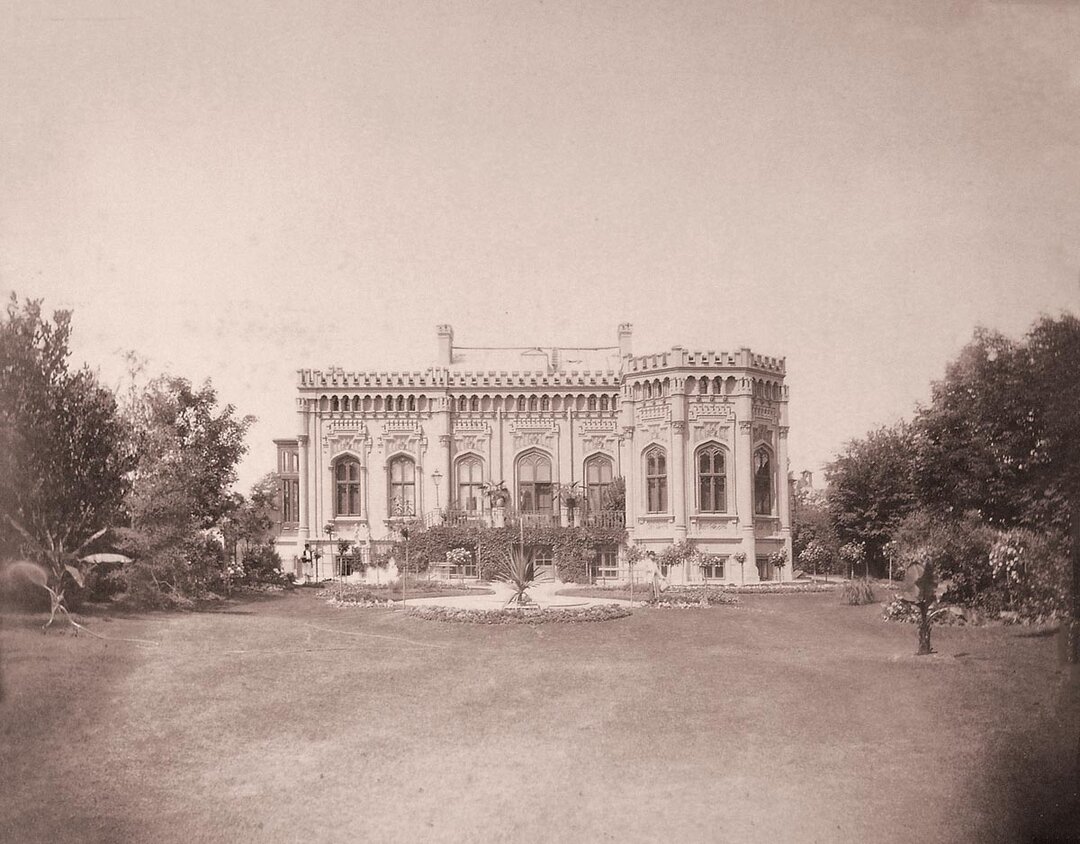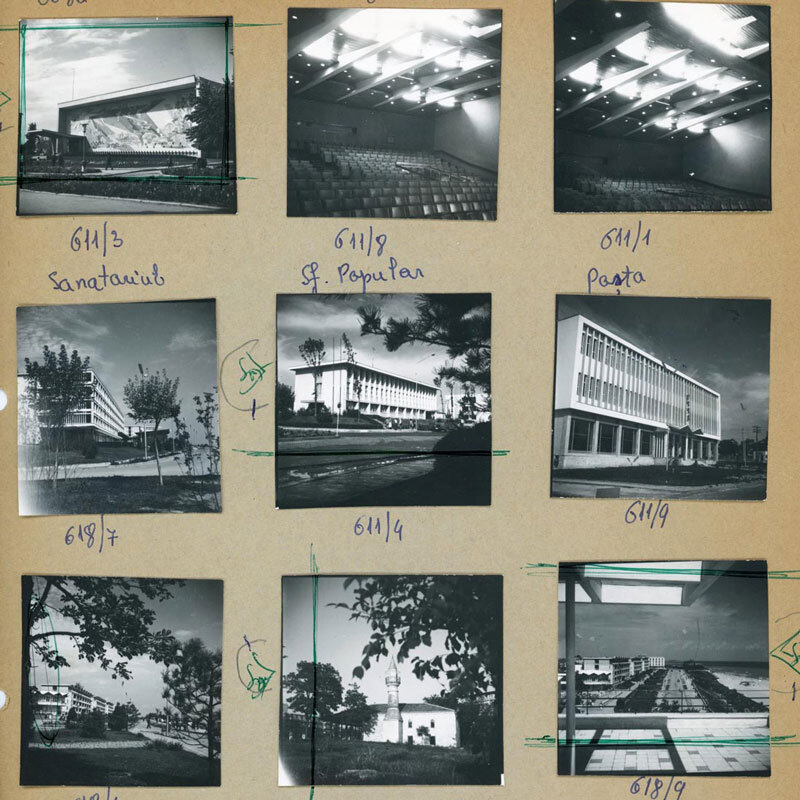
The photography archive of Romanian Union of Architects. Online and Offline

How did we - a few people, almost all under 30 and with only our two or three personal computers as resources - come to rebuild a magazine founded in 1906? Well, this chance has to do with the wild context of transition. After the Revolution, although a number of hard-working professionals led and wrote for the magazine, it appeared infrequently and irregularly, mainly because of funding problems. Things worsened in the late 1990s; the Union of Architects was poor at the time, and the state had pretty much abandoned cultural and professional magazines.
Architecture 1999 -2010. Autonomy and openness |
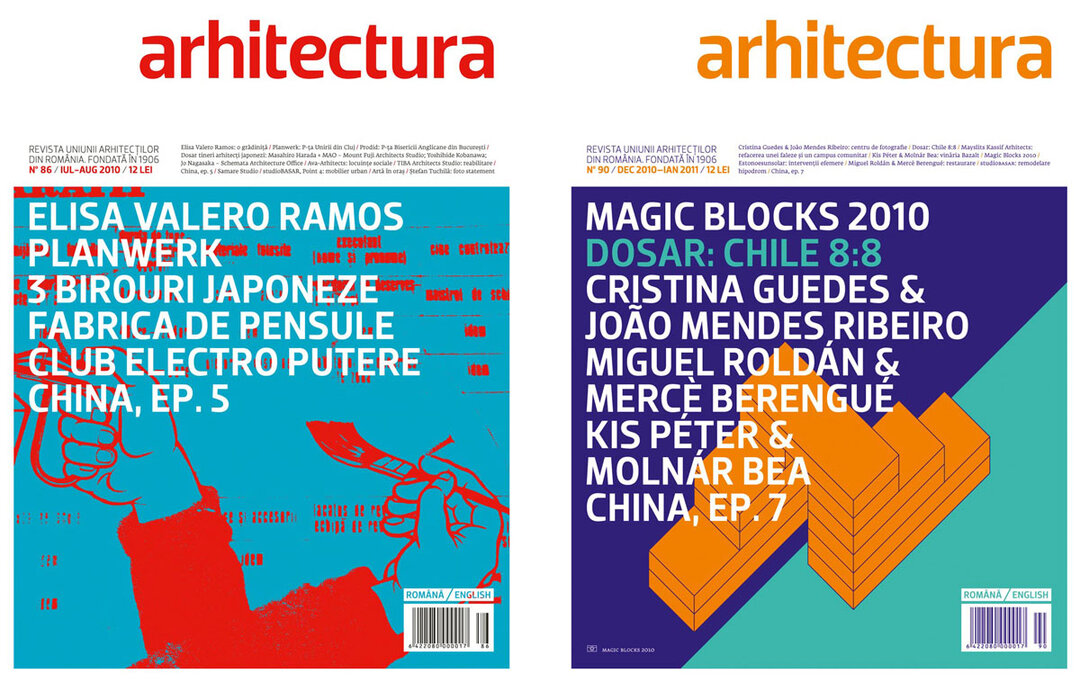
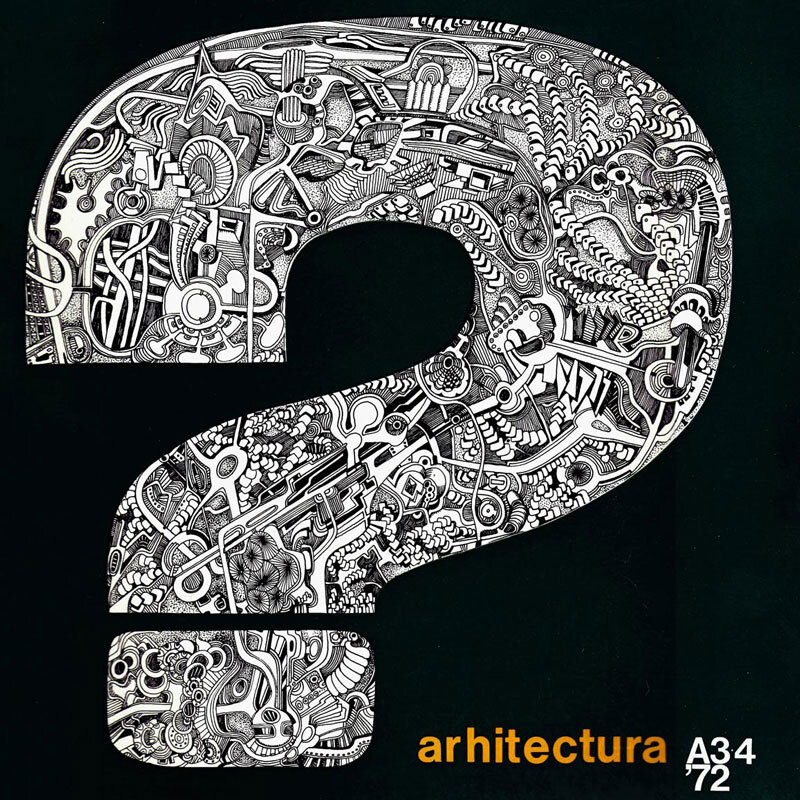
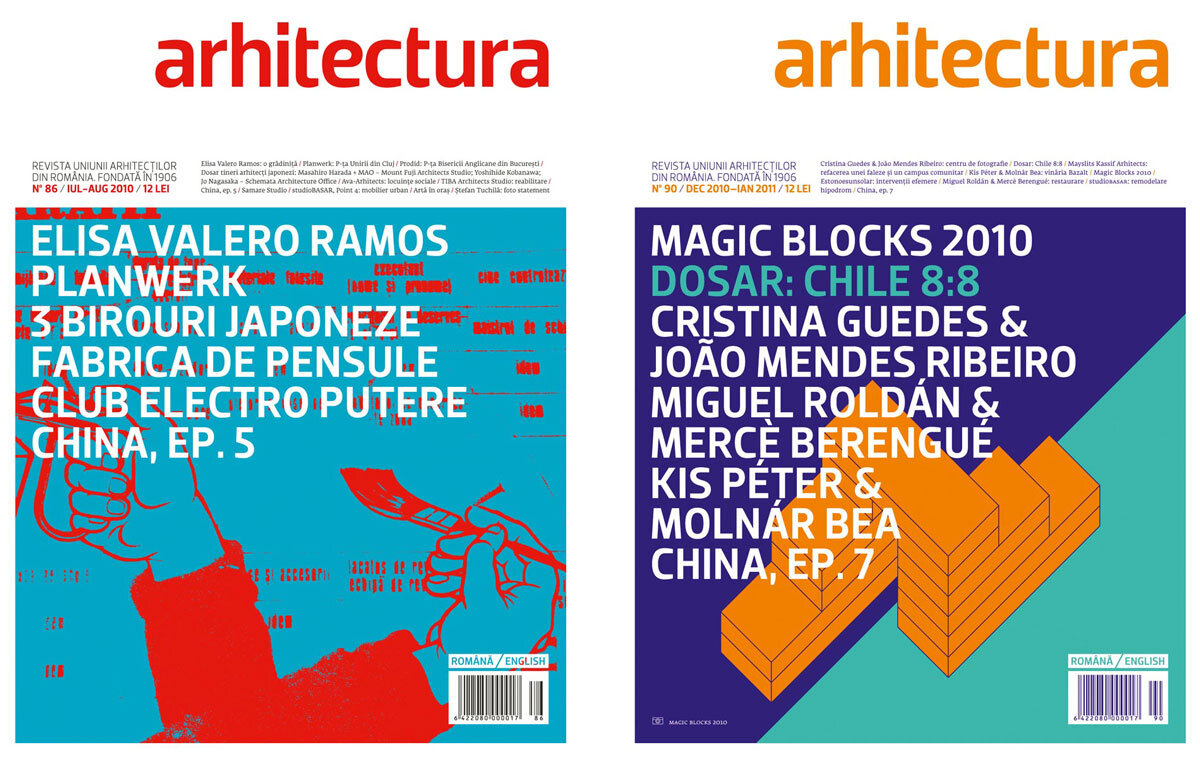
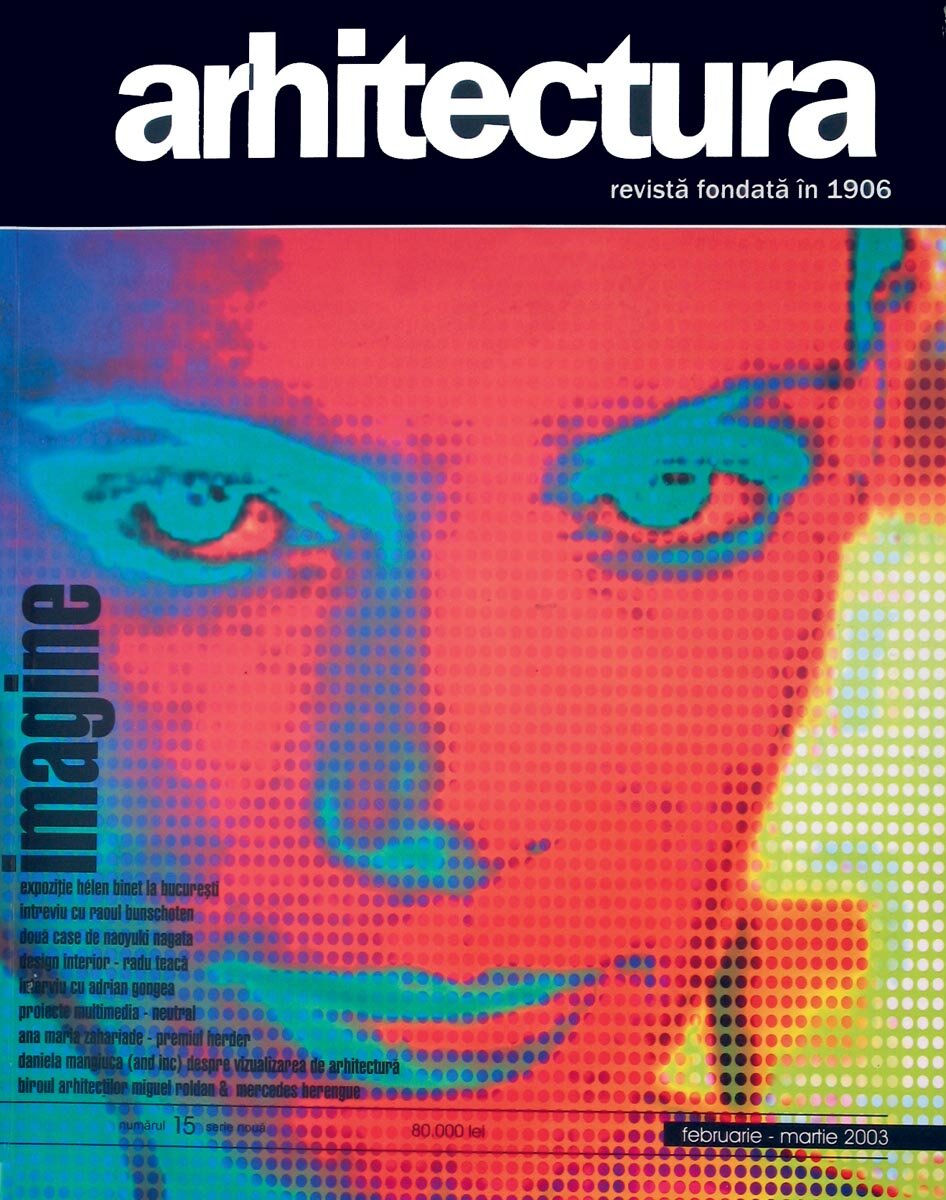
| At the end of the 1990s, the horizon of Romanian architectural publications widened with the issue of new magazines, such as Virtualia and Octogon. At the core of the new wave of Romanian architectural theory and critique was a small group of young architects and, among them, George Harpău, Cătălin Berescu, Cosmina Goagea, Constantin Goagea. They were also the ones that Alexandru Beldiman, President of the Union of Romanian Architects and Augustin Ioan, editor-in-chief, called to find a new path for Architectura magazine. In 2001, Cosmina Goagea, Constantin Goagea and Ștefan Ghenciulescu formed the core team that was to publish the magazine until 2010. Although at beginning there was not a predefined editorial project, the most important aim of the team was to create an editorially and financially independent magazine. The framework and the concept of the review evolved gradually. This meant for the magazine more and more color prints, an increasing number of pages and full English translations. It was important for the team to promote not just indigenous architecture, but also good international practice, in order to create a reference guide for Romanian architects: fewer elaborated and expensive designs, but mostly low budget investments based on ingenious architectural solutions and also efficient responses to key architectural challenges - social housing, interventions on existing buildings, and architecture for communities in need. It was not the national focus that the team wanted to emphasize, but the regional context of architecture, from well-known examples in Timișoara to less promoted/ visible critical critical regionalism from Szekler Land. The Central- and South-Eastern context and post-communism also became extremely relevant, having at some point a whole section. And as a mature post-communist approach of the editorial staff, a new heading for the review was issued: "Neighbours" [Din vecini]. Arhitectura defined itself as a professional oriented magazine (with architectural reviews, blueprints and details), but in its new coordinates, the voice of Arhitectura also intended to be a part of a larger cultural discourse tied to architecture and oriented towards arts, philosophy, sociology and literature. The editorial project born at the dawn of the 2000s and crystallized during a decade, defines itself as a mature and autonomous approach of contemporary architectural discourse. The same editorial board that re-invented Arhitectura from 1999 until 2010 is now directing "Zeppelin" magazine. |
On the other hand, around the same time, a group of young architects concerned with architectural criticism was formed. The group started with the magazines "Virtualia" (an experiment in architectural theory on the net), followed by "Octogon" (Romanian edition). It was primarily George Harpău, Cătălin Berescu, Cosmina Goagea and Constantin Goagea who, called upon by Alexandru Beldiman (then president of the Union) and Augustin Ioan, editor-in-chief, set about relaunching "Arhitectura". George Harpău was among those most involved in the project until he left the country in 2001. Also in 2001, the team reached its permanent formula, with three partners - Cosmina Goagea, Constantin Goagea and Ștefan Ghenciulescu (a former intensive collaborator on all three publications).
Independence, focus and slow growth
Honestly, we didn't start with a big editorial project, but built it up as we rebuilt, stabilized and developed the magazine. But we were obsessed from the start - and still strive to maintain today in everything we do - with editorial and financial independence (closely linked), in-depth discussion of topics and openness to other places and disciplines.
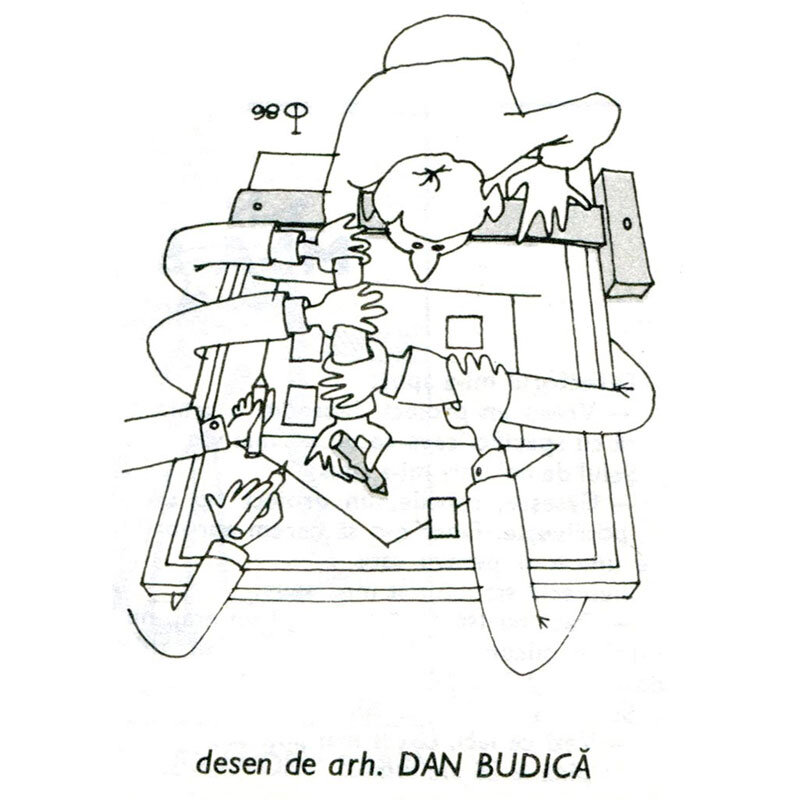
Back then we also wanted a magazine centered on architecture, and not architecture and arts or architecture and lifestyle: with a narrower thematic area, but with a more in-depth approach, with critical texts, cartoons and not just photographs, etc.
It was clear to us from the start that the magazine had to stand on its own two feet and assume a continuity of publication, thus sustaining itself through sales, but above all through advertising. For this reason, the structure and content were built at the same time as the financing, and this from the very first issue; as I said above, without any prior investment, in a way that is atypical for an editorial project.
In fact, this is how we have continued, developing step by step: ensuring a constant appearance, which also enabled us to take on subscriptions and an increase from two or three to four, to six and then to ten issues a year; the first color pages (at first, only the advertisements were like this) and then the whole issue; the slow increase in the number of pages per issue; the timid appearance of English summaries and, in time, full translations. In the early years, we distributed the magazines by backpack, did our own marketing (not very well, admittedly), and did our own graphic design, but by 2005 we had grown to a team of ten. Public sources of funding started to appear around 2008, very little, but we managed to manage until the end without in any way striking the Union of Architects.
National or international magazine? About place, history, audience, modernity and a few other things
Little by little, without manifestos and sometimes almost without realizing it, an editorial profile was also built. One of the main elements was the selection of projects and authors. On several occasions we have been criticized for not being "national" enough, because we publish too many projects from abroad. Even if the magazine we are now publishing is predominantly Romanian, we still assume that orientation. We were very interested in putting the Romanian phenomenon in an international context, which obviously involves a tougher selection. We felt it was important to bring to Romania large, expensive and excellent projects, but above all architecture that could serve as a model for Romanian architecture, i.e. projects with few resources, small budgets, but used intelligently; but also good responses to essential programs such as social housing, working with existing buildings, architecture for communities in difficulty. In short, a smart and responsible and, yes, beautiful Chilean or Portuguese project is more important precisely for the problems here than a mediocre Romanian project.
On the other hand, more than the nation, national style and the like, we were interested in the region: both in the narrow geographical sense, as an area within the country, and as a continental region. For the first category, it's about promoting projects that try to integrate and carry forward a place - a physical context, but also a sum of practices, techniques, materials, a spirit of a community, an interpretation and not a superficial copying. In the 1999-2000 issues, we talked mainly about the Timișoara phenomenon, by 2004 about the critical regionalism of the Szeklerland, or about the more isolated but strong practice of some offices in several regions of the country.
As far as Central and South-East Europe, post-socialism and the Balkans are concerned, we believe that we are part of a broader cultural trend: after the 1990s when nobody wanted to know about the others and everyone in the region was fixated, positively or negatively, only on the domestic situation and the West, it started to become interesting to look at what is happening around us, at common problems and identities, at other people's ways of doing well and doing good. The column "From the Neighbors" was specially dedicated to the phenomenon.
We were talking about the focus on architecture and the city: it meant, on the one hand, an insistence on materiality and processes - from the details to the documentation of construction and how buildings are used. But it was also an attempt to contextualize the practice, to see it as a field of culture, and to bring discourses from other disciplines to an architectural audience. We had no painting column or theater review. But we have always been incited by art or philosophical, sociological, literary discourses related to architecture or the city in general, urban culture in all its aspects, and not only the aesthetic ones.
You cannot make a magazine without thinking about the relationship with the past. One of the big problems is that a magazine, by its very nature, deals with the contemporary, the immediate. We obviously didn't want a history publication, but we wanted history in a magazine. One means to this end was the intermittent column "History Now", in which we published an older, usually lesser-known work, but not in an academic manner, but exactly in the standard format for cutting-edge works - with large, if new pictures and (possibly redesigned) plans: a "de-mummification" of the forebears and a shocking revelation of the timeless "hypermodernity" of Barragán 's work or Wittgenstein's Vienna-designed house. The relationship with the past was also the reason for the increasing presence of restoration and rehabilitation work in the review. We were by no means passers-by; on the contrary, we tried to promote those practices that see the past as a resource and a foundation rather than a catalog of elements, and that seek to regenerate heritage, not just preserve it, and to carry forward the history of a place.
Incidentally, if you produce a magazine for longer, you inevitably end up contemplating its own history. We've programmatically emphasized publishing young architects, and we're quite proud that most of Romania's top teams have appeared with us for the first time - from ADN BA to Planwerk. And there's something else we're proud of: the fact that, as well as examples of good practice, we've tried from the outset to take a critical stance. We have not limited ourselves to general complaints, but have taken a clear stance on problematic operations, from the destruction of valuable houses to the Cathedral of the Salvation of the Nation or the Buzești-Berzei Diametral.
There might also be something to be said for accessibility, because, as terribly trite as it sounds, in the end a publication only makes sense if it truly reaches an audience. We have tried to refuse commercialism, but also self-sufficient isolation through a multi-level strategy. This means, quite simply, instead of populist discounting, assuming a variety (of subjects and columns, of spectacular and serious material at the same time) and, above all, several levels of access. This way, you can be sure that a large part of your readers will stick to the photos; fine, give them spectacular photos then, but about quality works. A smaller percentage will look at the plans, then the captions, and fewer will read the summaries, then the project texts; finally, a tiny minority will also read the theoretical texts; no problem, we think, as long as you respect your audience and try to be clear and succinct without becoming superficial. Combined with the aforementioned selection and translation policy, this strategy has also made the magazine a resource of information about the Romanian phenomenon for an international audience.
Beyond "Arhitectura. Expansion and continuation
Even though we never gave up our own practice as architects, it was at first completely separate from our publishing practice. At some point, we started to build an intense cultural activity - biennales, books, exhibitions and research projects and urban interventions. There is no point in talking about all this here. But they have become fundamental to the editorial project, carrying forward principles and discourses, as well as bringing the experience of a practice to the critical gaze. The combination of action and reflection has become central to all our work.
In 2010, the 90th issue of 'Arhitectura' was published and the last of the series led by our team. In February the 91st issue appeared, this time under the name of "Zeppelin": thus marking the total continuity of team and editorial project. In "Zeppelin", all the essential elements described above have been preserved in one form or another. At the same time, the focus on responsible architecture and the social context, the way in which architecture and the city are produced and used is stronger, we believe. We are more and more interested in what is going on beyond architecture in the strict sense, in the complexity and implications of the processes; and in the discussions about technology, to which we have developed an attitude that is both enthusiastic and critical. There would be much more to say - including about embracing the digital juggernaut, but that's starting to be another story altogether.