The photography archive of Romanian Union of Architects. Online and Offline

I started contributing to "Arhitectura" immediately after the revolution, at the invitation of Ana Sandu-Tomașevschi. I would like to re-read the articles published then, when the magazine will be digitalized. With so many issues, about one a year, I don't think it would be a burden. I remember that at the New Year's Eve between 1991-1992, held in the school's boardroom, I pleaded the cause of reviving the magazine before Mr. Alexandru Beldiman and a few other curious people, whom I am convinced I bored terribly. Then there was the competition for the post of editor-in-chief, I remember that there was a representative of the Ministry of Culture and Puiu Lungu on the jury: I said my piece again and I won. I have to say that I owe it to Mr. Beldiman that I was included among architects in the early nineties, and also a recommendation to go on a Fulbright scholarship after the year spent at Oxford.
| To "Arhitectura" |
| The author started to write for Arhitectura right after the 1989 Revolution, invited by Anca Sandu-Tomaszewski. Shortly after passing through an interview for the editor-in-chief position, during which he pleaded to rejuvenate the magazine, at 27 years old, Augustin Ioan started his mission, even though not everybody in the editorial board shared his ideas. He introduced a new format and a new design. He projected the issues to have a consistent content, to be critical towards what was before and what was then. Chasing the 'masters' of the 'previous age' with a recorder, he wanted to make oral history, since there were no written documents. However, very few agreed, like Ion Mircea Enescu, who not only mentored the young editor-in-chief on the behalf of UAR [Union of Architects] but also became his friend. He was also the only one that left a written testimony of the communist age with his book Arhitect sub communism [Architect in the Era of Communism]. That is why the first issue of the magazine Ioan edited was about the relation between architecture and power. During that time discussions started about building new churches and cathedrals. There were competitions for new cathedrals in Suceava, Brăila and Brașov. There was also the competition for the Romanian Patriarchal Cathedral Bucharest in 2000, won by the author himself. He dedicated to this topic an issue of Arhitectura, called after the title of Petre Antonescu's book, Biserici nouă [New Churches]. The issue was followed by a pretty important exhibition, at Latin America's House. One way or another, life went on at the magazine, despite poverty. After resigning from the editor-in-chief position, the author did not write for Arhitectura until Françoise Pamfil became editor-in-chief. |
I was 27. Not everyone in the editorial staff at the time was happy with me. The magazine had a new format and new covers. I liked the Dan Marin ones. I wanted the magazines to have a core, to put forward a critical stance in relation to what was and what (more was not) still was, back then, when everything seemed to be done. We wanted to invent architectural criticism (I had, for some time, a weekly column in "Tineretul liber", thanks to Gabi Rusu and Sorin Preda, then in "Libertatea", thanks to Bedros Horasangian), to raise a new generation, to (we) "tell everything". In 1990, I had given the first theoretical diploma in the school's history and I felt I had a mission. I was walking with a tape recorder after the actors of the previous period, to make oral history, as there were no documents (the episode of the People's House is missing from the architects' magazine...). Few wanted to talk. Some explicitly refused me (Pompiliu Macovei), saying that some things had to go to the grave with them. And they did. Others were sorry, later, that they did not talk to me then, but not so sorry that they would, even later, make up for the mistake. Very few agreed, such as Ion Mircea (Ciuli) Enescu, who not only used to take care of me on behalf of the UAR, because I was too young, but also became, in time, my mentor and good friend: he gave us, through his book, Architect under Communism, the only, so far, written, personal, assumed, almost complete, almost complete, testimony about those times. So the first issue was on the relationship between architecture and power (especially totalitarian power), an issue that I still find consistent today.
In parallel, the discussions about new churches and cathedrals began, with the symposium in Brăila (organized by Teodor Baconschi in 1990, I went there as TVR editor, an institution where I worked for six months, before coming to the school as a preparator, and also of the magazine "Avanpost", where Mircea Nedelciu was editor-in-chief) and the competition for the Suceava cathedral, won by Constantin Gorcea. There were unedifying competitions for Braila and Brasov. Ciuli and Anghel Marcu and I were discussing all this in the editorial office of "Arhitectura" magazine on the first floor of the new building, the first studio on the right, where we first came across the photo studio of Mr. Dumitru, the ubiquitous photographer of the magazine; through Anghel Marcu I learned stories about Henrieta Delavrancea-Gibory and other great inter-war figures, and I met Constantin Joja's church partner, the then octogenarian Nicolae Goga (who was doing the Maramureș church in Titan). Now I would know what to ask them better than I did then, but through them I got my culture about Romanian interwar architecture and my apprenticeship in religious architecture.
To this theme I dedicated another issue of "Arhitectura", named after Petre Antonescu's book-discourse on his acceptance into the academy: New Churches. That issue of the magazine was also the basis for a rather important exhibition at the Casa America Latina, in the Spring, inaugurated by, today, His Eminence Theodosius Theodosius, who had just returned from the Holy Places. Then there were the competitions for the patriarchal cathedral, in 1999 and 2002 respectively, the one we won and the only national competition. There was another bad joke on the tender, in 2010, but about that, another time.
Meanwhile, back from studying at Oxford and Cincinnati, I was re-acclimatizing. Ciuli Enescu took me by the heart again and gave me a monthly page in "Românul Liber", Ion Rațiu's newspaper, where he had become editor-in-chief. In my absence, the magazine "Arhitectura" was given an editor (Mrs. Mariana Celac, who did an excellent issue on architecture and film and who facilitated my reception at the New Europe College of Mr. Andrei Pleșu) and an association to collect and manage the funds, because we had retired from the dried-up bosom of the Ministry of Culture (I met Mr. Radu Boroianu, Secretary of State, whom I met again many years later, after the ambassadorial episode in Bern). The association was headed by Alexandru Beldiman and managed by Mrs. Diana Hurduc.
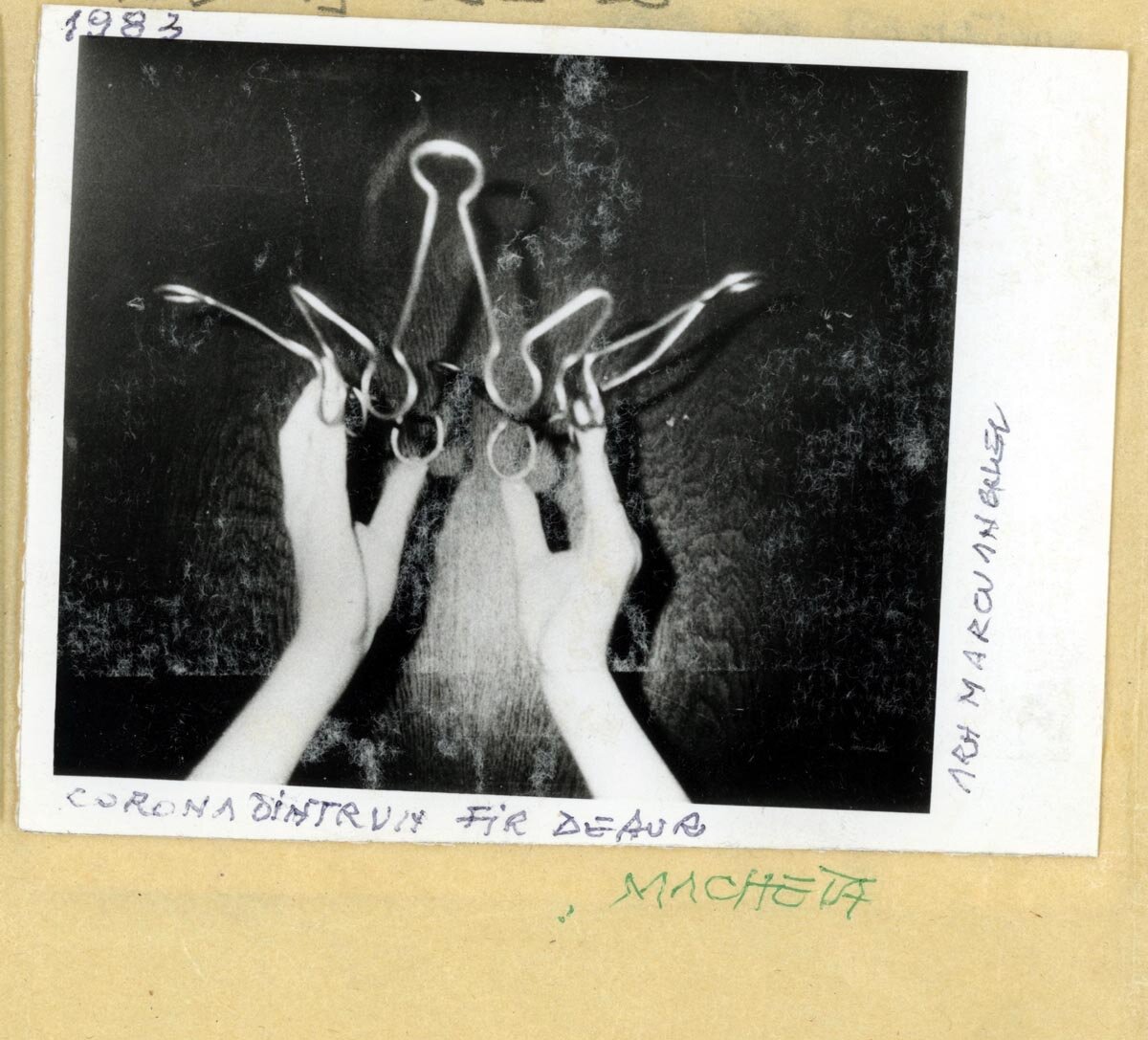
Cum-necum (mostly necum), things went on, in poverty (salaries had not been paid for many years): I brought a new team to the magazine, with Cătălin Berescu and Constantin Goagea, but Cătălin left quickly. Shortly afterwards I also retired from the now meaningless position of editor-in-chief. The magazine continued to appear for a while, then this team also left, making "Zeppelin". I continued to publish in the architectural press (for a few years, for example, I contributed to "Octogon") and in the cultural press (for a few years I wrote a column for "Dilema", until 2004, when I left with a Fulbright scholarship, again, to the USA and, anyway, the magazine became... old; and, from 2004 until today, I wrote a column on www.liternet.ro, thanks to Răzvan Penescu). But I stopped contributing to "Arhitectura" until the mandate of Mrs. Françoise Pamfil. If I am asked again, I will of course respond positively, with nostalgia and affection.
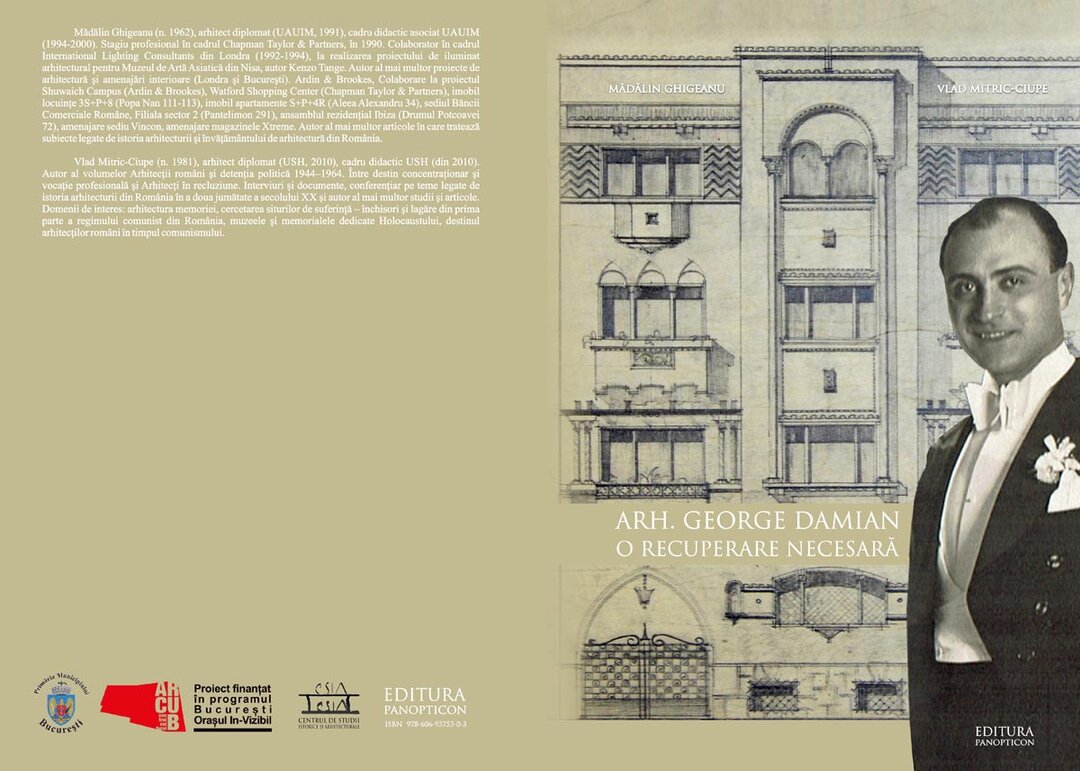
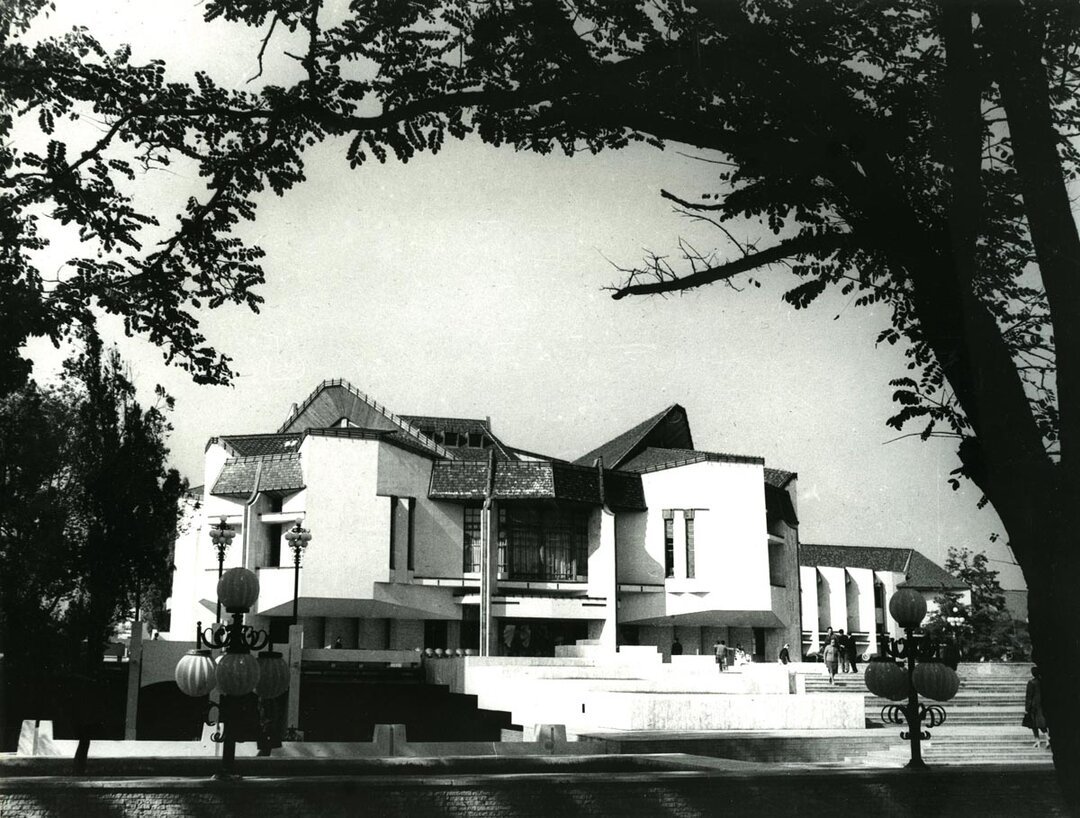
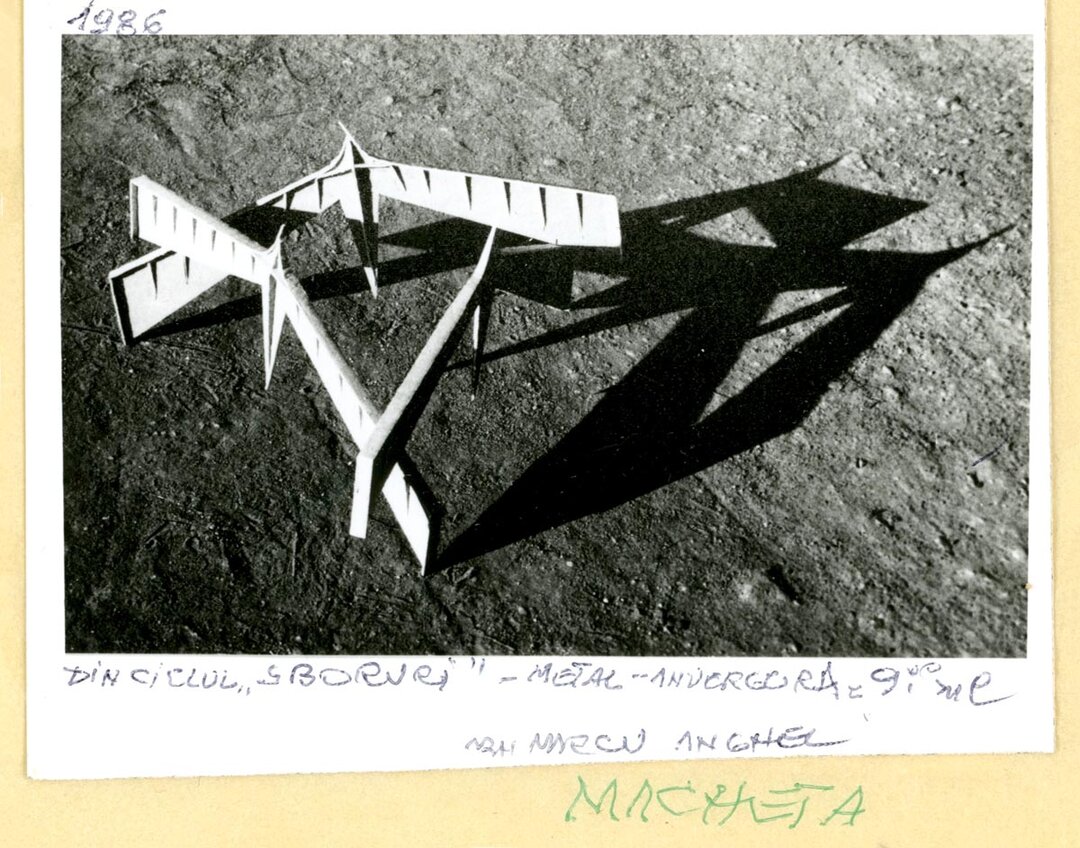
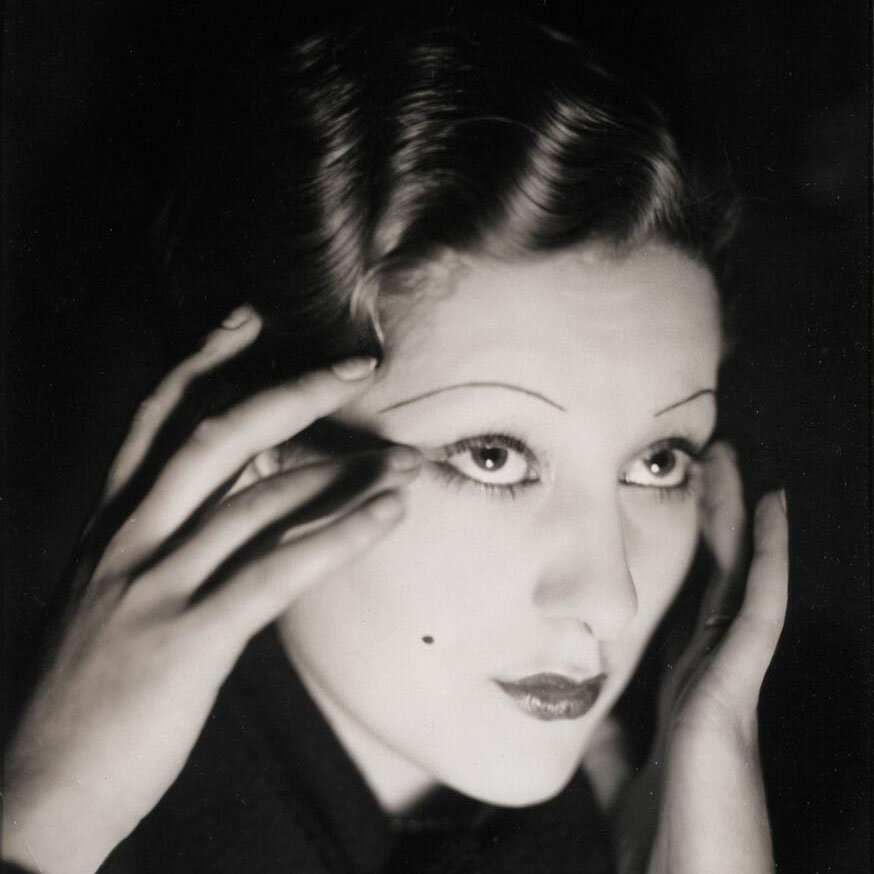
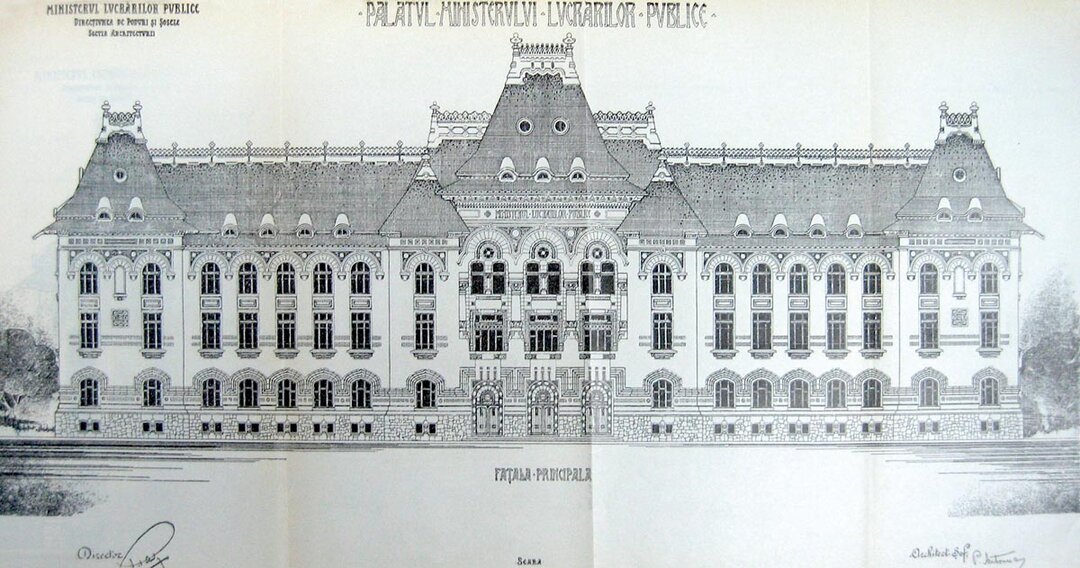
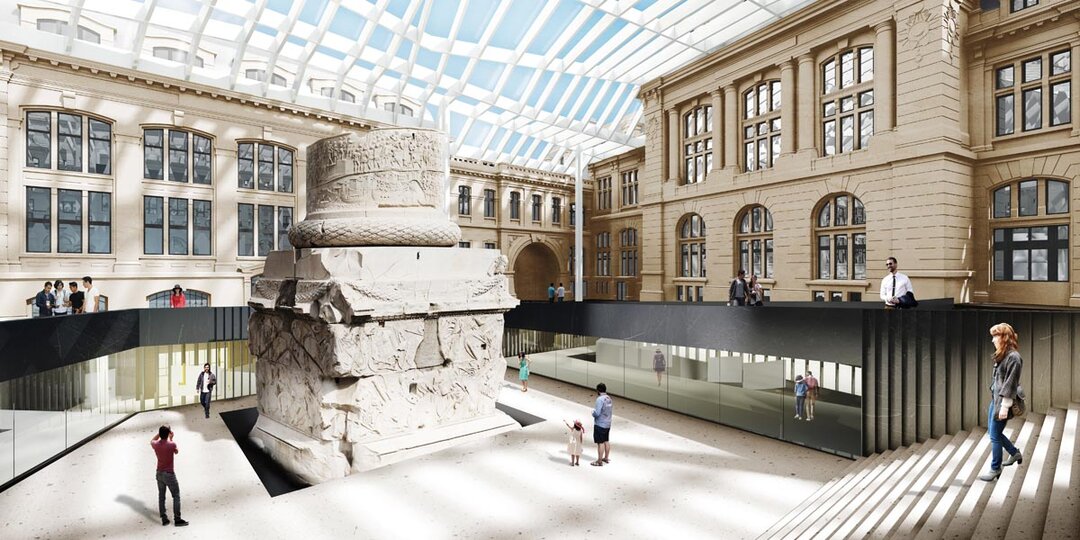
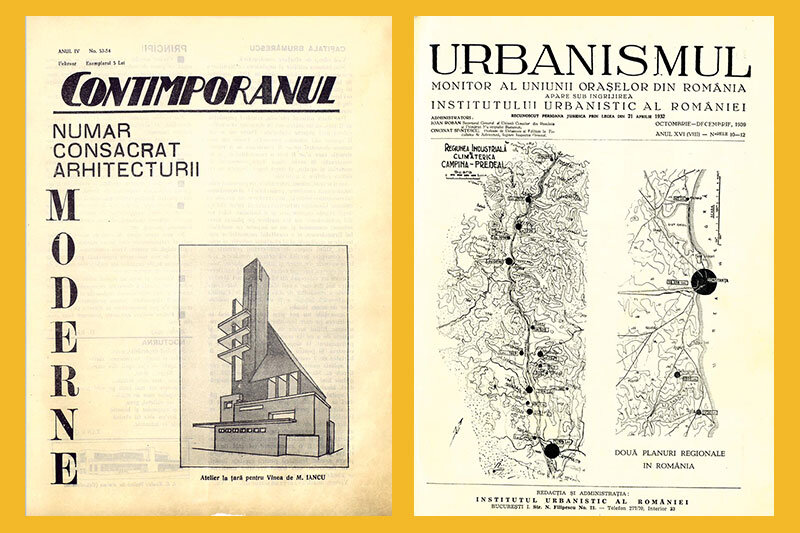
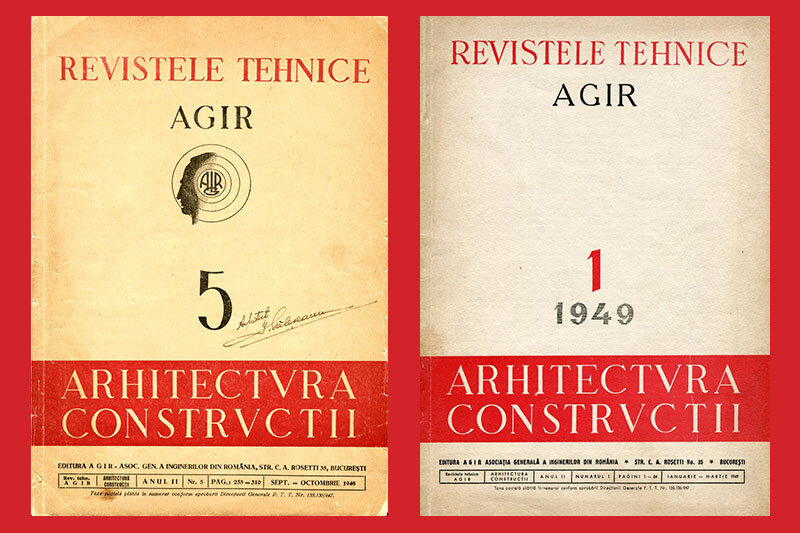
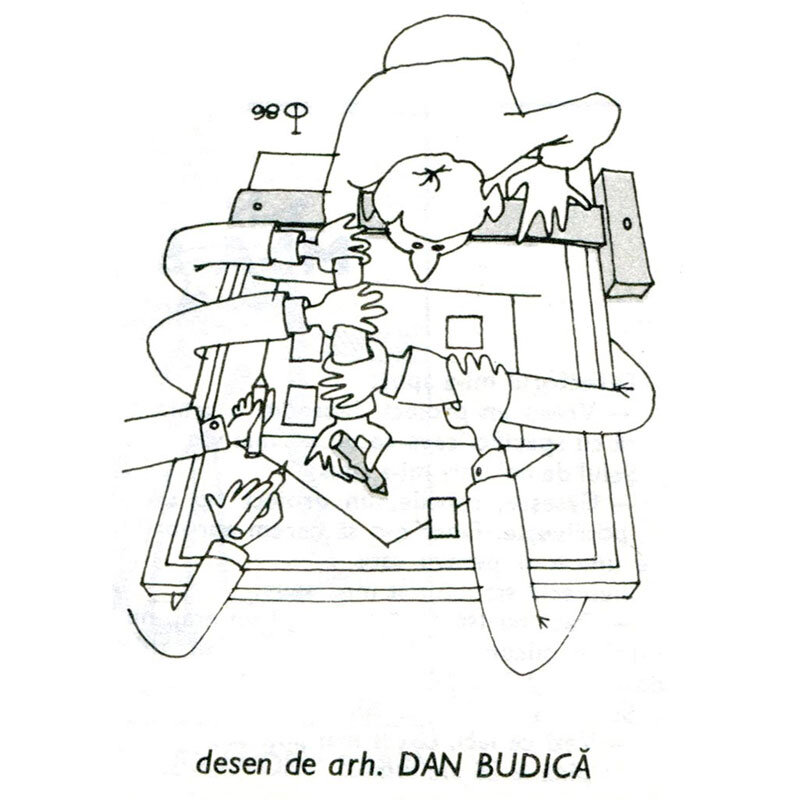
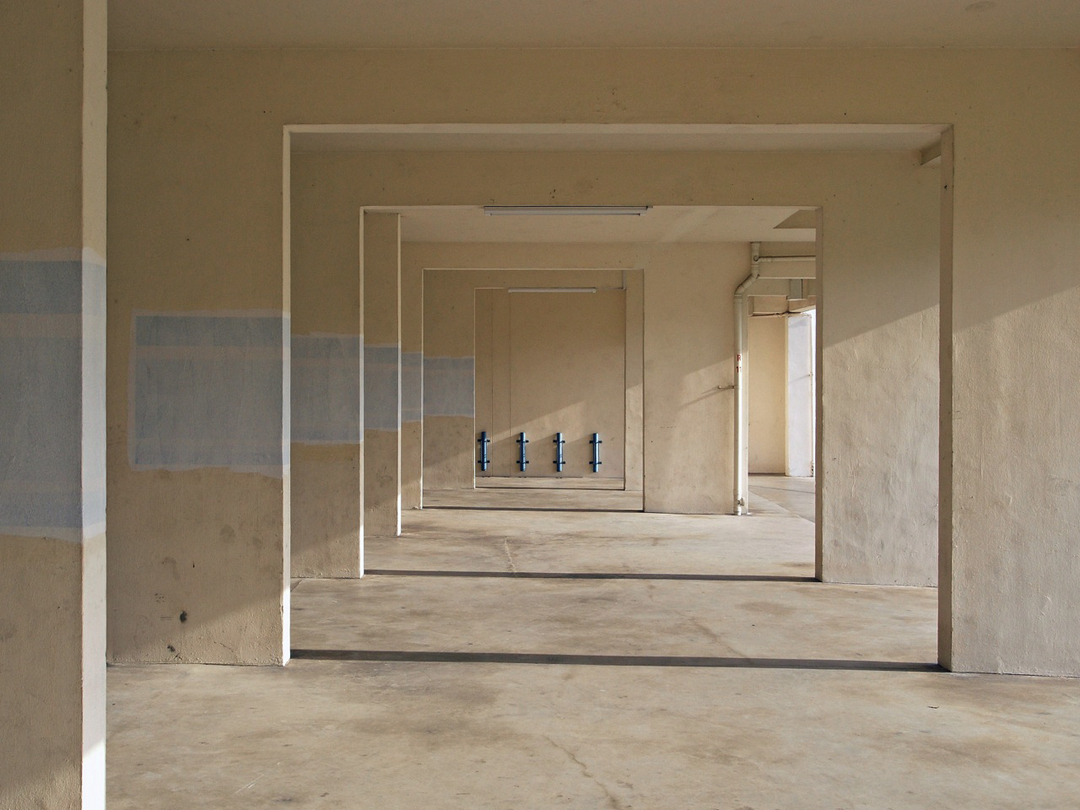
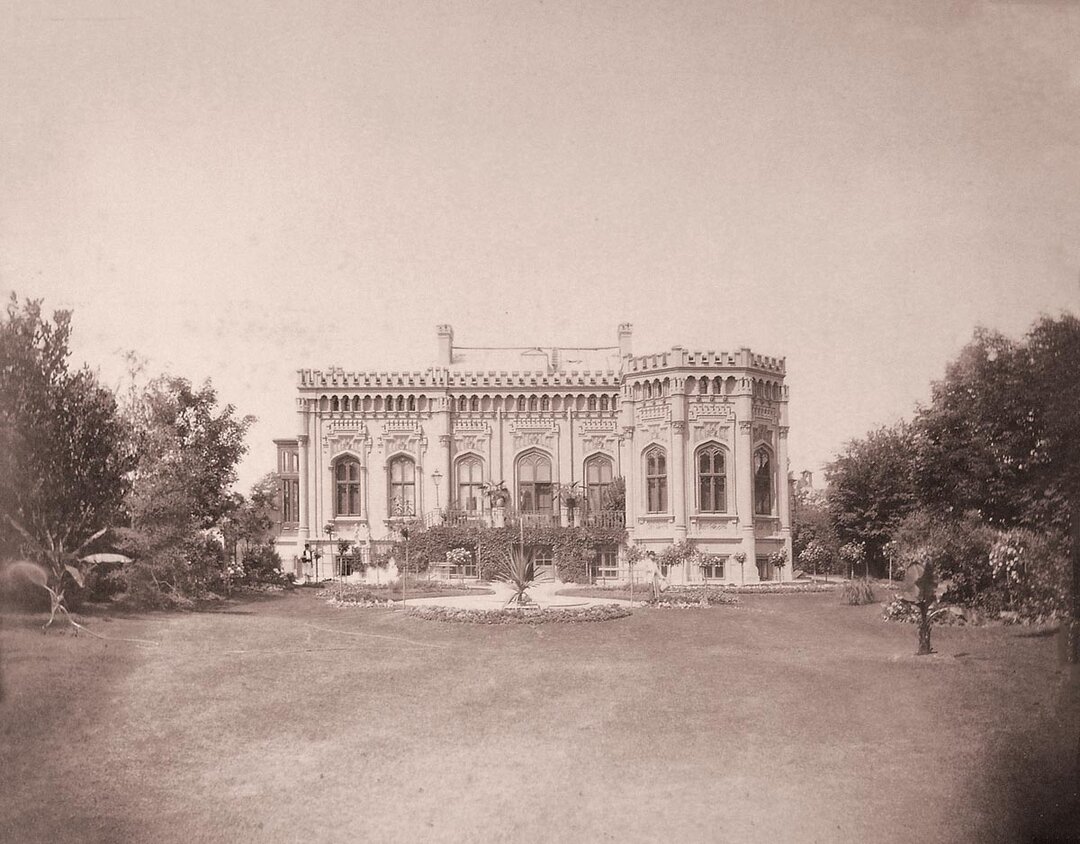
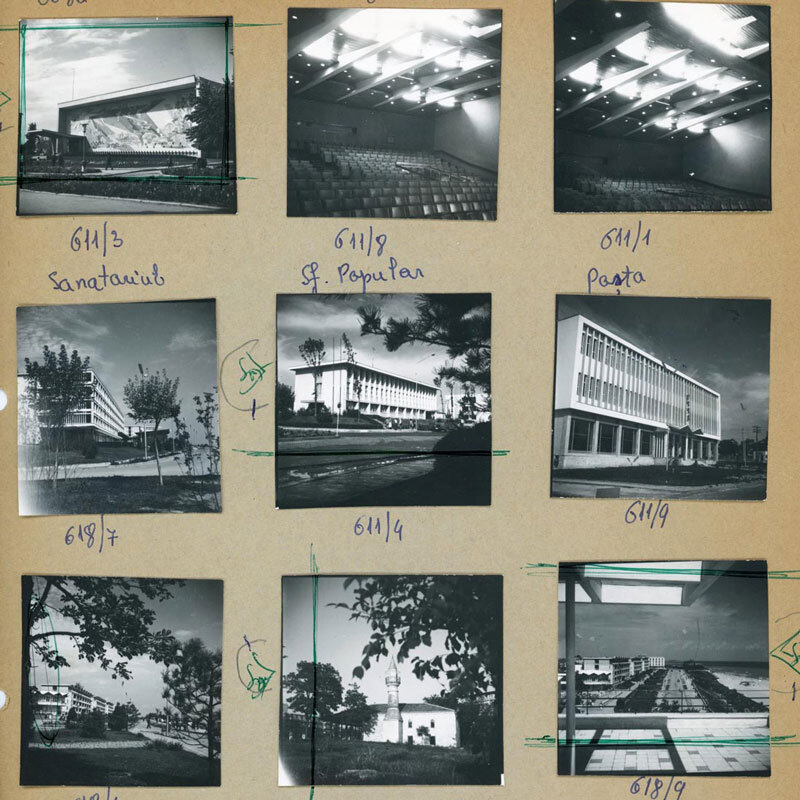
The illustration of the article is done at the suggestion of the editorial staff, with images from the UAR Photo Archive.