The photography archive of Romanian Union of Architects. Online and Offline

Foreword
Curious, if not pretentious, to propose a "foreword" for a magazine article.
I will do so, however, because I consider the "reminiscence" register to be extremely delicate, at least for the following reasons: first, a deliberate exposure to a curiosity which - we can say anything to deny it - is a "natural" human characteristic; second, a generalized tendency to highlight the positive side of things, to leave a "good impression". Mitigating circumstance: perhaps even memory is more likely to retain the favorable aspects.
Incidentally, everyone agrees that even the most reputed treatises on history are not created in vitro.
I therefore beg the indulgence of the eventual readers of these lines, while assuring them of a genuine attempt at bonne foi in the accounts1.
How I came to the Review
Few years at Arhitectura |
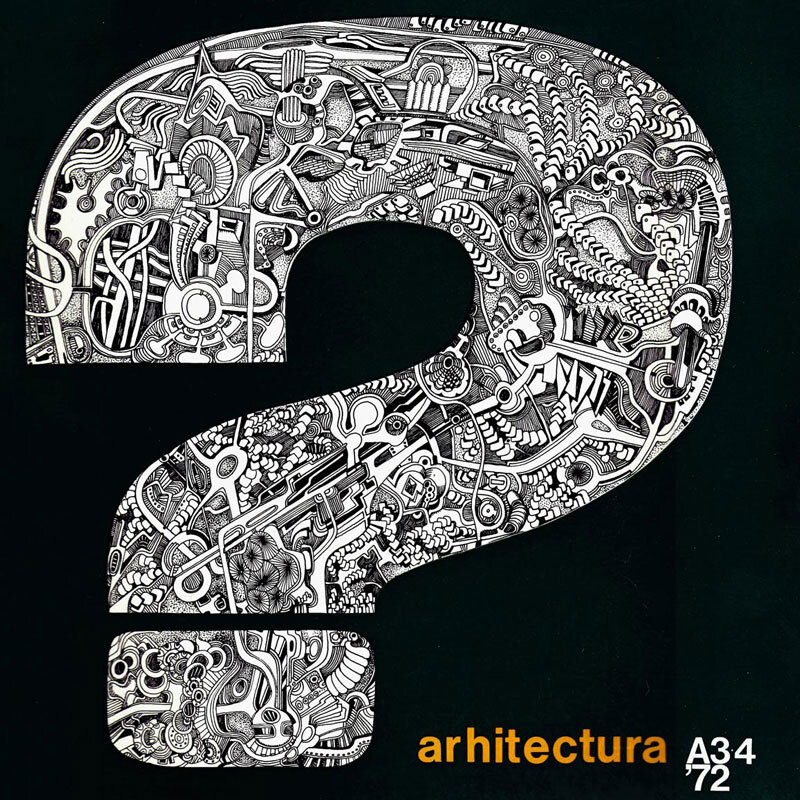
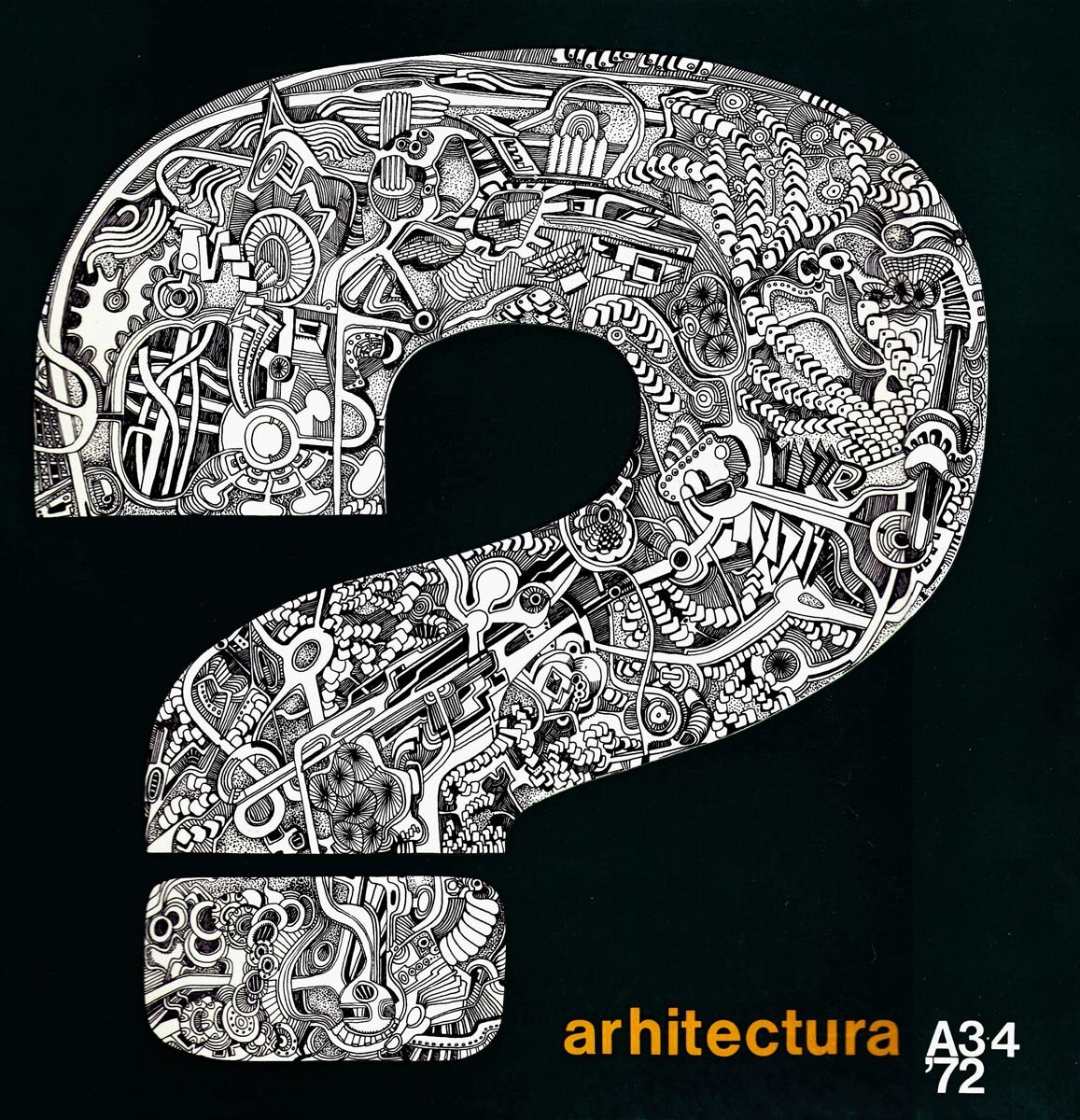
| The author makes an exercise in remembering a period of ten years of his professional activity and he structures it similarly to a dramatic work: the exposition - 'How I made it to the magazine'; the action - 'The beginning and the cruising speed'; the resolution - 'Everything has an end.' Being both assistant lecturer at the chair of architecture theory at "Ion Mincu" Institute of Architecture in Bucharest1 and architect at some well-known design and planning institutes, the author nourished his interest in writing about architecture. The episode when he challenged the editor-in-chief of Arhitectura, Marcel Melicson, to rejuvenate the content and design of the magazine showed the ambition and creativity of the young architect, which prompted the board of the Union of Architects to hand him the job of editor-in-chief. Despite scarce resources, Nicolas Mircea Lupu's managerial plan tried to maintain a group of architects around the magazine interested in research and writing, and involved in both professional practice and teaching. For Nicolas Mircea Lupu, the connection between the magazine and the university was beneficial. He supported architects that initiated new magazine sections, trying not only to diversify the message but also to be in sync with other European publications - as much as the vigilant eye of the Communist Party allowed it. Among the magazine sections that made history during the 1970s and 1980s are Display, Our Forerunners, Data Sheets and Design. Instrumental for the graphic design quality of the magazine were the collaboration with talented and creative architects/ graphic designers - especially for the covers - and the use of high quality photo equipment. Last but not least, involving students and young graduates made sure the texts and topics kept their freshness. Nicolas Mircea Lupu recalls with amusement a situation when censorship interfered with the activity of the magazine. It concerned the issue 3-4/1972, with its 'iconic' cover designed by Dimitrie Sbiera, a gifted designer from the same generation as Nicolas Mircea Lupu. Nicolas Mircea Lupu managed to persuade the 'comrades' in charge with censorship that the question mark spread over the entire magazine cover was purely innocent. The article concludes with Nicolas Mircea Lupu's last moments at Arhitectura, somehow predicted by the changes at the Union of Architects and the "Ion Mincu" Institute of Architecture, following the devastating earthquake from March 1977. In 1981, Nicolas Mircea Lupu requested to immigrate to Switzerland, putting an end to a decade of publishing activity, a period that he still feels very connected to. NOTE 1 now "Ion Mincu" University of Architecture and Urban Planning |
After my diploma in 1962, I was accepted in the Department of Architectural Theory, headed by Professor Gheorghe ("Pichi") Petrașcu. As a former student in Petrașcu's studio and "animator" of a very pleasant "Cerc de Teoria Arhitecturii", I was interested in the conceptual background of architecture and considered it a privilege to collaborate with the professor.
At the end of the 1960s, in parallel with my "assistantship", I was working as an architect (part-time) at the ISPH Design Institute, then at the "Carpathian" Institute. Which did not prevent me from writing.
Prof. Grigore Ionescu - the one I was closest to during the period I am presenting here - had co-opted me in the "Architectural Books and Publications" commission at the Union of Architects.
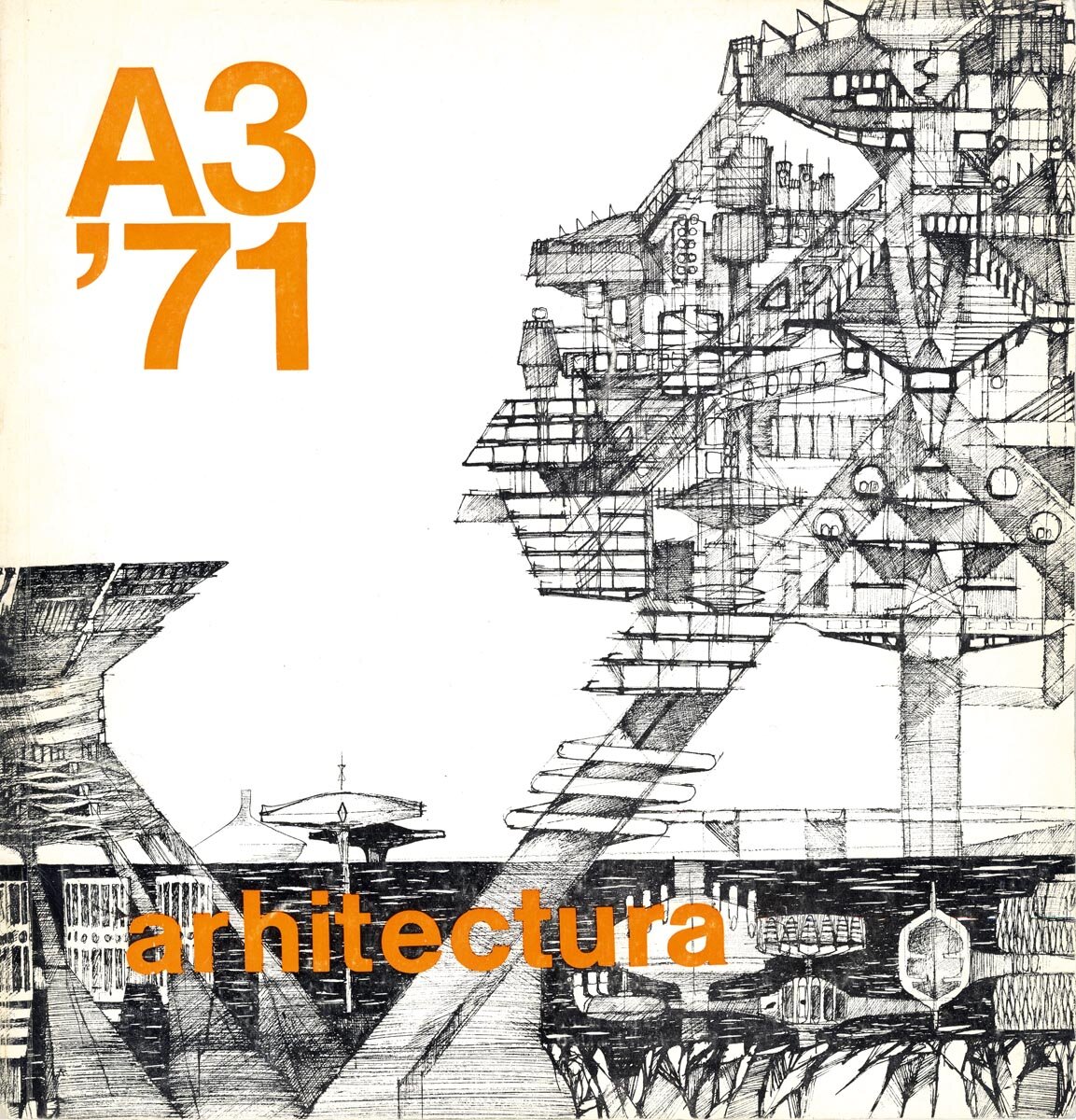
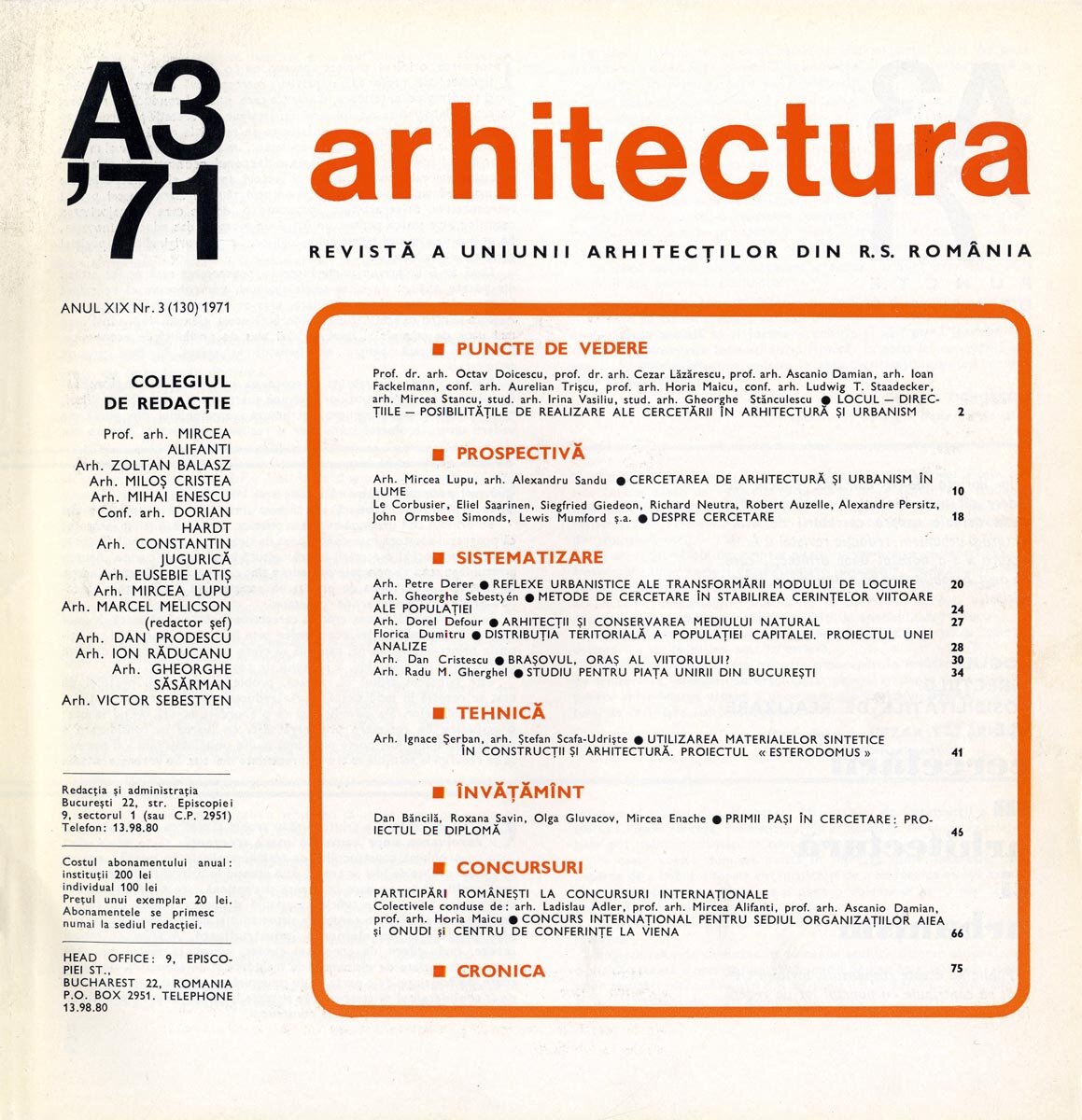
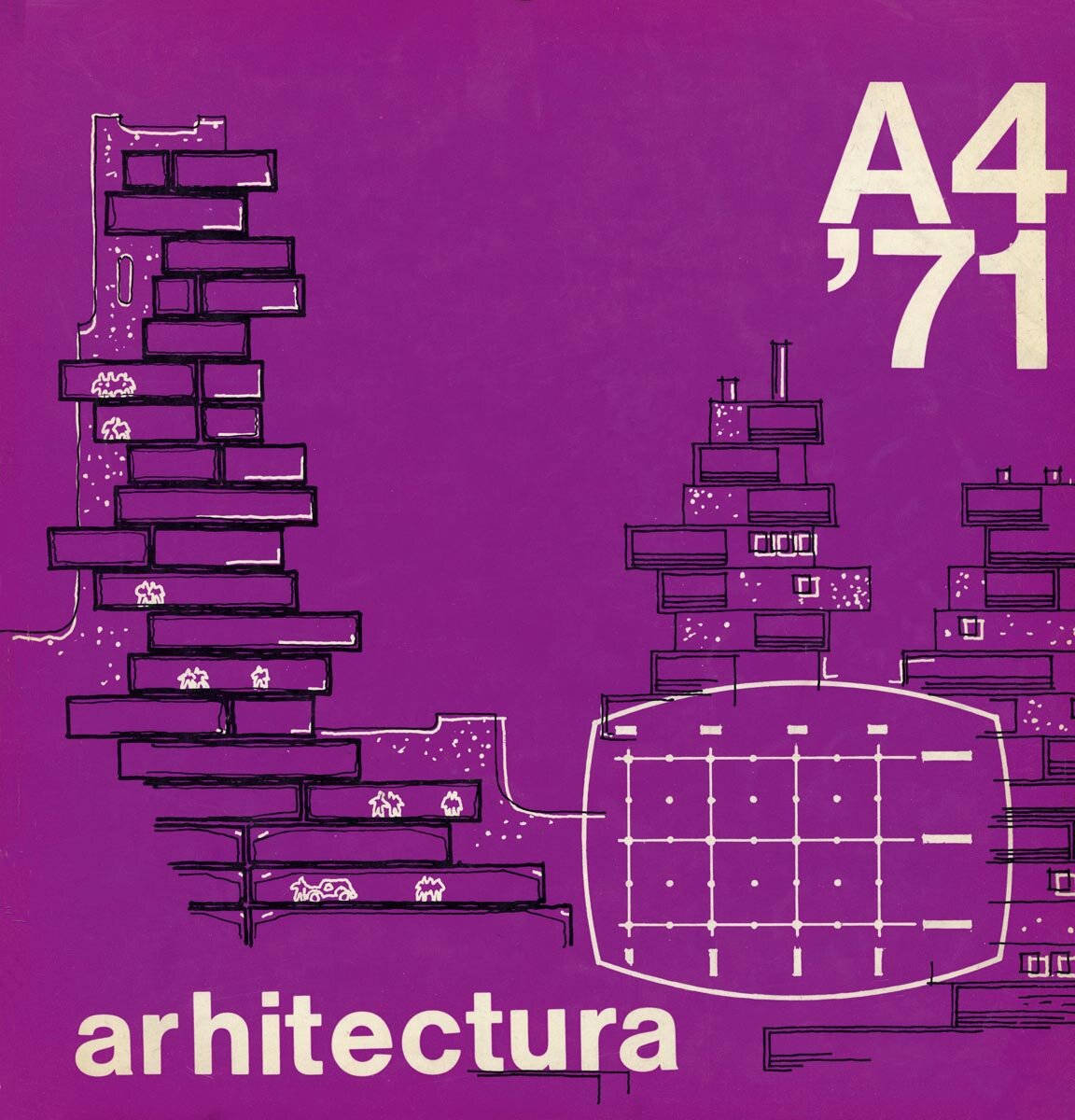
One day, I was in the office of the editor-in-chief of "Arhitectura", Marcel Melicson, with an article I wanted to publish and talking about the magazine in general, and I found myself asking him - an inadmissible impoliteness - if something could not be done to make it more attractive. Calm denial from the interlocutor (by the way, the author of a fine book, Modern Architecture), "I could do it better!" declares the rude man, who becomes impertinent. "Then do a number!" the editor-in-chief unexpectedly agrees. The story is absolutely authentic. Thus was born the idea for the issues "Research in Architecture and Urbanism" ("Arhitectura" nos. 3 and 4/1971). With a good dose of unconsciousness, but also with a great deal of enthusiasm, an ad hoc team was formed, which remained, moreover, an almost permanent nucleus in the following years, and to which the following members belonged: Alexandru Sandu, Adrian Panaitescu, Dimitrie Sbiera, Dimitrie Sbiera, Tudor Dumitrașcu, Sanda Voiculescu, Peter Derer, Doina Cristea, Șerban Popescu-Criveanu. Many others have joined them over time. I will have the opportunity to talk about some of them below.
The number has aroused interest. The fact that one of those who appreciated it positively was Professor Ștefan Mănciulescu, pro-rector at "Ion Mincu", was very important and, above all, created a sort of "organic" link between the Review and the School, which will continue over time.
In March 1971, Professor Cezar Lăzărescu became president of the Union of Architects and, in a short time, rector of the "Ion Mincu" Institute of Architecture. I very much regretted replacing Ascanio Damian.
One day, I was invited by President Lăzărescu to the Union, where he announced that I was to be appointed editor-in-chief of "Arhitectura"2. I asked for time to think it over. I was faced with a choice: "The School" and my work as an architect, modest as it was, but my profession, on the one hand, and a new position at "Arhitectura", about which I knew little, but I suspected its many difficulties, on the other. I should point out that 'Architecture' was never part of a 'career plan' as far as I was concerned.
I was able to "negotiate" with Professor Lăzărescu to keep my post at the School3.
The big questions, however, came back in two other guises: "leaving" the "flat" architecture, as close colleagues expressed with genuine concern, and "what are you going to do at a magazine?" (For the first question I had no clear answer. My intuition told me that I might manage to work here and there (competitions, small collaborations?). And, in any case, I will not stay at "Architecture" forever. Life has proved me right. I don't seem to have had any difficulties in my professional work in Switzerland because of the 1971-81 "pseudo-peace". The main thing remained. Why should I go to Architecture? I think Hillary's answer to a journalist's question "why did you climb Everest?": "Because it was there!" may partly - toutes proportions gardées - fit the situation. I chose "Architecture". It was a challenge! Trying to do something of quality in difficult conditions. I think the atmosphere still present in the "oasis" of the School of Architecture also accounted for a lot. The enthusiasm with which those who formed the "Architecture team" from the very beginning adhered to the idea can be considered as a proof.
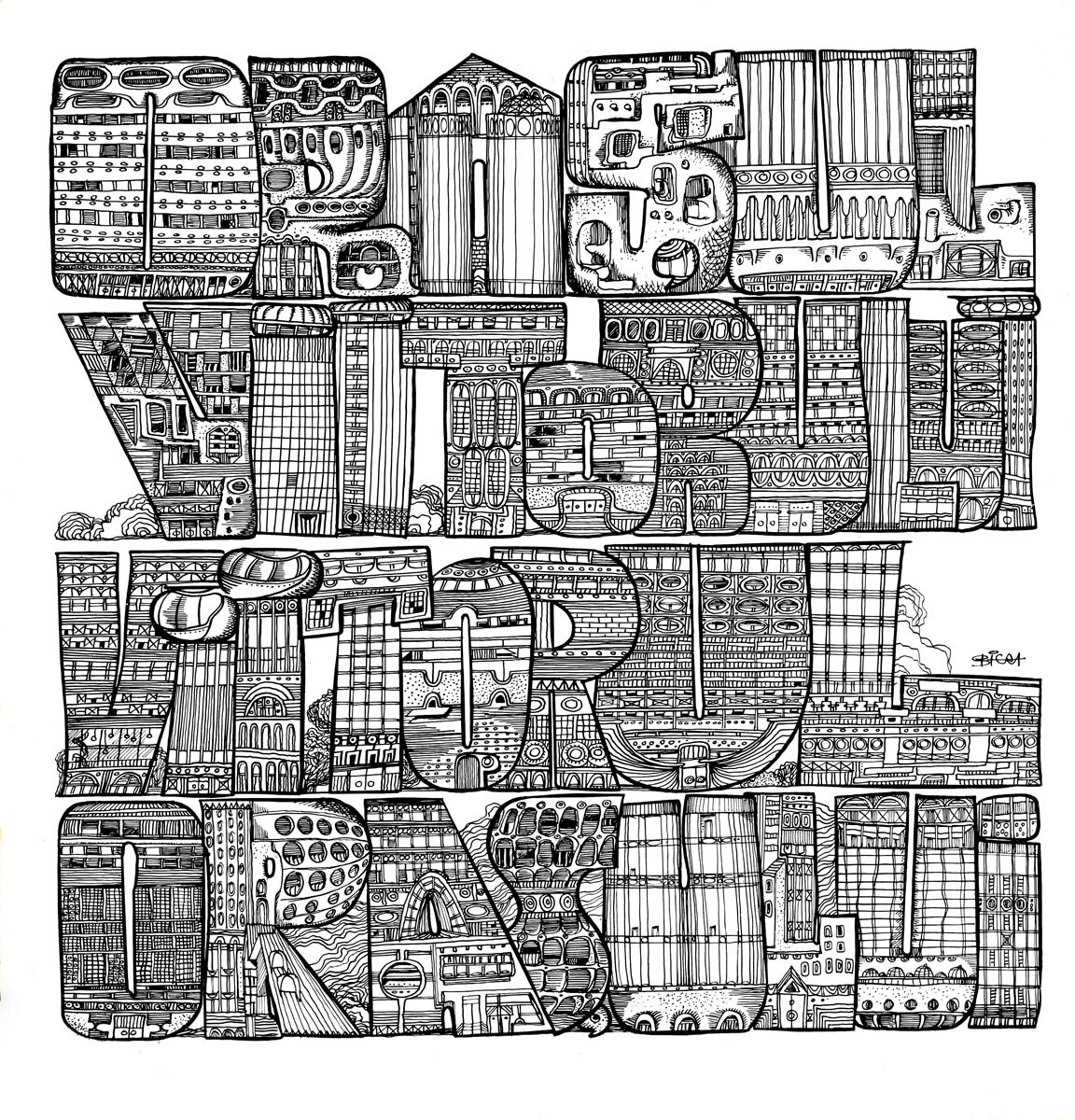
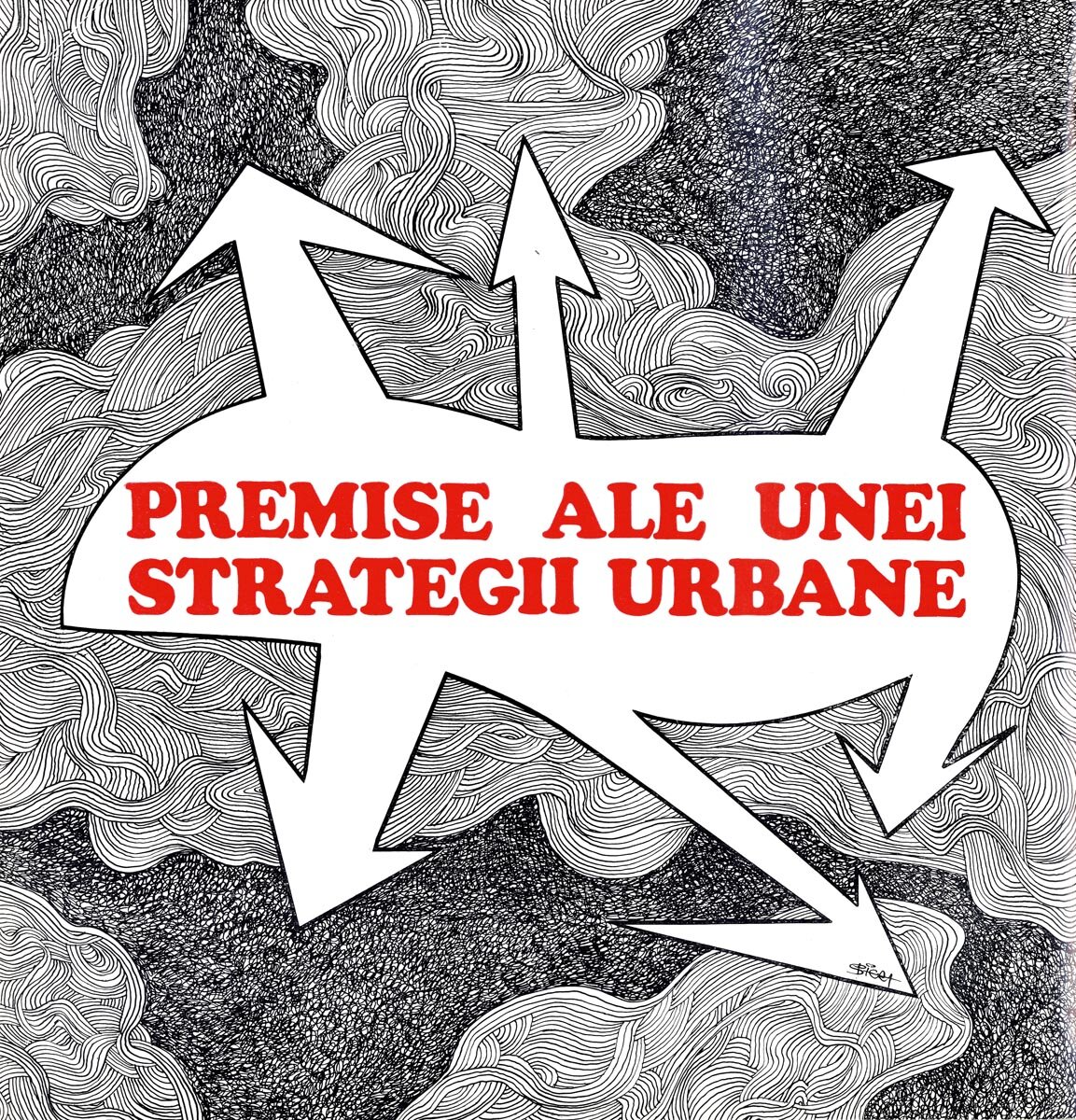
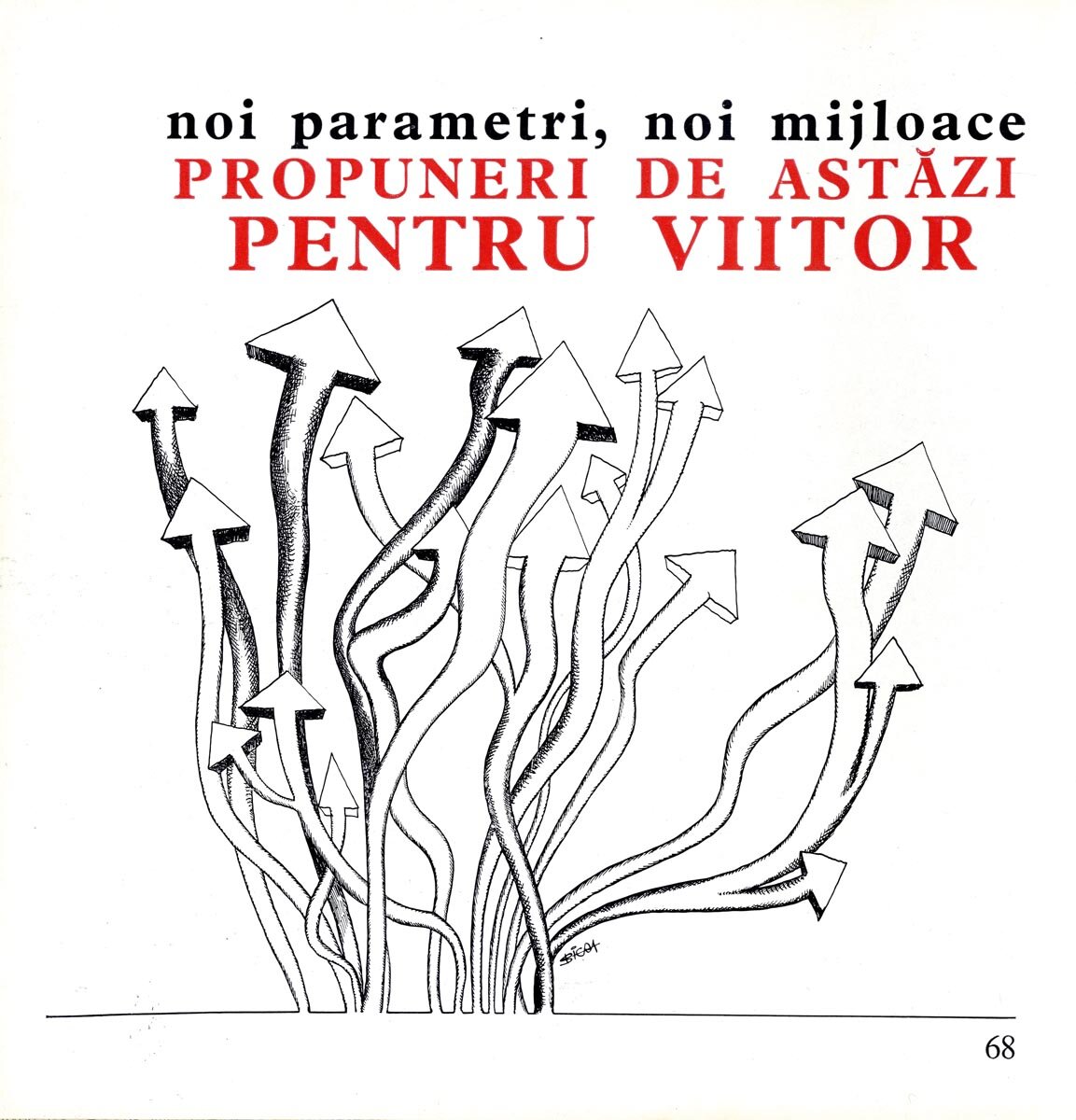
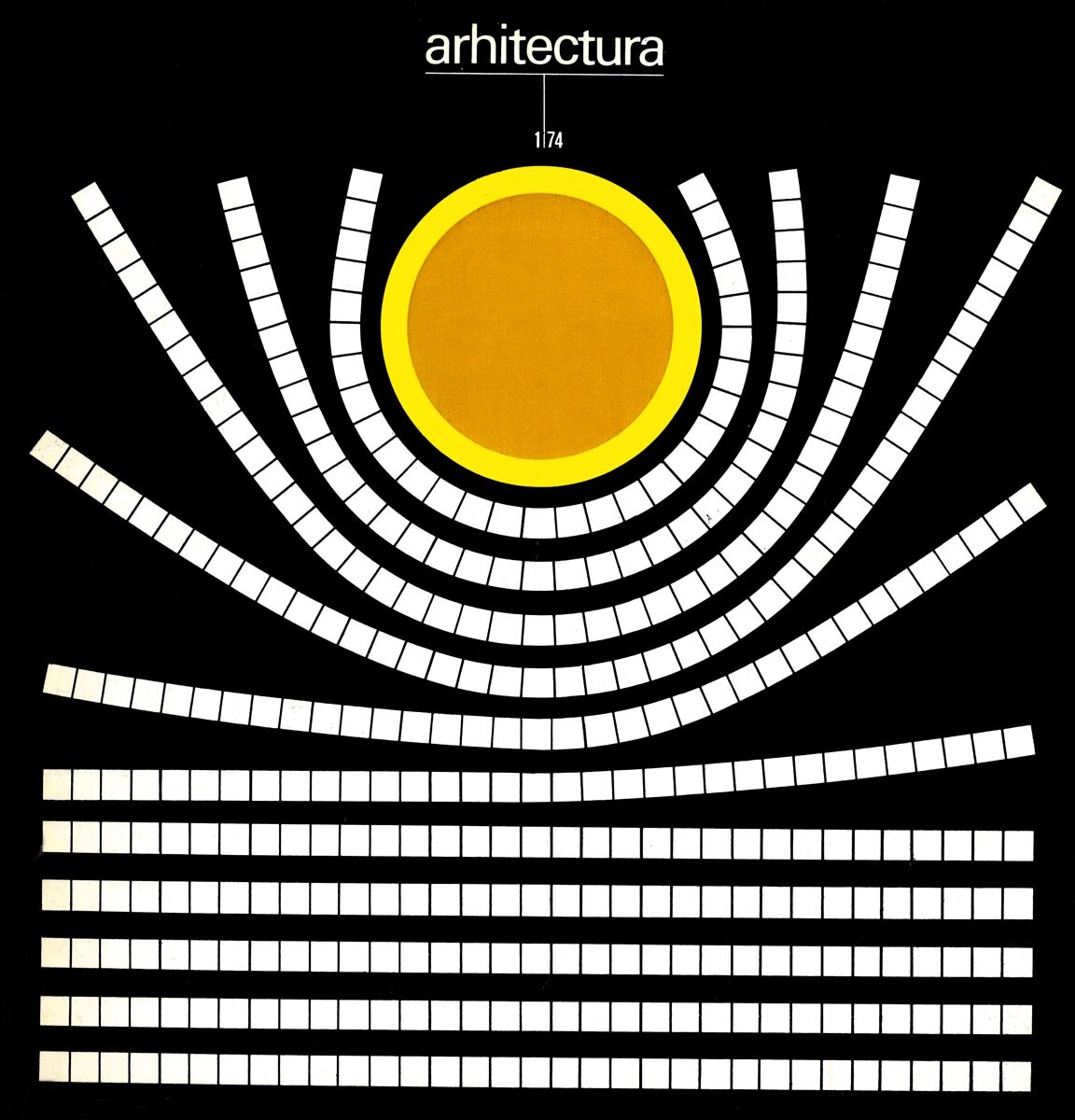
We did not have a program, things were not very clear, but a few "directions of action" were defined almost by themselves: a return to European culture, a regaining of identity (the two are not antinomic), making "Architecture" as free as possible a "sheet for the mind and soul", ensuring the best possible quality (including keeping to the numbers calendar).
The beginning and cruising speed
The editorial staff I "inherited" consisted of an editorial secretary, a typist, a photographer - extremely important for a "visual" based publication - and an editor who came from a "diplomatic" background but had the merit of being a good Latinist and a careful "proofreader" of style. Setting aside some difficulties of cadence and manner of work, things went smoothly. But I must admit that the "invasion" of an "armada" of young people full of ideas, impatient and untrained in the discipline of writing (I include myself among them) could have disturbed a rather placid atmosphere.
Hierarchically, I was answerable to an Editorial Board appointed by the leadership of the Union of Architects. The College did not manifest itself (with the exception of Vasile Mitrea, with whom I had an exceptionally good relationship), and I did not feel this as a lack.
Above the College was the Secretary of the Union, delegated to look after the Review. Without going into details, I cannot say that he contributed in any way to its development. There were two other secretaries of the Union of Architects. One of them was "Comrade David"4, with whom I had conflicts throughout my work at "Arhitectura". From claims to control the content of the magazine to personal pettiness5.
The main question remains: the relationship with censorship? Surprisingly, I knew very little about it. But it was not long before I came into direct contact. One morning, the charming Mrs. Macavei (the editor's secretary) stormed into the "office" and said to me in a whisper: "You must go to the Press Office immediately! At my quizzical look, she replies directly: "Censorship!". I arrive on Cihoschi Street, behind the ASE, where the institution was located, and am ushered, after a check, into a small room where two men were sitting. "We got your number. We can't give him his visa." It was number 3/1972, which dealt with the subject of the city. My question came naturally: "Why?". "Do you think you can draw anything on the cover? I mean, what, you wonder where the country's going? Do you question the party line?" The cover (drawn by Dimitrie Sbiera, whose memory I salute) had a huge question mark drawn on it. I realized that the situation was serious. I could not answer honestly. I improvised: "This is a prospective number. It's only about the future shape of the city. Do you know what the city of the future will be like? Look, inside the question mark are drawn houses, streets, everything that makes up the city. The silence that followed encouraged me. "You'll get your answer." After a while, Mrs. Macavei, despairing at losing the line in the printer, was able to print the number. I was summoned once or twice more, but they were rather trifling things, which I no longer remember.
I had an idea in time of the "magnanimity" of censorship. "Arhitectura" belonged to the category of "technical" magazines, and the circulation at that time was around 1,000 copies. So we did nothing to move into a category closer to our cultural pretensions, in order to preserve this restricted "field of freedom".
After a while, responsibility for the content was transferred directly to the editor-in-chief, who had to sign every page of the layout before going to press. I signed every page.
The magazine's frequency of publication (6 issues a year) meant that it could never keep pace with important political moments: too early or too late. President Lăzărescu occasionally wrote an article "as it should be", and things stopped there. As I write these lines, I unfortunately have only three issues of the magazine with me in Switzerland: 1/1971, 4/1976 and 1/1981. Searching through them, I found none of the usual references at that time to congresses, "plenaries" or the person of the "leader". Without being absolutely sure, I also believe that I have won my private bet not to publish his photograph during my term of office.
Since the purpose of these lines is not to make an exhaustive analysis of the magazine at that time, I will highlight only a few aspects, a difficult task which should in no way be considered as a "selection"6.
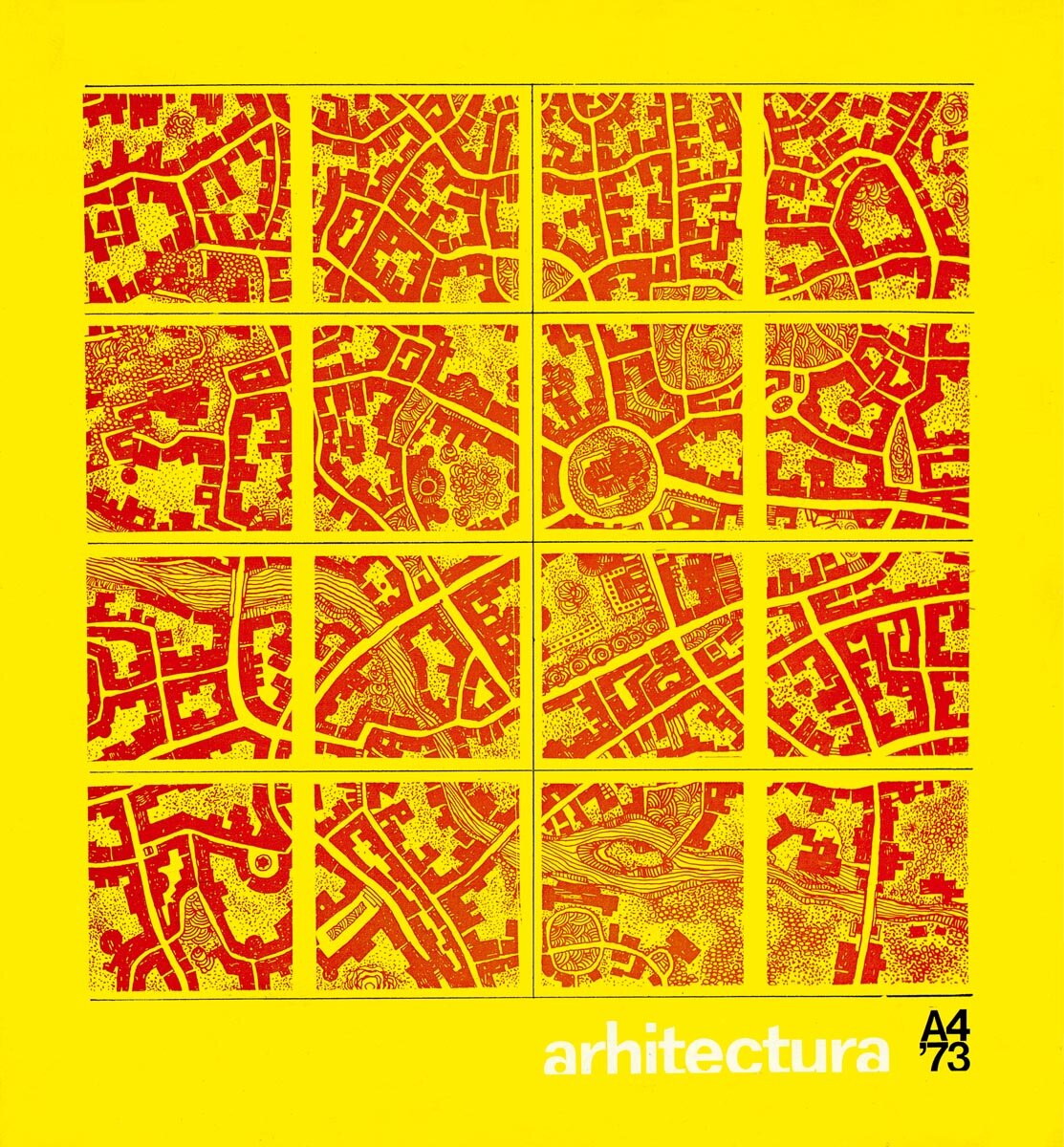
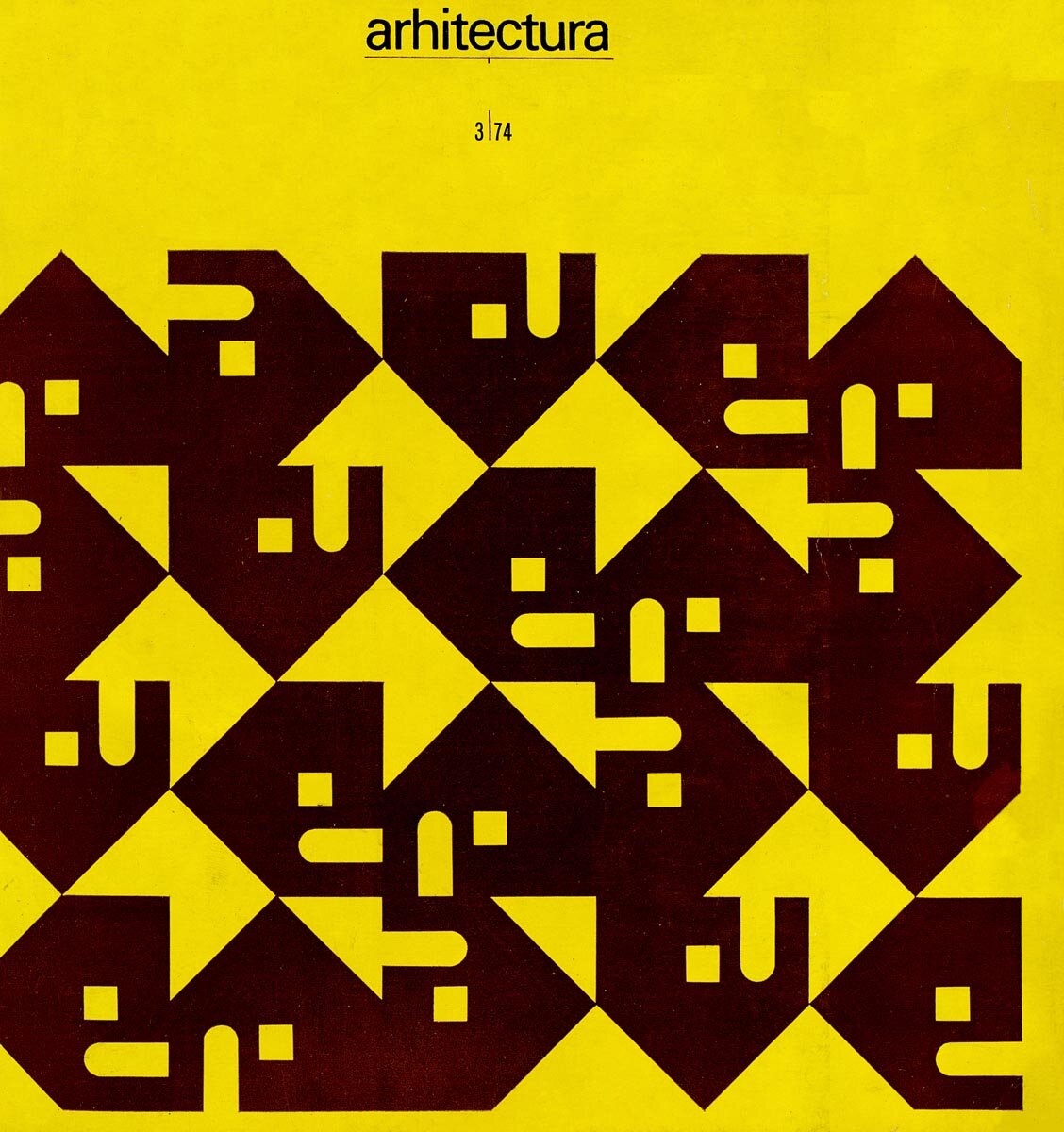
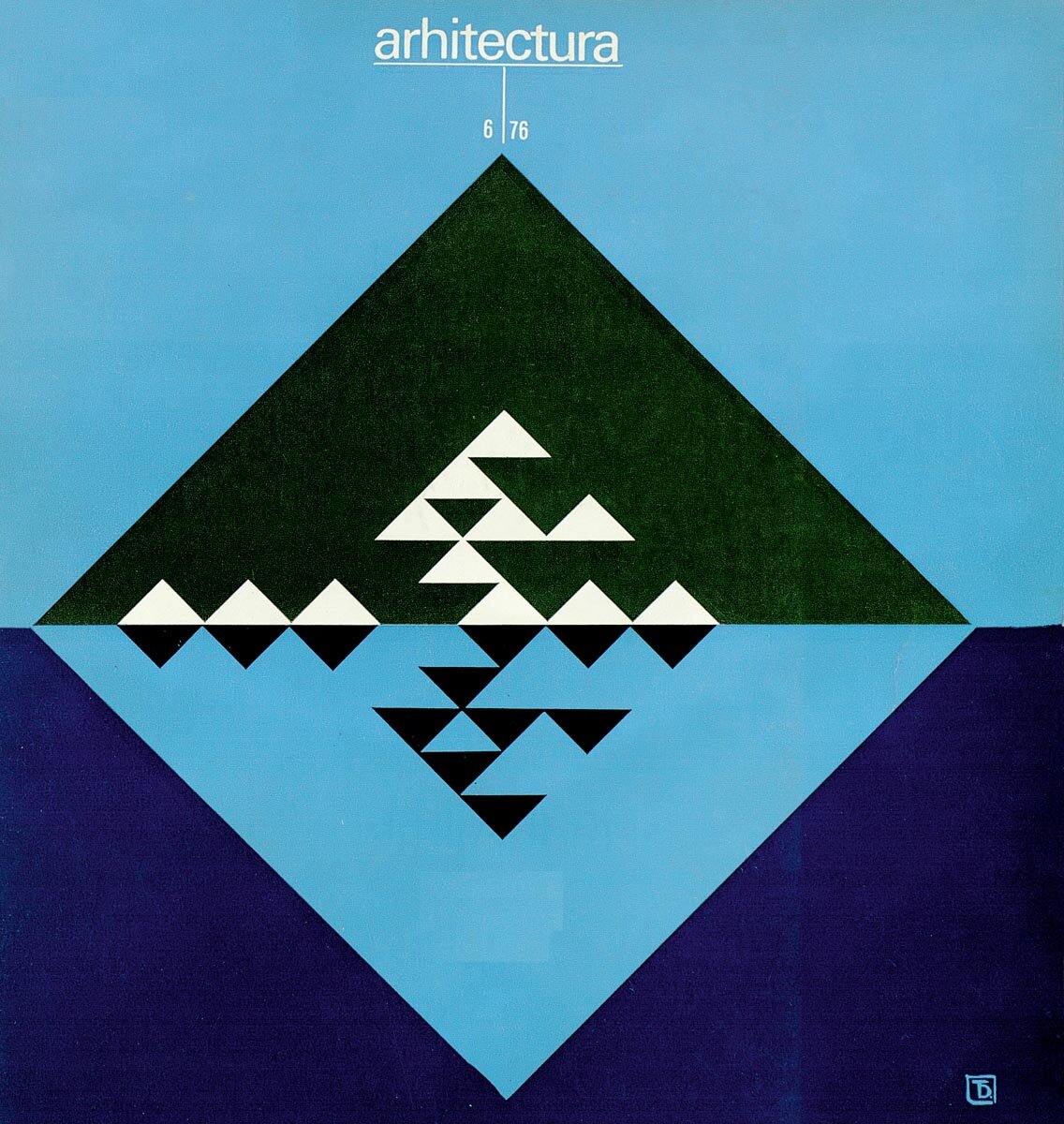
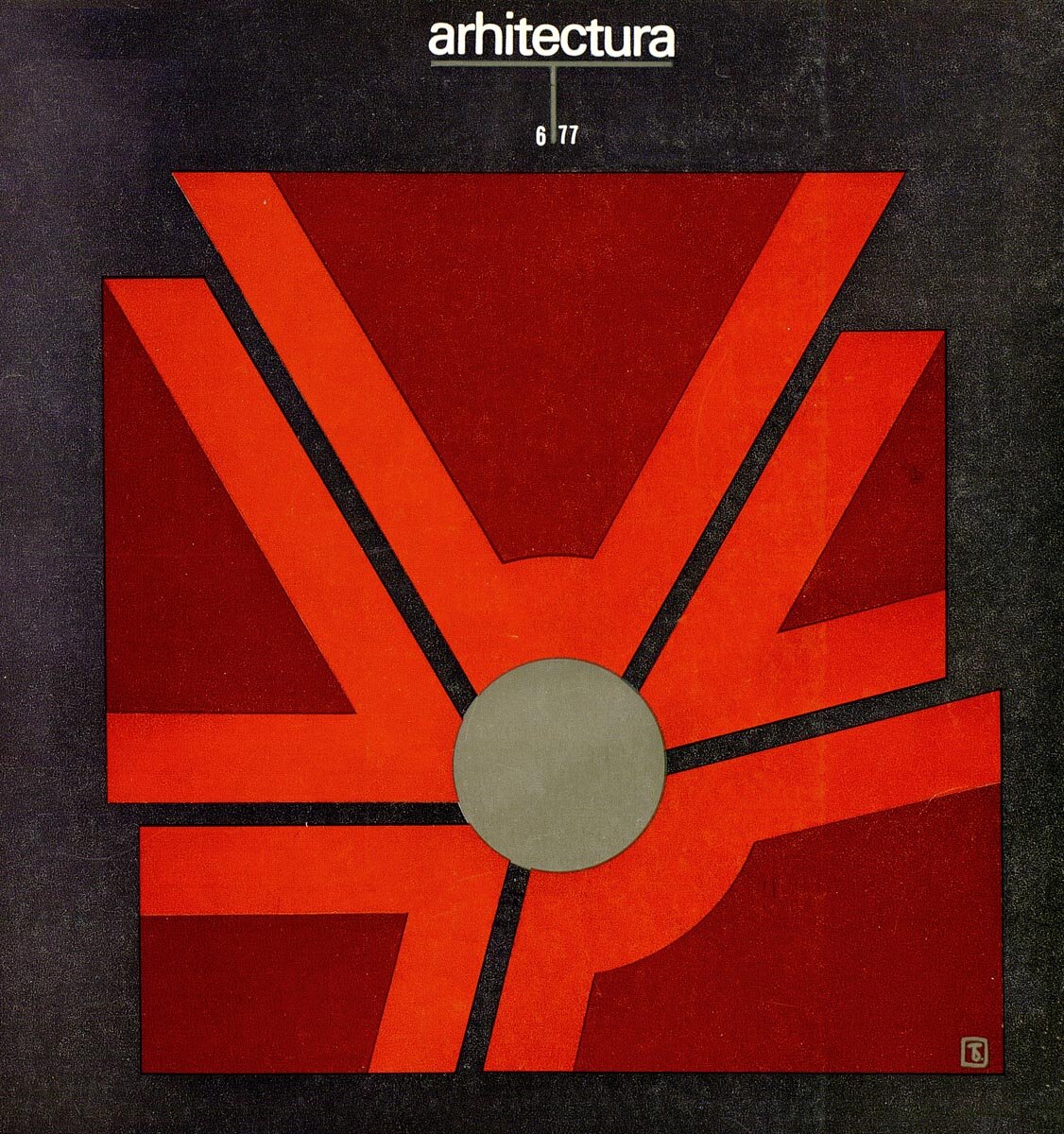
I start with the covers, which are meant to be eye-catching, to symbolize the theme and to assert "a style". Once the theme of the issue had been defined, we would see the cover designers. I have already mentioned Adrian Panaitescu and Dimitrie Sbiera. It was Tudor Dumitrașcu who continued throughout my time at the magazine. I was always mesmerized by the intelligence, talent and meticulousness of his drawings when he appeared with a guiding air to present the cover to me. Together with the graphic designer Mihai Grosu, he also defined the graphic design of the magazine, a necessary operation in relation to the increase in the number of columns and contributors.
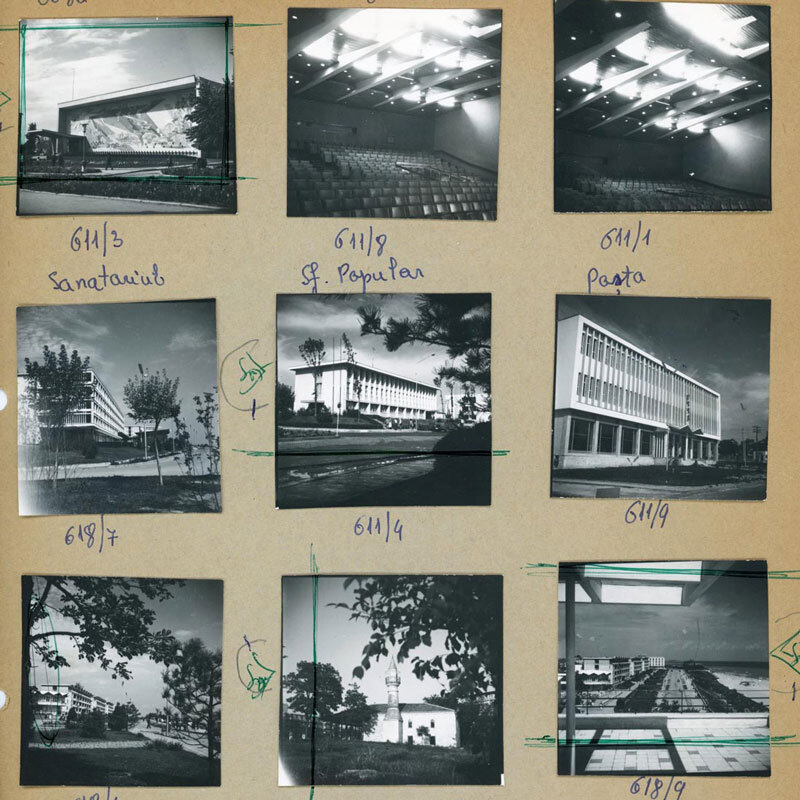
One of the most difficult stages in the production of the issues was layout. Texts were typed in the editorial office. Photographs were taken by Mr. Dumitru, the photographer of "Architecture", who gained skill and mastery over time. Parenthesis: a permanent attention of the editor-in-chief was to keep the camera equipment at a good level. The Mamiya, Hasselblad and other technical marvels of the time had to be ordered years in advance and, above all, the pressure kept up, lest it be "scattered" elsewhere.
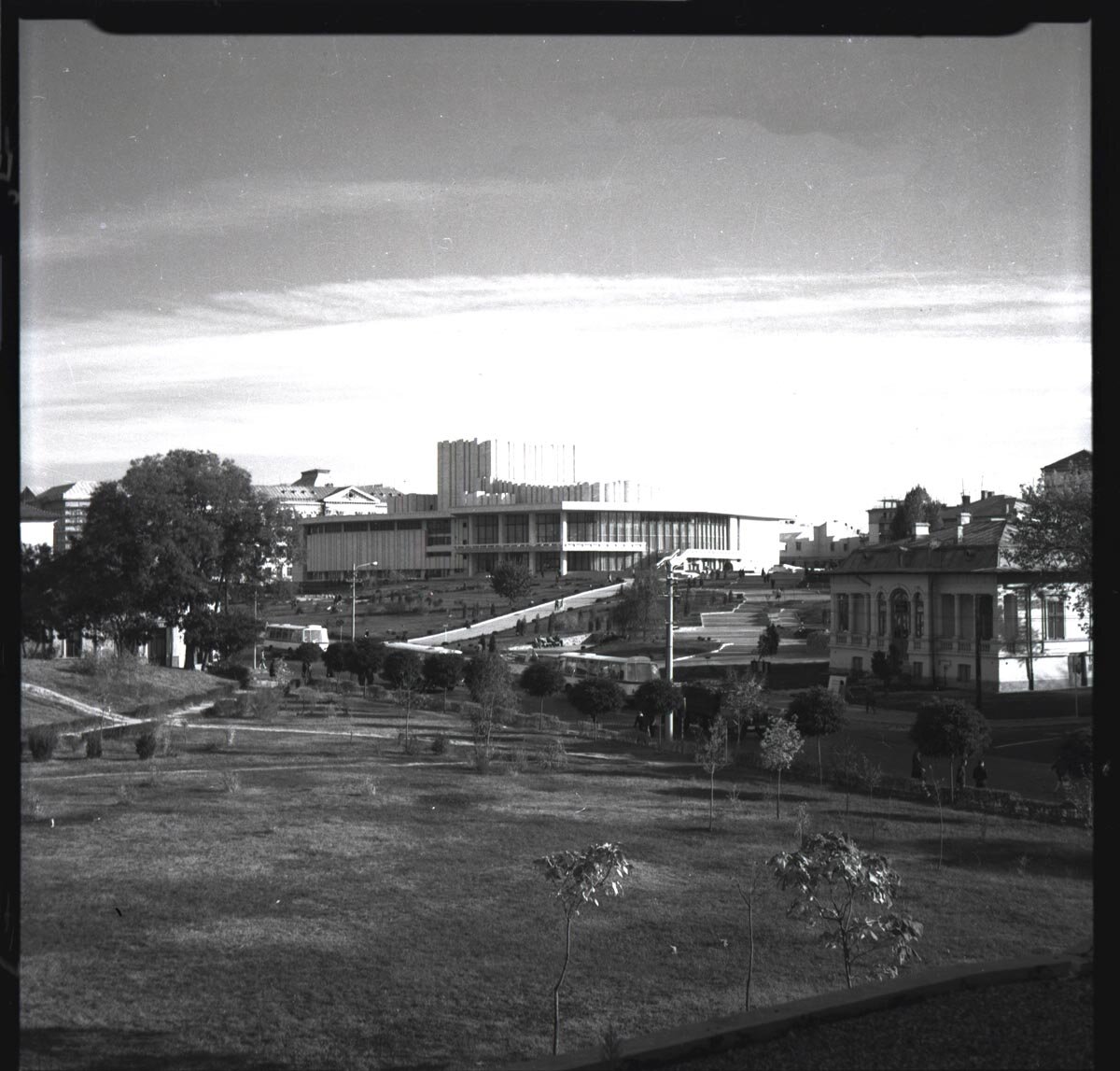
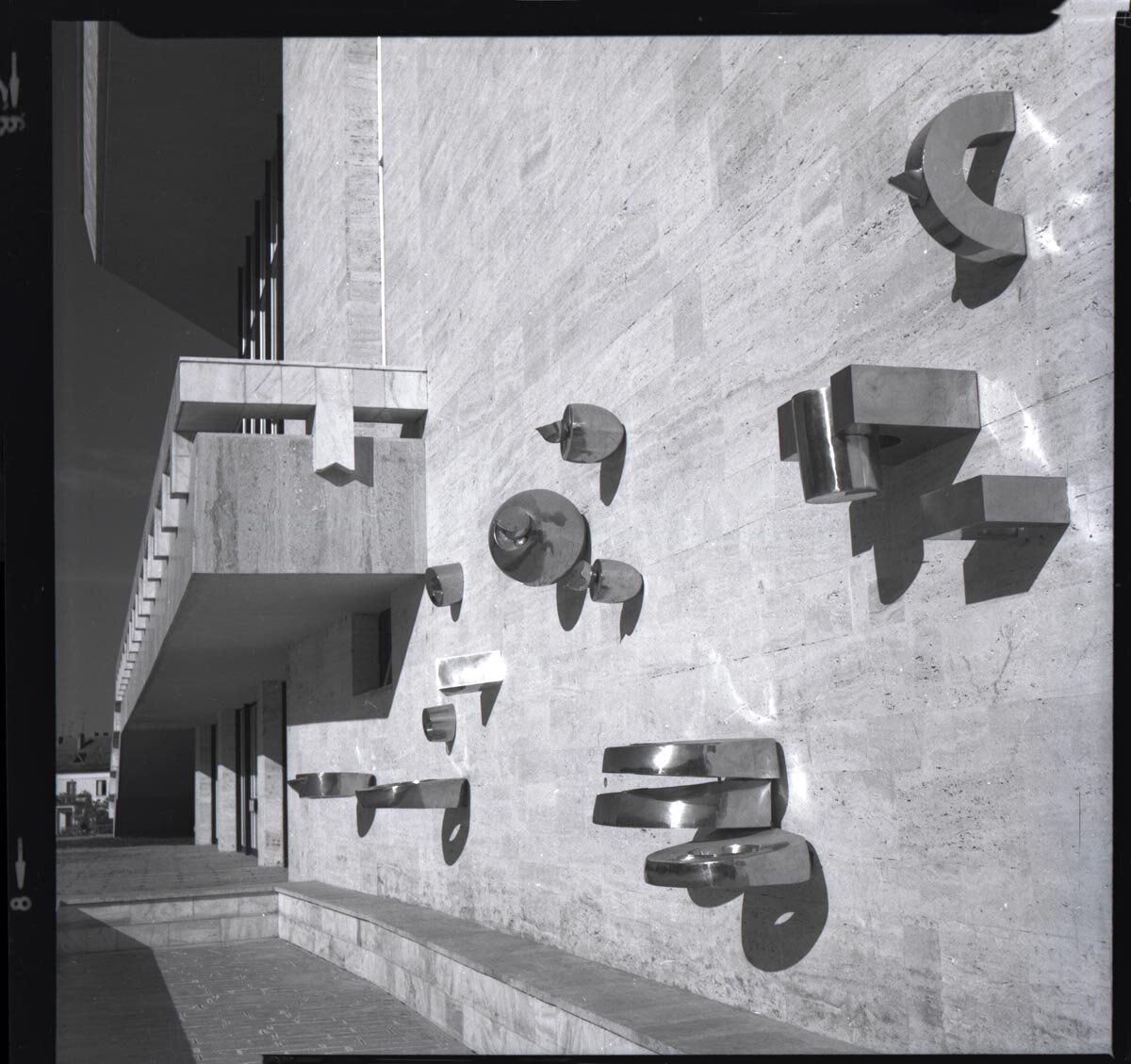
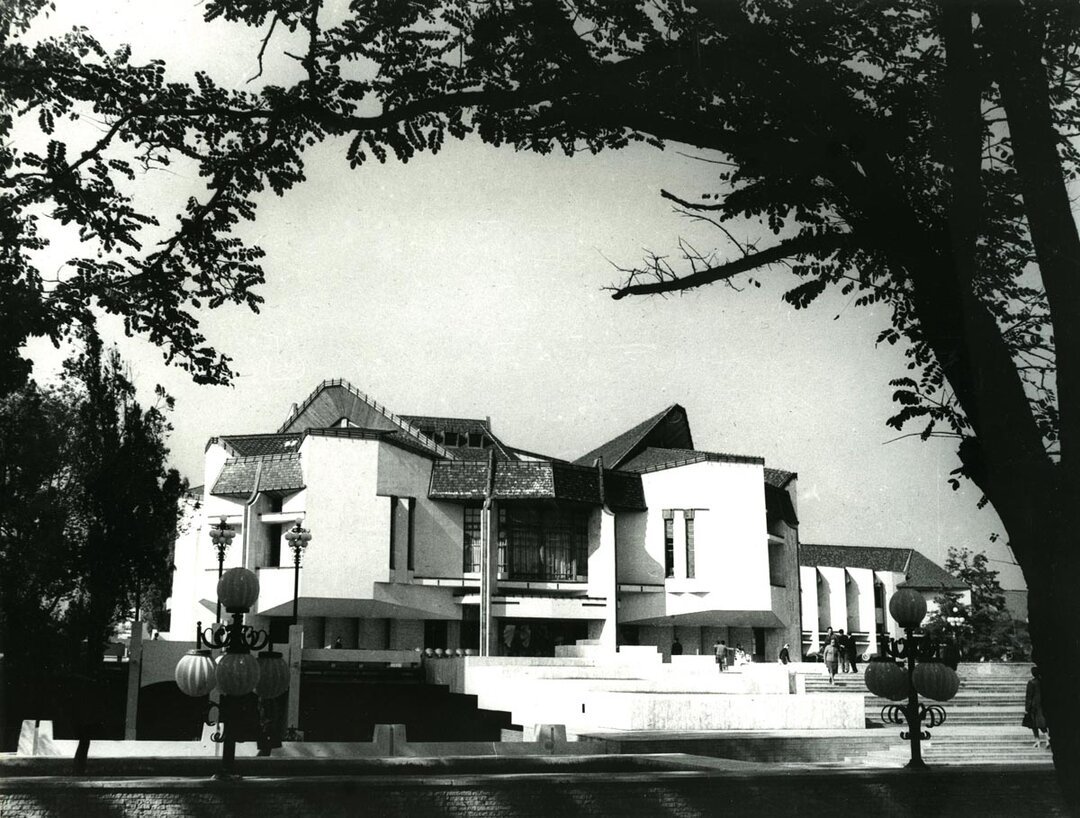
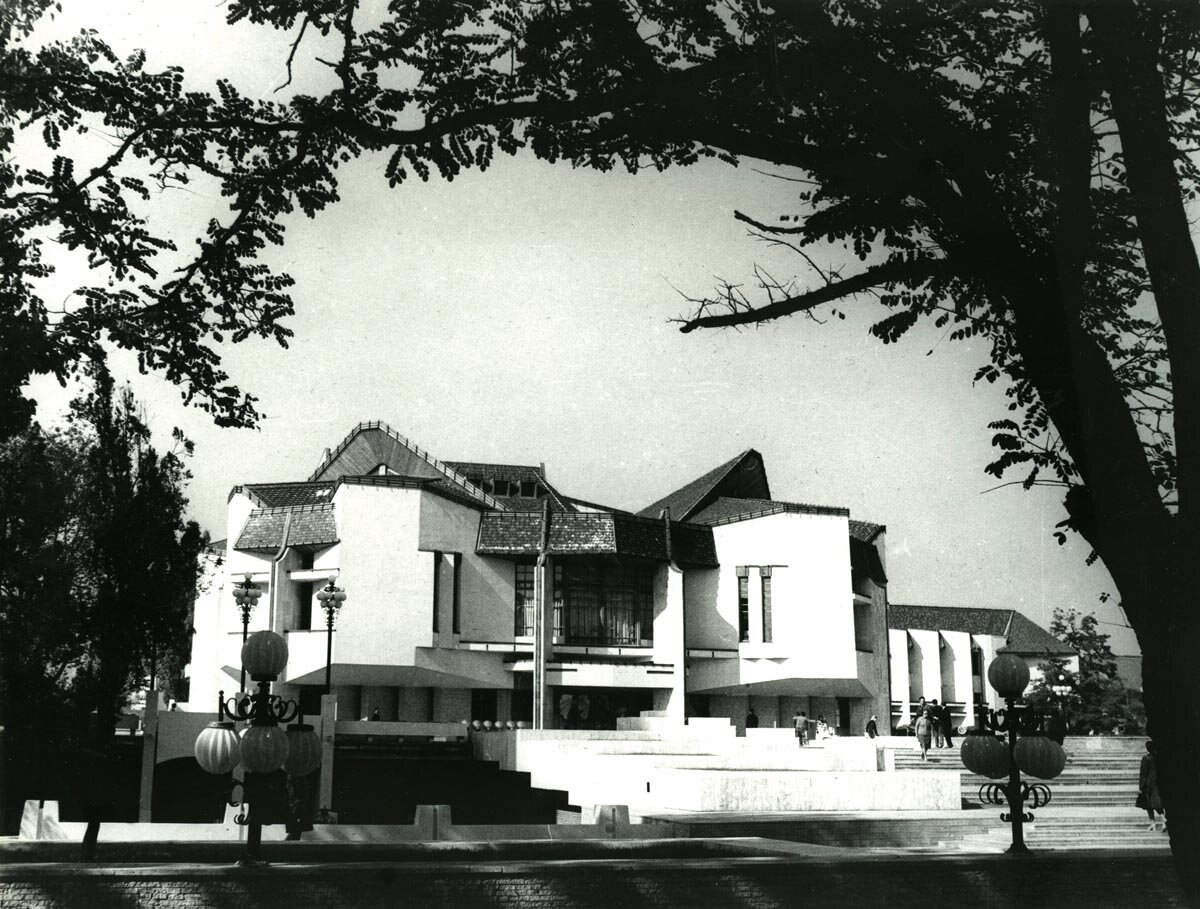
National Theater of Craiova, presented in No. 1, 1974
Back. For blueprints, we found ourselves at first with veritable "sheets" of execution, muddled and unpresentable. In time, the authors realized that it was to their advantage to produce quality special designs.
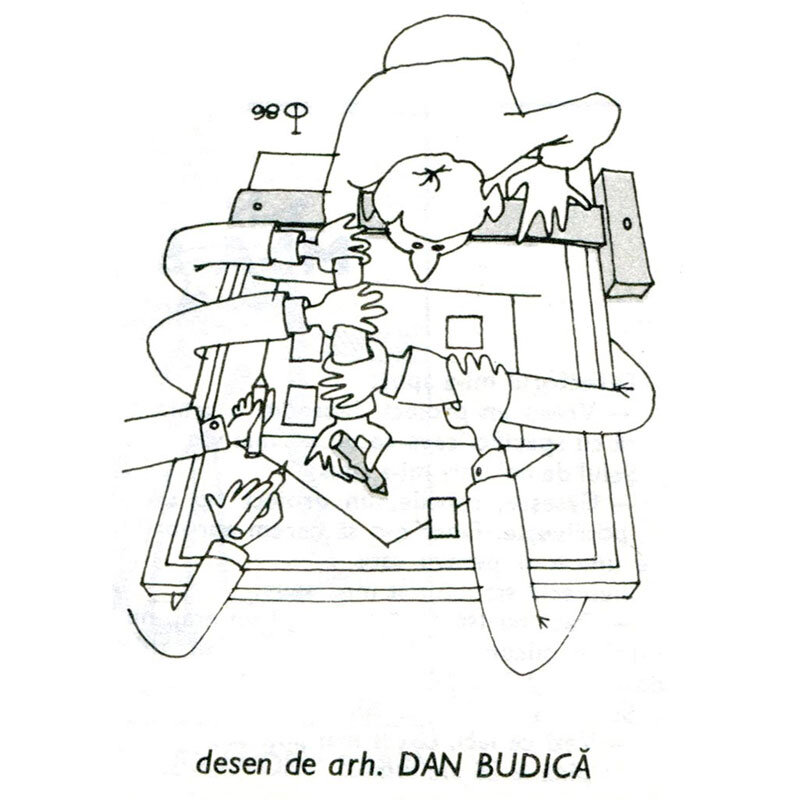
Well, after discussions about the order of articles, weighting, type size, etc., the editorial "model-maker" would leave laden with rolls of cardboard, rolls of tracing paper, stacks of paper and photographs, to enter a nameless "gallery". From the very beginning, the model-maker was the current professor Alexandru Sandu! His contribution to the content of the magazine was undoubtedly important. The realization of the layout by Alexandru Sandu has been a paramount aspect of the magazine's quality.
Once the principle of a thematic approach had been defined, a well-organized theoretical "corpus" supported the presentation of the achievements that we wanted to achieve. A classic method, designed - in principle - to succeed. In our case, two factors often disturbed the situation. It was rare for "criticism" (in the sense of "art criticism") to accompany the description of the object. I would mention the exceptional contribution of Professor Ascanio Damian in the thematic issue "Theaters" (1/1974) dedicated to the new theaters in Craiova and Târgu Mureș. The interviews with the authors, Professor Alexandru Iotzu (together with the actor Amza Pellea) and Constantin Săvescu, which accompany the presentation of each work, deepen the theme and highlight specific aspects. I regard issue 1/1974 as one of the most accomplished issues of the period to which I refer.
Back to "architectural criticism"7. It probably needs a certain "critical mass" of quality work to make it flourish. In a direct confrontation, the work must arouse interest, encourage "critical impetus". This was not always the case.
In this respect, I considered it propitious to "compensate" for this qualitative heterogeneity - increasingly linked to political directives and not to the intrinsic professionalism of the architects - by opening up as much as possible to the world's architectural production. I was fortunate that Adrian Panaitescu accepted to be in charge of the column called Cadran. The choices he made, at the cost of considerable efforts to find information (he recently told me about the library of the Danish Legation, which he often frequented) and, in particular, the transcription of the essence of the examples into high-quality drawings, have made the column a favorite among readers. Upon Adrian's departure to America, a remarkable team of young architects (Ion Enescu, Cristina Ene, Cristian Ionescu, Ștefan Mănciulescu, Mihai Pienescu) continued and enlarged the content, in some cases exceeding - in some cases - 12 pages of the magazine.
Our predecessors was the second "major pillar" of the magazine. Henriette Delavrancea-Gibory, Professors Nicolae Lupu, Grigore Ionescu and Gheorghe Petrașcu, Eugenia Greceanu, Sanda Voiculescu, Radu Patrulius, Andrei Pănoiu, Dinu Antonescu, Călin Hoinărescu, Teodor Octavian Gheorghiu, Constantin Joja, Gheorghe Curinschi and many others, whom the space of this article does not allow me to quote, have given an exceptional depth of thought and intellectual brilliance to the magazine, and have also fulfilled their role of "orientation", as mentioned at the beginning of these lines.
Speaking of 'pillars', the Technical Sheets column, produced with skill, knowledge, address and enormous self-sacrifice by Marius Smigelschi and Sandu Miclescu, was appreciated by all, including the International Union of Architects' Building Commission (chaired by the Swiss architect Jean Duret), which suggested that we distribute it internationally. I'll leave you to guess where the bottleneck was!
In the same vein, it is worth noting the space the magazine has devoted to the seismic engineering research of Professor Alexandru Cișmigiu. A tiré-à-part, in English, produced by the journal was presented at various events and in specialized publications.
A "panoply" of columns, interventions, information, reviews and others aimed to make up, as far as possible, for the chronic lack of information in fields close to architecture - art and design, in the first place. Alba Calboreanu-Popa and Ana Vasilache have gone to great lengths to keep us up to date with the best in the field. And, I would say, what was not good, not hesitating to criticize the incompetence of some state producers and the kitsch of objects8.
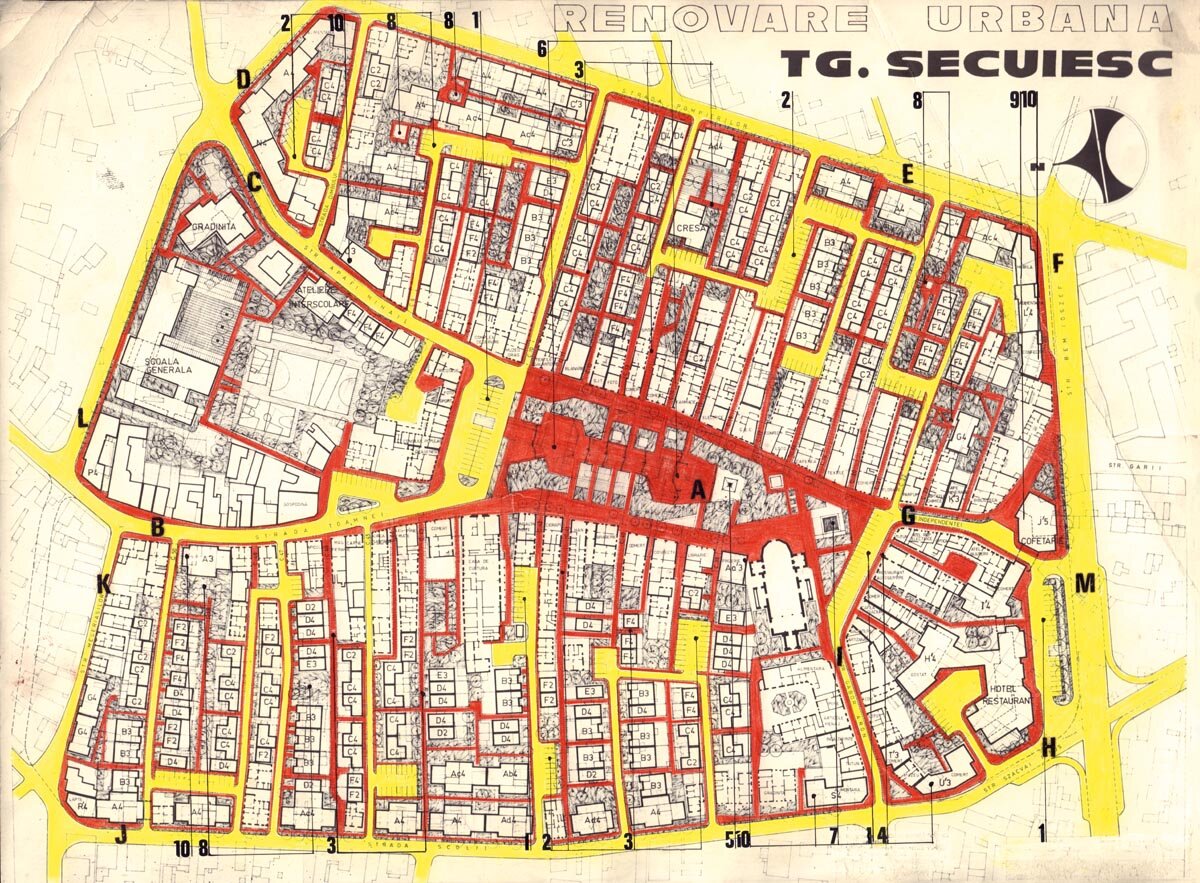
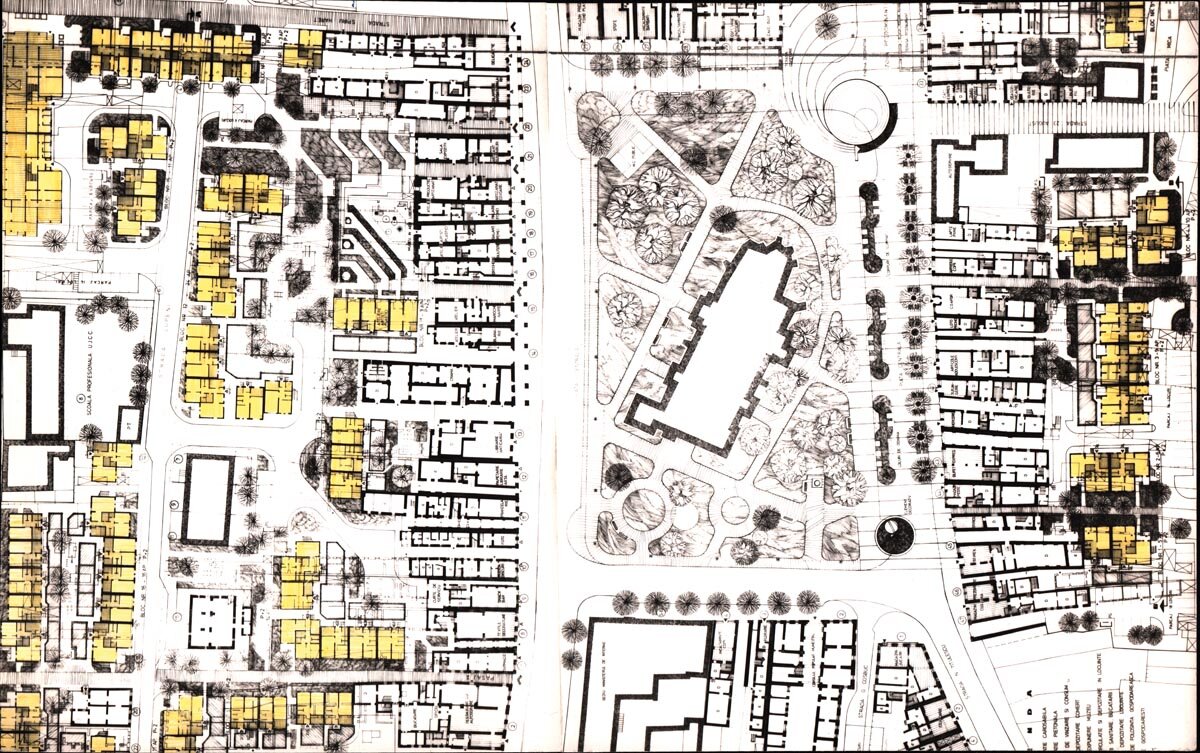
On a thematic level, urban issues, particularly central areas, were - in retrospect - a favorite field for research: issues 4/1973; 3/1974; 3 and 6/1976; 6/1977. In a way, it constituted a theoretical material which, with its qualities and flaws, was not produced anywhere else in Romania of that period.
The magazine enjoyed popularity, the number of subscriptions amounted to over 5,000. We moved forward pretending not to see the dark clouds gathering everywhere.
One day in 1975, President Lăzărescu told me he wanted to see me. Our relations were good, I think he appreciated the fact that the Union magazine was rather well regarded, but I was not part of his close circle. "I'm going to the Congress of the International Union of Architects in Madrid - I'd like to take some issues of the magazine with me". I gave him, I think, three issues. I didn't know that there was an Architectural Magazine Competition going on at the same time, so it all went out of my head.
After a while, I'm called back by the president. With a smiling and satisfied air, he pulls out from a black "valise" a prism (made of Plexiglas, probably) inlaid with a medal and unrolls a diploma. The magazine had won the Third Prize and the Bronze Medal at the Congress. I very much regret that these two items were "lost" after I was no longer editor-in-chief (1981).
In 1976, a positive event occurred: Ștefan (Fică) Ionescu, architect, became editor of "Arhitectura"9. Agreeable, discreet, but no less effective and fully "committed" to the spirit of the magazine, he made a devoted contribution to maintaining its quality during the increasingly turbulent times we were going through.
Some time before, a new "typist" had joined the magazine: Daisy Golea. An exuberant character, she put a lot of heart and soul into her work, positively going well beyond the call of duty.
Everything has an end
In 1974 we left the Union of Architects for the School building. I set up a studio on the first floor as best I could. In the overall context, I don't think it had a determining influence on us.
I can't say the same for the 1977 earthquake. Tragic in human and material terms, it ushered in a new period in the dictatorial seizure of decision-making power in architecture. The real aim was to build an enormous "Versailles on the Dâmbovița" under the meritorious "guise" of a necessary reconstruction of the capital, to which most professionals adhered, and, at the same time, to demolish as many religious or civil vestiges as possible. Everything was being done in absolute secrecy.
Pressure was mounting from all directions. Material: paper, printing, cold. Ideological: the content of the articles, quotes from Ceausescu, the "laitmotif" of the "Comrade" photo.
The "climate" in the school was changing rapidly. With the acceptance without examination of many students from the Middle East, the level of education was no longer the same. I found out later that Switzerland denounced the agreement on mutual recognition of diplomas with "Ion Mincu" because of the level of some foreign architects who came with diplomas from Romania and whose competence did not correspond in the offices where they were employed.
The end of these lines will be abrupt, because the reality was like this: a cumulation of negative factors to which everyone tried to cope with as best they could.
In 1981, in connection with my request to settle in Switzerland, where my wife was already, I was removed from my positions at the Review and the School.
I remain deeply attached to these institutions.

NOTES
1 Despite all the efforts of the editorial staff of "Arhitectura" magazine, in particular of the editor-in-chief, architect Monica Lotreanu, to communicate various information to me, and the abnegation with which colleagues Adrian Panaitescu and Alexandru Sandu responded to my (admittedly exaggerated) requests, the lack of the main source of information (the "Arhitectura" collection) bothered me considerably. Without the input of the above, to whom I thank them very much, it would have been a "mission impossible".
2 Marcel Melicson was leaving the country.
3 According to the legislation in force at that time in Romania, I could only be paid in one place, at the Review.
4 "For the political supervision of the organizations (n.n. - Union of Architects of the RPR) since 1952, a party functionary imposed by the CC of the PMR, Ludovic David, was appointed as secretary of the UA, and he held this position until 1989, being the "watchful eye" of the authorities within the UA" - Mariana Celac, Alexandru Panaitescu, "Short history of the organization of the architectural profession in Romania since the Regulation of A. I. Cuza and M. Kogălniceanu until today", "Arhitectura" nr. 3-4/2016, p. 78.
5 For a few months I was forced to work in the cloakroom of the headquarters of the Union of Architects, some of the people who came to the conferences thinking I was a cloakroom attendant.
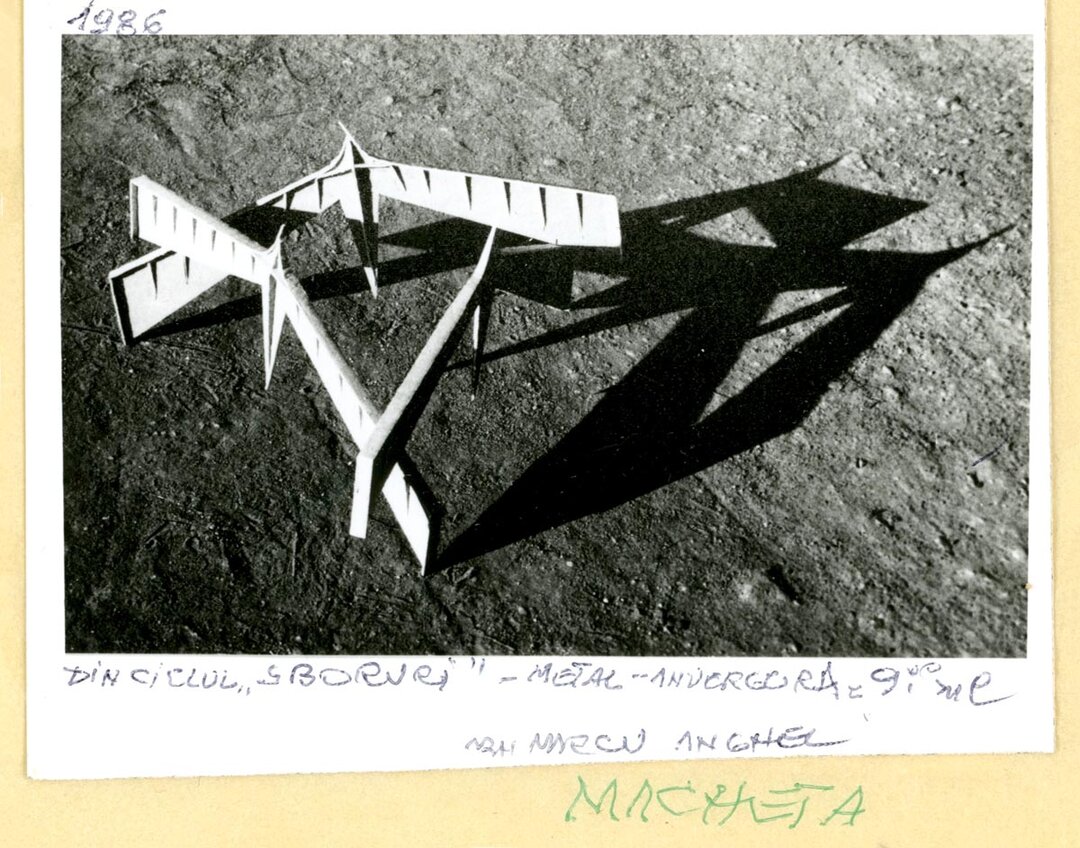
6 Dinu Gheorghiu, Teodor Gheorghiu, Anghel Marcu, Ileana Murgescu Tureanu, Jean Monda, Cristian Popescu-Ialomița, Cristian Popescu-Ialomița, Emil Barbu Popescu, Horia Hudiță, Gheorghe Săsărman, Radu Șerban, Liviu Damian, Gheorghe Sebestyen, Ion Rădăcină, Ioan M. Enescu, Ileana Oprișescu, Monica Scârneci, Dan Jitianu, Andrei Pop-Jora, Paul Bortnovschi, Simon Julman, as well as the numerous authors, co-authors, collaborators of the objects presented, other "contributors" who do not come to mind - now, after at least 40 years - and to whom I apologize.
7 I realize that I have written an attempt at a 'critique' of the Hotel Dorobanți, by the architect Virgil Nițulescu, whom I have always considered one of the best professionals of his time.
8 Ana Vasilache - Exhibition "Sculpture and inlays in wood", in "Arhitectura" no. 4/1976, p. 78.
9 Replacing the architect Adriana Dilancea who left, after a short stay at the Review, for the United States.