The photography archive of Romanian Union of Architects. Online and Offline

The relationship between architecture and censorship, during the years of the communist regime, involves two aspects. The first is that of architectural production itself, regarding the architect as a creator, a shaper of the human habitat, his activity of conceiving and realizing the environment intended for human existence, on a social and individual level. The second concerns the specific ways of reflecting the result of this activity, the works of architecture - as history, theory or criticism.
Architecture and Censorship |
| The relation between architecture and censorship during the Communist time consists of two intertwined aspects: the production of architecture and the way in which its result was critically reflected. During Communism, architects could no longer be free-lancers. After the reforms in 1968, President Nicolae Ceaușescu started to intervene directly in the process of urban planning. Under these circumstances, writing about architecture was no easy task. At Scînteia [The Spark], the main newspaper in Romania, a very strict and hierarchical internal mechanism of censorship made sure the message of the Party was rightly delivered to the public. Nevertheless, during the nine years the architect Gheorghe Săsărman spent there in charge of the architecture section, he didn't have to deal with censorship, as the texts were mainly about functional and aesthetic aspects of architecture. But after author's brother fled the country, the articles started to take weeks to be published. In 1974 Săsărman transferred to Contemporanul [The Contemporary], where he lasted until 1982, after which he also fled the country. At Arhitectura, Săsărman published essays, articles and studies that were later part of the PhD thesis. Since the magazine dealt with topics relating to architecture history and theory, the text weren't too affected by censorship. As proof, the author was able to write the PhD thesis about the abstract notion of architecture, without any references to the Party. However, another book he co-authored, about medieval fortresses in Romania, did not go through without adding quotations from the Party's program and Nicolae Ceaușescu's speech. Literature experienced even more censorship. As a fiction writer, Săsărman also had to deal with the 'scissors' of the 'cerberi' of literary production when he published Squaring the Circle and the novel 2000. |
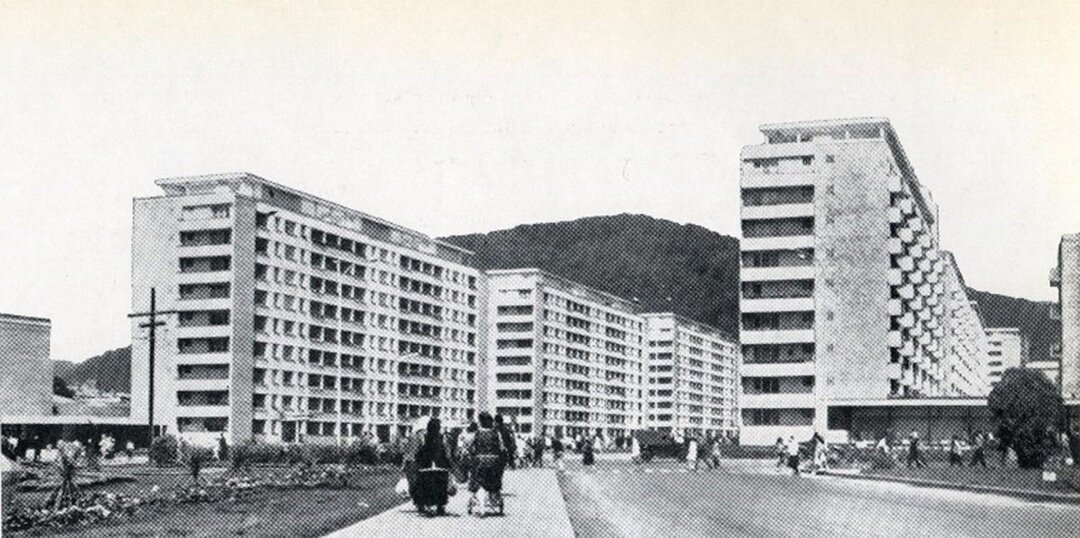
A fundamental constraint on architectural creation is that it involves considerable material values, which the architect cannot dispose of freely, but only in accordance with the express will of the owner or investor - in this case the state. This constraint was compounded, during the period in question, by the loss of the architect's status as a self-employed professional, who was simply an employee of a state institution, subject to the constraints arising from this and from the centralized and planned nature of the economy. Architectural production was thus dimensioned by five-yearly and annual plans, directed by laws and rules, and guided by provisions and regulations. There was a central body, the State Committee for Construction, Architecture and Systematization (CSCAS), which coordinated and controlled all the work, carried out within the regional directorates for systematization, architecture and construction design (DSAPC) and central design institutes - but ultimately it was the party that set the general programmatic framework and the major lines of development, including in the field of architecture. Subsequently, after the administrative-territorial reorganization of 1968, when the counties reverted to counties, the institutional forms were adapted, with changed names, to the new structure; CSCAS once disappeared, replaced (partially) by the new Committee for the Problems of People's Councils (CPCP, later the Committee for the Problems of Local Administration, CPAL), in effect a dilution of the competence of the specialized forum, allowing the party leadership in particular Nicolae Ceausescu, to intervene directly with his "precious" indications in the process of drawing up plans for the systematization of the territory and localities, the remodelling of the central areas of major cities and projects for representative complexes and buildings. His personal 'contribution' is known - among others - to the so-called systematization of villages, to the 'improvement' of the image of the National Theatre in Bucharest or to the realization of the new centre of the capital, with the Boulevard of Victory of Socialism and the People's House, which resulted in the demolition of the Văcărești Monastery, the Brâncovenesc Hospital, the National Archives, the relocation and/or screening of venerable churches and, overall, the disappearance of a good part of the urban fabric that gave old Bucharest its charm. But the dictator was not shy about criticizing the architects for being unimaginative ("crates on the streets", he derisively called the apartment blocks, forgetting who had launched the "reduced comfort"), convinced that he would have done everything much better: "Know that if we demolish the whole of Bucharest, it will be beautiful"1, he said on March 30, 1977, a few weeks after the terrible earthquake, to the members of the Executive Political Committee of the CC of the PCR.
In these circumstances, writing about architecture was not exactly easy and, moreover, the daily press and cultural publications, with the exception of the specialized magazine, did not deal much with subjects in this thematic area. In 1965, Dumitru Popescu (known as Popescu-Dumnezeu), the editor-in-chief of the Scânteia newspaper, decided to set up an architecture and urbanism column (hiring me as a recent graduate), can only be understood in the context of the general trend of openness after the April 1964 plenary session of the Central Committee of the PCR (a development that culminated in Romania's refusal to participate in the intervention of Warsaw Pact troops in Czechoslovakia in August 1968 and ended with the "little cultural revolution" of July 1971). The substantial thematic and stylistic renewal of the editorial style, which did not only concern the architecture section, had of course its limits: let's not forget that "Scânteia" was the central press organ of the party, and the editors had a fundamental duty to contribute through their writing to the fulfillment of the program and directives of the Communist Party. So there was no question of censorship as an outside intervention, and the General Directorate of Press and Printing did not have the power to intervene: the thematic plans of the editorial staff were a concretization of the program and directives, they received the blessing of the Press and Propaganda Section of the CC (where the summary of the issue under preparation was sent daily, together with copies of the main articles), and the texts through which these plans were translated into newspaper articles passed through a rigorous internal filter, from the head of section and the deputy editor-in-chief, who picked them up, to the person in charge of the number, the so-called political control of the "white pages" and the "clear head", the last watchful eye, who was in charge of hunting for possible "lizards" before the presses started. Moreover, Dumitru Popescu was a member of the Central Committee, since 1968 secretary of the CC, and since 1969 a member of the Political Executive Committee: his presence at the head of the newspaper was a sufficient guarantee and made any other censorship superfluous. And after 1971, when he was appointed chairman of the Council for Socialist Culture and Education, his first deputy, Alexandru Ionescu, also a trusted member of the CC of the PCR, took his place at Scînteia.
During the nine years I worked in the editorial office2, I do not remember ever coming into conflict with the newspaper's internal censorship: the texts of the column usually appeared as I had submitted them, without any relevant changes. I saw the point in making the work of hundreds of architects from all over the country known to a wide public - especially as I was the only journalist qualified to do so: I used to joke that I was the only architect among journalists and the only journalist among architects... Of course, there were also critical passages in my architectural chronicles, but they were functional or aesthetic analyses of the works presented, considerations of architectural theory, which were not likely to arouse the suspicions of those who were diligently watching over the program and the directives of the Party. It was particularly difficult to get well-known architects to contribute to the column - with their own articles, interviews or as participants in surveys and round tables. Many refused on principle, declaring that architecture is "done on the drawing board" and looking down on "spoken architecture" and, of course, "written architecture". It is not excluded that some also refused because it was "Scînteia", the party's newspaper, which at the time, in my youthful candor, convinced of the correctness of communist ideals, it did not even occur to me that this could be an explanation.
I gradually lost my candor. The course on the history of the communist and workers' movement (as part of my postgraduate journalism studies in 1971-1972), which was taught without minuteness and without censorship, contributed significantly to this. Then, after my brother Alexandre refused to return to the country from Montreal, where he had been offered a university teaching post, I found that my articles, which had been given to the press, were going unpublished for weeks on end, piling up in the shpec3. Perhaps I had meanwhile become less willing to censor myself and was tackling more sensitive subjects, and the editorial board, although it could find no concrete reason to reject one article or another4, was either more restrictive on unorthodox subjects after the July 1971 plenary session or more cautious about me after my brother's "defection". This state of uncertainty was resolved in July 1974, when I was transferred to the magazine "Contemporanul", where I was entrusted with the newly-established science page, but also (in the background) with an architecture column. Here, of course, external censorship was also in operation5, but my nine years' experience at "Scînteia" spared me any further serious inconvenience. The whole story lasted until 1982, when, ten years after my brother's stay in the West, with a seriously compromised cadre record (I was labeled a "relative of a fugitive"), I became incompatible with the "ever-increasing" requirements the Party made of those working in the press and propaganda field - and had to leave the editorial office. After another year, I managed to swell the ranks of the "fugitives"6.
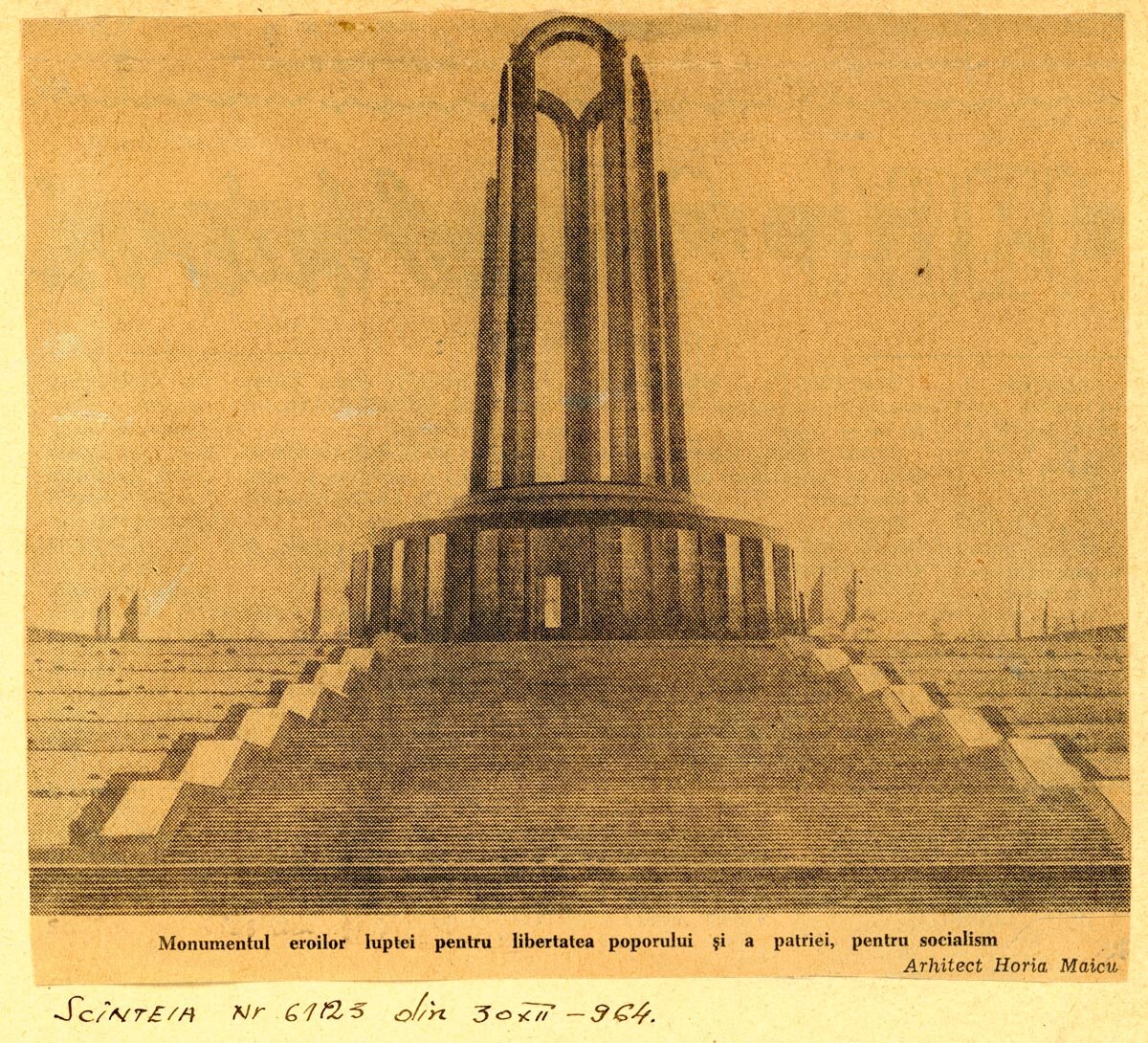
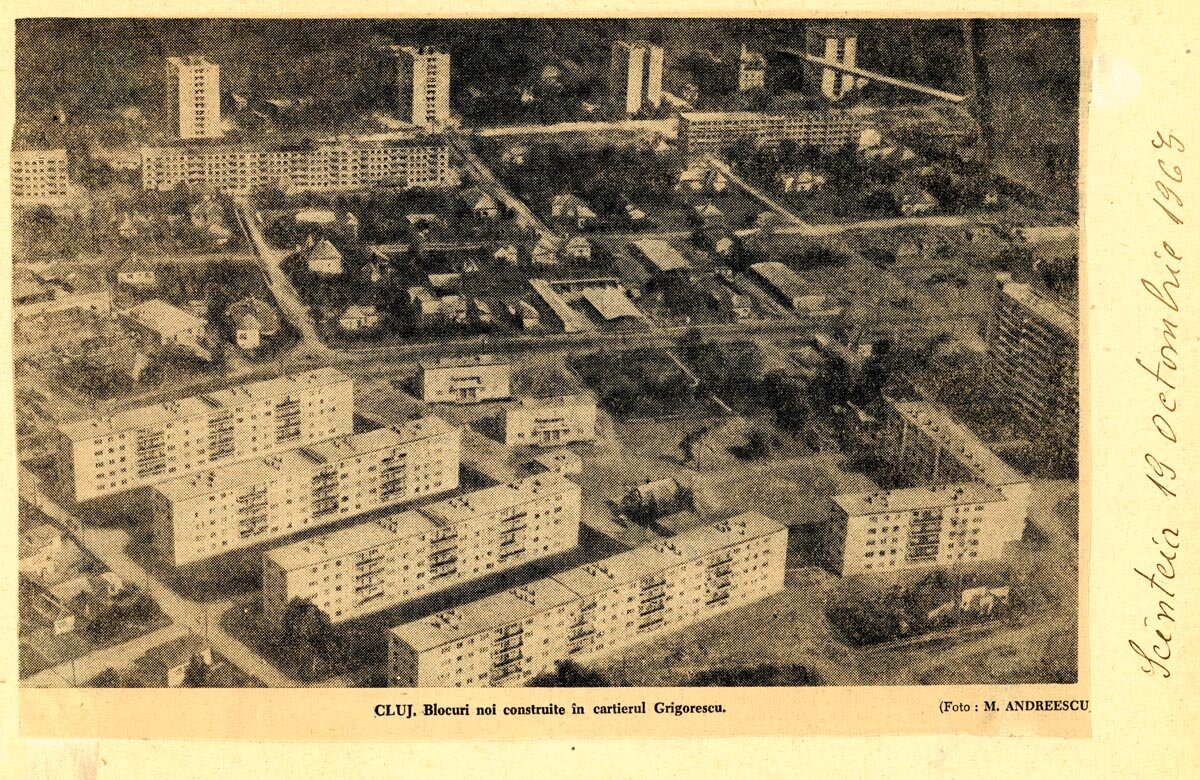
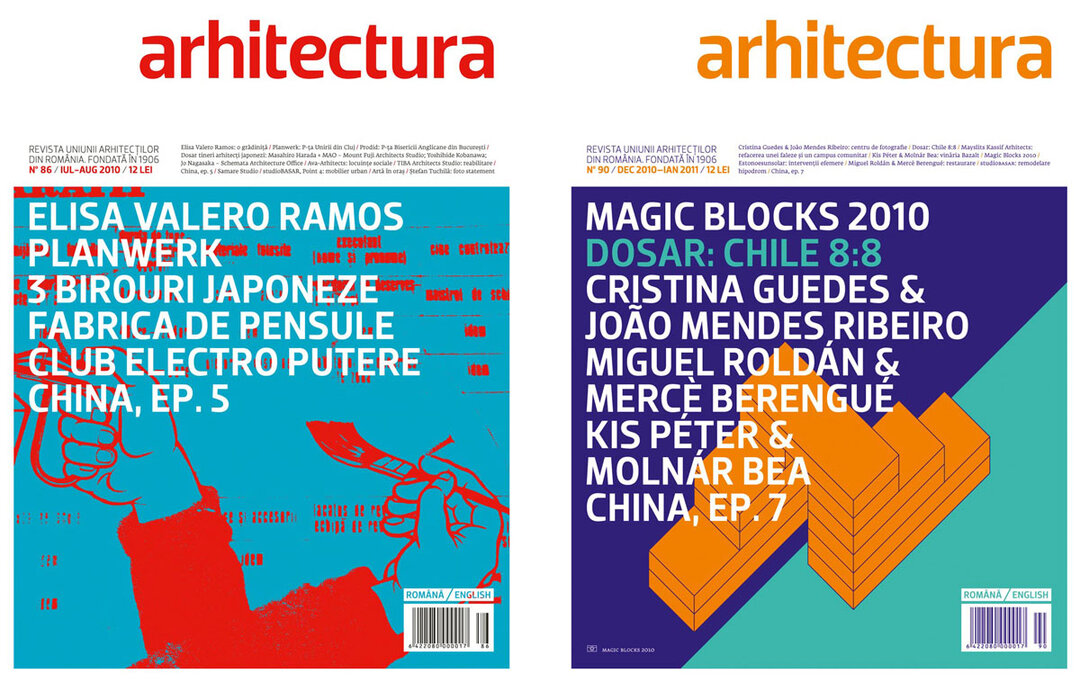
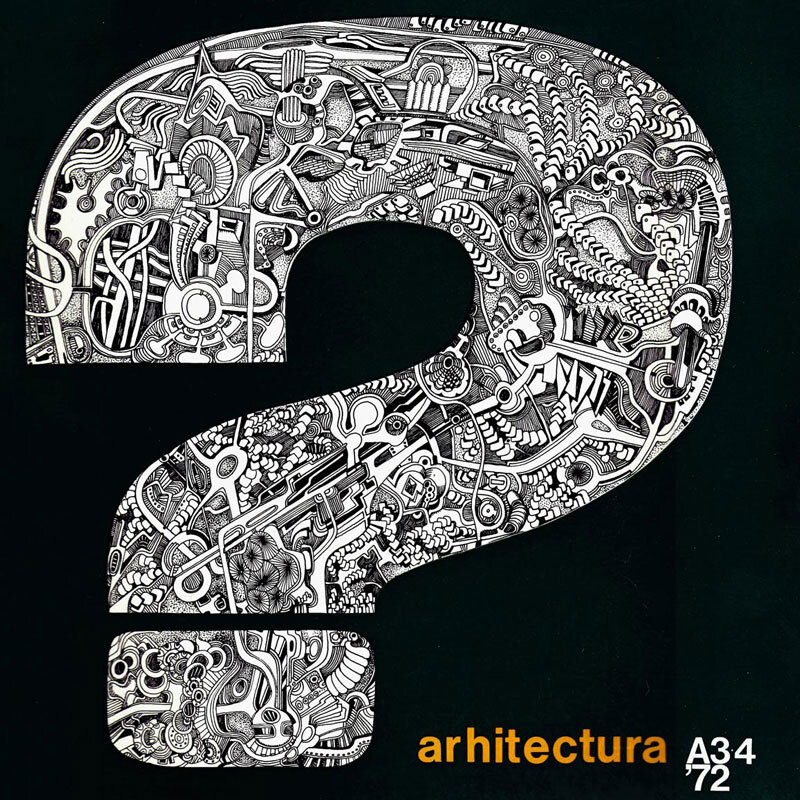
In "Arhitectura" I had published studies that were to become parts of my future doctoral thesis, as well as short essays, articles, commentaries. Whether or not my articles caused any censorship intervention there is unknown to me. In general, I don't know if and what kind of problems the editorial staff had with censorship - the best people to say would be the then editors of the journal, as many of them are still alive. I suppose that, insofar as they dealt with aspects of architectural history or theory, without a direct link to design practice and especially to the directives coming from the party leadership, the censorship intervention would have been rather formal. As proof of this, my doctoral thesis, circumscribed to the abstract field of the definition of architecture, could be published7 without any reference to the directives of the Party or its General Secretary. On the other hand, another book8, dedicated to some medieval fortresses on the Romanian territory, which I wrote in collaboration with prof. dr. dr. arh. Sanda Voiculescu and the historian Gheorghe David, did not get past the demanding editors of the Editura Militară without adding a few quotations from the party program and from Nicolae Ceaușescu's speeches. The chapter on the aesthetics of architecture, from the treatise on aesthetics published under the aegis of the Academy9, also passed through the censorship without any difficulty; but as I had had the spiteful idea of settling in Munich shortly before its publication, when there was nothing else to do, the publishing house felt obliged to spell out my name, naming the fictitious author Gheorghe Sărmășan and attributing the chapter in question to him.
Things were quite different when it came to literature: writers retained their status as free professionals (I wonder why the Marxist-Leninist classics did not think of founding state institutes to produce the much-needed revolutionary novels, novellas and poems in a planned way!), and since writing involves no material investment other than paper and plaivass10, literary creation is, in principle, subject to few limits and restrictions. All the more important, in any dictatorship, is the role of censorship in curbing this immeasurable freedom of the art of the word - which, unlike all the other arts, can acquire a terrible subversive force. As a writer, I too have had the opportunity to become acquainted with the scissors of the deer that watch over literary production, fatally manufactured. The Squaring of theCircle11, a collection of 36 short fantastical prose pieces, descriptions of more or less imaginary cities, put down on paper in 1969-1971 without any trace of self-censorship, appeared only after four years of wandering through several publishing houses, but only after the censors had removed ten texts from the book and mutilated the endings of two others. I recounted at length the winding history of this book - my best-known book, so far translated into four languages12 - in an afterword to the third edition, published in 2013. By way of anecdote, it is also worth mentioning my own mishap with the novel 200013: the then editor-in-chief of the publishing house (censorship had been "abolished" three years ago!) insisted that I should drop the prologue and epilogue, on the grounds that it would be ... immodest of me to do so, since the author appeared as a character. What is even funnier, however, is the fact that he also asked me to include a speech by a representative of Czechoslovakia in the final debate - on the grounds that otherwise the point of view of the socialist countries would have been missing from the whole book, which was unacceptable; but history proved me right: in 2000, the 'socialist camp' had disappeared and Czechoslovakia no longer existed. And neither did the Ceausescu dictatorship and its censorship.
NOTES:
1 See the transcript reproduced in Lucian Boia, Strania istorie a comunismului românesc, București: Humanitas 2016, p. 214.
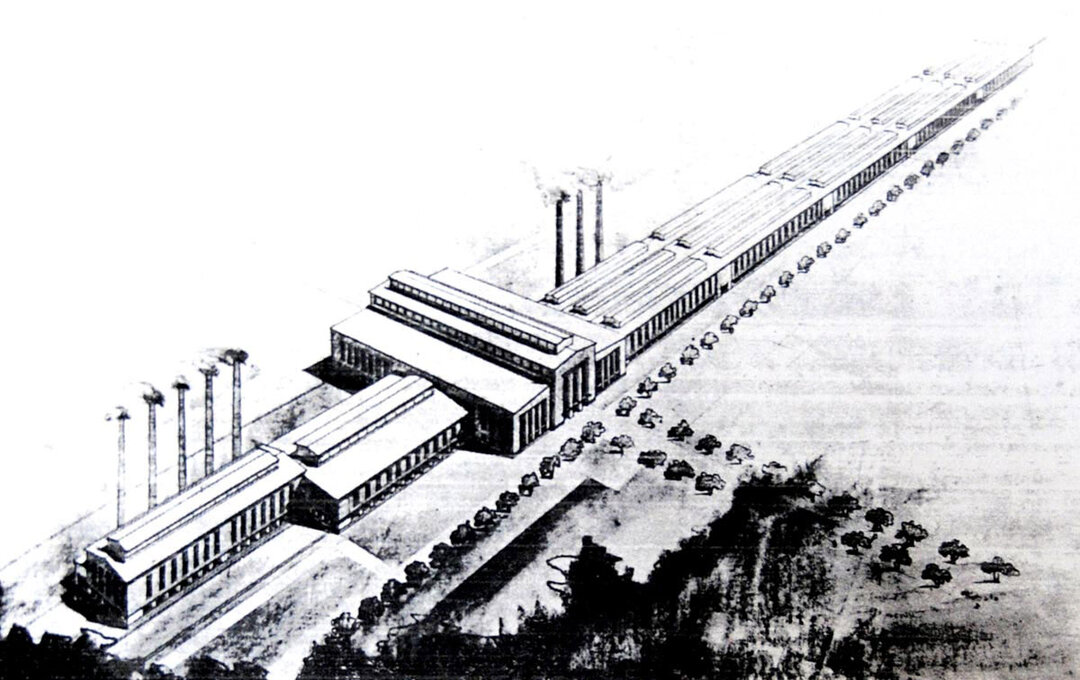
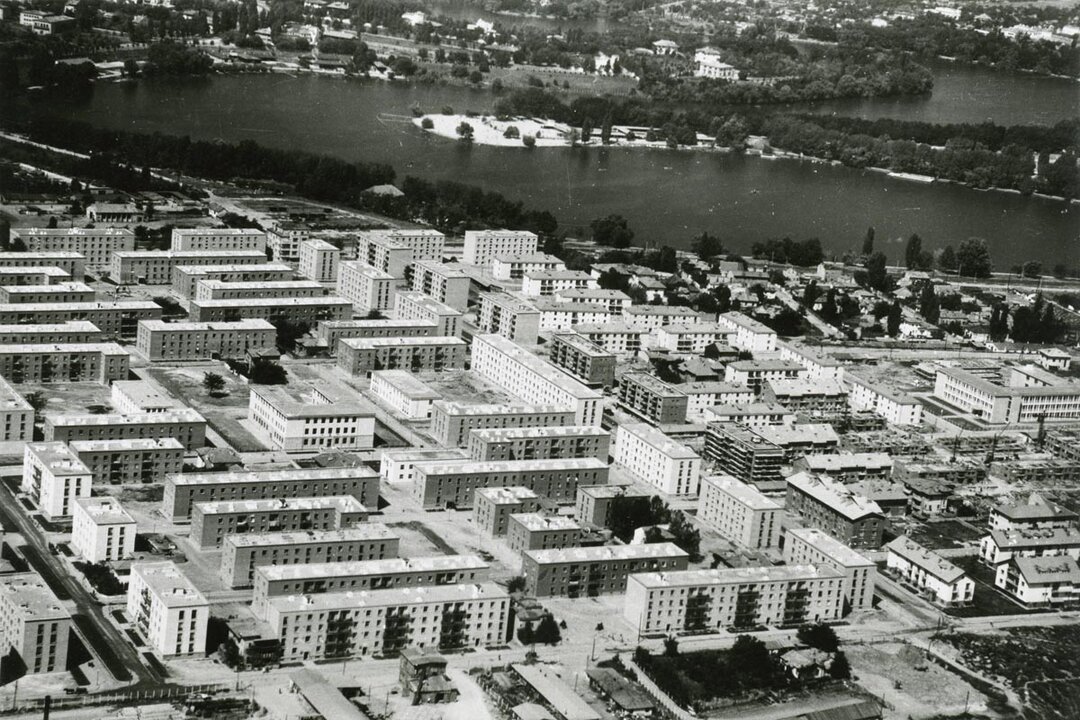
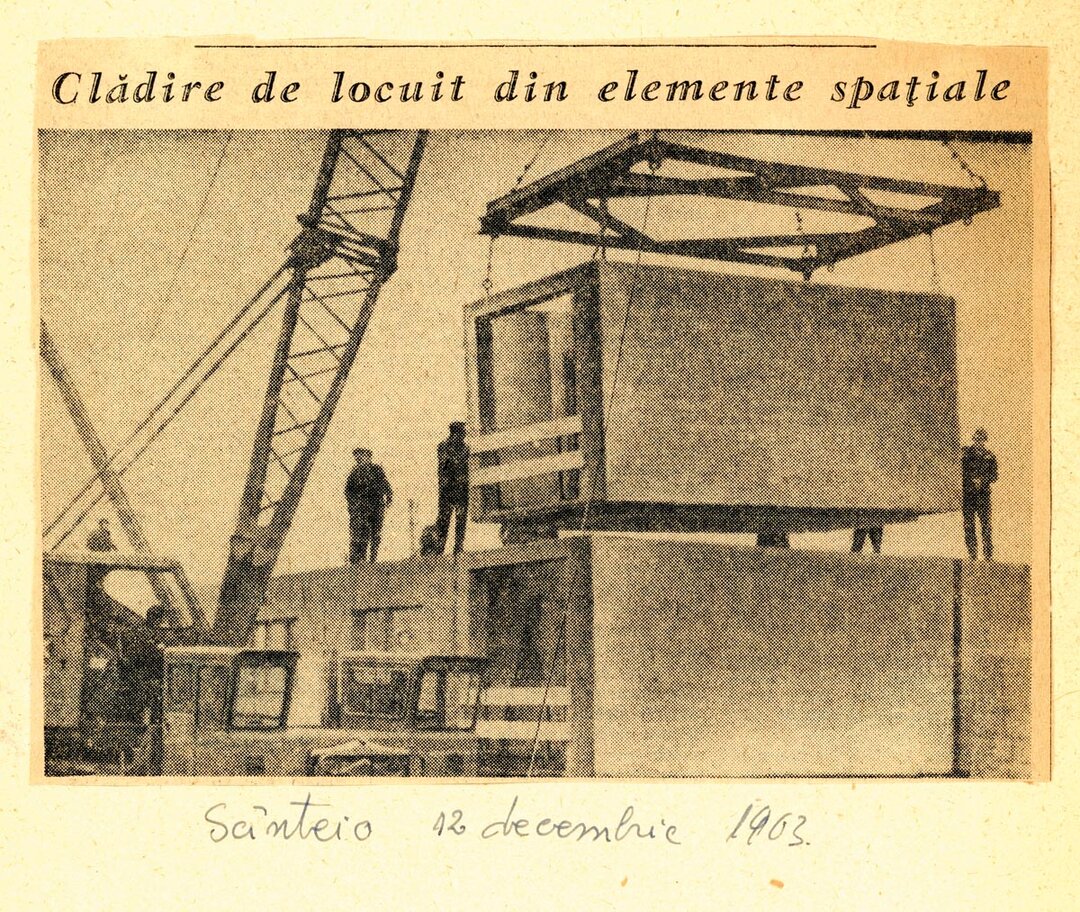
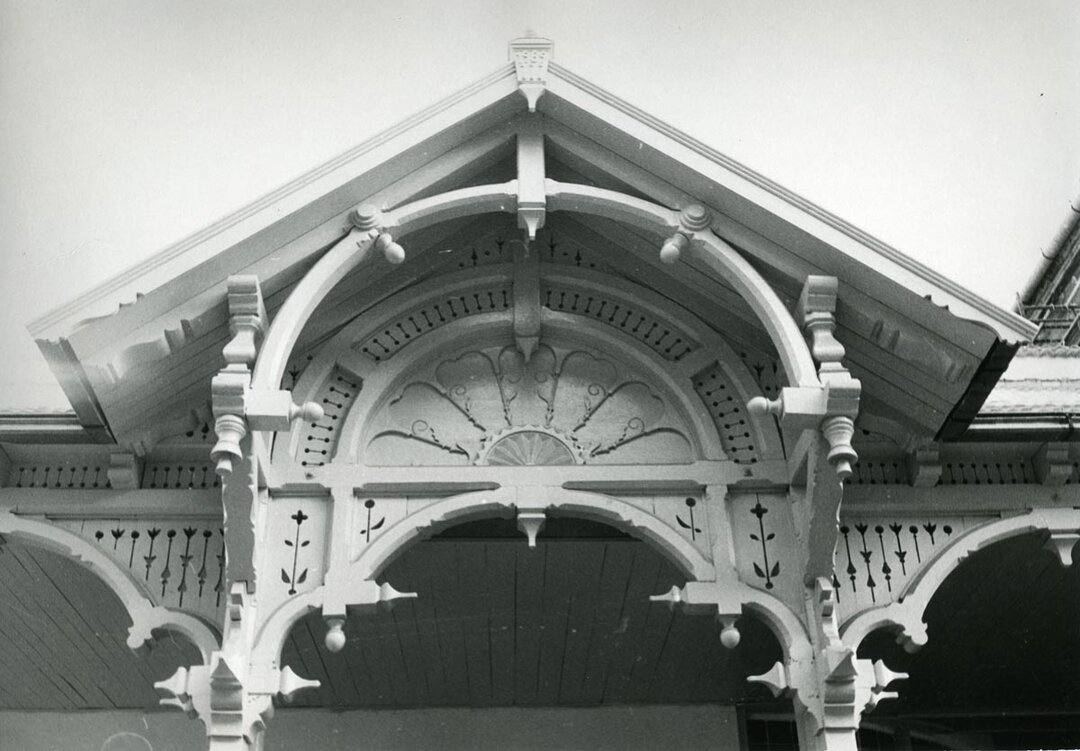
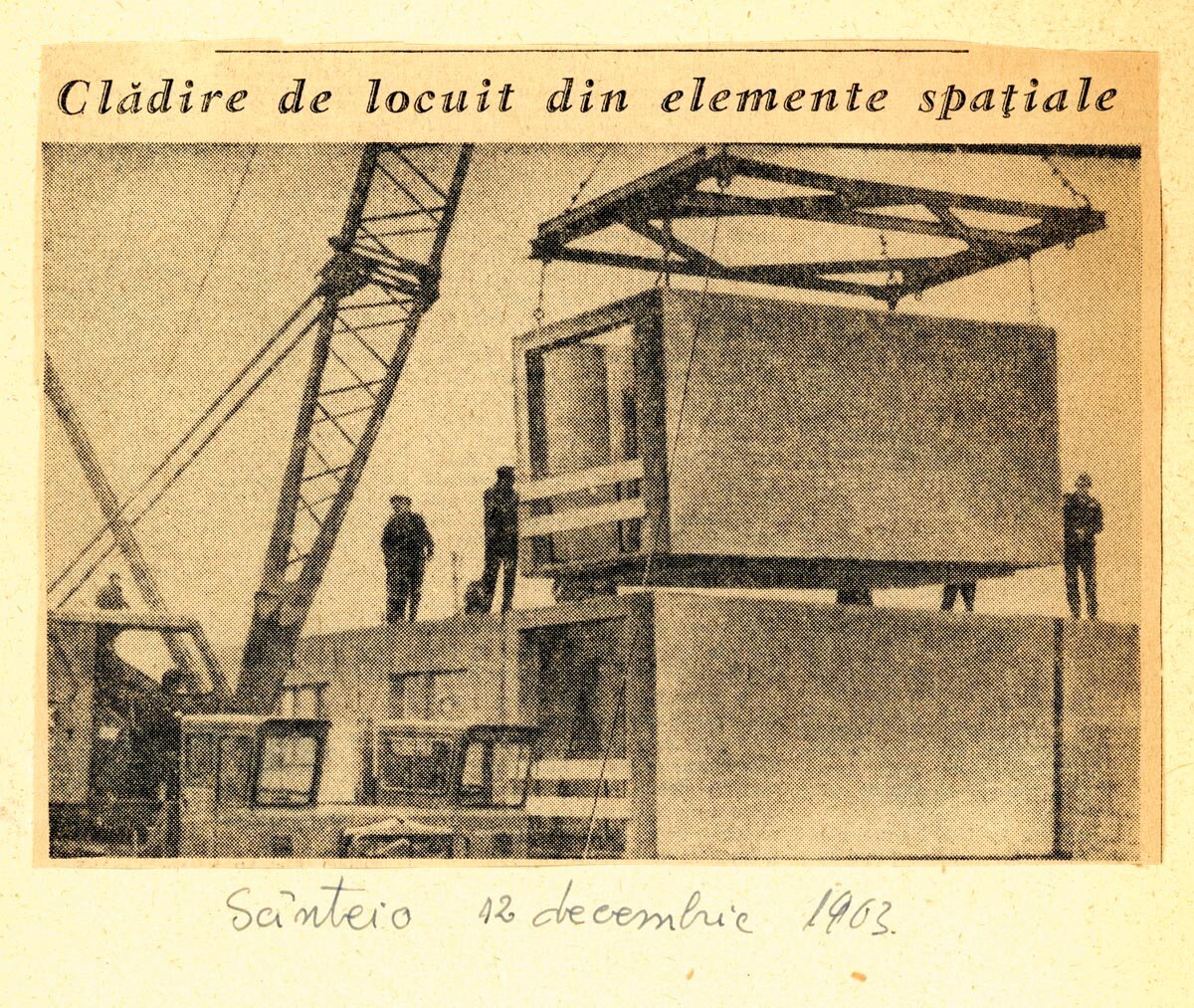
2 At the suggestion of the editors, the illustration of the article represents clippings from the newspaper "Scînteia", from 1963-1964, before the special column for architecture and urbanism was established. The images are part of a documentary material contained in the UAR Photo Archive.
3 Speck: the generic name given in the printing press to texts that have been collected and not yet scheduled for publication (from German: Speck = bacon).
4 I remember, for example, a text about the unauthorized constructions that were multiplying around Bucharest like mushrooms after rain, a text that I published in the magazine "Arhitectura" no. 4/1973, after it had been lying for two months on the shelf at "Scînteia".
5 Until March 1977, when, as we know, the General Directorate of Press and Printing was disbanded - in fact, replaced by an even more rigorous internal censorship, which at "Contemporanul" included the control of the tutelary body, i.e. the relevant directorate of the Council of Culture and Socialist Education.
6 I recounted the circumstances of my 'escape' in the novel Nemaipomenitele aventuri ale lui Anton Retegan și ale dossier său, Bucharest: Editura Nemira, 2011.
7 Gheorghe Săsărman, Funcțiune, Spațiu, Arhitectură, București: Editura Meridiane, 1979.
8 Gheorghe Săsărman, Gheorghe David, Gheorghe David, Sanda Voiculescu, Șapte cetăți sub soarele gloriei, București: Editura Militară, 1978.
9 Gheorghe Achiței, coord. Estetica, București: Editura Academiei, 1983.
10 "In other words, in order to write his work, he needs some sheets of paper and some pencils", Ana Blandiana said about the writer in her opening lecture at the 10th National Journalism Symposium on Censorship in the Press - Yesterday and Today, Cluj, October 28, 2011 (see: Ilie Rad, coord., Cenzura în România, Cluj-Napoca: Editura Tribuna, 2012, p. 20).
11 Gheorghe Săsărman, Cuadratura cercului, Cluj: Editura Dacia, 1975, censored edition; unabridged editions: Cluj-Napoca: Editura Dacia (2001), București: Editura Nemira (2013).
12 Gheorghe Săsărman, La Quadrature du Cercle, Paris: Éd. Noël Blandin, 1994; La cuadratura del círculo, Madrid: La Biblioteca del Laberinto, 2010; Squaring the circle, Seattle: Aqueduct Press, 2013; Die Quadratur des Kreises, Giessen: Verlag Lindenstruth, 2016.
13 Gheorghe Săsărman, 2000, Bucharest: Editura Eminescu, 1980.