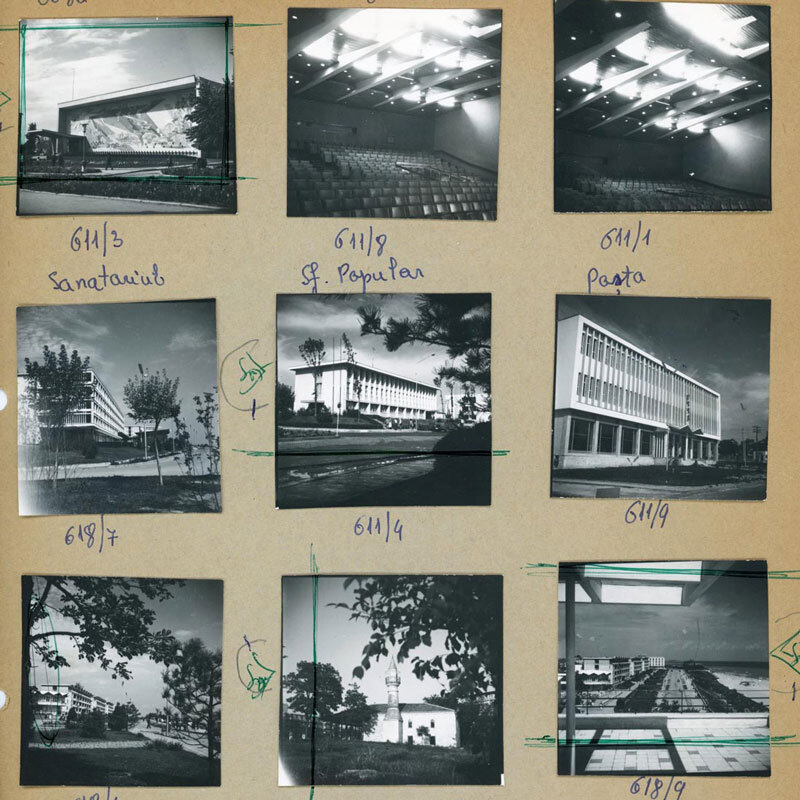
The photography archive of Romanian Union of Architects. Online and Offline

In issue 5-6/ 1991, the magazine "Arhitectura" published my article "Discrete resistance", an introduction to the material presented by my colleague Emil Anghel, from Arad, on his project for the Arta Cinema in Arad, which he had written in 1988. To be more precise, I was talking about the resistance to the pressures exerted on architects by the communist power or the economic and professional context, in the direction of systematizing towns and villages, the whole national territory. Finally, the idea was to completely replace the old urban and rural dwellings and ensembles with what was to correspond to the new communist doctrines.
The discreet dissidence: Fică (Ștefan Radu) Ionescu, editor-in-chief of Arhitectura in the 1980s |
| In 1991, an article about "Arta" cinema in Arad was published by Arhitectura magazine. It was a text written in 1988 by Teodor Octavian Gheorghiu. The article emphasized the resistance of Romanian architects towards political demands. Actually, the 1880s represent the period when a new architectural landscape, fit for the communist doctrine, was meant to replace the historical urban and rural tissue. As the author of the article acknowledges, this kind of texts was not an exception for the Arhitectura magazine before 1990 and the delay of the article was probably an accident. The editor-in-chief of Arhitectura was, at that time, Fică (Ștefan Radu) Ionescu. However, an overview of the 1980 Arhitectura magazine can be confusing without a close-up reading, due to the front pages of some of the issues, which were celebrating the presidential couple. Despite this, the headings of the magazine were sometimes in a clear contradiction to the urban interventions supervised by the political power. Teodor Octavian Gheorghiu argues this idea by mentioning that the headline of one of the issues of Arhitectura in 1984 was "Architectural Heritage". This was a time when demolitions in the center of Bucharest were initiated as preparations for the construction of the new civic center. In such a context, between 1984 and 1988, Teodor Octavian Gheoghiu, encouraged by Ștefan Radu Ionescu, published a series of articles having urban historical research and monument protection as main focus. Also, he was co-author of articles that advocated, more or less explicitly, for the monument protection. It seems to be obvious today for Teodor Octavian Gheorghiu, that in the 1980s, "only those who didn't want to take position by writing were not in Arhitectura's pages" because the editor Ștefan Radu Ionescu found a way to keep a balance between different opinions, politically oriented or not. It was, as the author of the article argues, a manifest of (professional) dissidence or, at least, a way to support the (professional) dissidence. |
It was the only article "with a message" that Fică Ionescu did not publish for me before 1990, and the reason escapes me; I probably caught the events of late 1989, when everything was blown up. Anyway, it was not fear or conformism on Fică's part; I always went to him with any kind of article, challenging, historical, protective, being sure that, despite the increasingly threatening atmosphere, he would find the best way to publish it. And not only to me...
Re-reading the article now, I remember the context of its appearance and why I was glad that it was published, even 1-2 years later and especially after the regime change: in the field of architecture, things were already starting to repeat themselves, and the message remained the same. I was past the euphoria of the revolution and I was beginning to discover how some of our colleagues, having moved from a single communist commissioner to several, capitalist ones, had fallen back, either theoretically or practically. In the very issue in question, proposals for Bucharest skyscrapers haphazardly planted in the historic center began to appear, or the importance of historic urban sites was being contested. Not only was not taking advantage of the disappearance of the "dictators" and the chance of new urban planning policies and the protection of monuments, but the ground was being prepared to demonstrate (once again) that a historic building or a historic ensemble can be an obstacle to the development and "free" practice of the profession. As a result, I felt the need to write that, like the communist period when it seemed that nothing could be done to protect threatened historic buildings or monuments, now (after 1989) in a context that was gradually becoming much more complicated and dangerous, resistance to the pressures of the moment (doctrinal, financial, economic, etc.) can be radical or discreet, a good professional being obliged to act in the best professional and moral way.
A few brief quotations, I think, describe the atmosphere well enough: "Until December 1989, one of the frequent questions asked by a category of Romanians was: ' What can be done? Whatever the answer, there was at least one correct way of putting the problem: that of not letting oneself be dragged into an action that was becoming aberrant... The reaction of those who sought alternatives ranged from the radical to the persuasive. None should be judged except by results, and the results of the discreet ones, after all, can be counted as equally important" (p. 45). I was thus introducing the text of my colleague Anghel ("Spirit of the place"), in which he showed how, pressed by the theme that would have required him to demolish a historic building in Arad, he had found an ingenious solution to translocate it, saving it. A small but significant gesture of professionalism.
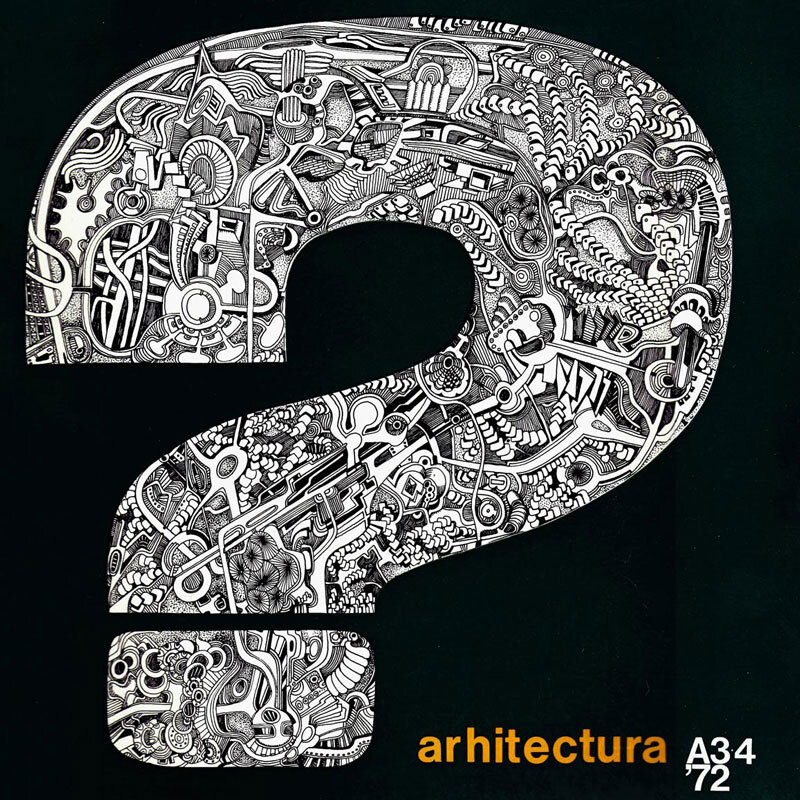
At the time I thought only of the few architects who had acted correctly, discreetly or radically, and tried to set an example. Now, recalling some of the scenes from my work for the magazine "Arhitectura" in the 1980s, I realize what a fierce struggle was waged by the entire editorial staff, but especially by its editor-in-chief, Fică Ionescu1, who was primarily responsible for the content of the magazines, to maintain a minimum of professional decency and to express diverse opinions, even contrary to the official one. It was a struggle which, if it was to have any results (only in the context in which the journal continued to appear) under the conditions of the control exercised in the field, could only be discreet. Those who do not carefully read the magazine "Arhitectura" of those years may be fooled by the opening pages of some of the issues, paying homage to the figures of the two leaders, such as: "Unanimous and warm homage to the high celebrations of January" ("Arhitectura", no. 1/ 1989), which referred to the birthdays of the two leaders. After a few pages of tributes and photographs of urban and architectural achievements of the period, the usual theme followed.
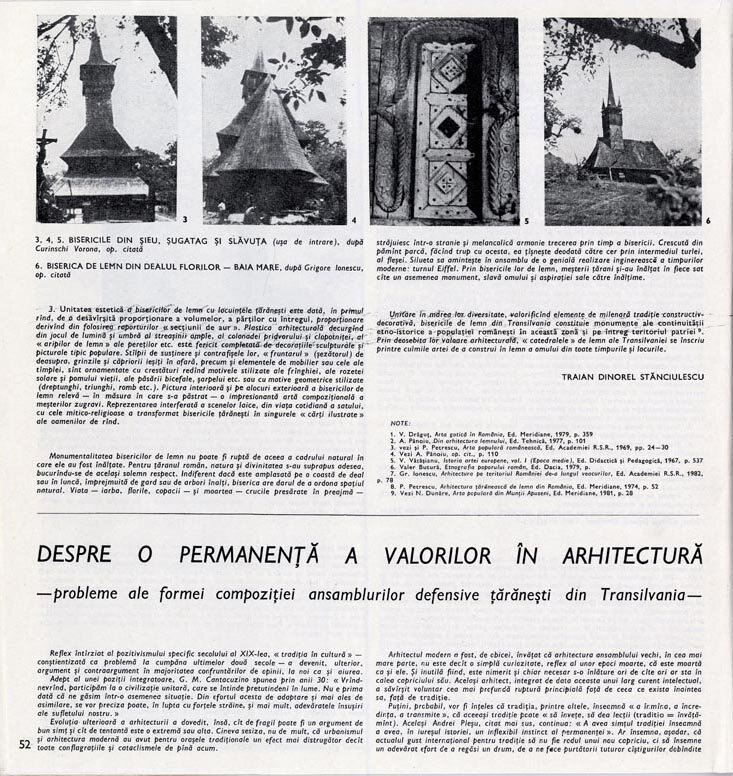
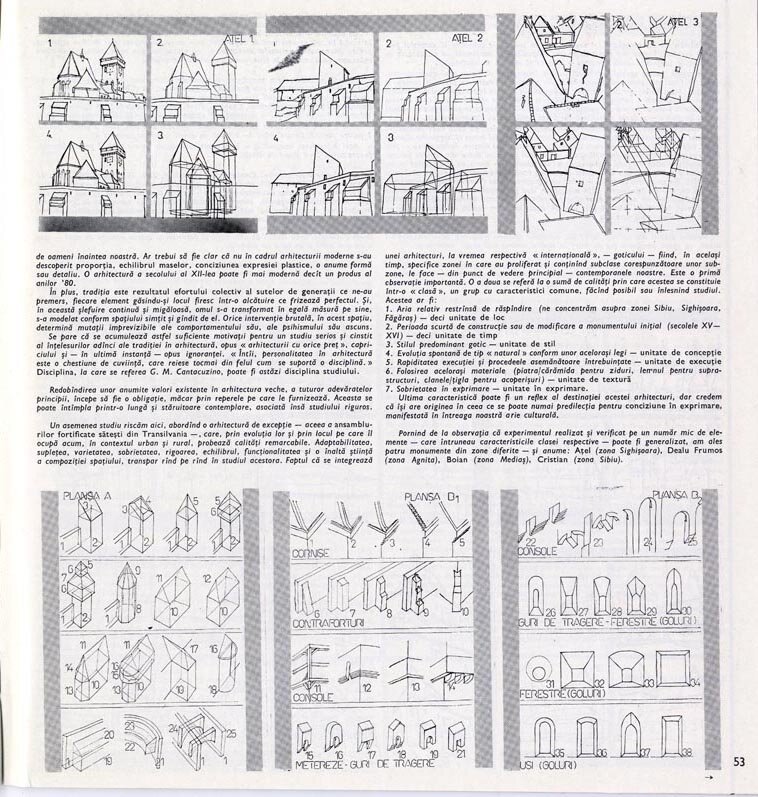
Two pages from the article "About a permanence of values in architecture - problems of form and composition of the Transylvanian peasant defensive complexes", in "Arhitectura" no. 2/ 1984, p. 52-53
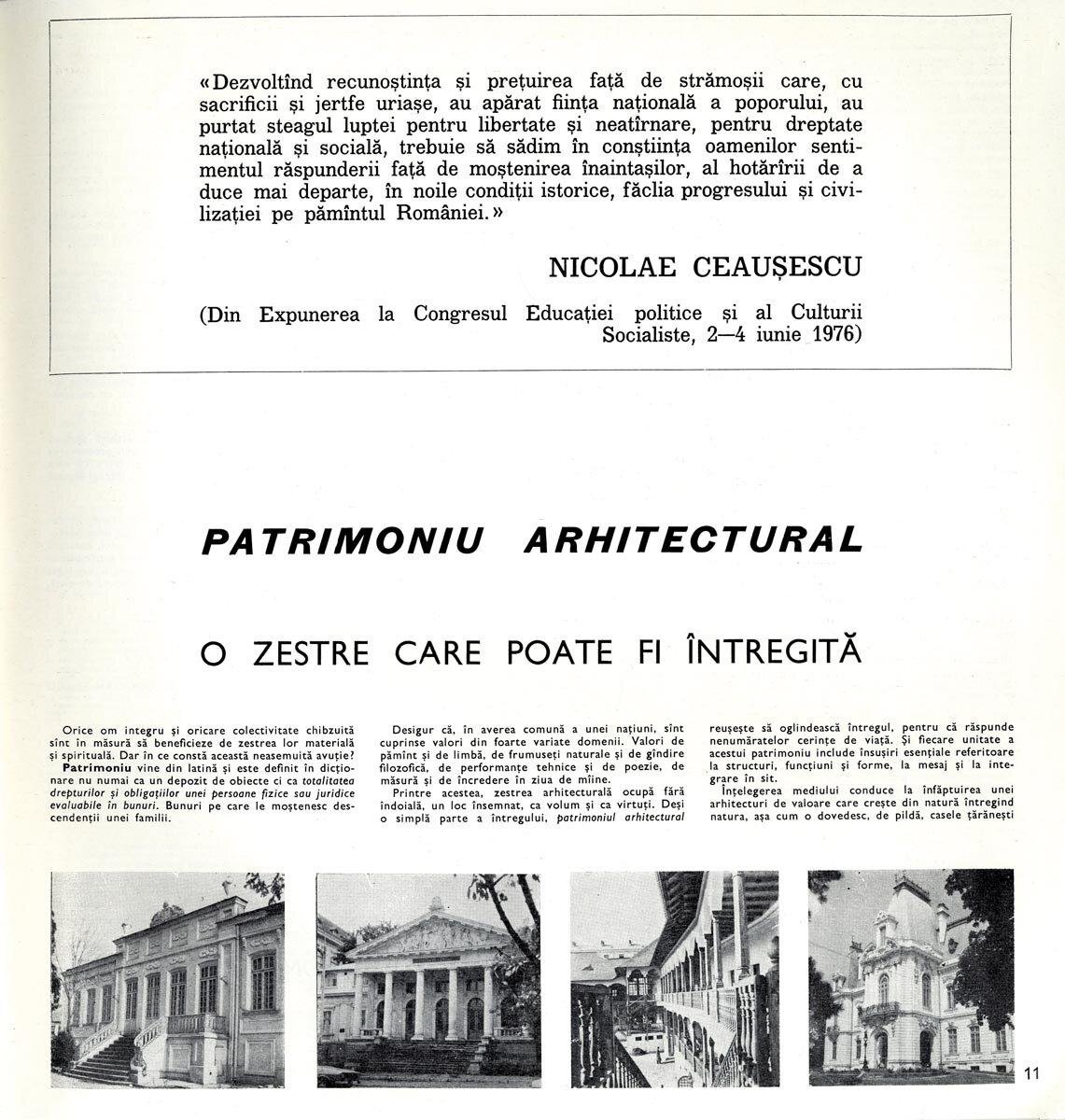
Moreover, in issue 1/ 1984, when the systematization of the centre of Bucharest had been under way for several years (demolitions in the Antim-Schitul Maicilor area had begun in 1982), on the opening page, under an inspired quotation from Nicolae Ceaușescu: "Developing gratitude and esteem for the ancestors who [...] we must instil in people's conscience a sense of responsibility for the legacy of their forefathers..." (excerpt from a 1976 presentation), followed the first article ("A dowry that can be made whole", by Aurelian Trișcu), on the theme of the issue: "Architectural heritage". Could a better means have been found to get the process back on track? Obviously not, even in a democratic publicistic atmosphere. It was a message of exceptional clarity and using as its benchmark and argument precisely the official doctrine displayed up to that point.
Lest there should be any doubt about the message, inside the magazine there were several articles with equally explicit content, many of them about Bucharest itself, which was to be subjected to systematizing submission2. I remember at the time I was enthusiastic about the issue in question, especially since I had seen and photographed the beginnings of the demolitions in the area of the future "Victory of Socialism" axis. I thought that the message, which was more than clear, was all the louder because it came from the "unofficial" Union of Architects. Now, apart from the messages of some foreign channels or letters of protest from Romanian intellectuals addressed to party leaders, the Union could have really influenced the leaders' position. Now I realize that none of those involved (the magazine "Arhitectura", the editor-in-chief, the authors of the articles, plus the readers) really knew what to expect and how events would evolve, but they sensed the danger and reacted according to their beliefs. I didn't realize at the time that this was one of the last "explicit" messages which, as the pressure gets tougher, will be replaced by another generation of messages, discreet, let's call them "subliminal".
Ștefan Radu Ionescu succeeded Professor Mircea Lupu as editor-in-chief of "Arhitecturii" in the early 1980s (I think in 1982), i.e. exactly when the national systematization program was beginning to take shape, and for Bucharest it had become quite clear. Although it would be interesting to debate the causes of the change of attitude of the heads of state (quite abrupt after 1975-1977), this is not the place to attempt to do so. What is certain is that the roles of architects and their Union were becoming extremely important in the process, and we all felt that everyone's opinion and reaction began to count, whether as the head of an institution (in administration, ministries or design) or as a simple executor. It is not the place to make this radiography of the role of some or others in this effectively dramatic process, but it must be firmly said that, as far as the Romanian architectural environment is concerned, the conceptions that historic areas (especially the central ones in extra-Carpathian cities) are late-built (19th century), architecturally unvaluable urban areas and that they are unhealthy were generated by professional circles and have insinuated themselves into the political, administrative and social circles since the 1980s, preceded by similar inter-war conceptions. In that context, the role (of informing or even educating, of correcting extremist opinions) of the only official journal in the field became major. Fică Ionescu probably thought the same way, but it is certain that he acted in this direction; even if discreetly, he was tenacious enough in his actions, at least not to ever reproach himself for his obedience to the authorities or for not doing what was worthy of his position. Thus, the magazine "Arhitectura" became (again) widely read, and in addition to a platform for the free expression of opinions, even a platform for protests.
In order to be able to assess the situation accurately, it is necessary to make precise references to what constituted the "group" opinion of the majority of Romanian architects, who disdained (either sincerely, interestedly or obediently) the old historical ensembles. Proof of this are their beliefs expressed in the same magazine "Arhitectura" in the years '81-'82, when no explicit pressure was yet felt3. The majority simply did not consider there to be an urban 'historic center'. The city as a whole was to be a field of action for architects. The authorities took advantage of this majority opinion of the group of professionals most involved in systematization or, I think, even drew inspiration from it. As for dissenting opinions, they were not excluded; they simply had to be expressed and Fică found a way of inserting them in the magazine. In any case, "Arhitectura" was perhaps the only cultural magazine in those years in which "church" did not become "cult edifice" or "monument" and the monastery did not become "cult ensemble" or "monumental ensemble". Even this alone meant verticality, but the few examples I have selected from the "Architecture" of the 1980s complete the moral profile of Ștefan Radu Ionescu, who made it possible for other dissidents, equally discreet but determined, to express themselves publicly. Who had ears to hear...!
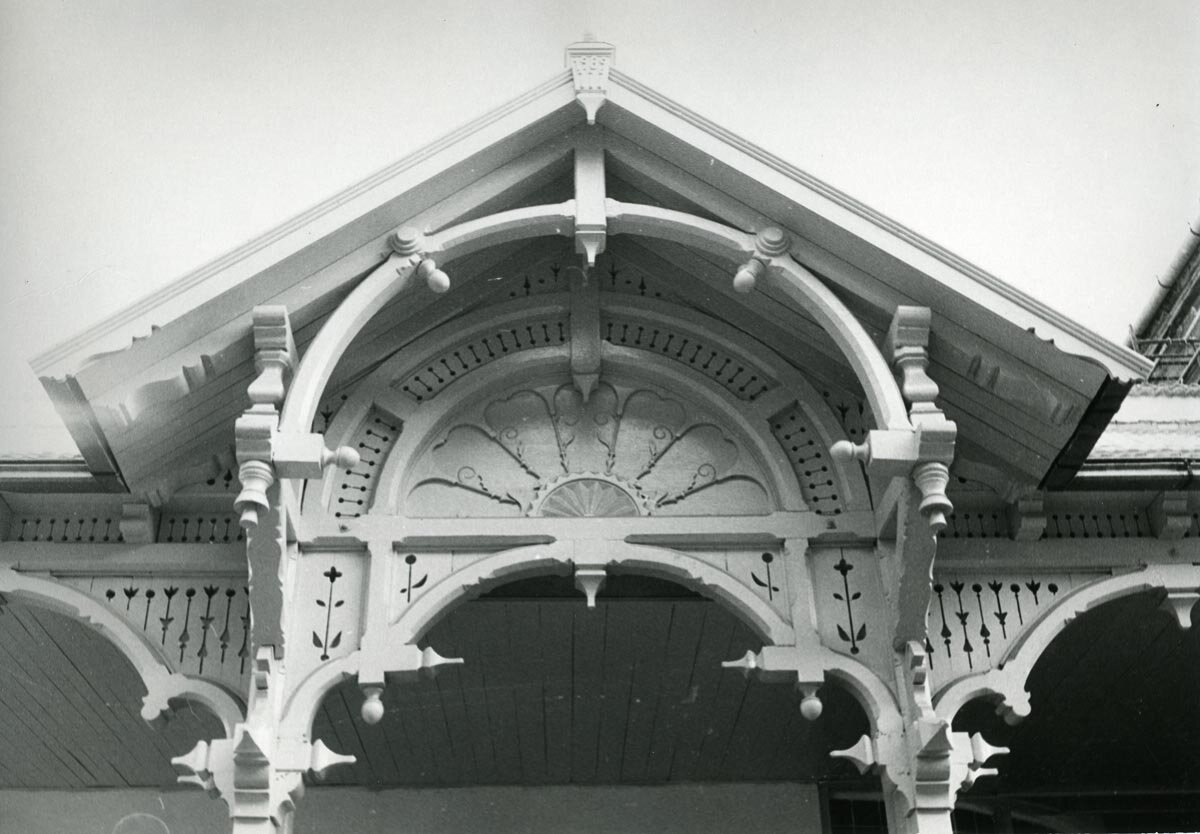
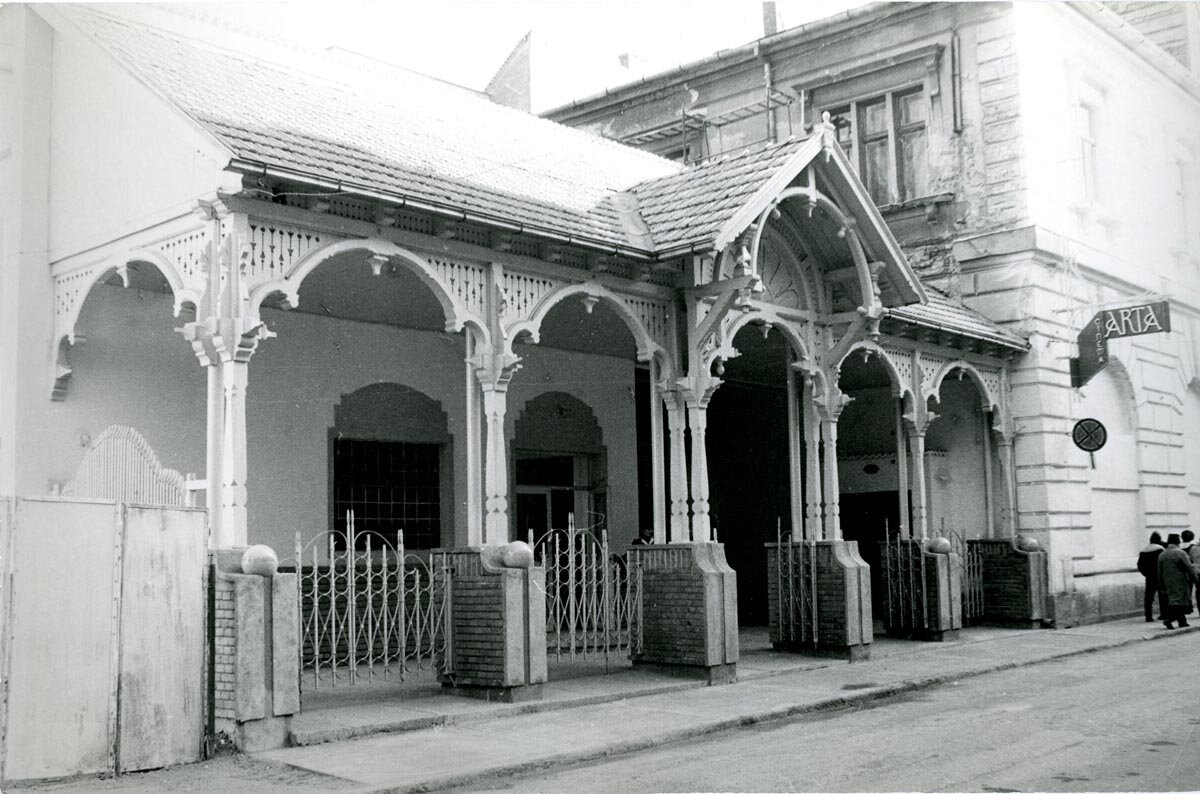

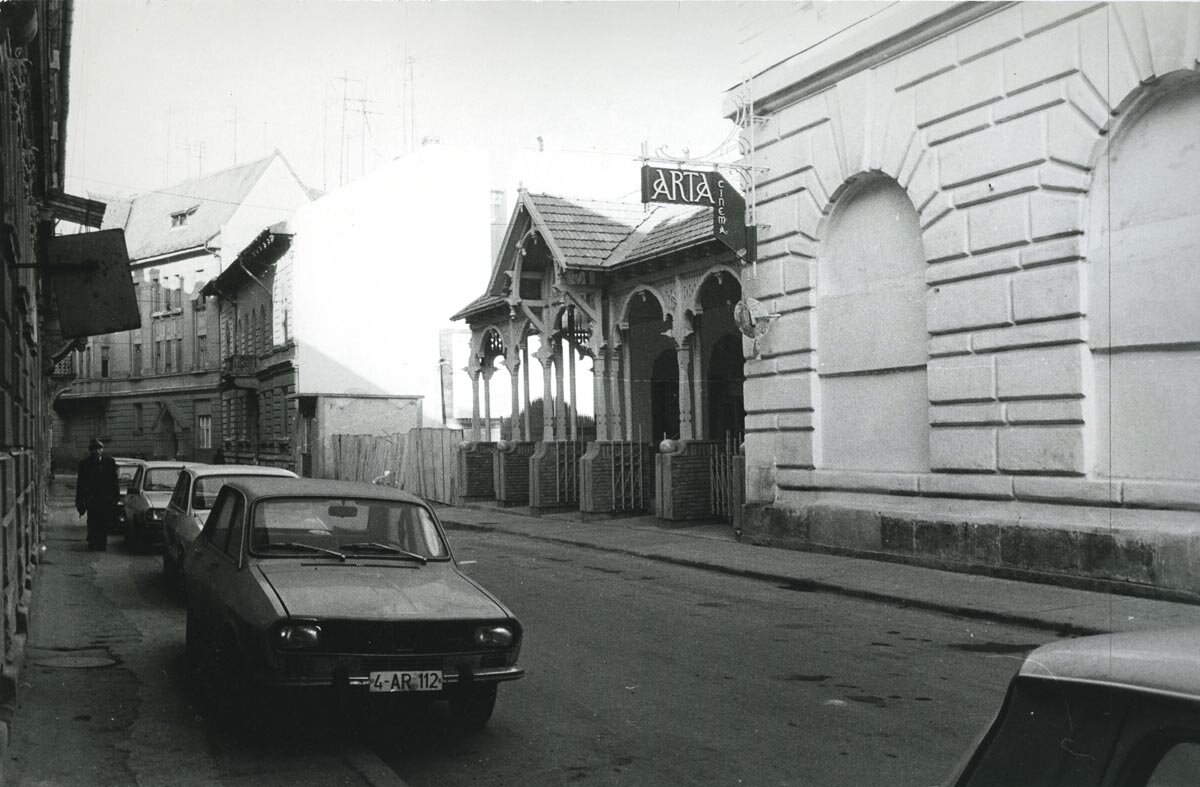
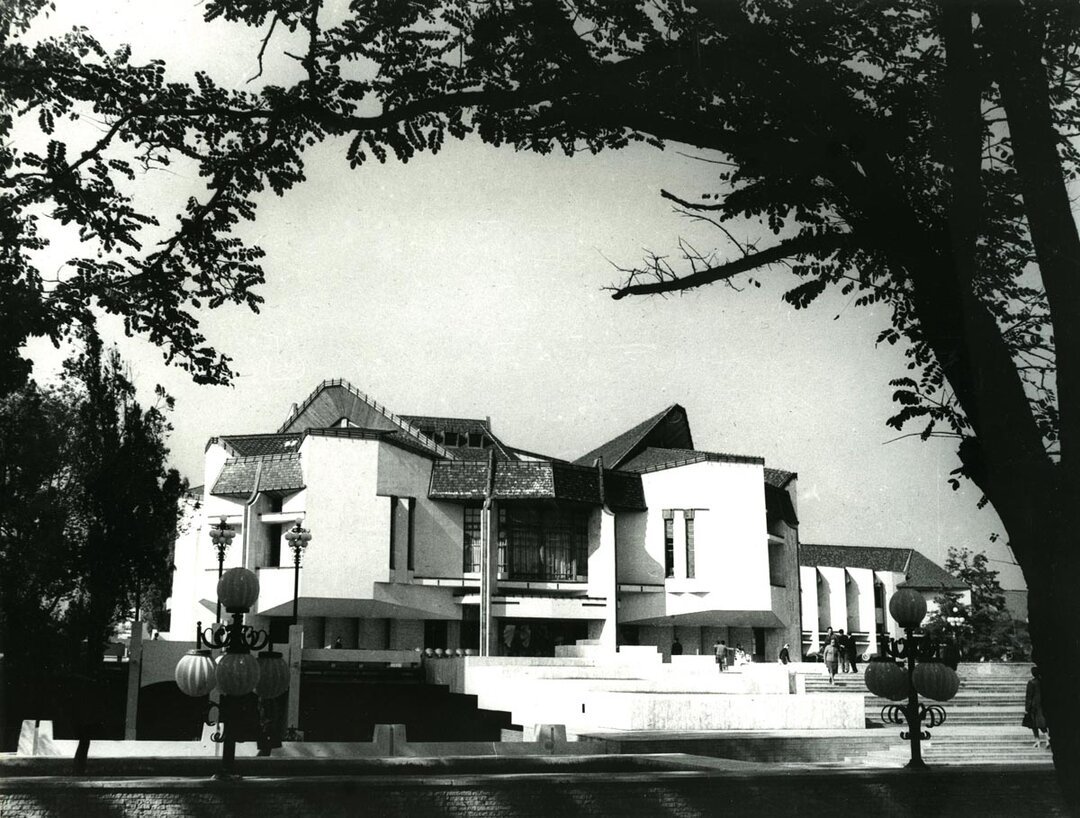
Art Cinema, Arad. Images from the Photographic Archive of the UAR, published in "Arhitectura" magazine, issue 5-6, 1991
If Bucharest and the big cities were the main targets of systematization, the small towns did not escape too easily, and the cause was either the desire of local chiefs (city or county mayors) to be parvenu, or the unbridled creative drive of some architects. I know enough examples of both categories, as well as examples of local or Bucharest architects who have expressed themselves freely, more or less veiled, against systematizing excesses.
A first example would be Rădăuți, a small town in the north of Bucovina, a repository of remarkable urban and architectural values. At the beginning of the 1980s, the proposals for the layout of the historic centre were close to the historic centre, but the architect Sorin Pentilescu published an article in which he pleaded for the preservation of as much of this heritage as possible, and the way things have evolved and the result (today the centre preserves much of the old fabric) may prove that the intervention served a purpose4.
In the category of medium-sized cities, but in the sights of power, Târgoviște stands out as a result of its desire to be transformed into a regional capital of Romania. I remember the desperation of many (as in the case of Suceava and Alba Iulia) and the feverishness (of some) in finding solutions to protect the most valuable elements or as much as possible of what was threatened to be jeopardized. In this context, I have noted the article signed by Ina Hariton and F. Cristian, in which it was stated unsaid: "...it is unacceptable to rush to demolish without looking back, in old cities...", making a clear reference to any city with a historic center and, in particular, to Târgoviște5.
Pitești is another example of a city in which there has been a bitter struggle between the powers and its architects on the one hand and the professional resistance on the other. In addition to the book written by Eugenia Greceanu and published thanks to the correct gesture of another "in office" dissident (Prof. Dr. Florian Georgescu, director of the National History Museum)6, the magazine "Arhitectura" also featured an article by Andrei Pănoiu, who tried to provide arguments for a rational systematization of the city, drawing on similar stories from 19th century Pitești7.
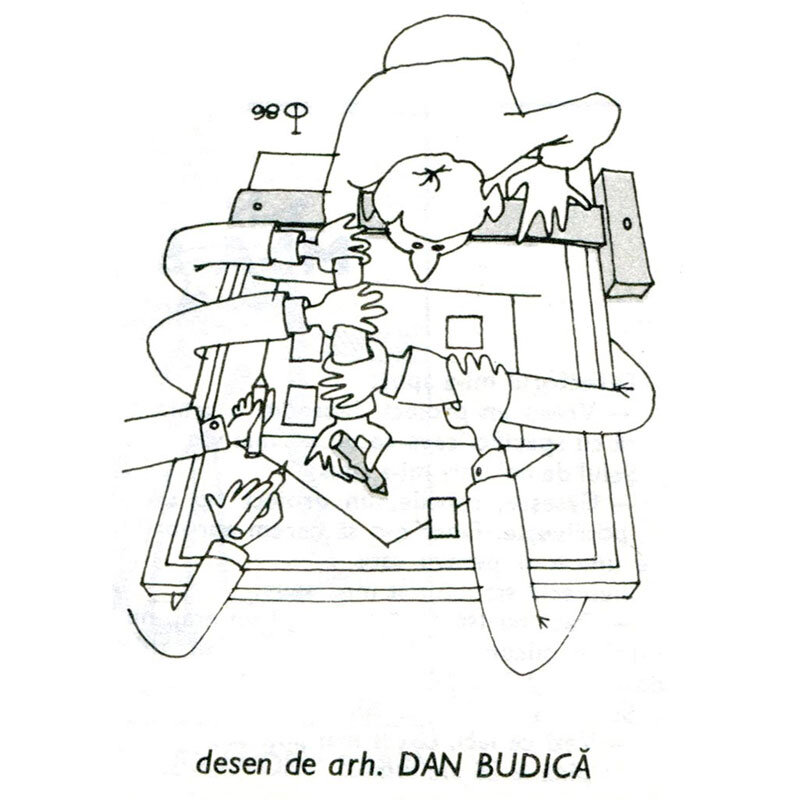
In the same issue of "Arhitectura", in which some of the architects who were planners (but with the claim of "creators") presented their arguments for the systematization they proposed for the historic center of Craiova (which was to disappear completely), many opinions of their colleagues appeared, expressing respect for the central historic ensemble and all the other historic architectures of the city. Among them, the architect Dan Budică published a very good study on the evolution of the city and the place occupied by its historical monuments8.
In the same questionnaire carried out by Vasile Mitrea for Iași (mentioned above), apart from the majority of architects who perceived only their present and future achievements (one of them considered the historic center of the city as a "huge maidan" that the architects of Iași can take advantage of to express themselves freely), some opinions reflecting respect for the values of the historical fabric of Iași9 also made their way in the questionnaire. Unfortunately, the scale model of the systematization of the historical centre (Old or Lower Fair) published on that occasion was mostly materialized, and the "active" architects won the day. Not the "nostalgic" ones. Despite this outcome, the actions of Vasile Mitrea10 and "Arhitectura" magazine were irreproachable examples of professionalism.
At the beginning of the article I mentioned in passing my relationship with Fică Ionescu, at a time when I was becoming interested in the history of urban and architectural history and trying to publish the results of personal studies or simple observations. In order to better define Fică, I need to develop the subject a bit.
I begin by saying that, at a time when I was uncertain, when I was not always able to find the best way to express myself, when I was excessively circumspect about the quality and finality of my studies and, above all, the quality of my expression, Fică Ionescu was one of the few who gave me courage. I remember that once, after a couple of published articles, I dared to ask him what he thought of them and he said something like this: "Mr. Architect, go ahead, I like your writing". So I went ahead and, between 1984 and 1988, I wrote, and Fică Ionescu published about 10-11 articles just on the subject of city history research and monument protection.
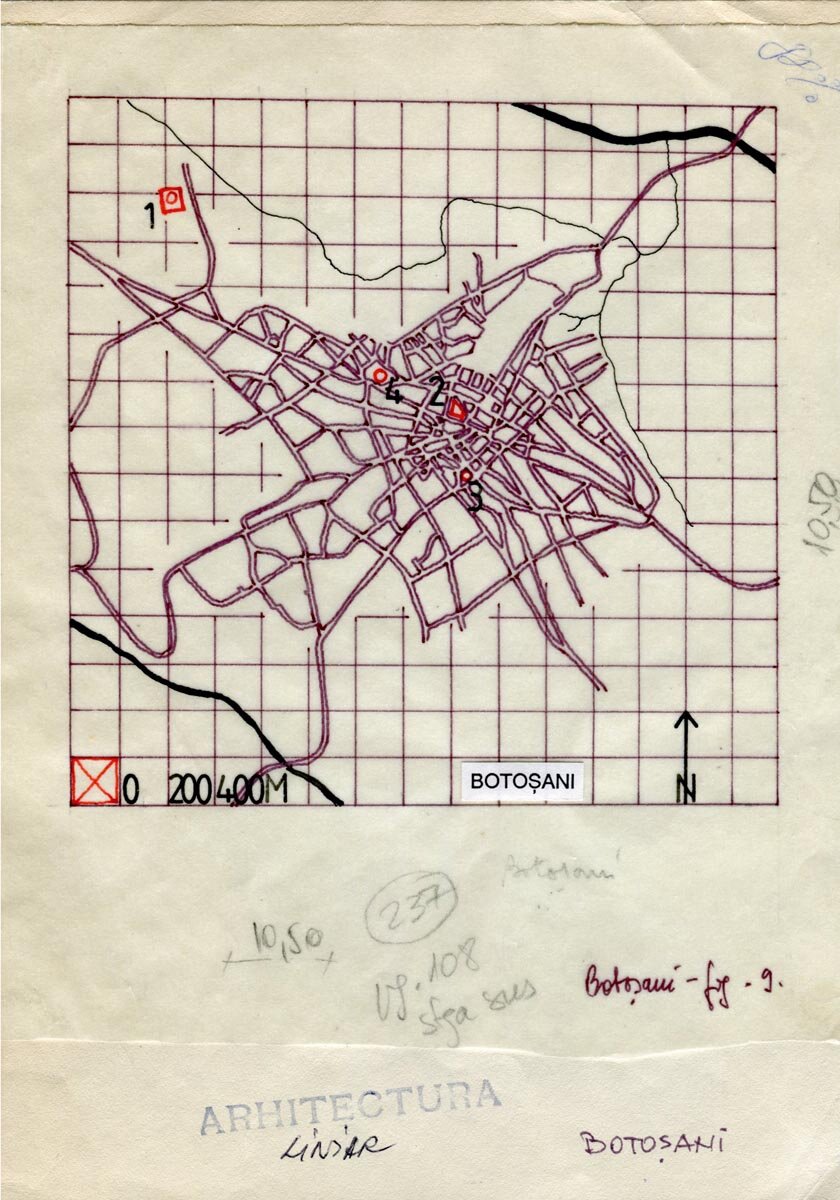
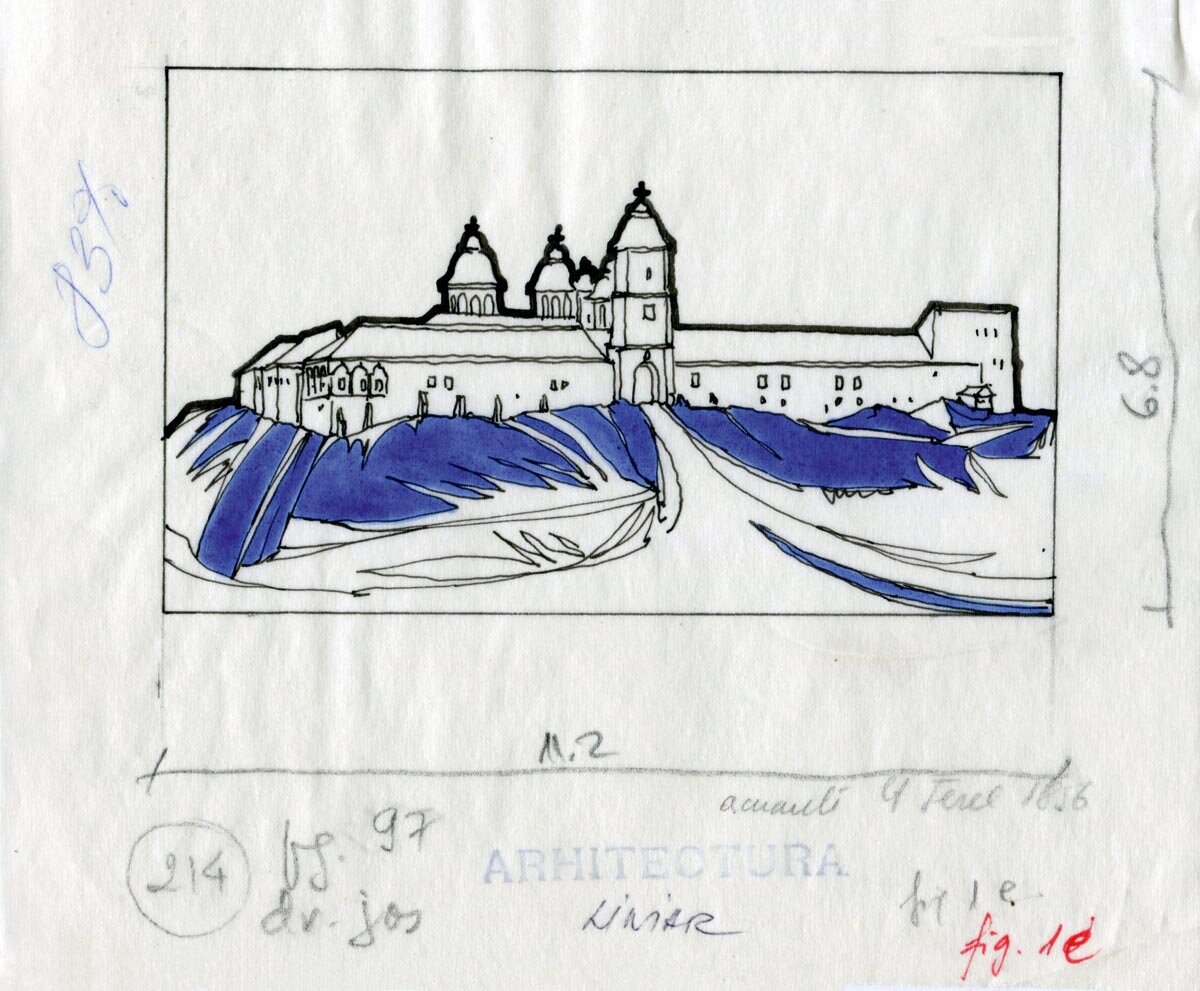
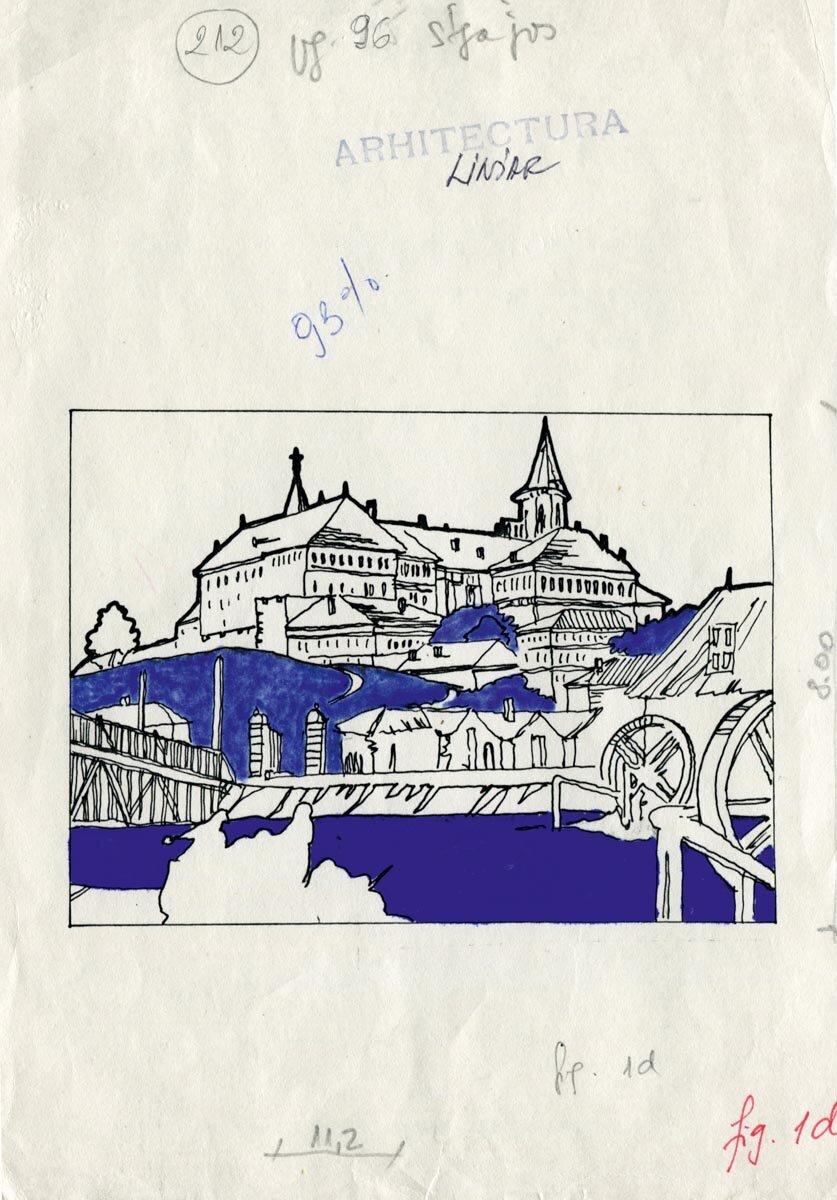
I think it is worth mentioning the subjects of some of them, as long as they were the beginnings of larger studies that ended in a PhD and a couple of books. In the first place, being already at the Buzău County Design Center (therefore a "planner" in charge of the details of the systematization of the historic center of Buzău) I discovered the necessity, even the obligation to study the history and morphostructure of the city before proposing anything. Thus were born the articles "Buzău - the medieval city", in "Arhitectura" nr. 1/ 1986, "Study method and models of the genesis of some extracarpathian Romanian medieval cities", in nr. 1/ 1988, then, as an example of the method, "Case study Pitești", in nr. 3/ 1988, proposing to continue (in manuscript already existing) with other case studies. After '90, the doctorate intervened and I oriented them towards it.
In the field of architectural history, my dearest subject was and still is medieval defense architecture, which I was discovering (scientifically) by frequently unconventional methods. This is how the articles "Refuge and defense architecture - the Râmnicului Sărat and Nishcovului valleys - Buzău", in "Arhitectura" no. 1/ 1985, "Monument....", in no. 6/ 1986 (about the Hrisoscoleu mansion in Buzău, abandoned and in the process of demolition), "Underground architecture" in no. 4/ 1988 (about the medieval urban underground networks intended for refuge). In the same register of the research of the built heritage in Romania there was also a theorization on the qualities of the compositions of some medieval ensembles, based on a combination of the theory of perception in one's own vision and interpretations of informational aesthetics, in the article "About a permanence of values in architecture - problems of the form and composition of the peasant defensive ensembles in Transylvania", in "Arhitectura" no. 2/ 1984.
Finally, I collaborated with fellow architects in writing articles which, in the form of essays, more or less explicitly militated for the protection of urban built heritage. "Traveling", in "Arhitectura" no. 5/ 1986, and "Exces de cărăbrică?", in no. 3/ 1987, were written together with Emil Anghel from Arad. The first one demonstrated, through a series of interior photographs, the virtues of a historic space in Arad, and the second one explained the virtues of some brick facades of buildings that were to be demolished in the city center, in the hope that they would be saved. It wasn't enough. "Conversation with the architect Sorin Gavra", in issue no. 6/ 1988, was a discussion - a pretext - to evoke, once again, the outstanding qualities of rural architecture in the Apuseni Mountains, which Professor Gavra had been studying for decades, including through prolonged student practices, which managed to correct the mentalities of many future architects in the Timișoara school.
From what is related here, one fact is beyond any doubt: only those who did not want to express themselves in writing were not published in "Arhitectura" in the 1980s, as Fică Ionescu found the means to strike an elegant balance between opinions that were partisan to official policies in the field and reserved or even contrary opinions. In my opinion, it was a form of being dissident and supporting dissidence or, at least, of being a good (including morally) professional. It is certain that, as time went by, from 1985 onwards, the weight of the dissenting articles decreased in favor of presentations of the architectural productions of the period (in which the most important architects of the time clearly participated and in the most dedicated manner), but even here I do not consider that it was exaggerating, except for the homage issues that could not fail to appear, in order to keep the magazine going. In any case, the magazine "Arhitectura" of those years is a faithful mirror of the tense and contradictory atmosphere in the fields of architecture and urbanism in Romania.
For me, Fică Ionescu remains a mentor, thanks to whom I was able to express myself in public, almost without any kind of restrictions, even in the most difficult period of post-war Romania. Through him, I believe that I have acquired the courage to study and express my opinion.
NOTES
1 Editor's note: arh. Ștefan Radu Ionescu, editor, took over the coordination of "Arhitectura" from issue 1/ 1982, but remained as editor, as recorded in the technical box, up to issue 5-6/ 1989 inclusive.
2 Sanda Ignat, "Coordonate actuale ale politica de conservation integrative de conservation integrative de patrimonului arhitectural", (p. 12-13), Paul Gherasim, "Frînturi de gând" (p. 14), Peter Derer, Dan Zamora, "Fondul locativ tradițional, stare-valore-utilizare" (p. 15), Răzvan Theodorescu, "Un capitol al historiei nescrise: monumentul de arhitectură între morfologie și ideologie"(p. 16), to which were added some rehabilitation proposals for the Curtea Veche-Lipscani area (Gh. Leahu, p. 17-19), the urban area around the Curtea Veche (Nicolae Pruncu, p. 20-21), Calea Moșilor (Peter Derer, Dan Zamora, stud. Nicolae Barbu, p. 21-23). Finally, there followed a dialog with Ștefan Balș on the restoration of historical monuments (by Cristina and Ștefan Mănciulescu, p. 23-27).
3 Conclusive are the opinions expressed by Iasi architects interviewed by Vasile Mitrea ("Iasi architects have their say", pp. 32-36) in "Arhitectura" no. 2-3/ 1981, pp. 32-36 (Mircea Lupu was then editor-in-chief of the magazine, and Fică Ionescu was - for a long time - a member of the Editorial Board), or those of some Craioven architects in the article "Anul 2000 nu vine numai pentru arhitecți", in "Arhitectura", nr. 3/ 1982, p. 19-24, or those of V. Voia, "Zona centrale Calea Unirii - străzile 30 Decembrie, Maxim Gorki, Olteț", in the same issue, p. 27-30.
4 Arh. Sorin Pentilescu, "Opinii asupra sistematizării zonei centrale a orașului Rădăuți", in "Arhitectura", no. 1/ 1986, p. 31-33.
5 Ina Hariton, F. Cristian, "Târgoviște, case-martori din vechiul centru", "Arhitectura", nr. 5/ 1983, p. 40-45.
6 Eugenia Greceanu, Ansamblul urban medieval Pitești, București: National Museum of History, 1982.
7 Andrei Pănoiu, "Date inedite despre orașul Pitești în prima jumătate a secolului trecut", "Arhitectura", nr. 5/ 1983, p. 33-38.
8 Dan Budică, "Monumentele istorice ale Craiovei", "Arhitectura", nr. 3/ 1982, p. 49-58.
9 Nicolae Muntean was the one in question: "The city of tomorrow must be thought through the prism of respect for the remaining monuments, through an understanding of the old streets, their staircase...", finally quoting G.M. Cantacuzino, enamored of the charm and value of Iasi, "Arhitectura", nr. 2-3/ 1981, p. 33.
10 In the same issue, the extremely objective introduction to the subject of Iași (this being the theme of the issue) was made by Vasile Mitrea, in the article "Arhitectura ieșeană, unele puncte de vedere", p. 15-29.